

 English




































































































































































































































































Norrie Lost at Queen’s. The Rib Held. Wimbledon Won’t Wait.
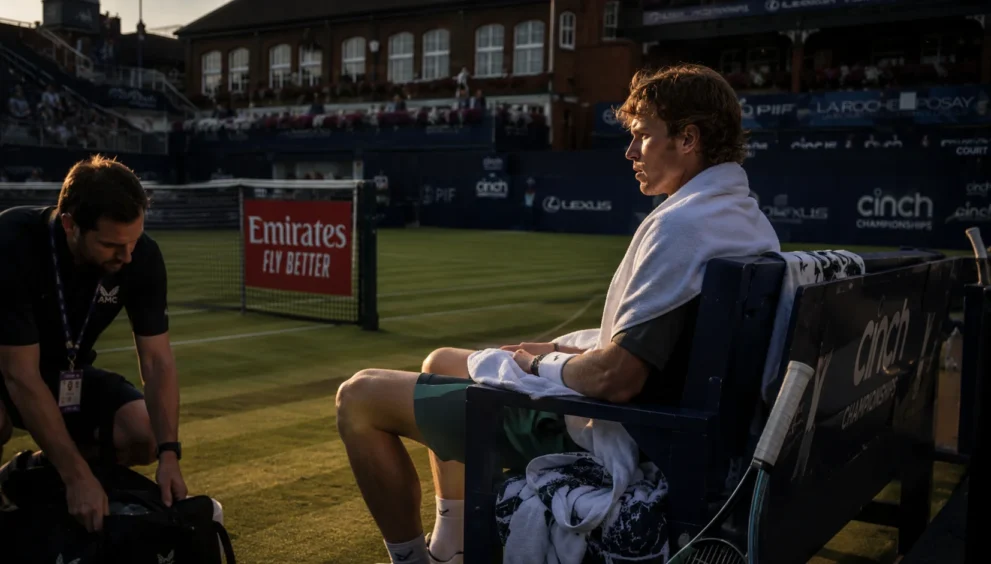
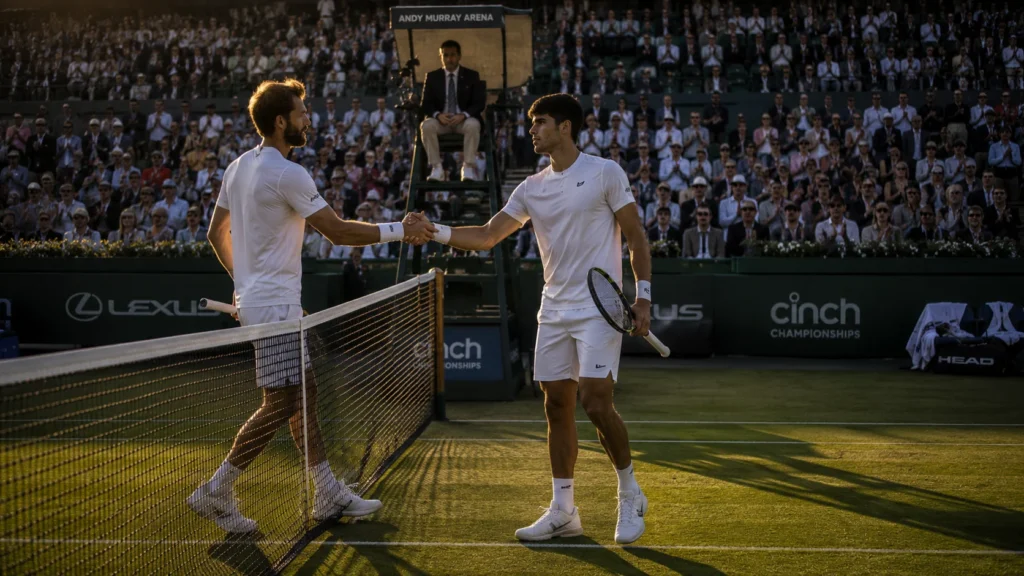
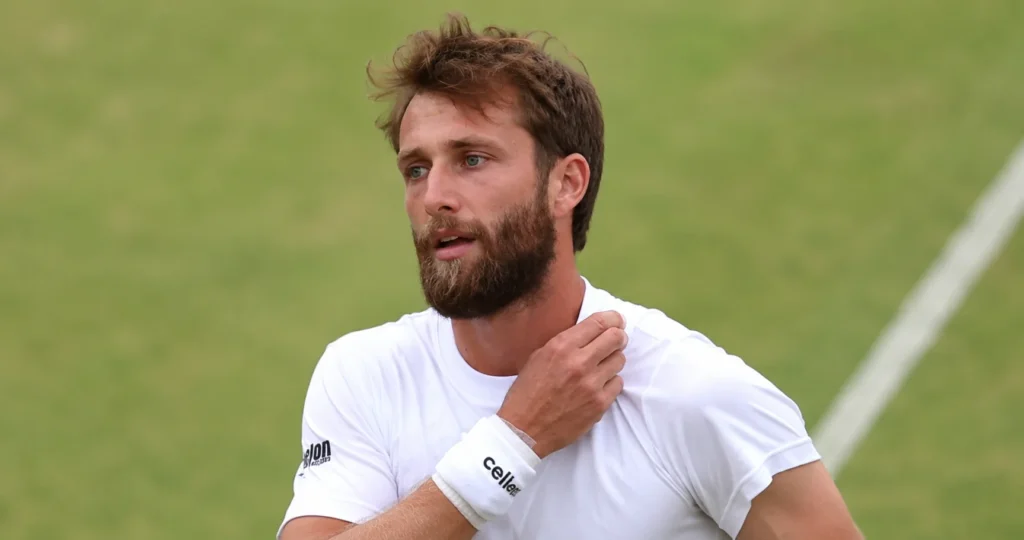
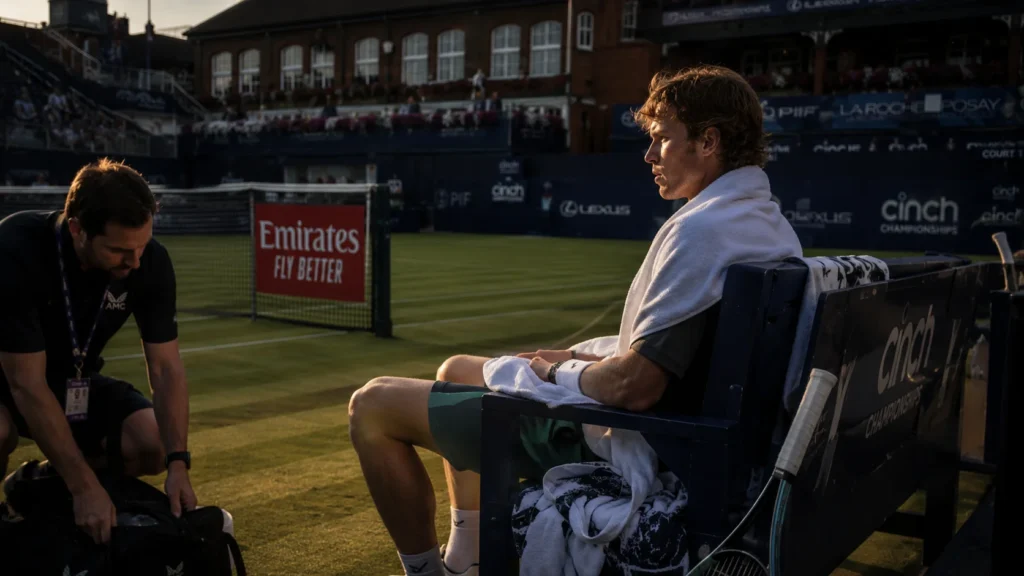
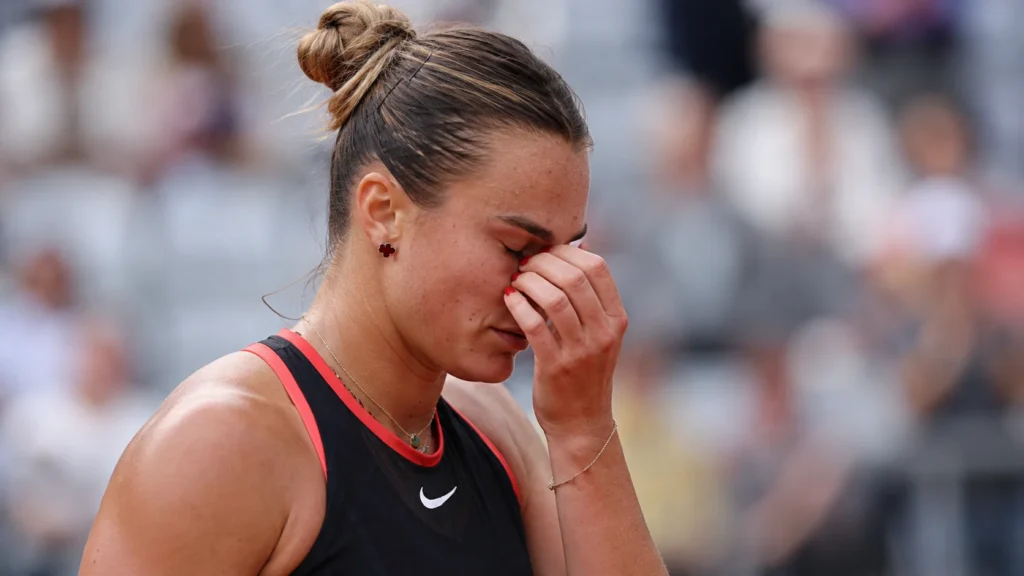
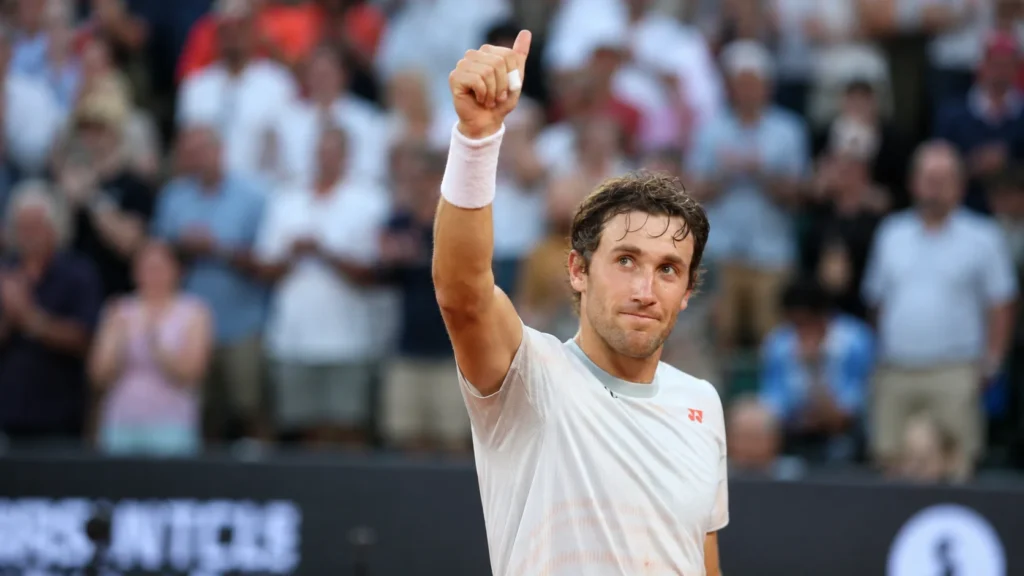
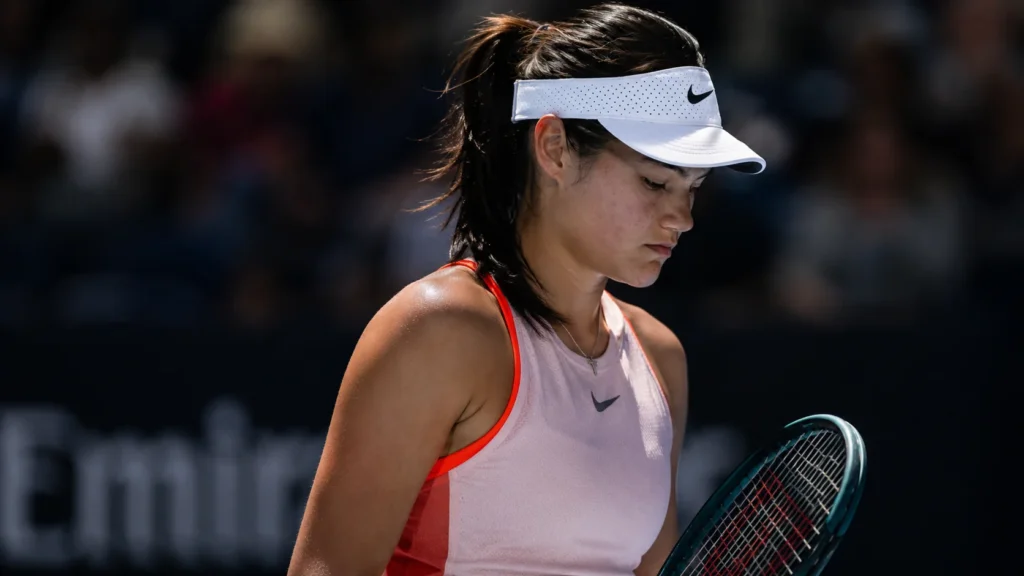
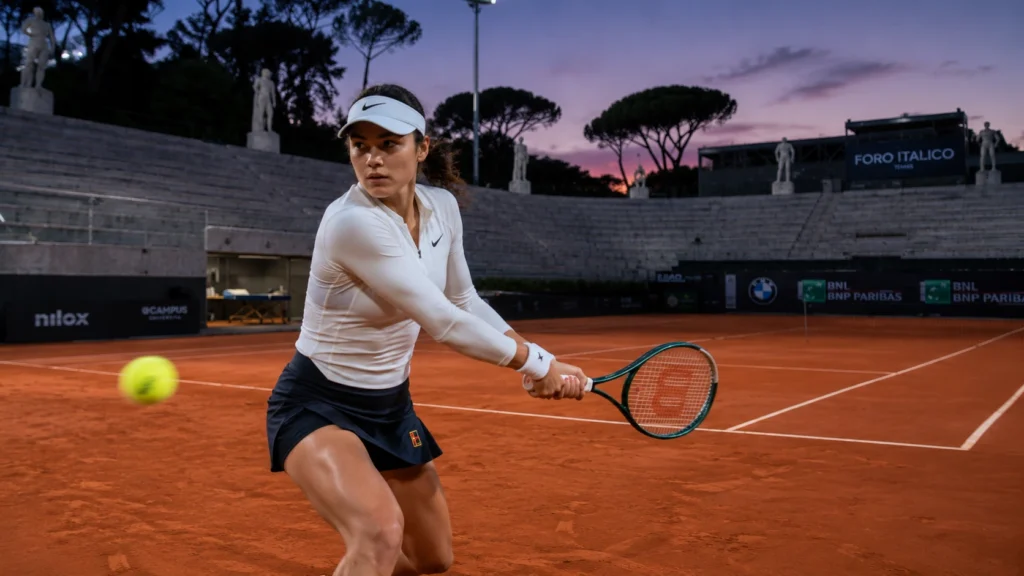
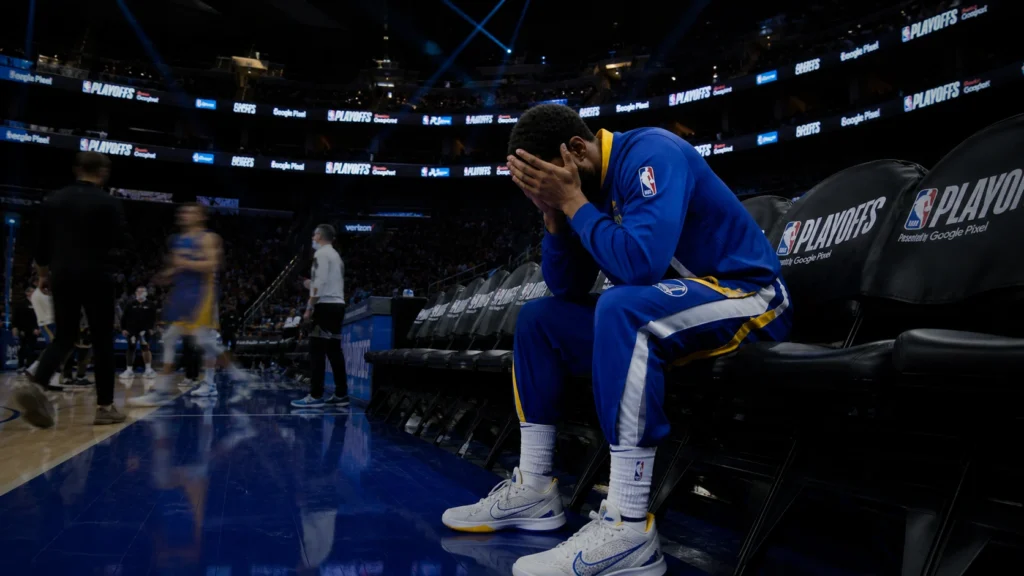
The forehand clipped the net and dropped dead. Cameron Norrie had broken serve early, the Queen’s Club crowd stirring with the particular energy that follows a British number one when he starts well on grass. The movement was there. The rib, the one that had forced him to retire from his first-round French Open match last month, did not appear to trouble him. He had returned in the doubles on Monday, losing alongside Alex de Minaur. This was the first singles test. For a set, it looked like he might pass it.
Then, Alejandro Davidovich Fokina started diving. The Spaniard hit the turf repeatedly, sliding across the grass like a man who had decided that no point would end without his body making contact with the ground. The tie-break went to 8-6. The second set went to 6-2. Norrie, who had been the last Briton standing at so many tournaments, was the first Briton out at Queen’s. The rib held. The match did not.
The loss leaves Norrie with two grass-court matches—one doubles, one singles—before Wimbledon begins on 29 June. The rhythm that grass-court tennis demands, the specific footwork, the adjustment to the low bounce, the instinct for when to attack and when to defend, has not had time to develop. The rib injury stole the clay-court season. The recovery stole the grass-court preparation. Wimbledon will arrive regardless.
But this wasn’t about the loss. This was about Control vs Chaos—and what happens when a player who built his career on durability and accumulation suddenly finds himself racing against a calendar that will not wait for his body to be ready.
The Injury That Reset the Season
Norrie retired from Roland Garros with a rib problem that had been troubling him since May. The injury was not catastrophic. It was disruptive. The clay-court season, which was supposed to build form and confidence heading into the grass, became a void. The rehabilitation became a race. The race was lost.
The loss at Queen’s was not a failure of effort. Norrie started well. He broke early. He moved without visible restriction. The first set was decided by a tie-break that could have gone either way. The second set was decided by a body that had not played enough competitive tennis to sustain intensity against an opponent who threw himself at every ball. Davidovich Fokina, ranked 22 in the world, is not a player you face on the way back from injury. He is a player you face when you are fully fit and fully sharp. Norrie was neither.
The doubles match on Monday was a step. The singles match on Tuesday was a test. The test revealed what tests often reveal: the body is willing, the game is close, the sharpness is not there. The sharpness takes matches. Norrie has two.
The Wimbledon Clock
Wimbledon begins on 29 June. Norrie has direct entry. He will walk onto the grass at the All England Club as Britain’s number one, the player who has repeatedly gone deeper than his compatriots at the tournaments that matter most. He will do so without the preparation he planned.
Grass-court tennis rewards repetition. The surface is unique. The bounce is low and unpredictable. The movement requires shorter steps and a lower centre of gravity. The serve becomes more important. The return becomes harder. Players who arrive at Wimbledon without sufficient grass-court matches often spend the first week finding the rhythm they should have found in the weeks before. Norrie will have two matches. The rhythm may not arrive until the tournament is already underway. The tournament does not wait.
The draw will matter more than usual. A kind first-round opponent, a match that allows him to play his way into form, could compensate for the lack of preparation. An unkind draw could expose it. Norrie has spent his career making the most of difficult circumstances. He will need to do so again.
The Pattern of the Last Briton Standing
Norrie has been the last Briton standing at more tournaments than any of his compatriots. The role is partly a function of ranking—he is the British number one—and partly a function of durability. He plays a gruelling schedule. He wins matches that other players lose. He survives rounds that other players do not. The durability is his defining quality.
The rib injury threatened that identity. The loss at Queen’s does not restore it. The identity will be rebuilt match by match, tournament by tournament, as it always has been. Wimbledon is the next opportunity. The opportunity is significant. The preparation is not.
Arthur Fery, who won an all-British battle against Toby Samuel 6-0, 6-2 at Queen’s, received a Wimbledon main-draw wildcard on Tuesday. The 17-year-old Hannah Klugman claimed her first win on the WTA Tour. The next generation is arriving. Norrie remains the standard-bearer. The standard will be tested.
What Changes Now
Norrie will train. He will play practice sets. He will work on the movement patterns that grass-court tennis demands. He hopes the rib continues to hold. He hopes the sharpness returns faster than it normally does. He will enter Wimbledon knowing that he has overcome worse. He has been the last Briton standing before. He will try to be again.
The loss at Queen’s was not a disaster. It was a data point. The data says: the body is ready, the game is close, the calendar is cruel. Wimbledon will not wait. Norrie will not ask it to.