

 English




























































































































































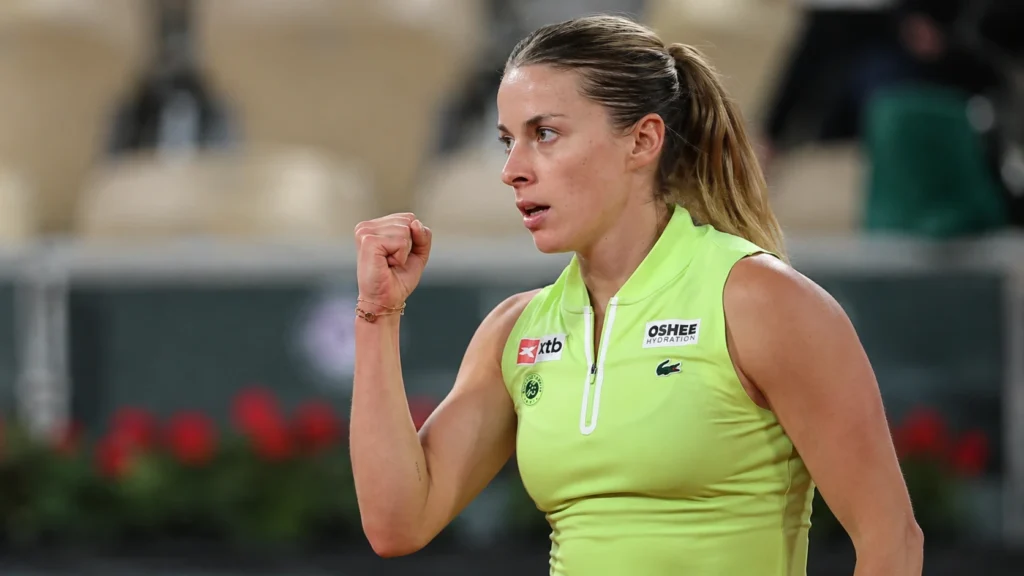

















































































































































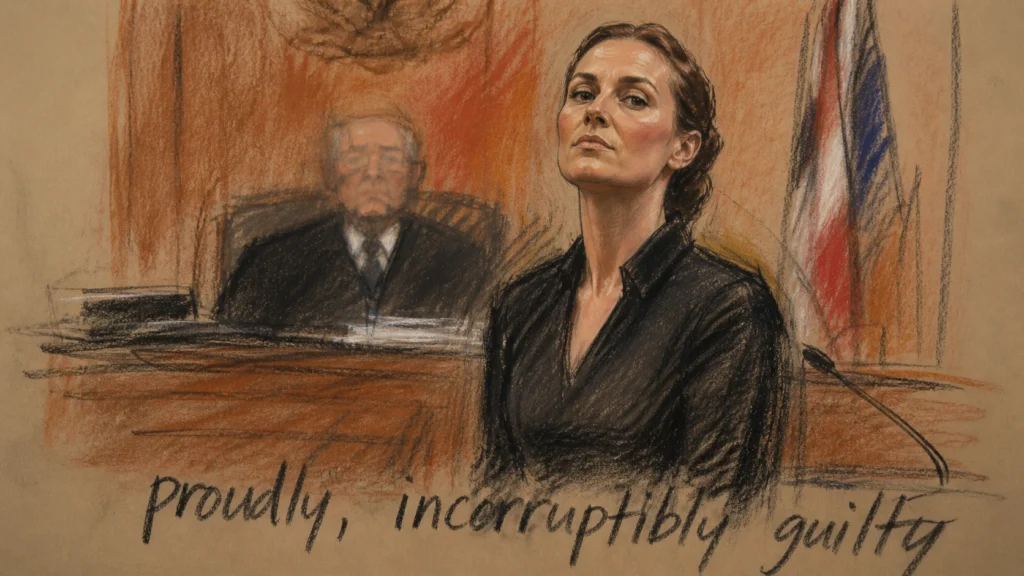



















He Swore Seven Times on Live TV. Then Said He Was Joking.

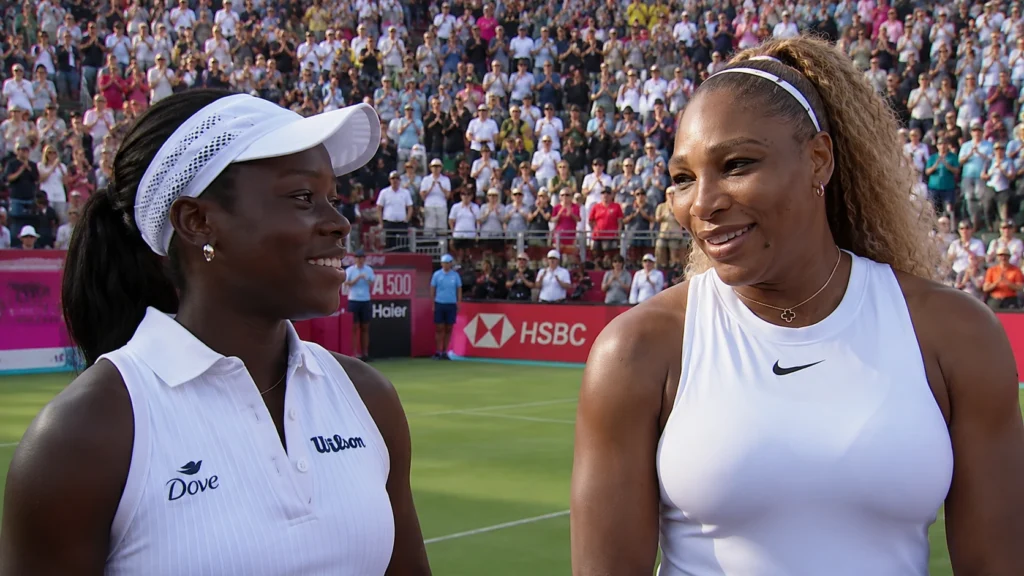
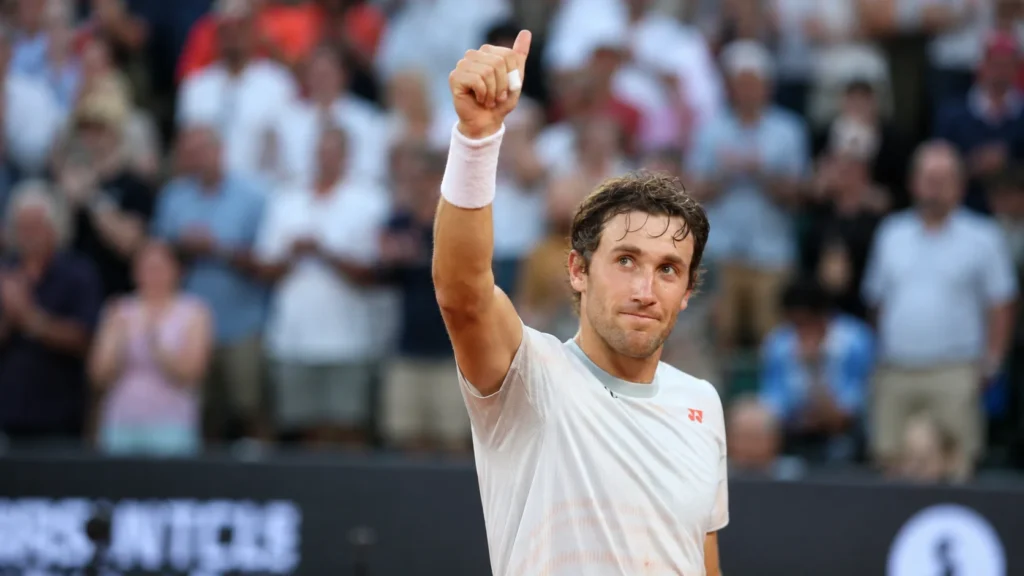
The first expletive arrived when Corentin Moutet described how he felt watching Giovanni Mpetshi Perricard save a match point with a 142mph second serve. The reaction was instinctive, the language unvarnished, the moment exactly the kind of raw, unfiltered emotion that live sports television craves—until it doesn’t. Jenny Drummond, the BBC presenter, asked him not to repeat it. Moutet said it three more times.
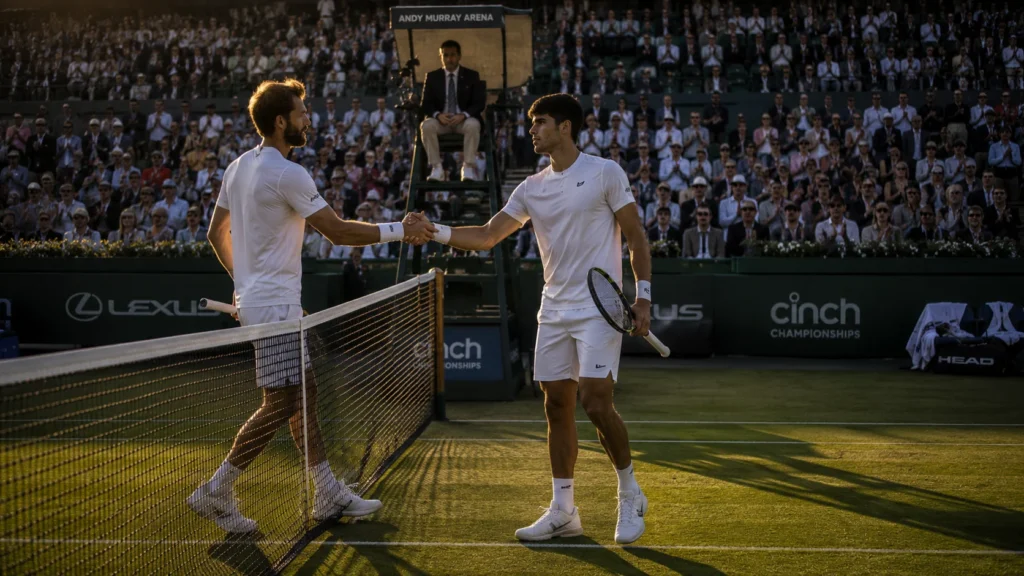
Drummond apologised. Clare Balding apologised. The interview was cut short. Moutet had sworn seven times in a live BBC television interview at Queen’s Club, having just beaten his compatriot 6-7 (5-7) 6-4 7-6 (7-5) across two days in the first round. The tennis had been compelling. The interview became the story.
Later, responding to a censored clip on Instagram, Moutet wrote: “I was just joking, I hope you guys didn’t get offended. Thanks for the love.” The world number 36 is now likely to be fined by the ATP Tour. He has been here before. He was defaulted from the 2022 Adelaide International for swearing at an umpire. The French Tennis Federation dropped him from its financial aid programme later that year because of his behaviour. “We cannot condone this type of behaviour,” the FFT said at the time. “We ask our players and coaches for an exemplary attitude.”
Moutet has not provided it. The question is whether he is capable of providing it, or whether the volatility that makes him compelling is inseparable from the volatility that gets him into trouble. The two things may be the same thing. The tennis may depend on it.
But this wasn’t about the swearing. This was about Control vs Chaos—and what happens when a player whose game is built on unpredictability discovers that the institutions that govern his sport will tolerate the unpredictability only as long as it stays on the court.
The History of the Unruly
Moutet’s rap sheet is not the longest in tennis. It is specific. The default in Adelaide was for swearing at an umpire. The FFT sanction was for a pattern of behaviour that the federation judged incompatible with the standards it demands of its players. The Queen’s interview was not an isolated incident. It was a continuation.
The history matters because it changes how the incident is read. A player with no disciplinary record who swears on live television after an emotional victory might receive a fine and a quiet warning. A player with Moutet’s record receives something closer to a dossier. Each incident adds a page. The dossier thickens. The tolerance thins.
The FFT’s decision to withdraw financial aid was the most significant sanction Moutet has faced. National federations fund their players’ travel, coaching, and tournament entries. Losing that support is not symbolic. It is material. Moutet survived it. He climbed back into the top 40. The tennis survived. The behaviour did not change.
The “Just Joking” Defence
Moutet’s Instagram response—”I was just joking, I hope you guys didn’t get offended”—was revealing in its structure. It did not apologise. It reframed. The swearing was not a loss of control. It was a performance. The offence was not his own. It was the audience’s to feel or not feel. “Thanks for the love,” closed the loop. The people who understood were with him. The people who didn’t were his concern.
This is a specific kind of self-presentation, familiar in an era when athletes increasingly see institutional media as optional and direct-to-fan communication as primary. The BBC interview was an obligation. The Instagram post was the real message. The obligation was botched. The message was controlled.
The ATP fine, when it arrives, will be the institution’s response. The response will be financial. Moutet will pay it. The question is whether the fine modifies behaviour or simply becomes a cost of doing business. The evidence so far suggests the latter.
The Tennis That Gets Overshadowed
Moutet beat Mpetshi Perricard across two days, saving and converting match points, navigating a third-set tie-break, and producing the kind of tennis that would normally dominate a post-match interview. He is a talented player, awkward to face, capable of disrupting rhythm and frustrating opponents. The win was significant. The win was not discussed.
The dynamic is familiar. Players who generate controversy generate coverage. The coverage focuses on the controversy. The tennis becomes secondary. Moutet is not the first athlete to experience this. He will not be the last. The distinction is that some athletes learn to manage the dynamic, and some do not. Moutet, at 27, has not yet shown that he can or will.
The French Tennis Federation has made its position clear. The ATP Tour has its own disciplinary procedures. The fines will accumulate. The sanctions may escalate. The question is whether Moutet cares enough to change, or whether he has calculated that the tennis is worth the fines, and the fines are worth the freedom to be exactly who he is on and off the court. The calculation may be rational. It may also have a ceiling. The ceiling is the point at which the institutions decide that the behaviour outweighs the talent. Moutet is not there yet. He is closer than he was.
What Changes Now
Moutet will play his next match at Queen’s. The crowd will have seen the clip or read the coverage. The reception will be curious. The BBC will conduct further interviews with other players, and the producers will be more careful about the questions they ask and the players they put on live television immediately after emotional victories. The incident will become policy—a quiet adjustment to the way post-match interviews are handled, a note in a production meeting, a reminder to presenters that some players require more careful handling than others.
Moutet will continue to be Moutet. The tennis will continue to be compelling. The two things are connected. The connection is the story.