

 English











































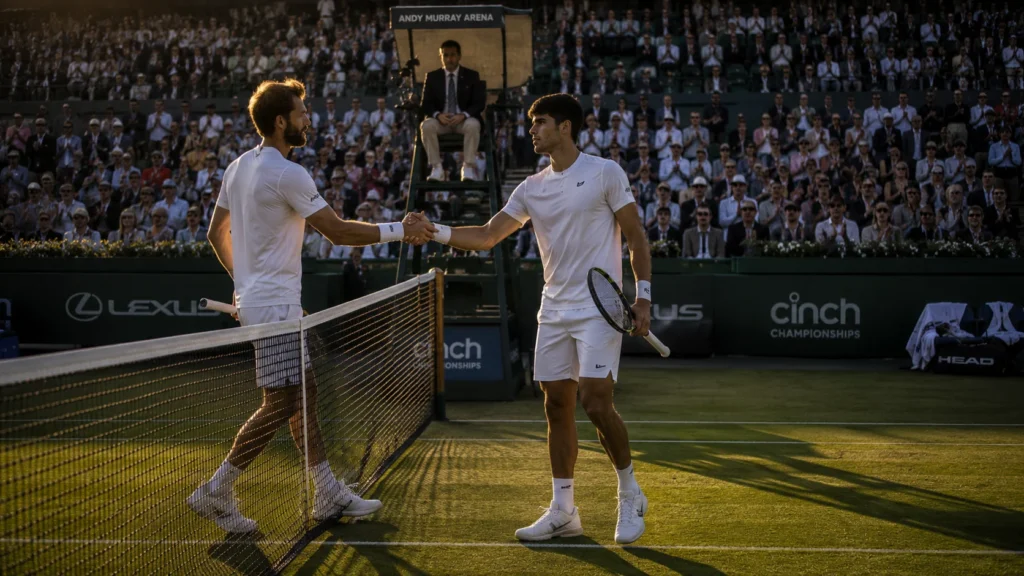
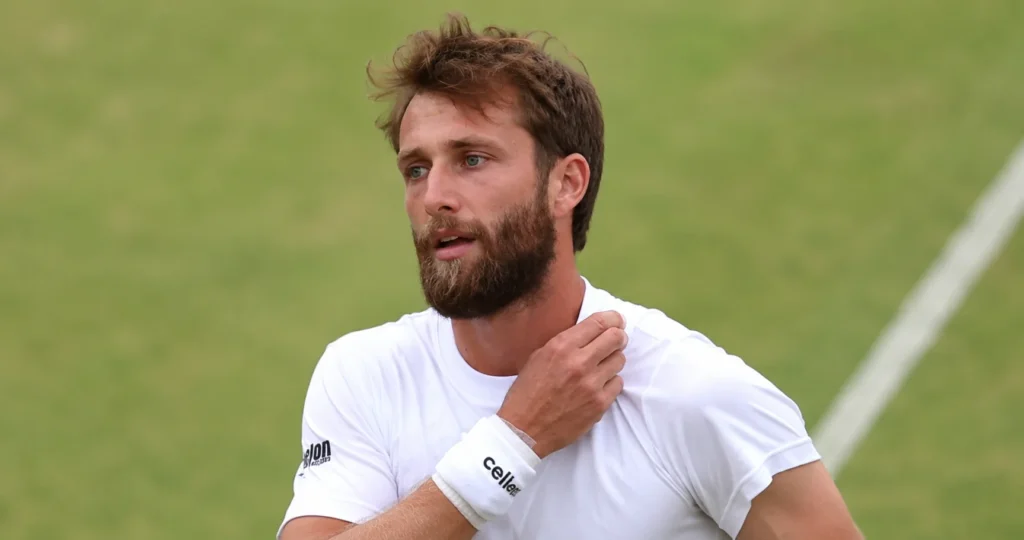







































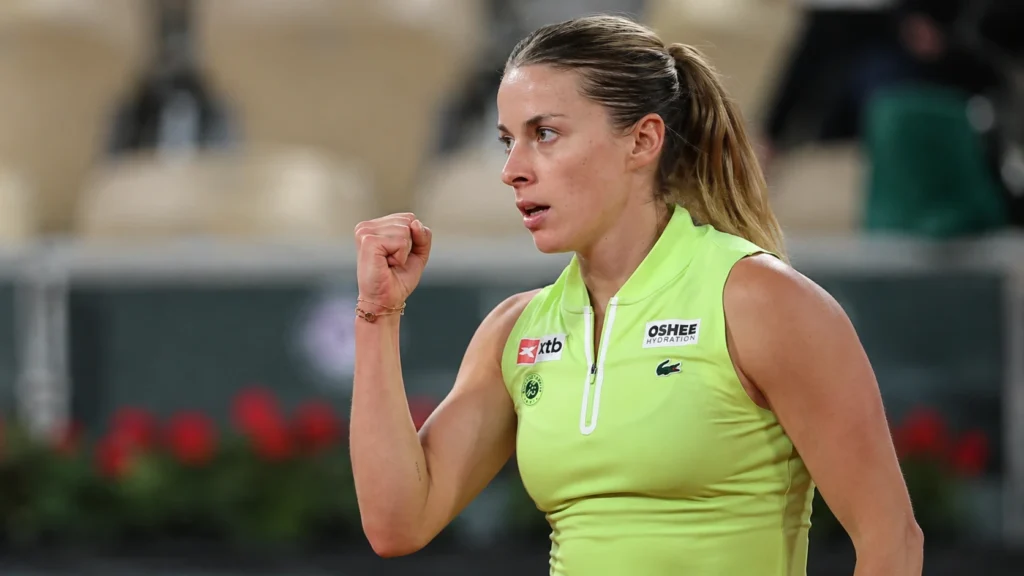
























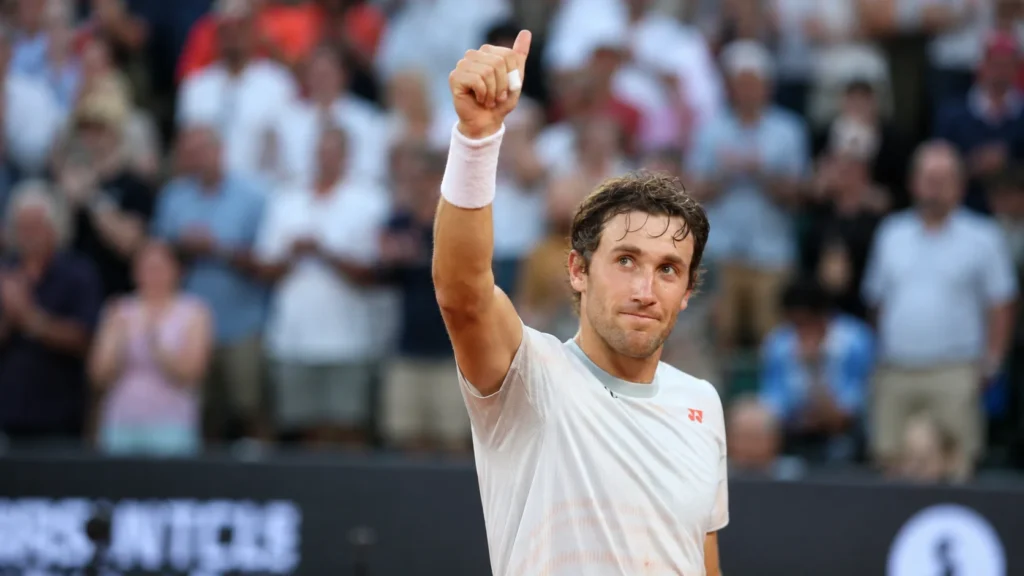




















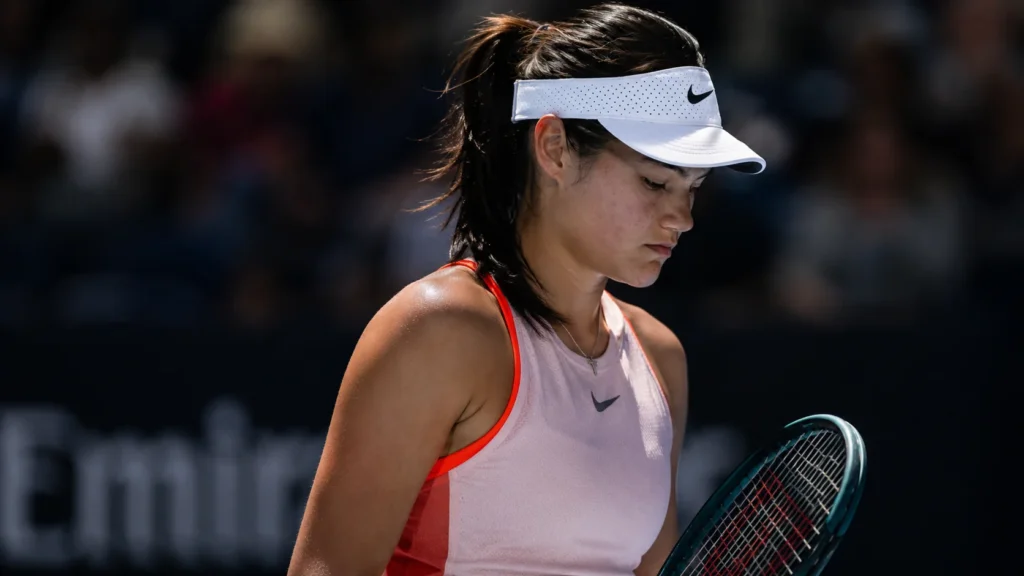






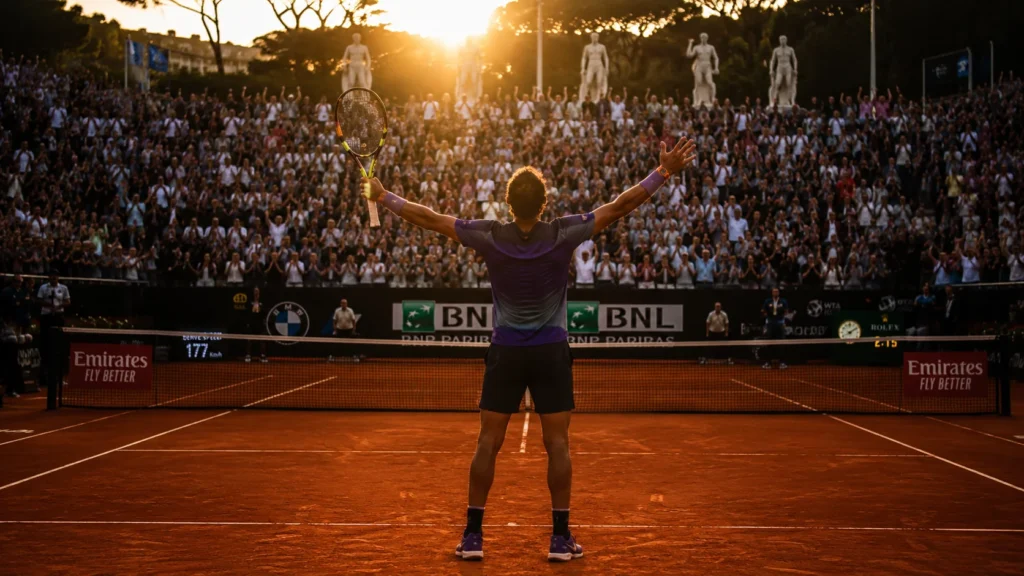








































































His Name Is Rafael. He’s 19. He’s Not Nadal. He’s Ready.
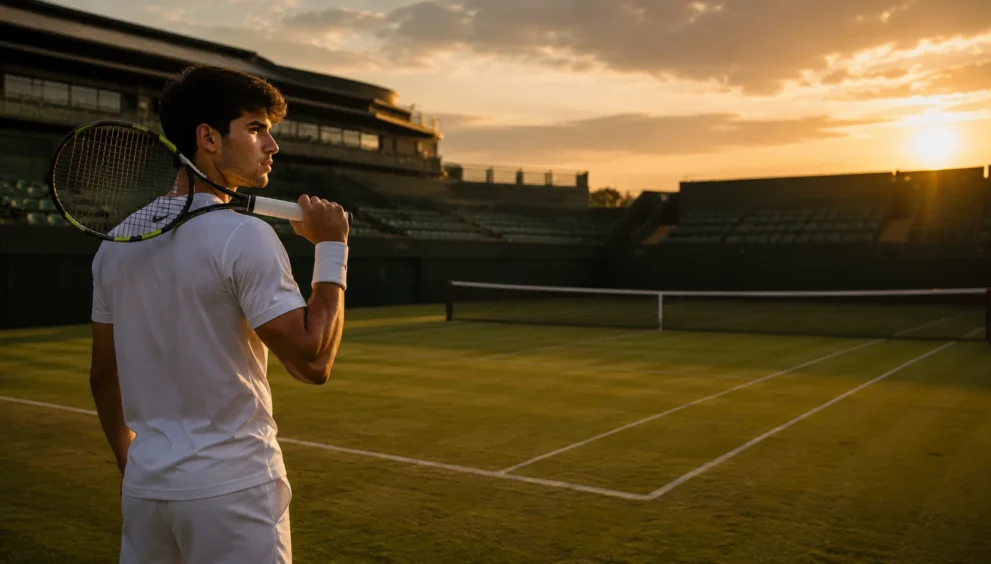
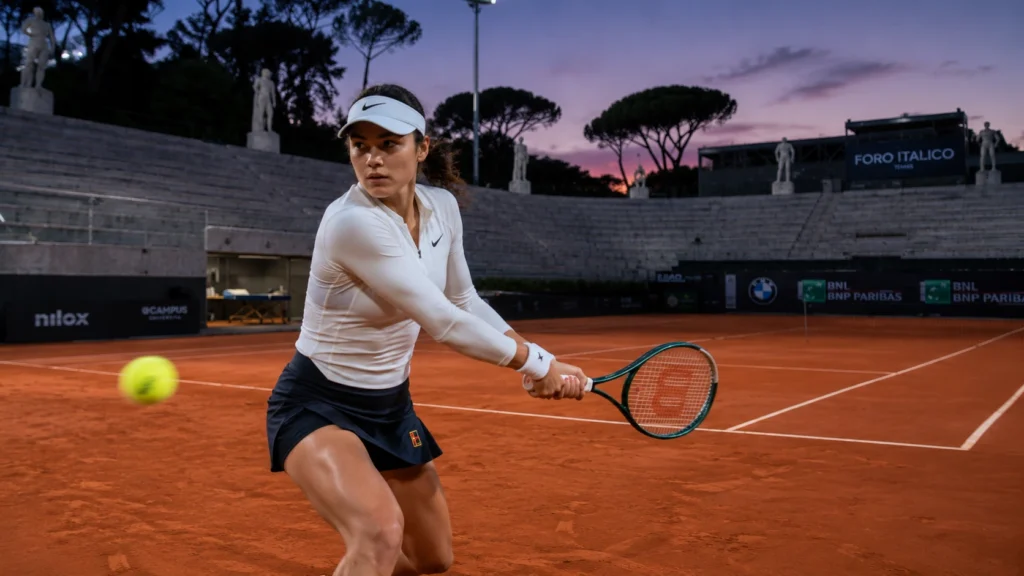
A year ago, he was outside the world’s top 800. He had never played a main-draw ATP Tour match. He had never contested a Grand Slam. He was a teenager with a famous name and an unknown game, the kind of player who appears on practice courts and is introduced as “the other Rafael”—the one who is not Nadal, the one whose name is a coincidence of family tradition rather than a tribute to greatness, the one whose father and grandfather were both called Rafael before him.
Now he arrives in London as the world number 23. He reached the French Open quarter-finals on his main-draw debut at Roland Garros, becoming just the fifth man this century to do so. Only the eventual champion, Alexander Zverev, stopped him. He won his first ATP Tour title in Marrakech in April. He reached the semi-finals in Barcelona. He took a set off Jannik Sinner in Madrid. He has not yet played an ATP Tour-level match on grass.
The numbers behind his rise are not the numbers of a player feeling his way into the top 100. They are the numbers of a player who has already figured out what he does well and has decided to do it relentlessly. His return rating—a measure combining first and second serve return points won, return games won, and break points converted—is second only to Sinner on the ATP Tour. He wins 34% of first-serve return points, a figure that puts him ahead of the world number one. He converts 44.7% of break points, better than Carlos Alcaraz. His “under pressure” rating—break points converted, saved, tie-breaks won, deciding sets won—is bettered by only nine players in the men’s game, and better than five of the world’s top 10. The sample size is small. The pattern is clear. The kid does not flinch.
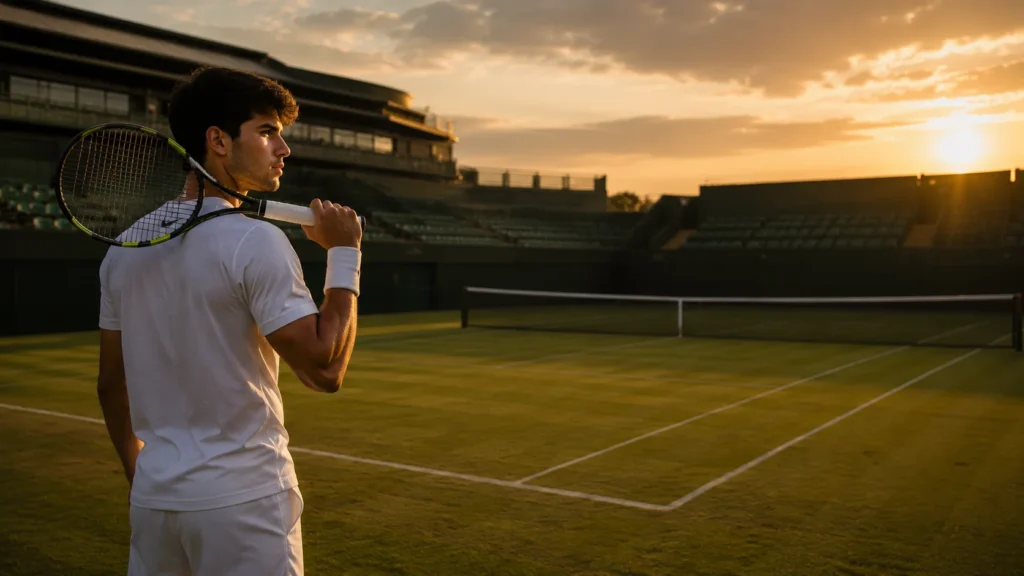
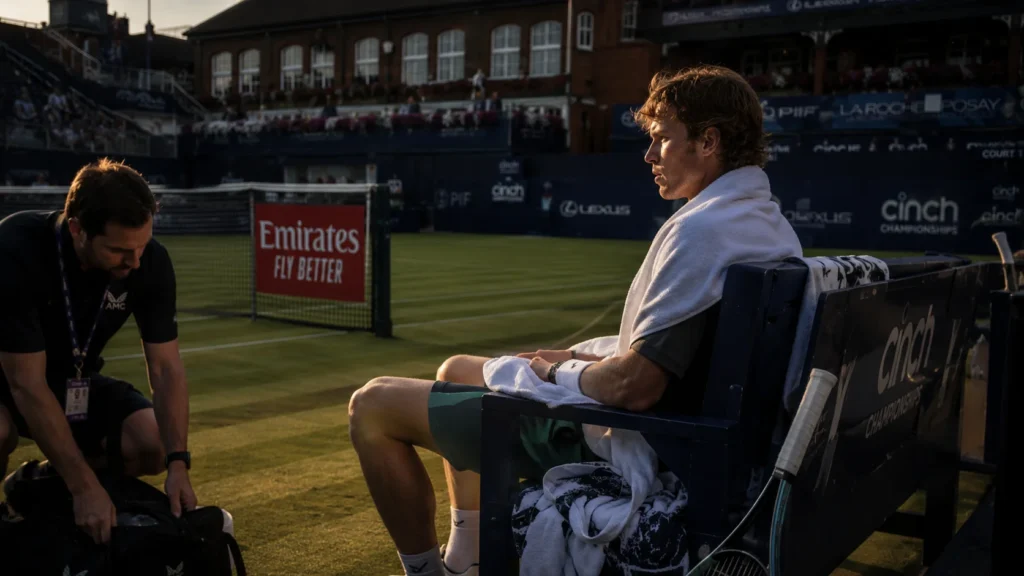
He was due to play at Queen’s this week, his first ATP Tour-level match on grass, the surface his namesake conquered twice at Wimbledon. An abdominal injury forced him to withdraw before his first-round match. The waiting will extend to Wimbledon itself. The waiting will not bother him. He has spent the past 12 months in a hurry. A brief pause is not a setback.
But this wasn’t about the ranking. This was about Legacy vs Self-Discovery—and what happens when a teenager who shares a name with the greatest Spanish player in history decides that the name is not a burden but a coincidence, and the career ahead of him is his to shape.
The Name
Rafael Jodar is not named after Rafael Nadal. His father was Rafael. His grandfather was Rafael. The name is a family heirloom, not a tribute. The distinction matters because it frees him from a comparison that would crush almost anyone. He did not choose to carry the weight of Nadal’s legacy. He inherited a name that happened to coincide with greatness. The coincidence is a fact. The burden is optional.
He has chosen not to carry it. “Rafa for me is a role model since I was a kid, not just in tennis but in general. I think he’s super humble,” he said. “When I had the chance to talk to him, he was a very good person. He gave me some advice. I am super grateful for everything he has done for Spanish sport and the tennis world.” The words are respectful. They are also distant. The role model is acknowledged. The path is his own.
With Alcaraz missing Wimbledon because of a wrist injury, the attention that would have fallen on the established Spanish star will now fall on the emerging one. Jodar says he is not fazed. “Tennis is one of the most popular sports in Spain. It has always had many good players. Being a young player who is doing well on tour is cool. Everyone who wants a picture, autograph, I will always do that.” The answer is polished. It is also genuine. He is 19. He has not yet learned to be guarded. He may never need to.
The Numbers That Suggest He’s Ready
Grass-court tennis is the surface that most exposes technical flaws and most rewards mental clarity. The bounce is low and unpredictable. The movement requires adaptation. The margins are small. The players who thrive on grass tend to be those who can hold their nerve in the tight moments, who can win free points on serve, who can take their chances when they arrive.
Jodar’s numbers suggest a player built for tight moments. His break point conversion rate—44.7%, ahead of Alcaraz—is not a small-sample anomaly. It is a pattern that held through his junior career, through his brief college stint in the United States, through his first season on the main tour. His return numbers, which put him in the same conversation as Sinner, are more surprising. A teenager who wins 34% of first-serve return points against the best players in the world is not simply talented. He is prepared.
The grass-court data is limited. He has played 10 ITF-level matches on grass. He won nine of them. The only loss came in the Wimbledon junior quarter-finals to Naoya Honda. He won the Roehampton junior title without dropping a set. The sample is tiny. The dominance is striking. The translation to the ATP Tour is uncertain. The indicators are encouraging.
The American Detour
Jodar turned professional only last year, after a brief period in the US college system. The decision to spend time in American university tennis is unusual for a Spanish prospect of his calibre. Most top European juniors turn professional immediately. Jodar took a different route. The route gave him matches, structure, and a gradual introduction to the demands of senior competition. It also delayed his entry onto the main tour, which may explain why his rise has felt so sudden. He was not a prodigy who appeared fully formed at 16. He was a late developer who figured out his game in a less pressured environment and arrived on tour ready to compete immediately.
The college system teaches players to handle pressure without the financial stakes of the professional tour. Every match matters. The team format rewards emotional resilience. Jodar emerged from it with a game that does not crack under pressure and a temperament that suggests he has already learned the lesson that takes many young players years to absorb: the moment is not bigger than the point.
What Changes Now
The abdominal injury that forced him out of Queen’s is a concern only if it lingers. He has time before Wimbledon. He has no grass-court scar tissue at the senior level. He will arrive at the All England Club with no history of failure on the surface and no expectation beyond what he places on himself. The combination is rare. It is also liberating.
Alcaraz is injured. Nadal is retired. Spanish tennis is looking for its next standard-bearer. Jodar is not running from the role. He is not running toward it, either. He is walking at his own pace, winning matches, converting break points, returning first serves, and treating the attention as something to be acknowledged rather than feared. “Everyone who wants a picture, autograph, I will always do that.” The offer is genuine. The offer will be accepted more and more. The kid who was outside the top 800 a year ago is now inside the top 25. The grass is new. The moment is not.