

 English































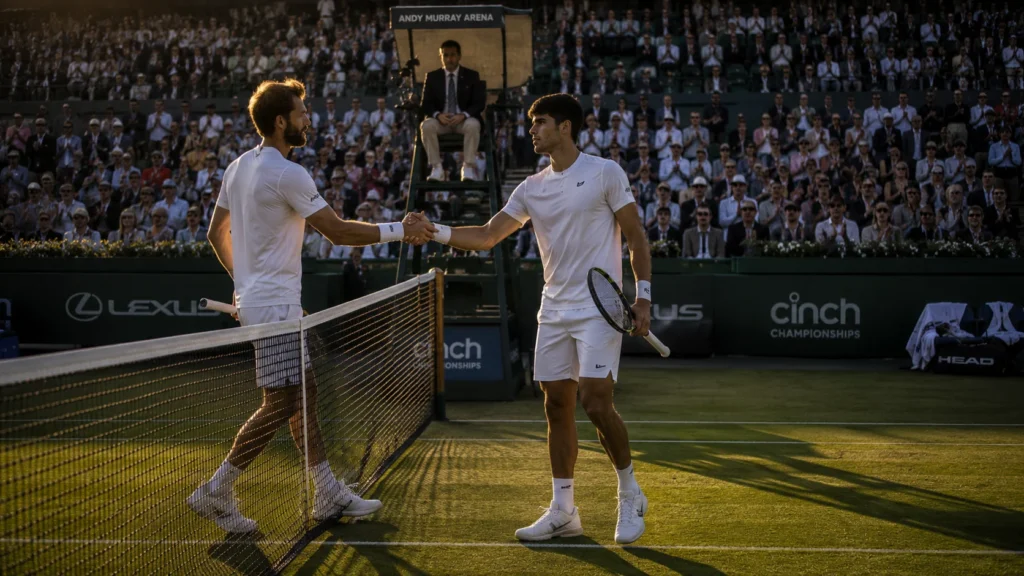


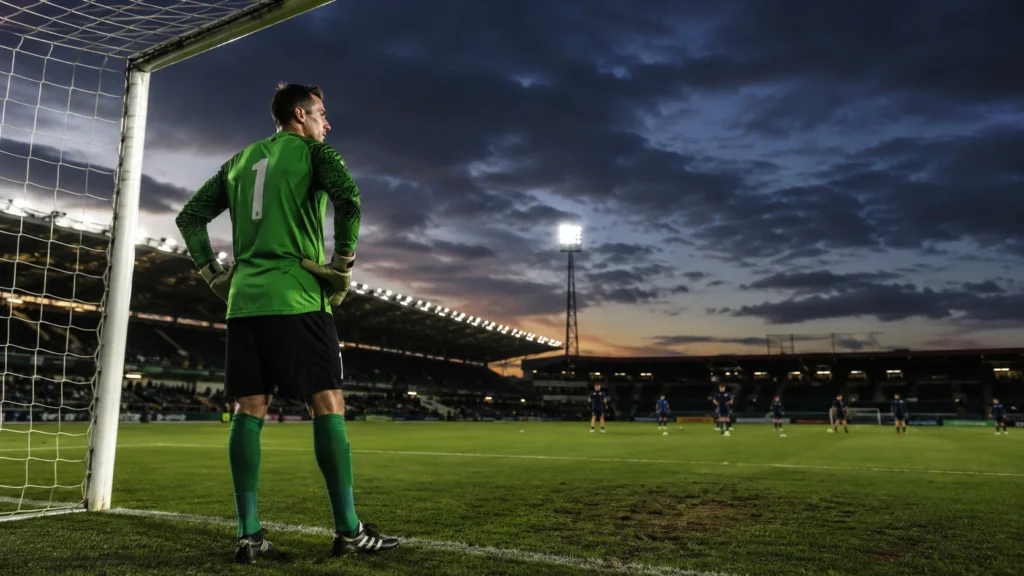
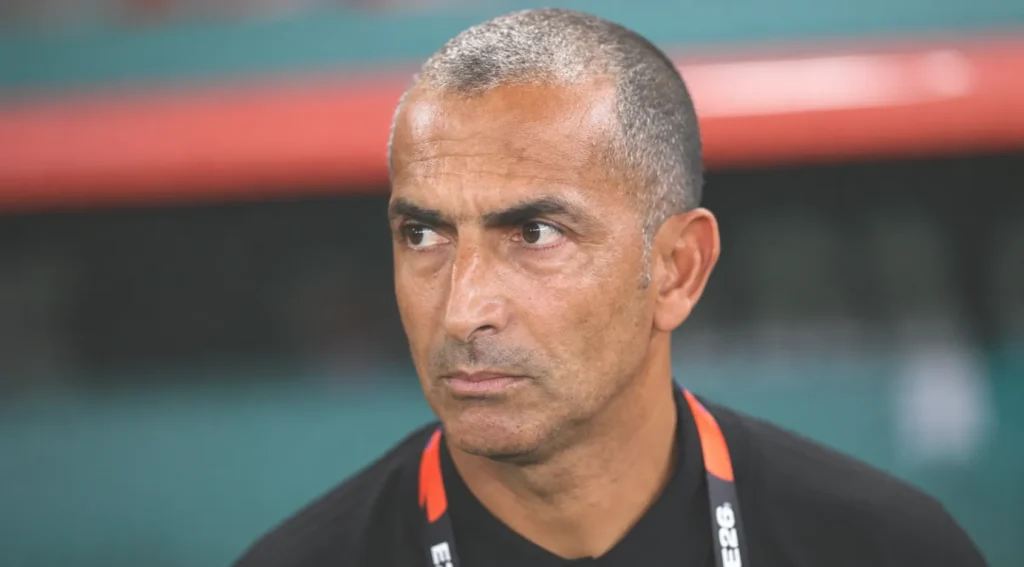

















































































































McIlroy Draws the Morning. Scheffler Draws the Wind.
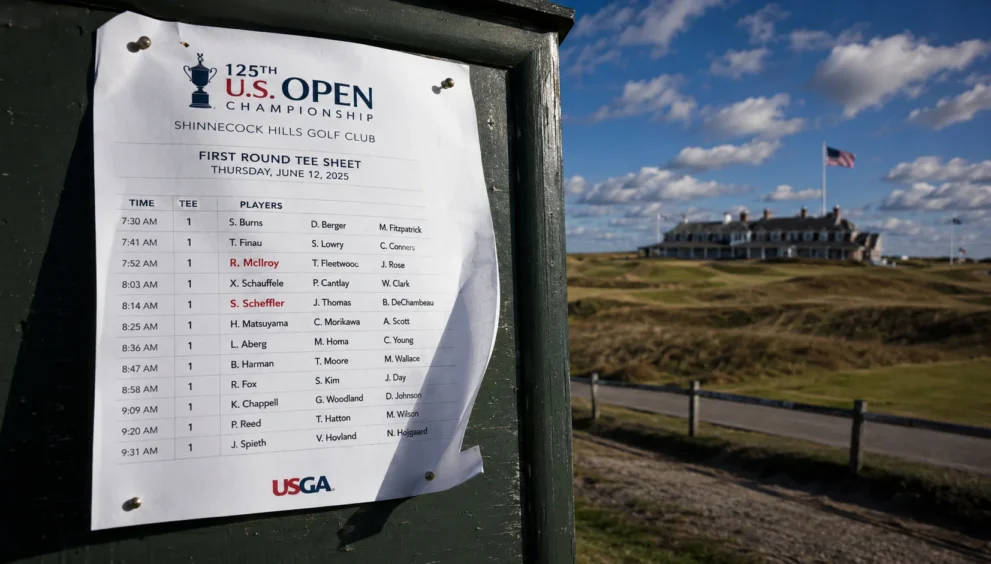
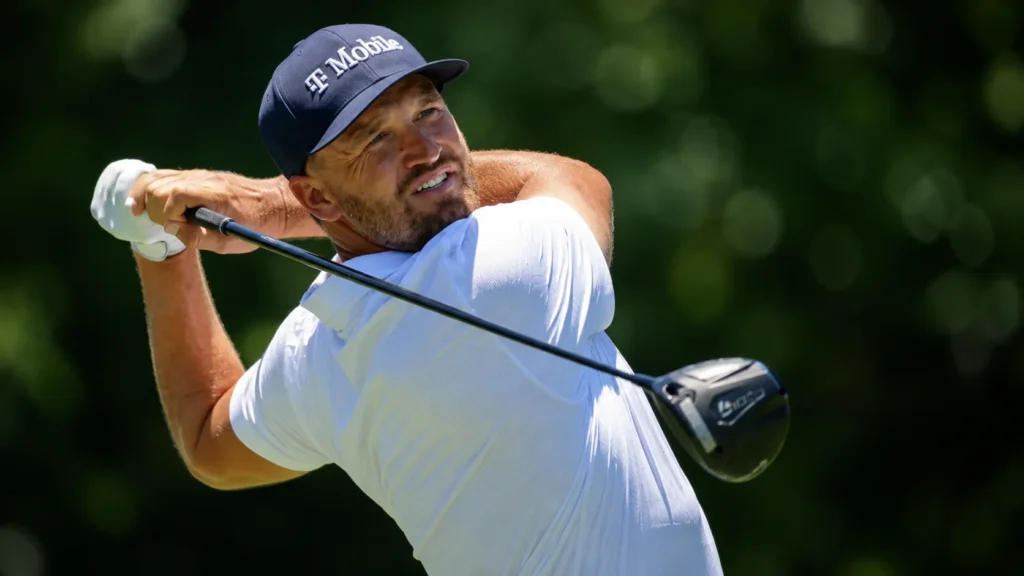
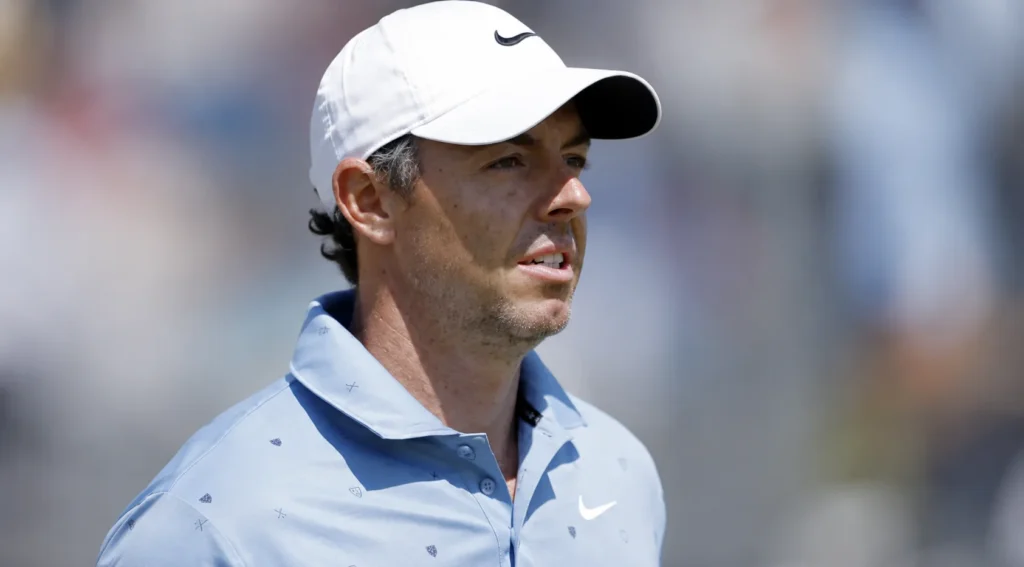
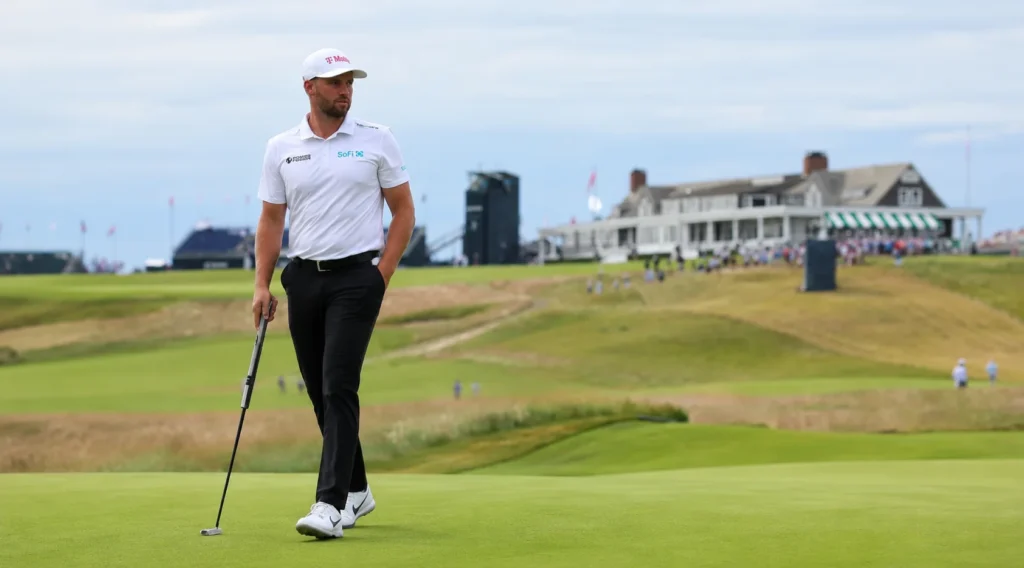
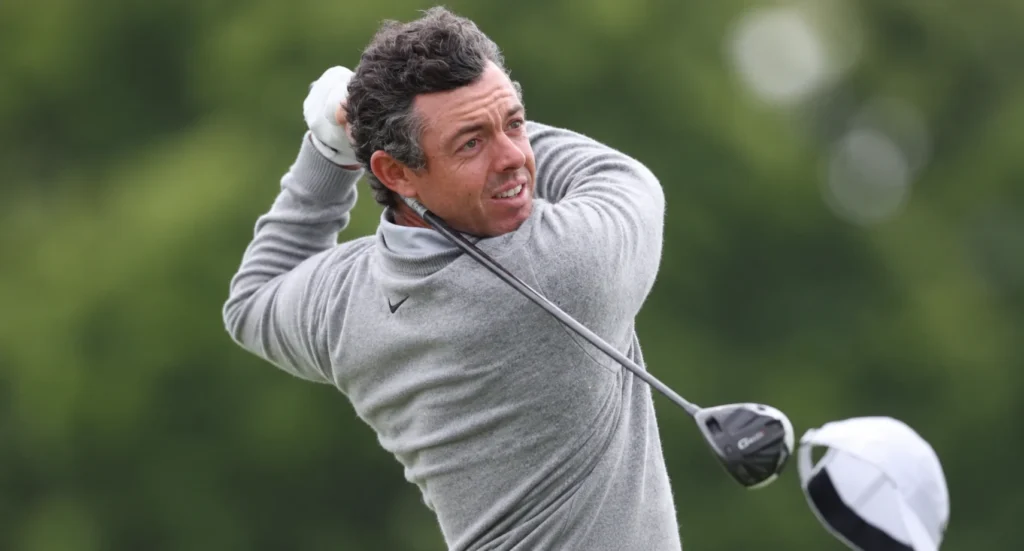
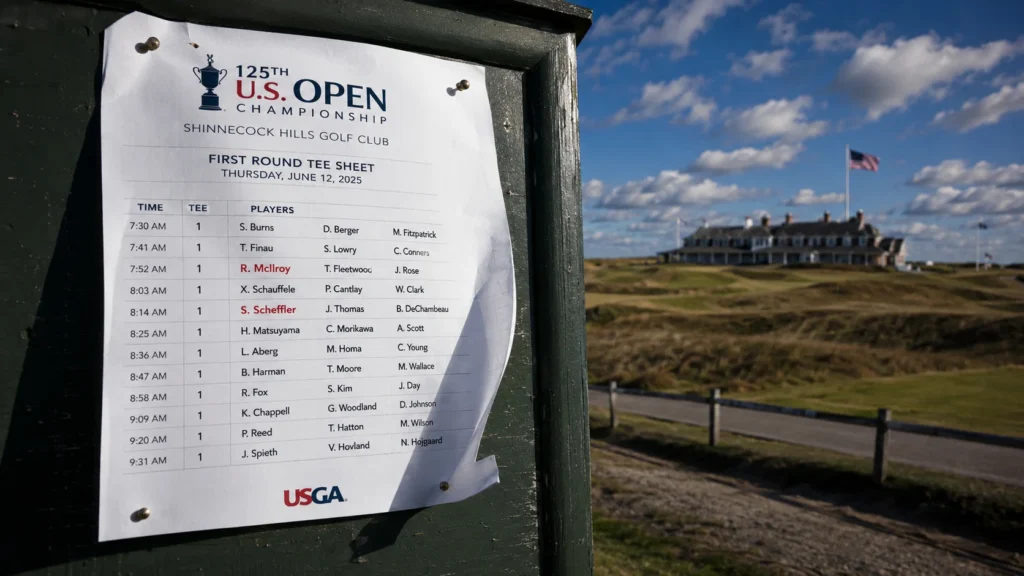
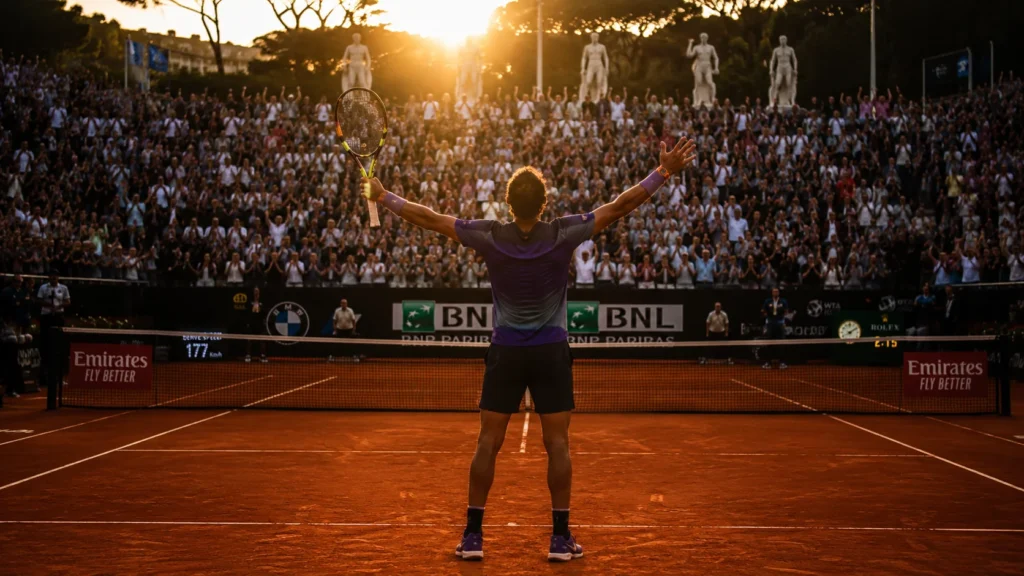
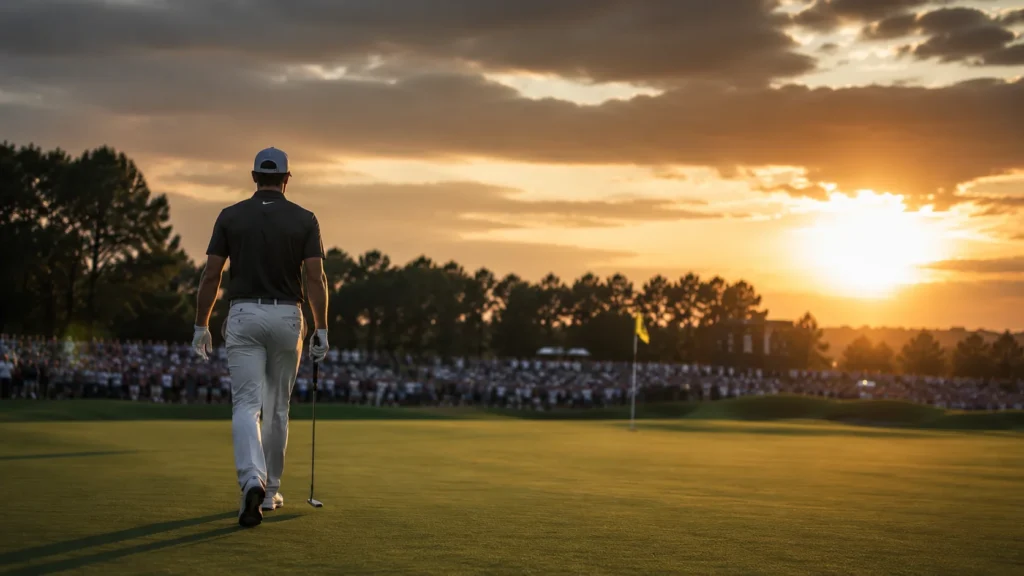
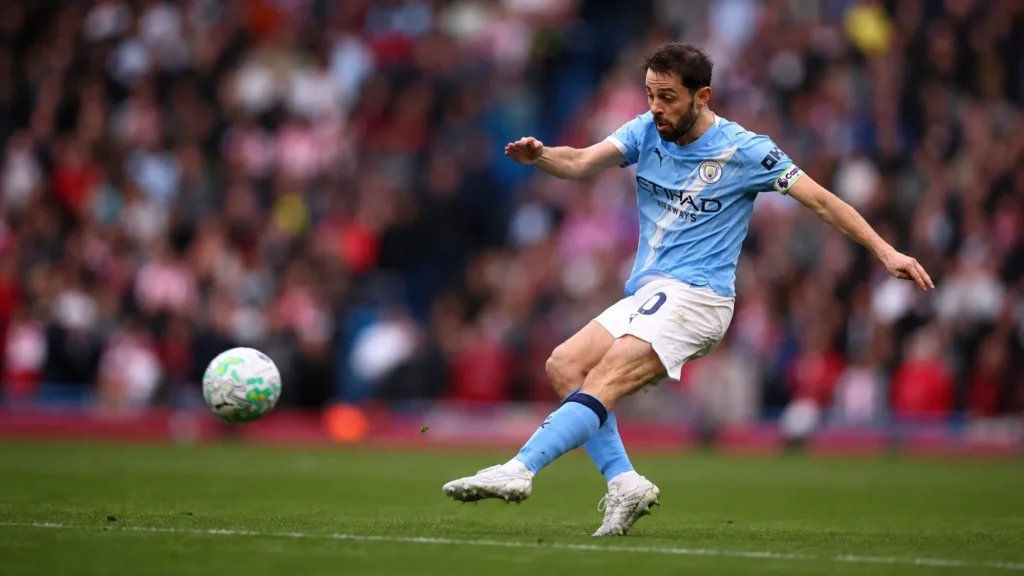
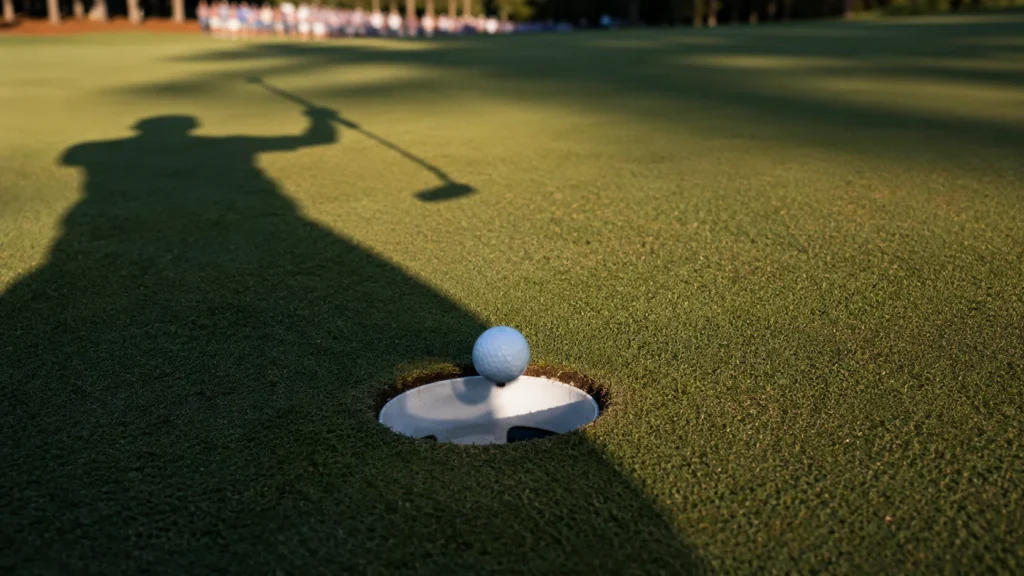
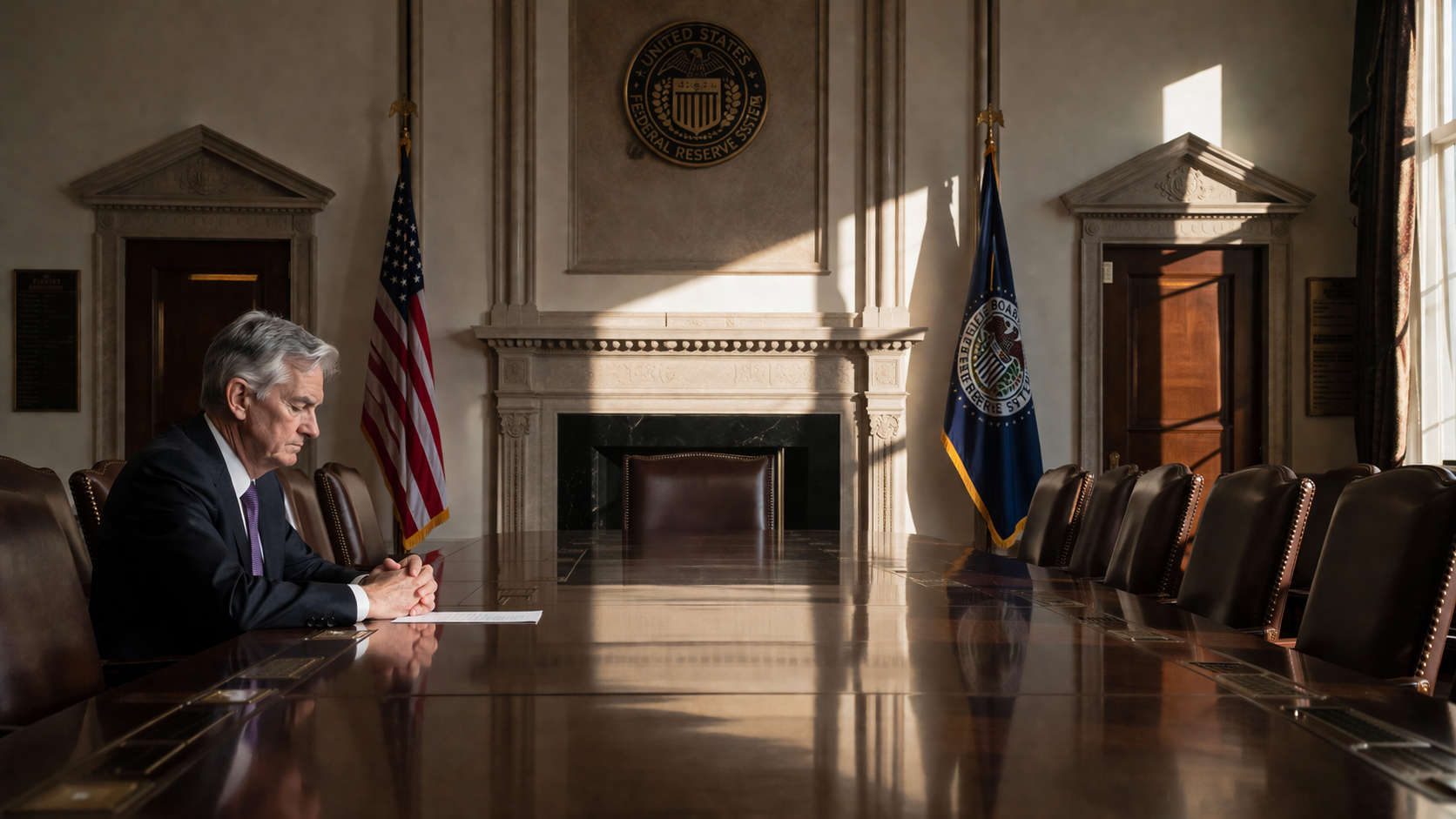
The tee times dropped. The calculations began. Rory McIlroy will hit his opening shot at the US Open at 12:52 BST on Thursday, playing alongside Ryder Cup team-mates Tommy Fleetwood and Ludvig Aberg in the morning wave. Scottie Scheffler, the world number one chasing the career Grand Slam, will wait until 13:14, grouped with defending champion JJ Spaun. The split is not trivial. The wind at Shinnecock Hills is forecast to gust to 40 miles per hour on Thursday. The course that has twice humiliated the USGA will not treat both waves equally. The morning players may find softer greens, watered overnight, before the wind has fully risen. The afternoon players may find a course that has baked in the sun and wind for hours, accelerating toward the edge of control. The difference between 12:52 and 13:14 is 22 minutes. The difference between the conditions those two groups face could be a championship.
McIlroy has been here before. In 2018, he shot 80 in the first round and missed the cut. The 80 was partly his own doing. It was partly the doing of a course that had crossed the line from difficult to unreasonable. He has spent the week warning the USGA not to let it happen again. His warning was heard. His tee time was assigned. He will play early, before the worst of the wind, before the greens have had a full day to bake. The draw has given him the better half of the weather. He must now take it.
Scheffler will play later, alongside a defending champion few expected to defend. Spaun won at Quail Hollow last month, a surprise champion at a surprise venue, and arrives at Shinnecock with the trophy and the questions. Can he do it again? Can he handle the course that has broken better players? Can he manage the wind that will be at its peak during his opening round? The afternoon wave also includes Aaron Rai, the Englishman who won the US PGA Championship last month and now tries to become the first player since Brooks Koepka in 2018 to win back-to-back majors. Rai tees off at 18:14 with Collin Morikawa and Jason Day. The wind will be waiting.
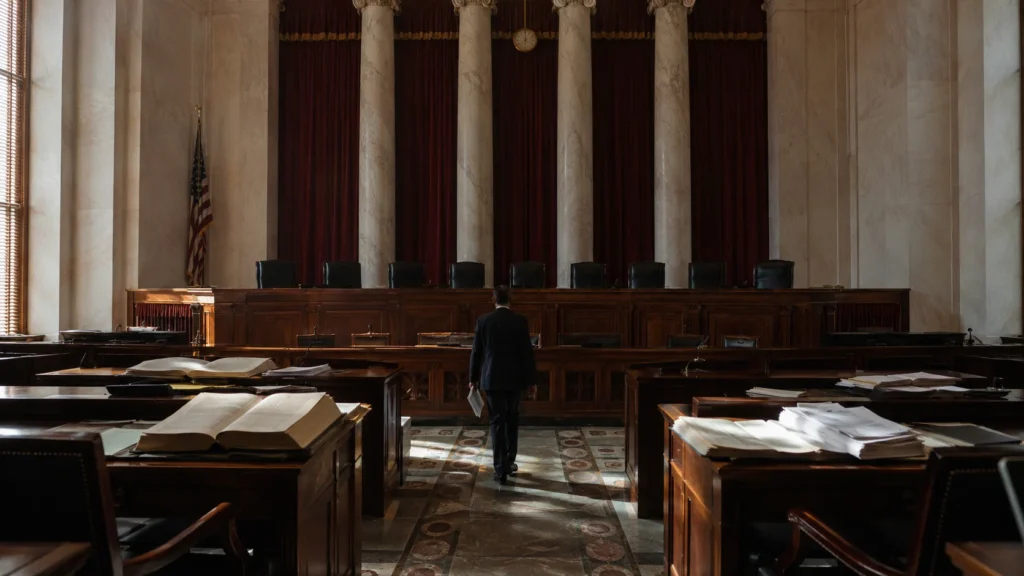
But this wasn’t about the tee times. This was about Control vs Chaos—and what happens when a championship that defines itself by the difficulty of its test distributes that difficulty unevenly across the field, and the players who draw the wrong side of the weather can only watch as their chances are blown away before they have begun.
The Morning Wave
McIlroy’s group is the marquee attraction of the morning. Fleetwood, still chasing his first major, has the game for Shinnecock—patient, precise, unwilling to force what the course will not give. Aberg, the young Swede, is making his US Open debut but has spent the past two years proving that no stage is too large. The three Ryder Cup teammates will walk the fairways together, sharing the same conditions, facing the same test. McIlroy is the favourite among them. He is also the man with the most to lose. Another missed cut at Shinnecock, after a week of warning the USGA about the setup, would be more than a disappointment. It would be a verdict.
Further up the morning draw, Brooks Koepka tees off at 12:30 with Cameron Young and Chris Gotterup. Koepka won here in 2018, surviving the conditions that destroyed McIlroy. His US Open record is the best of his generation: two wins, multiple top-10s, a game that seems to tighten as the conditions loosen everyone else’s. The morning wave suits him. He has never needed soft conditions to score. He has needed a course that demands resilience. Shinnecock demands resilience. Koepka provides it.
Padraig Harrington, at 12:19, will play alongside Cameron Smith and the teenage amateur Miles Russell. Harrington’s US Open career spans decades. He knows what this course can do. He knows what the wind can do. He will not be surprised by anything Shinnecock throws at him. The surprise would be contending. The expectation is survival.
The Afternoon Gamble
Scheffler’s pursuit of the career Grand Slam is the dominant narrative of this championship. He has won the Masters, the PGA Championship, and The Open. The US Open is the missing piece. He arrives at Shinnecock as the world number one, the best player on the planet, the man who has spent the past three years making the extraordinary look routine. He also arrives with a tee time that could expose him to the worst of Thursday’s weather.
The afternoon wave is stacked. Justin Thomas, Hideki Matsuyama, and Xander Schauffele form a group of major champions at 18:47. Robert MacIntyre, the Scot who contended at the Masters, tees off at 18:58 alongside Nicolai Hojgaard and Nicolas Echavarria. Justin Rose, Jordan Spieth, and Jon Rahm—three past US Open champions—head out at 19:09. The quality of the groups is undeniable. The conditions they face may deny them the chance to show it.
The USGA has indicated it plans to water the greens between the morning and afternoon waves on Thursday and Friday. McIlroy called the plan “stupid” before reconsidering. The watering is a precaution, an attempt to prevent the course from accelerating out of control as it did in 2004 and 2018. It is also an admission that the draw matters, that the difference between morning and afternoon at Shinnecock is not trivial, that fairness requires intervention. The intervention may not be enough. The wind at 40 miles per hour is not something water can fix.
The Defending Champion’s Quiet Arrival
JJ Spaun won the US Open at Quail Hollow, a course that had never hosted the championship before and may not host it again. His victory was a surprise. His defence begins in the shadow of Scheffler’s Grand Slam pursuit, Rai’s major momentum, and McIlroy’s quest for a second US Open 15 years after his first. Spaun is the defending champion. He is also an afterthought. The pairing with Scheffler ensures he will not be ignored. The conditions may ensure he is not comfortable.
Spaun’s game is not built for Shinnecock in a gale. Few games are. The course demands precision from the tee, discipline on the greens, and a short game that can recover from the inevitable misses. Spaun has all three. Whether he has them in 40-mile-per-hour winds, in the crucible of a US Open defence, with the world number one walking beside him, is the question his opening round will begin to answer.
What Changes Now
The first ball will be struck at 11:35 BST. The wind will already be blowing. The greens will already be drying. The USGA will be watching, measuring, and deciding whether to intervene. The players will be adapting or failing. The draw has distributed its advantages. The morning wave has the better of the weather. The afternoon wave has the better of the talent. The championship will be shaped by which advantage proves more durable.
McIlroy will walk to the first tee at 12:52 with the chance he has waited 15 years to seize. Scheffler will walk to the first tee at 13:14 with the weight of history on his shoulders. The 22 minutes between them may contain the championship. The wind will decide. The wind always decides at Shinnecock.