

 English





































































































































































































































































































































































The Gloves Closed. The Ball Dropped. New Zealand Kept Batting.
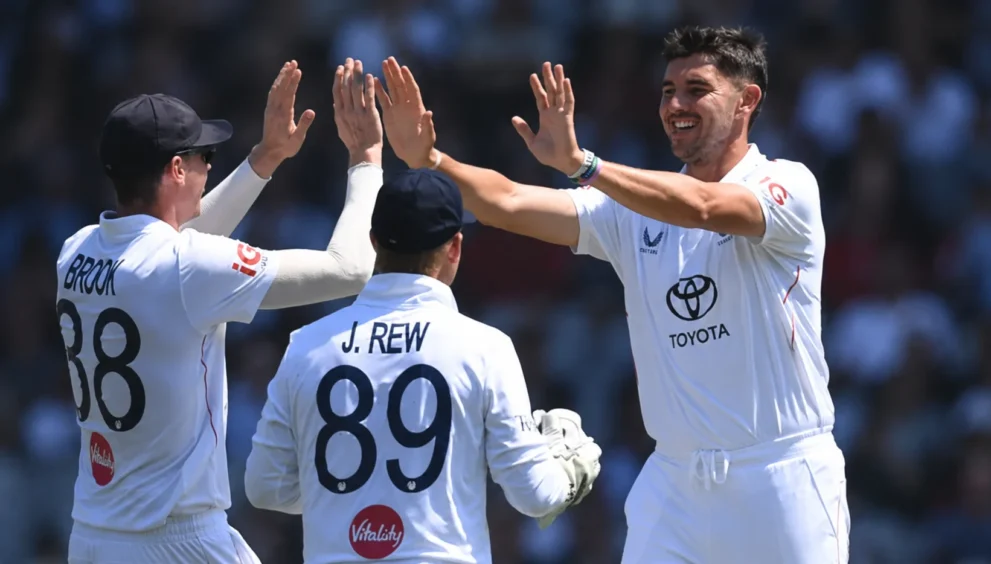
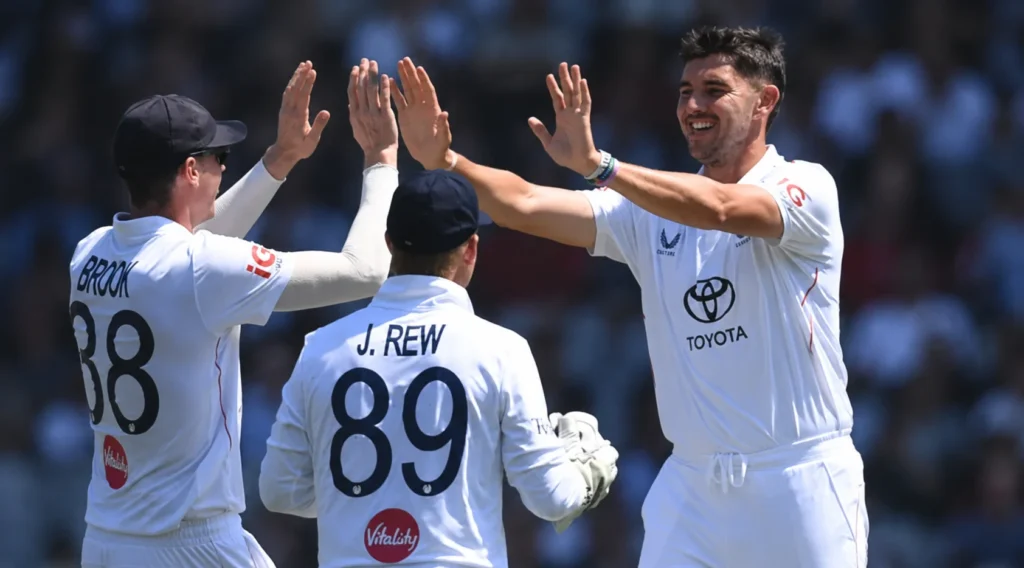
The ball left Rachin Ravindra’s bat at an angle that should have ended his innings. Josh Tongue, the bowler who had been England’s most impressive performer in the early afternoon session, induced the drive. The thick edge flew low and fast to James Rew’s left. The Somerset wicketkeeper, on debut, dived. The ball hit his gloves. It stayed there for a fraction of a second—long enough for the catch to feel inevitable, long enough for the England fielders to begin their celebrations—and then it popped out. Ravindra was on seven. New Zealand were 52 for 2. The lead was 104. The moment passed.
CricViz, the data analysts, had already noted that Ravindra has led a charmed life in Test cricket. Only 70% of the chances he has created have been taken, well below the average for the format. The number is a statistic. The drop was a reminder. Ravindra is the kind of player who gives you a chance. He is also the kind of player who, if he survives the chance, can take the game away from you. Jeremy Coney, the former New Zealand captain on BBC Test Match Special, put it plainly: “If he starts to play well, he will take the game beyond you within a session quite comfortably.” The drop was not the reason England was struggling. It was the reason they might struggle more.
The lead crept past 150. England’s bowlers—Archer, Tongue, Baker, Fisher—had taken two wickets in the session. The wickets were necessary. They were not sufficient. The dropped catch was the difference between a fragile New Zealand innings and a stabilising one. The difference between a lead of 120 for five and 150 for two is the difference between a match that is within reach and one that is slipping away. The slip was in Rew’s gloves. The slip was also in England’s summer, which has been defined by moments like this—chances created, chances missed, the sense that the team cannot stop the unravelling once it begins.
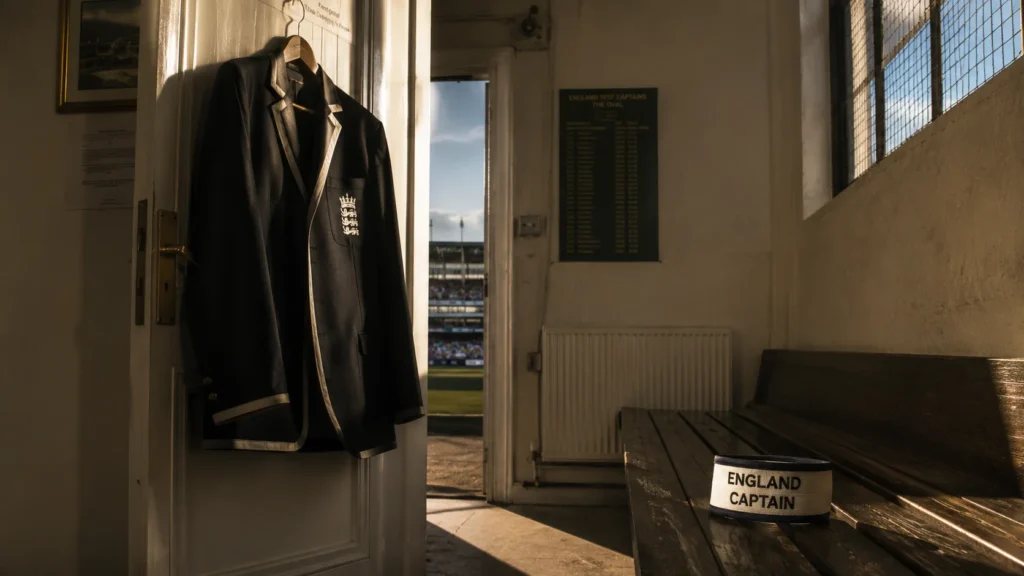
But this wasn’t about the drop. This was about Control vs Chaos—and what happens when a team that has lost its captain, fielded four debutants in two Tests, and spent the summer lurching from crisis to crisis, discovers that the difference between winning a series and losing it is the grip of a wicketkeeper’s gloves on a ball that should have been caught.
The Drop
Rew’s miss was not a simple chance. Daniel Norcross on Test Match Special described it as a “tough chance because it kept really low.” The ball went to him fast. He dived. He got there. The glove work was good enough to create the opportunity. It was not good enough to complete it. The distinction is the difference between a wicketkeeper who has played 13 first-class matches and one who has played 130. The experience gap is not Rew’s fault. It is England’s reality. They have chosen to blood him. The blooding comes with moments like this.
Phil Tufnell, the former England spinner, had spoken earlier about England’s tendency to unravel. “This England side, when things get ragged, they find it very hard to stop the raggedness. It unravels, and it unravels for a long time.” The drop was not the start of the raggedness. The raggedness had started earlier, in the morning session, when England’s batting had collapsed, and New Zealand’s lead had grown. The drop was the moment the raggedness could have been arrested. It was not.
Ravindra clipped Tongue for four through mid-on later in the same over. The next over, he clipped Baker for four through mid-wicket. The over after that, he drove Root’s first ball for four. The player who should have been back in the pavilion was now building an innings. The lead, which should have been manageable, was now threatening. The drop was a single moment. The consequences were cumulative.
The Bowlers Who Took Wickets Anyway
Josh Tongue had been immaculate before the drop. He placed his fingers on the seam at the top of his mark, Jeremy Coney observed, “like a tailor carefully pinching some cloth.” He conceded his first run off his 16th delivery. He induced the edge that should have been caught. He kept running in, kept hitting his length, kept giving England chances. The wicket column did not reflect his effort. The effort was the best thing about England’s afternoon.
Jofra Archer had struck earlier, removing the New Zealand opener with a delivery that lifted and hurried. The pace was down from his peak, but the threat remained. Sonny Baker, the 23-year-old on debut, bustled in with a run-up that is a byproduct of bowling indoors in his youth—a hop, a skip, a jump, and then the delivery. He conceded runs. He also asked questions. Matthew Fisher, the fourth seamer, was the most expensive but kept running in. The attack was inexperienced. The attack was willing. The attack was not quite good enough to compensate for the chances that went down.
Brendon McCullum was pictured on the balcony clutching a walkie-talkie, relaying tactical tidbits to the dressing room. The image was apt. The coach was trying to control a game that kept slipping out of control. The dropped catch was not his fault. The pattern—chances missed, leads conceded, the sense that the team is always one mistake from unravelling—is the pattern he was hired to break. The pattern has not been broken. The walkie-talkie was a symbol of the effort. The dropped catch was a symbol of the result.
The Lead That Keeps Growing
New Zealand’s lead passed 100 before lunch. It passed 150 in the afternoon session. The psychological barrier matters. A lead of 100 is uncomfortable. A lead of 150 is daunting. A lead of 200, if it reaches that, will be match-defining. England has already conceded a first-innings deficit. The deficit is now compounded by a second-innings total that is growing on a pitch that is still good for batting. The bowlers are working hard. The scoreboard is working harder.
CricViz noted that New Zealand have been more secure in their second innings, playing 20% false shots compared to 27% at the same stage on day one. The improvement is real. The dropped catch was one of the few false shots that produced a genuine chance. The chance was missed. The improvement was rewarded. The reward was the growing lead, the stabilising partnership, the sense that England’s opportunity to stay in this match—and in this series—was slipping away with every run that Ravindra scored.
What Changes Now
England needs wickets. They need them quickly. The new ball is approaching. The bowlers who have toiled will get another chance. The fielders who have missed their chances will get another chance. The team that has spent the summer unravelling will have to find a way to stitch itself together. The lead is 150 and growing. The series is on the line. The captain is not in the building. The debutants are learning on the job. The learning is painful. The pain is the point.