

 English































































































































McIlroy Grinded Through the Wind. The Afternoon Got the Calm.
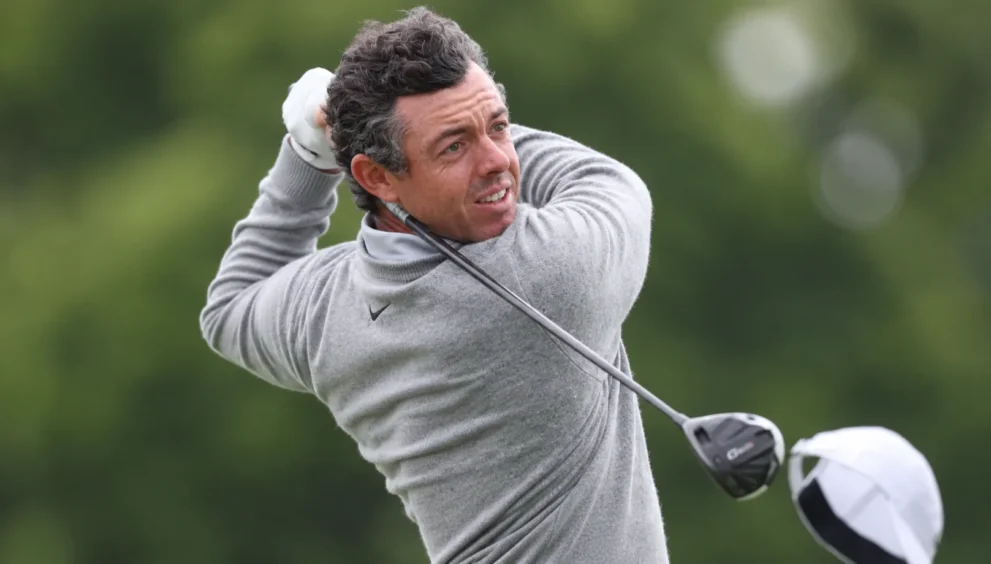
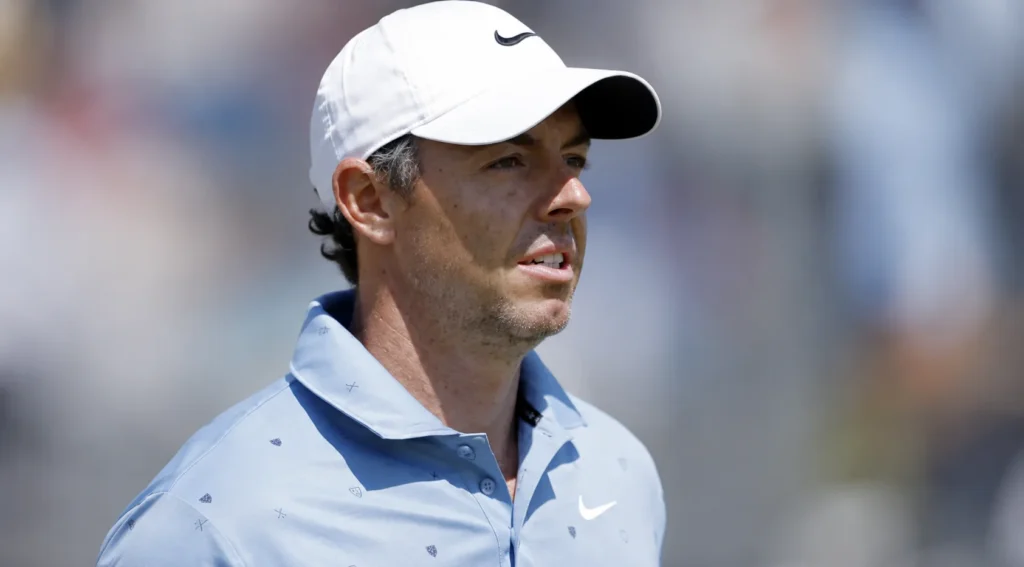
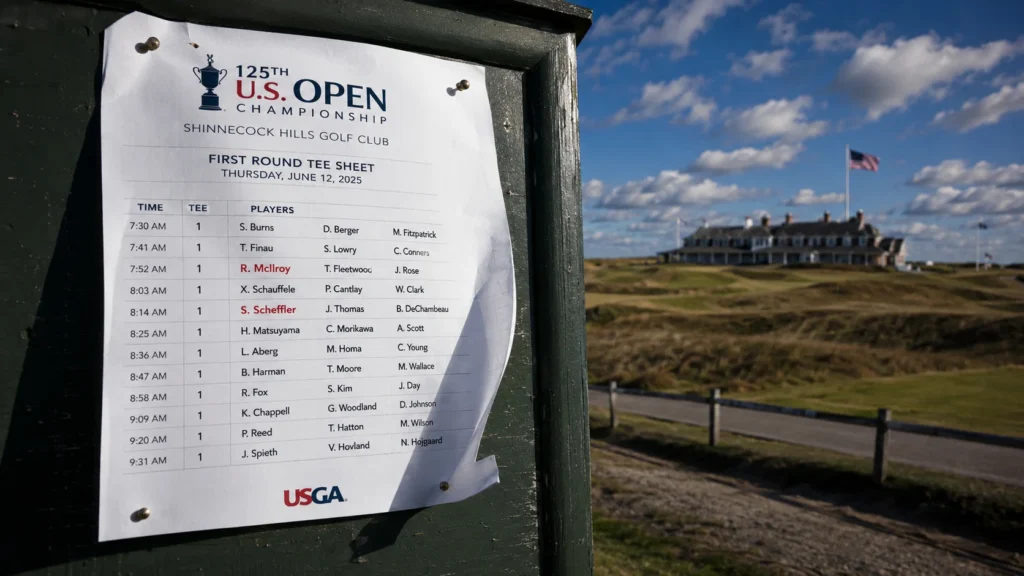
The fog rolled in before dawn. The start was delayed two hours. When play finally began, the wind was already gusting past 30 miles per hour across the 7,440-yard track, and Shinnecock Hills was doing what Shinnecock Hills does: punishing good shots, exposing bad ones, separating the players who can survive from those who cannot. Only six of the 78 early starters broke par. Rory McIlroy was one of them.
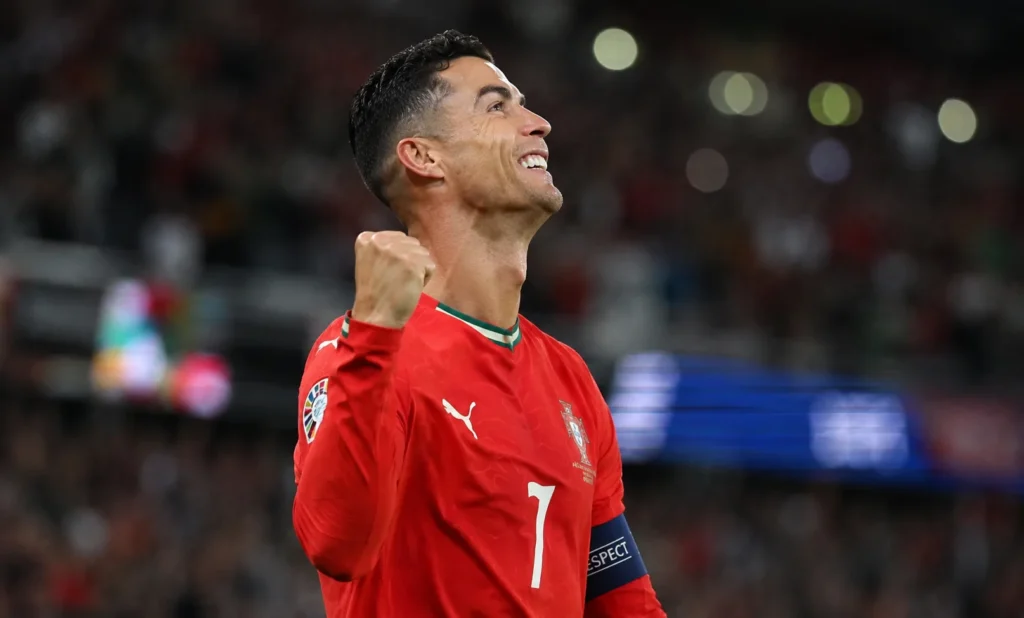
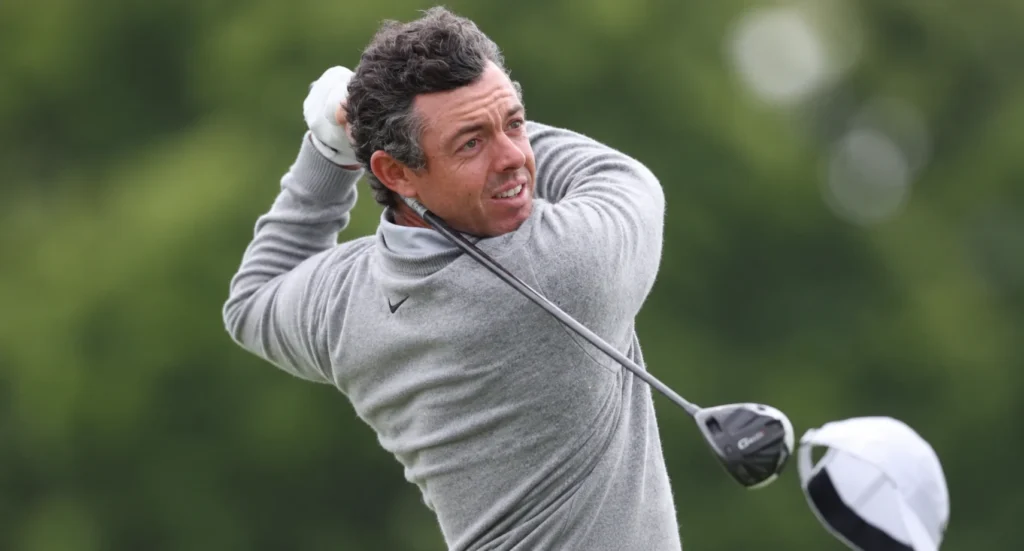
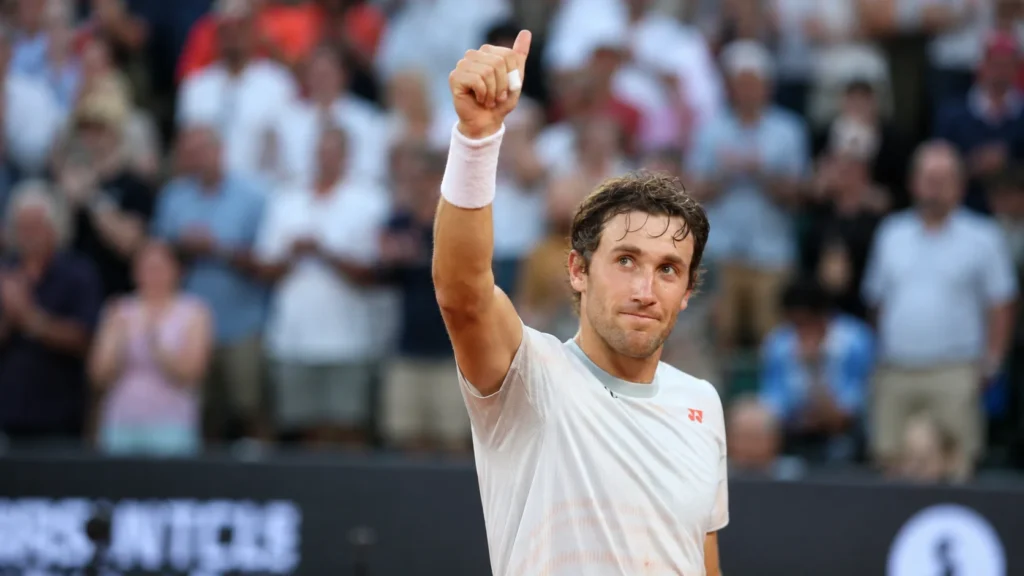
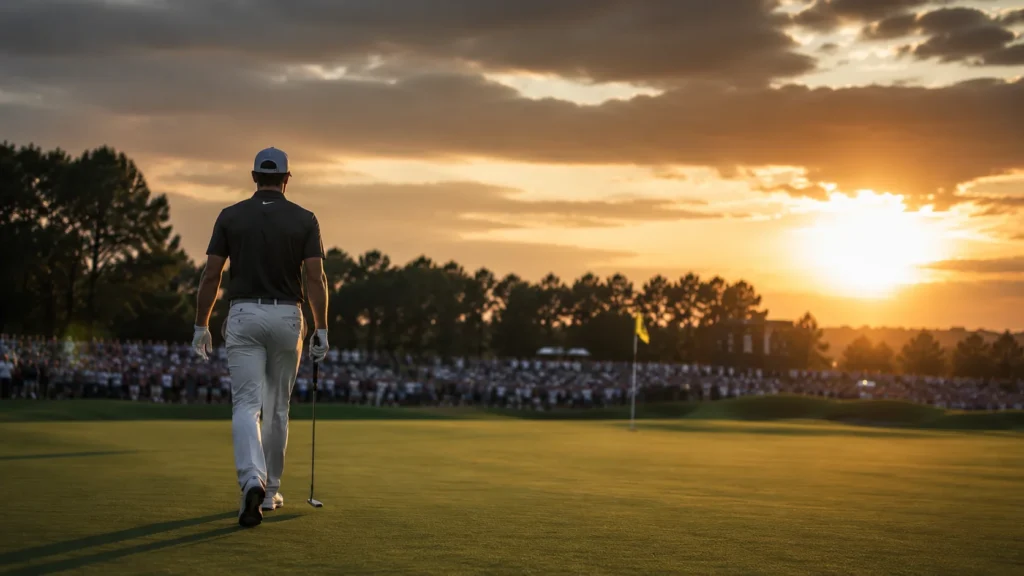
His 69 was not flawless. It did not need to be. He birdied two of his opening three holes after starting on the 10th. He bogeyed the 13th and 16th. He told Sky Sports pundit Mel Reid during the round that because the conditions were “consistent,” he was not finding the course too tricky. Then he proved it. A birdie at the third. An eagle at the par-five fifth, where his tee shot travelled a wind-assisted 396 yards, his second settled 11 feet from the hole, and the putt disappeared. Two closing bogeys took some of the shine off. They did not take the meaning. “Anything under or around even par is a good score,” he said. “It was a day to keep yourself in the tournament and not shoot yourself out of it, which is exactly what I did eight years ago here.”
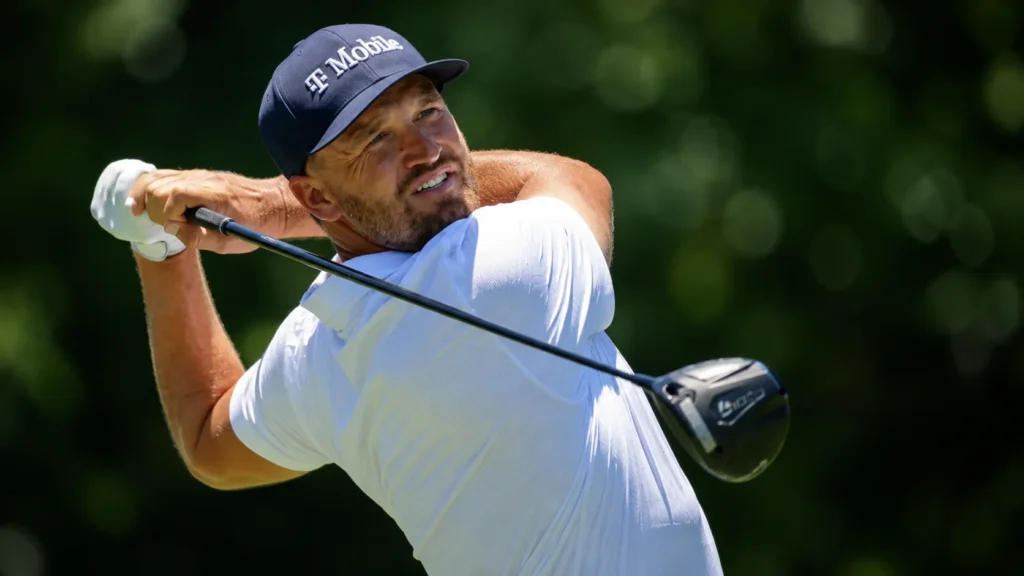
The reference was to 2018, when he opened with an 80 and missed the cut. The 69 was not redemption. It was a continuation. The player who has recorded six top-10 finishes in the past seven majors, who successfully defended his Masters title in April, who has learned to wait on a course that punishes impatience, had played exactly the round he needed to play. Then the wind dropped. The afternoon wave arrived. And Wyndham Clark, the 2023 champion, shot 64—or as close to 64 as you can get with two holes still to play when darkness fell. The leaderboard that should have had McIlroy near the top suddenly had him four shots adrift. The morning grind had been rewarded. The afternoon calm had been more rewarding.
But this wasn’t about the score. This was about Control vs Chaos—and what happens when a championship that defines itself by the difficulty of its test becomes, for one half of the draw, significantly less difficult, and the players who battled the wind can only watch as the players who avoided it fill the leaderboard above them.
The Two Waves
The draw is the oldest injustice in golf. The morning wave got Shinnecock at its most Shinnecock: wind, cold, the thick rough flanking the fairways, the wispy fescue waiting for any shot that strayed. The afternoon wave got something softer. The USGA, chastened by the controversies of 2004 and 2018, had decided to water the greens between sessions. The wind eased. The scoring average dropped by a full shot. Eleven of the 17 players under par when play was suspended were in the latter half of the draw.
The injustice is not deliberate. The USGA cannot control the weather. It can only try to prevent the course from becoming unplayable, as it did in 2004 when the seventh green had to be watered between groups, and in 2018 when Phil Mickelson struck a moving ball in protest. John Bodenhamer, the USGA official responsible for course set-up, told the No Laying Up podcast that the organisation had “learned a lot.” The learning produced a course that was firm but fair, difficult but not sadistic. The learning also produced a draw that rewarded the players who happened to be assigned to the half of the field that played in the easier conditions.
McIlroy was not complaining. He had warned the USGA not to lose the course again. They had not lost it. They had simply been unable to prevent the oldest truth in links golf: the wind blows when it blows. The players who draw in the morning can only play the course they are given. McIlroy played it as well as anyone. The 69 was a statement. The leaderboard was a reminder that statements made in the wind can be drowned out by birdies made in the calm.
The Eagle That Announced Him
The fifth hole was playing downwind. McIlroy’s tee shot carried 396 yards, the kind of distance that makes a mockery of par fives and the kind of strike that reminds you why he has spent two decades at the top of the game. The second shot settled 11 feet from the hole. The putt was true. The eagle lifted him to two under, into a share of the lead at the time, and confirmed what the early holes had suggested: McIlroy was not merely surviving Shinnecock. He was playing it.
The closing bogeys were a minor wound. The eagle was the statement. The player who shot 80 here in 2018 and missed the cut had returned with patience, with discipline, with the acceptance that par is a good score and a 30-foot putt is a success. The round was not a masterpiece. It was a professional execution of a difficult brief. The brief was to stay in the tournament. The brief was met.
Ludvig Aberg, his Ryder Cup team-mate and playing partner, also shot 69. Tommy Fleetwood shot 70. The three of them, walking the fairways together, produced the kind of steady, composed golf that wins US Opens. They were the morning wave’s best. They are now chasing Clark, who played in the afternoon and made five birdies, an eagle, and a single bogey in 16 holes. The chase is the tournament.
The Leaderboard That Shifted
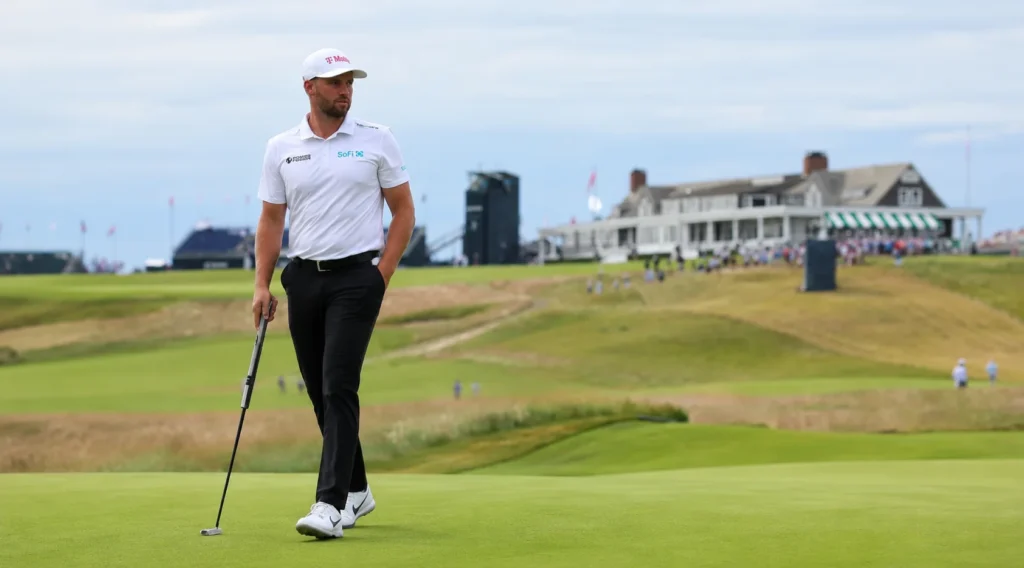
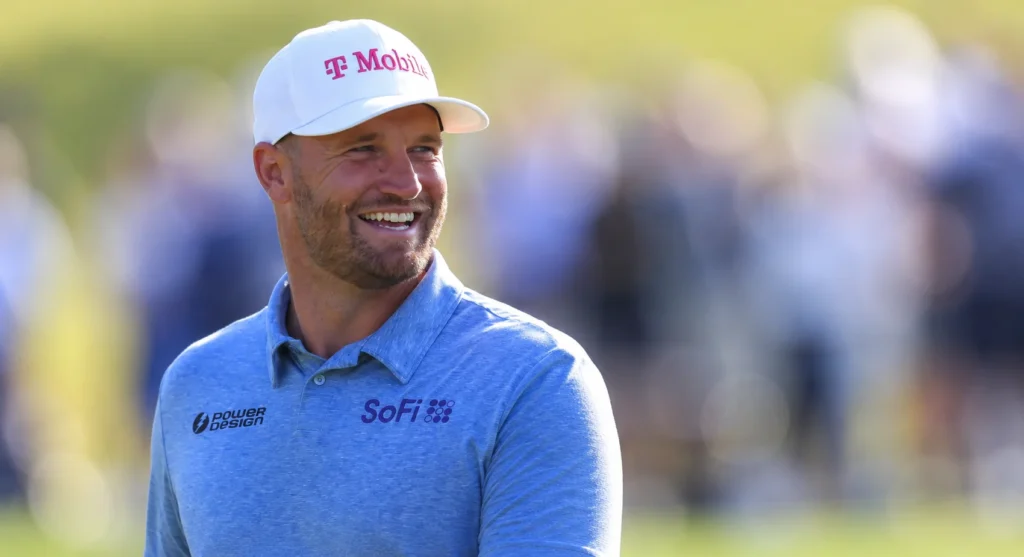
Clark’s round was the story of the afternoon. The 32-year-old American, who smashed a locker at Oakmont after missing the cut last year, talked this week about seeking redemption. He found it in a run of birdie-birdie-eagle that carried him clear of the field. He will return on Friday morning to finish his round. A 64 is possible. The lead is four shots. The challengers are stacked behind him.
Matt Fitzpatrick, the 2022 champion, is at two under with an 11-foot birdie putt to come on the eighth. Jon Rahm, the 2021 champion, is also at two under. Bryson DeChambeau, who drove the 12th green with a 427-yard carry assisted by a huge kick off Tuckahoe Road, is a shot further back. Dustin Johnson rolled back the years with four consecutive birdies before a double bogey stalled his momentum. The leaderboard is crowded with major champions. The morning wave’s best are among them. They are not ahead of them.
Scottie Scheffler, the world number one chasing the career Grand Slam, scrambled to a 72. Four birdies, four bogeys, a double bogey. He looked bemused at times, watching iron shots find the green only to spin away from the hole. “It felt like a day where a lot of good shots were going to get punished,” he said. “You had to be hitting a great shot if you wanted to avoid a punishment.” The assessment was accurate. The score was survivable. The Grand Slam pursuit is still alive. It is not yet thriving.
The Torture Chamber
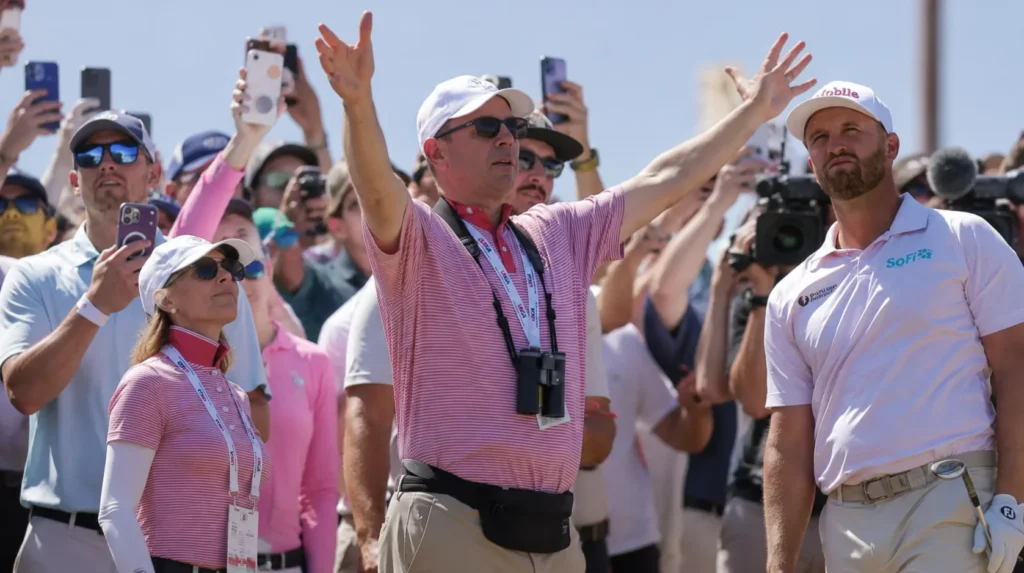
Graeme McDowell had called Shinnecock “a torture chamber” in the build-up. The description was not hyperbole. JJ Spaun, the defending champion, watched a gust of wind blow his ball from the seventh green into a bunker. Keegan Bradley’s ball was blown off the 11th green. Keith Mitchell reached the turn in 41 and then did something no player in US Open history had ever done: he broke 30 on the other nine, a 29 that salvaged a 70. The course was not unfair. It was unforgiving. The distinction is the difference between a test and a punishment. The USGA, for the first time in recent memory at Shinnecock, had designed a test.
McIlroy’s 69 was the proof. He did not battle the course. He played it. He took his birdies when they were available, accepted his bogeys when they were inevitable, and produced the eagle when the opportunity presented itself. The round was the work of a player who has learned that Shinnecock cannot be conquered. It can only be survived. Survival was the victory. The leaderboard was the complication.
What Changes Now
Clark will finish his round on Friday morning. The players who were caught in the gloaming will complete what they started. The second round will begin on softened greens, in calmer winds, with the morning wave now enjoying the conditions the afternoon wave enjoyed on Thursday. The injustice, if it exists, will reverse. McIlroy will have his chance to close the gap. The 69 was the start. The tournament is the next 54 holes.