

 English















































































































































































































































































F1 Cut Carbon by 35%. The Cars Still Burn Fuel.
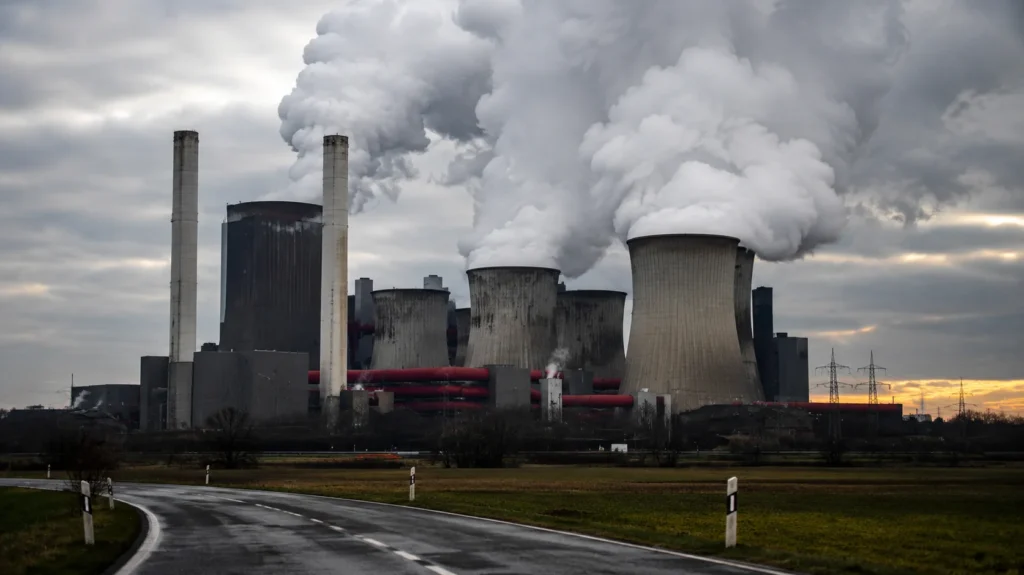
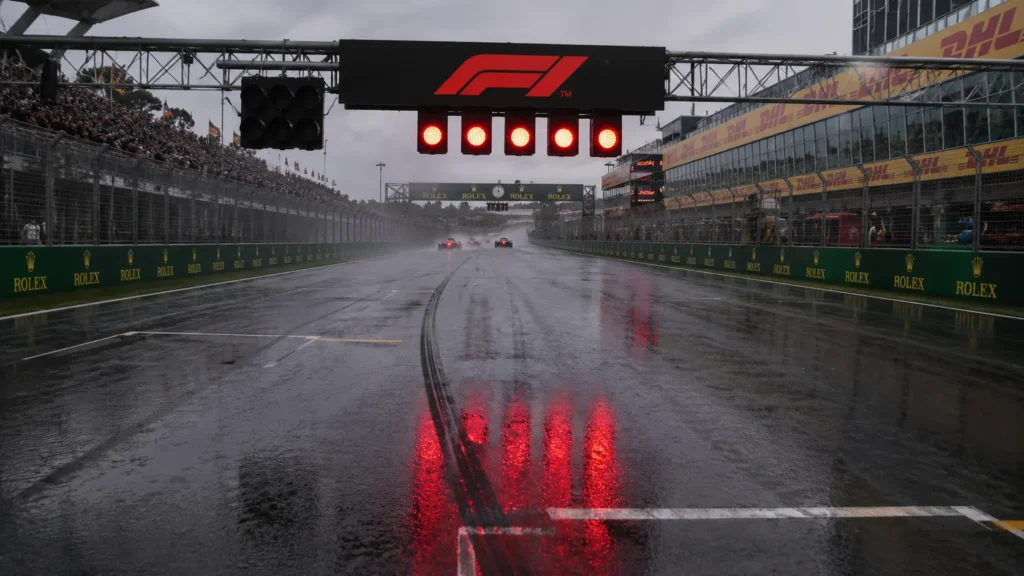
The number on the report was 148,805. Tons of carbon dioxide equivalent, down from 228,793 in 2018. A 35% reduction. A 12% drop year on year. Formula 1’s annual sustainability review, published this week, declares the sport “on track” to achieve its commitment to become net-zero carbon by 2030. Stefano Domenicali, the president and chief executive, said the results had been “made possible by the collective effort across the sport.” Ellen Jones, F1’s head of environmental, social and governance, said the initiatives “show that sustainable operations are not only possible at a global scale, but can be delivered without compromising the performance, ambition or spectacle that define Formula 1.”
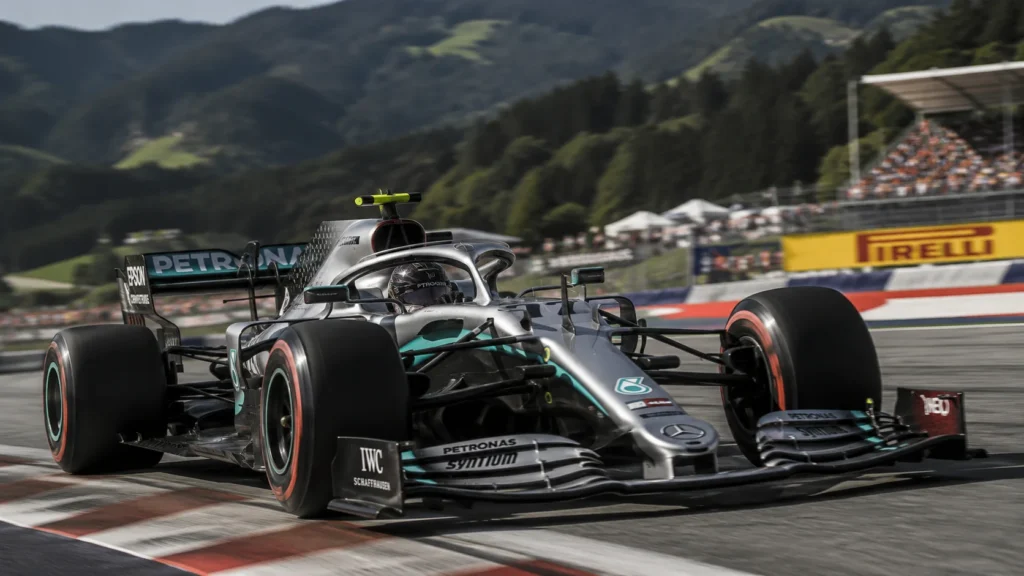
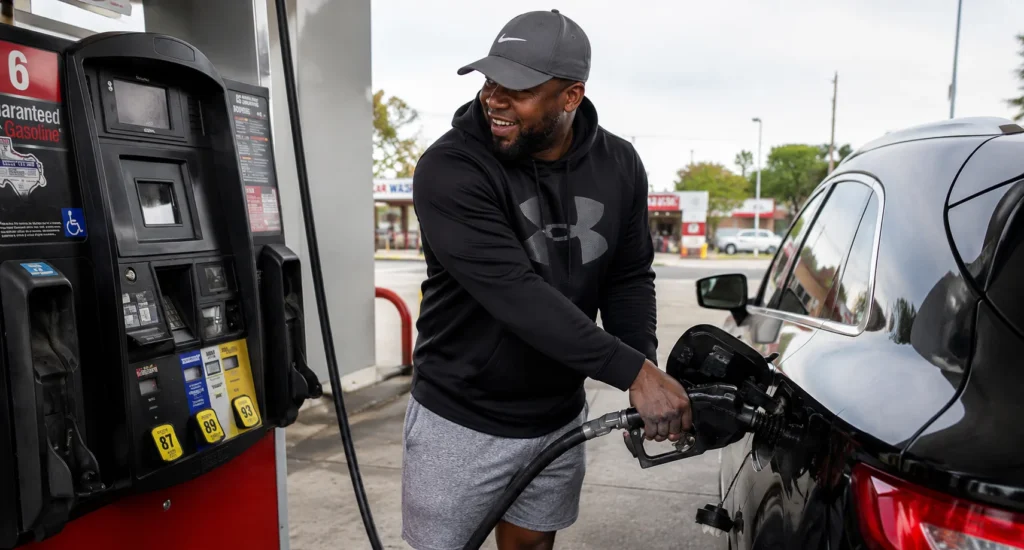
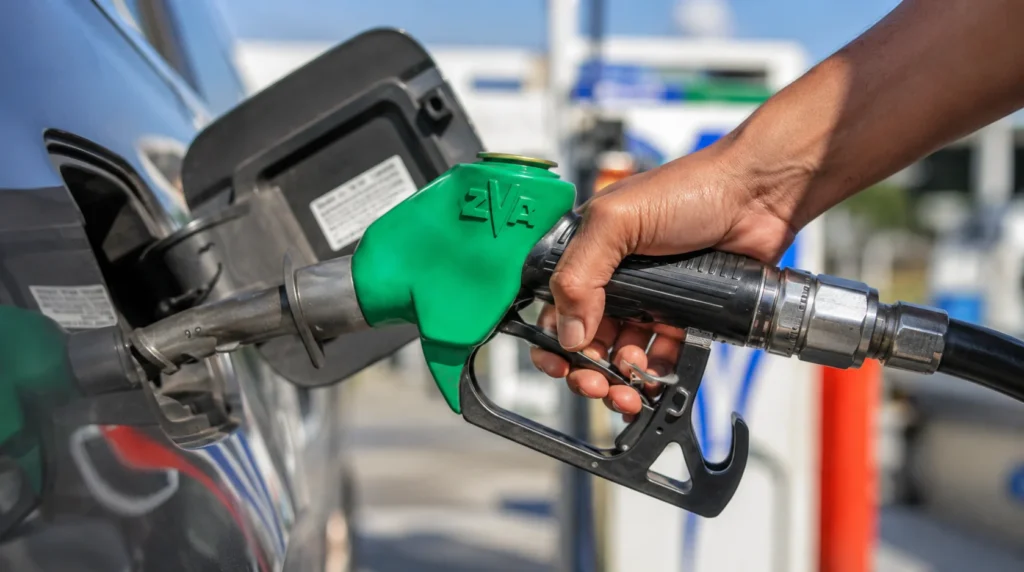
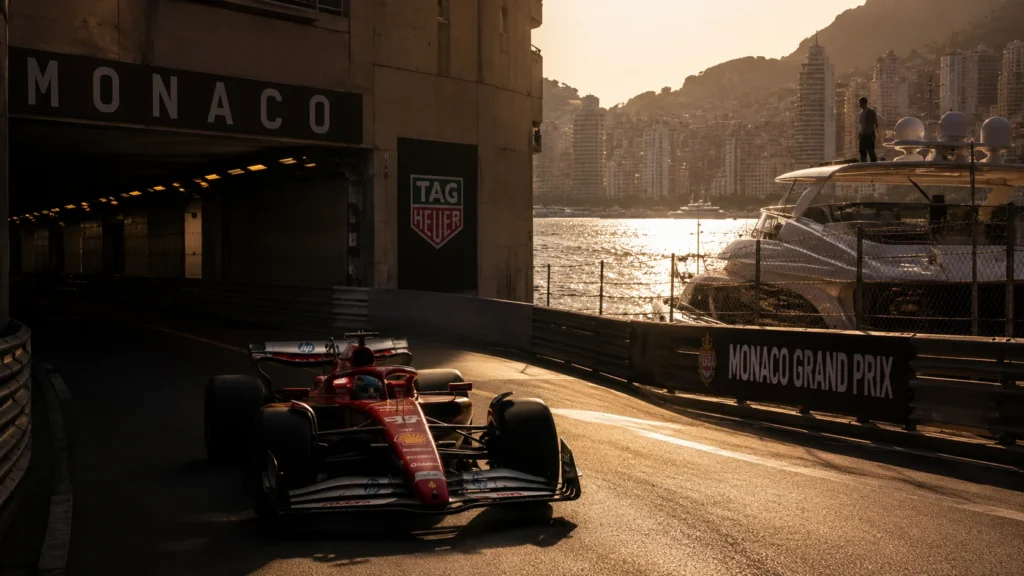
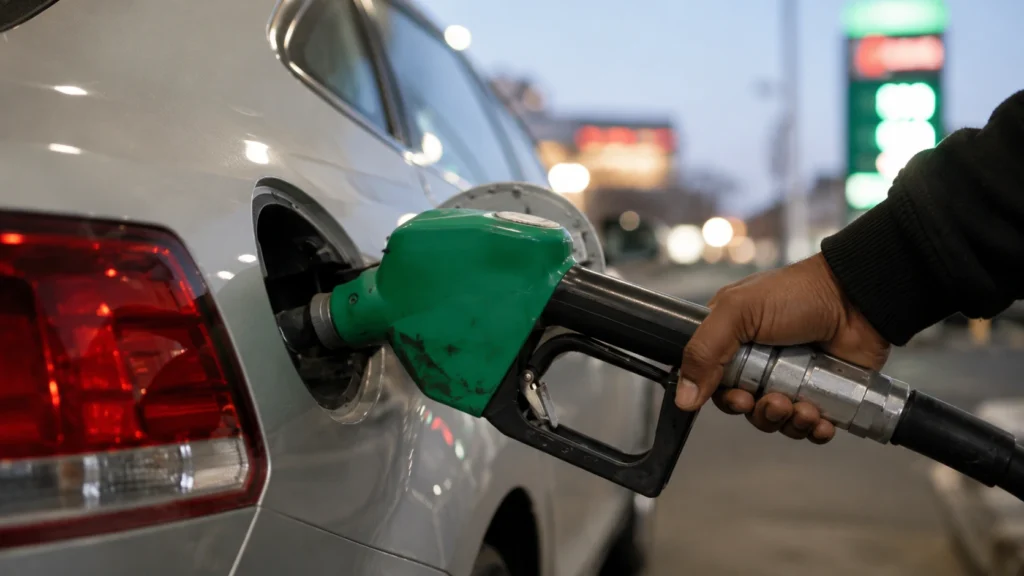
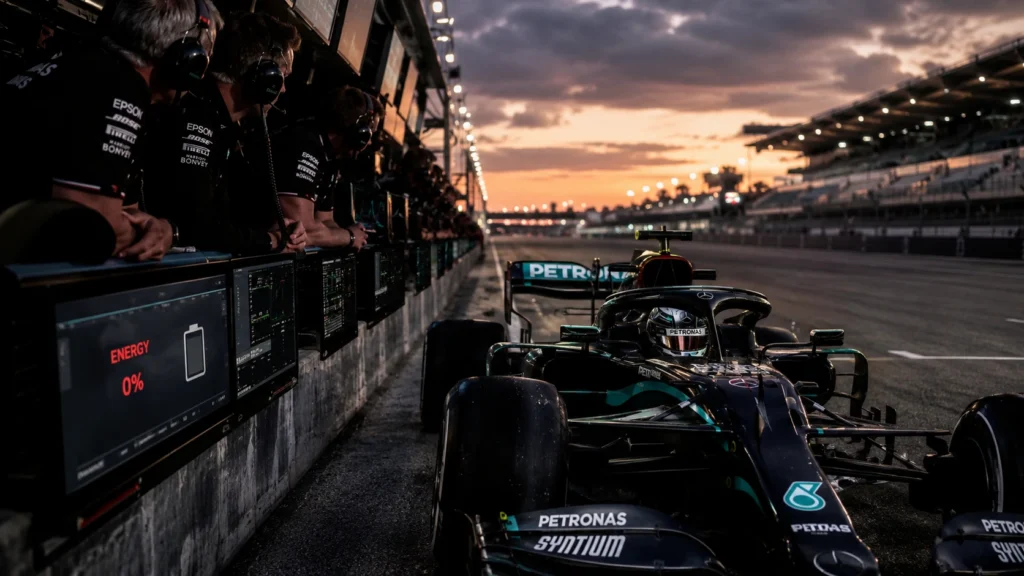
The cars still burn fuel. The fuel is now “advanced sustainable”—an 80% reduction in greenhouse gas emissions compared to fossil-fuel equivalents, mandated from 2026. The reduction is real. The fuel is not zero-emission. The cars still race. The freight still moves. The difference between 2018 and 2025 is not that the sport has stopped producing carbon. It is that it has started measuring, managing it, and reducing it where the reductions are largest and cheapest. The factories and facilities have cut emissions by 64%. Logistics are down 29%. The calendar has been reshuffled so that races are grouped geographically, cutting the distance freight and personnel must travel. The Miami and Canadian Grands Prix now run consecutively. The Japanese Grand Prix moved to the spring, alongside Australia and China. The shift from air to sea freight, the investment in sustainable aviation fuel, the rationalisation of the schedule—these are not glamorous changes. They are effective ones.
The tension is obvious. A sport that moves cars, equipment, and thousands of people around the world 24 times a year cannot be carbon-neutral without offsets. F1’s commitment includes a minimum target of a 50% reduction in absolute emissions, with the remainder offset using “credible programmes aligned with best practice guidance.” The word “offset” does the heavy lifting. The reductions are real. The offsets are the gap between what has been achieved and what has been promised. The gap is shrinking. It has not closed.
But this wasn’t about the numbers. This was about Identity vs Responsibility—and what happens when a sport built on speed, excess, and the burning of fuel tries to reinvent itself as a leader in sustainability without losing the spectacle that makes it worth watching.
The Calendar as Carbon Strategy
The most effective change F1 has made is also the least visible. The race calendar has been reorganised not for the convenience of broadcasters or the comfort of teams, but for the reduction of carbon. The principle is simple: if races are grouped geographically, freight and personnel can move from one event to the next without crisscrossing the globe. The difference is measurable. Moving Miami and Canada back-to-back, rather than splitting them with a European race, cuts logistics and travel emissions by almost 3%. Moving Japan to the spring, alongside Australia and China, produced similar savings. The changes are incremental. The increments accumulate.
The calendar rationalisation is not a technological solution. It is a logistical one. It requires no new fuel, no new engines, no new infrastructure. It requires only the willingness to prioritise carbon reduction over tradition. The willingness has been demonstrated. The tradition has been adjusted. The result is a 29% reduction in logistics emissions since 2018. The number is not a promise. It is a fact. The fact is the result of a decision that sustainability would shape the schedule rather than the schedule dictating the sustainability effort.
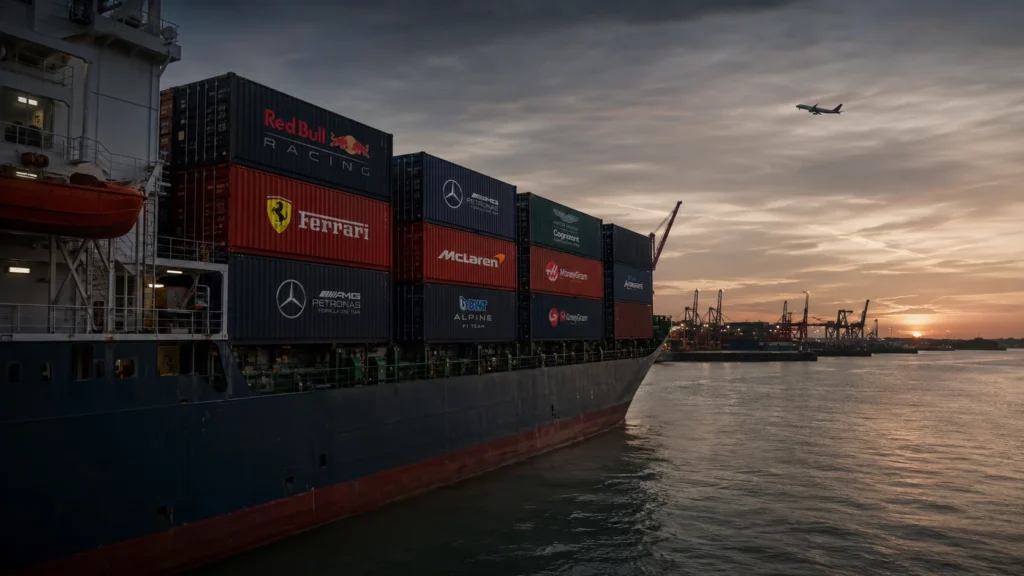
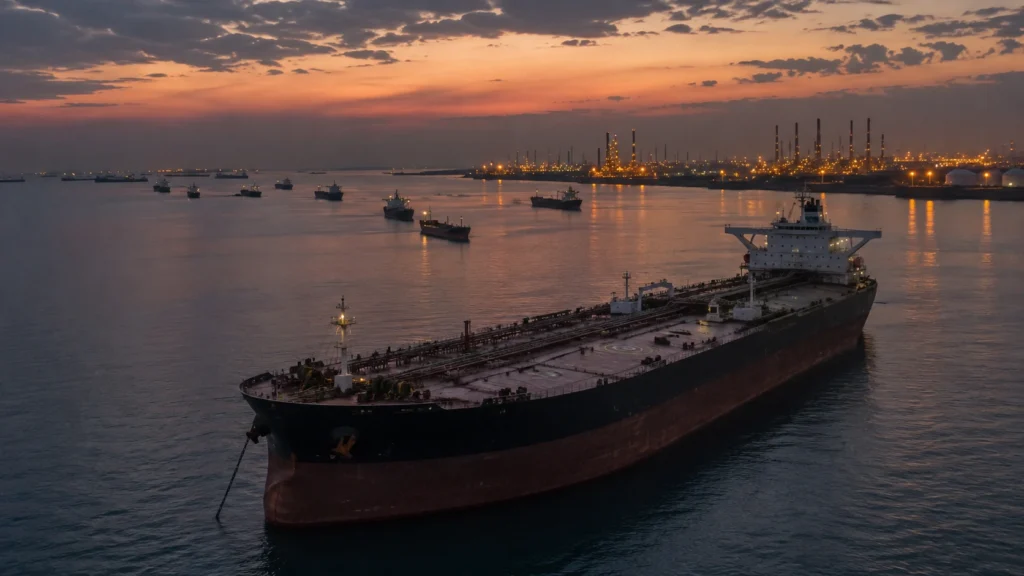
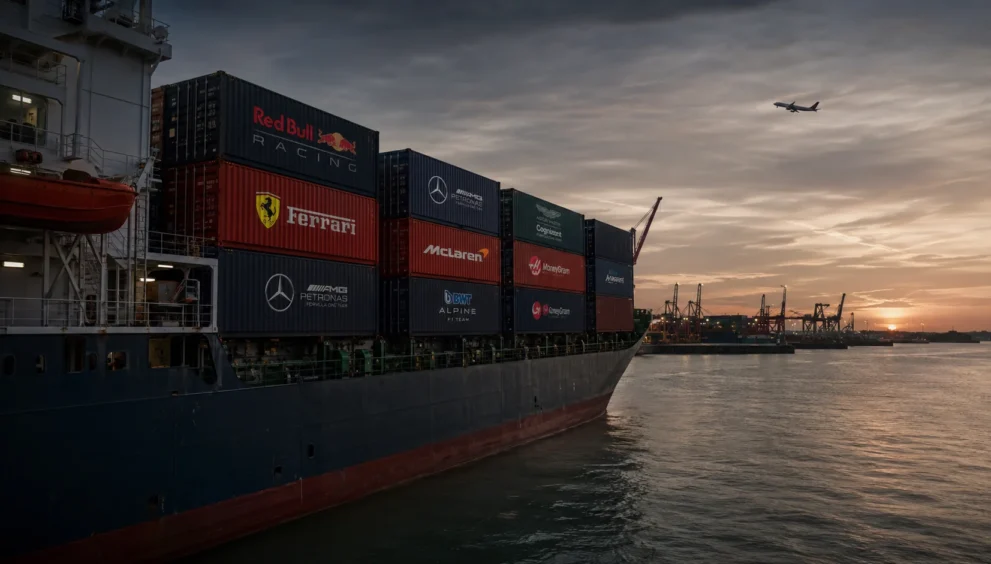
The shift from air to sea freight is part of the same logic. Air freight is faster and more expensive in terms of carbon. Sea freight is slower and cheaper in terms of carbon. F1 has moved more of its equipment by sea. The change is not exciting. It is effective. The factories and facilities, the fixed infrastructure of the sport, have cut emissions by 64%—the largest single reduction in the report. The changes there are structural: renewable energy, efficiency improvements, the kind of investments that produce returns over years rather than headlines over days.
The Fuel That Isn’t Zero
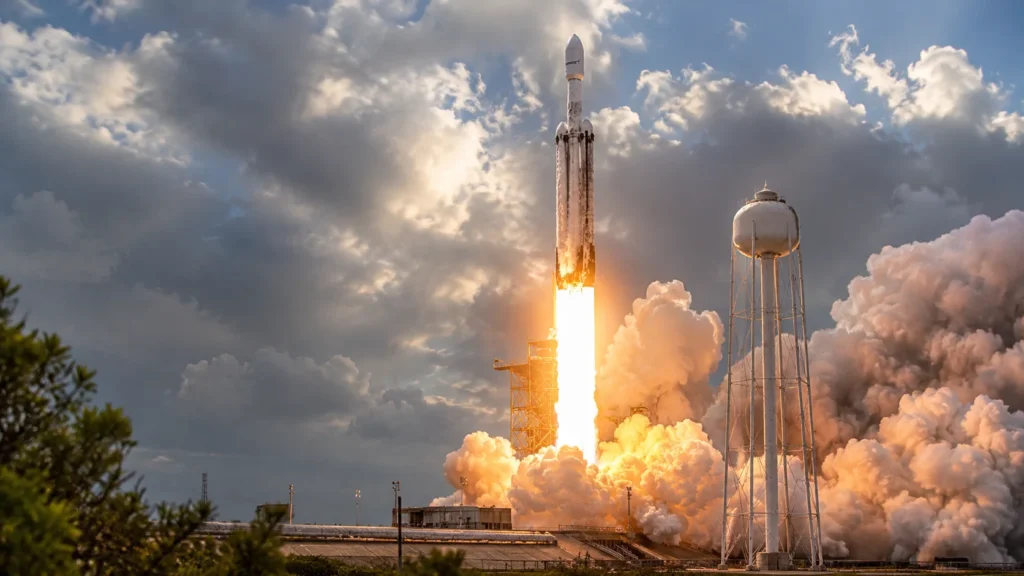
The 2026 technical regulations mandate advanced sustainable fuels. The fuels produce an 80% reduction in greenhouse gas emissions compared to fossil-fuel equivalents. The reduction is significant. It is not complete. The cars that race in 2026 will still emit carbon. They will emit less. The difference is the difference between a step change and a solution. F1 has chosen the step change.
The race emissions themselves are a very small percentage of the total. The cars are not the problem. The logistics are the problem. The factories were the problem. Travel is the problem. The fuel switch addresses the most visible source of emissions—the cars on track—but the bulk of the reductions have come from the invisible sources: the supply chains, the facilities, the freight routes. The sustainability report is an exercise in making the invisible visible. The numbers are the evidence. The evidence is that the sport is changing in ways that are not visible on a Sunday afternoon.
The question is whether the change is fast enough. The 2030 target requires a 50% reduction in absolute emissions from the 2018 baseline. F1 has achieved 35% with five years to go. The trajectory is correct. The hardest reductions—the ones that require offsets rather than operational changes—are still to come. The sport that has spent decades perfecting the art of going faster must now perfect the art of going cleaner. The two are not incompatible. They are not yet aligned.
The Spectacle and the Offset
Domenicali’s statement emphasised that the reductions had been achieved “while the sport continues to grow and reach new audiences around the world.” The growth is part of the challenge. More races, more fans, more broadcast hours all increase the sport’s carbon footprint. The reductions that have been achieved have been achieved against a baseline of expansion. The sport is not shrinking. It is becoming more efficient.
The offset commitment—”credible programmes aligned with best practice guidance”—is the least specific part of the announcement. Offsets are controversial. They are also necessary for any sport that cannot eliminate its emissions entirely. The question is not whether F1 will use offsets. It is whether the offsets it uses will be credible. The report does not specify which programmes will be used. The commitment is a placeholder. The placeholder will need to be filled before 2030.
The tension between spectacle and sustainability is not unique to F1. Every global sport faces it. The difference is that F1’s spectacle is built on the burning of fuel, the movement of machinery, the displacement of people and equipment across continents. The sport’s identity is inseparable from its carbon footprint. The sustainability report is an attempt to separate them. The attempt is serious. The numbers are real. The 35% reduction is a fact. The remaining 65% is the test.
What Changes Now
F1 will continue to reduce its emissions. The calendar will continue to be rationalised. The freight will continue to shift from air to sea. The factories will continue to become more efficient. The sustainable fuel mandate will take effect in 2026. The offset programmes will be specified. The 2030 target will be approached. The sport will either reach it or explain why it did not.
The report is a snapshot. The trajectory is the story. F1 has cut its carbon footprint by a third in seven years. The cars still burn fuel. The freight still moves. The spectacle endures. The question is whether the next third will be as easy as the first.