

 English

























































































































































































Israel-Hezbollah Ceasefire Announced as Strikes Hit Lebanon
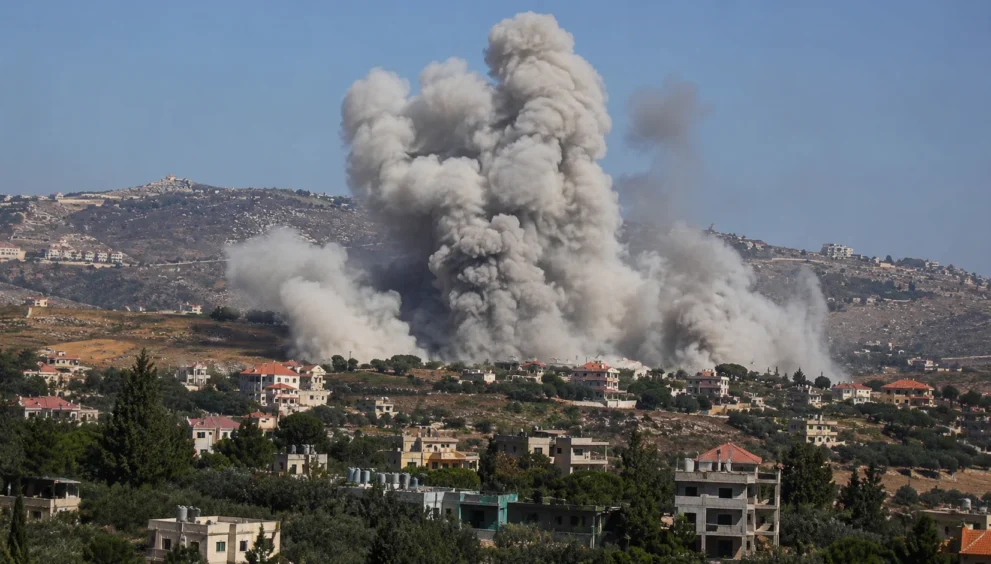
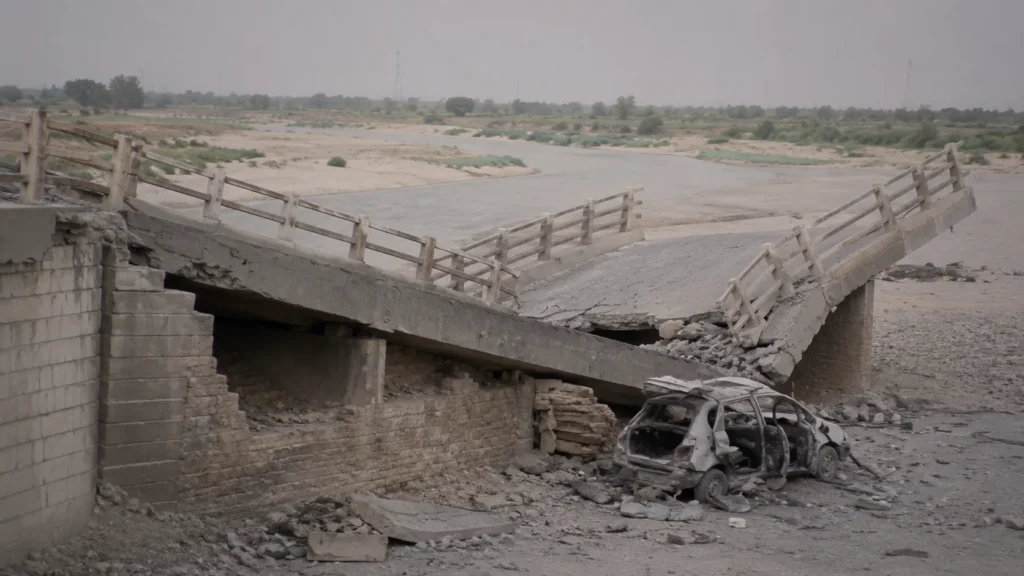
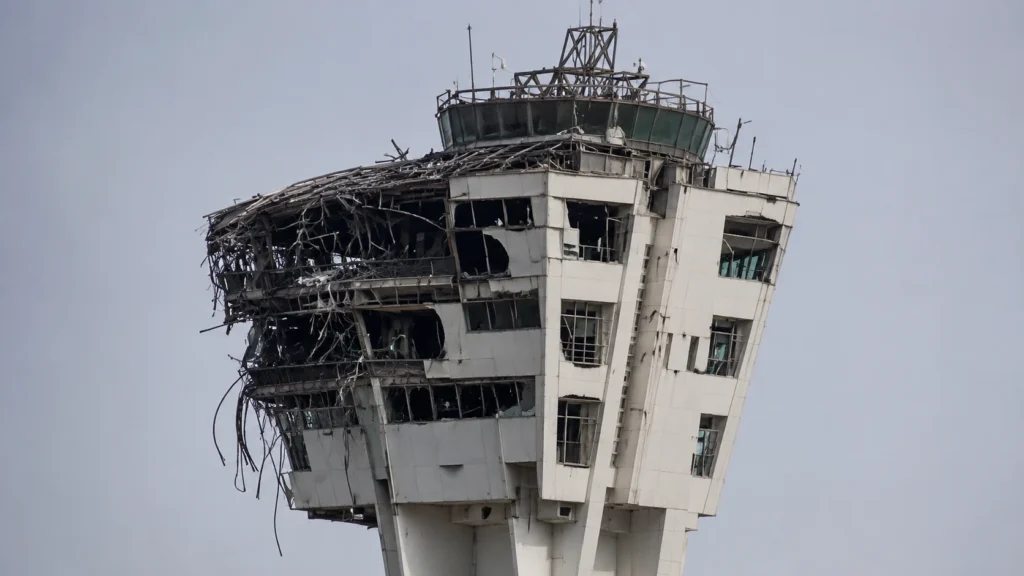
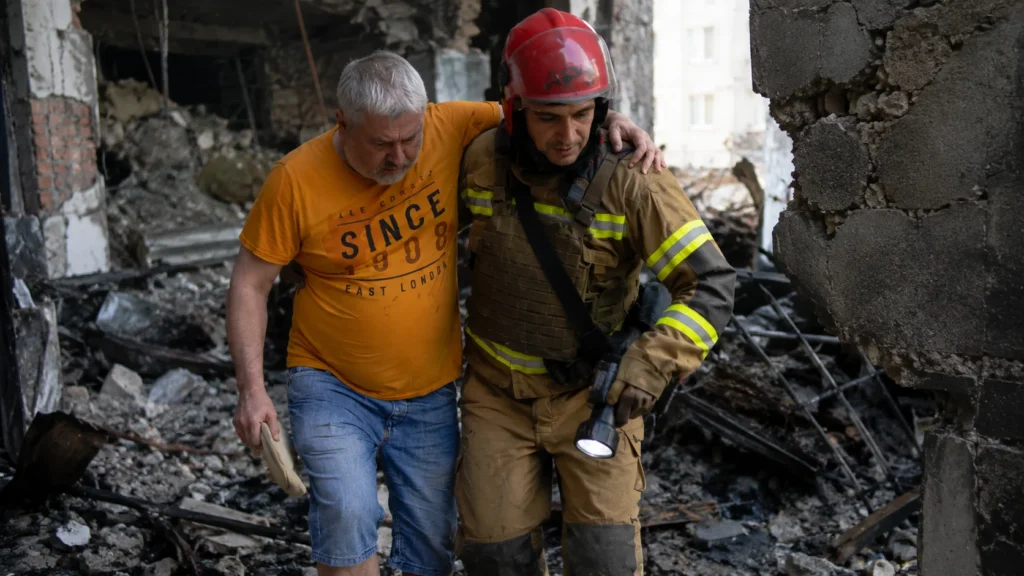
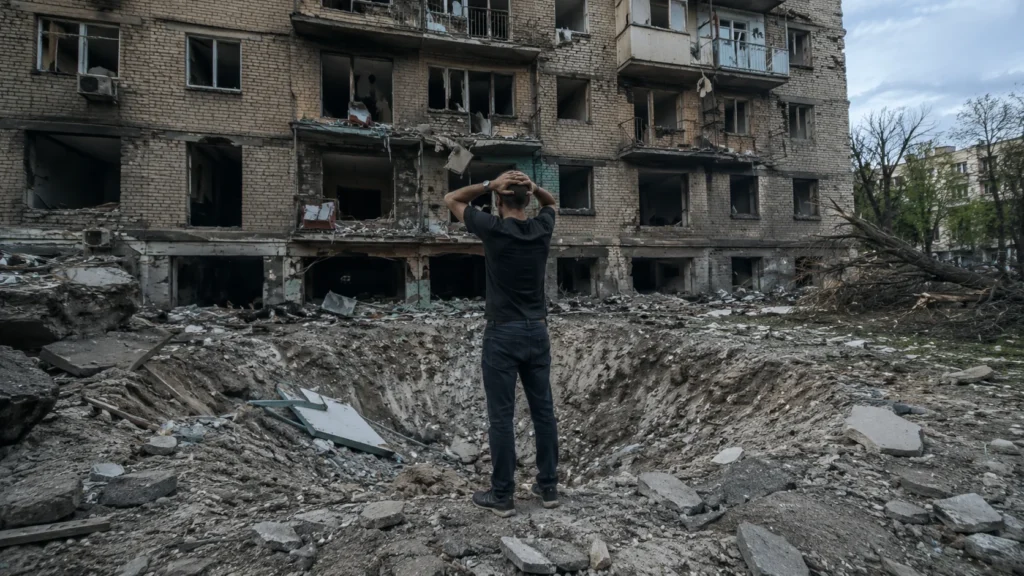
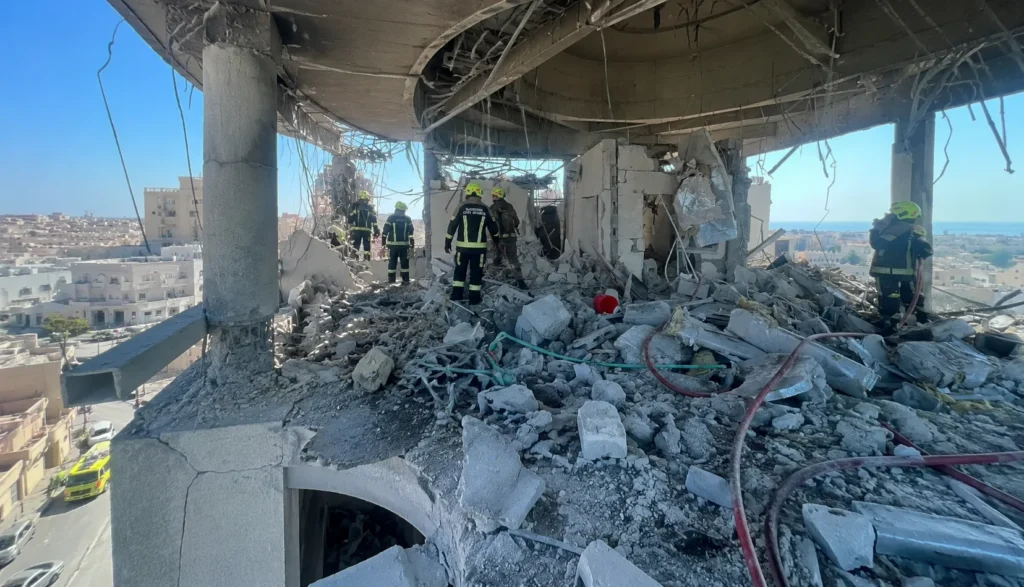
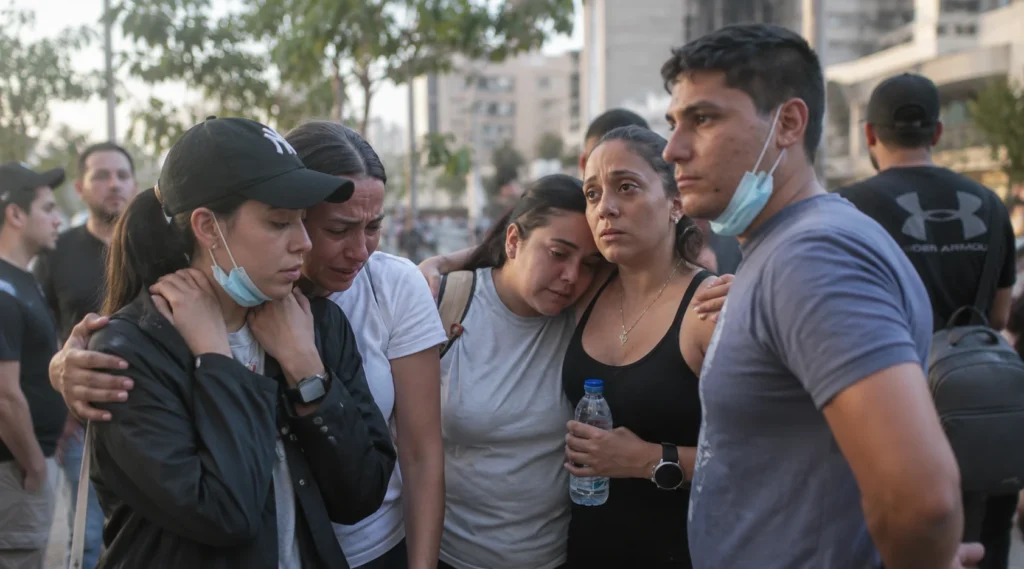
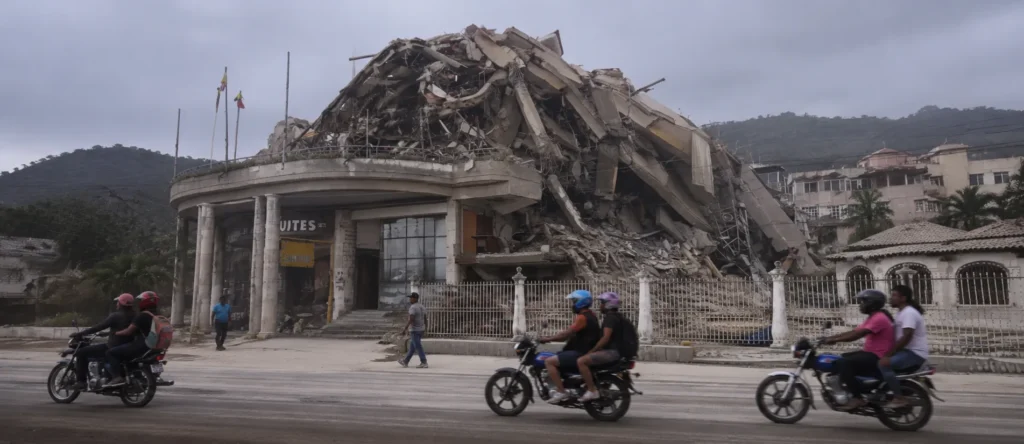
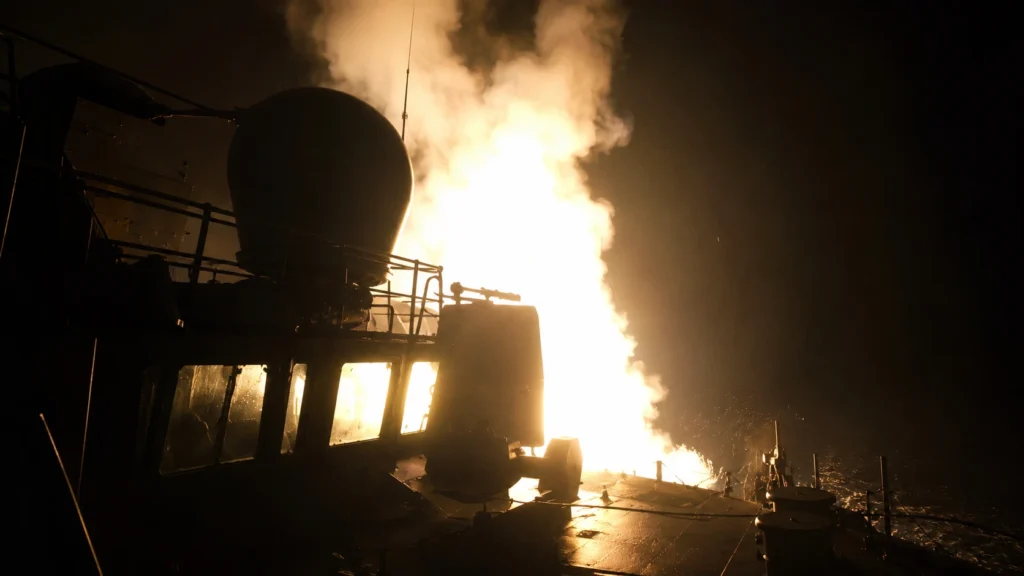
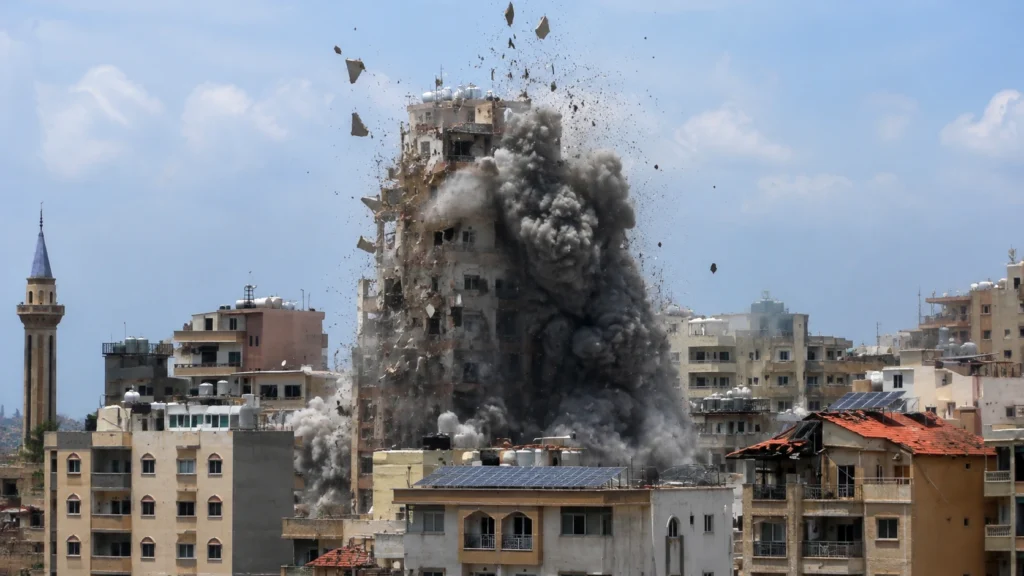
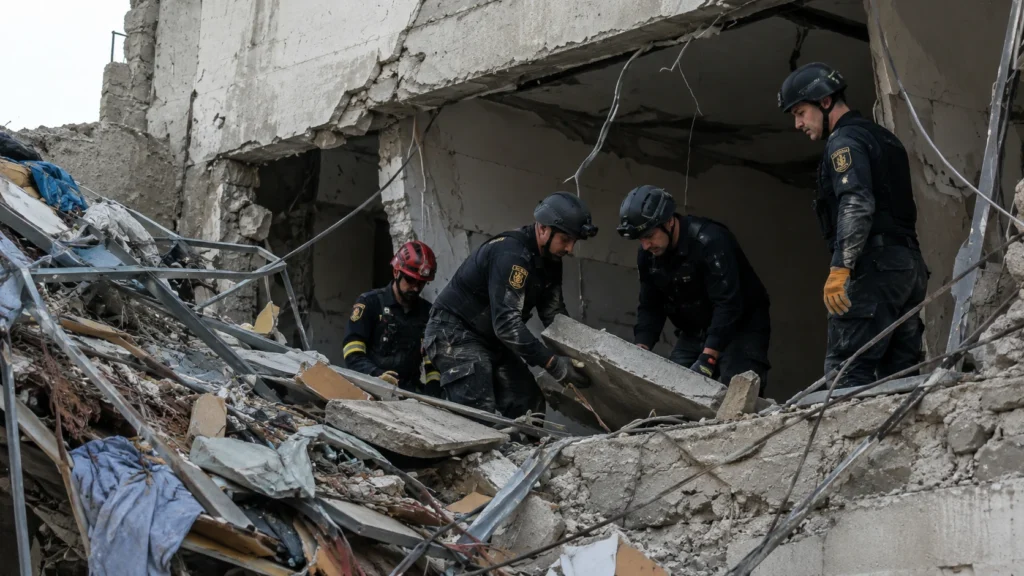
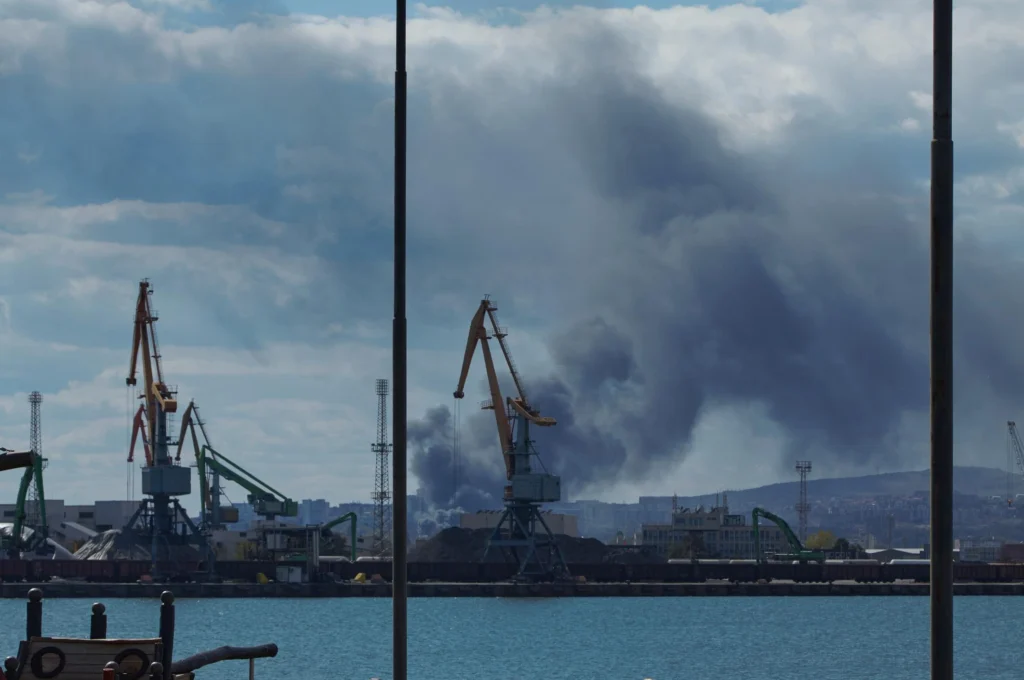
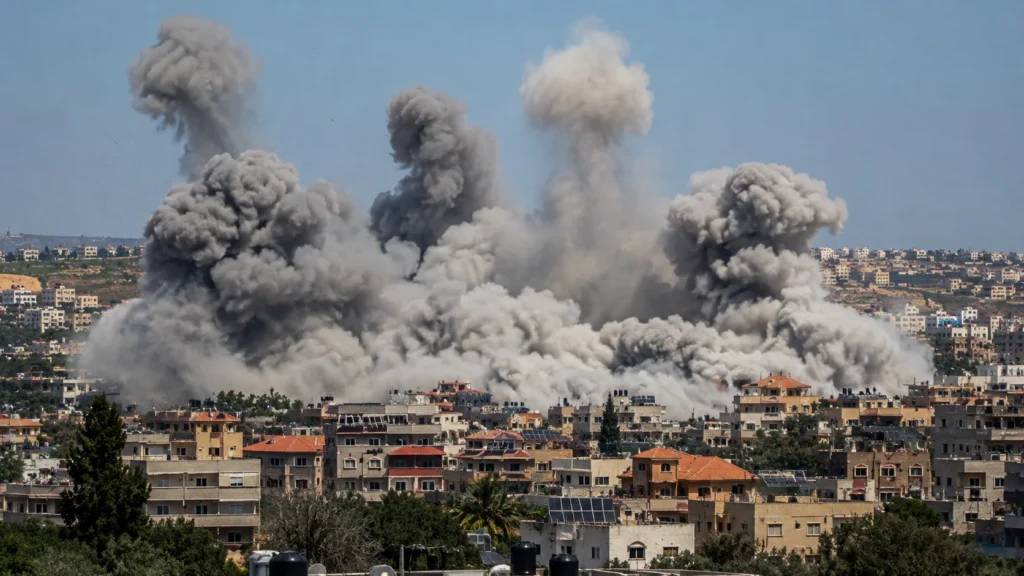
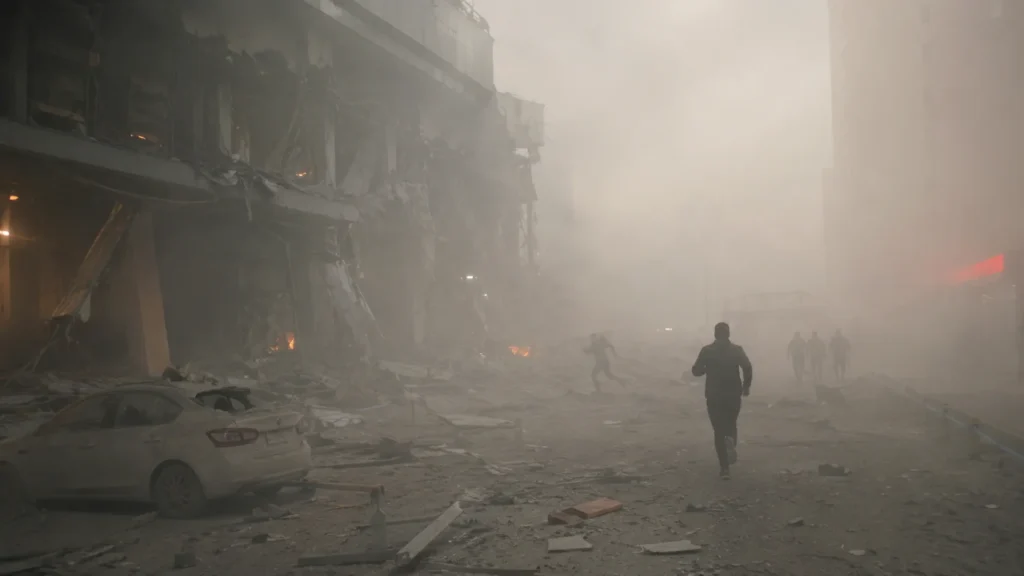
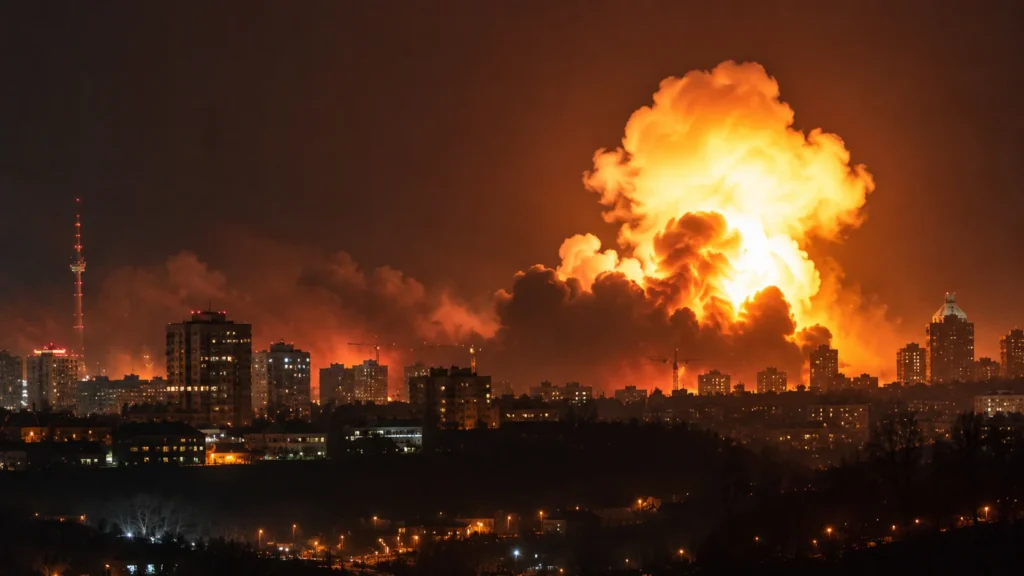
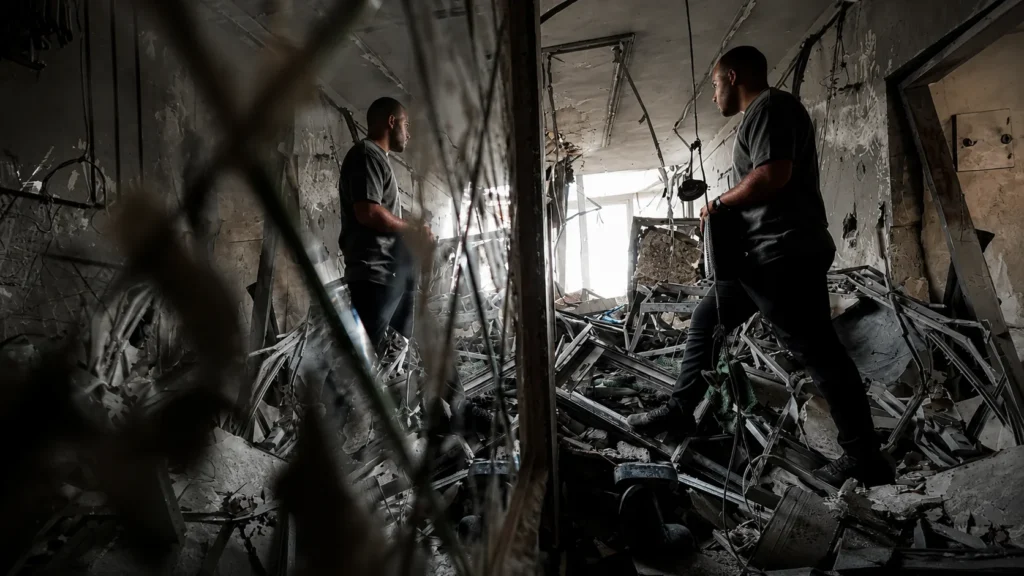
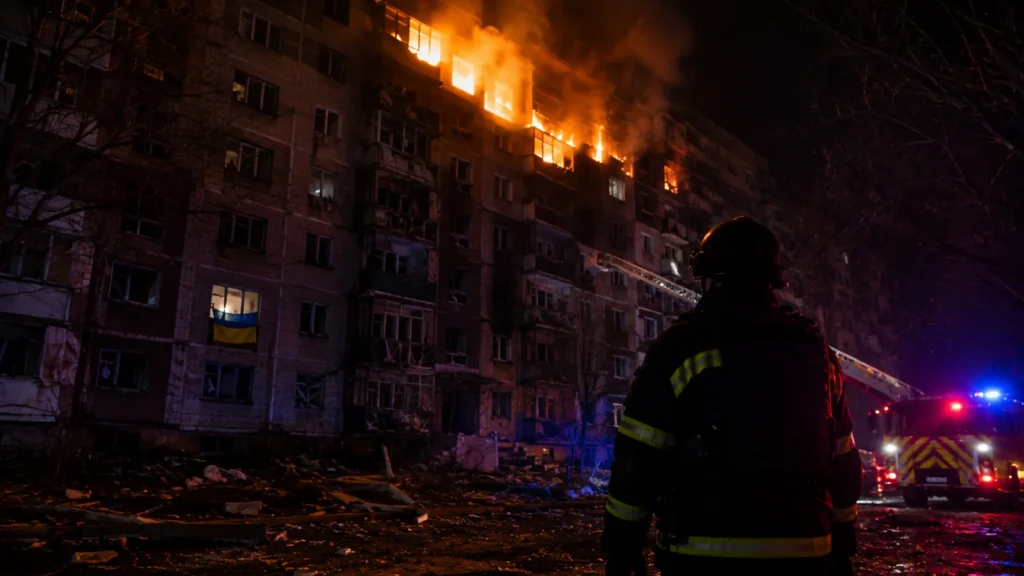
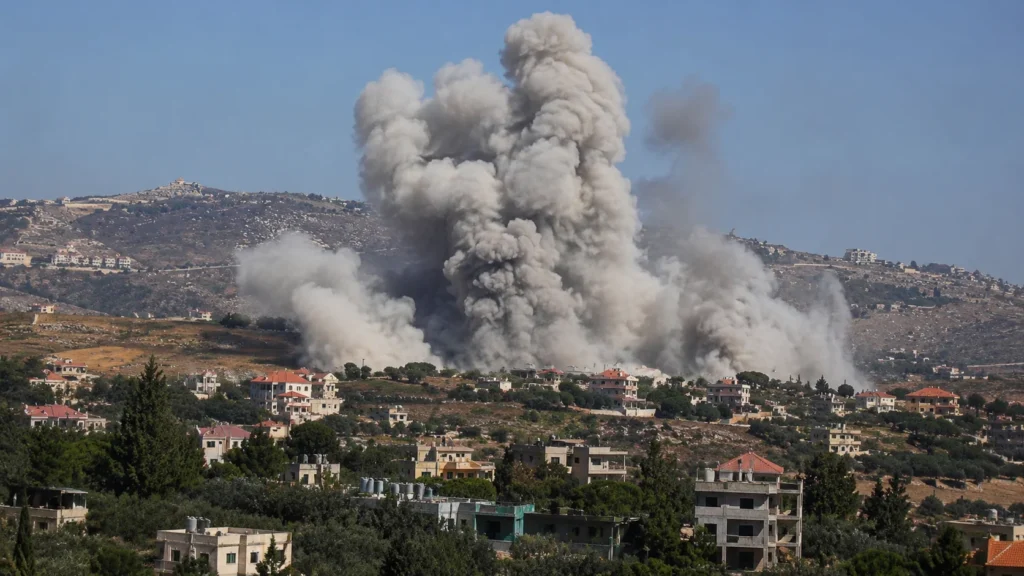
BEIRUT — A ceasefire between Israel and Hezbollah took effect at 4 p.m. local time on Thursday, according to US officials. Within minutes, rescue workers in Nabatieh reported at least 12 air strikes across southern Lebanon. The Lebanese health ministry confirmed 47 people died in the overnight bombardment, including women and children. Another 97 were wounded.
The agreement, part of a broader US-Iran memorandum of understanding, was supposed to halt hostilities on both fronts. It didn’t. Instead, the hours after the announcement became some of the deadliest of the conflict.
What the Ceasefire Actually Says
The memorandum contains two key commitments: a cessation of hostilities in Lebanon and a parallel de-escalation between the US and Iran. The White House insists both remain in effect.
Israeli military spokesperson Effie Defrin confirmed the ceasefire exists. Then he added a qualifier that undermines it entirely: forces would “continue to remove immediate threats, respond to Hezbollah’s violations, and do whatever is necessary to protect our civilians.”
A ceasefire with a self-defense exception isn’t a legal framework. It’s a license. Every strike becomes “necessary.” Every response becomes “a violation” to be punished.
Sheikh Naim Qassem, Hezbollah’s secretary general, responded on Friday: “The project to eliminate Hezbollah has failed, and the Israelis will withdraw from every last inch of our land.” Not acceptance of terms. A declaration that resistance continues regardless of what was signed.
As our earlier analysis of the Iran nuclear deal parallels documented, agreements that lack enforcement mechanisms tend to collapse the moment they’re tested. This one collapsed before the ink dried.
The Timeline: How Thursday Unfolded
Here’s what happened, hour by hour, according to Lebanese state media, the health ministry, and Israeli military statements:
Morning, Thursday: Israeli forces conduct what Lebanon’s state news agency describes as one of the most intense bombardments of the war across the Nabatieh district.
Afternoon: US officials announce a ceasefire will take effect at 16:00 local time (13:00 GMT).
16:00: The ceasefire begins.
16:00 onward: Rescue officials in Nabatieh record at least 12 air strikes. Nine killed in Harouf. Seven in Haboush. Six in al-Duweir, including one child.
Evening: Hezbollah reports ambushing an Israeli unit, destroying three tanks with guided missiles. Four Israeli soldiers were killed, including a battalion commander.
Friday: Israeli National Security Minister Itamar Ben Gvir declares, “Lebanon must burn… For every tear shed by an Israeli mother, 1,000 Lebanese mothers must weep.”
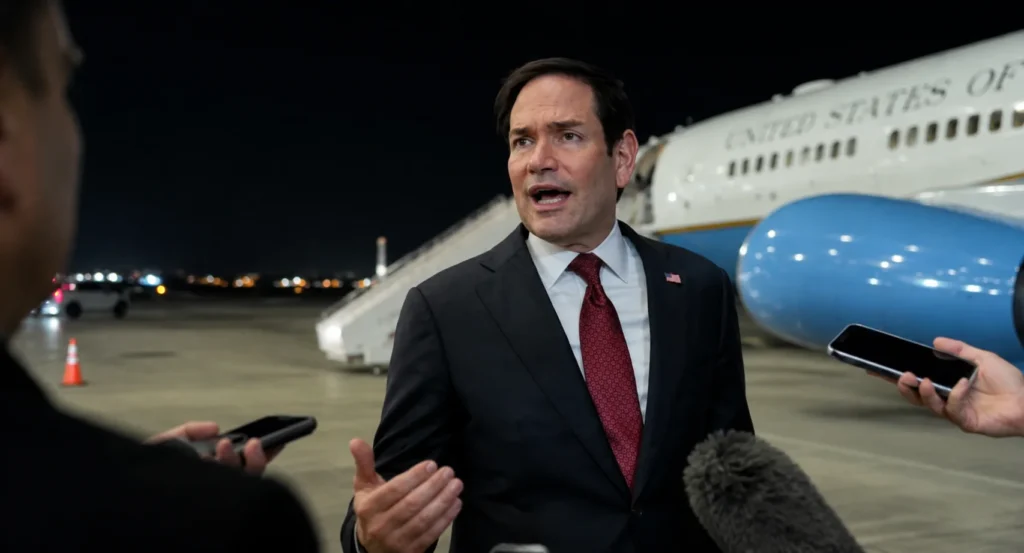
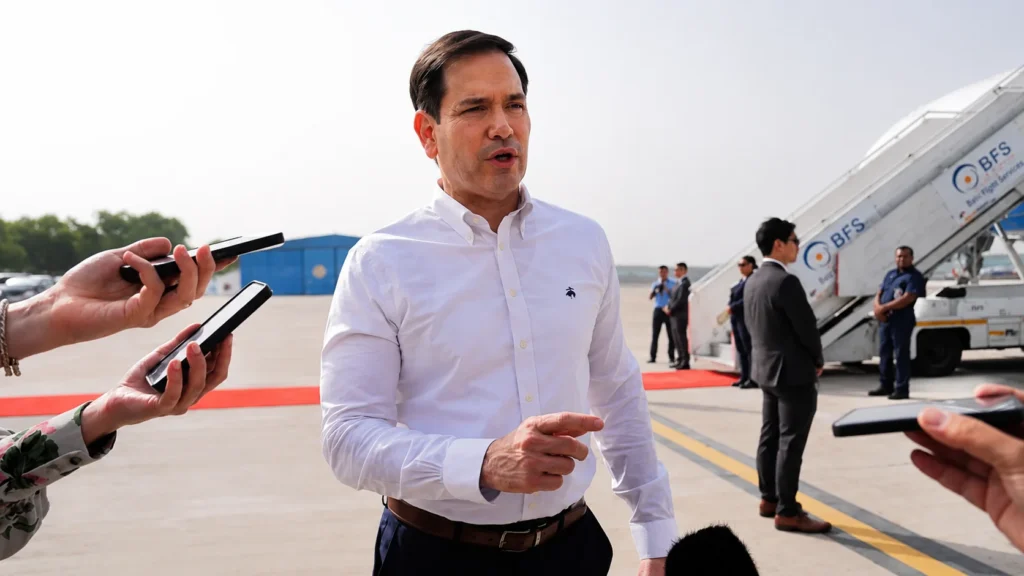
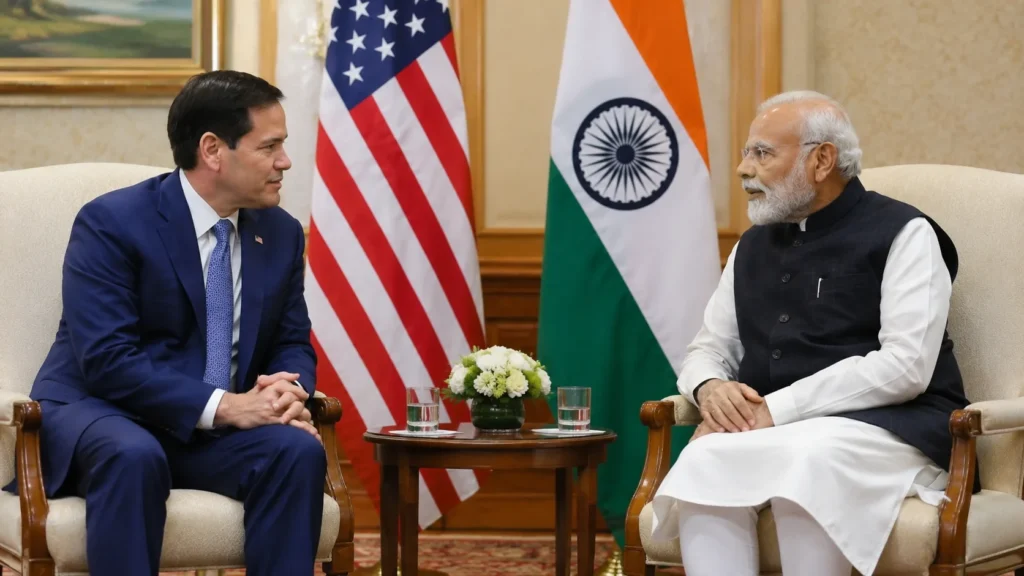
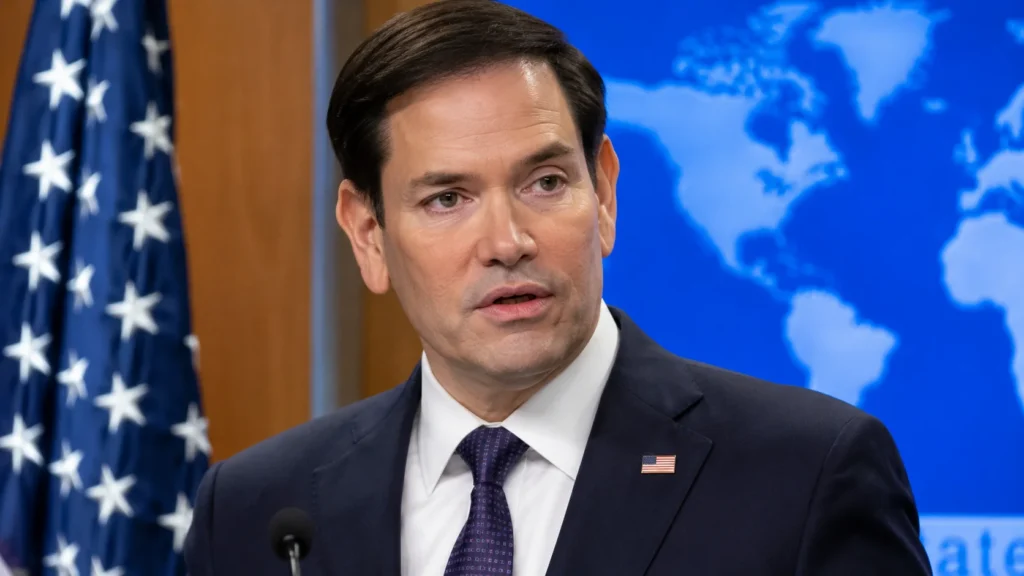
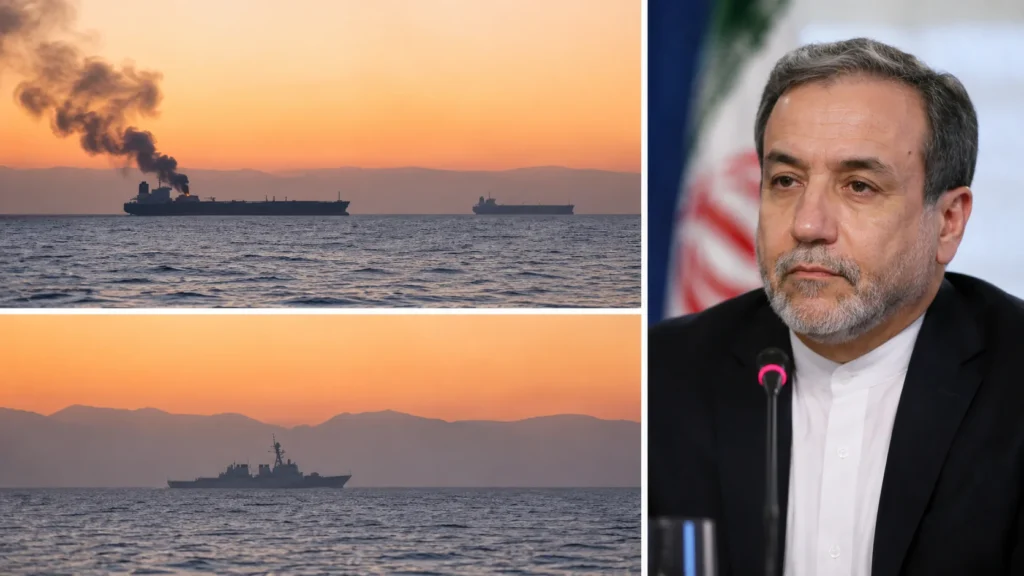
Friday, later: Iranian Foreign Minister Abbas Araghchi states any breach “will be attributed to the US.” Lebanon’s president tells US Secretary of State Marco Rubio that Washington talks next week require a “comprehensive ceasefire” where Israeli attacks actually stop.
The sequence reveals something structural, not incidental. Each side used the ceasefire announcement as cover for escalation.
Why This Collapse Was Predictable
The psychological architecture here isn’t complicated.
Agreements function when both parties believe the other will exercise restraint. That belief requires trust. Trust requires a track record.
Israel and Hezbollah have no such track record. The 2006 UN Security Council Resolution 1701, which ended the last major war between these parties, was violated repeatedly by both sides for nearly two decades. Hezbollah rebuilt its arsenal. Israel conducted thousands of overflights. The resolution is held as a legal document. It failed as a security arrangement.
One displaced Lebanese man told Reuters: “The agreement is good, and we all want an agreement, but the Israelis don’t abide by it. How many times have they made agreements? More than once, they don’t commit.”
That’s not cynicism speaking. That’s pattern recognition.
The Iran Dimension
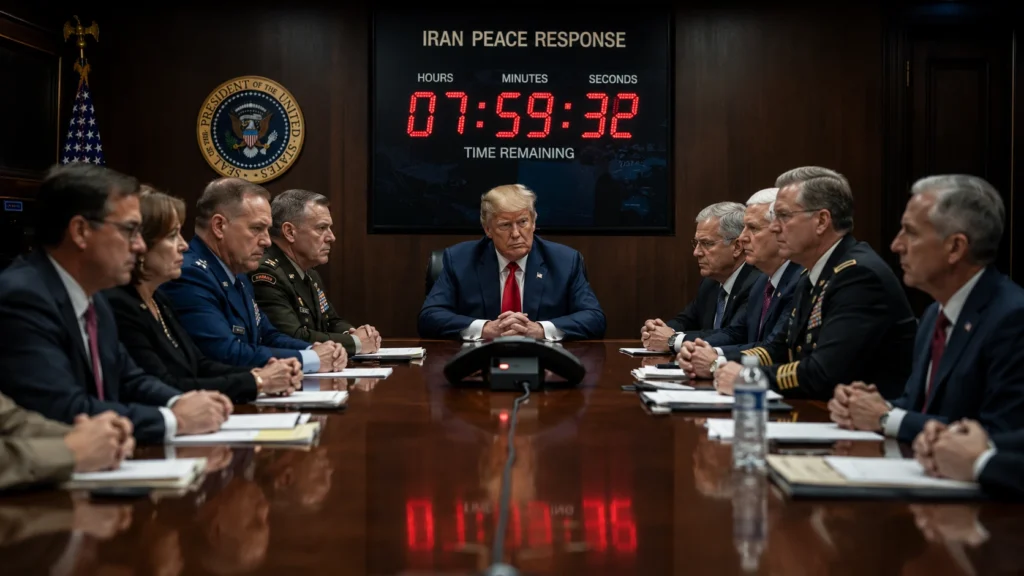
The US-Iran component of this deal faces identical credibility problems.
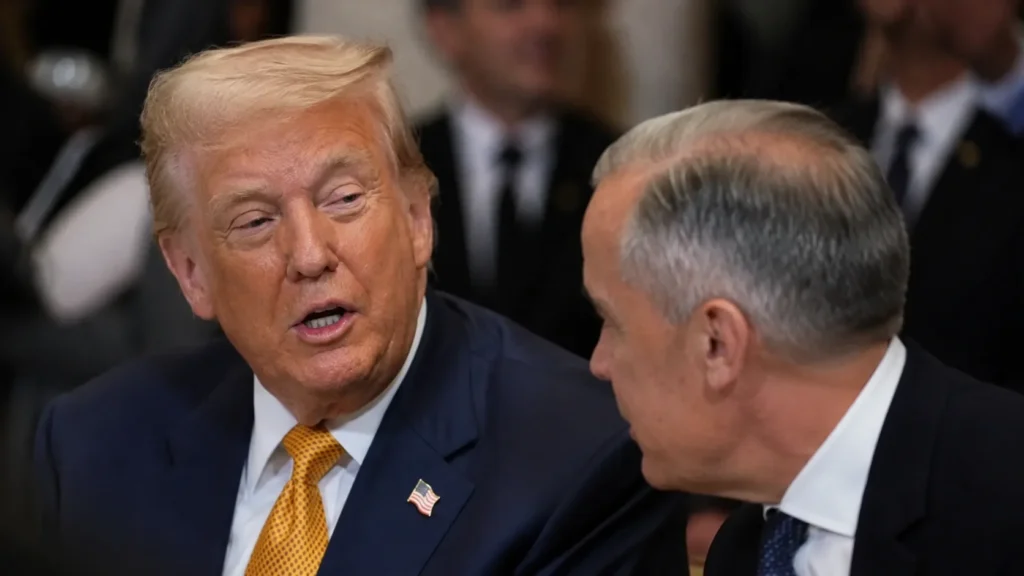
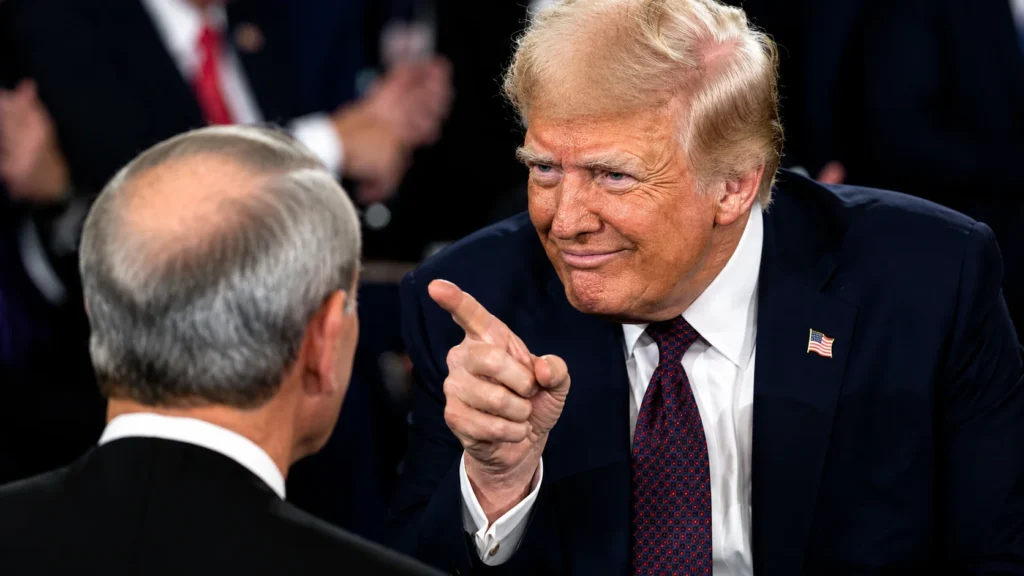
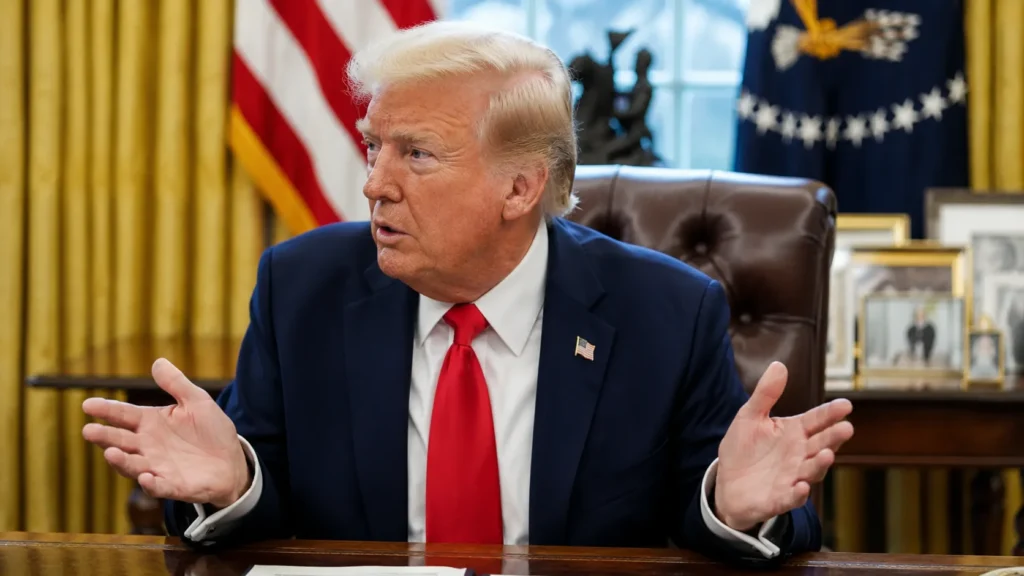
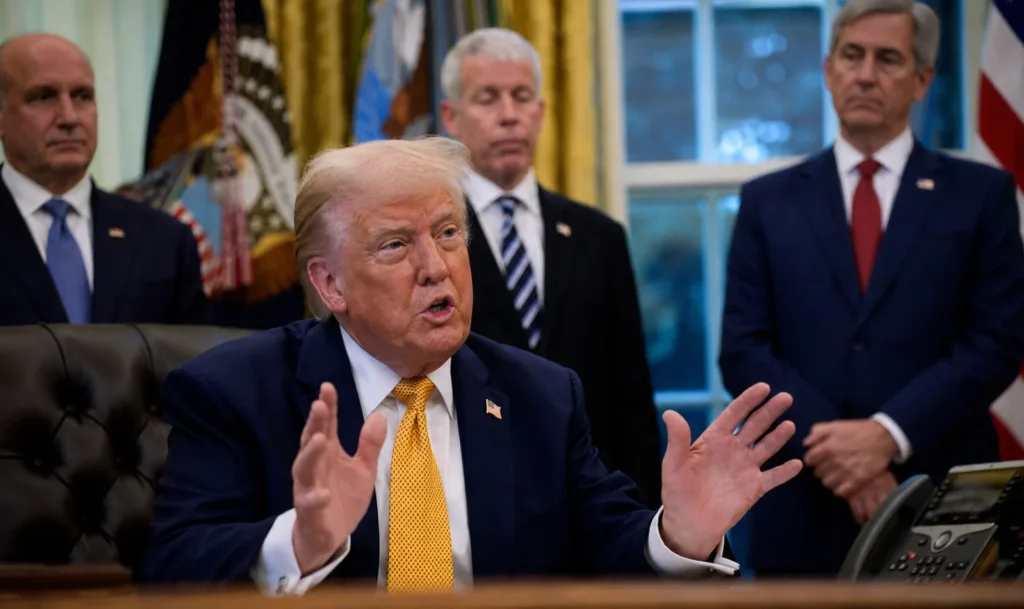
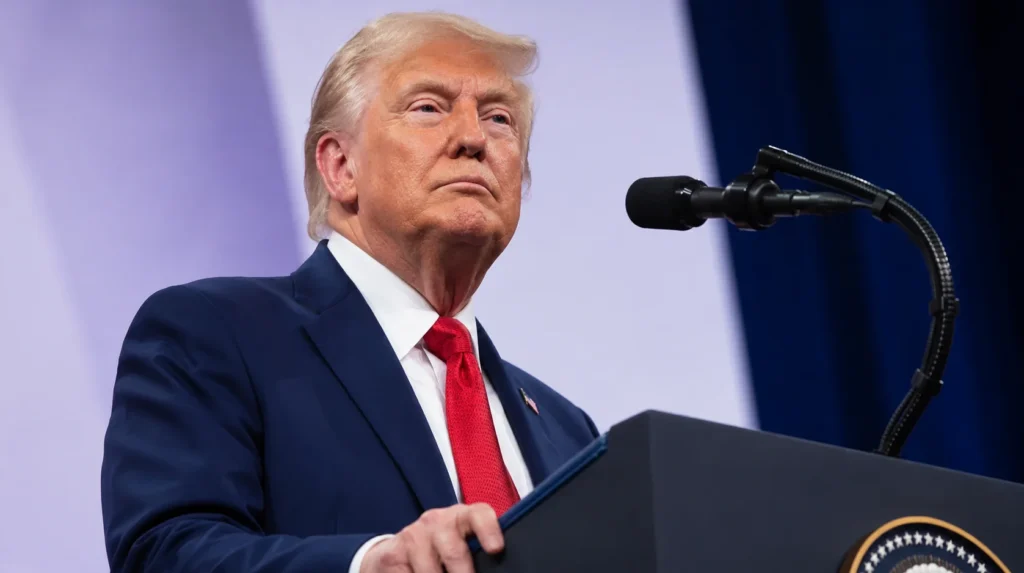
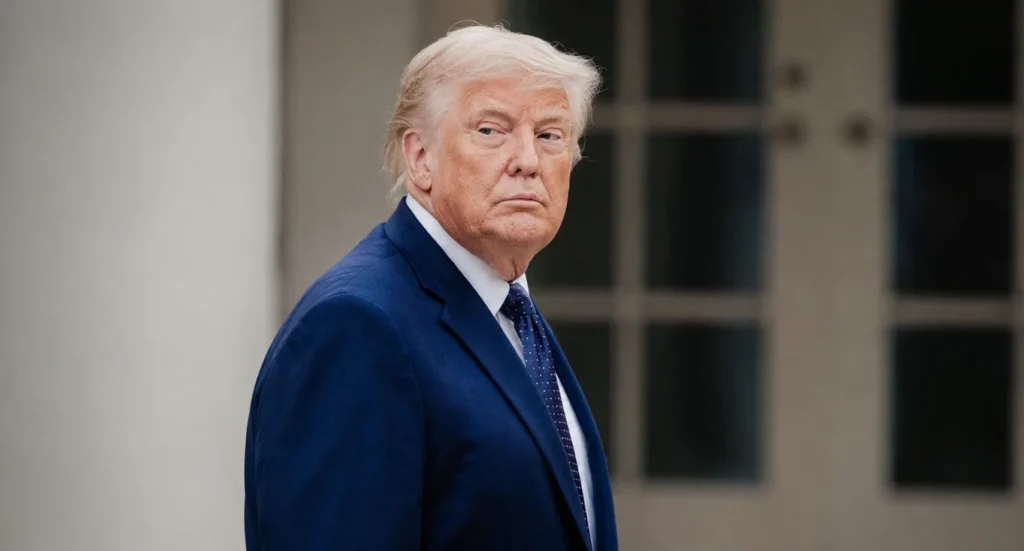
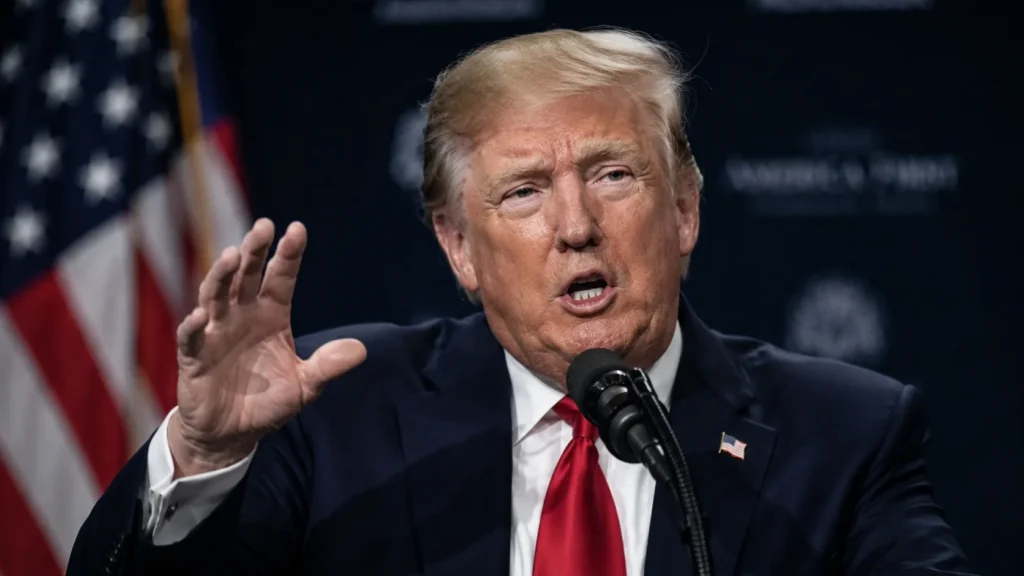
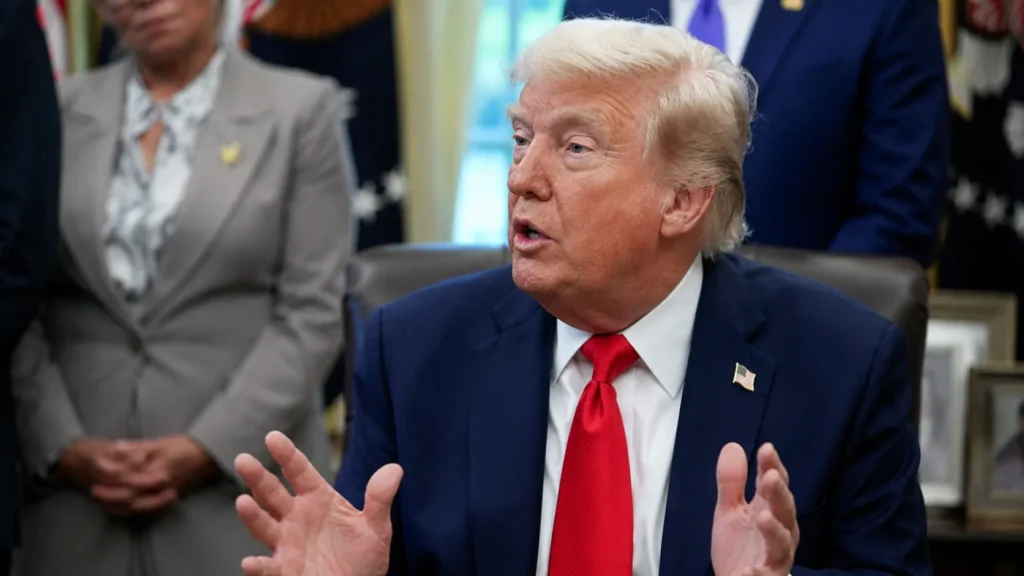
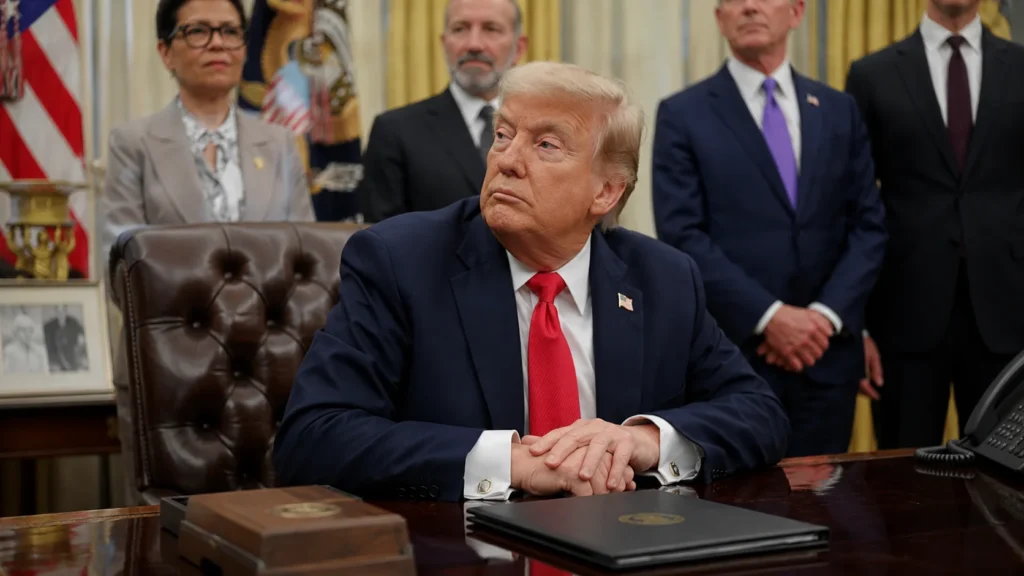
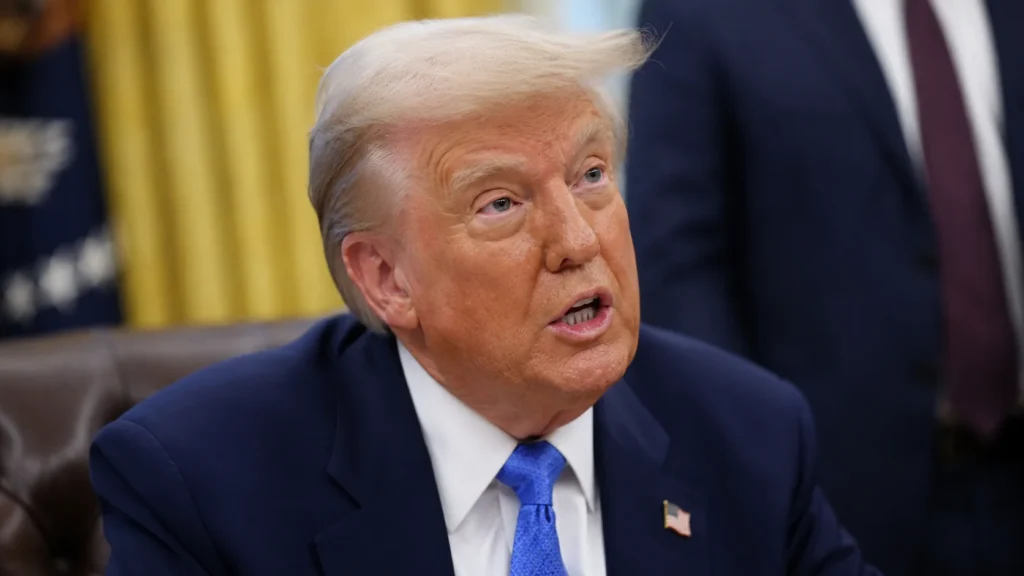
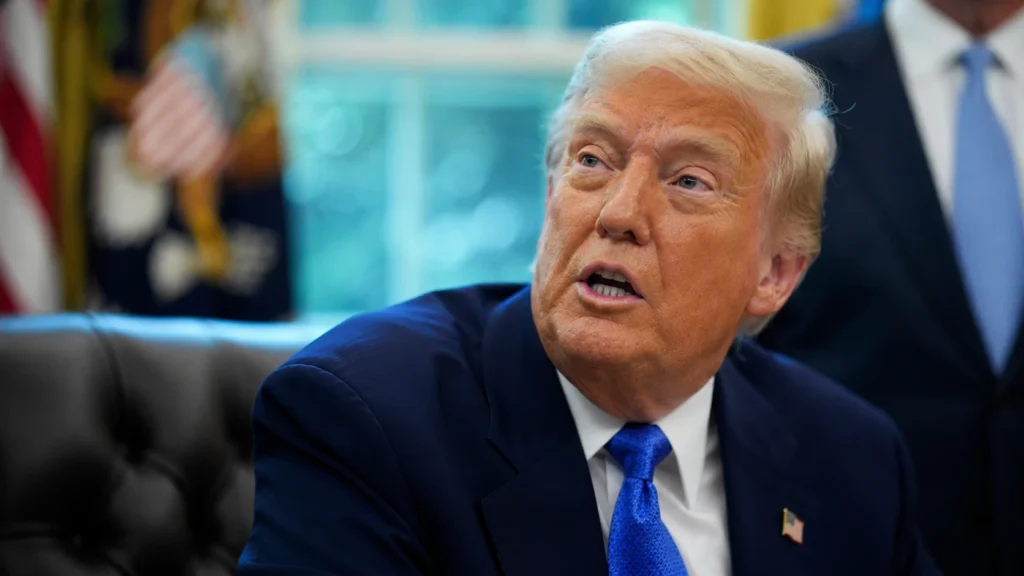
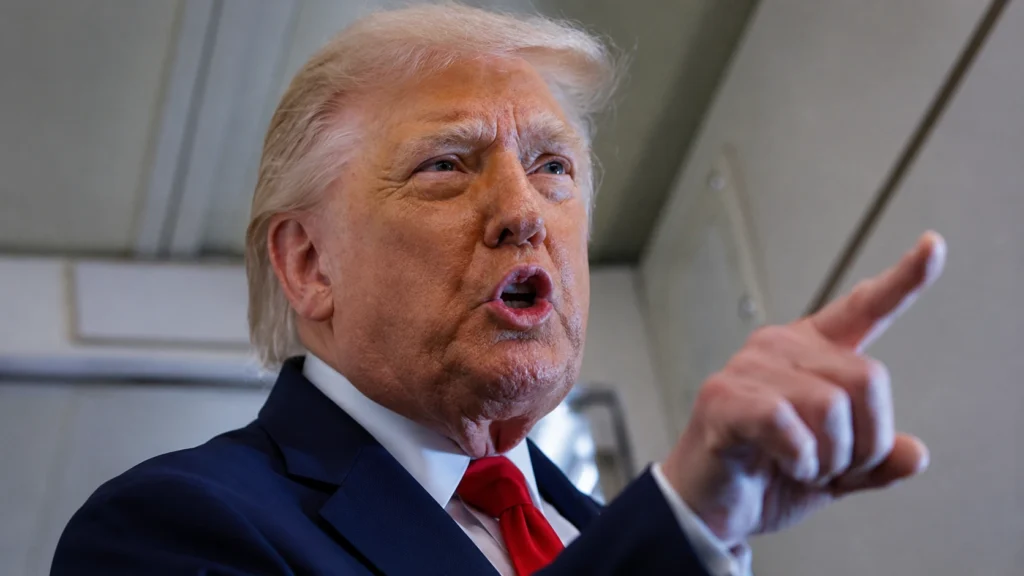
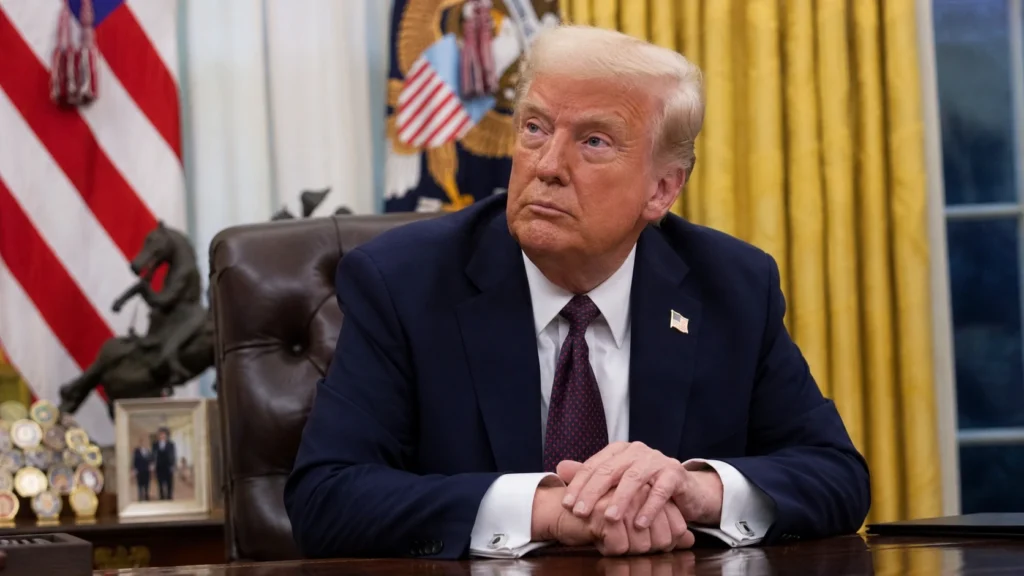
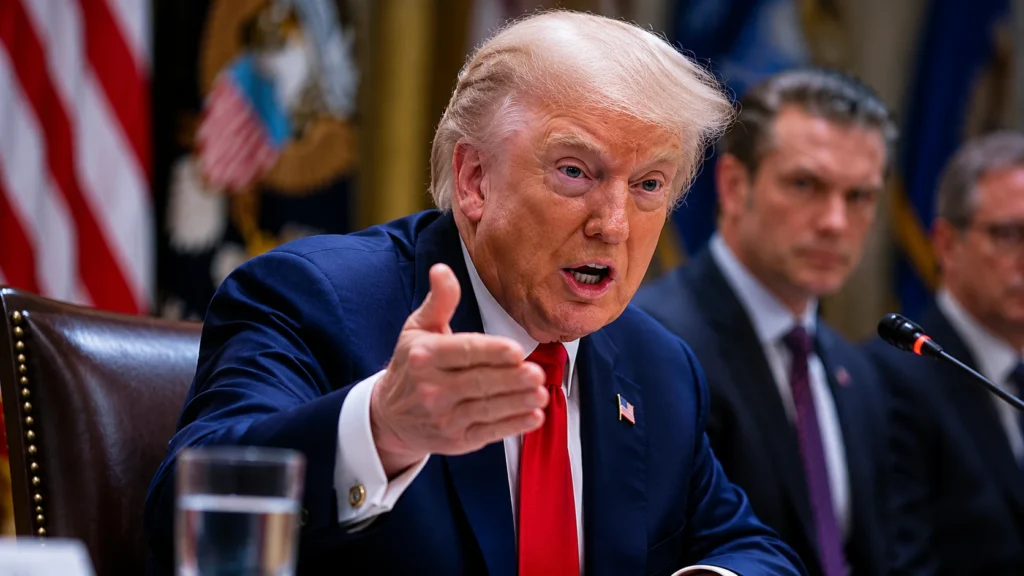
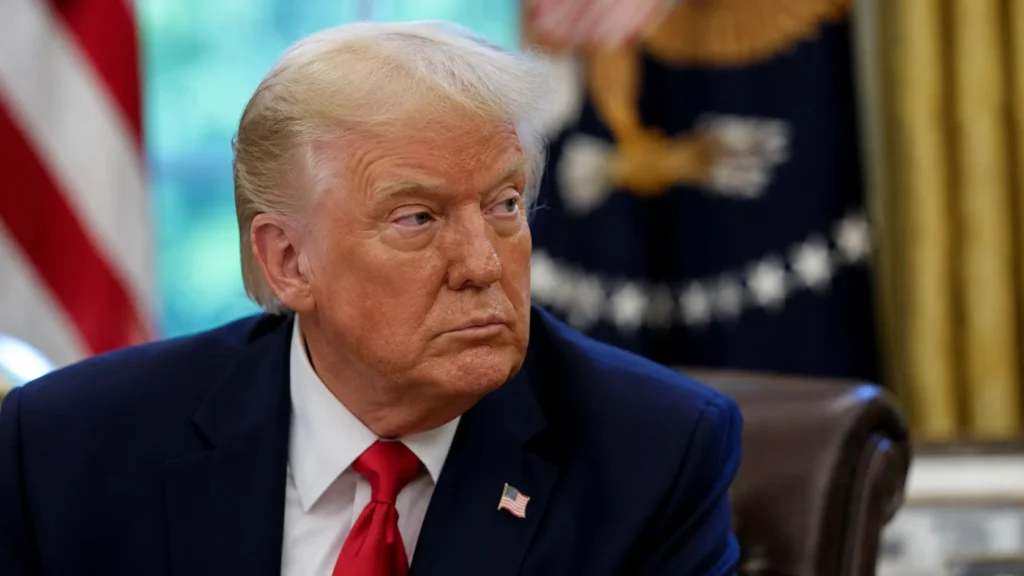
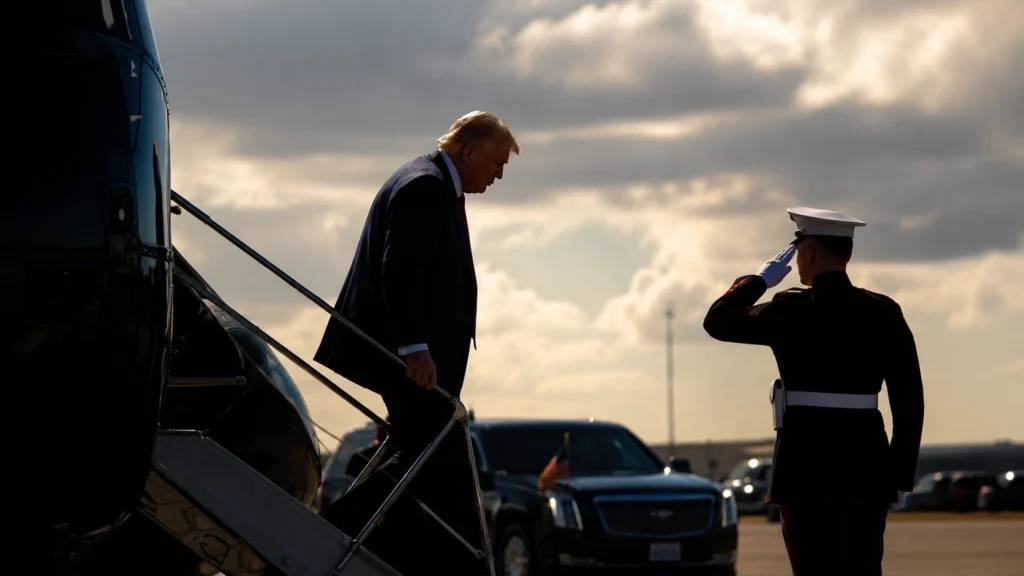
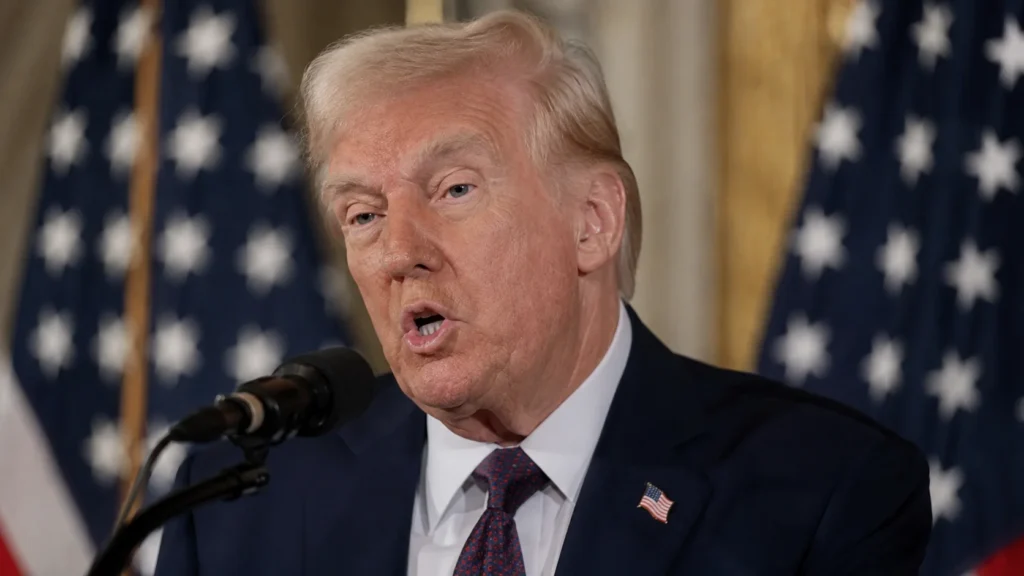
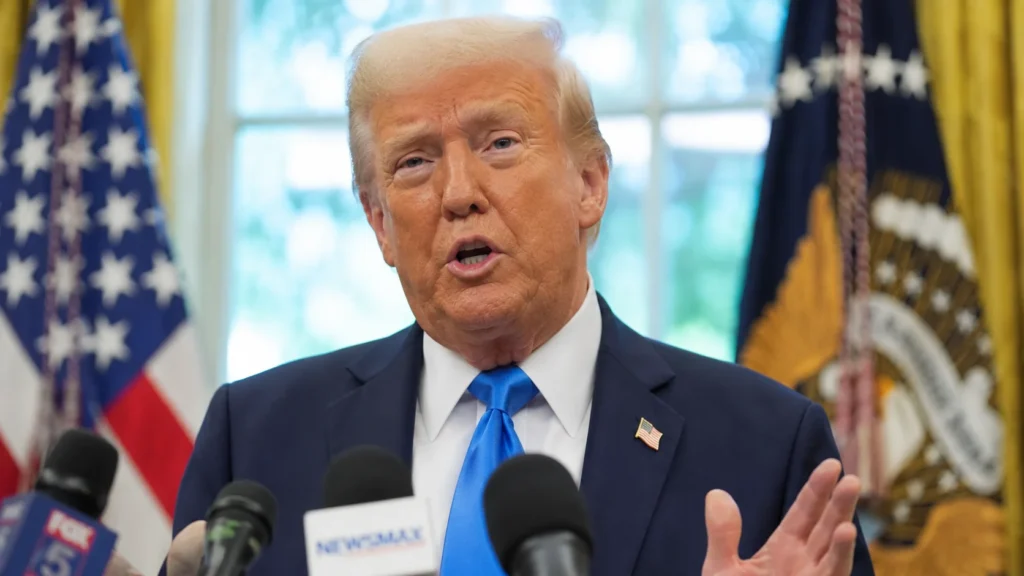
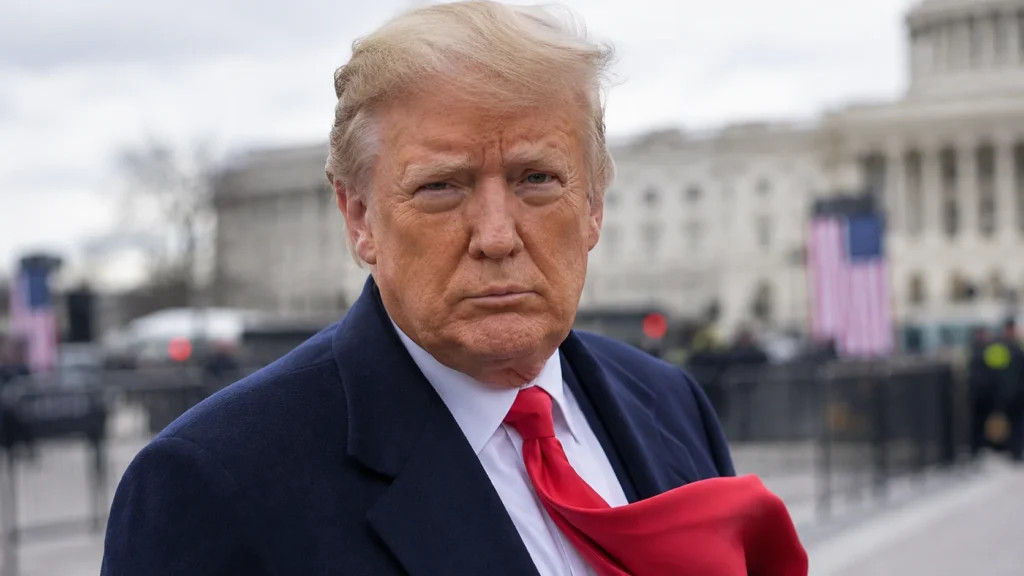
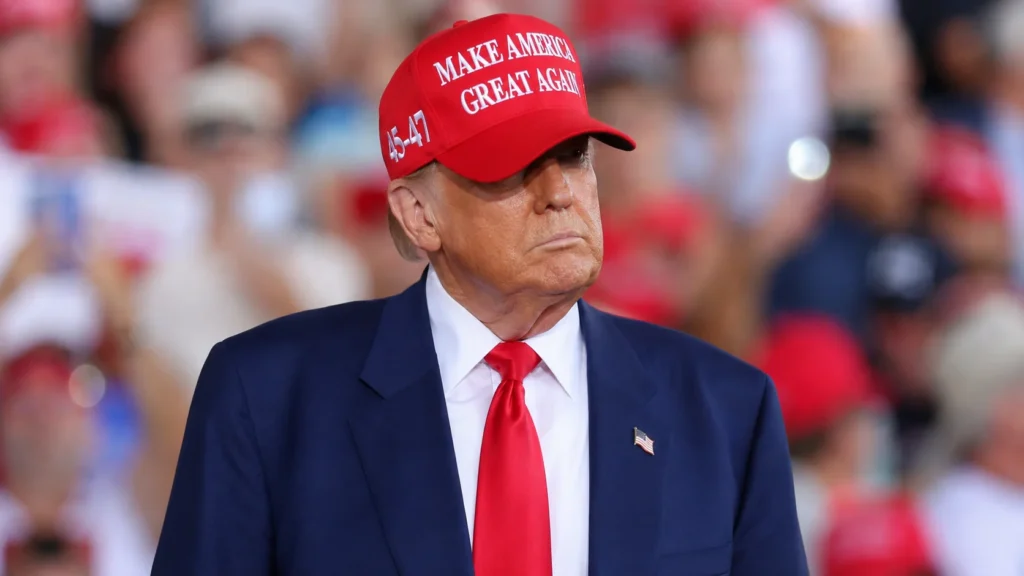
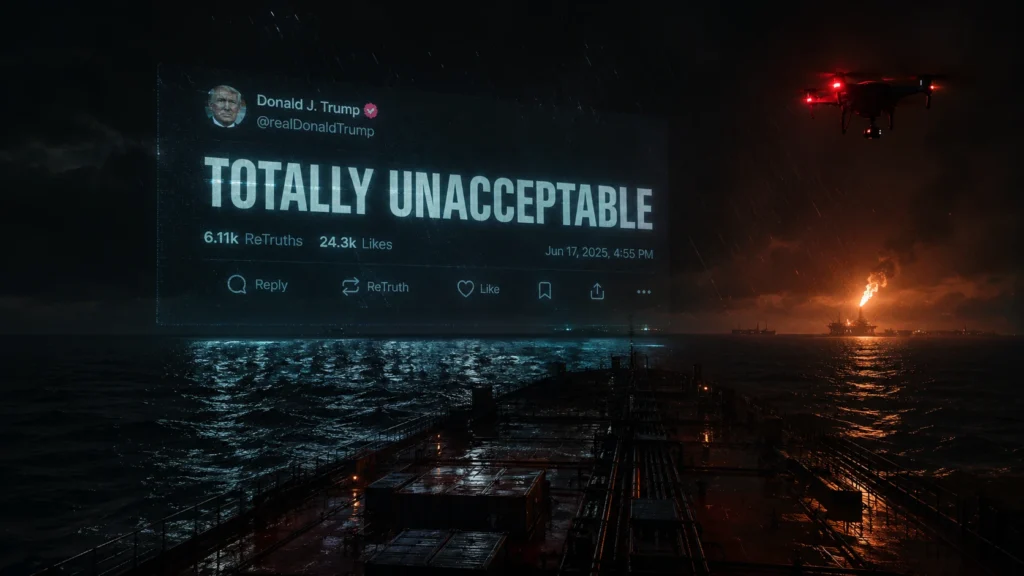
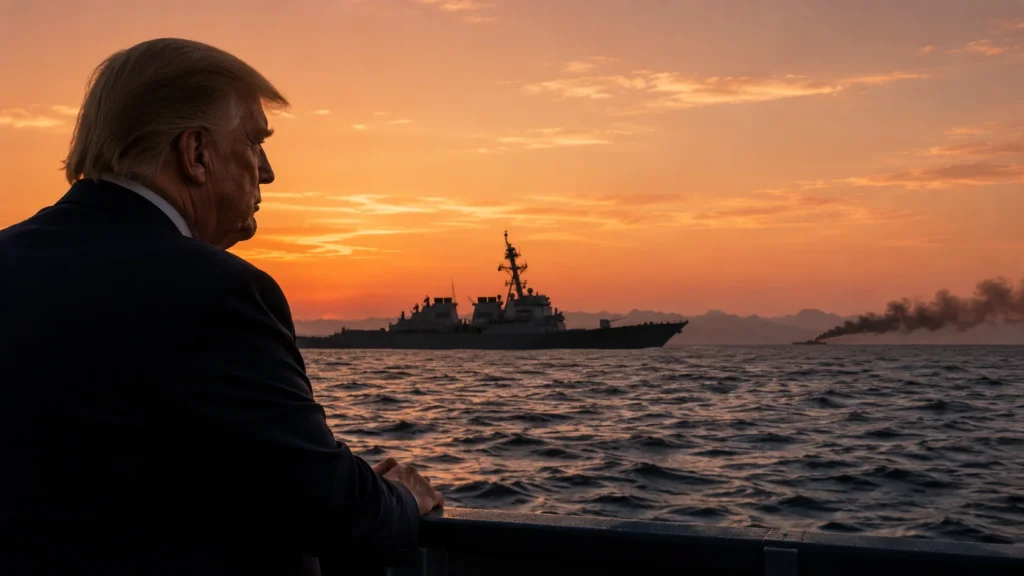
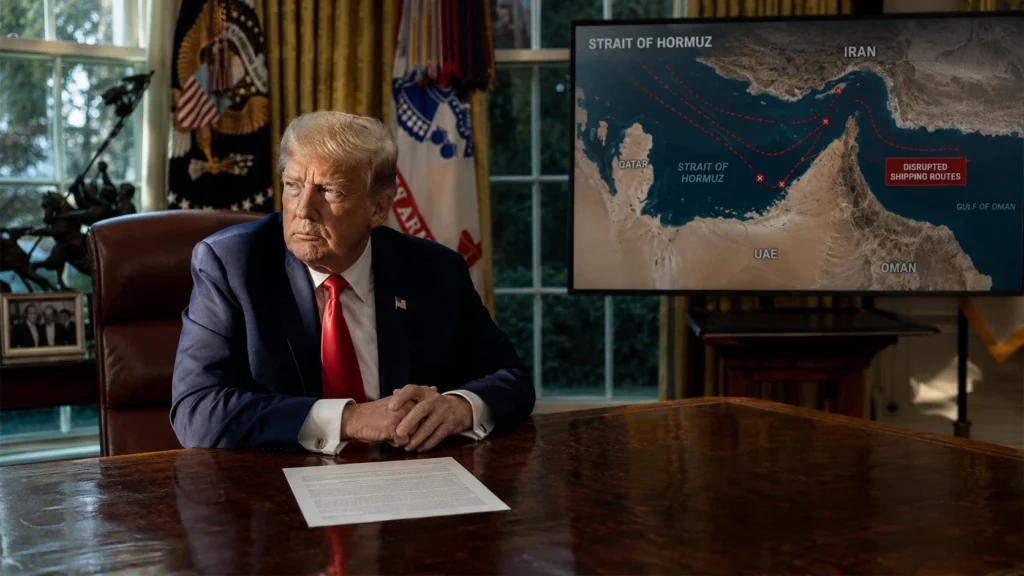
Trump publicly accused Netanyahu of “senselessly killing civilians” in his campaign against Hezbollah. Unprecedented language. But accusations without consequences are just noise. They change nothing on the ground.
Tehran watched this unfold in real time. Araghchi’s statement—that violations “will be attributed to the US”—carries a specific implication: Your guarantees are worthless. You can’t even control your ally.
The recent analysis of US diplomatic credibility in the Middle East becomes directly relevant here. Every broken ceasefire erodes the currency on which American guarantees trade.
What’s Next
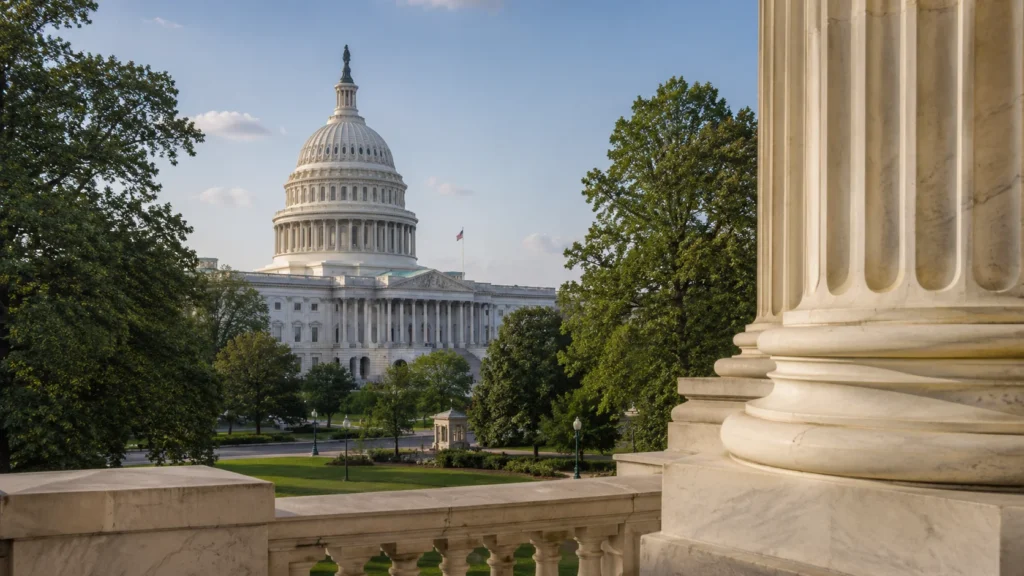
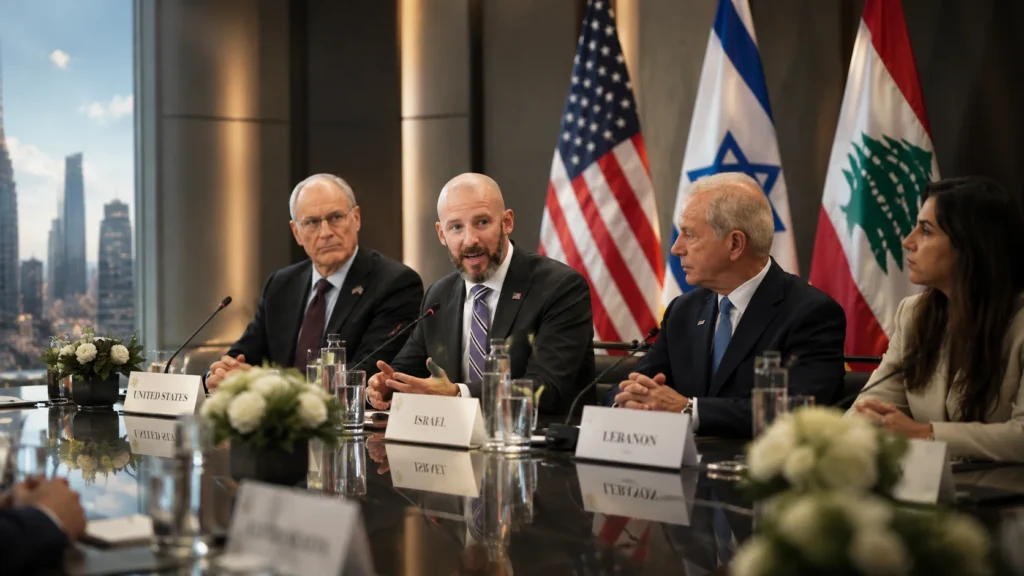
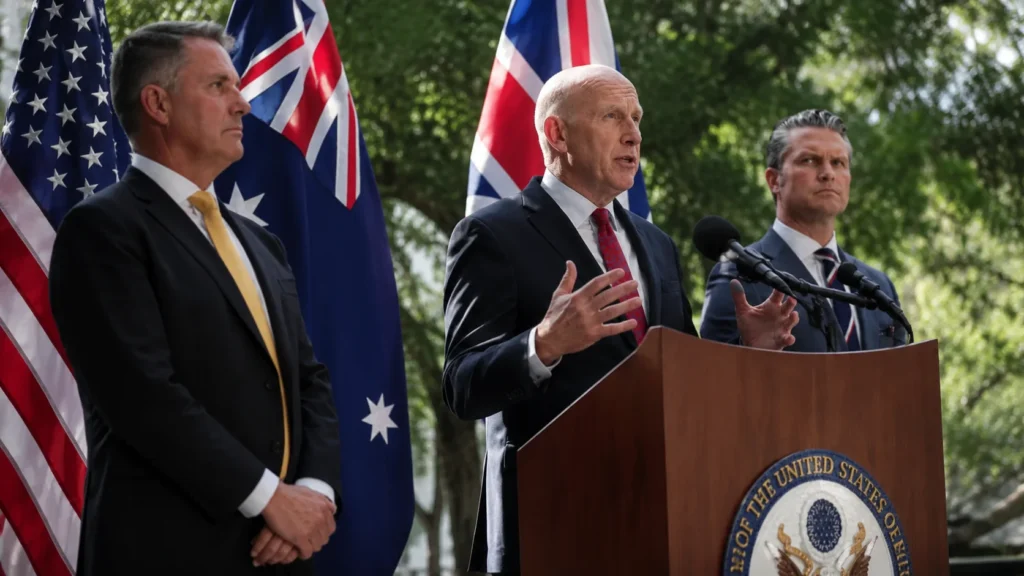
The State Department confirmed direct talks between Lebanon and Israel will resume next week in Washington. Lebanese President Joseph Aoun has already set a condition: Israeli attacks must stop for negotiations to progress.
That condition hasn’t been met. It probably won’t be.
Meanwhile, the Lebanese health ministry casualty figures continue to climb. Over 3,900 dead since the conflict began. More than 11,600 wounded. Roughly one million displaced. Dozens of southern communities were destroyed entirely.
Ben Gvir’s statement signals where Israeli domestic pressure points. Qassem’s statement signals Hezbollah’s operational posture. Neither side has an incentive to stop. Both have hardliners who treat every ceasefire as a weakness to be exploited.
FAQ
Is the ceasefire between Israel and Hezbollah actually in effect?
The US says yes. The Israeli military confirmed it exists. But Israeli forces are still authorized to “remove immediate threats,” and strikes continued in southern Lebanon after the deadline. In practice, the ceasefire functions as a diplomatic announcement without operational reality.
Why did strikes continue after the ceasefire was announced?
Israel’s stated position is that it reserves the right to respond to threats and violations. Hezbollah has not formally confirmed the ceasefire and continues military operations against Israeli forces. Both sides are using the agreement’s existence as political cover while continuing kinetic operations.
How many people have died in the latest conflict?
Lebanon’s health ministry reports over 3,900 killed and more than 11,600 wounded since the conflict escalated. The latest overnight bombardment on Thursday killed 47 people, including women and children, and wounded 97.
What happens next with negotiations?
The US State Department announced that direct talks between Lebanon and Israel will resume in Washington next week. Lebanese President Aoun has demanded a “comprehensive ceasefire” as a precondition for progress. Whether talks proceed meaningfully depends on whether the current ceasefire actually stops the killing.
Does this affect the US-Iran deal?
Yes. The ceasefire in Lebanon is linked to a broader memorandum of understanding between the US and Iran. Iran has already warned that violations will be attributed to Washington. If the Lebanon component collapses, the Iran component faces severe credibility damage.