

 English




















































































































































































































































































































































The Free Clean Comes With Cameras. The Data Is Forever.
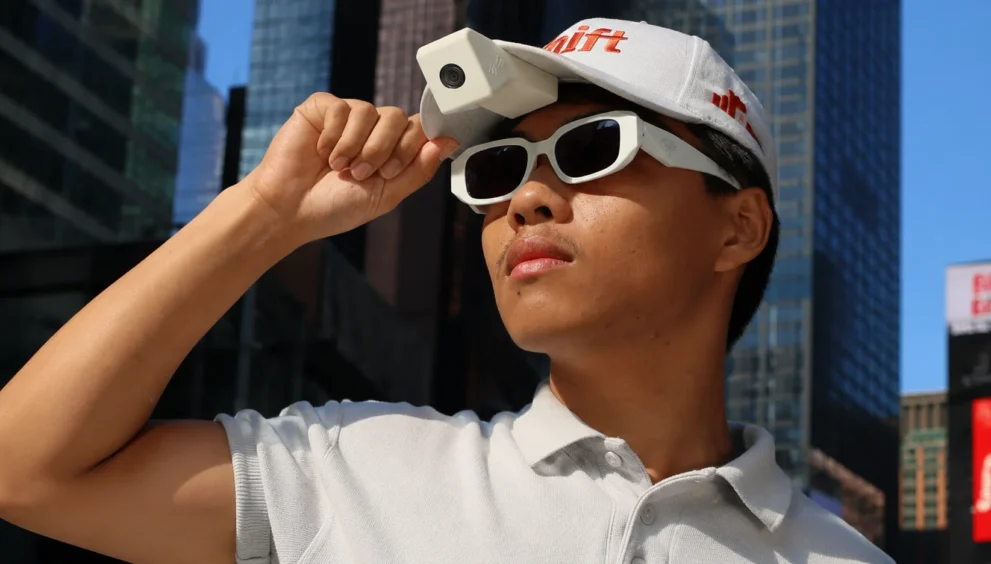
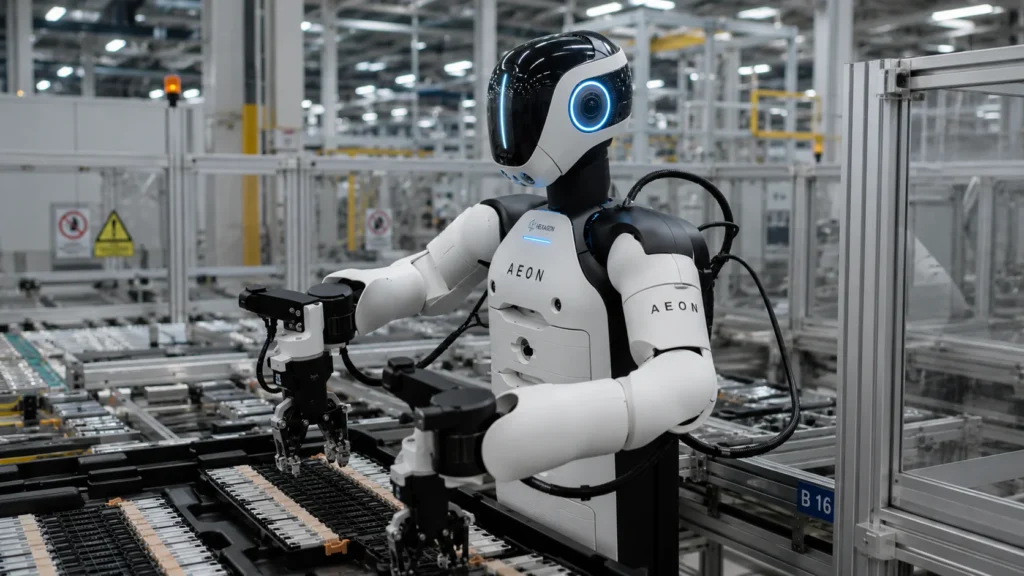
NEW YORK — A startup called Micro AGI is sending camera-equipped cleaners into New York City apartments at no charge, collecting first-person footage to train the next generation of household robots. The initiative, called Shift, launched with cleaners operating five apartments daily, five days a week, each worker wearing a cap-mounted camera connected to a phone. Founder Bercan Kilic told the BBC the data will help robots learn how human hands interact with real-world objects—every kitchen, living room, and tool is different. Privacy experts at the Electronic Frontier Foundation and the Electronic Privacy Information Center have warned consumers to understand what they’re trading before letting cameras into their homes.
The service is free. The dataset it builds is not. And the gap between those two truths is where this business lives.
What You Actually Agree To When Shift Enters Your Home
The transaction sounds straightforward. Two cleaners arrive. They scrub your kitchen. They wipe your counters. Maybe a private chef comes too. You pay nothing. They leave. Your apartment is spotless.
What you gave them: hours of high-definition first-person footage recorded inside your home. Every object on your shelves. Every photograph on your walls. Every voice in the background. Every room’s layout, lighting conditions, and spatial arrangement.
According to Micro AGI’s Shift program documentation, the data gets anonymized and sold to robotics and AI companies building autonomous machines. Kilic described the goal as collecting “tonnes” of data—his word—because “every object is different, the lighting is different, and nothing is the same as it was a couple of hours earlier.”
ChatGPT was trained on text already available online. Physical robots have no equivalent training corpus. Shift is building it. One apartment at a time.
As our earlier coverage of AI training data marketplaces documented, proprietary datasets for physical-world AI are becoming the most valuable input layer in robotics. The company that owns the footage owns the foundation models that come next.
The Privacy Warning Experts Want You to Hear
Rory Mir, director of open access and tech community engagement at the Electronic Frontier Foundation, didn’t mince words. He called Shift part of a “concerning increase in ‘pay-for-privacy’ and ‘data-bribing’ practices from companies.”
The term “data-bribing” is specific. You receive immediate tangible value—a clean home, a meal. You surrender access that extends far beyond the service window. The cleaning crew leaves after a few hours. Your data doesn’t.
Mir’s structural warning: “Even if you trust the business collecting it, there is always a risk of them sharing that information with other businesses or governments. We have just lived through decades of our data being used to manipulate us with advertising and predatory practices like surveillance pricing.”
Calli Schroeder, director of the AI and human rights programme at the Electronic Privacy Information Center, called Shift “a diabolically creative way to sell privacy invasion.” Her labor-market point adds another layer: the technology trained on this footage is designed to eventually replace the very workers currently wearing the cameras. The free cleaning you received is “a pittance” compared to what the compiled datasets will sell for, she said.
According to Electronic Privacy Information Center’s recent advisory on in-home data collection, existing US privacy frameworks were built around digital browsing and purchasing behavior—not commercial recording inside private residences. The regulatory gap is wide enough to drive a business model through.
How the Economics Actually Work
Shift pays cleaners above-market rates for New York. Demand is so high that the workers are stationed in the city indefinitely. The company also operates mechanics in Turkey, filming car repairs. Kilic said the model eventually covers “any skill humanity can demonstrate.”
The cleaning service costs Shift money. The dataset generates revenue. If the unit economics balance—free service subsidized by data sales—the model proliferates into cooking, repairs, elder care, and anything requiring human dexterity.
Kilic defended the transparency of the arrangement to the BBC: “Clearly, your data is being used every single day, but you don’t know what for, and you are not being paid. A free service means at least you are being paid, and it is as honest and as transactional as that.”
He added, “If you don’t want to do it, you don’t have to. We don’t expect everyone to like it, and that is fine.”
The logic is clean. It’s also a strategic framing. Accepting the premise means accepting that data extraction is inevitable—the only variable is whether you get something back. Shift isn’t inventing that bargain. It’s just bringing it into your kitchen.
What the Cleaners Themselves Think
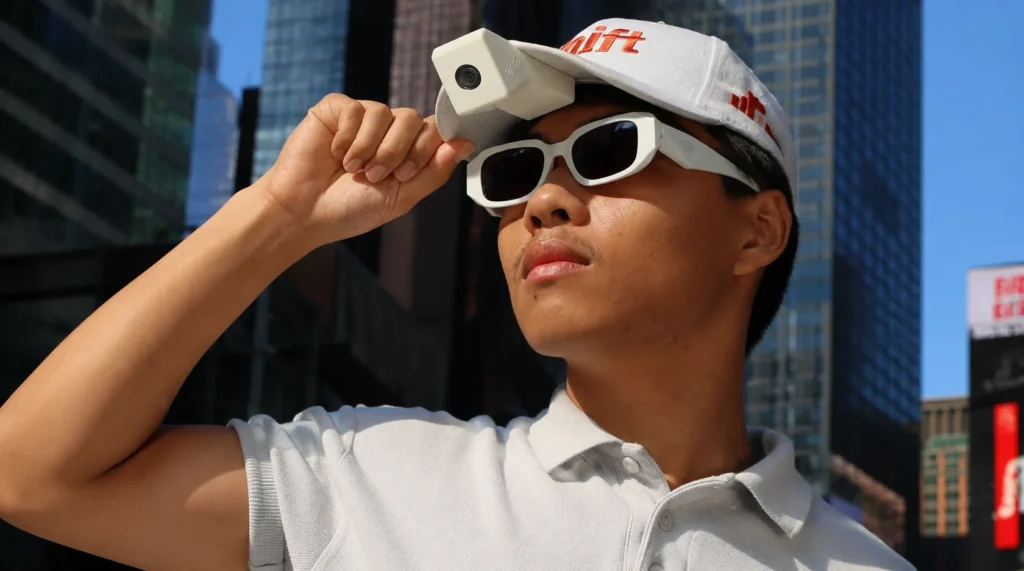
The workers the BBC spoke to were Gen Z, mid-twenties, who bounced around the startup world. They believe AI will reshape work dramatically and have decided to be on the inside. One sent a filming kit home to his mother, who now records herself doing household tasks.
They spoke about the AI revolution with genuine excitement, even while scrubbing apartments. They’re not victims in their own telling. They’re early adopters.
The technology they’re training, however, is designed to eventually do their jobs without them. The company’s own framing references “autonomous robots” that will “do everything from the washing up to serving as live-in personal carers.” The workers know this. They’re participating anyway.
As our analysis of automation and service worker displacement explored, the pattern is consistent across industries: early-stage training data jobs create temporary employment while building the systems that eliminate those same positions.
What to Watch Going Forward
The model scales if robotics companies pay for the data. Shift’s New York cleaning operation is proof of concept. The Turkey mechanic operation is expanding. More verticals are coming.
The privacy conversation hasn’t reached lawmakers yet. Mir and Schroeder’s criticisms represent the opening arguments. When regulation arrives—and it will, given the sensitivity of in-home recording—Shift’s first-mover position either becomes a defensible moat or a liability. Companies that build datasets before rules exist often face retroactive compliance costs.
The consumer calculus is harder to regulate. New Yorkers signing up for free cleans are making a rational short-term choice. Cleaning rates in the city are expensive. The service is free. The long-term cost—your home as training data, your privacy as input layer—is invisible by design. It always is. That’s why the model works.
FAQ
Is Shift by Micro AGI actually free?
Yes. The cleaning service costs nothing upfront. Workers wear cap-mounted cameras that record first-person footage of their hands performing tasks. That footage becomes training data for robotics companies. Your payment gives you access to your home environment.
What happens to the footage recorded in my apartment?
According to the company, the data is anonymized and sold to AI and robotics firms developing autonomous machines. Founder Bercan Kilic says Shift is “the most honest platform by far regarding what happens to your data.” Privacy experts warn that once data leaves your control, you cannot restrict how it’s used, shared, or resold.
Can I opt out of being recorded?
The recording is the entire business model. If you don’t want cameras in your home, the service isn’t for you. Kilic told the BBC: “If you don’t want to do it, you don’t have to. We don’t expect everyone to like it, and that is fine.”
Are there other companies doing this?
Shift is currently operating apartment cleaning in New York and mechanical services in Turkey. The model—free service in exchange for training data—is expected to expand into cooking, repairs, and elder care. As our report on the growing AI training data economy noted, physical-world data collection is becoming a competitive moat for robotics startups.
Is this legal?
Currently, yes. In-home data collection for commercial AI training occupies a regulatory gray zone in the United States. Existing privacy laws were built around digital behavior, not physical space recording. Privacy advocacy groups, including the Electronic Frontier Foundation and EPIC, have called for updated frameworks.