

 English
























































































































































Clark Didn’t Win the US Open Tonight. He Survived the Wait.
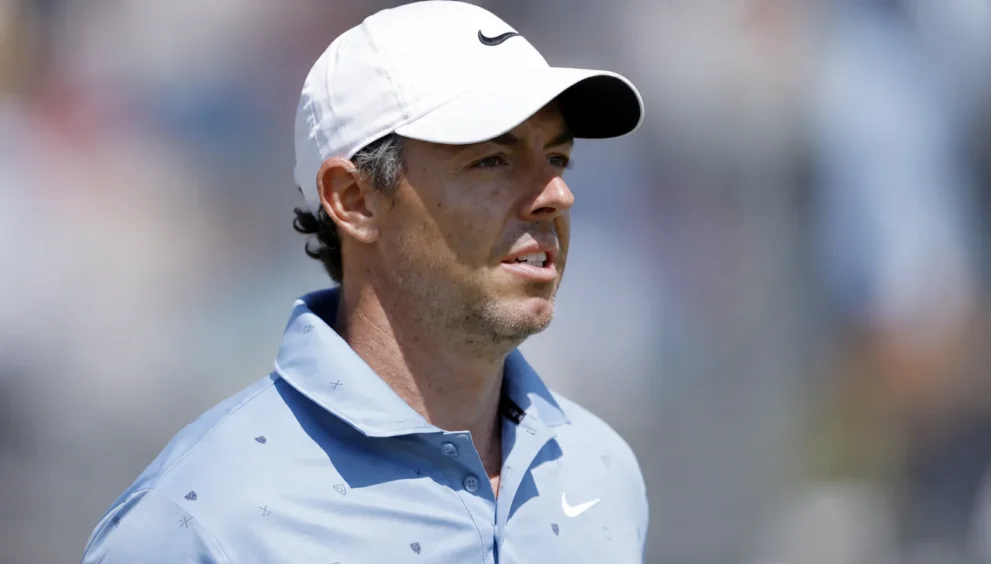
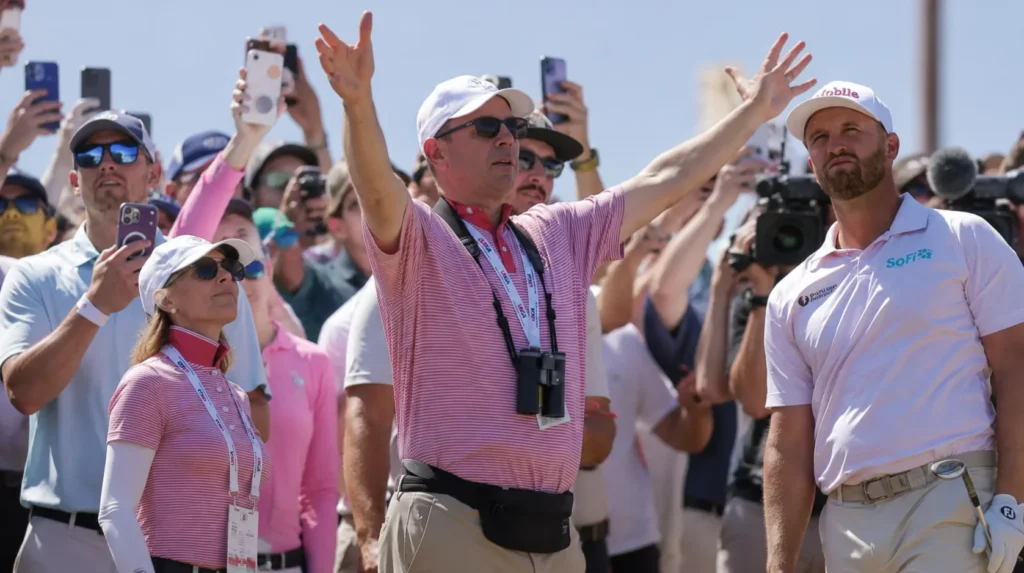
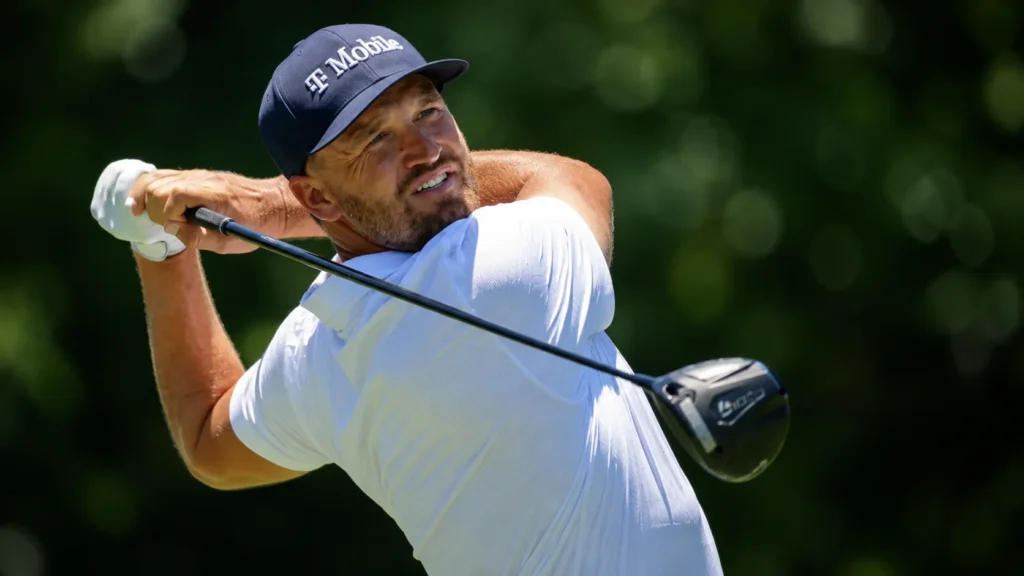
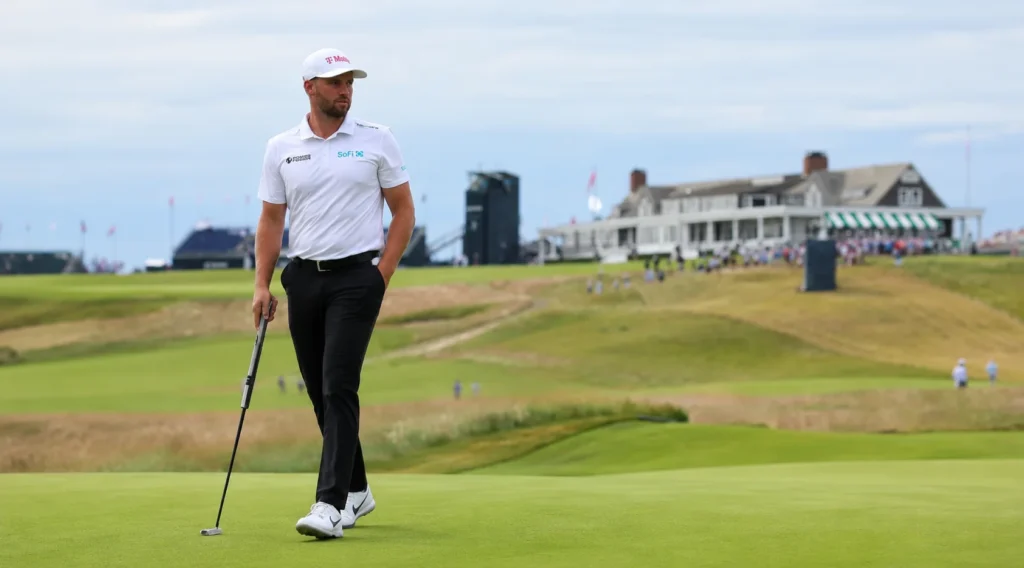
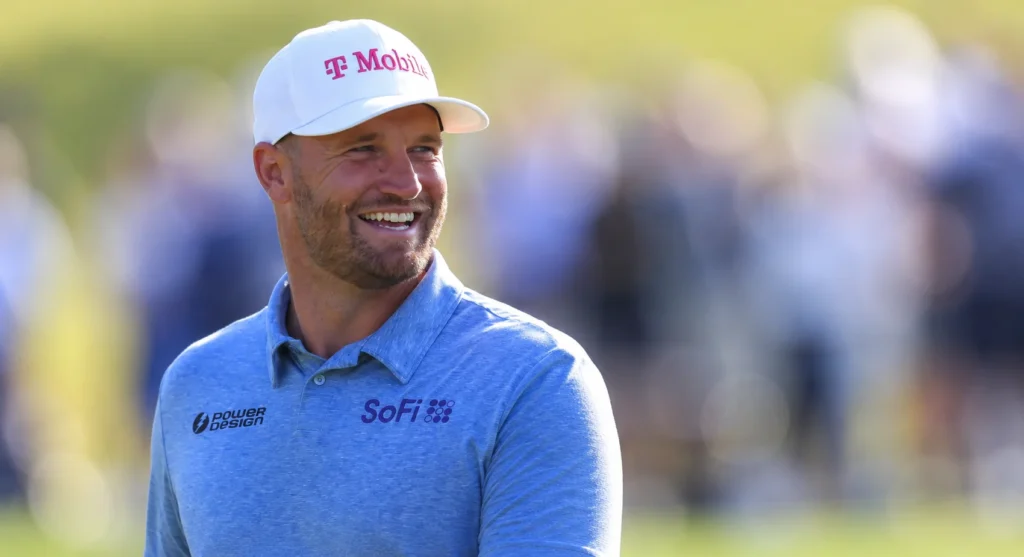
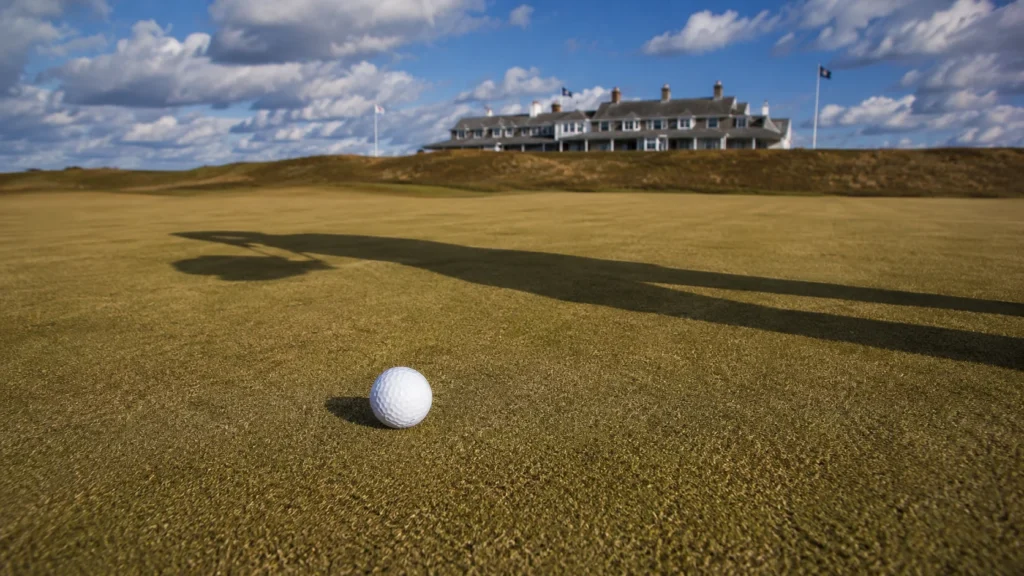
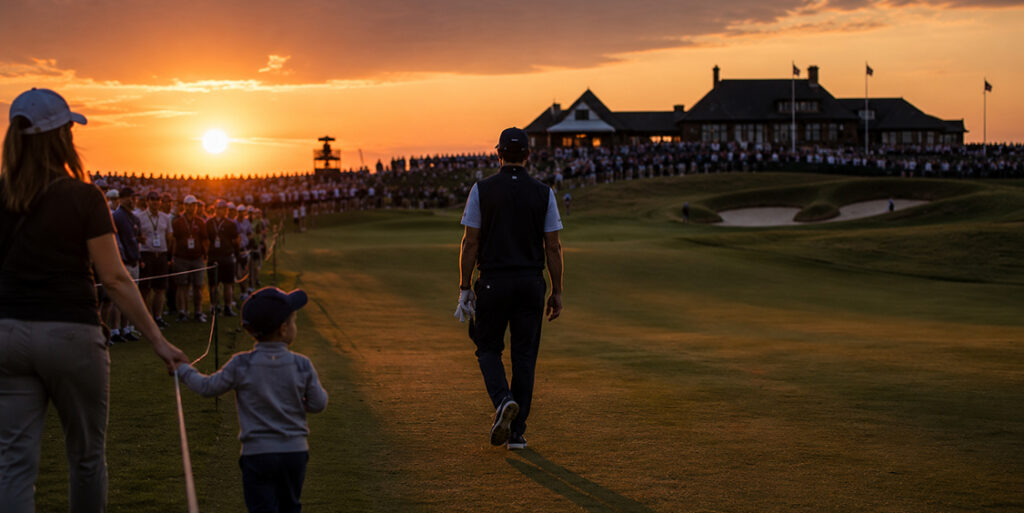
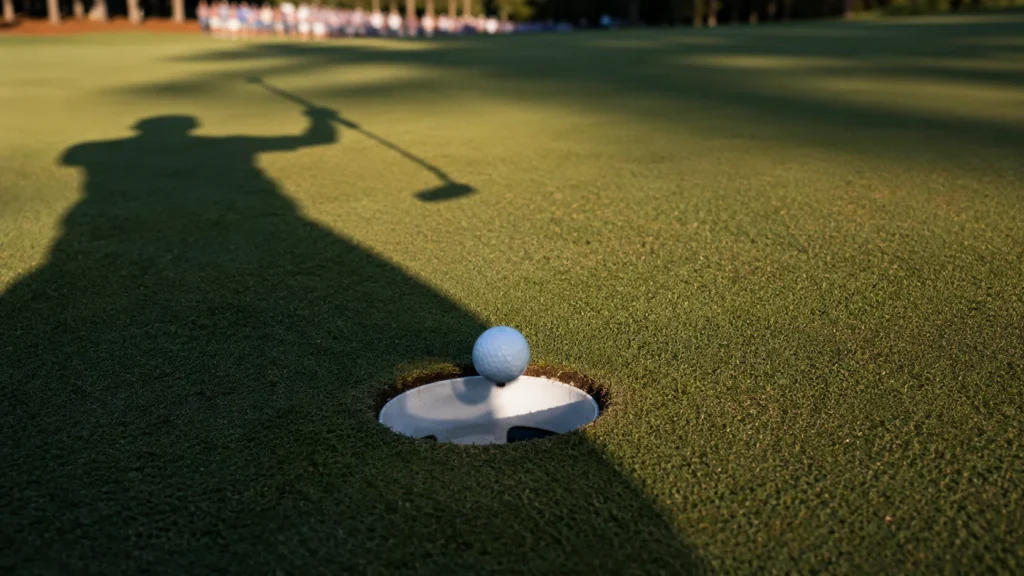
The sun dropped behind Shinnecock Hills, and Wyndham Clark walked off into it. A Long Island sunset, the kind photographers chase. He had just bogeyed the 18th from four feet—a push right so weak it looked like a confession—and still led by six.
The crowd thinned. The grandstands emptied. And Clark began the hardest part of his round. The part with no clubs.
He’ll have all night. All morning. Most of tomorrow afternoon, before he strikes a shot that matters. Six shots clear at the US Open. Seven under par. The world number one in the group behind him, needing something close to a miracle. And nothing to do but sit in a hotel room and think about what it would feel like to lose.
But this wasn’t about the leaderboard. This was about Pressure vs Composure—the oldest fight in golf, fought not between Clark and Scheffler but between Clark and his own mind, alone, in the dark, with history whispering the worst possible story.
The Man Who Haunts Every Six-Shot Lead
Greg Norman lost the 1996 Masters from six ahead. Twenty-one players have taken a lead that size into a major’s final round since 1934. Twenty won. One didn’t.
Clark knows this. Everyone knows this. Golf doesn’t let you forget its cruelty. It keeps receipts.
The statistic floated through the broadcast like a warning: only six players left in this tournament, according to BBC golf correspondent Iain Carter. Scheffler. Schauffele. Fitzpatrick. Fleetwood. Morikawa. All of them needed Clark to collapse. All of them, knowing Shinnecock, baked dry and wind-whipped, can trigger a collapse faster than any course in America.
Clark’s short game saved him Saturday. Nine of 14 fairways hit. Nine of 18 greens missed. He ranked fourth around the greens and fourth in putting. Eight of 10 putts were made between four and 15 feet. Par saves stacked like sandbags against a rising tide.
The putter held. That’s what matters. That’s what he’ll think about tonight. Whether it can hold one more day.
The 17th Hole: Where Chaos Nearly Won
The moment the tournament almost cracked open didn’t come from Scheffler or Schauffele. It came from Clark’s own driver on 17.
A huge pull left. Into the fescue. The kind of miss that turns six-shot leads into three-shot leads, then none. Shinnecock’s fescue doesn’t forgive. It punishes. It buries balls and buries rounds.
Then the camera stand appeared.
Clark’s ball dropped near it. He got relief. A drop. Then he played the ball perfectly to roll it back into the stand so he could place it—not drop it—exactly where he wanted. From deep fescue to clean lie. From potential disaster to routine chip.
The rules allowed it. The camera stand was an obstruction. Relief was legal. But the gap between what’s legal and what’s fair is where golf arguments live forever. Carter noted it on the broadcast: Clark had used his pitchmark repairer to essentially trench a path to the hole on 16. “I don’t think that is using the spirit of the rule,” Carter said. “It’s almost like making a trough.”
Clark parred 17. Saved it. Walked to 18, still leading by seven.
The rules gave him a lifeline. His short game grabbed it. The field exhaled in defeat.
What the Chasing Pack Already Knows
Scheffler needs something historic. The world number one will play alongside Clark in the final group, close enough to watch but probably too far to catch. Thirty-nine players have led majors by five or more entering Sunday. Thirty-three won. The last to fail: Jean van de Velde at Carnoustie in 1999.
Shinnecock has no Barry Burn. What it has is wind, baked greens, and a USGA setup philosophy that treats par as a moral victory. The course will play harder on Sunday than it has all week. That cuts both ways.
If Clark shoots even par, someone needs seven under to beat him. At Shinnecock. On a Sunday. At a US Open. That’s not a golf score. That’s a ransom demand.
Fitzpatrick shot 74 and fell nine back. McIlroy faded entirely. The leaderboard behind Clark is a pileup at one under—Stevens, Theegala, Kim—none of whom have ever slept on a major lead. Burns, Grillo, Mitchell, Schauffele at even. Fleetwood and Morikawa are at one over, nine shots adrift.
Scheffler is the only name that makes Clark’s caddie nervous. He’s the only one who’s been here. Who knows what Sunday pressure does to a man with nothing to lose, watching a man with everything to lose try to hold on.
Why the Putter Is the Only Club That Matters Now
Clark’s ball-striking Saturday was mediocre. His survival was surgical.
Eight par saves. Most from that four-to-fifteen-foot range where hands shake, and knees soften. The putter didn’t just save his round. It saved his tournament. It turned a 74 into a 70. It turned a shrinking lead into a growing one.
Sunday’s setup will shrink the margin further. Greens will be firmer. Hole locations will be tucked. The USGA doesn’t protect leads. It tests them.
If the putter cools, the lead melts. Six shots can disappear in three holes at Shinnecock. Clark knows this. Scheffler knows this. Everyone who’s ever held a 54-hole lead and watched it evaporate on a back nine knows this.
The difference between Clark and Norman is one round. One round and a lifetime of memory.
What Changes Sunday
Nothing. That’s the test.
Clark doesn’t need to win the US Open tomorrow. He does not need to lose it. That’s a different sport. Winning is aggressive. It’s forward. It chases. Not losing is defensive. It waits. It counts the holes remaining instead of the shots ahead.
Scheffler will try to apply pressure early. A birdie at 1. A stare on the second tee. The crowd will sense it. Shinnecock will feel it. Clark will have to decide, somewhere around the turn, whether he’s playing the course or playing the number.
The players who win from ahead don’t protect. They extend. They treat the lead as permission, not a burden. Clark showed Saturday that he can scramble when the swing abandons him. Sunday will ask whether he can attack when everything in his body wants to hold on.
Six shots is a cushion. Six shots is also a story waiting to be written. Norman wrote one version. Clark has 18 holes to write another.