

 English

















































































































































































US-Iran Talks Begin in Switzerland as Deal Faces Early Strain
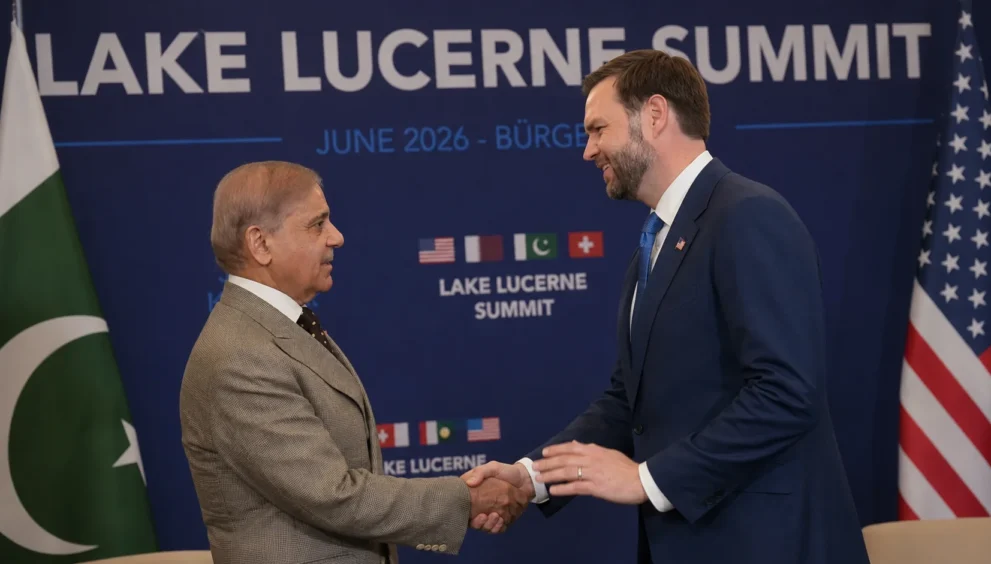
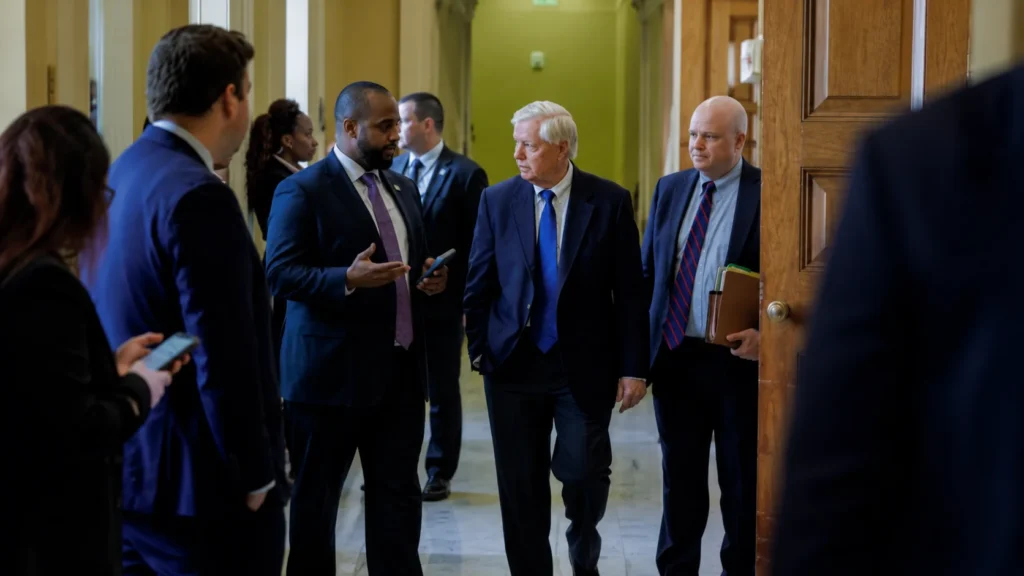
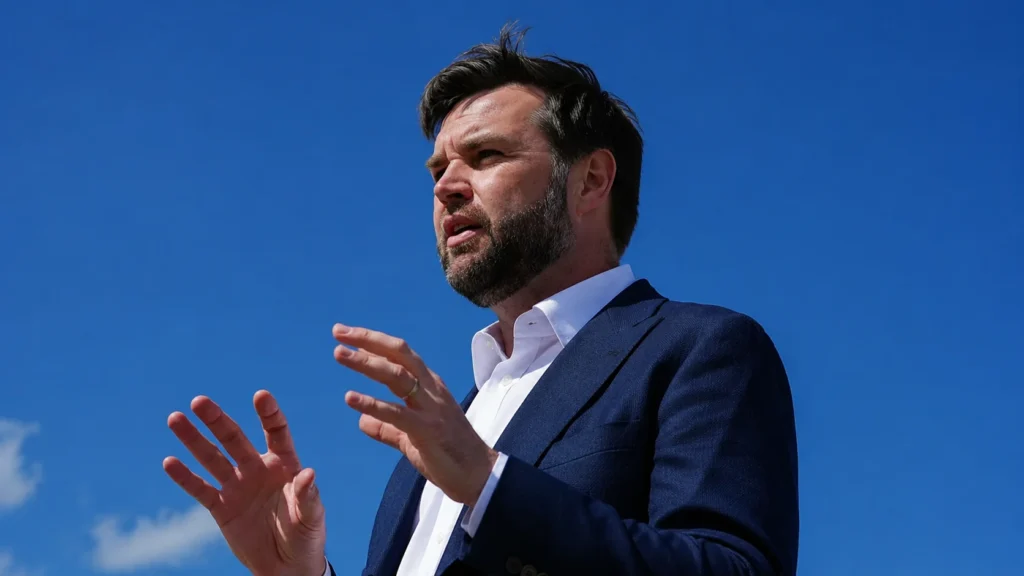
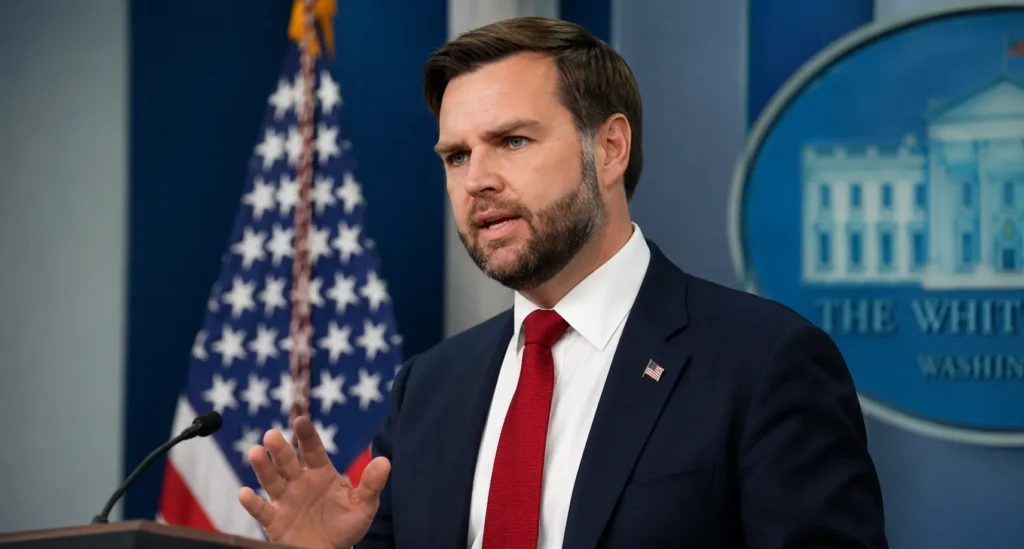
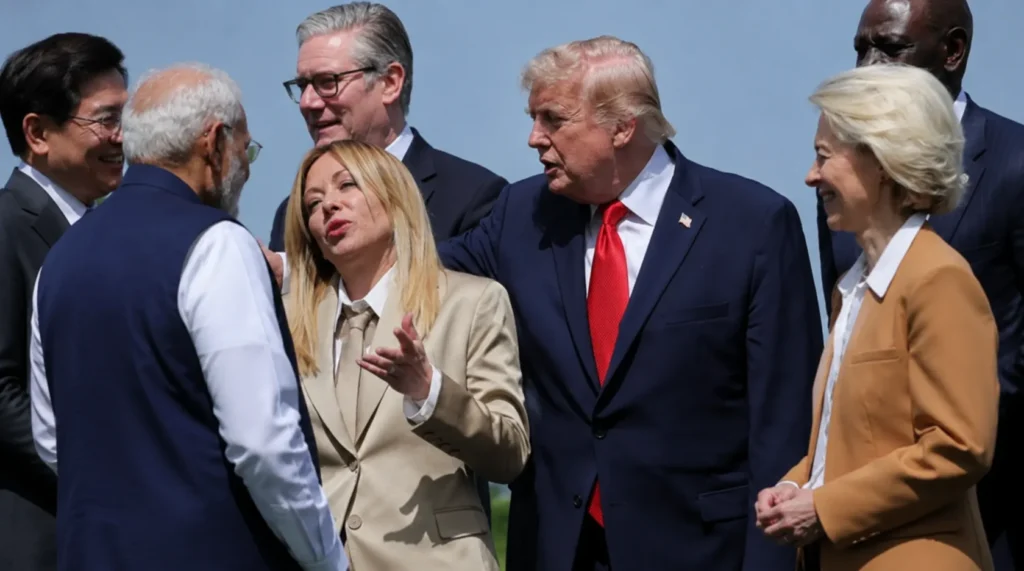
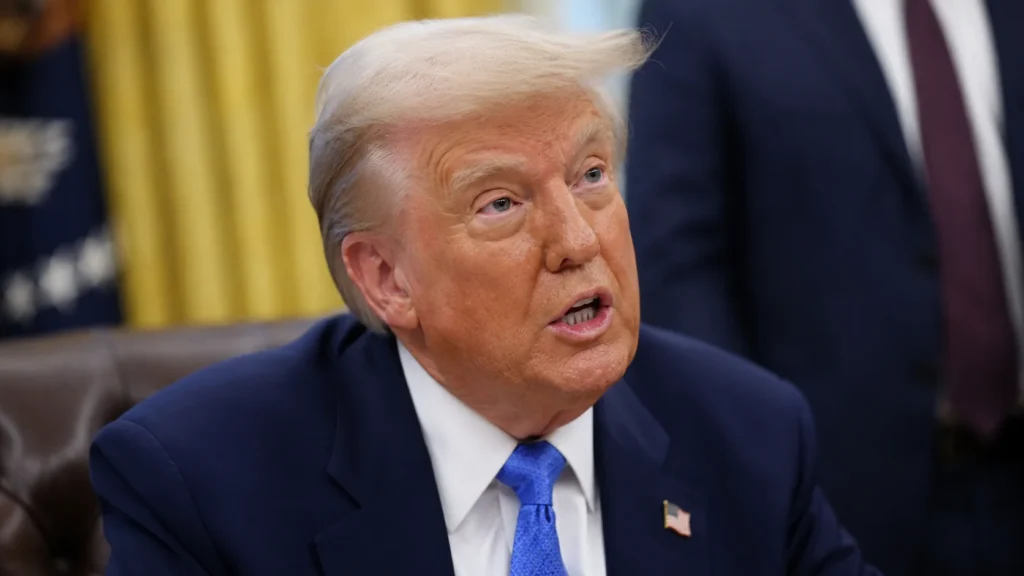
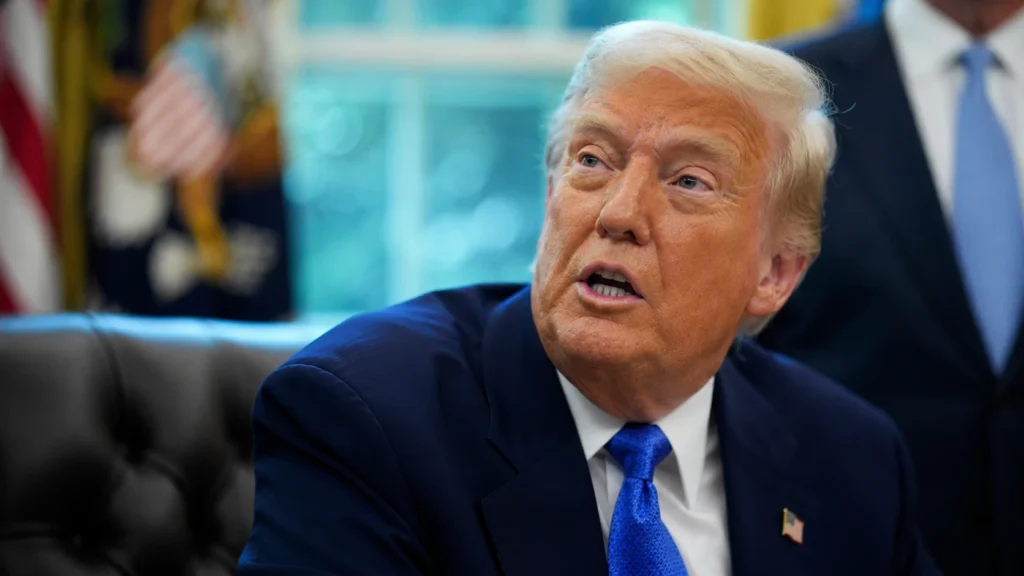
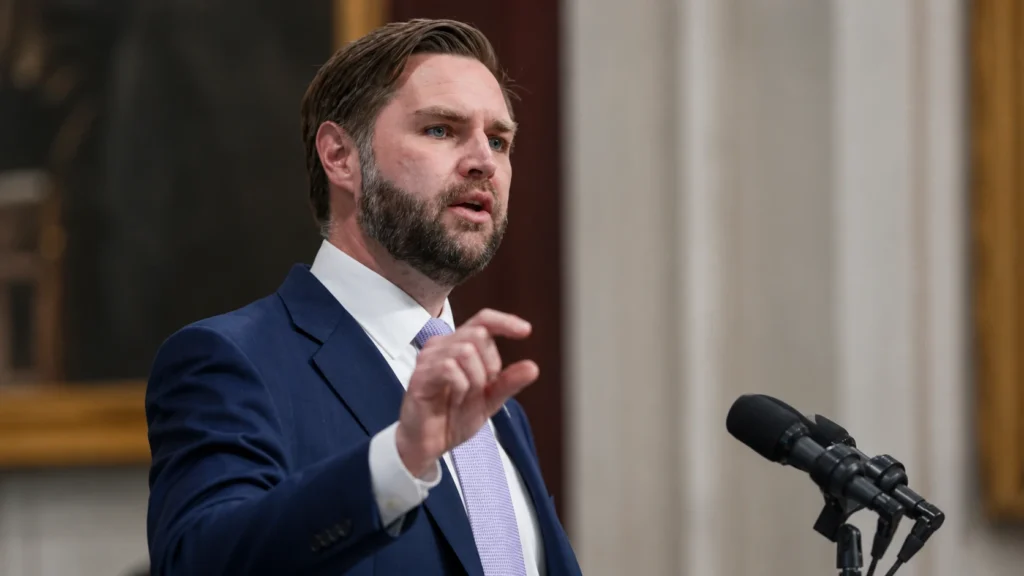
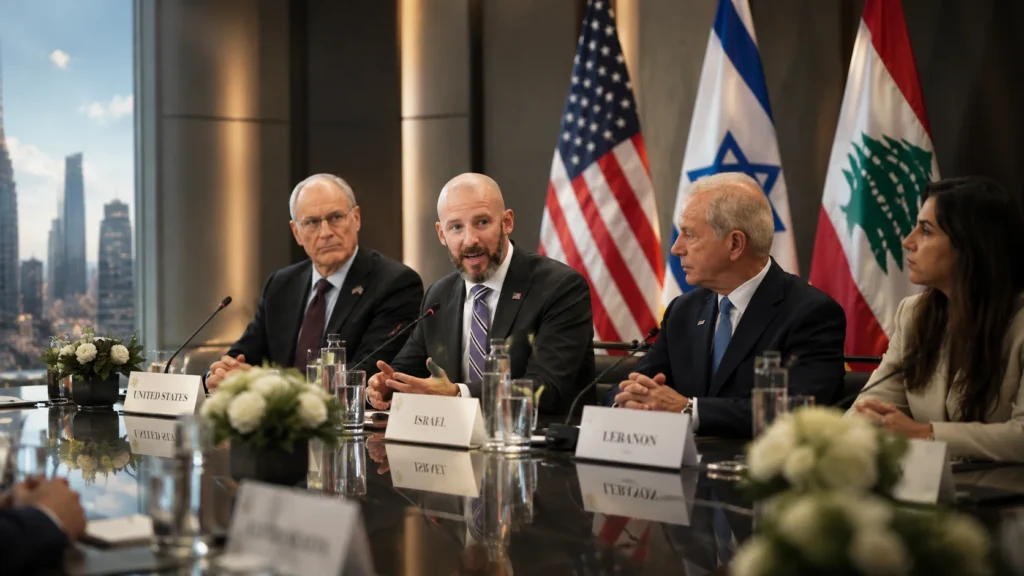
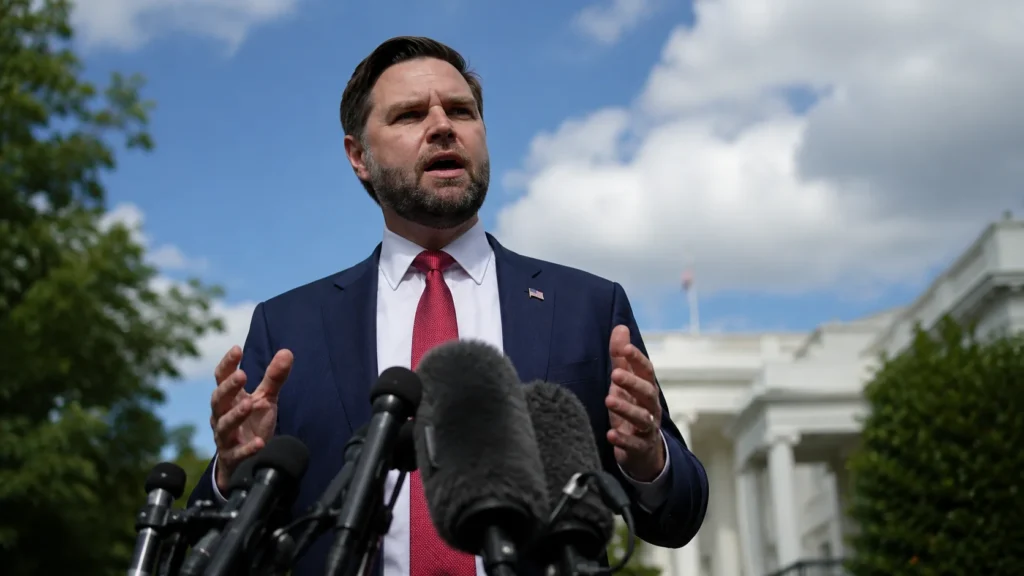
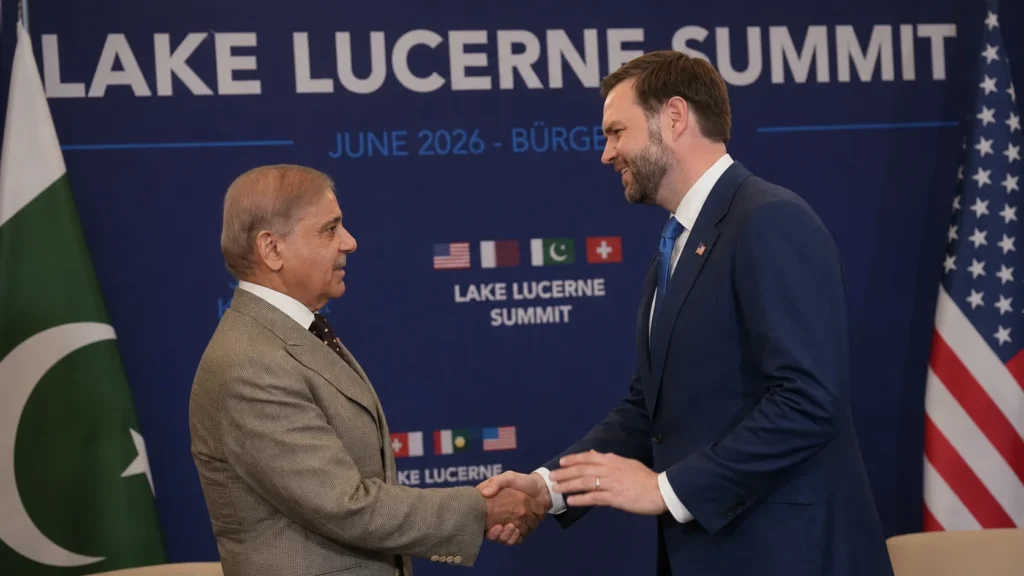
BÜRGENSTOCK, Switzerland — US and Iranian delegations began direct talks at a mountaintop resort above Lake Lucerne on Sunday, just days after signing an initial agreement to end the war. Vice-President JD Vance led the American team alongside Jared Kushner and special envoy Steve Witkoff. Iran’s parliamentary speaker, Mohammad Bagher Ghalibaf, and Foreign Minister Abbas Araghchi arrived late Saturday. Pakistan’s Prime Minister Shehbaz Sharif and army chief Field Marshal Asim Munir joined as mediators. The agenda spans nuclear issues, Lebanon, sanctions termination, and a $300 billion reconstruction package. The deal is barely a week old. It is already under structural strain.
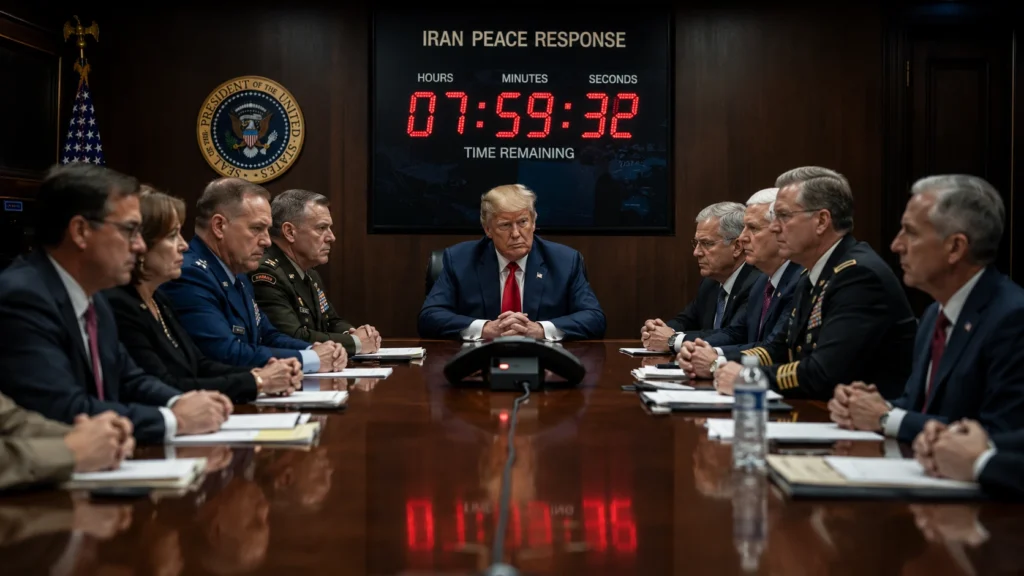
The 60-day clock for a final agreement is ticking. The question now is whether the diplomatic framework can survive the operational reality that has ignored it since the ink dried.
What the Initial Agreement Actually Contains
The memorandum signed earlier this week committed both sides to an immediate cessation of hostilities on “all fronts”—including Lebanon—and the reopening of the Strait of Hormuz. It also includes a US pledge to terminate “all types of sanctions” on Iran and a $300 billion plan for Iranian reconstruction.
According to the official US State Department readout of the initial agreement, the deal sets a 60-day deadline for negotiating a final settlement. That window started before the Switzerland talks began.
The nuclear issue—the original stated reason for the US-Iran war that began on 28 February—remains the largest unaddressed file. Iran’s program advanced during the conflict. Verification mechanisms need rebuilding. The International Atomic Energy Agency’s access, severely limited during hostilities, requires renegotiation from scratch.
As our earlier analysis of Iran’s nuclear program status post-conflict documented, the technical and political obstacles to a nuclear agreement have multiplied since the war began.
The Lebanon Ceasefire That Exists Only on Paper
The deal’s first clause requires termination of military operations on all fronts. In Lebanon, that requirement is not being met.
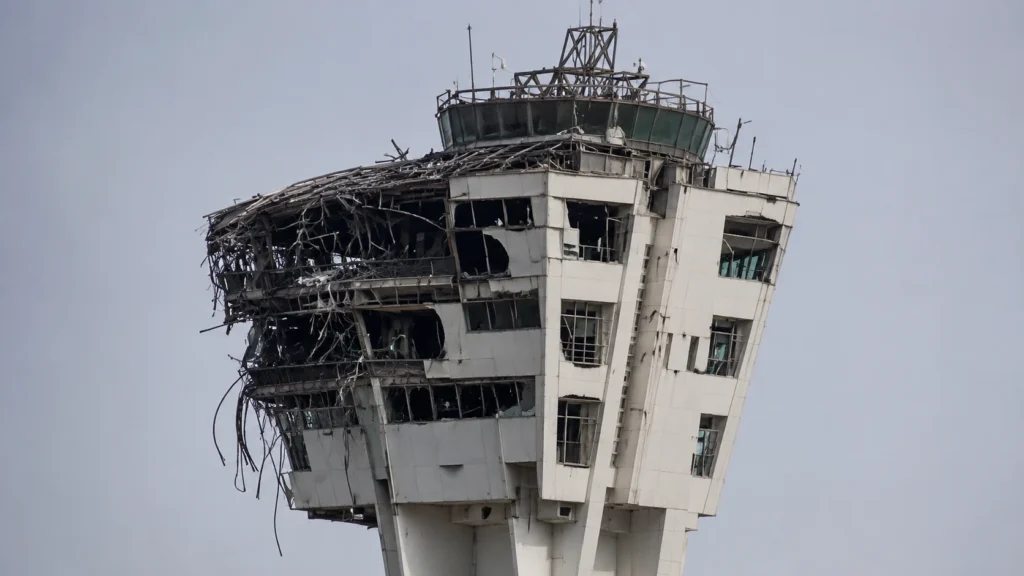
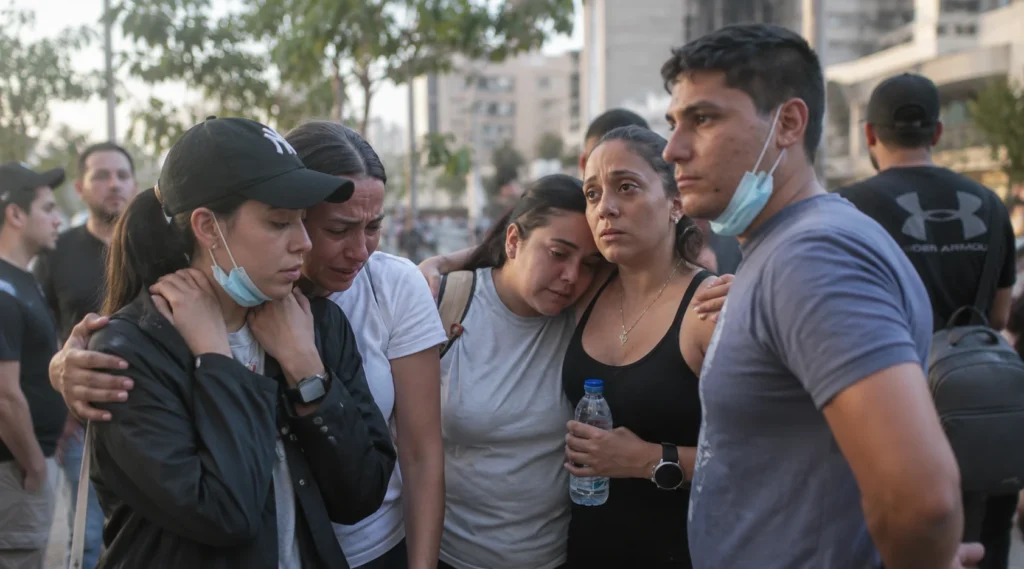
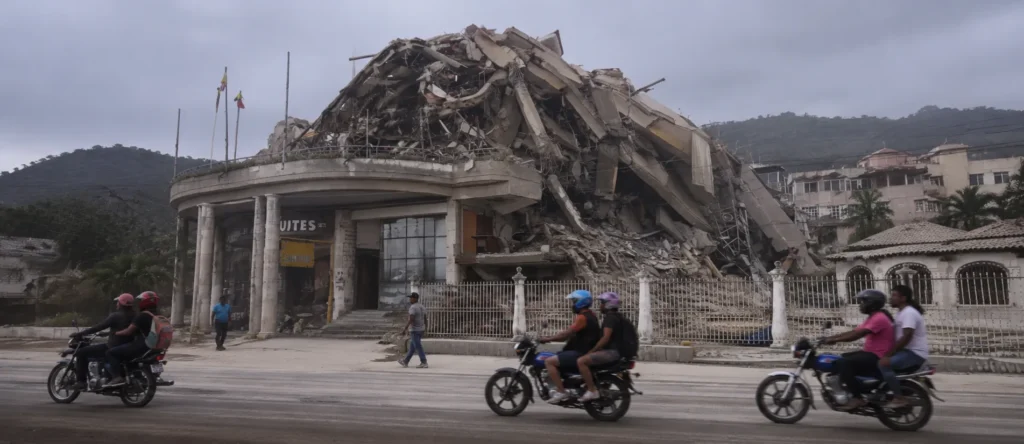
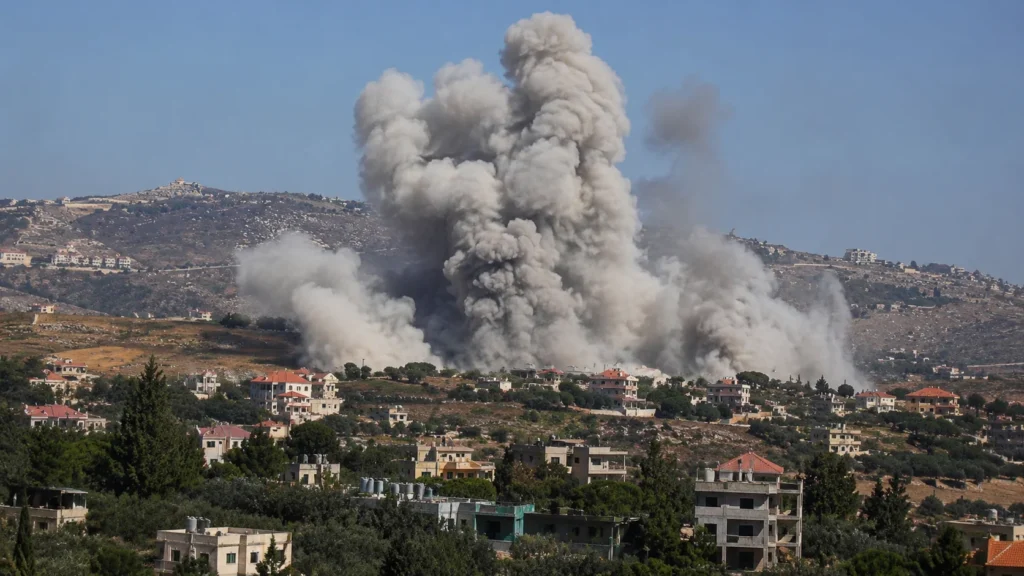
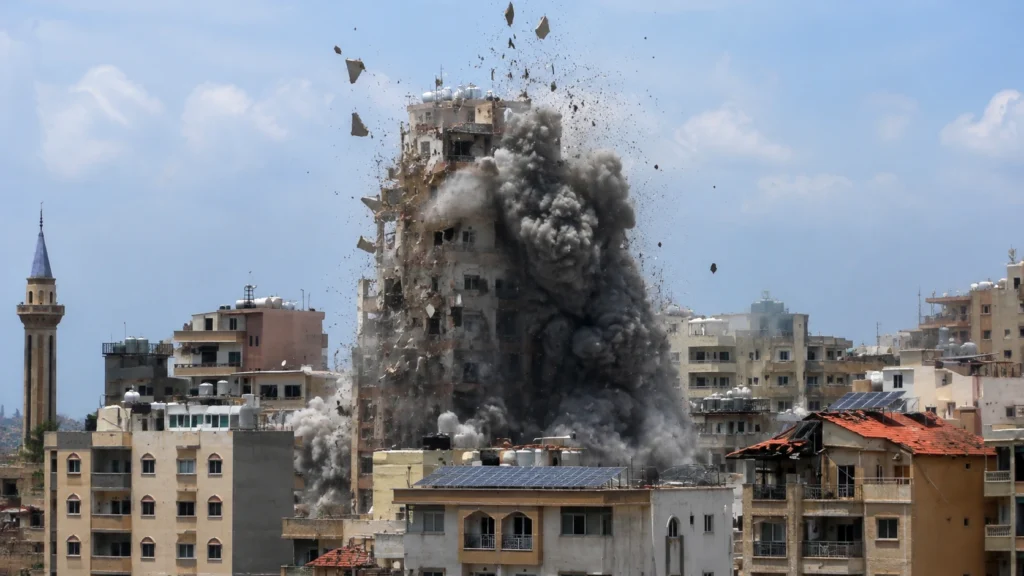
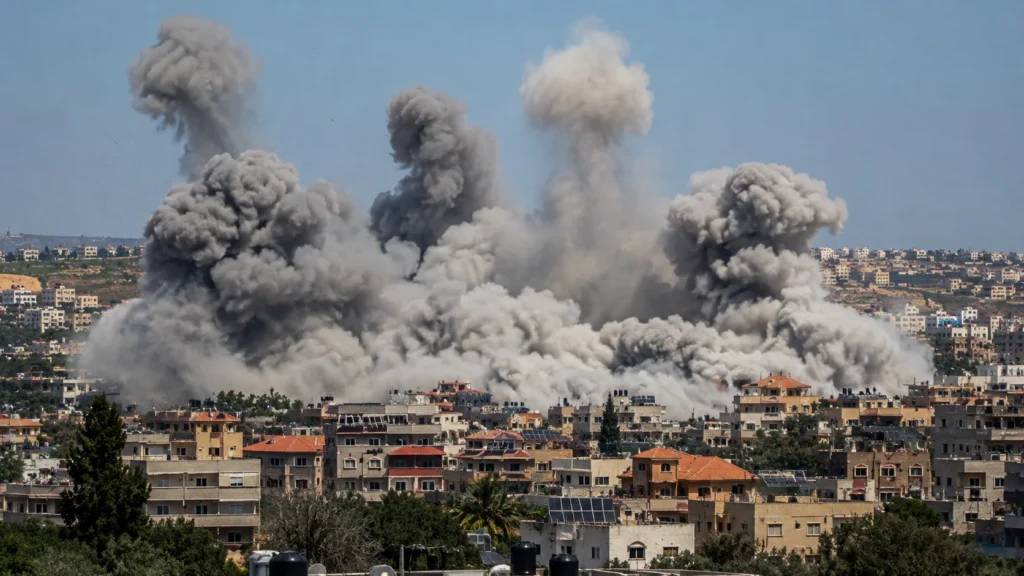
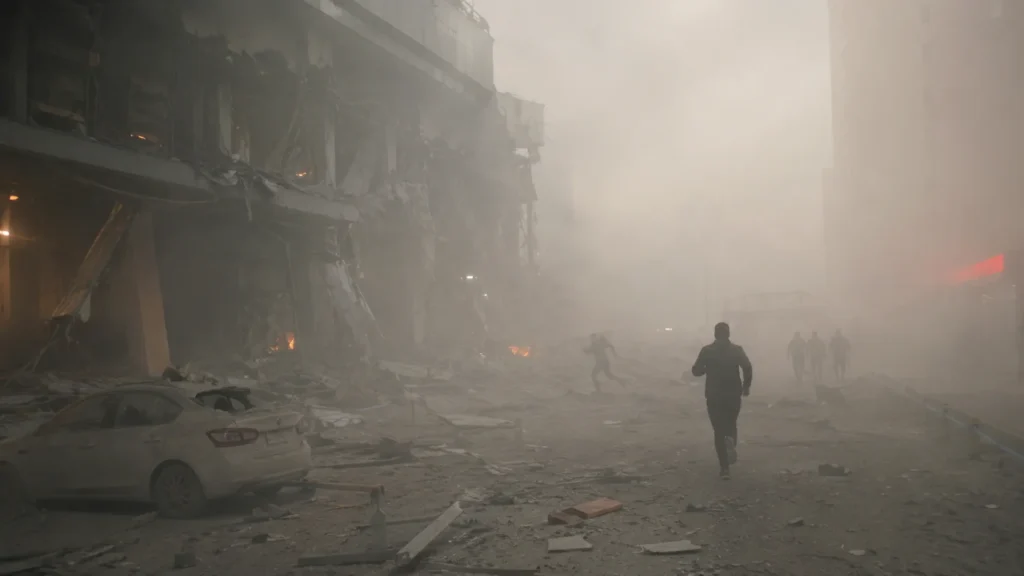
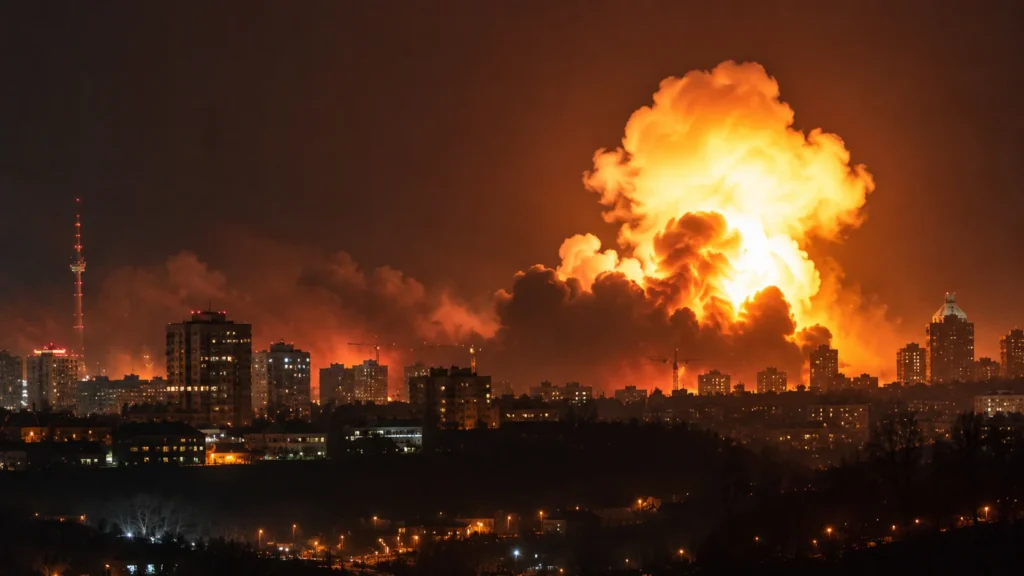
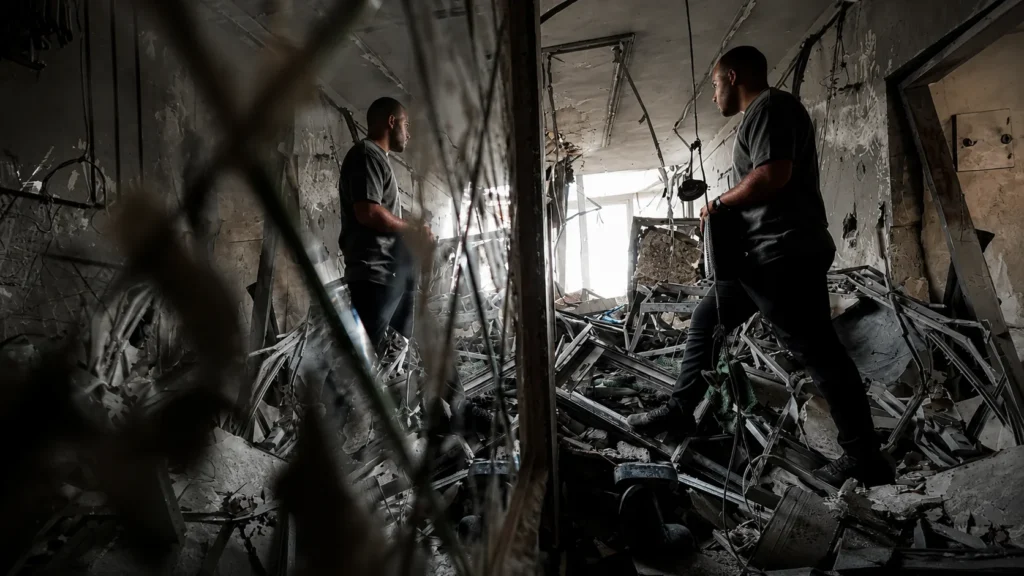
A ceasefire between Israel and Hezbollah was confirmed on Friday. The Israeli military acknowledged it exists. Then the same spokesperson said forces would “continue to remove immediate threats.” Hezbollah has not formally accepted the truce. Israeli air strikes killed 47 people in southern Lebanon on Saturday alone. Hezbollah ambushed an Israeli unit, killing four soldiers, including a battalion commander.
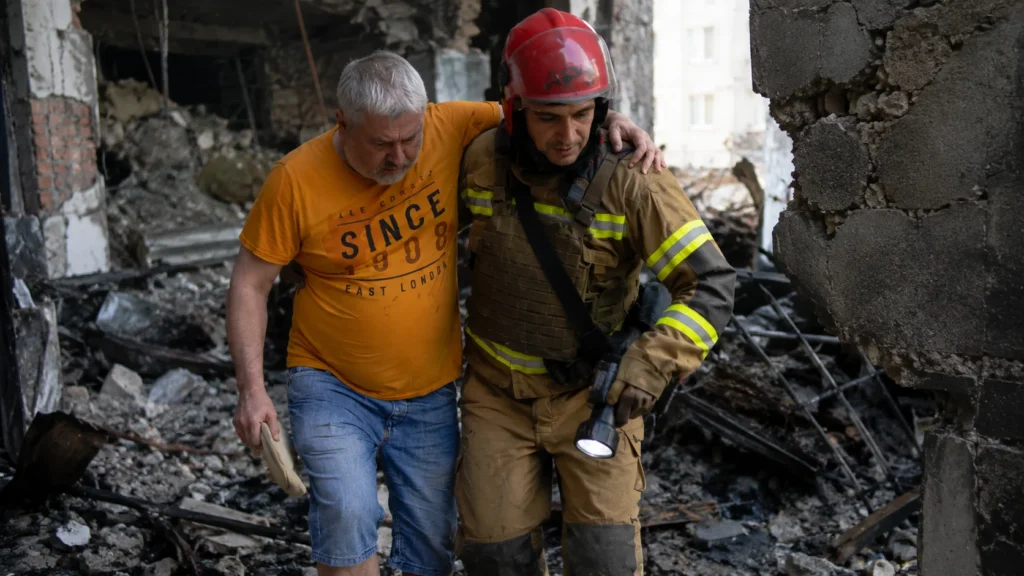
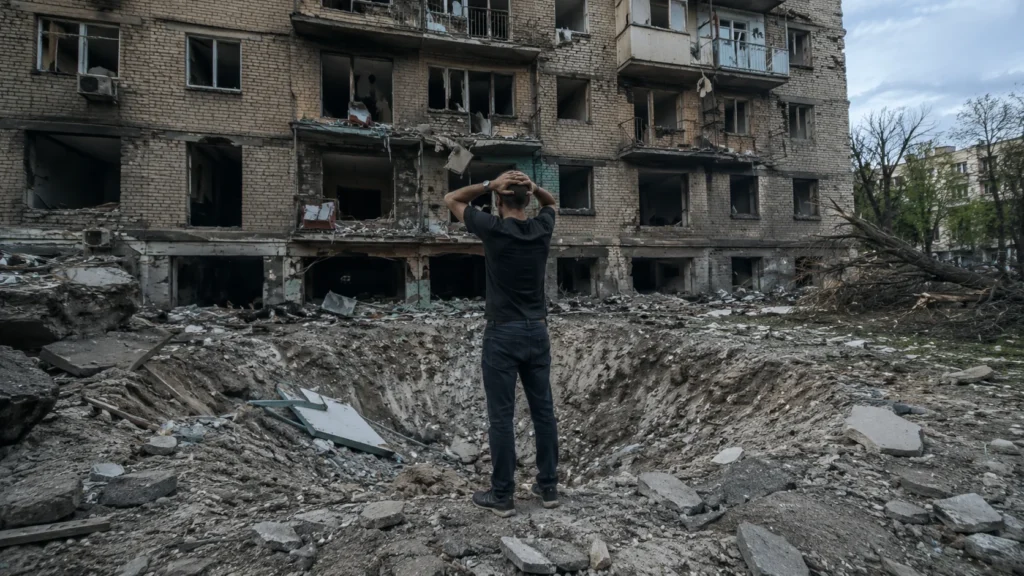
Lebanon’s health ministry reports 4,057 killed since the conflict restarted on 2 March. Approximately one million people remain displaced. Israel occupies roughly 5% of Lebanese territory and has stated no intention of withdrawing.
Israel has insisted throughout that its conflict with Hezbollah is separate from the US-Iran war. The distinction is strategically convenient for Jerusalem. It is diplomatically corrosive for Washington and Tehran. Every Israeli air strike gives Iran grounds to claim the deal has been breached. Every Hezbollah rocket test whether the agreement constrains anything at all.
According to Lebanese health ministry official casualty figures released Saturday, the overnight bombardment across the Nabatieh district was one of the most intense of the conflict.
The Strait of Hormuz Dispute
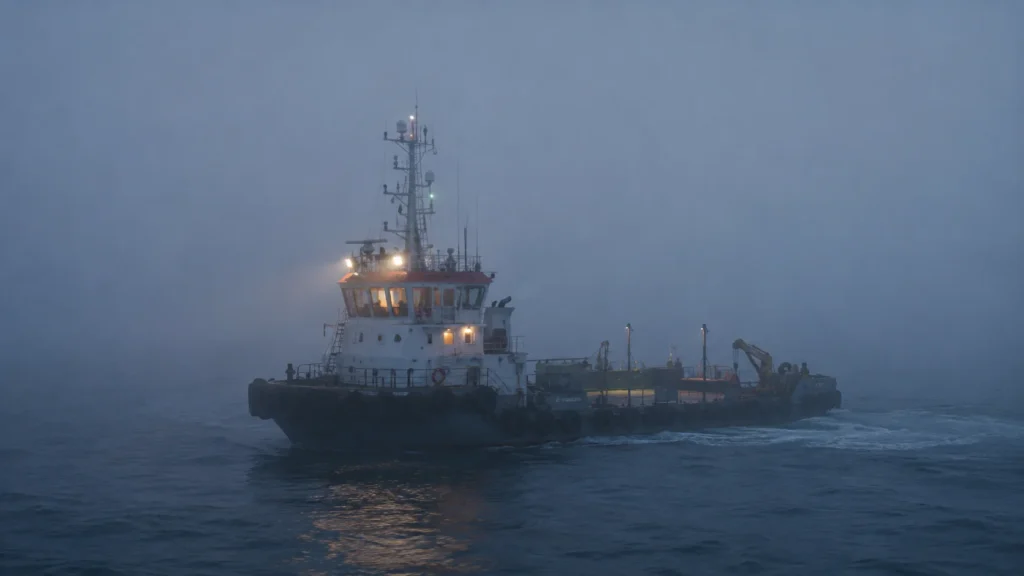
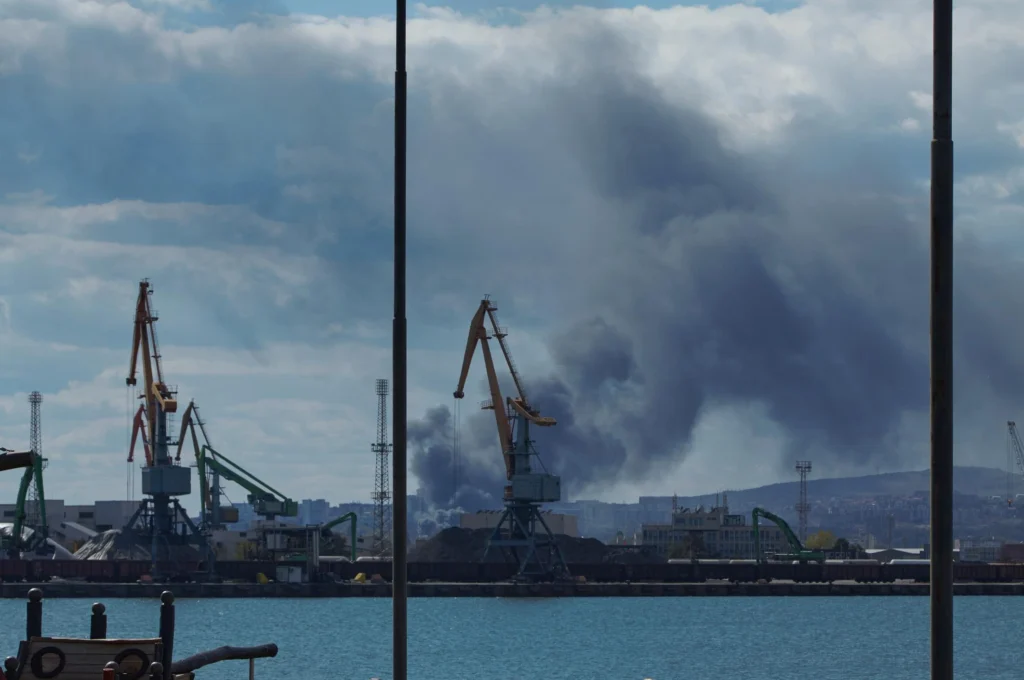
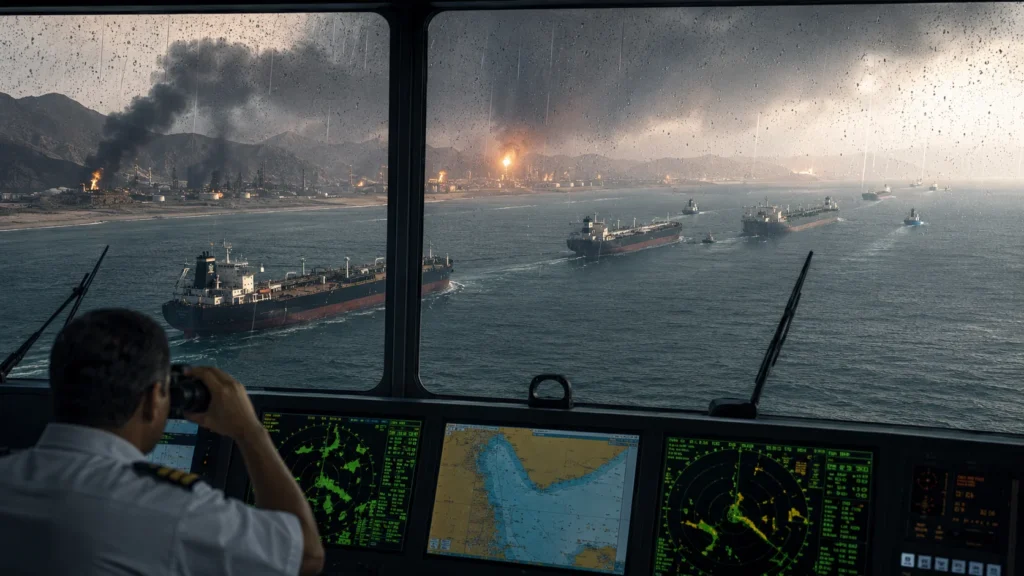
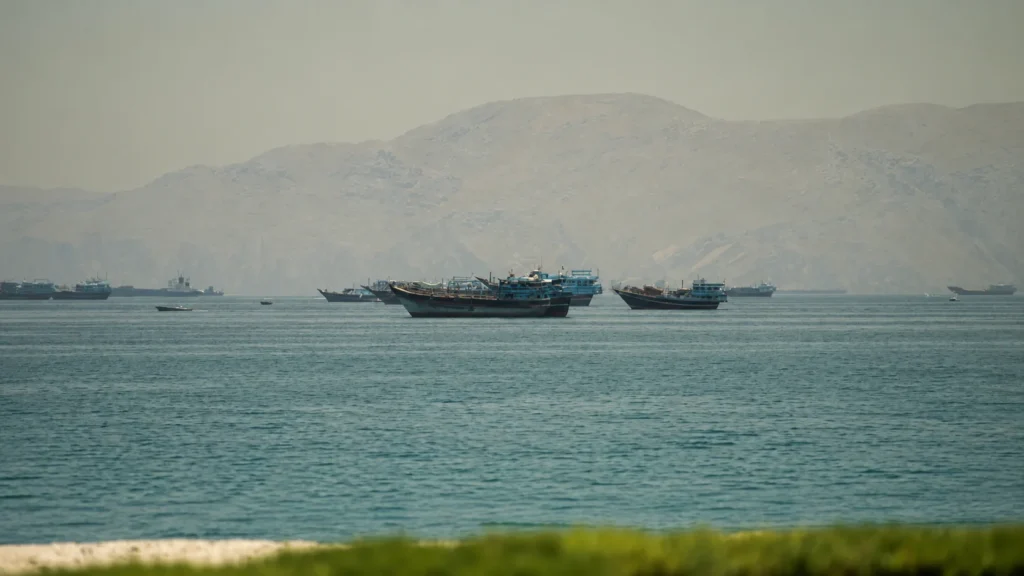
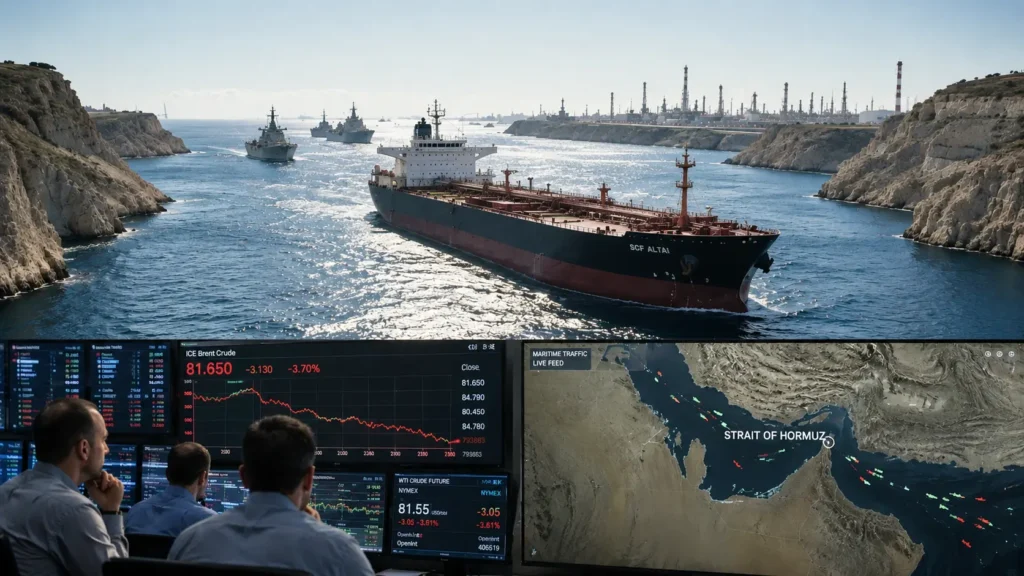
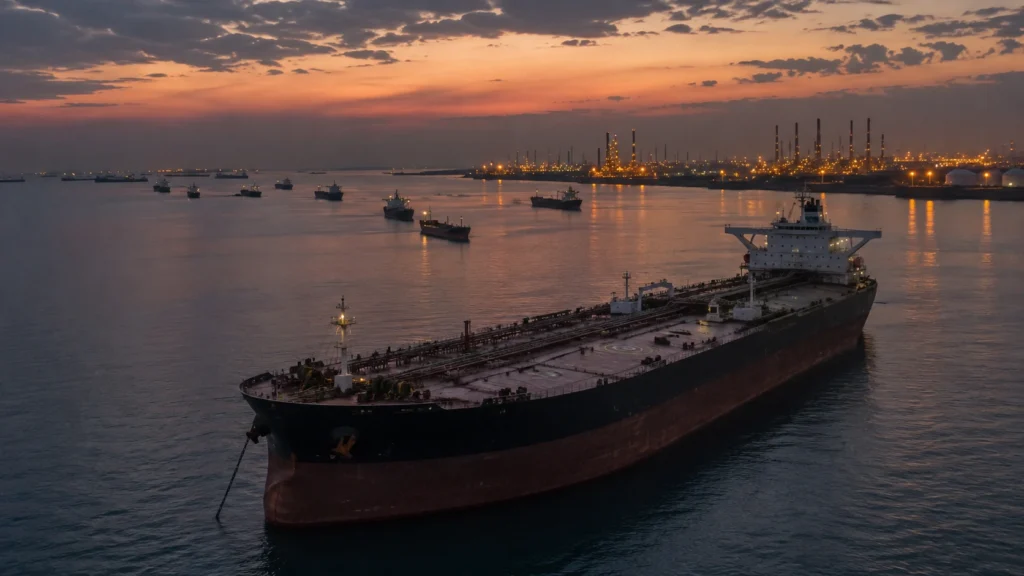
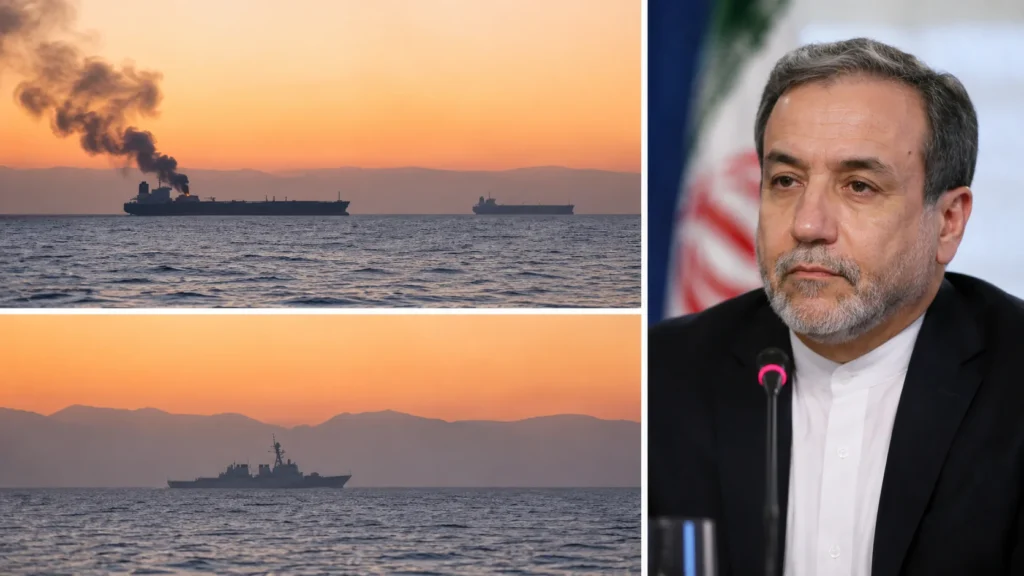
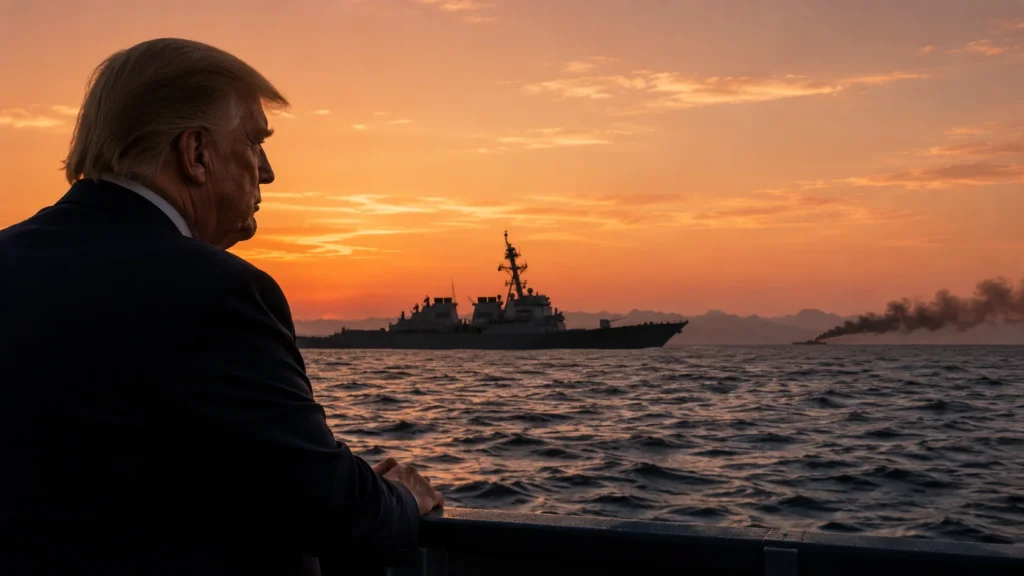
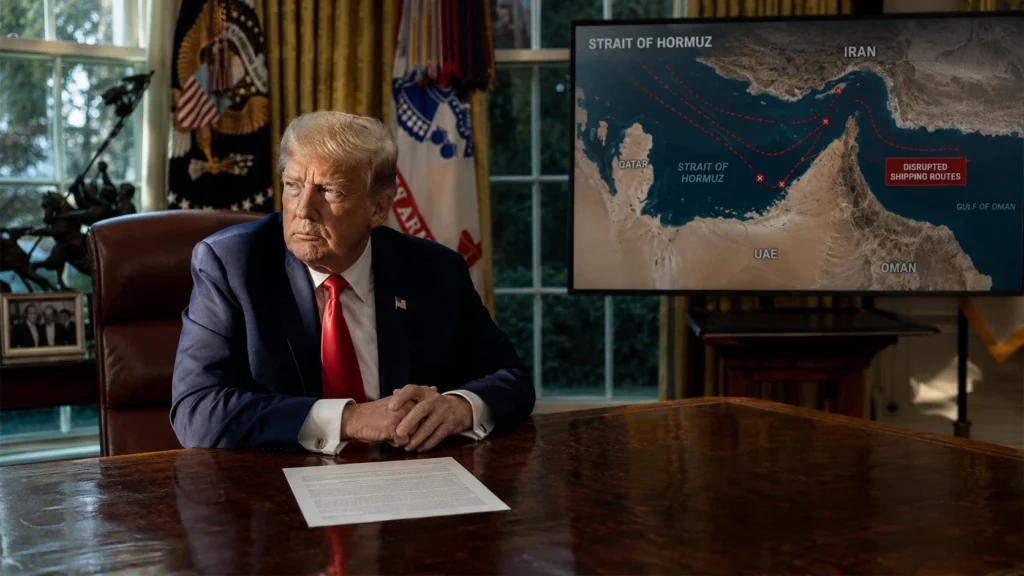
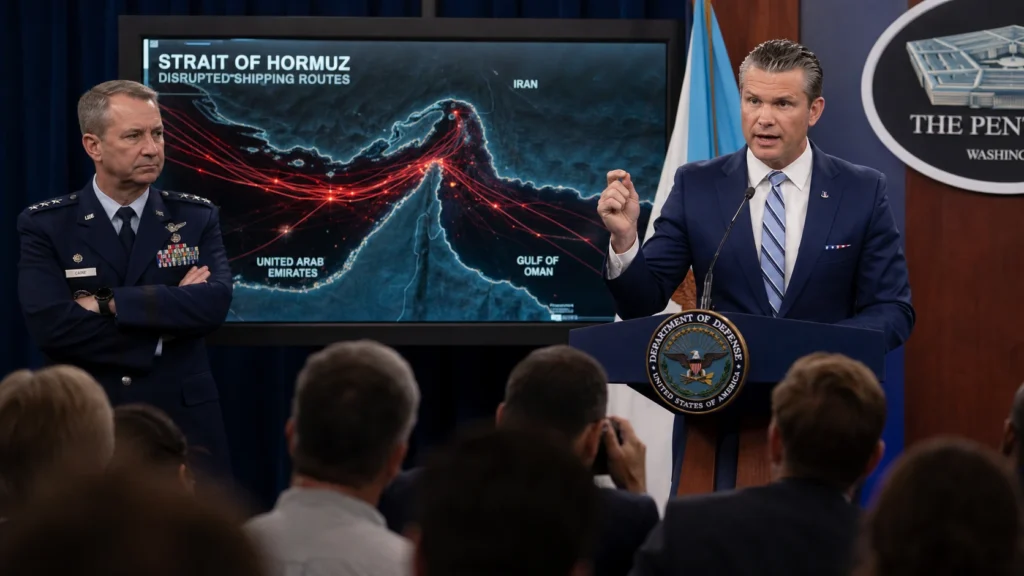
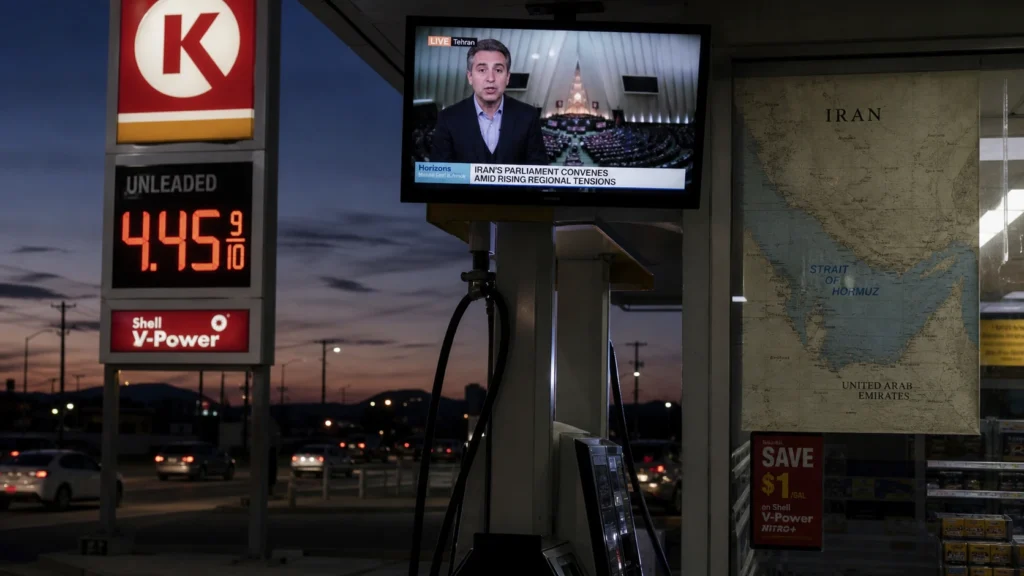
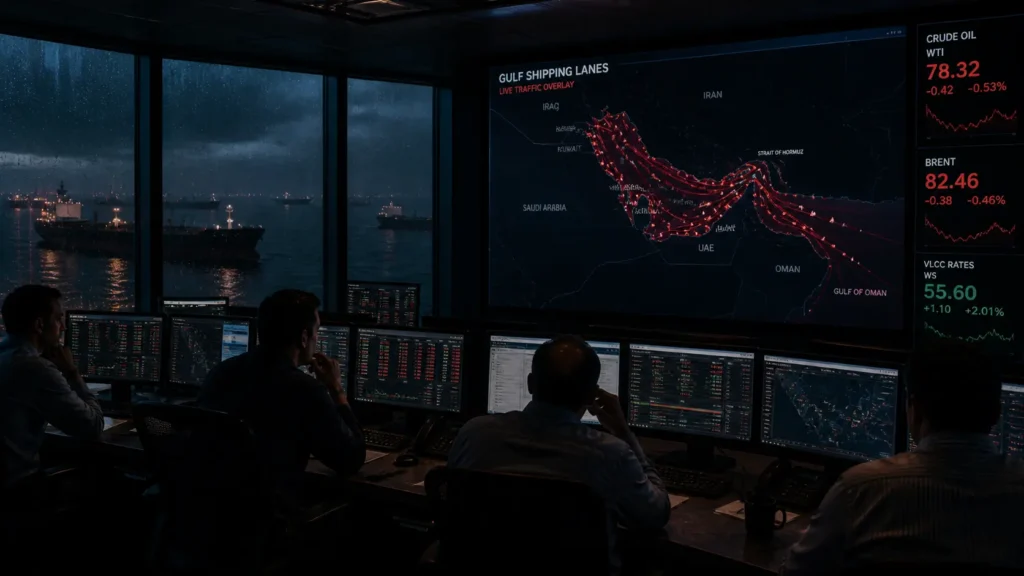
Hours before the Switzerland talks began, Iran’s Islamic Revolution Guard Corps announced it had closed the Strait of Hormuz. The justification cited the deal’s first clause—the same Lebanon ceasefire provision.
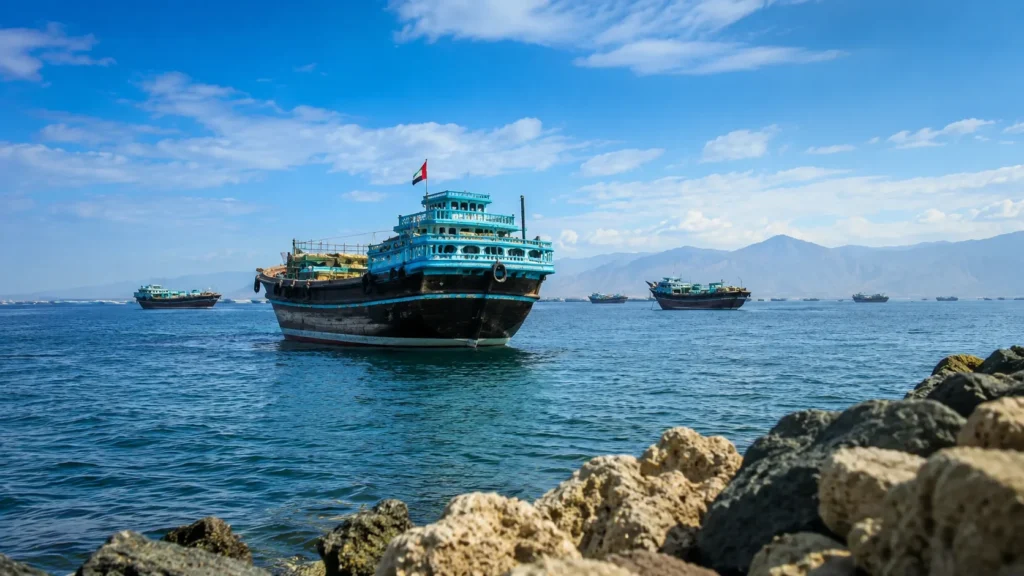
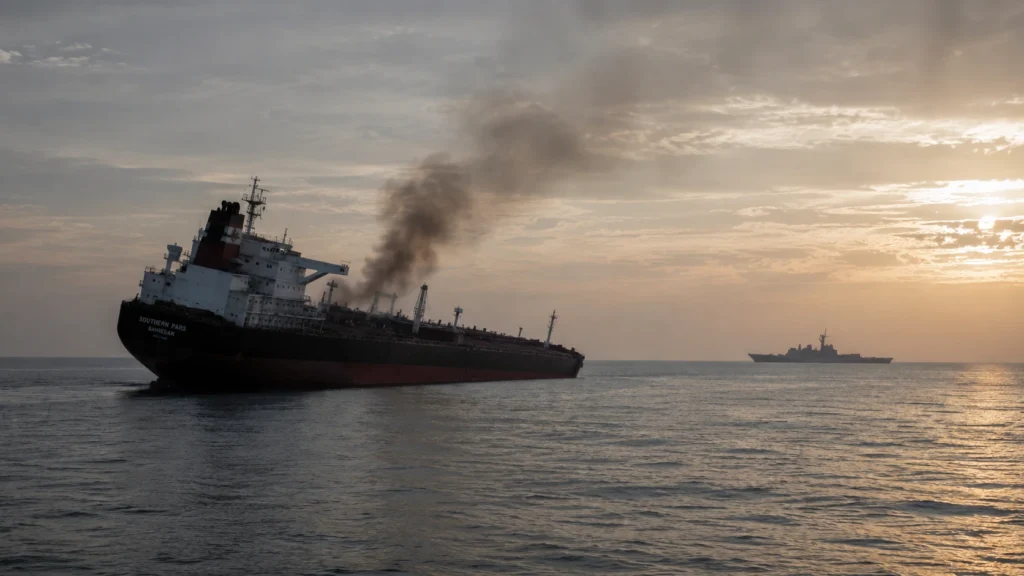
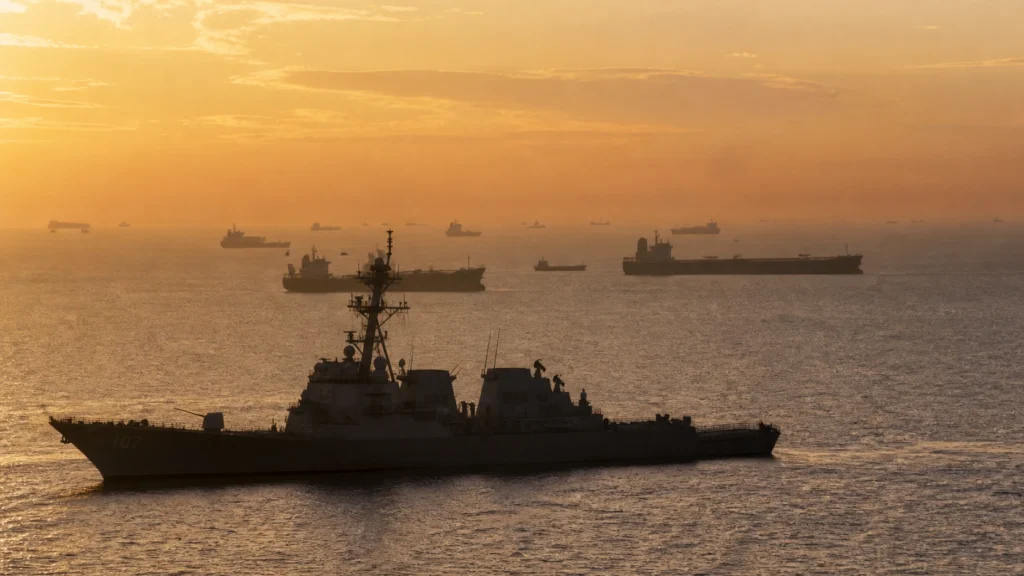
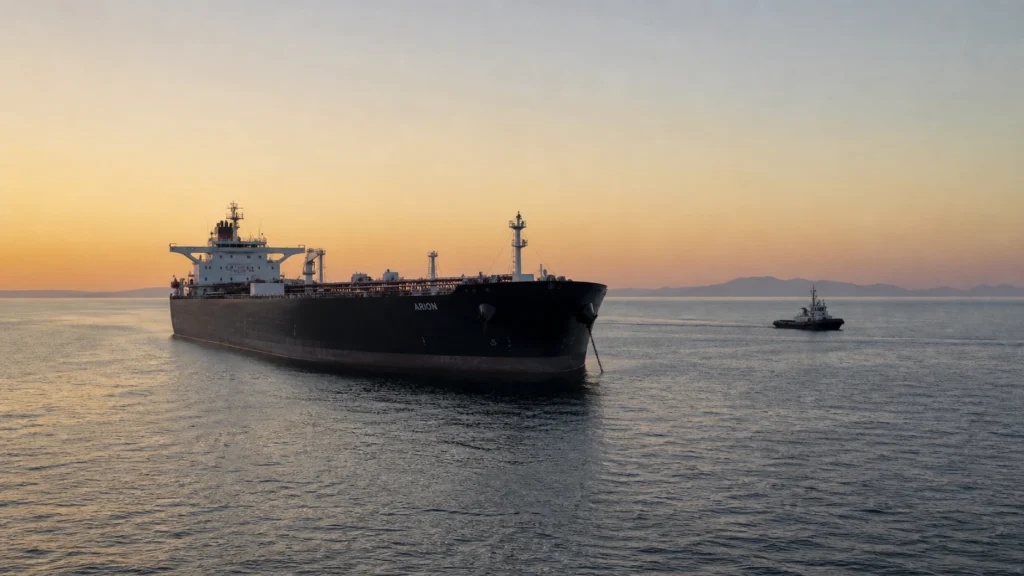
US Central Command disputed the claim. Spokesperson Tim Hawkins said “traffic continues to flow” and confirmed 55 merchant ships transited on Saturday, carrying over 17 million barrels of oil. But BBC Verify tracking data showed several vessels making U-turns in the area.
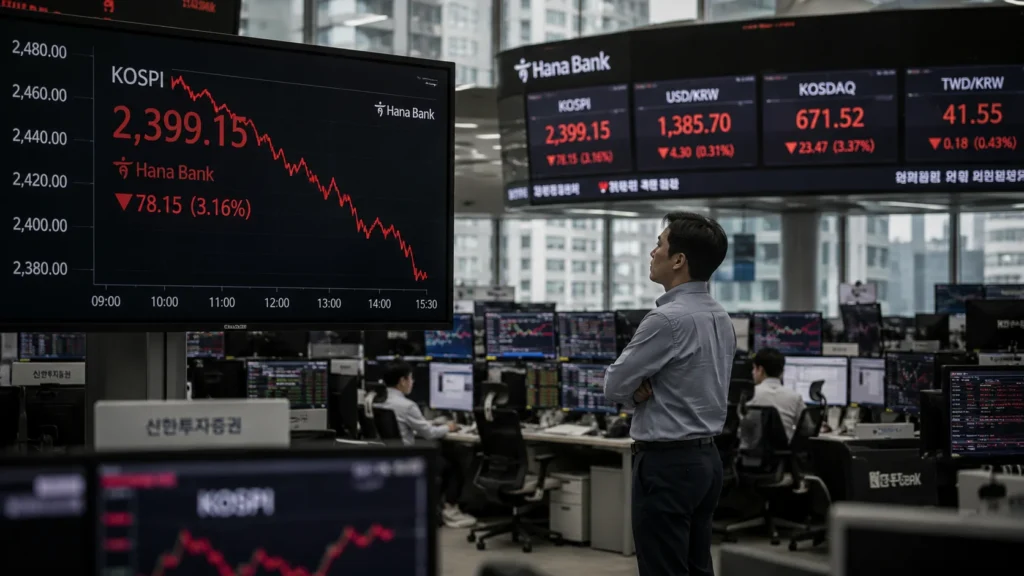
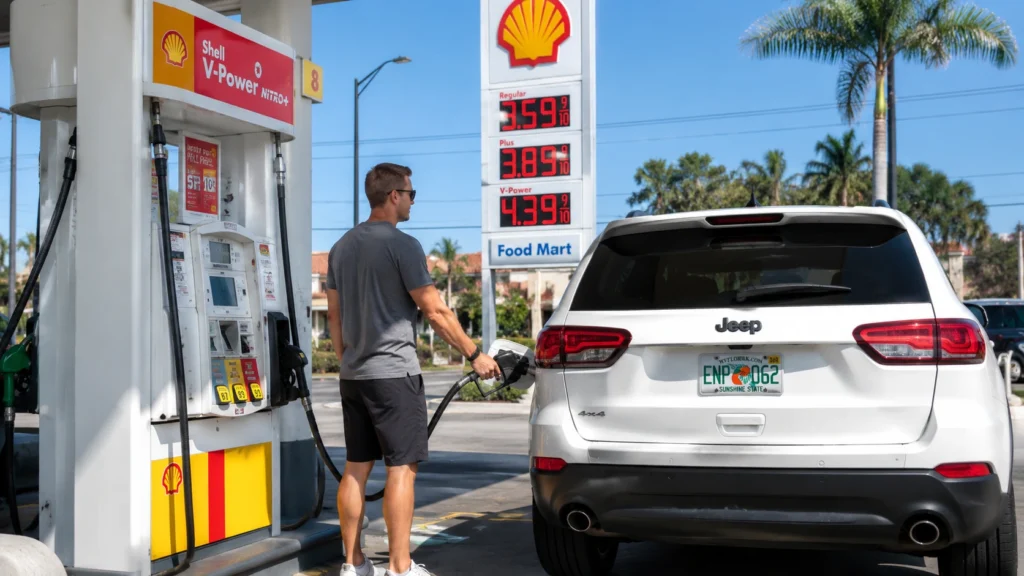
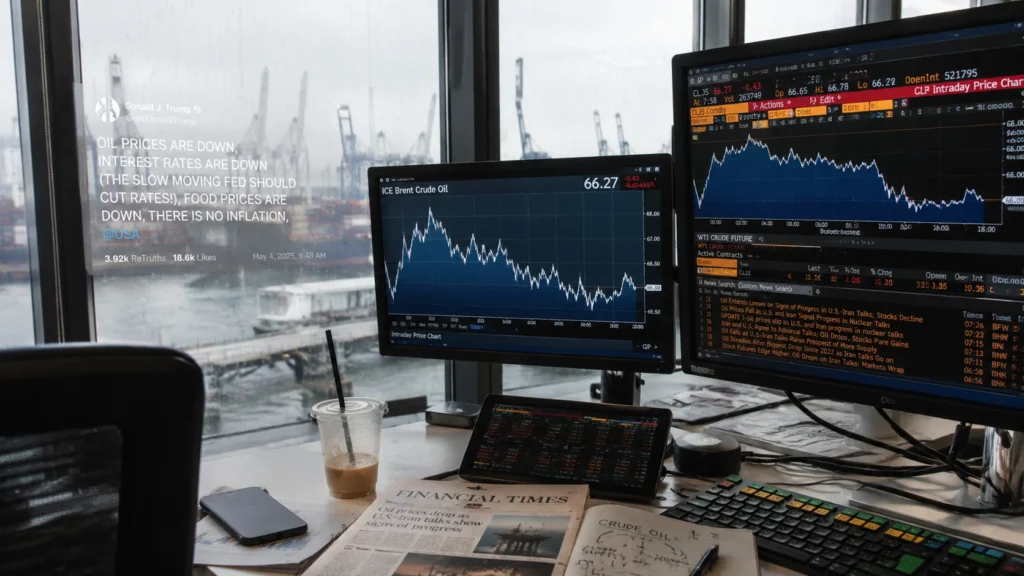
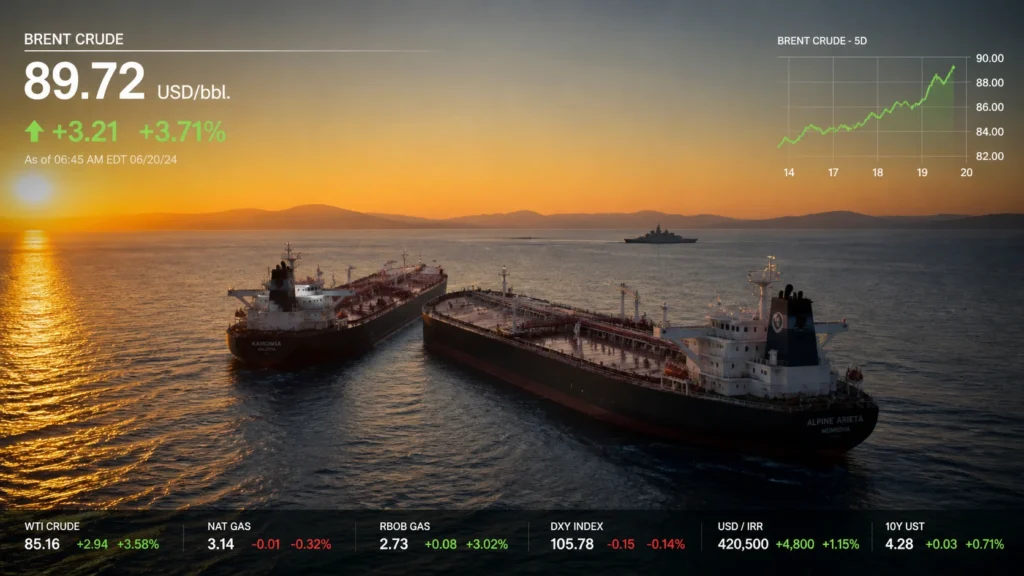
The waterway carries approximately 20 million barrels of oil and oil products daily—nearly $600 billion in annual energy trade, per US Energy Information Administration 2025 estimates. Iran cannot physically seal the Strait indefinitely with the US Navy’s Fifth Fleet operating there. What it can do is create enough uncertainty to spike insurance rates and disrupt shipping schedules.
That is what happened. The closure claim is a leverage operation, not a military blockade. Tehran entered the Switzerland talks having demonstrated it can still impose costs on global energy markets.
As our coverage of the Strait of Hormuz closure and its market impact reported, the previous closure in February sent shockwaves through crude prices. This one, partial and disputed, tests whether markets have priced in permanent instability.
The Power Dynamics at the Table
Iran gains leverage. The Strait claim—even disputed—reminds negotiators that Tehran can disrupt the global economy without triggering full military escalation. The $300 billion reconstruction package depends on a final deal, which depends on Lebanon, which depends on Israeli restraint. The interdependency is messy. Mess favors the party with higher pain tolerance.
The United States has entered into an agreement that it cannot enforce alone. Vance’s delegation needs Israeli cooperation on Lebanon, Iranian restraint on the strait, congressional and allied buy-in on sanctions termination, and IAEA access on the nuclear file. American leverage is real but distributed across too many actors to function as concentrated power in any single conversation.
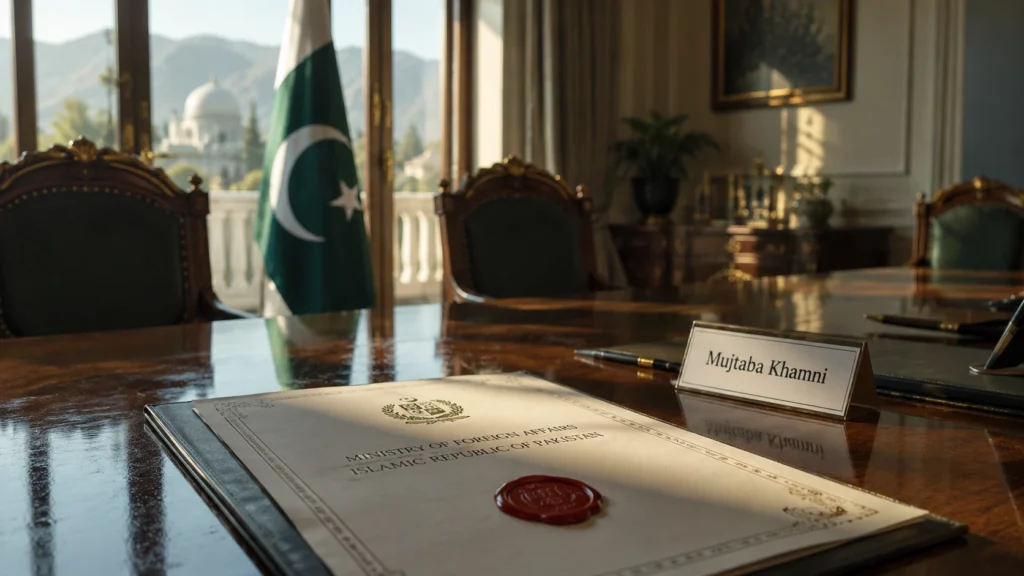
Pakistan’s mediator role grows in importance. Islamabad brokered the previous US-Iran dialogue. Its foreign ministry said it would “support the implementation” of understandings. Do not negotiate. Implement. The language suggests a shift from facilitator to guarantor-adjacent—a role that brings diplomatic prestige but also exposure if the deal collapses.
Israel operates outside the room but holds effective veto power. The deal’s survival depends on a Lebanon ceasefire that Jerusalem observes but did not sign. A state not party to the agreement can undermine its most vulnerable clause. That is not a flaw in the design. It is the design.
What Vance and Araghchi Said
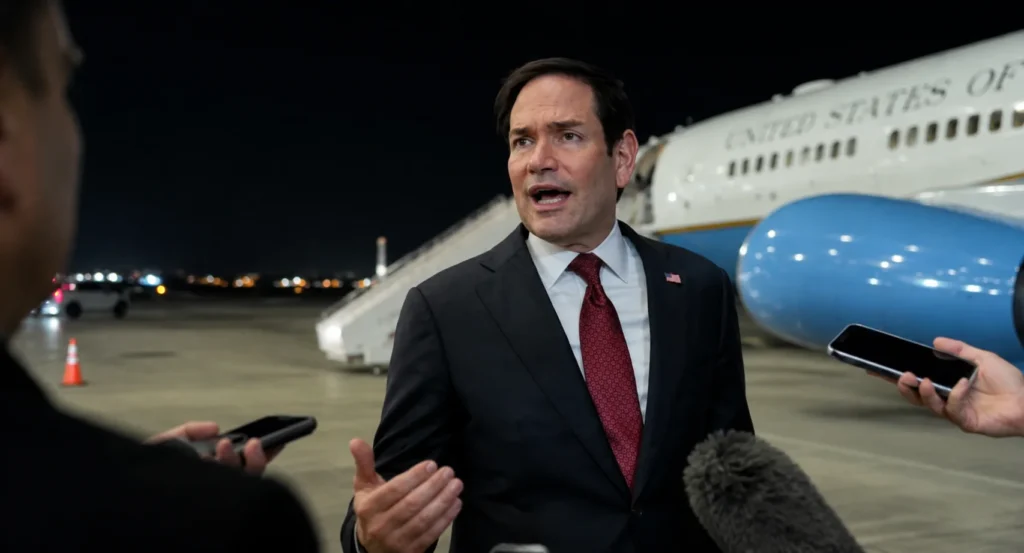
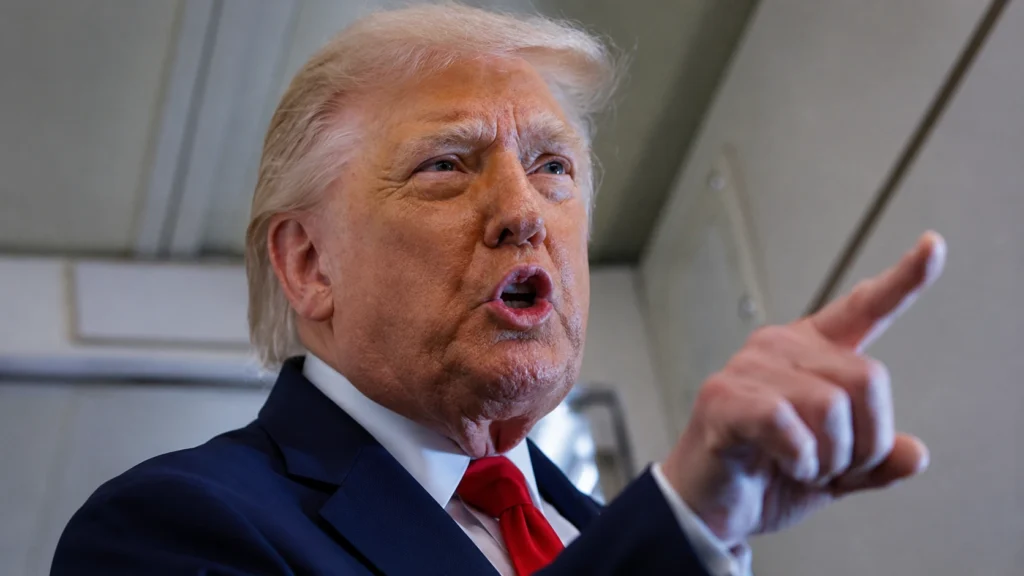
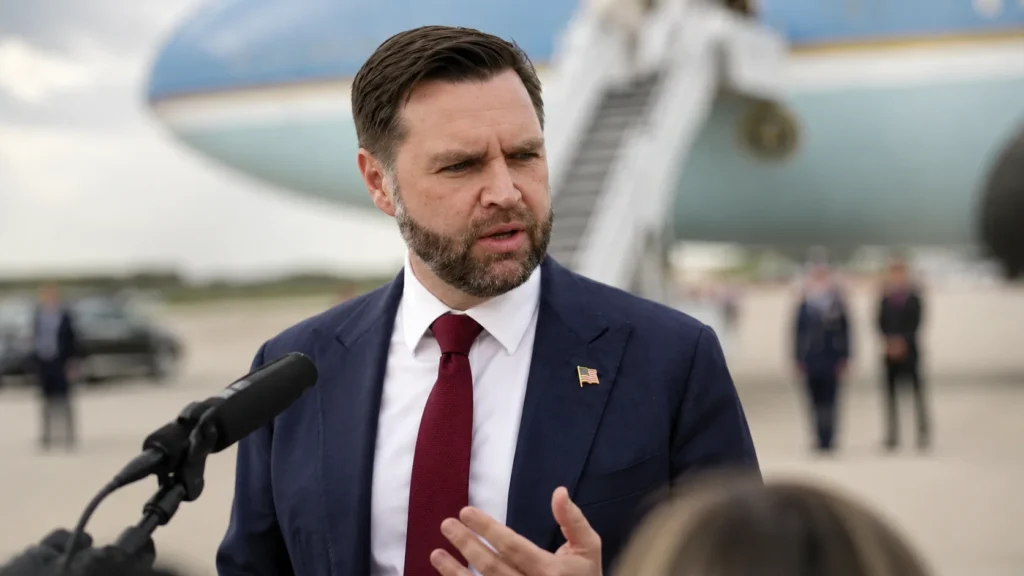
Vance told reporters before boarding his flight that he hoped to make progress on “the nuclear issue” and the “Lebanon ceasefire issue.” He described conditions in Lebanon by saying, “things are actually getting better there, and things are slowing down a little bit”—a characterization that collides with the 47 fatalities reported the same day.
Iran’s foreign ministry spokesman Esmail Baghaei provided the counter-frame: Tehran would be “demanding that the other side fulfil its commitments.”
Two delegations. Two entirely different assessments of whether the agreement is working. Same negotiating table.
FAQ
What is the US-Iran initial agreement?
The memorandum of understanding signed earlier this week commits both sides to an immediate end to hostilities on all fronts, including Lebanon, reopening of the Strait of Hormuz, a $300 billion Iranian reconstruction package, and US termination of all sanctions. A 60-day framework exists for negotiating a final deal covering the nuclear program and other outstanding issues.
Why is the Lebanon ceasefire important to the US-Iran deal?
The deal’s first clause requires termination of military operations on all fronts. Continued Israeli-Hezbollah clashes give Iran grounds to claim the US is not enforcing the agreement. If the Lebanon ceasefire collapses, Iran’s incentive to implement other provisions—including nuclear negotiations—weakens.
Is the Strait of Hormuz actually closed?
Partially. US Central Command says 55 ships transited on Saturday. Tracking data confirms vessels are passing through. But several tankers made U-turns, indicating shipping companies are reassessing risk. Iran’s claim creates enough uncertainty to disrupt insurance markets and energy prices without requiring a physical blockade.
What happens if the 60-day deadline expires without a final deal?
The initial agreement does not specify an enforcement mechanism. If negotiations fail, the ceasefire provisions could collapse entirely, the strait could close again, and the conflict that began on 28 February could resume. The 60-day clock started before the Switzerland talks began.
What role is Pakistan playing?
Pakistan hosted the previous US-Iran negotiations and acts as a mediator. Prime Minister Shehbaz Sharif and army chief Field Marshal Asim Munir are attending the Switzerland talks. Pakistan’s foreign ministry stated it will “support the implementation” of US-Iran understandings—a role evolving from facilitator toward guarantor.
What to Watch Next
The Switzerland talks are expected to produce a communique or roadmap. The real test is whether the Lebanon ceasefire becomes operational or remains performative. If Israeli strikes continue—and Hezbollah operations persist—Iran’s incentive structure collapses. Every civilian death in Lebanon becomes an argument in Tehran for why the deal was a trap.
The nuclear file remains unaddressed. Iran’s program advanced during the war. The IAEA needs access. Trust does not exist. The technical negotiations alone could consume the 60-day window.
The sanctions termination mechanism faces political obstacles in Washington. Congressional allies and European partners have demands not yet reflected in the initial agreement.
The straight dynamic is now permanent. Iran has demonstrated the ability to disrupt energy flows—or credibly claim to—and the US has demonstrated it will deny the disruption while markets react anyway. This pattern will repeat.
As our ongoing analysis of US-Iran diplomatic developments tracks, the gap between the agreement on paper and the reality on the ground is where this deal will be decided.