

 English
































































































































Starmer Expected to Quit as Burnham Prepares for No 10
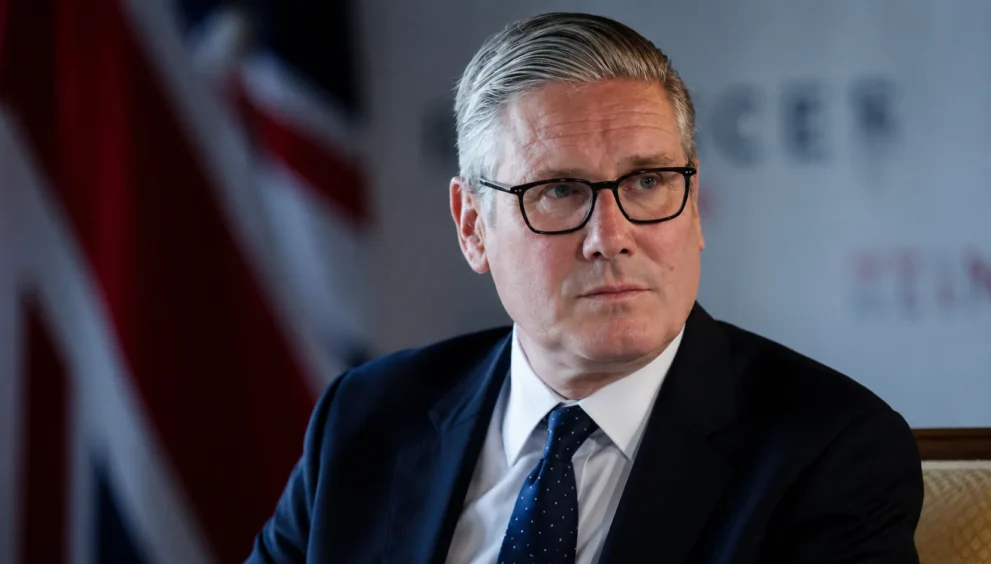
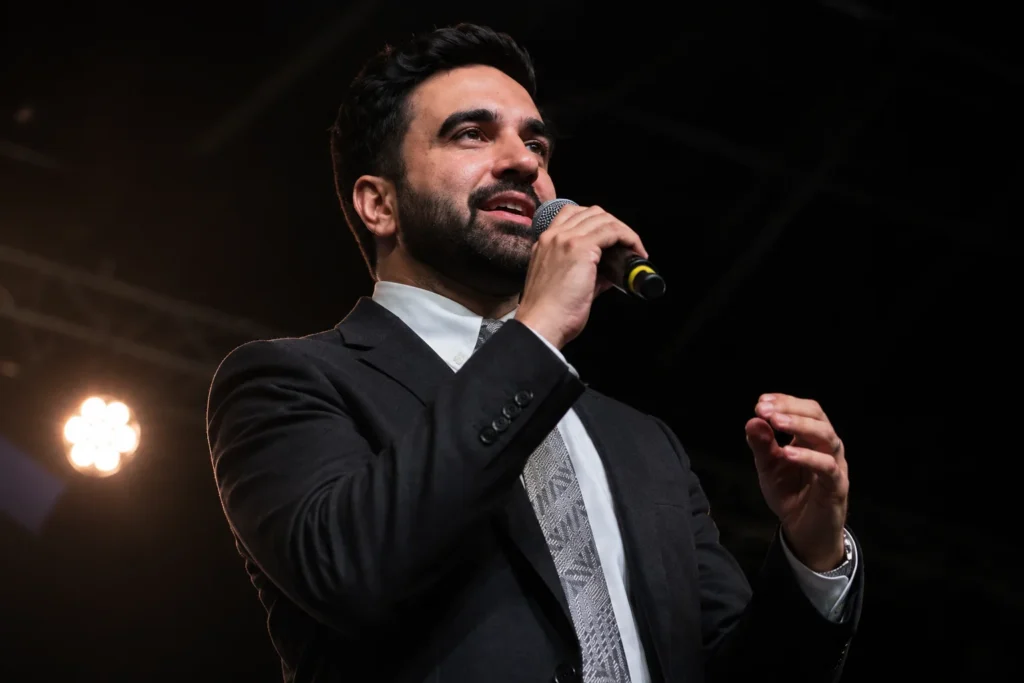
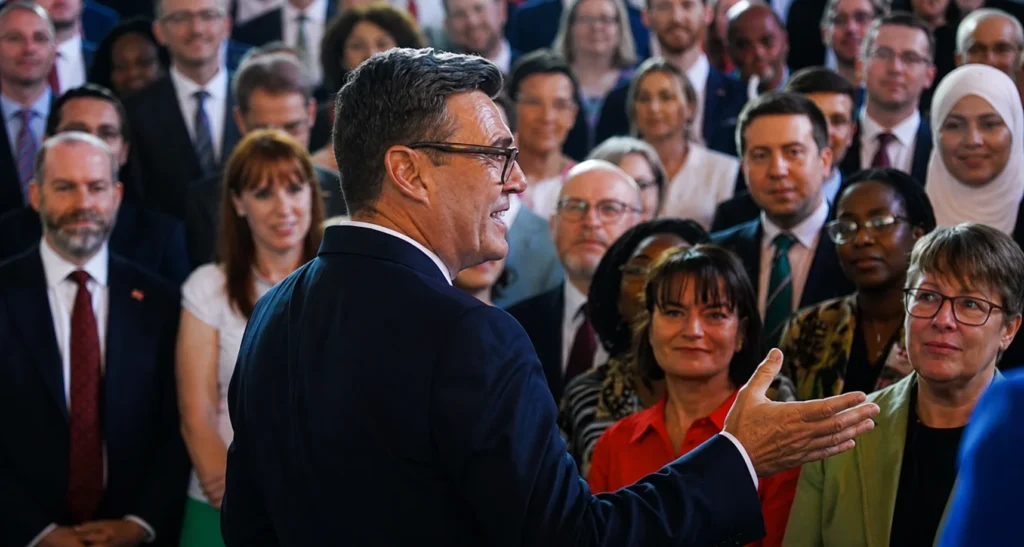
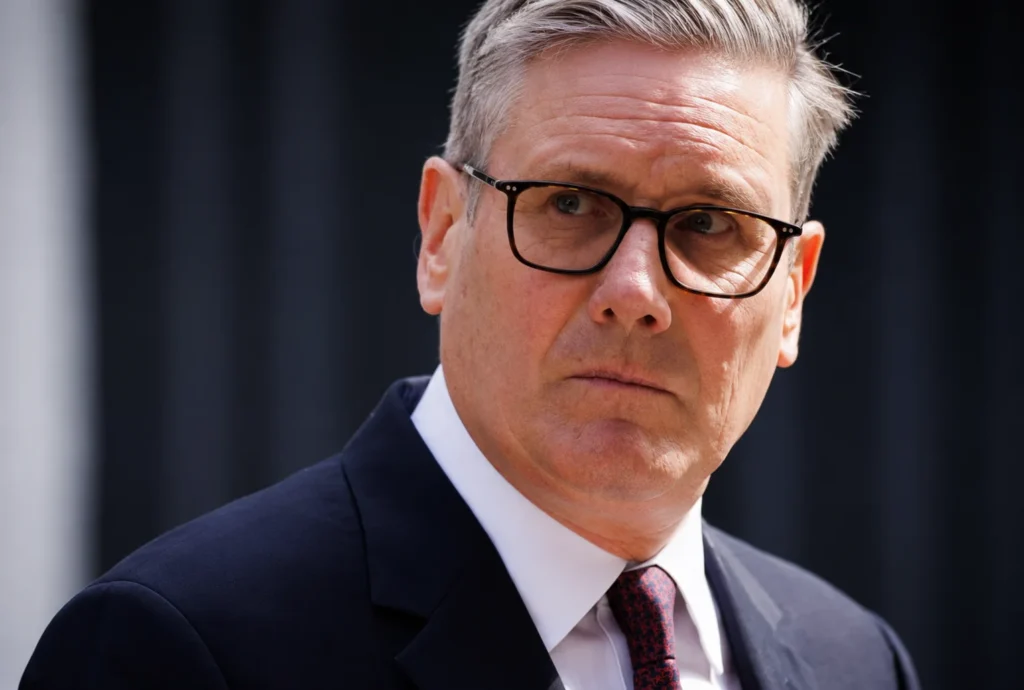
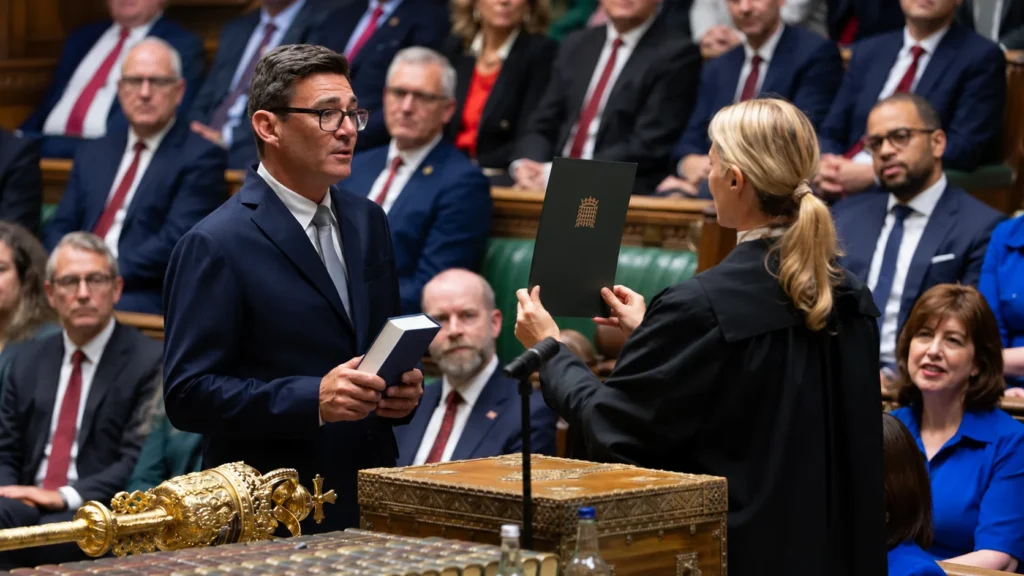
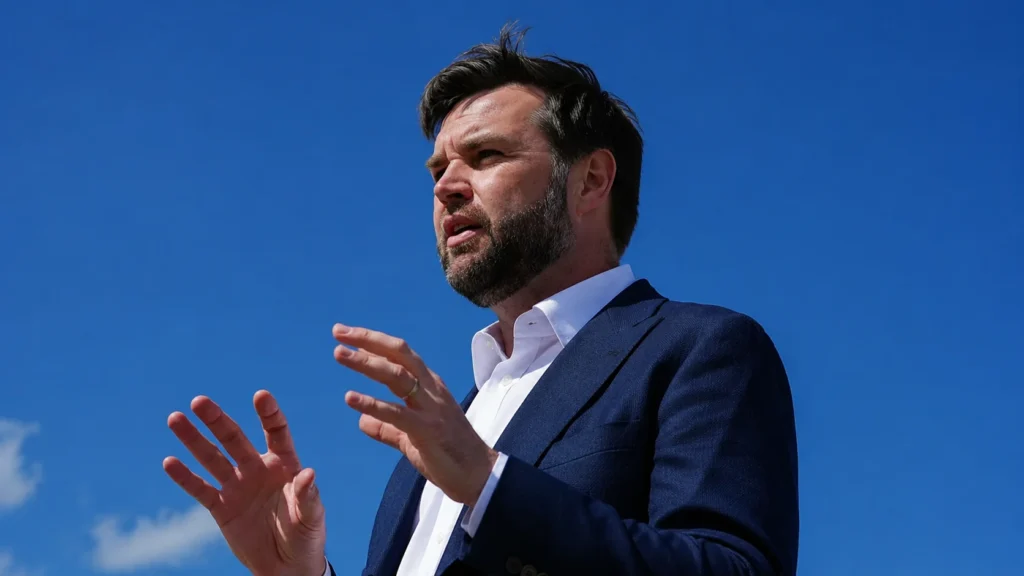
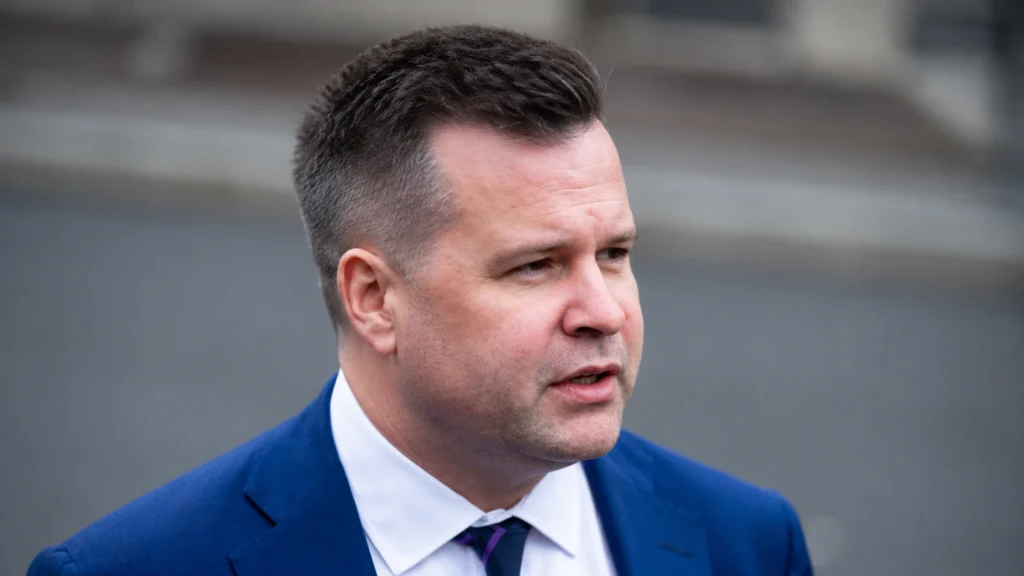
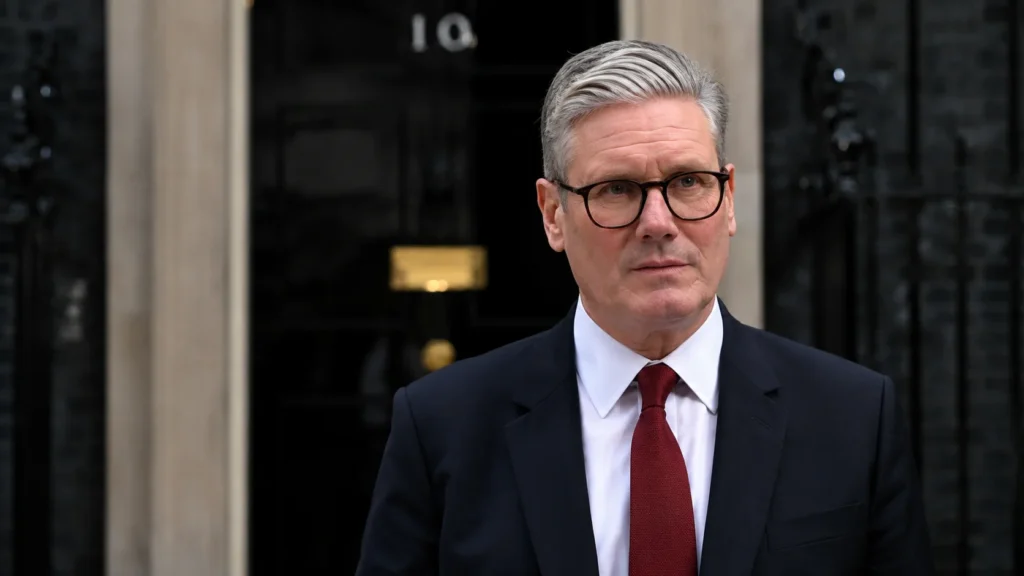
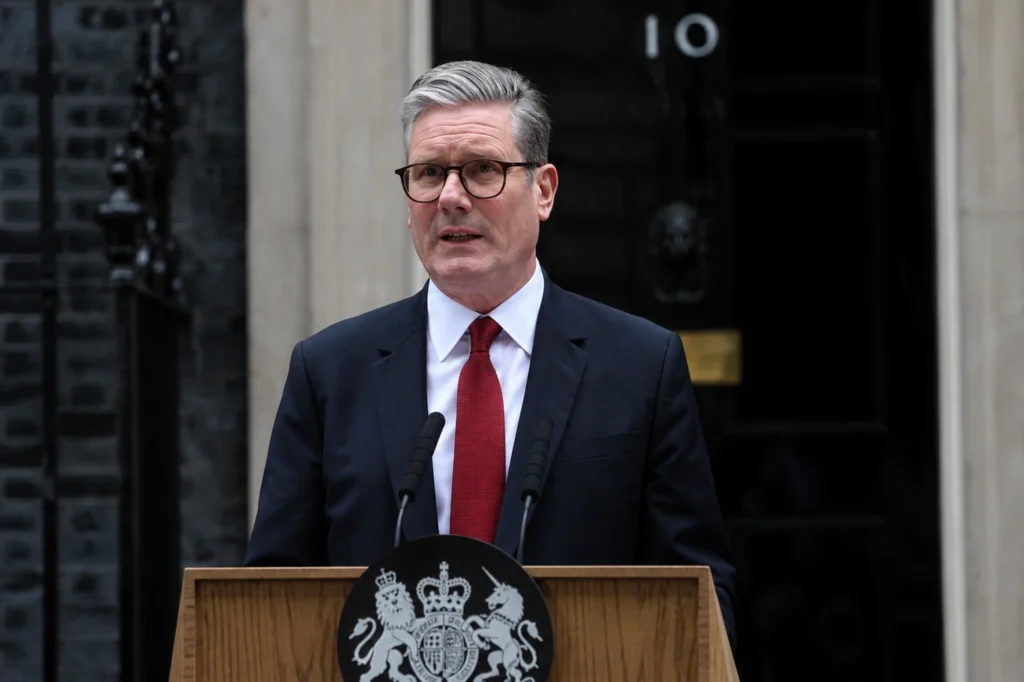
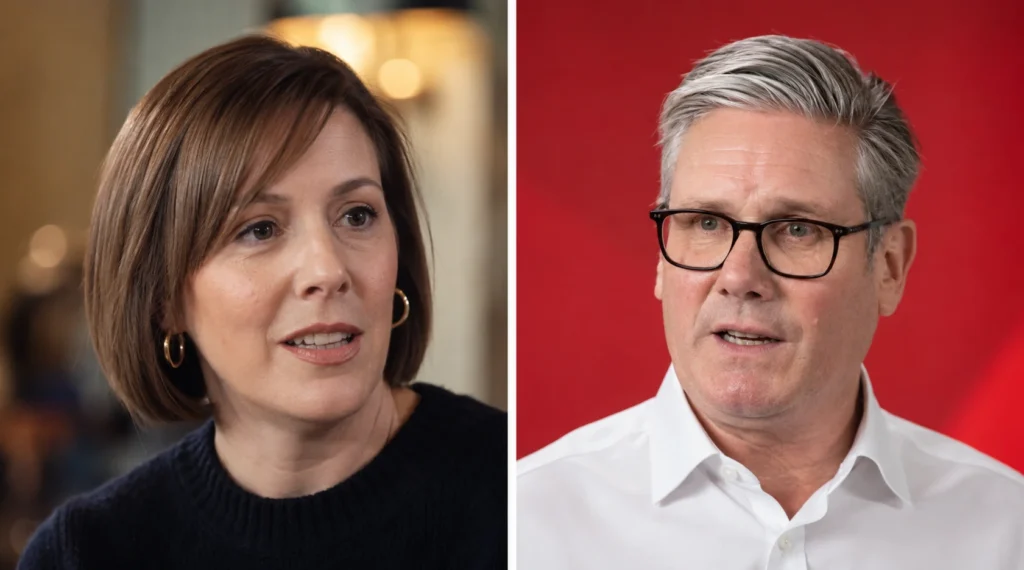
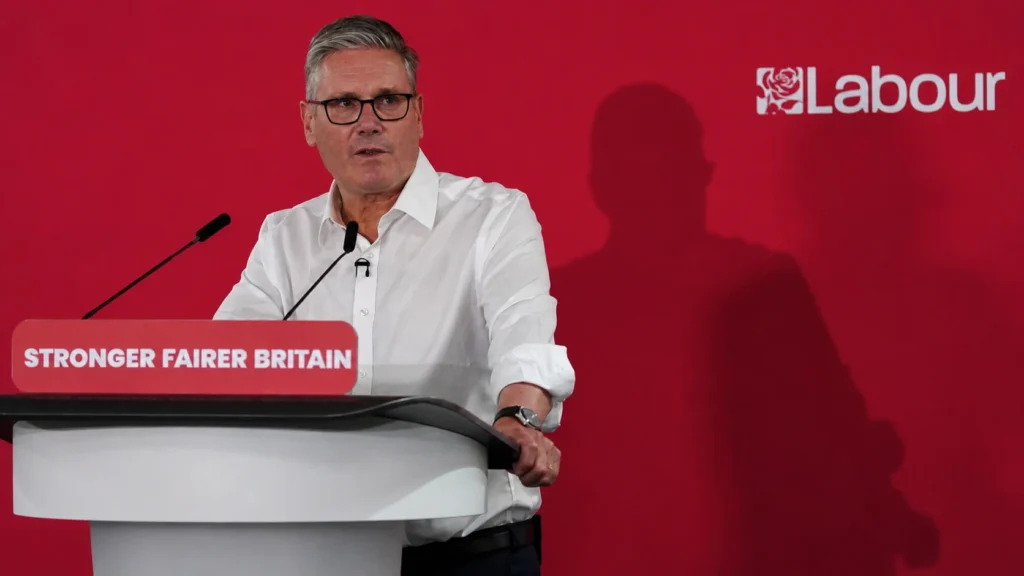
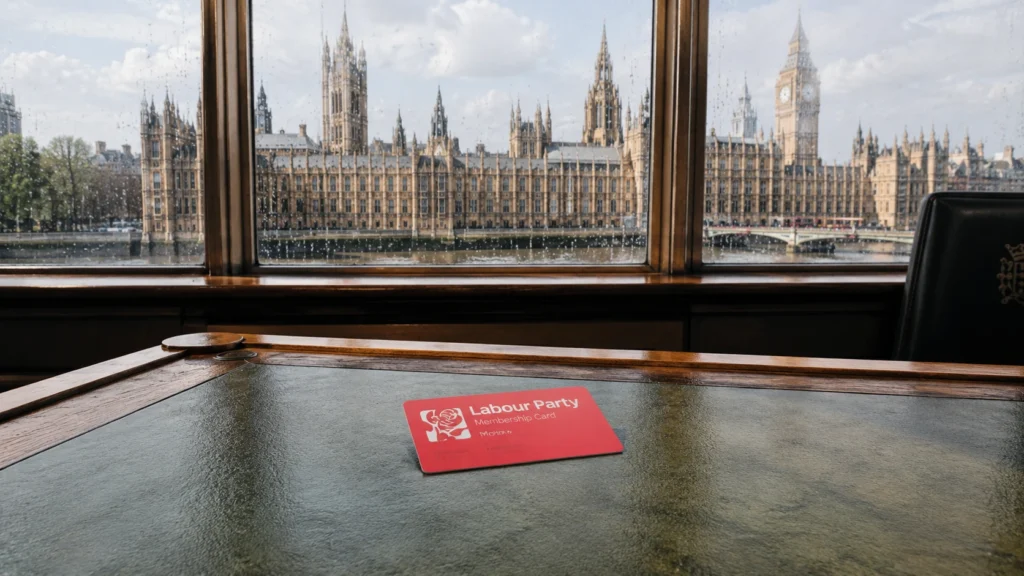
LONDON — Senior government figures expect Prime Minister Keir Starmer to announce his resignation plan as soon as Monday morning, following a weekend of silence from Downing Street that did nothing to halt widespread speculation about his departure. Starmer returned to No 10 after spending the weekend at Chequers, his country residence in Buckinghamshire. Andy Burnham, the newly elected MP for Makerfield and former Greater Manchester mayor, will be sworn into Parliament this afternoon and is widely expected to become the next prime minister through what Labour insiders describe as a “coronation” rather than a contested leadership race. The transition would make Burnham the UK’s fifth prime minister in four years.
The prime minister has not confirmed his resignation. But his team has done little to push back against the expectation, and multiple cabinet ministers have now told him privately to set a timetable for departure.
How the Pressure Became Irreversible
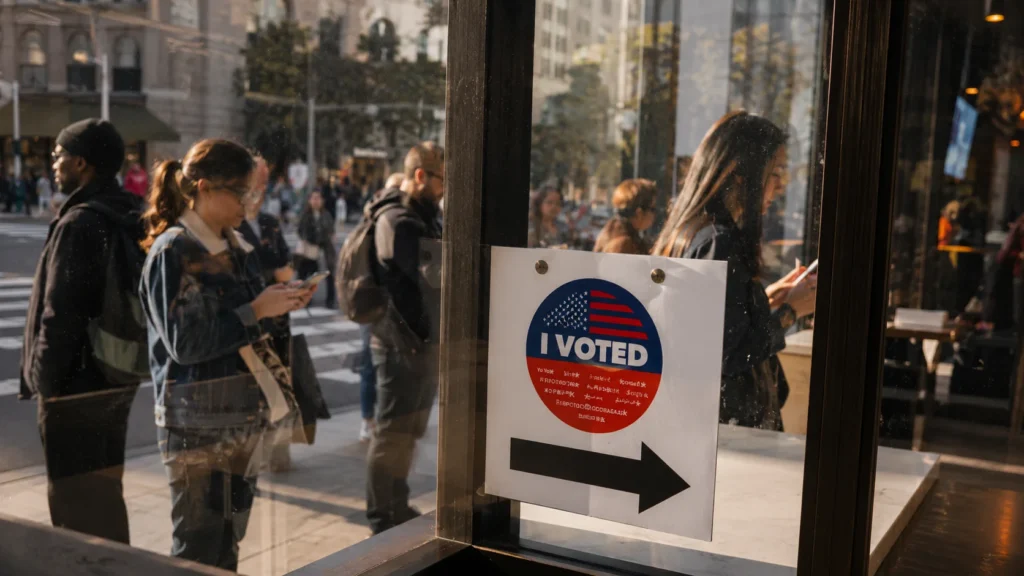
The crisis accelerated after Burnham won the Makerfield by-election on Thursday, increasing Labour’s majority against Reform UK. The result provided what months of poor polling could not: concrete evidence that Labour could win under a different leader.
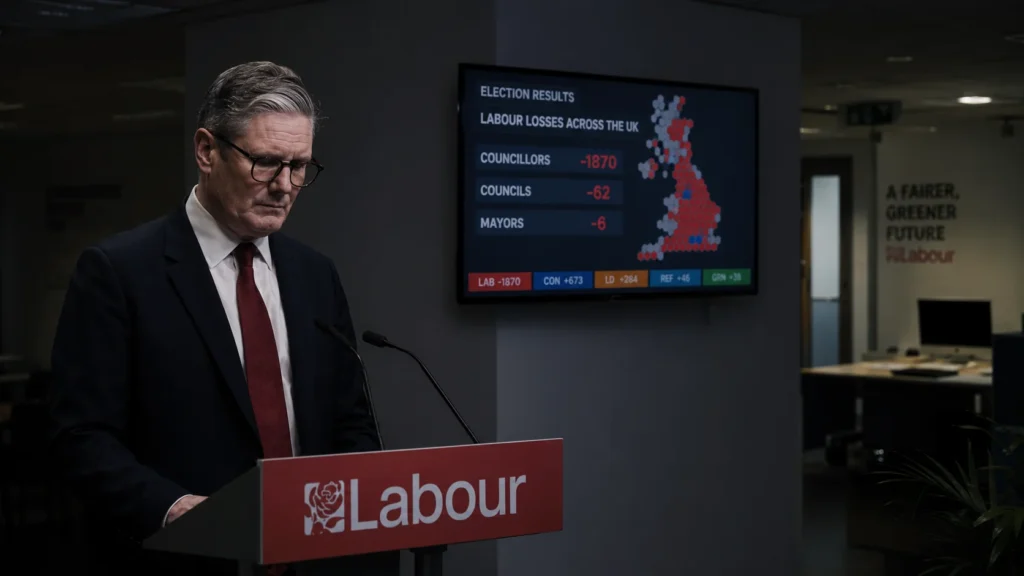
Starmer had already sustained heavy losses in May’s local elections, where Labour lost almost 1,500 councillors in England. The party also lost power in Wales and recorded its worst-ever Scottish Parliament result. Discontent had simmered for months over three major policy reversals in a single month last year and the appointment and subsequent sacking of Lord Peter Mandelson as US ambassador.
According to BBC political editor Chris Mason’s analysis of the weekend’s developments, “Burnham’s victory—and the scale of it—uncorked the bottle of Labour Party dissent that had been constrained by the by-election campaign.” Starmer spent the weekend “mulling his options, knowing he was, frankly, running out of them.”
Business Secretary Peter Kyle shifted the government’s tone on Sunday, telling the BBC the prime minister was reflecting on “political realities.” That marked a break from Starmer’s insistence on Friday that he would continue. By Monday, at least four cabinet ministers—including the home and foreign secretaries—had advised him to set a departure timetable.
As our analysis of Labour’s internal power dynamics since the local elections documented, the party’s confidence in Starmer eroded steadily long before Burnham’s victory supplied the trigger.
The Burnham Factor: Why a Coronation, Not a Contest
Burnham, 55, brings an unusual resume to the premiership. He represented Leigh in Parliament from 2001 to 2017, ran for Labour leader twice and lost both times, then spent nine years as mayor of Greater Manchester. His Makerfield victory last week returned him to Westminster. This afternoon, he takes the oath as an MP.
Labour insiders increasingly expect a “coronation”—meaning Burnham would face no challenger. No membership vote. No extended campaign. The party’s priority is projecting stability after months of internal drift.
The timetable is contested. Some Burnham allies want him installed around the Labour conference in late September, arguing he needs months to prepare for government. Others warn that a three-month interregnum would paralyze decision-making, as Henry Zeffman, the BBC’s chief political correspondent, reported: “an interregnum of three months would grind government to a halt as speculation about what exactly Burnham’s plans for government could be built into a frenzy.”
Starmer’s own preference will shape the calendar. He may choose to depart immediately or manage a longer transition to secure specific legacy policies.
The Churn: Six PMs in a Decade
Should Starmer resign, it would mark the sixth prime ministerial departure since David Cameron stepped down the morning after the Brexit referendum—a date that reaches the ten-year mark on Tuesday.
The sequence is extraordinary: Cameron, Theresa May, Boris Johnson, Liz Truss, Rishi Sunak, and now Starmer. None of the last five exits were triggered directly by losing a general election. Each resulted from internal party pressure.
Zeffman called it “an extraordinary rate of prime ministerial churn. There’ll be plenty of discussion to come about the causes of that chaos: chaos which Starmer’s Labour promised to end.”
Conservative shadow minister Alex Burghart described Starmer as a “completely busted flush” on BBC Breakfast and warned the instability would be “very bad for the United Kingdom,” adding: “We can’t be a country that changes PM every few years.”
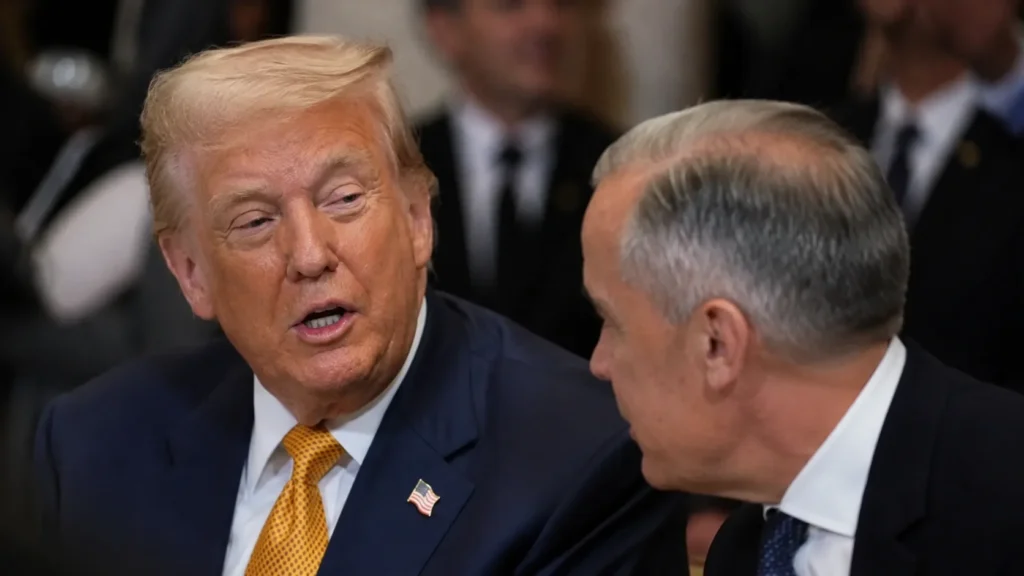
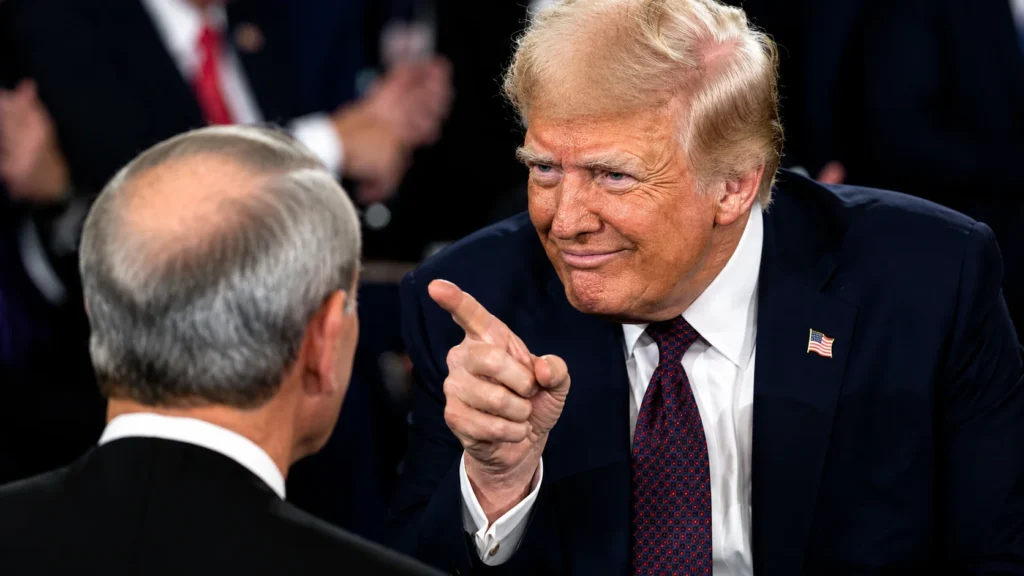
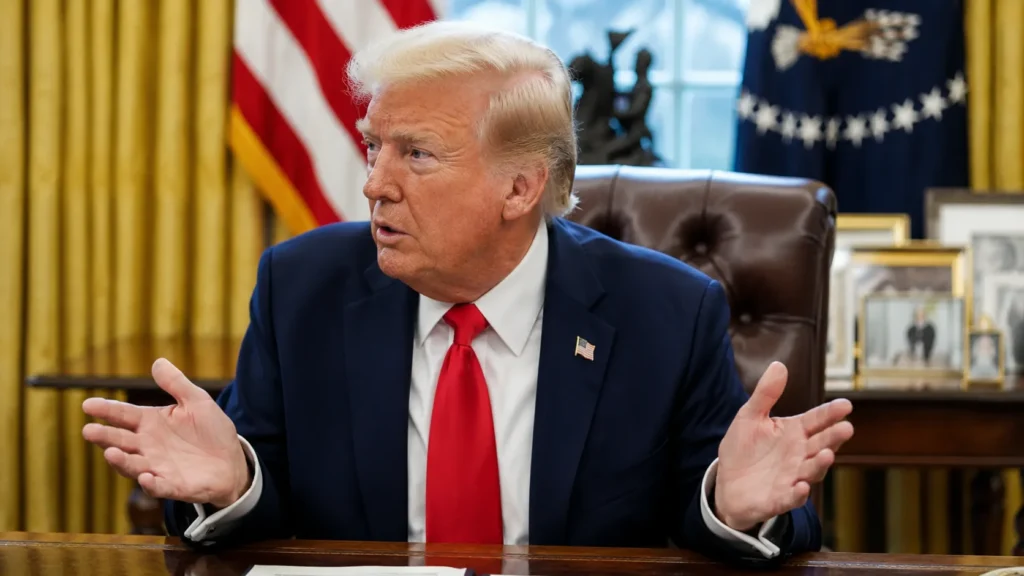
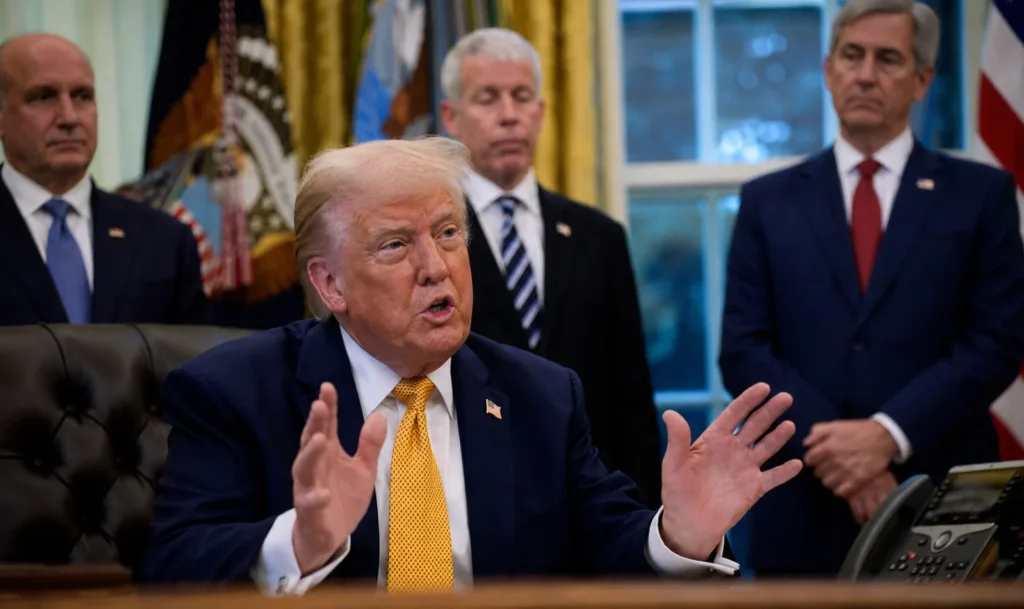
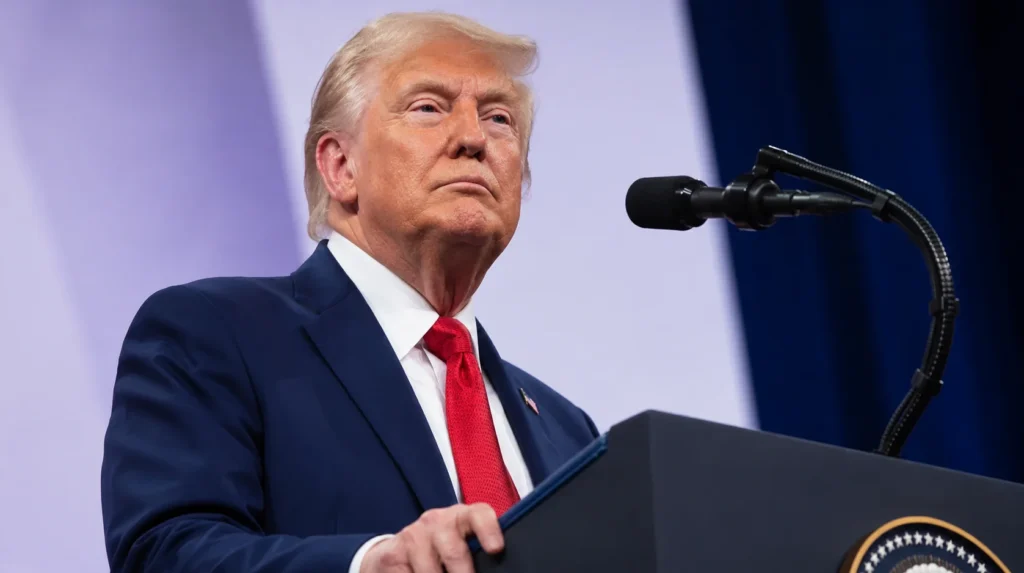
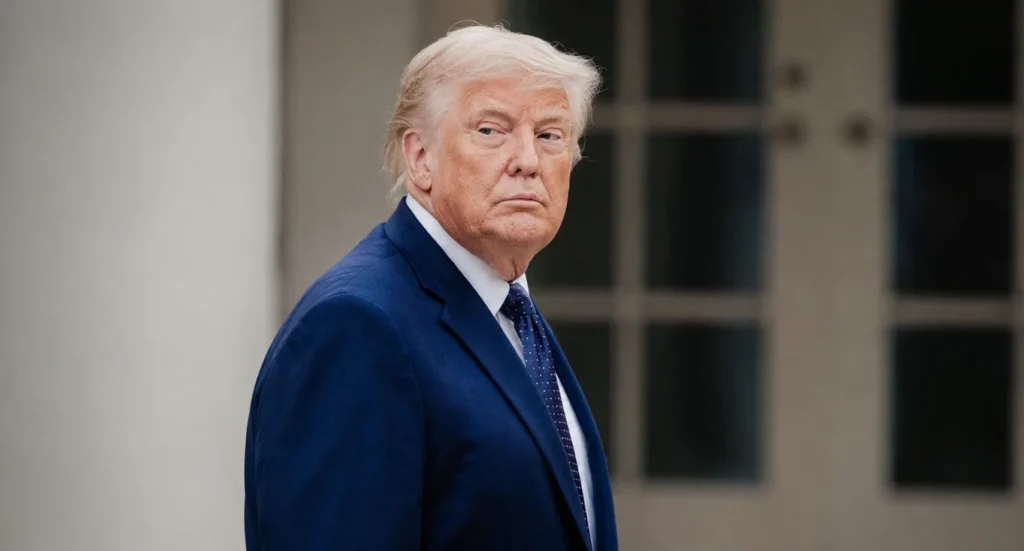
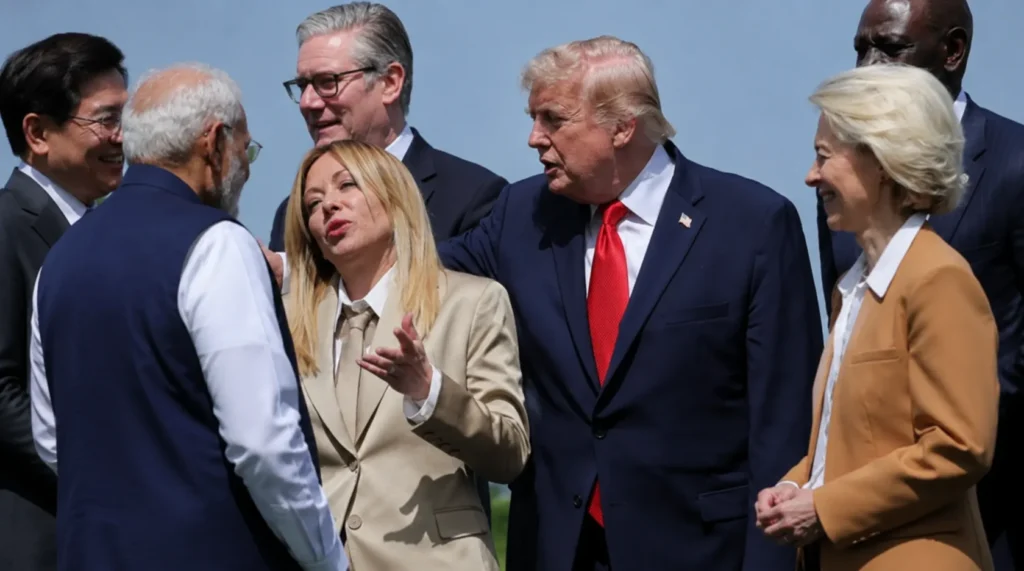
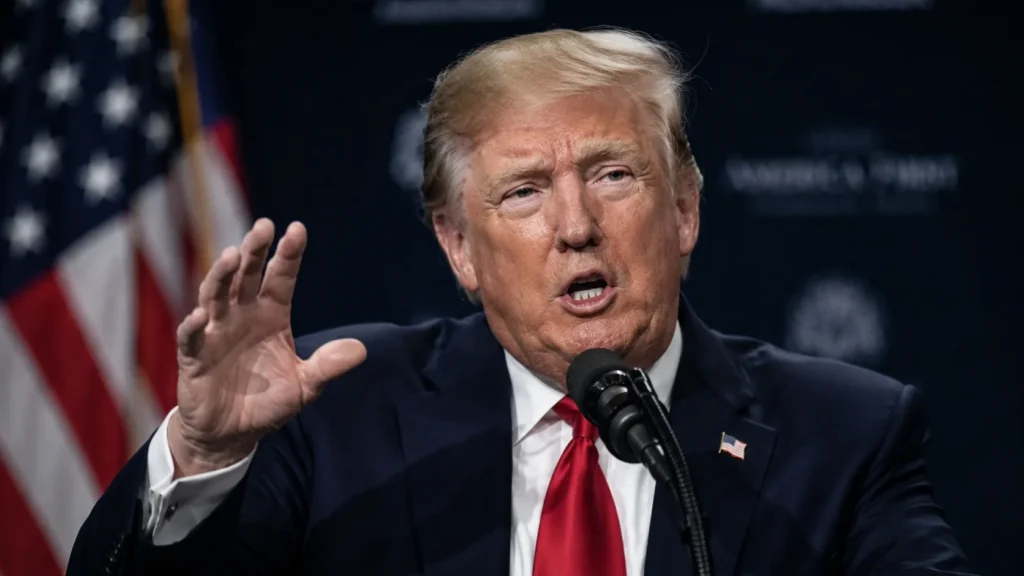
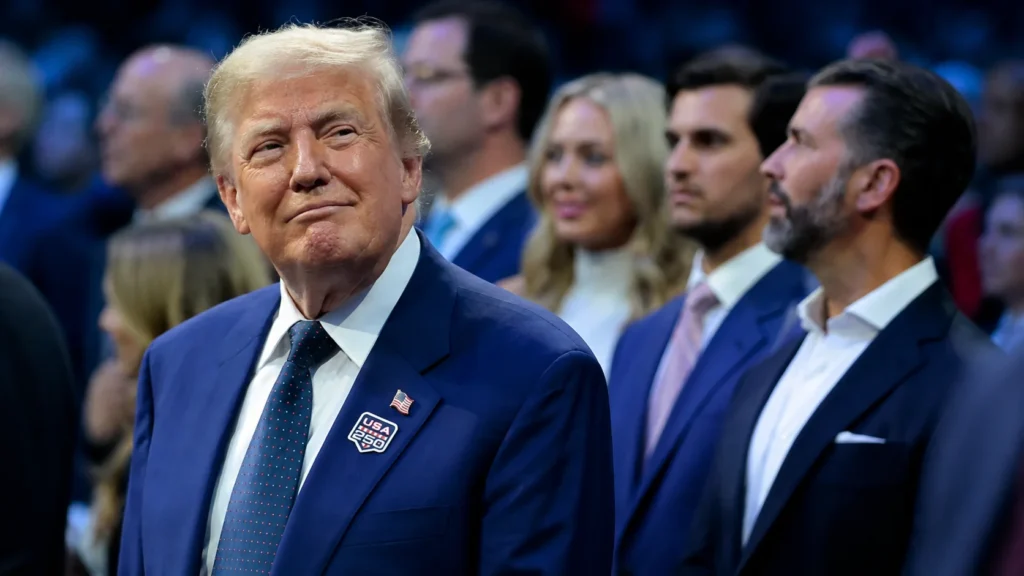
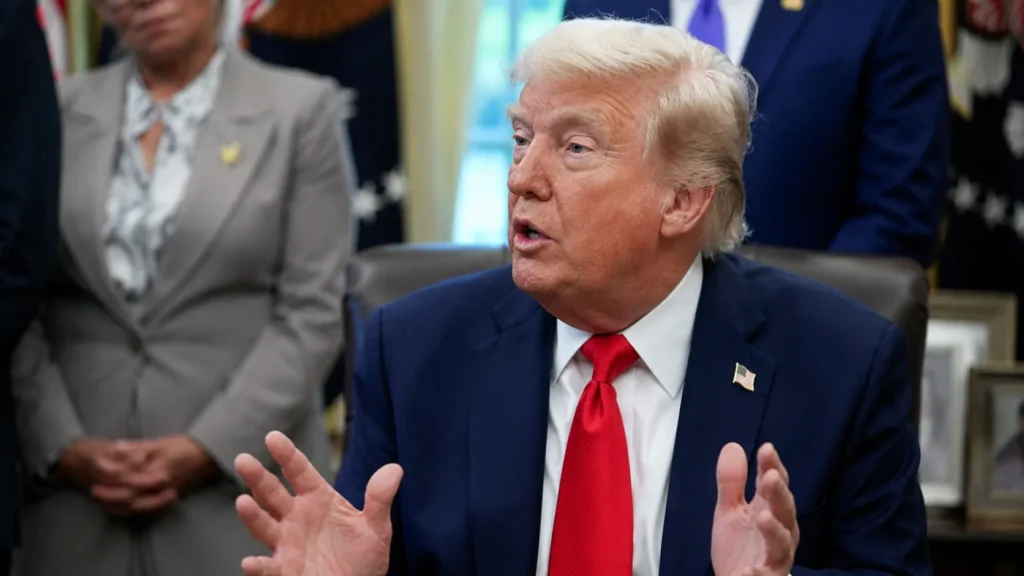
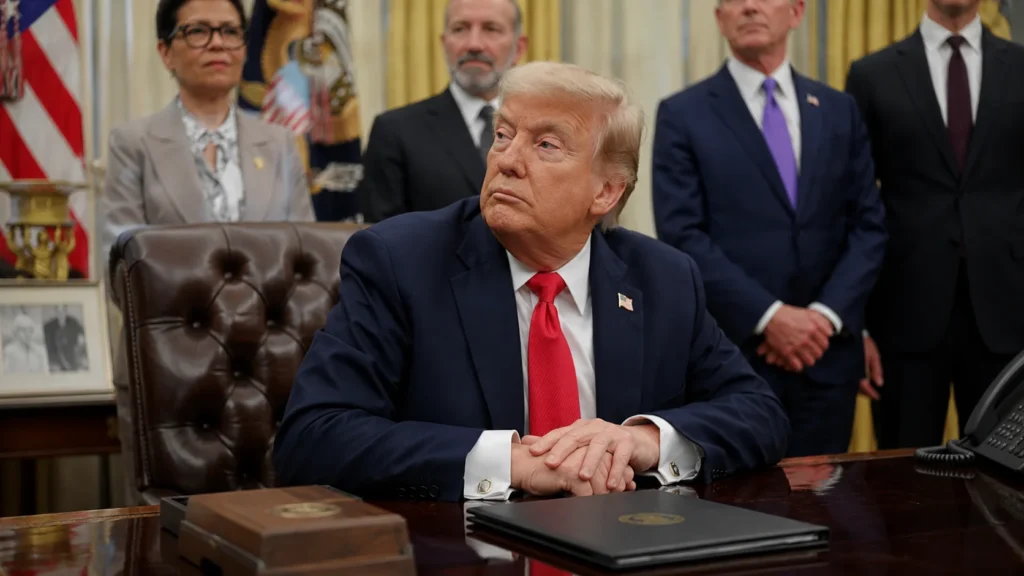
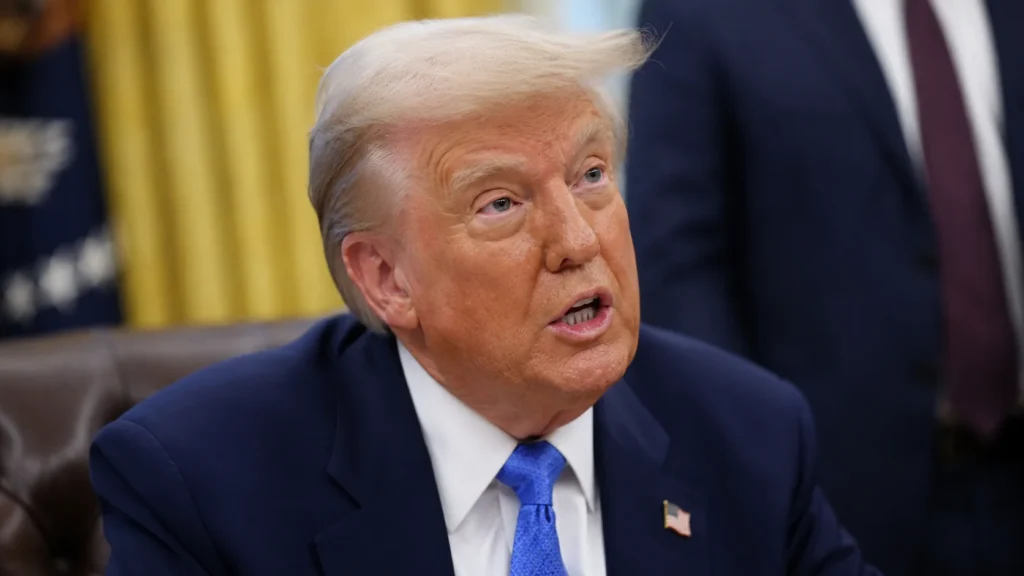
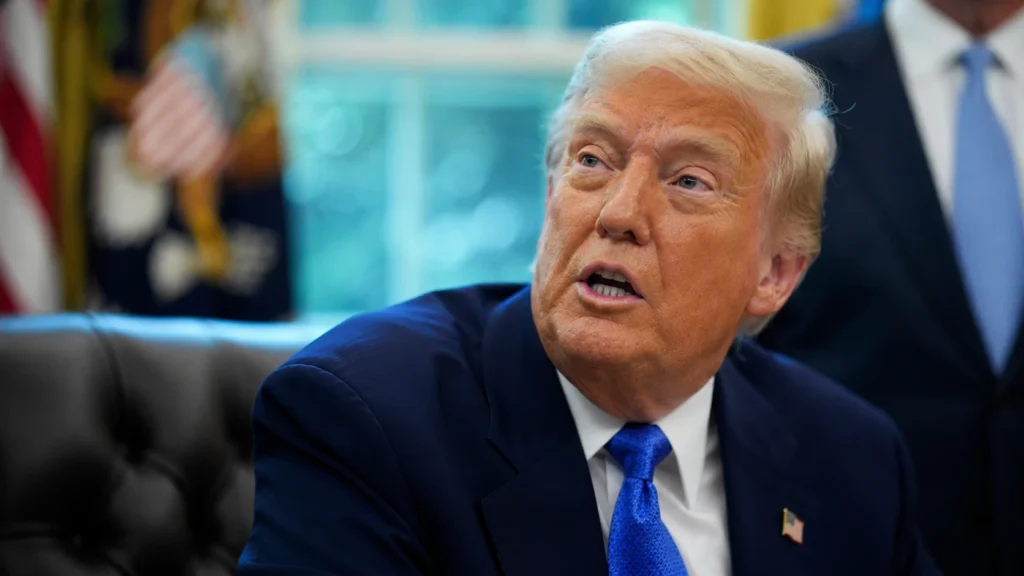
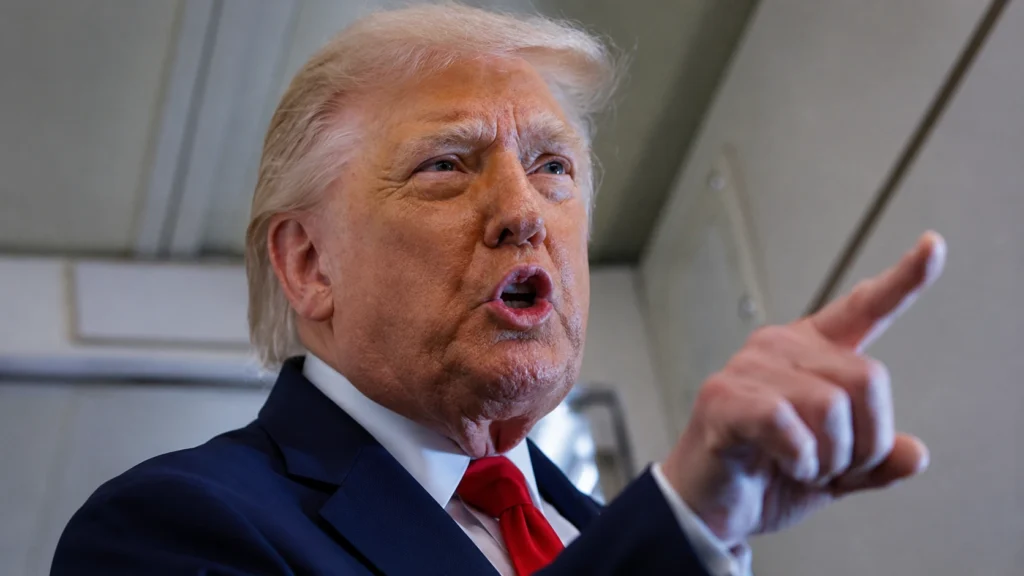
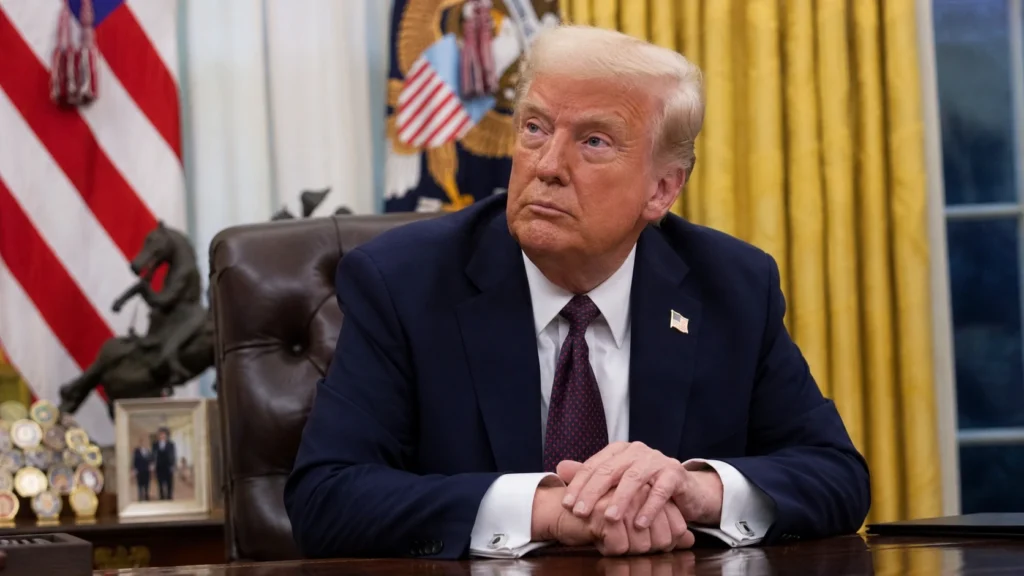
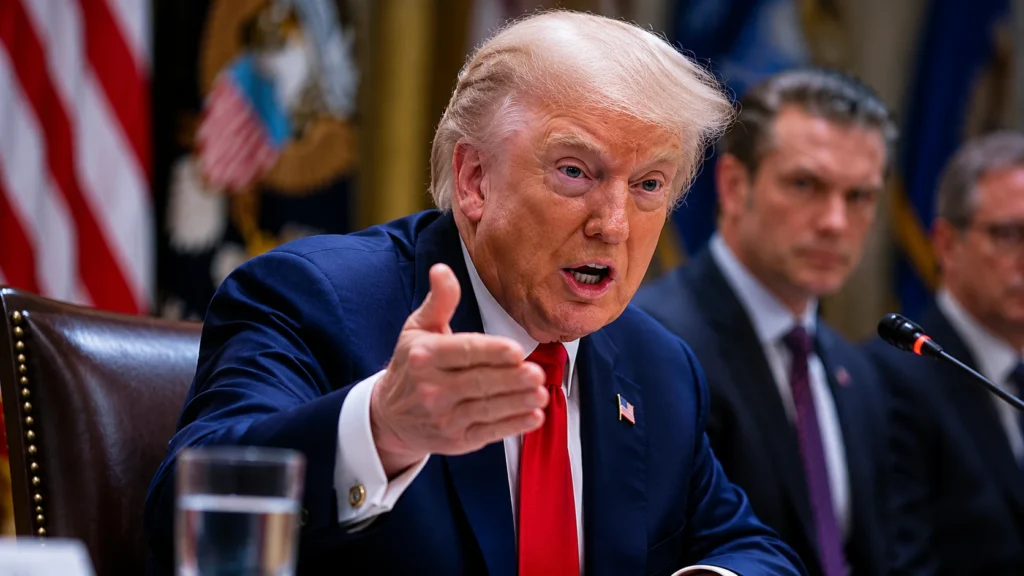
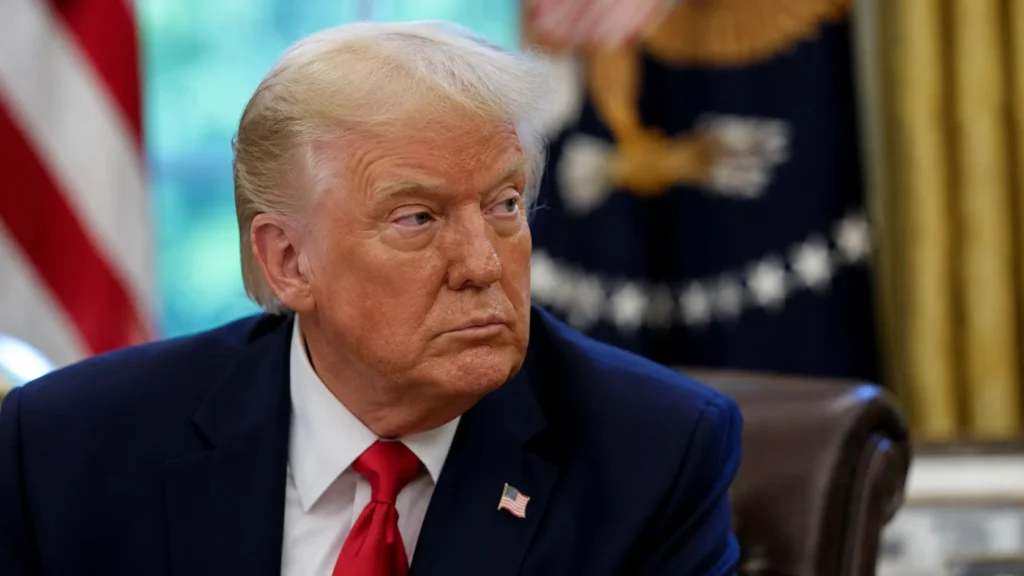
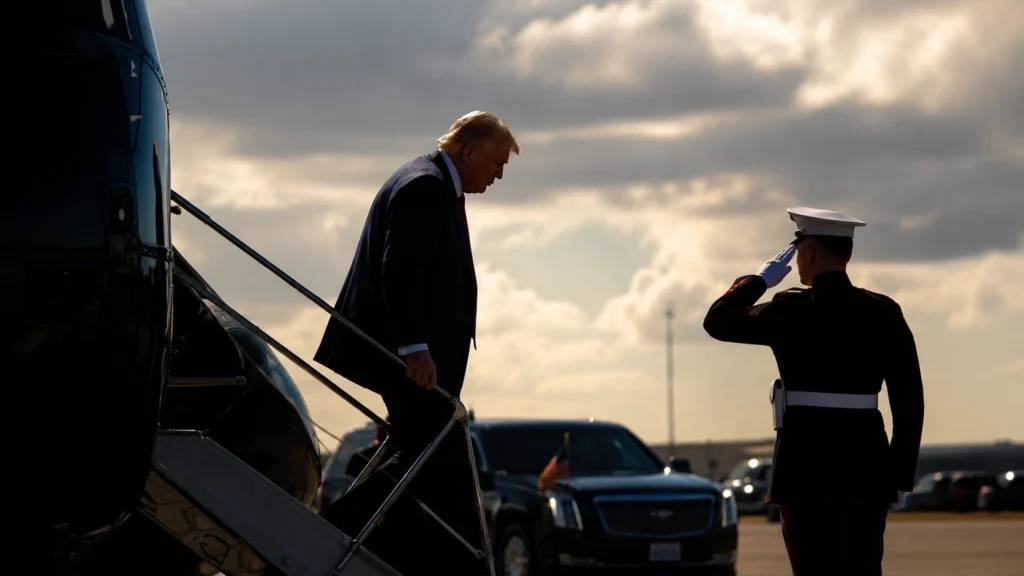
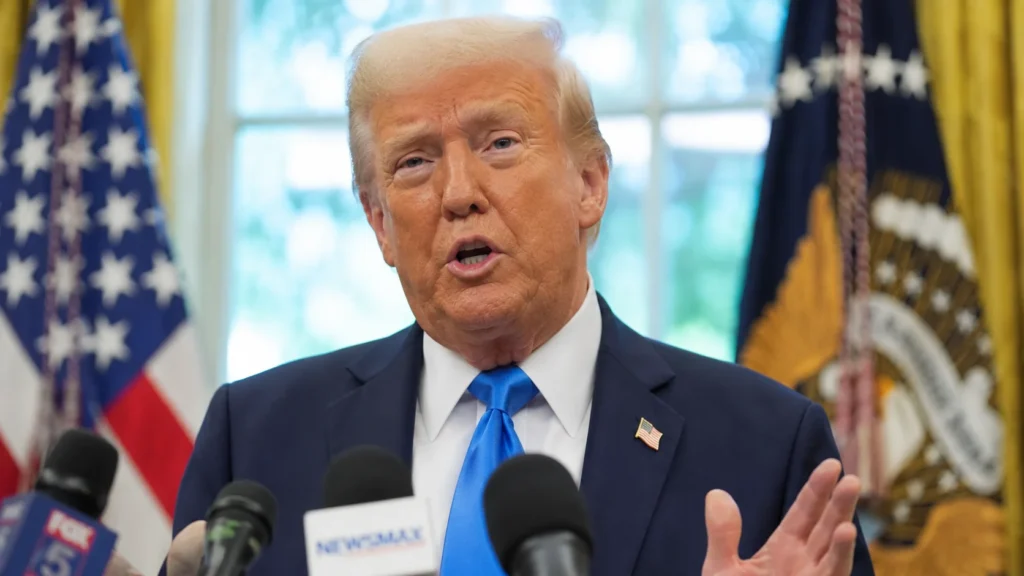
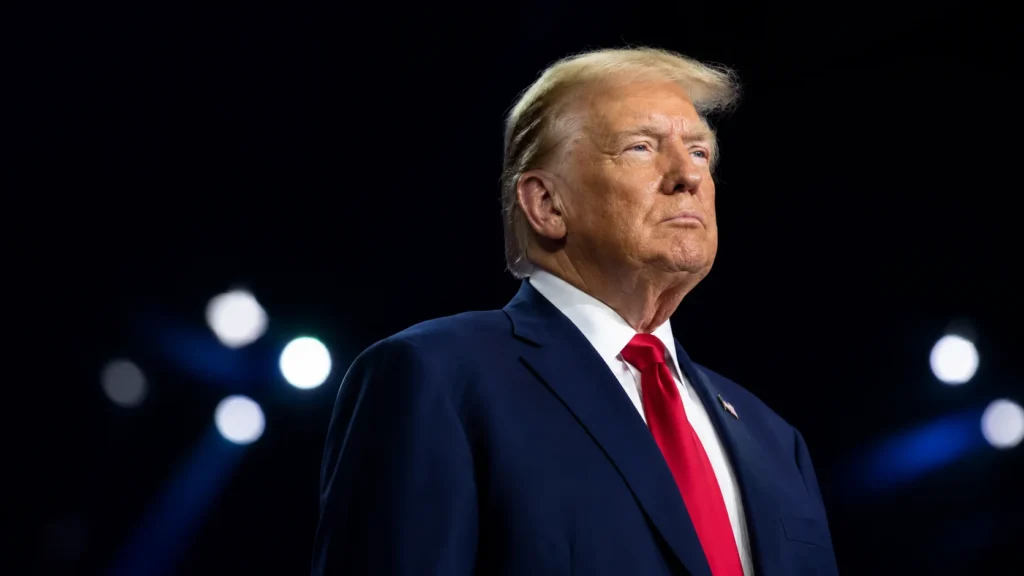
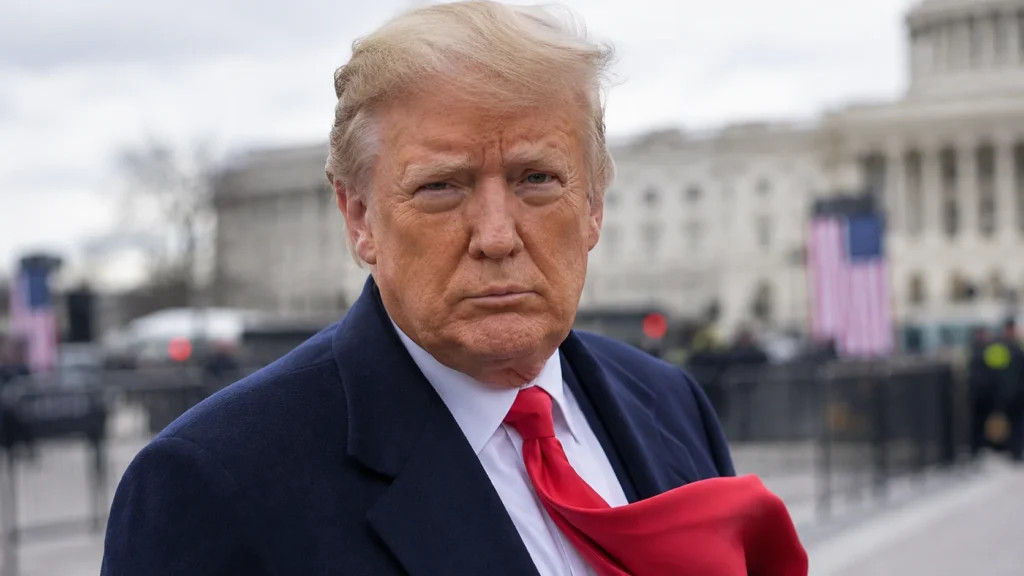
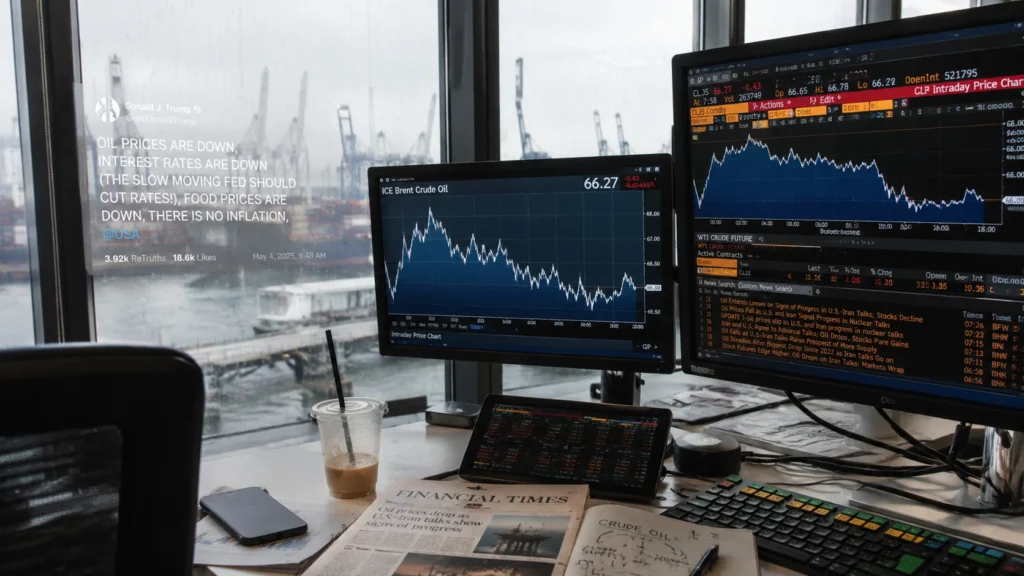
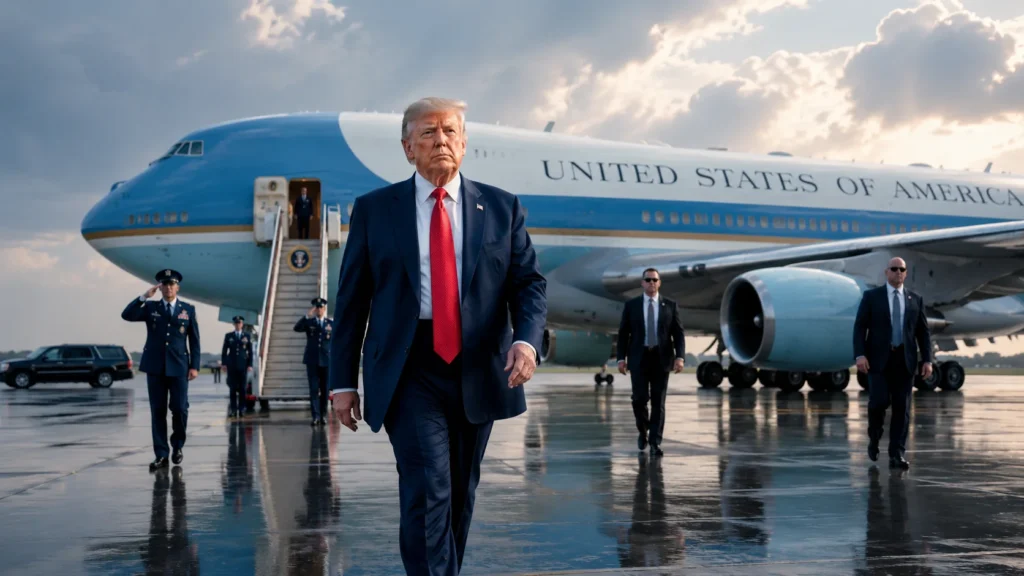
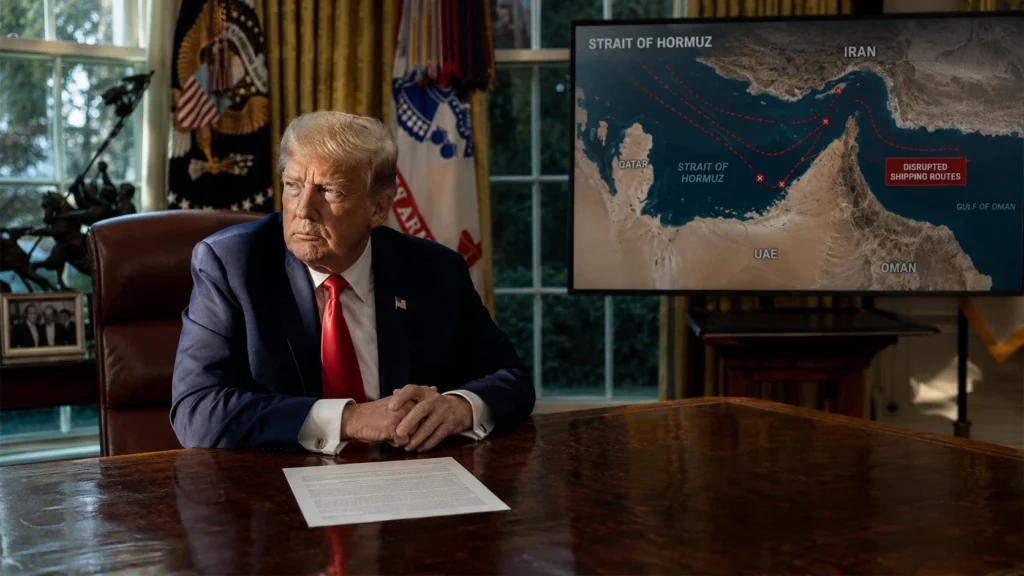
The international dimension is already visible. Donald Trump posted on Truth Social that Starmer “will resign,” having “failed badly” on immigration and energy. No 10 confirmed the two leaders had not spoken over the weekend.
As our coverage of UK governance instability and its international implications has tracked, allies are increasingly pricing British political volatility into their diplomatic calculations.
What Changes Under Burnham
Burnham has signaled clear differences from Starmer on key policy areas. Burghart previewed the Conservative attack line, telling the BBC that “everything we’ve seen about Andy Burnham is that he would like to do the opposite” of welfare reform.
The new prime minister will face immediate questions about his mandate. Opposition parties are expected to argue that a leader installed without a party vote, let alone a general election, lacks democratic legitimacy. The pressure for an early election will build quickly, though Labour’s fragile polling position makes that an unattractive option.
A new cabinet will be appointed. A new policy platform will be set out. The government’s direction on housing, energy, immigration, and post-Brexit economic adjustment—all unresolved under Starmer—will depend on decisions Burnham has yet to publicly make.
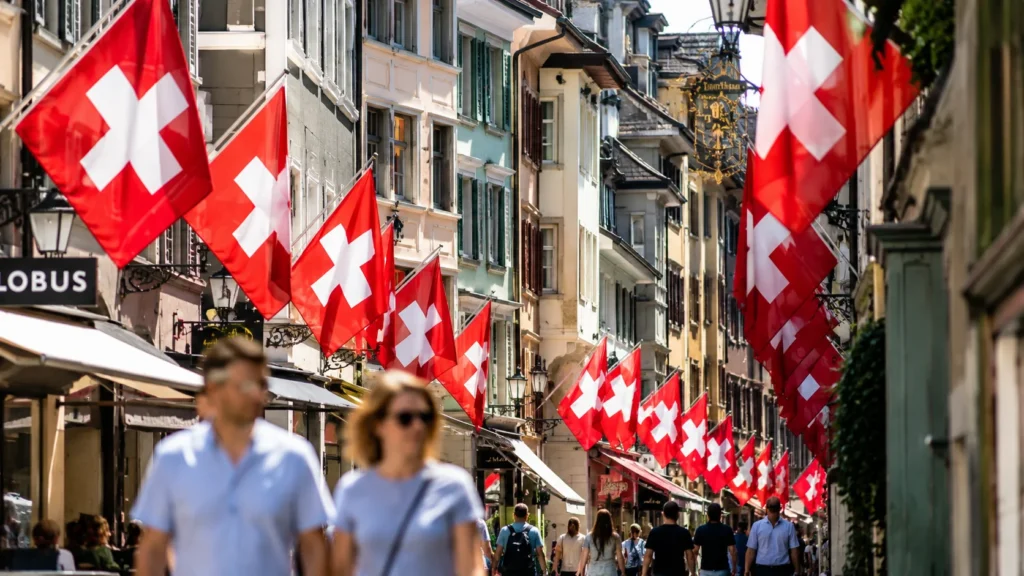
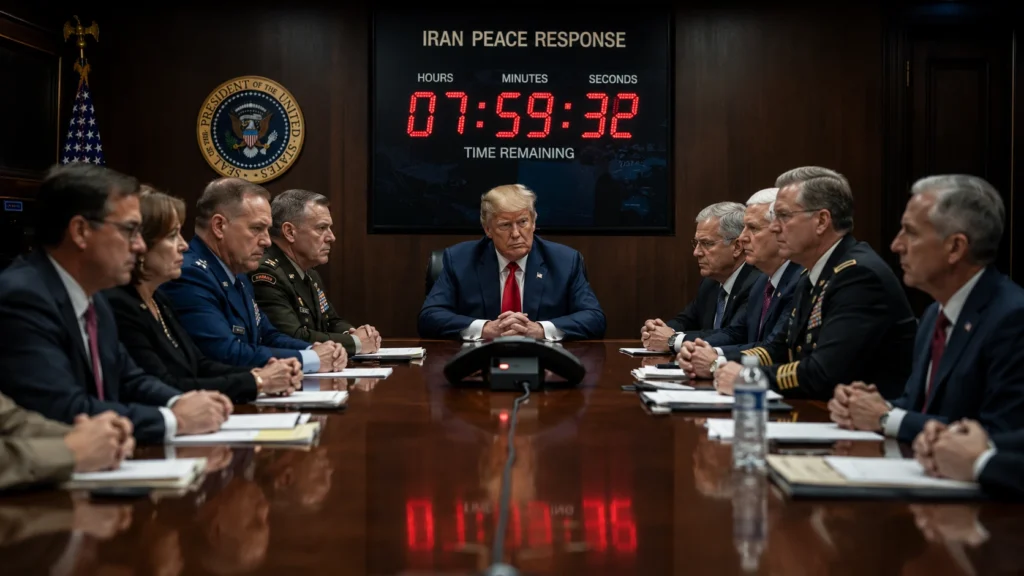
The UK also faces an active international agenda. The US-Iran peace negotiations, with a 60-day deadline, are underway in Switzerland. The transatlantic alliance is navigating the Trump administration’s approach. Britain’s governing party has been consumed by succession planning while these negotiations proceed.
According to the BBC’s live political coverage from Downing Street Monday morning, the world’s media assembled before dawn. Jon Kay, presenting BBC Breakfast from Downing Street, noted: “I’ve never seen it quite this busy so early.”
FAQ
Has Keir Starmer officially resigned?
Not yet. As of Monday morning, no formal announcement has been made. But senior government figures expect him to announce his resignation plan imminently. His team spent the weekend doing little to counter widespread speculation.
Who would replace Keir Starmer?
Andy Burnham is the near-certain successor. Labour insiders describe the process as a “coronation,” meaning no challenger would stand. Burnham won the Makerfield by-election last week and will be sworn in as an MP this afternoon. He previously served as Greater Manchester mayor and as an MP from 2001 to 2017.
When would the new prime minister take over?
The timetable is contested. Some Burnham allies favor a transition around the Labour conference in late September. Others argue that waiting three months would paralyze the government. The timing depends partly on Starmer’s preference.
Why is Starmer under pressure to resign now?
The immediate trigger was Burnham’s by-election victory, which showed Labour could win under new leadership. Starmer had already lost almost 1,500 councillors in May, Labour lost power in Wales, and discontent had built for months over policy reversals and the Mandelson appointment scandal. Multiple cabinet ministers told him to set a departure timetable.
How many prime ministers has the UK had recently?
If Starmer resigns, Burnham would become the sixth prime minister in a decade—following Cameron, May, Johnson, Truss, and Sunak. None of the last five changes resulted directly from losing a general election. Each followed internal party pressure.