

 English





































































































































































































































































































Toy Story 5 Scores Record $300M Opening. Can It Save Pixar?
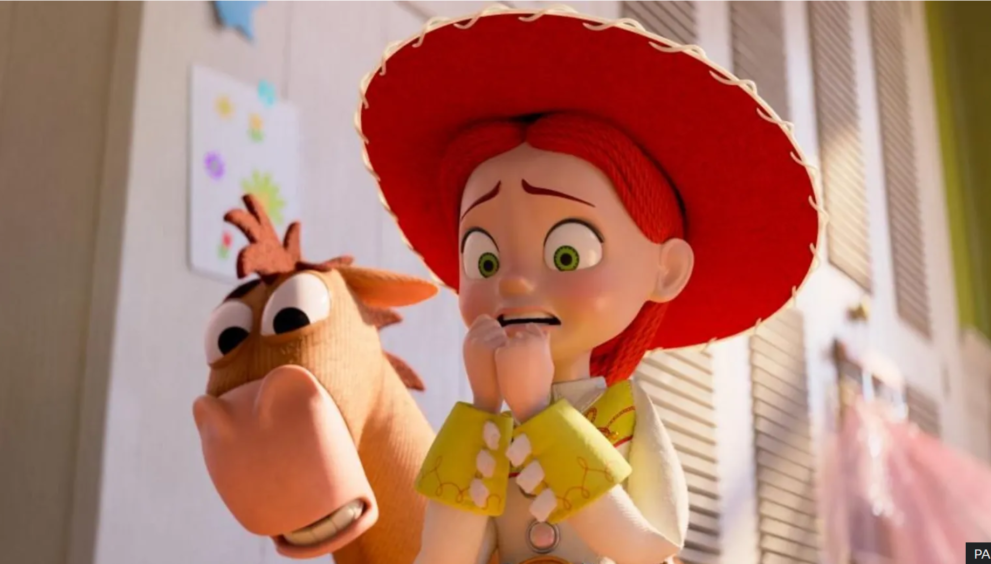
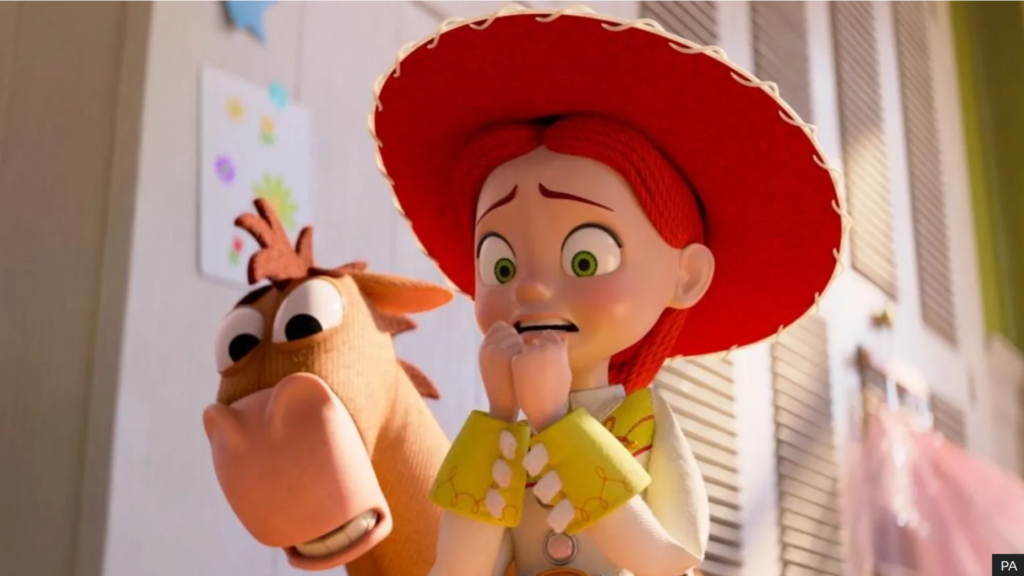
LOS ANGELES — Toy Story 5 delivered the biggest opening weekend in the franchise’s 31-year history, grossing more than $300 million globally since its release on 19 June. The Disney and Pixar sequel took in over $160 million in North America and more than $150 million internationally, making it the second-biggest global opening of the year behind The Super Mario Galaxy Movie. Produced on a $250 million budget, the fifth installment follows Woody, Jessie, and Buzz Lightyear as they face a tablet computer—their most modern rival yet. The result marks a much-needed win for Pixar after recent box office struggles.
The opening weekend numbers are strong. But the theatrical business has changed. And one franchise record doesn’t answer the larger question facing Disney’s animation strategy.
The Numbers: What Toy Story 5 Needs to Break Even
Standard Hollywood accounting requires a film to double its production budget to cover marketing and distribution costs. For Toy Story 5, that means roughly $500 million to reach profitability.
The franchise has history on its side. Toy Story 3 and Toy Story 4 each crossed $1 billion at the global box office. The series has generated more than $3 billion since the original film launched in 1995 and revolutionized computer-generated animation.
According to Box Office Mojo’s weekend tracking data, Toy Story 5’s opening puts it on a trajectory toward comfortable profitability. But Disney needs more than one hit.
The studio has weathered a series of expensive misfires. Elio, Pixar’s alien adventure, released to tepid response, bombed. Lightyear, the Toy Story spin-off that aimed to expand the franchise universe, bombed. The Mandalorian and Grogu, Disney’s latest Star Wars theatrical bet, has yet to double its $165 million budget.
As our analysis of Pixar’s post-pandemic box office struggles documented, the studio that once seemed incapable of failure has been navigating a much harsher theatrical environment. Overall, box office revenues have declined since COVID-19. Streaming services have shifted consumption patterns. Audiences have grown more selective.
Why the Tablet Villain Matters
The plot of Toy Story 5 pits the beloved toys against a tablet computer—a screen that threatens to replace physical play with infinite digital content. The metaphor is not subtle.
On one level, it works as classic Pixar storytelling: analog toys fighting obsolescence in a digital world. On another, it mirrors Disney’s own strategic tension. The company competes with the very screens it also depends on. Disney+ was designed to capture streaming revenue. It also gave audiences a reason to stay home.
Toy Story 5’s villain is, in effect, Disney’s business problem made literal. The film argues for theaters, for physical experience, for the irreplaceable nature of something real. The studio making that argument is the same one deciding how many weeks of theatrical exclusivity to grant before the film lands on its streaming platform.
As our coverage of Disney’s theatrical vs. streaming revenue dilemma explored, the company has been navigating competing internal priorities since Disney+ launched. Every blockbuster that works in theaters strengthens the case for exclusivity. Every flop strengthens the case for streaming.
The Franchise Math: Sequels Work, Originals Struggle
Pixar’s recent history tells a clear story. The Incredibles 2 crossed $1 billion. Inside Out 2 crossed $1 billion. Toy Story 3 and Toy Story 4 each crossed $1 billion. These are sequels to beloved titles.
The originals—Elio, the run that included Soul, Luca, and Turning Red—either went directly to streaming during the pandemic or struggled to find theatrical audiences afterward. The mid-budget animated film, once Pixar’s creative engine with titles like Ratatouille, WALL-E, Up, and Brave, has largely disappeared from the theatrical calendar.
The industry-wide pattern is sharpening. Blockbusters concentrate revenue in fewer titles. The winners win bigger. The losers lose harder. The Super Mario Galaxy Movie is the only film ahead of Toy Story 5 this year—and it has already crossed $1 billion. The gap between the top and everything else is widening.
This is not solely a Pixar problem. It affects every studio. But Pixar carries the brand weight that makes its struggles more visible. When Marvel underperforms, analysts call it a franchise fatigue issue. When Pixar underperforms, they call it a creativity crisis. The distinction may be unfair. The financial impact is identical.
What Comes Next for Pixar and Disney
The record opening guarantees sequels. Toy Story 6 is now a matter of scheduling, not strategy. The franchise has proven it can survive long gaps between installments—Toy Story 4 arrived nine years after the third film and still crossed $1 billion. Audiences return when the title is right.
The risk is overextension. Lightyear’s failure demonstrated that audiences don’t want franchise expansions. They want Woody, Buzz, and Jessie. The core characters. The core timeline. Disney’s challenge is to resist building out what works best contained.
For Pixar, the win buys creative capital. The studio can use Toy Story 5’s success to argue for investment in original projects. But the next original will now carry the weight of comparison. Investors and analysts will ask why it can’t open like Toy Story. The answer—because it’s not a sequel to one of the most beloved animated franchises in history—is true and unhelpful.
The broader Disney picture remains unchanged. One blockbuster doesn’t fix streaming losses. It doesn’t address theme park margin pressure. It doesn’t solve the Star Wars theatrical question. What it does is buy time, restore morale, and remind the market that Disney’s core animation engine still functions when the formula aligns.
As our ongoing coverage of Disney’s franchise strategy under Bob Iger has tracked, the studio’s path forward depends on whether it can replicate this result with titles that don’t have “Toy Story” in the name.
FAQ
How much did Toy Story 5 make on opening weekend?
Toy Story 5 grossed more than $300 million globally in its opening weekend. The film earned over $160 million in North America and more than $150 million internationally after its release on 19 June.
What is the budget for Toy Story 5?
The production budget was $250 million. With standard marketing and distribution costs, the film needs to earn roughly $500 million globally to break even—a target the opening weekend puts well within reach.
Is Toy Story 5 the biggest opening in franchise history?
Yes. The $300 million global opening is the highest in the Toy Story franchise, which dates back to the original film in 1995. Toy Story 3 and Toy Story 4 each eventually crossed $1 billion in total box office.
How does Toy Story 5 compare to other Pixar films?
The opening is the second-biggest of 2026 globally, behind only The Super Mario Galaxy Movie. It follows Inside Out 2’s $1 billion-plus performance but arrives after expensive Pixar disappointments, including Elio and Lightyear.
Will there be a Toy Story 6?
Not officially announced, but the record opening makes another sequel highly likely. The franchise has proven it can sustain long gaps between installments—nine years passed between Toy Story 3 and Toy Story 4, and both crossed $1 billion.