

 English














































































































































































Golf’s Anger Problem Just Cost a Player the Masters. Who’s Next?
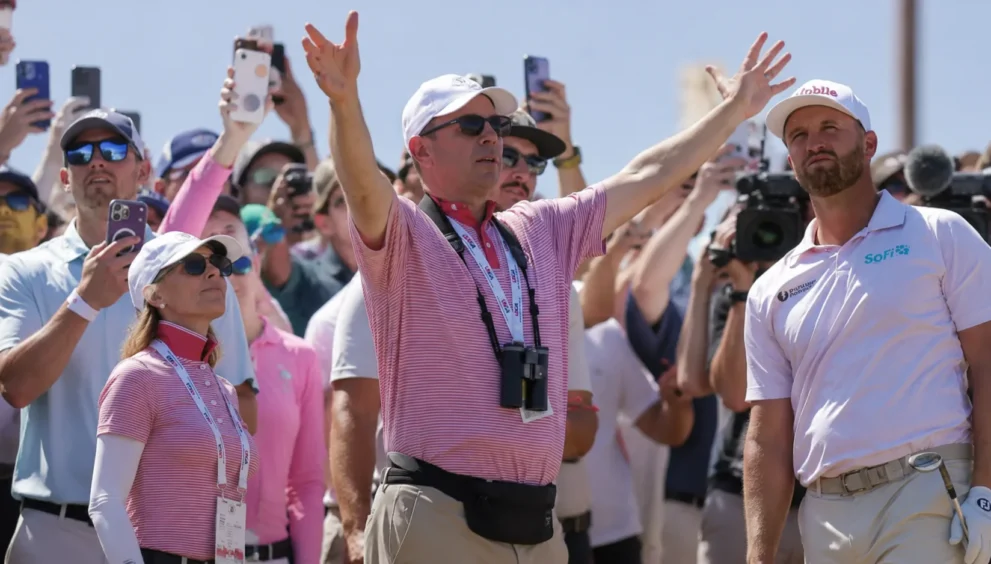
“Don’t choke, Wyndham.”
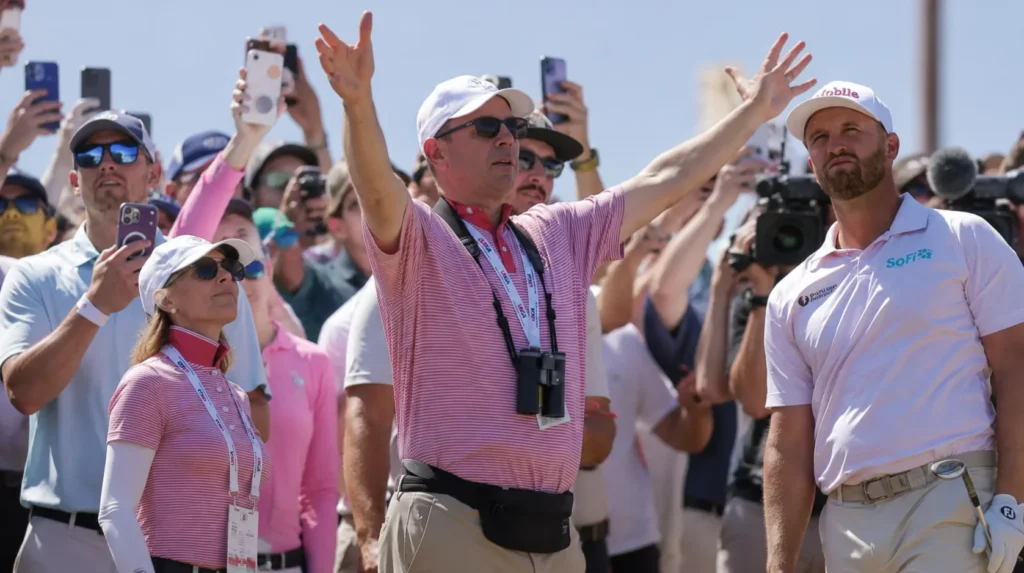
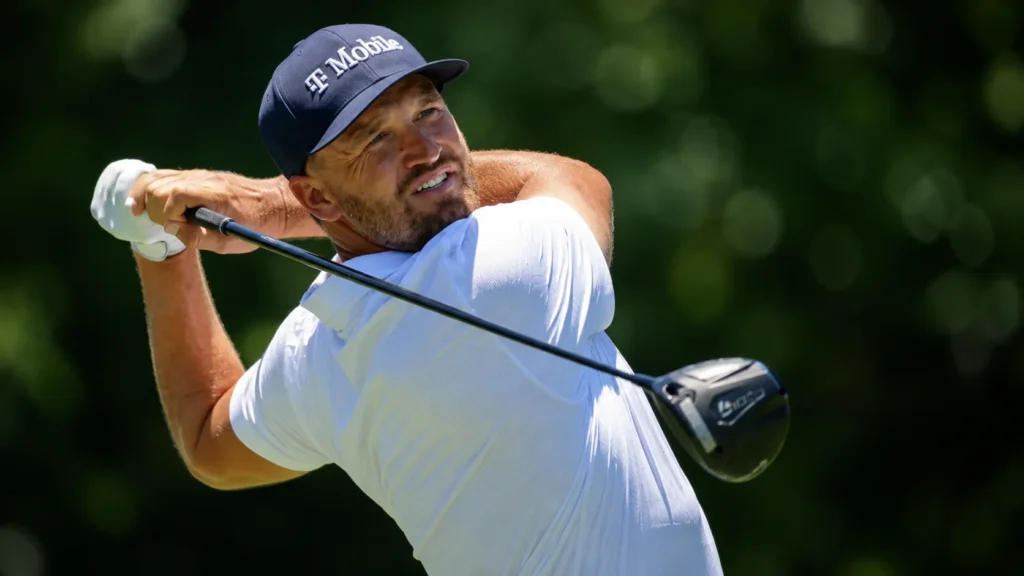
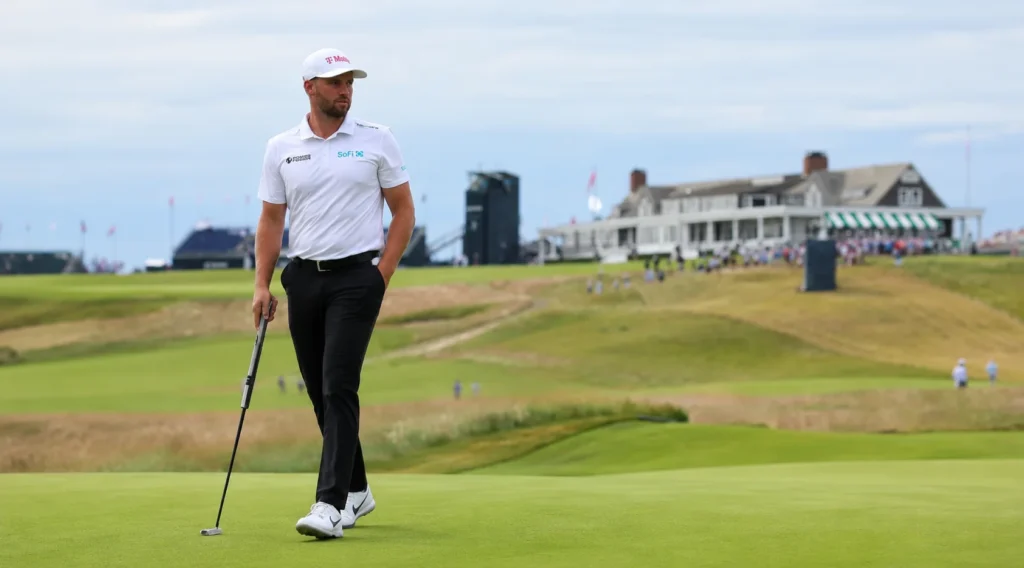
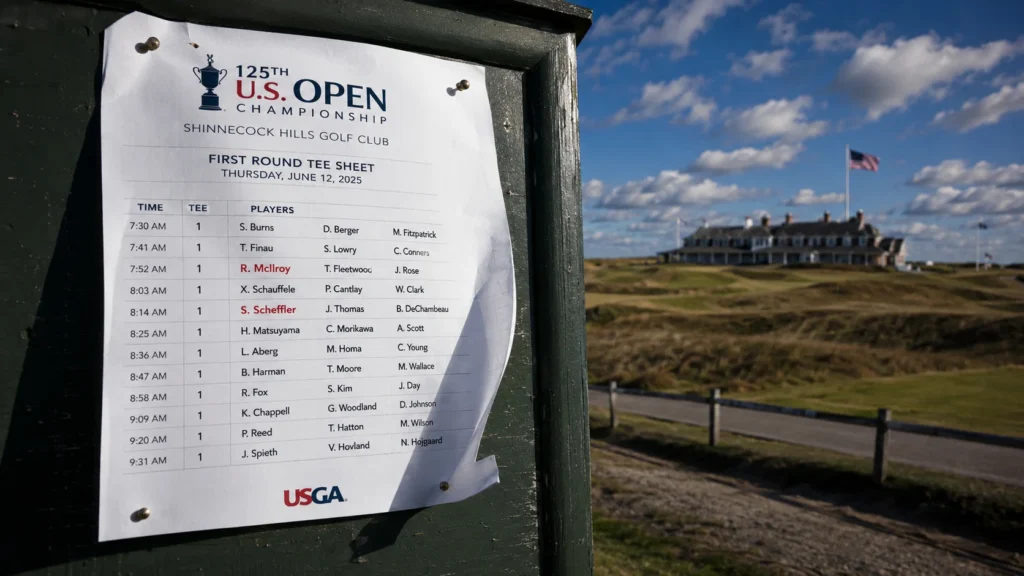
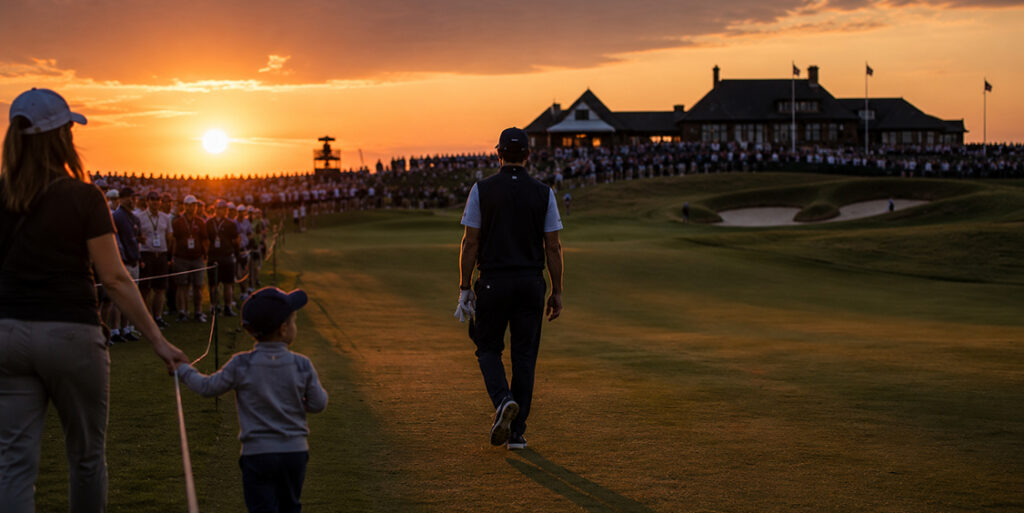
The voice came from the gallery at Shinnecock Hills on Sunday. Wyndham Clark heard it. He was watching a six-shot lead dissolve, his hands tightening, the crowd sensing exactly what he was fighting. The jeers outnumbered the cheers when he finally limped across the line to win his second US Open. The champion showed steely sporting character. The crowd showed something else.
A few days earlier, Joaquin Niemann ran up a nine on the par-four sixth. Then he threw his club. The USGA assessed a two-stroke penalty. The nine became an 11. Niemann fought back brilliantly to finish tied for seventh. Without the penalty, he would have been third. Third place guarantees a Master’s invitation. Niemann will not be at Augusta next April. He lost his invitation because he couldn’t control his hands.
But this wasn’t about one penalty or one champion. This was about Control vs Chaos—a sport that demands perfect composure from its players while surrounding them with wealth, entitlement, and galleries that have stopped pretending to be civil.
The Two-Stroke Penalty That Changed Everything
The USGA’s new code of conduct arrived at this US Open with teeth. Niemann became the first player to feel them. Two strokes. Applied directly to the scorecard. Not a fine—fines mean nothing to players who earn more in a single tournament than most fans earn in a decade. A scorecard penalty hits where it hurts.
Paul McGinley, the former European Ryder Cup captain, welcomed the move on the Golf Channel: “We’re in a game where we are seeing so much in favour of the players; so much entitlement, so much money going to the players, so much control. The powers that be are making a very strong stance here about codes of conduct. And about boundaries. And I think those boundaries have been stretched too far over the years.”
McGinley’s framing is precise. Boundaries. Not punishments. Boundaries. The distinction matters because boundaries tell you what’s acceptable before you cross them. Golf’s problem is that the boundaries dissolved gradually—a slammed club here, an expletive picked up by a microphone there—and nobody noticed the erosion until the standards had shifted entirely.
Niemann’s penalty is the new boundary. It cost him a Master’s spot. It will cost someone else something equally valuable before the year is out. The question is whether the tours can enforce the code consistently when some players attract cameras and microphones while others play in relative obscurity. Different scrutiny means different justice. The problem isn’t the rule. It’s the application.
The Lockers at Oakmont: What Clark’s Outburst Reveals
Clark arrived at Shinnecock as a defending champion in name only. The crowd knew what he did at Oakmont last year.
He missed the cut. Then he destroyed two ancient locker doors in the clubhouse. Not in the heat of competition. After it. In the clubhouse. Wood that had been there for decades, part of the fabric of a course that is part of the fabric of American golf. He smashed it. The act spoke to something beyond frustration. It spoke to the sense that the rules don’t apply, that the surroundings exist to absorb anger, that wealth and status insulate you from the consequences that would follow any other human being who put their fist through a historic door.
The crowd at Shinnecock remembered. They let him know. “Don’t choke, Wyndham” was the printable version. The atmosphere around Clark all week was sour, suspicious, waiting for him to crack. He didn’t crack. He won. But the victory felt less like a coronation and more like an endurance test.
That’s the paradox. Golf’s stars have never been richer. They have never had more control over their schedules, equipment, travel, and preparation. They are pampered in ways previous generations couldn’t imagine. And yet they have never seemed angrier. Every broadcast requires commentators to apologize for language picked up by on-course microphones. Not the players apologizing. The broadcasters. The people who didn’t swear are apologizing for those who did.
Accountability has vanished. The two-stroke penalty is an attempt to bring it back.
The Crowd Problem: When Galleries Stop Being Galleries
The players aren’t the only ones testing boundaries. The galleries at Shinnecock continued a pattern that has been building for years. Partisan abuse at the Ryder Cup at Bethpage last autumn was a disgrace. Harman endured similar treatment, winning the 2023 Open at Hoylake. Now Clark.
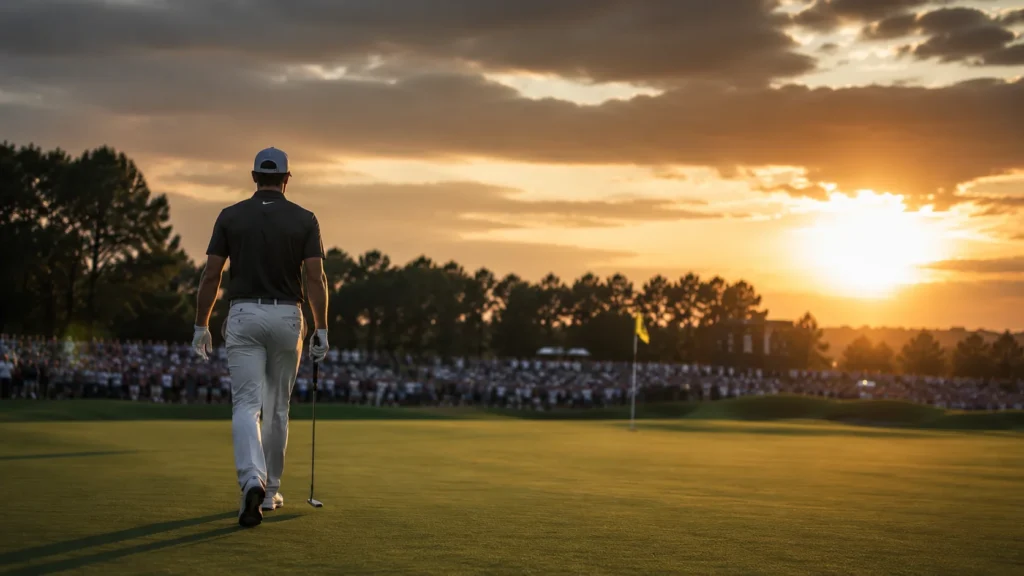
Golf is played in an intimate arena. Fans share the stage. There is no barrier between a shouted word and a player’s backswing. The proliferation of betting—on both sides of the Atlantic—adds a financial incentive to influence outcomes. A well-timed yell can move a ball offline. A moved ball can change a leaderboard. A changed leaderboard can shift a betting market.
We are creeping toward a point where someone will yell at the top of a backswing to put off a player while hitting. Not because they dislike the player. Because they have money on the outcome. The traditional civility of golf—the thing that distinguished it from every other sport—is eroding from two directions. Entitled players inside the ropes. Unruly crowds outside them.
R&A chief executive Mark Darbon told BBC Sport in April that he will be ready to impose shot penalties for bad behaviour at July’s Open Championship at Royal Birkdale. “You want passion from players, you want passion from spectators, but there’s a fine line, and one of the amazing things about this sport is the values and integrity that underpin it,” he said. “So we will watch that line very closely.”
Record crowds are expected at Birkdale. High summer. Alcohol flowing. The combination that produced ugliness at Hoylake in 2023, at Bethpage in 2025, and at Shinnecock last week. The pattern is not random. It is accelerating.
What the US Open Actually Revealed
Clark won. Burns came up just shy of a first major. Scheffler was Scheffler. The course was brilliant, set up to traditional US Open standards, demanding every shot and punishing anything short of perfection.
But the lasting image of this championship will not be Clark holding the trophy. It will be Niemann walking to the scorer’s tent knowing he had thrown away a Masters invitation because he couldn’t control his club. It will be the jeers raining down on a champion who smashed lockers and never quite recovered the crowd’s respect. It will be commentators apologizing for language that wasn’t theirs.
Golf’s codes of conduct are being rewritten in real time. The majors—the USGA, the R&A, Augusta National—are drawing the boundaries McGinley described. The main tours are still working out protocols acceptable to their ultimate bosses: the players. That’s the structural problem. The players are both the governed and the governors. They have never had more power. They have never shown less restraint.
The Open at Birkdale will test whether the new boundaries hold. Clark’s US Open showed why they’re needed.
Without its traditional civility, golf is much diminished. The sport that once defined itself by its standards is learning that standards don’t enforce themselves. Someone has to hold the line. This US Open, finally, someone did.
What Changes Going Forward
The precedent is set. Shot penalties for bad behaviour are now a reality, not a threat. The Open at Royal Birkdale will enforce them. The tours will face pressure to follow or explain why they haven’t.
The enforcement problem—different scrutiny for different players—remains unresolved. A club thrown by a player outside the spotlight will not receive the same attention as one thrown by a star in a featured group. The code of conduct is only as strong as its application is consistent.
The crowd problem is harder to solve. Betting is embedded. Alcohol sales are revenue. Security can remove individuals, but cannot prevent the next one from trying. The intimacy that makes golf unique—fans within arm’s reach of the action—is the same intimacy that makes it vulnerable.
Golf wanted boundaries. It is getting them. The question now is whether the sport has the will to enforce them equally, or whether some players and some crowds will continue to operate under old rules while others face new consequences. The US Open answered some questions. Birkdale will answer more.