

 English






























































































































































































































How China Kept Oil Prices From Exploding During the Iran War
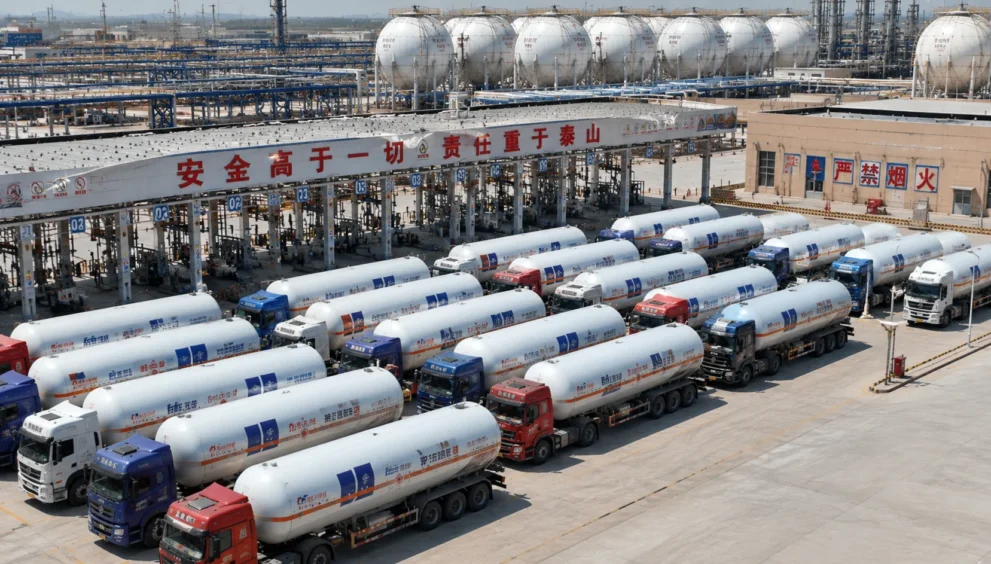
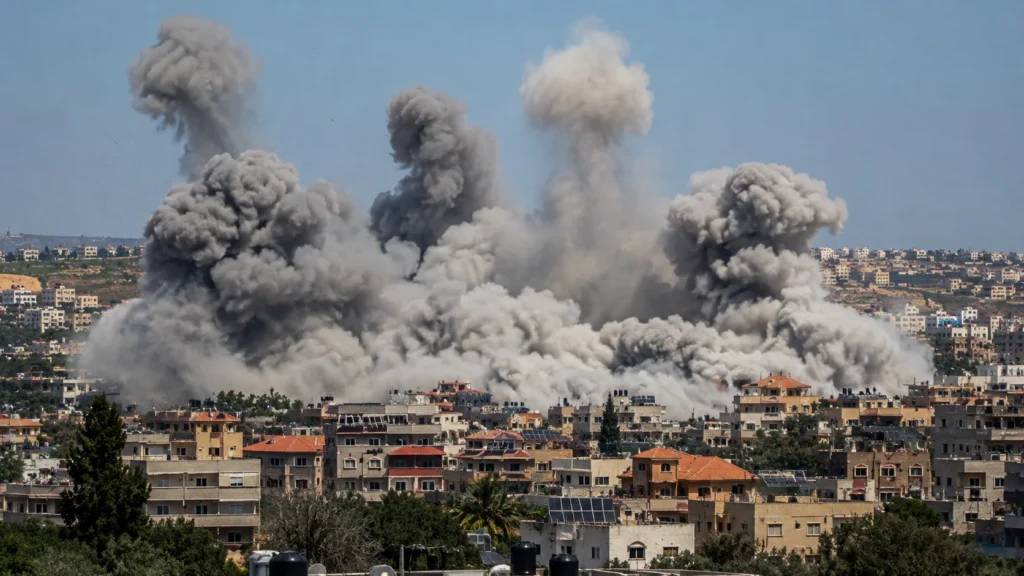
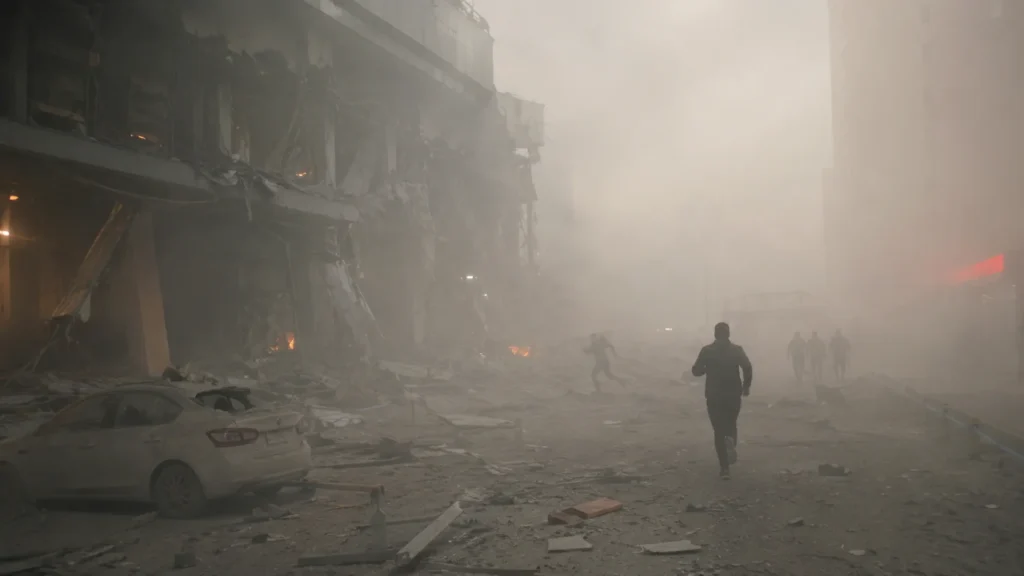
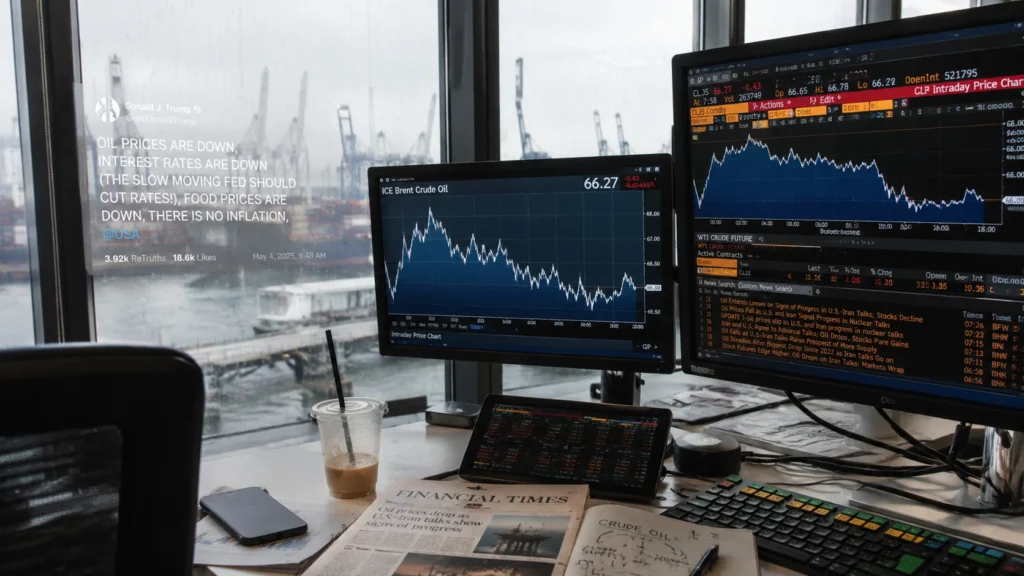
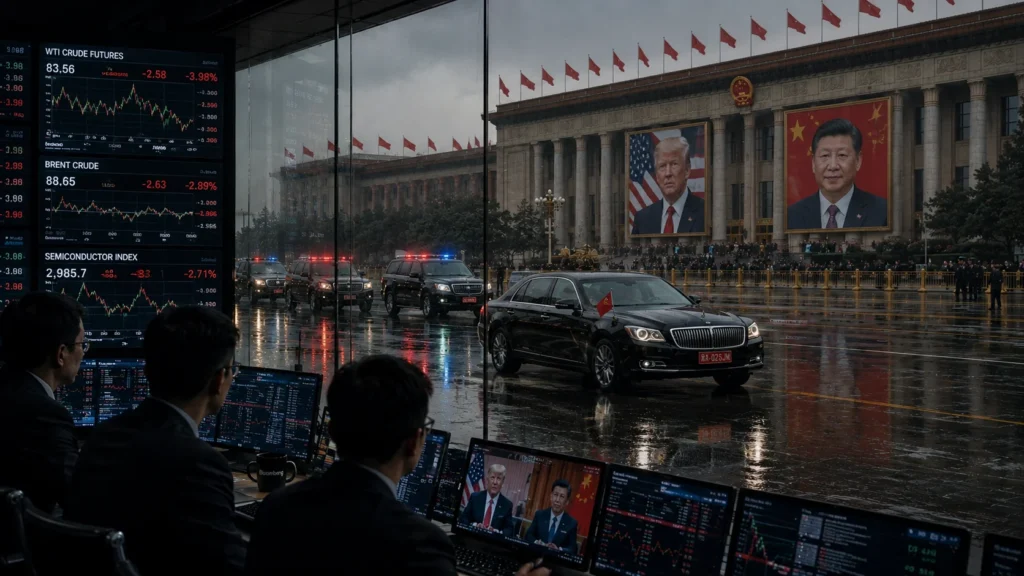
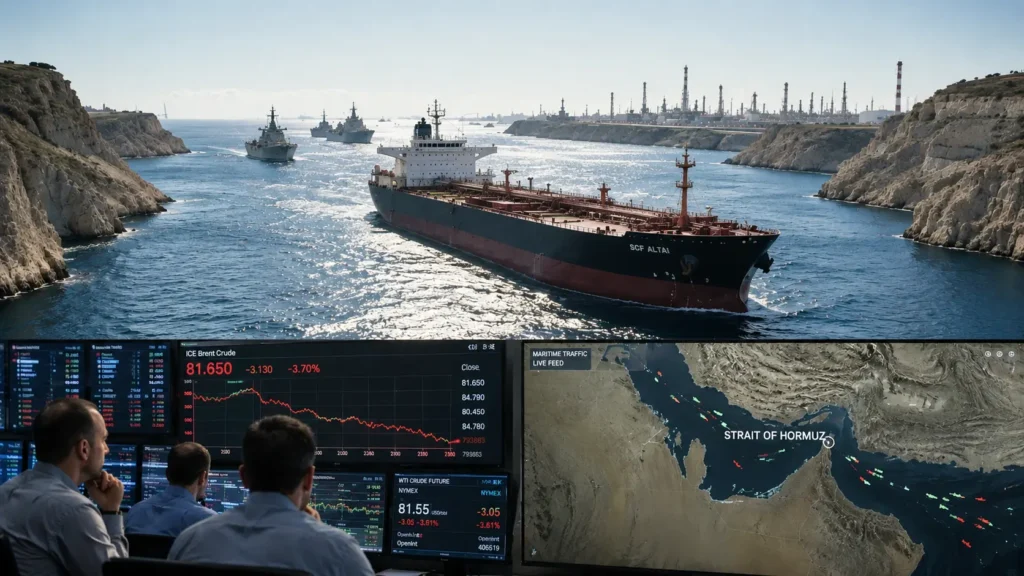
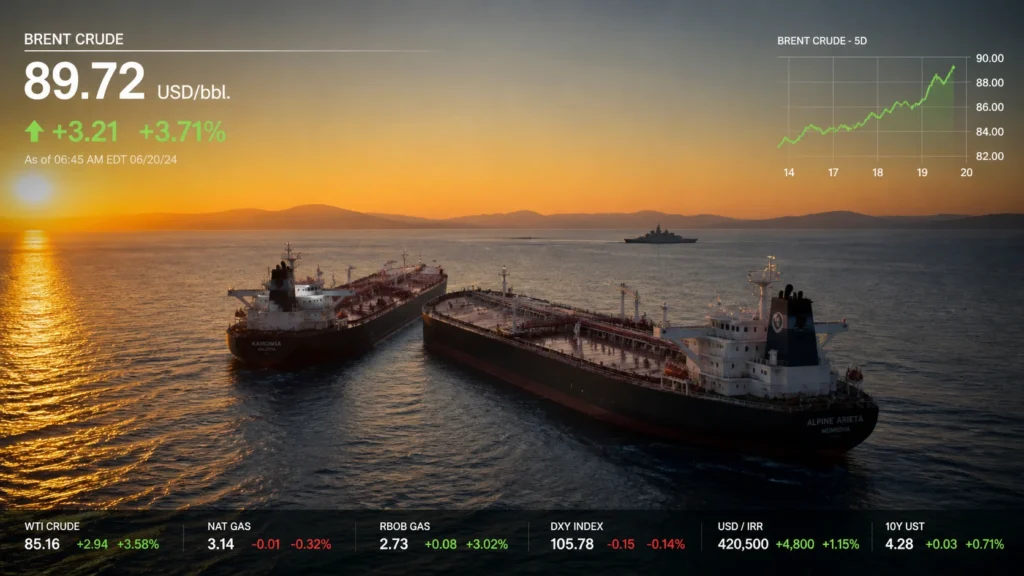
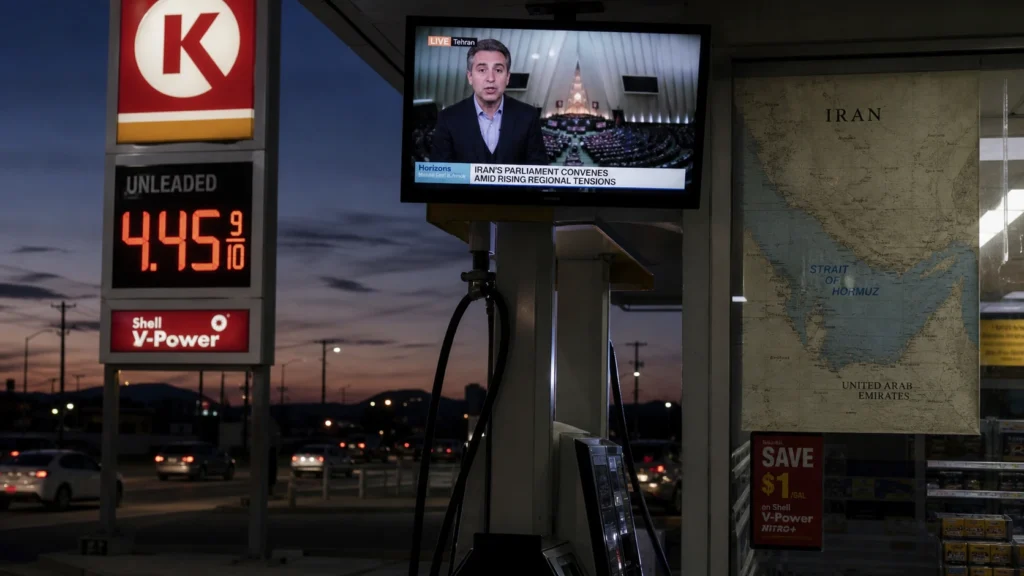
GENEVA — As US and Iranian officials negotiate the reopening of the Strait of Hormuz in Switzerland, the country that did the most to stabilize global oil markets during the conflict is absent from the table. China, the world’s second-largest crude consumer, cut imports by about 3 million barrels per day during the Iran war, released more than 1 billion barrels from strategic and commercial stockpiles, and accelerated its electric vehicle rollout—which already displaces roughly 1 million barrels of oil daily. On Monday, Brent crude fell below $78 a barrel. In early May, it peaked at $114. Some analysts had predicted $200. The reason prices stayed contained is increasingly clear: Beijing’s energy strategy functioned as a global shock absorber.
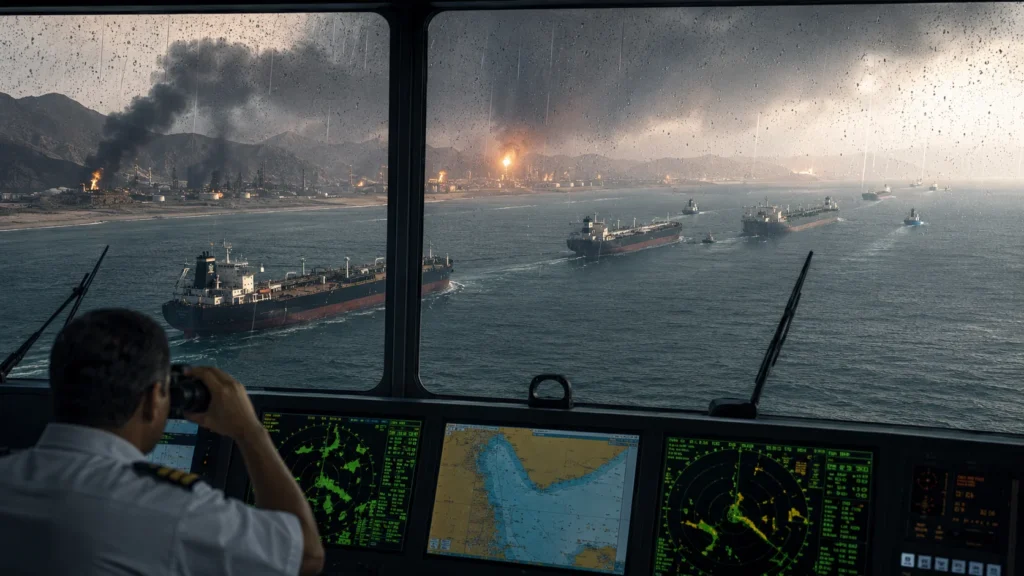
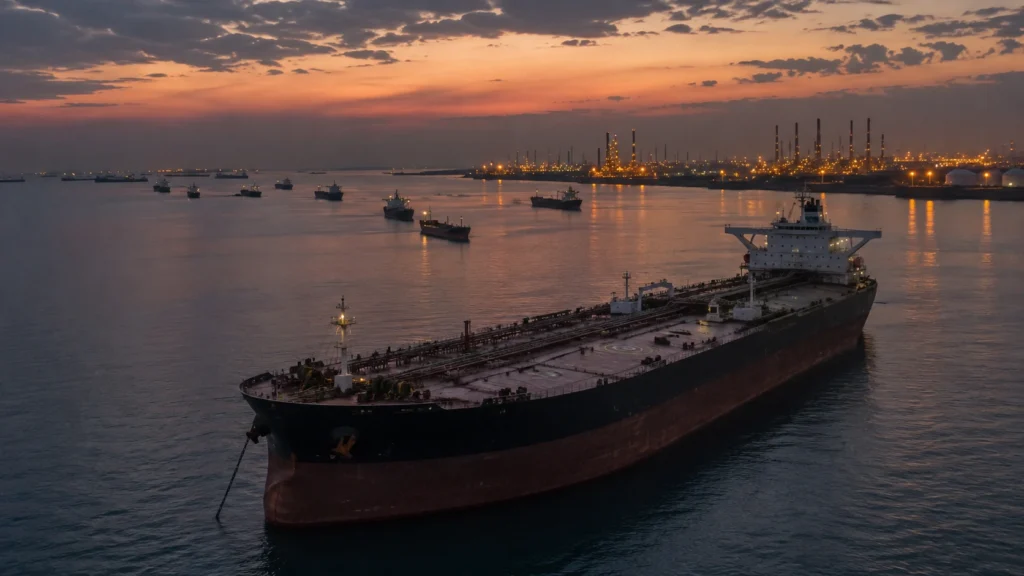
The war disrupted 14% of the global crude supply. The 1973 Arab oil embargo disrupted only 7% and sent prices up 134%. This time, China’s response changed the arithmetic entirely.
The Numbers: How China Absorbed the Shock
Societe Generale analysts published a research note earlier this month comparing the two crises. The Iran war disrupted double the supply of 1973. Prices should have surged higher. They didn’t.
The difference, they concluded, was China’s ability to curb imports by roughly 3 million barrels per day—an amount nearly equal to Japan’s total crude demand. That single adjustment, sustained across months of conflict, rebalanced the global market.
According to Rystad Energy analysis by VP Janiv Shah, China had been building backup crude inventories before the war, aided by cheap deliveries of sanctioned oil from Russia and Iran. By May, those reserves—over 1 billion barrels in commercial and strategic storage—began flowing into the domestic market.
“China has been putting a floor under prices,” Shah said. “This year, that pattern has reversed.”
The government also restricted exports of refined products like diesel and gasoline, ensuring domestic supply while reducing Chinese refiners’ need to buy crude on the global market. The combination—stockpile releases, import cuts, export restrictions—acted as a brake on prices worldwide.
Daan Walter, principal at energy think tank Ember, told the BBC: “China has played a critical role here to buffer this for the rest of Asia—thereby buffering the global economy.”
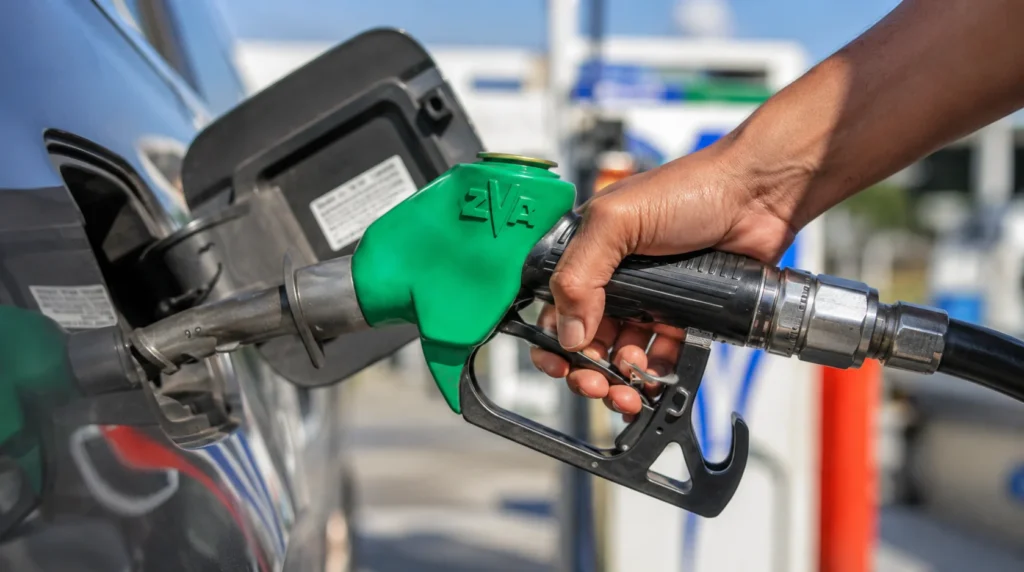
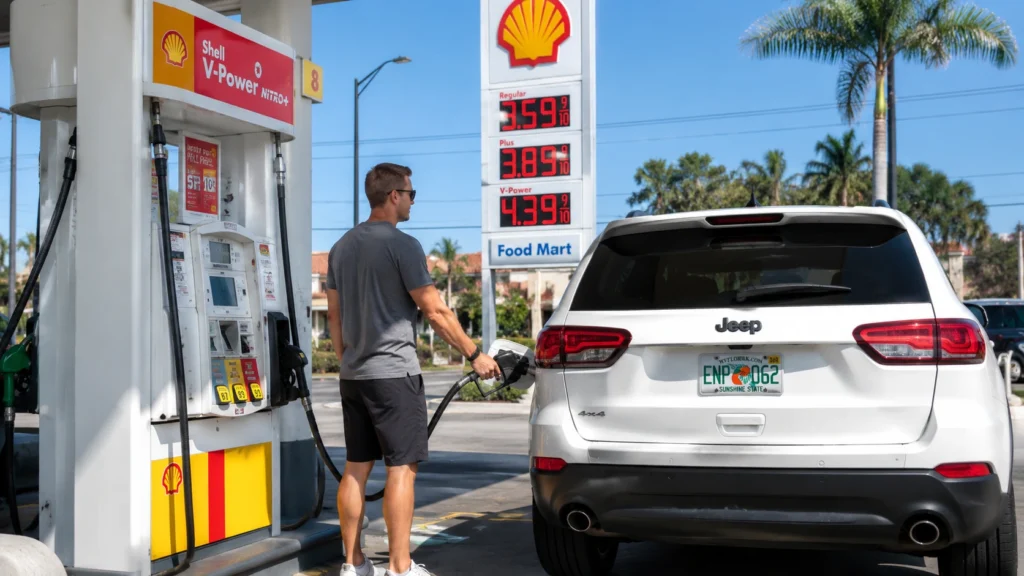
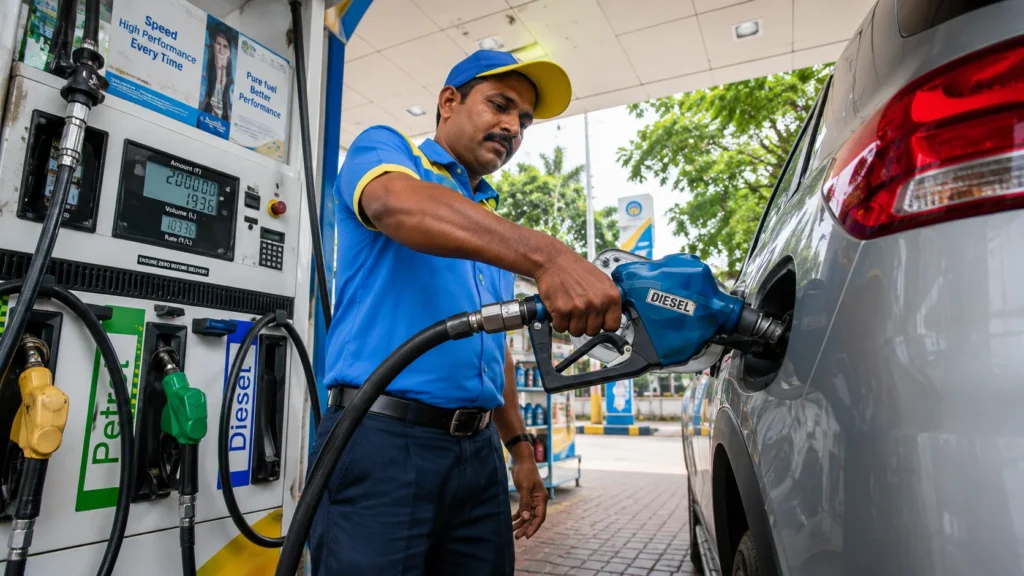
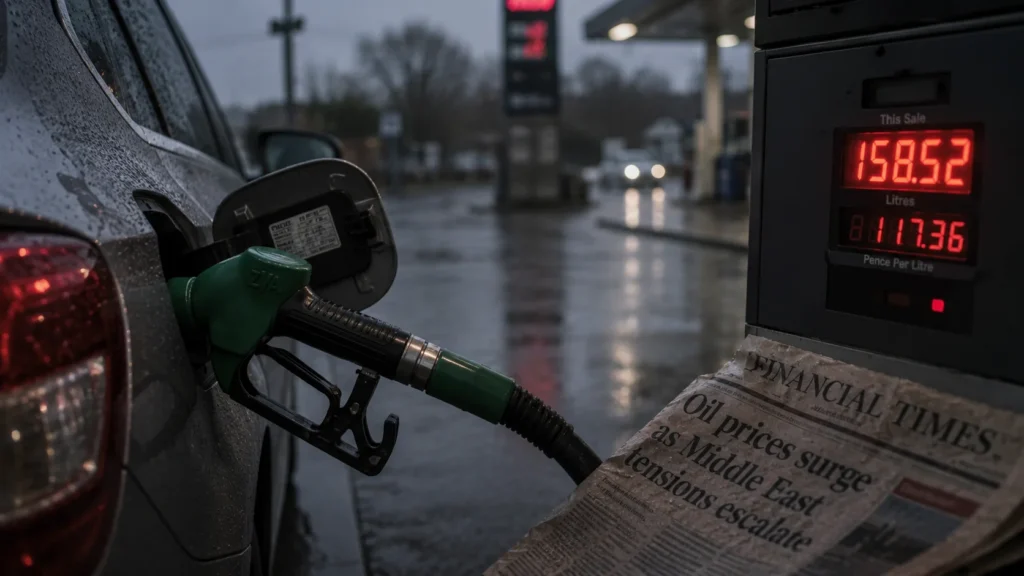
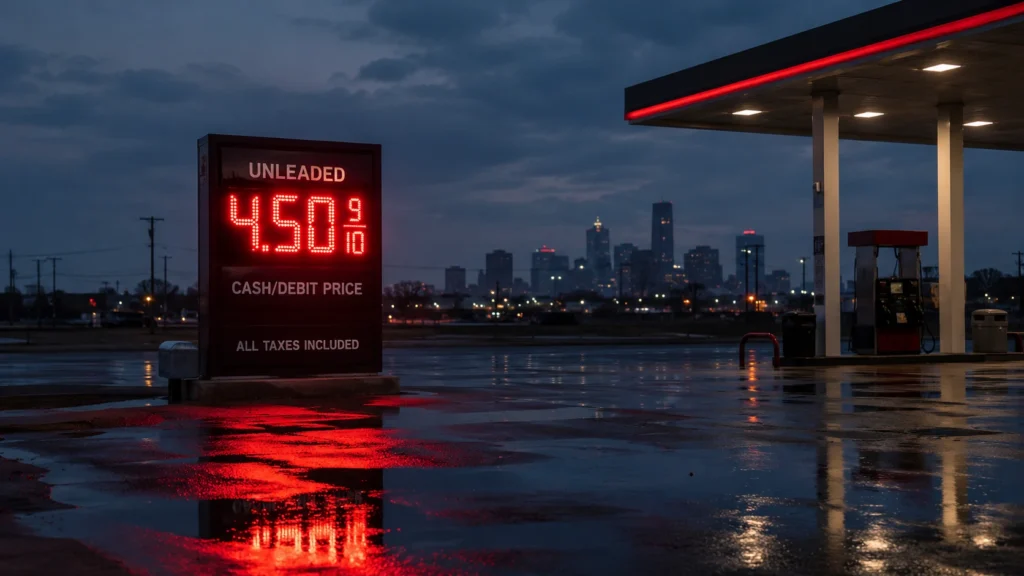
As our analysis of global oil supply chains during the Iran conflict documented, the mechanism functioned invisibly for most consumers. Petrol prices rose, but the catastrophic spike that followed 1973 never materialized.
The EV Factor: Permanent Demand Destruction
Beneath the stockpile story is a structural shift that predates the war and will outlast any peace deal. One out of every two new passenger cars sold in China is now a new energy vehicle. The International Energy Agency estimates China’s EV fleet reduced oil consumption by about 1 million barrels per day last year.
That’s not a temporary efficiency gain. It’s permanent demand destruction.
David Fishman, a principal at the Lantau Group specializing in China’s energy and power sector, described the EV transition as “a wonderful release valve for the global crude market.” The valve opened further during the war. China’s clean energy technology exports—EVs, batteries, solar—hit record levels in March, immediately after the conflict began.
According to International Energy Agency monthly oil market report released Wednesday, the IEA now forecasts supply growth will outstrip demand by 4.7 million barrels per day next year. The report warned that reopening the Strait of Hormuz could trigger oversupply—a dramatic reversal from the shortage fears that dominated the war’s early months.
Cosimo Ries, an analyst at Trivium China covering energy and autos, said: “This acceleration to electrification is picking up. Broadly speaking, this could be a great moment for global decarbonization.”
The geopolitical implication is stark. Countries that depend on oil export revenues—Iran, Saudi Arabia, the Gulf states—face a structural decline in demand from their largest customer. China is electrifying for energy autonomy, not climate altruism. The result is the same either way.
What Happens When the Strait Reopens
Muyu Xu, senior crude research analyst at commodities intelligence platform Kpler, told the BBC that excess supply could arrive as early as next month. If the Strait of Hormuz reopens quickly, an estimated 100 million barrels of stranded oil will be injected back into the market.
“This is just a totally different picture from just two months ago,” Xu said. “Right now, the country that has the ability to absorb oversupply is China. But the problem is: What does China want to buy?”
The question is critical. If China decides to rebuild its stockpiles, the oversupply finds a floor and prices stabilize. If China decides its reserves are adequate and reduces purchases further, prices could fall sharply.
Iran will also likely ramp up production aggressively, particularly if US sanctions lift as part of the Switzerland negotiations. But that creates its own complication for Beijing. Iranian oil has been attractive to China precisely because sanctions made it cheap—Tehran had few other buyers. If sanctions lift, Iranian crude competes openly on the global market. The discount narrows. China may buy less.
As our coverage of the US-Iran peace negotiations and energy market implications has tracked, the Switzerland talks are only one variable in the oil price equation. Beijing’s purchasing decisions—made with no transparency and no consultation with other consumers—are arguably more important.
What This Means for the Global Energy Order
The 1973 embargo gave OPEC a generation of pricing power over the global economy. The 2026 Iran war is ending with a different lesson.
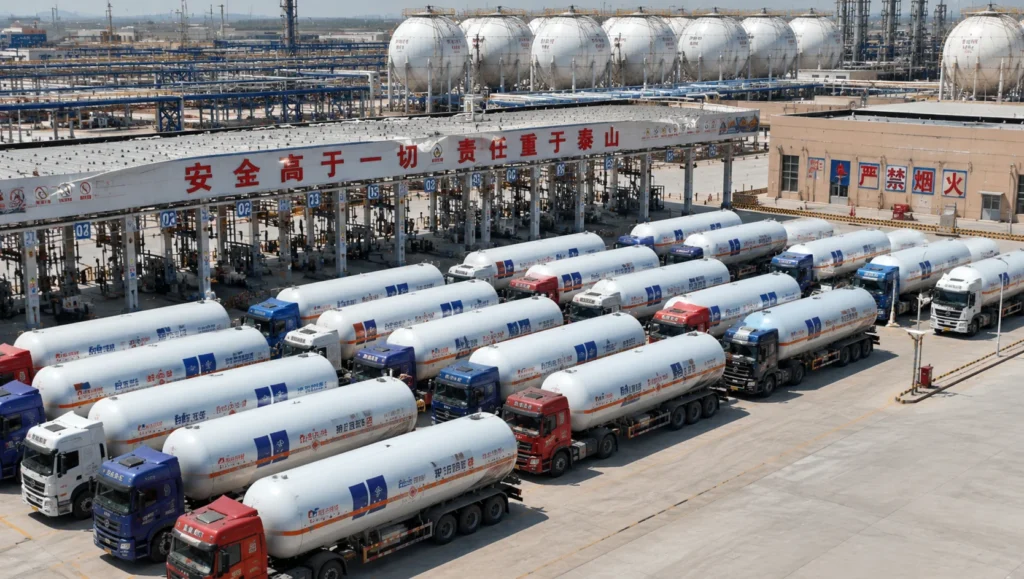
The consumer with the largest stockpiles, the fastest EV rollout, and the deepest clean energy supply chain now holds more cards than the producer with the largest reserves. China didn’t need to attend the Switzerland talks to influence their outcome. Its energy policy had already shaped the market that the negotiators are trying to stabilize.
For European and Asian consumers, China’s buffering functioned invisibly. The oil price shock that should have arrived didn’t. The mechanism that protected them had nothing to do with their own governments’ energy policies. The insulation was real. The dependency it revealed is uncomfortable.
For oil-exporting states, the signal is ominous. Their largest customer is systematically reducing its need for their product. The war accelerated that trajectory. The peace will not reverse it.
According to IEA executive director comments on the post-crisis energy transition, the recent instability has bolstered interest in renewable energy investment globally—which could further chip away at crude consumption over the longer term.
FAQ
How did China keep oil prices from spiking during the Iran war?
China cut crude imports by about 3 million barrels per day, released stockpiles of over 1 billion barrels, and restricted refined product exports. The country’s electric vehicle fleet also displaced roughly 1 million barrels per day of oil demand, reducing pressure on global markets.
Why didn’t oil hit $200 a barrel as some analysts predicted?
The 1973 Arab oil embargo disrupted 7% of global supply and sent prices up 134%. The Iran war disrupted 14%—double the 1973 shock—but China’s import cuts and stockpile releases absorbed much of the impact. Prices peaked at $114 in early May before falling back.
What happens when the Strait of Hormuz reopens?
The IEA warns that reopening could trigger oversupply next year, with production outstripping demand by 4.7 million barrels per day. An estimated 100 million barrels of stranded oil could return to the market as early as next month.
Will China continue to buy Iranian oil?
Uncertain. China bought Iranian oil at a discount during the war because sanctions left Tehran with few other buyers. If sanctions lift as part of the US-Iran deal, Iranian crude competes openly, and the discount narrows. China may buy less.
Is China’s EV growth a threat to oil-exporting countries?
Yes, structurally. One in two new cars sold in China is now electric. The IEA estimates China’s EV fleet already displaces 1 million barrels per day. That number will grow, permanently reducing demand from the world’s largest crude importer.