

 English































































































































































































Why Western Leaders Keep Falling—and Who Might Survive
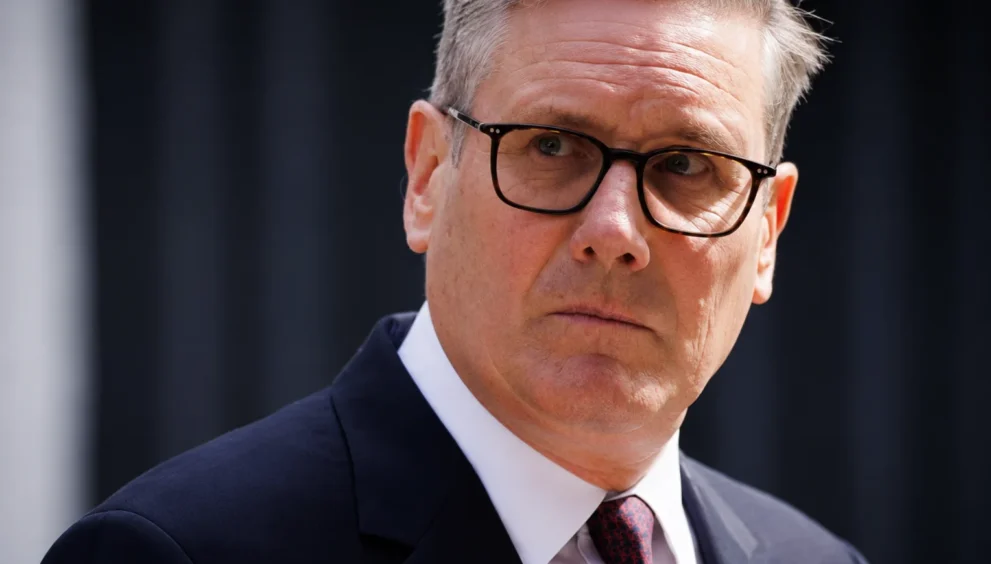
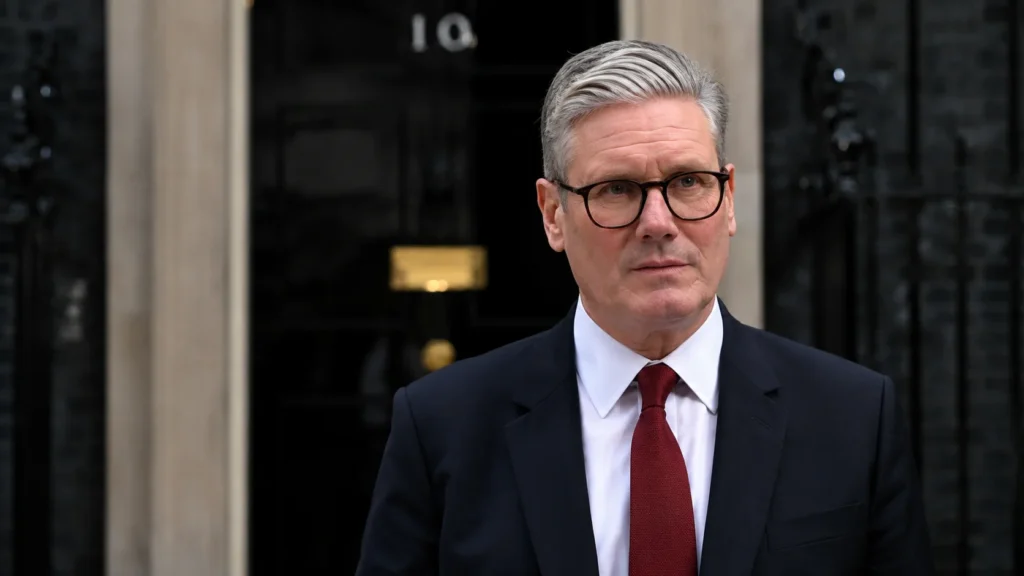
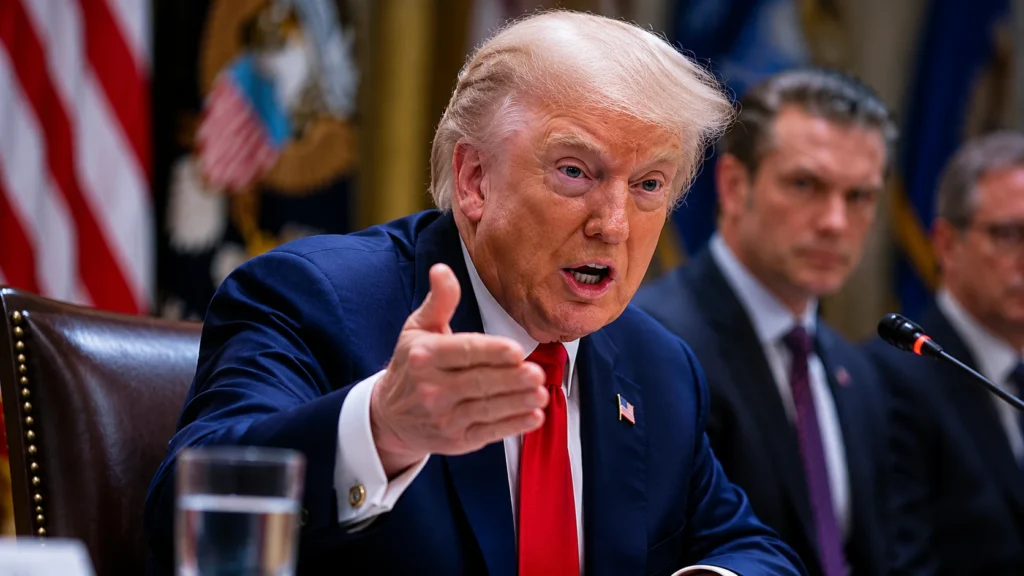
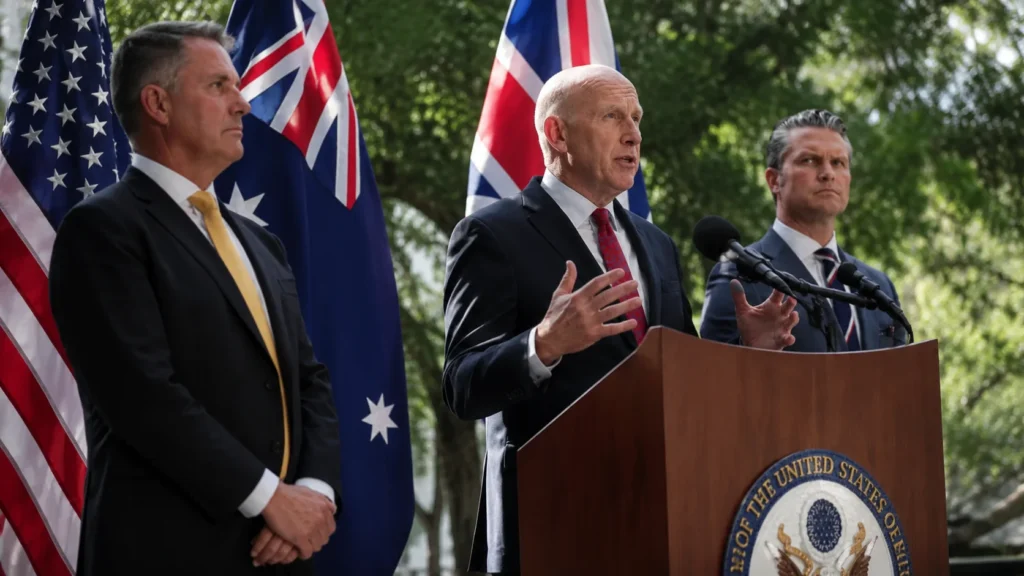
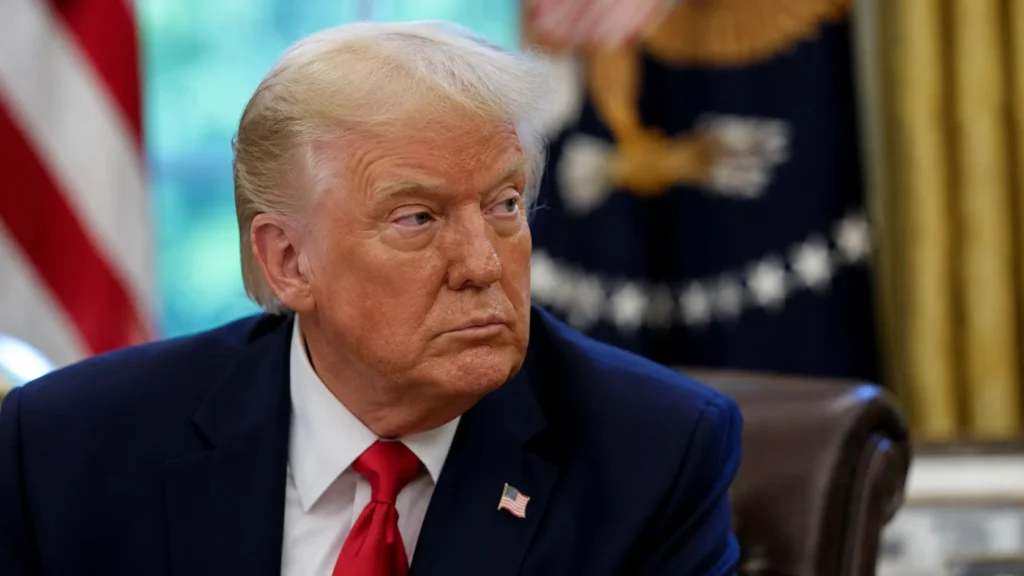
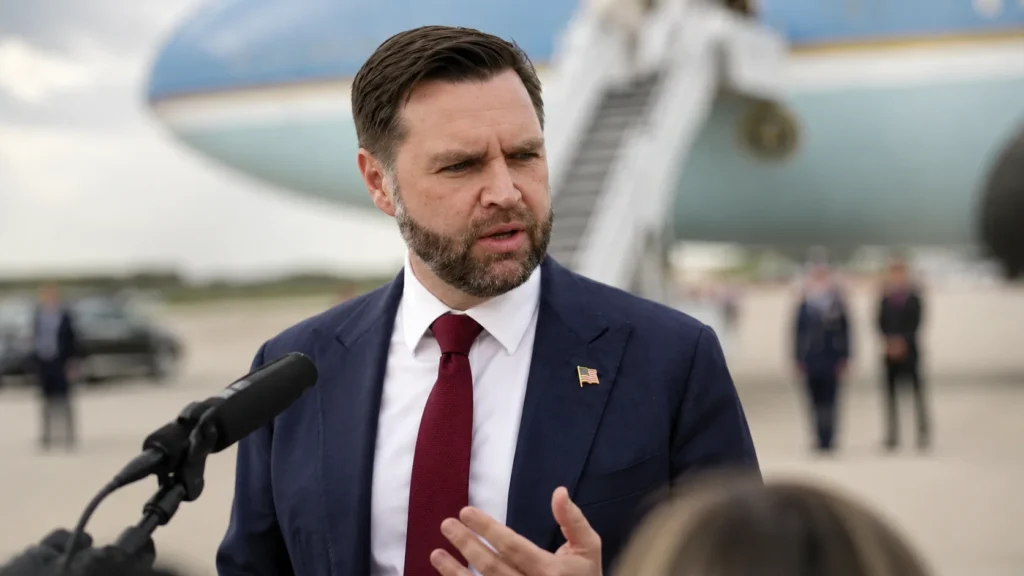
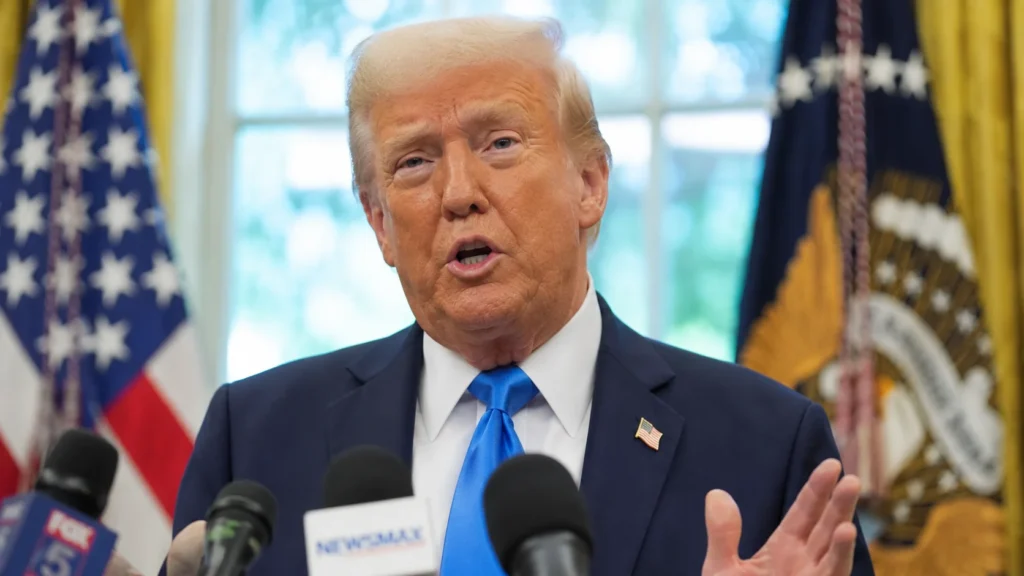
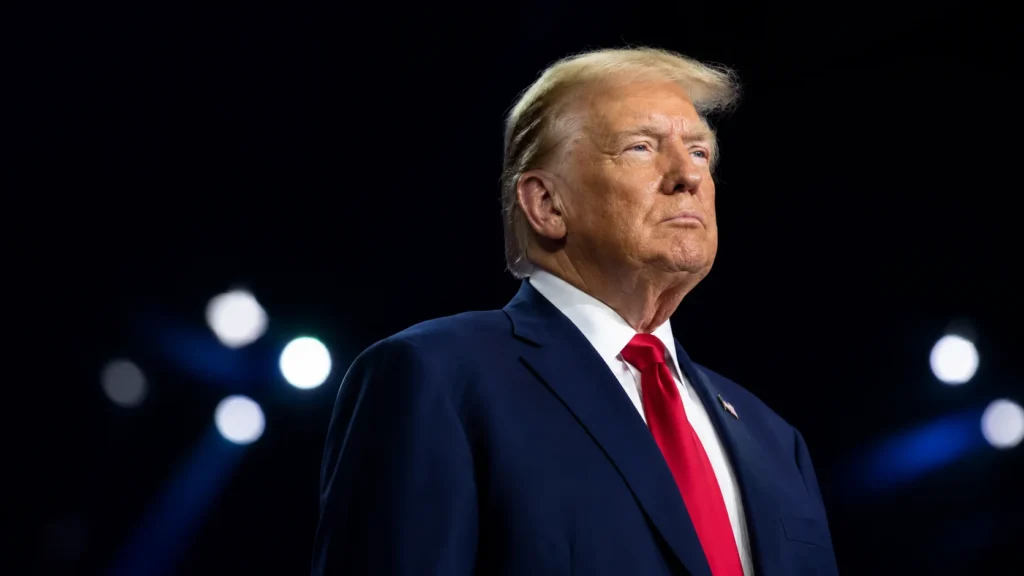
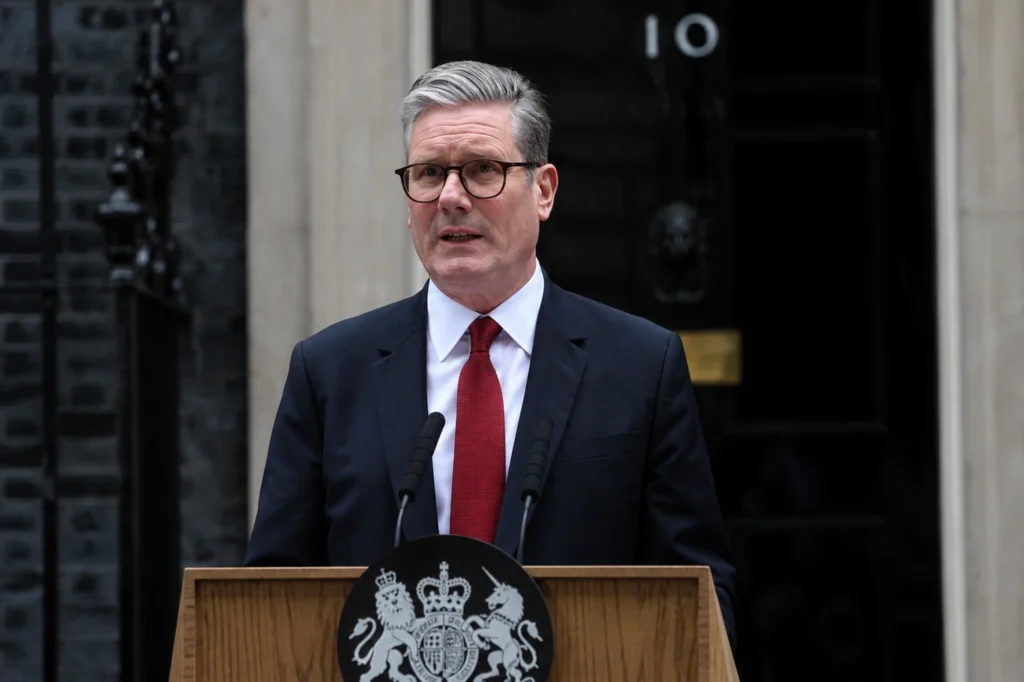
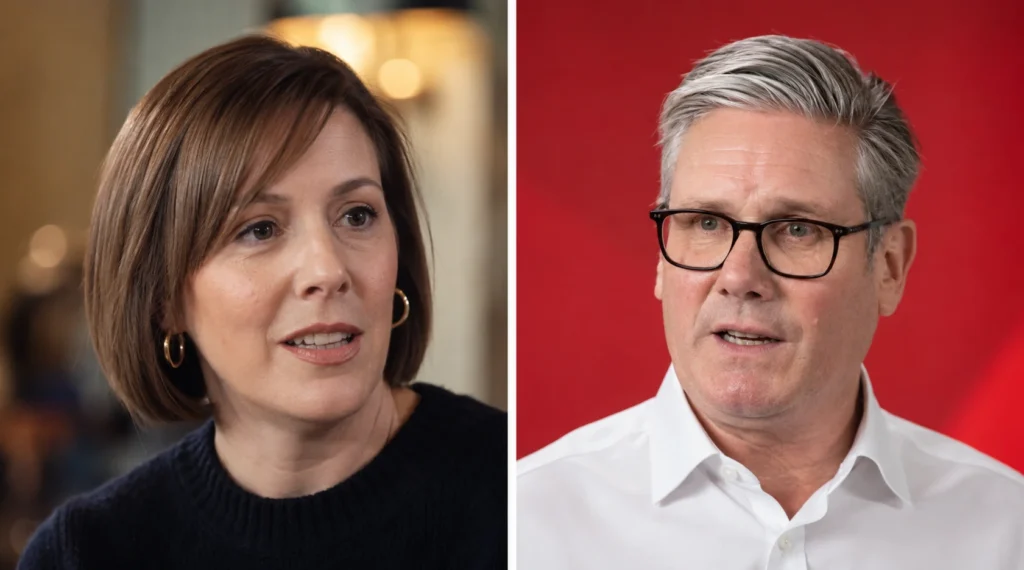
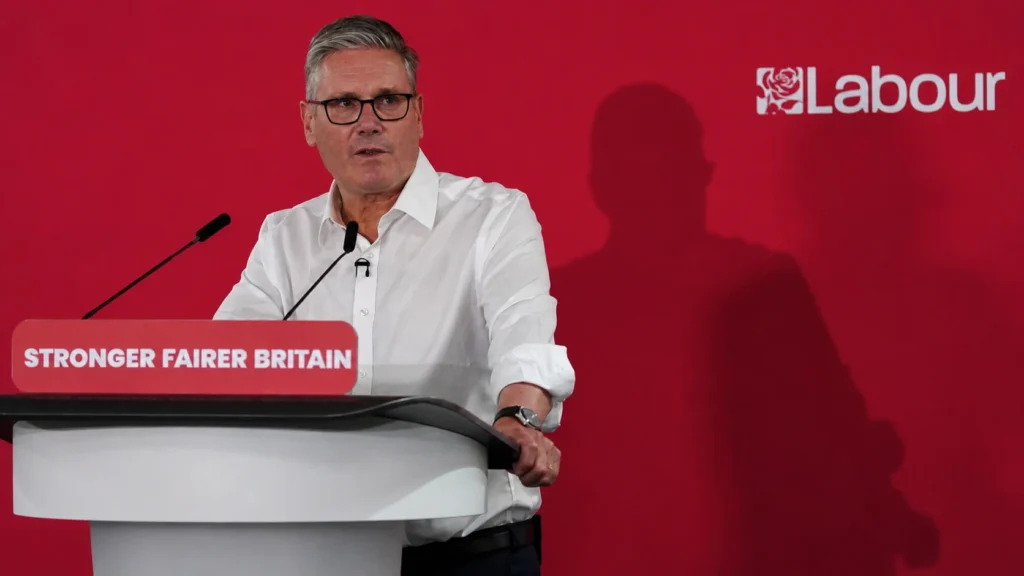
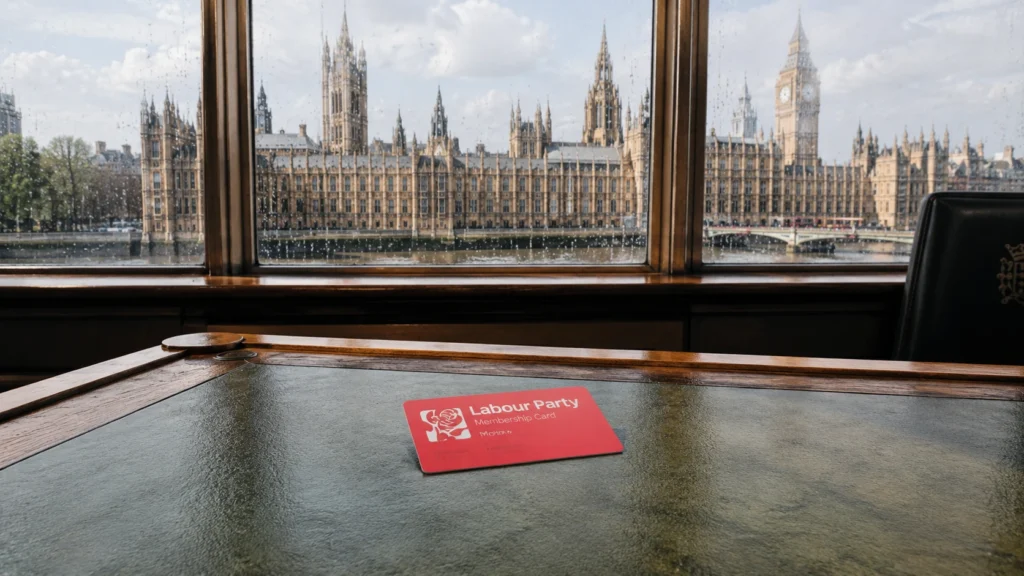
LONDON — British Prime Minister Keir Starmer announced his resignation on Monday, becoming the latest Western leader to fall after promising voters change and then failing to deliver it. He joins a growing list: French President Emmanuel Macron will leave office next year with his reform agenda in ruins. German Chancellor Friedrich Merz is deeply unpopular, barely a year after taking power. US President Donald Trump’s approval ratings hover near record lows. Australian Prime Minister Anthony Albanese, once a success story, is watching his political capital erode. Across the democratic West, leaders who won power by tapping voter anger and pledging prosperity have discovered that governing is far harder than campaigning.
The pattern raises a structural question: are individual leaders failing—or have Western democracies become nearly ungovernable? The answer has consequences for the future of democratic politics itself.
The Deliverability Gap: Why Governing Keeps Failing
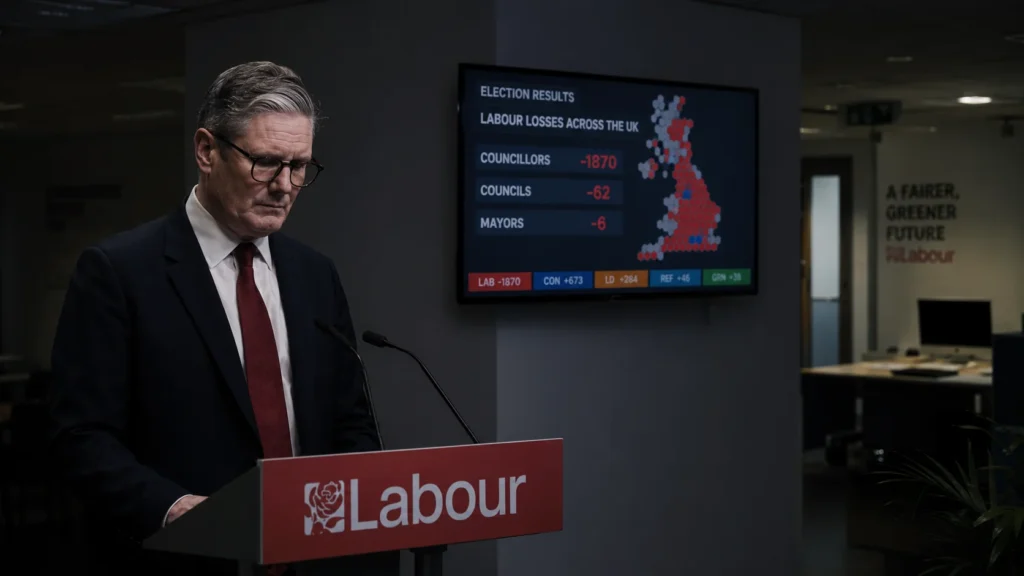
Starmer’s downfall followed a script now familiar across Western capitals. He promised competence after years of post-Brexit turmoil. He delivered policy U-turns, ideological battles inside his own Labour Party, and an inability to communicate a clear political story. Britain’s low-growth economy starved his agenda of cash. The cost of living—food, housing, energy—remained the dominant voter experience. Instead of ending political chaos, he became its primary source.
Britain, once a bulwark of political stability, now awaits its sixth prime minister in a decade following the Brexit vote, after having only four in the previous quarter-century.
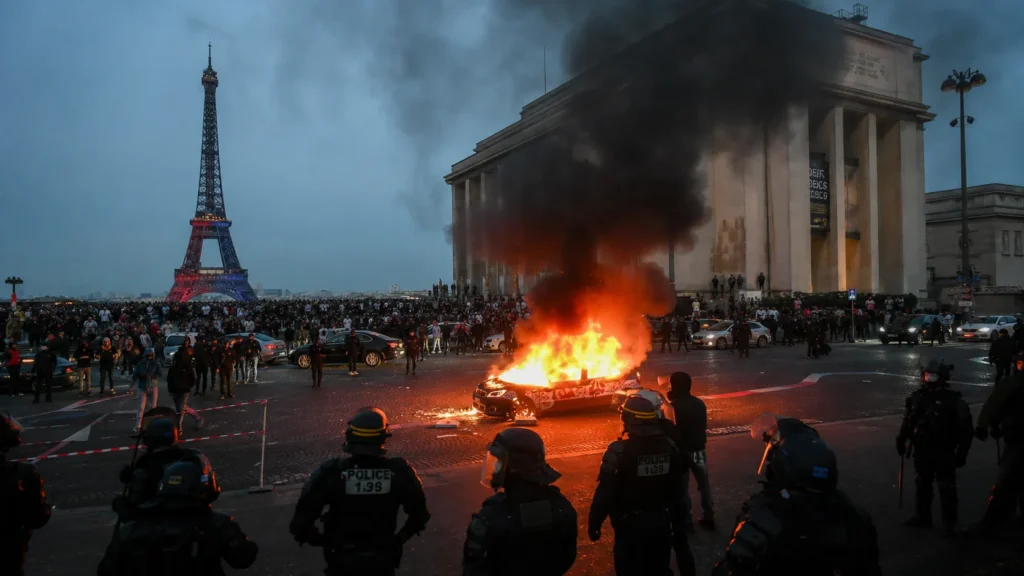
Macron’s arc is similar but longer. Elected in 2017 as a hope merchant in the Obama mold, he promised modernization and economic liberalization. French trade union power and the monolithic state defeated him. His two terms featured public unrest, a succession of failed prime ministers, and a reputation as an elitist. Far from saving the political center, he may have destroyed it—the far-right National Rally party has its best chance yet to win the presidency next year.
According to CNN’s analysis of the structural forces behind Starmer’s resignation and Macron’s decline, the mechanism is consistent across cases. Leaders campaign as outsiders promising to break the systems they inherit. The systems break them instead. Voters, having watched this cycle repeat, conclude that democratic politics cannot deliver change.
Tony Blair recently wrote that the challenge of modern democracy is “the ability to get big things done. To have leaders who are not problem-managers but problem-solvers.” His essay argued that “the politics of the future may be better understood by those presently outside politics”—a striking admission from a former prime minister who once embodied the promise of center-left governance.
As our analysis of the democratic governability crisis across Western nations documented, the gap between what voters demand and what institutions can deliver has become the defining political tension of the era.
The Exceptions: Leaders Who Have Survived—So Far
Not every Western leader is failing. The exceptions are instructive.
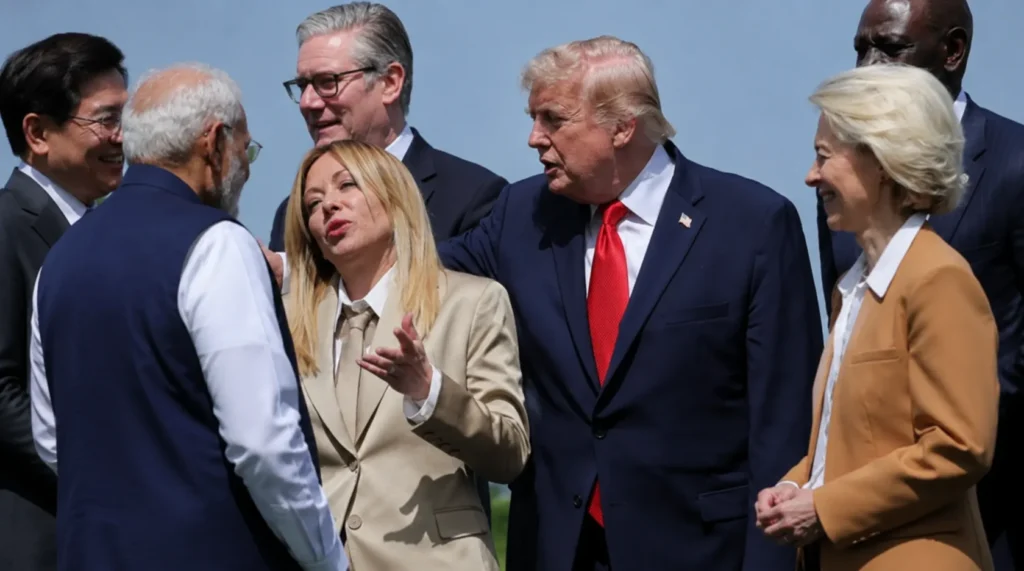
Italy’s Giorgia Meloni has brought continuity to Italian politics that the post-World War II era has rarely seen. Trump claimed during a G7 feud that her popularity was falling. Available polling data does not support his assertion. Japan’s Sanae Takaichi won a huge mandate last year. The Iran war energy crisis has created headwinds, but it remains a dominant domestic political force.
Canada’s Mark Carney is the most revealing case. A former central banker, Carney was outside Parliament when he rose to prominence. He cast a profile in leadership and new political thinking that convinced his Liberal Party to ditch sitting prime minister Justin Trudeau. Carney then won power in his own right, campaigning on an anti-Trump platform while organizing “middle powers” internationally to counter Washington.
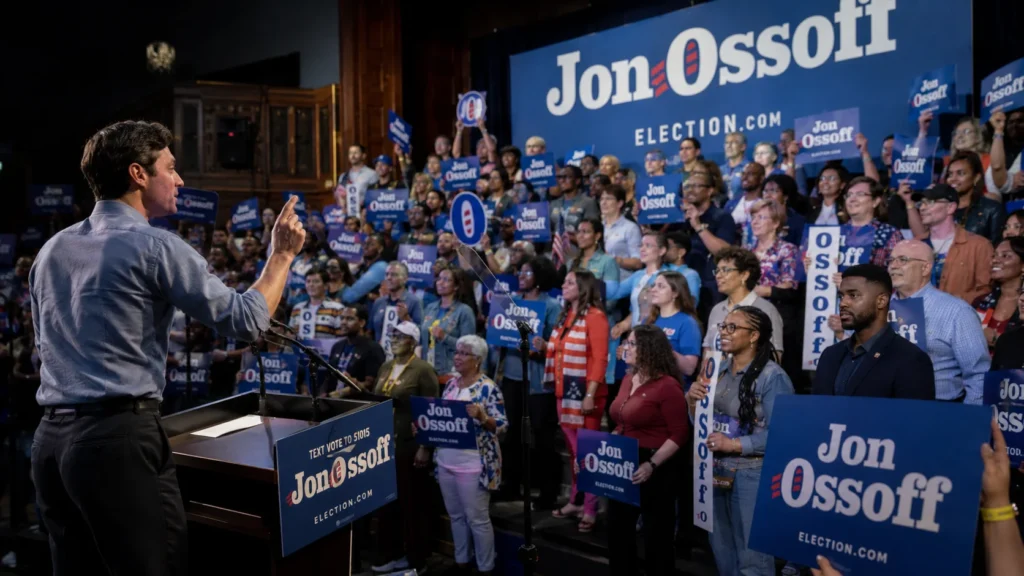
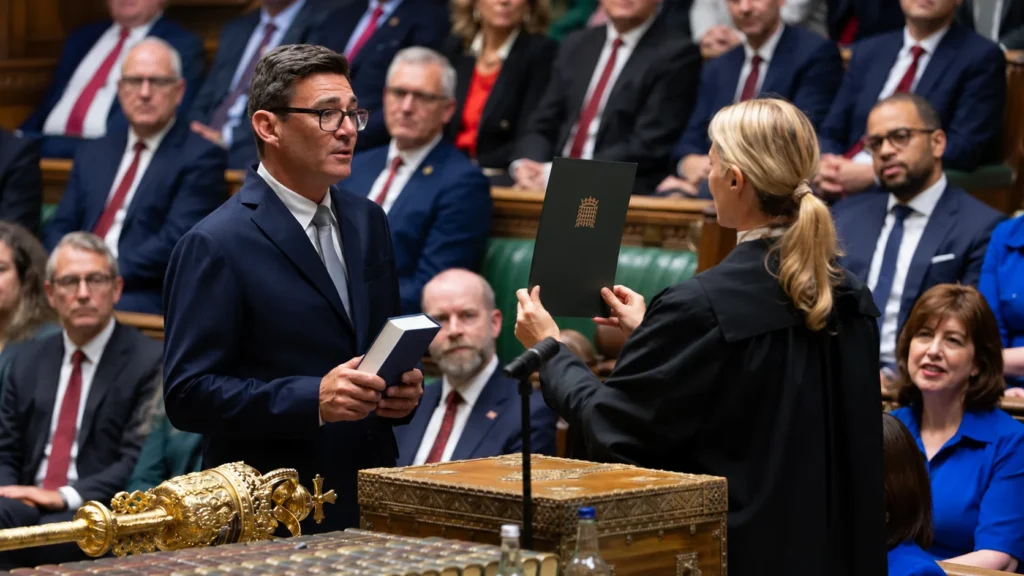
Andy Burnham, Starmer’s likely successor, follows the same template. The former mayor of Greater Manchester was outside national politics when his by-election victory triggered Starmer’s resignation. His habitual black T-shirt, Northern roots, and positioning as a challenge to the London establishment echo Carney’s outsider appeal. In American terms, it’s as if the mayor of Detroit suddenly became president.
Both men prospered because voters saw them as outside the systems they now inherit. That distinction—authority without culpability—may be the most viable electoral formula left in Western democracies. It is also inherently fragile. Governing inevitably creates culpability. The outsider becomes the insider. The cycle resets.
The Obama Question: Can Democracy Still Deliver?
Barack Obama spoke at the opening of his presidential center in Chicago last week. He condemned critics who say “appeals to democracy and civic participation are corny and old-fashioned and boring and naive.” He argued that democratic governance was the only true path to change.
The downfall of leaders like Starmer and Macron tests that thesis. Obama himself experienced the gap between hope and deliverability. His signature legislative achievement, the Affordable Care Act, survived only after a protracted political war that cost his party the House of Representatives. His promise of post-partisan unity collapsed on contact with congressional reality.
According to Barack Obama’s speech at the opening of his presidential center in Chicago, June 2026, the defense of democracy requires acknowledging that democratic institutions are designed for deliberation, compromise, and incrementalism. Voters, shaped by social media immediacy and post-2008 economic precarity, want speed, transformation, and visible improvement. The gap between institutional pace and voter expectation is the core structural problem.
Populists exploit this gap by promising to smash institutions. Institutionalists defend institutions but struggle to make them work fast enough. Both approaches are failing. The populists, once in power, discover that smashing institutions does not lower grocery prices. The institutionalists, once in power, discover that defending norms does not build housing or raise wages.
As our coverage of populism and institutional trust erosion in developed democracies has tracked, the far right in France, Reform UK in Britain, and the AfD in Germany all have their best electoral prospects in generations—not because their platforms have improved, but because the governing alternative has been discredited.
What Burnham Inherits
Burnham enters this structural trap with some advantages. His outsider positioning distinguishes him from the Westminster class voters have rejected. His by-election victory over Reform UK created a microcosm of the national mission: winning back working-class voters who have defected to populist alternatives.
“Everyone knows that politics isn’t working,” Burnham said after his victory. “Tonight could, just could, be the turning point.” He promised to bring back “something we’ve lost—hope—hope for the future.”
Almost every current Western leader once promised something similar. The test is whether Burnham can deliver enough visible improvement—in housing costs, public services, economic security—before the hope curdles into the cynicism that claimed his predecessors.
He has a maximum of three years. The next British general election must occur by August 2029. Reform UK, Nigel Farage’s populist right-wing party, is widely tipped to win it. The structural pressures that felled Starmer—low growth, high living costs, fractious party management, the cacophony of social media—will not pause for a new prime minister.
FAQ
Why did Keir Starmer resign?
Starmer resigned after losing the confidence of his party. His premiership was undermined by policy U-turns, internal Labour battles, an inability to address cost-of-living pressures, and the loss of nearly 1,500 council seats in May’s local elections. Andy Burnham’s by-election victory provided the trigger.
Which other Western leaders are struggling?
French President Emmanuel Macron leaves office next year with low approval ratings after failing to implement his reform agenda. German Chancellor Friedrich Merz is unpopular after one year. Donald Trump’s approval ratings are near record lows. Australia’s Anthony Albanese is facing housing and affordability pressures.
Are there leaders who have bucked the trend?
Yes. Italy’s Giorgia Meloni has maintained continuity for nearly four years. Japan’s Sanae Takaichi remains dominant despite energy crisis headwinds. Canada’s Mark Carney won an election and has shown deft political touch both domestically and internationally.
What is the “deliverability gap”?
The term describes the gap between what voters demand from democratic governments—rapid, visible improvement in living standards—and what democratic institutions are designed to produce—deliberation, compromise, and incremental change. The gap fuels voter cynicism and populist alternatives.
What did Tony Blair say about the problem?
Blair wrote that the challenge of modern democracy is “the ability to get big things done. To have leaders who are not problem-managers but problem-solvers.” He argued that “the politics of the future may be better understood by those presently outside politics.”