

 English




























































































































































































































Nigeria US ISIS Strike Reshapes Sahel Security Order
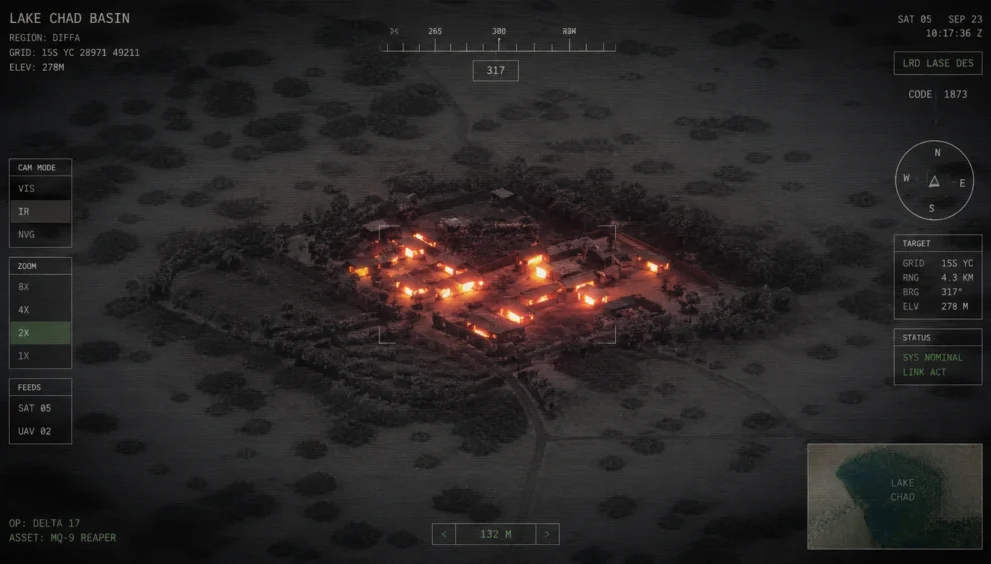
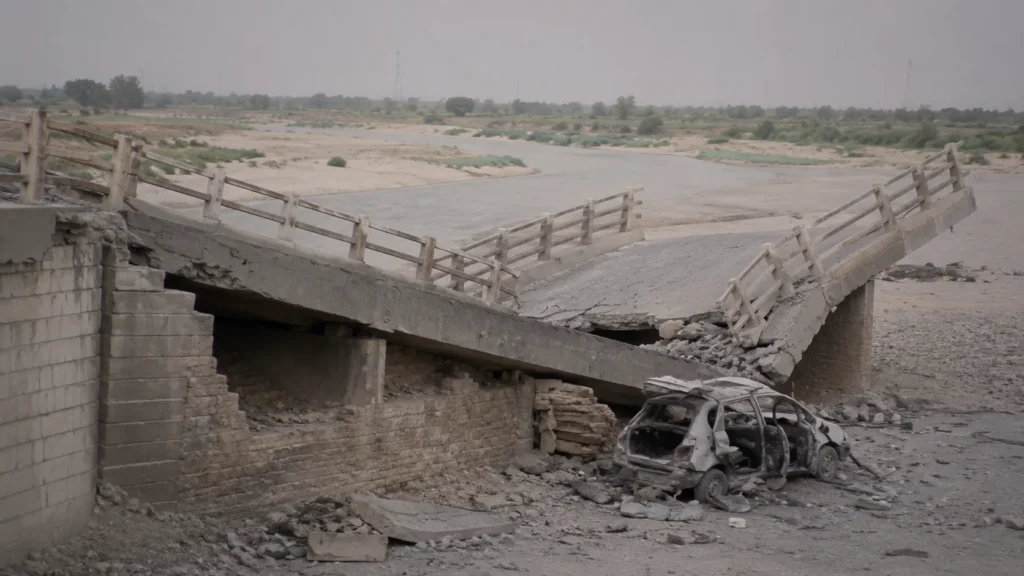
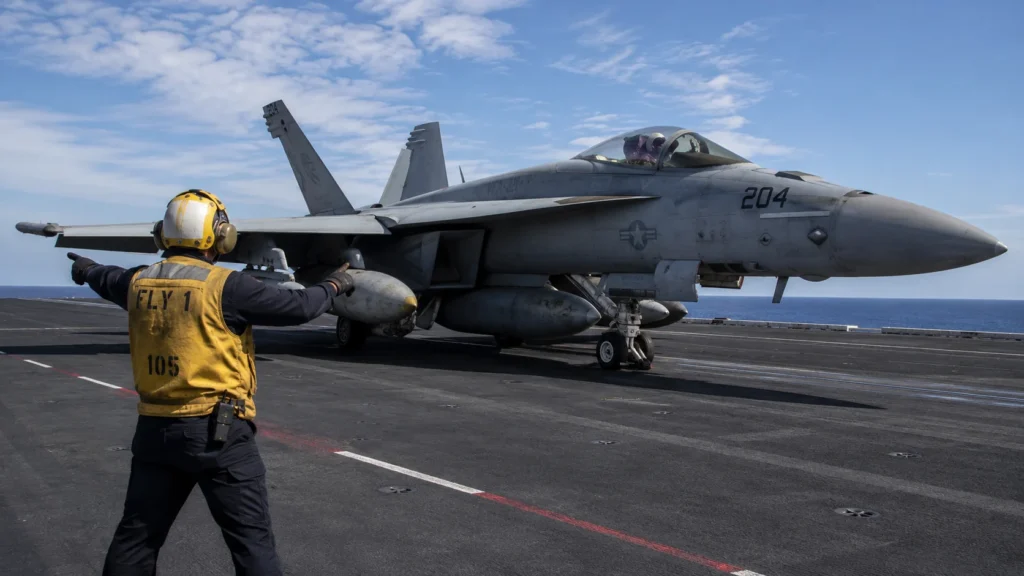
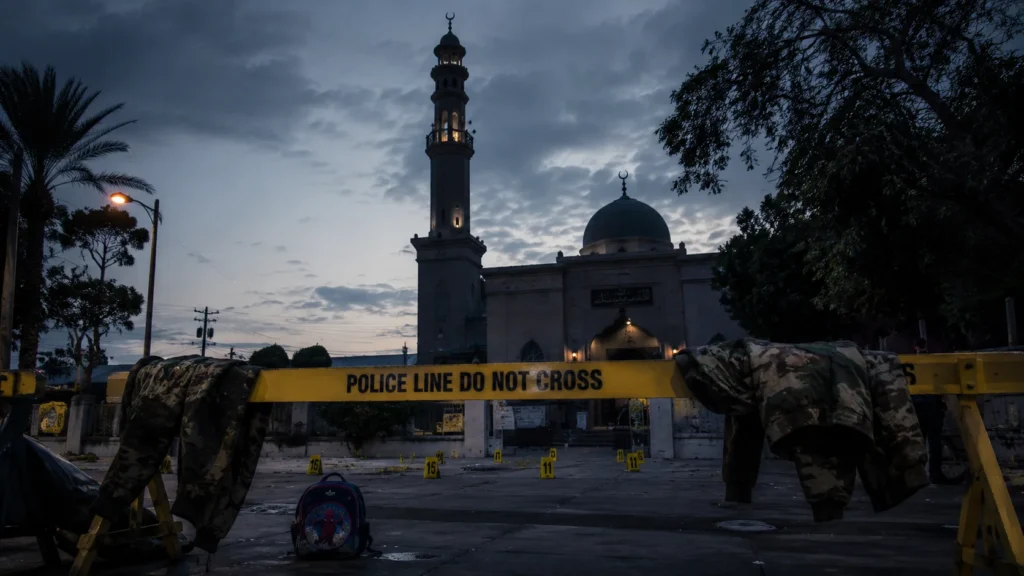
Nigeria US ISIS strike in the Lake Chad Basin signals a sharper phase in West African counterterrorism coordination between Abuja and Washington. The operation killed senior Islamic State commander Abu-Bilal al-Minuki during a joint strike after months of intelligence tracking. The development matters because it strengthens tactical success while tightening Nigeria’s reliance on US security systems across the Sahel’s fragmented conflict zones.
Context: A battlefield that ignores borders
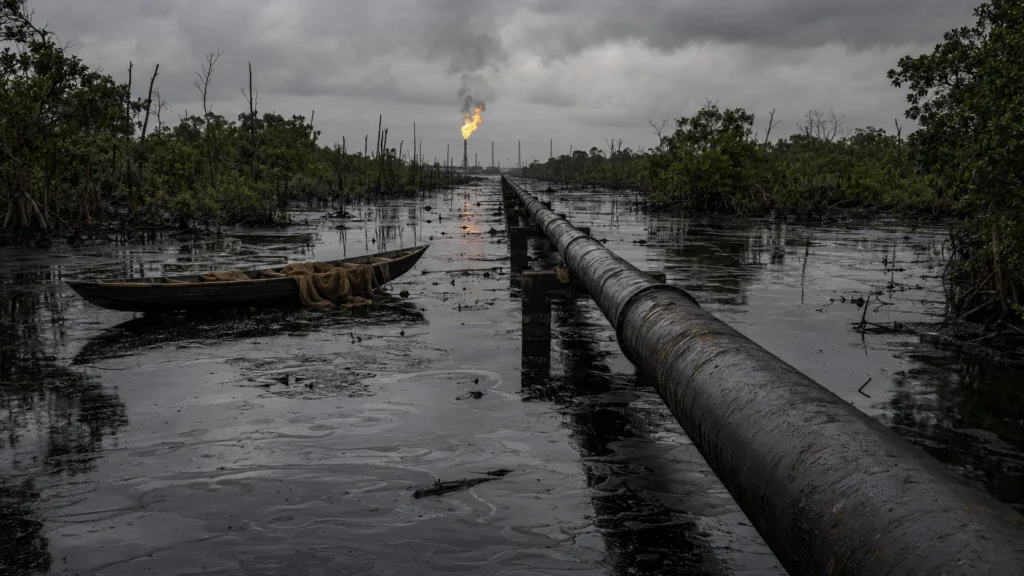
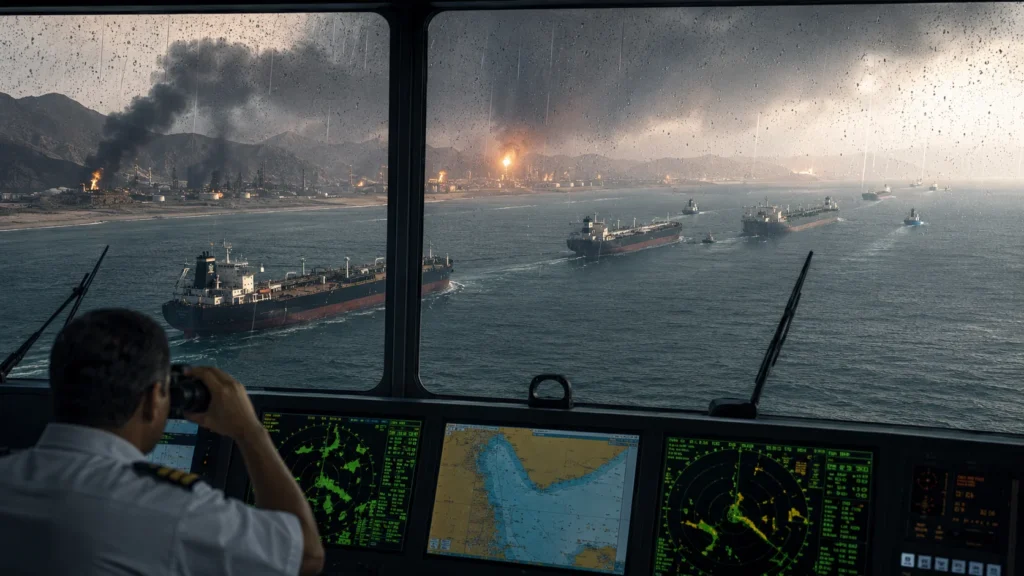
The Lake Chad Basin does not behave like a border region. It behaves like a shared war economy.
Nigeria, Chad, Niger, and Cameroon all claim authority over it. Militants exploit the gaps between those jurisdictions with ease. The Islamic State West Africa Province (ISWAP) operates inside that fragmentation, shifting routes faster than governments adjust policy.
On March 2023, the US State Department added Abu-Bilal al-Minuki to its global terrorism designation list under Executive Order 13224, marking him as a priority target across Sahel intelligence networks. That designation widened the operational lens far beyond Nigeria’s internal counterinsurgency framework.
According to United Nations Security Council ISIL/Daesh Monitoring Team report, roughly 90% of IS-linked attacks now concentrate in sub-Saharan Africa, with Nigeria’s northeast remaining the core pressure zone.
As evolution of Boko Haram and ISWAP fragmentation showed, militant groups in the region rarely collapse after leadership losses. They reorganize, rebrand, and redistribute command nodes across rural corridors.
Fragmentation, not defeat.
Deep Dive: The intelligence fusion model changes the war
The joint Nigeria–US strike reflects a shift in how counterterrorism now functions in the Sahel.
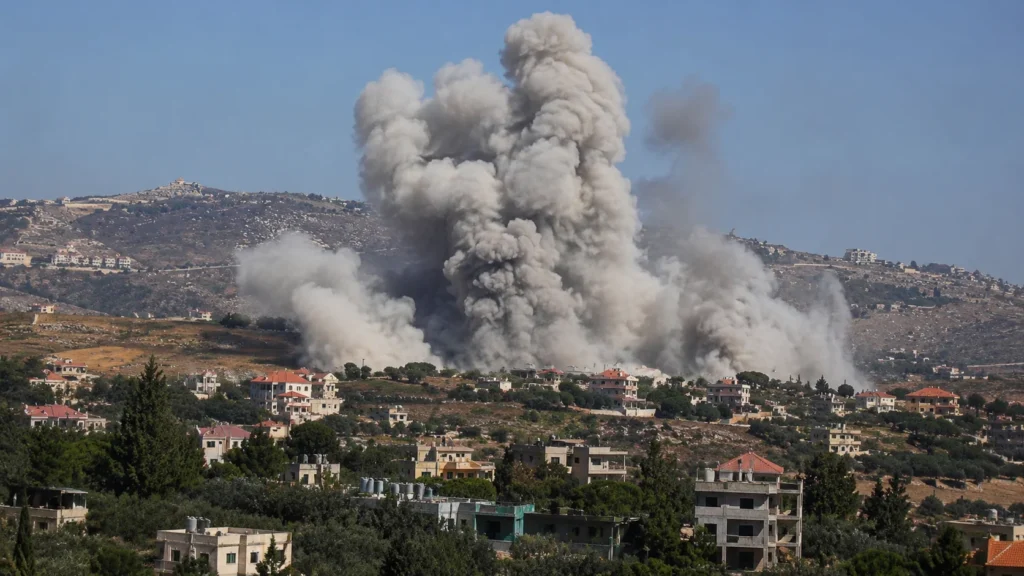
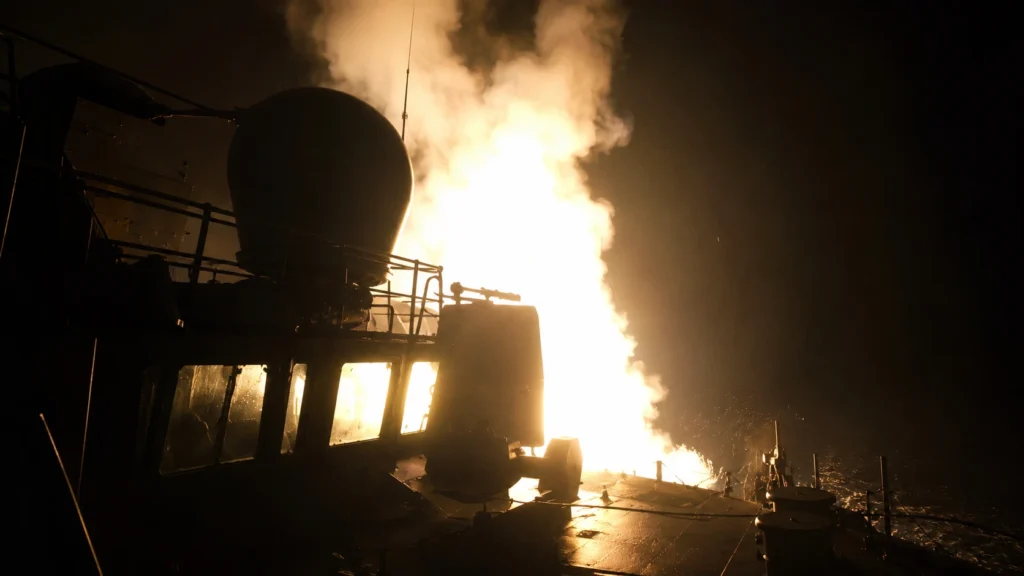
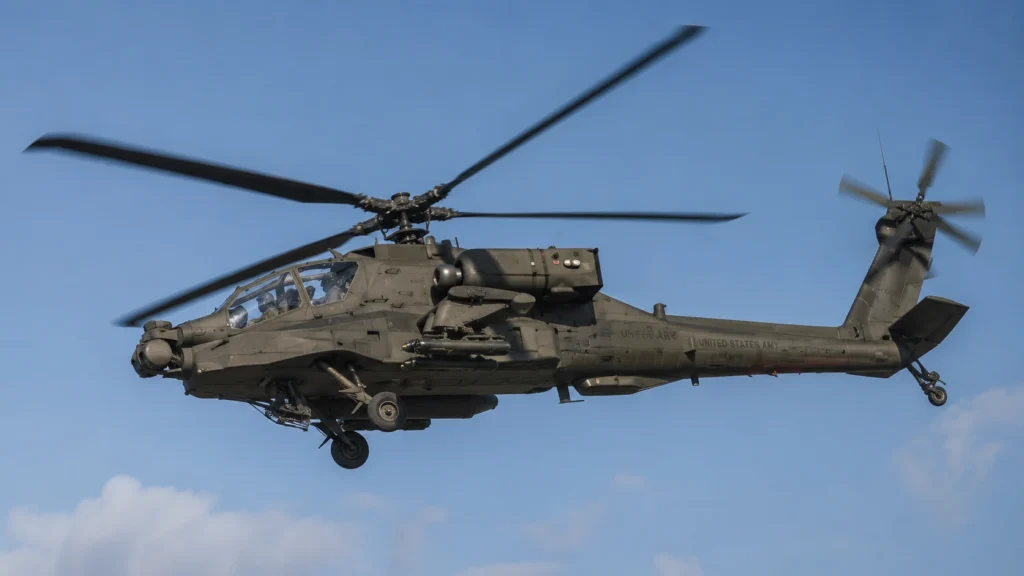
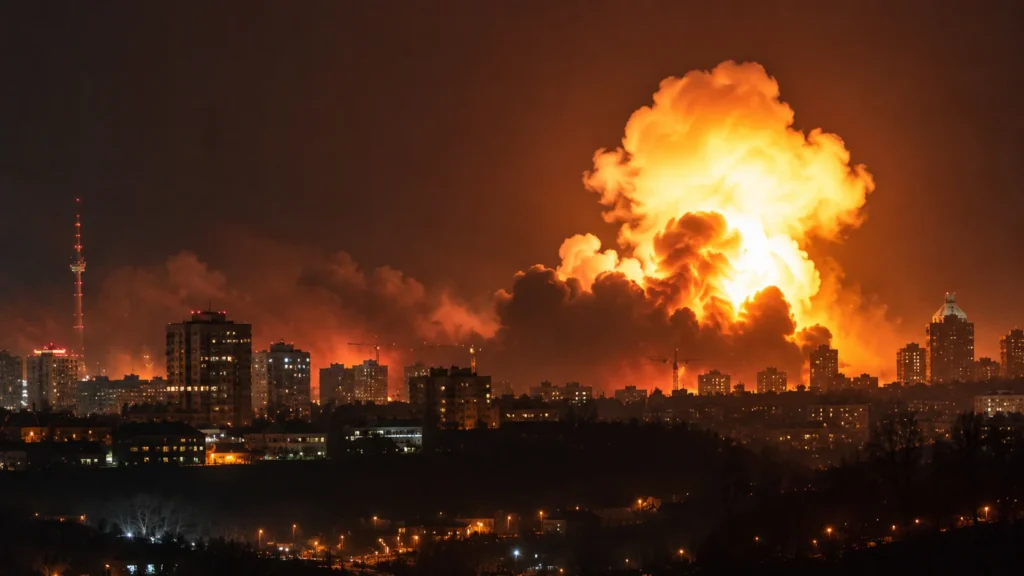
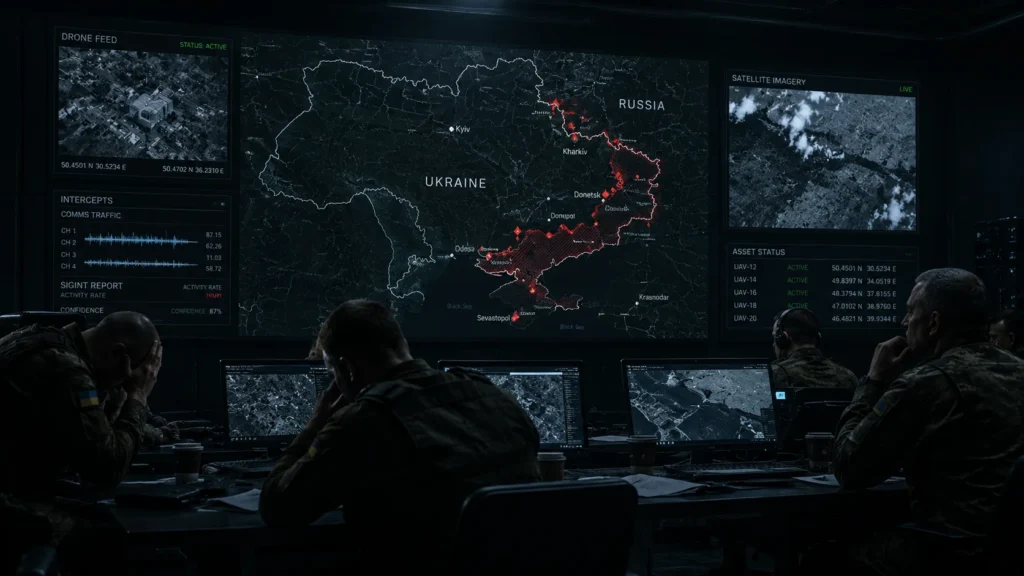
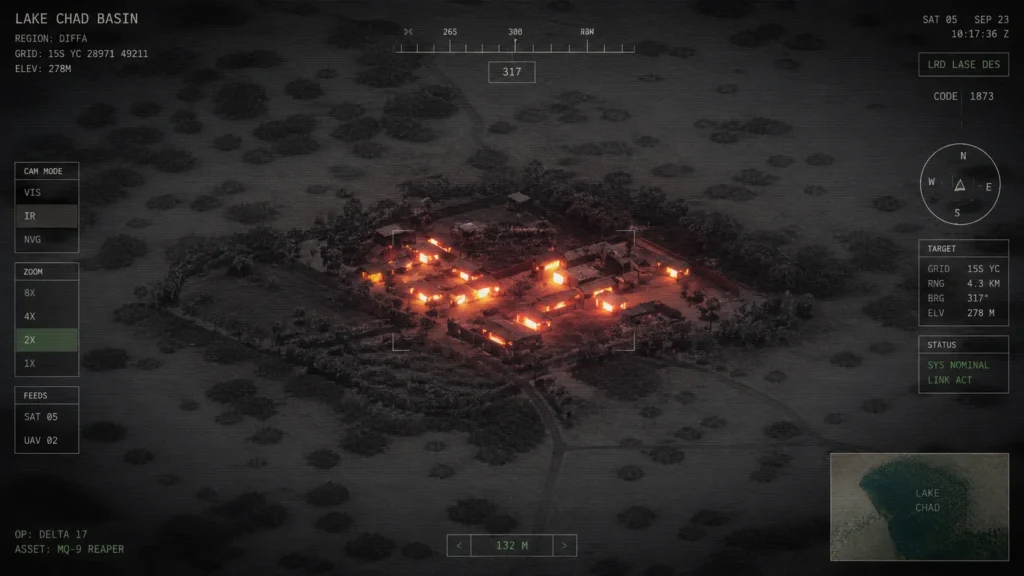
Nigeria’s military confirmed that the operation began after “months of intelligence gathering” before a coordinated nighttime strike in Borno State. US systems likely contributed satellite surveillance and signal intelligence, while Nigerian forces executed ground targeting.
This structure matters more than the strike itself.
It creates an intelligence fusion loop:
- US systems identify and track
- Nigerian forces localize and strike
- Shared outcomes refine next targeting cycle
According to US Africa Command (AFRICOM) operational briefings, joint intelligence-sharing frameworks in West Africa expanded steadily after 2020, especially in counter-IS operations.
But dependency grows inside that efficiency.
Nigeria gains precision targeting capability. The United States gains forward visibility into Sahel militant networks. Both gain tactical wins. Neither resolves the structural instability driving recruitment.
A senior analyst at the International Crisis Group, commenting in a 2025 Sahel security assessment, noted: “Leadership decapitation disrupts operations temporarily, but it rarely alters the insurgent ecosystem.”
Short sentence. True in practice.
Timeline signal: How IS adapted in the region
- 2015 – Boko Haram splits after pledging allegiance to ISIS
- 2018 – Dapchi schoolgirls kidnapping highlights ISWAP operational reach in Borno
- 2023 – US designates Abu-Bilal al-Minuki as global terrorist
- 2025–2026 – UN monitoring reports confirm 90% of IS attacks shift to sub-Saharan Africa
- May 2026 – Nigeria–US joint strike kills al-Minuki in Lake Chad Basin
The pattern stays consistent. Pressure rises. Structure adapts. Leadership rotates.
Interesting.
Power recalibration: who gains, who loses
Nigeria gains short-term political leverage. The government demonstrates control over a volatile region where domestic pressure on security performance remains high.
The United States gains operational validation of its long-standing counterterrorism partnerships in Africa, especially at a time when Russian and Chinese security influence expands across the continent.
Militant networks lose a senior node but retain operational continuity through decentralized cells.
Then there’s the deeper shift.
African states gain firepower without full control over intelligence pipelines. External partners gain visibility without full responsibility for post-conflict stabilization.
The fault line expands quietly. Not loudly.
Human pressure: life inside the Lake Chad Basin
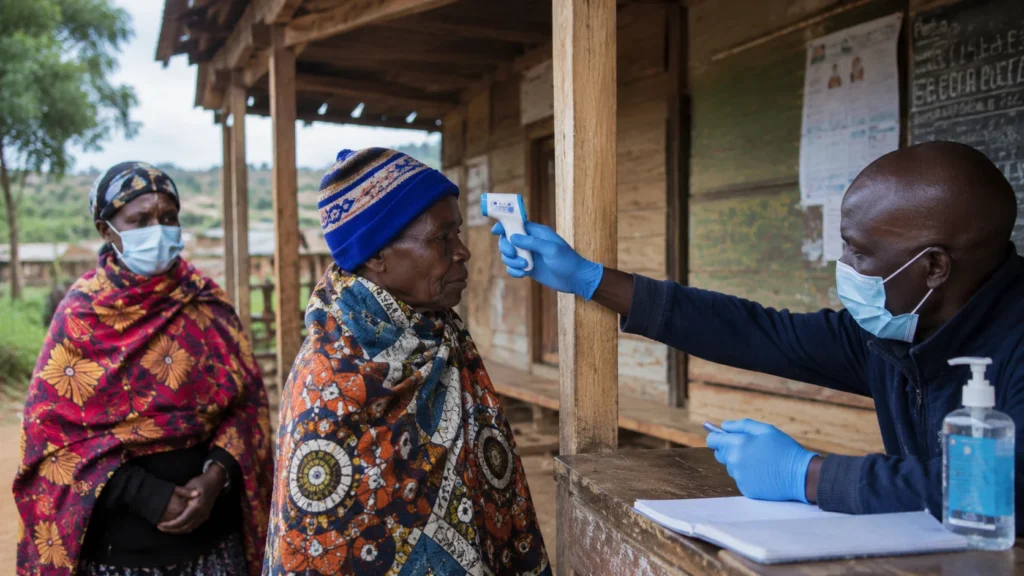
Security headlines do not define daily life in Borno State. Access to farmland does. Market days do. Fishing routes do.
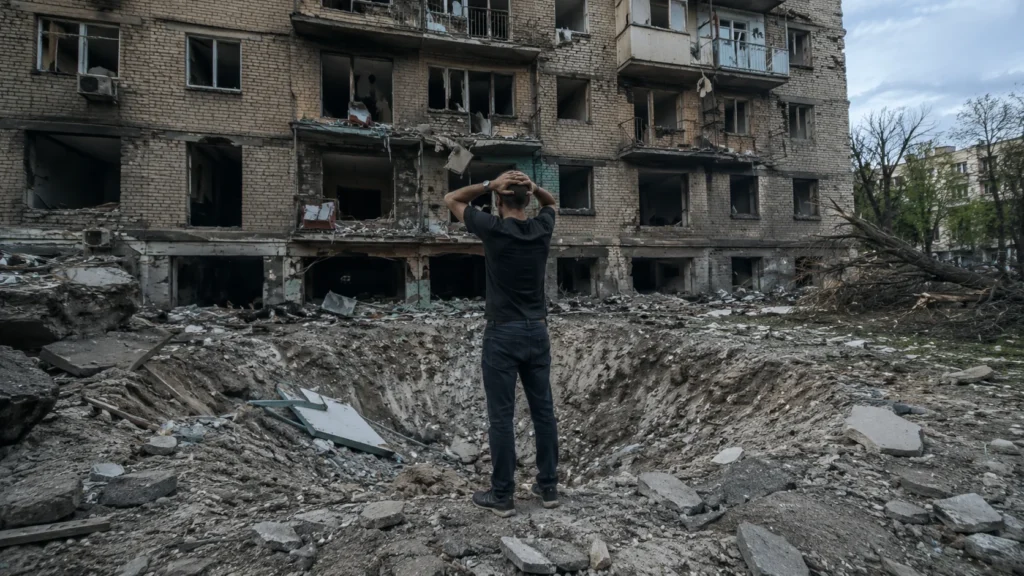
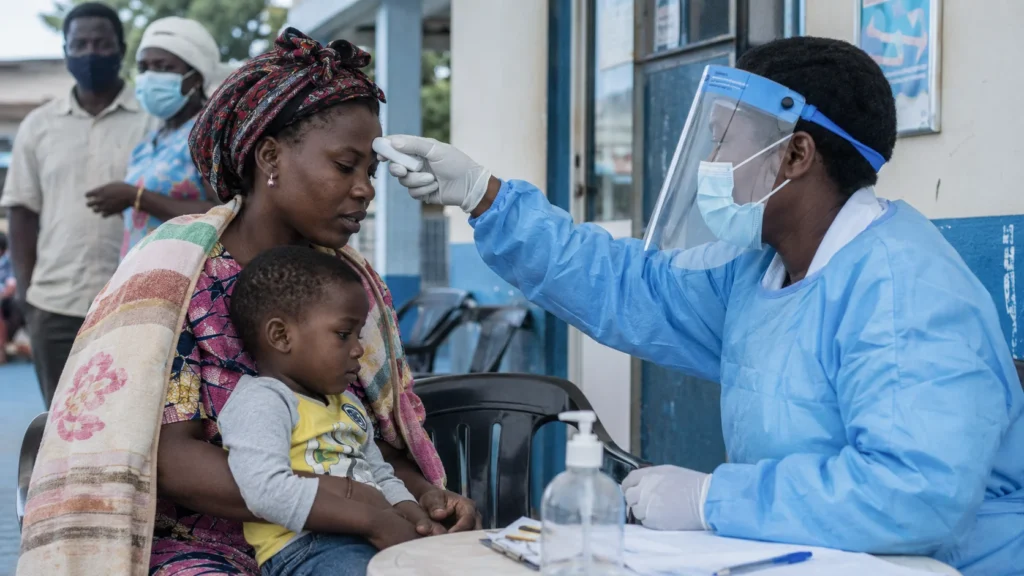
The UN Office for the Coordination of Humanitarian Affairs (OCHA) estimates over 2.5 million displaced people across the Lake Chad Basin due to prolonged insurgency pressure and repeated military operations.
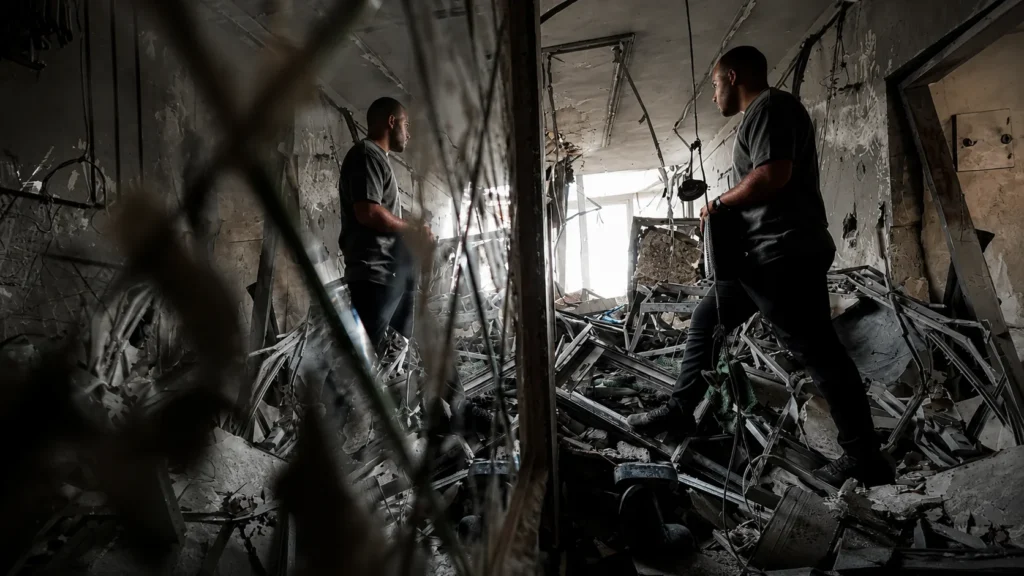
Military strikes reduce immediate militant presence. They also compress civilian movement in active zones. Families relocate multiple times across short distances. Livelihoods fragment.
Not stable. Not collapsed. Something in between.
A local humanitarian worker described the region in a 2025 field report as “a geography of interruptions.”
What happens next
Over the next 6–12 months, joint Nigeria–US operations will likely intensify across northeast Nigeria and spill into Nigerien border corridors. Intelligence-sharing networks will expand as both sides attempt to map fragmented militant cells.
Key risk: insurgent decentralization.
Watch three indicators:
- ISWAP attack dispersion beyond Borno State
- Expansion of US-Nigeria intelligence coordination frameworks
- Cross-border militant movement into Niger and Cameroon
The war shifts shape, not direction.
FAQ
What was the Nigeria US ISIS strike about?
Nigeria and the United States conducted a joint operation in the Lake Chad Basin, killing senior IS commander Abu-Bilal al-Minuki.
Why is the Lake Chad Basin important?
It serves as a cross-border operational zone for militants and a strategic counterterrorism region shared by four countries.
Does killing leaders weaken ISIS in West Africa?
It disrupts operations temporarily but does not eliminate IS networks, which reorganize quickly into decentralized cells.
How many people are affected by the conflict?
UN estimates suggest over 2.5 million people displaced across the Lake Chad Basin due to ongoing violence.
Author Bio
Written by Daniel Mercer, a geopolitical risk analyst specializing in Sahel security, West African insurgencies, and international counterterrorism strategy with over 12 years of field and editorial experience.