

 English















































































































































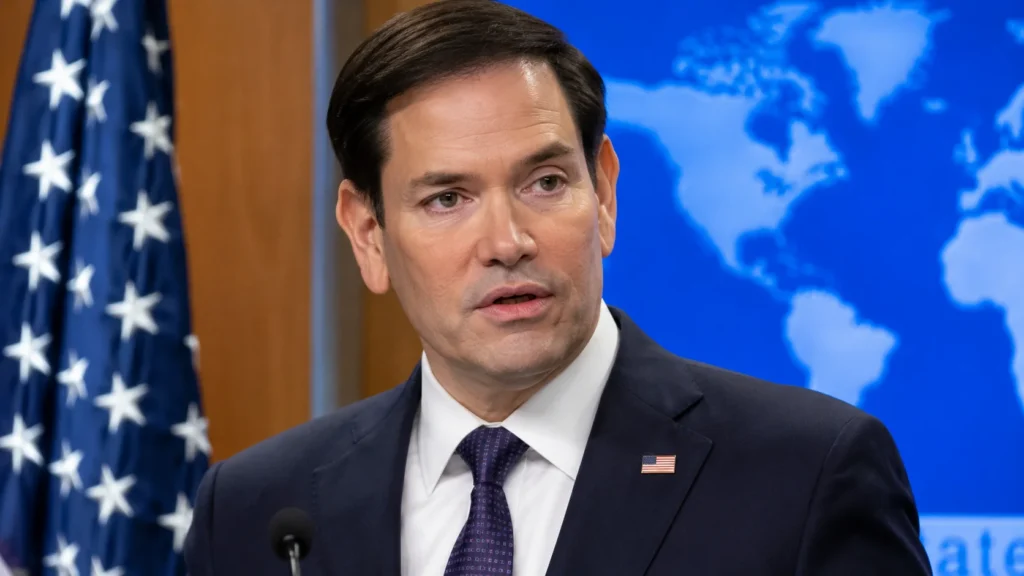
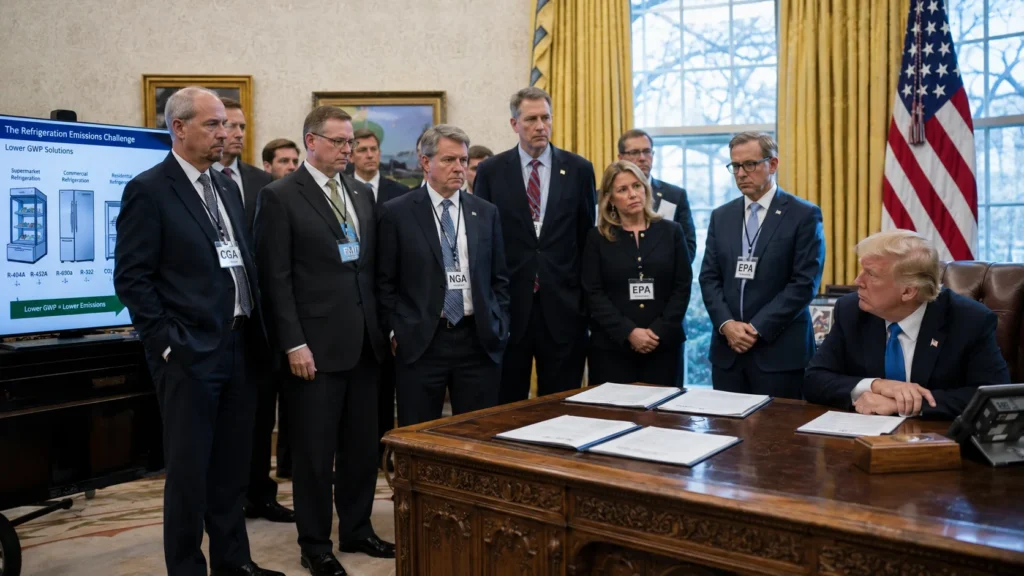
































































Trump Returns From China as Iran Strait Tensions Rise
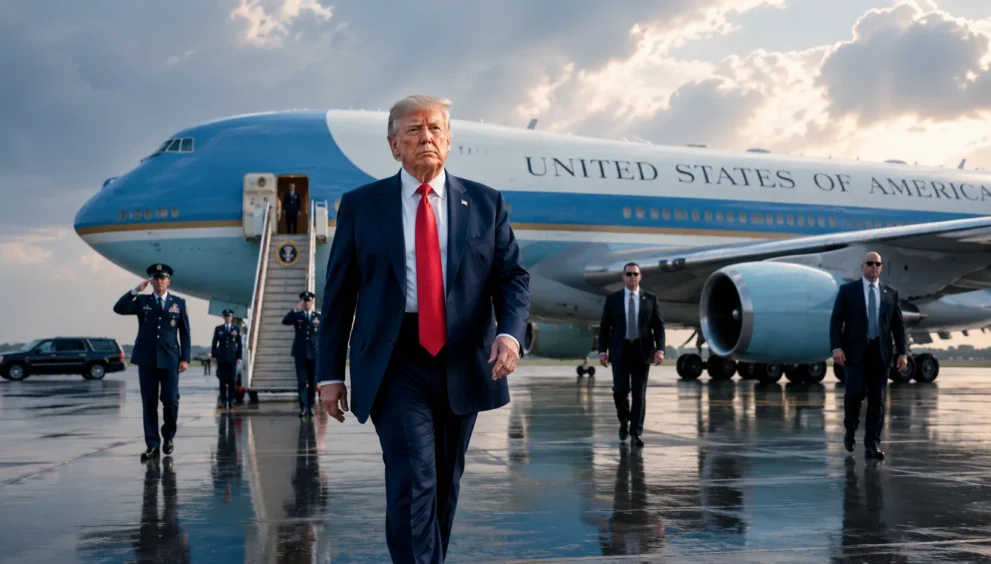
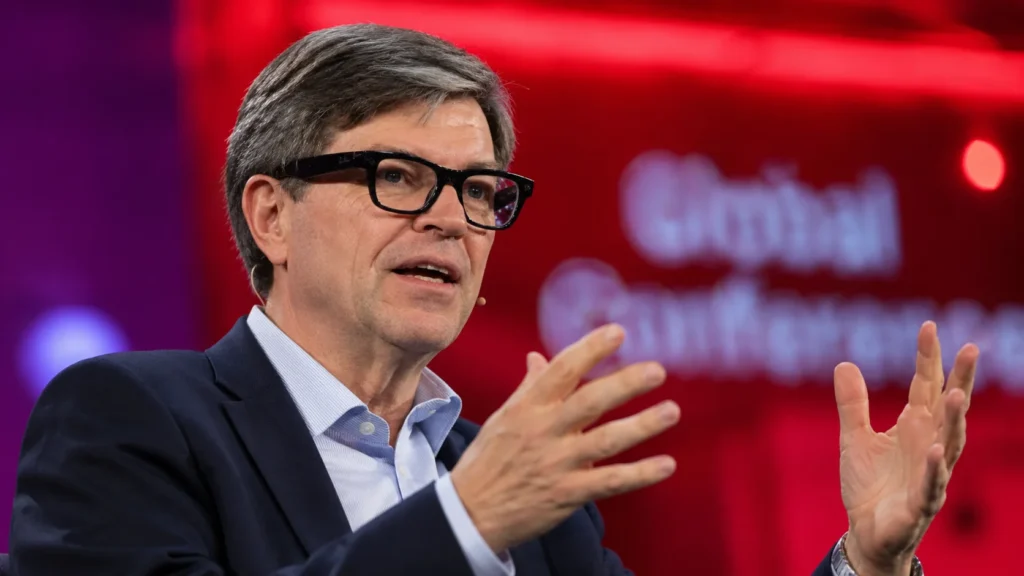
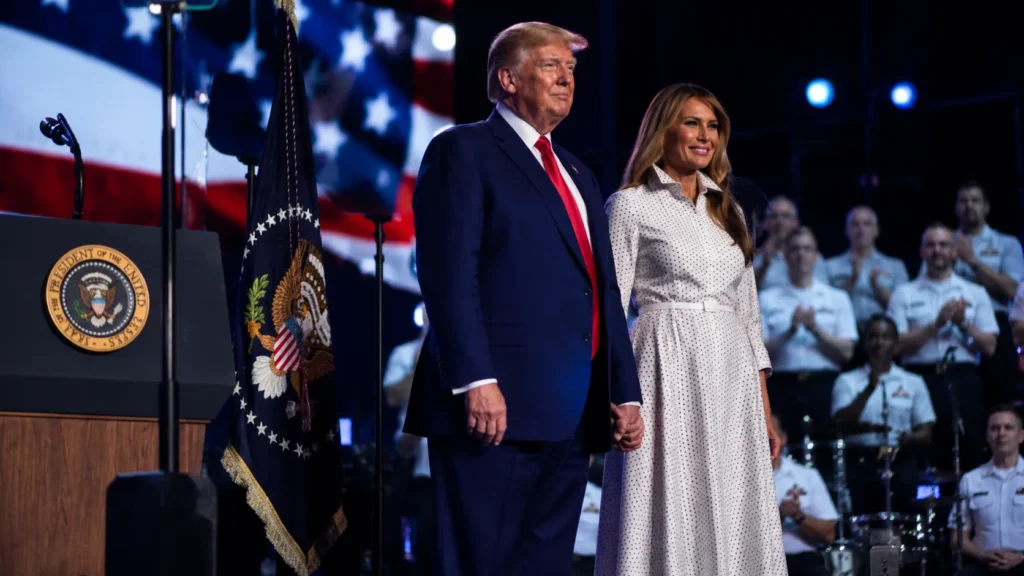
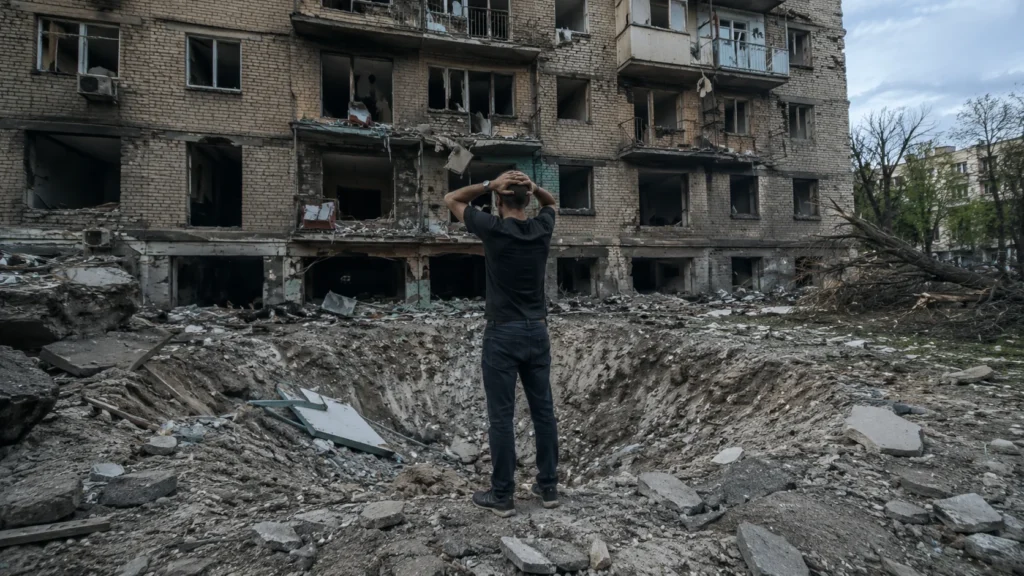
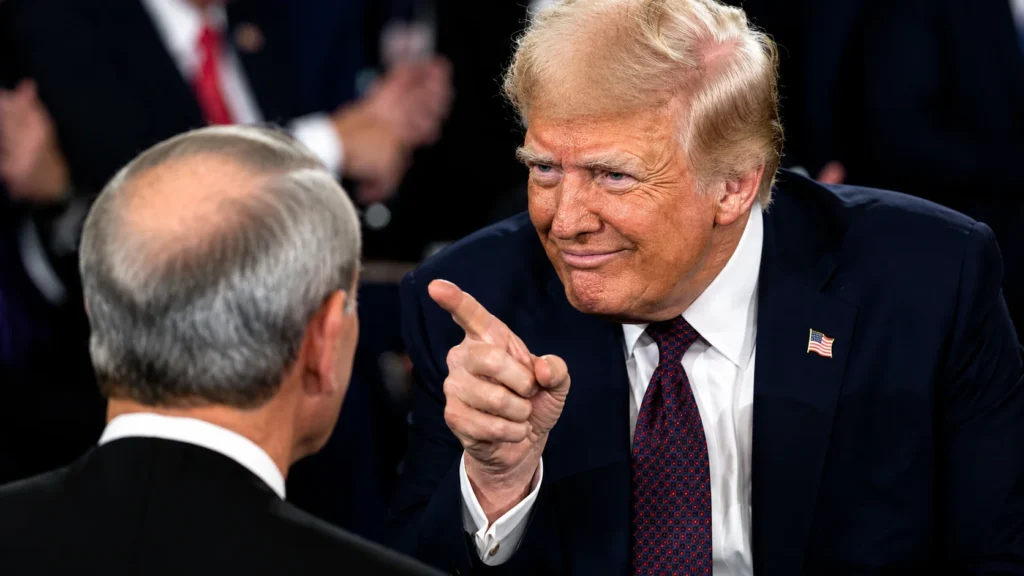
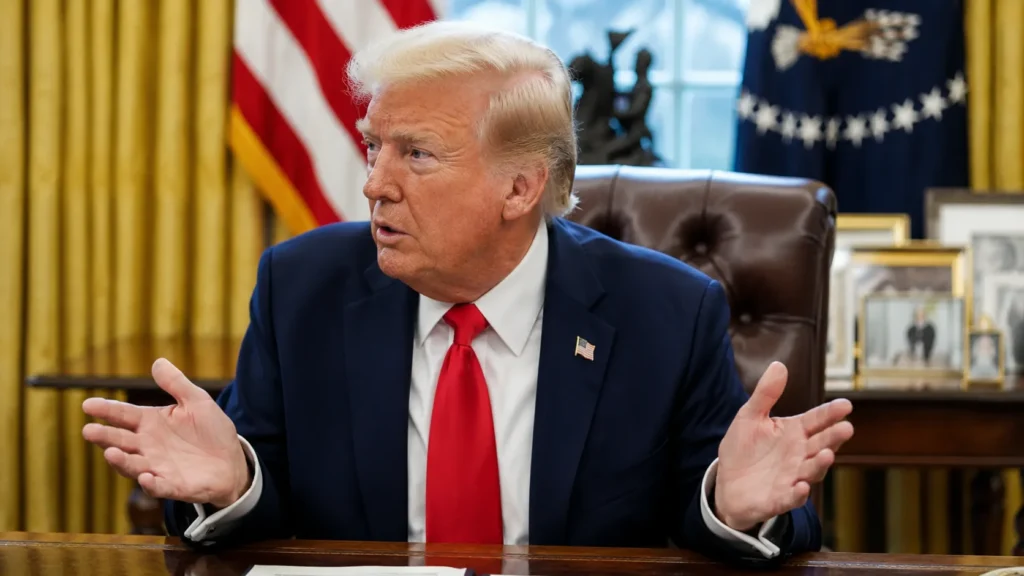
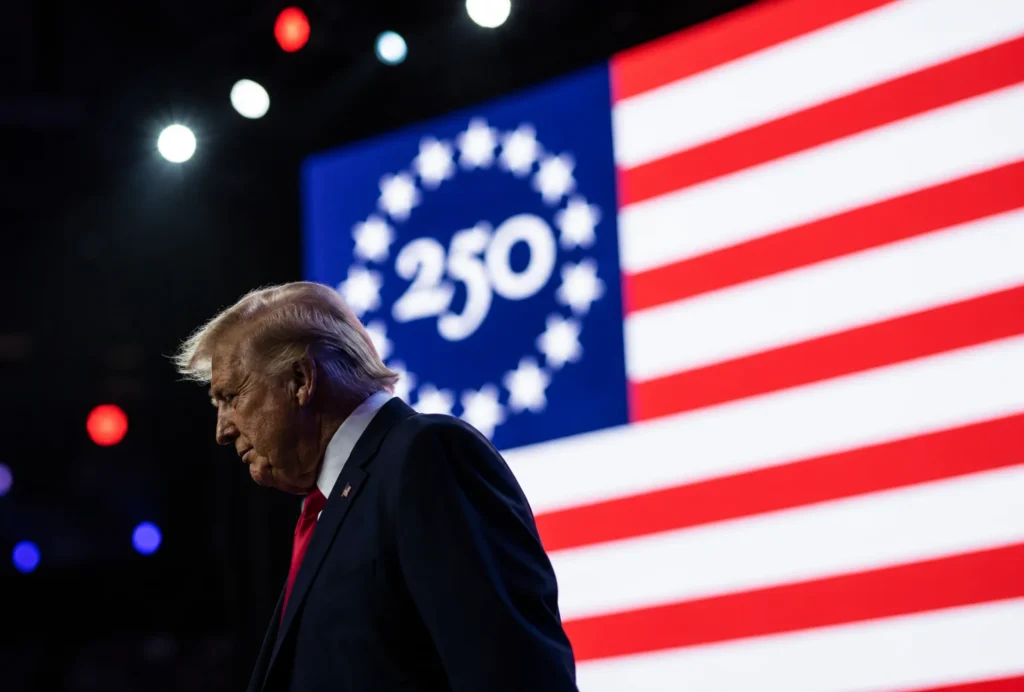
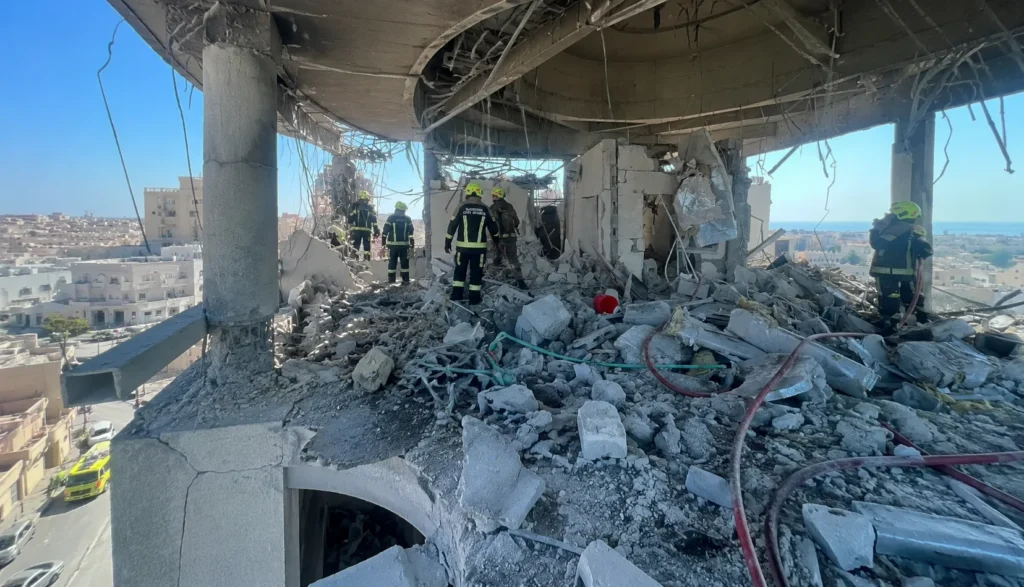
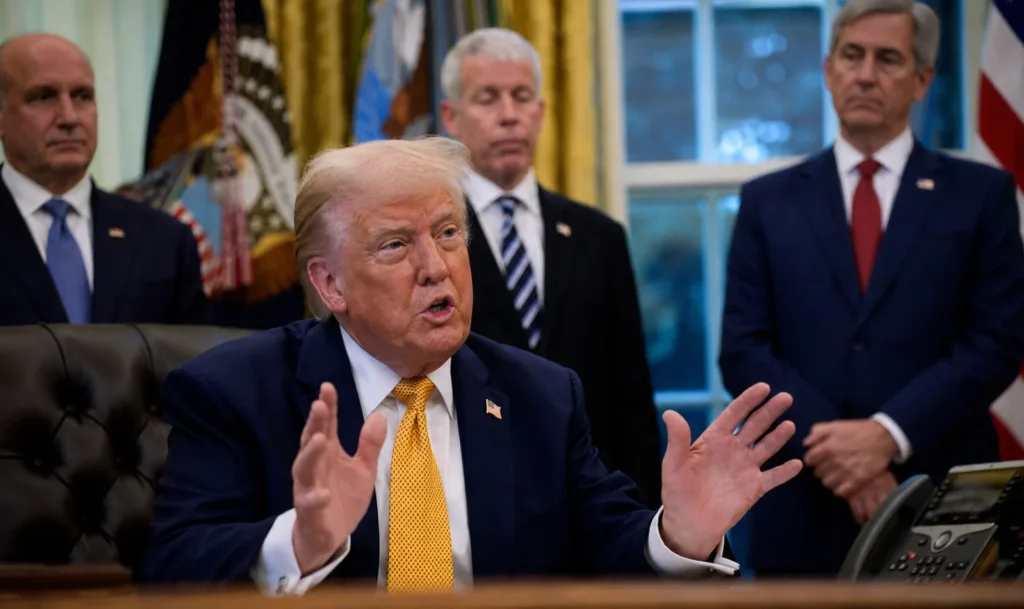
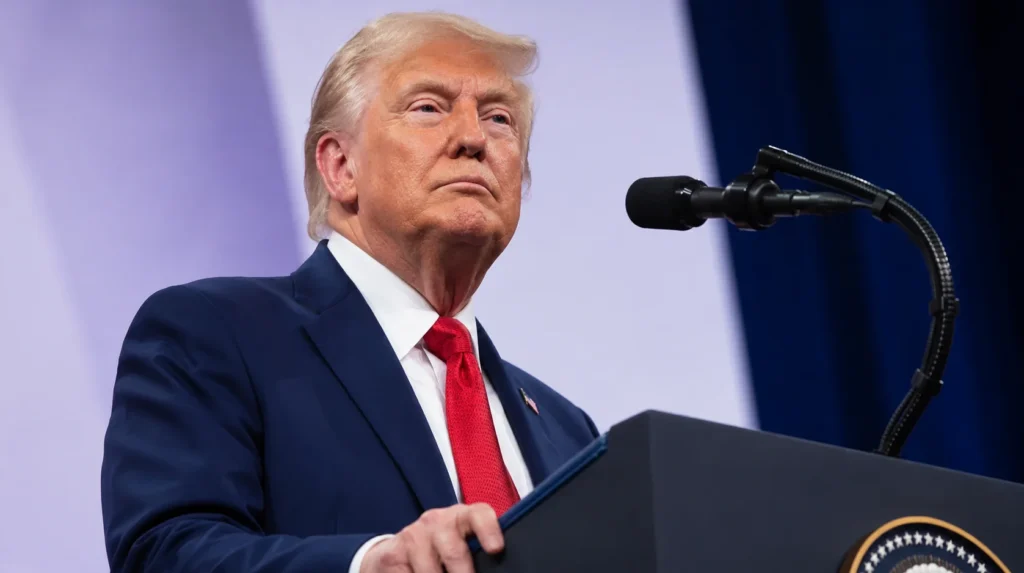
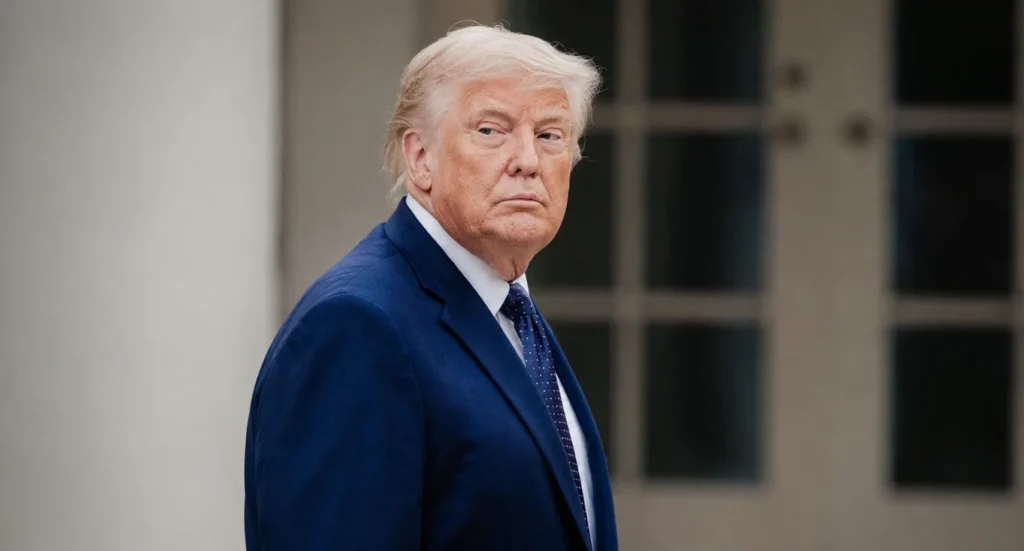
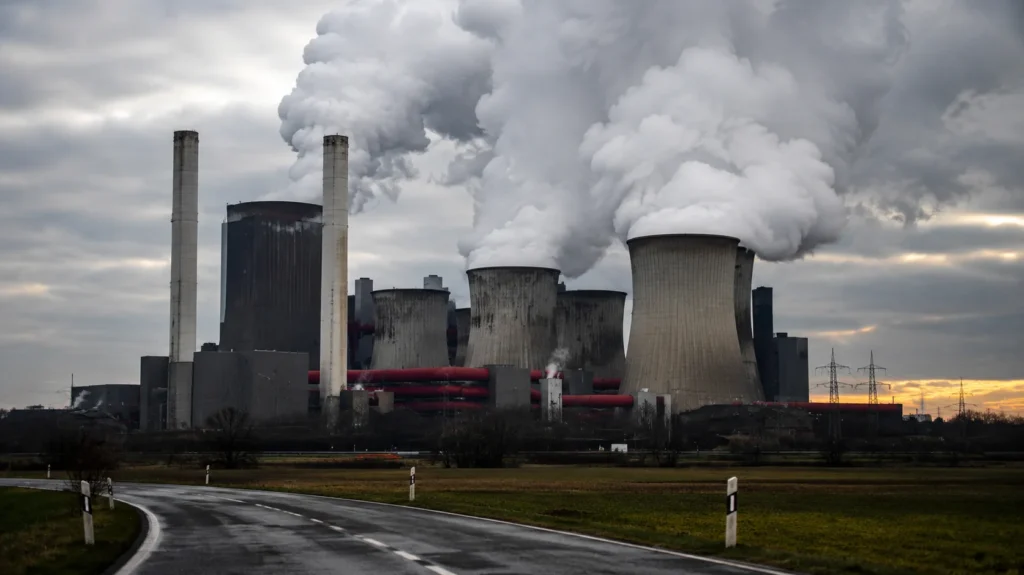
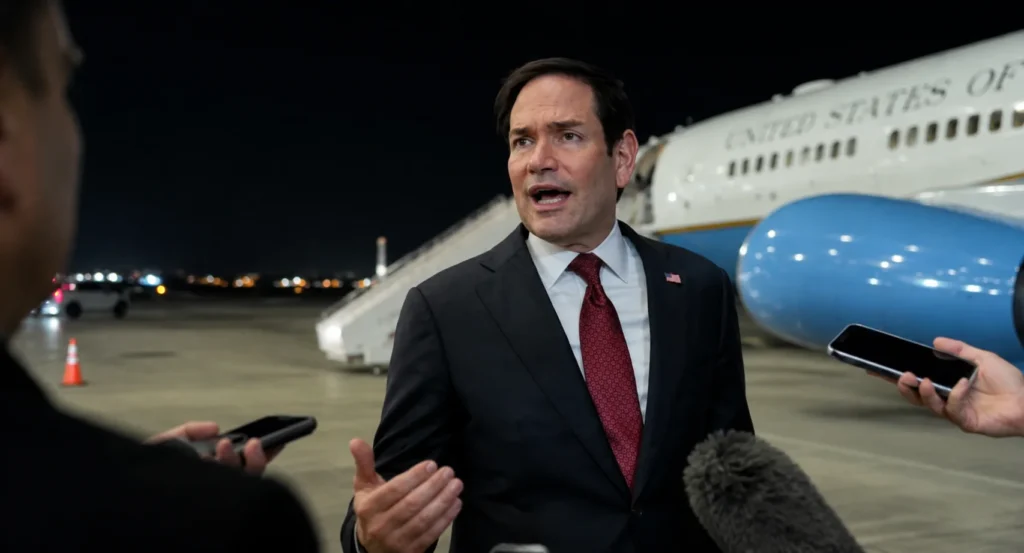
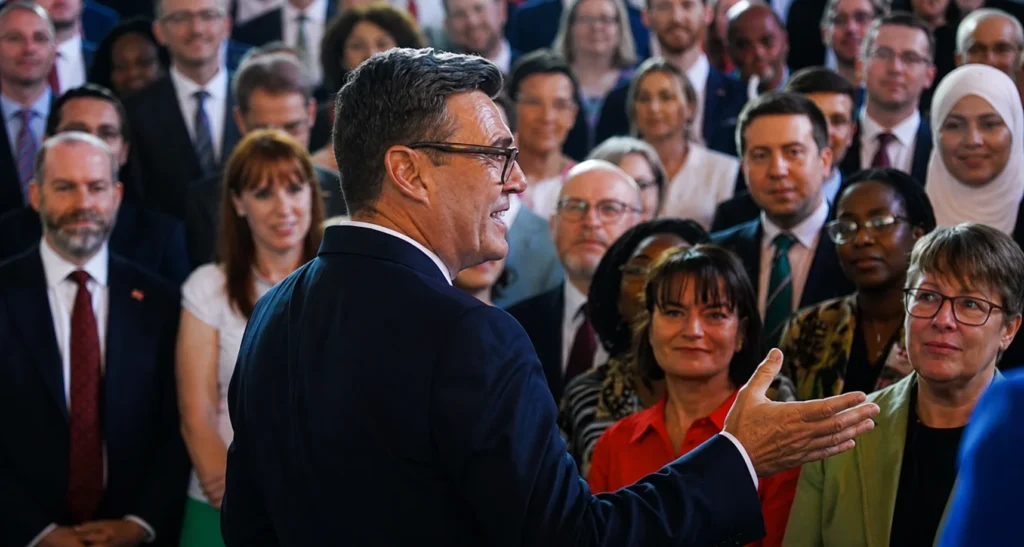
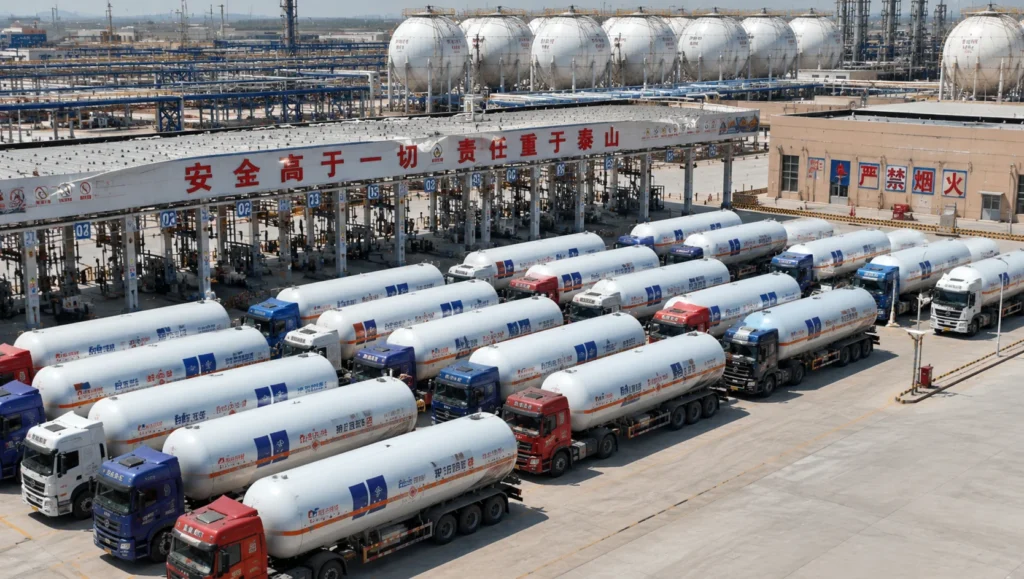
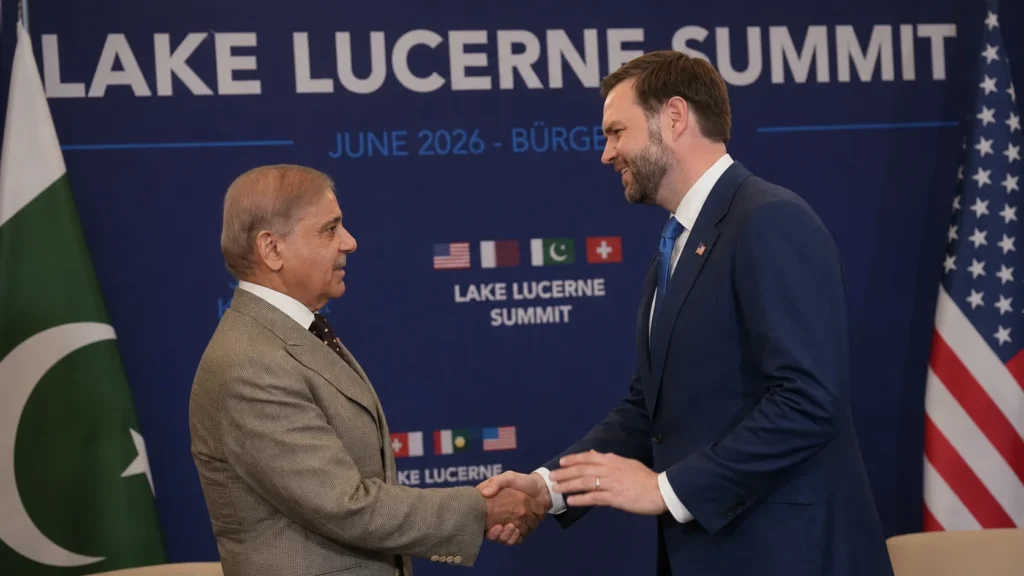
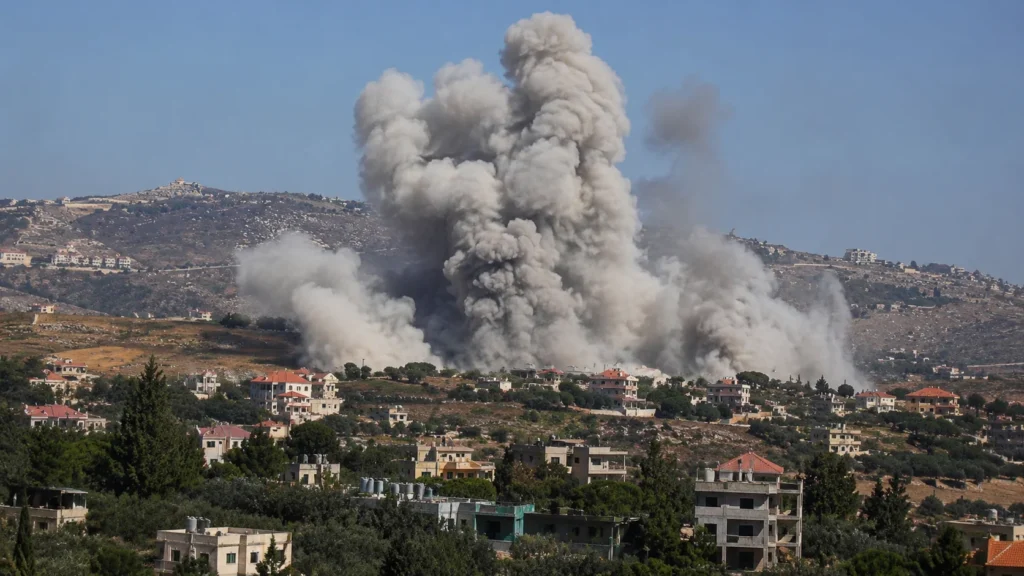
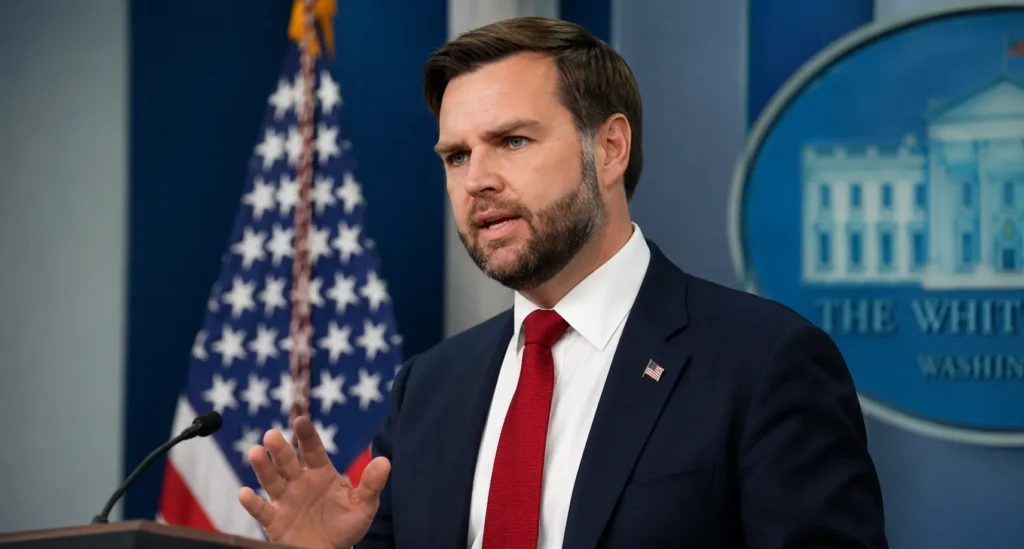
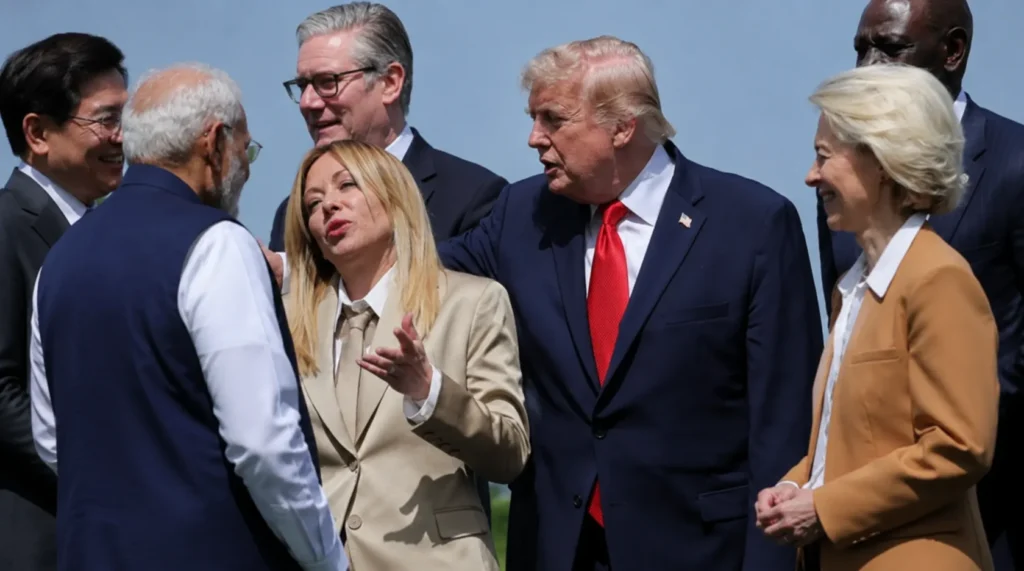
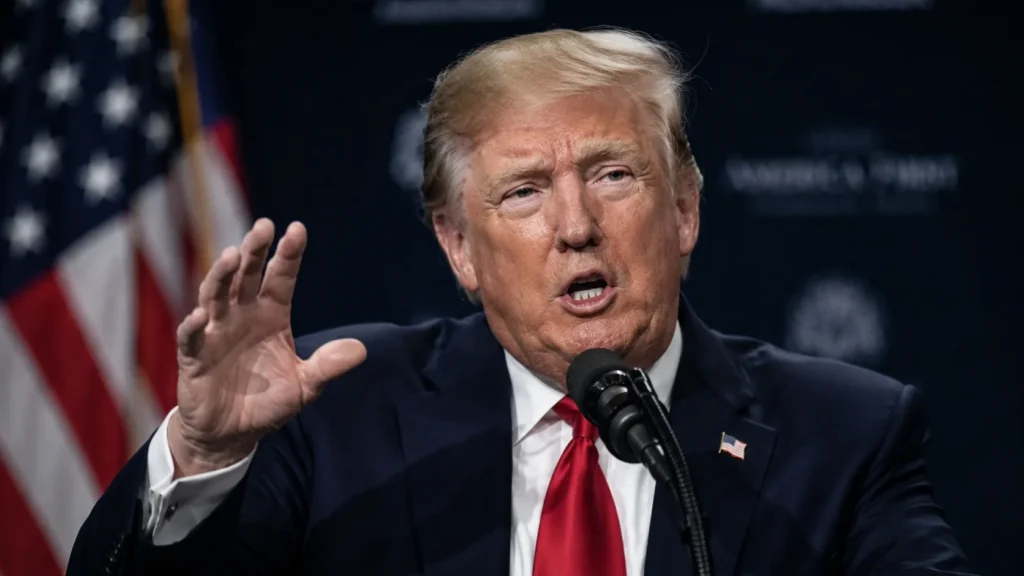
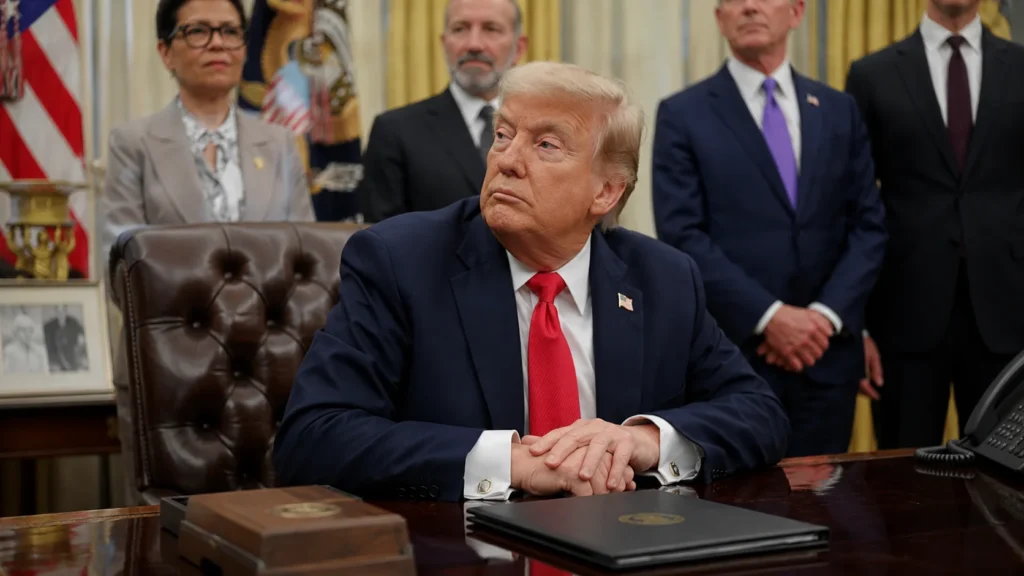
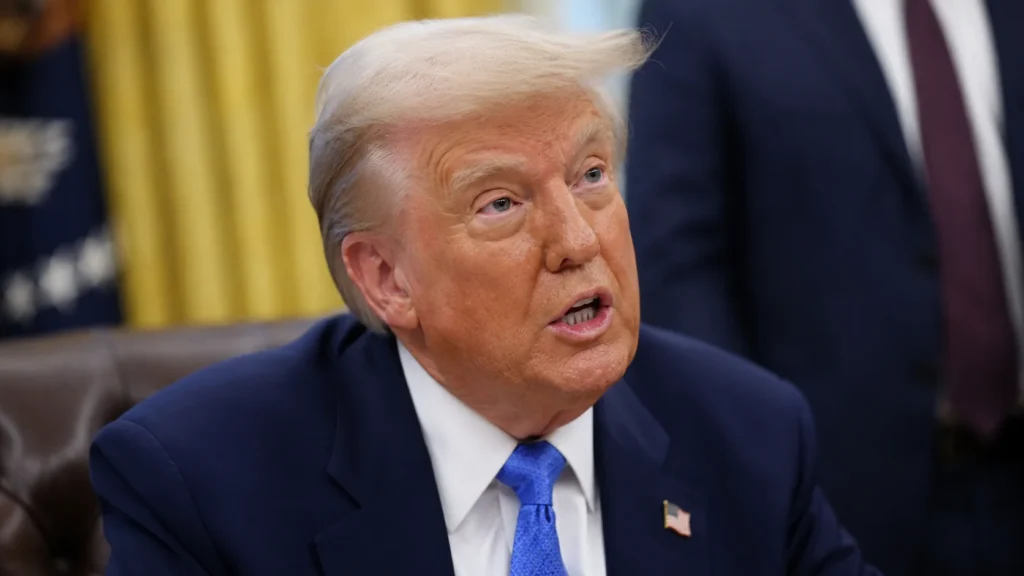
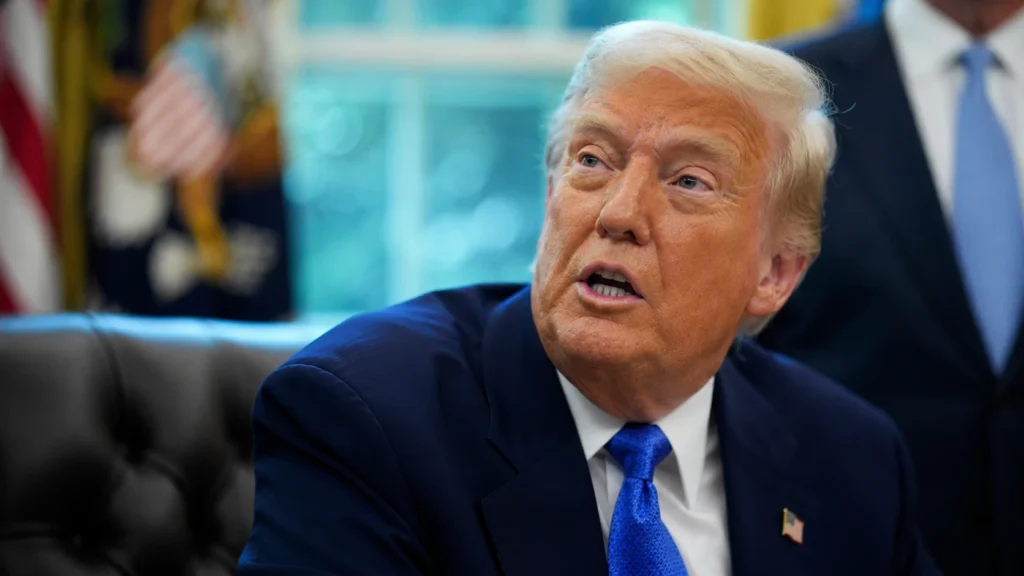
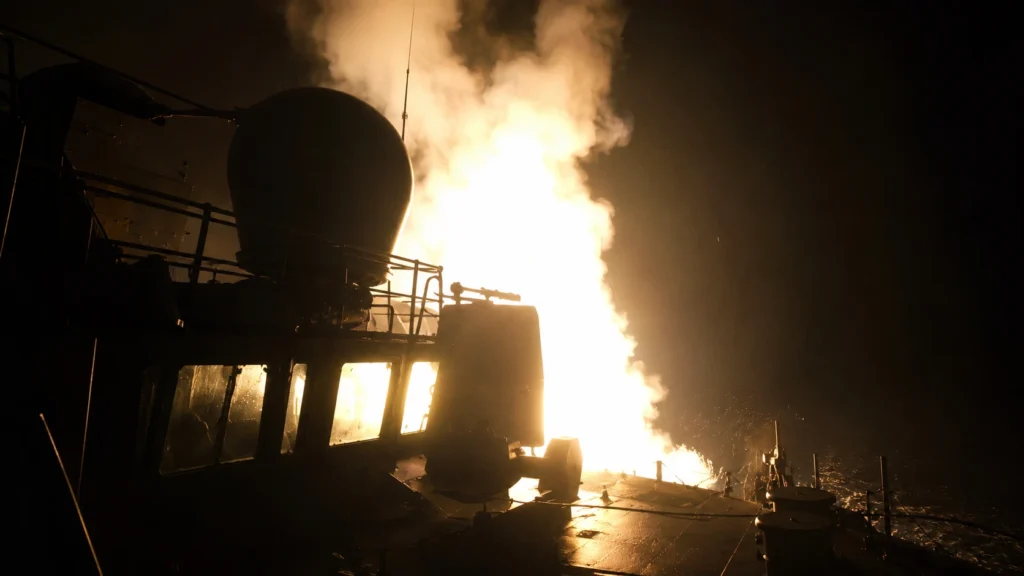
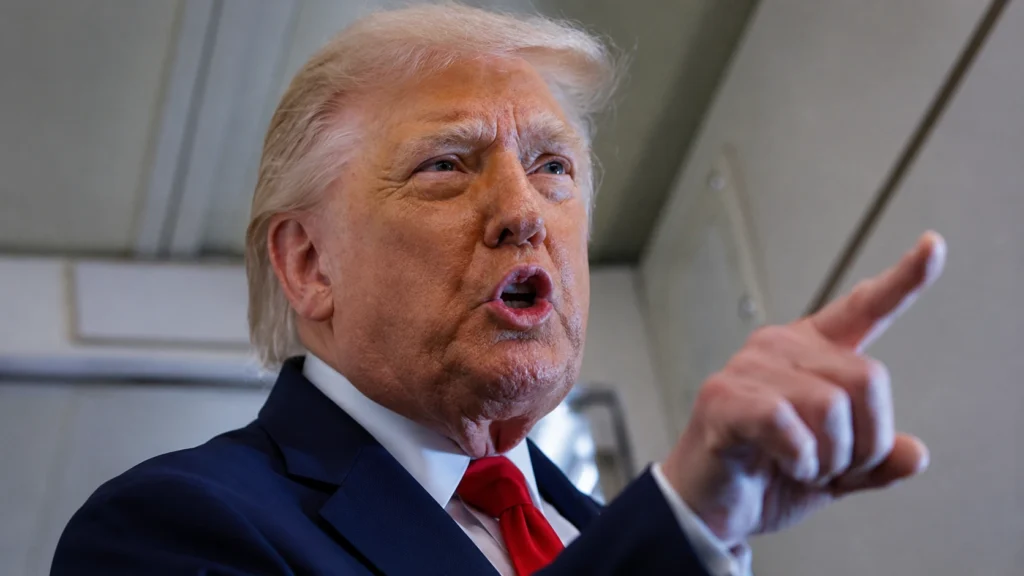
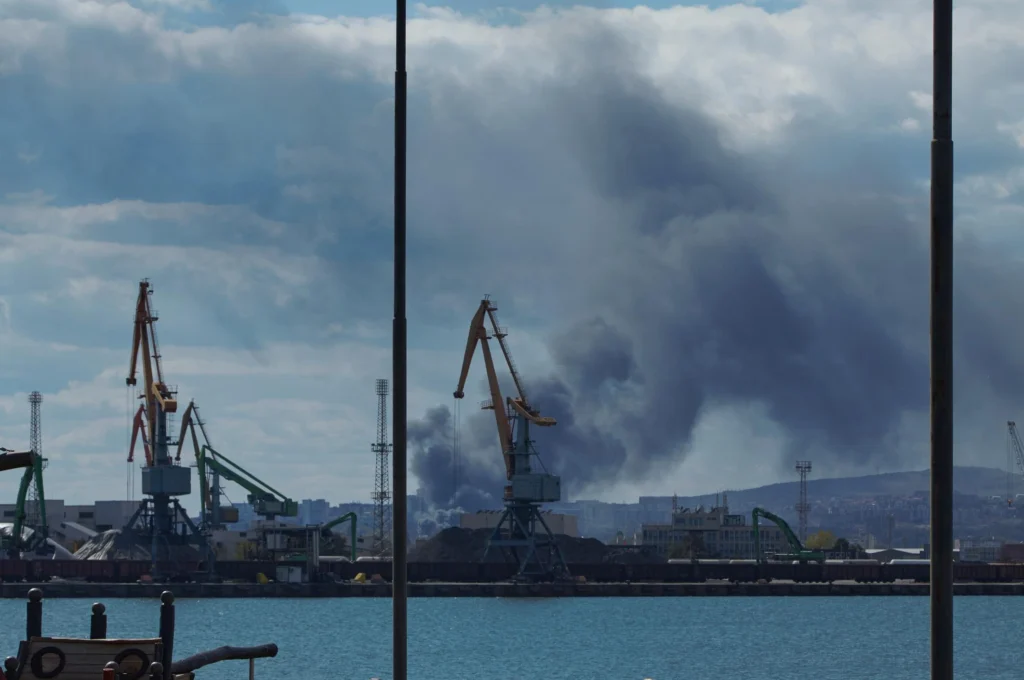
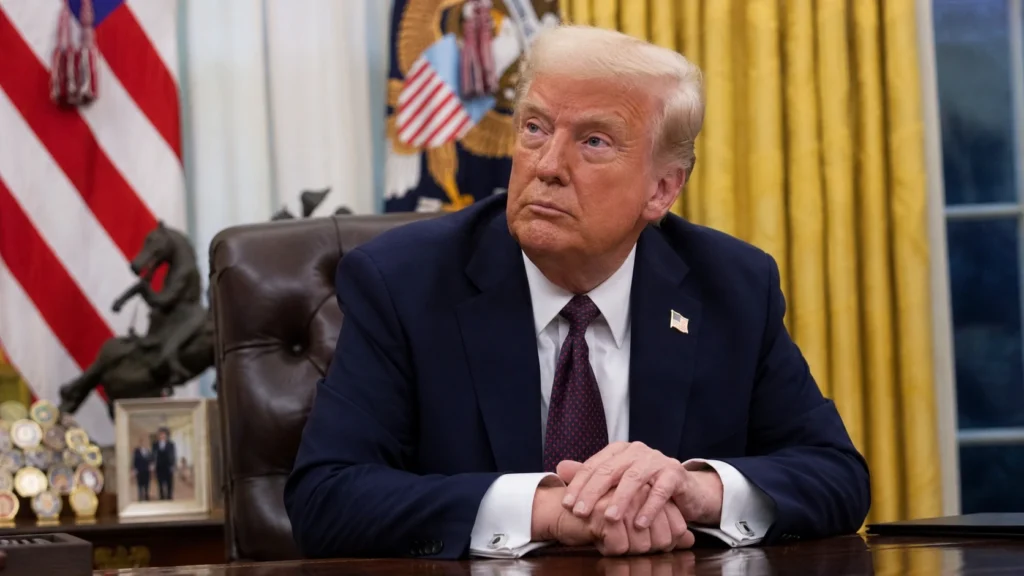
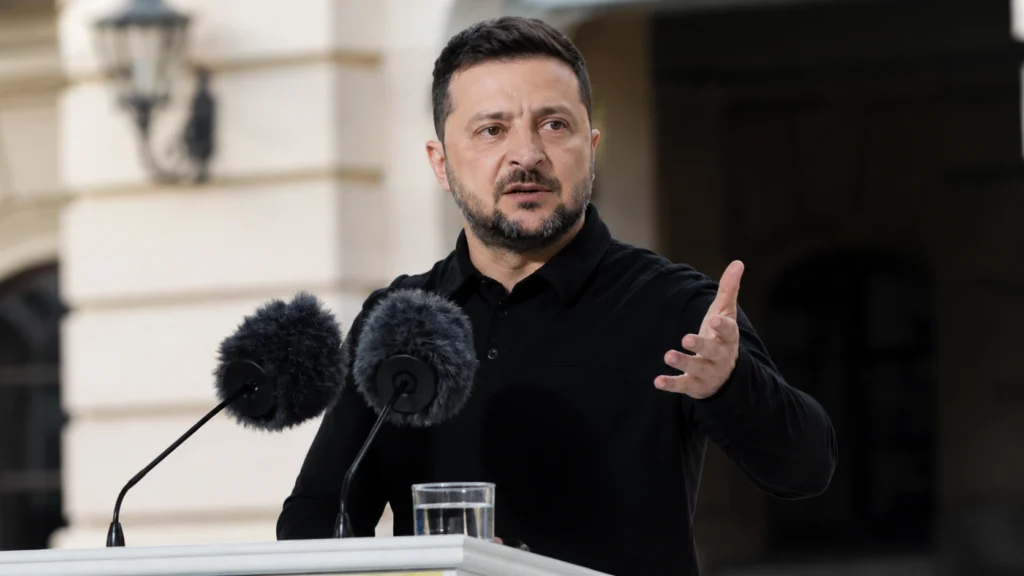
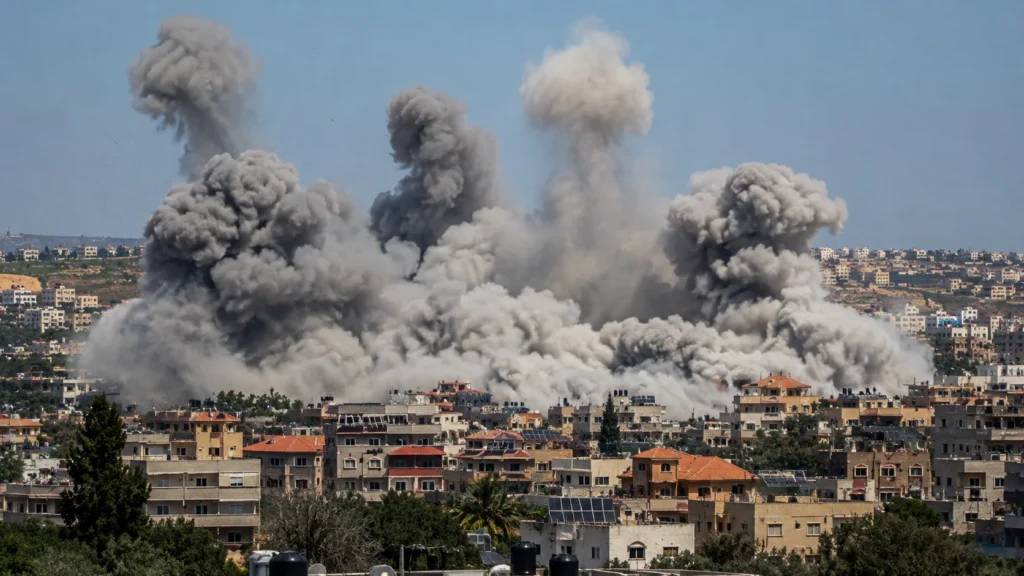
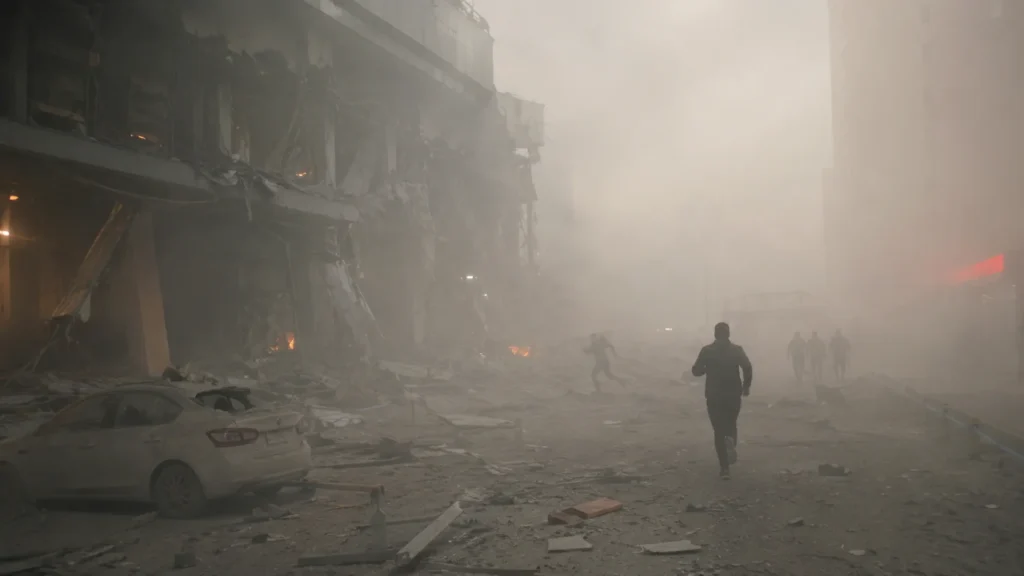
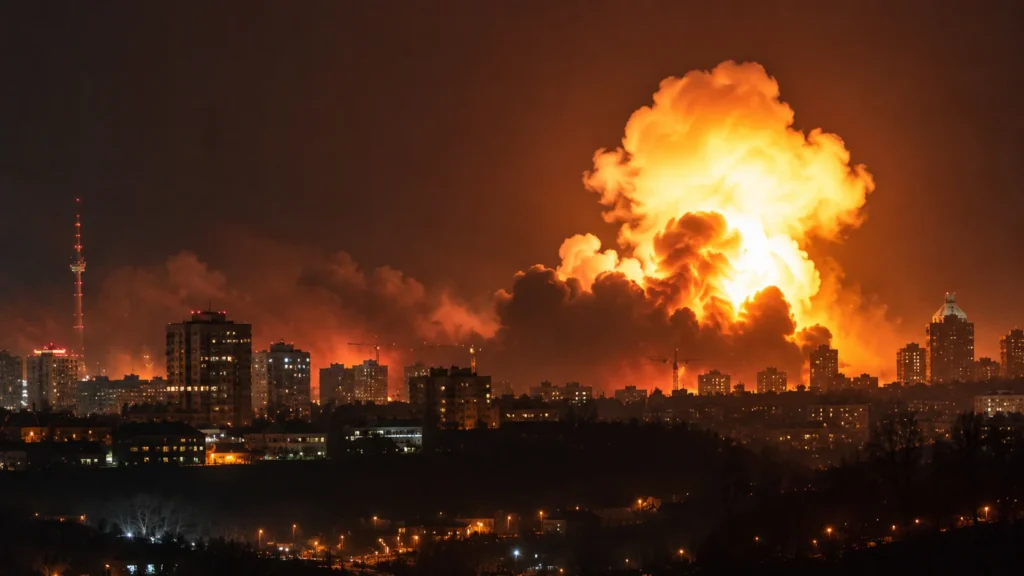
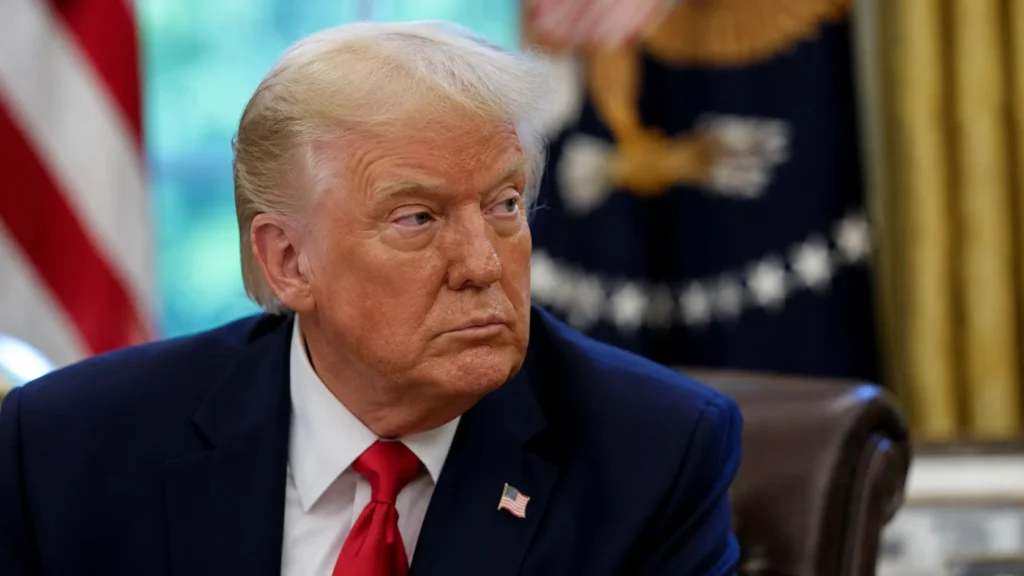
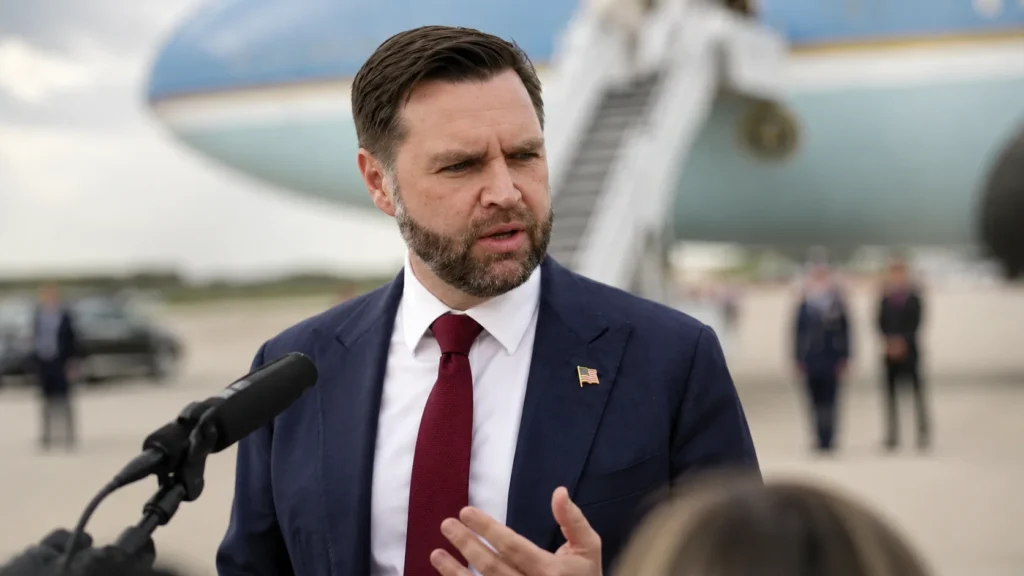
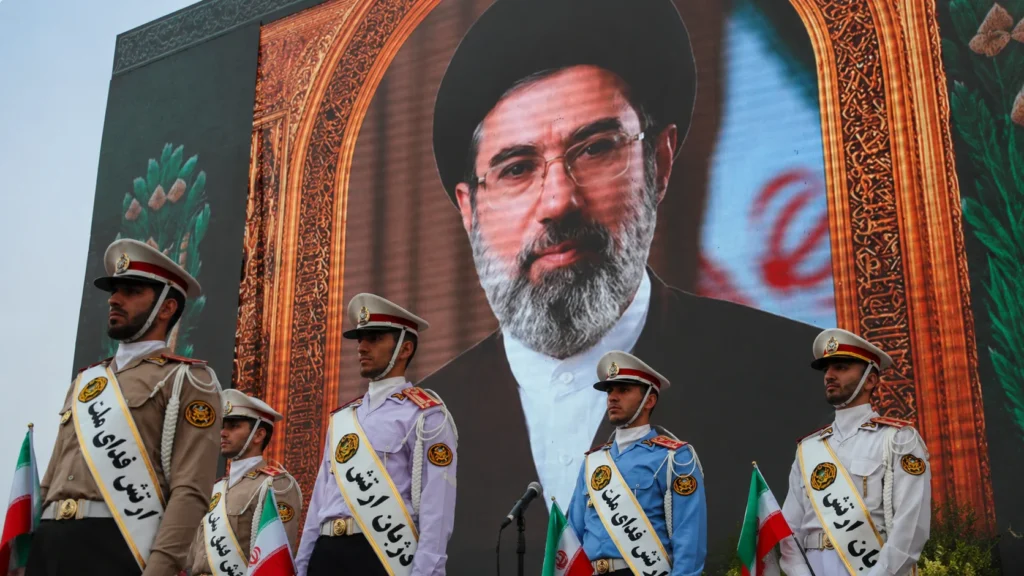
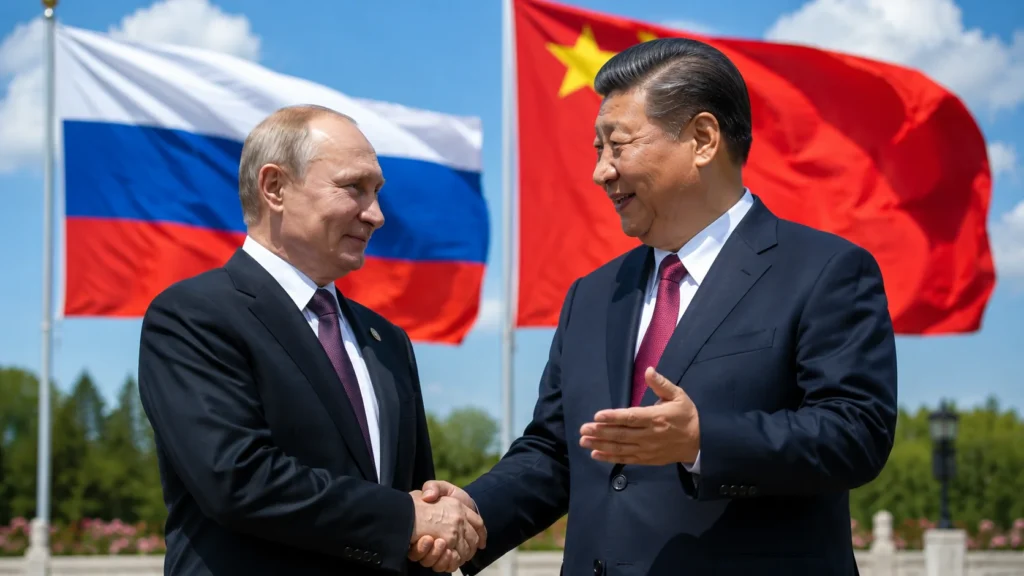
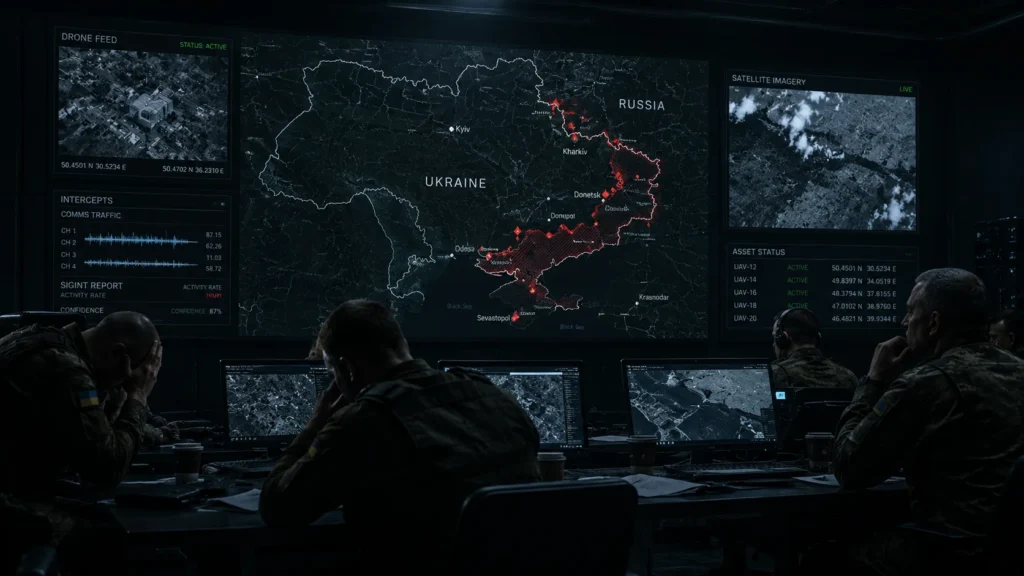
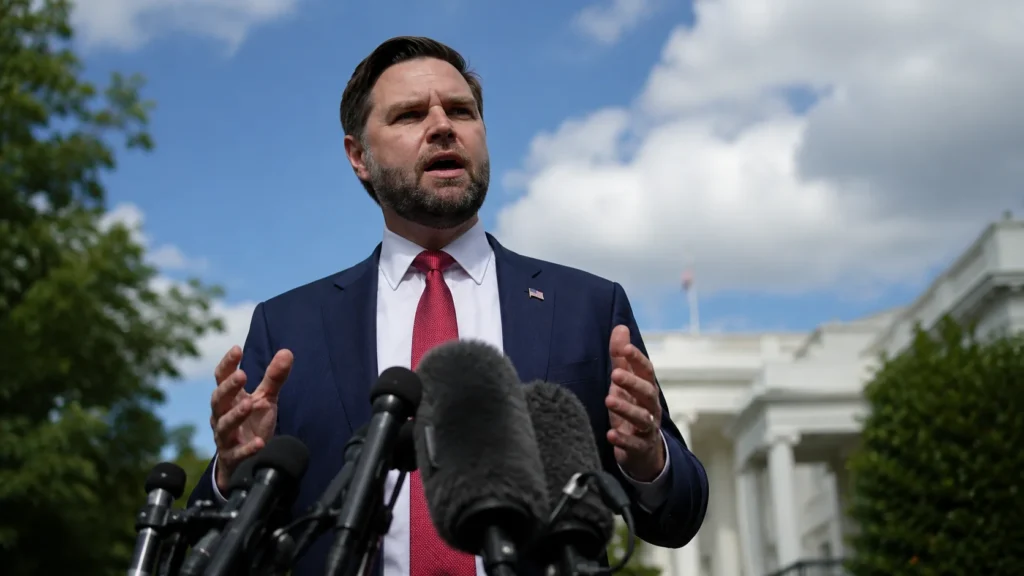
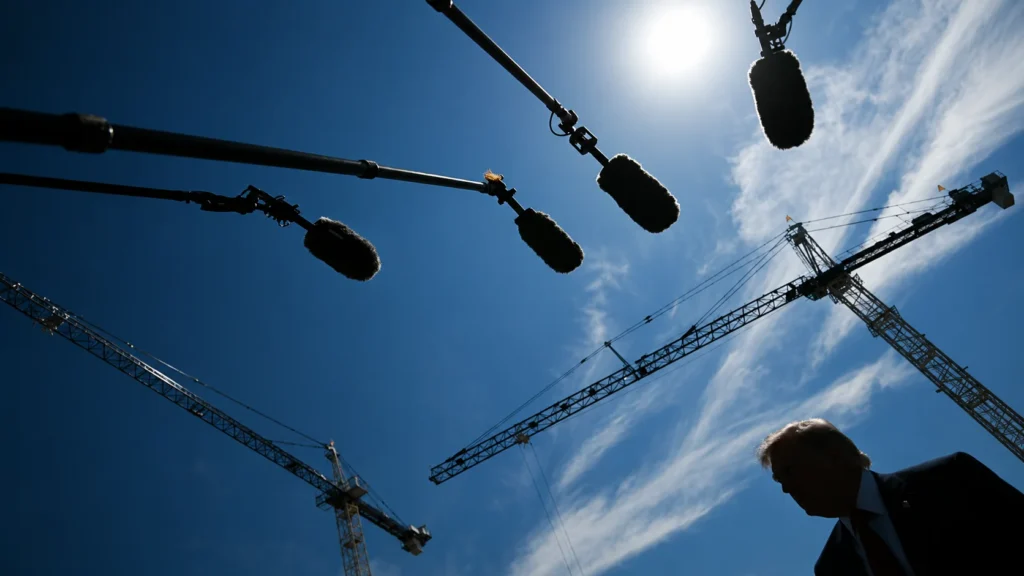
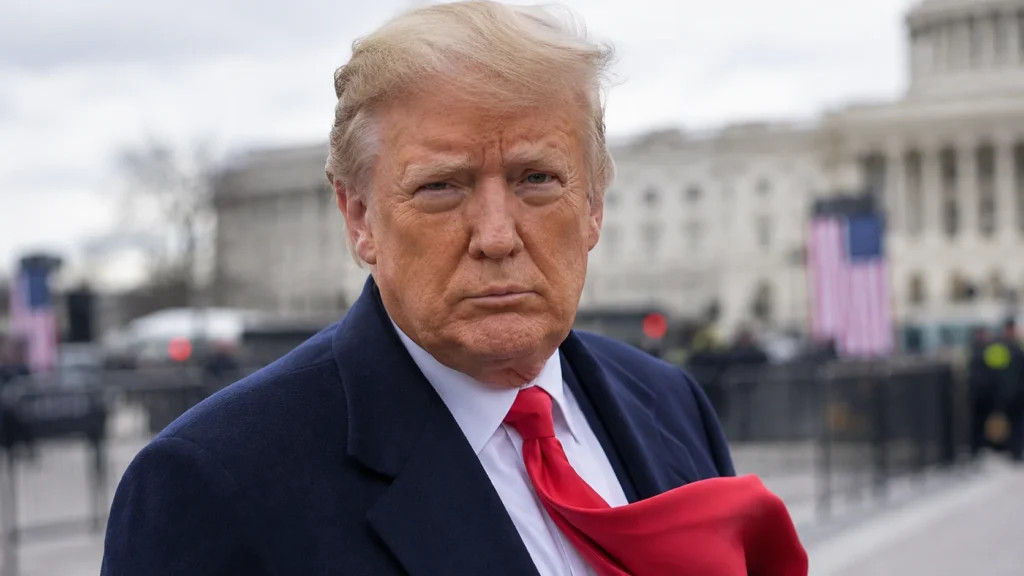
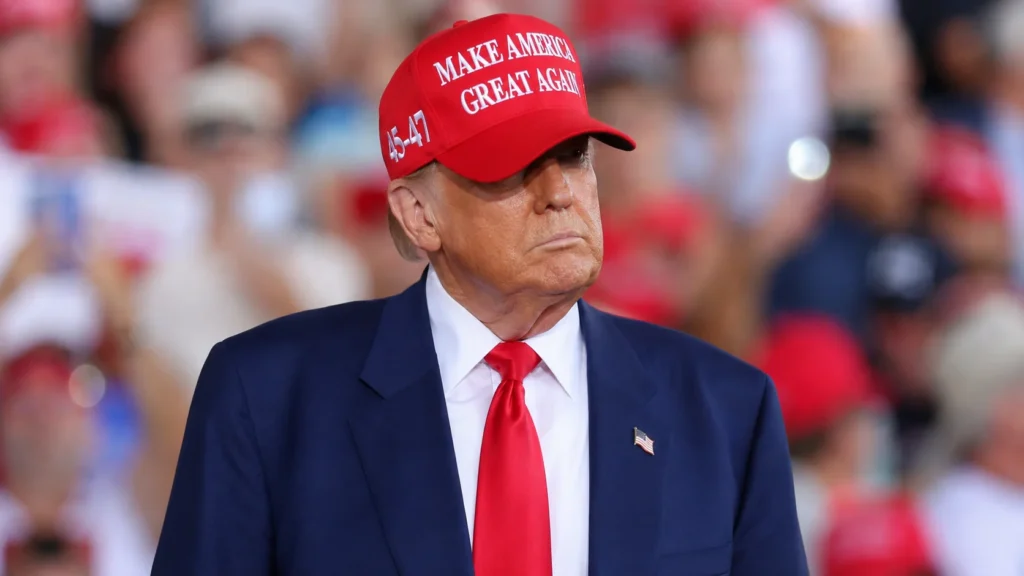
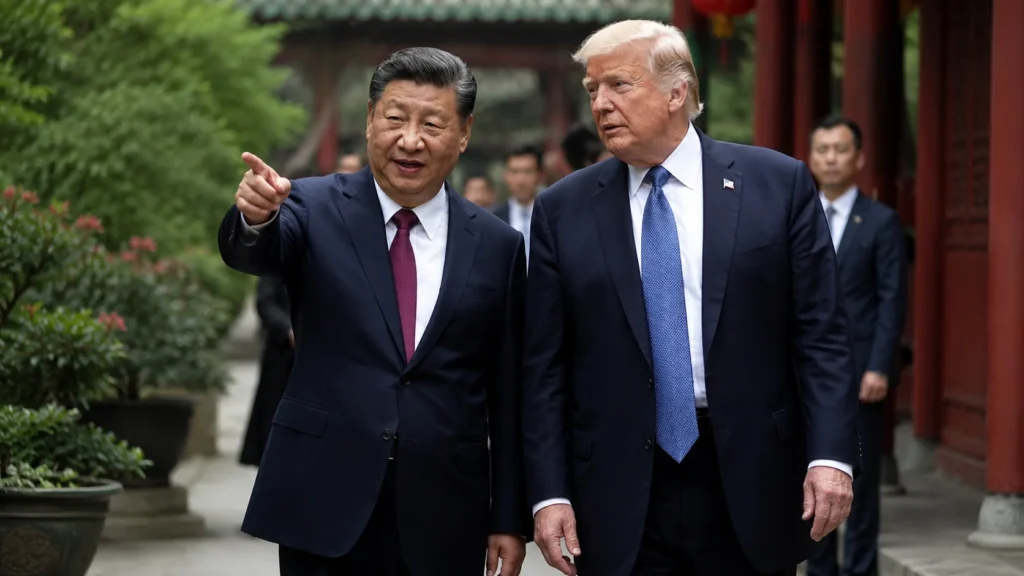
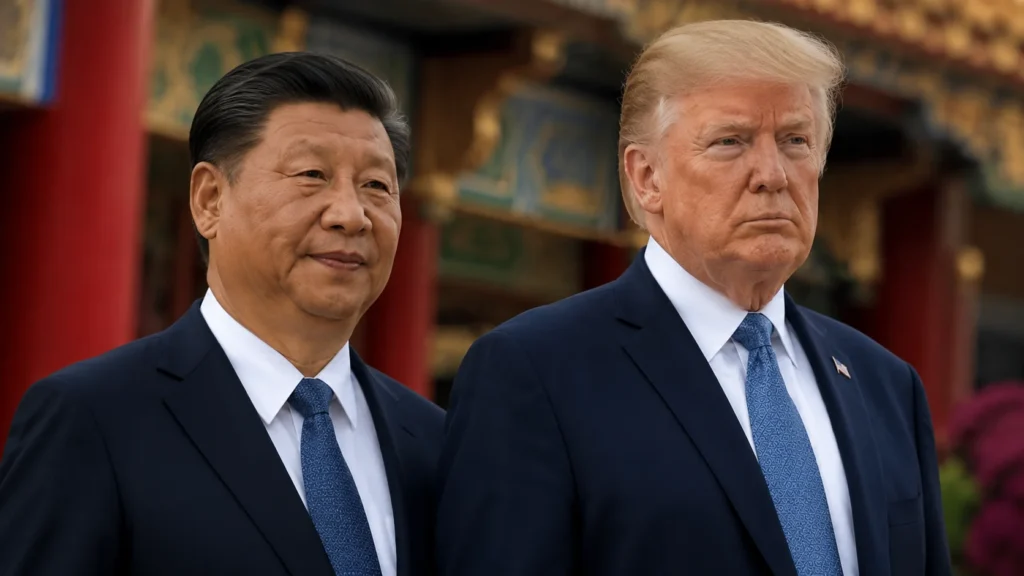
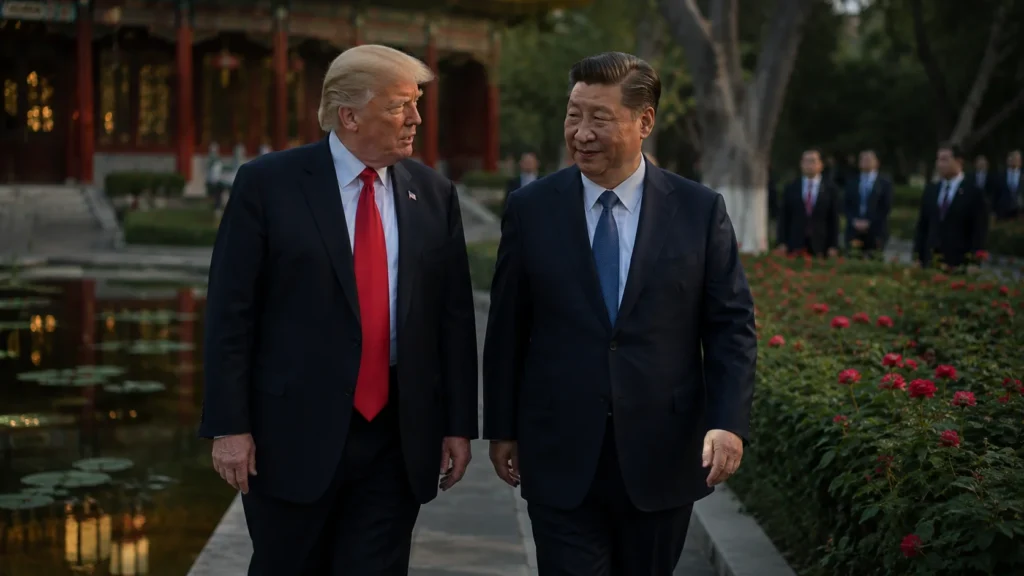
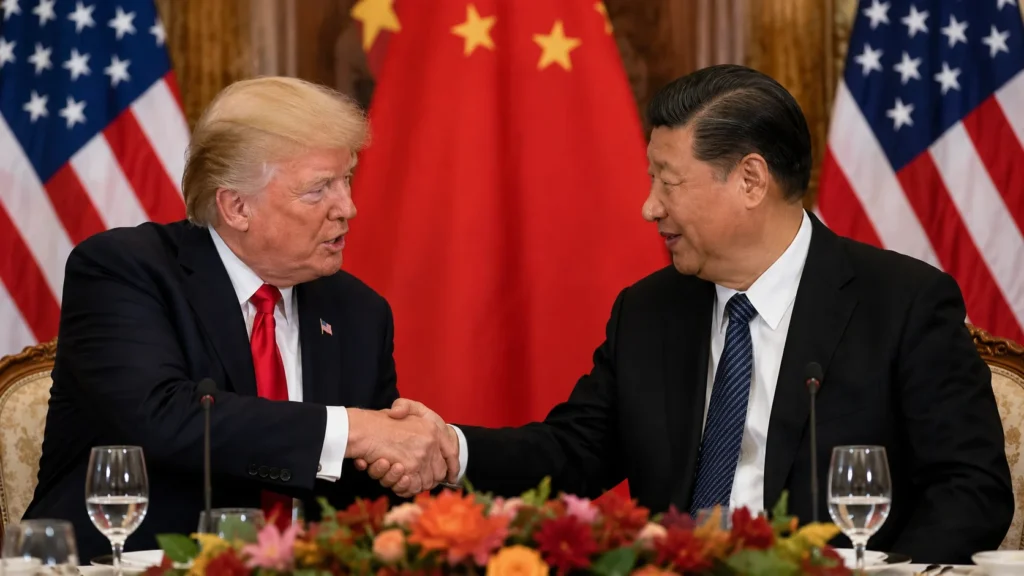
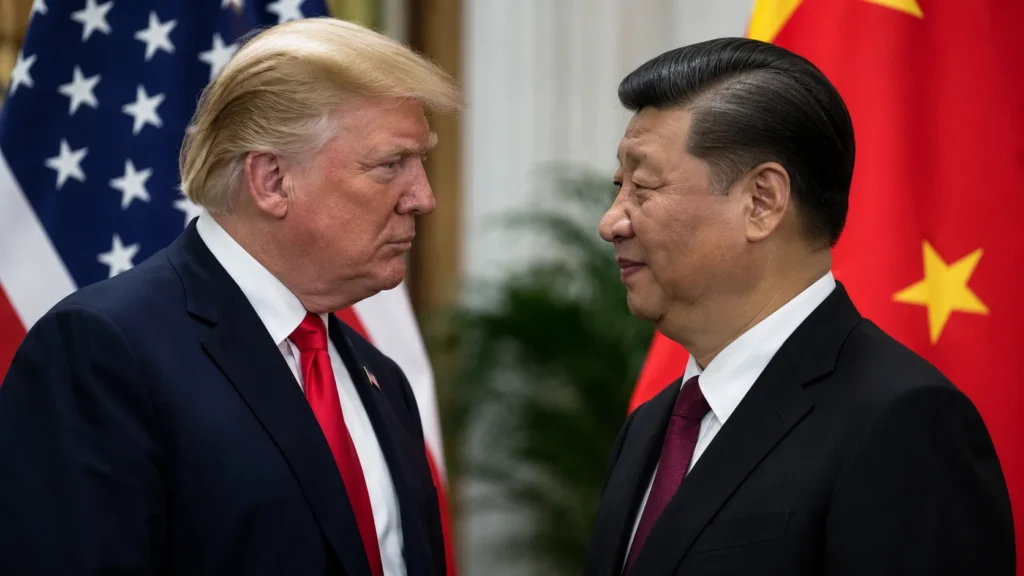
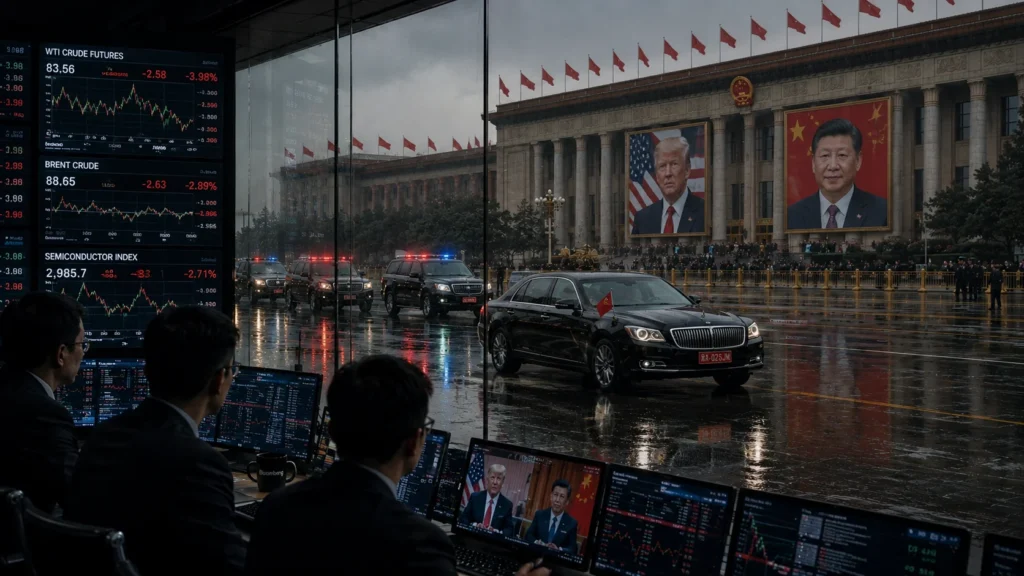
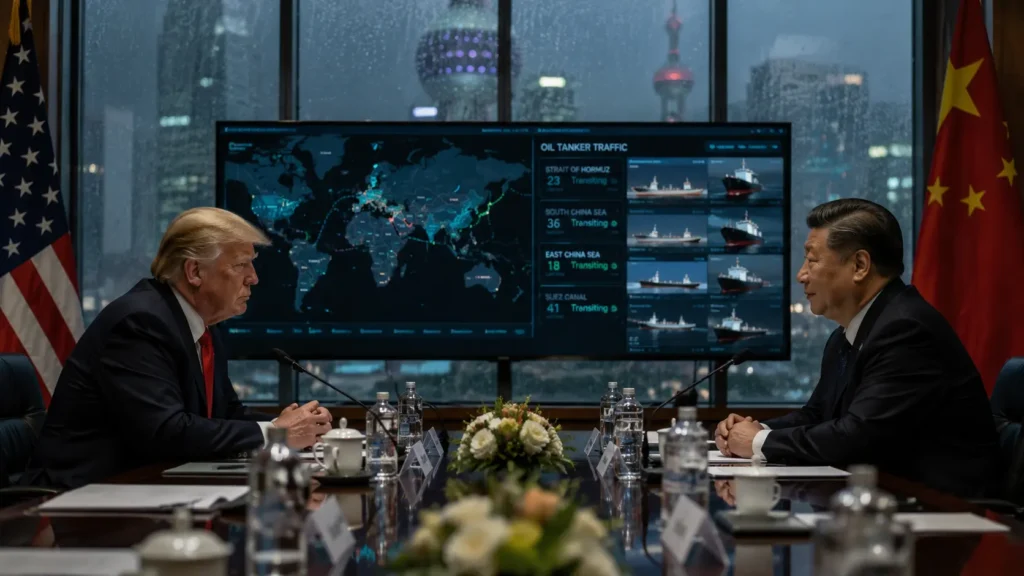
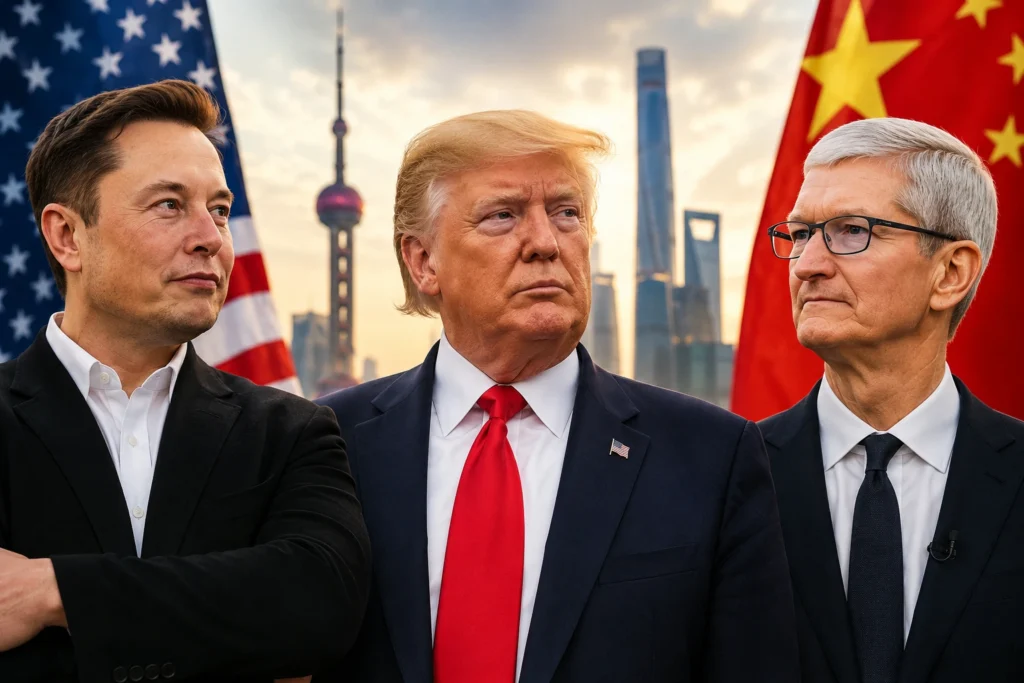
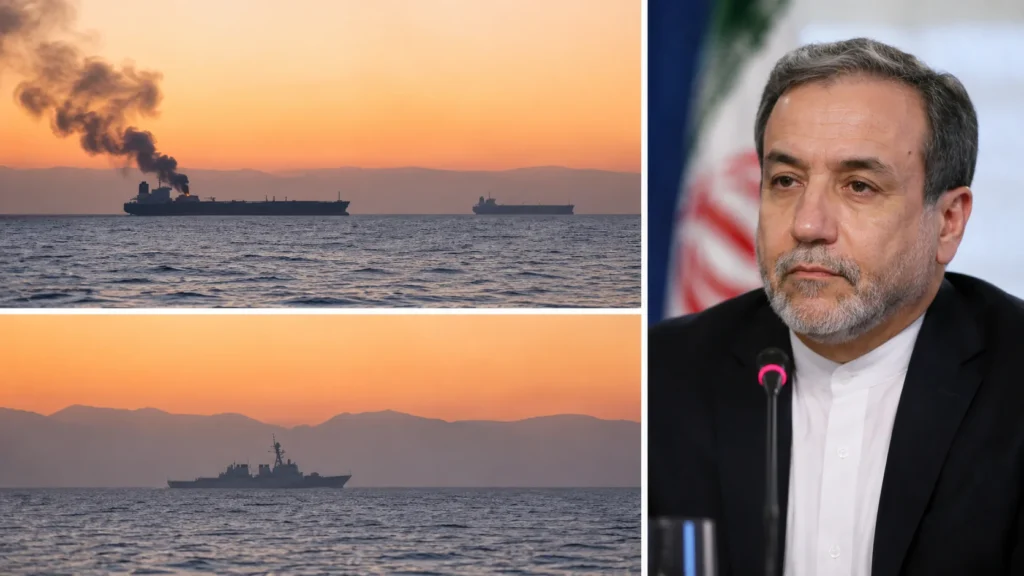
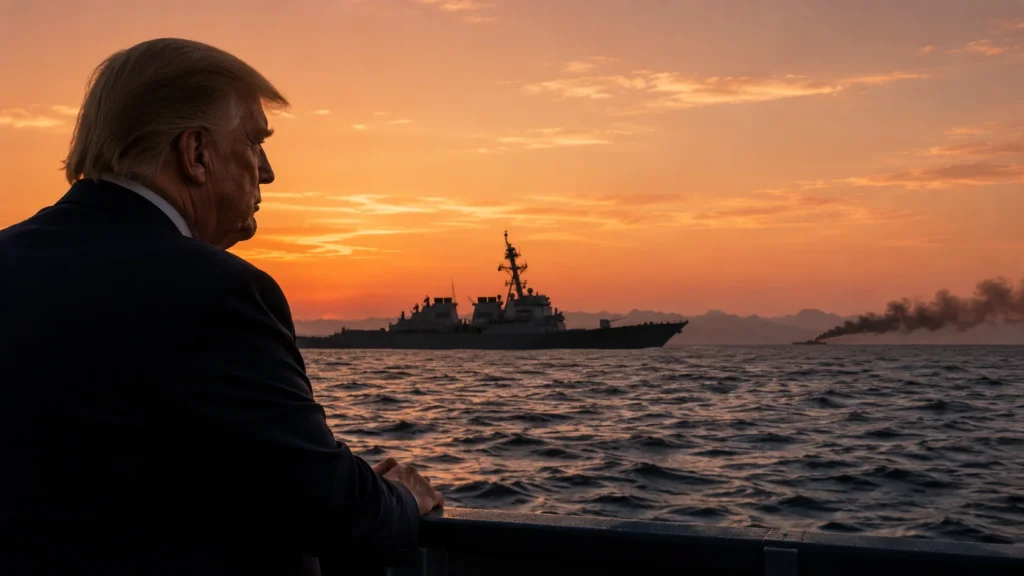
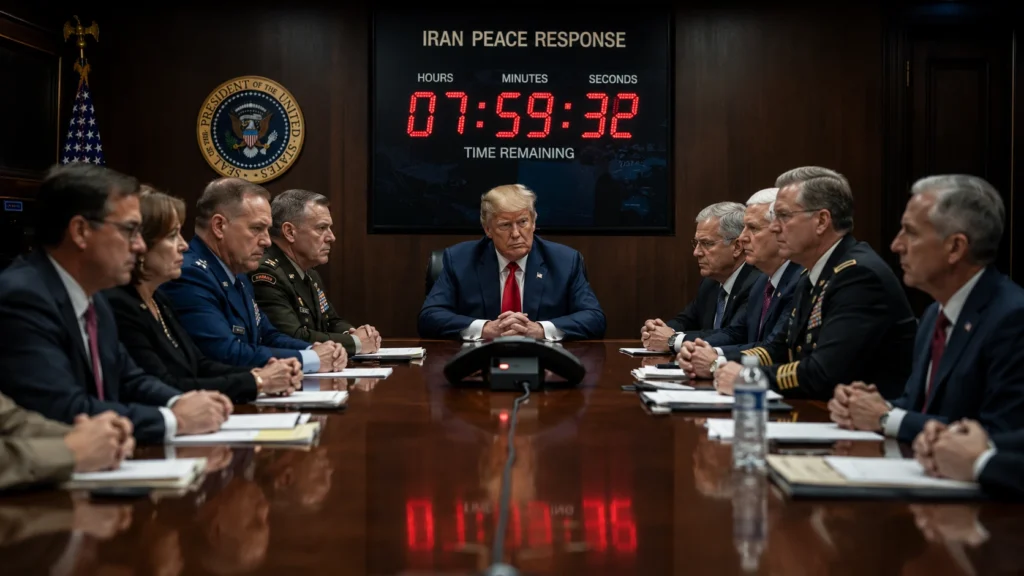
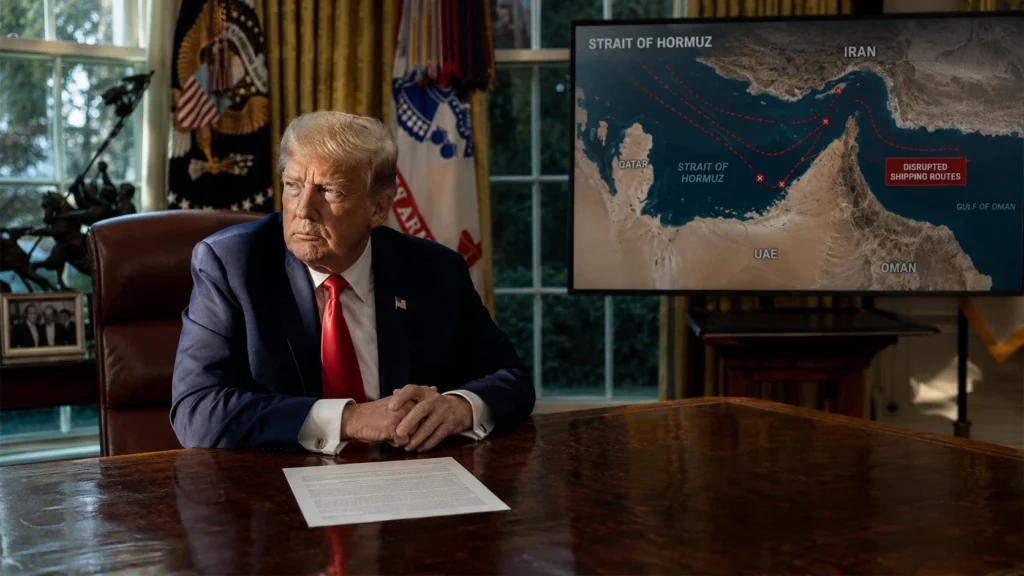
Trump Returns From China as Iran Strait Tensions Rise after Donald Trump’s diplomatic visit to Beijing ended without progress on Iran, while maritime risk in the Strait of Hormuz intensified. The United States, China, and Iran now face rising uncertainty over energy security and military posture. Oil traders reacted within hours, pricing escalation risk before official statements landed. The result: a faster-moving geopolitical cycle shaped by energy flows, not diplomacy.
Two Power Blocs, One Narrow Waterway (Contrast Structure)
Side A: US pressure and escalation limits
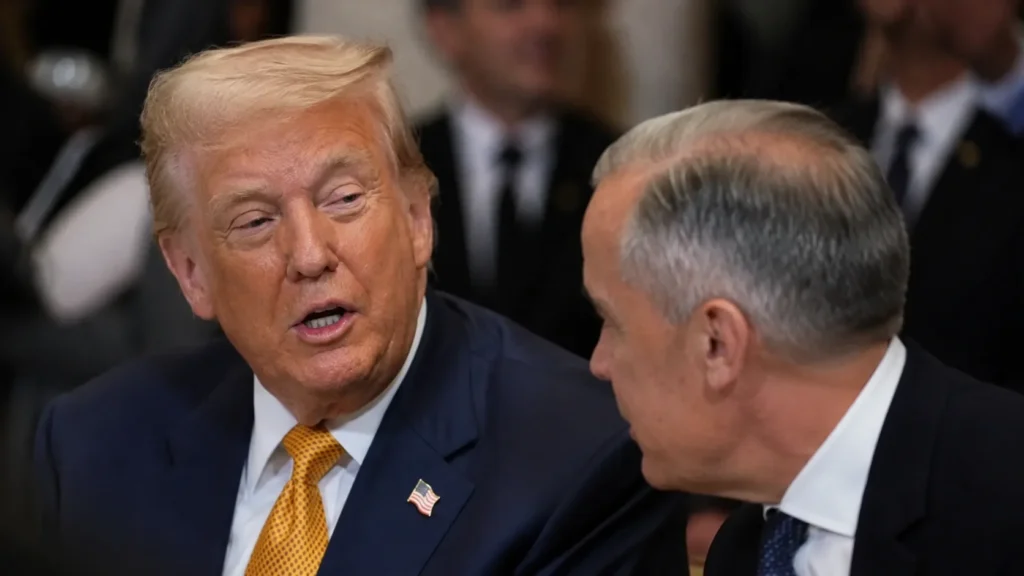
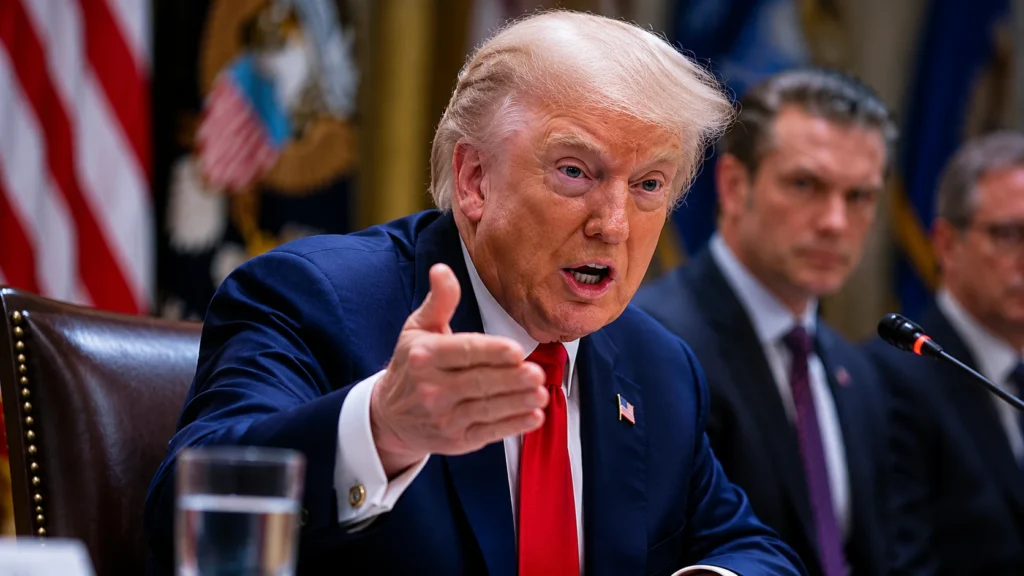
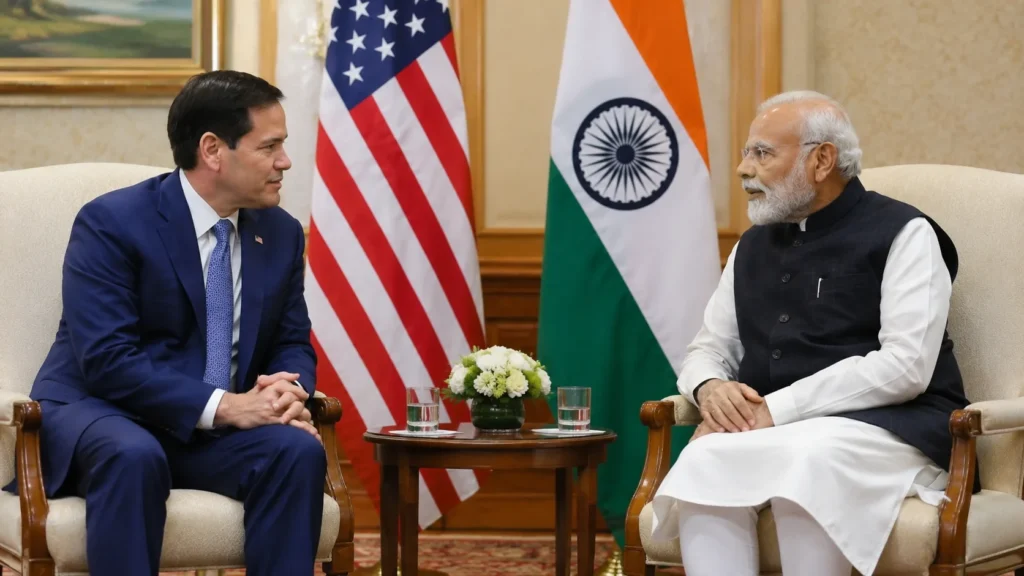
Washington entered the China talks seeking indirect leverage over Tehran through Donald Trump and coordination signals to China leadership. The assumption Beijing could influence Iran through trade dependencies.
That assumption collided with structure.
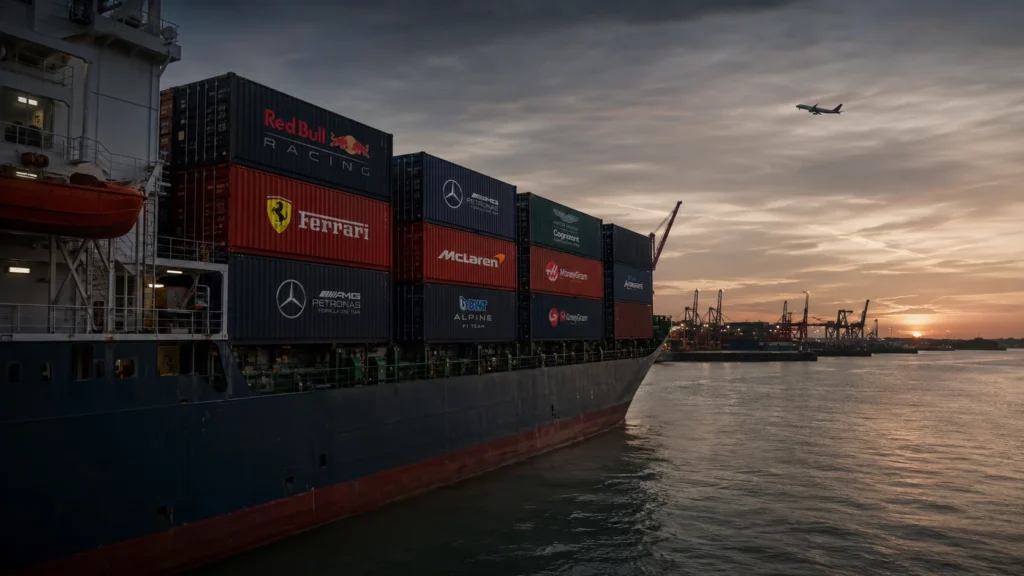
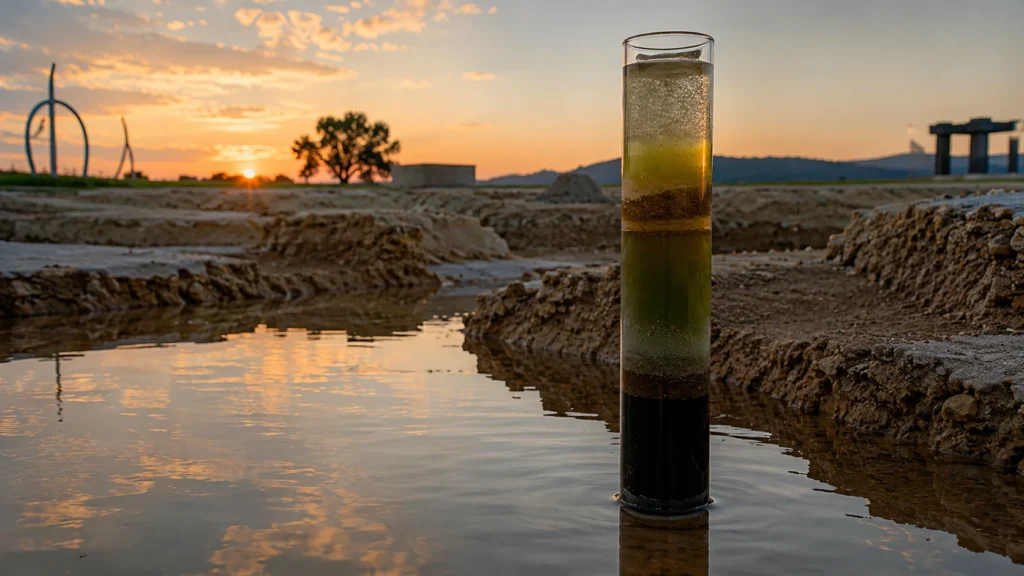
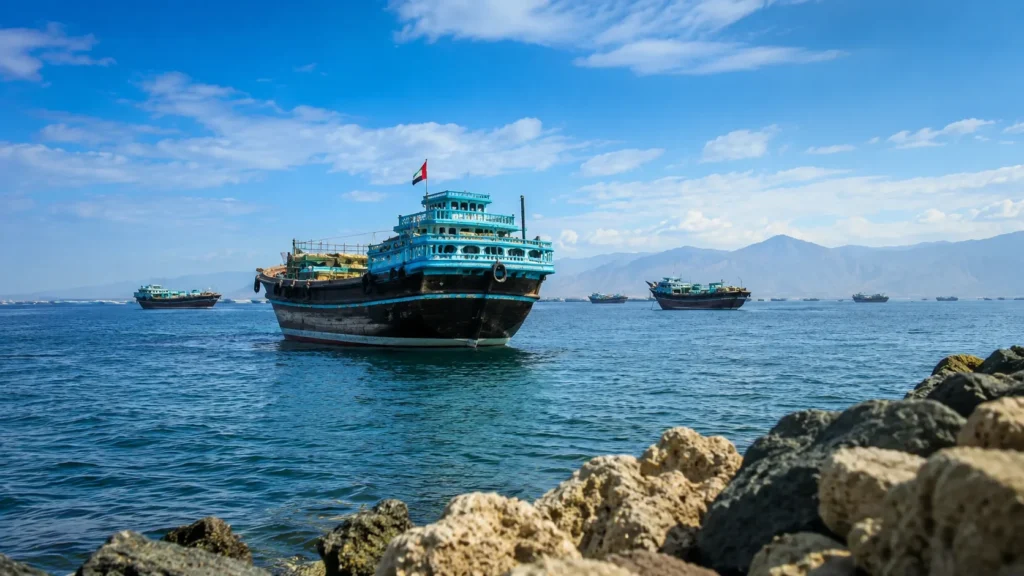
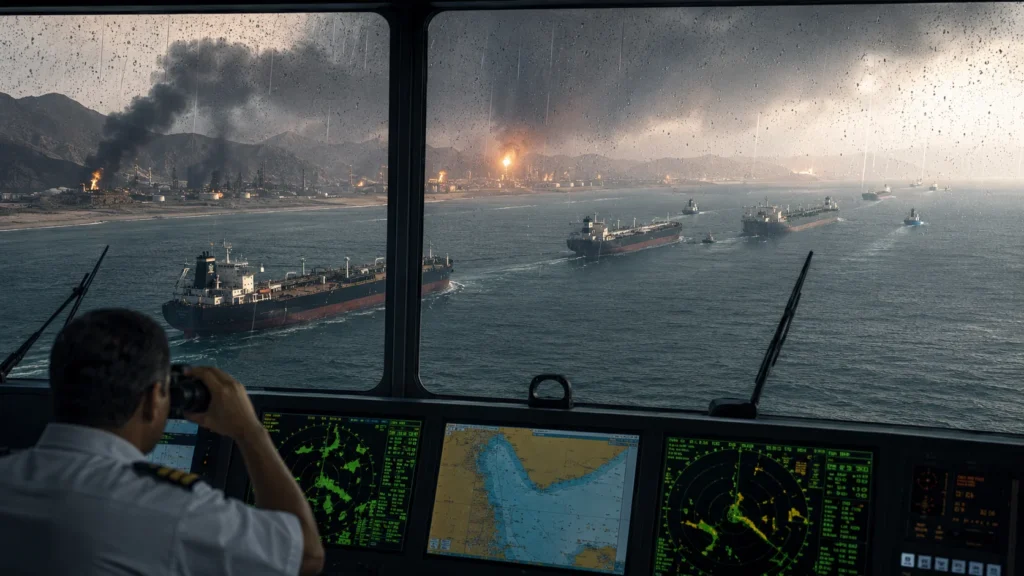
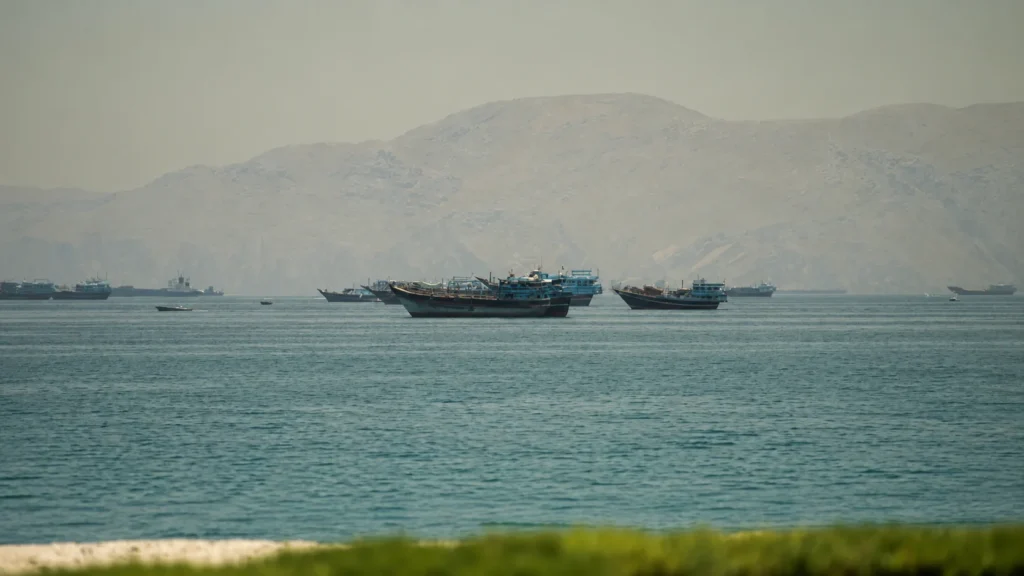
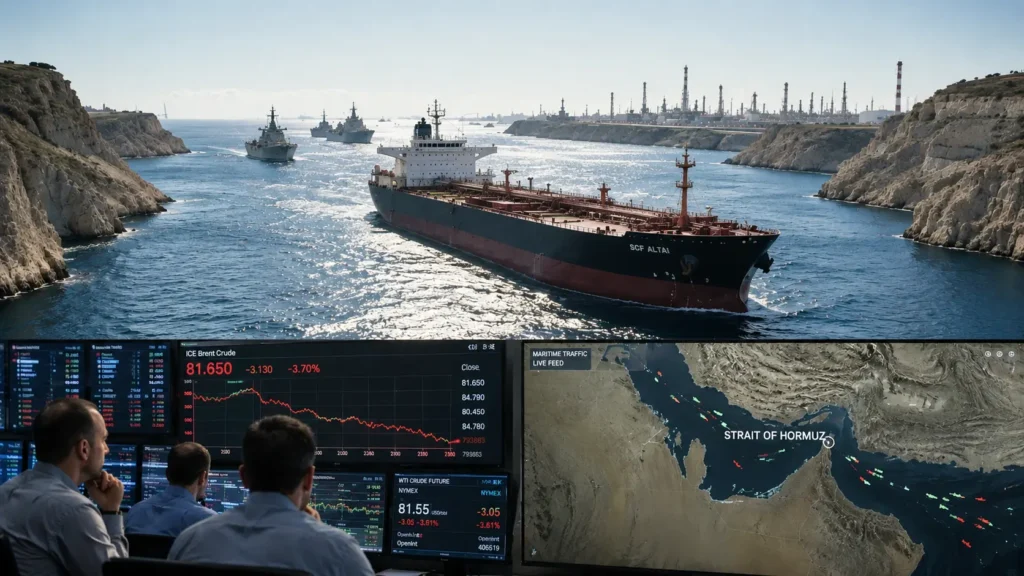
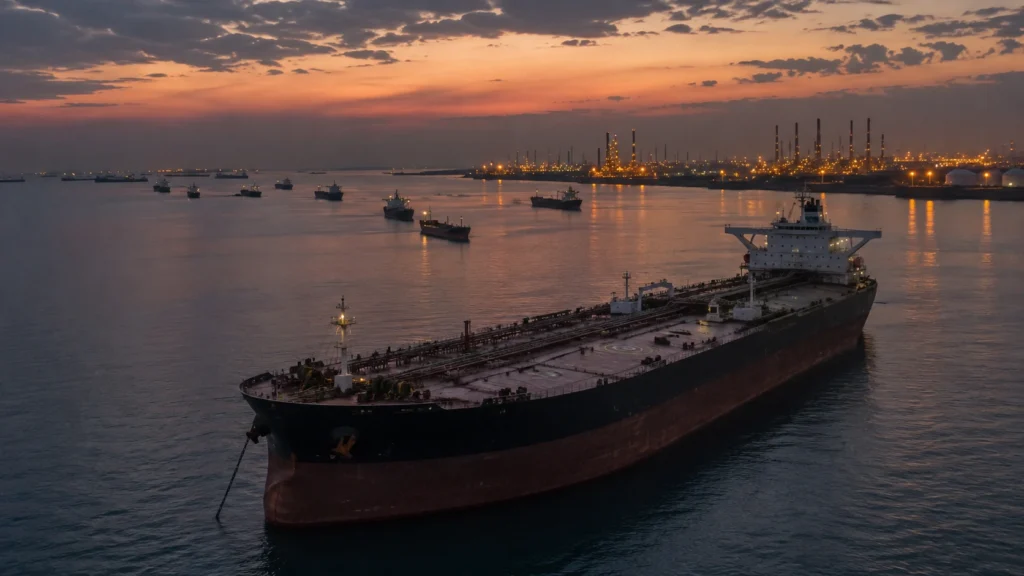
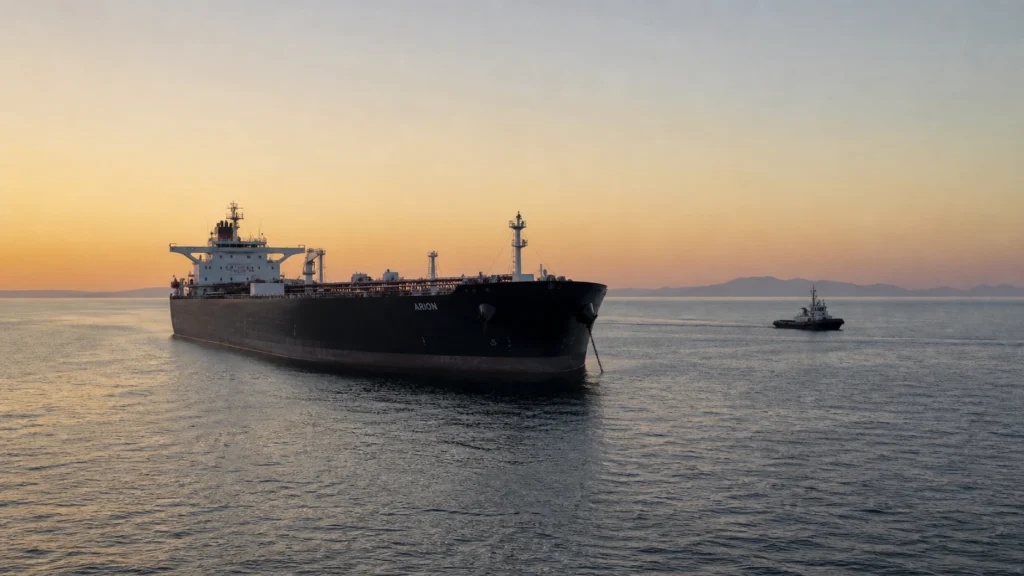
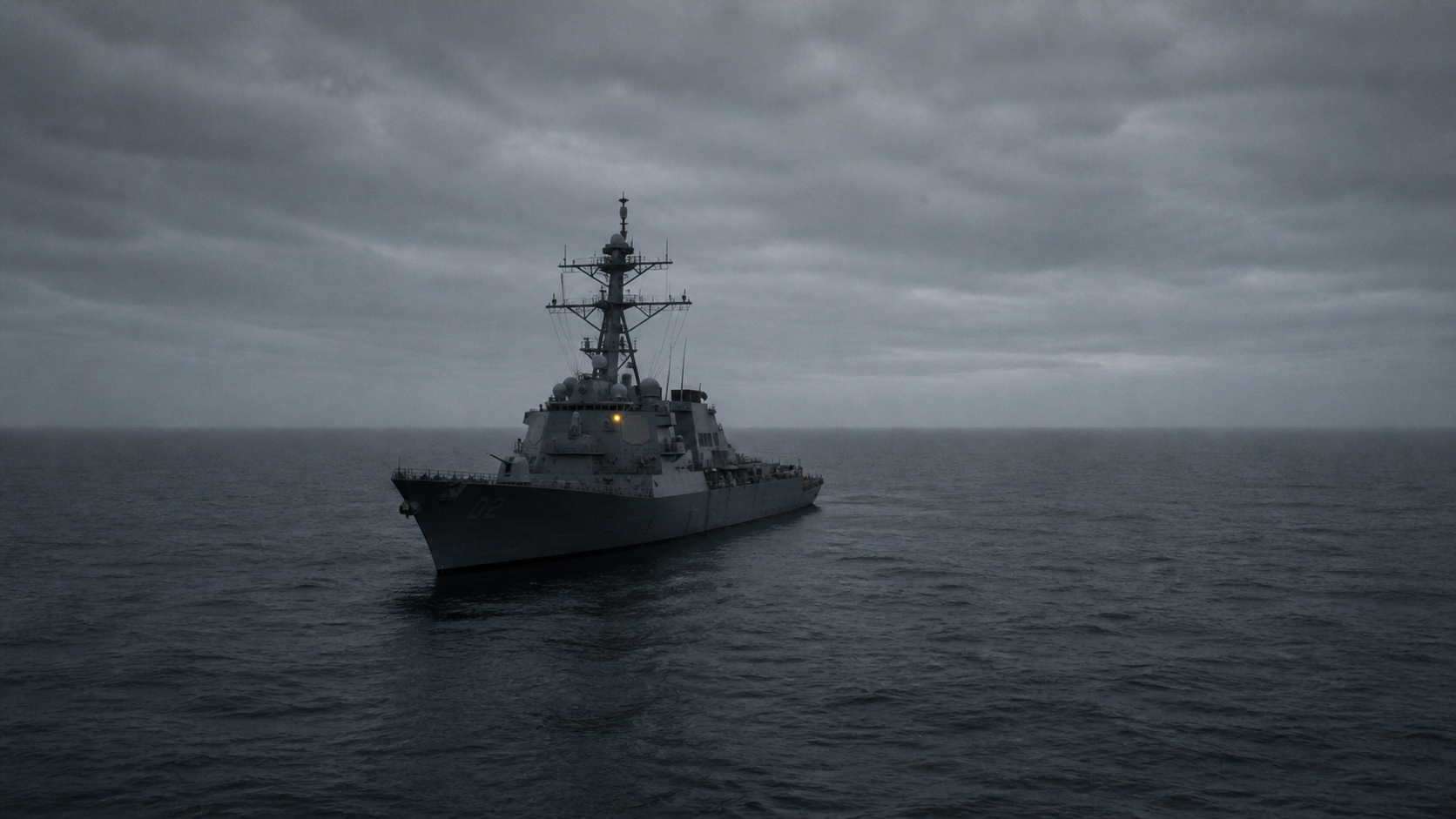
The US still depends on energy flows moving through the Strait of Hormuz. According to the U.S. Energy Information Administration (EIA), a 2024 assessment shows roughly 20% of global petroleum liquids consumption passes through this corridor. That single statistic defines US vulnerability more than any diplomatic messaging.
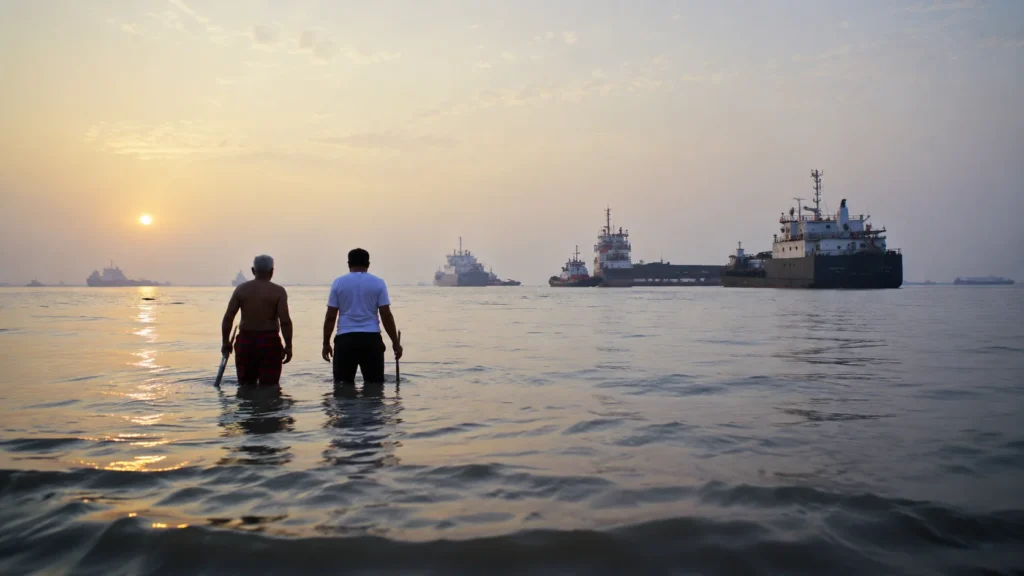
EIA Strait of Hormuz maritime energy flows
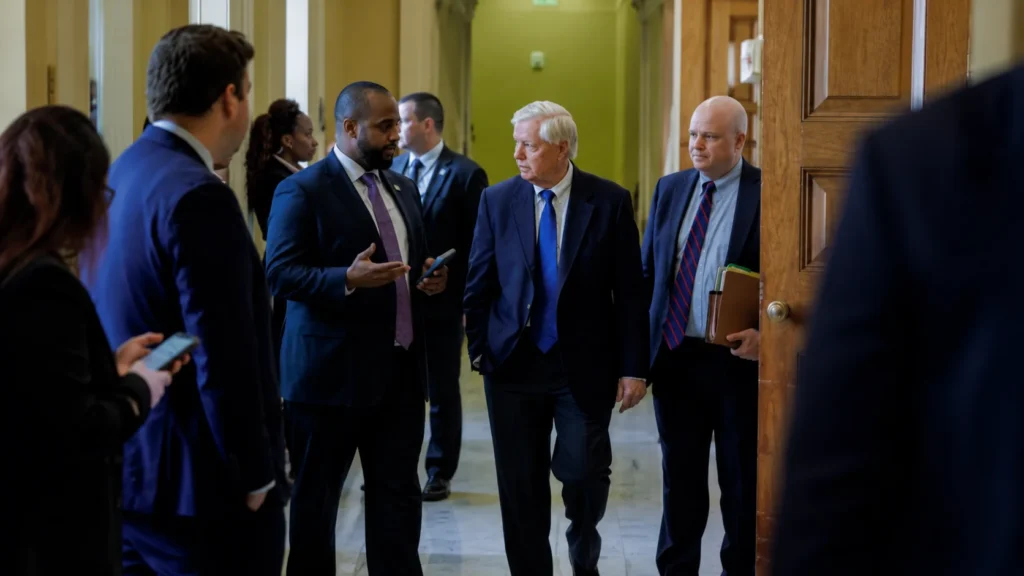
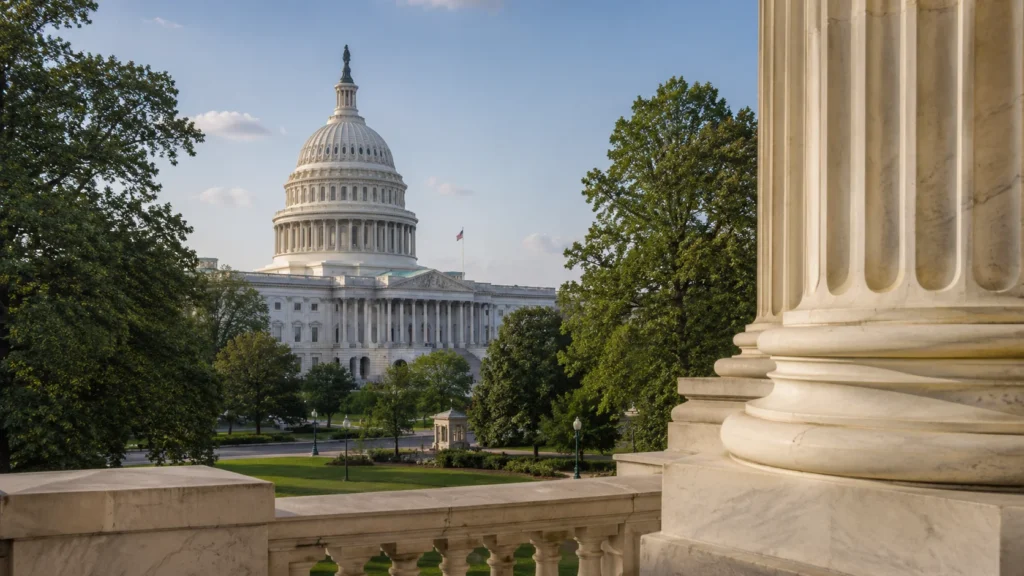
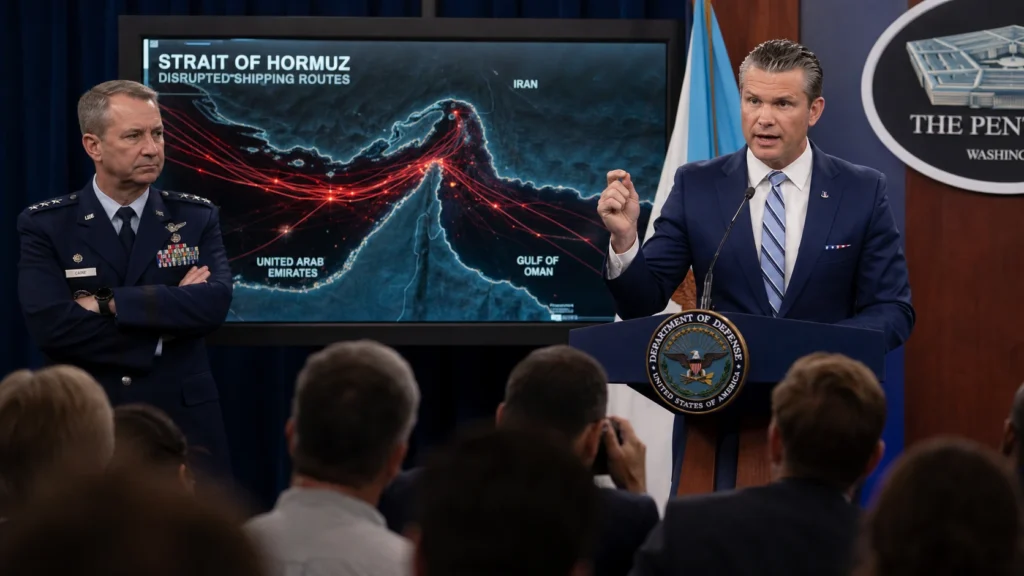
Inside Washington, policy fracture deepens. Pentagon planners push targeted deterrence strikes. Diplomatic teams warn that escalation lacks a clear exit model. One Atlantic Council energy security analyst, in a 2026 briefing, noted that “Hormuz risk premiums now embed into every forward oil curve within hours of political escalation signals.” Fragmented strategy. No unified end-state.
Side B: Iran-China energy alignment
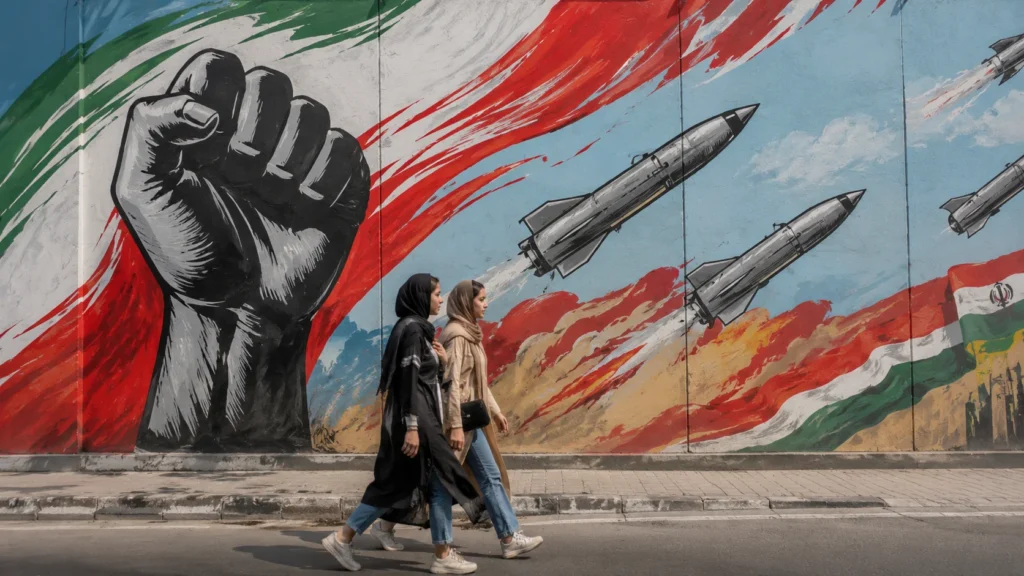
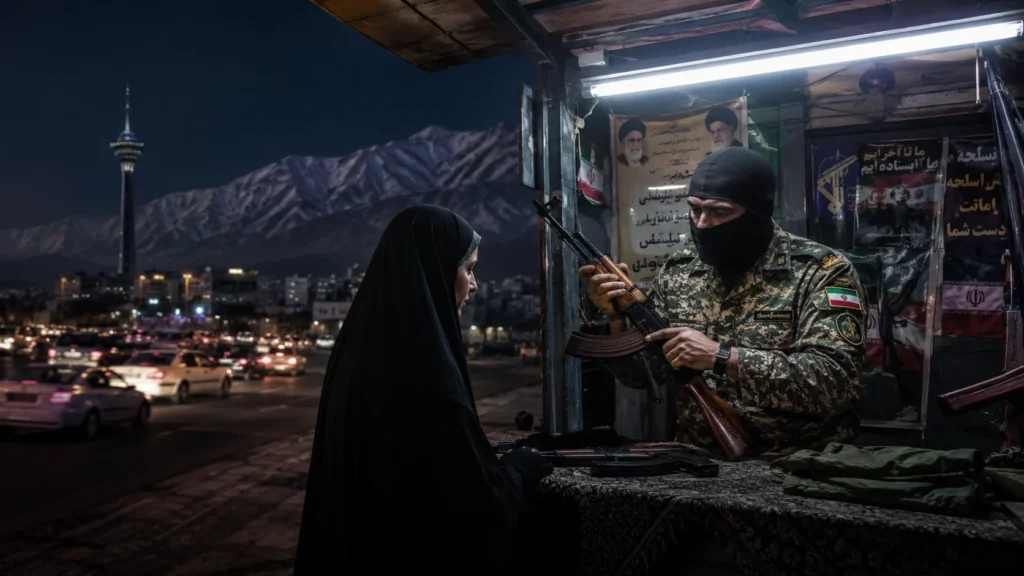
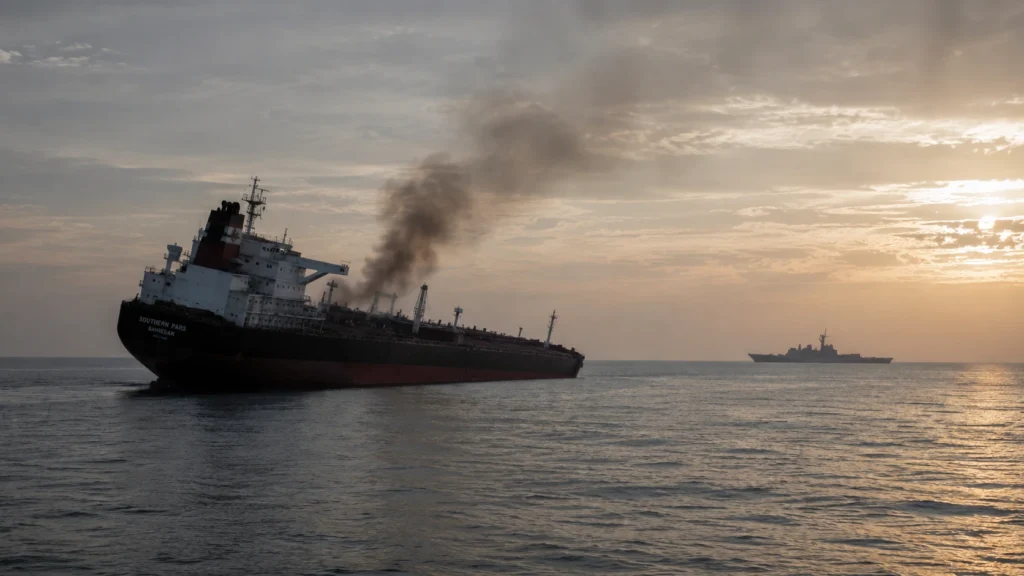
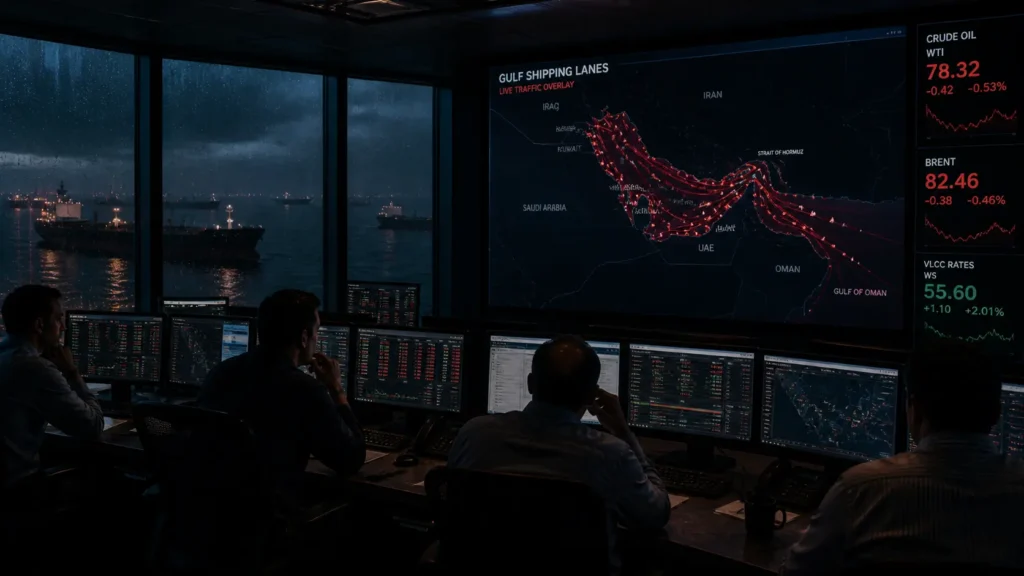
Iran maintains leverage without full closure of the Strait. It signals disruption capability through maritime activity and insurance risk spikes. Markets respond instantly.
China absorbs that volatility differently. It secures discounted crude imports and strengthens non-dollar settlement channels. That reduces exposure to Western financial pressure while preserving energy continuity.
According to the International Energy Agency (IEA) Oil Market Report (2025), Asia accounts for the majority of incremental demand growth in global oil consumption, reinforcing Beijing’s incentive to stabilize supply routes rather than align with US containment goals.
IEA Oil Market Report
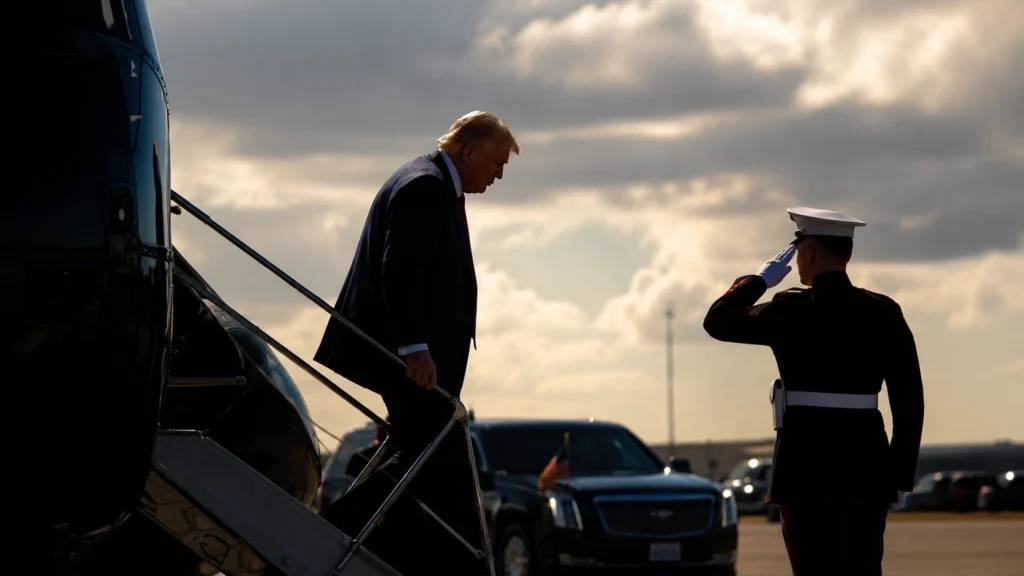
Xi Jinping’s messaging during the Trump visit emphasized maritime stability, not enforcement alignment. No enforcement mechanism followed. No new constraint on Tehran emerged.
The tension point: markets move faster than states
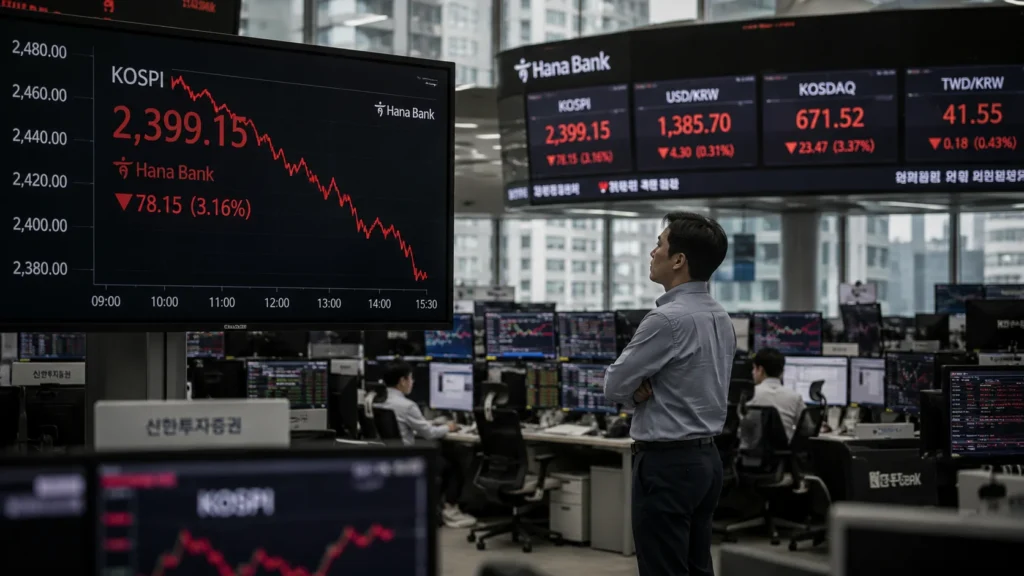
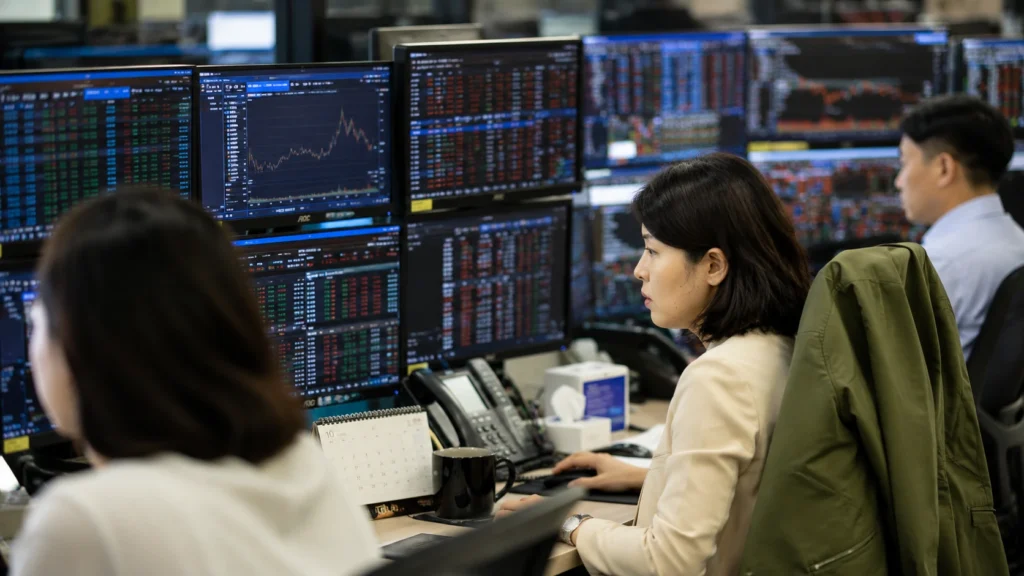
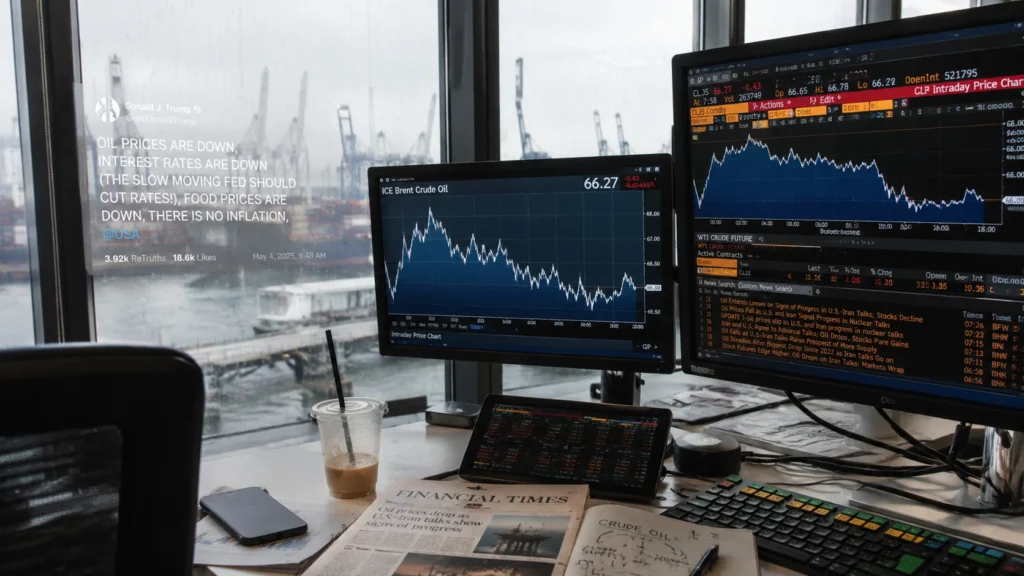
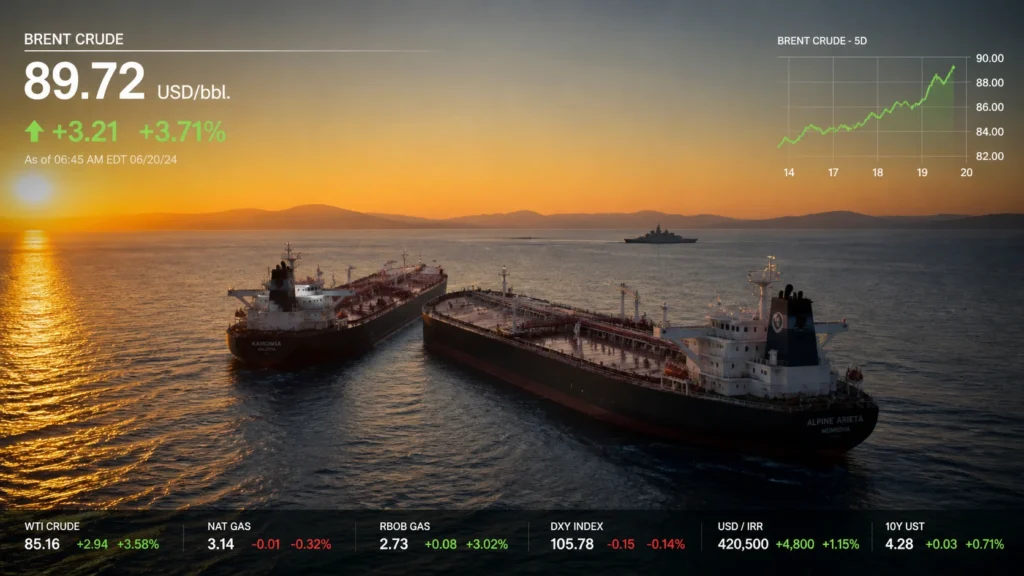
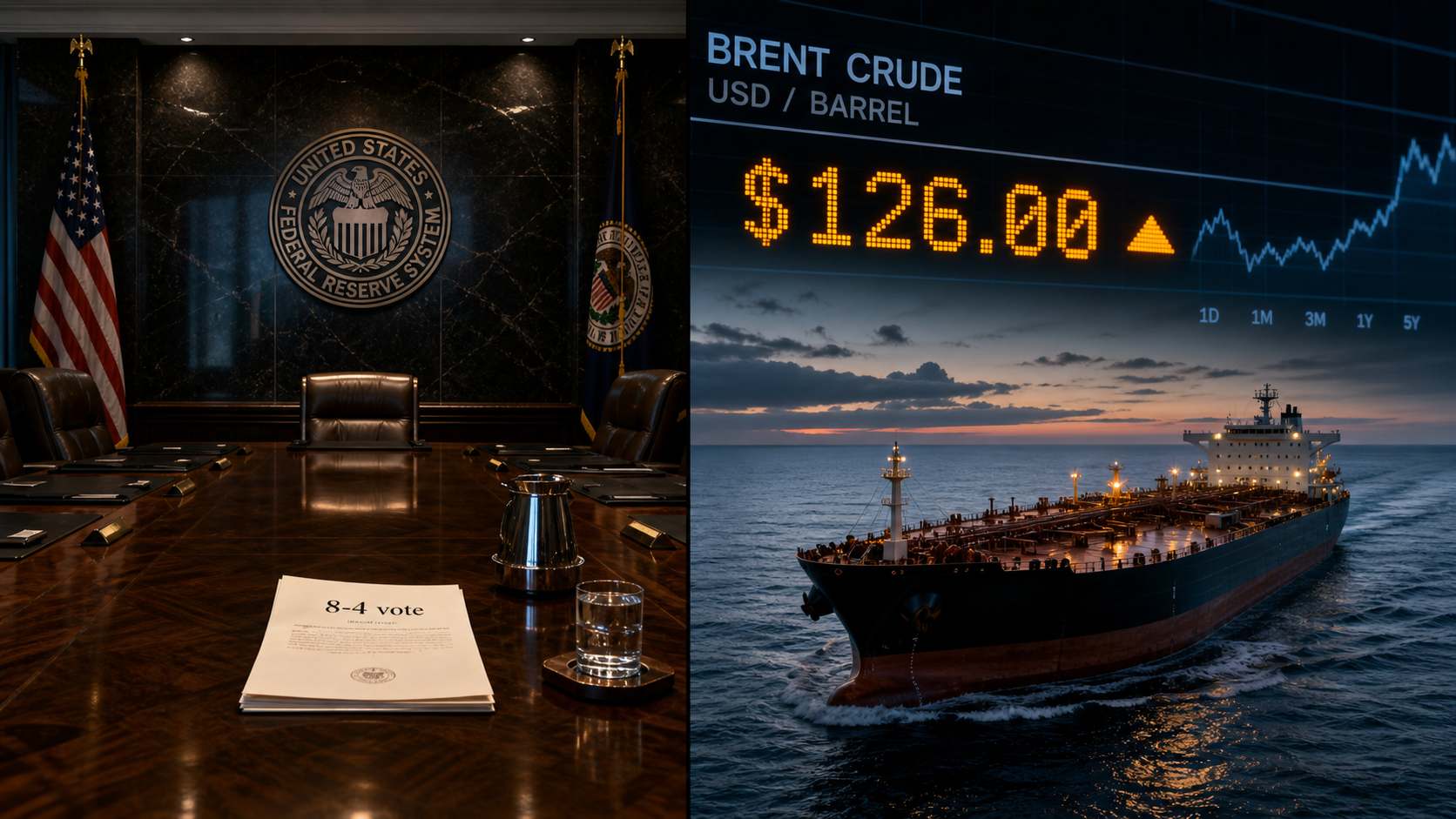
Oil traders in Singapore adjusted risk models before diplomatic summaries circulated. Brent futures volatility reflected expectation shifts, not physical shortages.
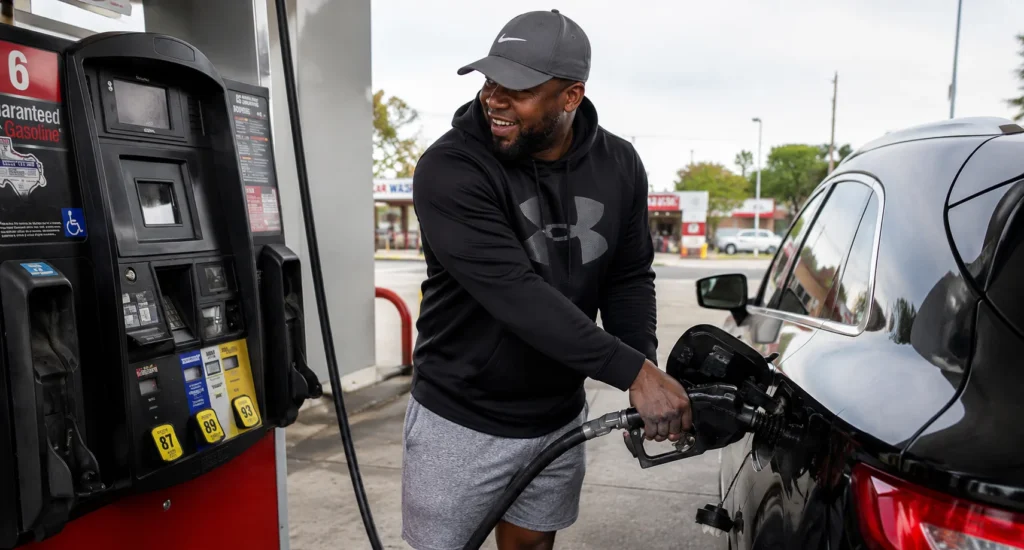
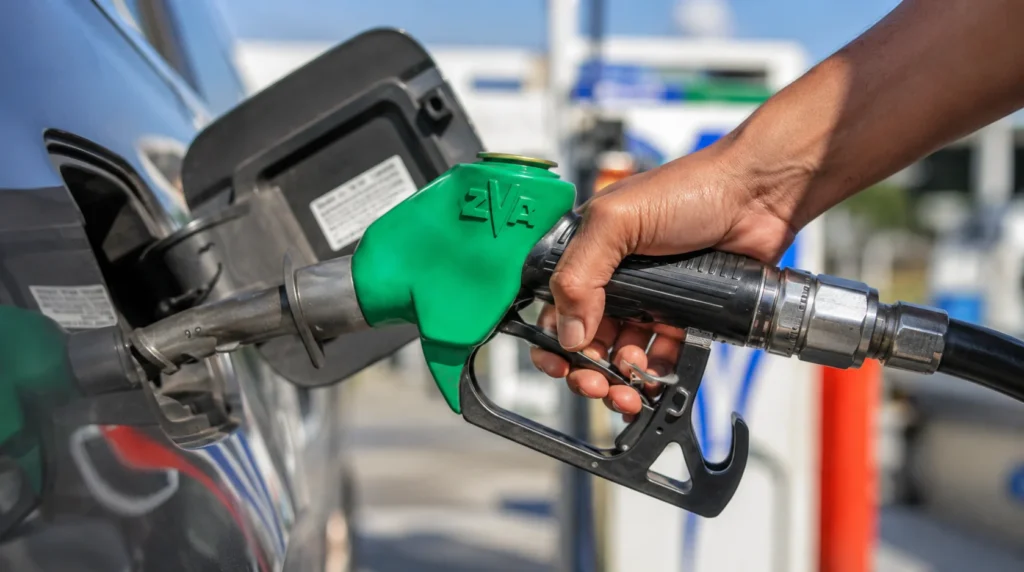
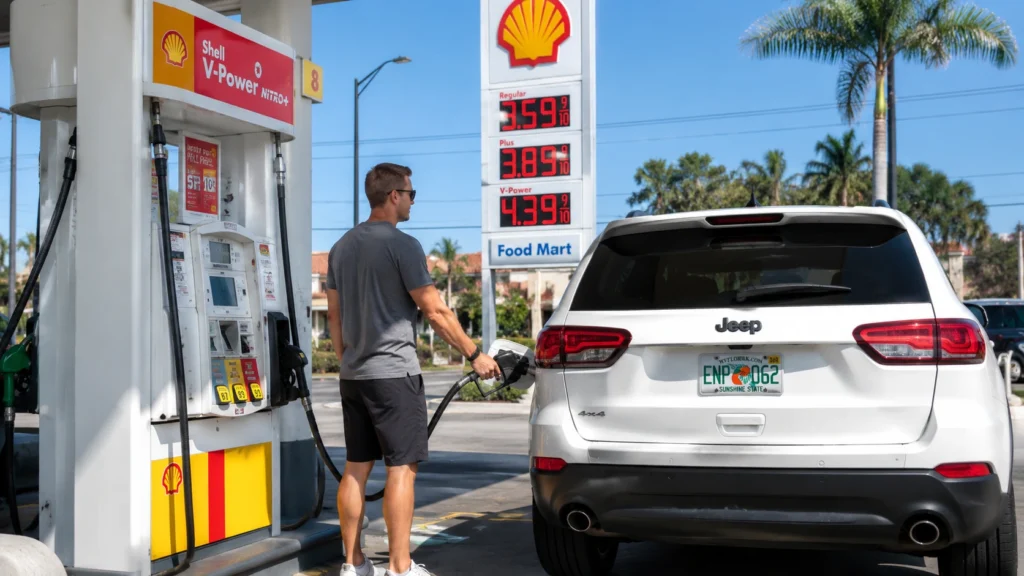
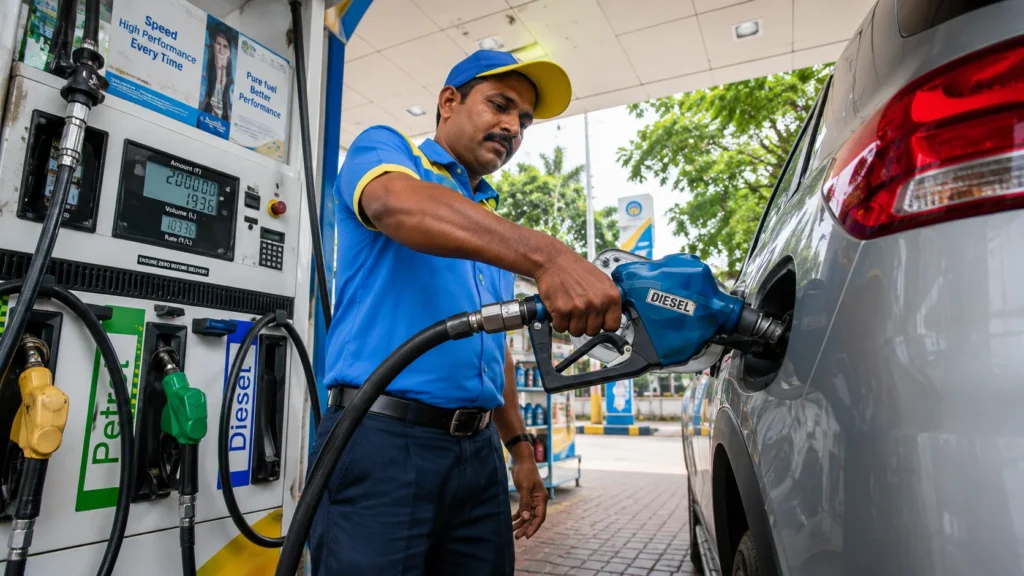
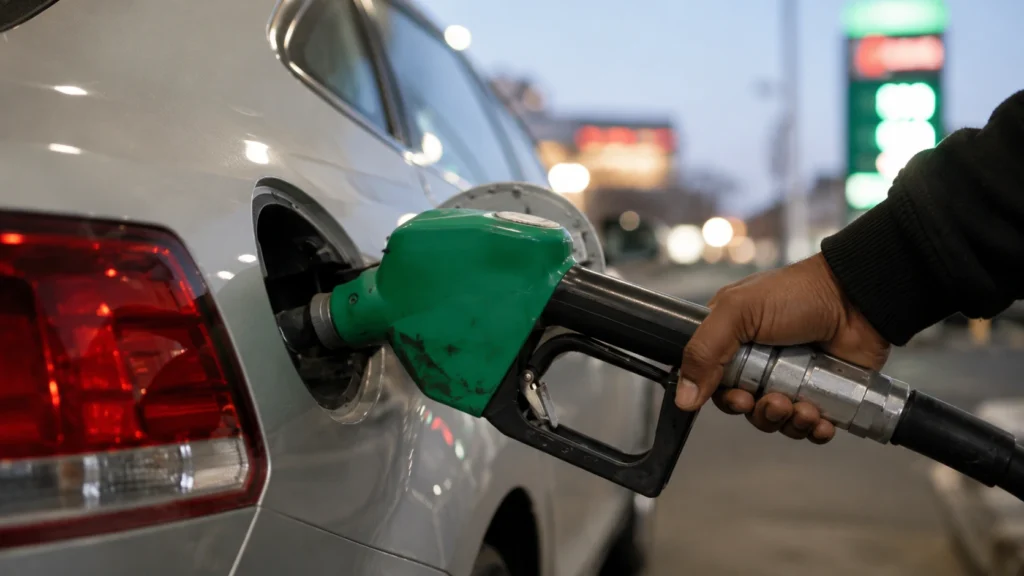
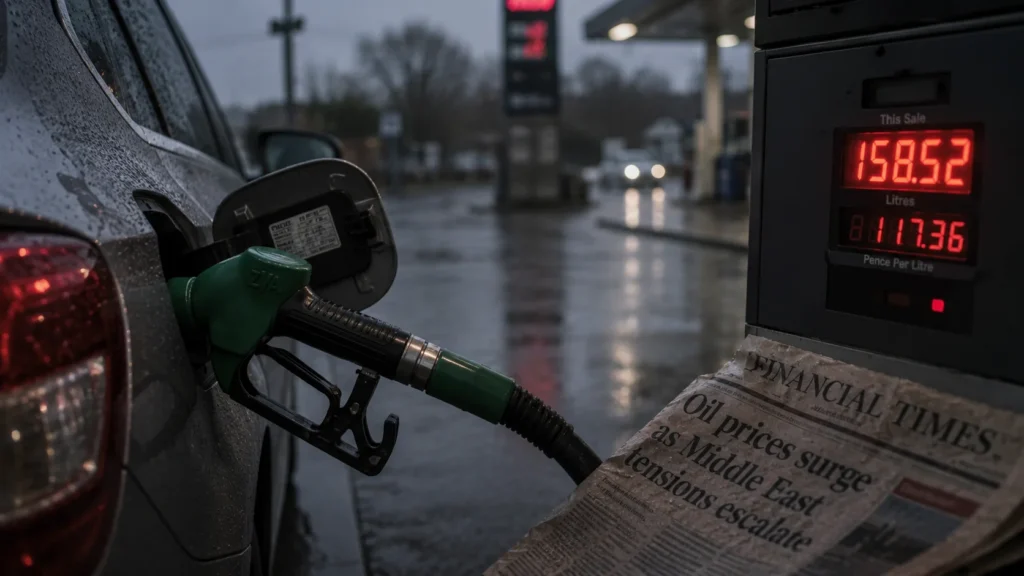
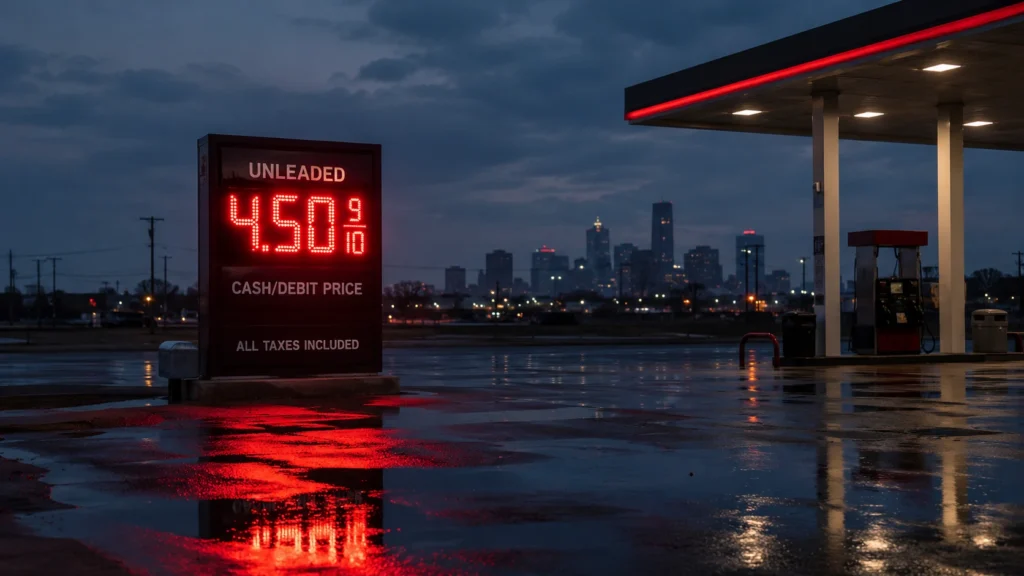
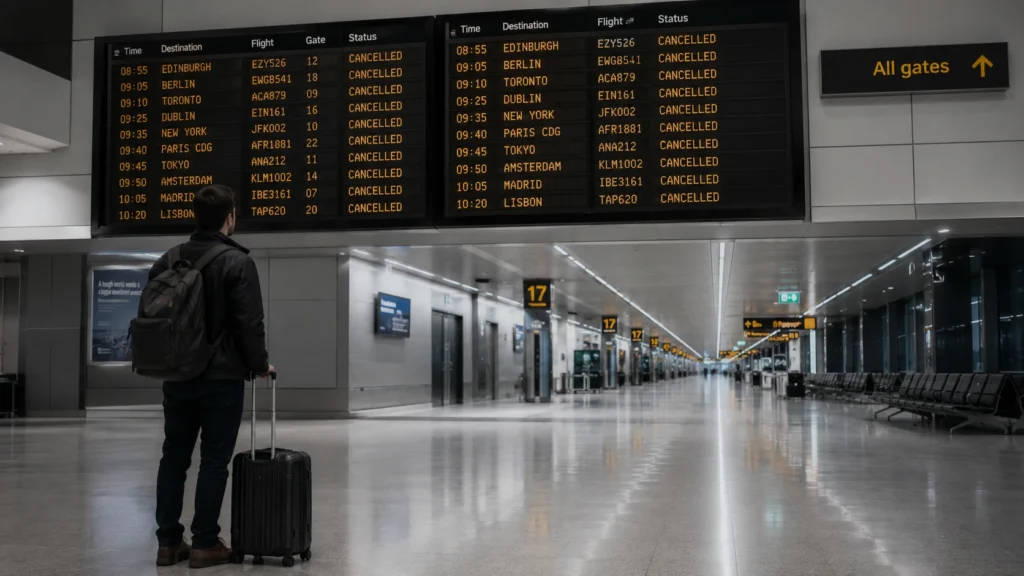
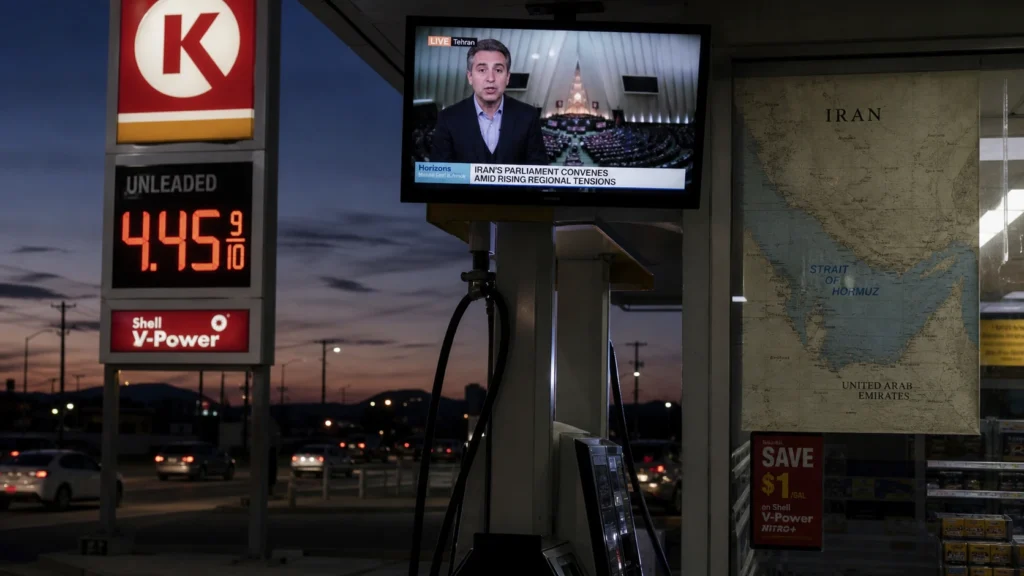
Gasoline prices above $4.50 per gallon in US retail markets transmit that risk into households within days. One Trump adviser described the political sensitivity bluntly: “$5 gas changes the political math faster than any briefing paper.” Short sentence. High impact.
As global oil chokepoints and geopolitical risk previously outlined, chokepoints now function as financial accelerators rather than transport routes. As US-Iran nuclear negotiation breakdown analysis showed, prior diplomatic rounds collapsed when economic pressure failed to convert into political concessions.
What the timeline reveals
- April 2026: Iran signals expanded maritime enforcement posture in Gulf waters (regional defense statement).
- May 2026: Trump-Xi discussions in Beijing end without an Iran breakthrough.
- May 2026: Oil futures react within hours, pricing escalation risk across Brent benchmarks.
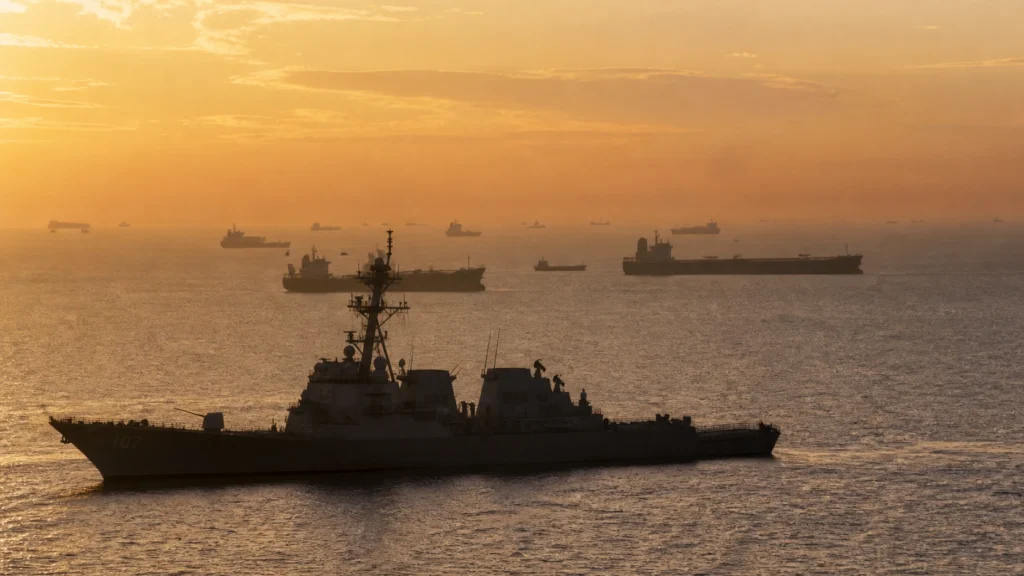
Reuters regional reporting during May 2026 noted increased naval monitoring activity across Gulf shipping lanes, reflecting heightened risk perception rather than confirmed blockade actions.
The system outcome
Three forces now operate simultaneously:
Iran expands asymmetric leverage through disruption signaling.
China prioritizes energy stability over alignment pressure.
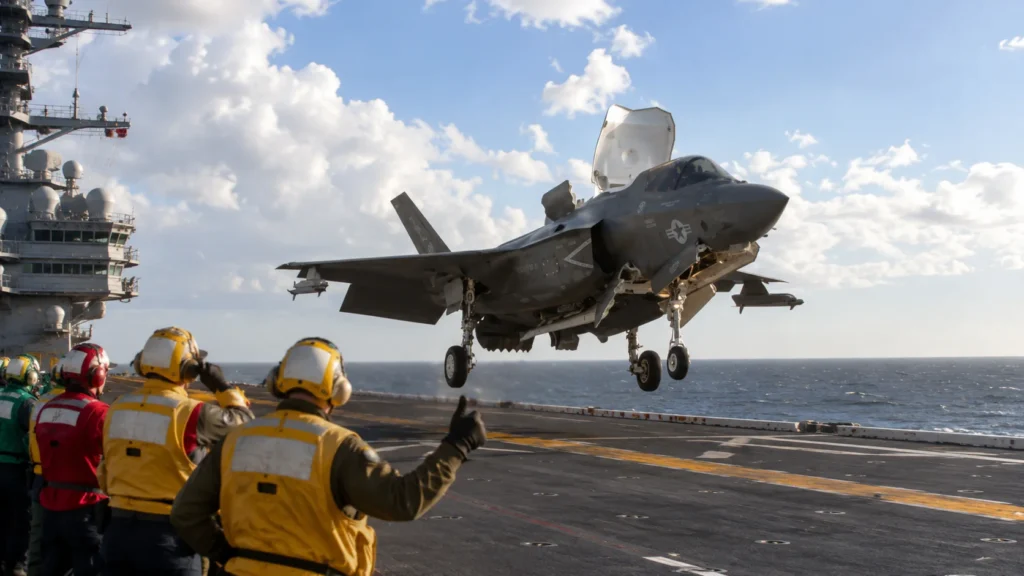
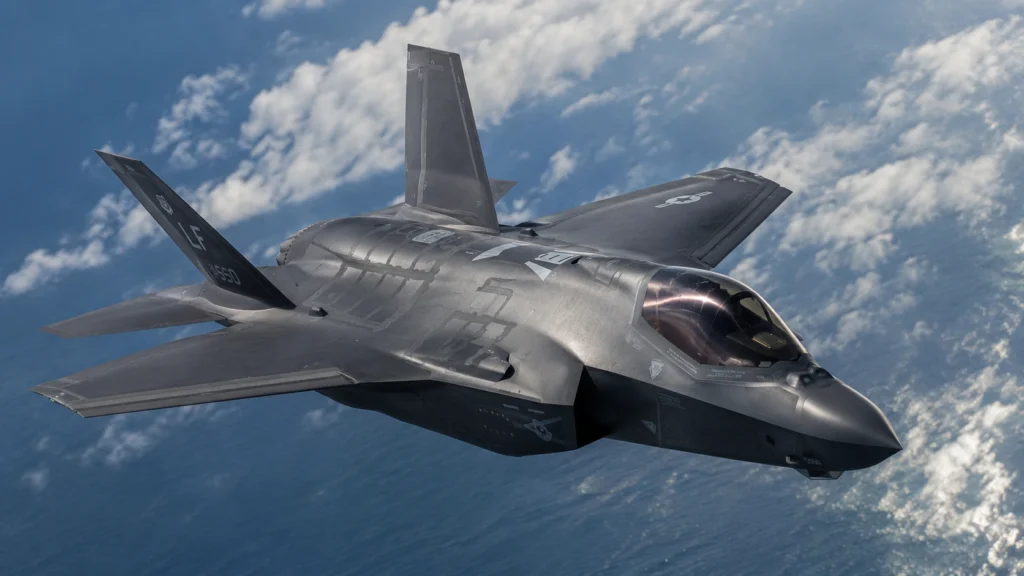
The US retains military capacity but absorbs domestic inflation risk faster than diplomatic gains materialize.
A structural imbalance forms. Not crisis resolution. Accumulation.
Author
Written by an energy geopolitics analyst with over 10 years covering global oil markets, maritime security, and US–Middle East strategic policy shifts.