

 English















































































































































































































































US Diplomacy Shake-Up Tests State Dept Power Shift
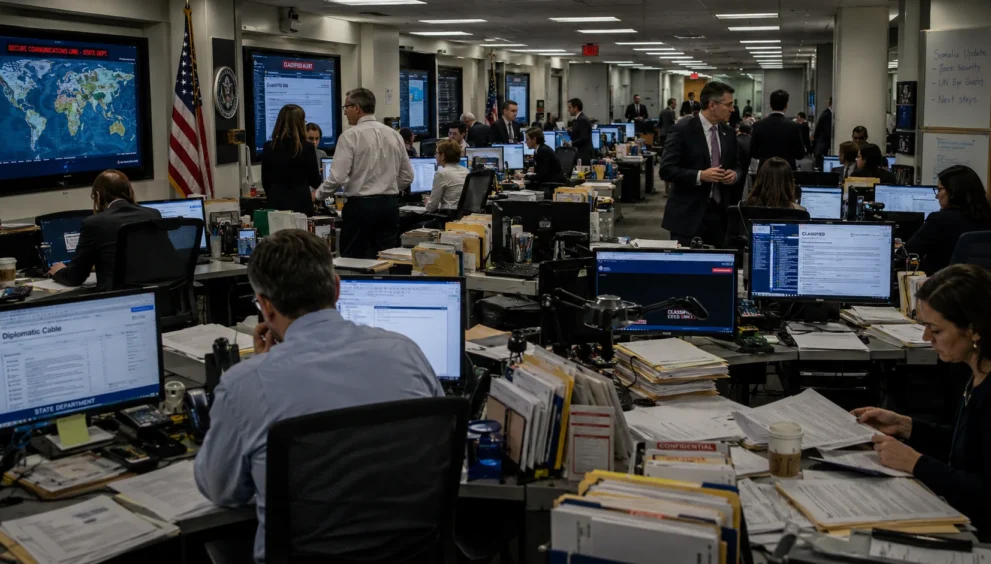
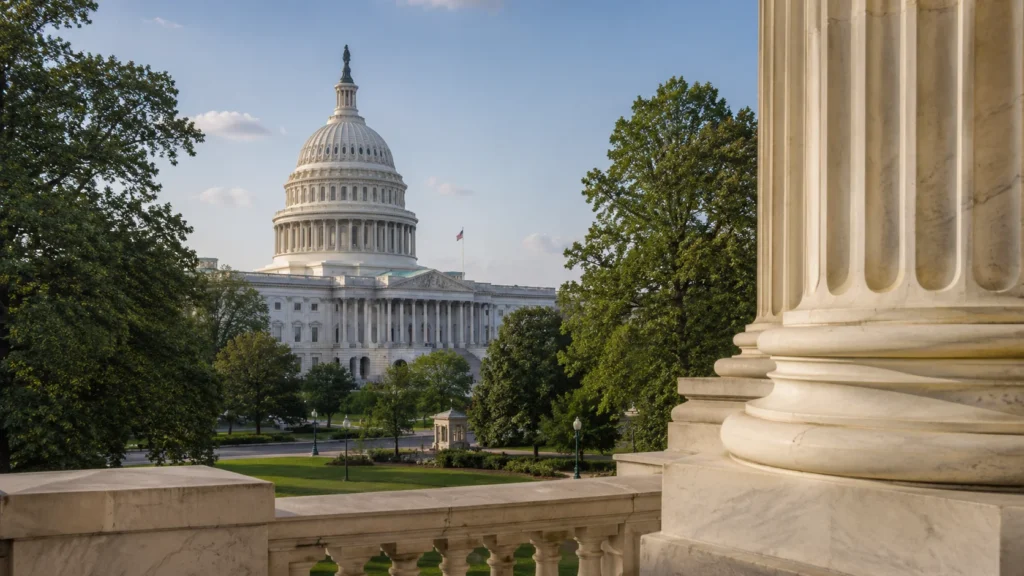
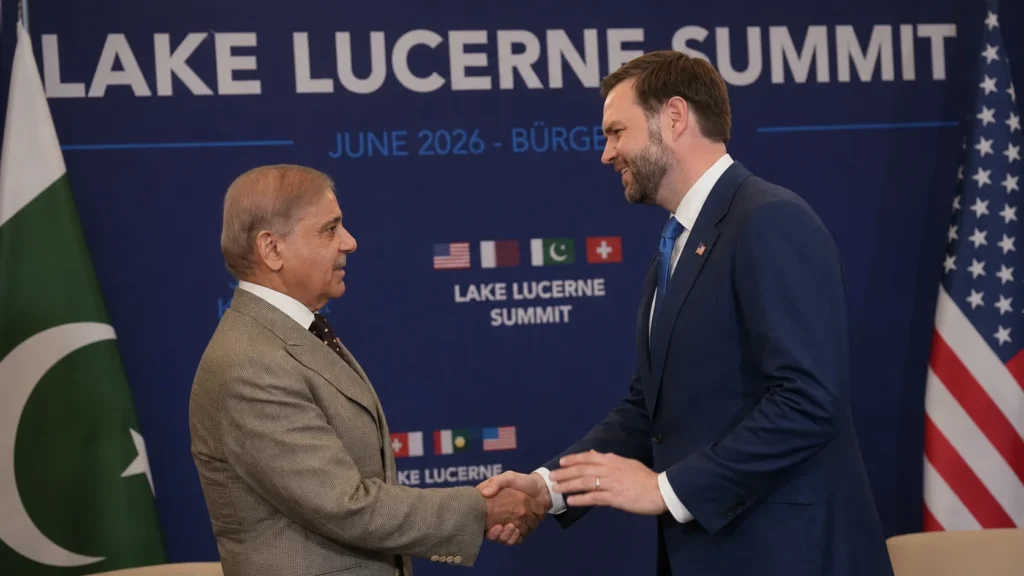
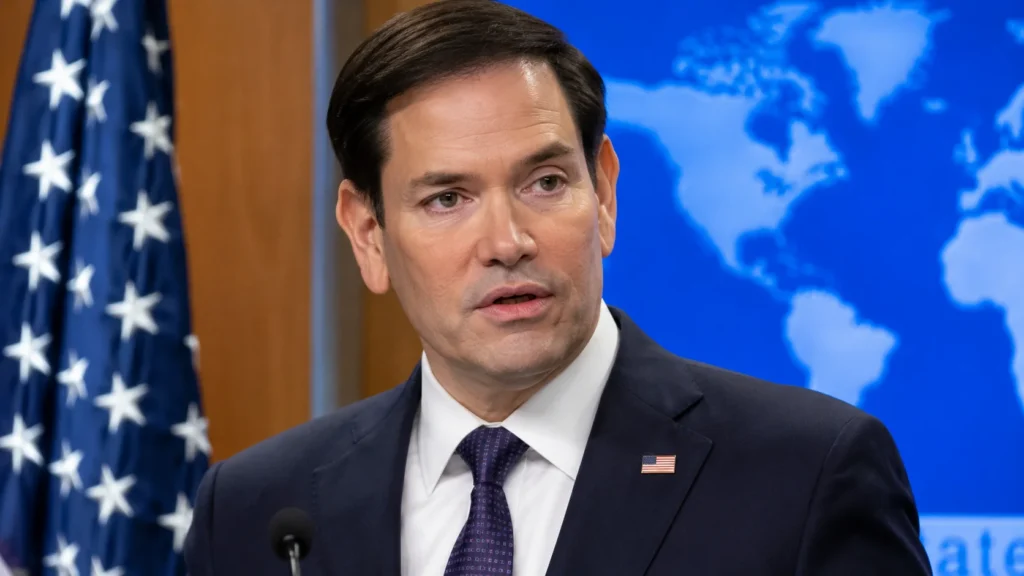
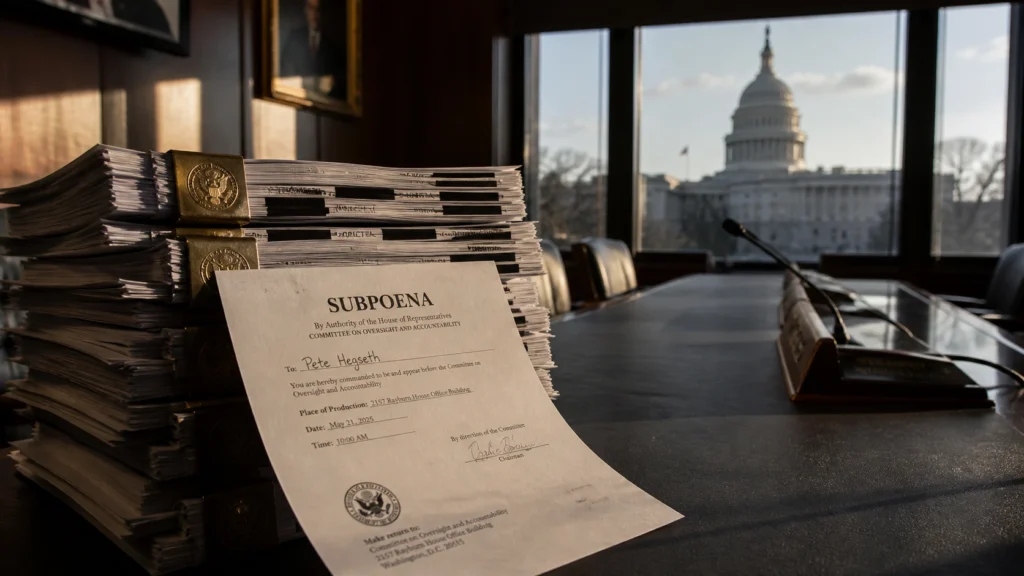
The US State Department shake-up exposes a deeper diplomacy power shift as Washington restructures foreign service operations under executive authority. The changes affect hundreds of officers, reshape embassy leadership, and raise questions about institutional continuity at a time of global crises involving Iran, Ukraine, and energy security. The core issue isn’t staffing alone. It’s who controls the architecture of American diplomacy—and what gets lost when experience exits the system.
LEAD — WHAT ACTUALLY HAPPENED
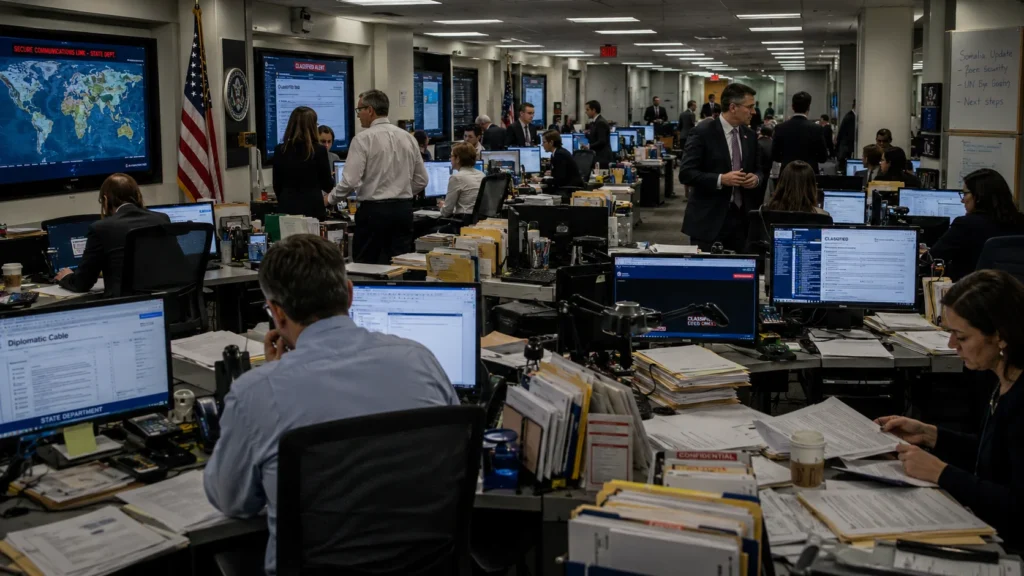
An email lands at 11:47 PM inside the State Department.
No briefing call follows. No explanation arrives with it.
Foreign service officers open the same message: reduction in force.
Some read it from overseas posts. Some between negotiations. Some mid-crisis.
Two hundred names move out of the system in a single administrative sweep. Quiet. Clinical. Final.
THIS IS NOT A PROCEDURAL FOOTNOTE. THIS IS A POWER SHIFT.
WHY THIS MOMENT MATTERS
The US State Department shake-up arrives within a wider contest over executive control of foreign policy execution. The administration frames the restructuring as efficiency. Career diplomats describe something closer to the replacement of institutional memory with centralized decision-making.
In March 2025, the American Foreign Service Association reported roughly 2,000 officers exited the service within a year. That figure signals more than attrition. It marks structural thinning inside a system designed for long-term diplomatic continuity.
Former ambassador John Bass, who served in Turkey and Afghanistan, described the shift as “fealty over expertise” in remarks cited by CNN. That framing cuts into a core assumption of the Foreign Service Act of 1980: that professional diplomacy survives political turnover.
It no longer does. Not in the same way.
DEEP DIVE — HOW POWER RESTRUCTURES ITSELF
The administration’s consolidation of bureaus, including energy diplomacy units tied to Middle East policy and global supply chains, changes how foreign policy intelligence flows into decision-making.
As US diplomatic staffing and institutional memory loss analysis showed, diplomacy depends on accumulated regional expertise, not just organizational headcount.
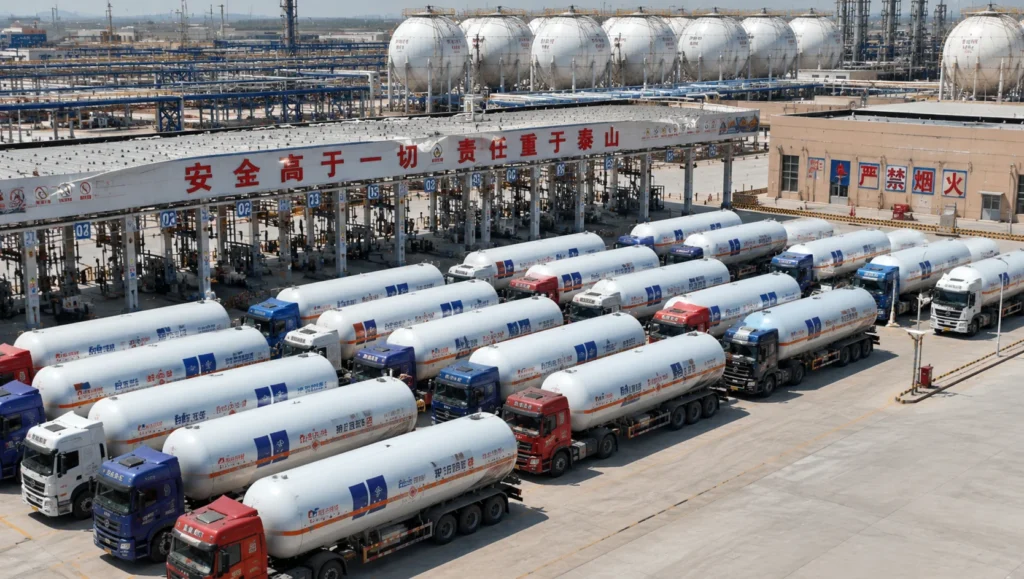
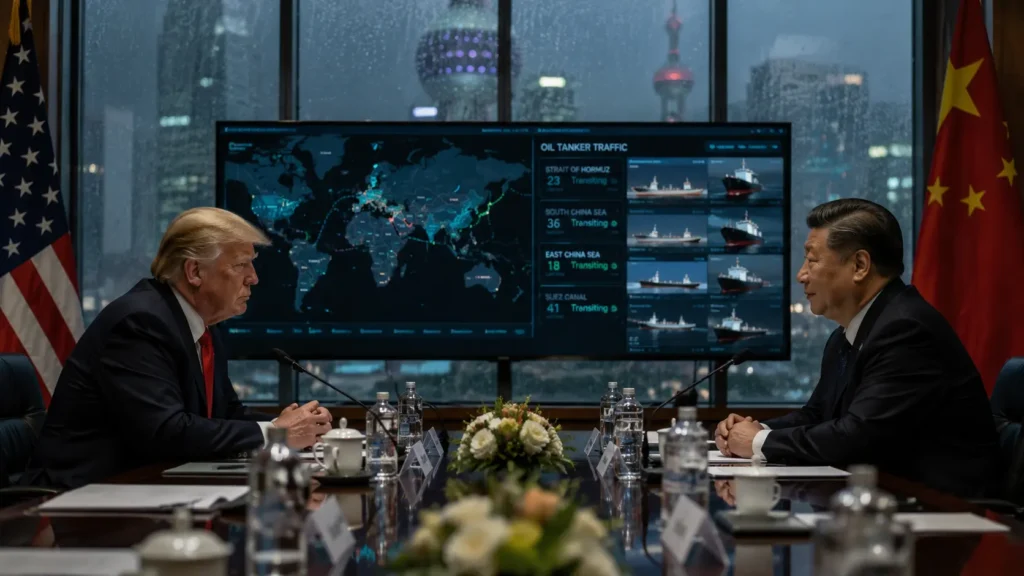
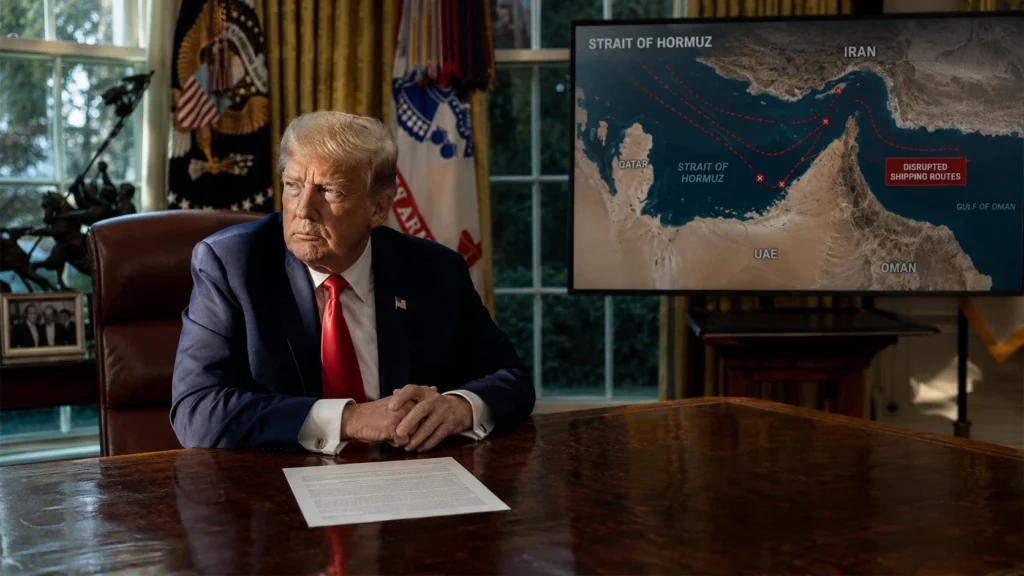
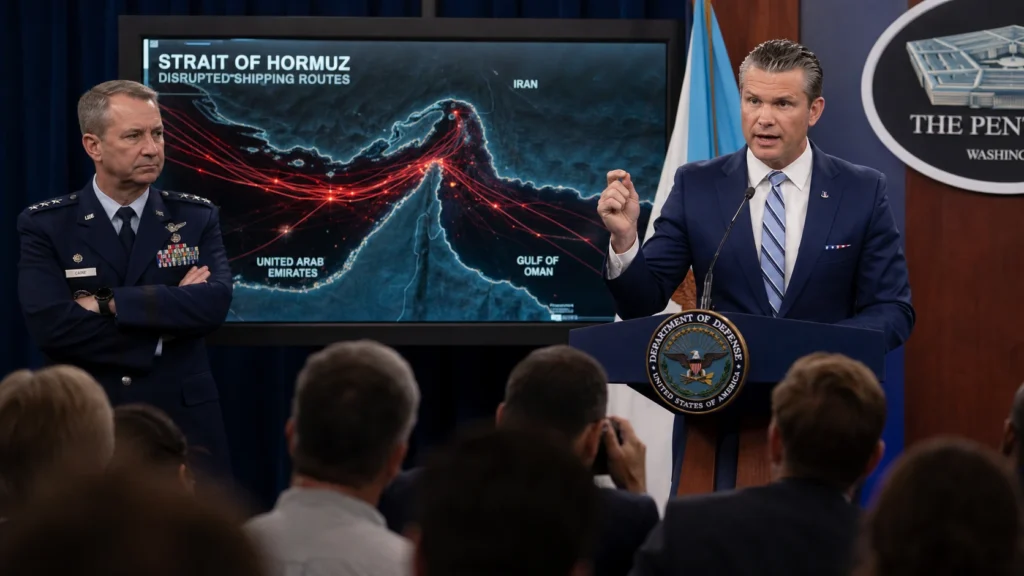
Energy diplomacy illustrates the gap. Former officials note that offices once engaged in managing chokepoints like the Strait of Hormuz no longer operate in their previous form. Those functions now sit inside broader economic bureaus with wider mandates and fewer specialists.
According to the American Foreign Service Association (2025), 115 of 195 ambassador posts remain unfilled or temporarily assigned. That vacancy rate alters negotiation access in capitals where ambassador-level engagement determines policy leverage.
Interesting detail:
One eliminated bureau reportedly supported over $12 billion in US-linked energy contracts in Iraq before restructuring shifted responsibilities elsewhere.
That number does not just represent trade. It represents embedded diplomatic reach.
EXPERT SIGNAL — WHAT INSIDERS WARN ABOUT
“Diplomacy requires skills built over years in the field,” said Ryan Gliha, a former career foreign service officer who served in the Middle East, in comments to CNN. He described the Foreign Service as an apprenticeship system that cannot scale instantly.
The system breaks when continuity breaks.
WHAT CHANGES INSIDE THE INSTITUTION
The State Department now operates through fewer specialized units and more centralized advisory structures. That shifts control upward.
Chargés d’affaires manage embassies without Senate-confirmed ambassadors in over half of US missions. That changes access. Not formally. Practically.
A meeting that once required ambassadorial clearance now filters through acting leadership. Decisions slow in some areas. Speed increases in others. Fragmentation grows in parallel.
Then there’s this.
Institutional memory doesn’t transfer through memos.
It disappears.
ELECTORAL AND STRATEGIC SIGNALS
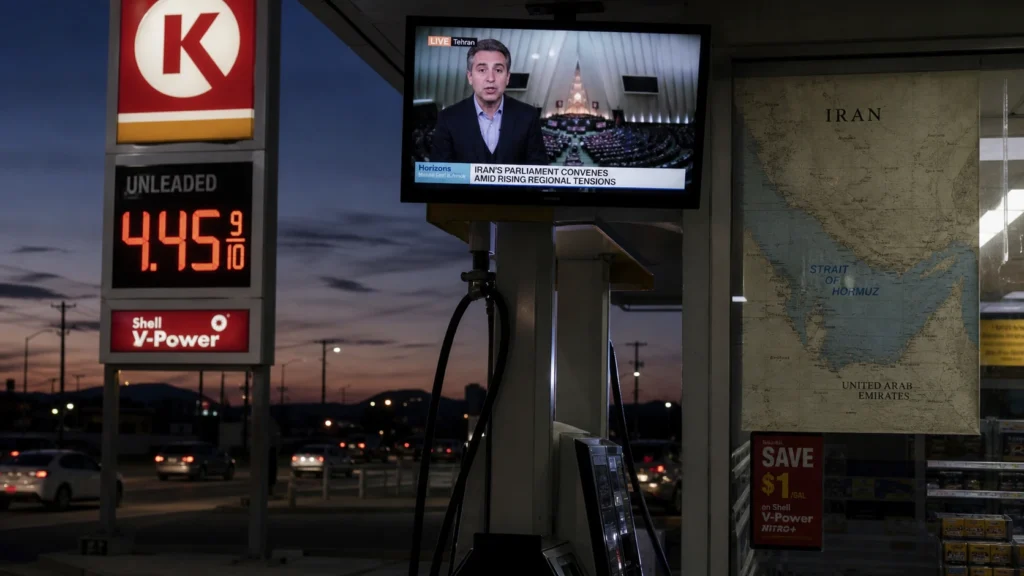
Foreign policy rarely dominates elections directly, but economic fallout from instability does.
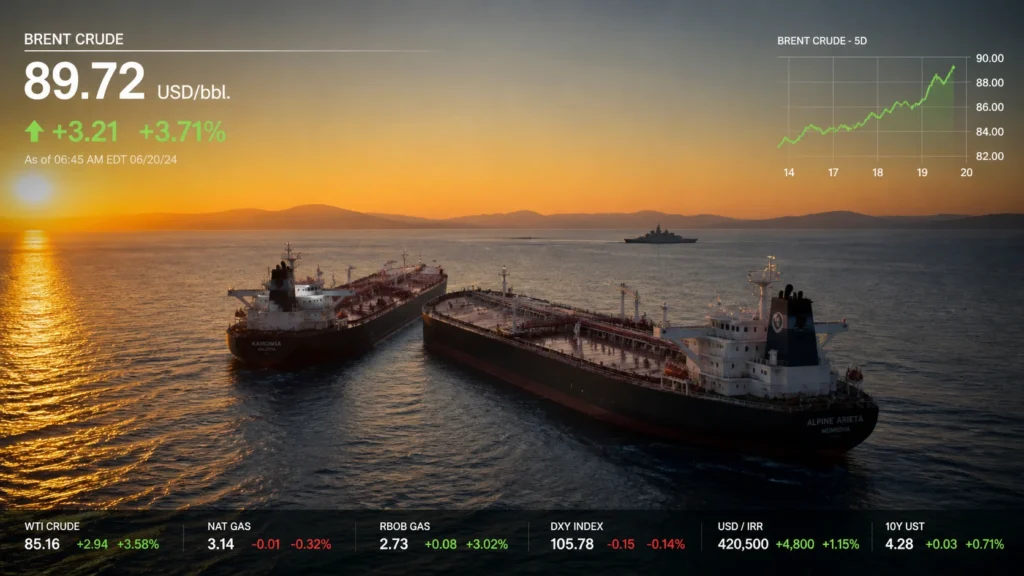
Energy markets react quickly to disruptions in regions where the US diplomatic capacity weakens. The Strait of Hormuz remains a critical chokepoint influencing global fuel pricing. Any reduction in diplomatic visibility increases the risk of miscalculation during escalation cycles.
Lawmakers on both sides of Congress face pressure from energy and defense constituencies tied to global stability. That pressure builds slowly. Then all at once.
WHAT TO WATCH NEXT
The next phase centers on three pressure points:
First, embassy staffing stability as more officers weigh early retirement.
Second, confirmation delays for ambassadorial posts.
Third, performance system reforms emphasizing loyalty metrics inside promotion pathways.
Each of these shifts alters who stays inside the system—and who leaves it.
Success looks like faster decision cycles with fewer institutional delays.
Failure looks like a delayed crisis response with reduced regional insight.
Small gaps. Large consequences.
FAQ
What is driving the State Department shake-up?
The restructuring aims to centralize foreign policy execution under fewer bureaus while reducing perceived redundancy across diplomatic functions.
How many US ambassador posts are vacant?
According to the American Foreign Service Association (2025), about 115 of 195 ambassador positions are unfilled or temporarily assigned.
Why do diplomats say experience is being lost?
Career officers cite early retirements, layoffs, and bureau eliminations that remove long-term regional expertise from decision-making pipelines.
Does this affect US foreign policy effectiveness?
Officials argue that reduced institutional memory weakens negotiation capacity, especially in crisis-prone regions like the Middle East and Eastern Europe.
AUTHOR BIO
Written by Daniel Mercer, a political and institutional analyst covering US foreign policy and governance systems for over 12 years across international editorial desks.