

 English




































































































































































































































































Taiwan US-China Power Shift Exposes Global Fault Line
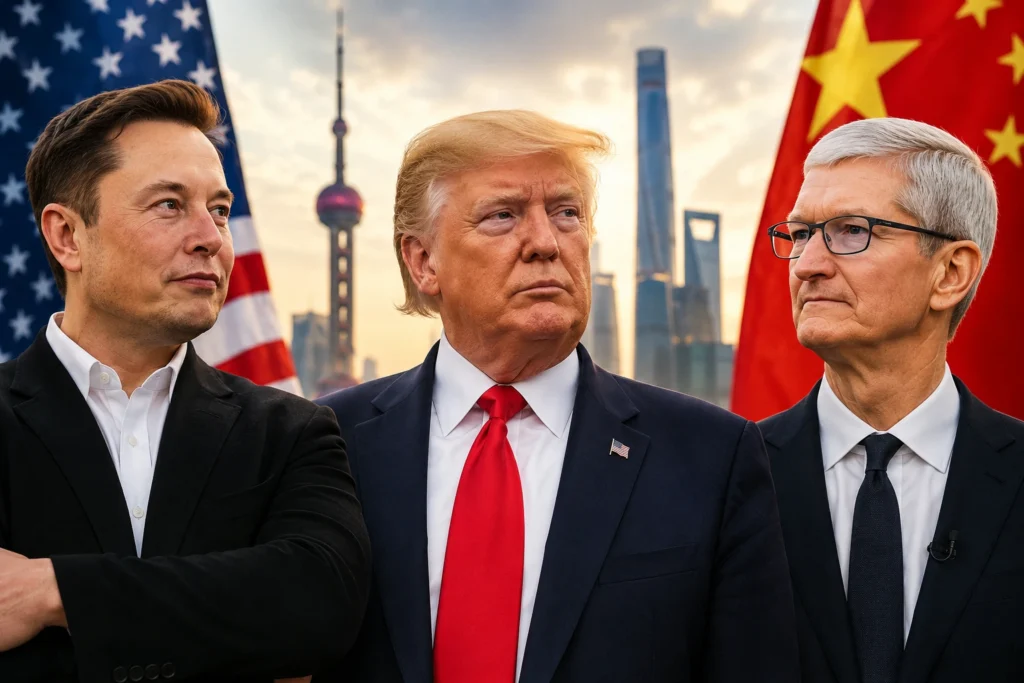
The Taiwan US-China Power Shift is redefining global geopolitics as tensions between Washington, Beijing, and Taipei move beyond diplomacy into semiconductor control and security strategy. Following recent high-level discussions and renewed trade signaling, Taiwan now sits at the center of technology dependency and military deterrence, making its position a critical pressure point in the global power balance.
Why the Taiwan US-China Power Shift Matters Now
The Taiwan US-China power shift reflects a deeper system where sovereignty now intersects with industrial infrastructure.
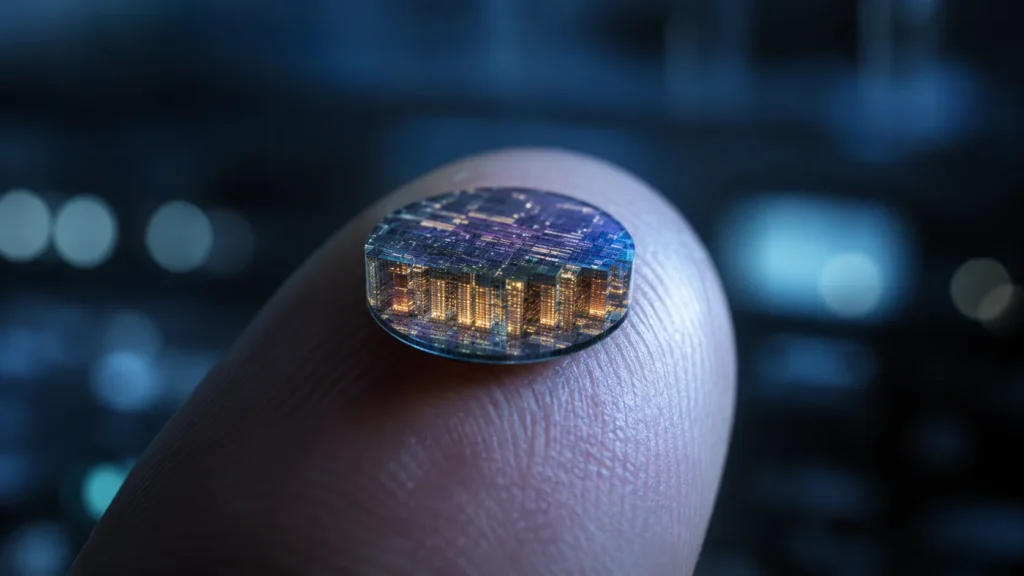
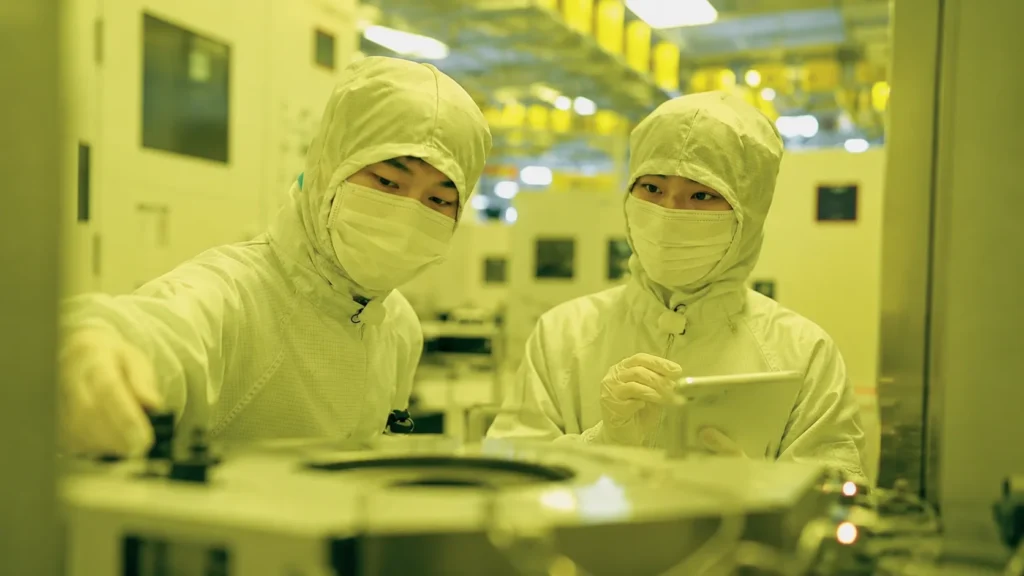
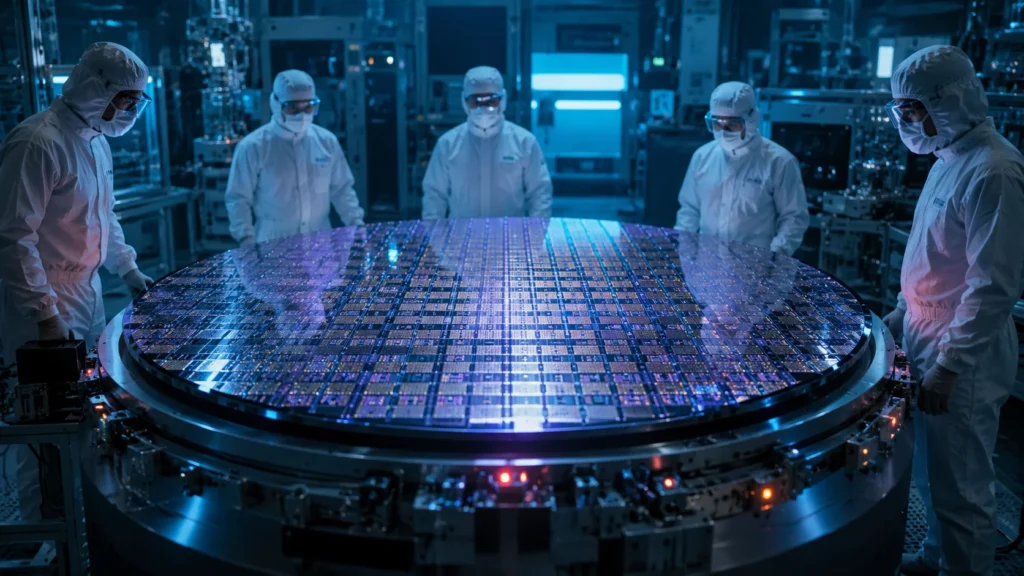
According to the U.S. Congressional Research Service (CRS, March 2025), Taiwan produces more than 60% of global semiconductors and over 90% of advanced chip nodes. That concentration transforms political identity into economic leverage.
As global semiconductor supply chain vulnerability analysis showed, chip dependency now defines national security exposure more than traditional trade flows.
The U.S. Department of Defense 2024 Indo-Pacific Strategy report also highlighted Taiwan Strait stability as “critical to global technological continuity,” reinforcing that this is no longer a regional dispute.
The New Power Mechanism Behind Taiwan’s US-China Power Shift
The shift is not about declarations. It is about control layers.
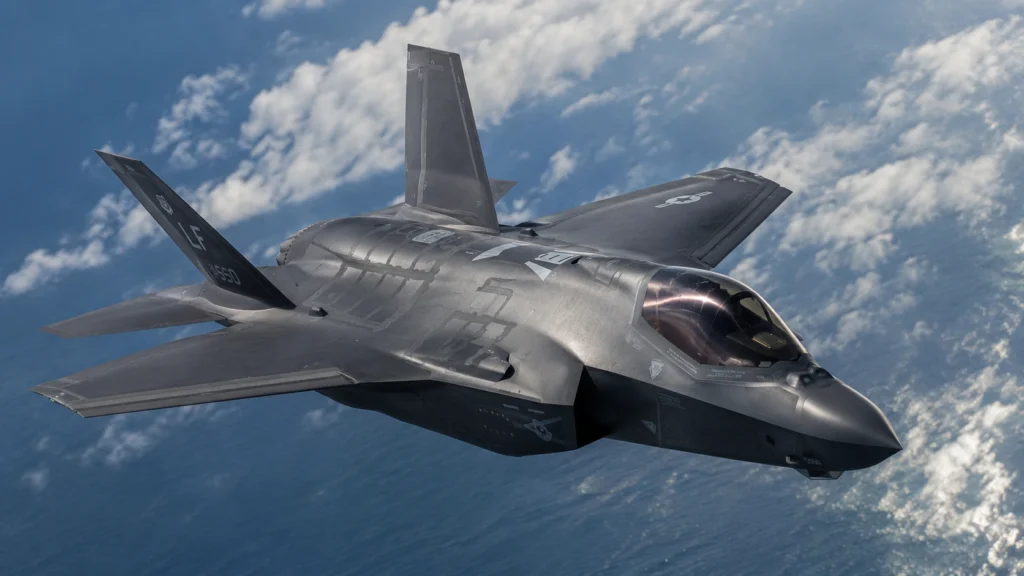
Washington still supports Taiwan under the Taiwan Relations Act (1979), which mandates defensive capability assistance. But export restrictions on AI chips from the U.S. Bureau of Industry and Security (BIS, 2025 update) directly limit how that support interacts with global tech supply chains.
According to U.S. Bureau of Industry and Security export control framework, restrictions on advanced AI chips aim to slow China’s frontier computing capabilities.
That creates a contradiction inside U.S. policy.
Support Taiwan. Contain China. Maintain trade stability.
Only two of those can fully coexist.
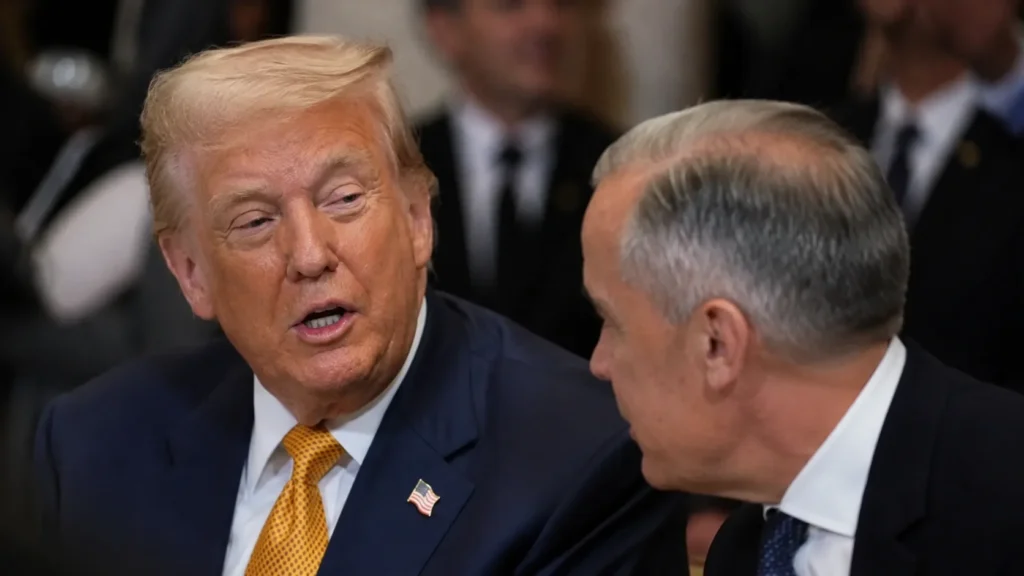
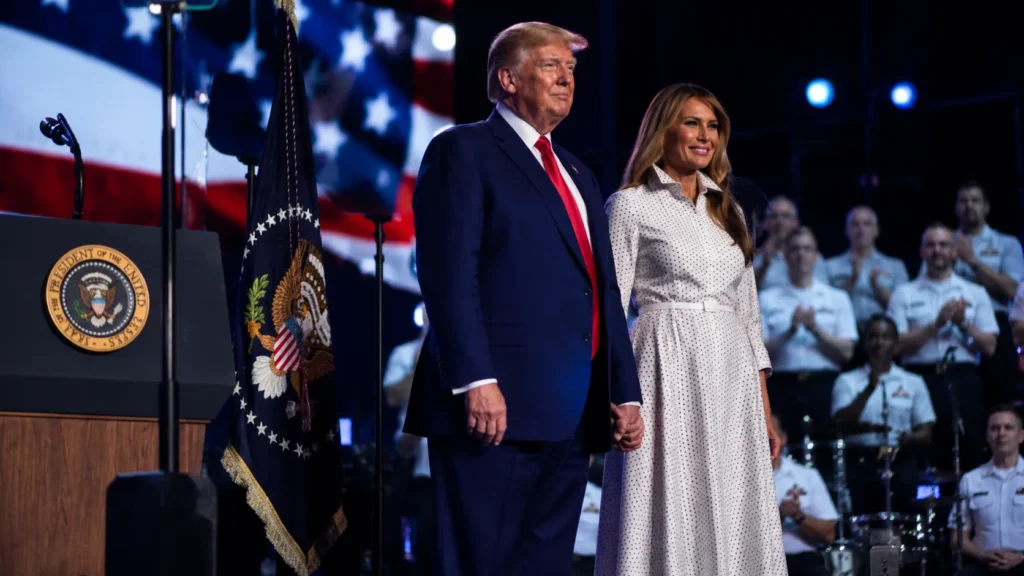
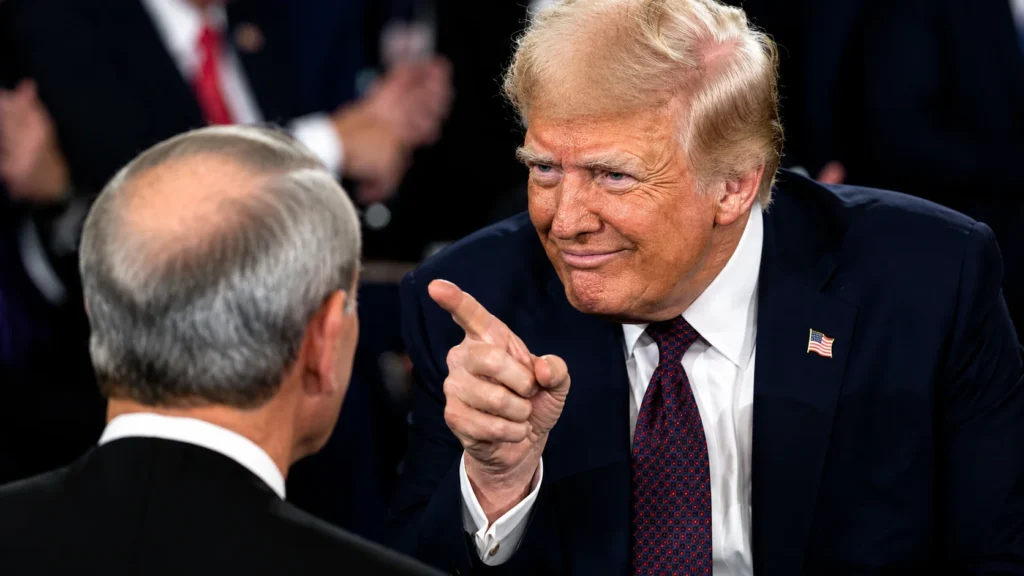
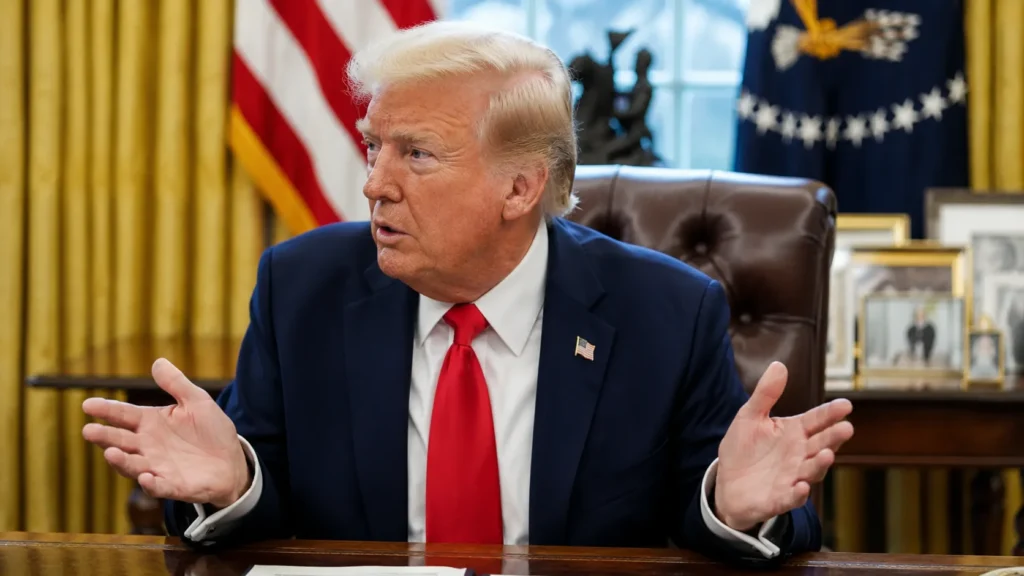
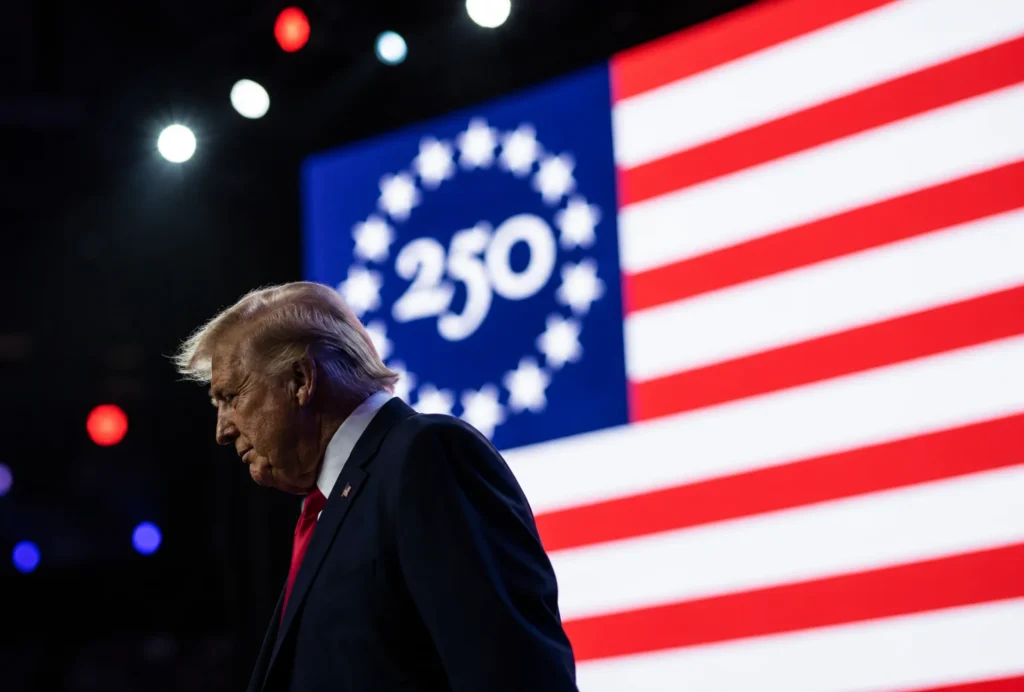
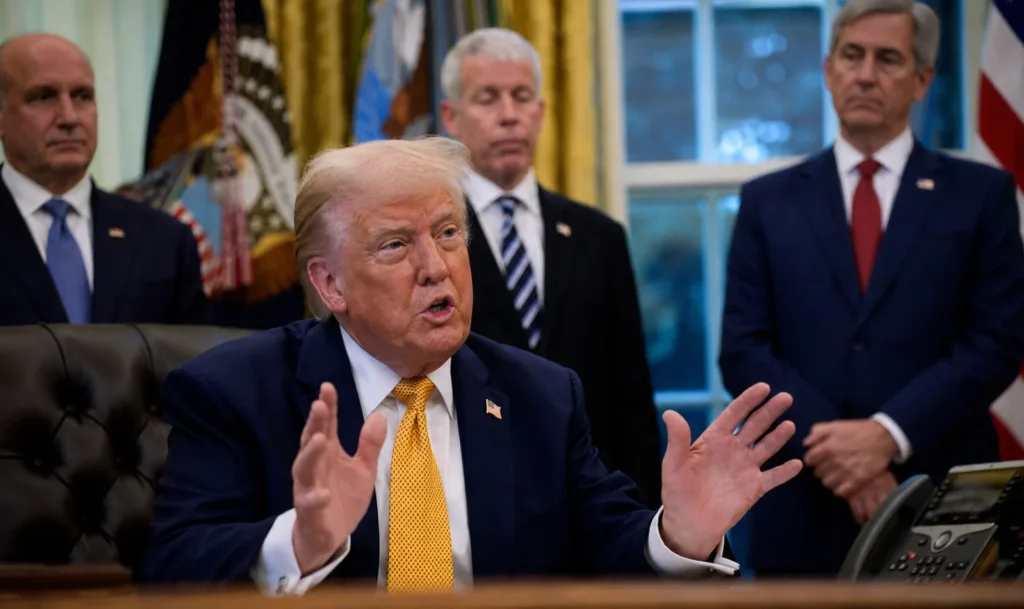
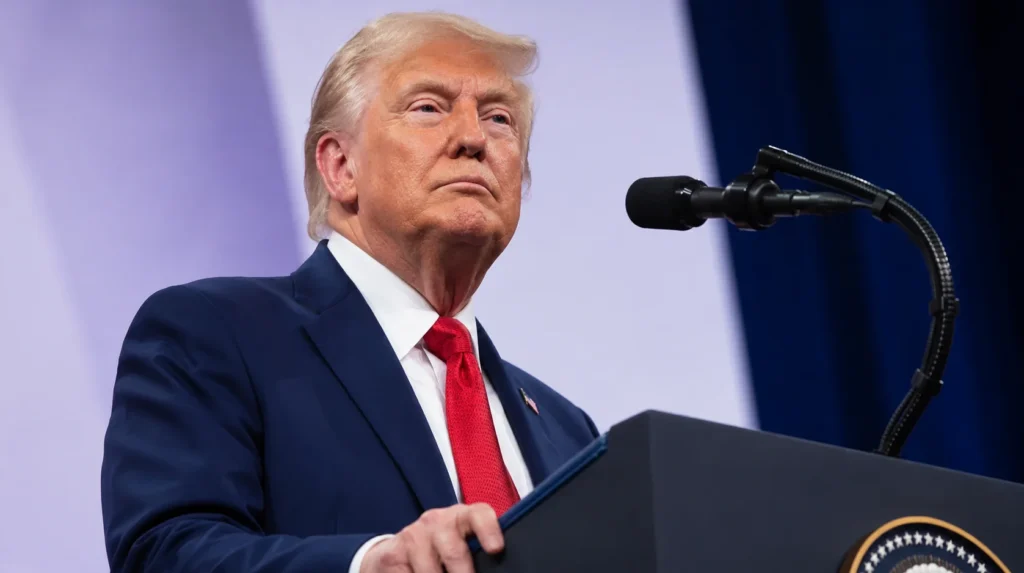
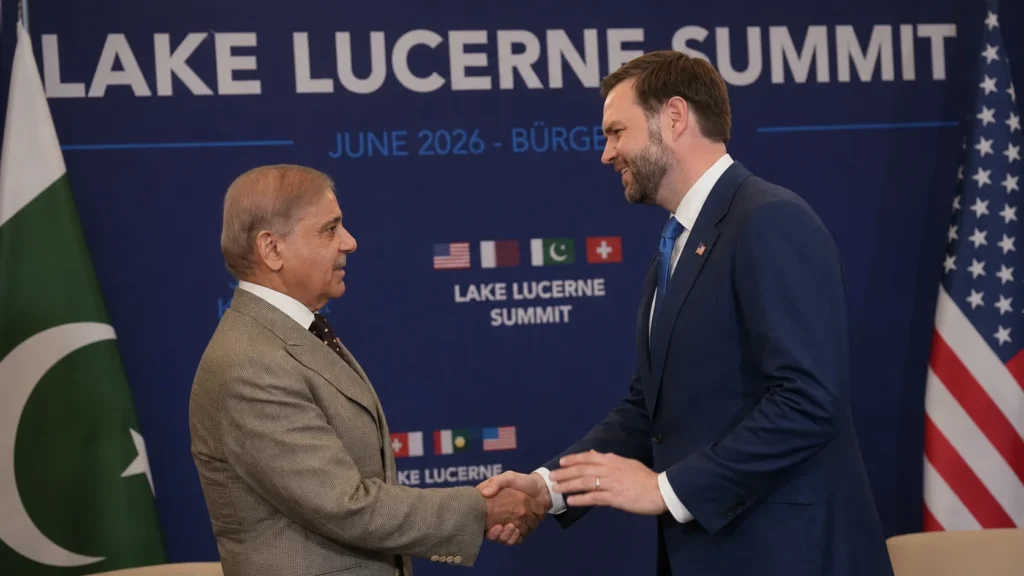
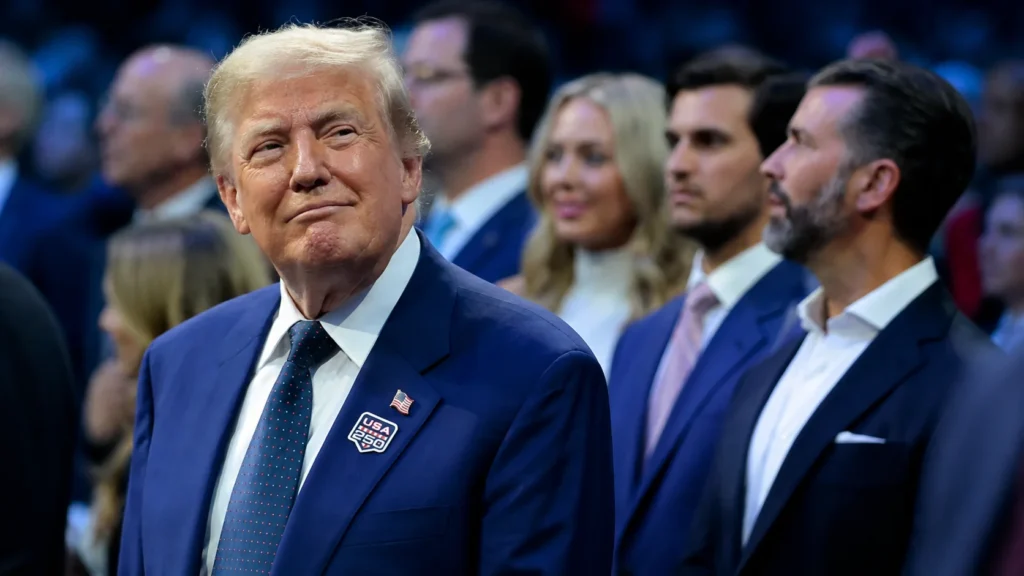
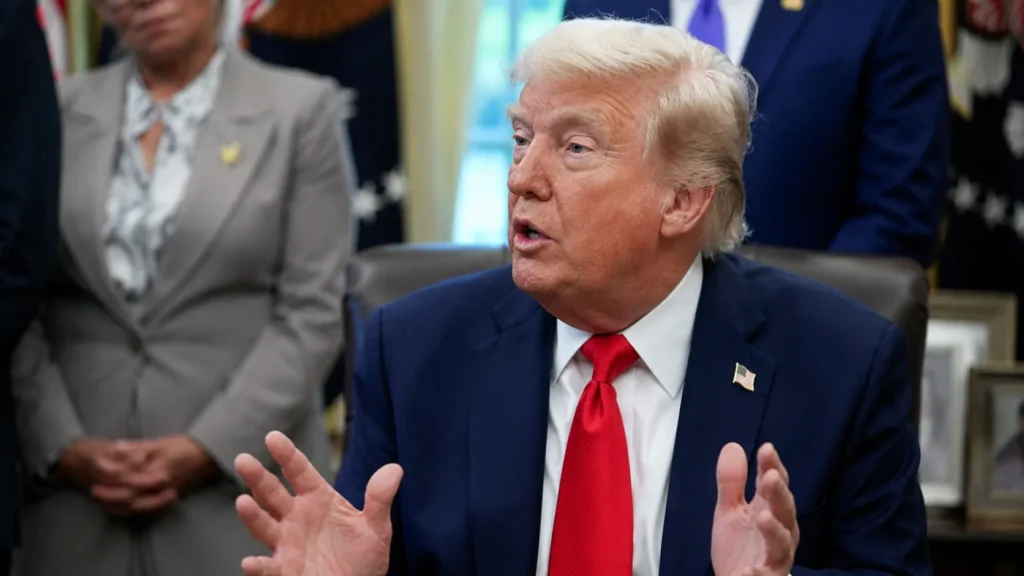
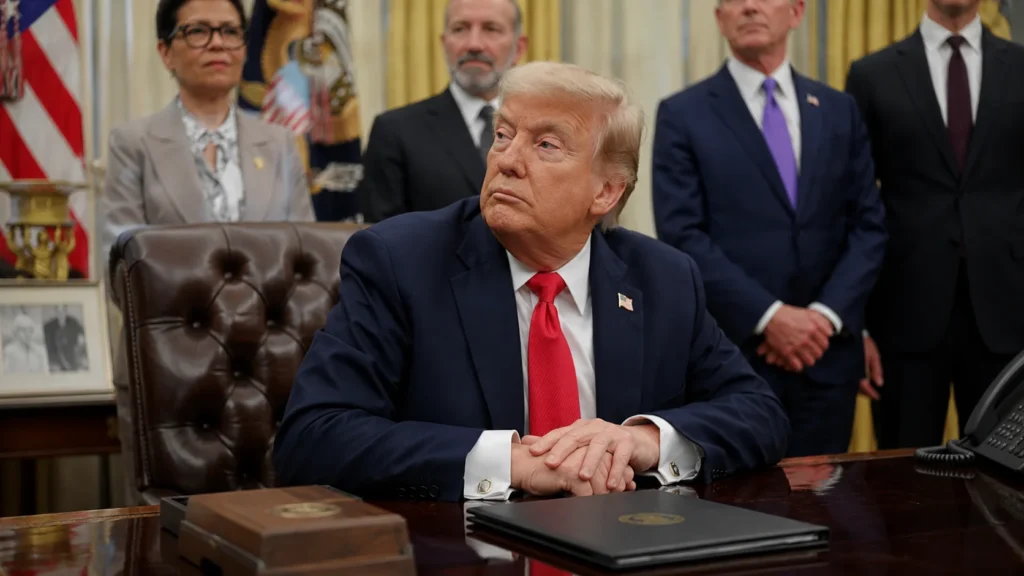
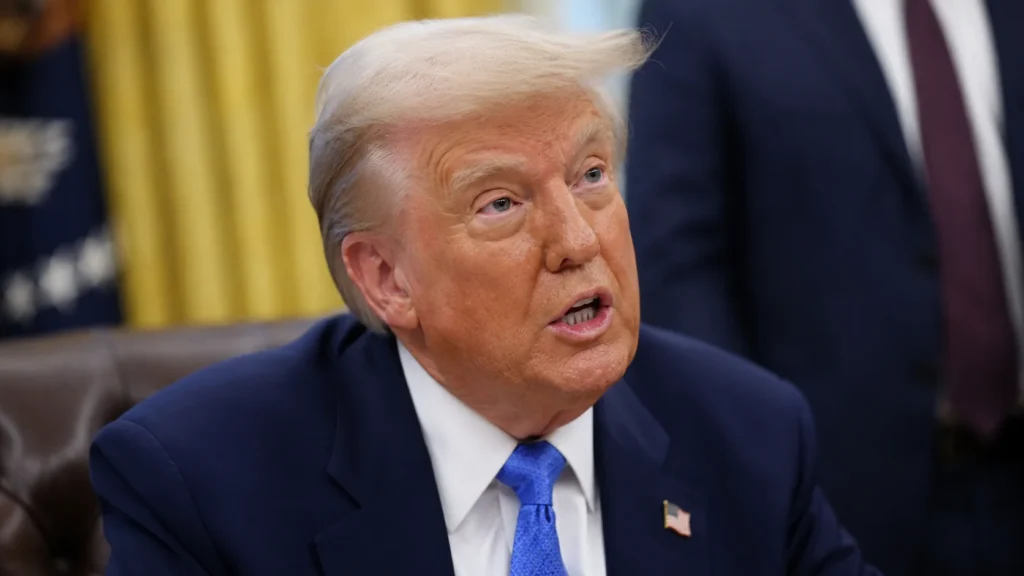
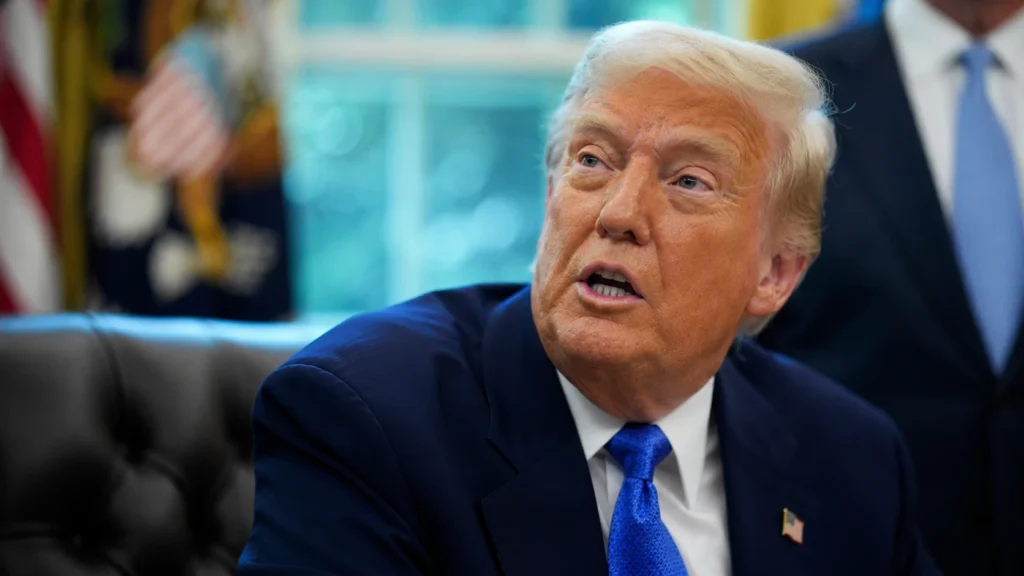
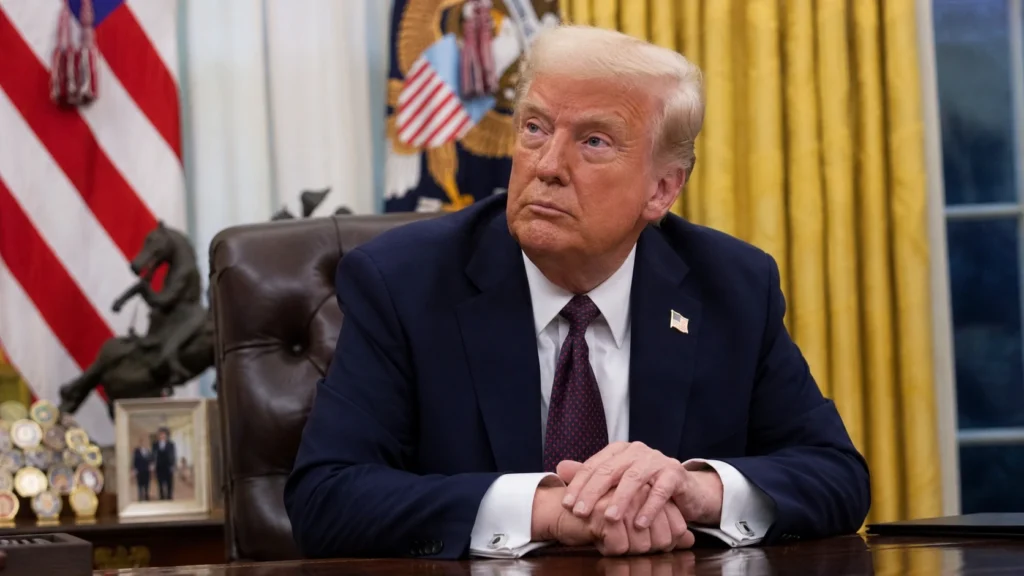
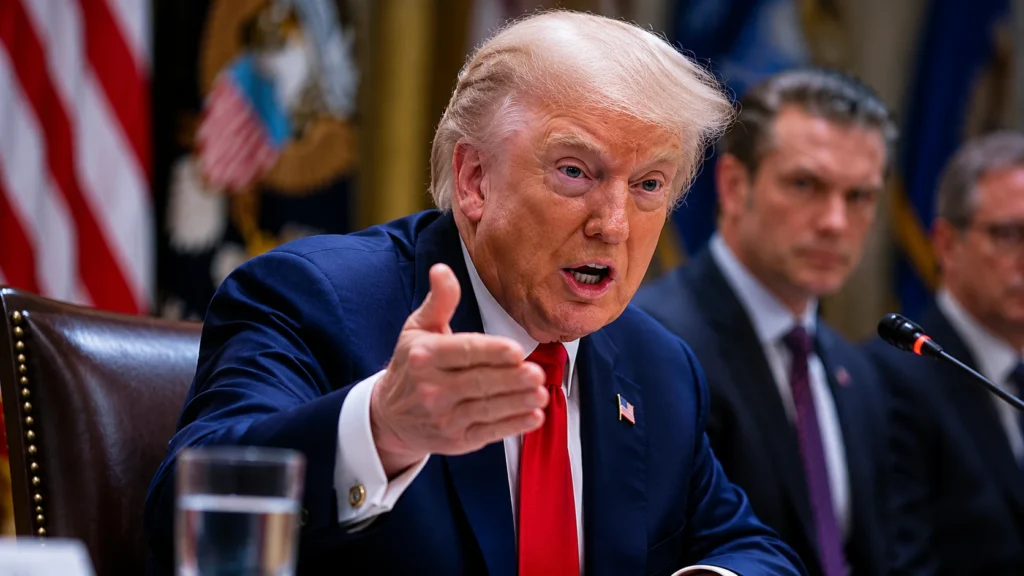
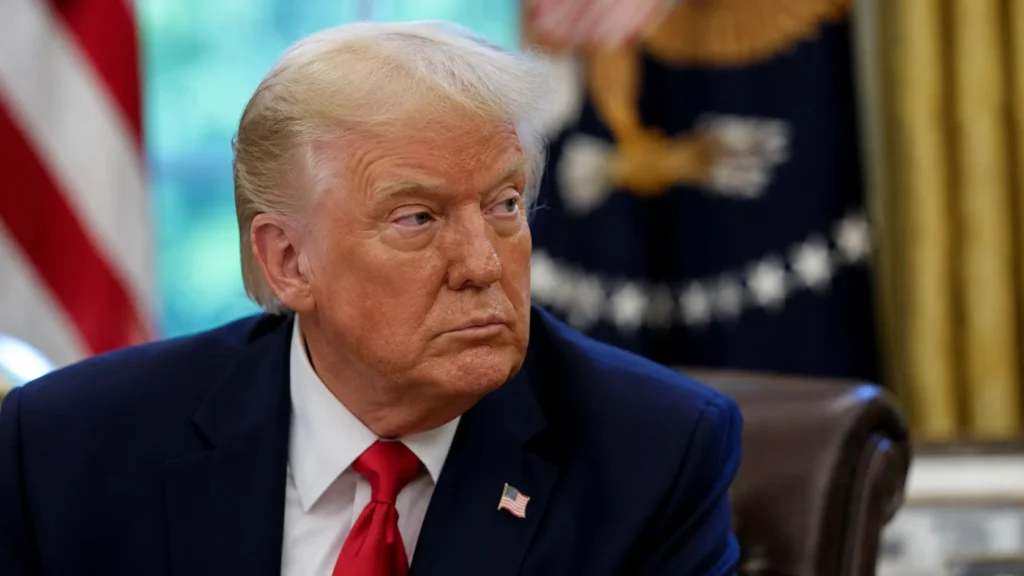
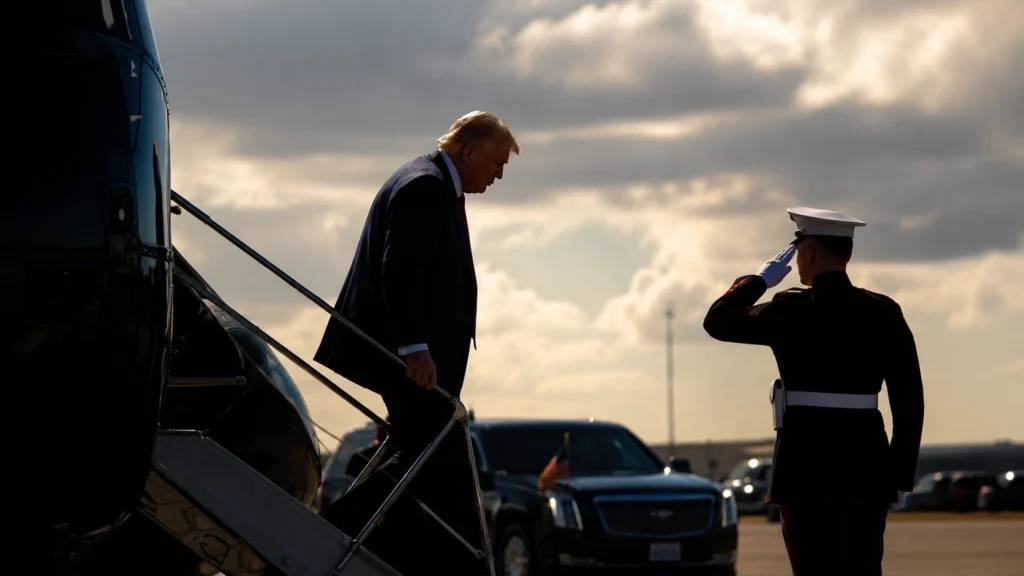
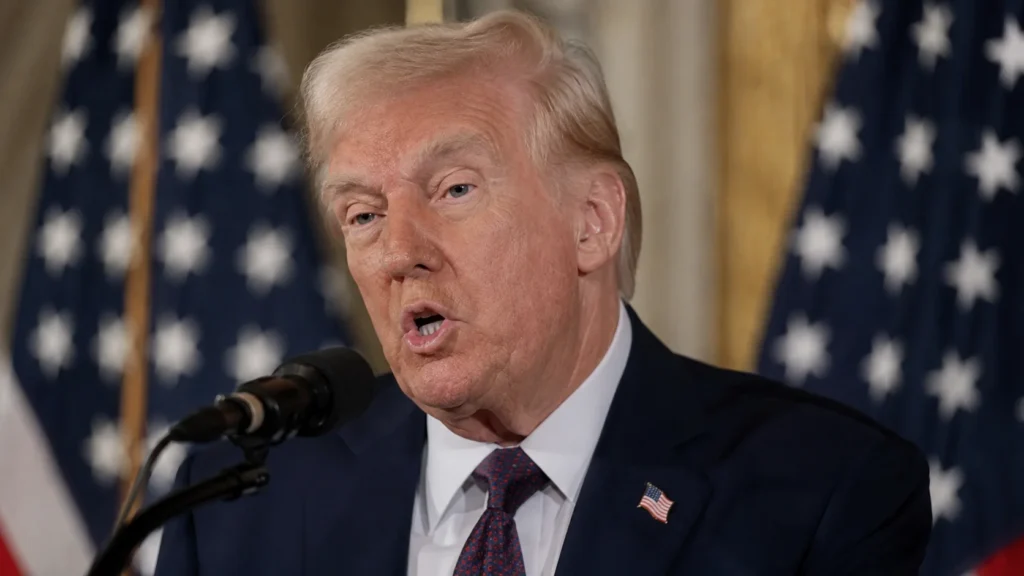
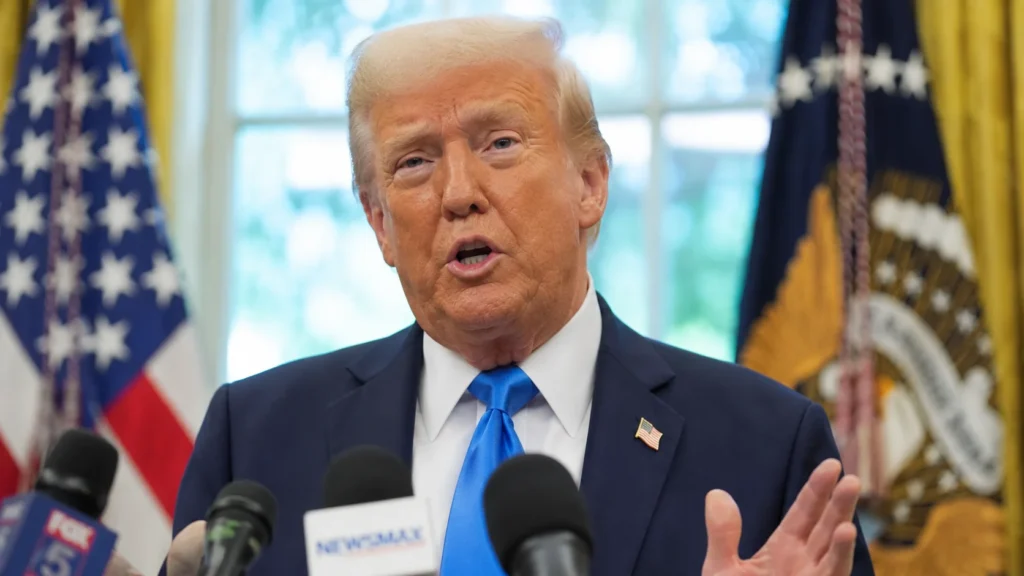
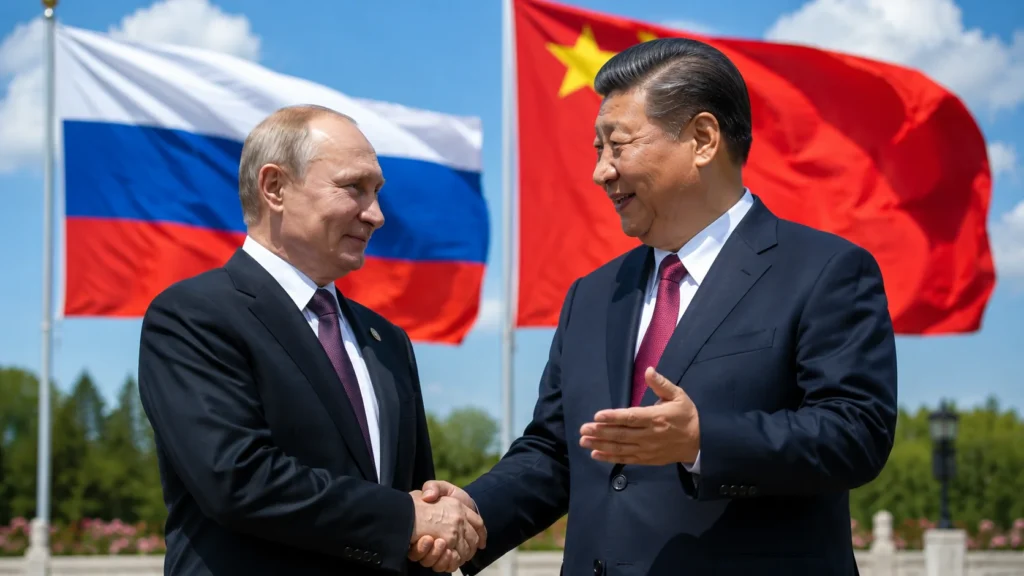
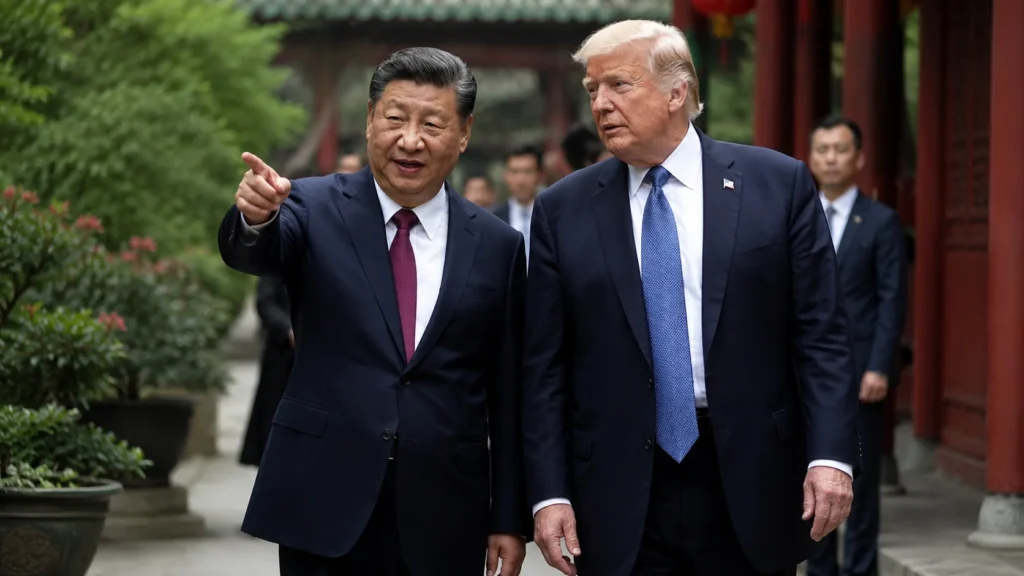
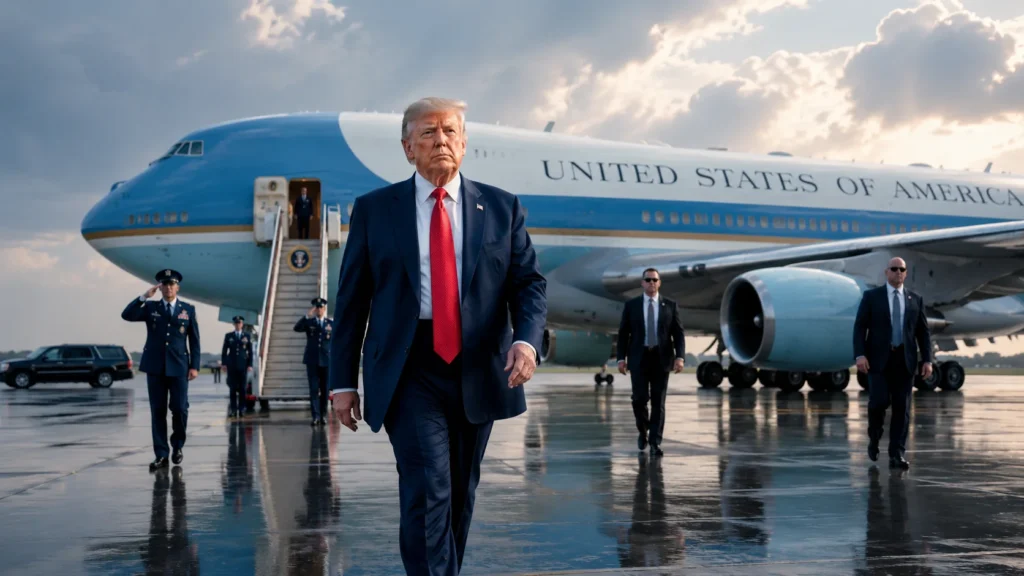
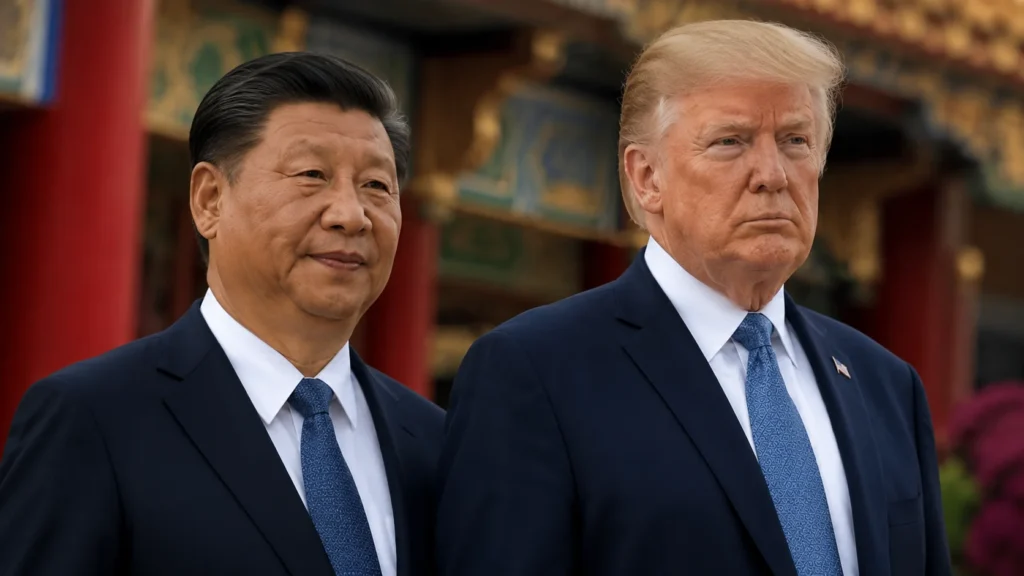
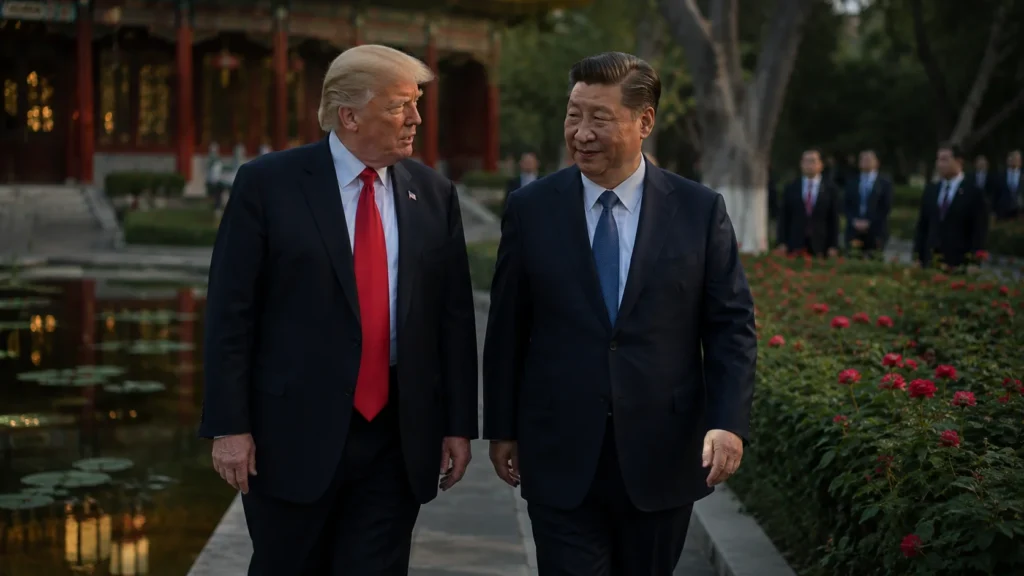
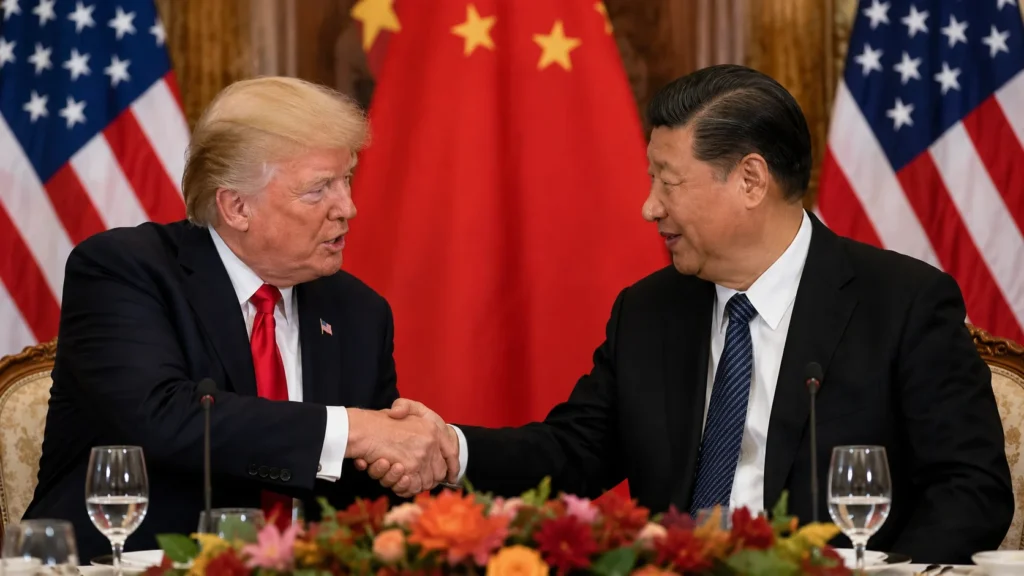
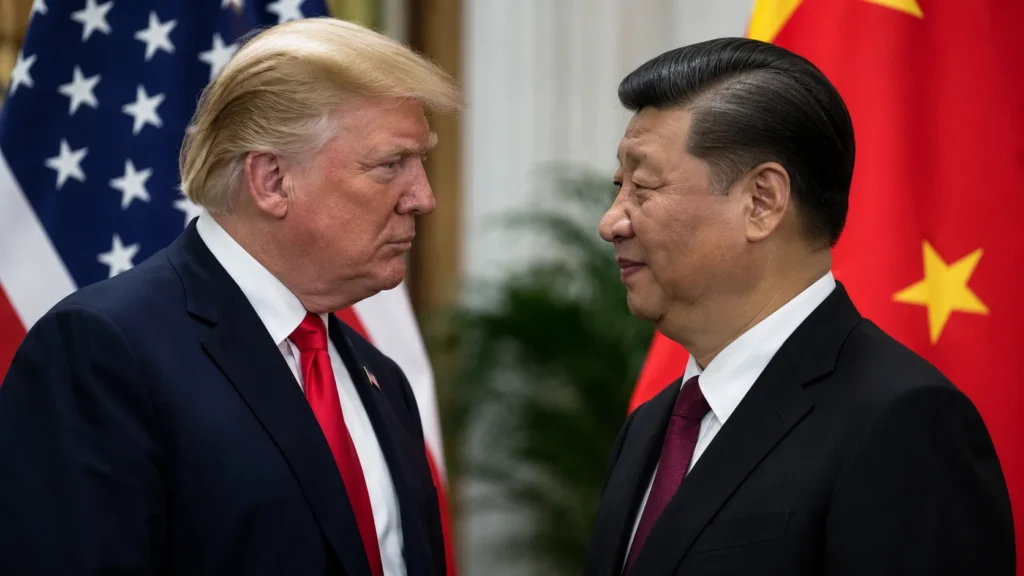
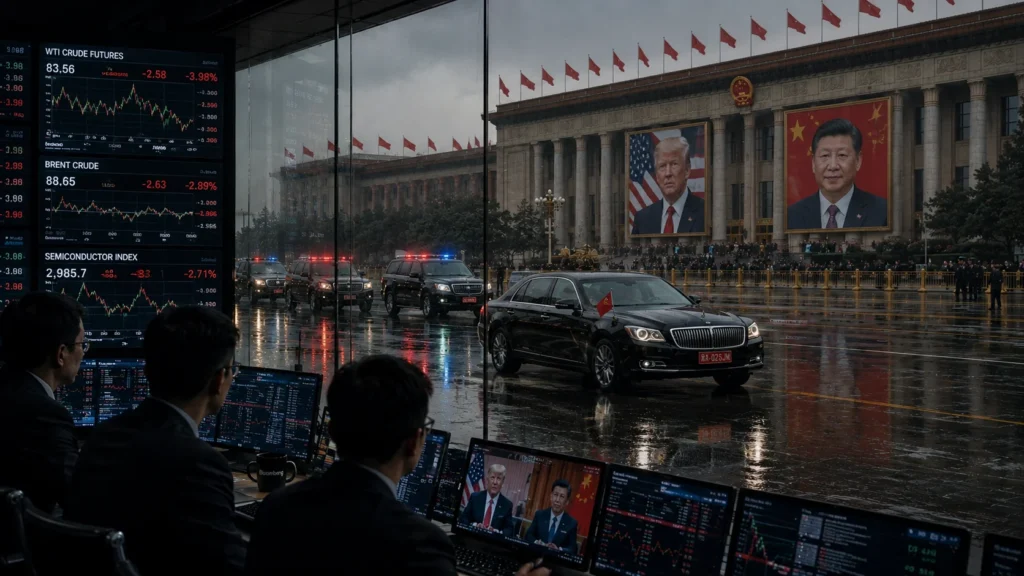
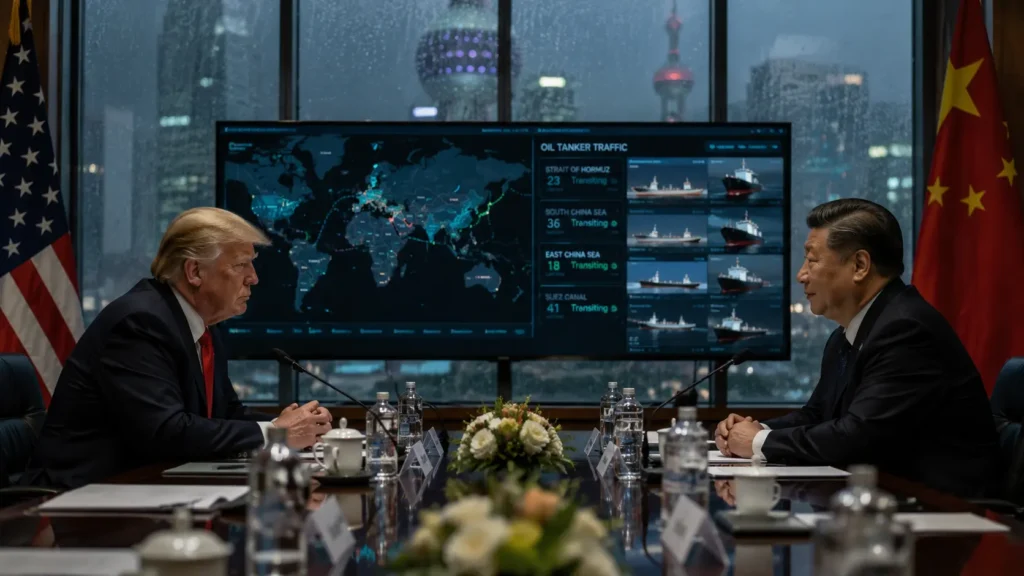
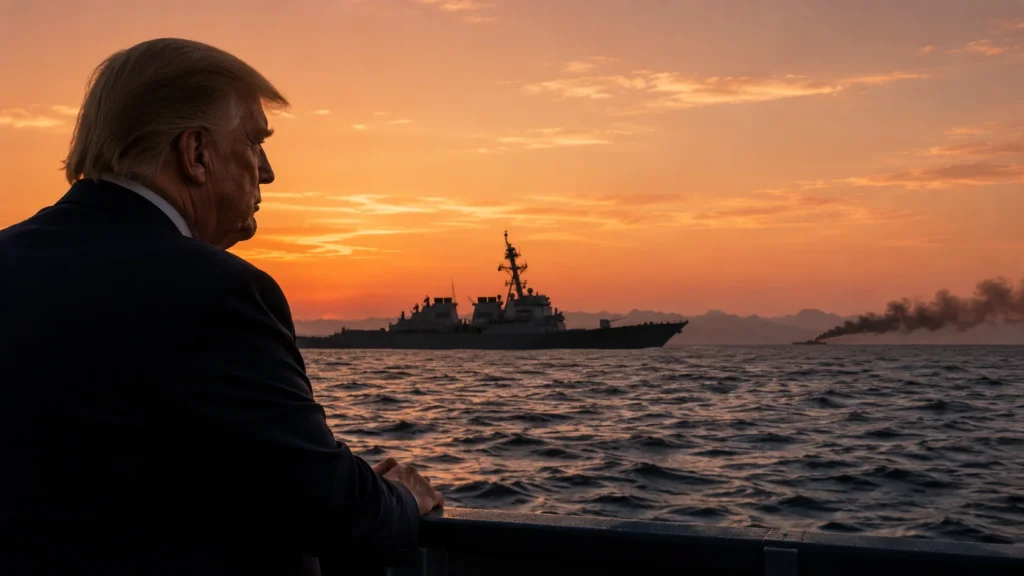
Then this happened. Trump linked Taiwan discussions to broader trade talks after the Beijing summit with Xi Jinping on May 14–15, 2026, without committing to defense clarity. That ambiguity shifts how allies and markets calculate risk.
Short-term stability. Long-term confusion.
Interesting.
Power Shift: Who Gains Control in the Taiwan US-China Equation
Washington still controls diplomatic language, but it no longer controls system interpretation.
Beijing reframes Taiwan as part of an integrated economic-security architecture, tying it to trade stability and regional military posture.
Taipei holds sovereignty claims but operates inside a global chip dependency network it does not control.
The real fault line now sits inside semiconductor allocation, not diplomatic recognition.
Human Pressure Layer: How Markets and Firms Absorb the Shift
For Taiwanese semiconductor firms, export approvals now shape production calendars more than domestic policy.
For U.S. technology companies, every diplomatic signal changes inventory risk and models. One statement alters billion-dollar procurement decisions.
For Chinese manufacturers, domestic chip replacement programs accelerate under pressure, but still lag behind advanced-node capabilities.
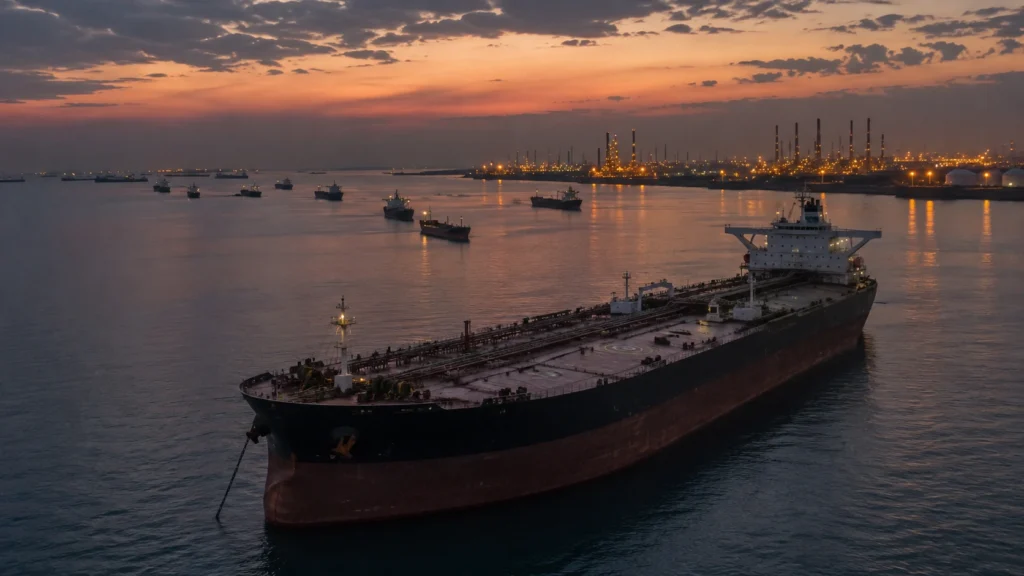
Procurement teams adjust quietly. Insurance premiums shift. Shipping contracts tighten.
No headlines required.
Outlook: What Happens Next in the Taiwan US-China Power Shift
The next escalation window appears before the September 2026 expected U.S.–China follow-up summit.
Key indicators:
- Approval status of the proposed $11bn Taiwan defense package
- New BIS export control updates on AI chip thresholds
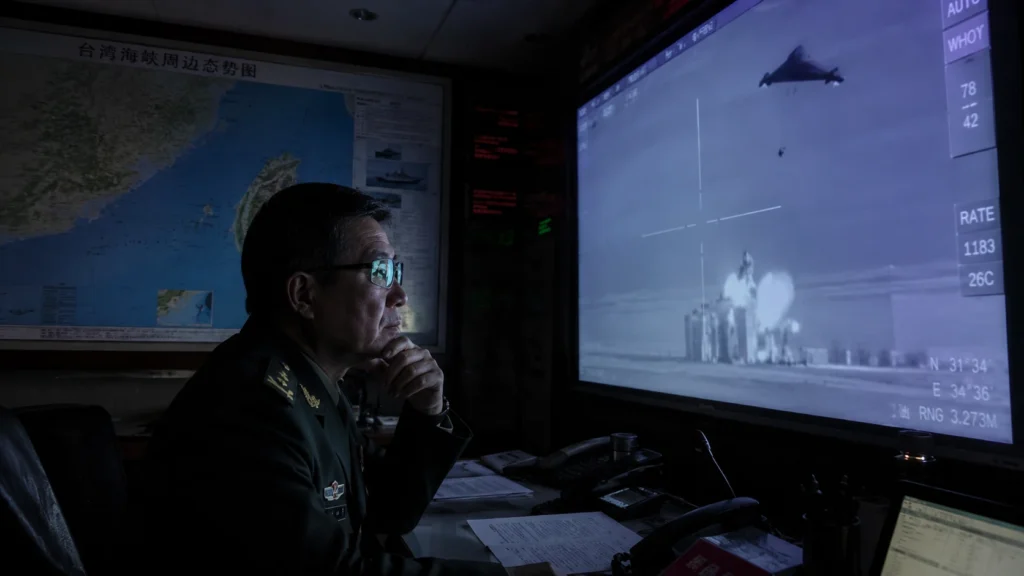
- Frequency of PLA drills around the Taiwan Strait (tracked by U.S. Indo-Pacific Command)
As US-China semiconductor competition and export controls outlined, each policy adjustment now functions as strategic signaling, not just regulation.
Stability depends on whether trade and security remain partially separated.
That separation is weakening.
FAQ: Taiwan US-China Power Shift Explained
Why is Taiwan central to US-China relations?
Taiwan produces the most advanced semiconductors globally, making it critical to both economic stability and military technology supply chains.
What role do AI chips play in this dispute?
AI chips determine computing power for defense systems, cloud infrastructure, and AI development. Export controls now act as strategic leverage.
Did the Trump-Xi talks resolve Taiwan tensions?
No. The summit avoided firm commitments, leaving ambiguity around defense and trade coordination.
Why does Taiwan’s sovereignty matter economically?
Because semiconductor production in Taiwan underpins global electronics, AI systems, and defense supply chains.
Author Bio
Written by Daniel Mercer, a geopolitical and technology supply chain analyst with 12+ years covering U.S.–China relations, semiconductor policy, and Indo-Pacific security dynamics.