

 English



































































































































































































































Actor Directors Fail Cannes Film Authority Test
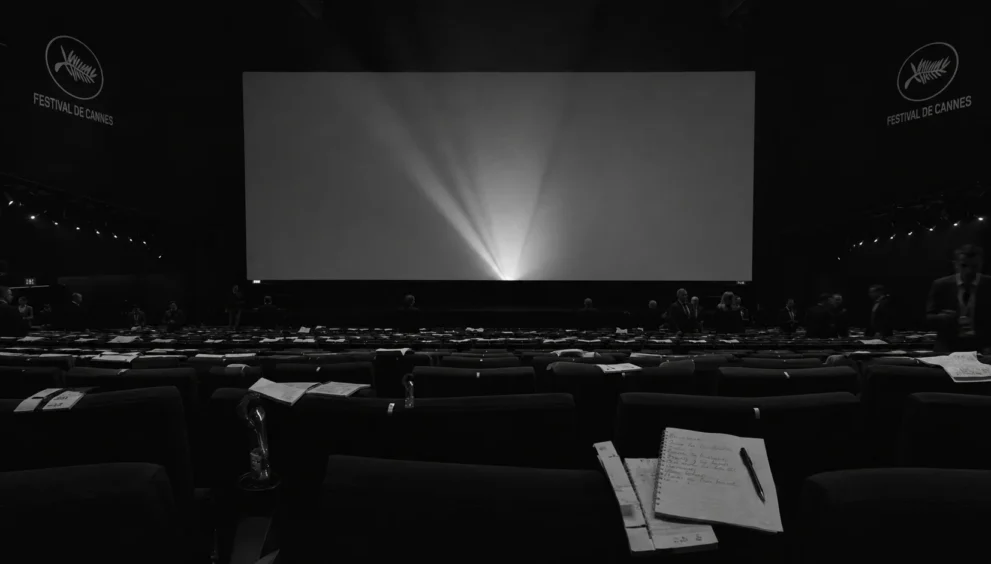
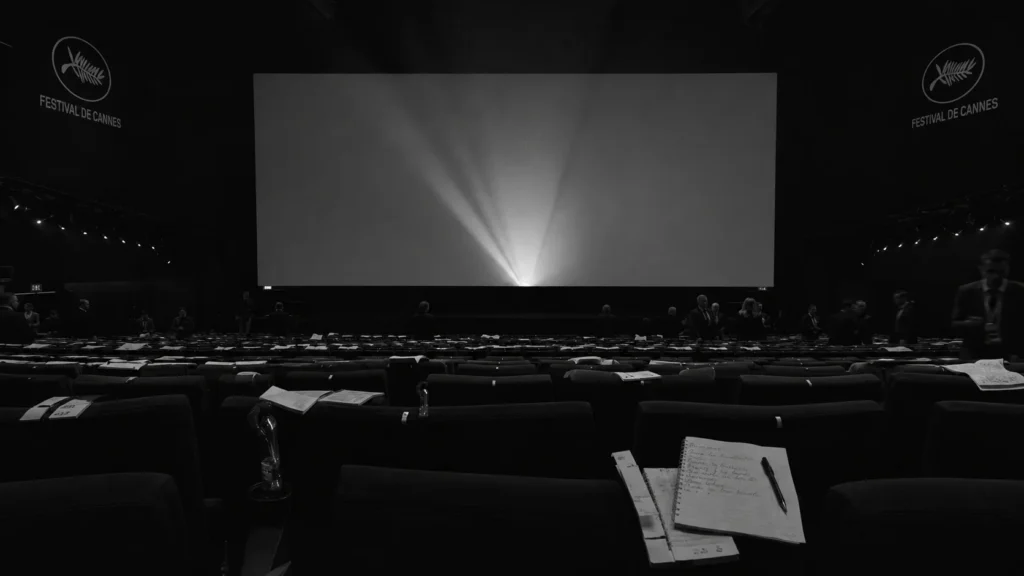
Actor Directors Fail Cannes Film projects are drawing fresh scrutiny at Cannes, where celebrity-led debuts continue to struggle against expectations of cinematic discipline and narrative craft. The latest wave of actor-turned-director films has reignited debate over whether fame translates into authorship, or whether festival prestige simply amplifies uneven work that rarely survives beyond the screening room.
When Stardom Tries to Become Authorship
The friction axis here is Tradition vs Modernity — specifically the tension between established cinematic craft and celebrity-driven authorship.
Hollywood has always allowed actors to step behind the camera. Charlie Chaplin did it. Clint Eastwood refined it. Greta Gerwig and Jordan Peele redefined it again inside modern studio systems.
But something changed in the transition from craft to access.
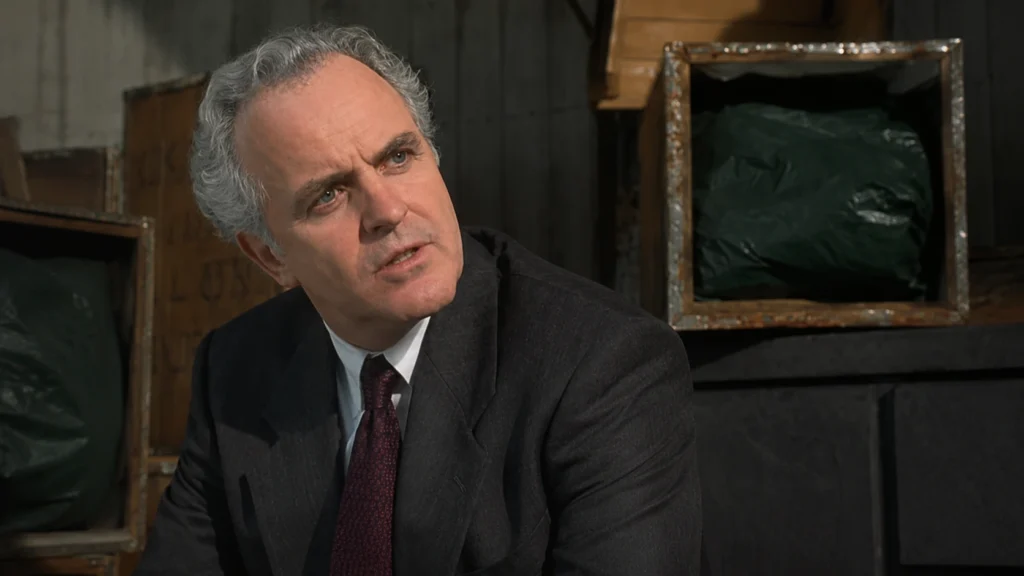
The Cannes screening of John Travolta’s Propeller One-Way Night Coach exposed that gap. The film arrived not as a commercial product but as a personal archive — autobiographical, fragmentary, shaped more by memory than narrative discipline.
According to festival reporting from Cannes 2024–2025 programming trends (Cannes Film Festival official selection archives), actor-led directorial debuts have increased in visibility but declined in wide distribution outcomes. Selection does not guarantee circulation anymore. It signals access.
As celebrity-driven film financing and festival selection patterns showed, prestige festivals increasingly function as cultural validation spaces for personal projects rather than market testing grounds.
The result is a structural mismatch.
Actors bring visibility. Cinema demands construction. Those two systems don’t always align.
Then this happened. A 61-minute autobiographical film, structured almost entirely through voiceover, entered a space built for cinematic rigor. The audience responded not to fame, but to form.
Not yet reconciled.
Prestige vs Judgment
Festivals like Cannes operate as both gatekeepers and amplifiers. They protect cinema as art while also absorbing celebrity presence as cultural capital.
Thierry Frémaux’s framing of actor-directed films as “intimate” and “personal” reflects a deeper institutional habit: festivals tolerate uneven work when it carries symbolic weight.
But here’s the shift.
Symbolic weight no longer guarantees critical acceptance.
The gap between access and evaluation widened. Films by actors like Scarlett Johansson, Chris Pine, and Kevin Costner follow the same pattern: strong entry visibility, weak narrative consolidation.
According to Cannes Film Festival official selection records, actor-directed films consistently receive high-profile premieres but irregular theatrical distribution outcomes across the last decade.
Interesting.
Who Controls Cultural Authority Now? Film criticism once sat between production and the audience. That position weakened.
Festivals gained authority over visibility. Platforms gained authority over distribution. Audiences gained authority over interpretation.
Actors attempting direction now operate inside a fractured system where fame no longer guarantees coherence.
Travolta’s film reveals that shift clearly.
He carries symbolic capital. The festival grants visibility. Critics still decide permanence.
And permanence is the only currency that lasts.
Memory, Ego, and Audience Expectation
For audiences, the expectation splits in two directions.
Some arrive expecting cinema. Structure. Story. Conflict.
Others arrive expecting confession. Memory. Personality.
When those expectations collide, the result feels unstable.
Film crews navigate this tension, too. Editors shape voice-overs that stretch narrative into memoir. Producers hesitate to cut personal material. Festivals absorb the final form.
Then, audiences judge what remains.
The gap is emotional, not technical.
Where This Pattern Moves Next
Over the next 12–24 months, actor-led directorial projects will likely increase at the festival level while remaining unstable in distribution pipelines.
Watch three signals:
- Expansion of streaming platforms acquiring “prestige personal films” post-festival
- Continued rise in autobiographical first-time director projects from established actors
- Festival programming is leaning further into celebrity authorship as a cultural draw.
As evolution of auteur theory in contemporary cinema showed, authorship now extends beyond craft into identity performance.
The risk is fragmentation.
The reward is visibility.
Both will grow at the same time.