

 English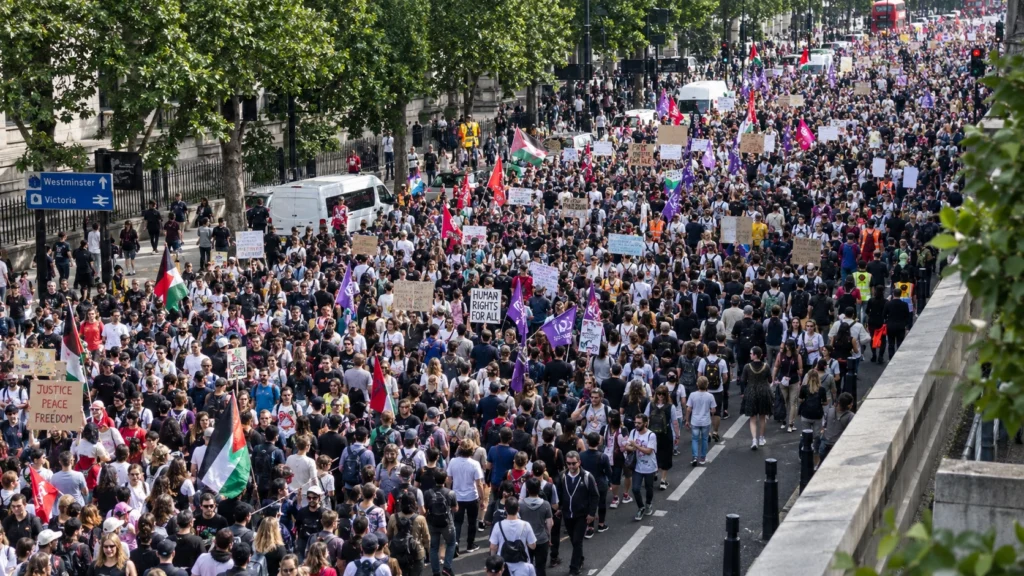


































































Cuba Braces for Invasion After CIA Chief Lands in Havana
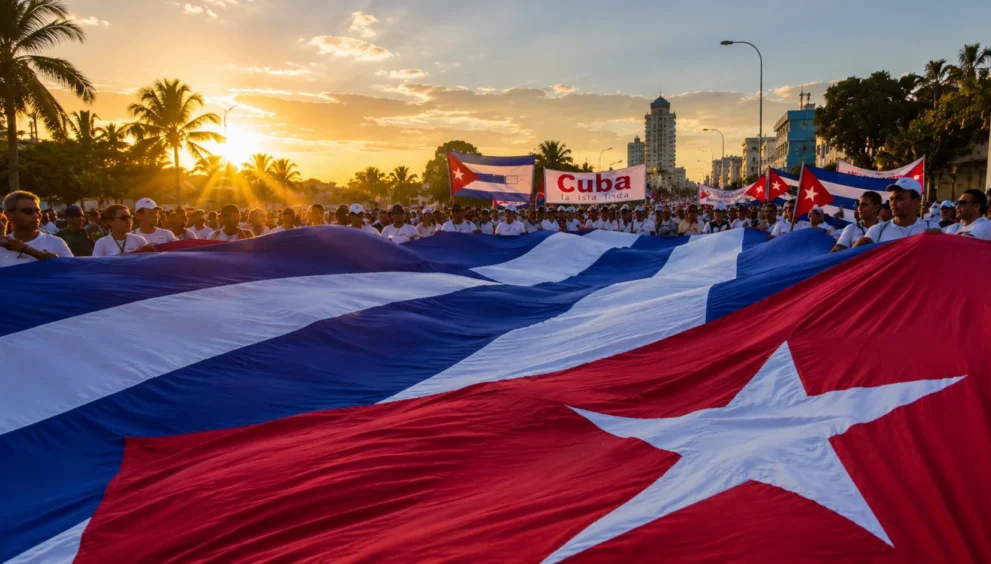
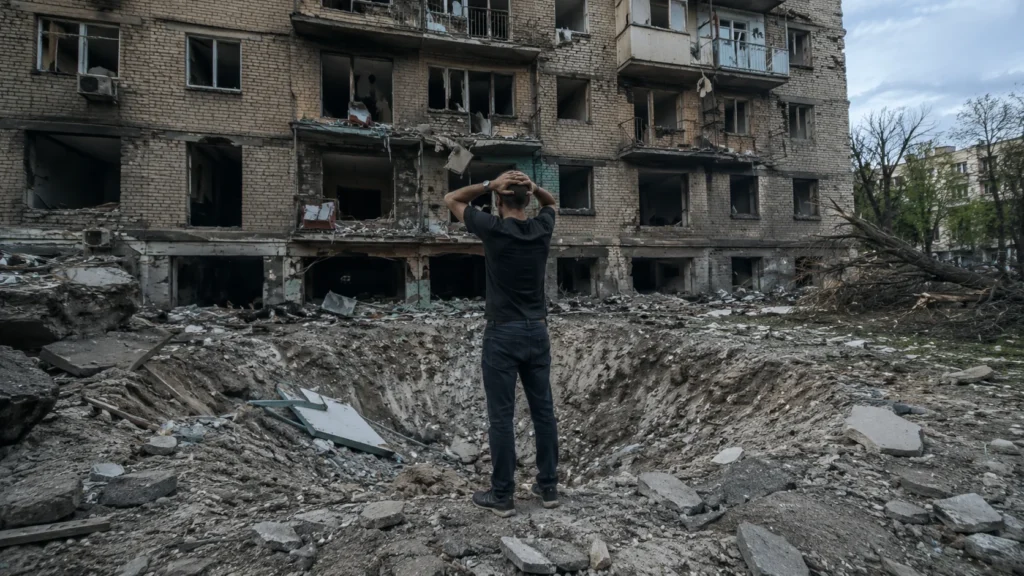
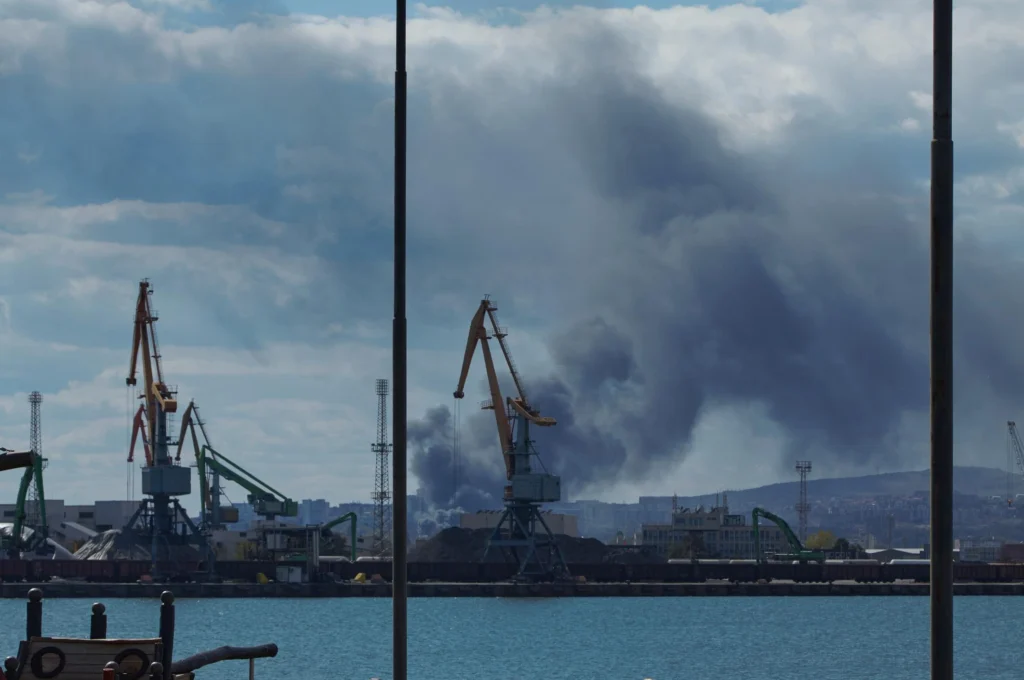
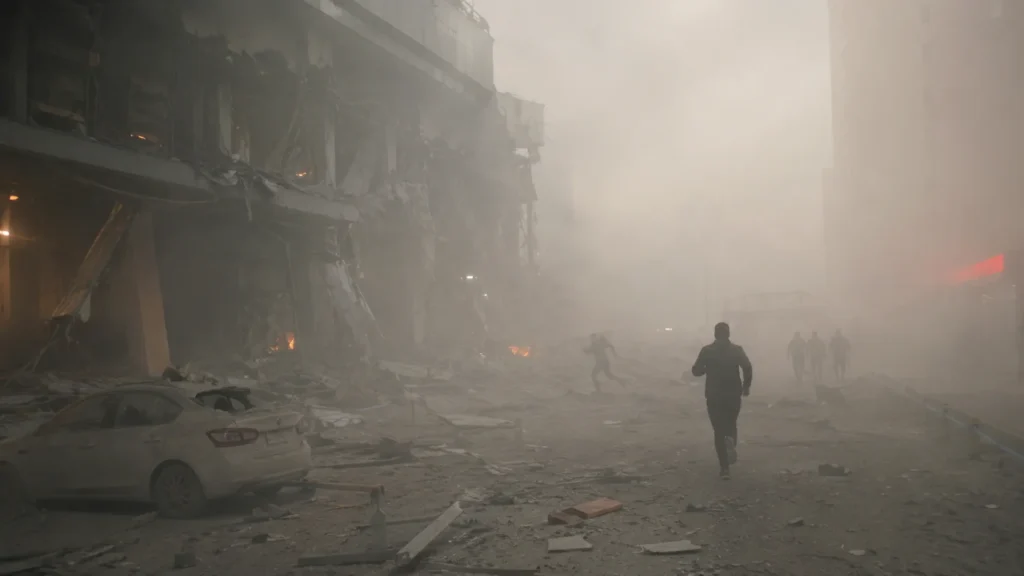
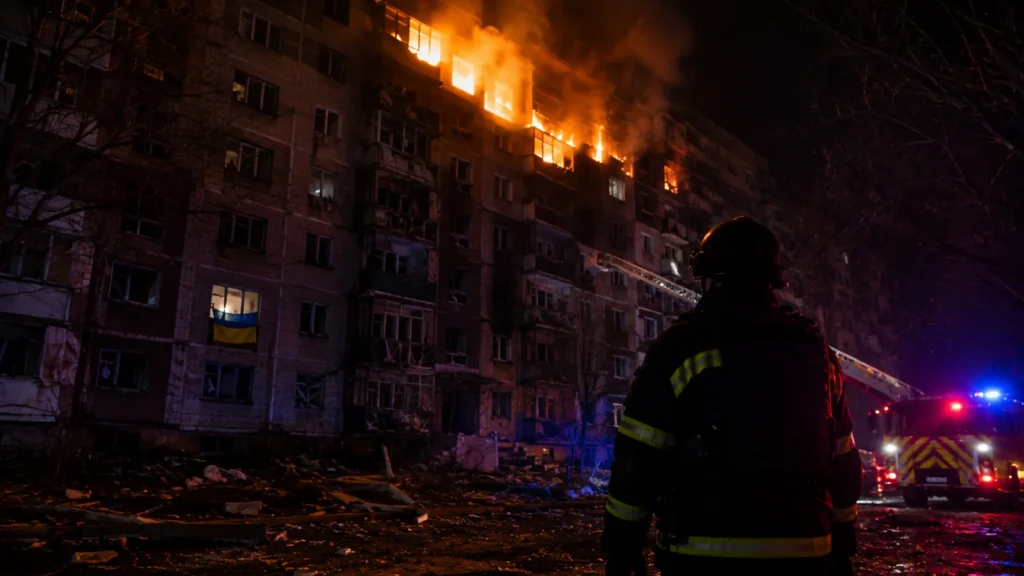
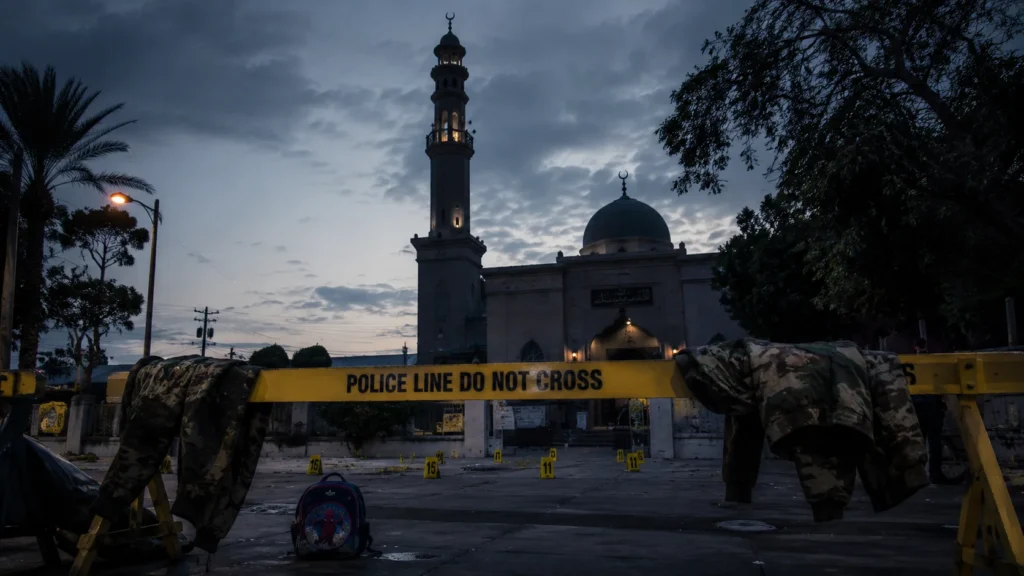
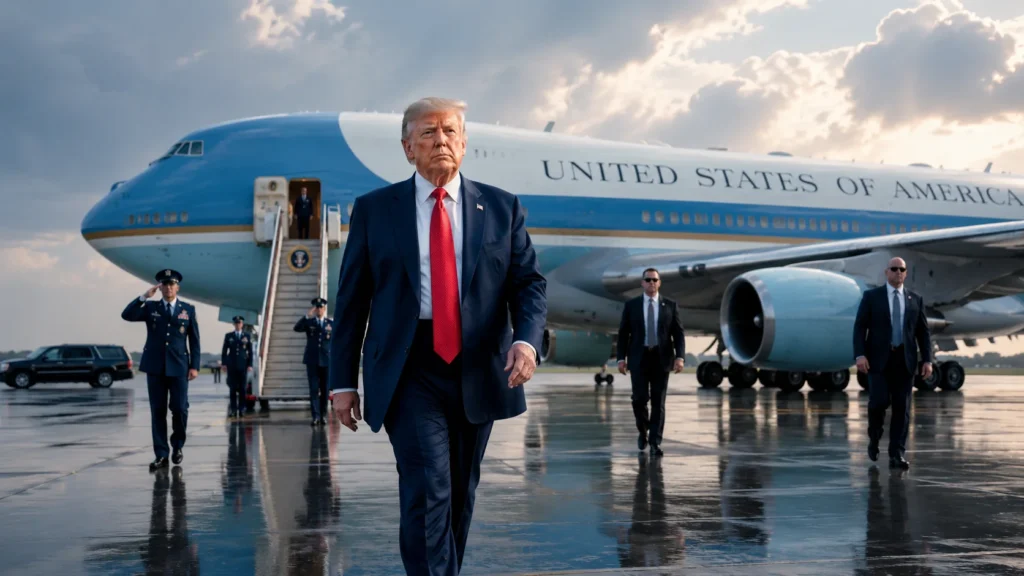
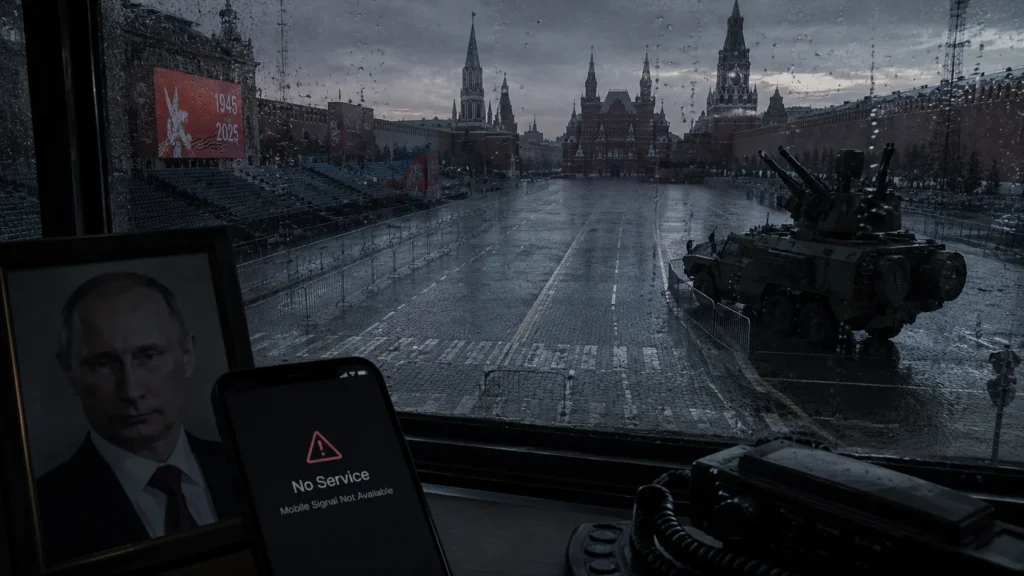
Cuba braces for invasion after CIA Director John Ratcliffe touched down at José Martí International Airport on May 14, 2026, aboard a US government aircraft marked “United States of America.” Within days, state authorities ordered every office building in Havana to draft contingency plans for an imperialist attack. Civilian military training footage flooded state media. The US oil blockade, imposed on January 29, has drained the island’s last fuel reserves. The artificial Christmas tree in CNN’s bureau lobby still stands. Nobody has bothered to take it down.
What Changed in May 2026
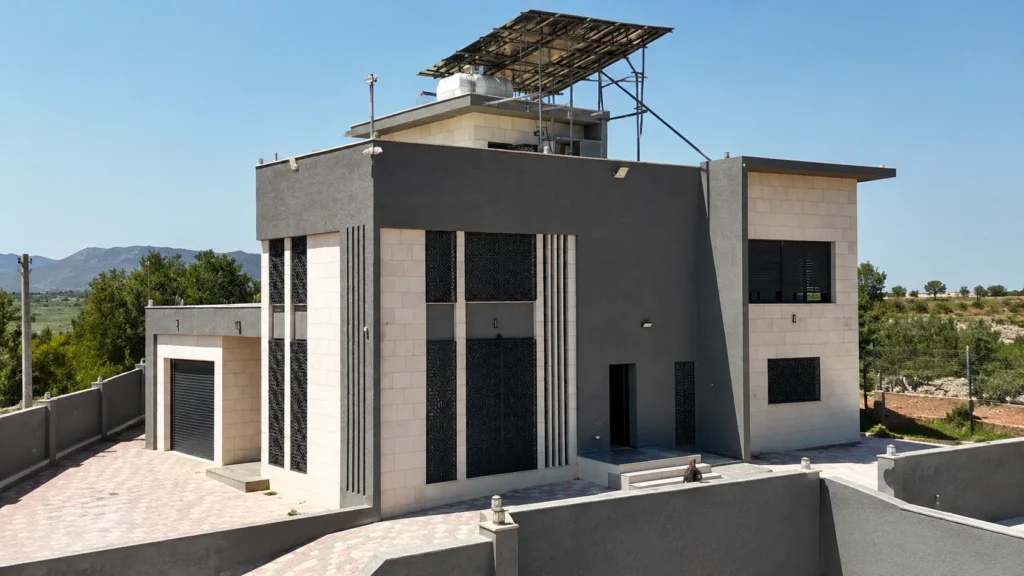
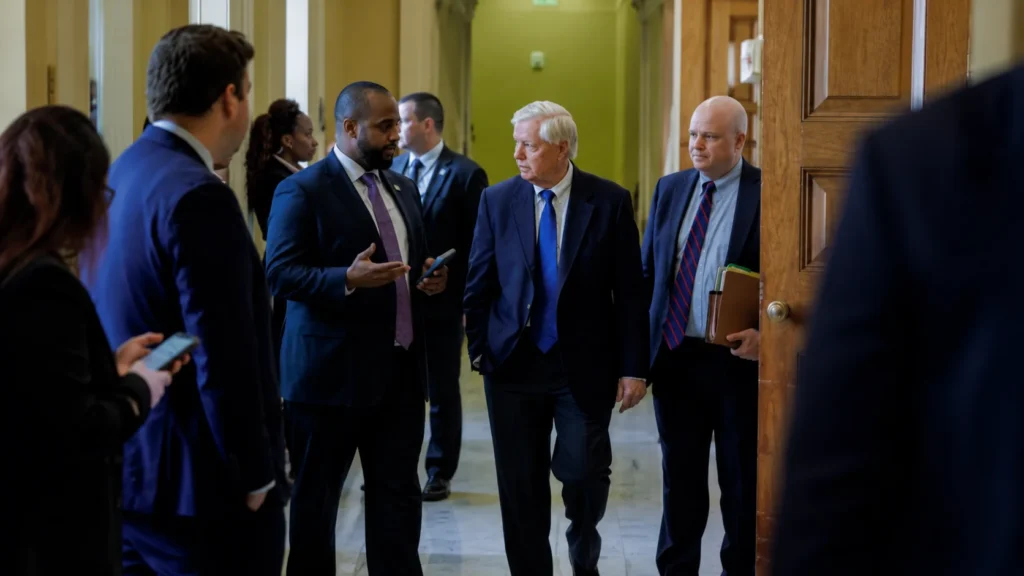
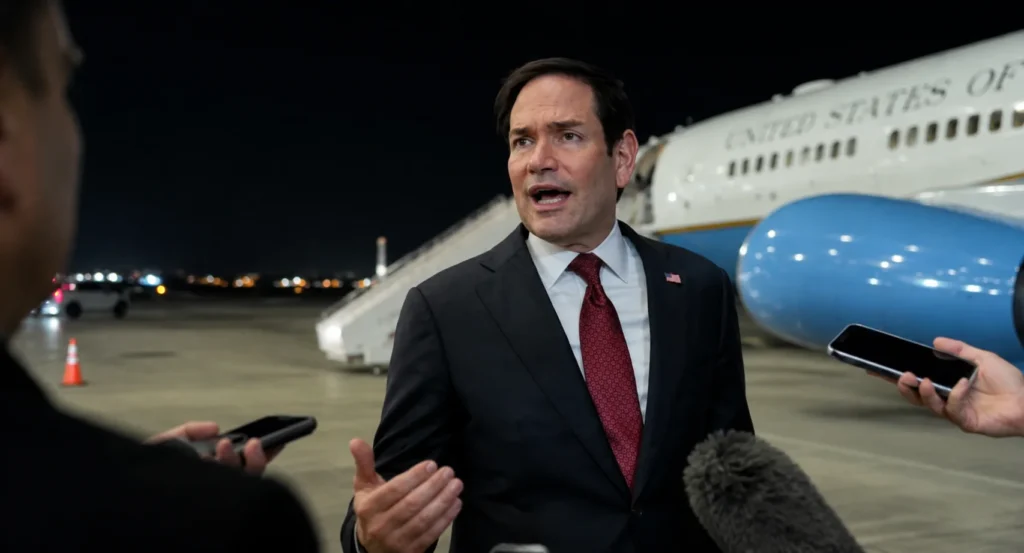
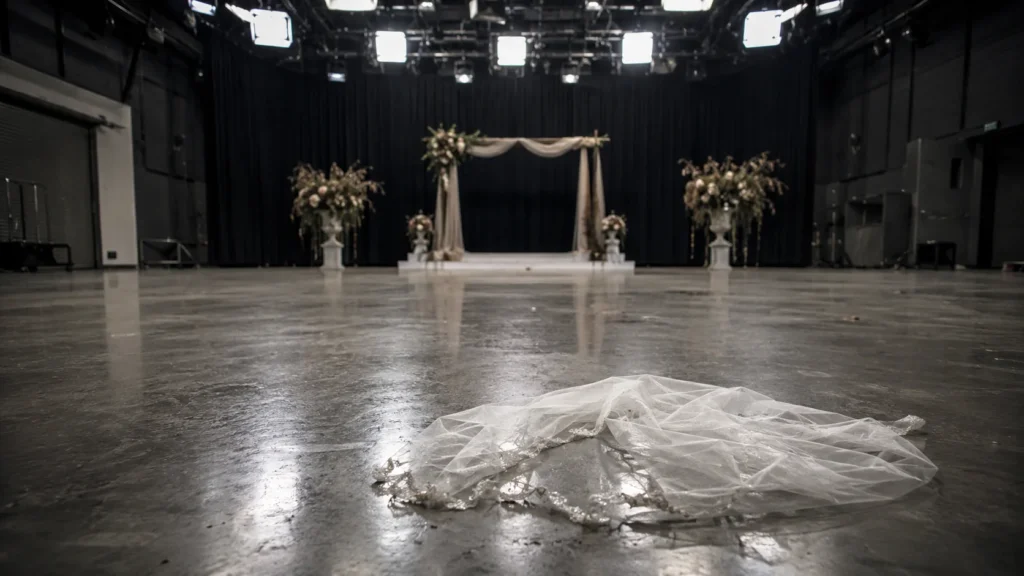
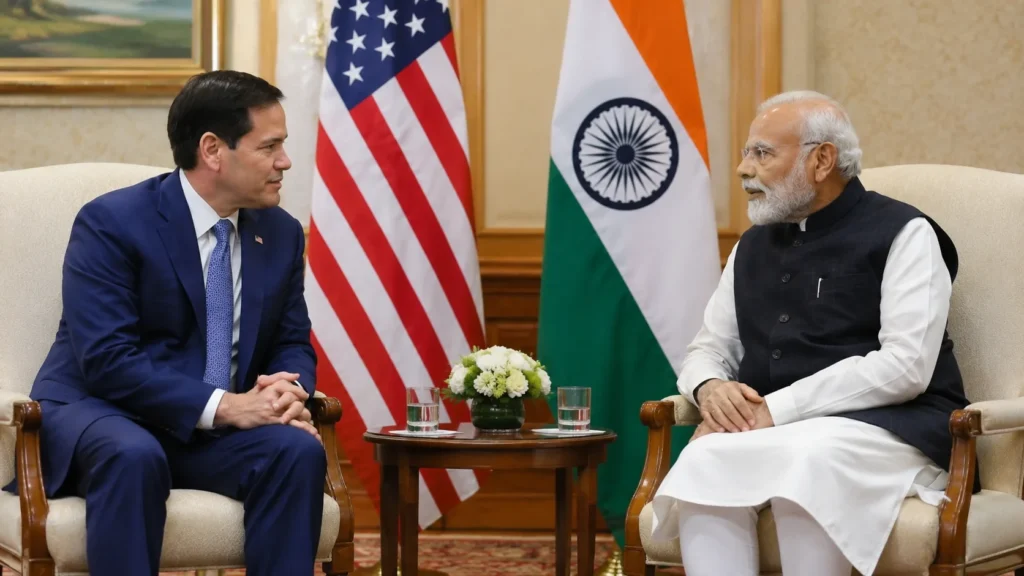
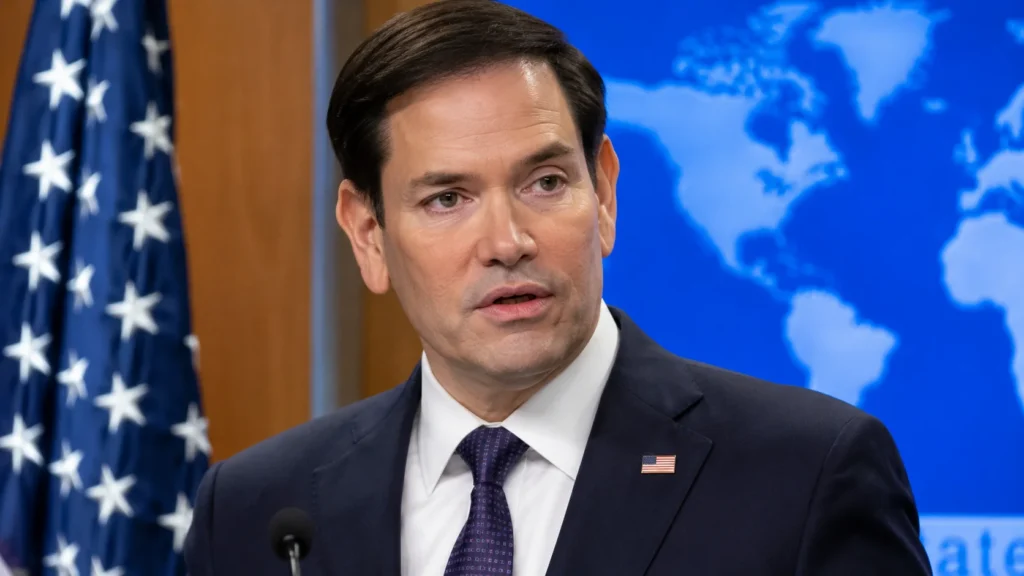
CIA Director John Ratcliffe landed at José Martí International Airport on May 14 aboard a US government plane marked “United States of America.” The visit was not clandestine. Cuban intelligence chiefs met him at a protocol house with blackout curtains and a conference table overflowing with floral arrangements. American officers had their faces blurred in released photographs. The Cubans did not.
Peter Kornbluh, co-author of Back Channel to Cuba and senior analyst at the National Security Archive, called the meeting “the height of historical irony.” He described Ratcliffe’s mission as submission diplomacy, a “do or die” offer Cuba could not easily refuse.
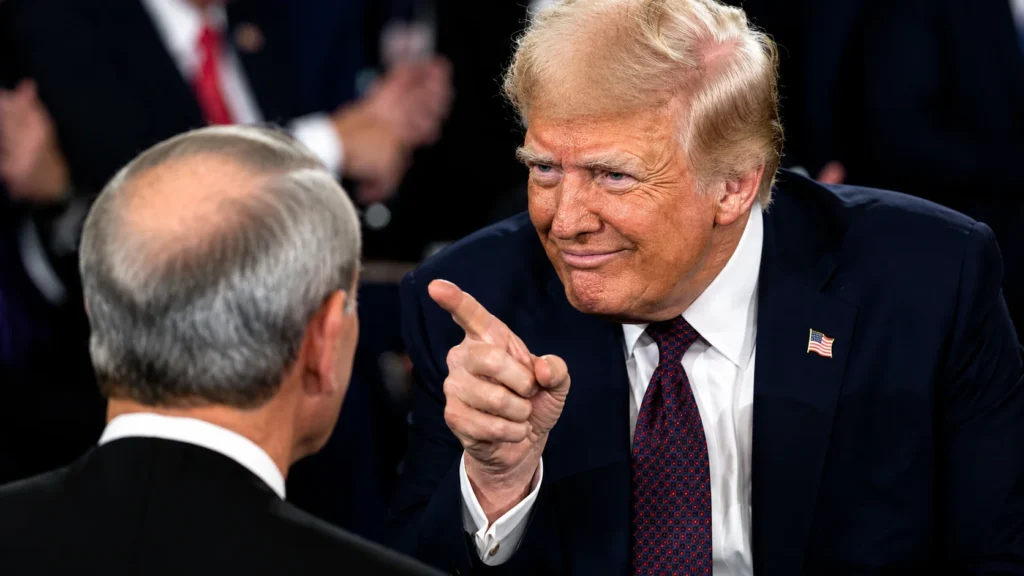
Cuban officials presented their case that the island poses no threat to US national security, directly countering the Trump administration’s legal justification for the oil blockade. Ratcliffe rejected those arguments. He accused Havana of hosting Russian and Chinese listening posts that threaten US interests in the region.
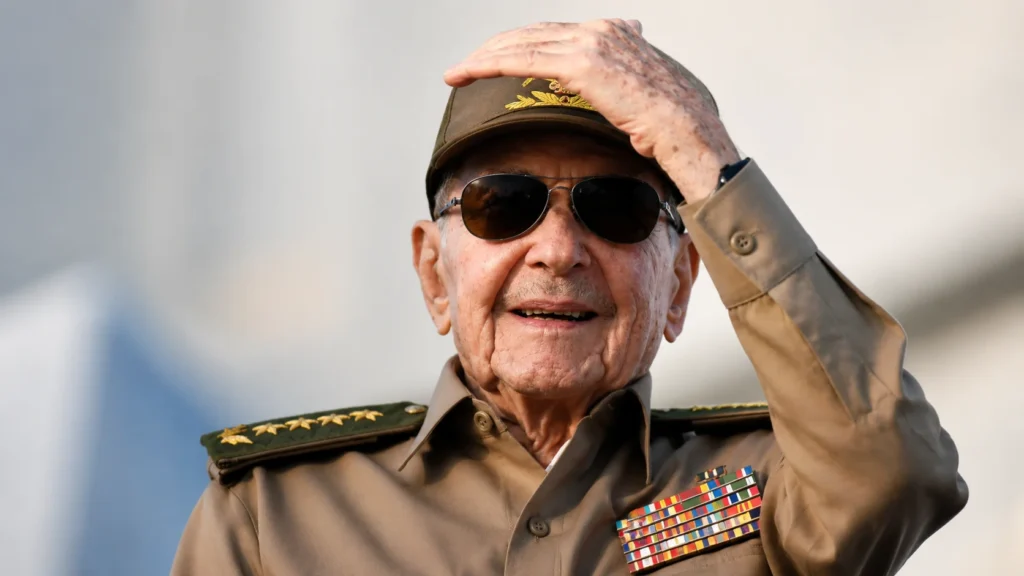
Hours after his departure, news leaked that federal prosecutors sought an indictment against former President Raúl Castro for his alleged role in the 1996 shootdown of two Brothers to the Rescue planes. Castro turns 95 in June. He walks with assistance. An indictment would mirror the January 2026 operation that captured Nicolás Maduro in Venezuela.
As our analysis of Venezuela’s regime collapse documented, Washington has shown a willingness to move from sanctions to direct action.
The Blockade’s Toll, in Numbers
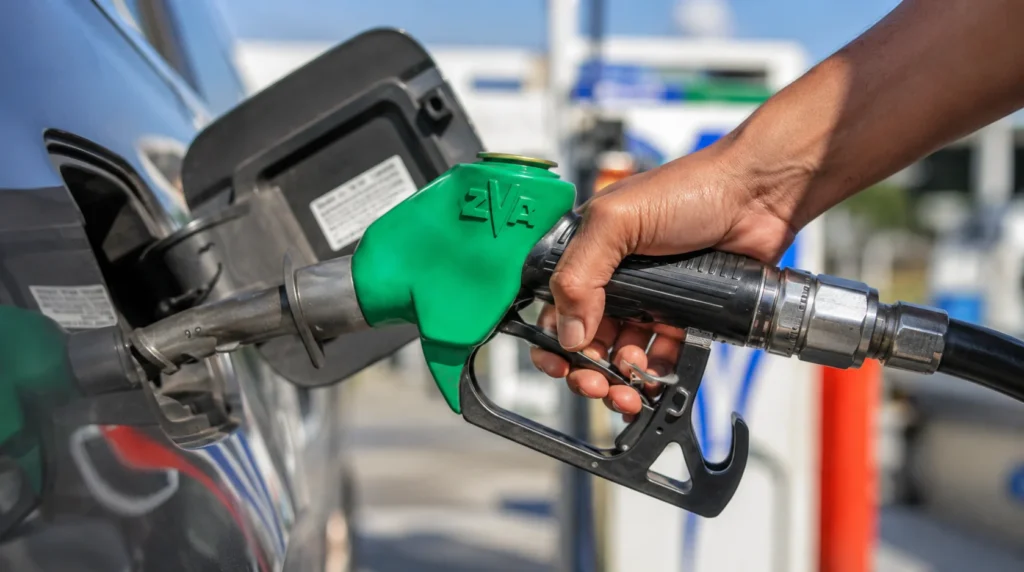
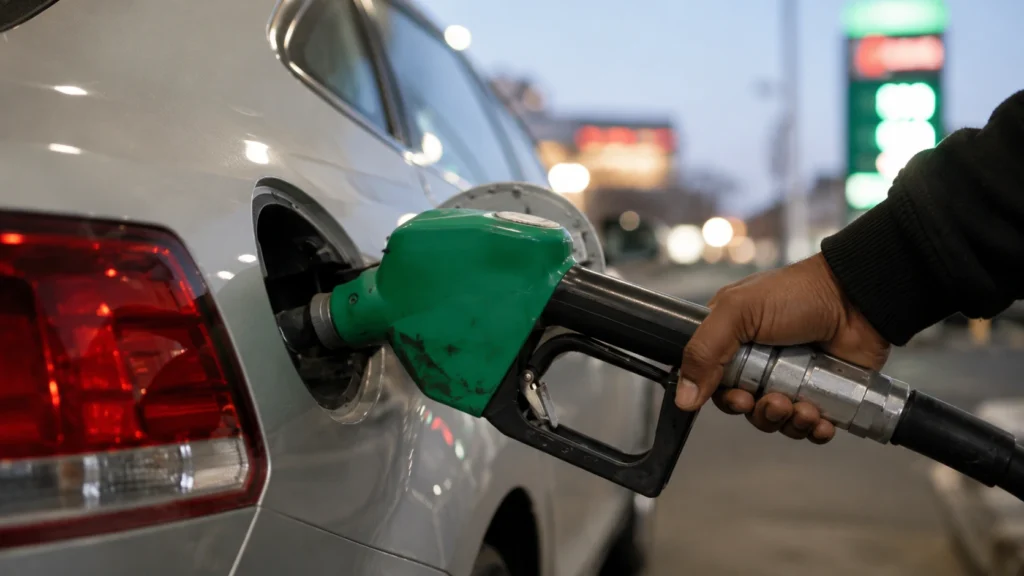
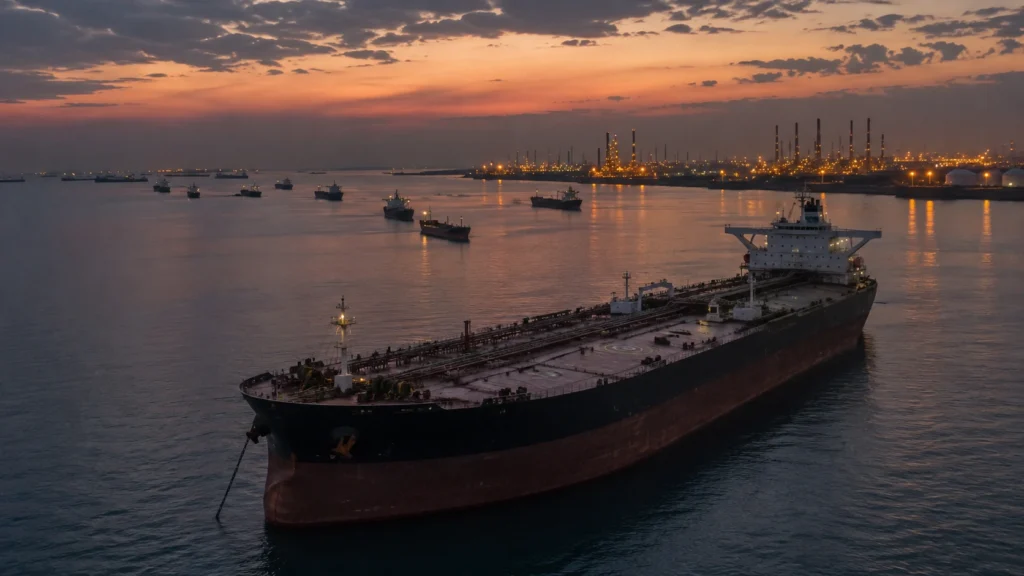
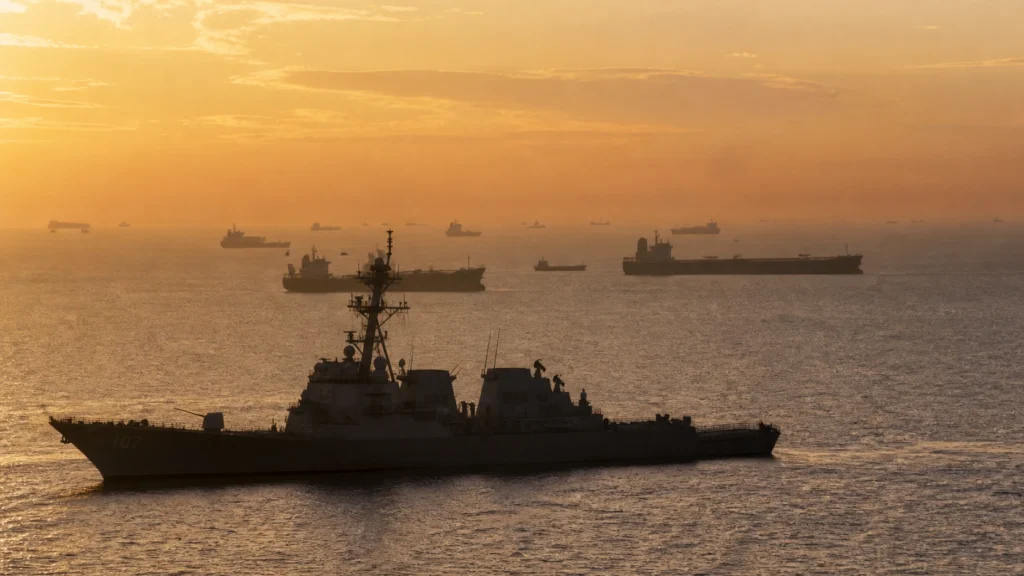
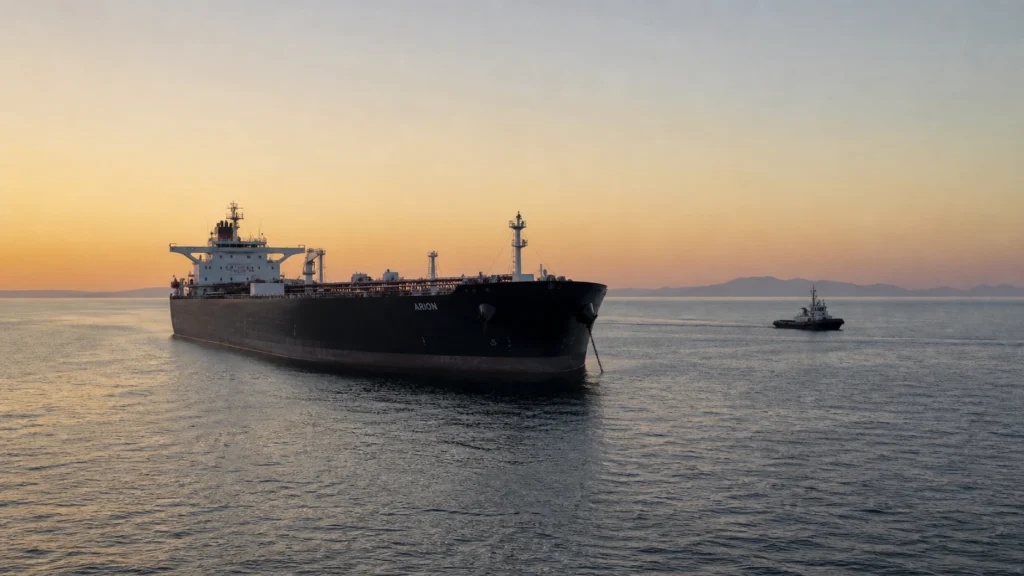
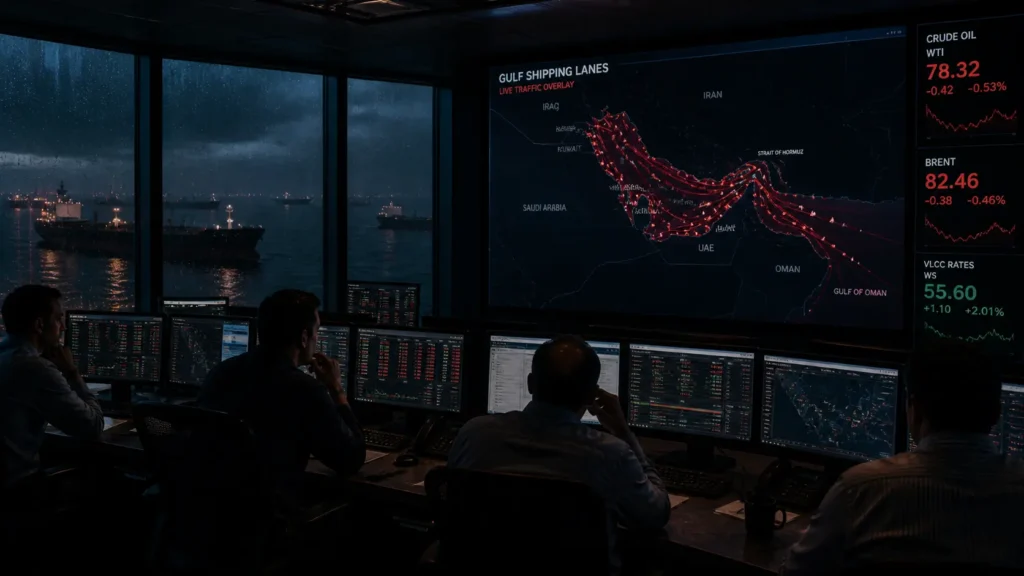
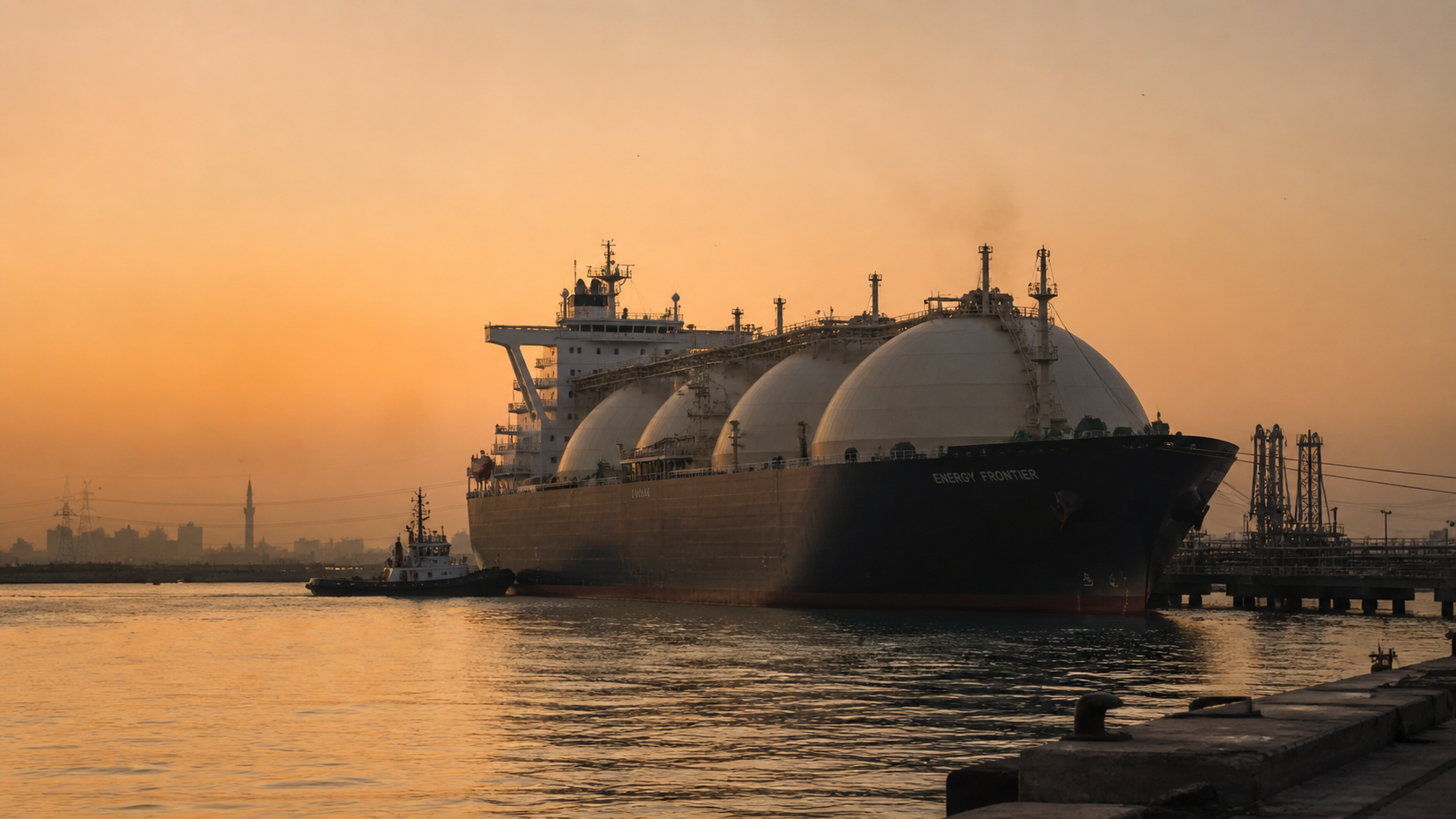
The US oil blockade, enforced since January 29, has produced a measurable collapse.
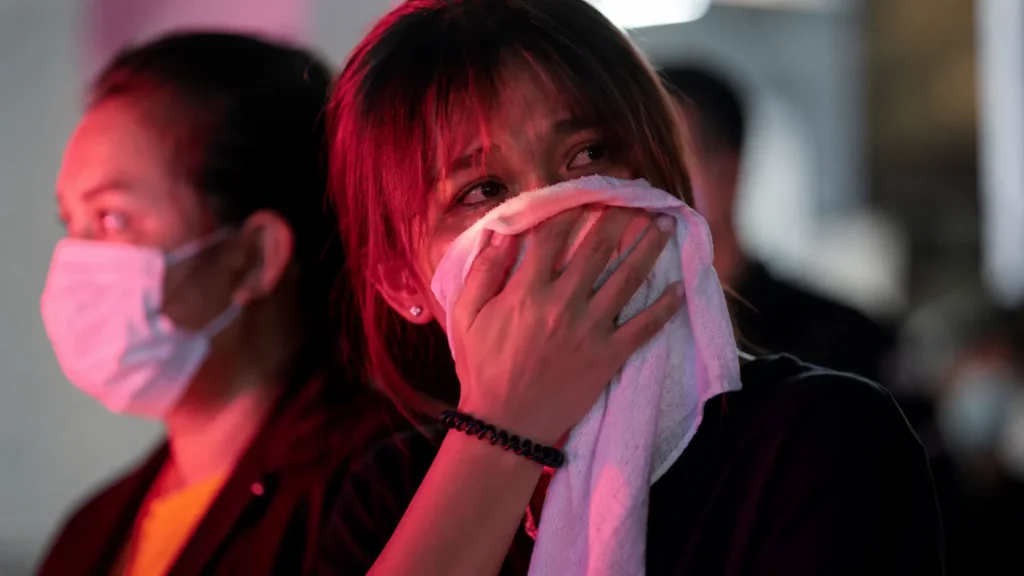
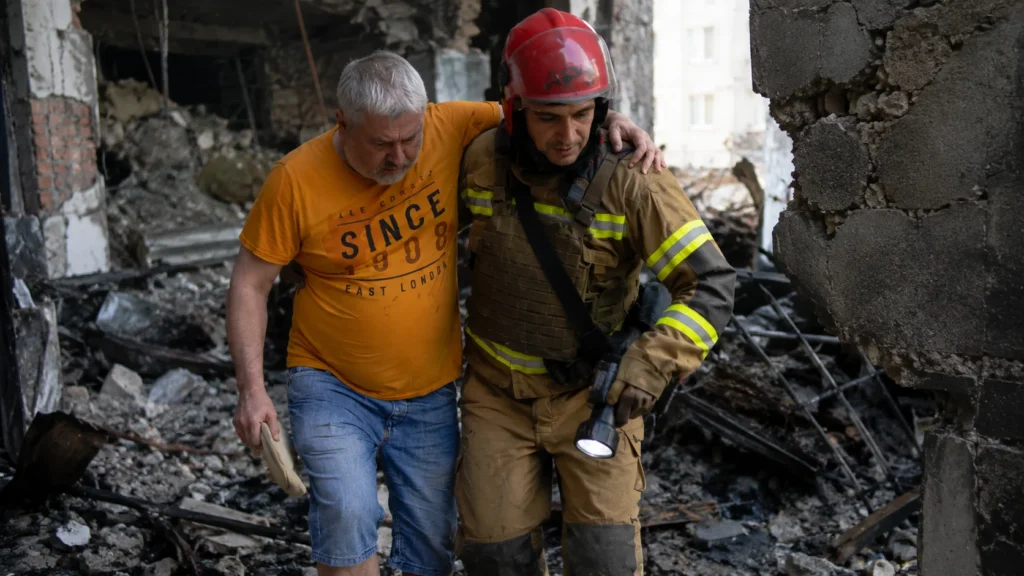
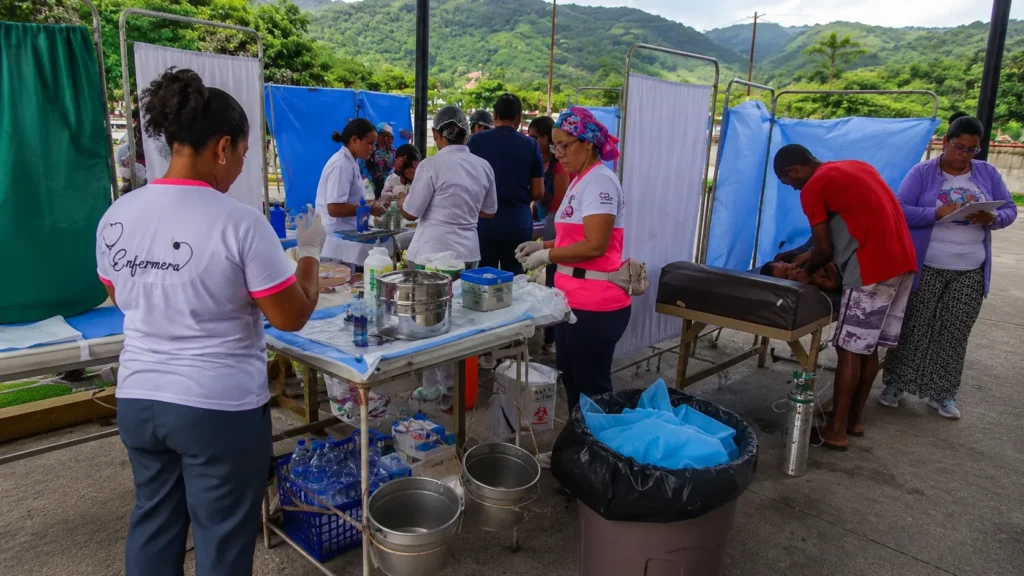
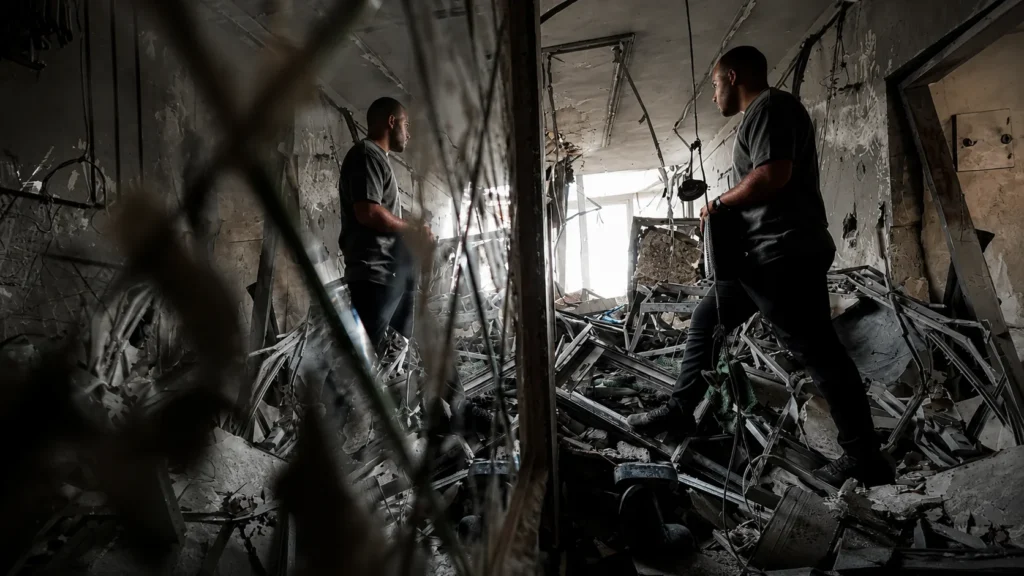
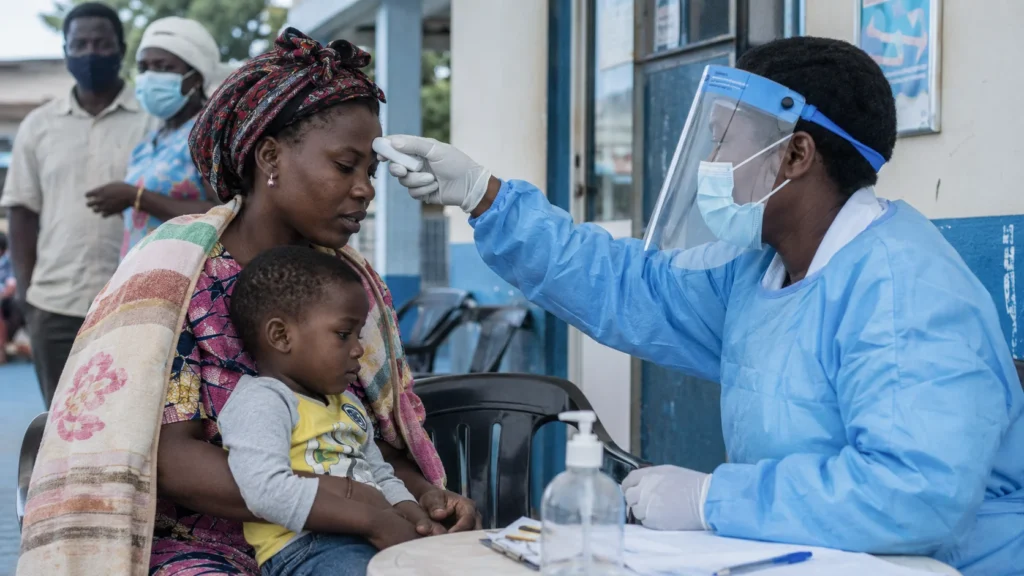
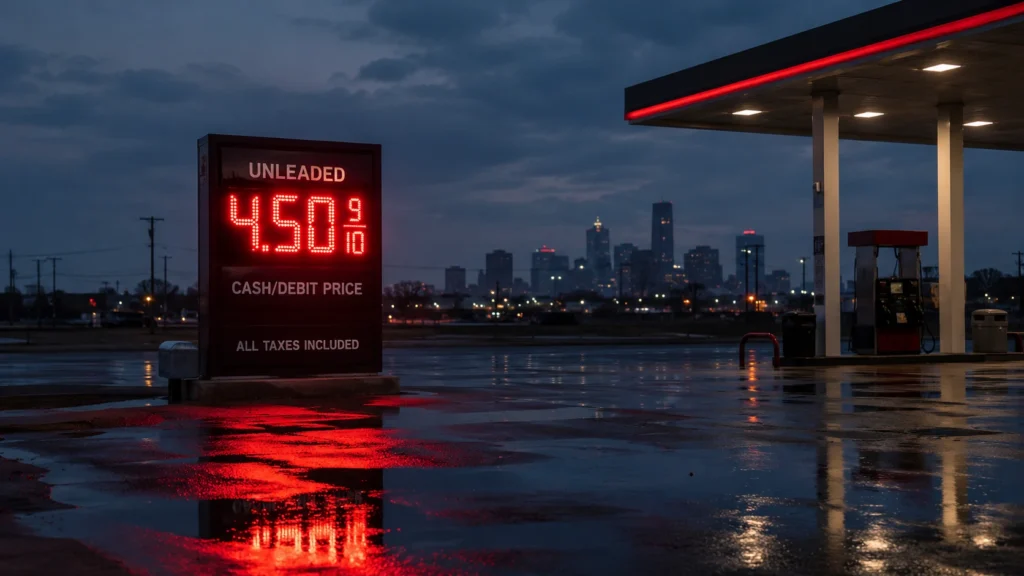
Cuba’s energy minister announced this week that the island’s last fuel reserves are gone. The Cuban government statement on energy reserves confirmed blackouts now stretch all day in Havana and across provinces. New sanctions halted most maritime shipments. Food prices spiked. State hospitals operate without basic medicines. Uncollected trash piles up in nearly every neighborhood.
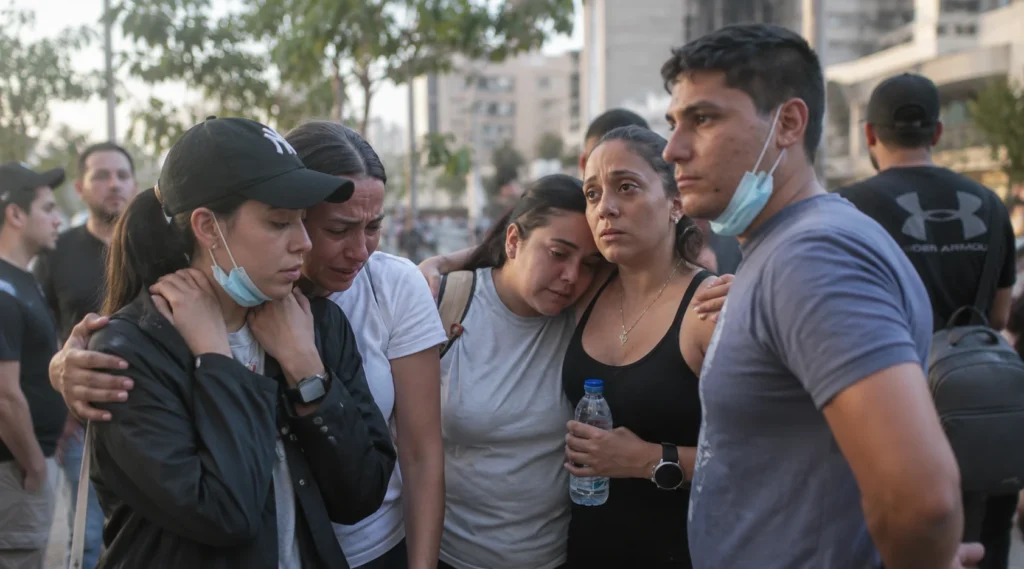
Protesters beat pots and pans in Havana streets last week until the steel dented inward.
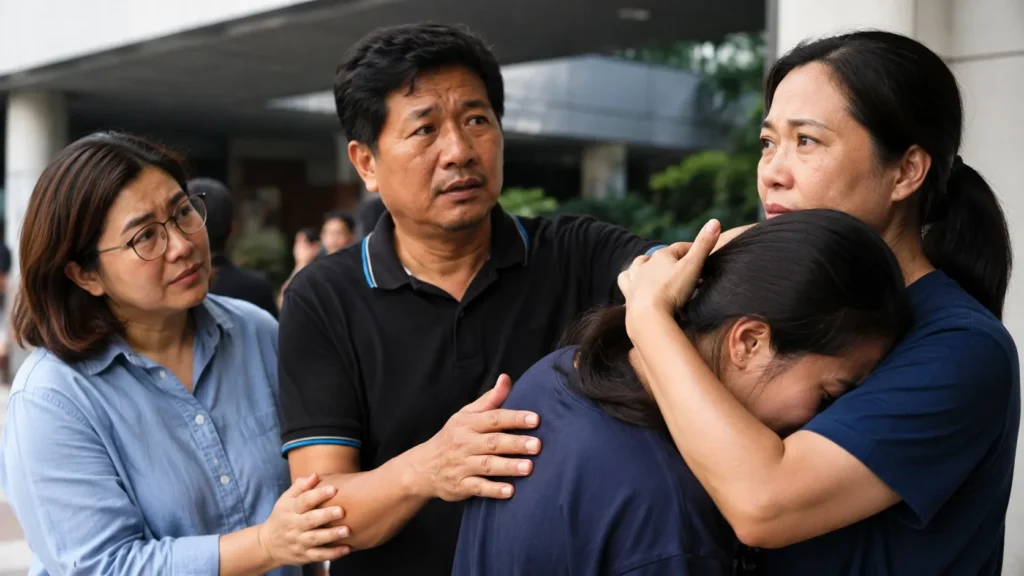
A civil defense guide circulated this month advises families to prepare backpacks of non-perishable items. One Havana resident dismissed it. “They tell us to prepare like it’s a hurricane coming,” he told CNN. “But already, we have run out of everything.”
This is where the blockade logic meets its test. Sanctions typically target elite decision-makers. This one cuts fuel access for everyone. Hospitals. Generators. Refrigerators. The calculation assumes civilian suffering translates into political pressure on the regime.
So far, it has not produced that result.
How Cuba Is Preparing
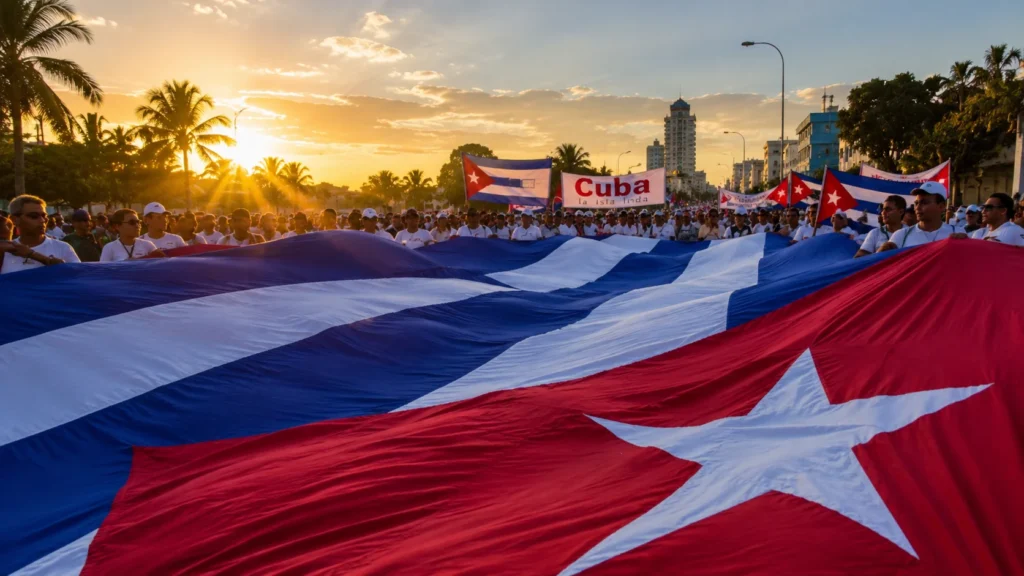
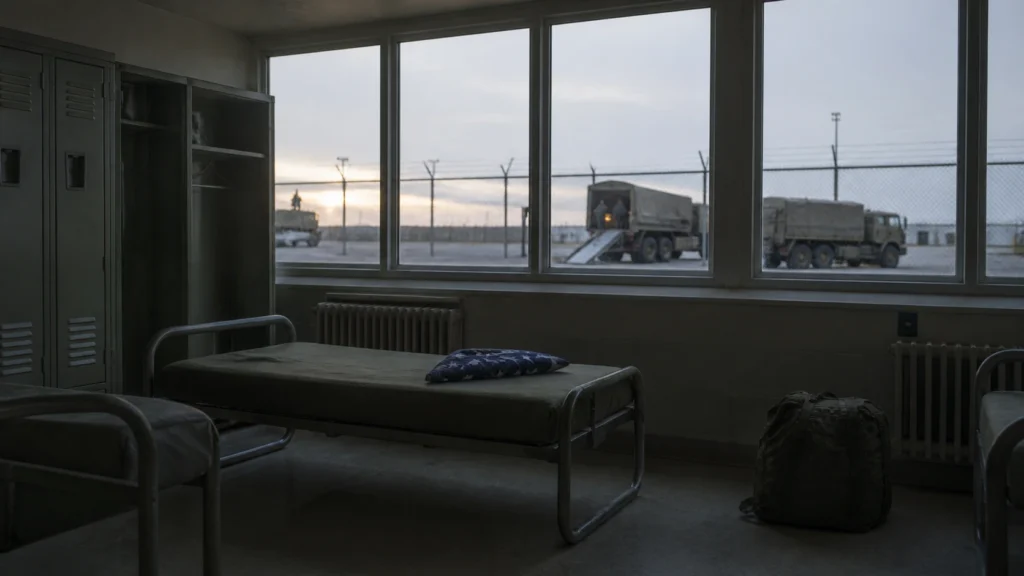
President Miguel Díaz-Canel marched in the May Day parade on May 1 and declared, “We are ready to give our lives for the revolution.” State media released footage of civilians receiving military training under Fidel Castro’s doctrine of war of the entire population, a Vietnam-style guerrilla attrition strategy.
The images tell a complicated story. Soldiers maneuver with Soviet arms older than their operators. One clip showed an anti-aircraft gun pulled by oxen.
Military historian Hal Klepak told CNN the Cuban armed forces could still mount dogged resistance. “They have shown, over and over again in natural disasters, that they are capable of mobilizing the population.”
Historian Ada Ferrer, author of Keeper of My Kin and a Pulitzer Prize-winning historian at New York University, warned of what follows any regime collapse. “If I think about times in Cuban history when political change has happened, when unpopular governments have been removed or have fallen, there’s always been violence that followed.”
The question no one can answer yet is whether a population suffering prolonged blackouts and food shortages would fight for a government that cannot keep the lights on.
As our reporting on Cuba’s economic migration surge documented, hundreds of thousands have already chosen exit over endurance.
FAQ
Why did the CIA director visit Cuba in May 2026?
John Ratcliffe met Cuban intelligence chiefs on May 14 to deliver what analysts describe as submission diplomacy, a “do or die” offer. He accused Havana of hosting Russian and Chinese listening posts. Cuban officials countered that their island poses no threat to justify the ongoing US oil blockade.
What is the US oil blockade on Cuba?
The Trump administration imposed the blockade on January 29, 2026, cutting fuel access to the island. The policy has drained Cuba’s energy reserves, caused extended nationwide blackouts, and halted most maritime shipments, according to the Cuban energy ministry.
Is the US planning to invade Cuba?
The Trump administration has not announced any military operations. However, Cuban state authorities ordered office buildings to draft invasion contingency plans, civilian military training has increased, and the potential Raul Castro indictment mirrors legal groundwork used before the Maduro capture in Venezuela.
How are ordinary Cubans responding to the crisis?
Responses split along age, geography, and remittance access lines. Some participate in pot-banging street protests against conditions. Others accept the government’s framing that Washington caused the suffering. A Havana protester told CNN, “If half of us die, half of us die. But at least the other half gets to live in peace.”
What happens next between the US and Cuba?
Three indicators matter. The Castro indictment decision will signal whether Washington prefers negotiation or escalation. Fuel shipment patterns will reveal if the blockade holds. Civilian unrest intensity will show whether suffering turns populations against the regime or against Washington.
What to Watch: Three Indicators
The Castro indictment decision. A sealed indictment suggests leverage. An unsealed one suggests preparation for action.
Fuel shipments are reaching Cuban ports. The maritime halt is not absolute. Exceptions reveal diplomatic fissures that could widen.
Civilian unrest patterns. Pot-banging protests this week suggest a population at its limit. Whether that energy targets the regime or solidifies anti-American solidarity remains the critical unknown.
Ratcliffe’s plane departed Havana. The Christmas tree in the CNN bureau lobby stays. No one expects to take it down soon.
Written by a senior foreign correspondent who has reported from Havana through multiple sanctions cycles and tracked US-Cuba relations for over a decade.