

 English




















































































































































































































































































































Bill Cassidy Lost His Primary. The Senate Will Feel It.
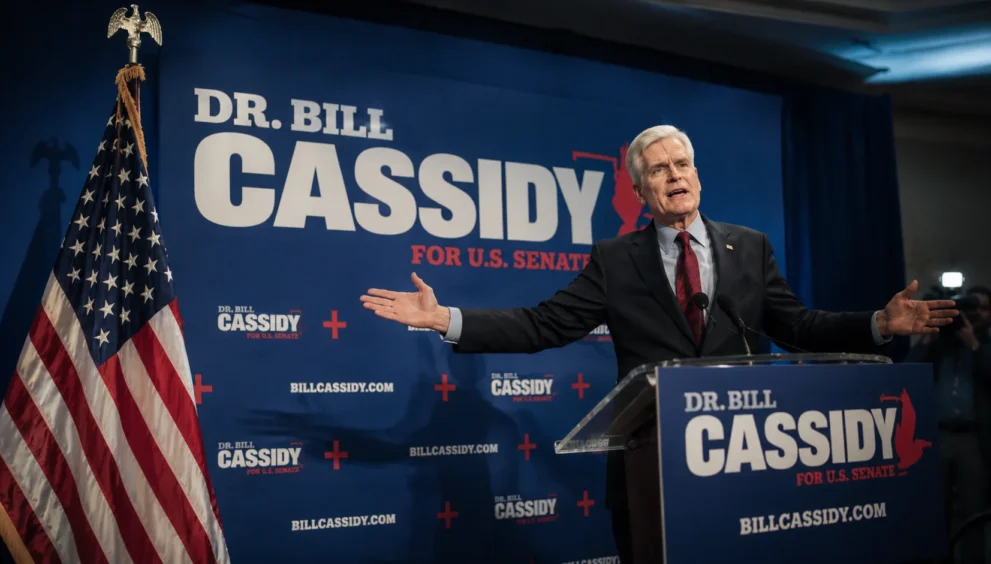
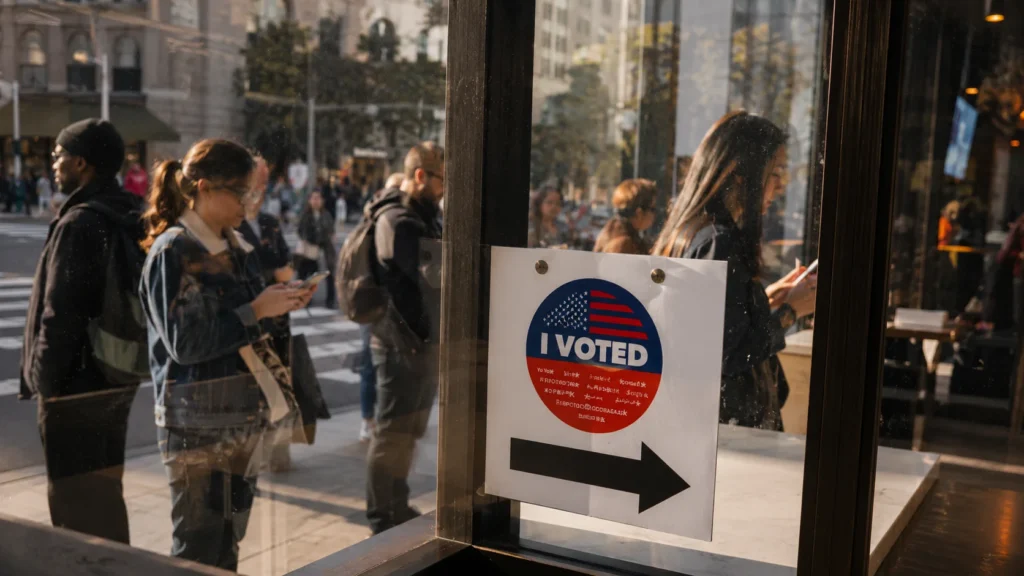
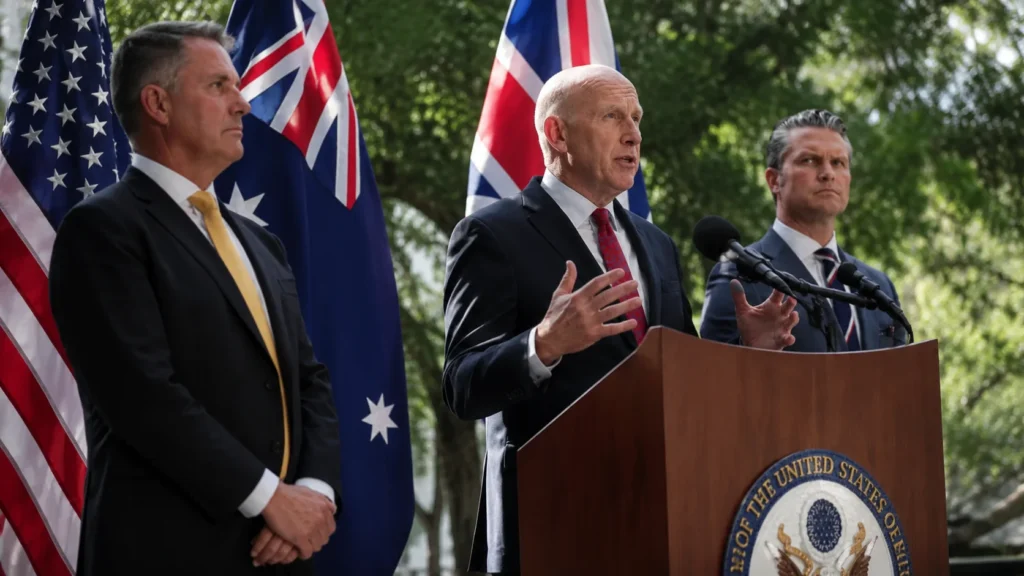
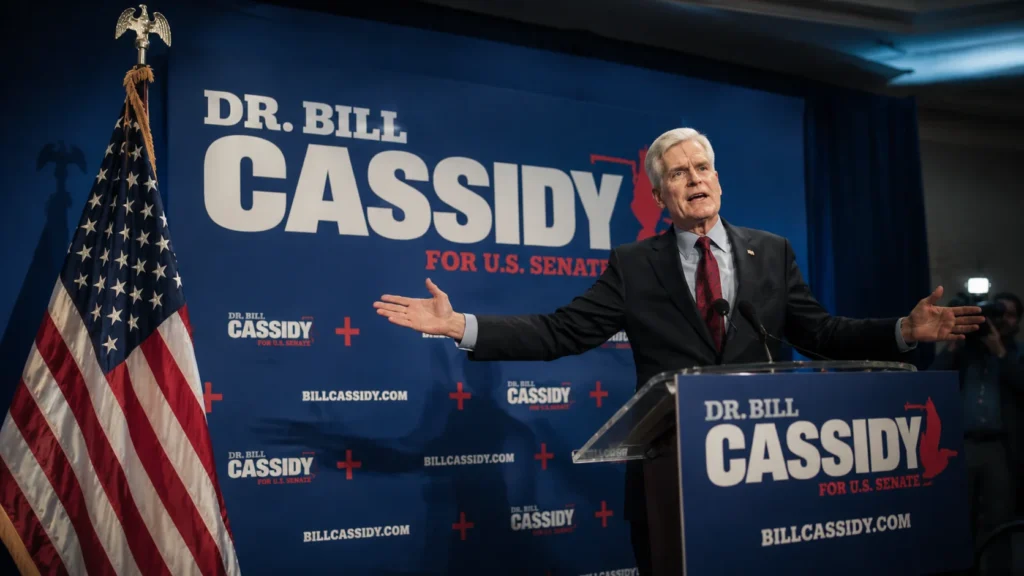
Bill Cassidy lost his primary on May 16, 2026, falling to Trump-endorsed Rep. Julia Letlow in a Louisiana Republican contest that turned on a single vote he cast five years ago. Letlow now heads to a runoff against state treasurer John Fleming, who also made Cassidy’s impeachment vote central to his campaign. The defeat marked the first time in nearly a decade that a sitting GOP senator lost renomination. Cassidy’s concession speech, delivered just after 9 PM in Baton Rouge, did not follow the defeated-incumbent script. He did not name Trump. He did not need to.
How Cassidy Lost: The Vote That Never Expired
Five years passed between Cassidy’s vote to convict Trump in the second impeachment trial and Saturday’s primary defeat. The senator tried to close that gap with legislative accomplishment. Trump signed four bills Cassidy shaped. None of them mattered.
The Louisiana Secretary of State official primary results confirmed what polling had suggested for months. Impeachment support functions as a permanent disqualifier among Republican primary voters. Letlow and Fleming both centered Cassidy’s impeachment vote in their campaigns. Trump reminded voters he had endorsed Cassidy in his last reelection bid, only to watch him vote for conviction. The betrayal narrative overwhelmed every counterargument.
As our analysis of Trump’s 2024 primary endorsement success rate documented, the former president’s support carries decisive weight in contested primaries. What Louisiana proved is that its opposition carries equal force.
The last sitting GOP senator to lose renomination fell during the Obama administration. The gap matters. For nearly a decade, Republican senators who crossed Trump chose retirement over defeat. North Carolina Sen. Thom Tillis announced his exit rather than face voters whom Trump had mobilized against him. Cassidy chose to fight. He lost by a margin that made his choice look brave or naive, depending on whom you ask.
The Speech That Didn’t Follow the Rules
Defeated incumbents typically thank their families, their staff, and their supporters. They promise to back the nominee. They exit quietly.
Cassidy’s concession speech did not follow the rules. Watch.
“You don’t pout, you don’t whine, you don’t claim that the election was stolen,” he said. The reference to Trump’s 2020 election denial required no clarification. “You don’t manufacture some excuse. You thank the voters for the privilege of representing the state or the country for as long as you’ve had that privilege.”
Then he went further. “Insults only bother me if they come from somebody of character and integrity. I find that people of character and integrity don’t spend their time attacking people on the internet.”
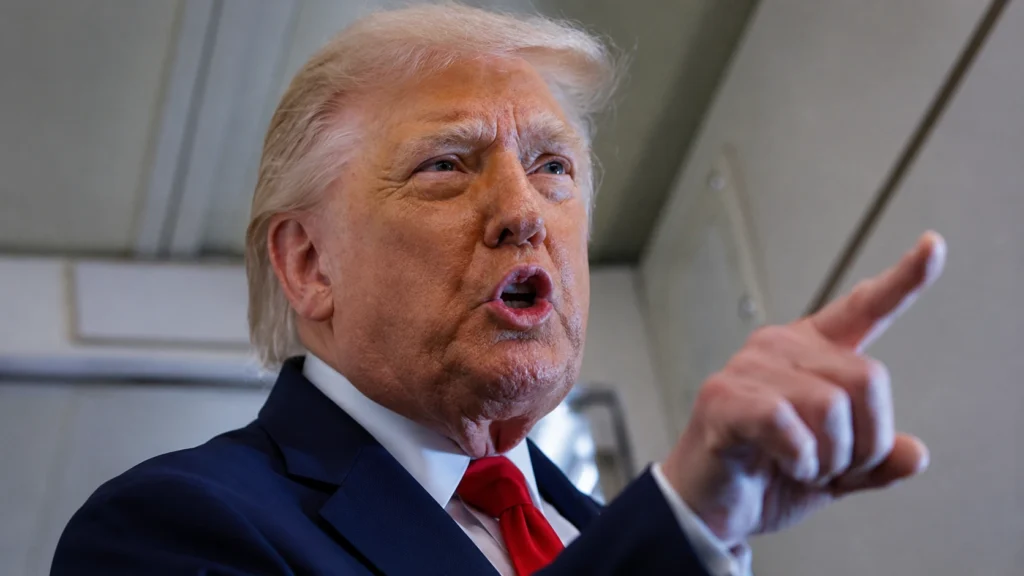
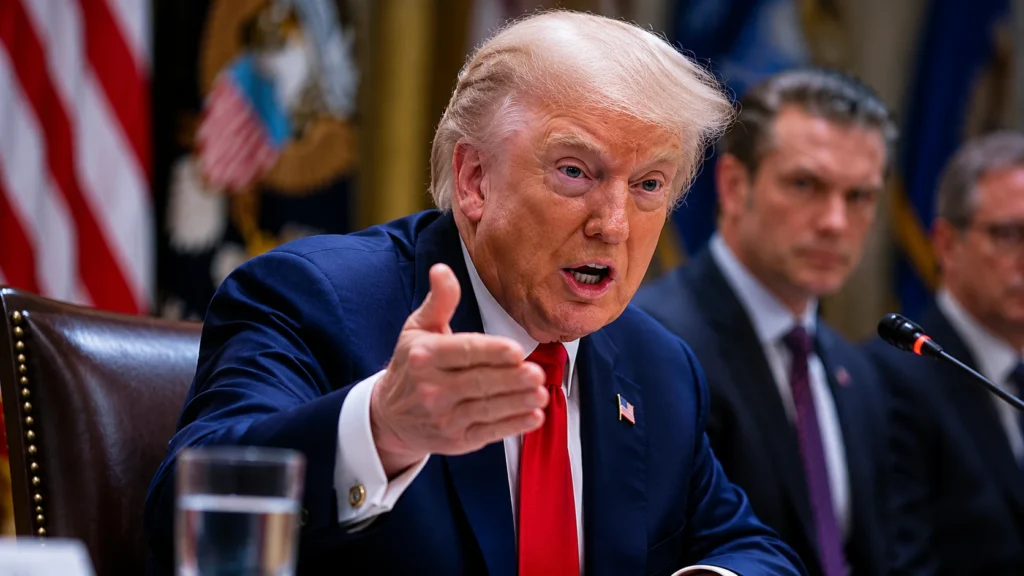
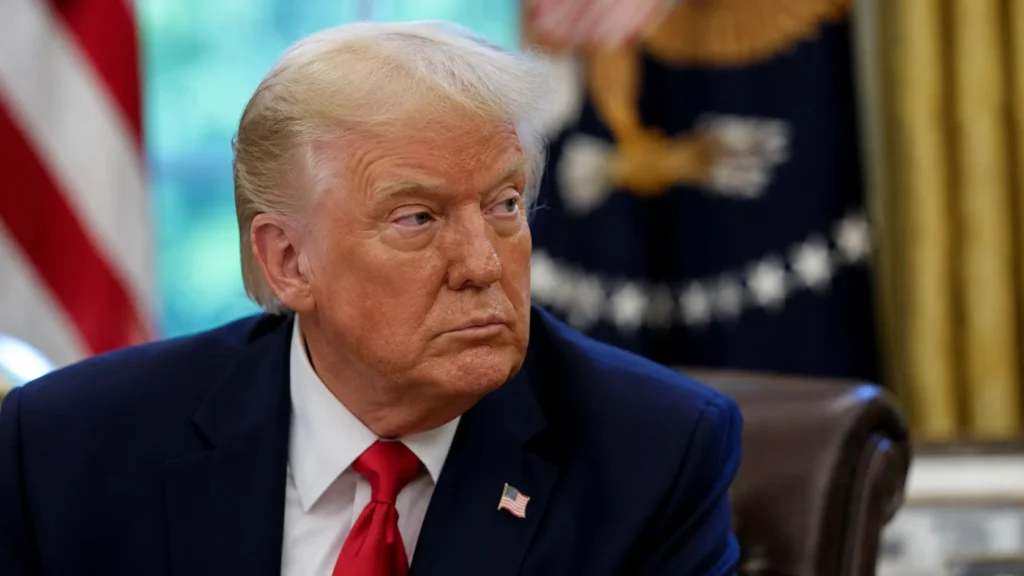
Minutes later, Trump posted on Truth Social that Cassidy’s “disloyalty to the man who got him elected is now a part of legend.”
The exchange captured a dynamic that has structured Republican politics since 2016. The asymmetry between Trump’s willingness to attack and most lawmakers’ willingness to absorb. Cassidy broke the pattern only after losing, when nothing remained to protect. The timing raised a question that his remaining months in office will answer. Was the speech a farewell or a preview?
What the Runoff Reveals
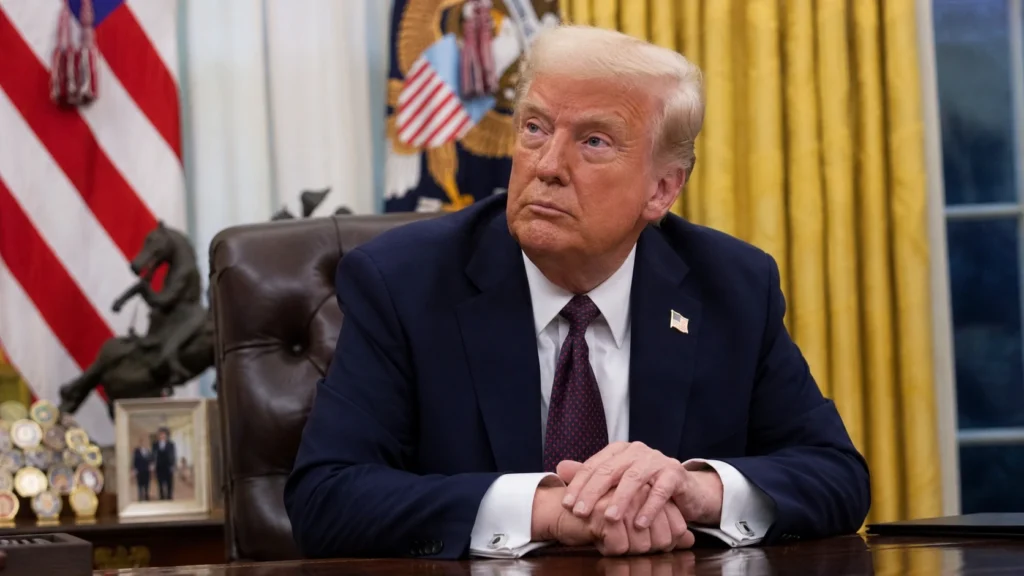
Letlow and Fleming now compete for the nomination in a runoff. Trump called both candidates “great people” as voting began Saturday morning, a hedge that preserved his influence regardless of the outcome. His formal endorsement stayed with Letlow.
Fleming, a former congressman who worked in Trump’s first-term White House, pitched himself as the more authentically pro-Trump candidate. The runoff will test whether Trump’s endorsement alone closes the deal or whether voters distinguish between Trump’s preferred candidate and the candidate who best channels Trump’s grievances.
The Federal Election Commission campaign finance data for the Louisiana Senate race shows both candidates entered the runoff with resources to compete. Letlow holds the structural advantage. Fleming holds the insurgent argument. Louisiana Republican primary voters now decide which matters more.
The Texas Question
Texas Sen. John Cornyn faces his own May 26 runoff against Attorney General Ken Paxton. Unlike Louisiana, Trump has stayed out of the race. Cornyn has irked the president in the past but avoided a direct confrontation on the scale of an impeachment vote.
Cassidy’s defeat changes Cornyn’s calculus. Ten days separate the Louisiana result from the Texas runoff. Whether Trump reads Louisiana as a green light to engage in Texas remains the most consequential unanswered question of the primary calendar.
As our reporting on Cornyn’s precarious path to renomination detailed, the Texas senator watched Louisiana closely. Every Republican senator facing a 2026 primary watched Louisiana closely. The lesson is not complicated. Crossing Trump on a high-stakes vote invites not a competitive primary but a terminal one.
The Massie Test
Kentucky Rep. Thomas Massie faces his own Trump-backed primary challenger on Tuesday. Trump drew the connection explicitly in a Truth Social post early Sunday morning, calling Massie “an even bigger insult to our Nation than Cassidy and reiterating support for challenger Ed Gallrein.
The Massie primary, coming days after Cassidy’s defeat, establishes a pattern. Trump is not content to shape the Republican Party through endorsements. He is systematically purging internal critics. The House and Senate primaries, back to back, signal a presidency treating intraparty dissent as grounds for elimination.
Why did Bill Cassidy lose his primary?
Cassidy lost his May 16, 2026, Louisiana Republican primary largely because of his 2021 vote to convict Donald Trump in the second impeachment trial. Trump endorsed Rep. Julia Letlow against him. Both Letlow and challenger John Fleming made the impeachment vote central to their campaigns. Legislative accomplishments could not overcome it.
Who is running in the Louisiana Senate runoff?
Rep. Julia Letlow, Trump’s endorsed candidate, and state treasurer John Fleming advanced to the runoff after Cassidy’s defeat. Letlow enters as the favorite with Trump’s formal backing. Fleming, a former congressman and Trump White House official, argues he is the more authentically pro-Trump choice.
What did Bill Cassidy say in his concession speech?
Cassidy did not name Trump but made multiple apparent references to him. He said the country is “not about one individual,” criticized leaders who “attempt to control others through using the levers of power,” and stated that “people of character and integrity don’t spend their time attacking people on the internet.” He also said, “You don’t claim that the election was stolen.”
How does this affect other Republican primaries?
Cassidy’s defeat signals that impeachment support remains a permanent disqualifier in Republican primaries. Kentucky Rep. Thomas Massie faces a Trump-backed challenger on May 20. Texas Sen. John Cornyn faces Ken Paxton in a May 26 runoff. Trump has stayed out of the Texas race so far. Louisiana may change that calculation.
When was the last time a GOP senator lost renomination?
Before Cassidy, no Republican senator had lost renomination in nearly a decade. The last sitting GOP senator to fall in a primary did so during the Obama administration. More recently, senators who crossed Trump, such as North Carolina’s Thom Tillis, chose retirement over facing Trump-backed primary challenges.
Written by a senior congressional correspondent who has covered Senate primaries and Republican party dynamics across four election cycles.