

 English














































































































































































































































































































Hard Work Pays Off for Humble Englishman Rai at PGA Championship

Published: 18 May 2026 | Source: Reuters, PGA Tour, Aronimink Golf Club
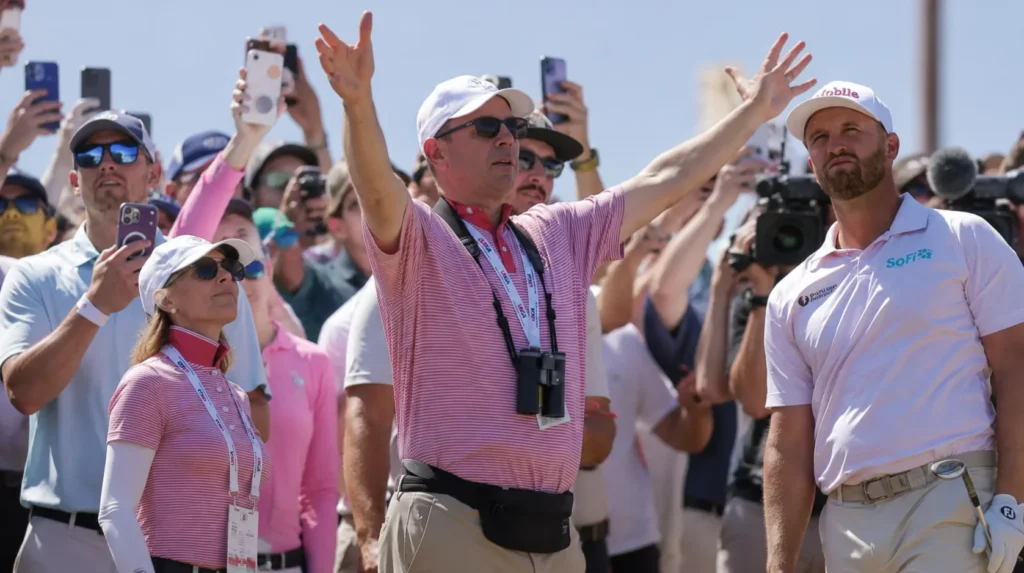
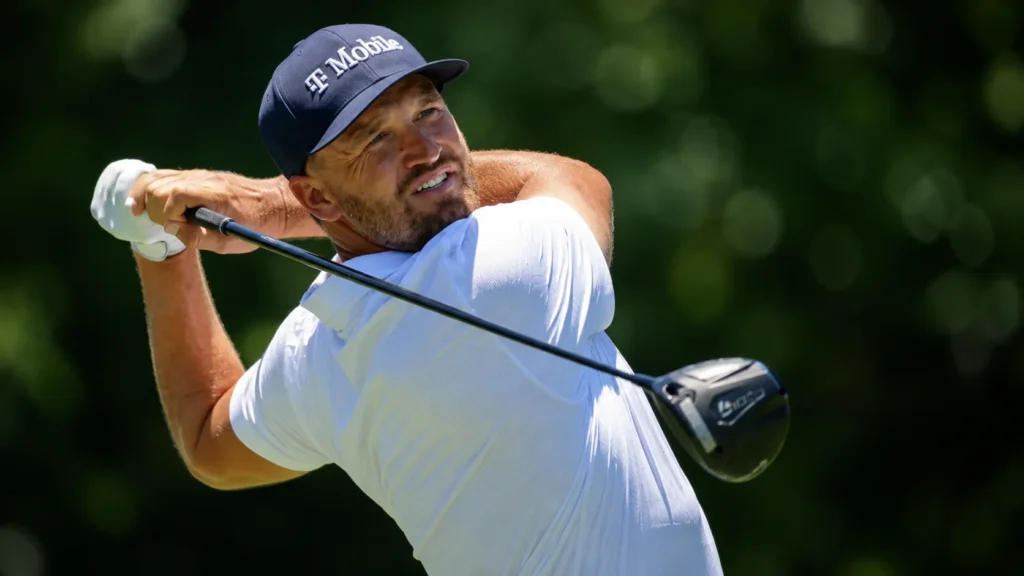
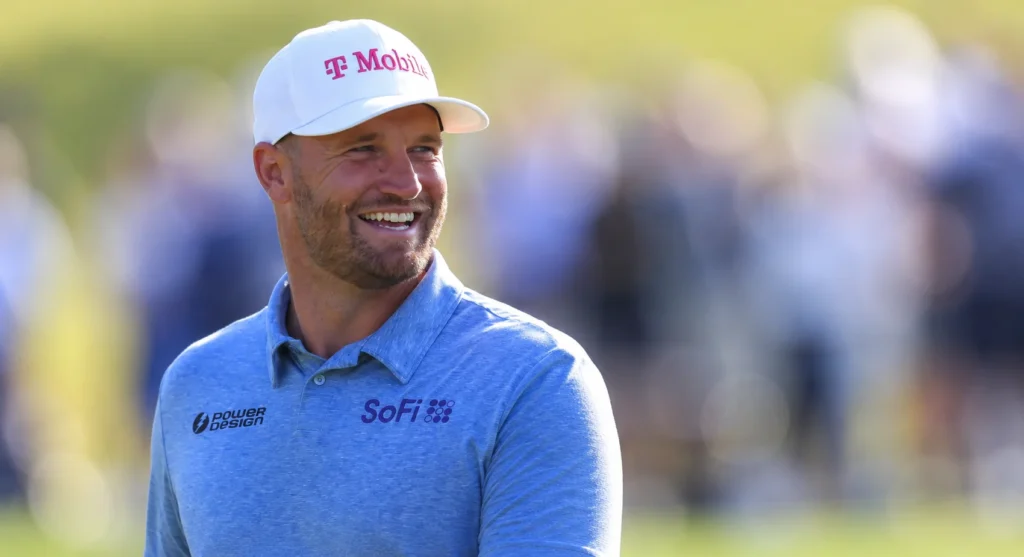
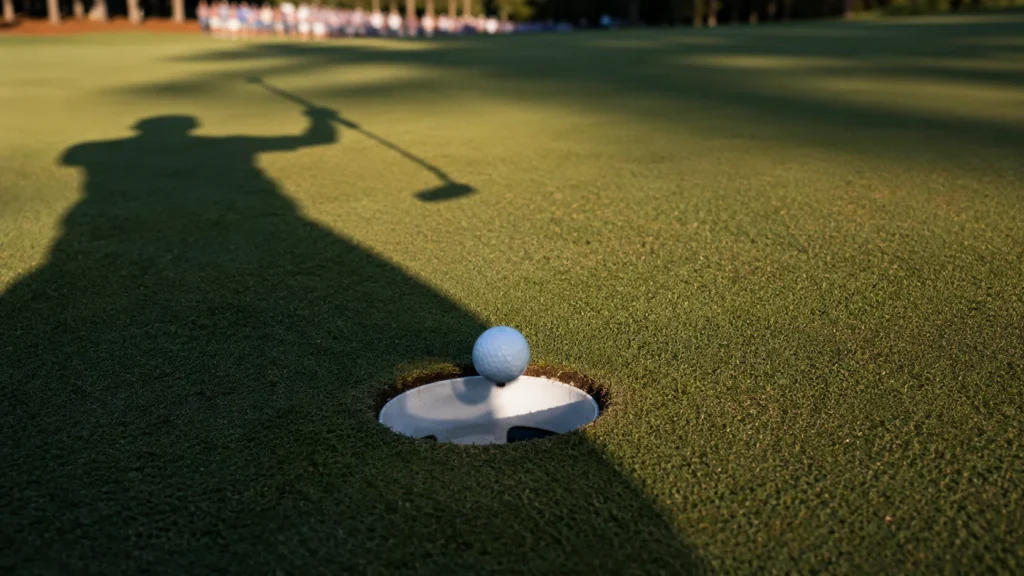
NEWTOWN SQUARE, PENNSYLVANIA — Hard work pays off for humble Englishman Rai at PGA Championship as the 31-year-old world number 44 sank a monster 68-foot birdie putt on the 17th hole at Aronimink Golf Club to become the first Englishman in 107 years to claim the Wanamaker Trophy. The 300-1 outsider entered Sunday’s final round as one of 43 players within five shots of the lead. His closing round of 65 — featuring four back-nine birdies — delivered a breakthrough that reshapes golf’s understanding of how major champions are built.
Who Is Aaron Rai?
Rai is not a product of golf’s performance-industrial complex. No national academy. No junior circuit immersion. His father quit his job to coach him from the age of four or five, accompanying him to practice every day and deliberately isolating him from other junior golfers.
“I didn’t really mix with a lot of other junior golfers, which didn’t give me a perspective of what was normal,” Rai said after his victory, as reported by Reuters report, 17 May 2026.
His parents — migrants from India and Kenya — raised him in the English Midlands with a value system that prioritised character over competition. “My mom and my siblings were very quick to reinforce the importance of just being a good person and trying to do the right things away from golf,” Rai said. His wife, Indian professional golfer Gaurika Bishnoi, understood the journey before the world did.
The two gloves Rai wears and the head covers on his irons trace back to his father’s lessons about the preciousness of the equipment when he was growing up. They are not superstitions. They are a memory-made routine.
The rise of non-traditional pathways to golf’s biggest stages
The Moment That Won It
Rai started Sunday within five shots of the lead among a congested leaderboard packed with household names. Jon Rahm, a two-time major champion, finished tied for second. The field stacked up behind Rai as he refused to leak shots.
The 68-foot putt at the 17th was the highlight. But the structural foundation was the composure that preceded it. Four birdies on the back nine. No bogeys when the pressure was compressed. Rai closed with a round of 65 — the lowest final-round score by a PGA Championship winner since 2020.
Rahm spent his post-round press conference discussing Rai’s character rather than his own performance. “One of the kindest and most respectful players on the PGA Tour,” Rahm said, according to PGA Tour official press conference transcript, 17 May 2026. In a sport where major champions typically receive praise for their killer instinct, Rai received praise for the opposite.
Why composure under pressure separates major champions from contenders
The 107-Year Drought That Shouldn’t Have Stood
Jim Barnes won the Wanamaker Trophy in 1916 and again in 1919. He remained the only Englishman to claim the PGA Championship for over a century. The list of English players who never won this particular major includes Nick Faldo, Justin Rose, Ian Poulter, and Tommy Fleetwood — a roll call of golfing royalty.
“There’s a lot of incredible and historic English players over those 100 years who have had phenomenal careers,” Rai said. “To be the person that’s the first one in such a long time from England is an amazing thing, and something to be extremely proud of.”
Rai’s victory speech wove together three national identities. “I’m very proud to be from England. I’m very proud of India and Kenya as well. I’m very proud of representing all three, really.” The modern major champion used to emerge from a single national narrative. Rai’s victory suggests the model has changed.
What the Win Changes
Rai entered his 13th major as a 300-1 outsider ranked 44th in the world. He exited as proof that alternative development pathways — father-coached, insulated from competitive norms, built on process over outcome — can produce champions at the highest level.
The PGA Championship has long positioned itself as golf’s most accessible major, where club professionals still earn spots and outsider stories occasionally breach the perimeter. But a 300-1 winner breaking a 107-year drought is a different category of disruption entirely.
Golf’s institutional apparatus — academies, federations, performance pathways — will study Rai. The risk is that they draw the wrong lesson. They will attempt to systemise what was fundamentally unsystemisable: a father’s singular bet, a mother’s insistence on character, a player who never learned what was supposed to be impossible.
“It’s reaffirming to know that the things that we’re doing are working and they’re leading to continued development within the game,” Rai said. “Hopefully, I can just continue to move along a pretty similar path moving forward.”