

 English



































































































































































































































































At Least 100 Dead in DR Congo Ebola Outbreak as Six Americans Exposed
Published: 18 May 2026 | Source: Africa CDC, US CDC, BBC, STAT News
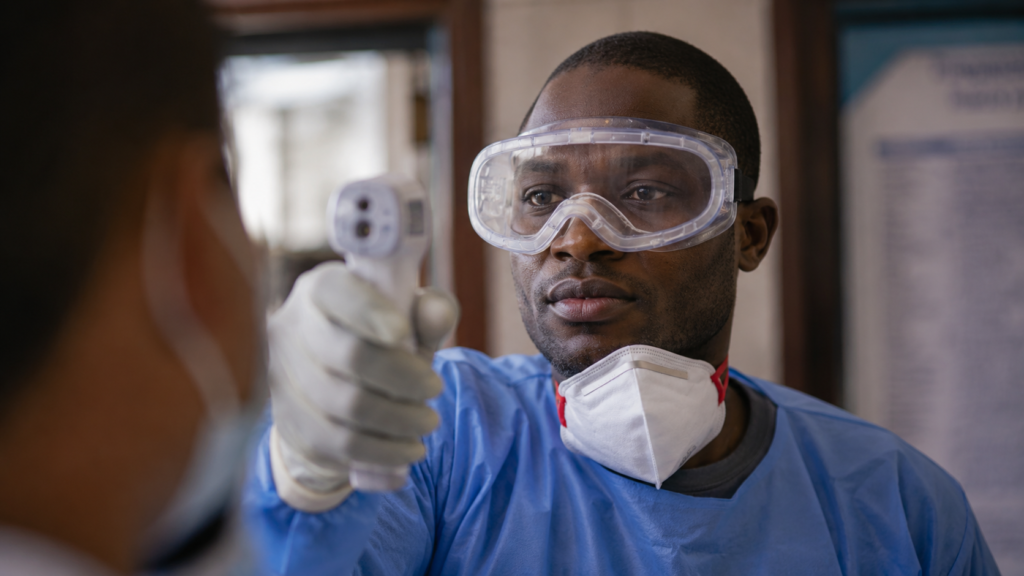
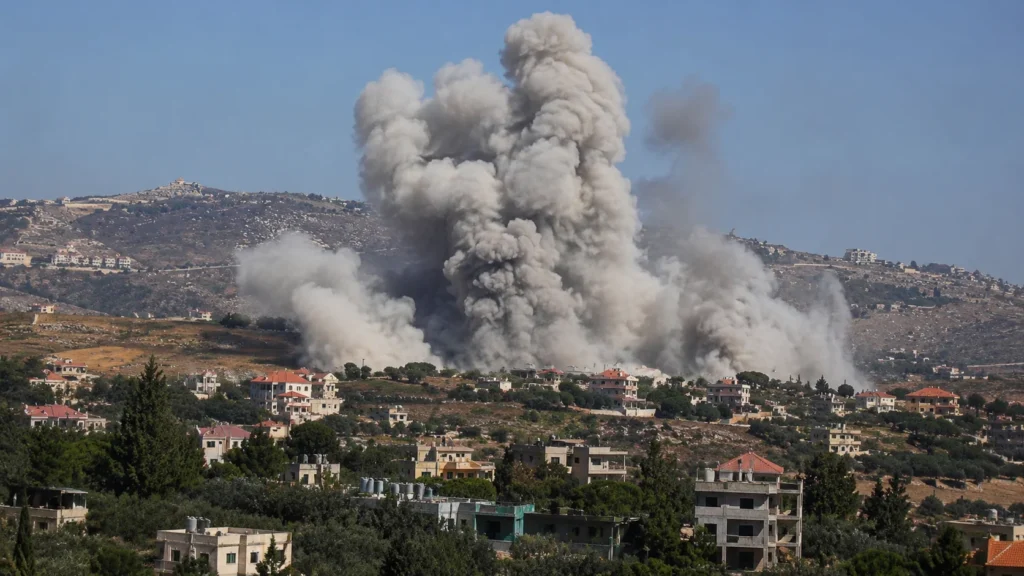
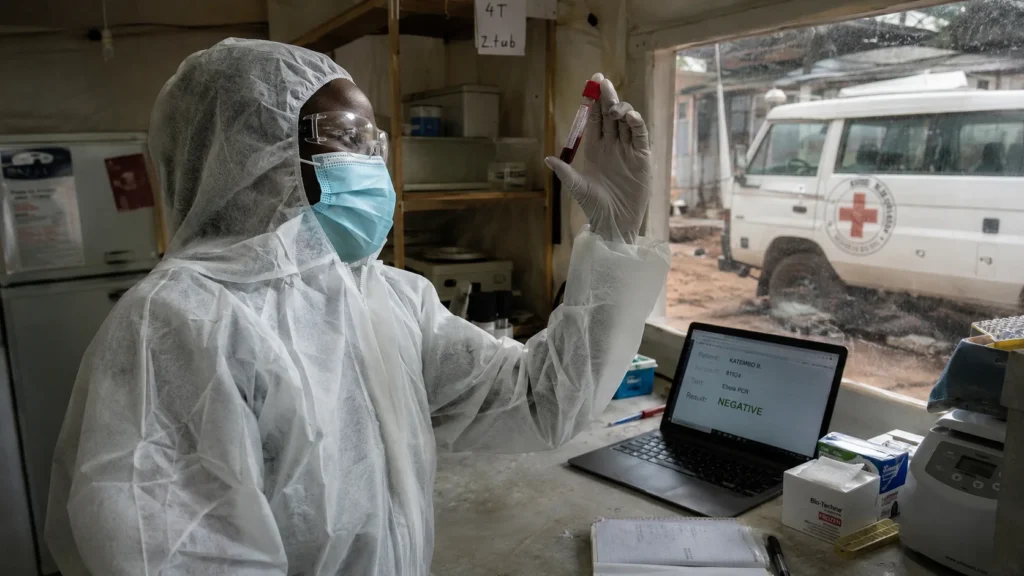
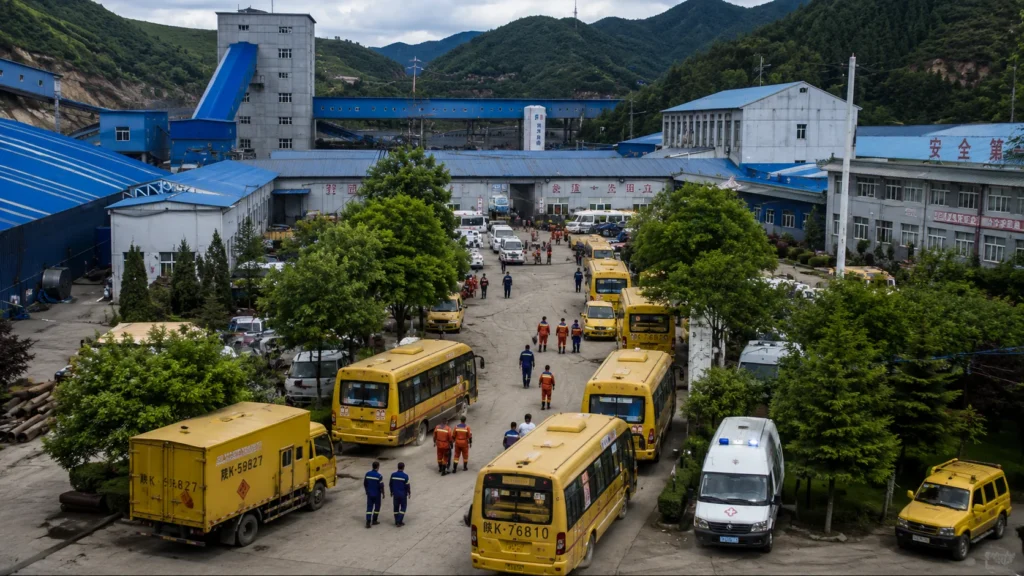
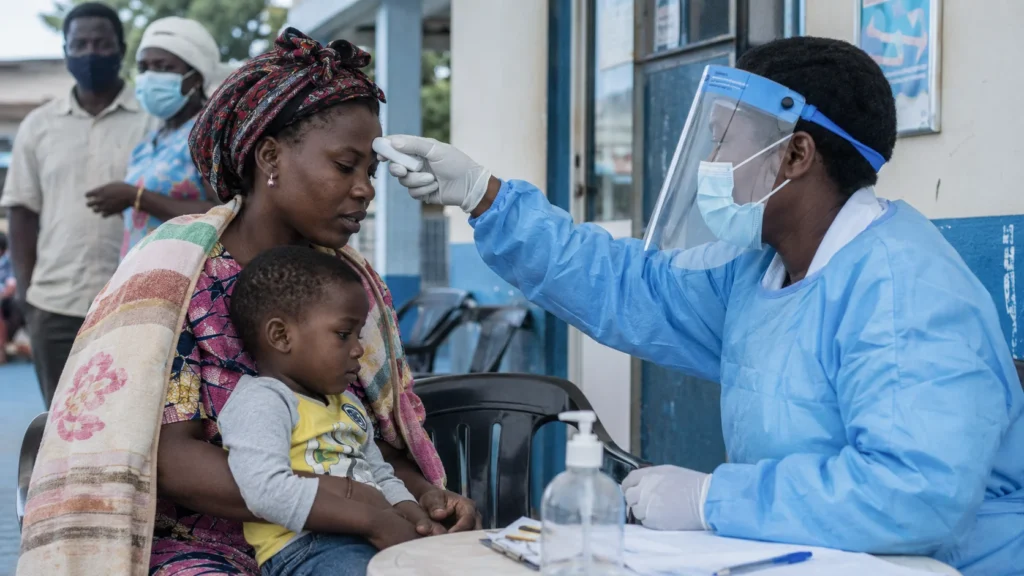
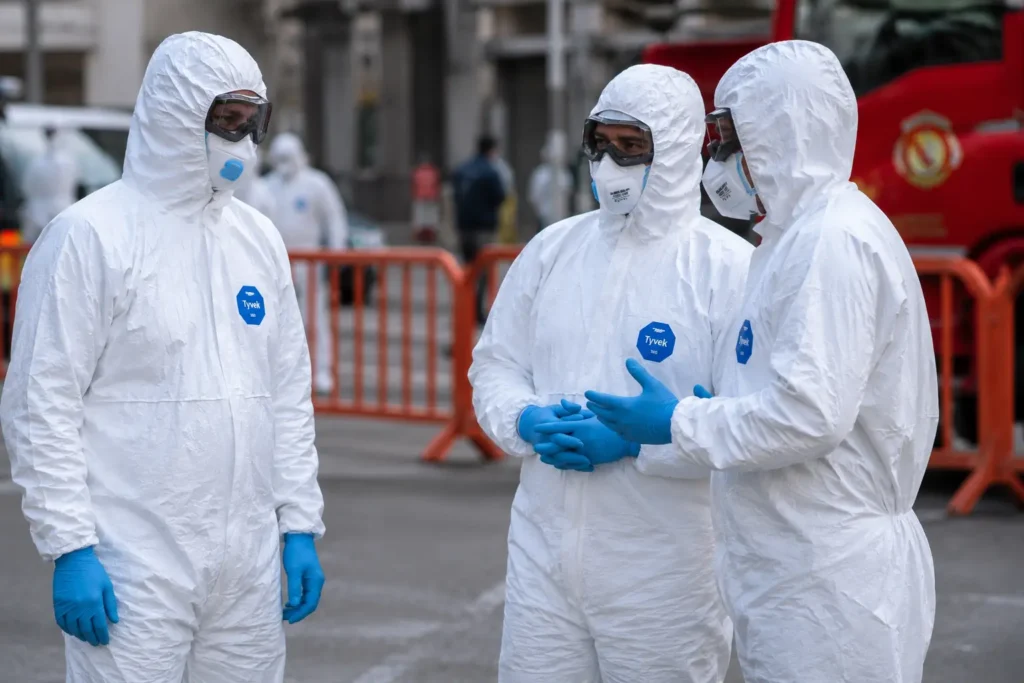
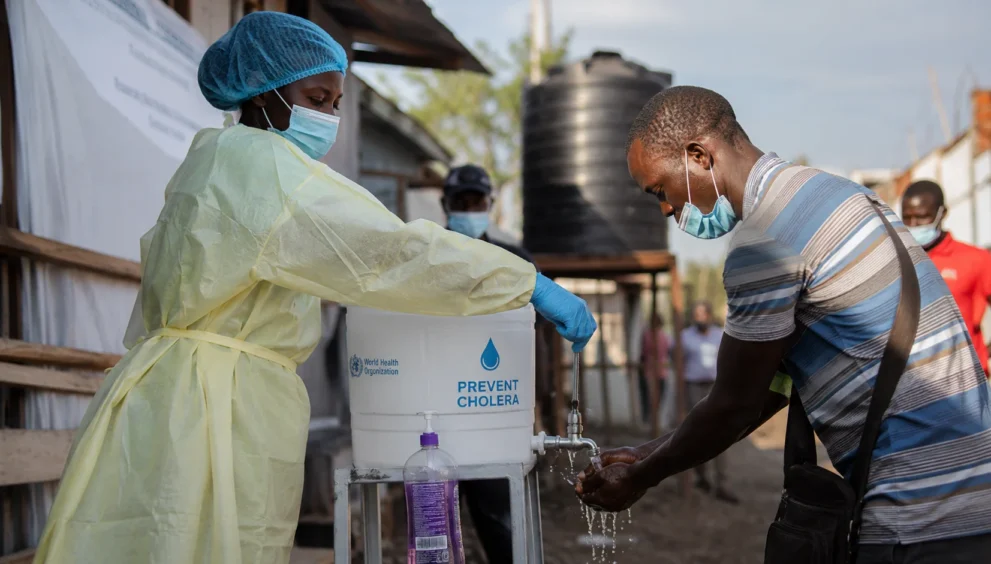
WASHINGTON — At least 100 dead in DR Congo Ebola outbreak, with more than 390 suspected cases recorded in eastern Ituri province, the director general of the Africa Centres for Disease Control and Prevention confirmed to the BBC on 18 May 2026. The US Centers for Disease Control and Prevention (CDC) has separately confirmed that six Americans have been exposed to the Bundibugyo strain of the virus, for which no approved drugs or vaccines exist. The US government is reportedly arranging transport for the exposed citizens to a military base in Germany for quarantine, according to a source who spoke to health news site STAT News.
What Is Happening in DR Congo
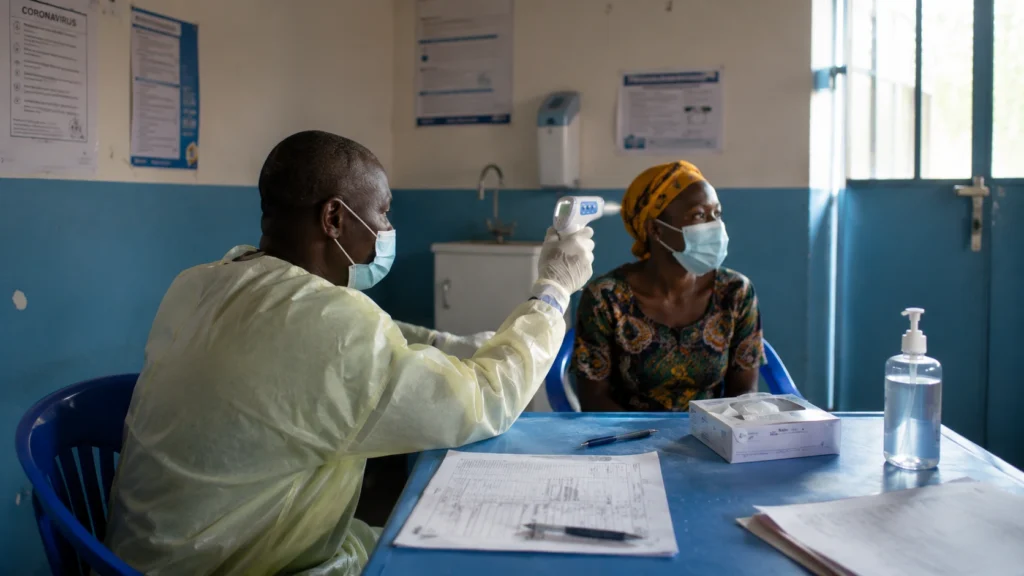
The outbreak involves the Bundibugyo strain of Ebola, first identified in Uganda in 2007. It carries an average fatality rate of approximately 30% in prior outbreaks. There are no approved vaccines or antiviral treatments for this strain.
Jean Kaseya, director general of Africa CDC, told the BBC World Service’s Newsday programme that public health measures remain the primary defence. “We don’t want people infected because of funerals,” Kaseya said, referencing the community burial practices that contributed to transmission during the 2014-2016 West African outbreak that killed 11,325 people across multiple continents Africa CDC briefing transcript, 18 May 2026.
The virus has spread beyond DR Congo. The US CDC confirmed two cases and one death in Uganda. Both infected individuals had travelled from DR Congo. Rwanda has tightened border screening as a “precautionary measure.” Nigeria said it was “closely monitoring the situation.”
WHO declares DR Congo Ebola outbreak an international emergency our earlier analysis
The American Exposure and US Response
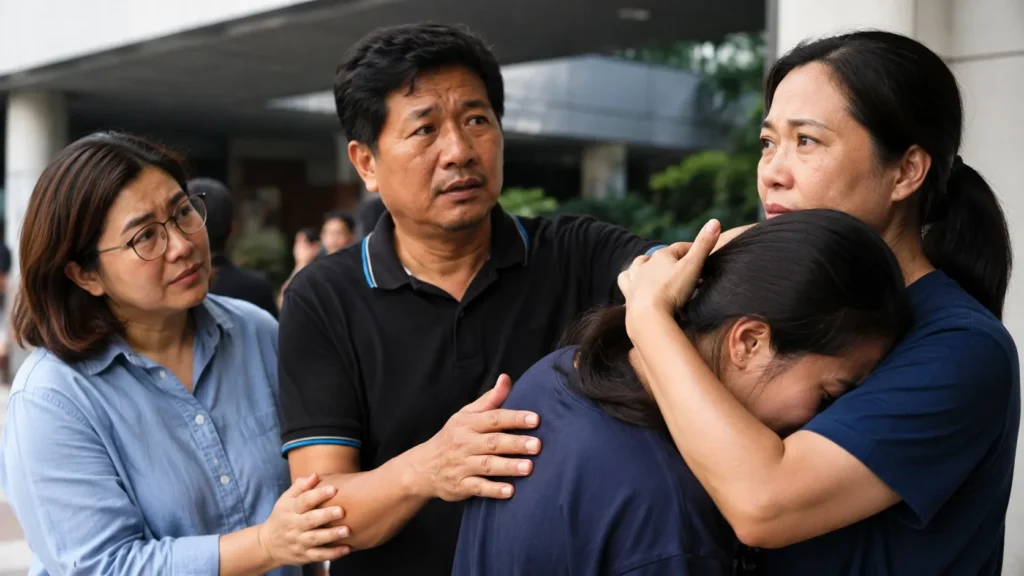
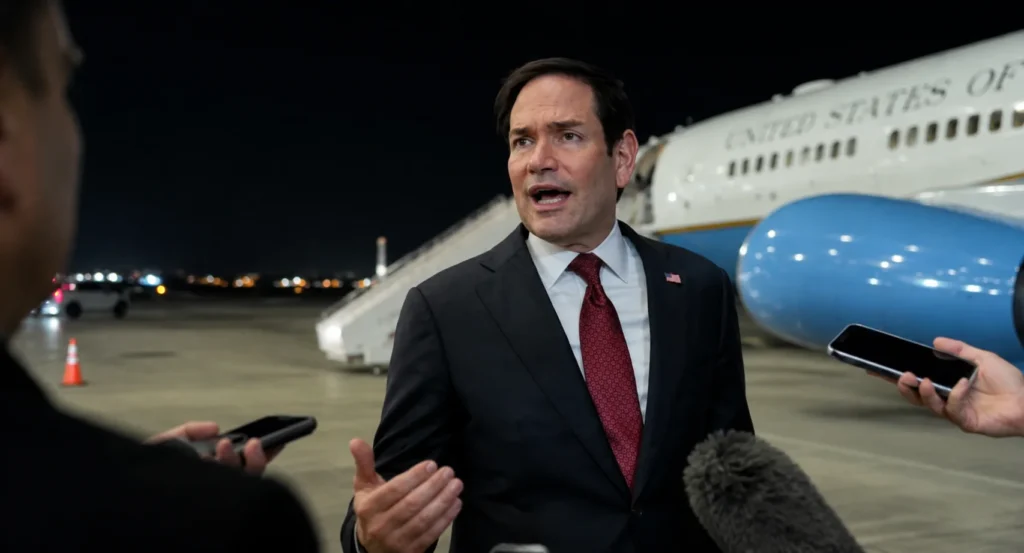
At least six Americans have been exposed to the virus during the outbreak, sources told CBS News, the BBC’s US partner. One American is believed to have symptoms. Three others reportedly faced high-risk contact or exposure. It remains unclear whether any have been infected.
The CDC said it was supporting the “safe withdrawal of a small number of Americans who are directly affected” but did not confirm how many CDC official statement, 18 May 2026. During a press conference on Sunday, the agency declined to answer direct questions about the US citizens reportedly affected.
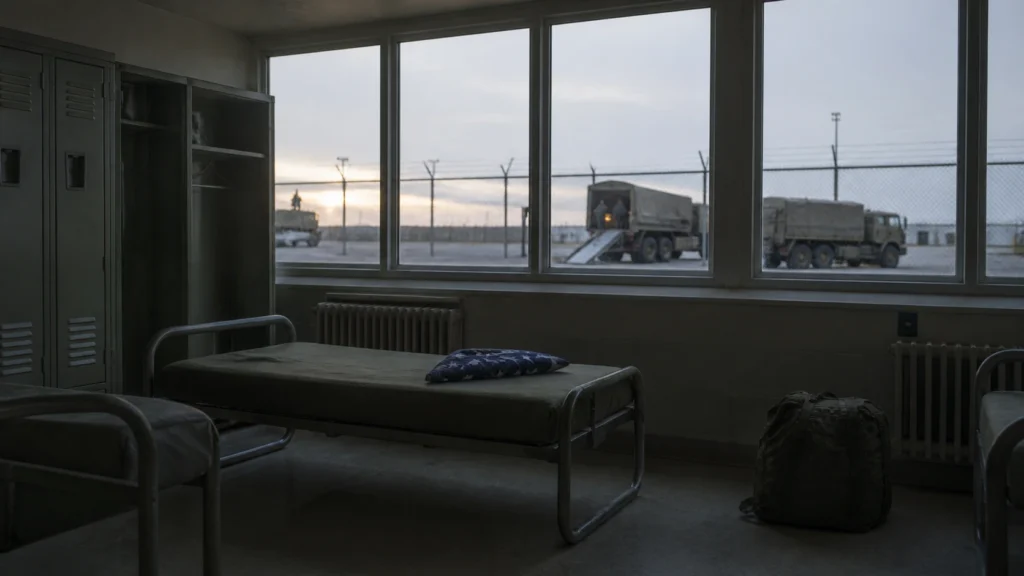
A source told STAT News that the exposed group could be taken to a US military base in Germany, though this has not been confirmed by the Department of Defense or the CDC.
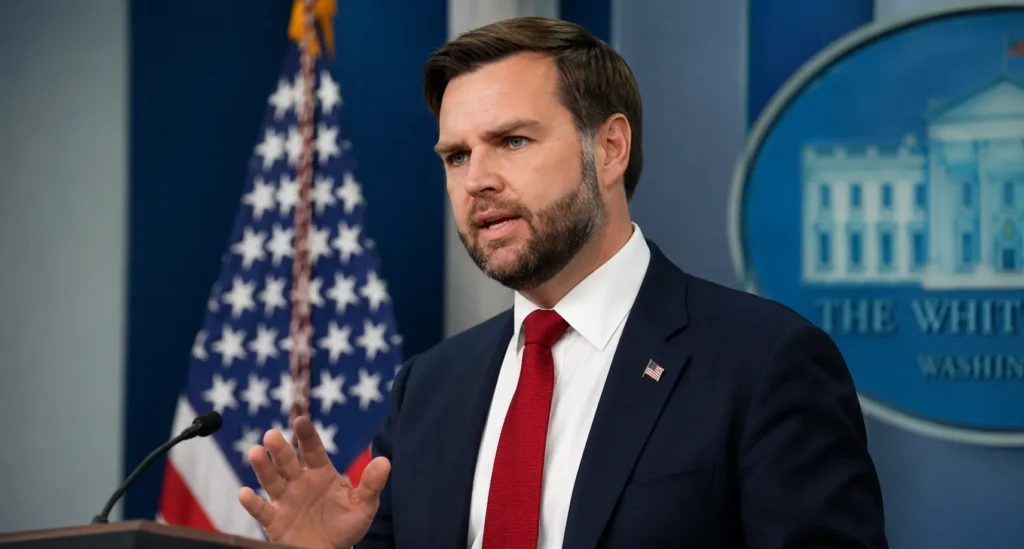
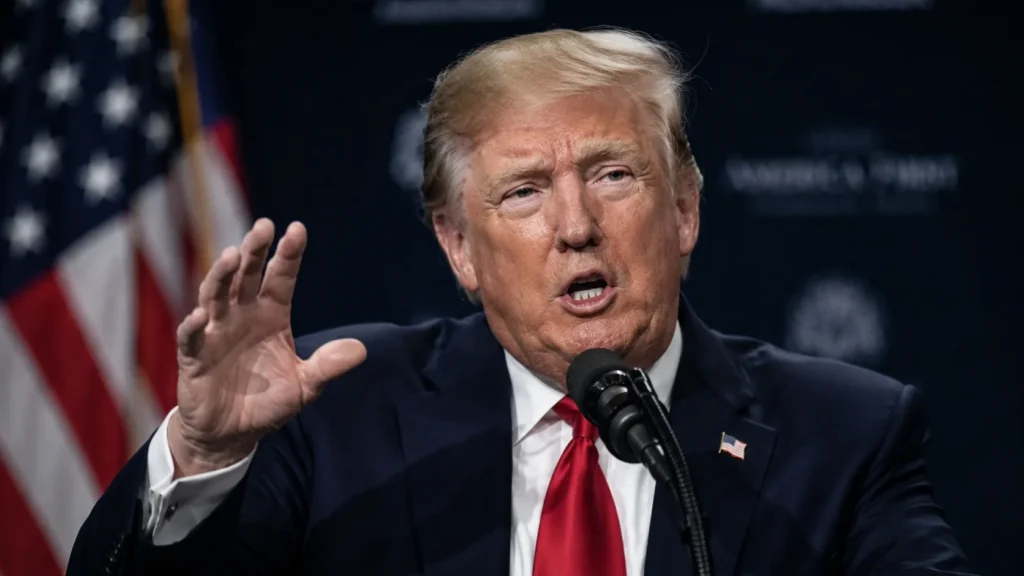
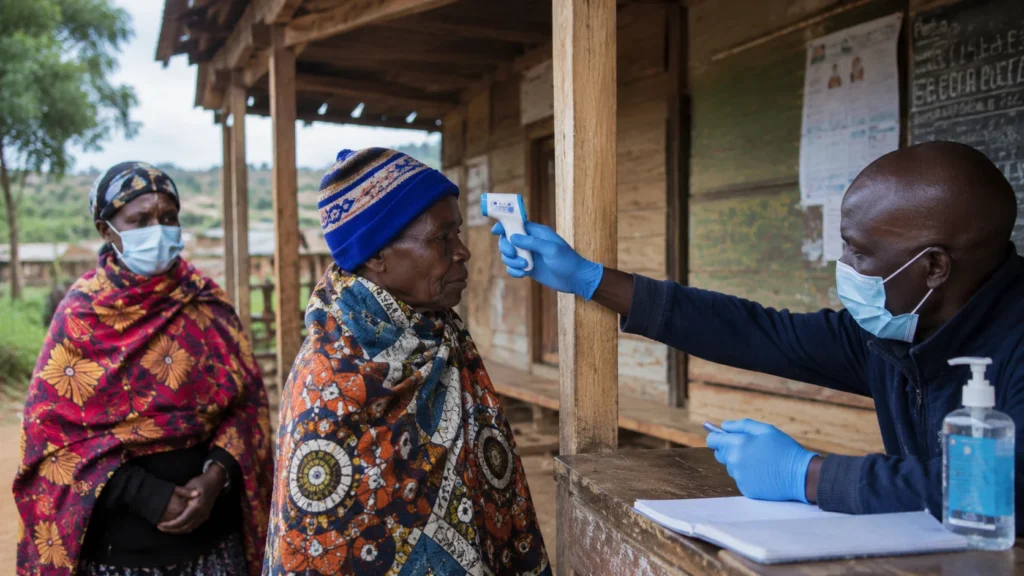
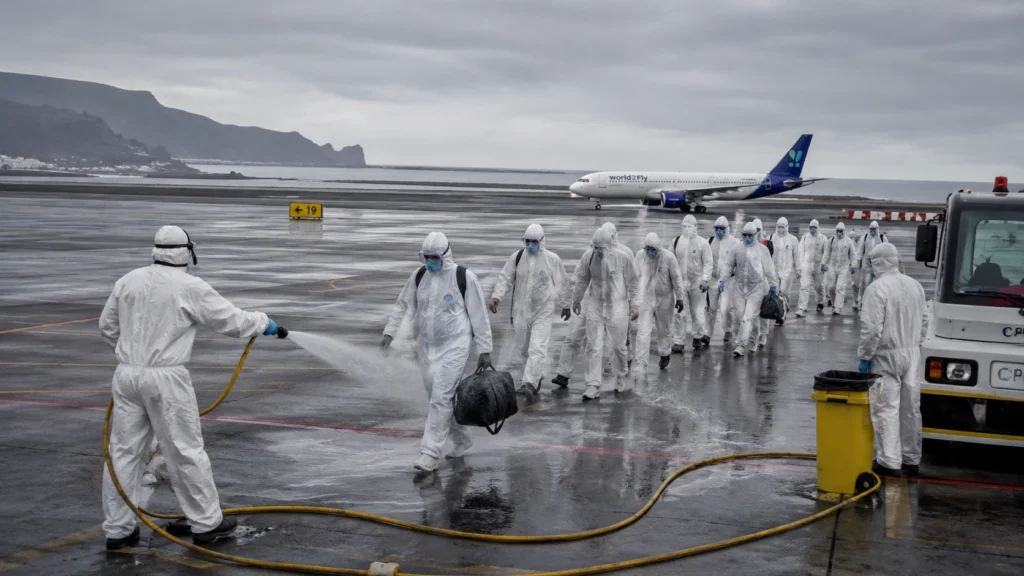
On Monday, the CDC introduced a range of measures to prevent the disease from entering the United States. These include monitoring travellers arriving from affected areas, placing entry restrictions on non-US passport holders who have been in Uganda, DR Congo, or South Sudan within the last 21 days, and working with airlines on contact tracing of passengers. The agency also issued a Level Four travel advisory, its most severe warning against travel to DR Congo.
How great powers respond when global health architecture fails
The Global Health Response
The World Health Organization declared the outbreak a public health emergency of international concern but said it did not meet the criteria of a pandemic. The agency warned the outbreak could be “much larger” than what surveillance has currently detected, with a significant risk of local and regional spread.
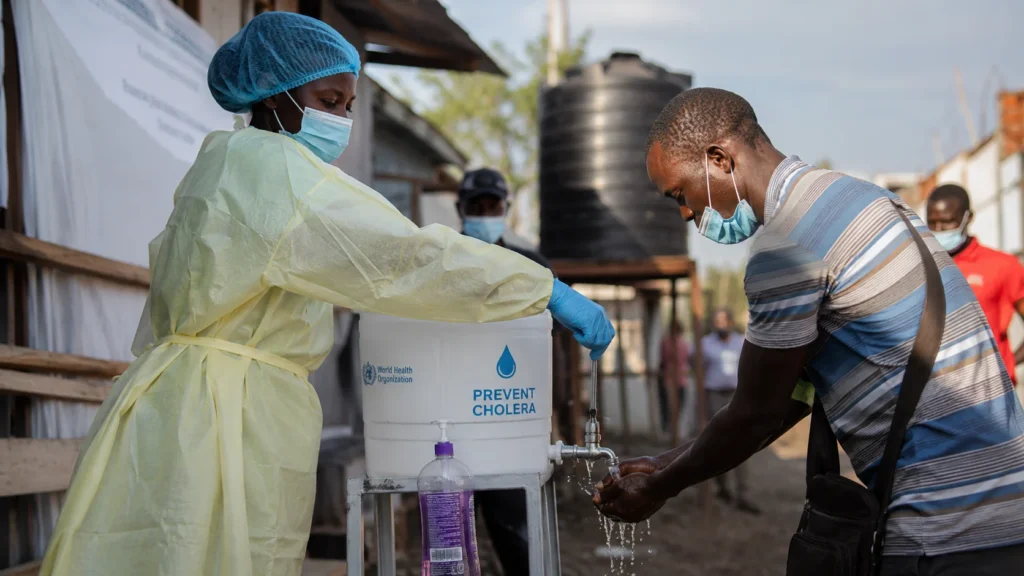
The WHO advised DR Congo and Uganda to undertake cross-border screenings and urged neighbouring countries to “enhance their preparedness and readiness,” including surveillance at health facilities and communities WHO emergency committee statement, May 2026.
However, the Bundibugyo strain has no approved pharmaceutical countermeasures. The global vaccine and drug pipeline invested heavily in the Zaire strain of Ebola — responsible for the 2018-2020 epidemic in eastern DR Congo that killed nearly 2,300 people — but did not fund Bundibugyo research at equivalent levels. The consequence, according to health governance analysts, is that the current outbreak must be managed through public health measures alone in a region where armed conflict, informal healthcare, and high population mobility complicate containment.
Written by the Global Health Desk, drawing on Africa CDC briefings, US CDC official statements, WHO emergency committee declarations, STAT News sourcing, and CBS News reporting. The desk has covered infectious disease outbreaks and global health governance for over 15 years.