

 English















































































































































































































































































Reality TV Consent Debate Reshapes British TV
Warning: contains details of alleged sexual offences and misconduct
The allegations linked to Married at First Sight UK have pushed Britain’s reality television industry into a wider debate about consent, production ethics, and emotional performance on screen. Several women told the BBC they experienced sexual coercion or misconduct during filming, raising new scrutiny over how reality dating shows manage participant welfare and power dynamics.
The controversy extends beyond a single television franchise. Critics, media academics, and former contestants increasingly argue that modern reality TV formats blur the boundary between authentic intimacy and performative entertainment.
Short version: viewers no longer watch these shows the same way.
Why the MAFS UK Allegations Matter
Reality dating formats changed sharply during the streaming era. Producers no longer simply document relationships. They construct environments designed to intensify emotional conflict, vulnerability, and public exposure.
That shift accelerated after the global success of relationship-driven reality franchises in the late 2010s. By 2023, reality dating programs ranked among the most-watched entertainment formats across British streaming platforms, according to Channel 4 annual audience report.
But the same production mechanics that drive audience engagement also create pressure.
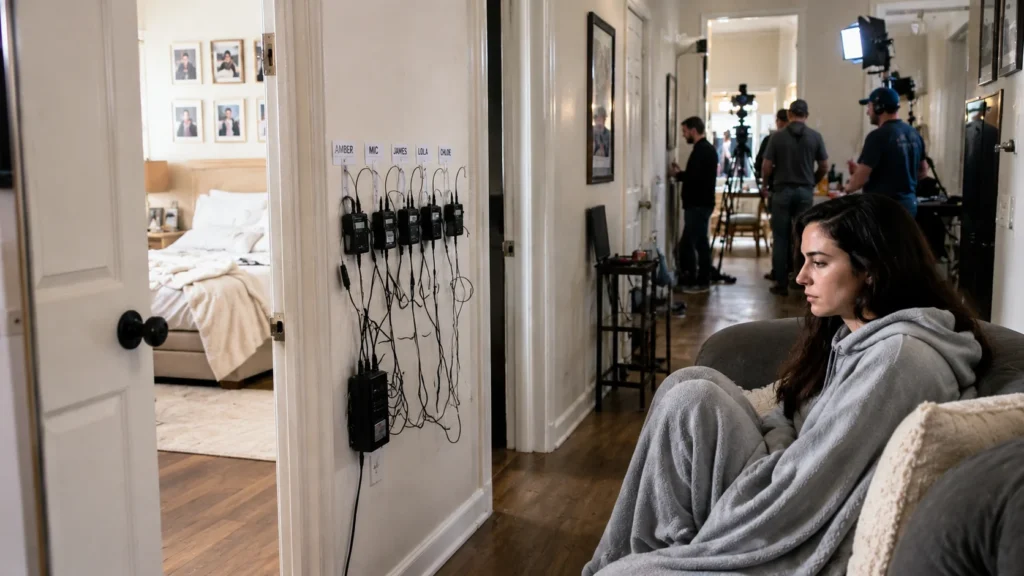
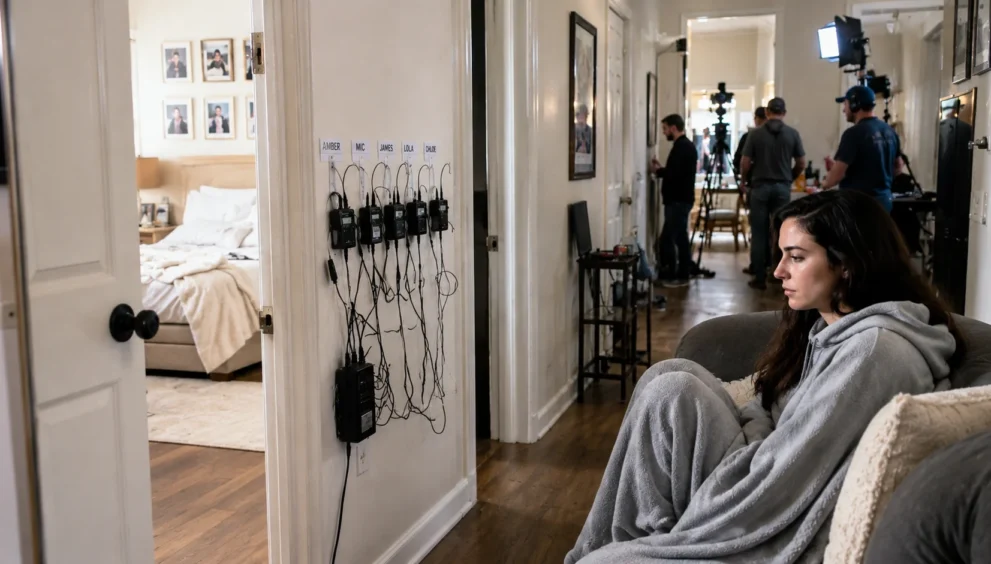
Contestants live inside highly controlled filming environments. Producers shape schedules. Cameras capture private moments daily. Participants lose distance from the outside world. Critics say that the environment can distort emotional judgment and complicate participants’ responses to conflict or coercion.
Media scholar Helen Wood, who has studied reality television culture for several years, told the BBC that these formats create “unnatural” social conditions where intimacy becomes expected rather than organic.
That distinction matters now.
The New Battle Over Narrative Control
For years, broadcasters controlled public memory through editing. Production companies decided which contestants appeared sympathetic, unstable, romantic, or difficult. Reality television depended on that imbalance.
Social media disrupted it.
Contestants now leave shows with podcast audiences, TikTok followings, and direct communication channels. Former participants increasingly challenge how broadcasters frame events after filming ends.
The institution no longer controls the full narrative.
As previous coverage of influencer culture and reality TV fame showed, digital platforms transformed former contestants into independent media figures capable of contesting production decisions publicly and in real time.
That shift explains why the current allegations pose reputational risks beyond one season of television. Critics now question whether reality TV producers prioritize emotional escalation over participant welfare.
Channel 4 removed episodes featuring the women from streaming platforms on May 19, 2026, following renewed scrutiny around the allegations, according to BBC investigation into MAFS UK allegations.
Consent Culture Has Changed Faster Than Television
Audience expectations changed dramatically over the last decade.
Terms once limited to academic or therapeutic settings — coercion, gaslighting, boundary violation — now dominate online discussions around relationships and media behavior. Younger audiences analyze reality TV through that lens.
Fans dissect scenes frame by frame on TikTok, Reddit, and YouTube. They discuss producer influence as much as romance itself.
The viewer became part critic, part investigator.
That cultural transition creates a difficult balance for broadcasters. Reality television remains financially valuable because it costs less than scripted drama while generating large digital engagement. Networks still reward conflict-heavy storytelling because conflict drives ratings.
But audiences increasingly expect visible safeguarding systems alongside entertainment.
So the industry faces pressure from both directions.
As earlier reporting on social media accountability trends highlighted, viewers now punish brands and broadcasters quickly when institutional responses appear slow or defensive online.
What Happens Next for Reality TV?
Broadcasters across Britain will likely expand welfare oversight and tighten intimacy guidelines over the next two years. Production companies may also face growing pressure to increase transparency around contestant protections before filming begins.
Some experts believe reality TV formats themselves could shift.
Instead of hyper-conflict dating structures, networks may invest more heavily in competition-based formats that reduce emotional dependency between contestants. Others expect platforms to maintain existing models while adding stronger welfare branding.
Not everyone accepts those assurances.
Women’s Aid described the allegations uncovered by the BBC as “disturbing” and “incredibly worrying,” according to Women’s Aid public statement.
The deeper issue now extends beyond television compliance systems. Viewers increasingly question whether emotional vulnerability itself has become commercial entertainment.
And once audiences begin watching reality TV as evidence instead of fantasy, the genre changes permanently.
What is the controversy surrounding Married at First Sight UK?
Several women alleged sexual coercion, assault, or misconduct linked to their on-screen relationships during filming of the show.
Did Channel 4 remove the episodes?
Yes. Channel 4 removed episodes featuring the women from streaming and linear services after renewed scrutiny surrounding the allegations.
Why are critics focusing on reality TV culture?
Critics argue that reality dating shows create emotionally intense environments that may pressure contestants to continue filming despite distress or discomfort.
Has reality TV changed audience attitudes toward consent?
Yes. Many viewers now analyze reality television through broader discussions around power, coercion, manipulation, and emotional boundaries.
Could reality TV formats change after this controversy?
Industry analysts expect stronger welfare oversight, more transparency, and possible shifts away from high-conflict relationship formats.
Author Note:
Written by a senior culture and media analyst covering television, digital identity, and audience behavior across global entertainment platforms for more than a decade.