

 English














































































































































































































































































































































Ebola Spreading Faster Than First Thought, WHO Doctor Warns
Published: 19 May 2026 | Source: WHO, MRC Centre for Global Infectious Disease Analysis, BBC, CDC
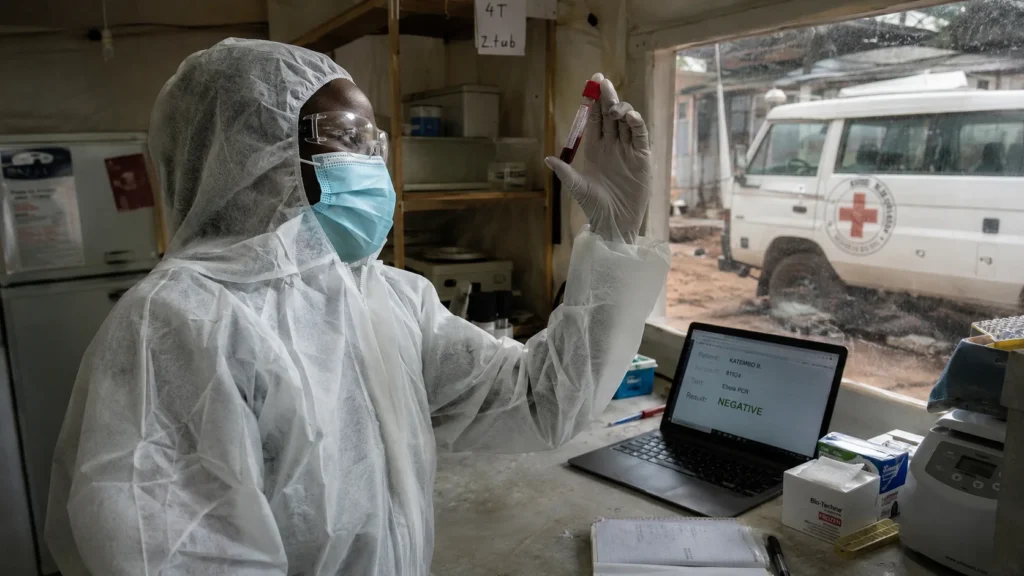
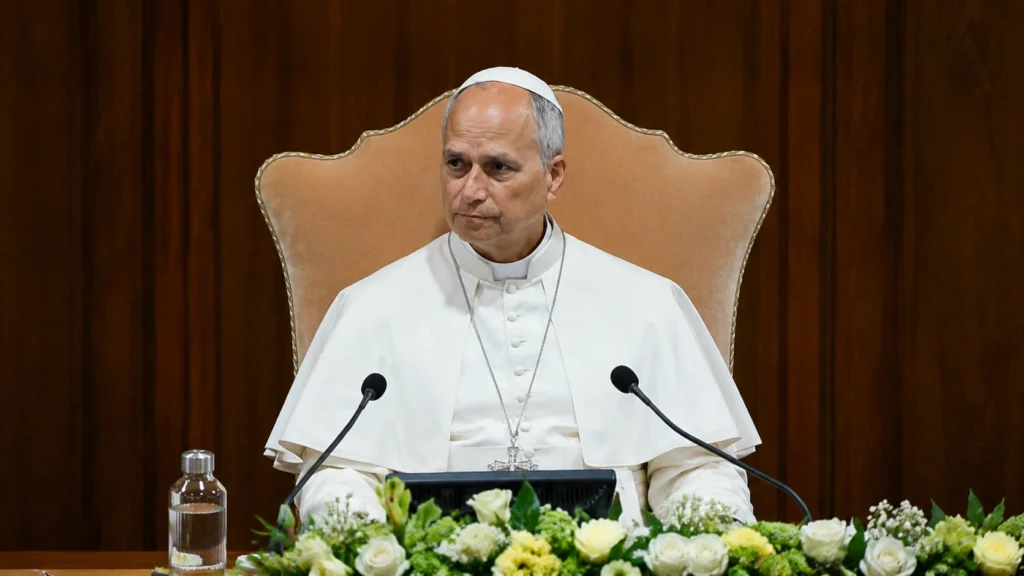
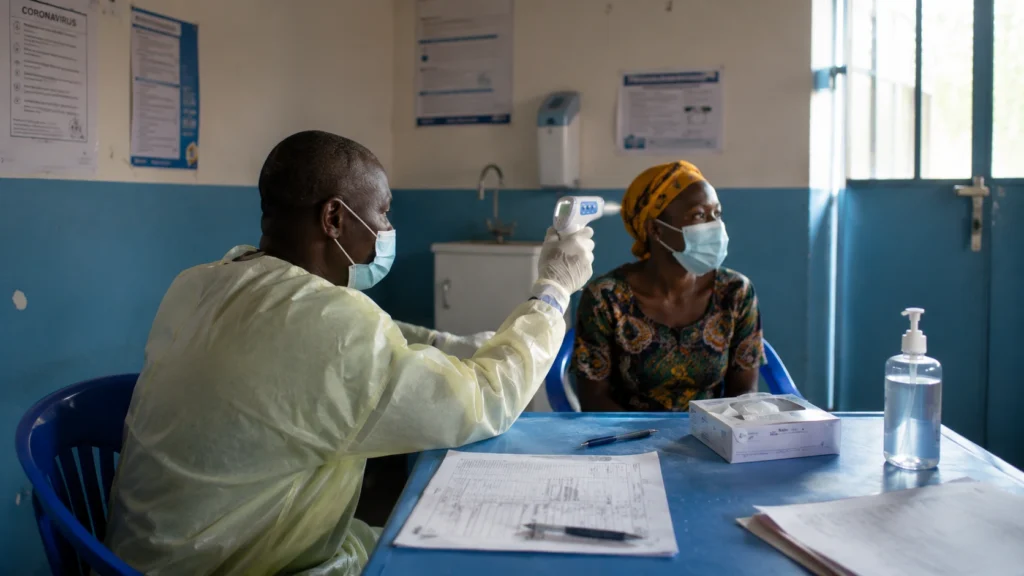
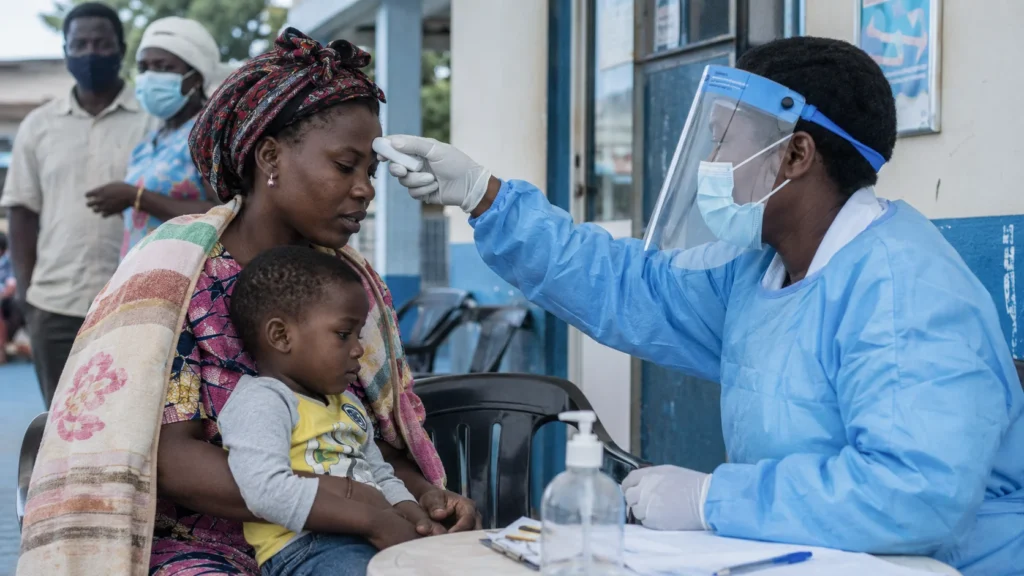
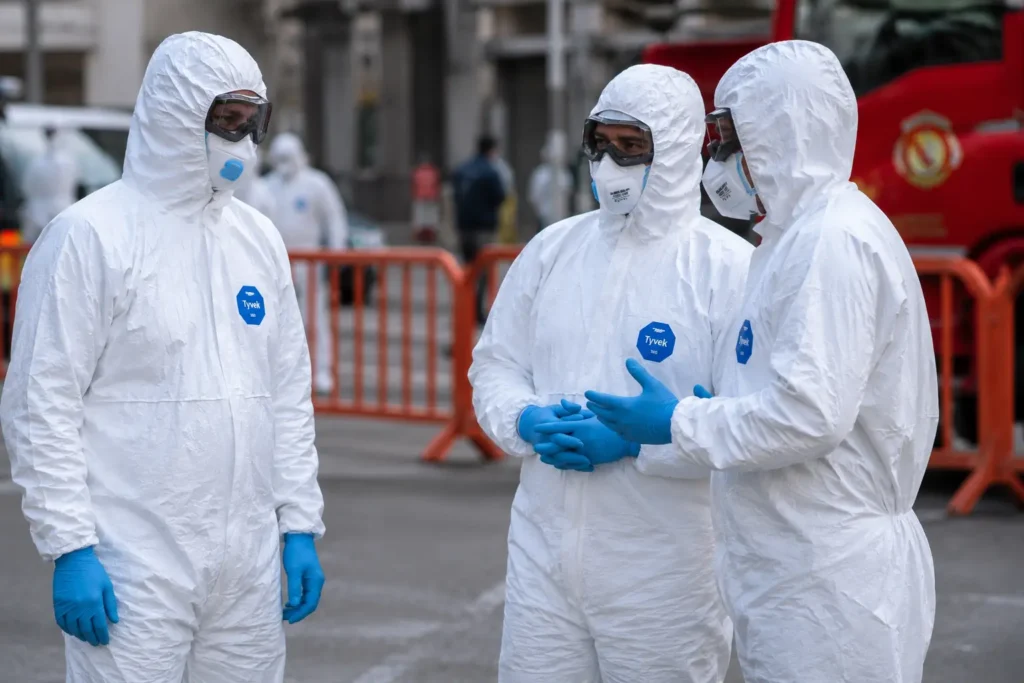
GENEVA — Ebola spreading faster than first thought, WHO doctor warns, as new modelling from the MRC Centre for Global Infectious Disease Analysis at Imperial College London suggests the outbreak in the Democratic Republic of Congo may already exceed 1,000 cases — substantially more than the 513 suspected cases officially reported. Dr Anne Ancia, a WHO representative, told the BBC on Tuesday that “the more we are investigating this outbreak, the more we realise that it has already disseminated at least a little bit across the border and also in other provinces.” At least 131 people have died. The outbreak was first detected on 24 April, but is now feared to have been spreading for weeks before that.
The Modelling and the Surveillance Gap
The MRC Centre’s assessment, released on Monday, found “substantial” under-detection of cases and stated the outbreak is “larger than currently ascertained.” The study could not rule out that the true case count had already passed 1,000 MRC Centre for Global Infectious Disease Analysis report, 19 May 2026.
The modelling exposes the structural vulnerability at the heart of the global health response. The gap between the outbreak’s emergence and its detection on 24 April is the operational space where containment fails before it begins. In a region with high population mobility, informal healthcare providers, and active armed conflict, the virus does not wait for laboratory confirmation.
Dr Ancia described Ituri province, the epicentre, as a “very insecure area with lots of movement of population,” making it difficult for the agency to investigate and help control the disease. The outbreak has now spread to South Kivu province, which has endured a humanitarian crisis for years.
The Red Cross warned on Tuesday that Ebola can escalate quickly when cases are not identified early, communities lack information, and health systems are overwhelmed. “We are seeing all those conditions,” the organisation said Red Cross statement, 19 May 2026.
How the surveillance gap undermines outbreak containment before it begins
The Bundibugyo Strain and the Vaccine Gap
The Bundibugyo strain fuelling this outbreak has no approved vaccine. It has previously caused only two outbreaks, killing about a third of those infected. The Zaire strain — responsible for the 2014-2016 West African epidemic that killed 11,325 people across multiple continents — received the vaccine pipeline. Bundibugyo did not.
The WHO is now evaluating whether other drugs may provide protection against the strain. The verb — “evaluating” — is precise. No emergency use authorisation has been issued. No fast-track pathway has been announced by any major pharmaceutical regulator.
On Tuesday, DR Congo President Félix Tshisekedi held a crisis meeting and called for “calm,” urging citizens to remain vigilant. WHO chief Tedros Adhanom Ghebreyesus, who declared the outbreak an international emergency last week, said he was “deeply concerned about the scale and speed of the epidemic.”
Why the Bundibugyo Ebola strain was left behind by the vaccine pipeline
The Regional and International Response
Rwanda has closed its borders with DR Congo. Uganda has told citizens to avoid hugging and shaking hands. One person has died in Uganda after travelling from DR Congo.
An American citizen — believed to be missionary group doctor Peter Stafford — is being evacuated to Germany for treatment after developing symptoms over the weekend. Germany’s health ministry confirmed to the BBC that a US citizen was being taken to the country for treatment. The US Centers for Disease Control and Prevention said it is working to evacuate at least six other Americans who were exposed CDC statement, 19 May 2026.
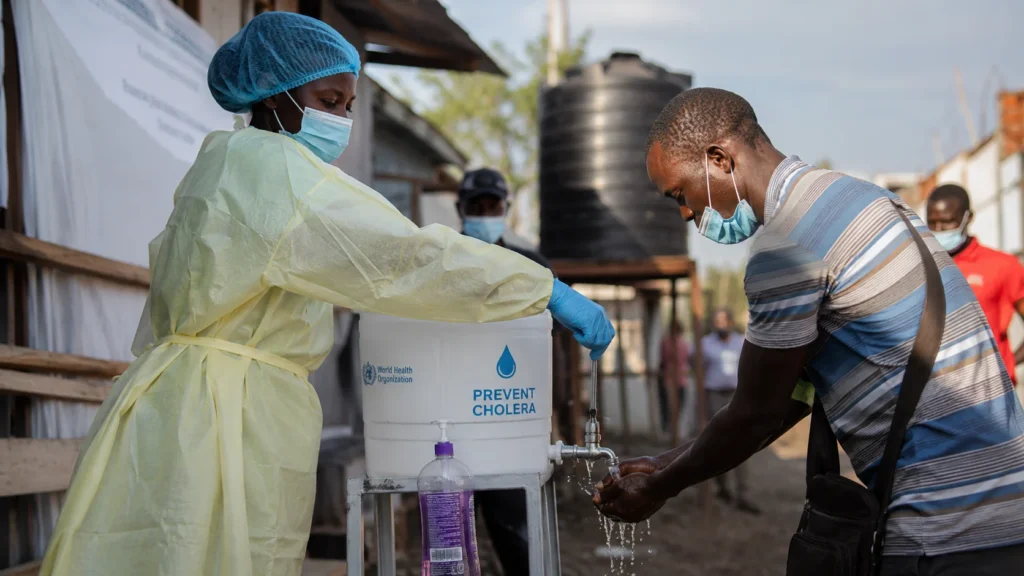
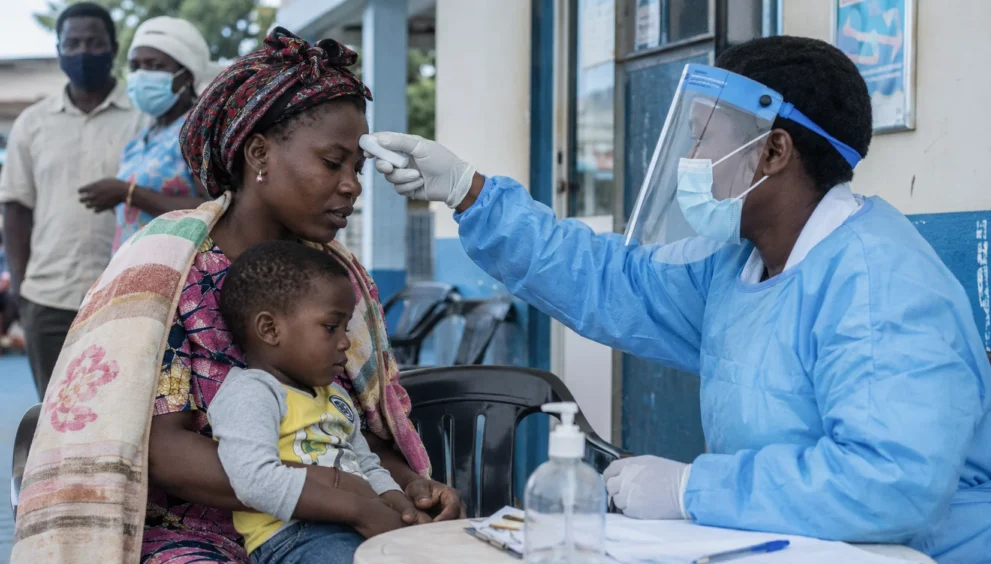
The WHO and other agencies are working with governments and communities to try to stop the spread, urging residents to follow preventative measures and report to the nearest health facility if they experience symptoms.
A case has also been confirmed in Goma, eastern DR Congo’s largest city with a population of around 850,000 people, currently under the control of Rwandan-backed rebels.
How great powers respond when global health architecture fails
FAQ: Ebola Outbreak DR Congo 2026
Is Ebola spreading faster than first thought?
Yes. A WHO representative and modelling from the MRC Centre for Global Infectious Disease Analysis both indicate the outbreak is larger than official figures suggest. The true case count may already exceed 1,000.
What strain of Ebola is causing the outbreak?
The Bundibugyo strain, for which there is no approved vaccine. The WHO is evaluating whether other drugs may provide protection.
How many people have died?
At least 131 people have died in DR Congo. One person has also died in Uganda after travelling from DR Congo.
Which countries have closed their borders?
Rwanda has closed its borders with DR Congo. Uganda has issued public health guidance but has not closed its border. Several African countries are tightening border screenings.
Are Americans being evacuated?
Yes. An American citizen is being evacuated to Germany for treatment. The CDC says at least six other Americans who were exposed are also being evacuated.
Written by the Global Health Desk, drawing on WHO briefings, MRC Centre for Global Infectious Disease Analysis modelling, BBC interviews, Red Cross statements, and CDC announcements. The desk has covered infectious disease outbreaks and global health governance for over 15 years.