

 English



































































































































































































How the China-Russia Axis Reshapes Energy
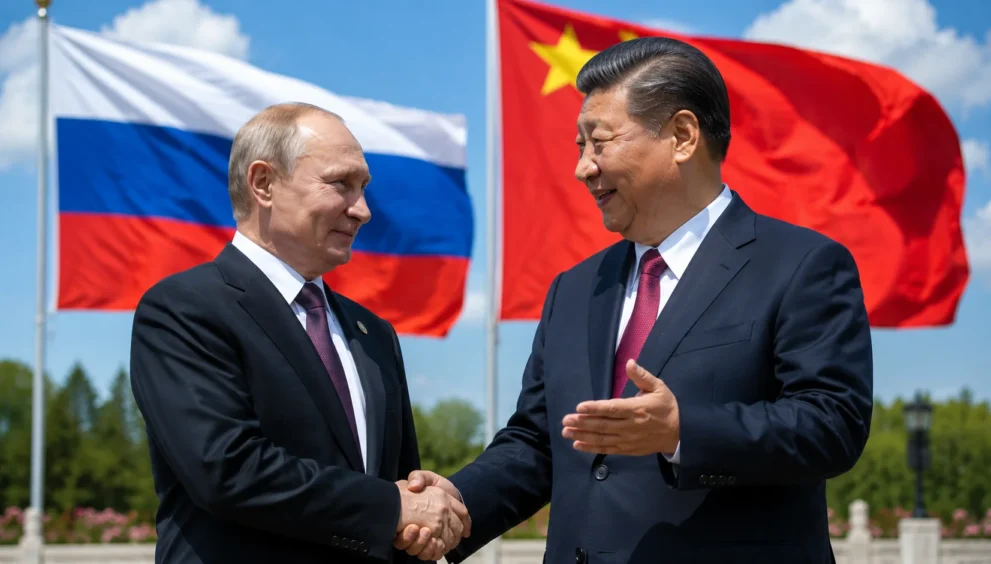
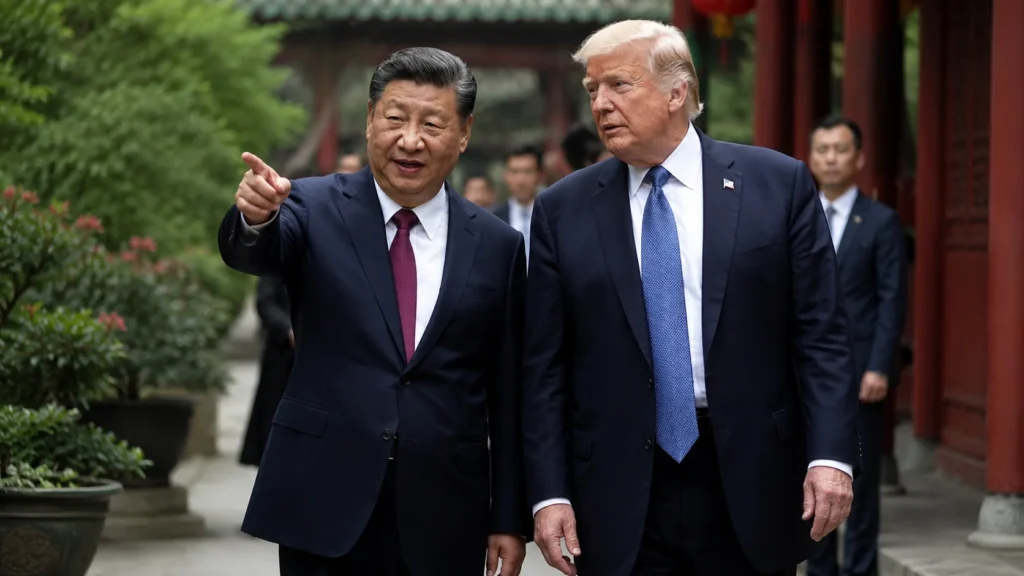
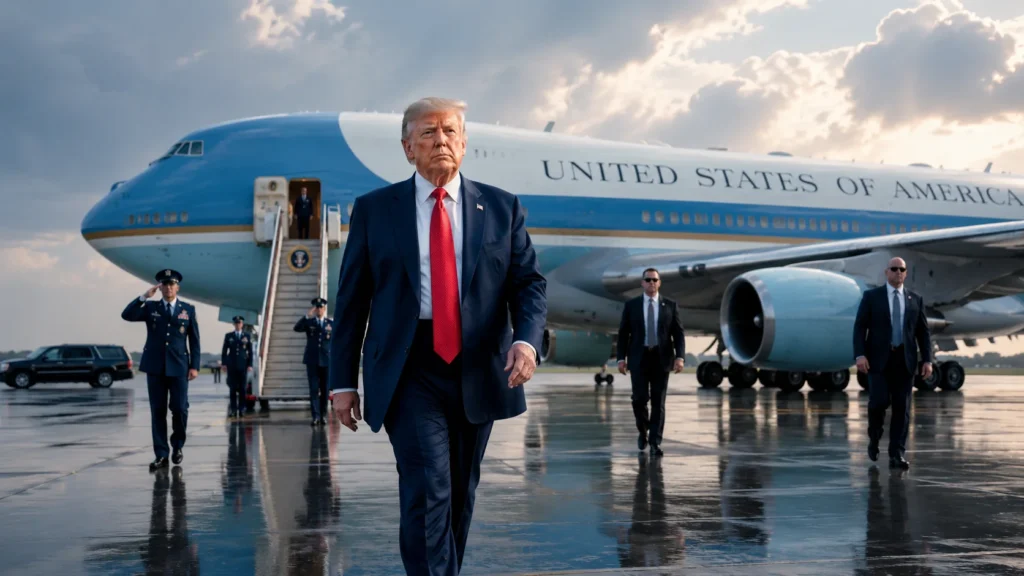
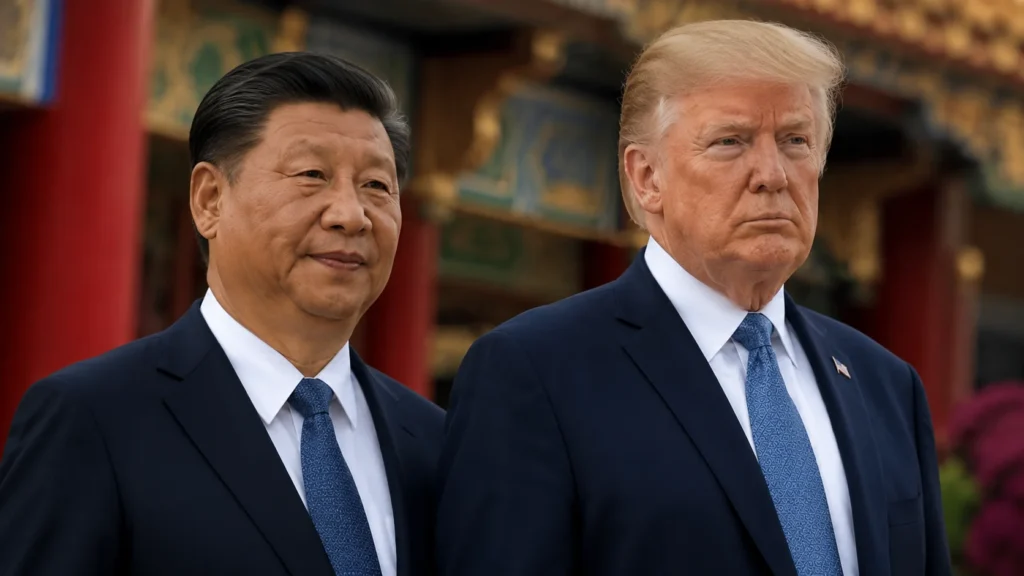
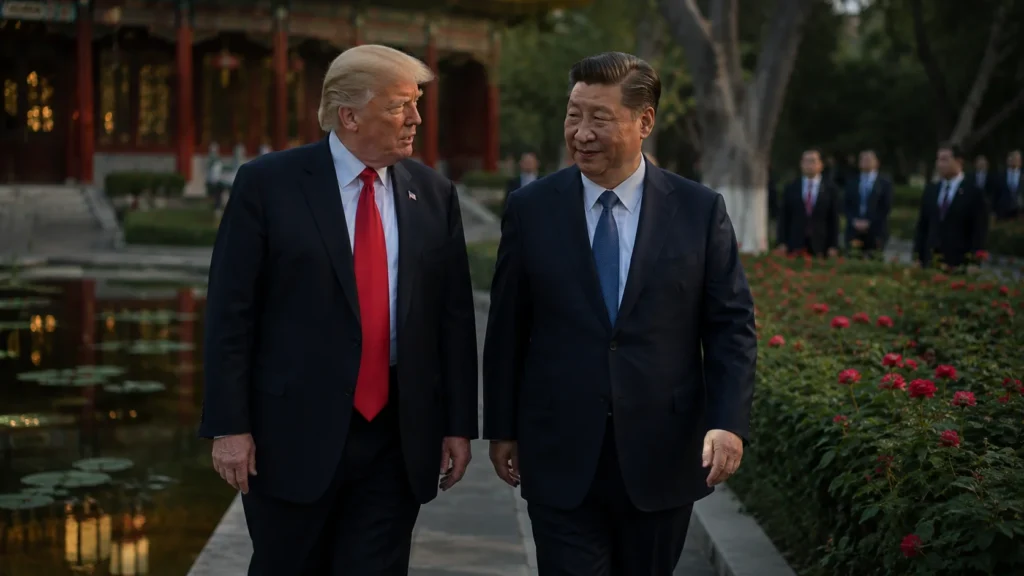
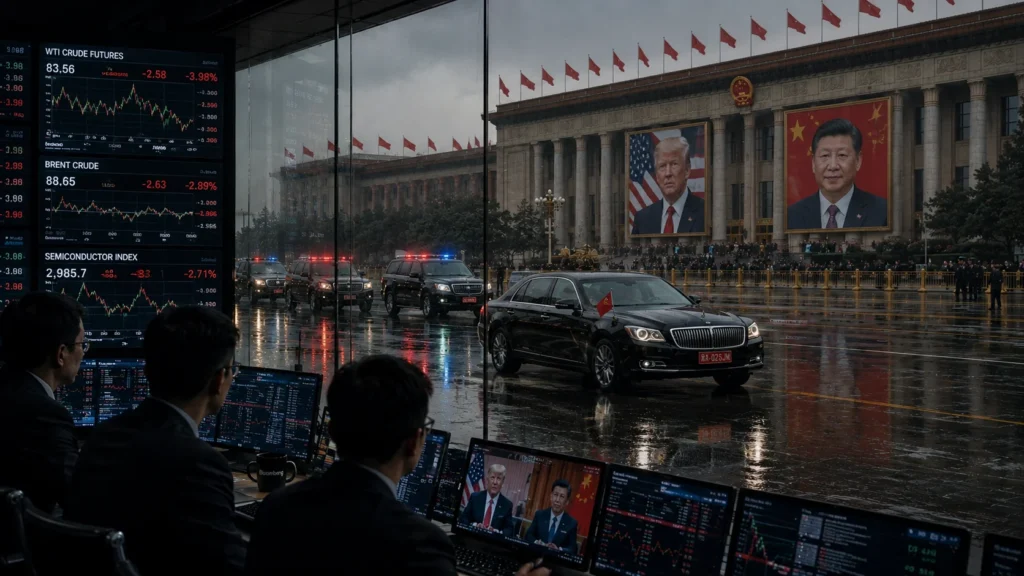
The red carpet at the Great Hall of the People dried quickly after the rain. Flags flapped in the Beijing breeze. Children cheered on cue. But the real signal came from the commerce ministry, miles away from the fanfare.
This is not an isolated event. This is a structural shift.
Alliance Loyalty vs Self-Interest
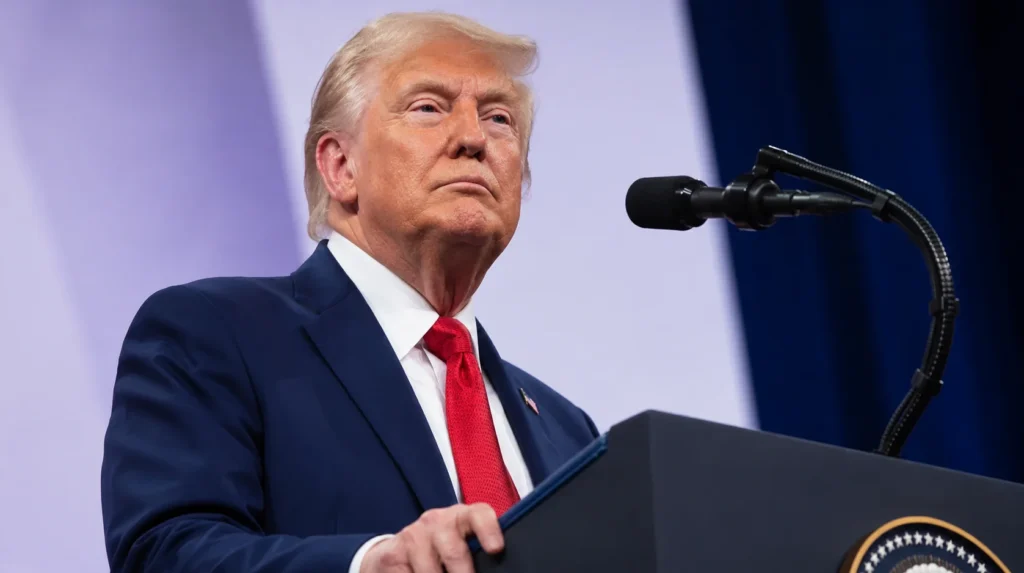
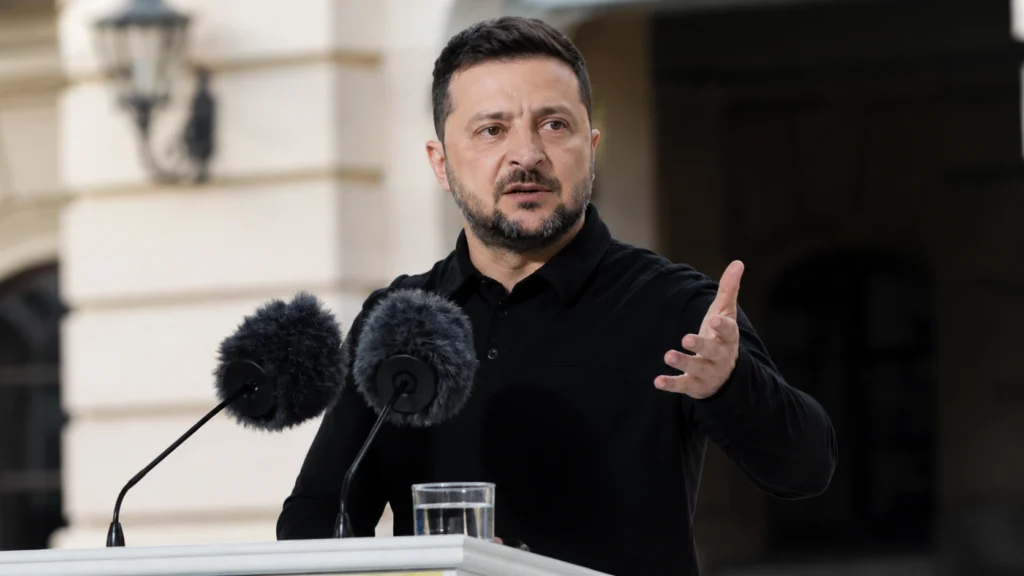
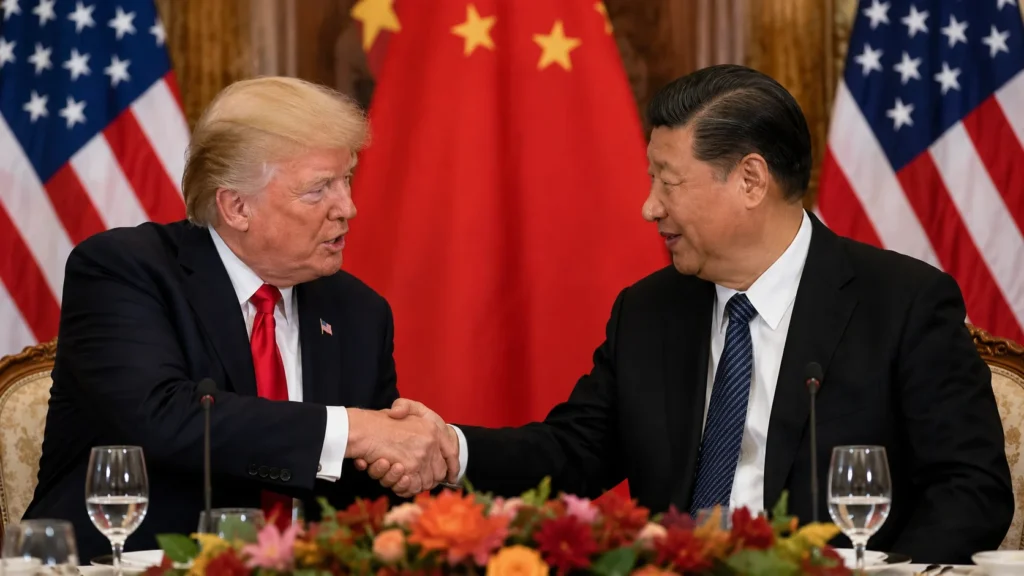
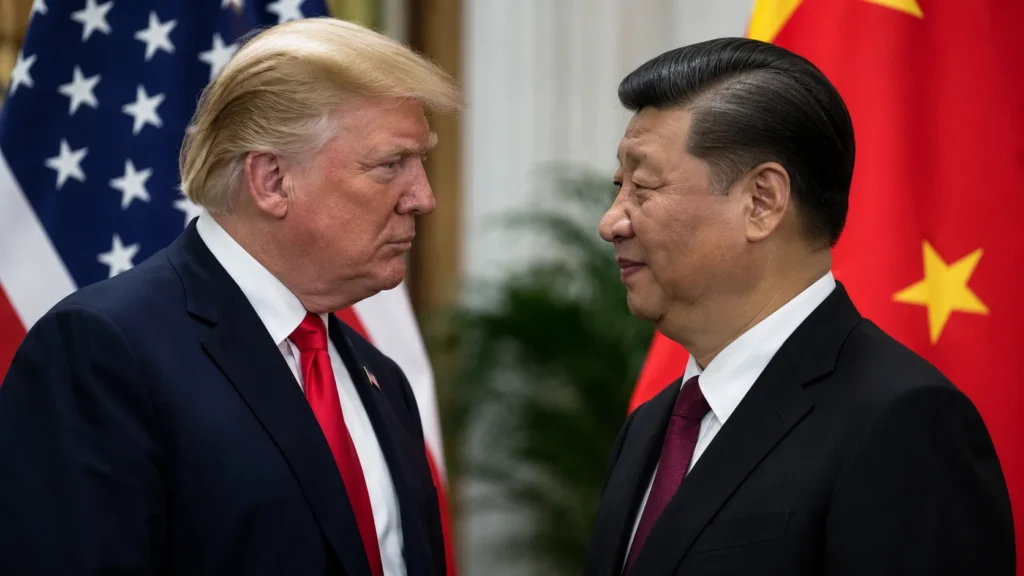
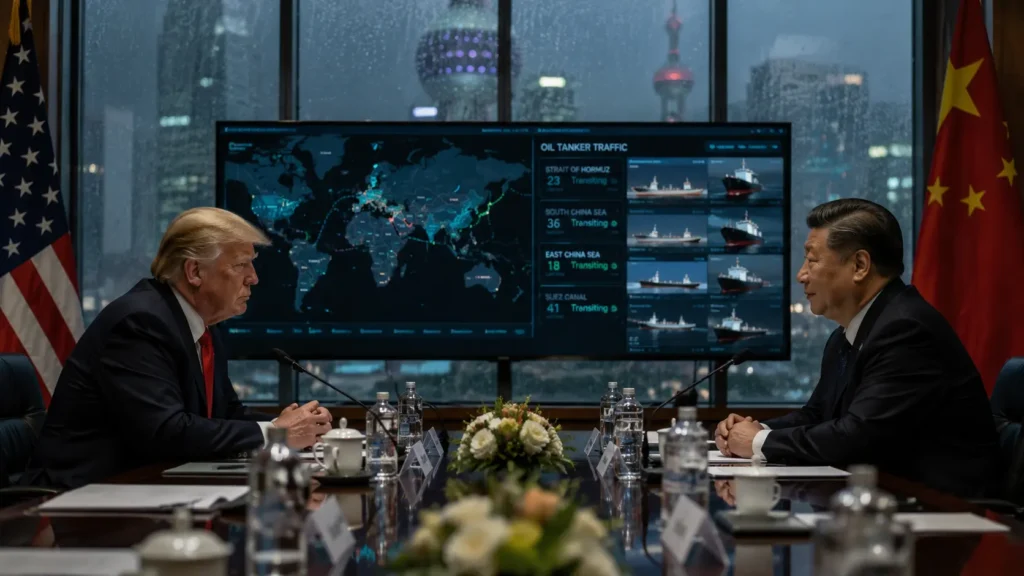
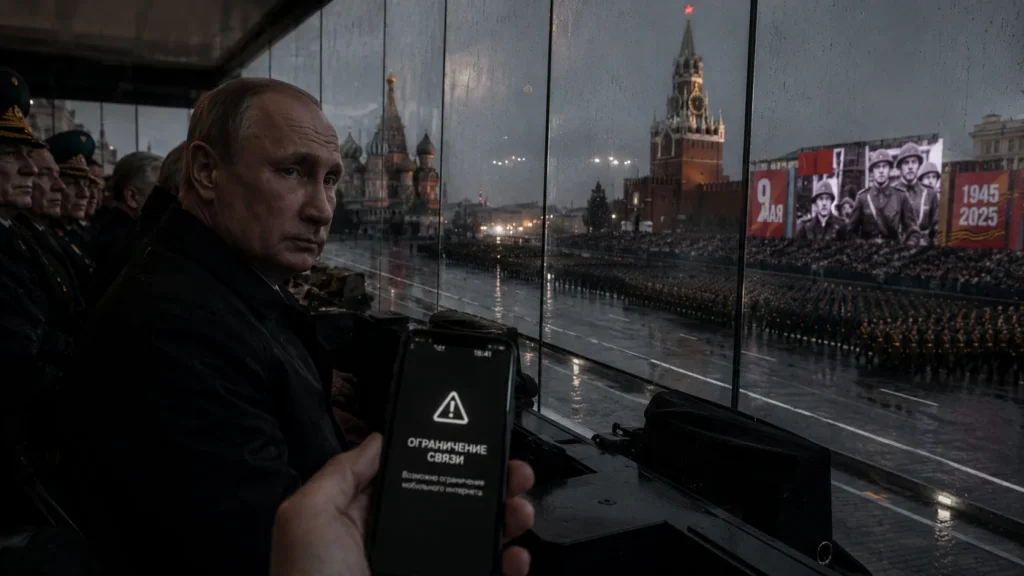
The simultaneous confirmation of a 200-plane Boeing order and the embrace of Vladimir Putin reveal exactly how the China-Russia axis reshapes the global distribution of power. Vladimir Putin needs Chinese cash and technology to sustain his economy. Beijing understands this vulnerability. While Moscow uses soaring rhetoric about an unprecedented partnership, China plays a colder, more calculated game. Xi Jinping balances his anti-hegemonic alignment with Moscow against vital economic ties to the West.
How the Power Balance Shifts
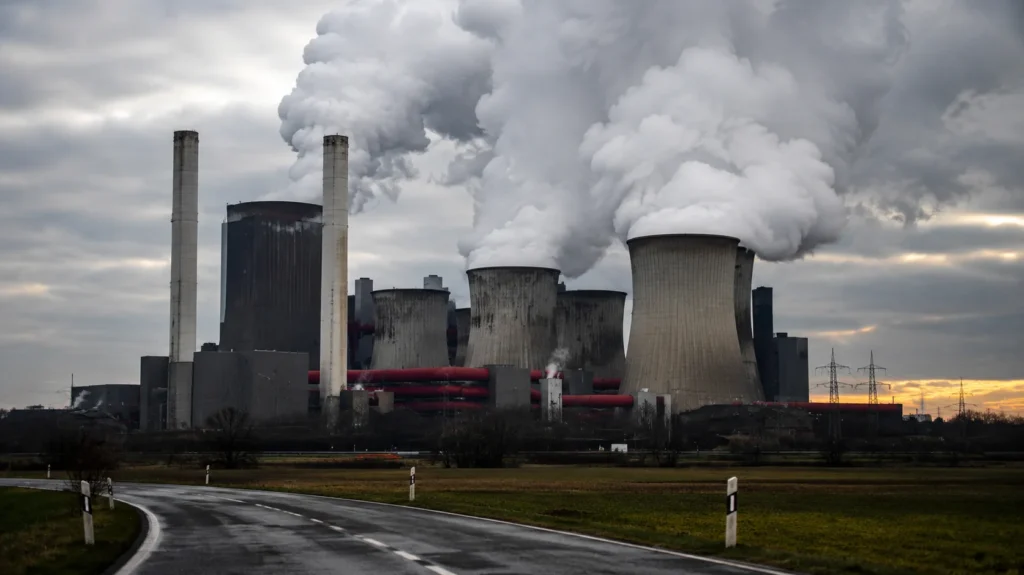
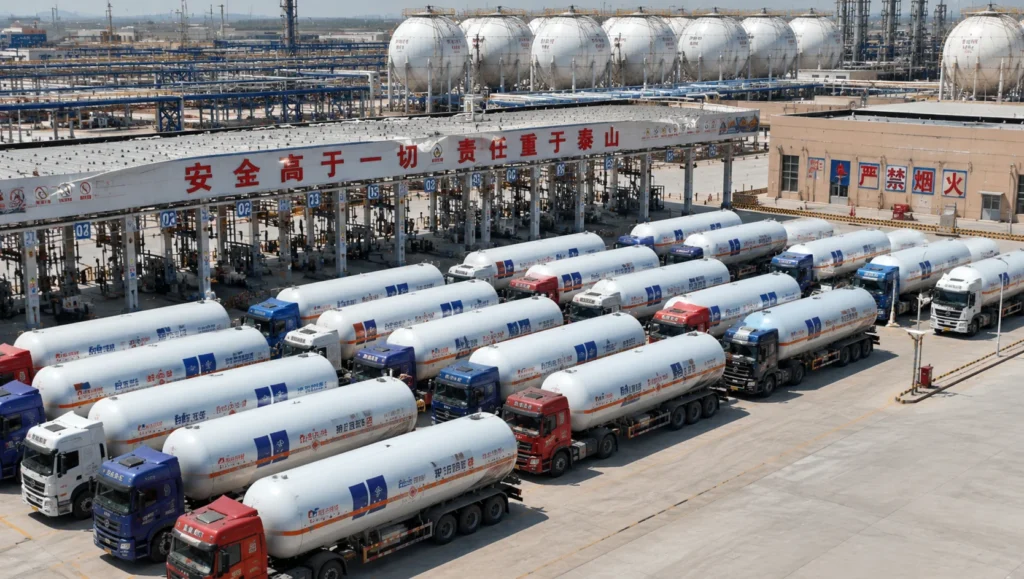
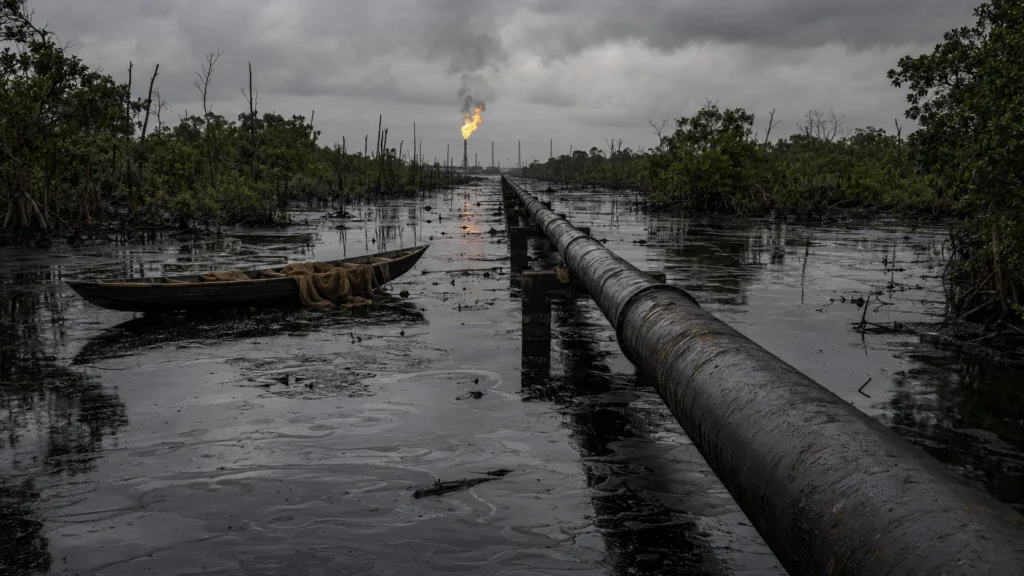
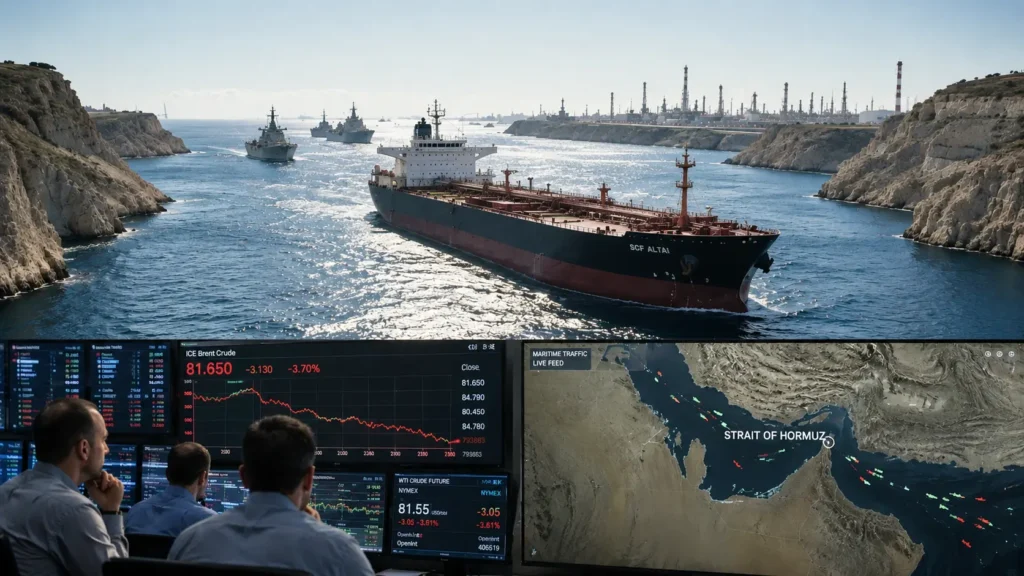
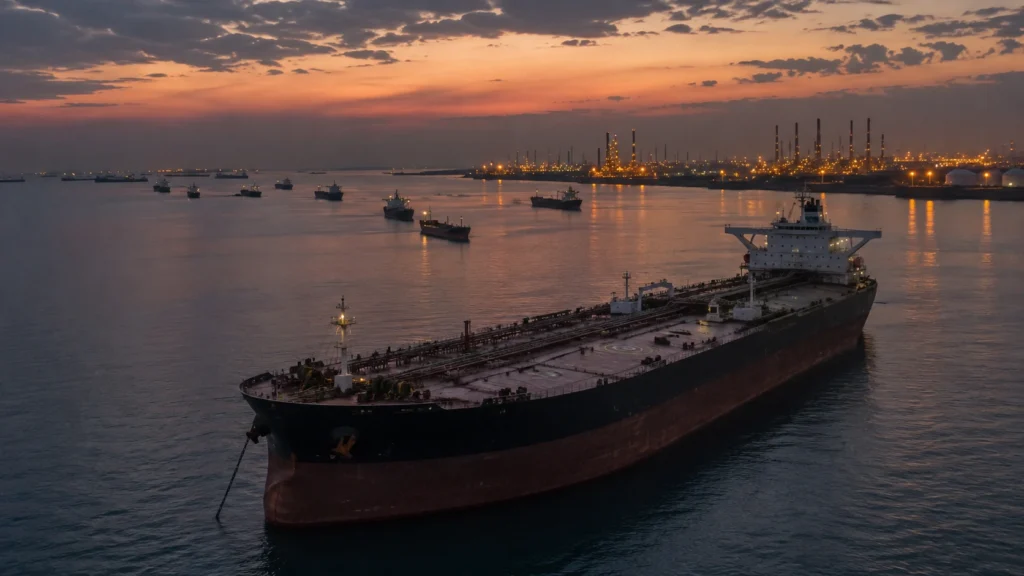
The Kremlin wants a massive new natural gas pipeline to replace lost European markets. China wants cheap energy but refuses to tie its economic future to a single supplier. By finalizing a trade deal with Washington while hosting Moscow, Beijing showed its true leverage.
[Western Sanctions] ──> [Russian Isolation] ──> [Total Reliance on China] │ [Beijing’s Strategic Choice: Protect Western Access] <────┴──> [Dictate Terms to Moscow]
China now dictates the terms of the relationship. Moscow loses room to maneuver, while Beijing cements its role as the senior partner. This asymmetry reorders Eurasian security.
What Happens to Communities
On the ground, this geopolitical math changes daily life. Russian consumers now drive Chinese cars and buy Chinese smartphones because Western brands fled. This is not a choice; it is a necessity. In Chinese manufacturing hubs, factory floors hum to supply the Russian market, yet these same businesses look nervously at Western sanctions lists. One wrong shipment can ruin a company.
The Next Six Months
Watch the pricing negotiations for the Power of Siberia 2 pipeline over the next two quarters. If Beijing forces Moscow to accept near-zero profit margins, it proves Russia has no alternative options left. The risk of secondary Western sanctions on Chinese banks remains high.
- The Shift: China consolidated its position as the economic anchor for an isolated Russia.
- The Drivers: Moscow needs energy revenue; Beijing needs to protect its access to Western markets.
- The Indicators: Watch pipeline price agreements and Chinese banking compliance with Western regulations.