

 English



























































































































































































































































































































































Barney Frank Dies at 86, US Financial Reform Legacy

Barney Frank dies at 86 after shaping the post-2008 US financial reform system that still governs Wall Street today. His role in designing the Dodd-Frank framework placed him at the center of America’s struggle to control systemic banking risk while preserving market stability. Barney Frank dies at 86 US financial power shift debate now returns as regulators and lawmakers reassess how much control Congress should hold over finance. The timing matters because his architecture still defines modern US banking oversight.
A System Still Running His Rules
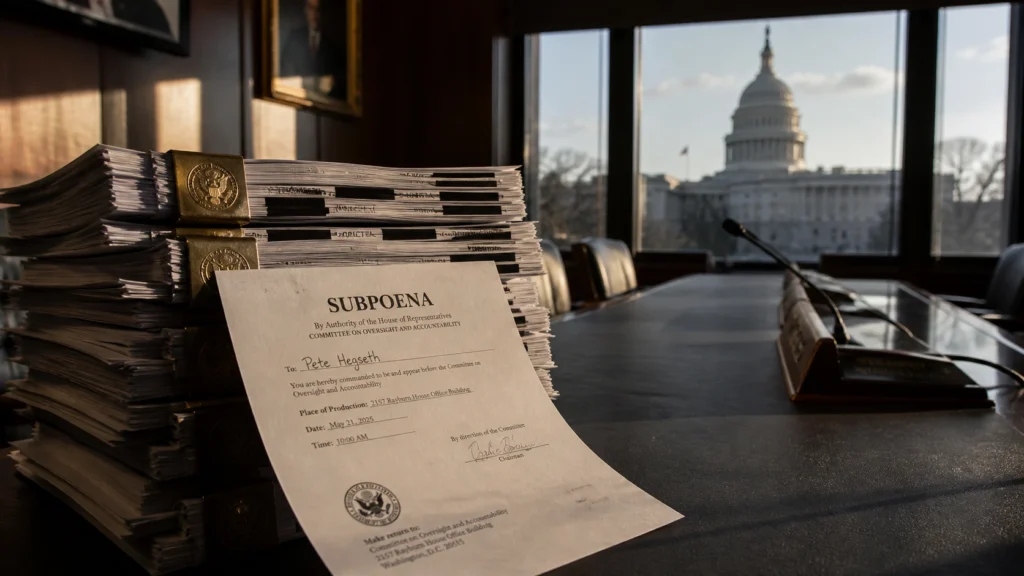
A committee room in Washington no longer votes on his reforms. It only interprets them.
Markets still price risk using rules he helped design in 2010.
The Federal Reserve still stress-tests institutions built in response to that crisis.
And now the architect is gone.
Quiet change. Long tail impact.
Control vs Stability: The Political Core
Barney Frank’s death at 86 closes a chapter in US financial governance, but it does not close his influence. As chair of the House Financial Services Committee in 2007, he helped steer Congress through the collapse of the subprime mortgage system and into the drafting of the Dodd-Frank Wall Street Reform and Consumer Protection Act, signed in July 2010 under President Barack Obama.
That law introduced stress testing, liquidity rules, and the “too big to fail” framework that still defines US banking supervision. A 2010 Federal Reserve assessment estimated leverage ratios above 30:1 in major banks before the crisis, exposing systemic fragility that Frank’s reforms aimed to contain.
Federal Reserve Bank financial stability archive
But regulation did not end the political conflict. It institutionalized it.
Dodd-Frank as Permanent Infrastructure
Frank’s biggest shift came from embedding consumer protection into the federal structure through the Consumer Financial Protection Bureau (CFPB). That move centralized authority that previously sat across fragmented agencies.
As Post-crisis US banking reform analysis showed, Dodd-Frank did not just regulate banks. It redesigned governance logic around systemic risk.
A Brookings Institution review in 2018 found that most rollback attempts targeted procedural complexity rather than core safeguards.
Brookings Institution financial regulation study
So the tension hardened.
Regulators gained tools. Political cycles gained targets.
Power Recalibration: Crisis Rules vs Peacetime Politics
Progressive lawmakers still rely on Frank’s institutional architecture. Financial institutions absorbed compliance costs but regained lobbying strength in later deregulation waves.
Republican-led Congresses attempted partial rollbacks after 2017, exposing how crisis-built coalitions weaken when urgency fades.
The fault line now sits between emergency consensus and peacetime erosion.
Not ideology. Timing.
Institutional Impact: How Washington Now Governs Risk
Dodd-Frank changed how the US government manages systemic risk. Stress tests became routine. Capital buffers became standard. Resolution planning became mandatory.
But complexity created its own vulnerability. Each administration reinterprets enforcement intensity without rewriting core law.
Rules stabilized markets. Politics destabilized interpretation.
A 2019 US Treasury report noted that regulatory fragmentation still persists across banking oversight agencies.
Electoral Signal: The Coalition Inside the Democratic Party
Frank’s political identity reflected a Democratic Party split: technocratic governance versus ideological purity.
His later criticism of “litmus test politics” highlighted that divide. Urban financial constituencies, middle-income borrowers, and LGBTQ voters all intersected in his political coalition.
Interesting pattern.
Coalitions expanded. Alignment weakened.
Pressure Points Ahead
Frank’s framework remains active but contested. The CFPB and banking stress tests face continued legal and legislative pressure.
Key pressure points include:
- scope of consumer financial enforcement
- reinterpretation of capital requirement rules
- renewed debate over systemic bank size thresholds
The question is no longer whether reform survives.
It is how much survives unchanged.