

 English



















































Rubio Says Cuba Is Threat to US as Havana Accuses Him of Lies
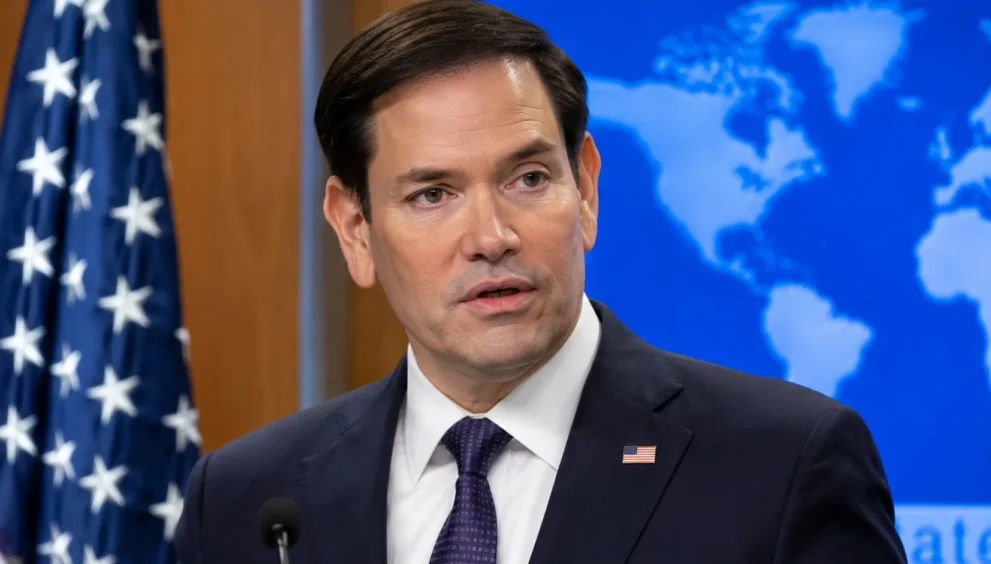
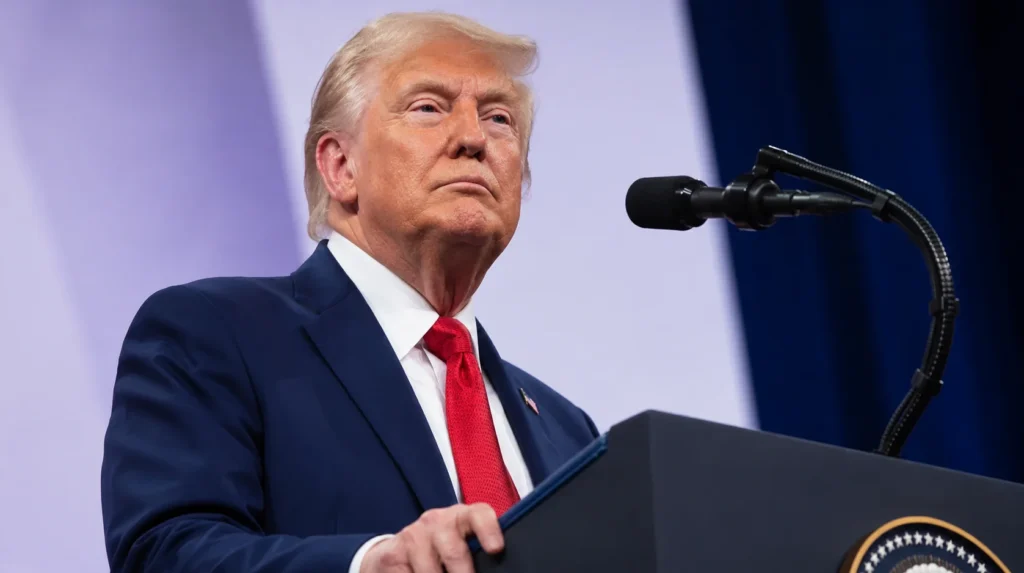
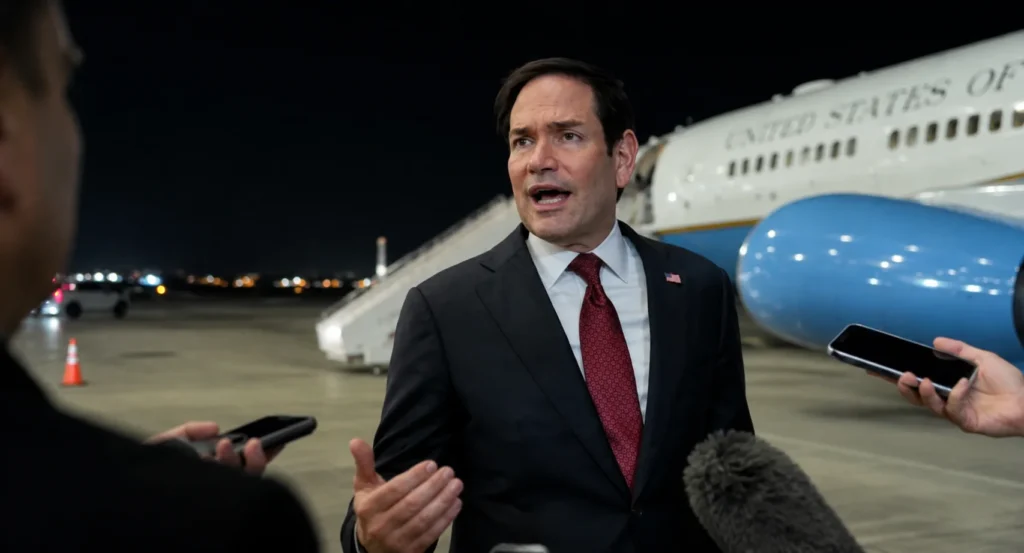
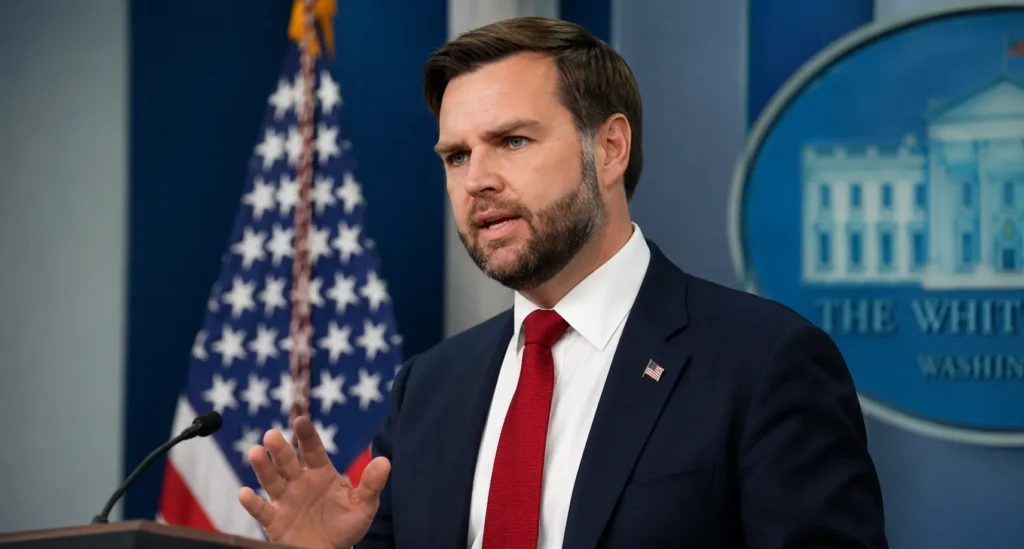
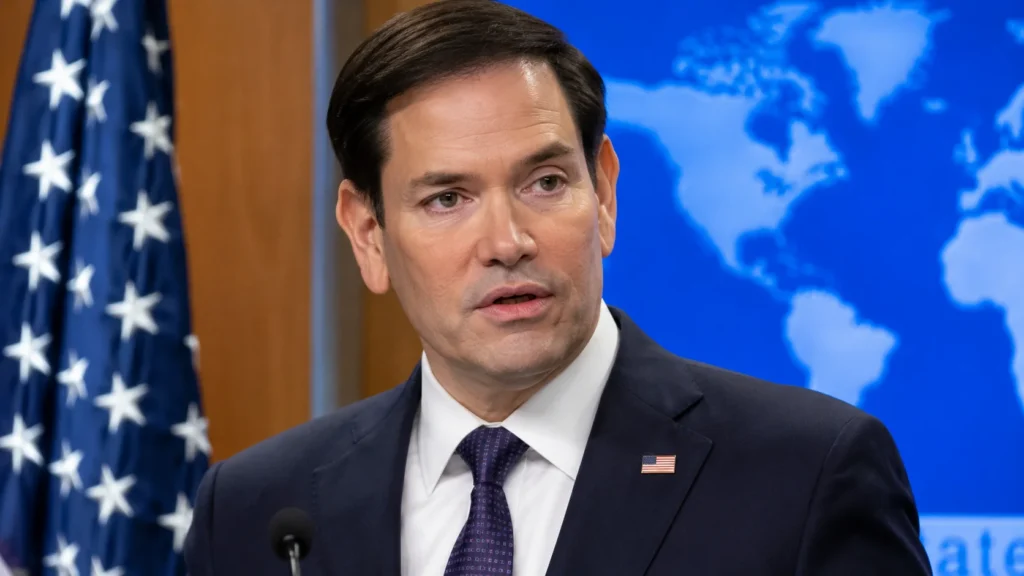
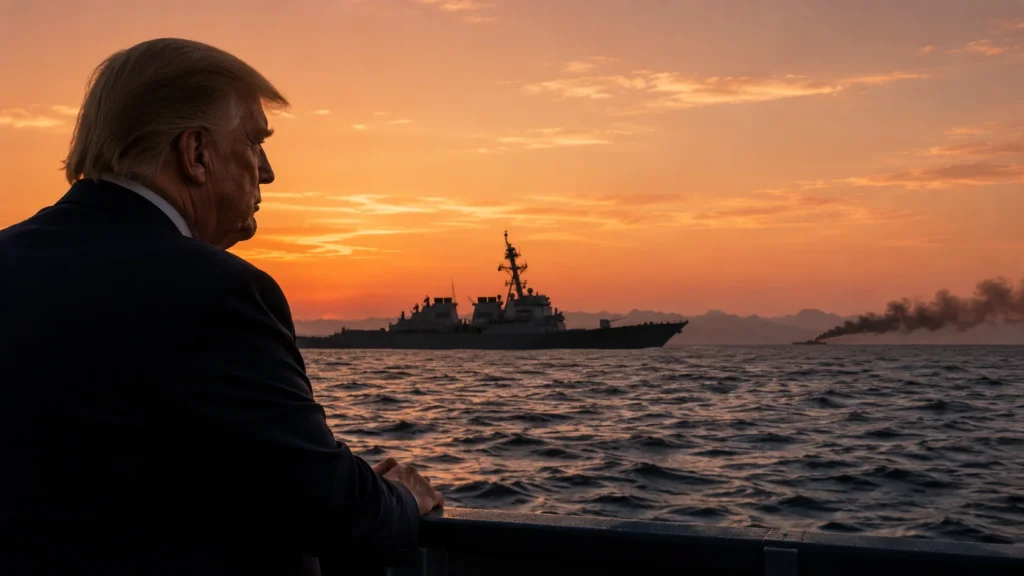
Rubio says Cuba is threat to US as Havana accuses him of lies. Those two sentences capture the chasm. A Miami grand jury charged former President Raúl Castro with murder on Wednesday over the 1996 downing of two Brothers to the Rescue planes that killed four Cuban-Americans. Within 24 hours, Secretary of State Marco Rubio warned the likelihood of a peaceful deal is “not high,” and Foreign Minister Bruno Rodríguez fired back, accusing him of trying to “instigate a military aggression.” Two governments are speaking. Neither is communicating.
The question is not what happened in 1996. The question is why 2026.
This is not primarily a legal story. It is a structural shift in how the United States applies pressure on adversarial regimes. The indictment weaponizes the justice system against a former head of state, fusing economic coercion, criminal prosecution, and rhetorical escalation into a single instrument. The Trump administration is betting that maximum pressure, legal, economic, and now personal, can force what a six-decade embargo could not.
The Timeline: From Brothers to the Rescue to a Miami Courtroom
February 24, 1996
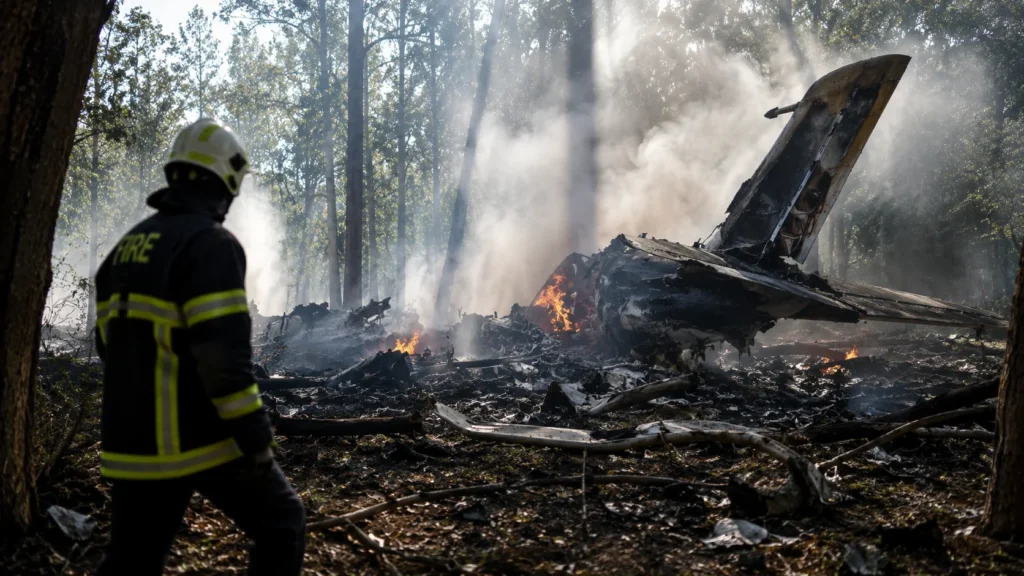
Cuban MiG fighters shot down two Cessna planes flown by the exile group Brothers to the Rescue over international waters north of Cuba. Four Cuban-Americans died. The International Civil Aviation Organization report condemned the downing, and the UN Security Council issued a presidential statement deploring the act.
1997-2000
The FBI indicted several Cuban military officials. A U.S. federal judge later awarded $187 million in damages to the victims’ families. Cuba never acknowledged jurisdiction, and the officials remained in Cuba.
January 2025
The Trump administration, in one of its first foreign policy moves, re-designated Cuba as a State Sponsor of Terrorism, reversing the Biden administration’s brief removal. This reactivated Title III of the Helms-Burton Act, allowing lawsuits against foreign companies operating on properties confiscated after the revolution.
May 20, 2025
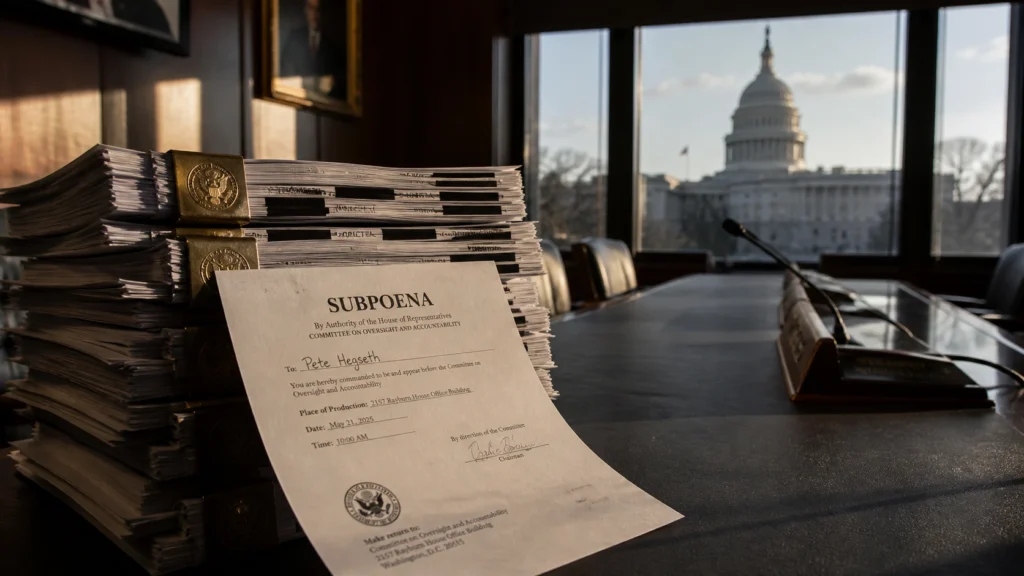
The Justice Department unsealed the murder indictment against Raúl Castro in Miami. Acting Attorney General Todd Blanche said the U.S. expects Castro to appear “by his own will or another way.”
May 21, 2025
Rubio acknowledged Cuba accepted a $100 million U.S. humanitarian aid offer—even as he called the regime a “leading sponsor of terrorism.” He announced the arrest of Adys Lastres Morera, sister of a top GAESA official, on immigration charges in Florida.
This sequence is not random. As earlier analysis of Trump’s maximum-pressure strategy toward Venezuela documented, the administration has a pattern: designate, indict, sanction, and then demand negotiations from a position of total leverage.
Two Governments Speak. Neither Communicates.
Here are the positions, side by side.
The U.S. Position
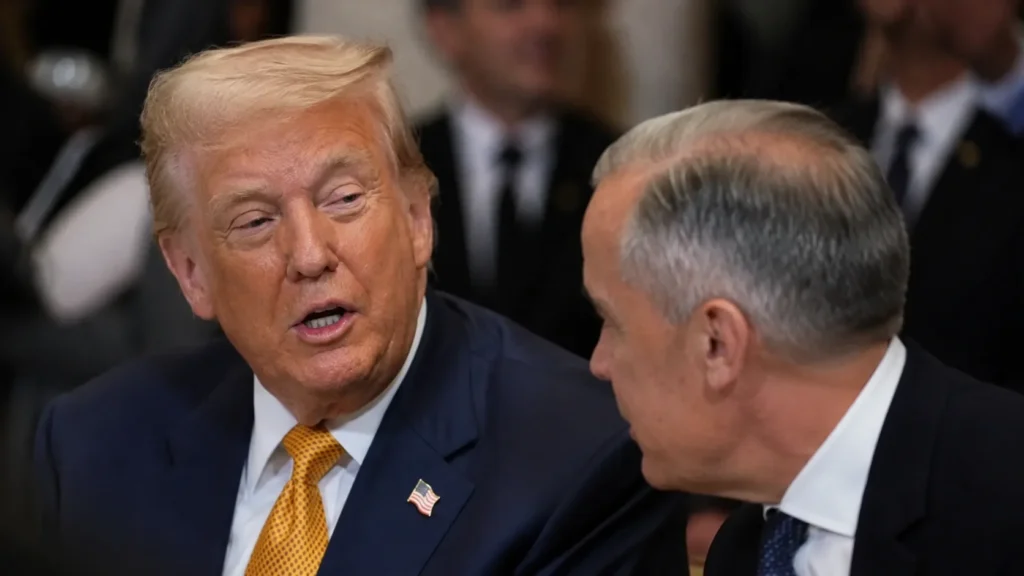
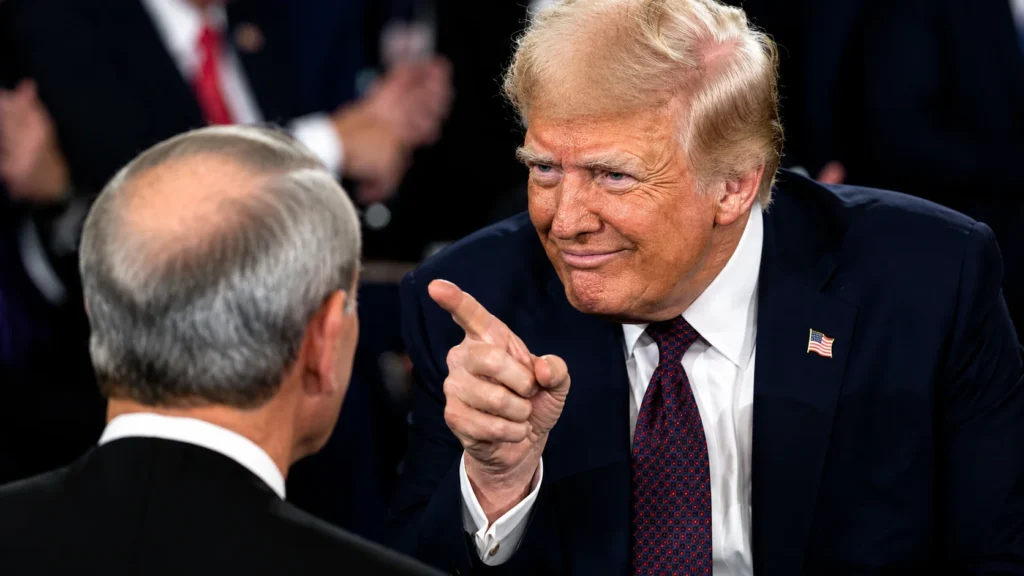
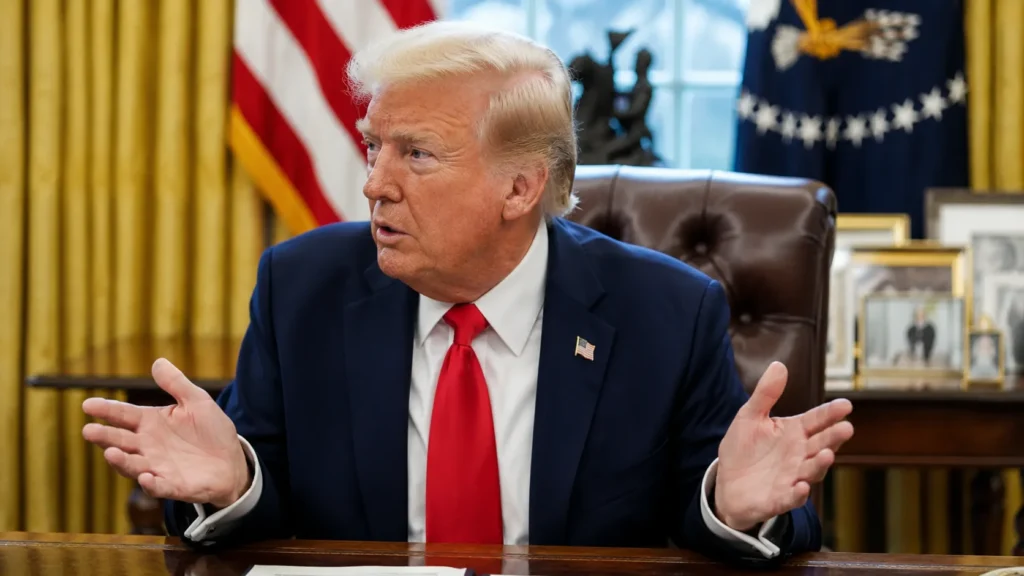
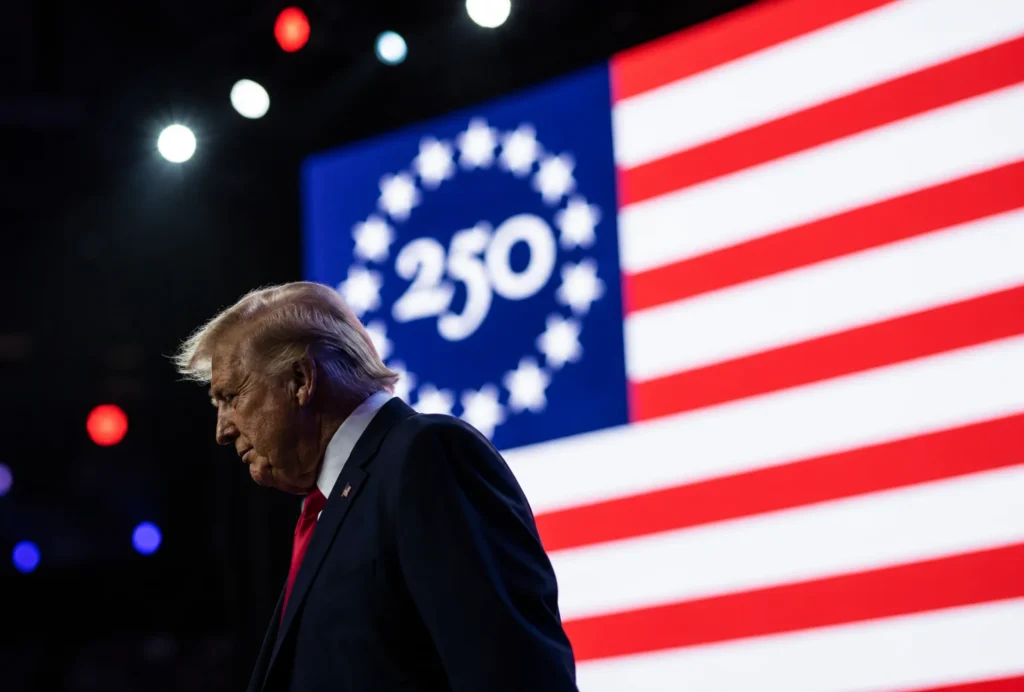
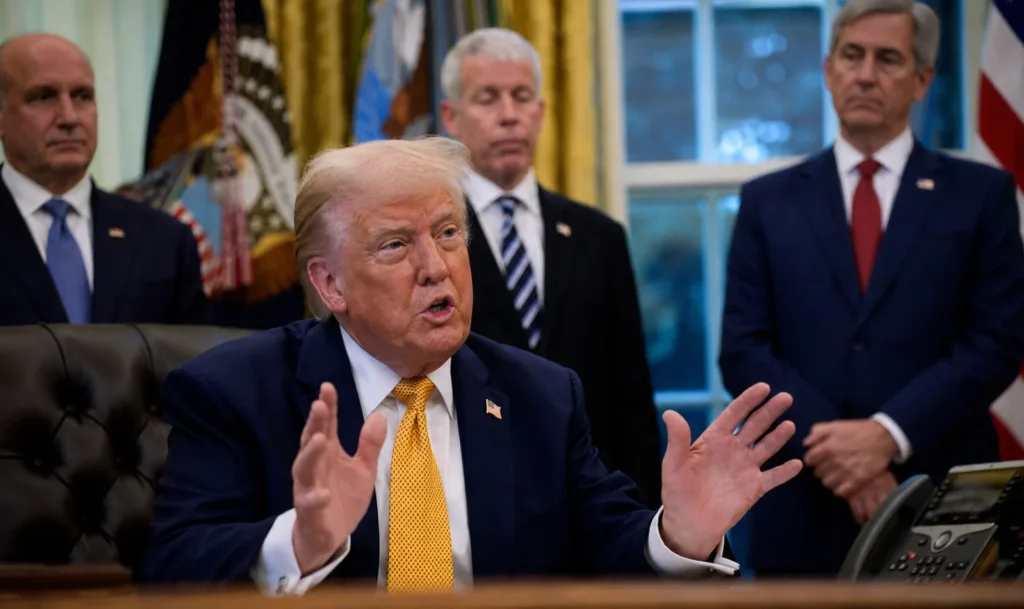
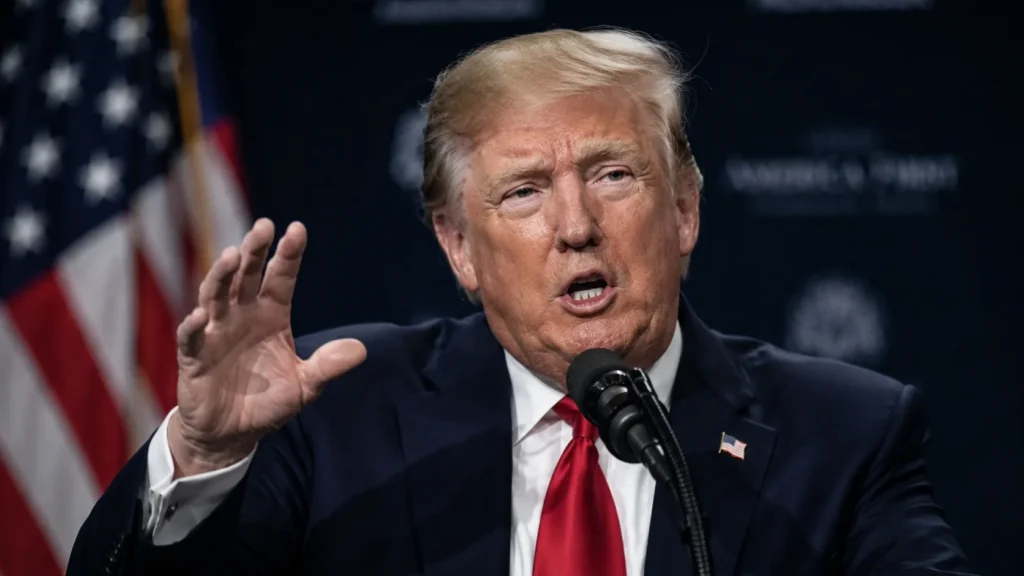
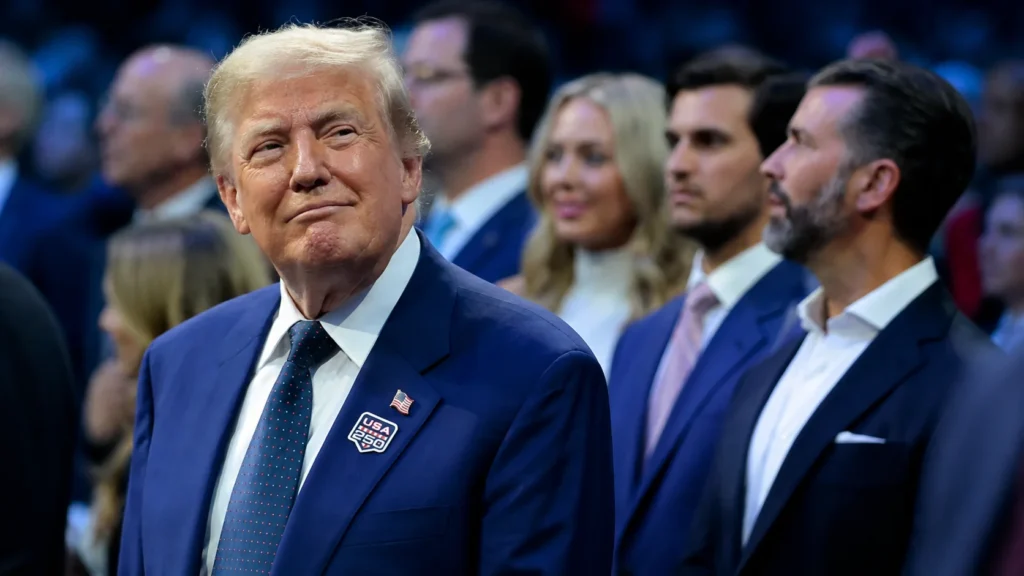
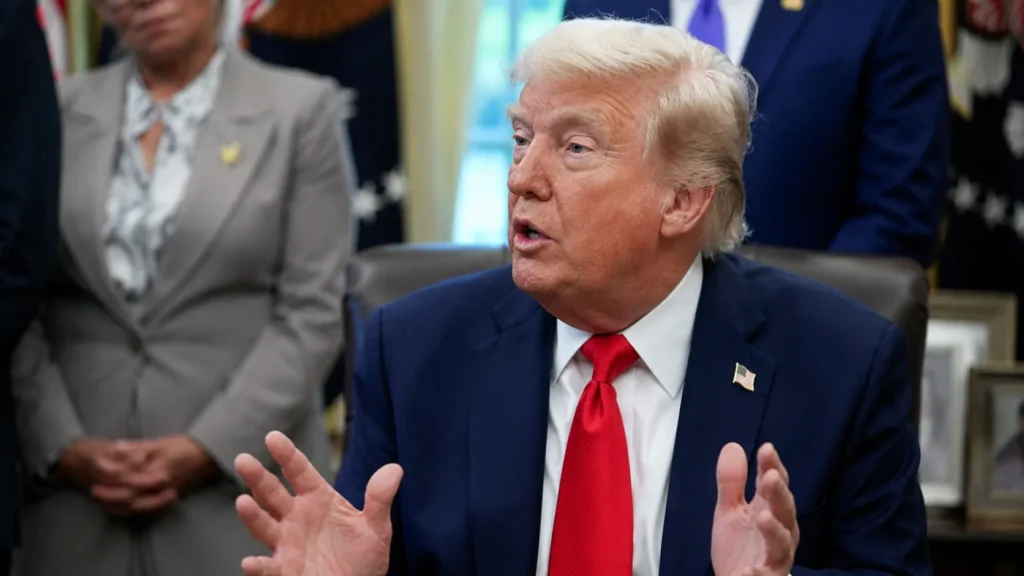
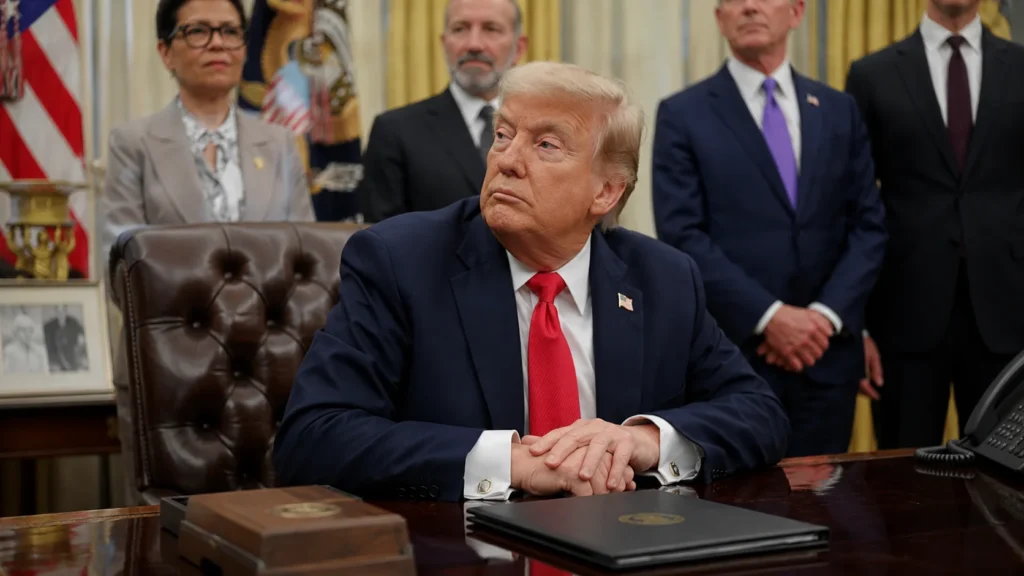
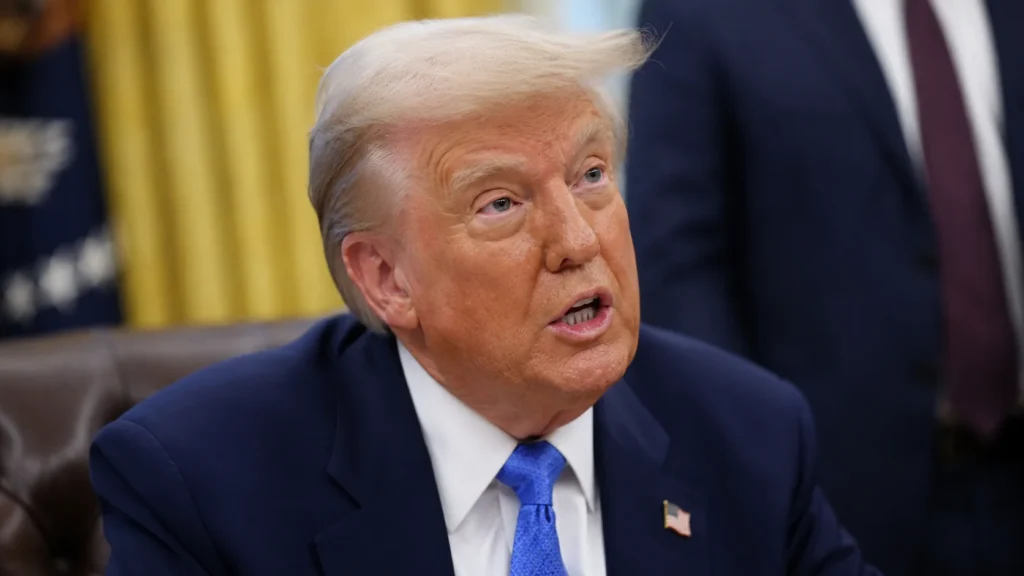
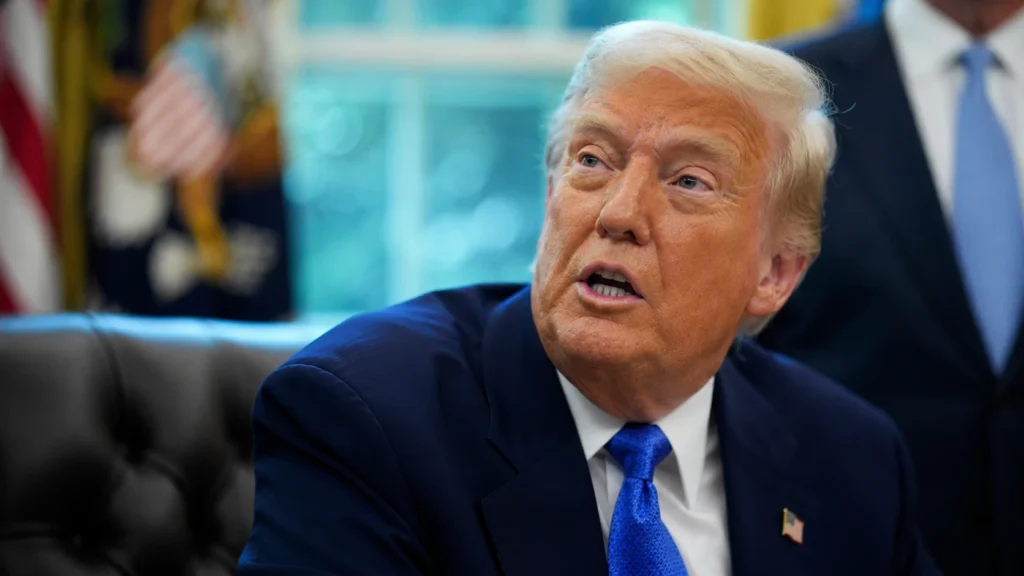
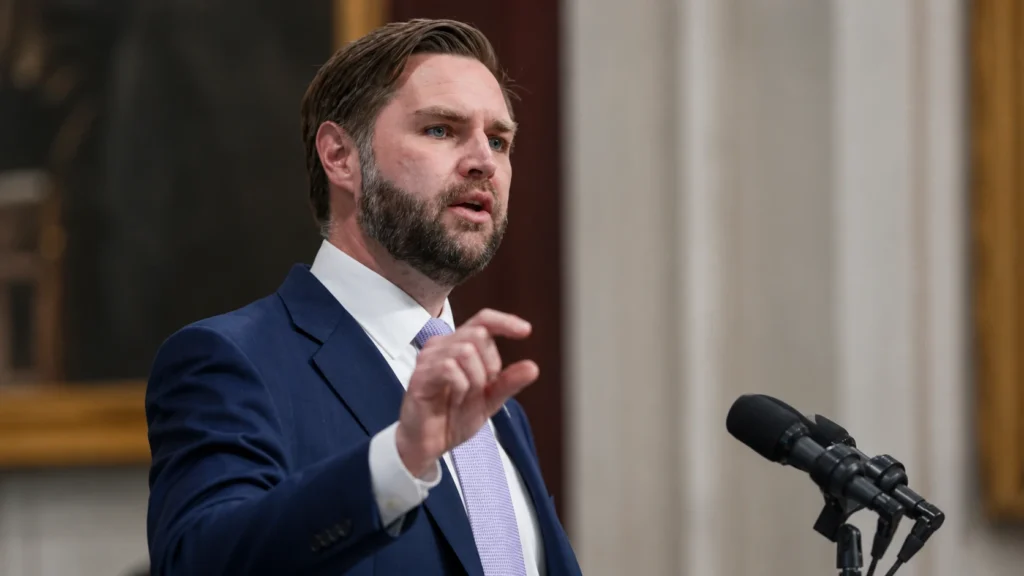
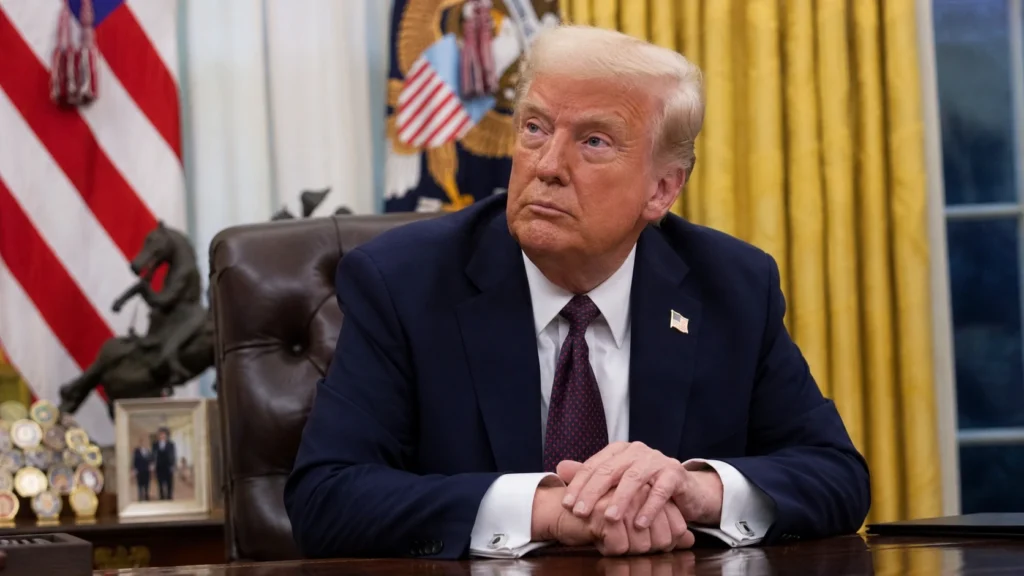
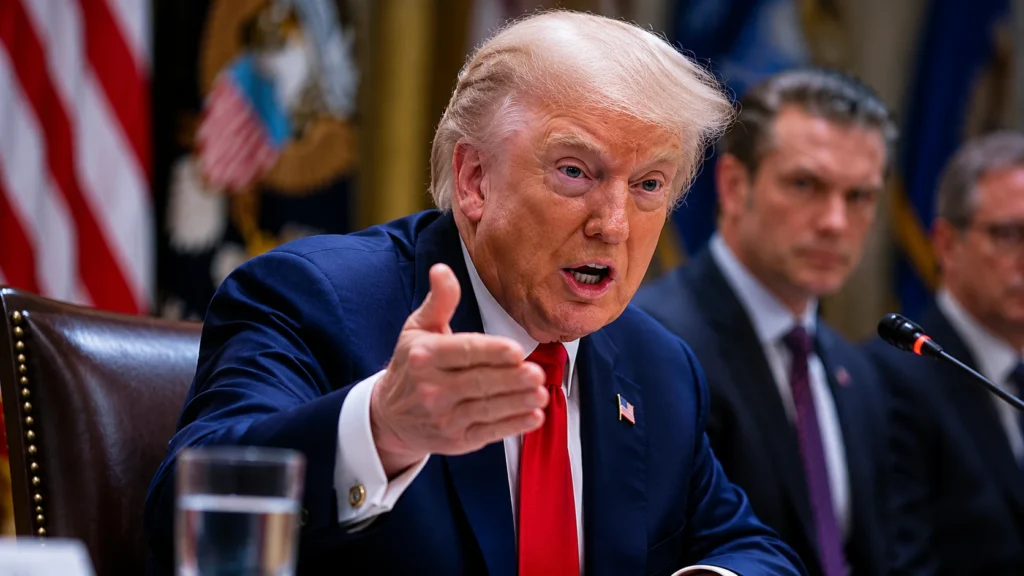
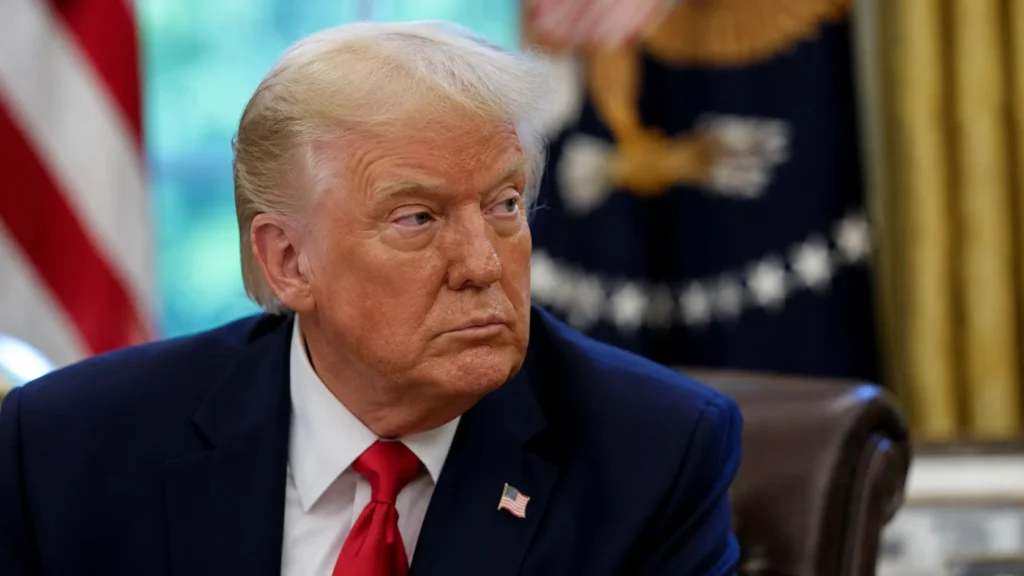
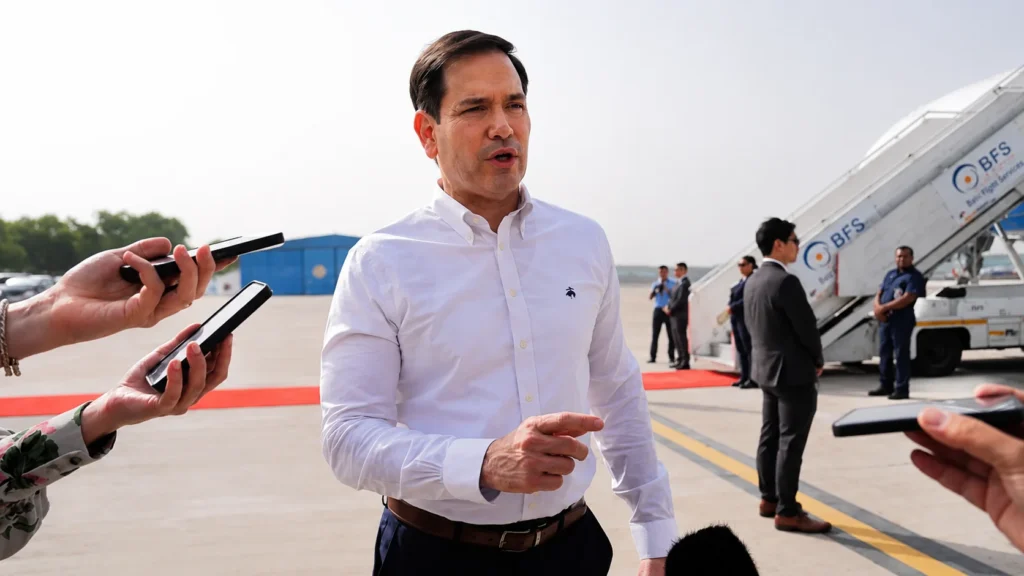
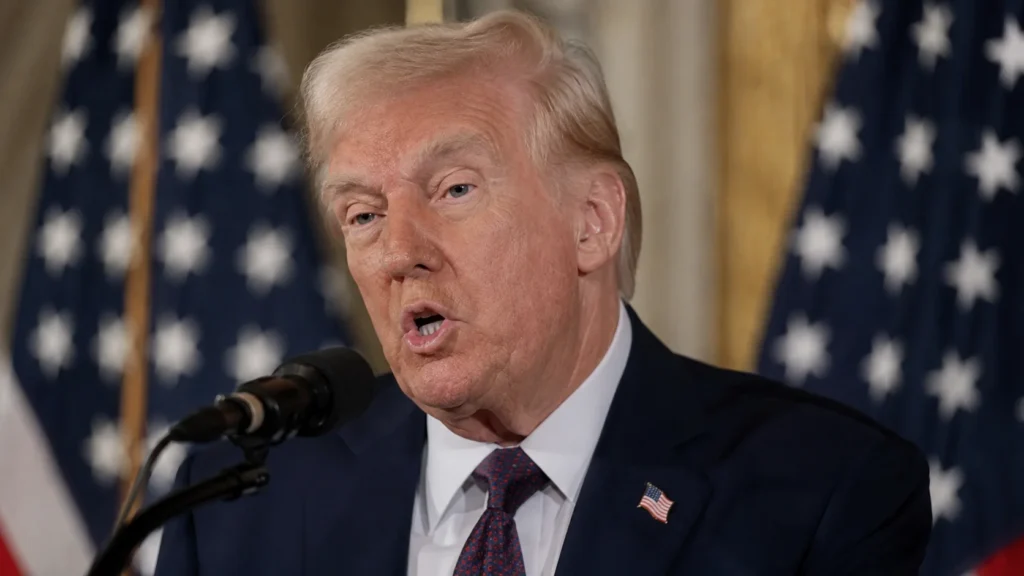
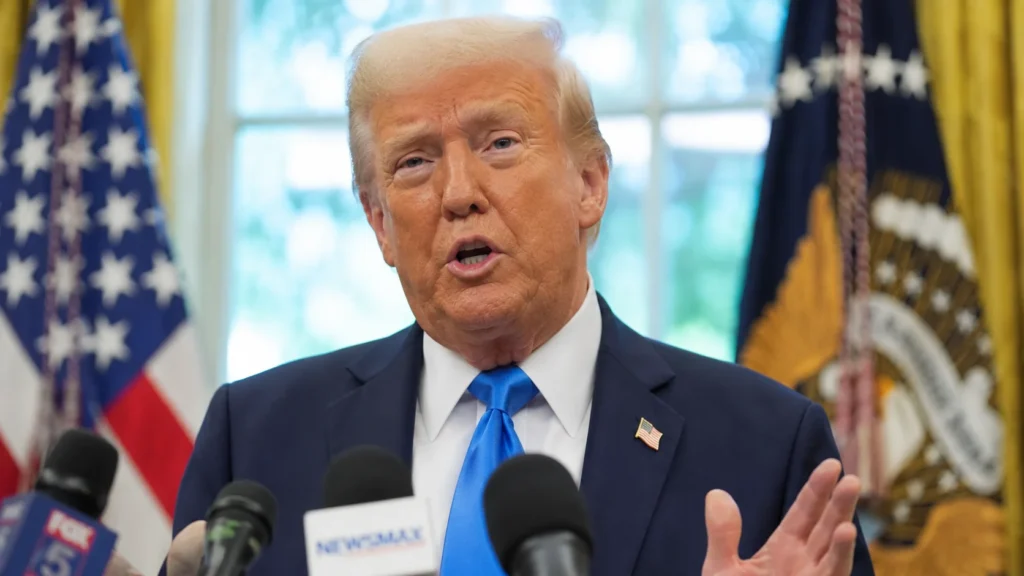
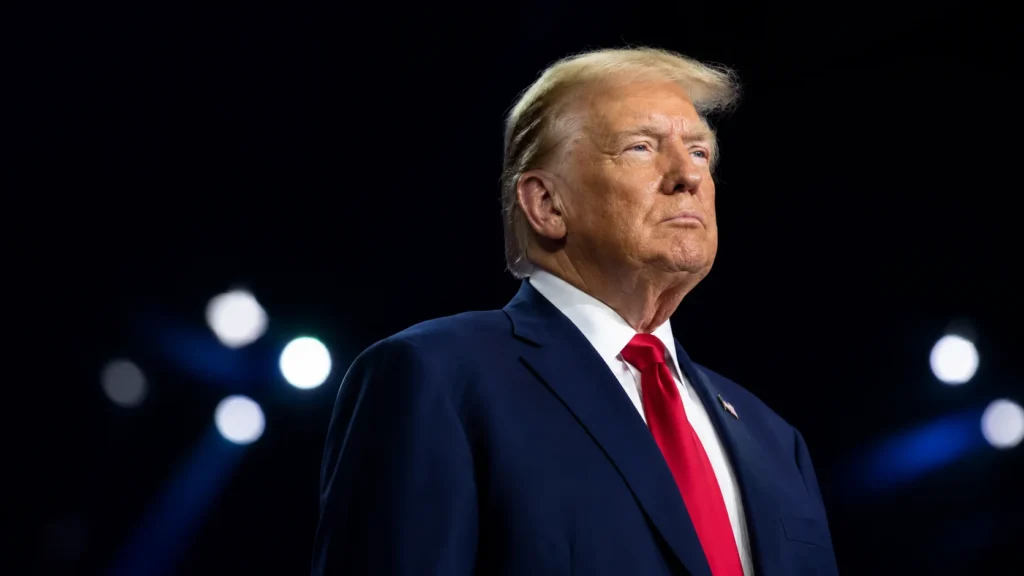
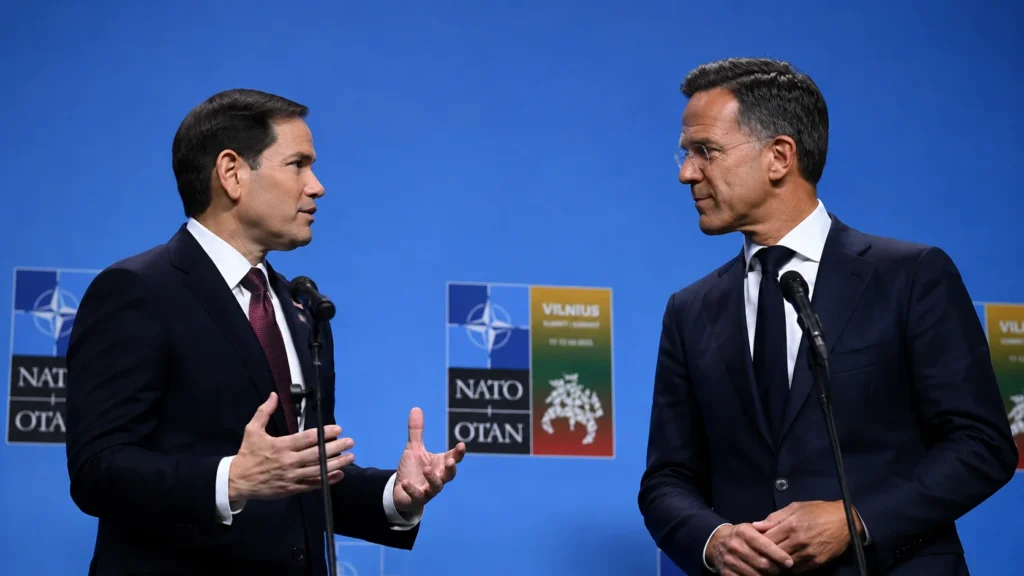
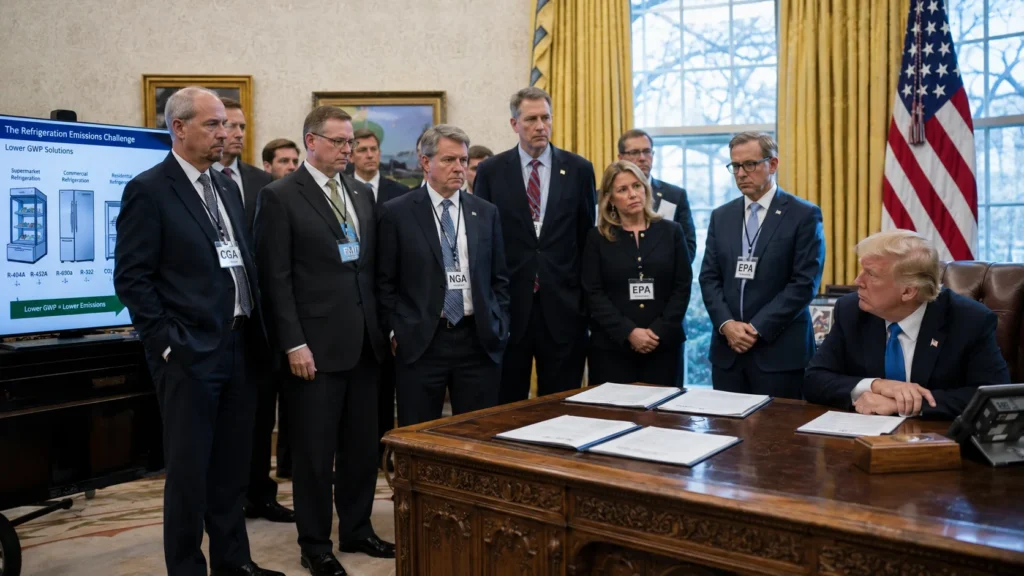
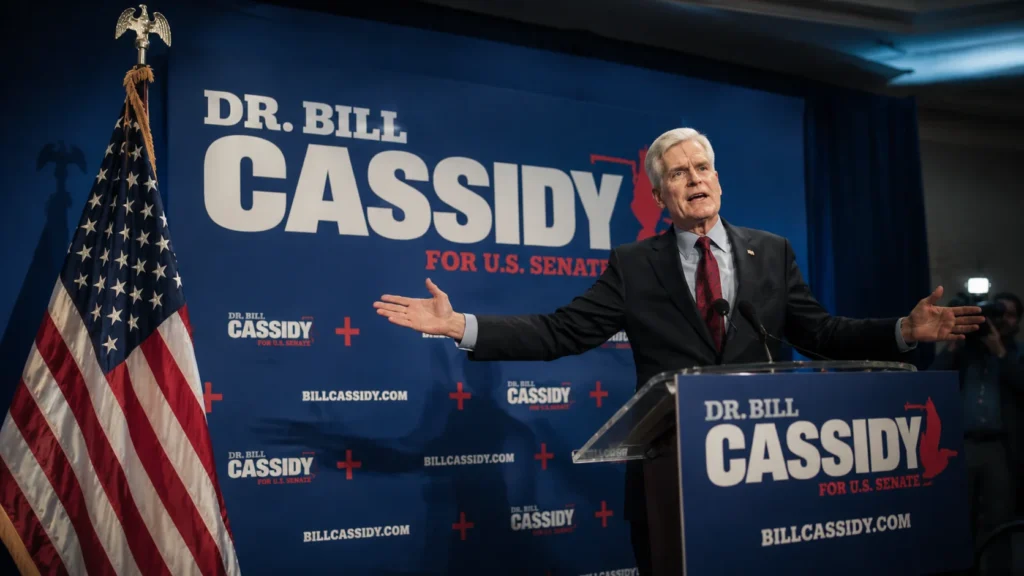
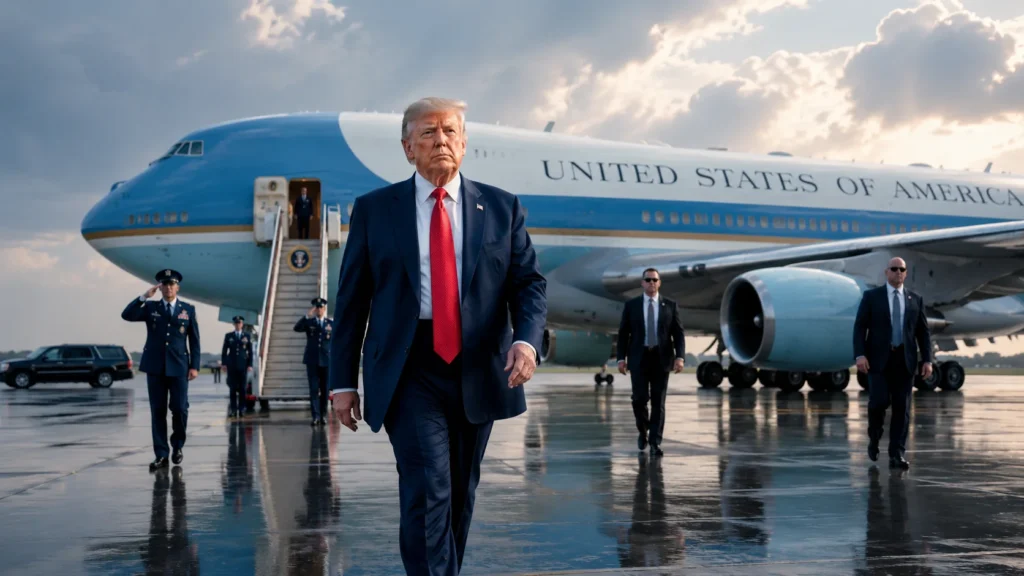
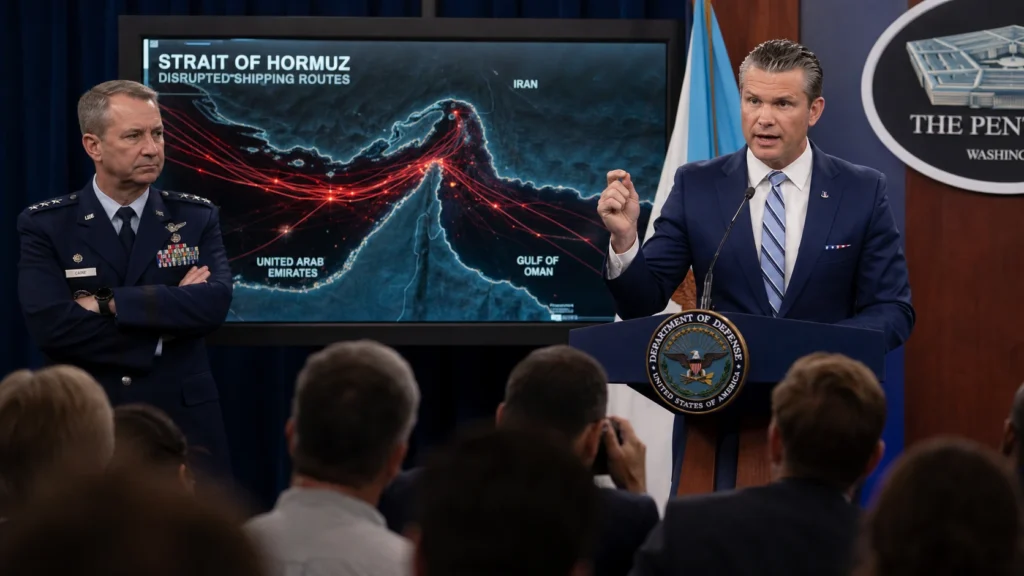
Rubio says Cuba is a threat to the US as Havana accuses him of lies. He stated diplomacy “remains our preference,” but added: “I’m just being honest with you, the likelihood of that happening, given who we’re dealing with right now, is not high.” President Trump, from the Oval Office, called Cuba a “failed country” and suggested Cuban-Americans “want to go back to their country” to help it succeed.
The acting Attorney General’s phrase—”by his own will or another way”—eliminates the ambiguity. This administration views the indictment not as a symbolic gesture but as a step toward custody.
The Cuban Position
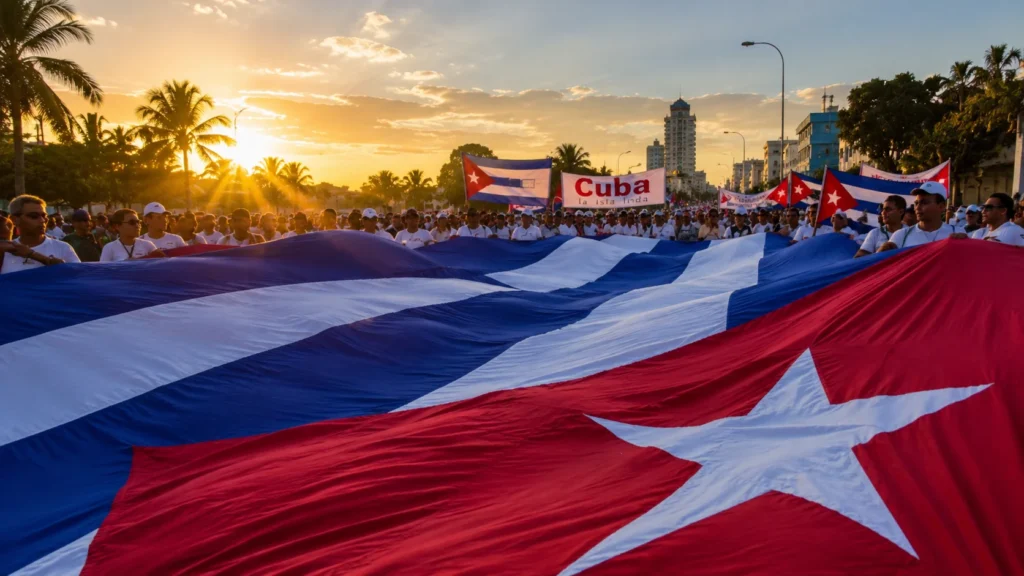
Rodríguez posted on X that Cuba has “never posed a threat to the US.” He accused Rubio of trying to provoke military aggression and said the U.S. attacks Cuba “ruthlessly and systematically.” The regime frames the indictment as proof that Washington seeks regime change, not dialogue.
The Cuban government accepted $100 million in U.S. food and fuel aid—an acknowledgment of the crushing fuel crisis that has produced extended blackouts across the island. The contradiction is the message: the same government that supposedly sponsors terrorism is asking the sponsor’s government for humanitarian relief.
The Tension
The U.S. wants leverage that forces capitulation. Cuba treats sovereignty as survival. The indictment hands Havana’s hardliners exactly what they need: external aggression validates internal control. More pressure does not produce more reformers. It produces louder defenders of the revolution.
What This Means for Cubans on the Island
The human layer is where the pressure lands.
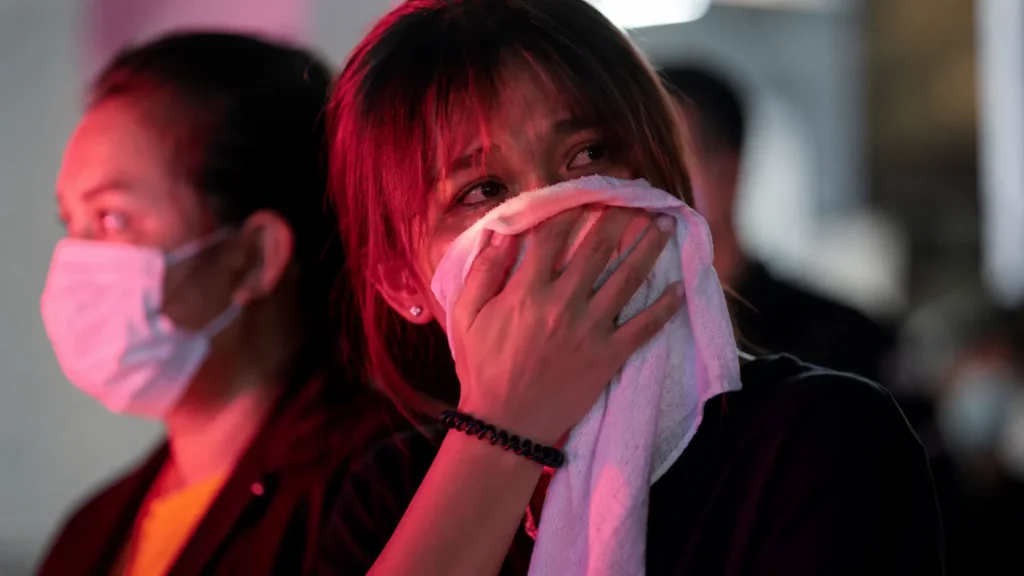
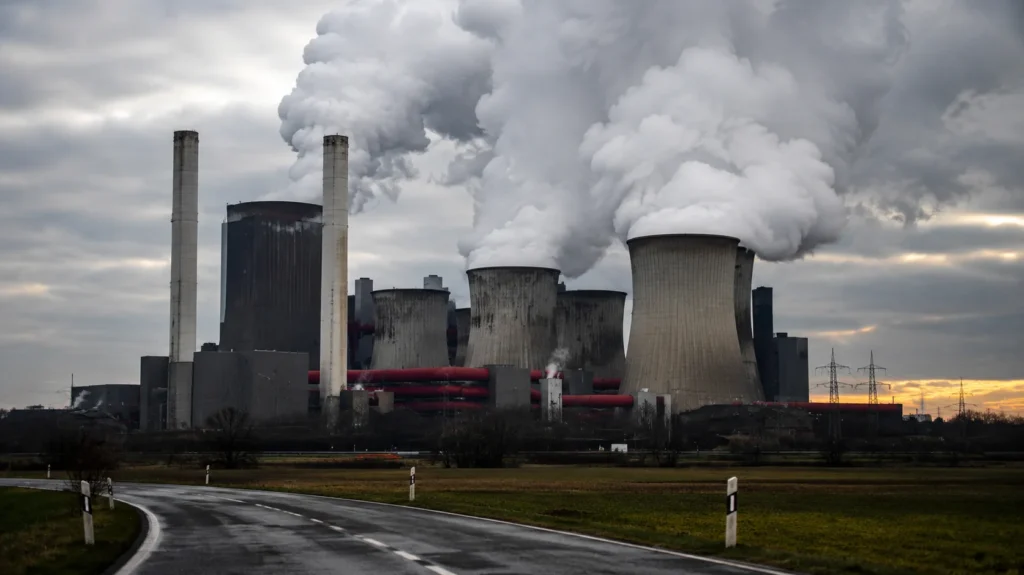
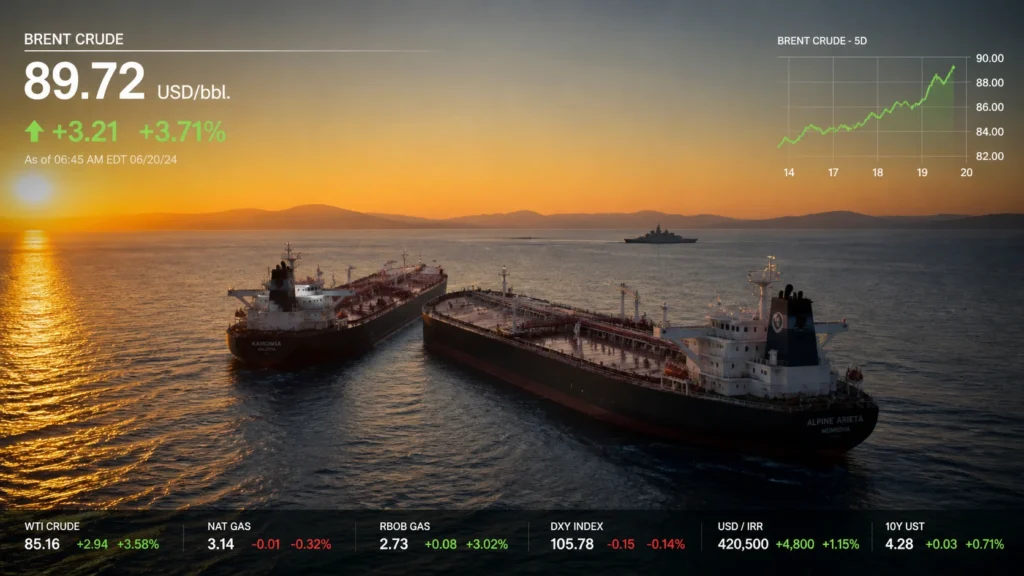
Cuba’s energy grid is collapsing. The official statements from Cuba’s Ministry of Energy and Mines have acknowledged a generation deficit exceeding 50% of peak-day demand. Blackouts last 12-16 hours in many provinces. Food rationing has tightened. The $100 million in U.S. aid Rubio referenced will patch, not repair, a system gutted by underinvestment and an effective U.S. oil blockade that has squeezed Venezuela’s ability to send subsidized crude.
The regime tells citizens this suffering is the price of resisting the empire. The U.S. bets that suffering will translate into political rage against the regime. Both are gambling on empty stomachs.
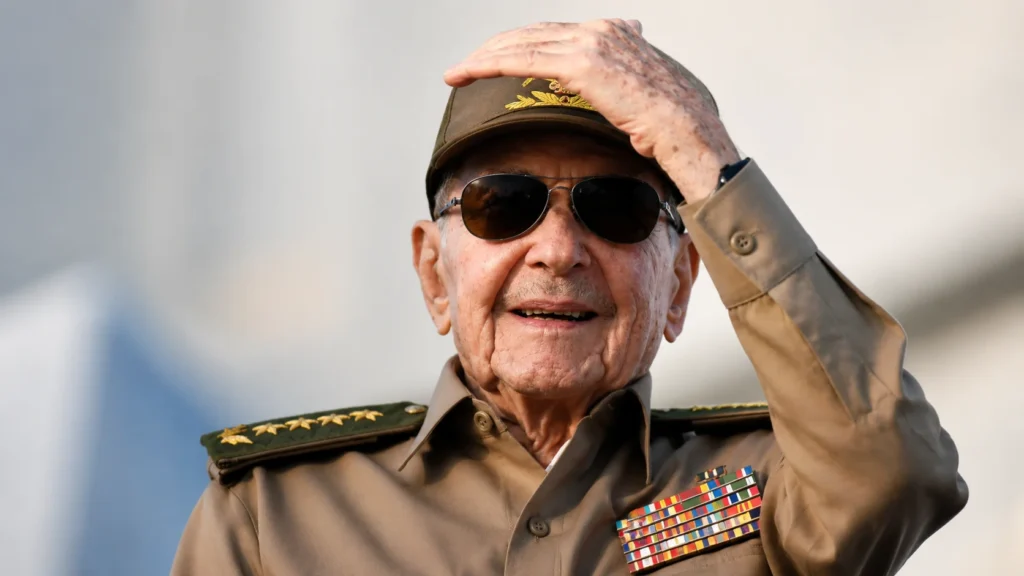
History leans toward endurance. The regime survived the Soviet collapse, which erased 35% of GDP overnight. It survived the Special Period. It survived the transition from Fidel to Raúl, and from Raúl to Miguel Díaz-Canel. An indictment of a 94-year-old retired general in a Miami court will not crack a system whose legitimacy rests on a story of resistance. Rubio just handed the scriptwriters in Havana their next chapter.
FAQ: The Raúl Castro Indictment and U.S.-Cuba Relations
Why is the U.S. indicting Raúl Castro now?
The 1996 shootdown killed four U.S. nationals, giving federal prosecutors in Miami jurisdiction. The timing is strategic: the Trump administration is layering legal pressure onto economic sanctions, following the same playbook used against Nicolás Maduro in Venezuela. The indictment signals that no former head of state in the Americas is immune from U.S. prosecution.
Can the U.S. actually bring Raúl Castro to trial?
Highly unlikely through legal channels. Cuba does not have an extradition treaty with the U.S., and Castro remains on the island. The acting Attorney General’s phrase “by his own will or another way” suggests the administration leaves open non-legal options, but any forced extraction would constitute an act of war under international law.
What does the “State Sponsor of Terrorism” designation actually do?
It triggers sanctions: restrictions on U.S. foreign assistance, a ban on defense exports and sales, controls on dual-use items, and, crucially, it allows private lawsuits under the Helms-Burton Act against foreign companies that use properties confiscated after 1959. Cuba was first designated in 1982, removed in 2015 under Obama, in 2021 under Trump, briefly in 2024 under Biden, and in January 2025.
Is Cuba really a national security threat to the United States?
The threat claim centers on Cuba’s intelligence presence, its relationship with China and Russia, and its history of hosting U.S. fugitives. But the immediate security threat to U.S. territory is negligible. The larger context is strategic: Cuba allows Chinese electronic surveillance stations on the island and receives Russian naval visits. As our analysis of China’s growing footprint in Latin America covered, Havana’s value to Beijing and Moscow lies in its proximity to the United States.
What happens next?
Watch two indicators: the blackout map of Havana and the migration numbers at the southern border. If blackouts deepen and raft departures increase, the pressure is working only as a push factor, not as a political lever. The indictment path—alongside the arrest of relatives like Morera in Florida—suggests the administration will keep targeting the regime’s financial and familial networks abroad.
Written by a foreign affairs analyst who has covered U.S.-Cuba policy through three administrations, including the Obama-era normalization, the Trump-era sanctions escalation, and the Biden-era partial reversal.