

 English








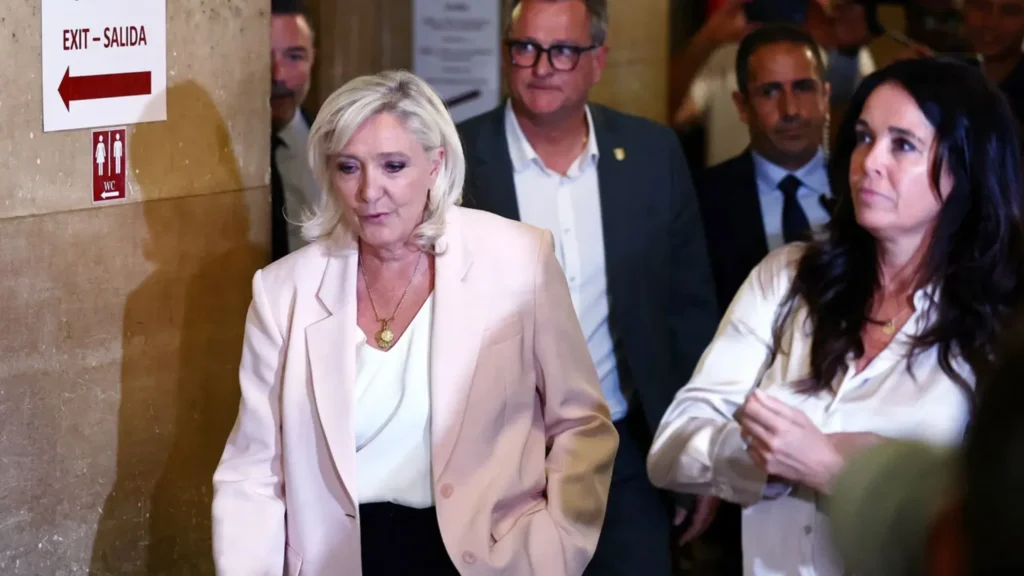






















































































































































































































Rubio Tries to Reassure NATO Allies Over US Troop Deployments
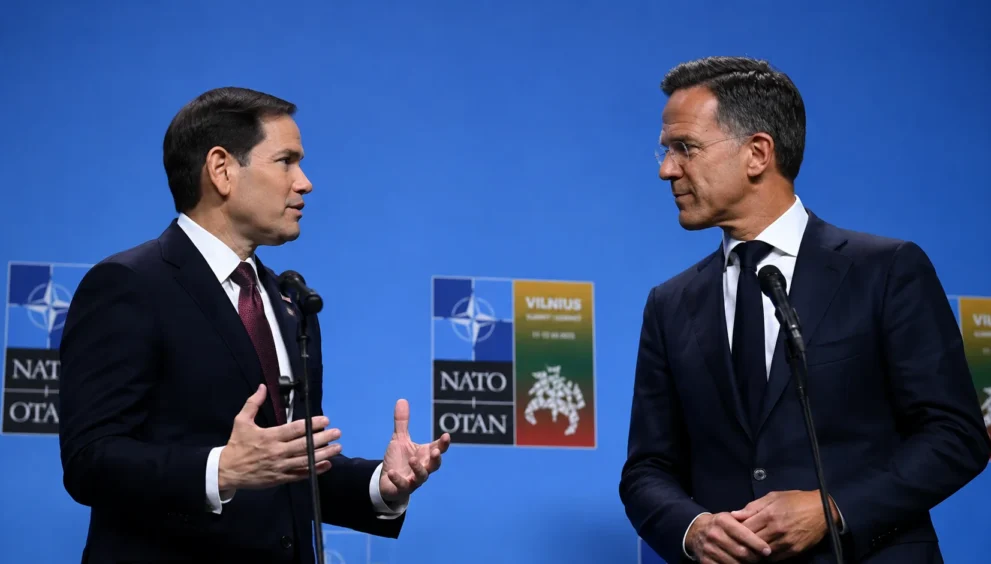
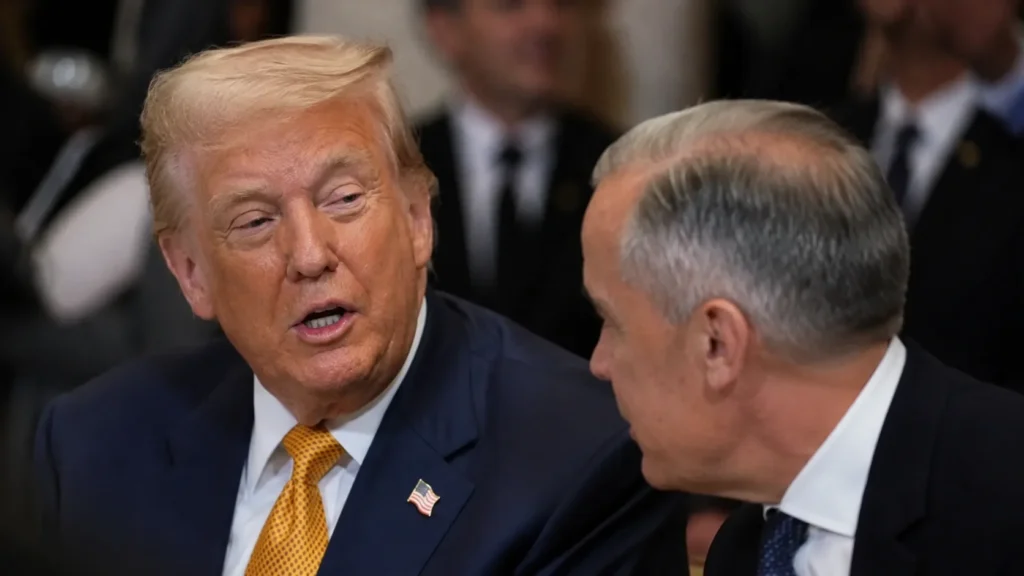
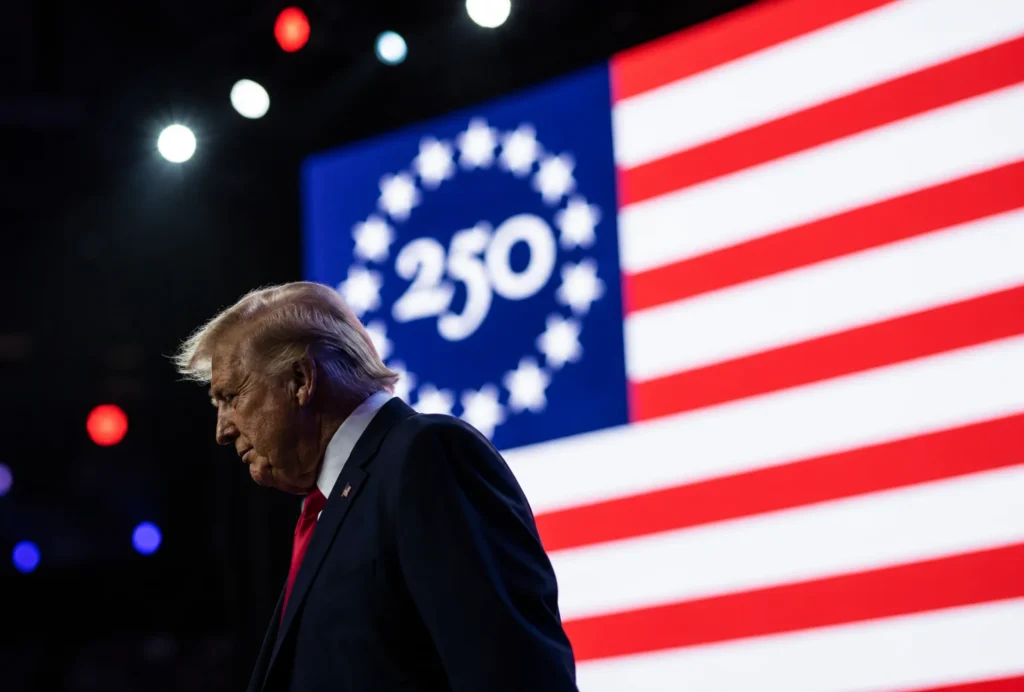
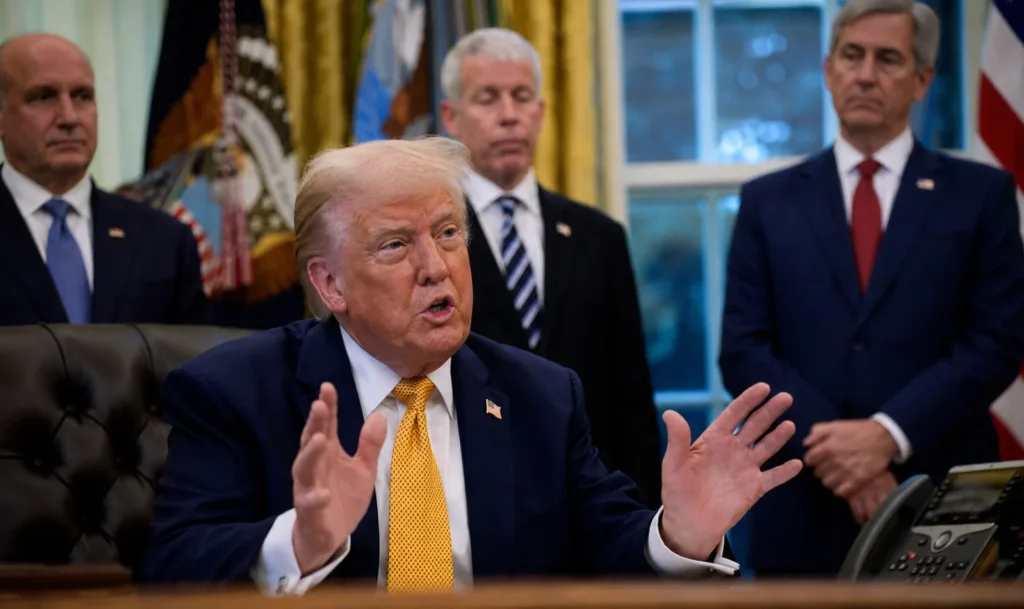
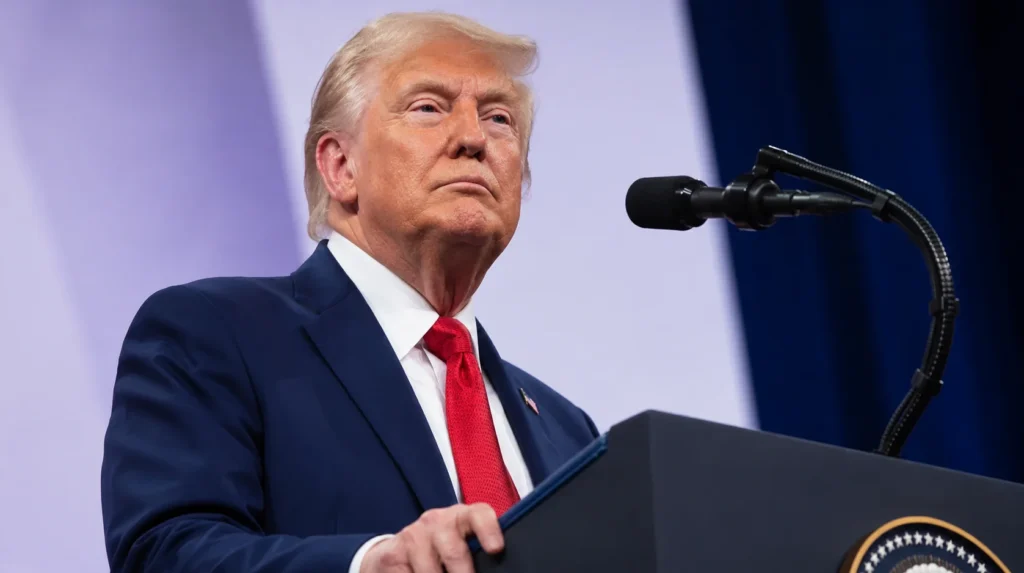
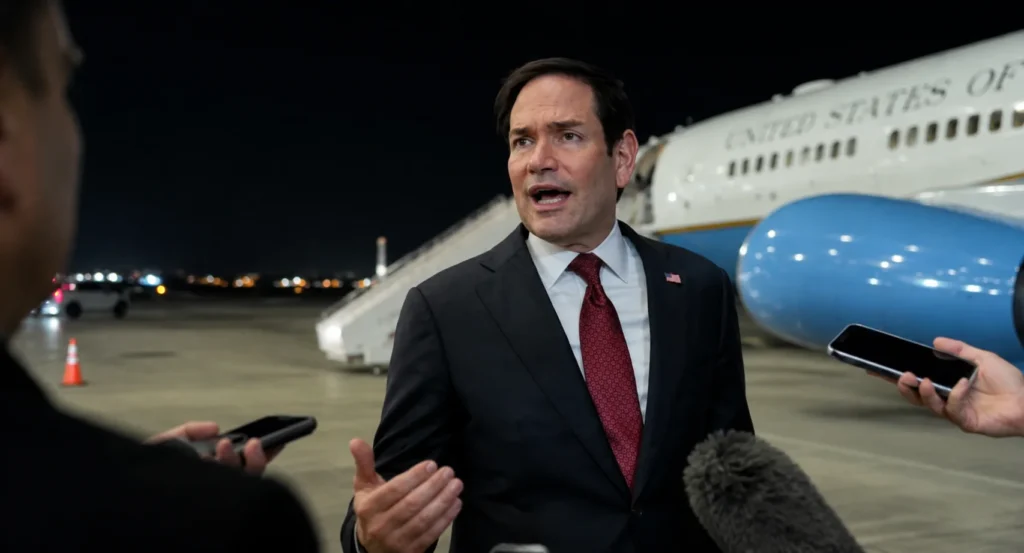
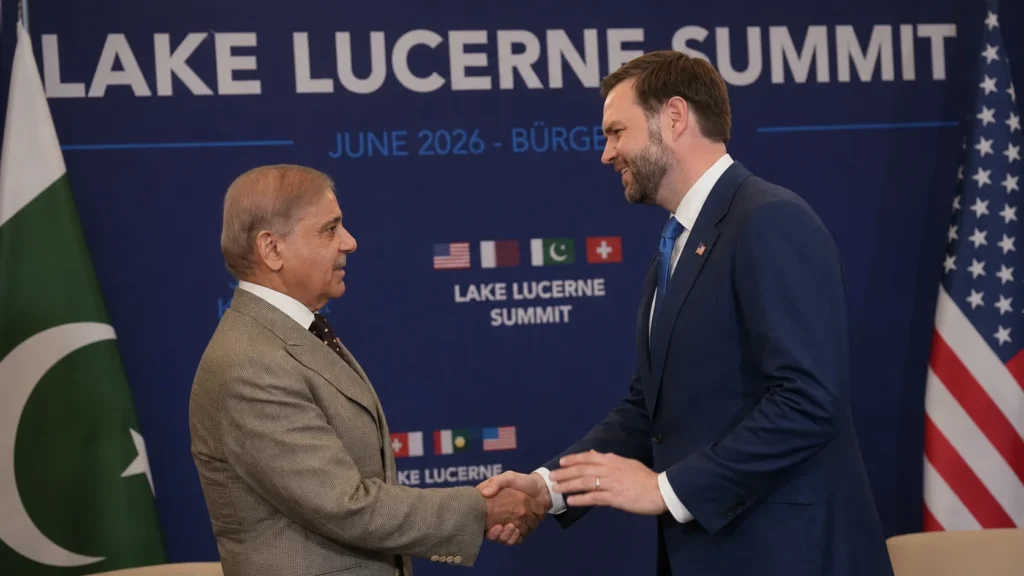
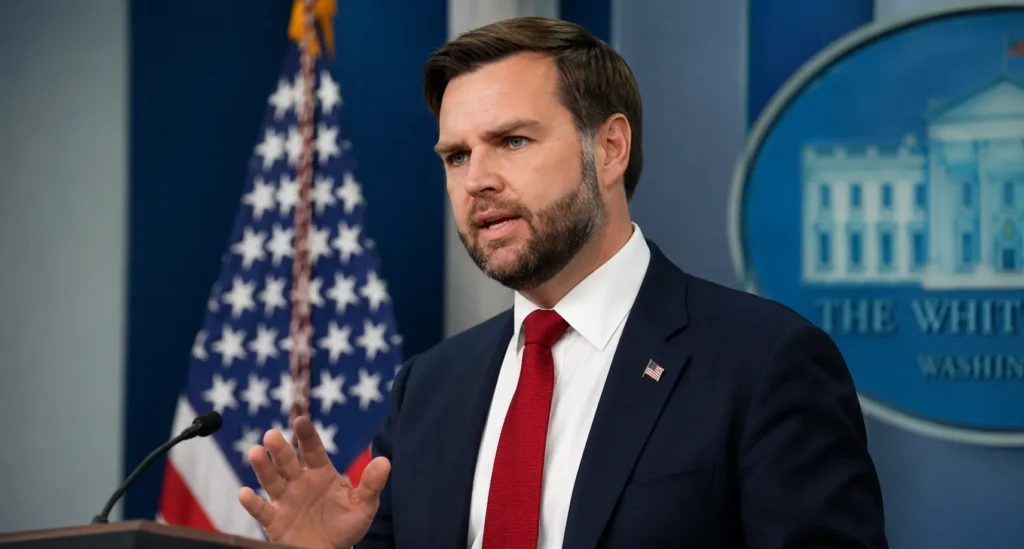
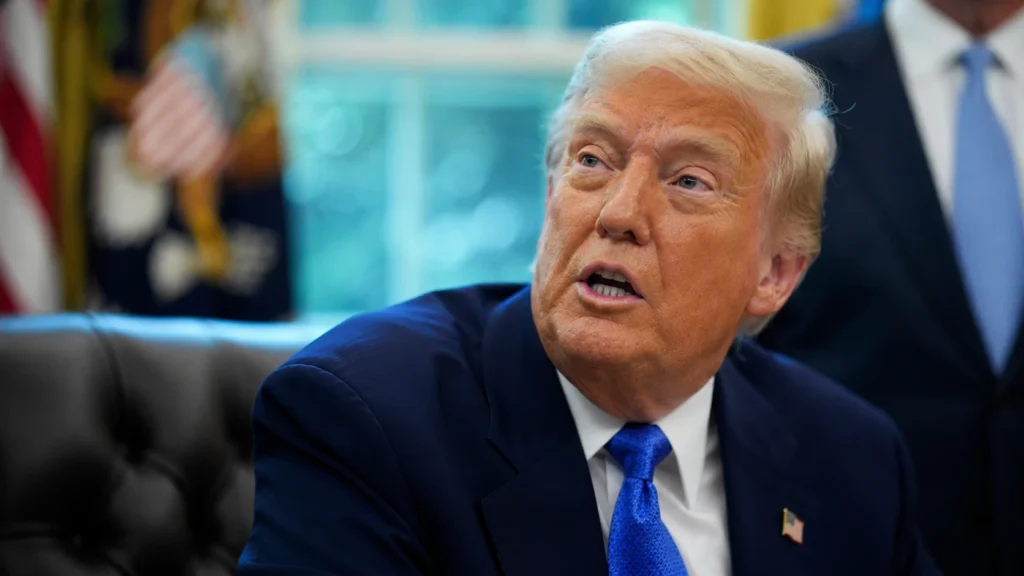
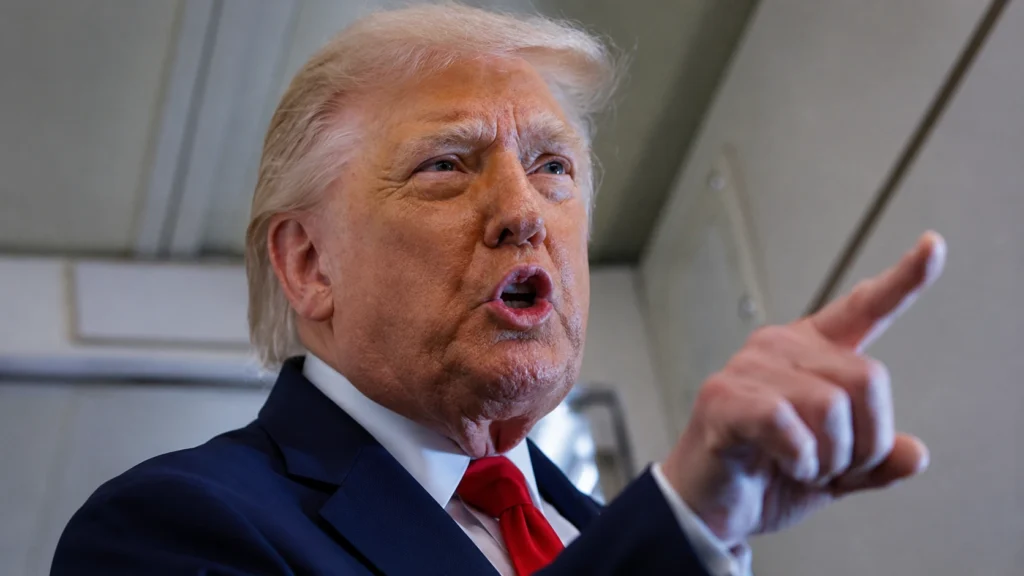
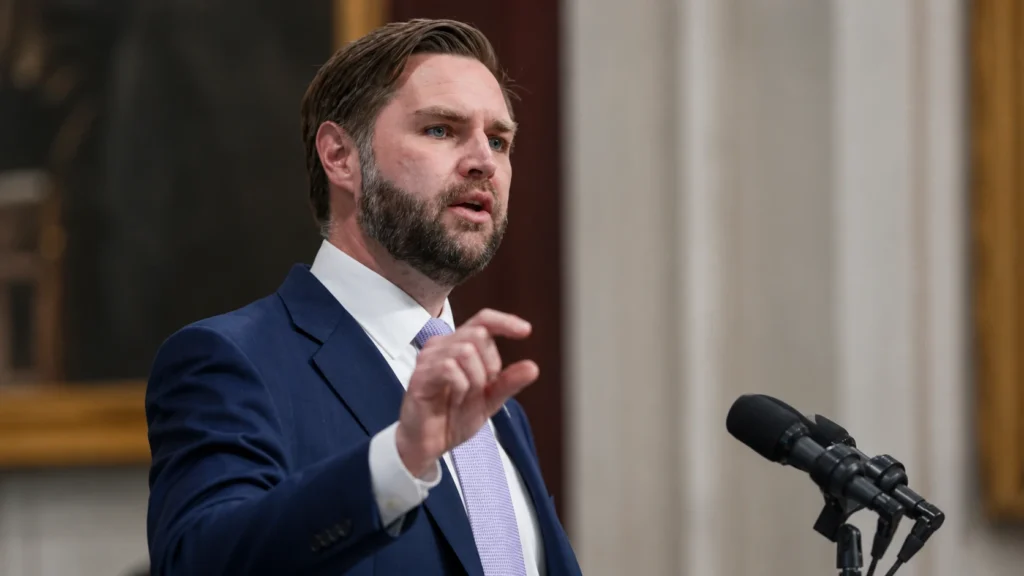
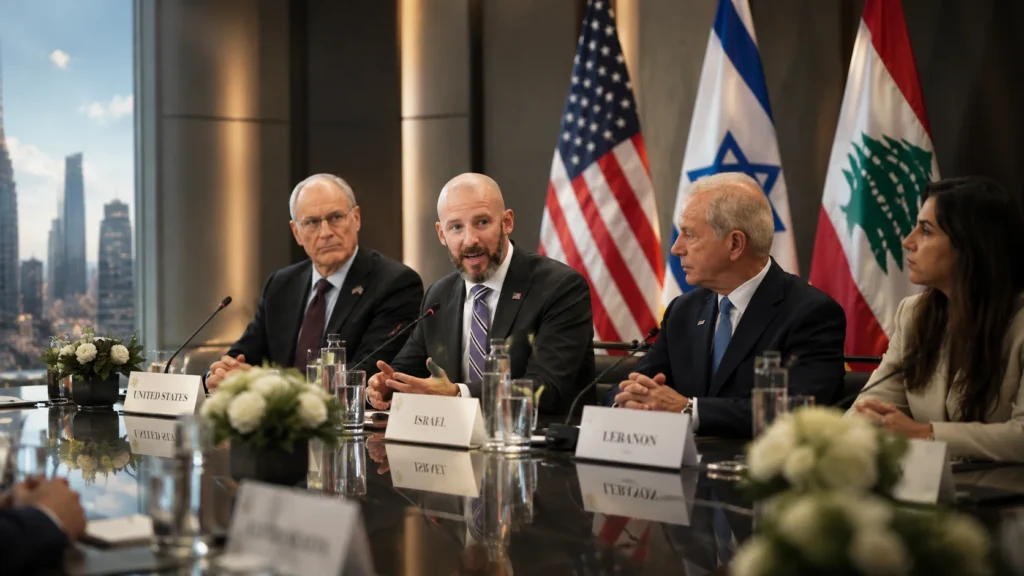
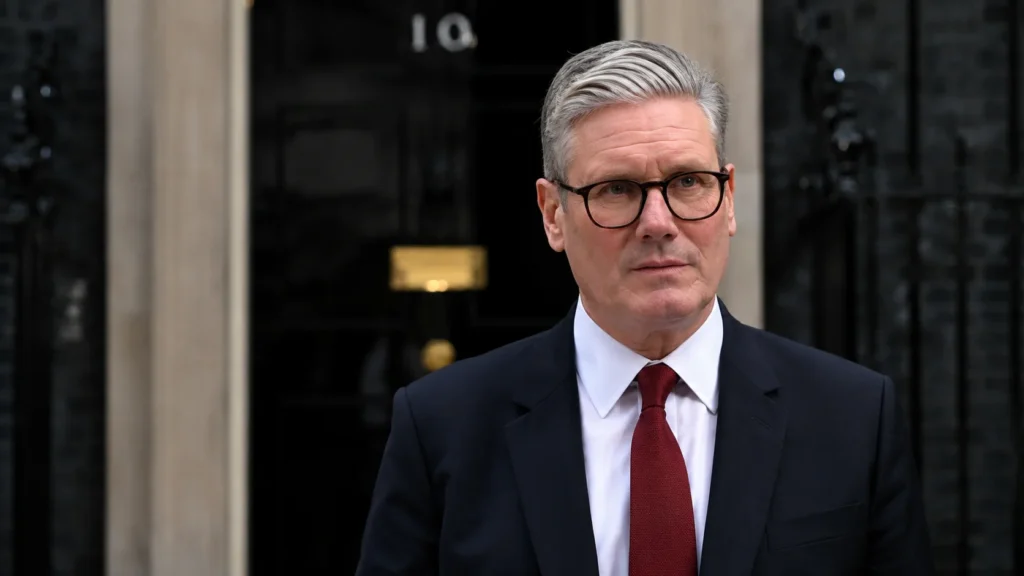
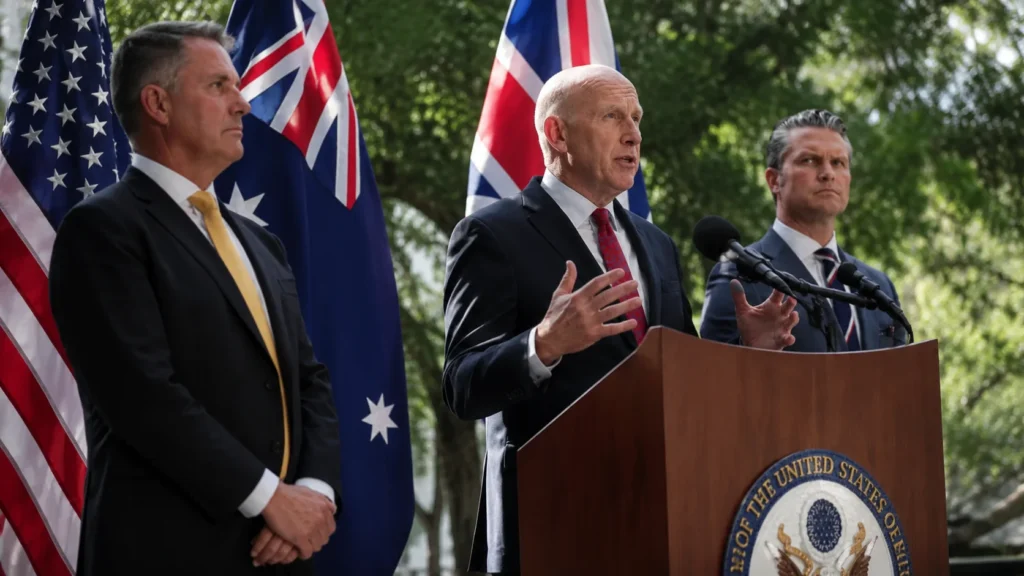
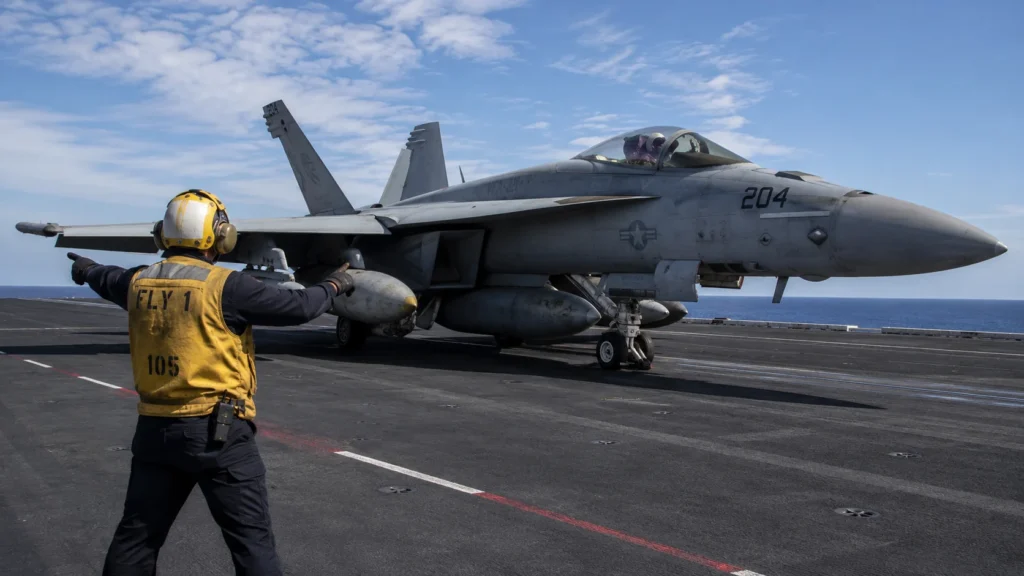
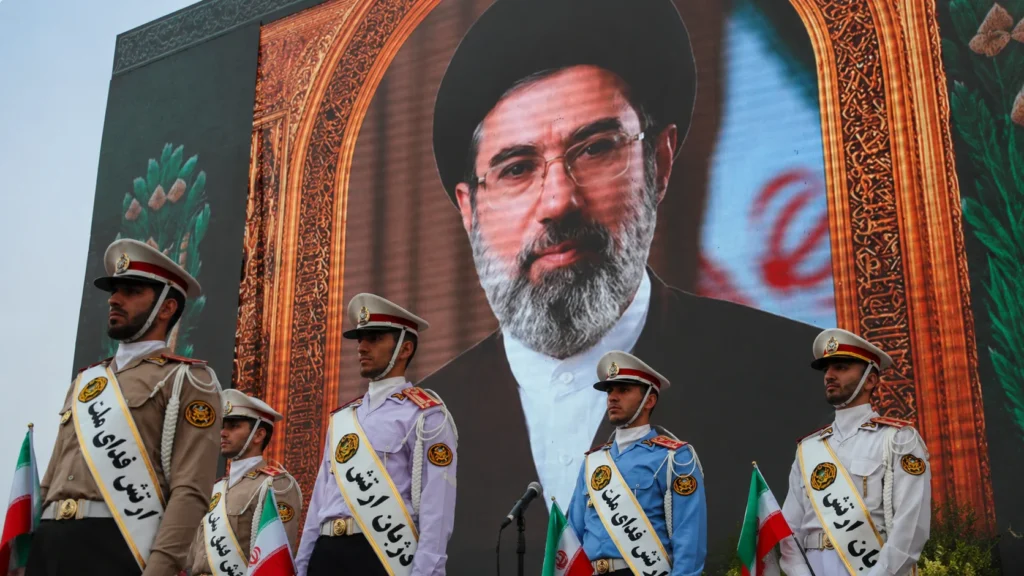
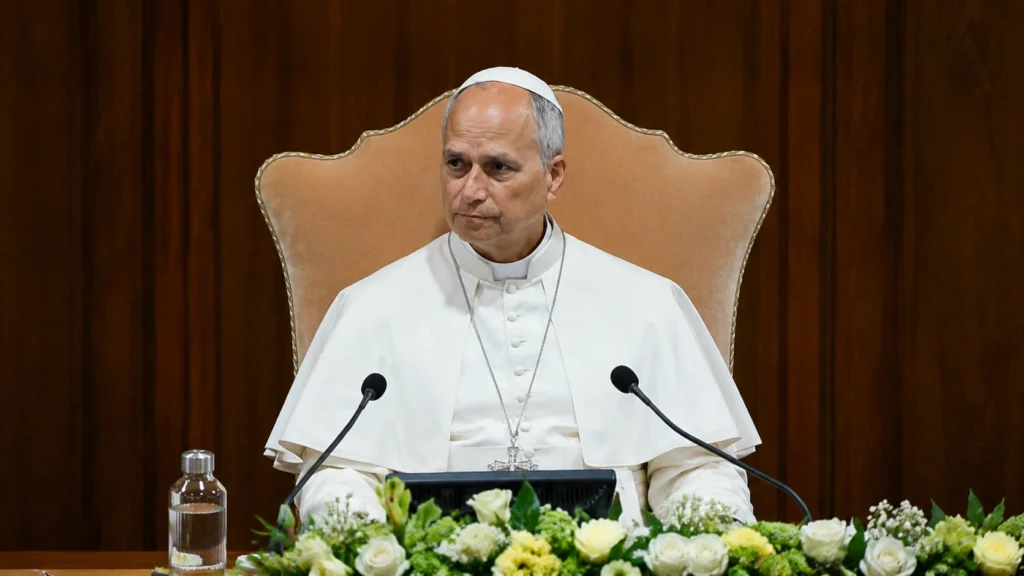
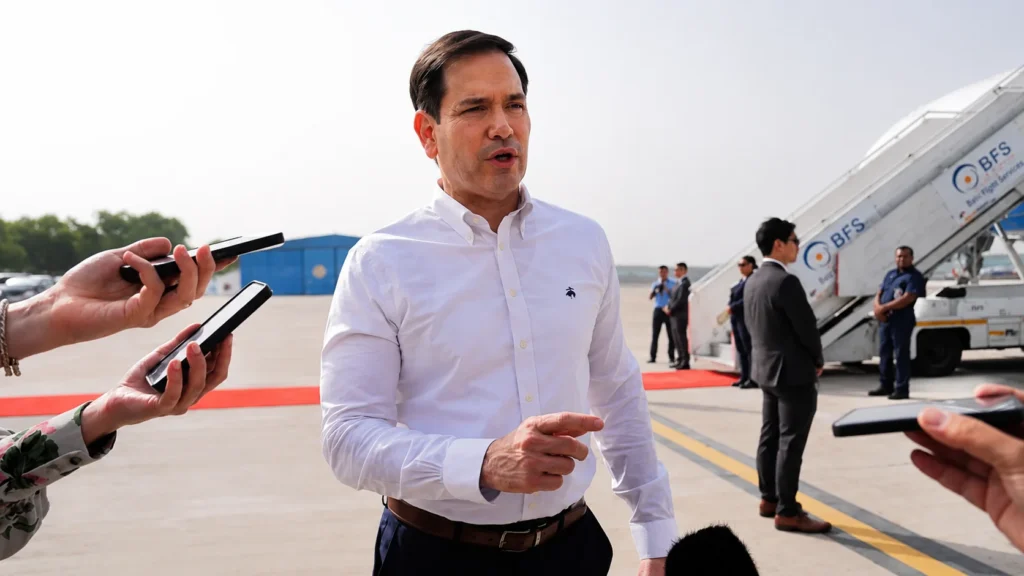
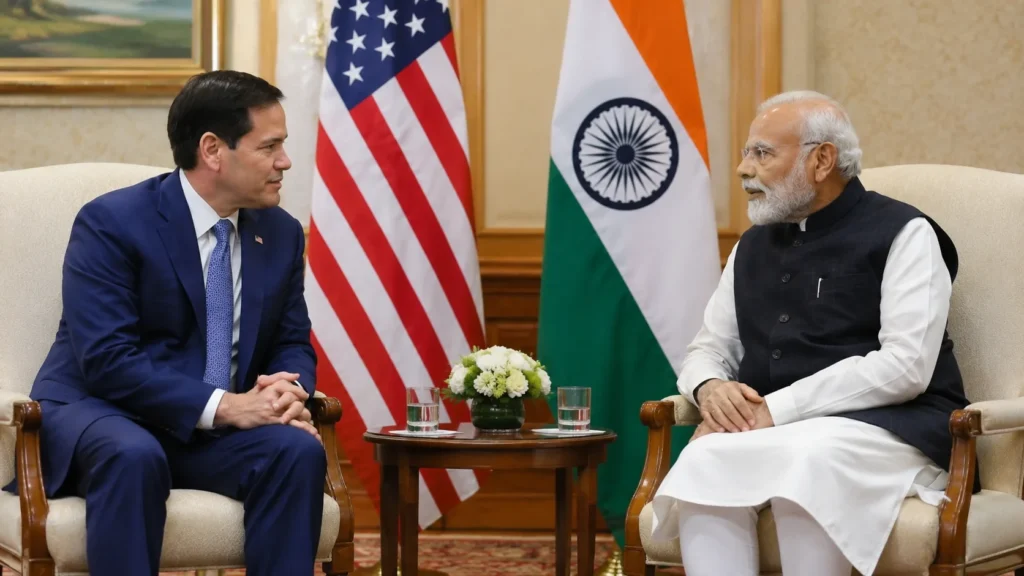
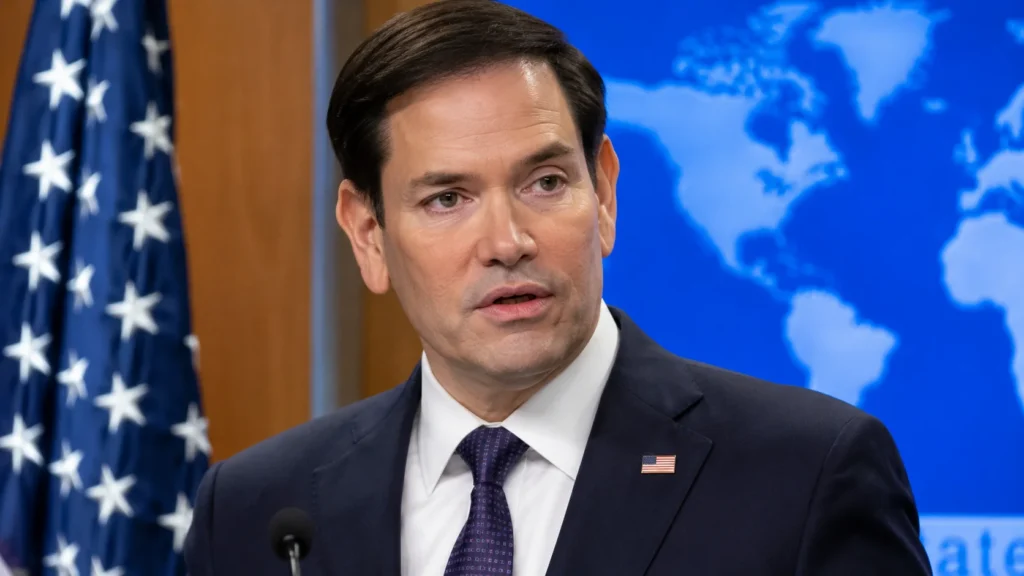
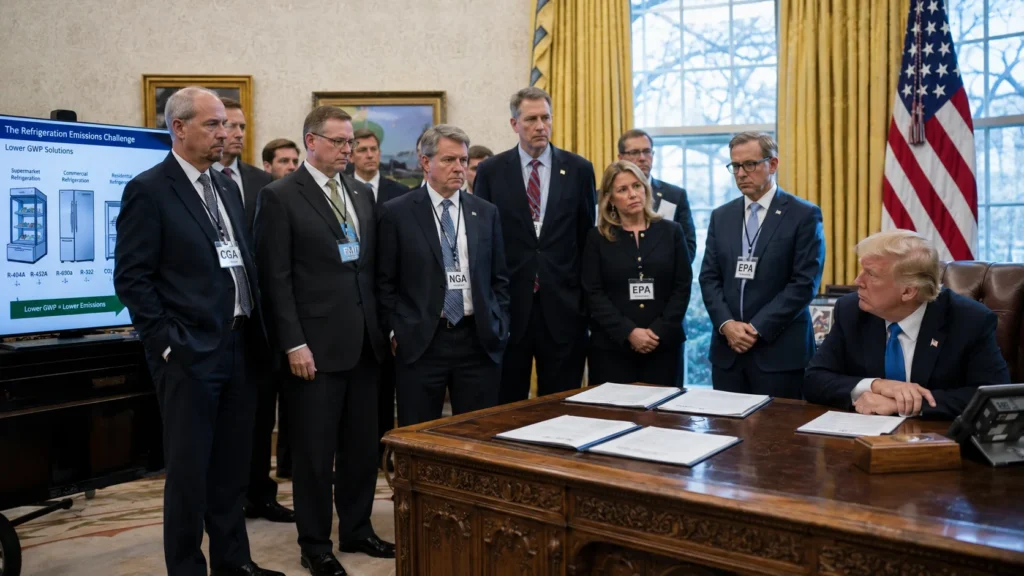
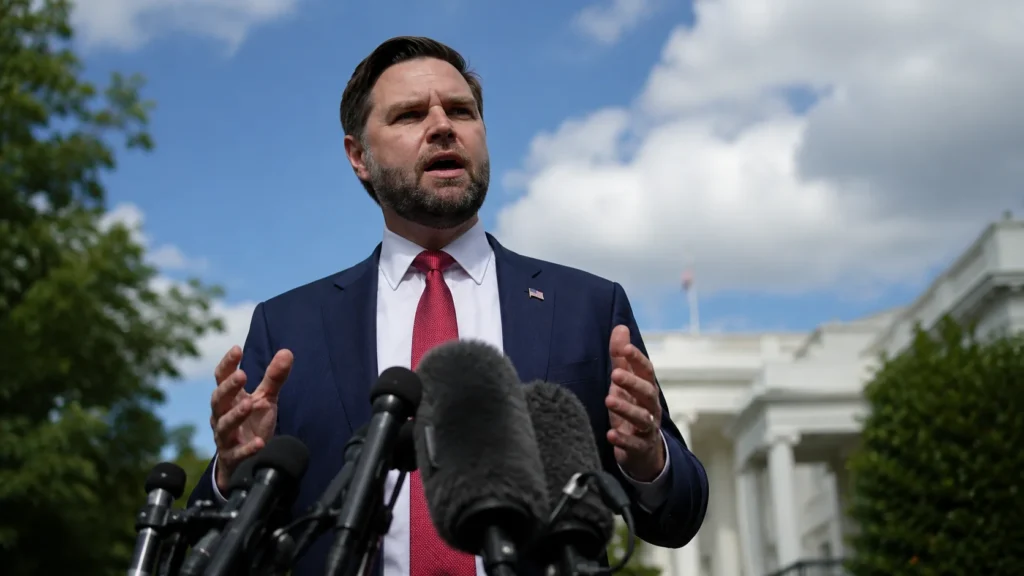
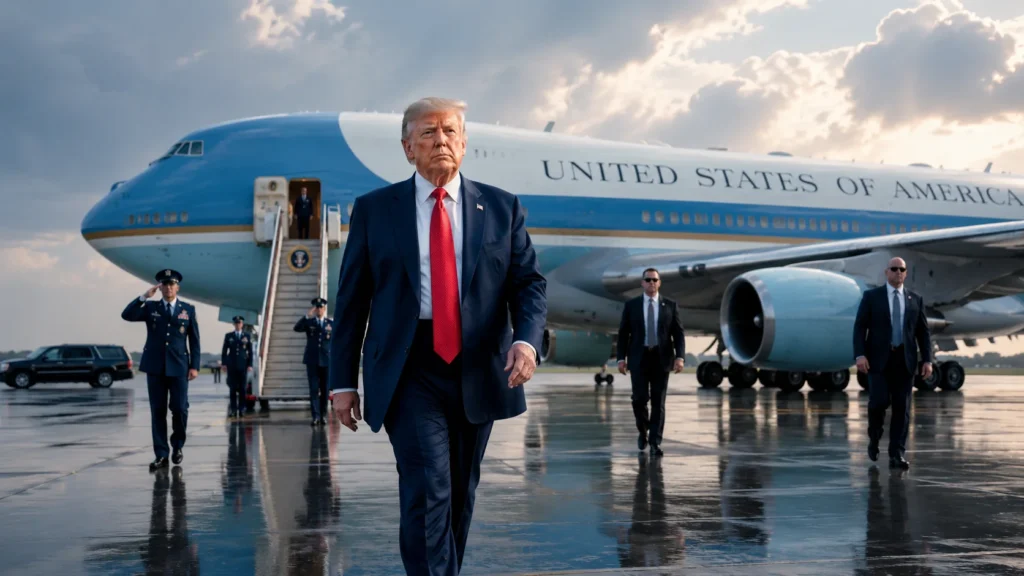
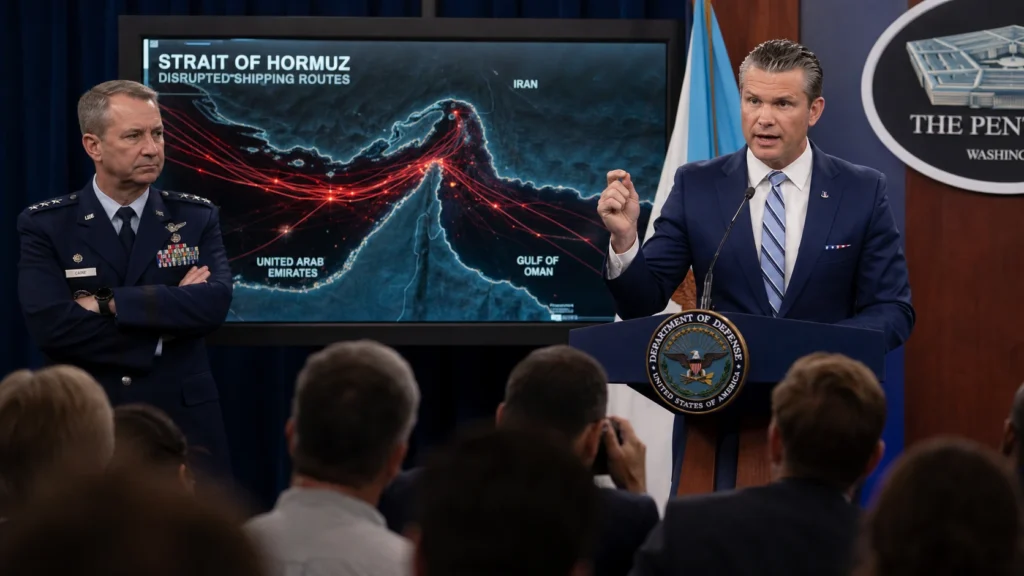
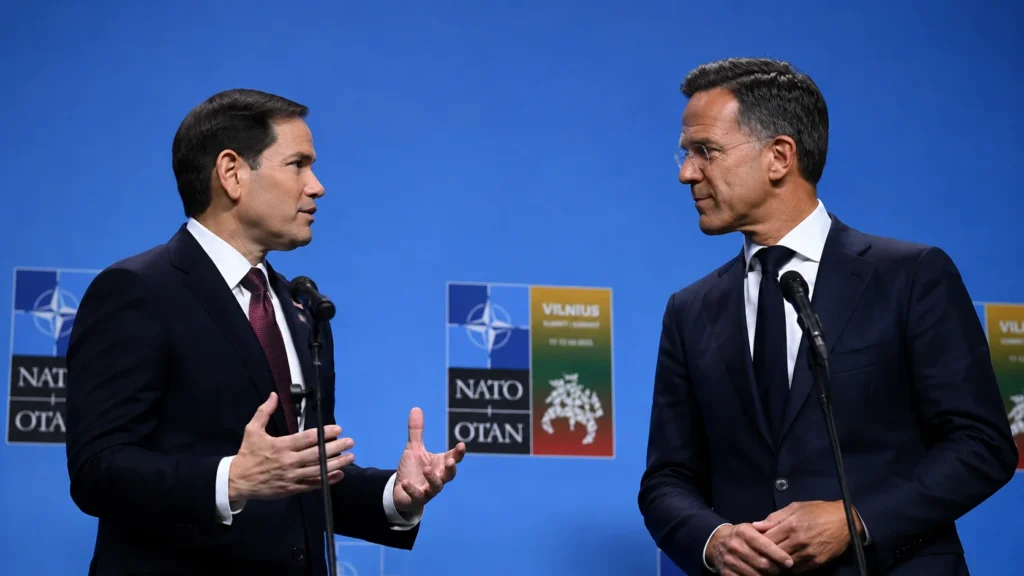
Rubio tries to reassure NATO allies over US troop deployments at a foreign ministers’ meeting in Helsingborg, Sweden, on Friday. His words were measured. His message was continuity. But the secretary of state spoke into a room still processing the week that preceded him: Trump announced 5,000 troops to Poland on Thursday, the Pentagon canceled a 4,000-troop rotation to the same country the week before, and 5,000 troops are leaving Germany after a row over Iran. The math does not add up. The Pentagon refers questions to the White House. The White House does not answer.
This is what alliance management looks like when certainty becomes a variable.
Three Announcements. One Week. Total Confusion.
May 14, 2025
Defense Secretary Pete Hegseth signed a memo canceling the scheduled deployment of the 2nd Armored Brigade Combat Team, 1st Cavalry Division, roughly 4,000 soldiers, expected to rotate through Poland, the Baltics, and Romania. Some troops had already arrived in Europe. They were ordered home. The Defense Department statement cited European allies who “have not stepped up when America needed them.” Hegseth later called it “a temporary delay.”
May 15, 2025
Republican lawmakers pushed back. Rep. Don Bacon called the cancellation “reprehensible. It’s an embarrassment to our country what we just did to Poland.” Congress had not been consulted. Warsaw had been blindsided.
May 21, 2025
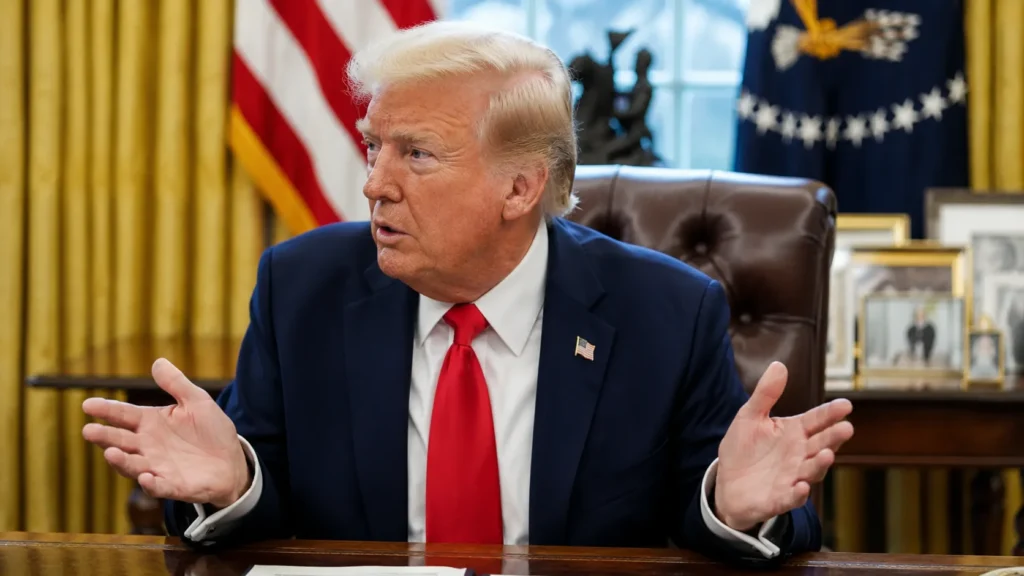
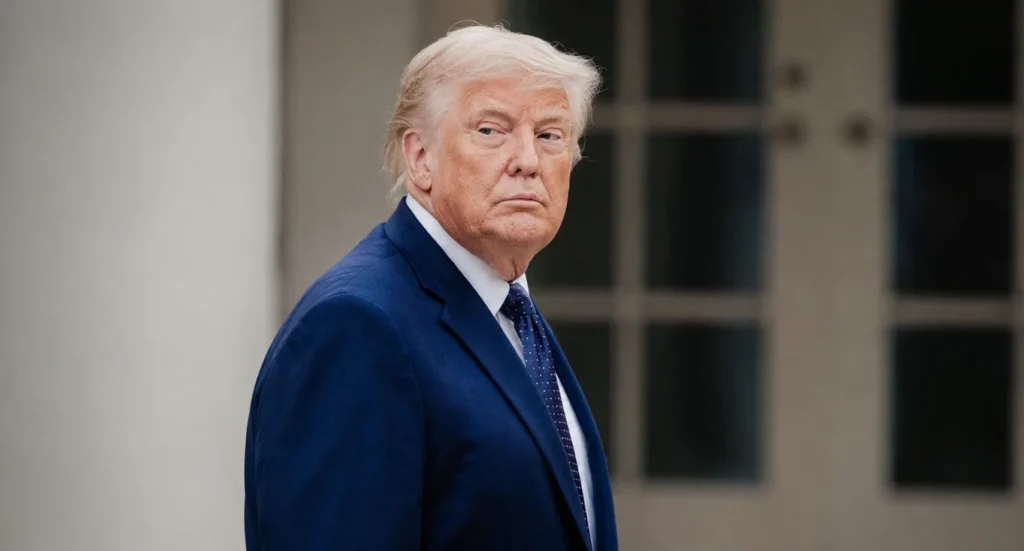
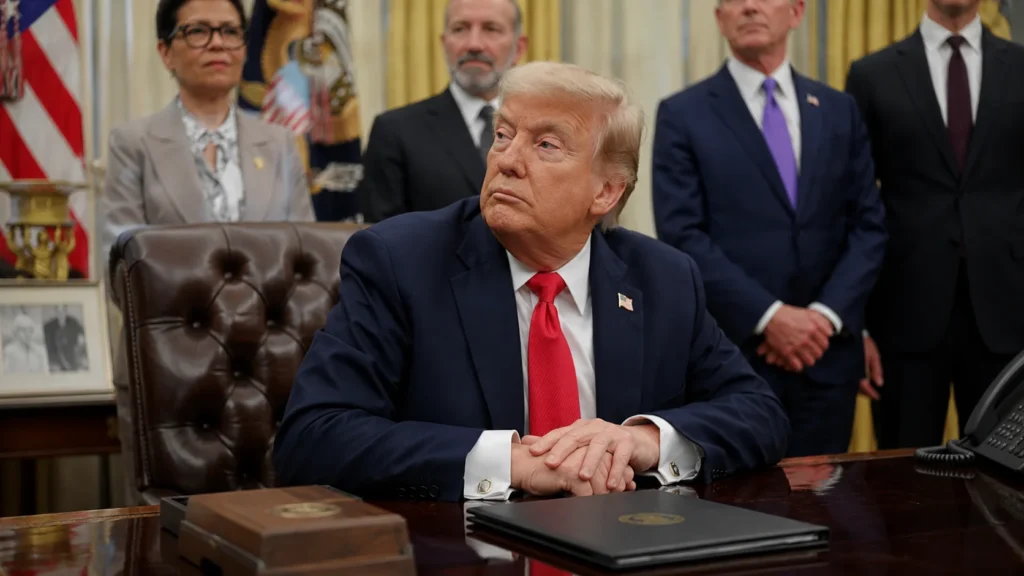
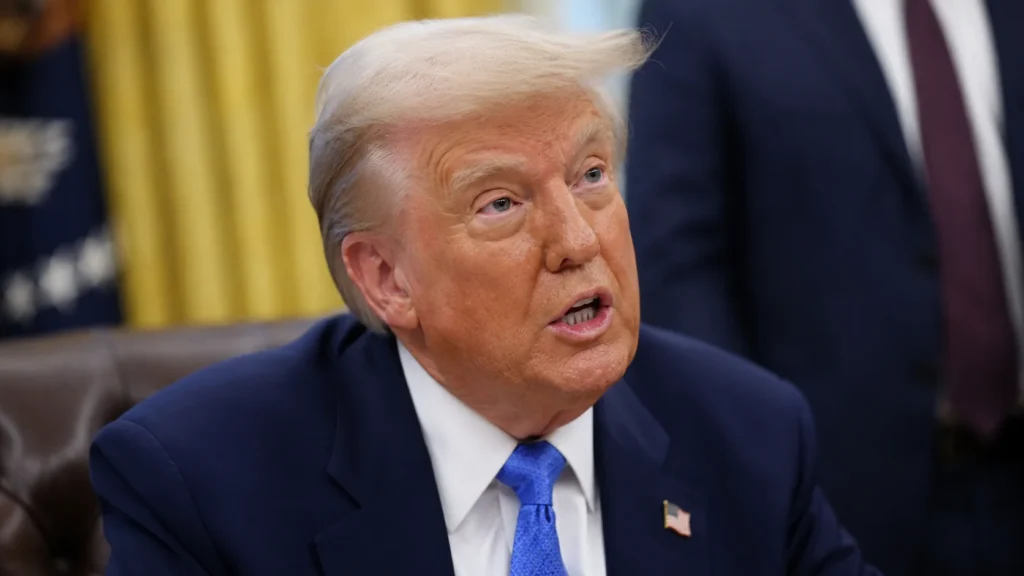
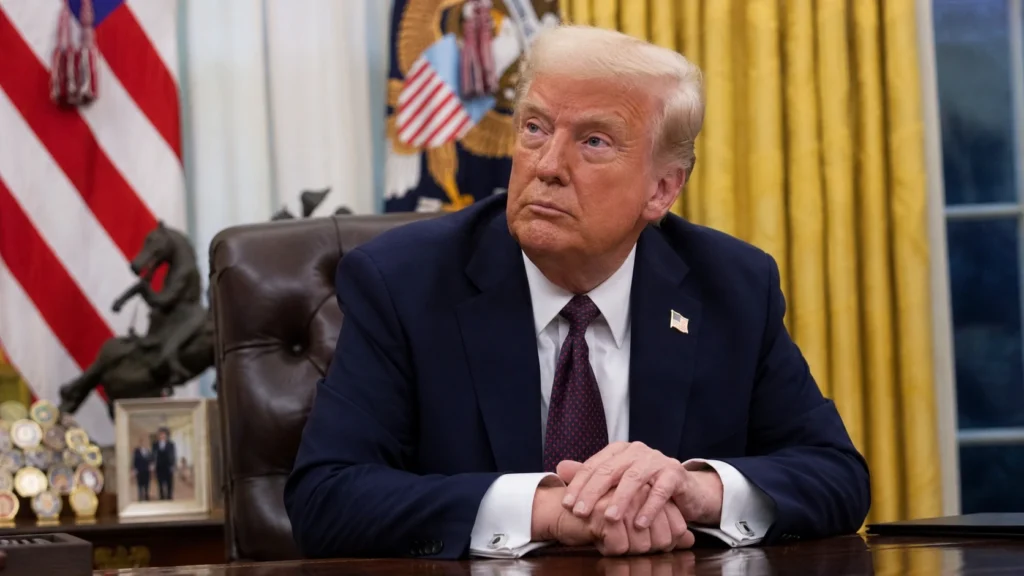
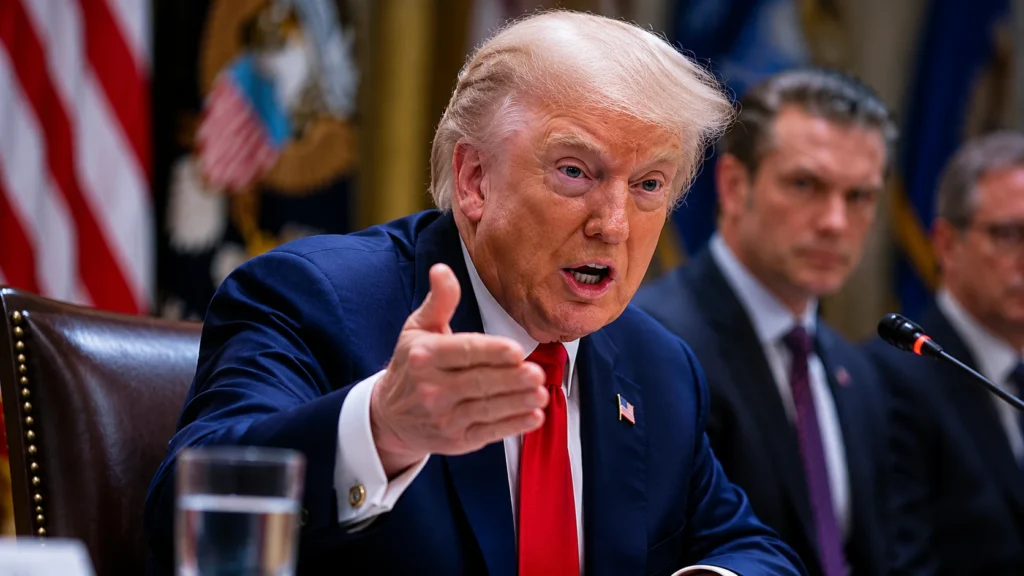
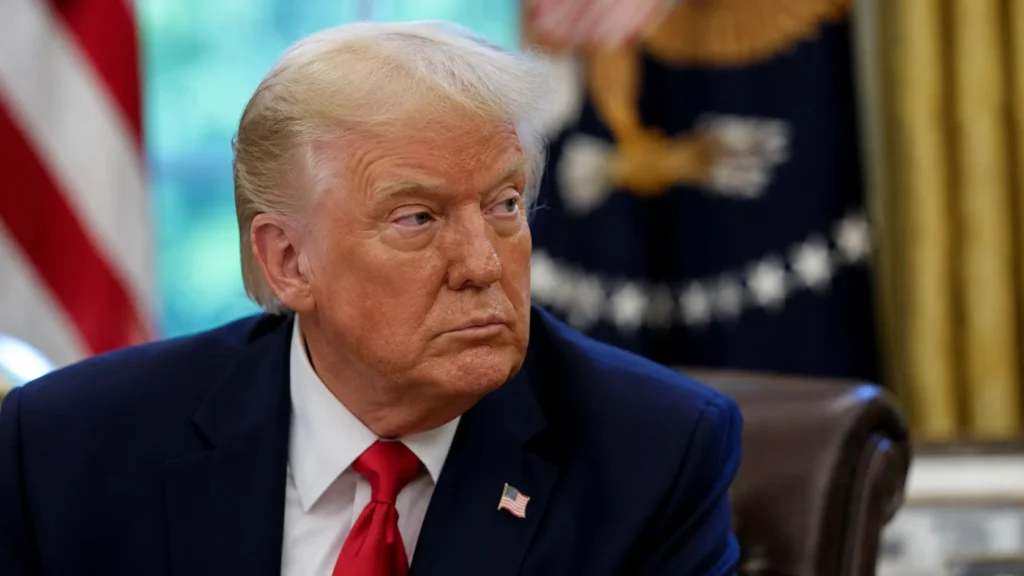
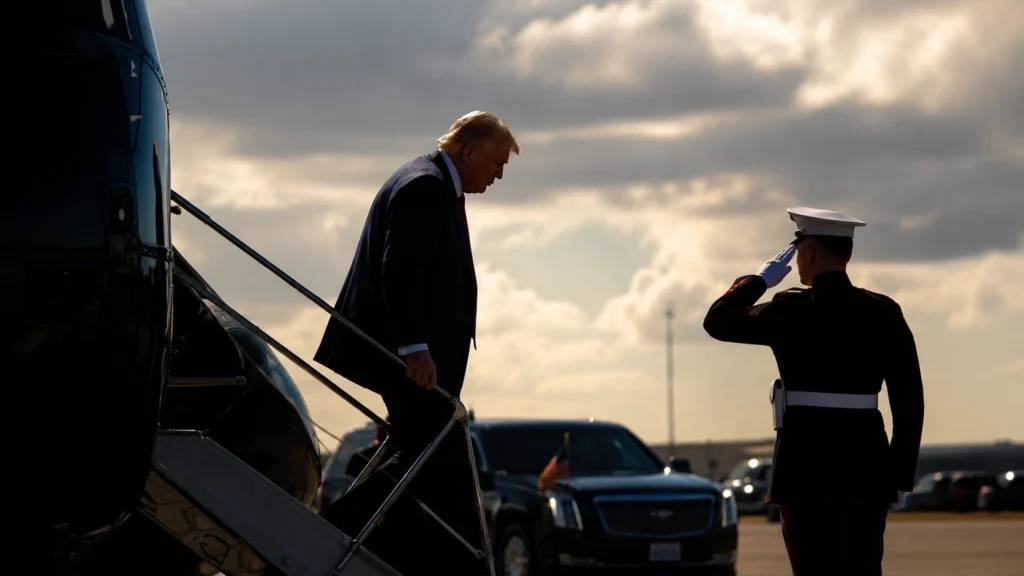
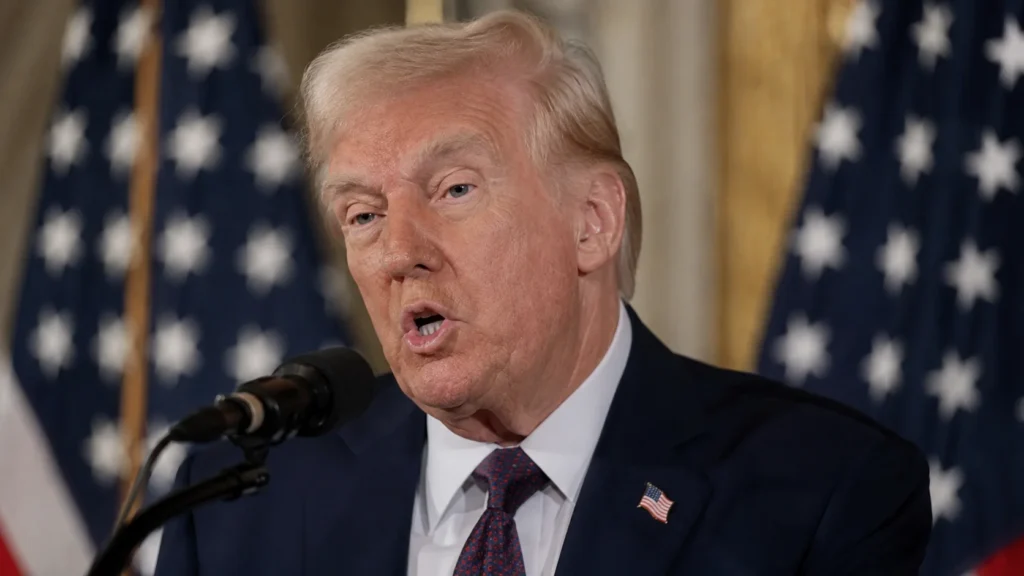
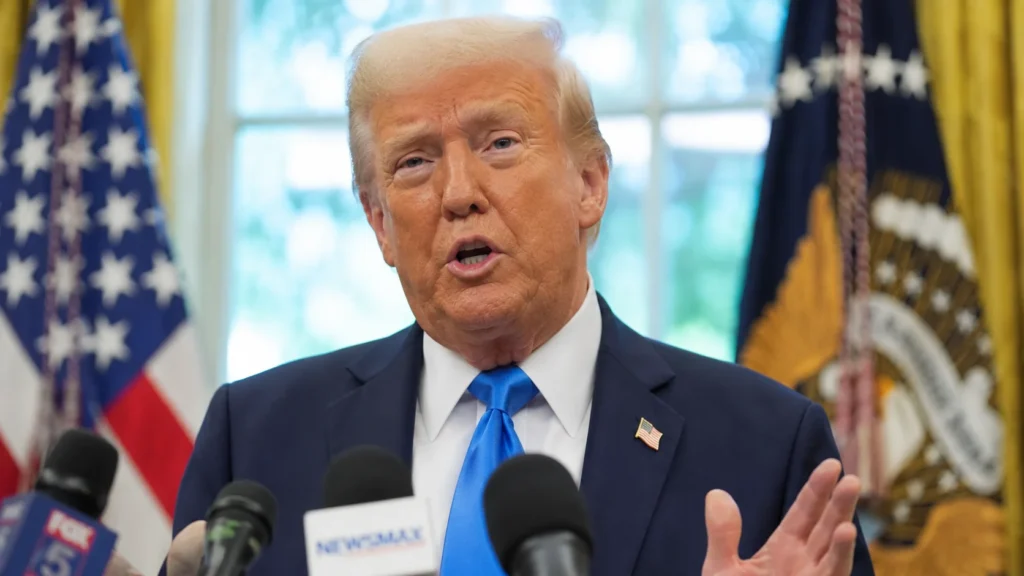
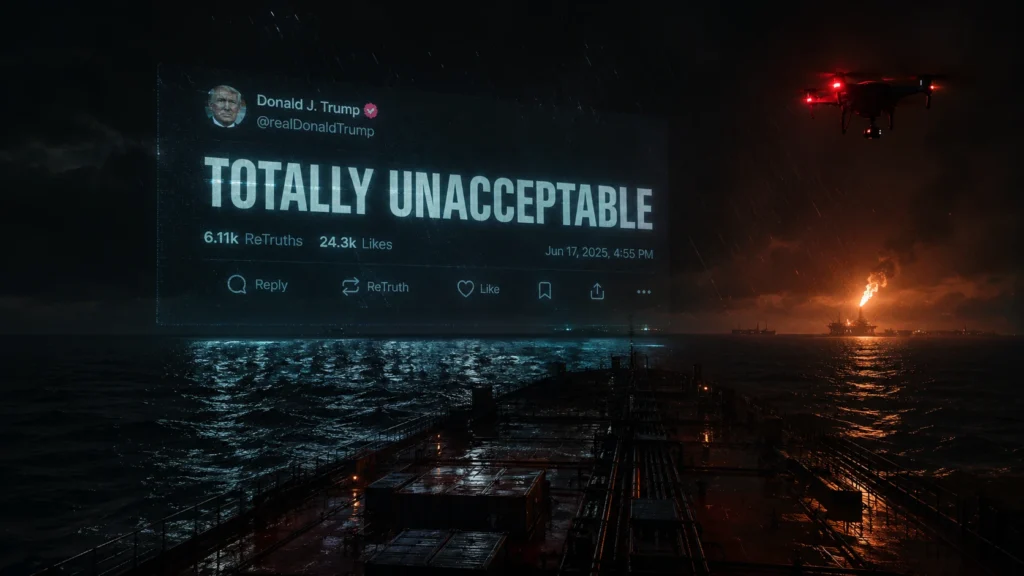
Trump posted on Truth Social: “I am pleased to announce that the United States will be sending an additional 5,000 Troops to Poland.” He cited his relationship with Polish President Karol Nawrocki, whom he endorsed. The number nearly matched what Hegseth just canceled. The White House did not clarify whether these were the same troops redirected or new forces from elsewhere.
Earlier in May 2025
Trump ordered 5,000 troops out of Germany after Chancellor Friedrich Merz said the US was being “humiliated” in its war with Iran. The withdrawal was not framed as a strategic realignment. It was framed as a response to criticism.
May 22, 2025—Helsingborg, Sweden
Rubio stood before NATO foreign ministers. “The goal is a stronger NATO,” he said. He spoke of global commitments, the Middle East, and constant reevaluation. Swedish Foreign Minister Maria Malmer Stenergard, hosting the meeting, told reporters: “It is confusing indeed, and not always easy to navigate.”
As our earlier analysis of Trump’s transactional approach to NATO troop deployments documented, the pattern is now visible to every allied capital: troop levels track bilateral relationships with the president, not collective strategic reviews.
What NATO Ministers Said—And What They Meant
The official responses from Helsingborg tell their own story.
Latvia’s Baiba Braze told reporters ministers understood “posture was being reconsidered, and now there is no change of posture.” She chose to read stability into confusion. Latvia borders Russia. It cannot afford to see anything else.
Germany’s Johann Wadephul welcomed the Poland deployment as good “for the security of the whole alliance.” Then he added a careful note: Germany was in “ongoing discussions” about keeping US long-range missile systems previously committed to German soil. “We are inviting the United States of America to stick to its previous plans,” he said. An invitation. Not an assumption. Germany hosts more than 36,000 US troops, the largest American presence in Europe. It is now asking politely whether agreed deployments will survive the next presidential post.
NATO Secretary General Mark Rutte said the trajectory toward Europe becoming less reliant on the US “will continue.” The statement was bland. The implication was not. The alliance’s most capable member is signaling its commitment is conditional.
The NATO Secretary General’s official remarks from the Helsingborg ministerial emphasized collective defense and burden-sharing. The official communiqué did not mention the confusion. It never does.
Why the Math Matters Beyond the Diplomacy
The US maintains roughly 36,000 troops in Germany, 12,000 in Italy, 10,000 in the UK, and an estimated 10,000 in Poland. These numbers represent decades of Cold War architecture and post-2014 reinforcement after Russia’s first invasion of Ukraine. They are not random. They signal commitment. Adversaries study them. Allies depend on them.
When the commander-in-chief announces 5,000 troops to Poland on social media, the defense secretary cancels 4,000 by memo, and the secretary of state reassures ministers in Sweden, no single authority reconciles the numbers. The net change in US force posture in Europe is anywhere from minus 4,000 to plus 1,000 to zero. The Pentagon will not clarify.
This is not chaos. Chaos is random. This is transactional. Troops function as currency in bilateral relationships, distributed to friends, withdrawn from critics. The Iran war has become the litmus test. Support it and keep your bases. Question it and count your troops.
Every NATO defense ministry now monitors the president’s social media feed for clues about its own security. That is not an exaggeration. It is the new operational reality.
Written by a defense and diplomacy correspondent who has covered NATO ministerial meetings and US force posture in Europe across three administrations, including the post-2022 reinforcement of the eastern flank.