

 English
































































































































































































































































































































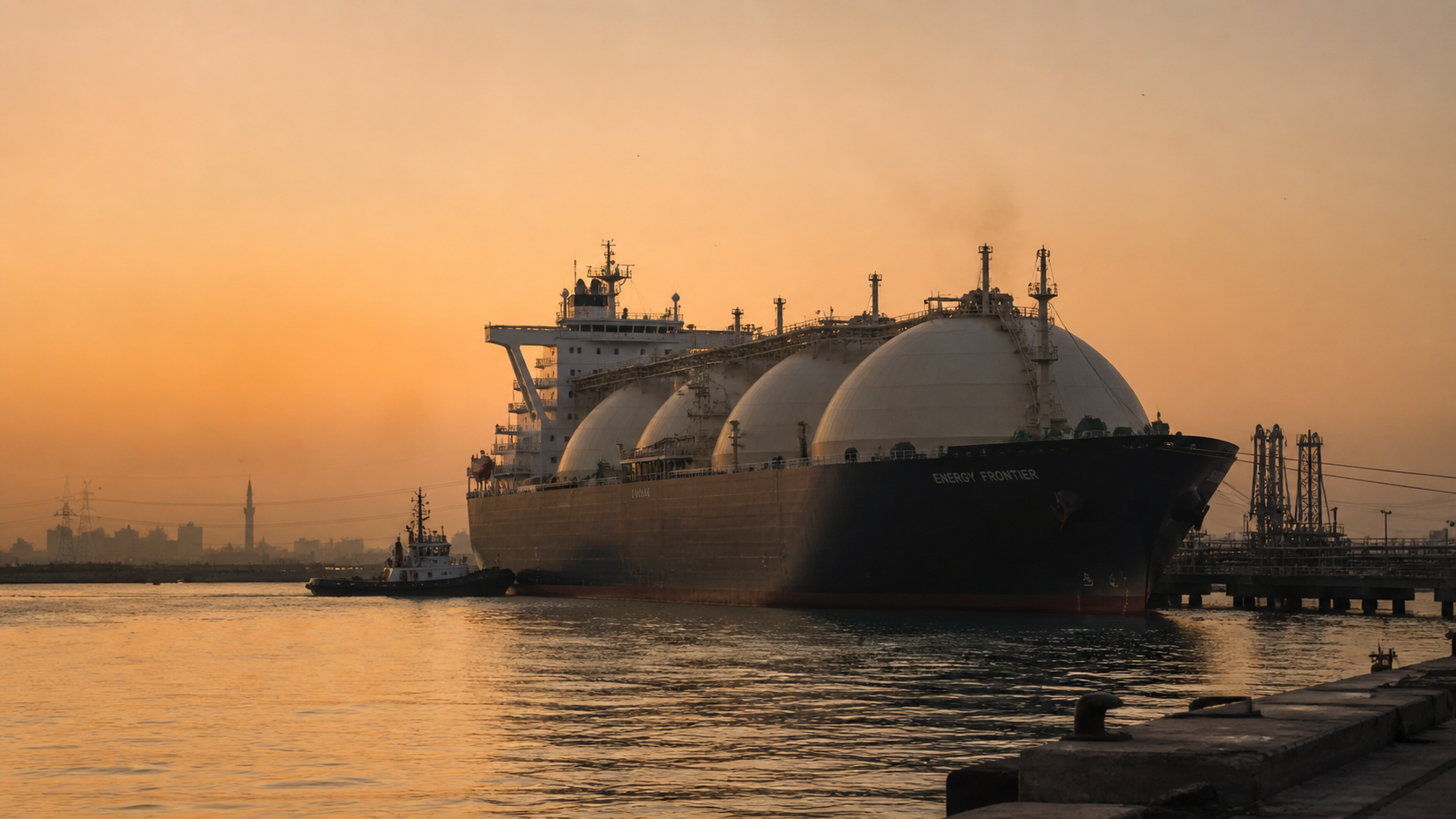







China Coal Disaster 90 Deaths Pressure Energy Strategy
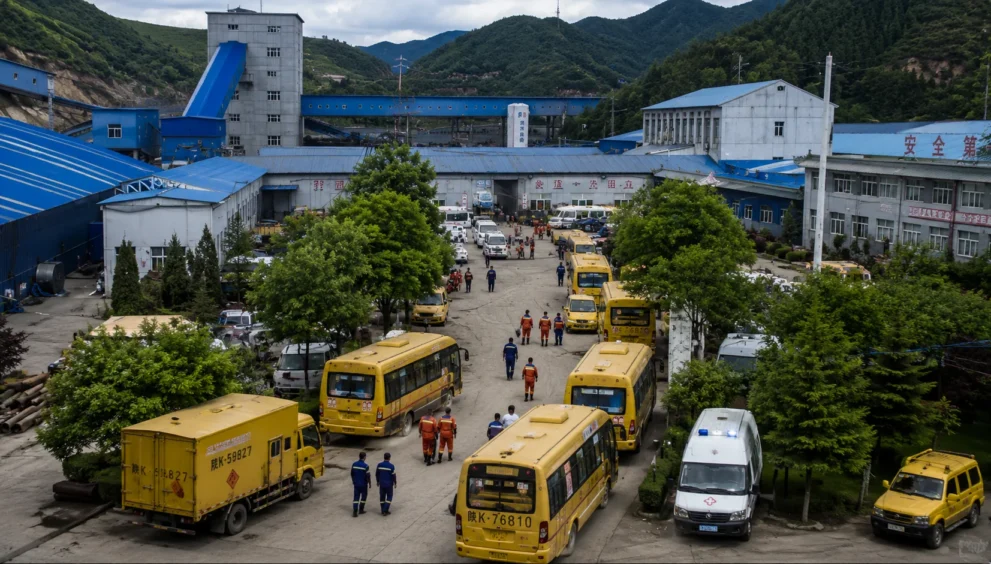
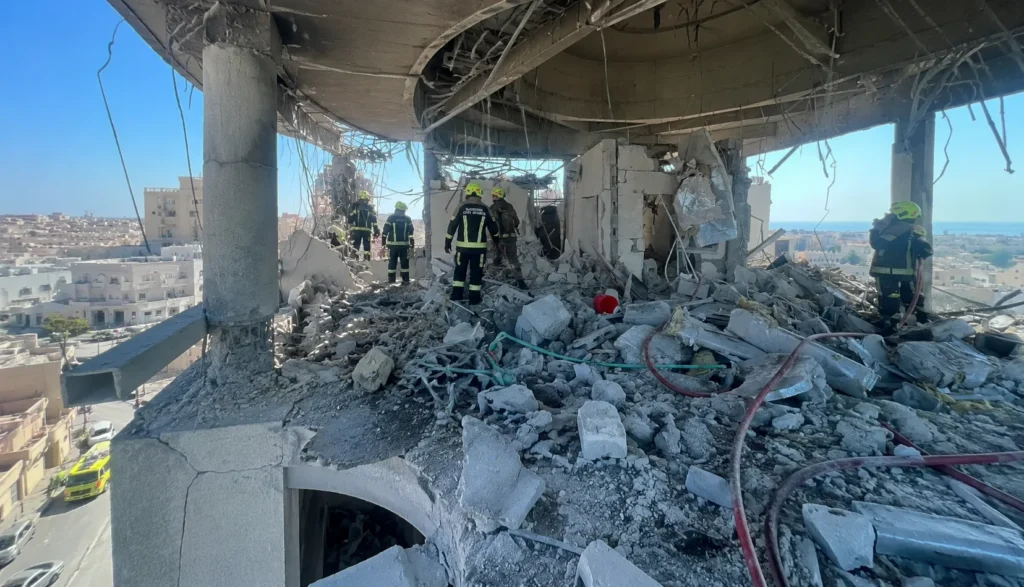
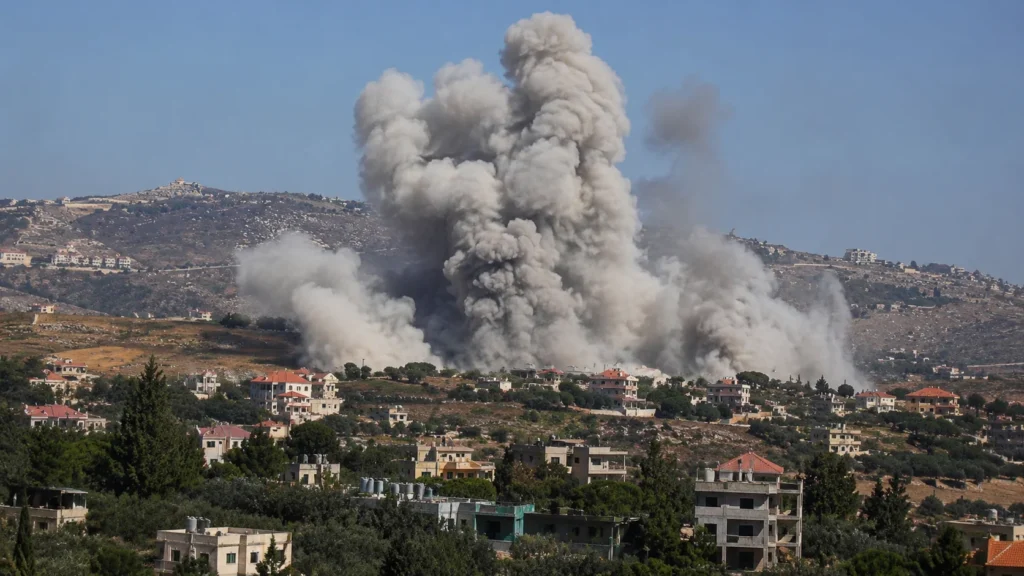
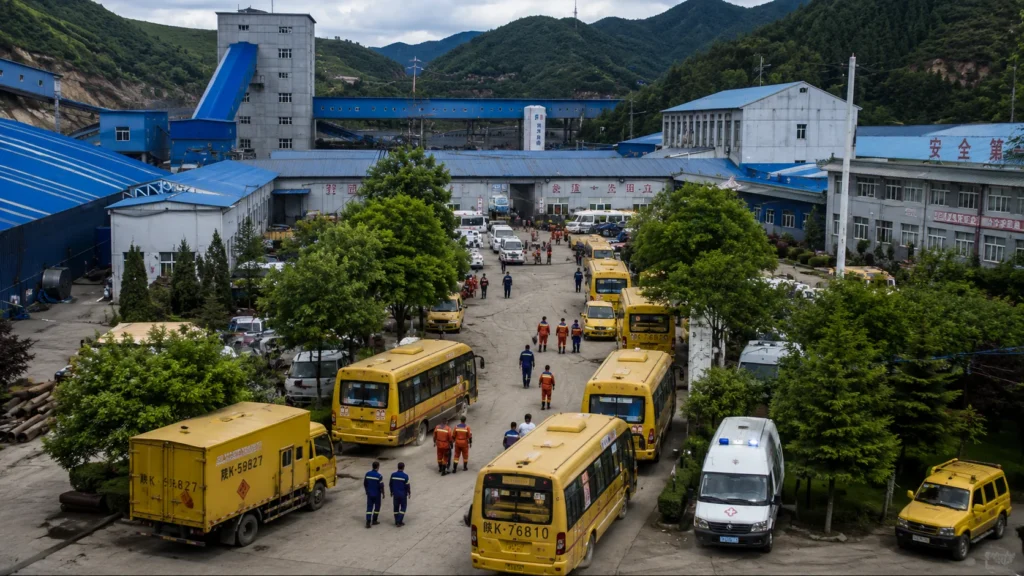
The China Coal Disaster 90 Deaths Pressure Energy Strategy crisis has intensified scrutiny on Beijing’s industrial model after a deadly explosion at the Liushenyu Coal Mine in Shanxi province killed at least 90 workers on May 23. Chinese authorities launched rescue and investigation operations, while energy markets focused on a larger issue: China still depends heavily on coal to sustain manufacturing output, electricity demand, and economic stability amid rising geopolitical pressure.
China Coal Disaster 90 Deaths Pressure Energy Strategy
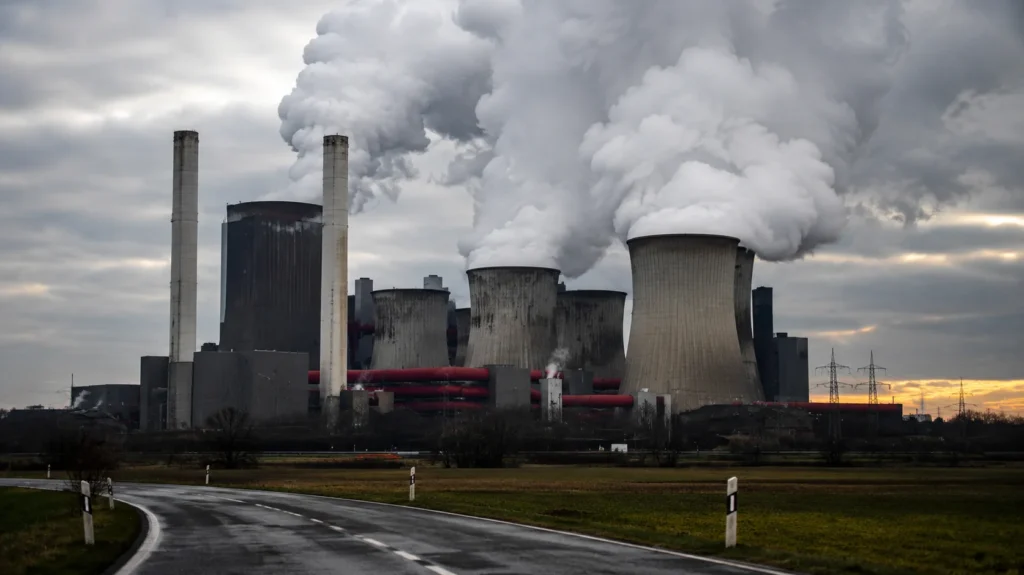
China’s latest mining tragedy highlights the growing conflict between energy security and industrial safety. Beijing wants stable domestic fuel supplies as trade tensions, supply chain competition, and slowing economic growth pressure the country’s leadership. Coal remains central to that strategy, even as China rapidly expands renewable energy infrastructure.
Why This Disaster Matters Beyond the Mine
Coal trains kept moving across northern China even after the blast. That detail tells the real story.
China cannot easily reduce coal production while factories, steel plants, and regional power grids continue demanding stable electricity. Beijing wants energy independence from foreign pressure, especially as trade friction with Washington reshapes global supply chains. But energy independence carries a price when domestic coal output becomes politically essential.
That contradiction sits at the center of this disaster.
In 2024, China’s National Mine Safety Administration listed the Liushenyu mine among operations carrying “severe safety hazards.” Local authorities still allowed production to continue because Shanxi province remains one of the country’s most important coal regions. The province alone produces more than a quarter of China’s coal output.
Production came first. Again.
As previous coverage of China’s industrial slowdown showed earlier this year, Beijing already faces weak property markets, lower consumer confidence, and falling exports in some manufacturing sectors. Any disruption to energy supply threatens wider economic stability.
The Real Pressure Inside China’s Energy Model
This disaster exposes two competing priorities inside the Chinese system.
Economic Stability
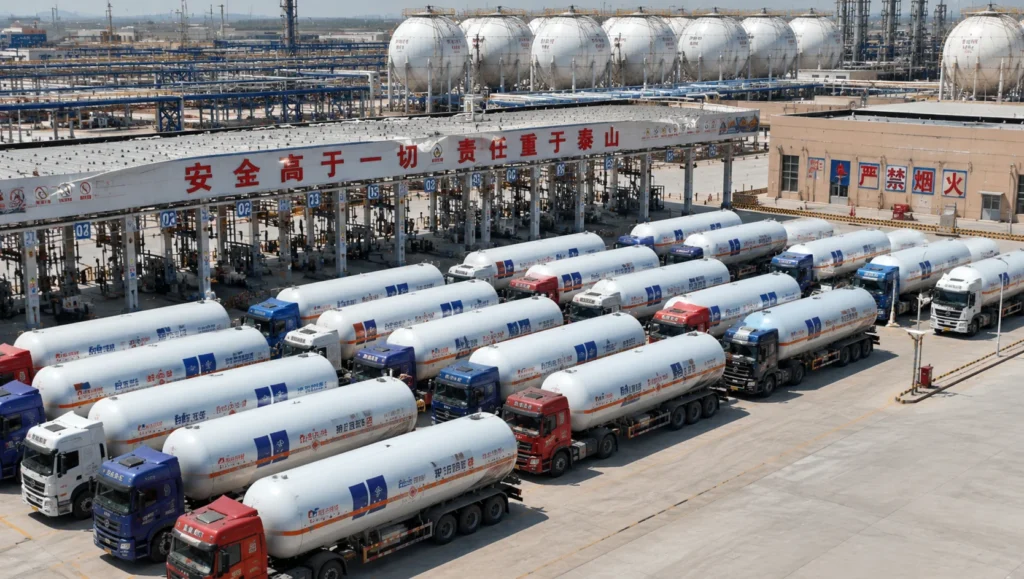
China’s leadership needs stable and affordable power to maintain manufacturing dominance. Coal still supports steel, cement, chemicals, and heavy industry across the country. Renewable energy capacity continues to grow rapidly, but solar and wind cannot yet fully replace dependable baseload power.
According to the International Energy Agency, China approved more new coal power capacity in 2023 than the rest of the world combined. Beijing views coal not only as fuel, but as insurance against geopolitical shocks.
That matters now.
US tariffs on Chinese electric vehicles and technology restrictions have already pressured Chinese exporters in 2025. Beijing does not want energy shortages to add another layer of uncertainty. International Energy Agency coal market report
Political and Social Risk
Mining disasters damage more than infrastructure. They weaken public confidence.
The Chinese government spent years tightening safety regulations after a string of deadly accidents during the early 2000s. In 2009, a coal mine explosion in Heilongjiang province killed more than 100 workers. Beijing promised tougher oversight after that tragedy.
Yet accidents continue.
State media reports suggest officials detained members of the Liushenyu mine management team after investigators found dangerous carbon monoxide levels underground. Rescue crews also struggled because mine blueprints reportedly failed to match actual tunnel conditions.
That detail looks small. It is not.
It suggests local operators still prioritize output over compliance, especially in regions where jobs and tax revenue depend heavily on coal production. China Ministry of Emergency Management updates]
What This Means for Global Energy and Climate Politics
China presents itself as both a clean-energy leader and the world’s industrial powerhouse. The two goals increasingly clash.
Beijing installed record solar and wind capacity in 2024, but coal consumption still climbed because industrial demand remains high. That hybrid model shapes global commodity markets, shipping demand, and climate negotiations across Asia and Europe.
The explosion also complicates China’s diplomatic messaging ahead of future climate talks. Western governments already argue that China’s renewable energy loses credibility when coal production keeps expanding.
But Beijing sees the issue differently.
Chinese policymakers view domestic coal as a safeguard against sanctions, shipping disruptions, or foreign energy dependency. Russia’s war in Ukraine reinforced that thinking across many capitals. Governments now prioritize secure energy first and emissions targets second. analysis of global energy security after the Ukraine war
Short-term climate ambitions often lose against long-term political control.
Author Bio
Written by Daniel Mercer, a foreign affairs and geopolitical risk analyst who has covered global energy markets, China policy, and industrial strategy for more than 12 years.