

 English














































































































































































































































Rubio Pushes US Energy Strategy as India Balances China Risk
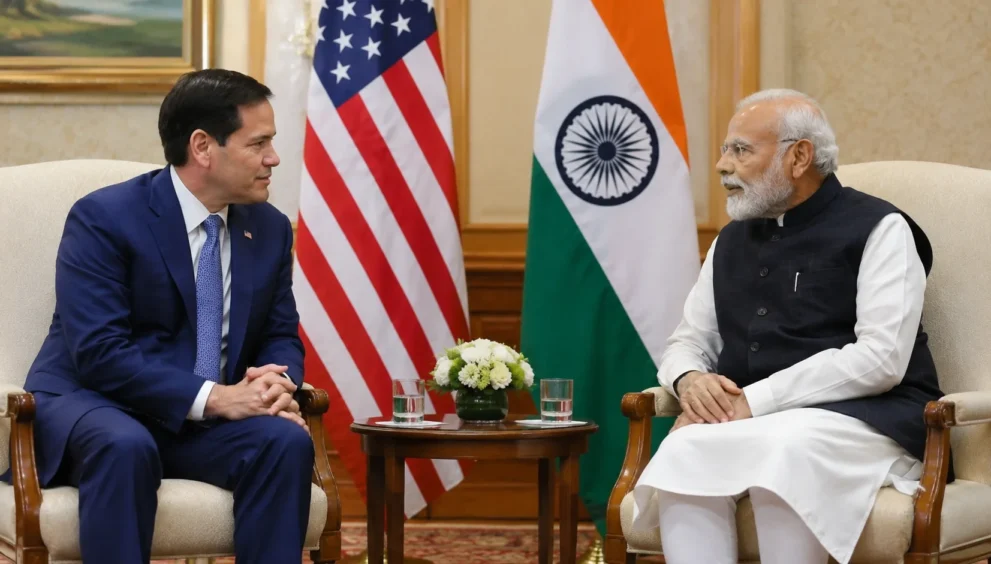
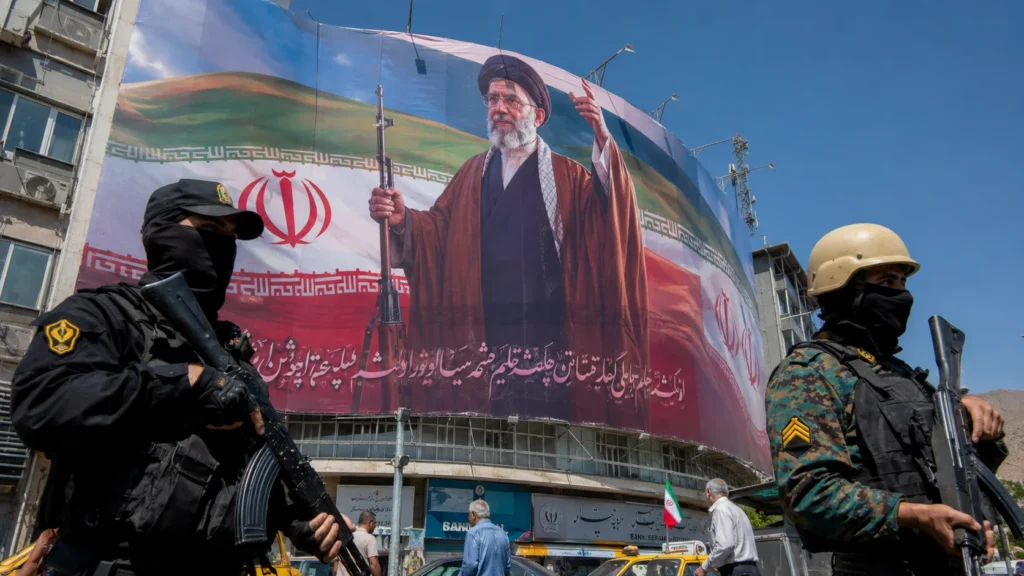
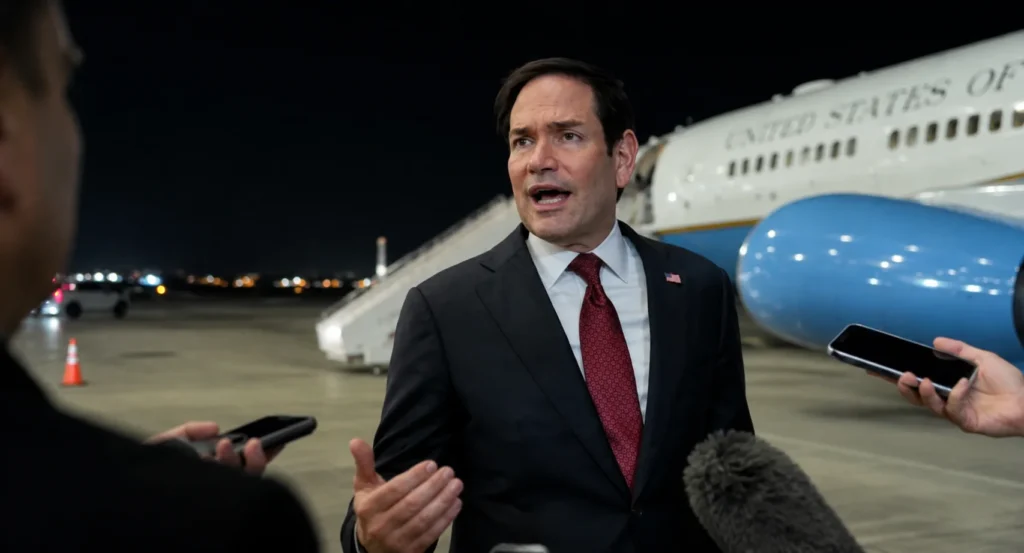
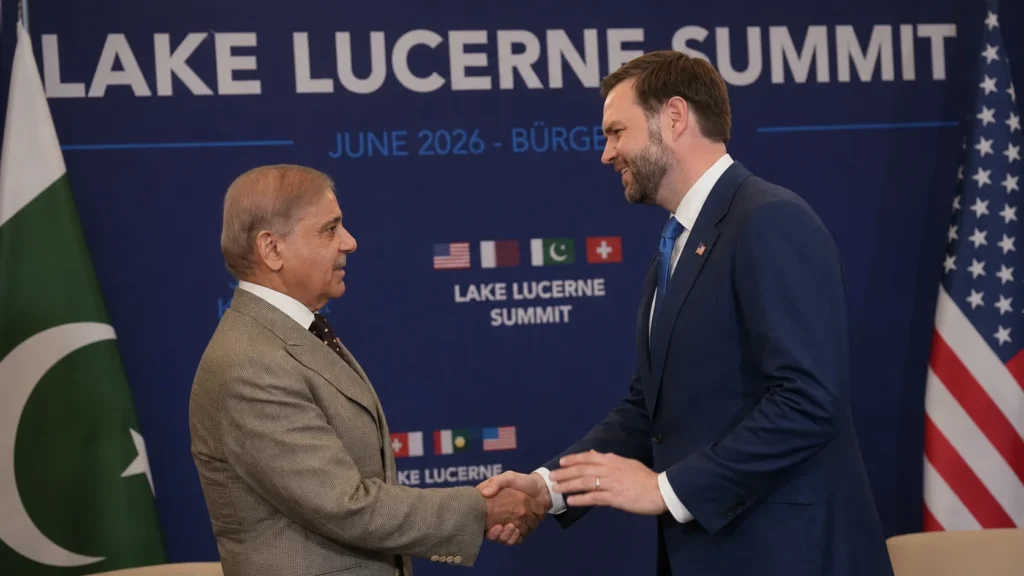
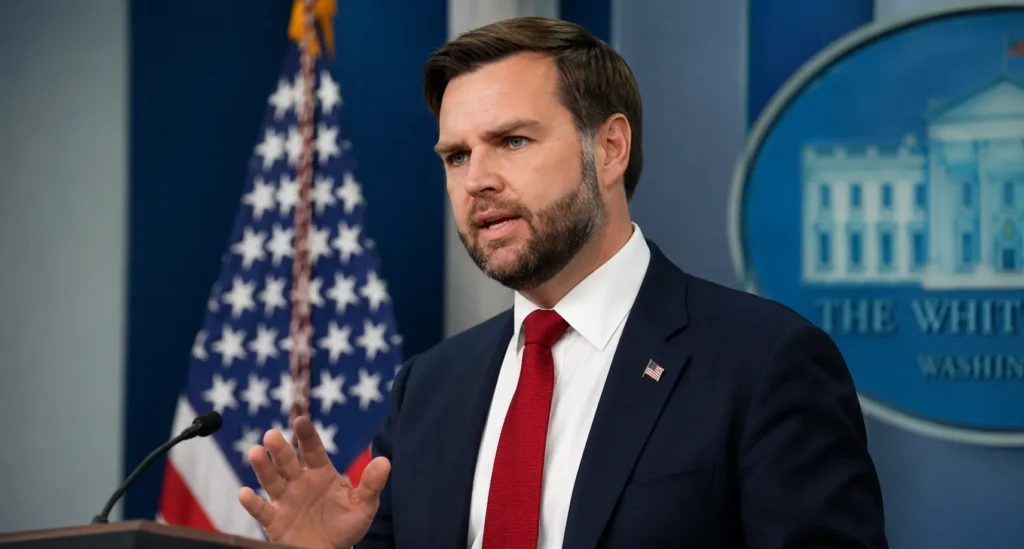
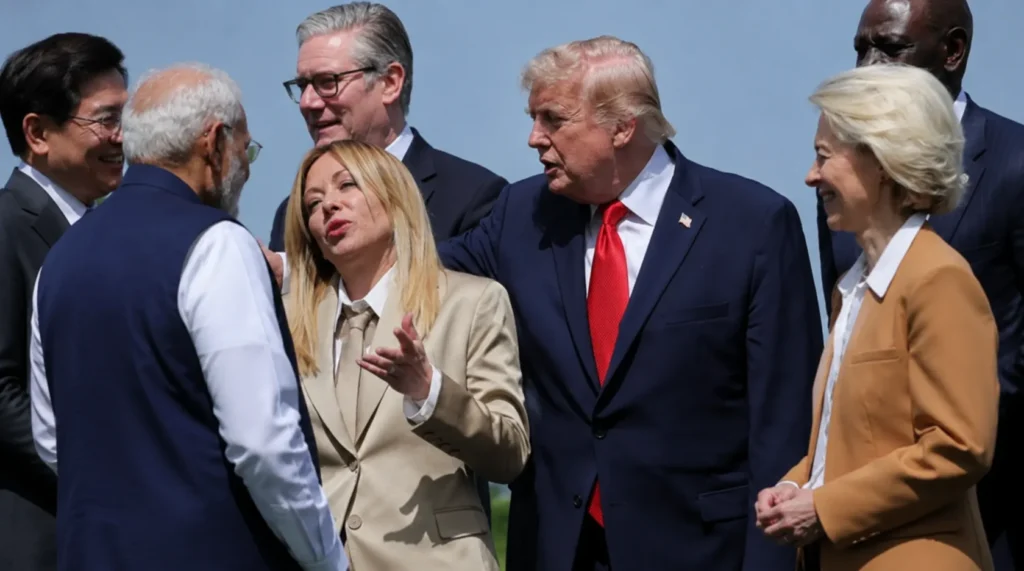
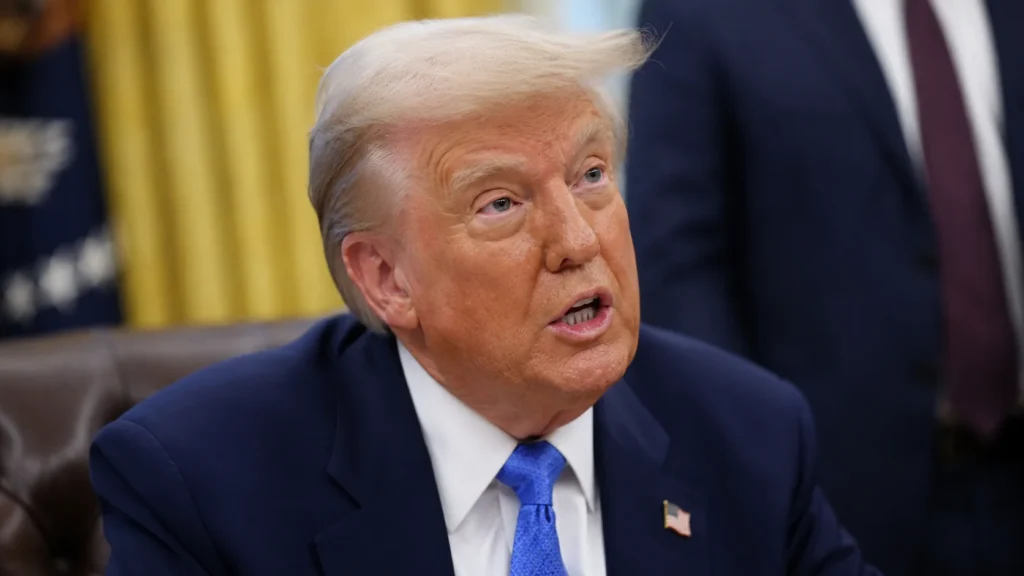
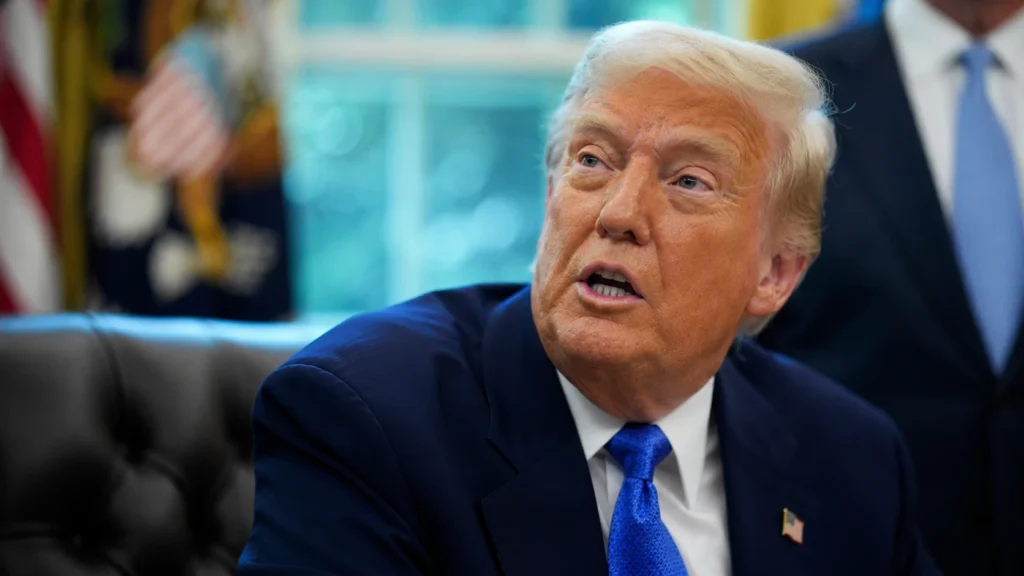
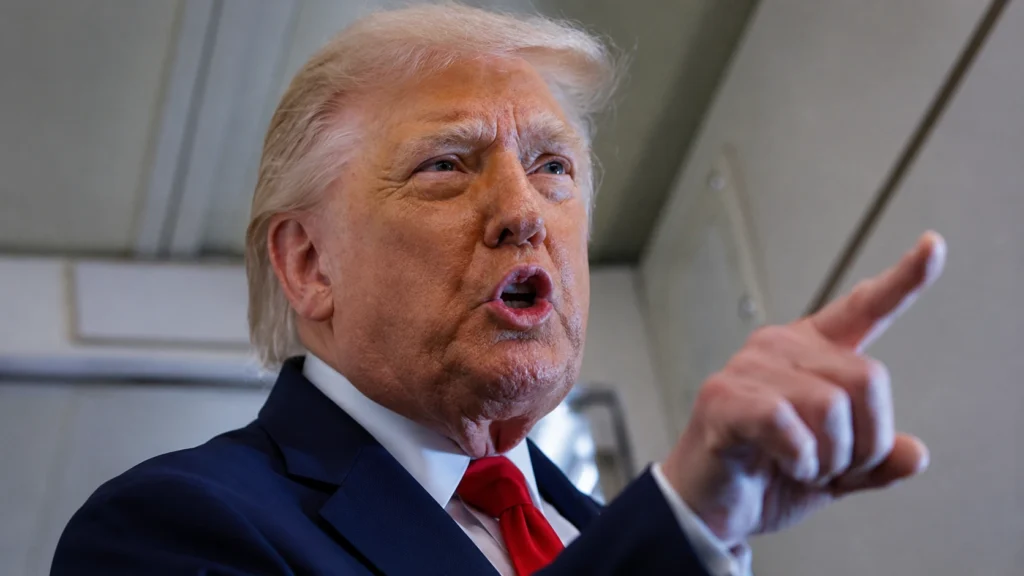
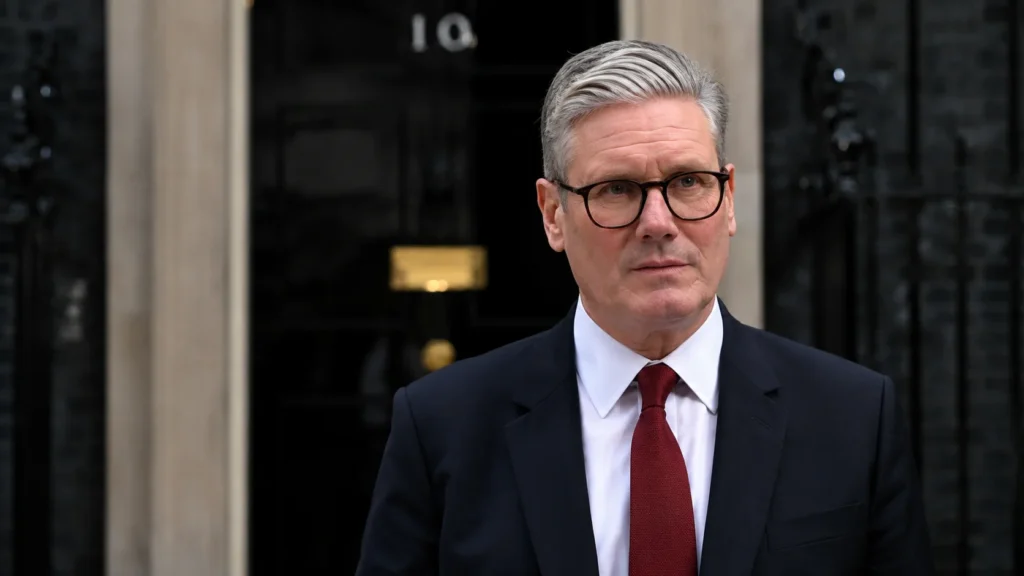
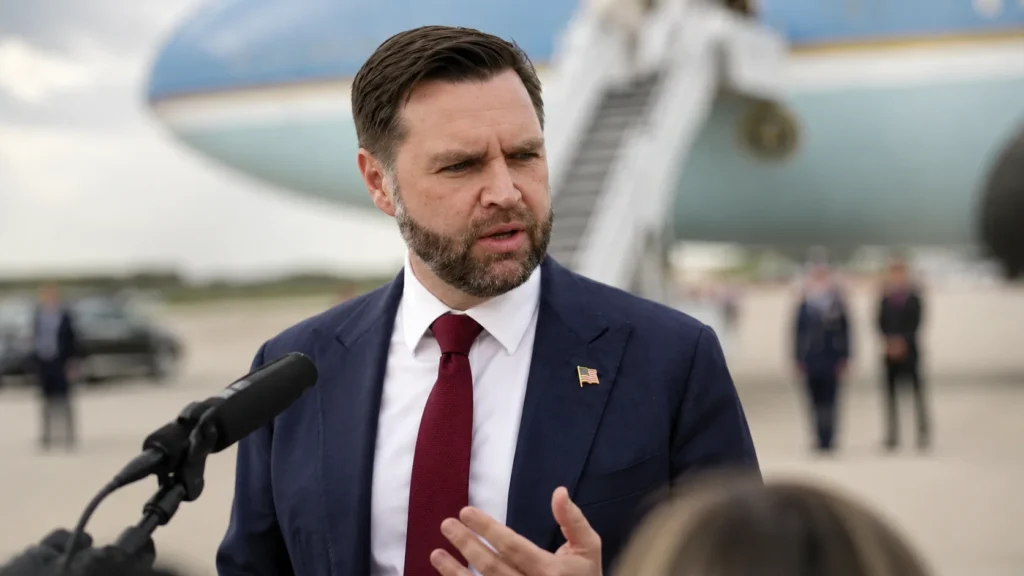
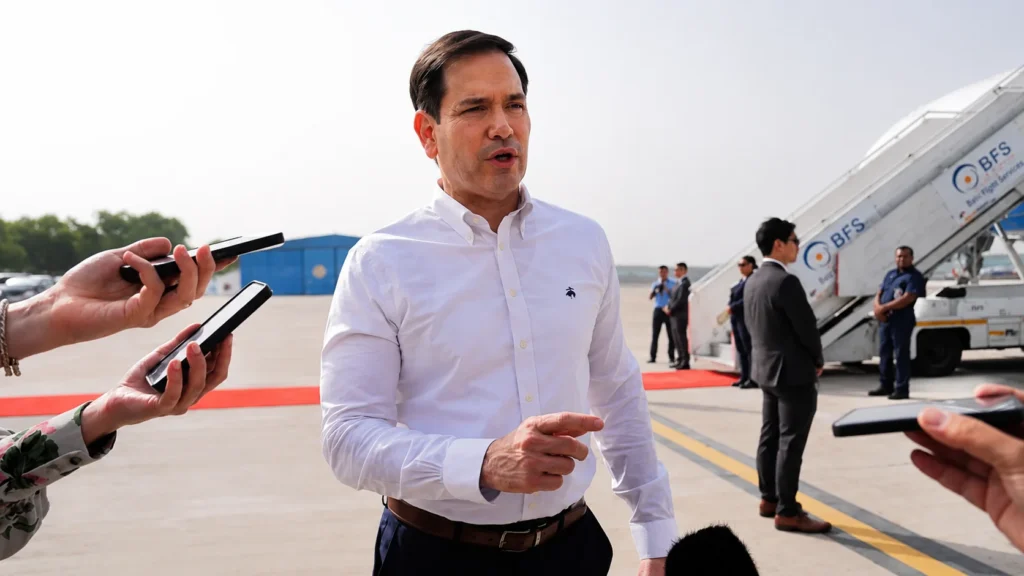
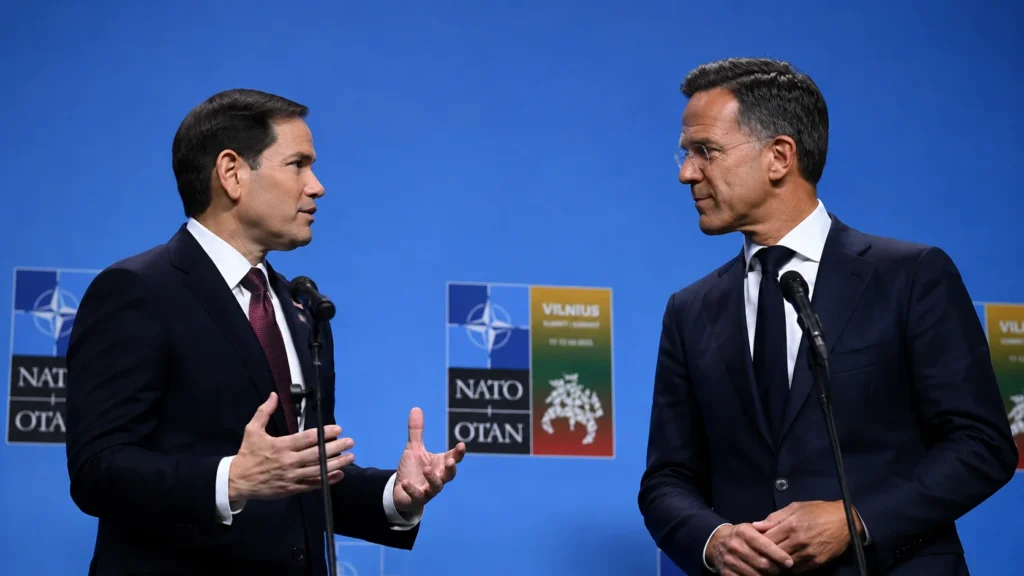
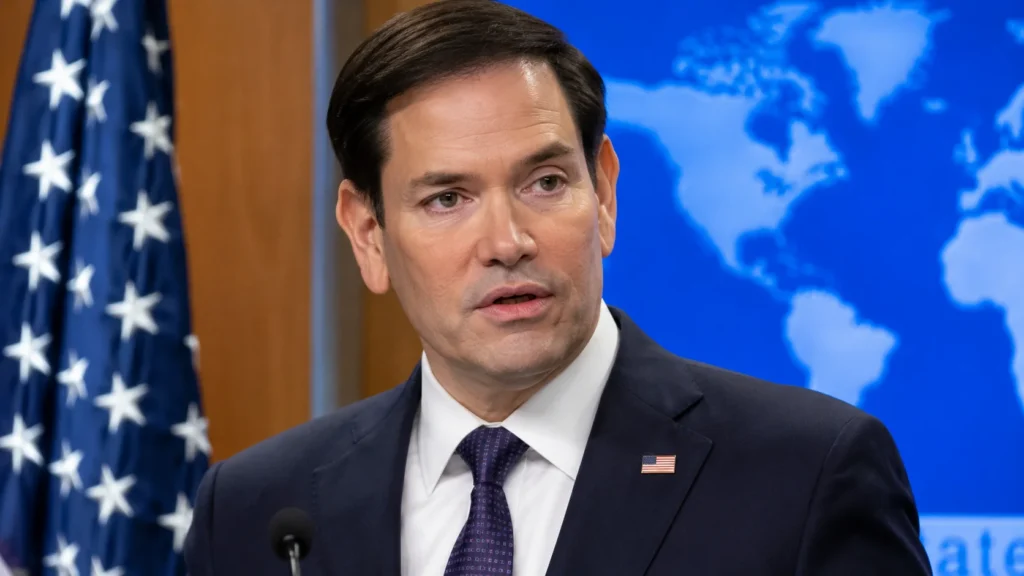
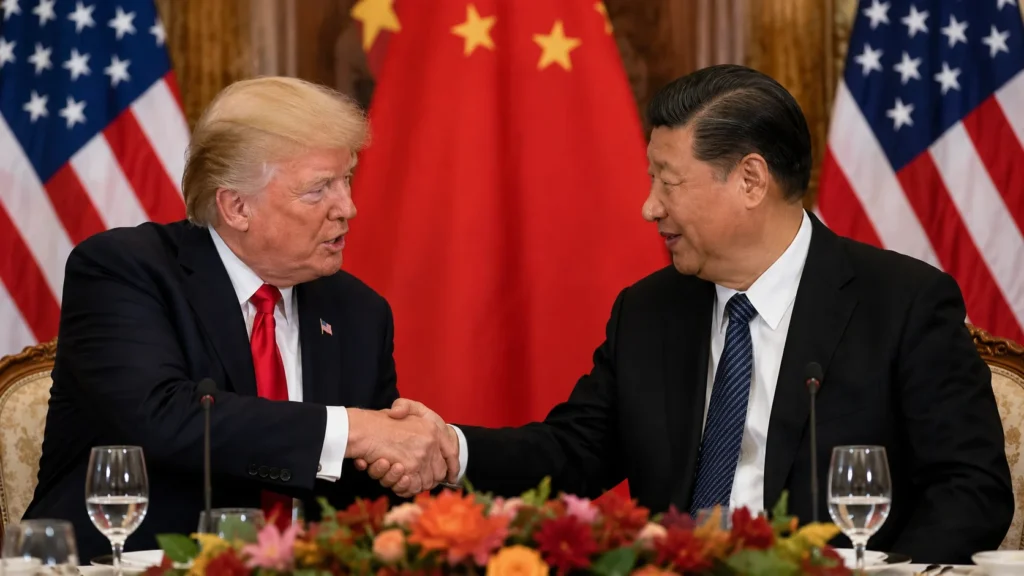
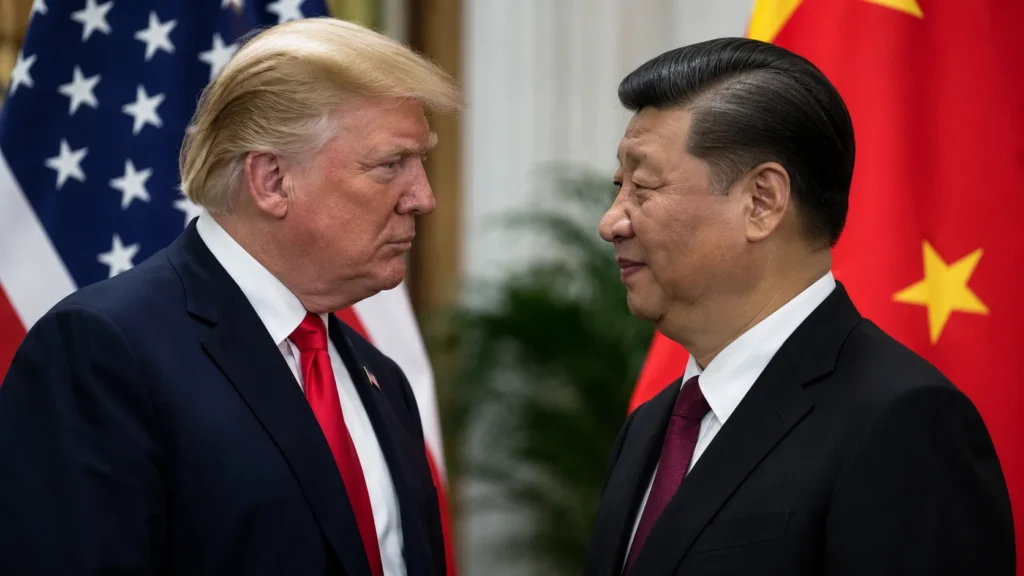
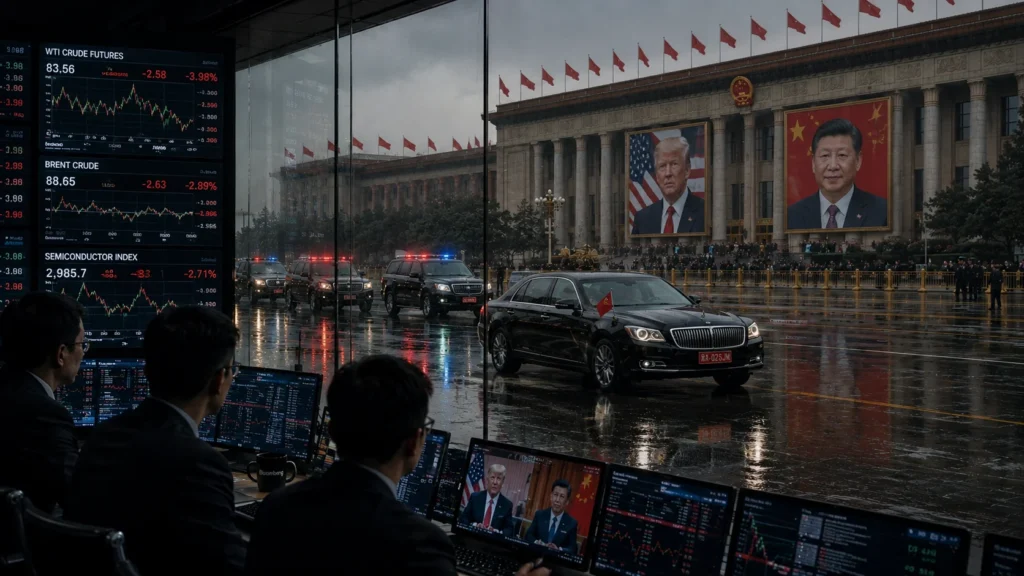
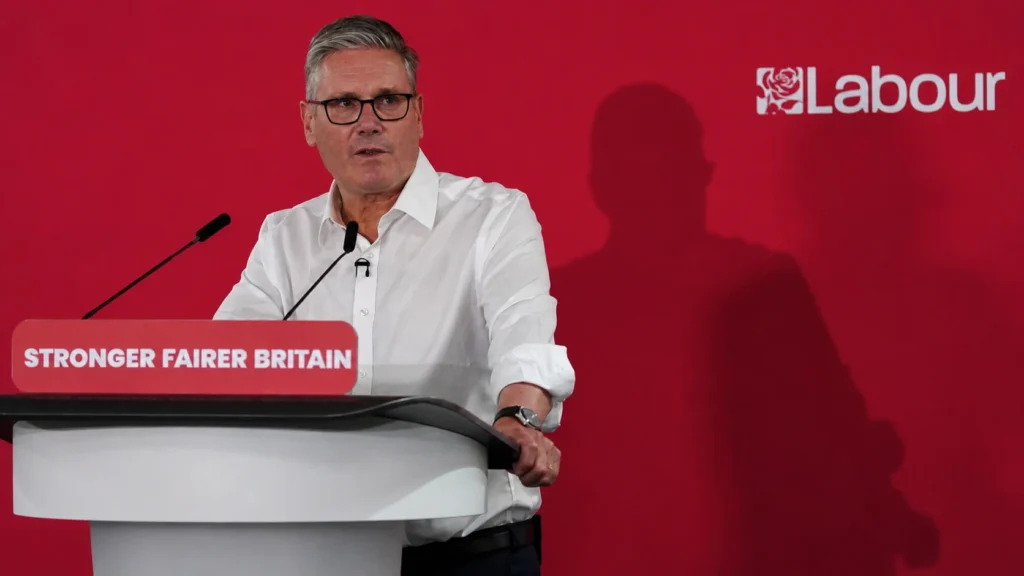
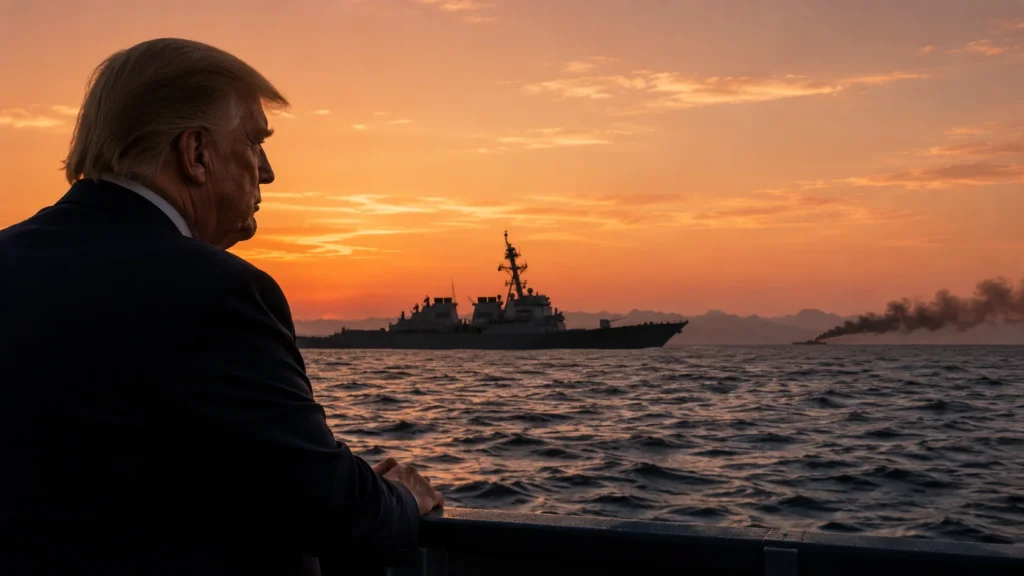
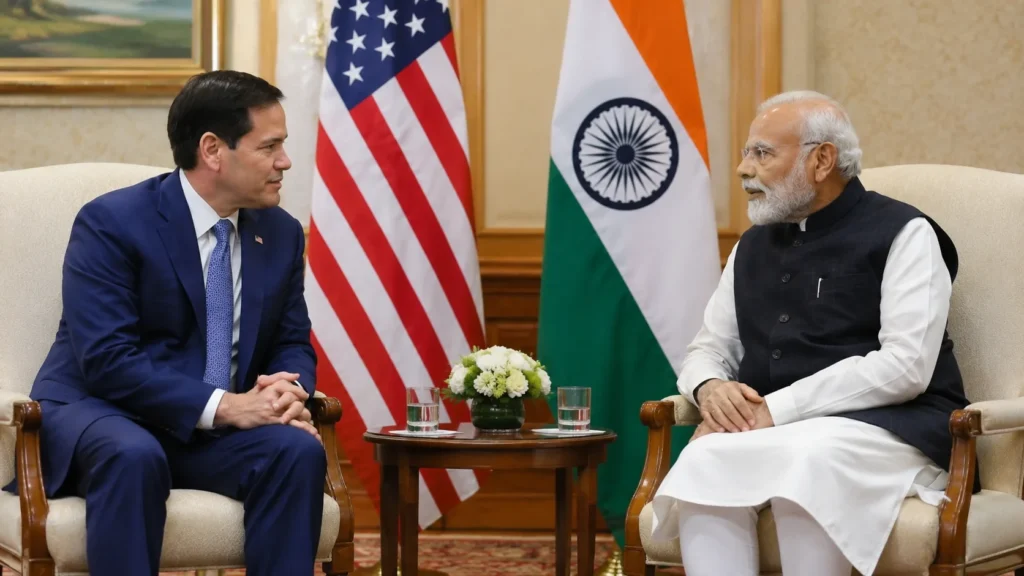
The Rubio Pushes US Energy Strategy as India Balances China Risk dynamic shaped high-level talks in Delhi as Washington pressed New Delhi to expand American energy imports while geopolitical pressure intensified across Asia. US Secretary of State Marco Rubio met Prime Minister Narendra Modi at a moment when India’s energy dependence on imports collided with rising instability in the Strait of Hormuz and growing strategic competition with China. The meeting turned energy into leverage, not just trade.
Rubio Pushes US Energy Strategy as India Balances China Risk
Inside Delhi’s policy circles, the discussion was not about diplomacy style or ceremonial optics. It centered on dependency.
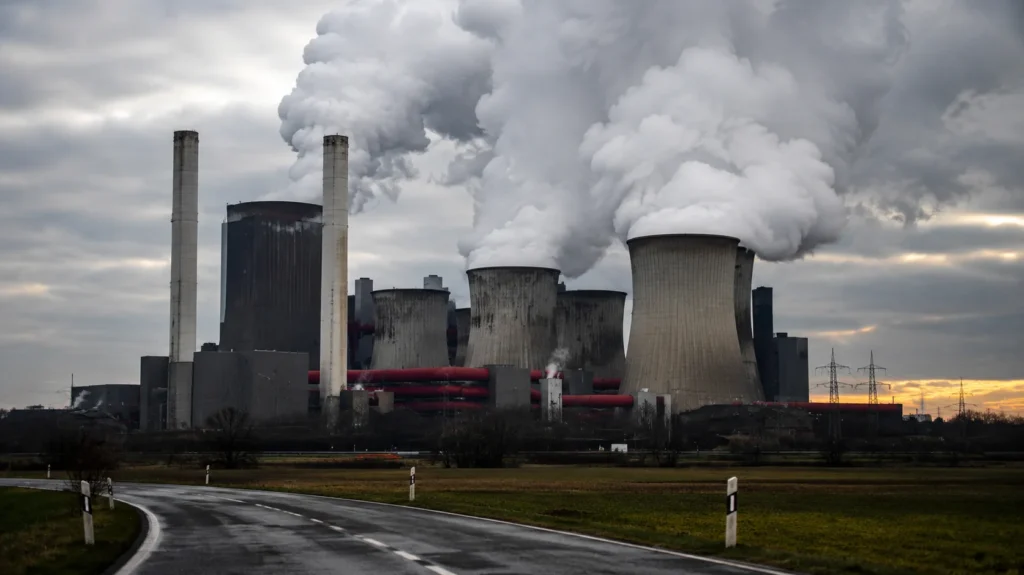
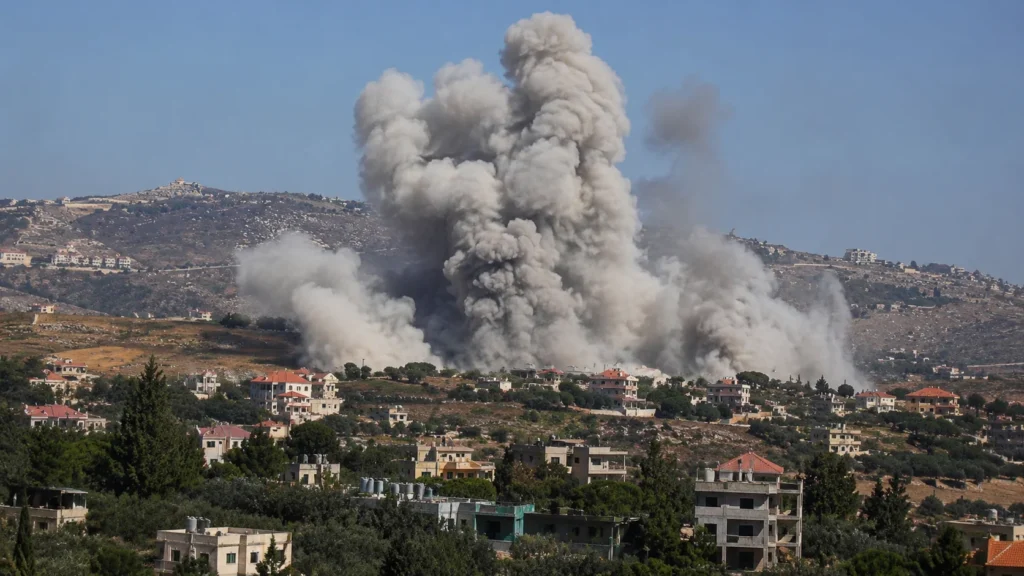
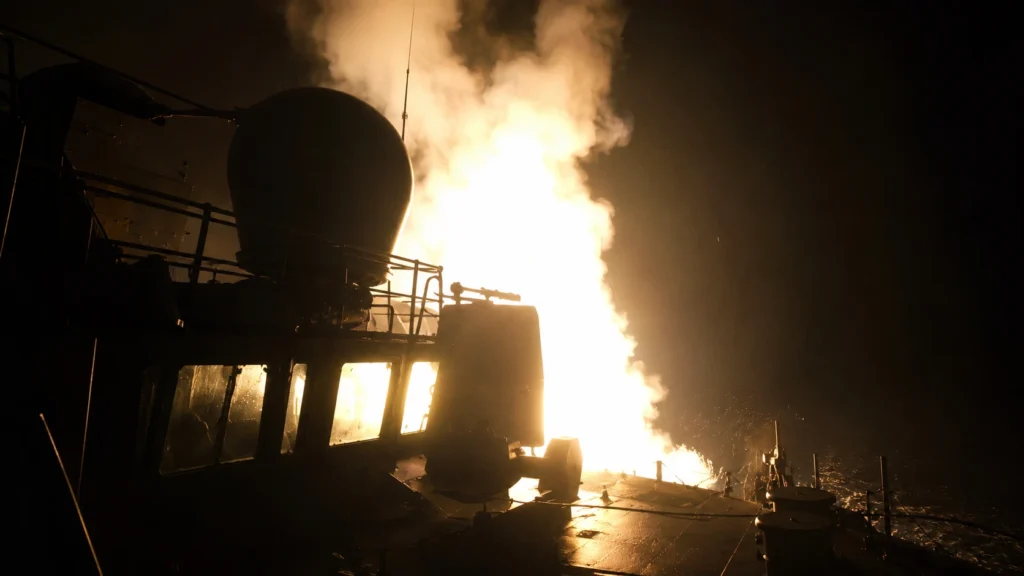
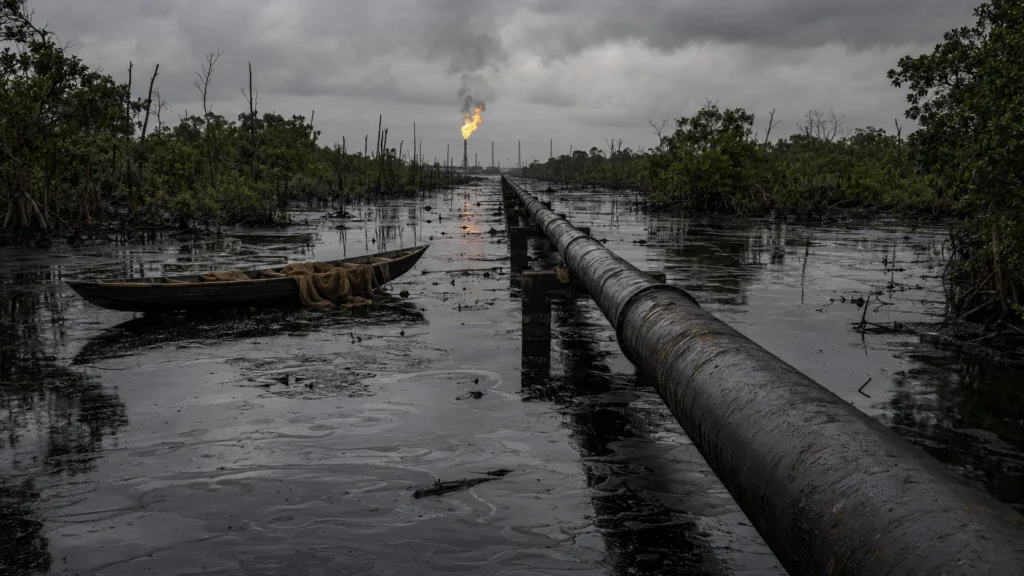
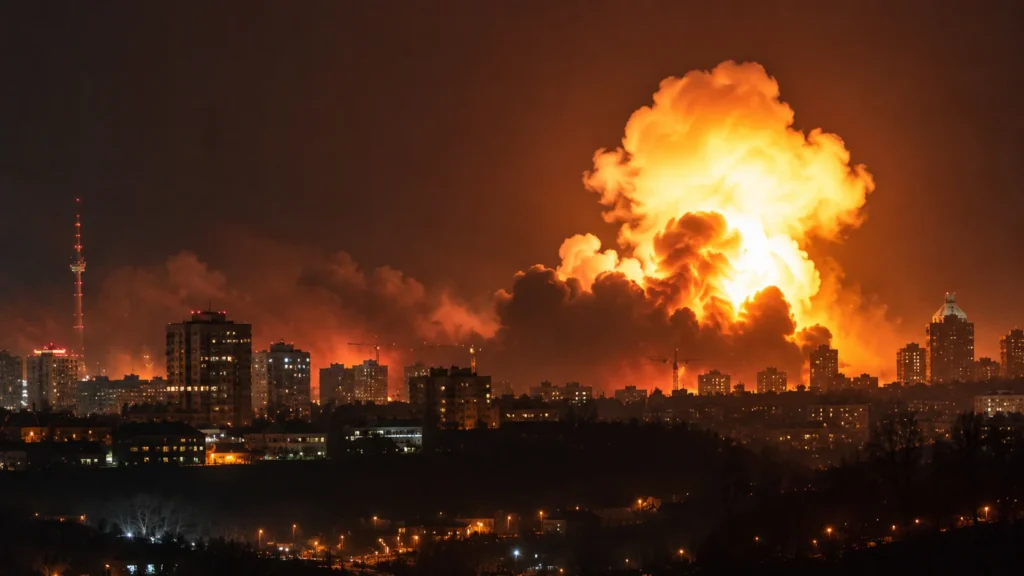
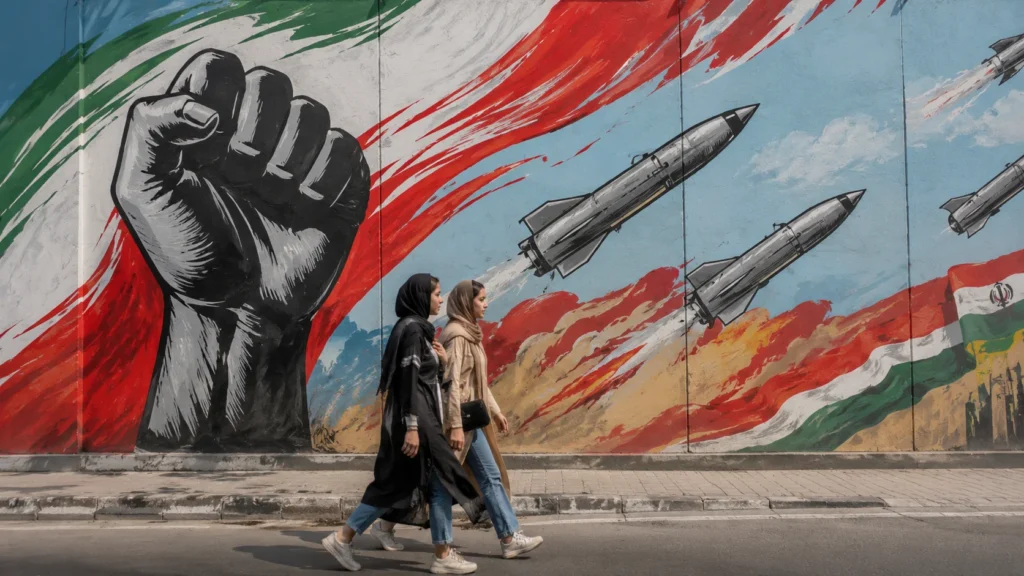
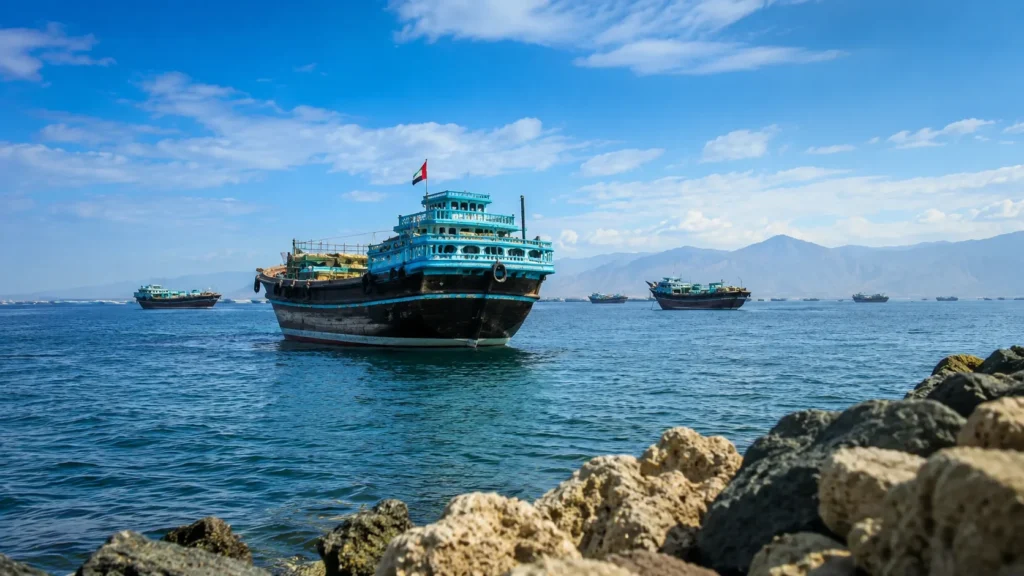
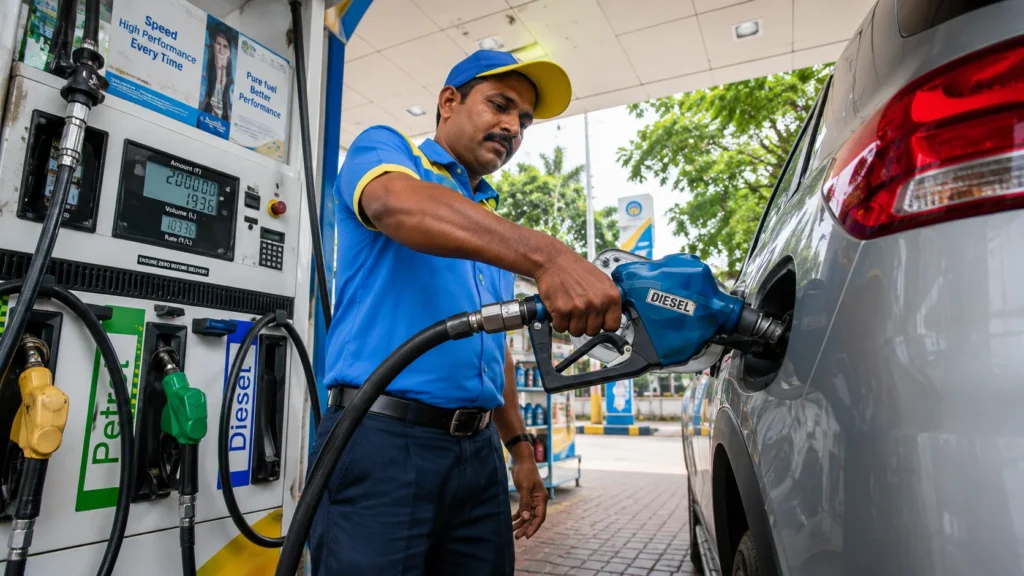
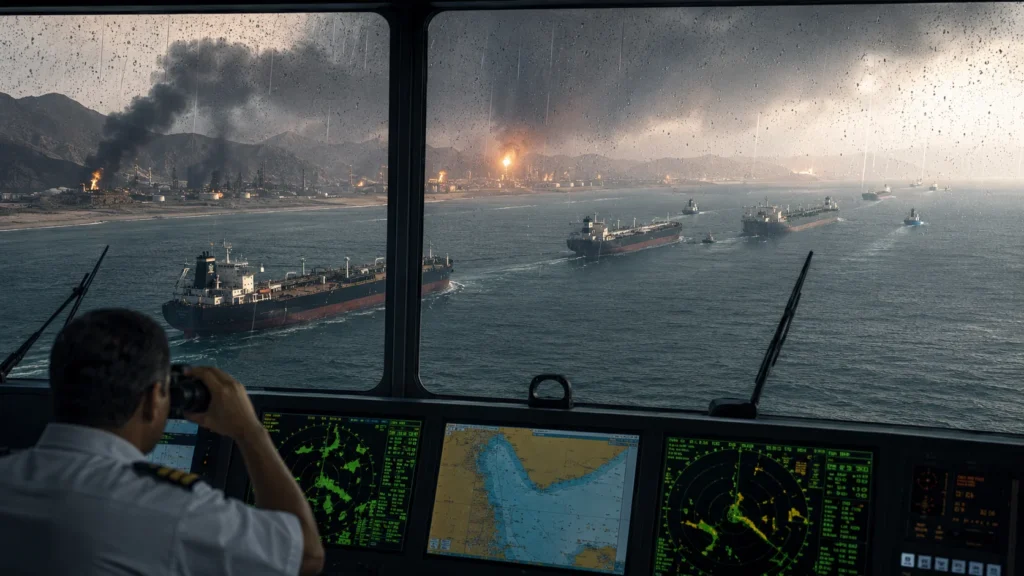
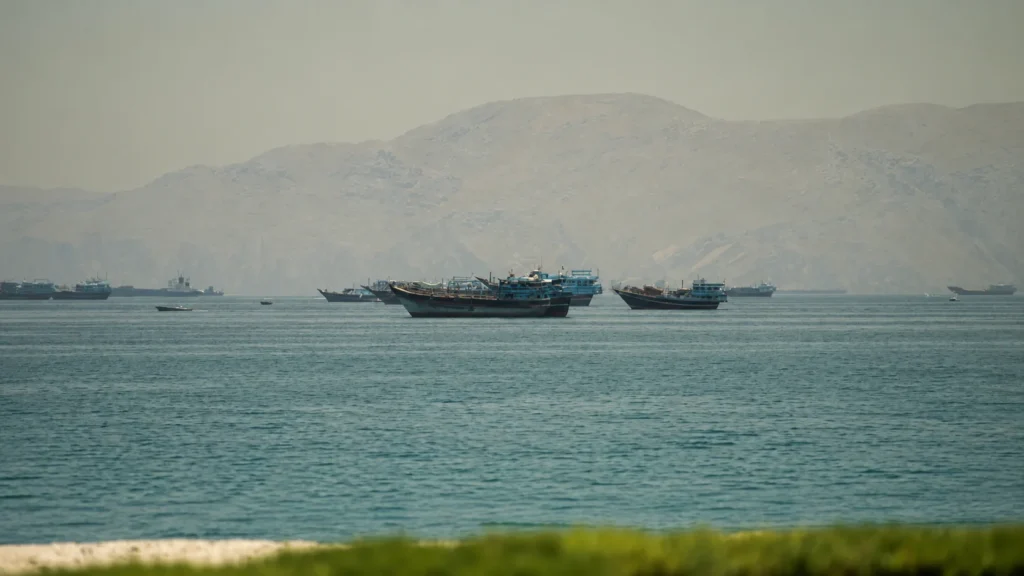
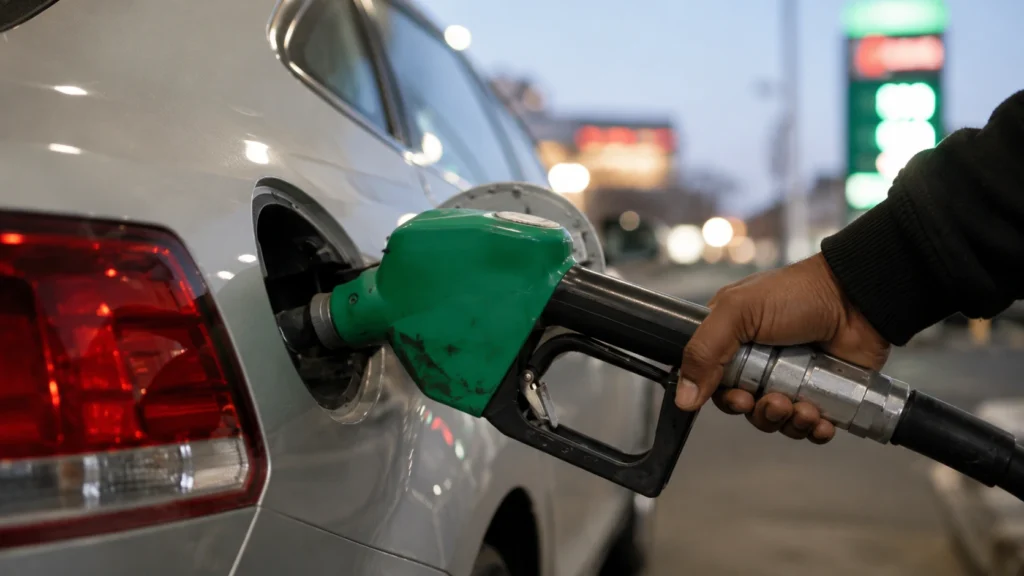
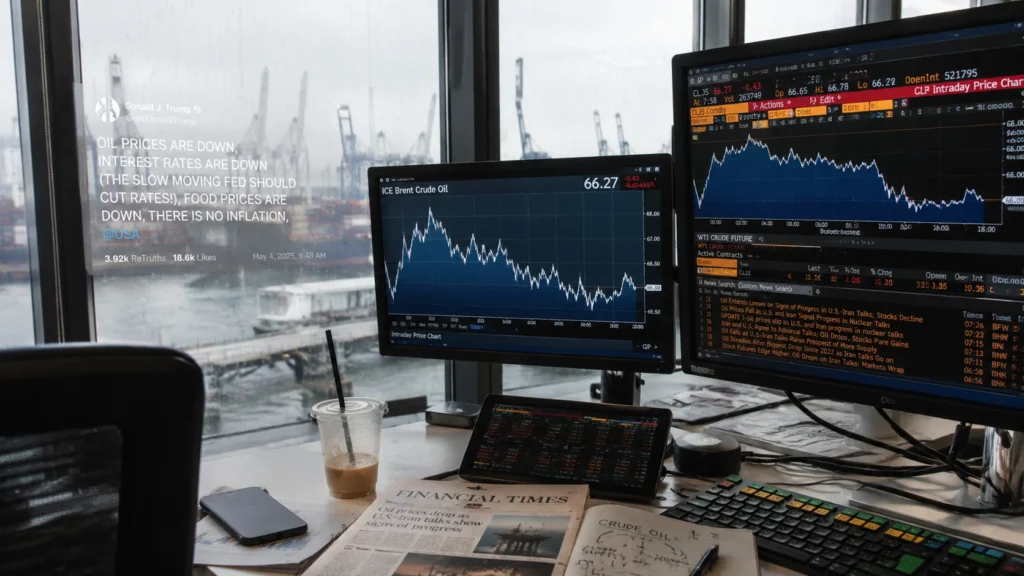
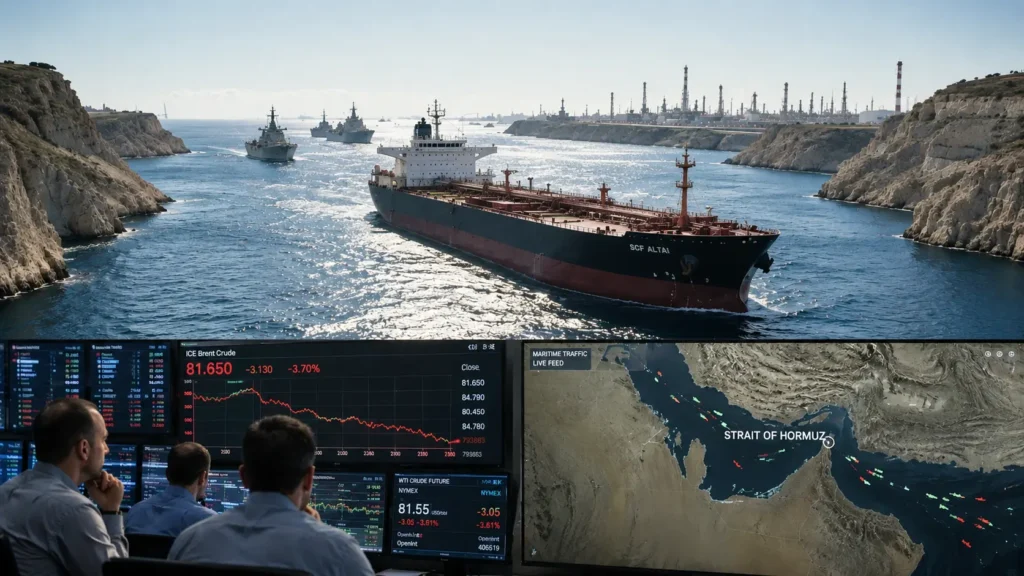
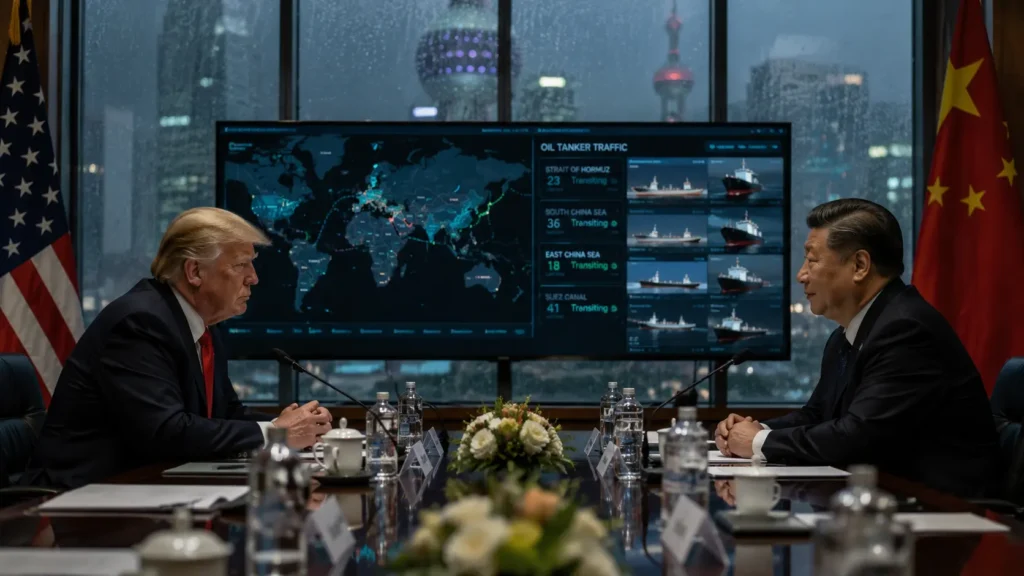
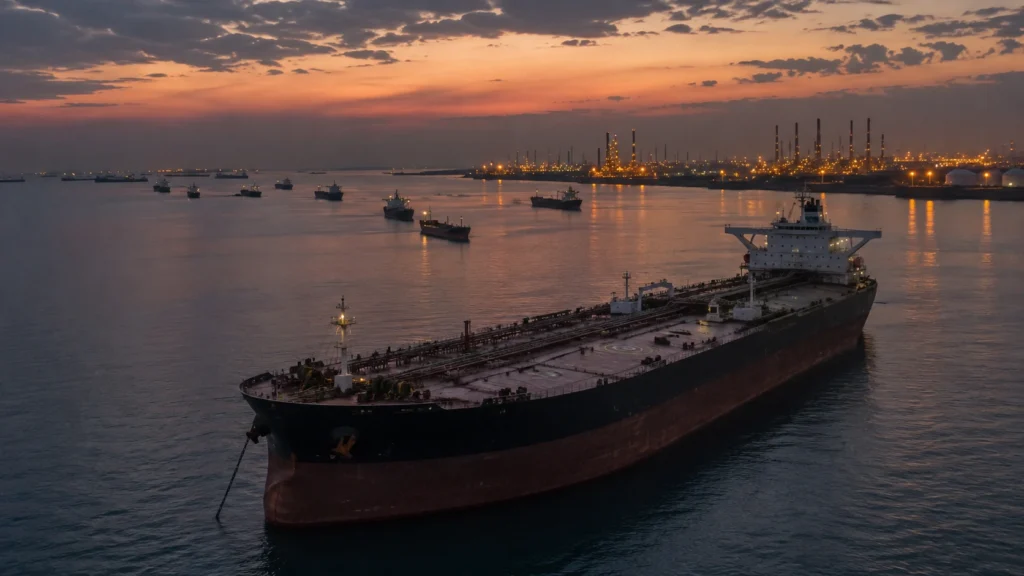
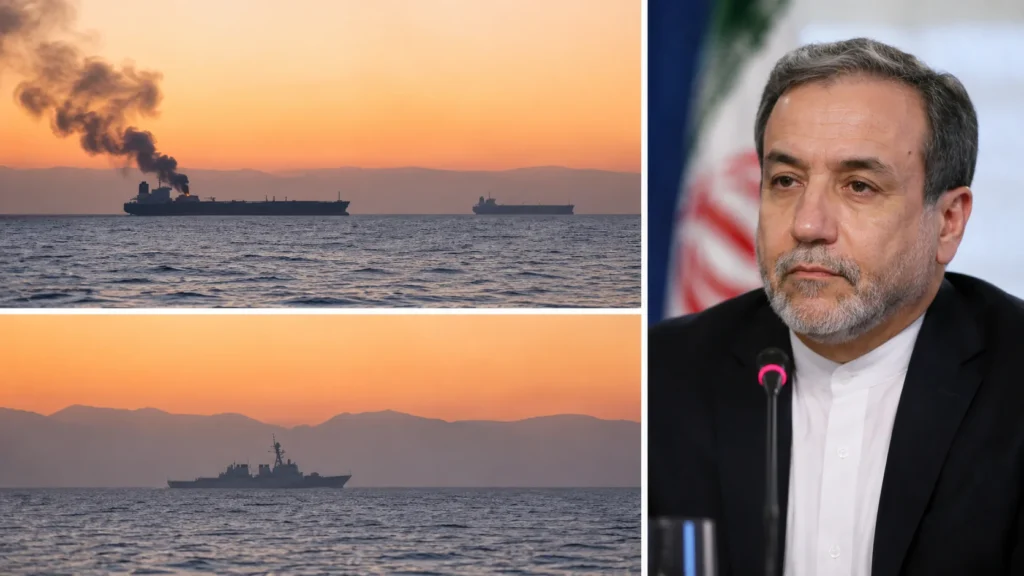
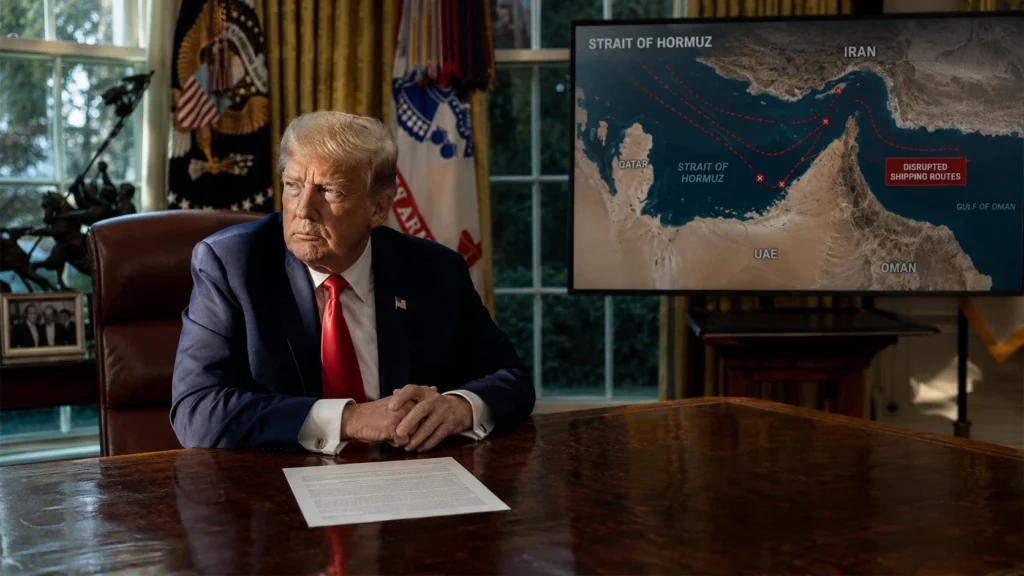
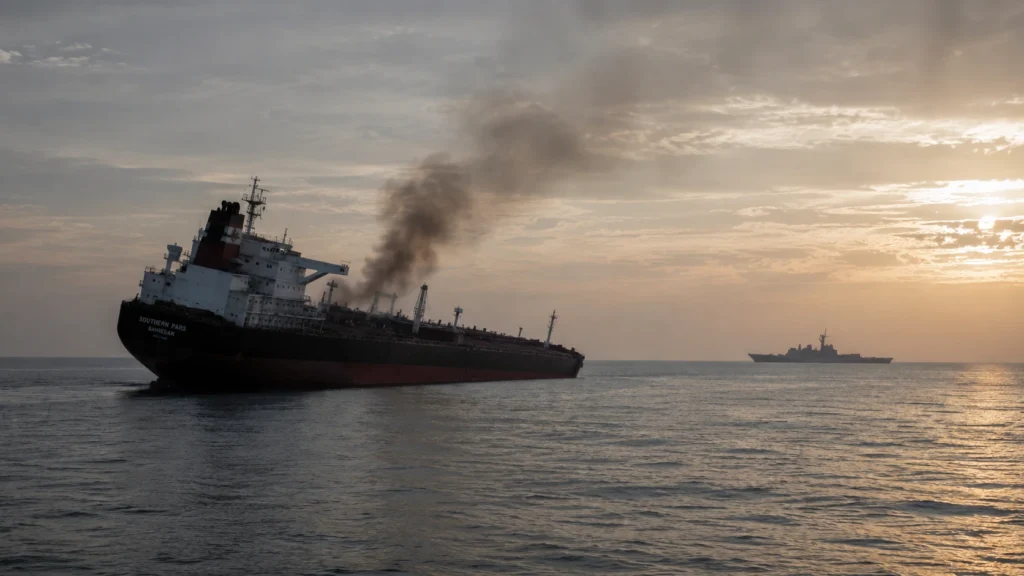
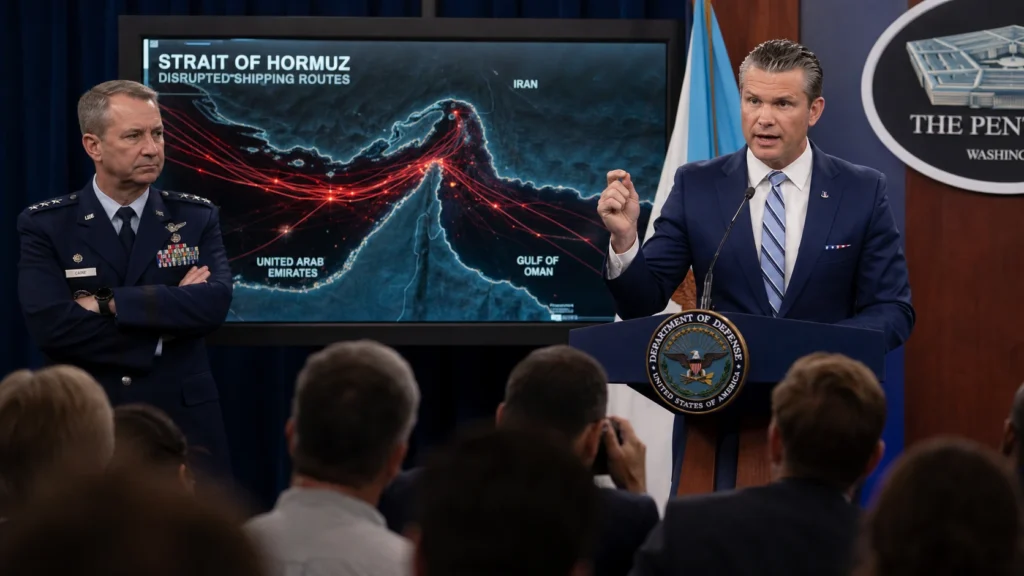
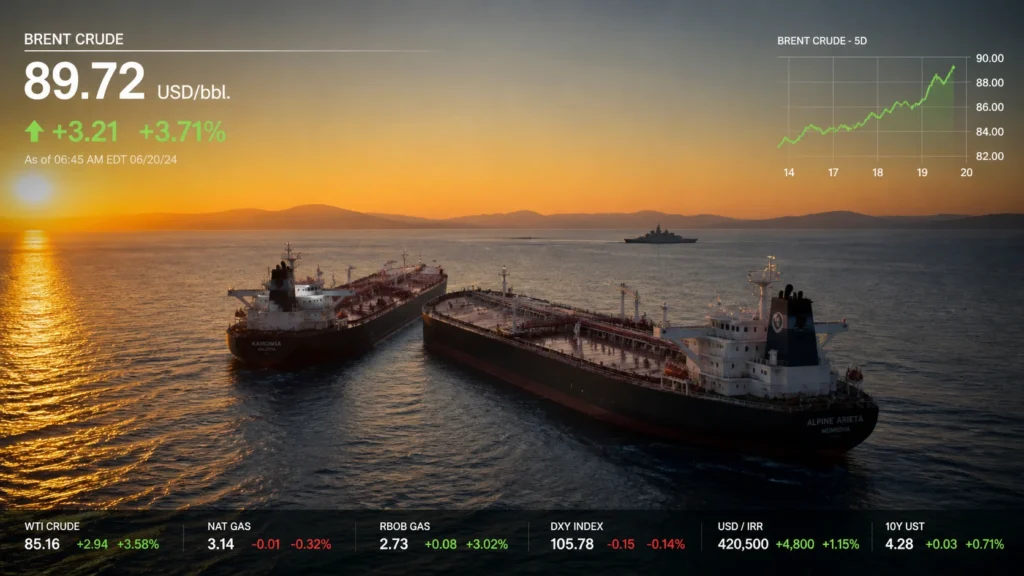
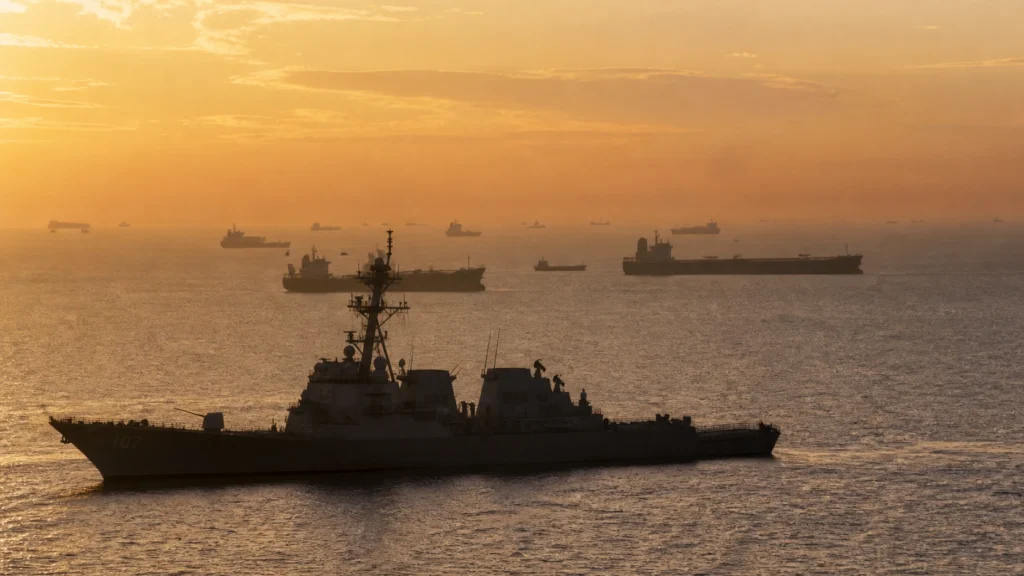
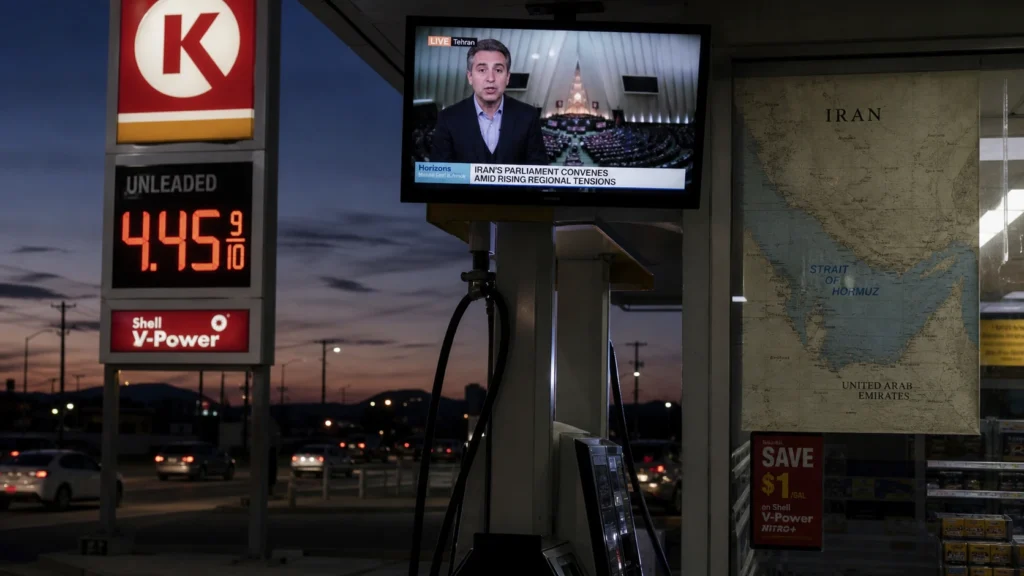
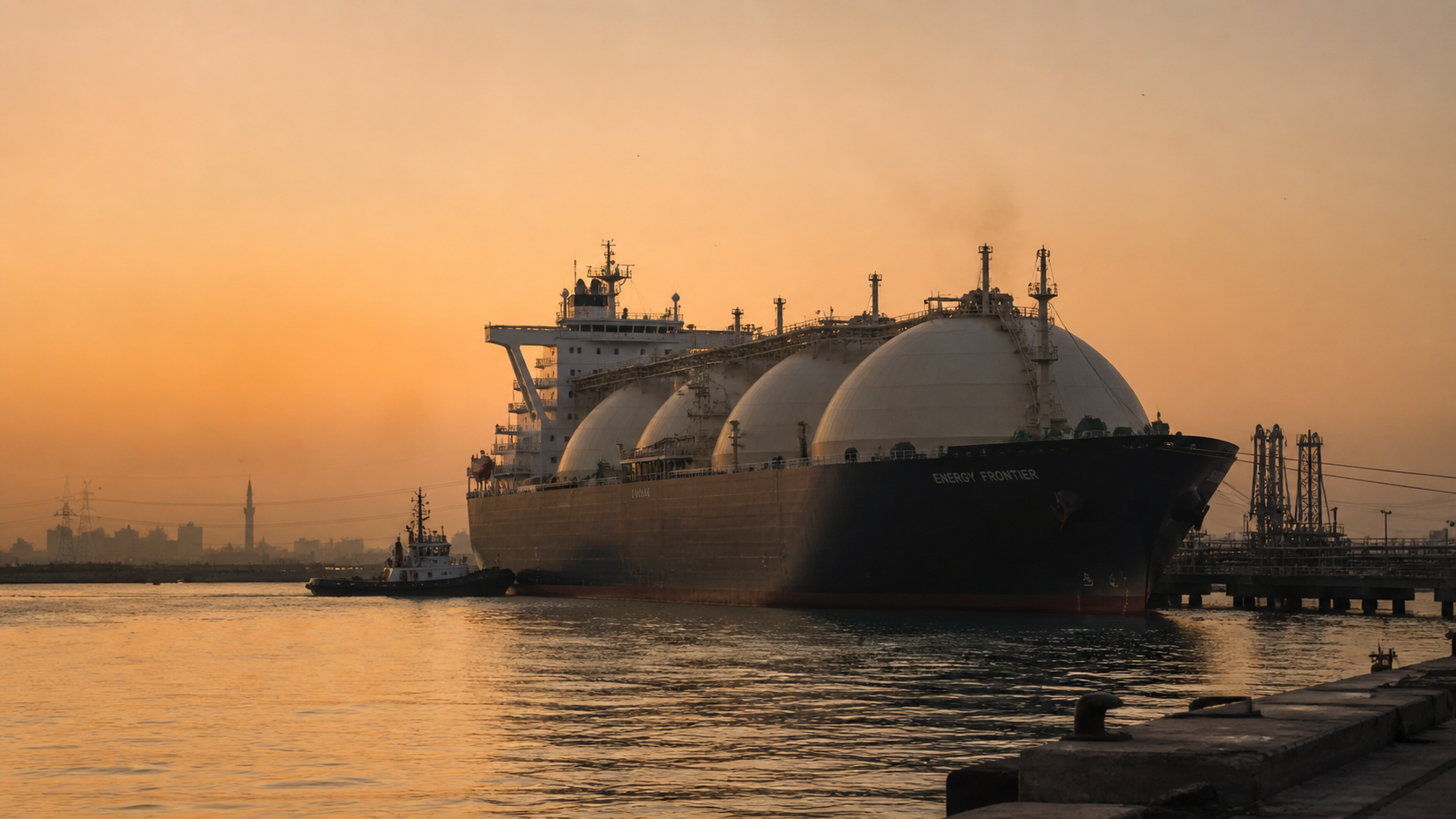
India imports more than 80% of its energy needs, and nearly half of its crude oil flows through the Strait of Hormuz. When regional conflict tightened shipping routes in 2026, insurance costs surged, and delivery timelines stretched. According to the International Energy Agency (IEA, 2026), even a small disruption in Hormuz traffic can move global oil prices by 5–8% within days.
So the meeting shifted tone.
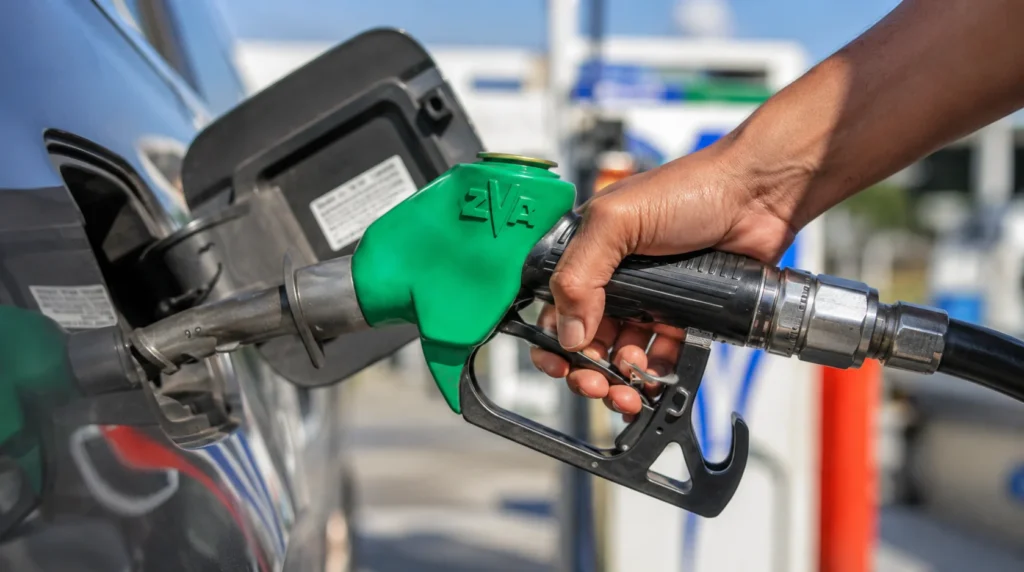
Washington sees this vulnerability as a strategic entry point. By expanding US LNG and crude exports, the US is not only selling energy. It is embedding India deeper into Western supply systems.
But Delhi reads the same move differently.
Interesting.
Why Energy Became a Strategic Tool
Energy trade between the US and India no longer sits in a commercial lane. It now operates inside geopolitical design.
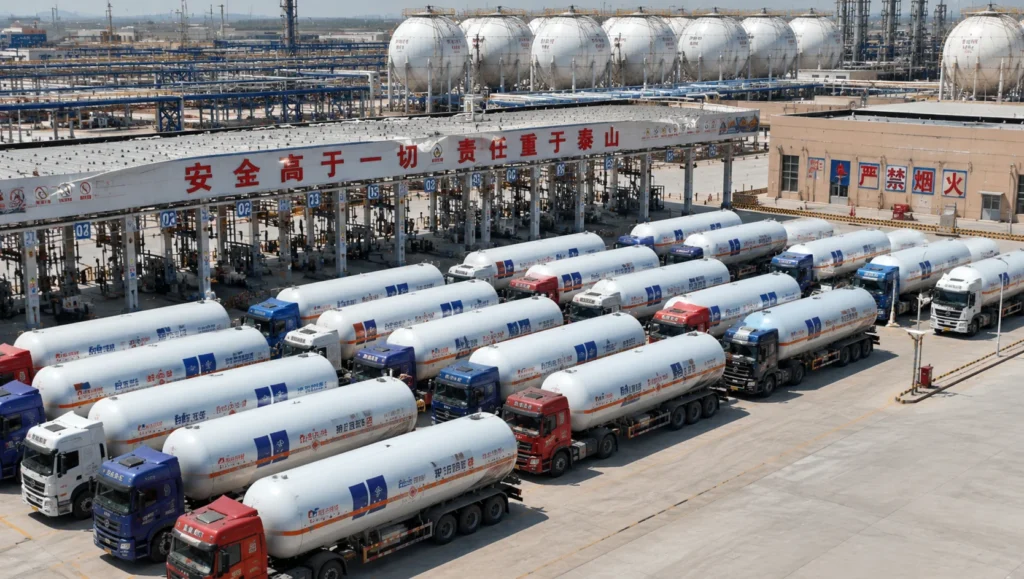
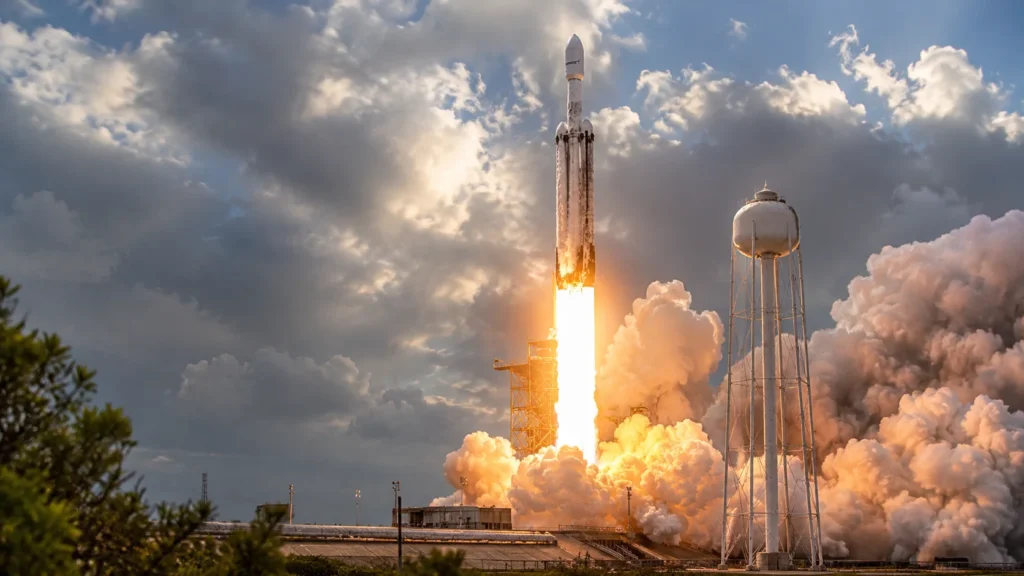
The US Energy Information Administration reported in 2025 that American LNG exports reached record highs, with Asia absorbing nearly 40% of total shipments. That surplus gives Washington flexibility to redirect flows toward India during moments of geopolitical stress.
Rubio’s message in Delhi focused on diversification. But diversification in energy markets often creates new dependency chains.
As India’s energy security and import dependency analysis previously highlighted, India already balances Russian discounted crude, Gulf supply exposure, and long-term US contracts. Adding more US supply reduces risk in one corridor while increasing exposure in another.
So.
No clean exit exists.
China’s Pressure Shapes Every Energy Decision
India’s energy strategy cannot be separated from China anymore.
Beijing remains the dominant manufacturing hub in Asia, controlling supply chains that compete directly with Indian industrial expansion. Any energy shock that weakens India’s cost structure indirectly strengthens China’s relative position.
That is why the US frames energy cooperation as part of broader Indo-Pacific alignment.
A senior fellow at the Observer Research Foundation noted in a 2026 briefing that “energy has become the quietest form of alliance-building in Asia.”
Quiet. But powerful.
Trade, Tariffs, and Energy Alignment
Energy diplomacy is now tied directly to trade concessions.
In early 2026, US tariff adjustments on Indian exports dropped from 50% to 18% following extended negotiations, according to US Trade Representative filings (2026). India responded with commitments to increase imports of American goods, including energy and aerospace products.
The linkage is deliberate.
Energy becomes bargaining currency.
Not just fuel.
The Market Reaction Behind Closed Doors
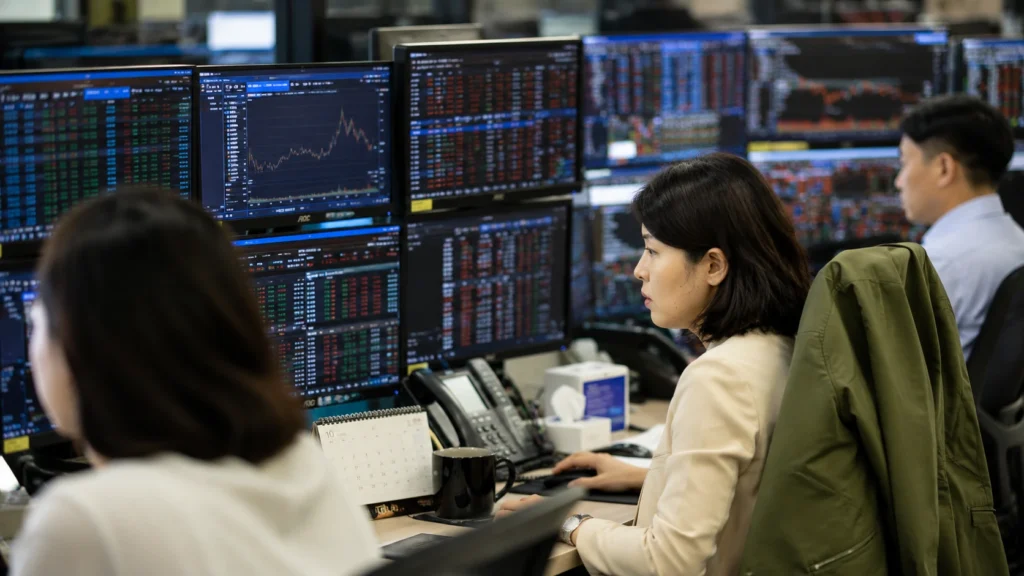
Markets did not wait for press statements.
- US LNG exporters signaled expansion into South Asia.
- Gulf suppliers tracked potential demand erosion.
- Russian crude traders adjusted discount strategies.
- Shipping insurers recalculated risk premiums for Middle East routes.
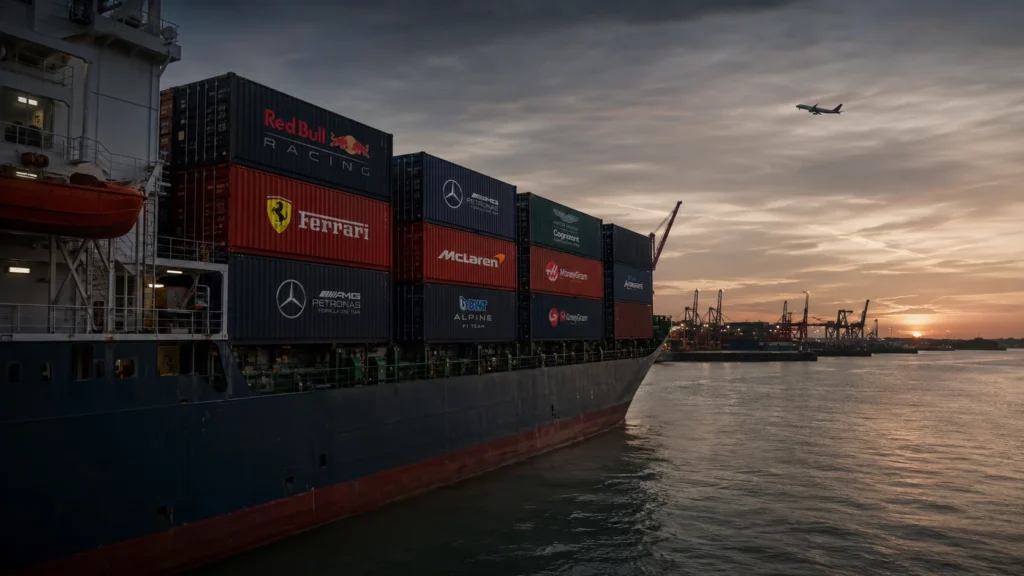
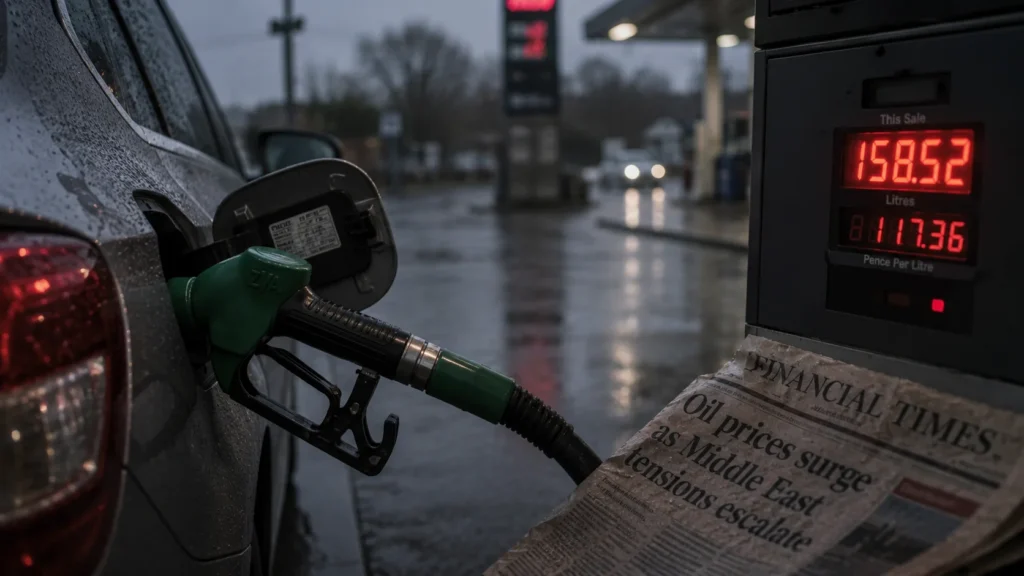
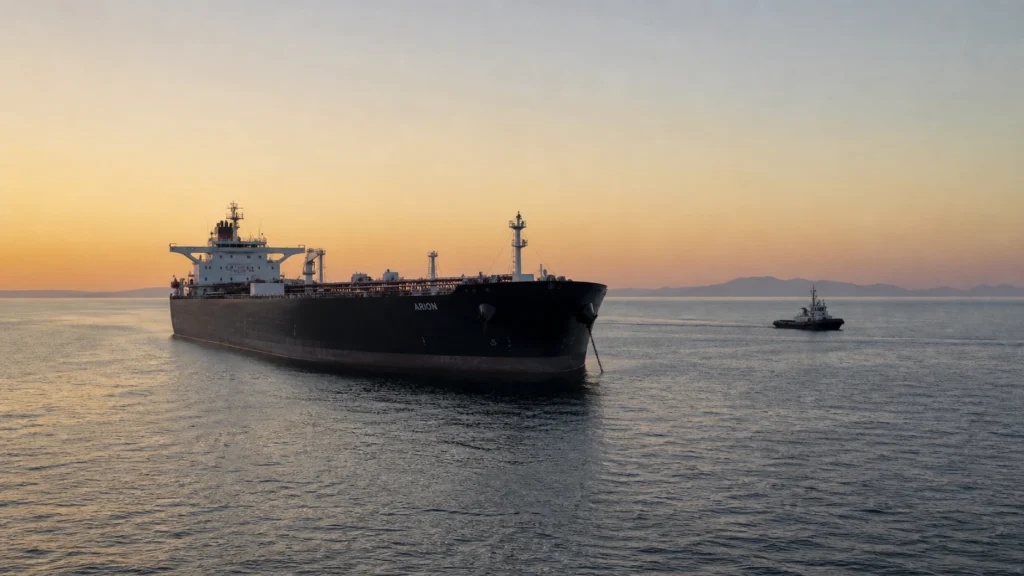
According to Lloyd’s List Intelligence (2026), tanker insurance rates through the Strait of Hormuz rose sharply after renewed tensions, directly impacting import costs for South Asian buyers.
As global oil price volatility and shipping risk trends showed earlier, logistics disruption now matters as much as production volume.
What Happens Next
Over the next 6–12 months, three indicators will define direction:
India’s LNG contract growth with US suppliers
Stability of shipping routes through Hormuz
China’s response through trade and energy coordination blocs
Delhi’s challenge remains unchanged: maintain strategic autonomy while securing stable energy flows.
Washington’s objective is clearer: turn trade into alignment.
China is watching both moves closely.
So is everyone else.
FAQ
Why is the US pushing energy exports to India?
The US wants to expand LNG and crude exports to strengthen economic ties and increase strategic alignment in Asia.
Why does the Strait of Hormuz matter?
Nearly 20% of global oil flows through it, making it one of the most critical and vulnerable energy chokepoints.
Can India rely only on US energy imports?
No. US shipments are longer and more expensive, making full replacement of Gulf energy impractical.
How does China factor into this?
China’s manufacturing dominance forces India to balance energy security with industrial competitiveness and geopolitical positioning.
Is India reducing dependence on Russia?
India is diversifying rather than fully shifting, maintaining Russian imports for pricing leverage.
Author Bio
Written by Ayesha Khan, a geopolitical energy and trade analyst covering South Asia, US foreign policy, and global energy markets for over a decade.