

 English



































































































































































Trump Says Iran Deal Largely Negotiated Including Strait of Hormuz Reopening
Published: 24 May 2026 | Source: Truth Social, Iranian State Television, Centcom, Reuters, AFP
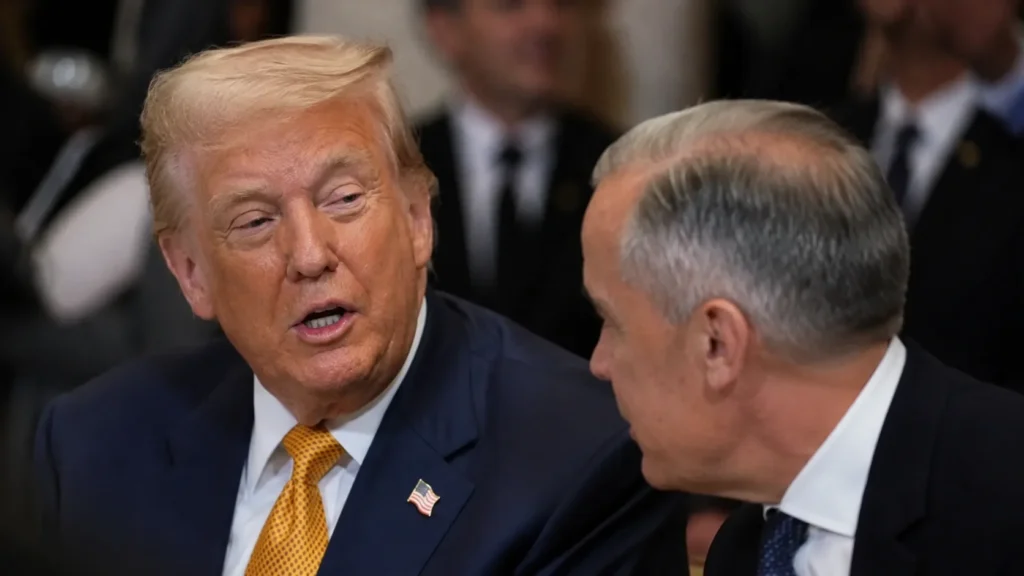
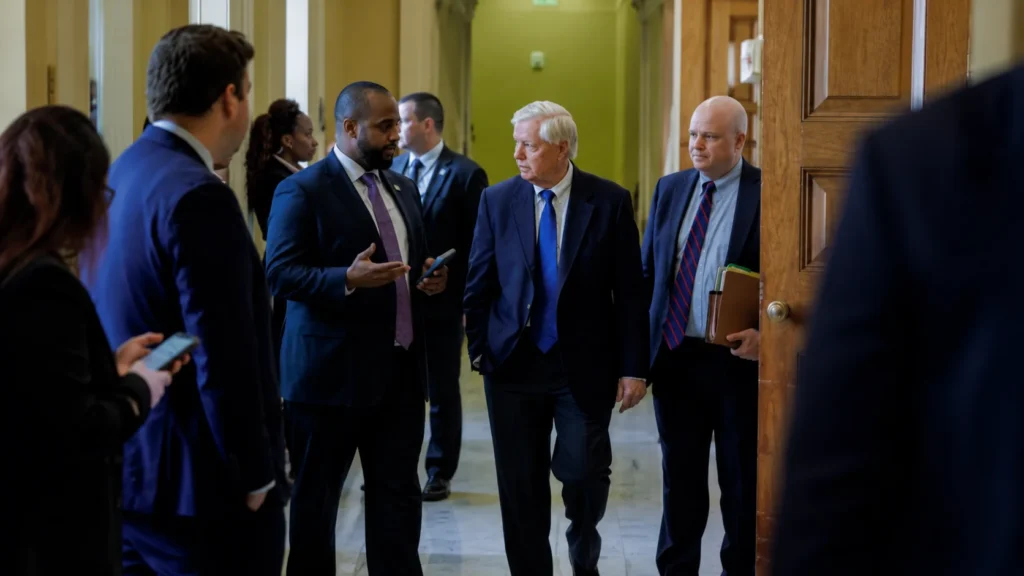
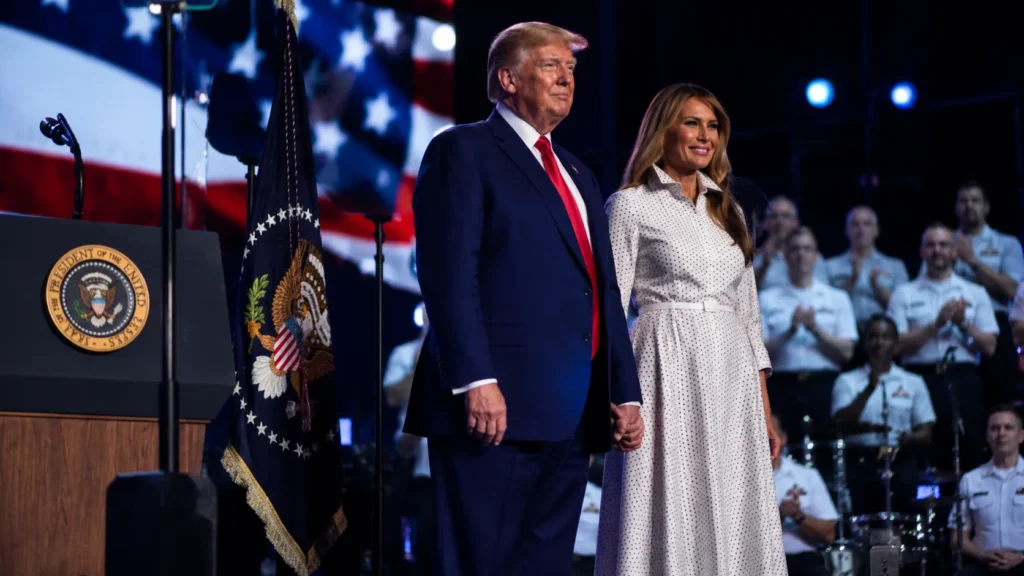
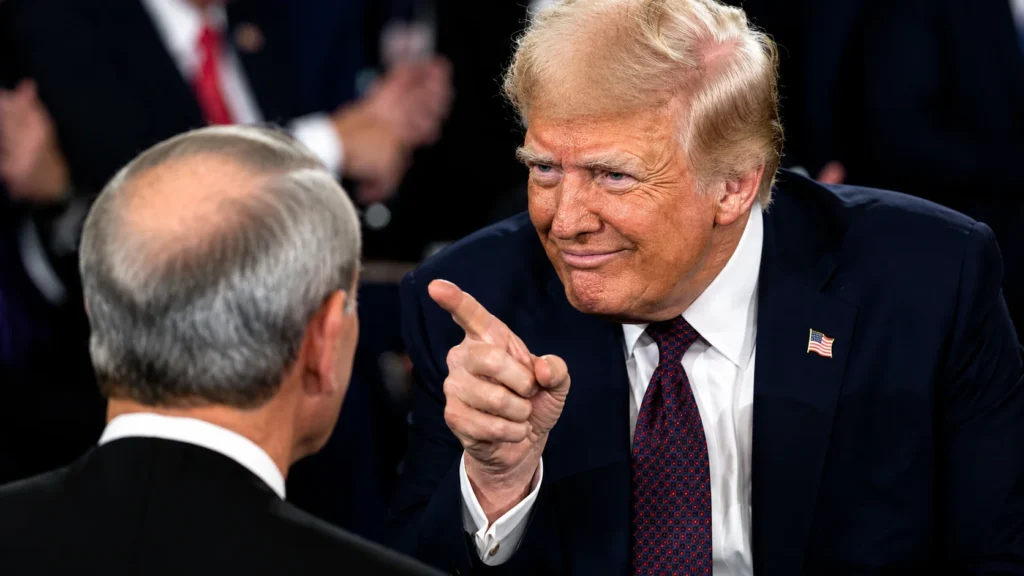
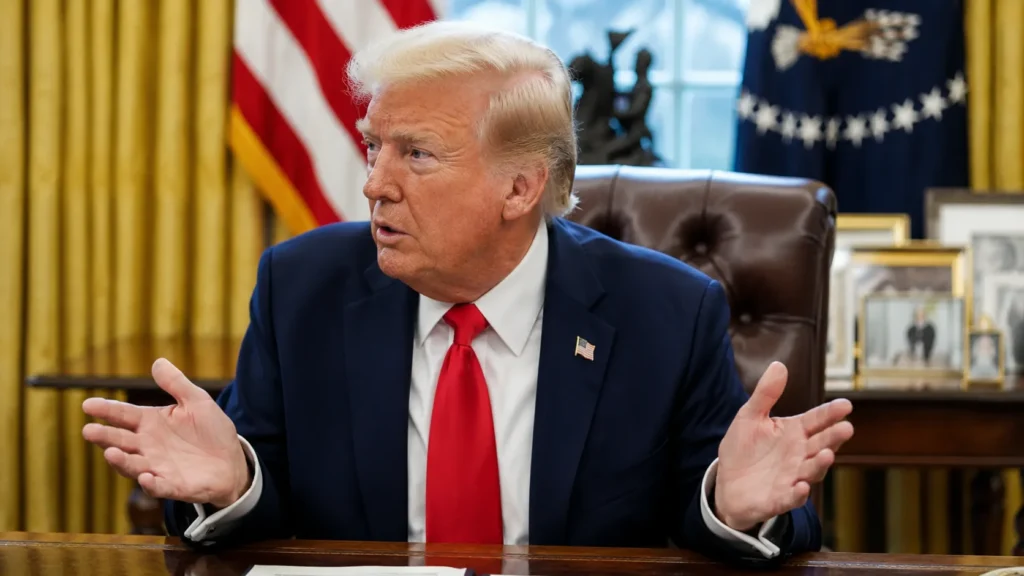
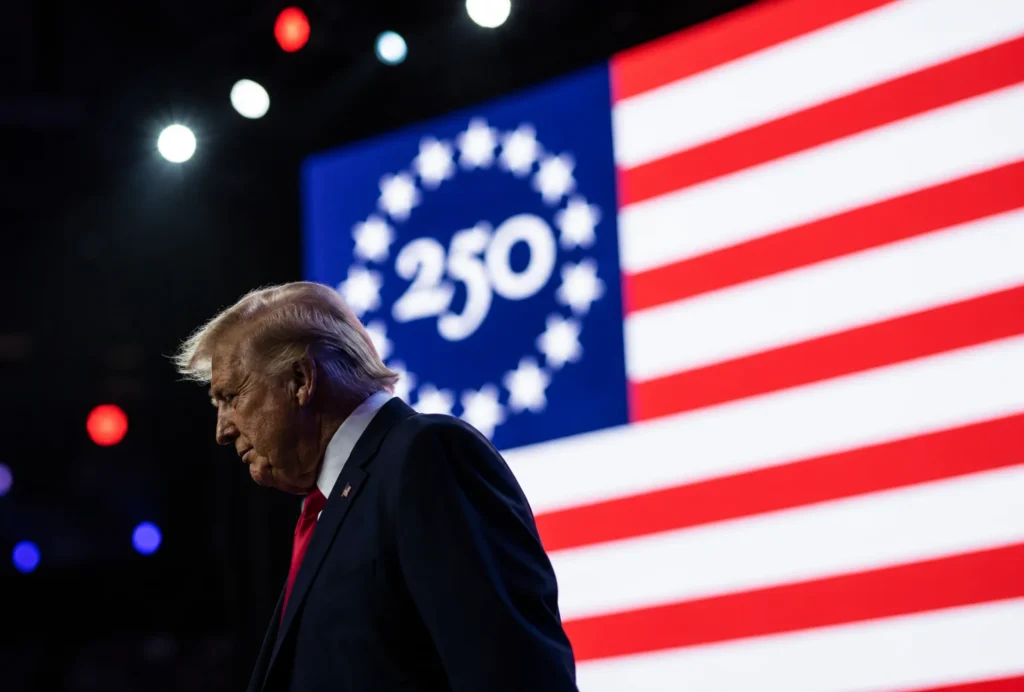
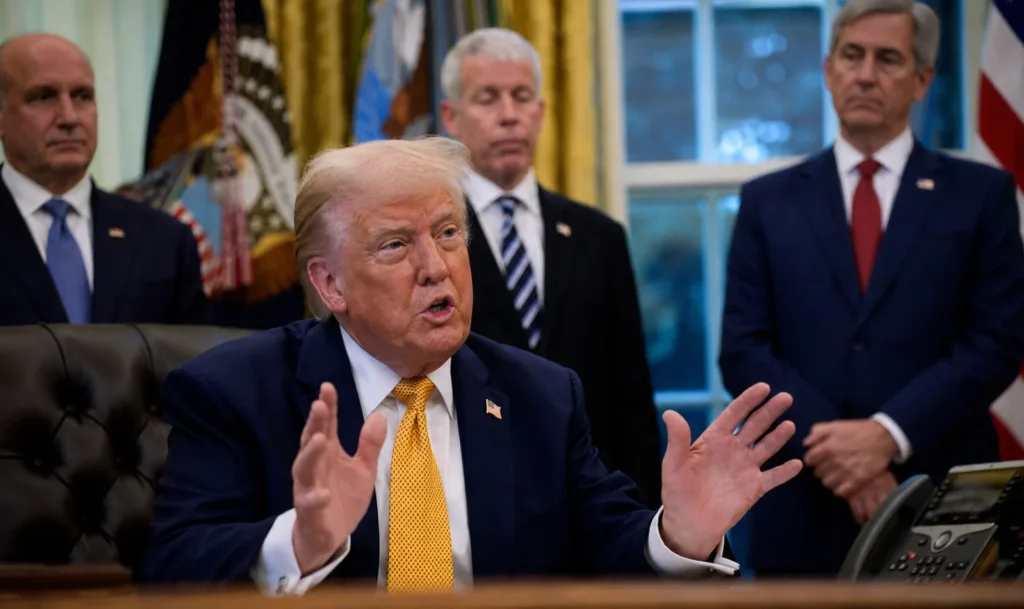
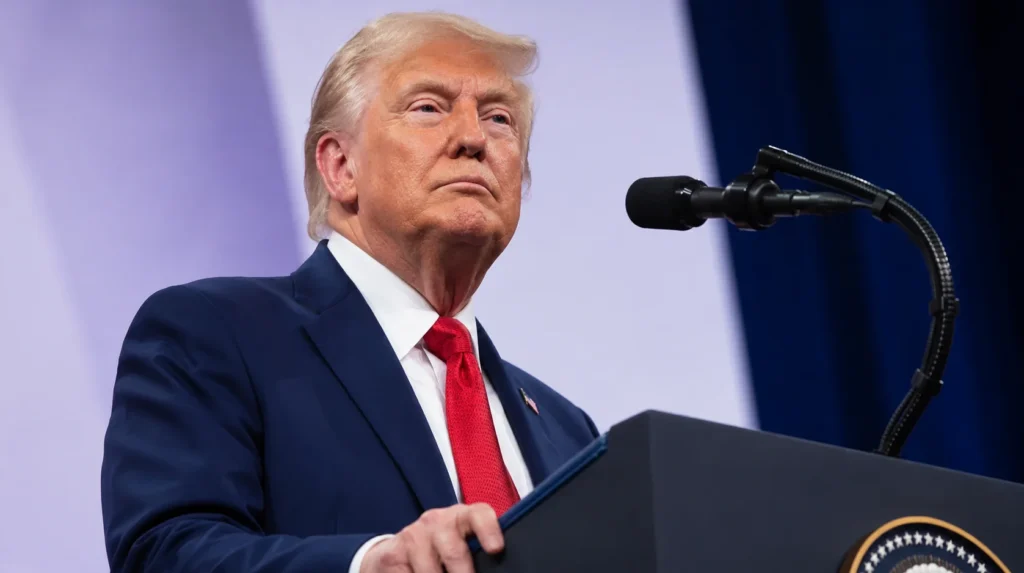
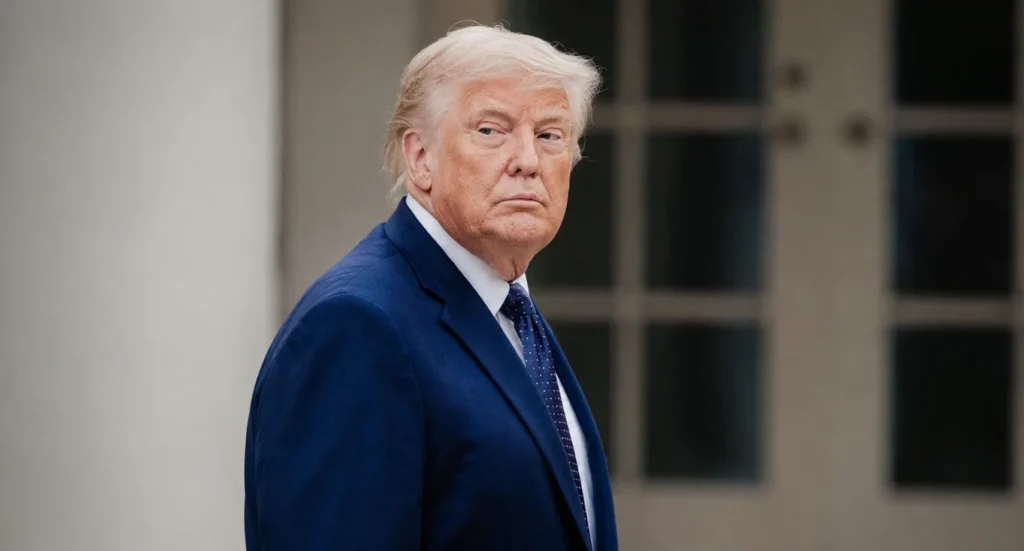
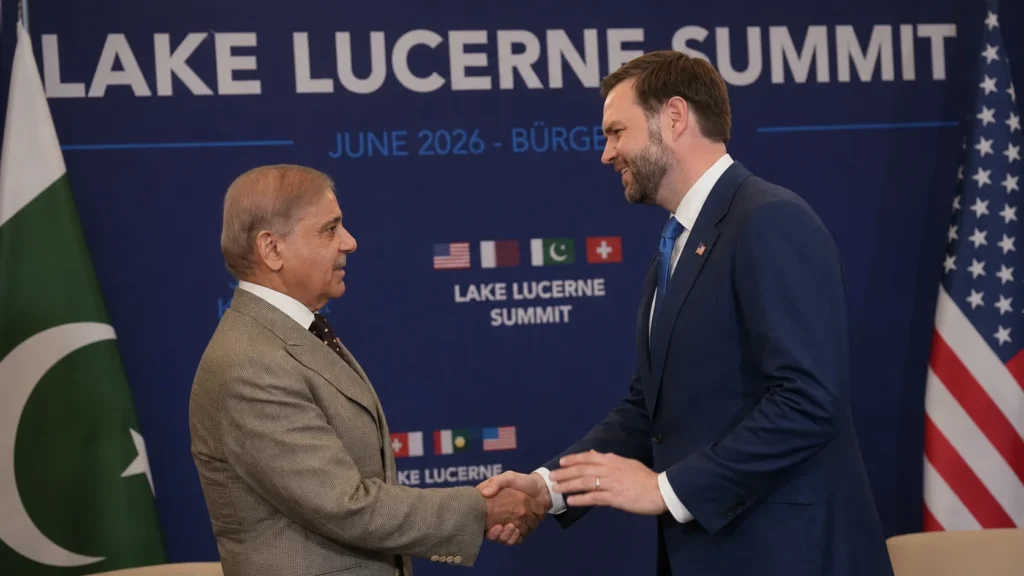
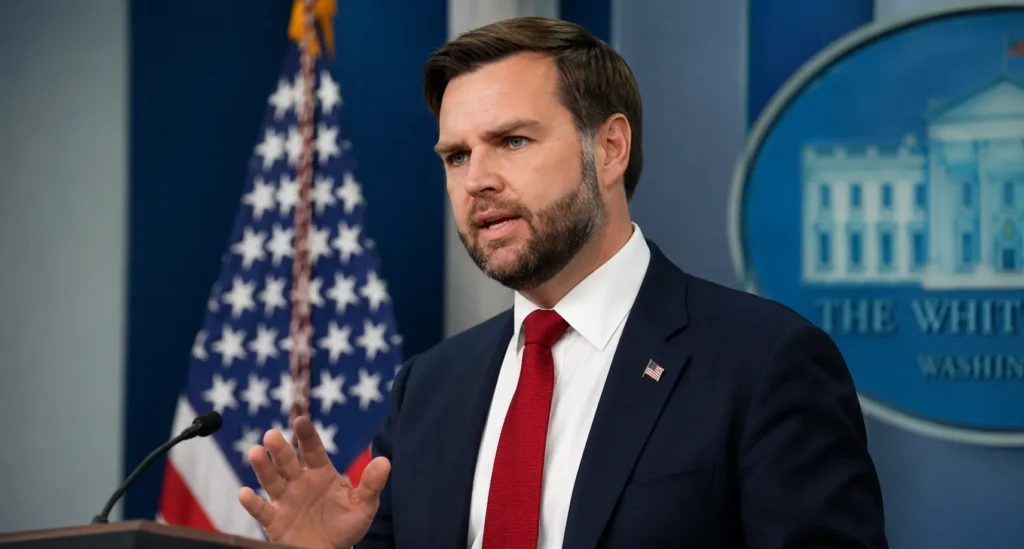
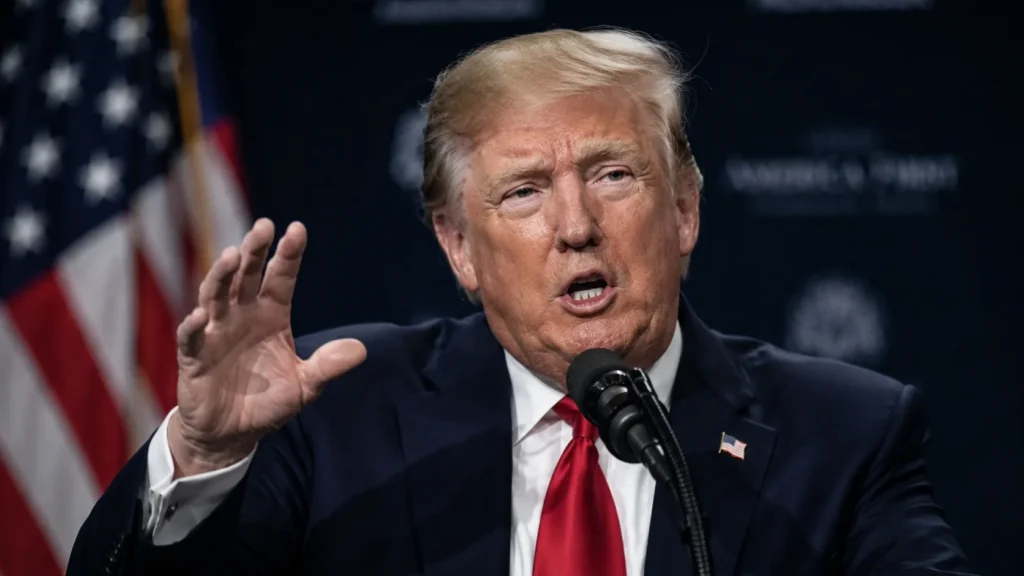
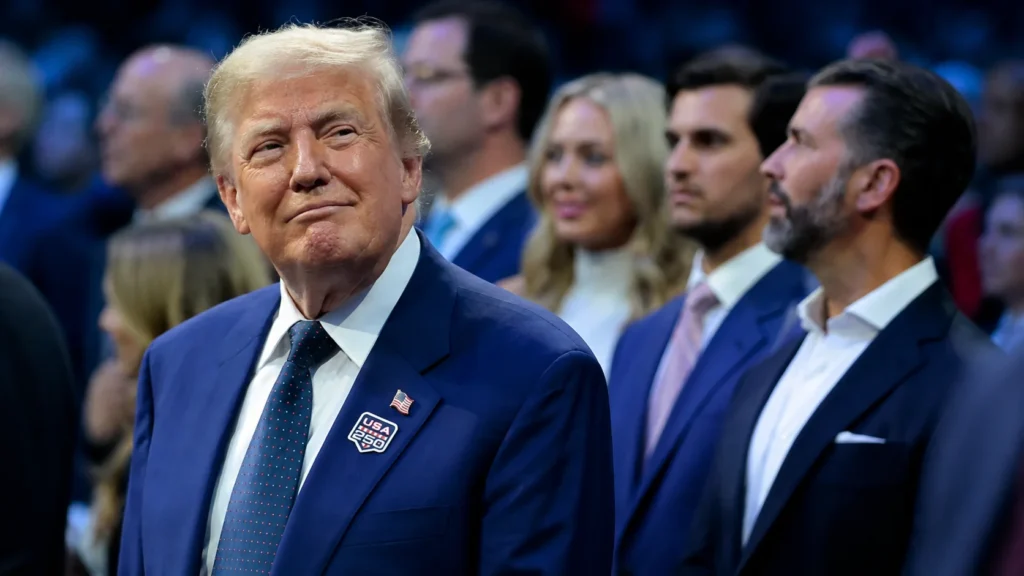
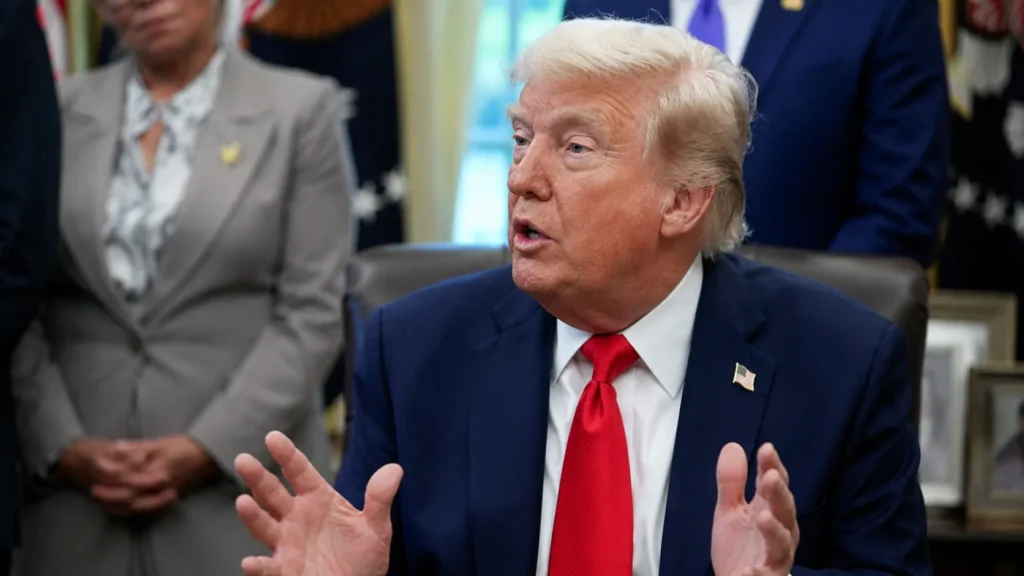
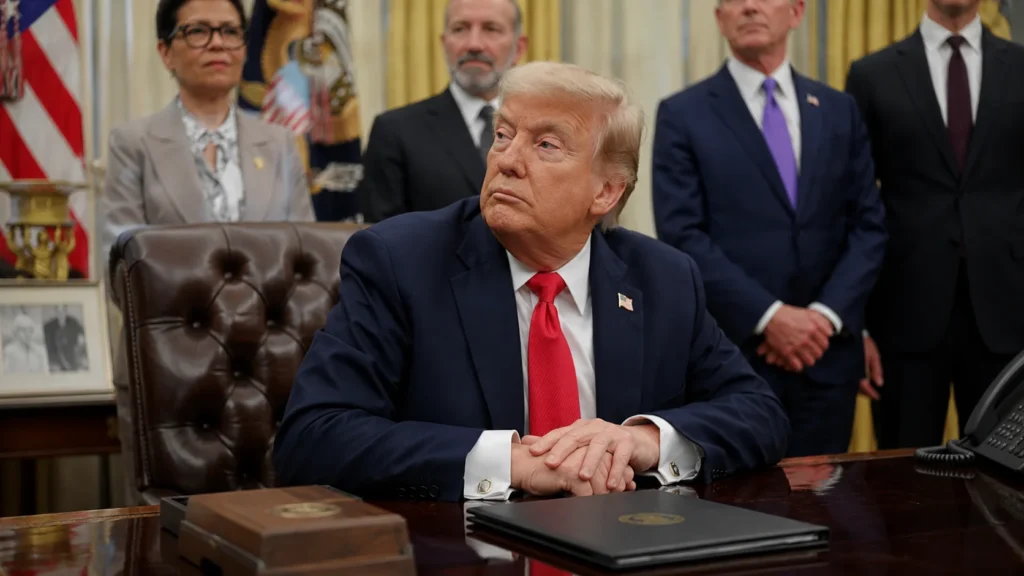
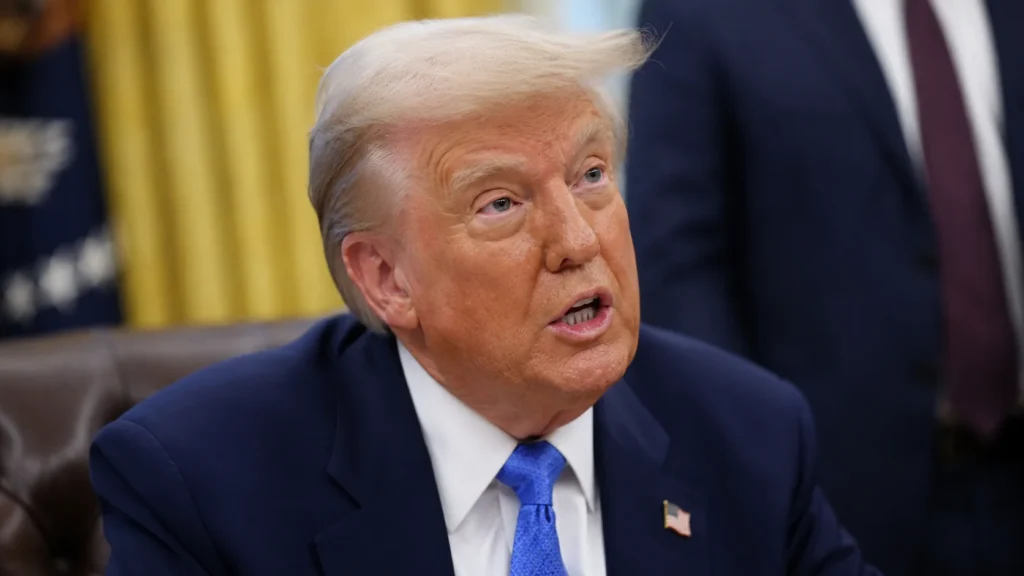
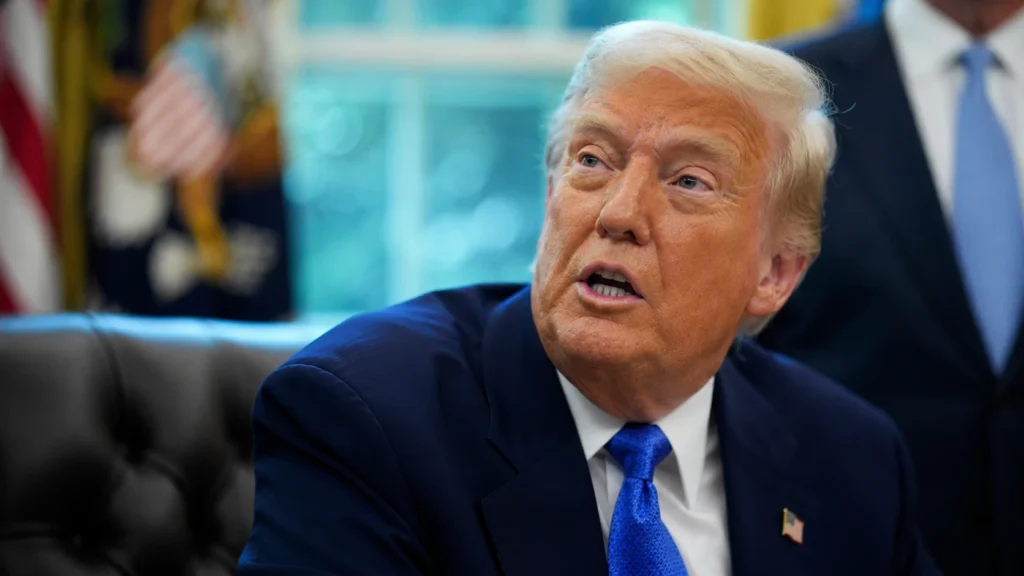
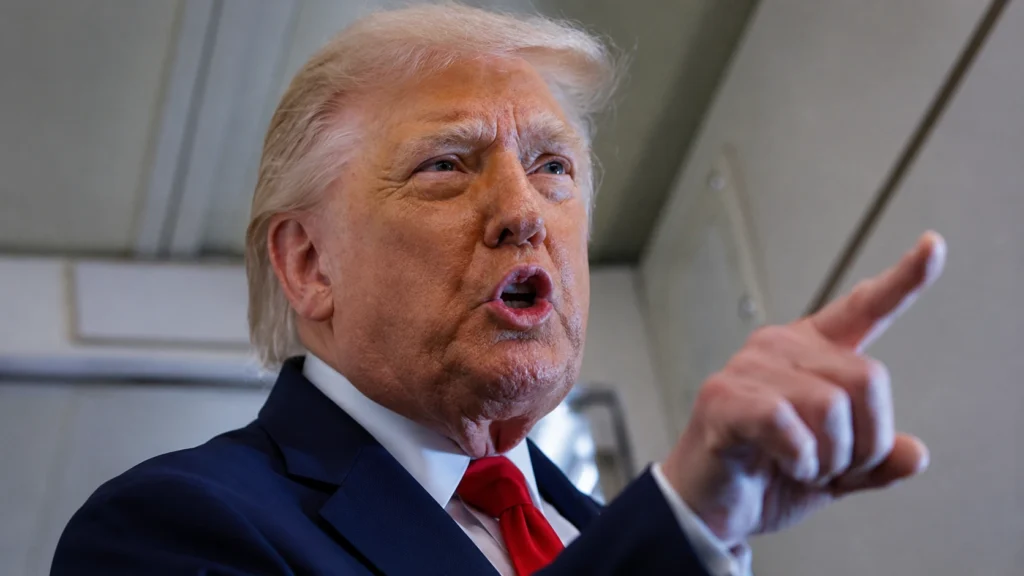
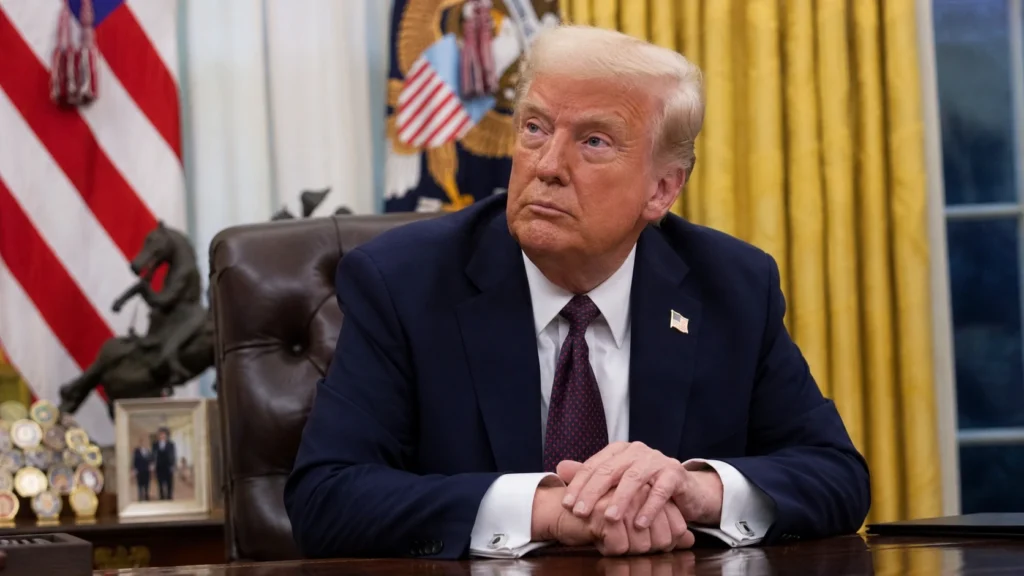
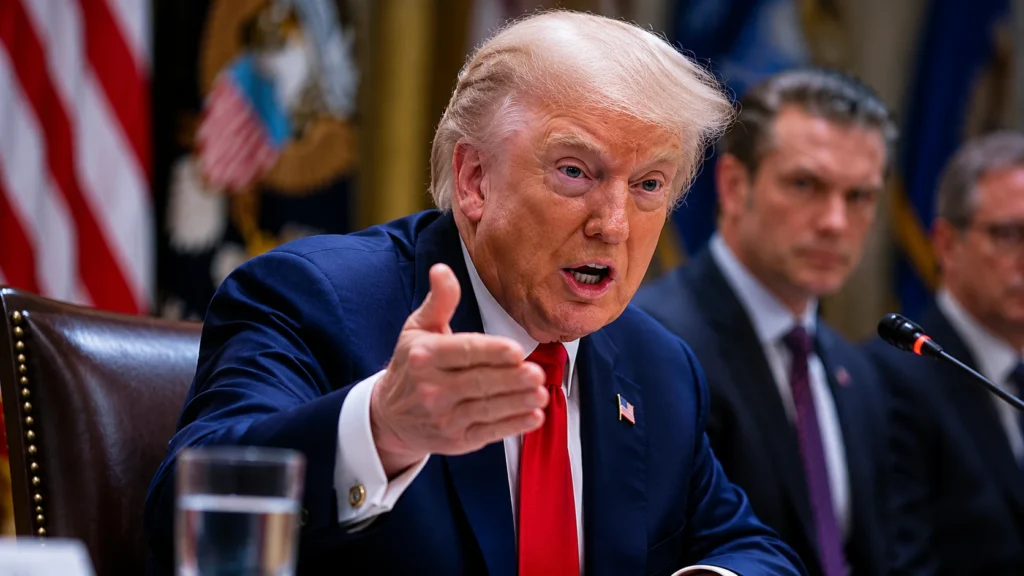
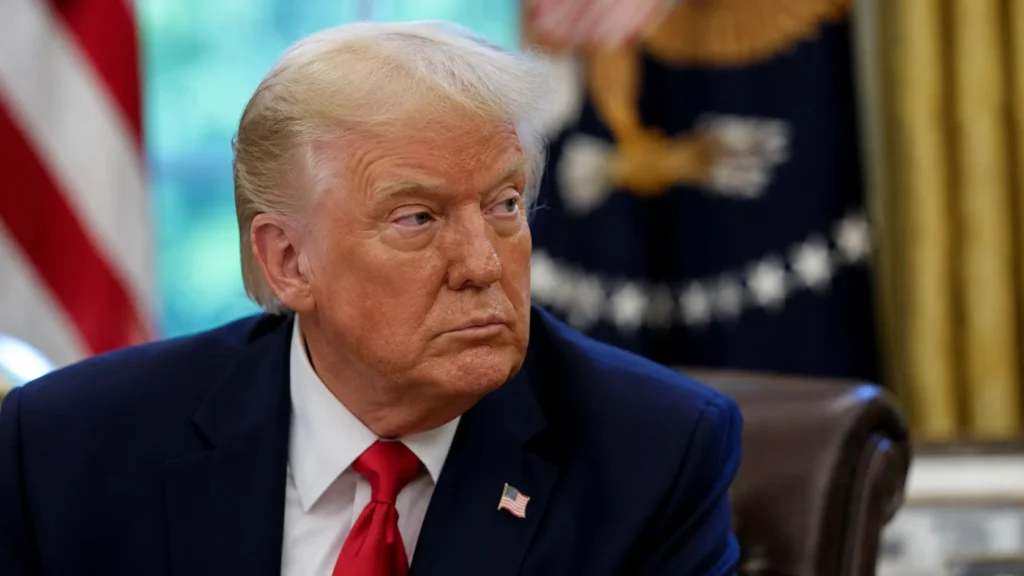
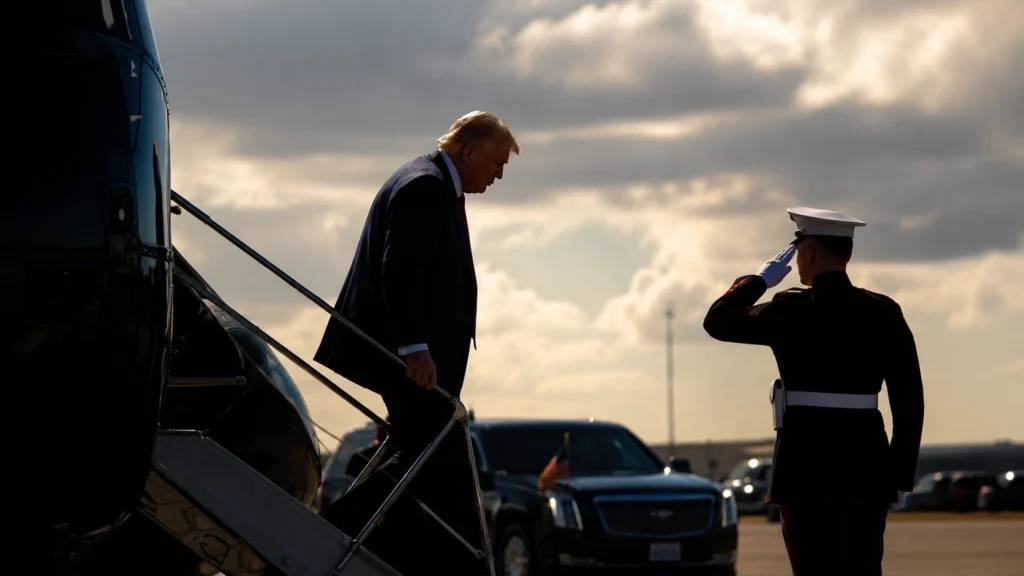
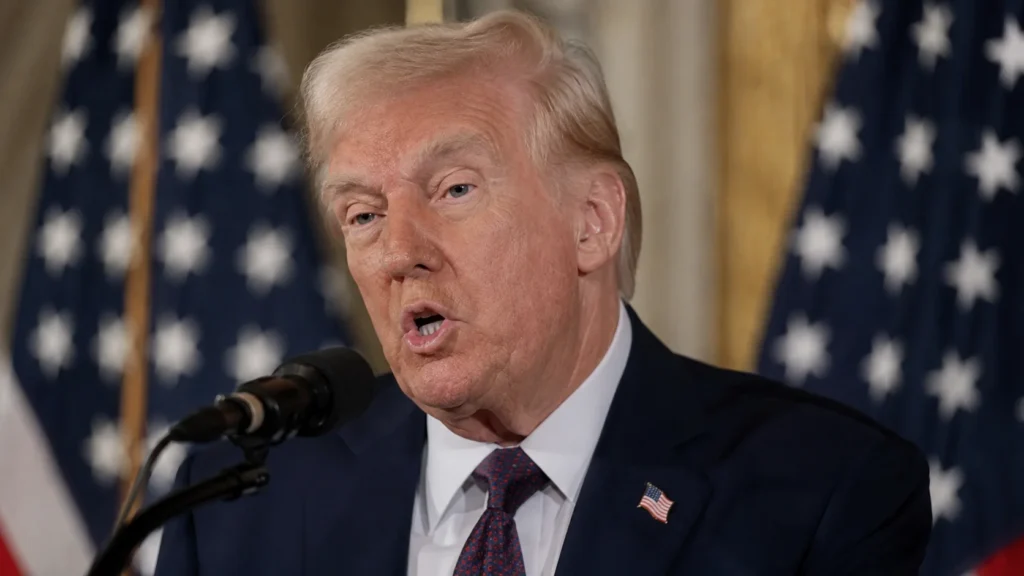
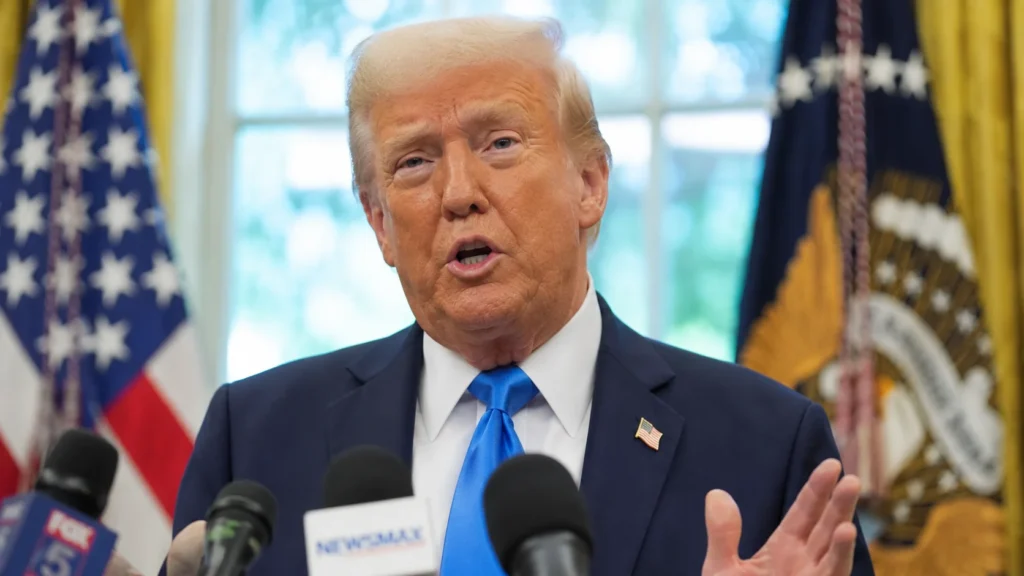
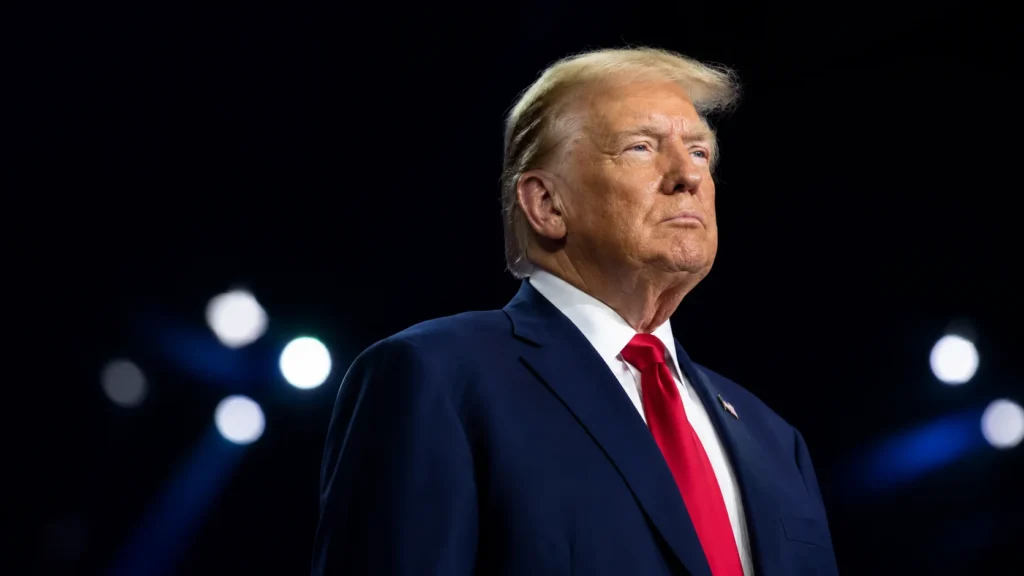
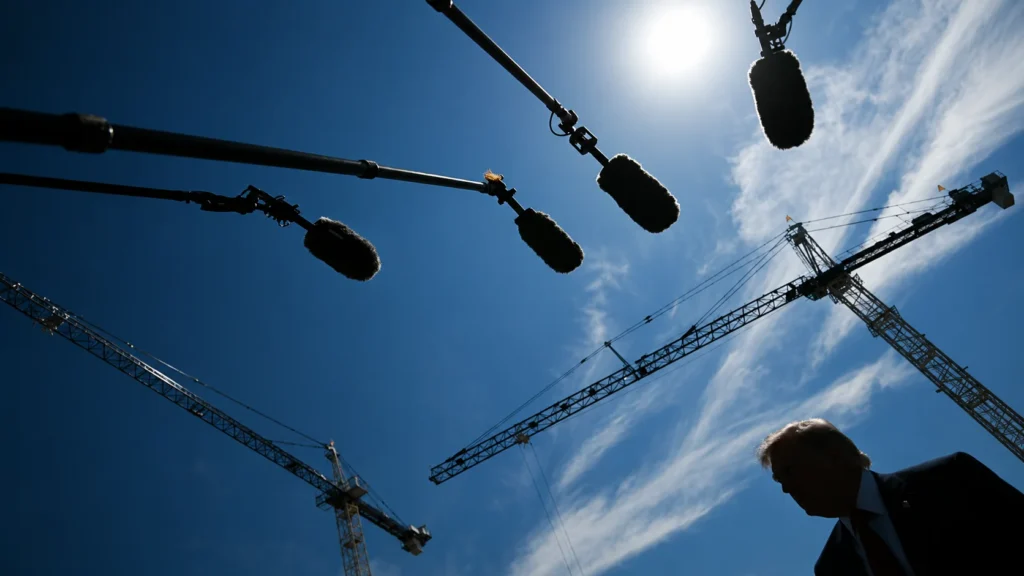
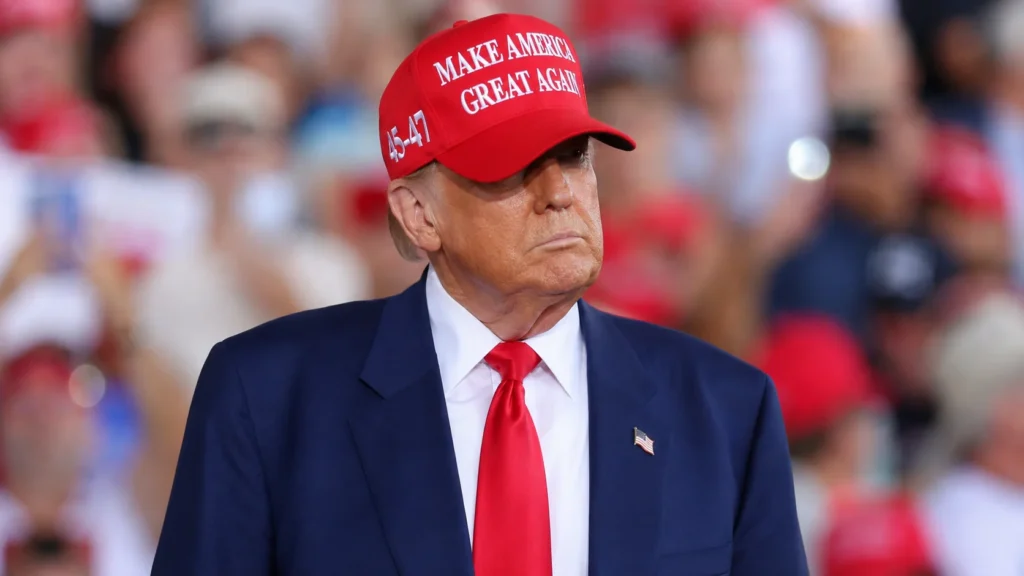
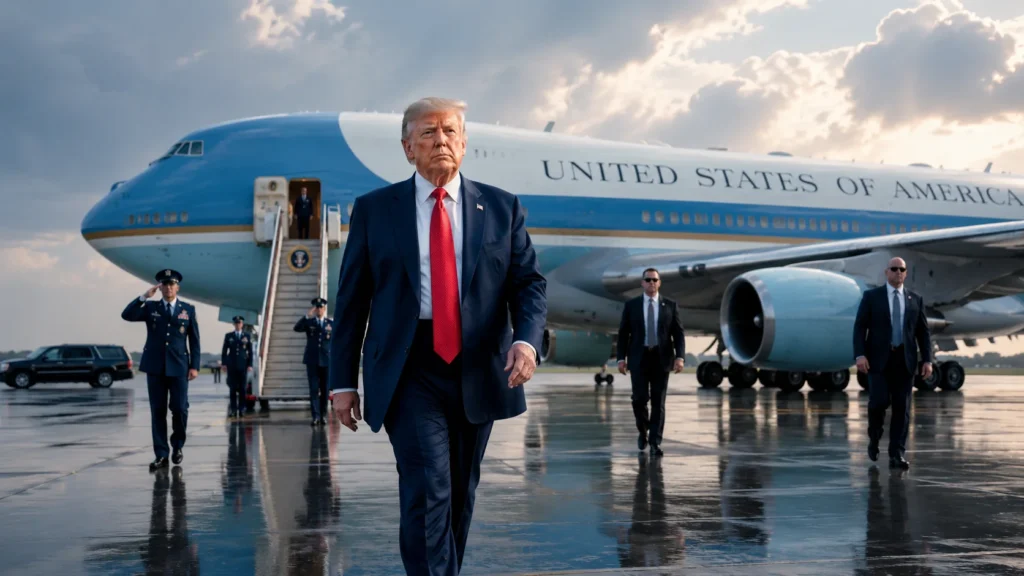
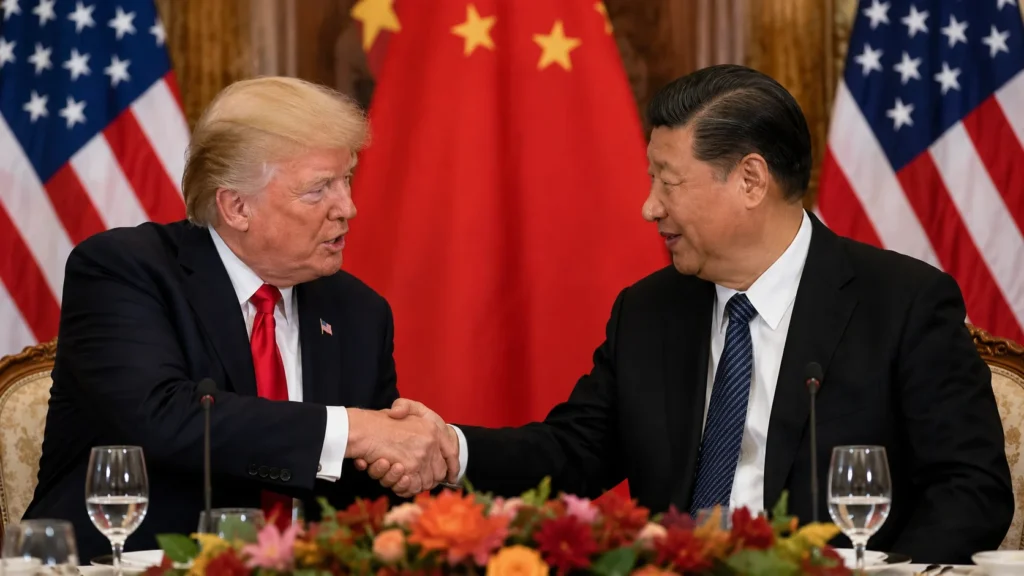
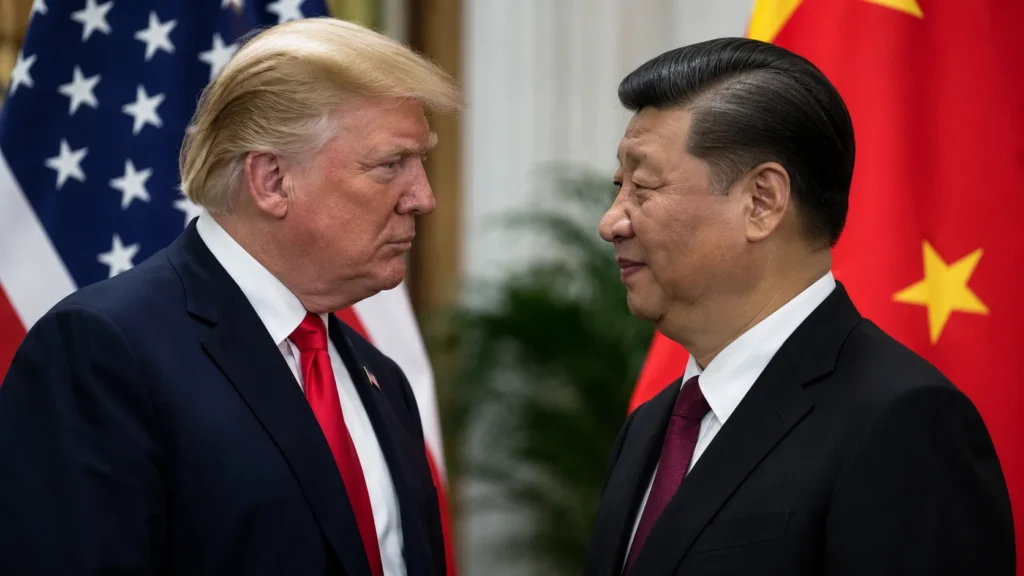
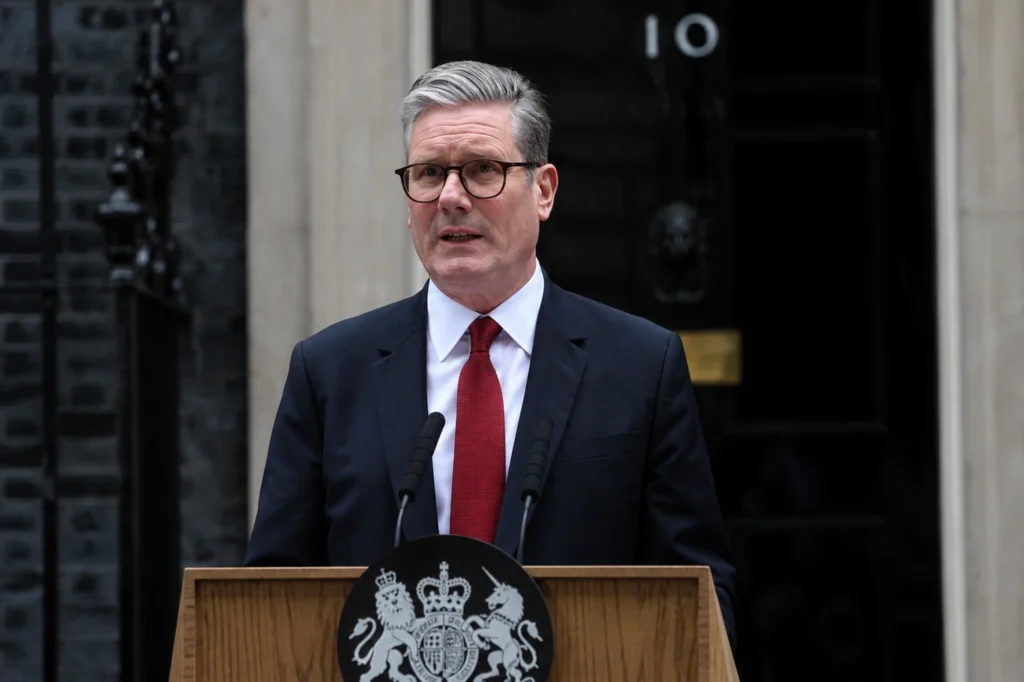
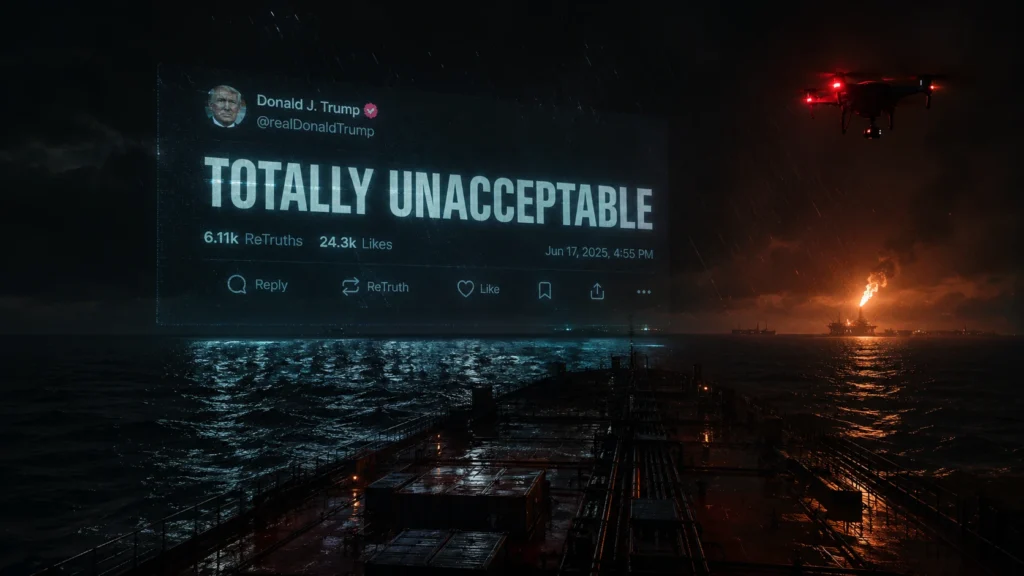
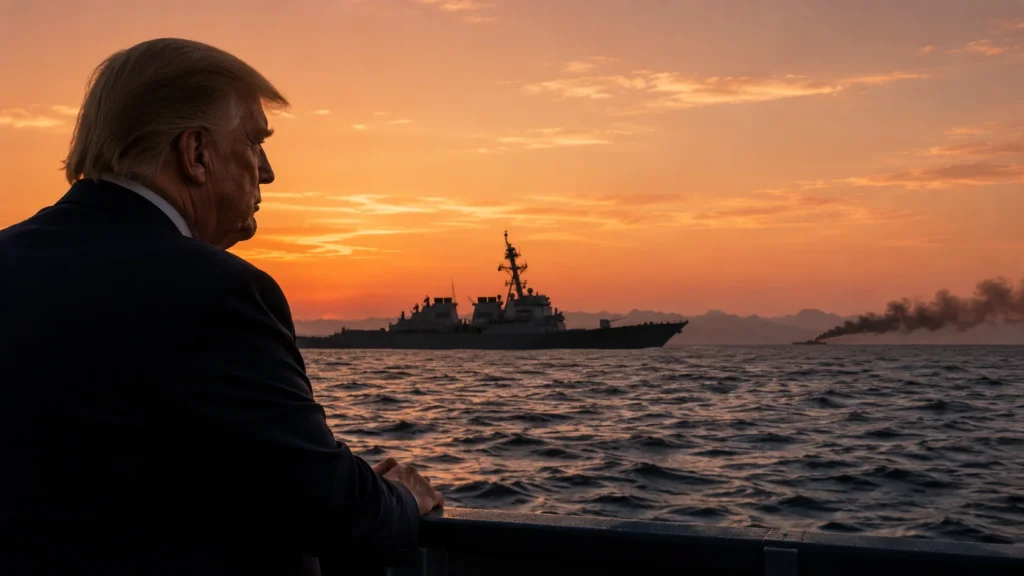
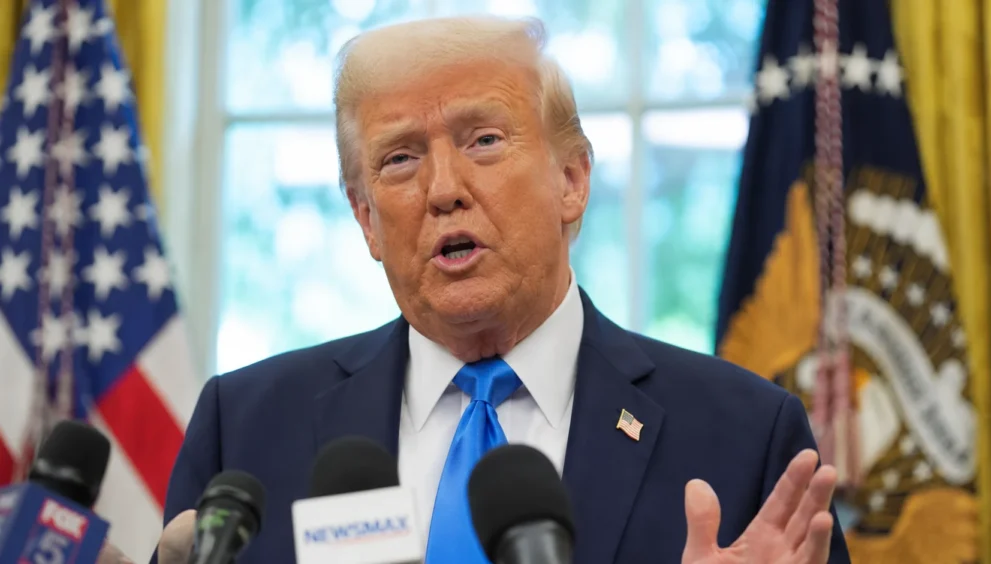
WASHINGTON — President Donald Trump announced Saturday that an agreement with Iran has been Trump says Iran deal largely negotiated including Strait of Hormuz reopening, following a “very good call” with the leaders of Saudi Arabia, the United Arab Emirates, Qatar, and other nations. “An agreement has been largely negotiated, subject to finalization between the United States of America, the Islamic Republic of Iran, and the various other Countries,” Trump wrote on Truth Social. “Final aspects and details of the deal are currently being discussed and will be announced shortly.” Pakistan’s Prime Minister Shehbaz Sharif later offered to host the next round of talks.
What Is in the Agreement
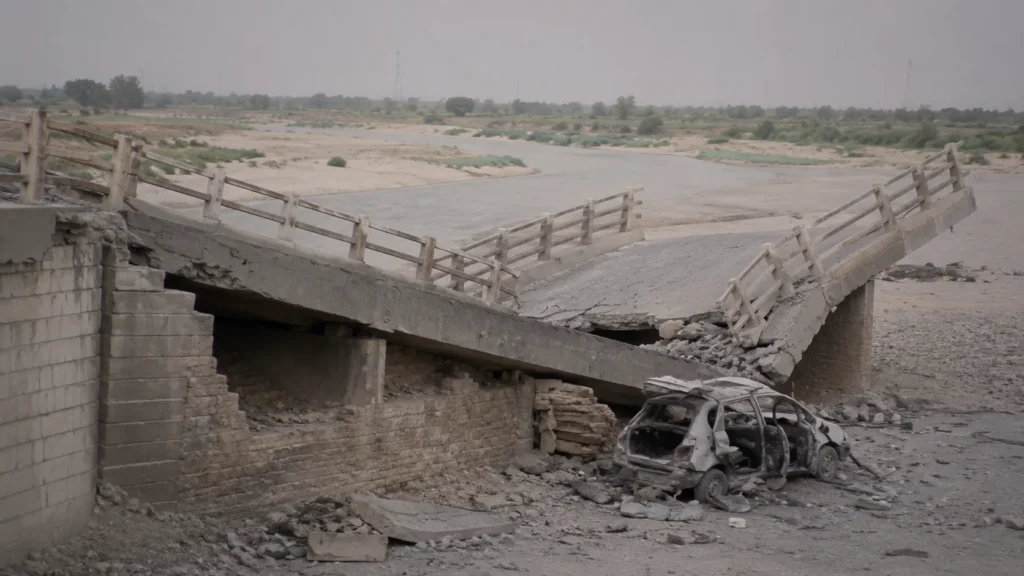
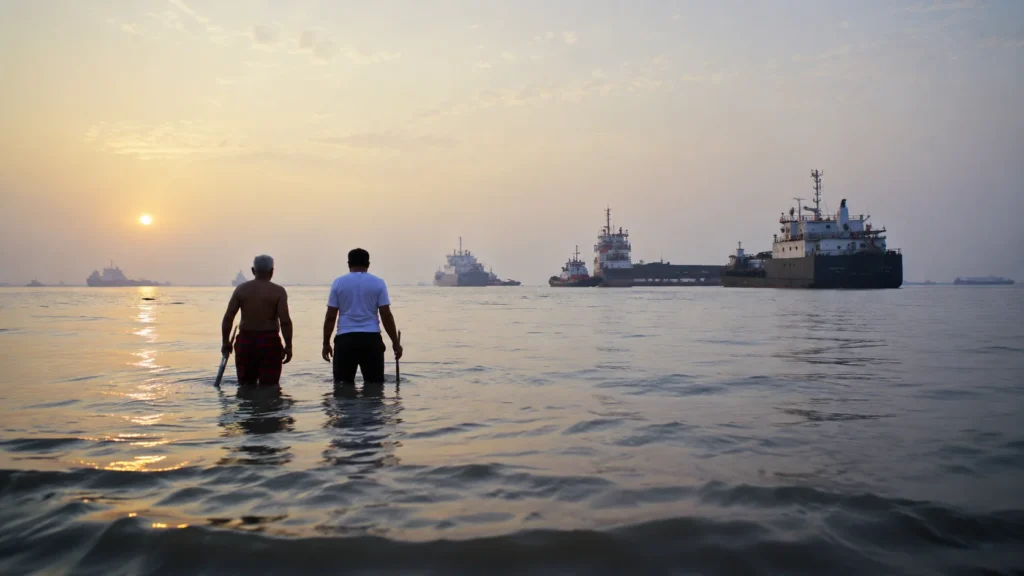
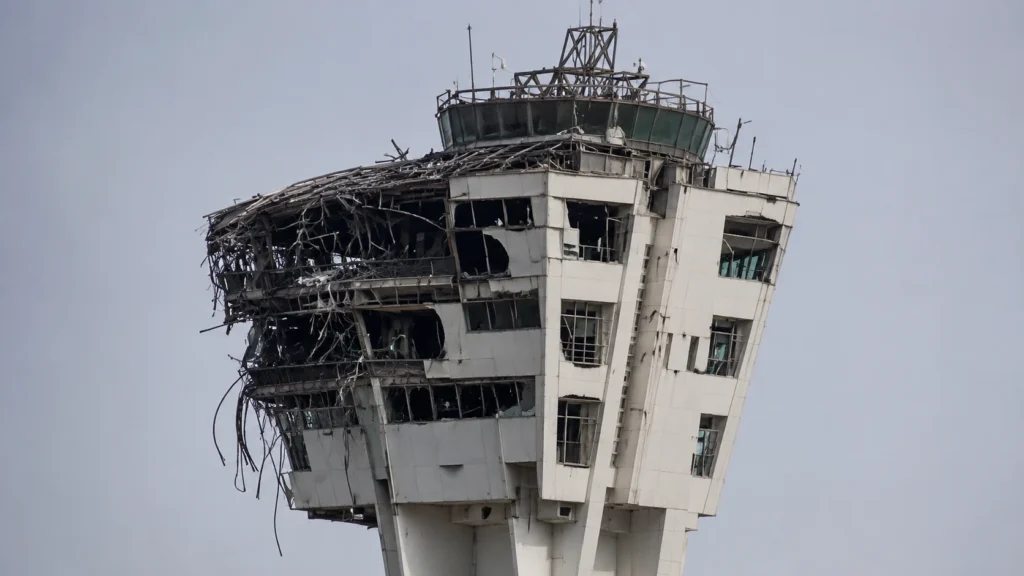
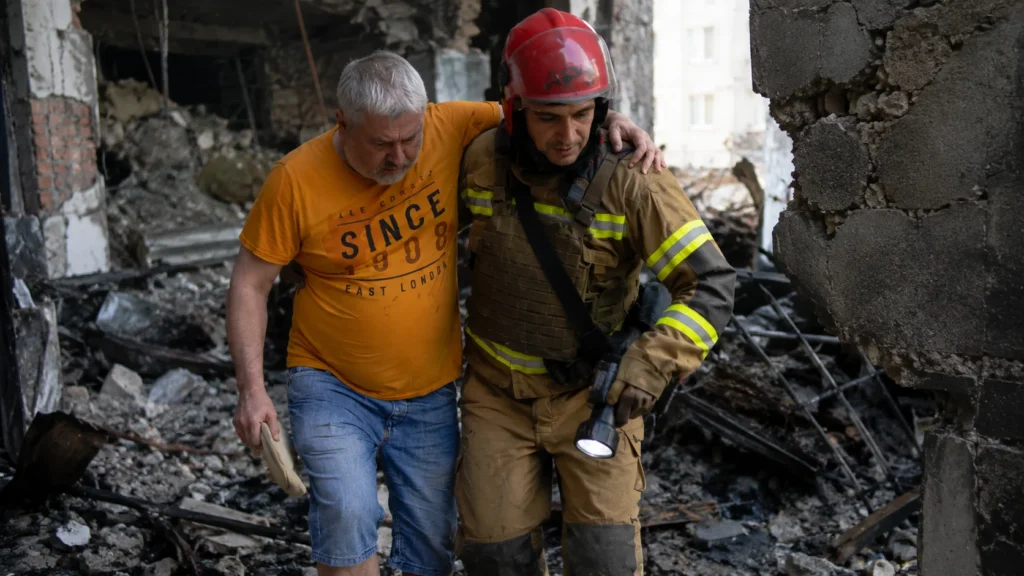
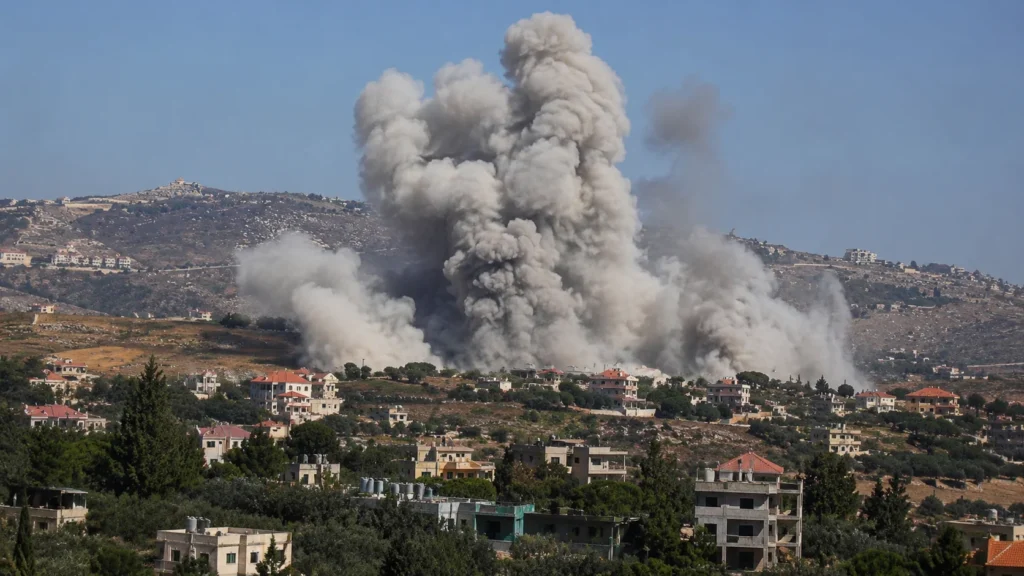
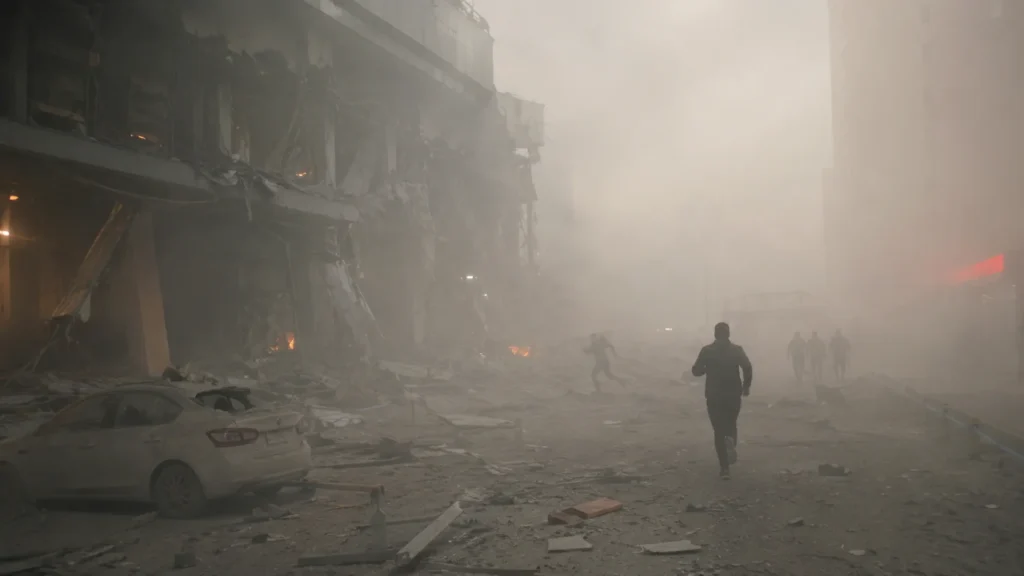
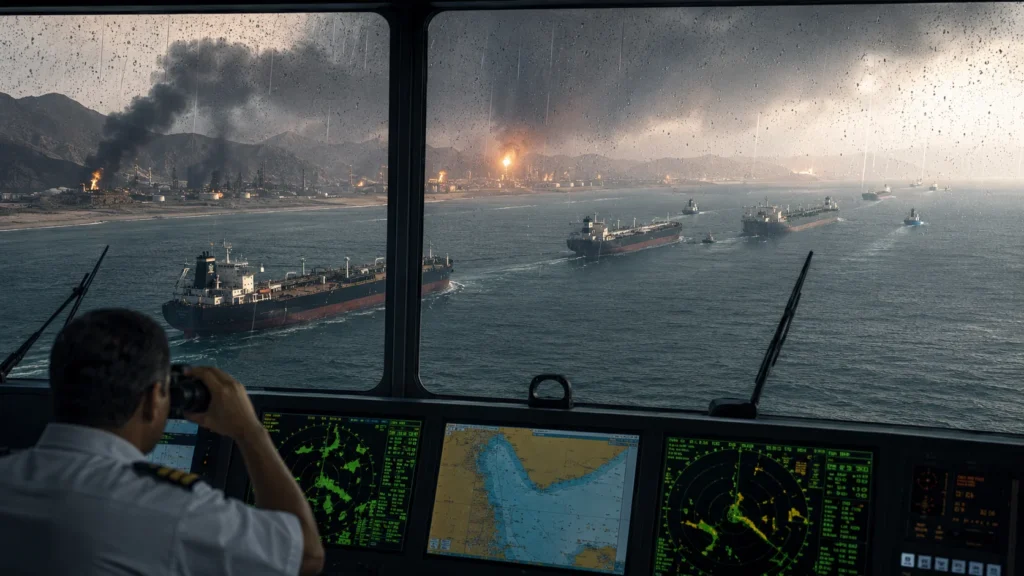
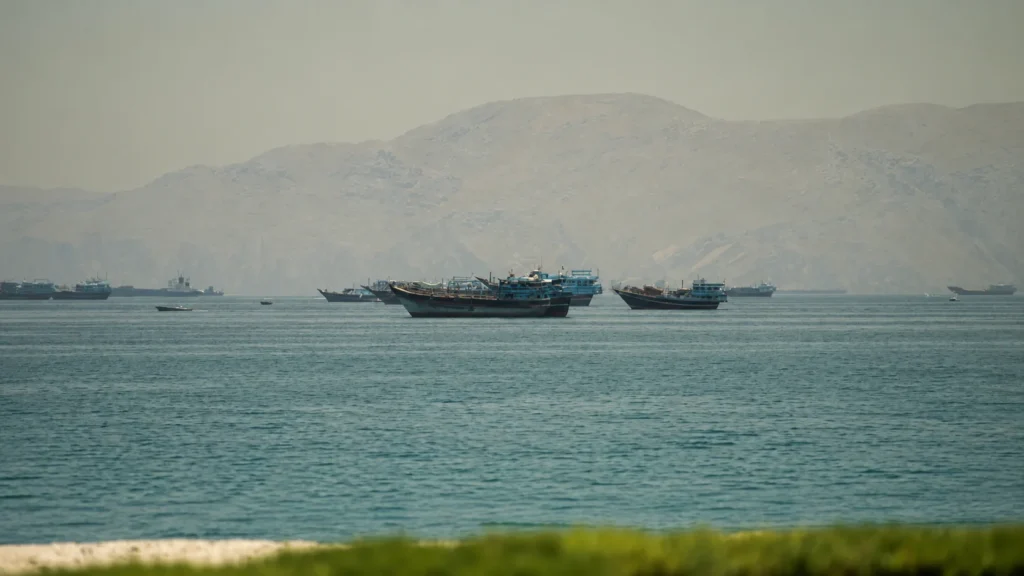
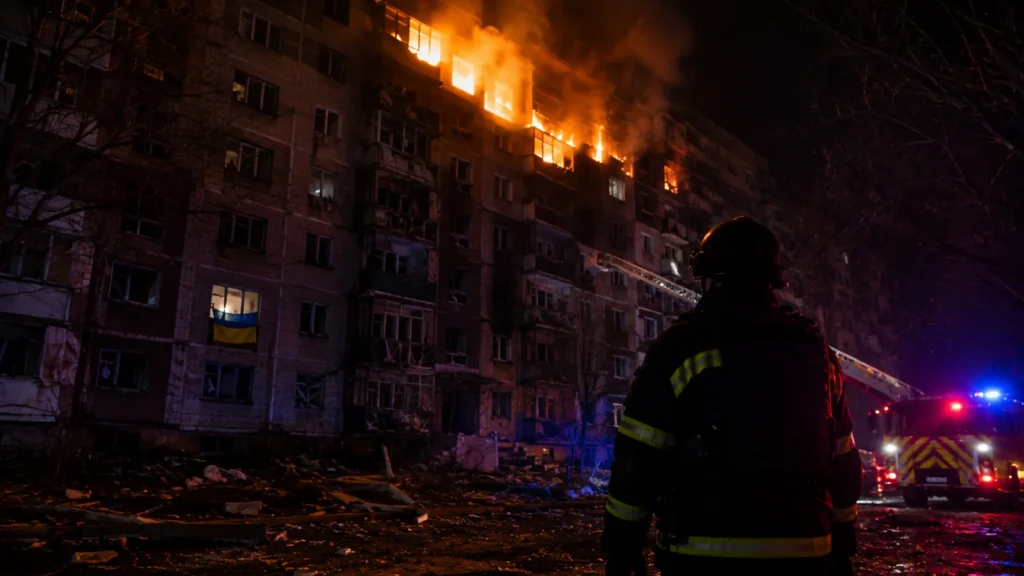
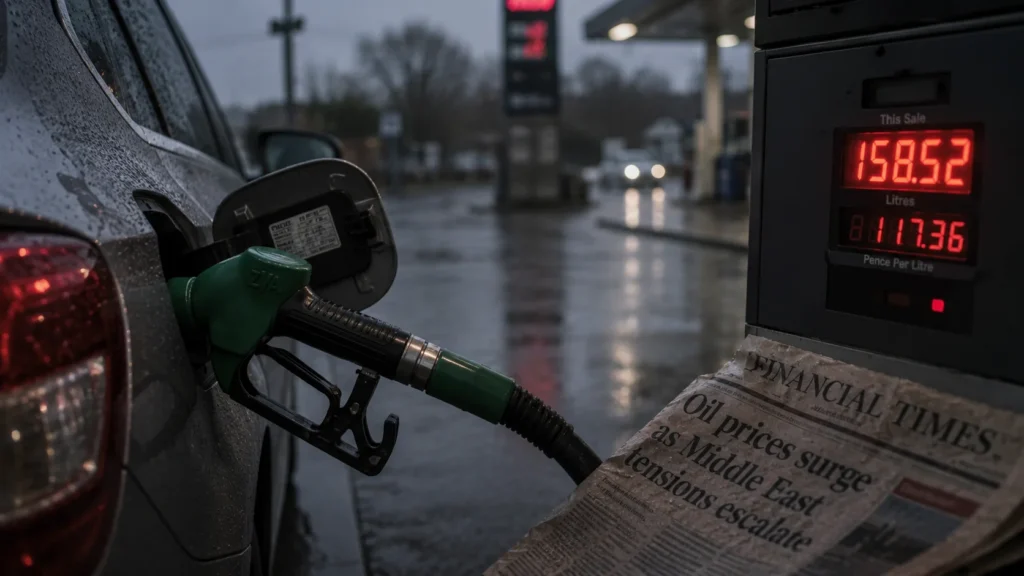
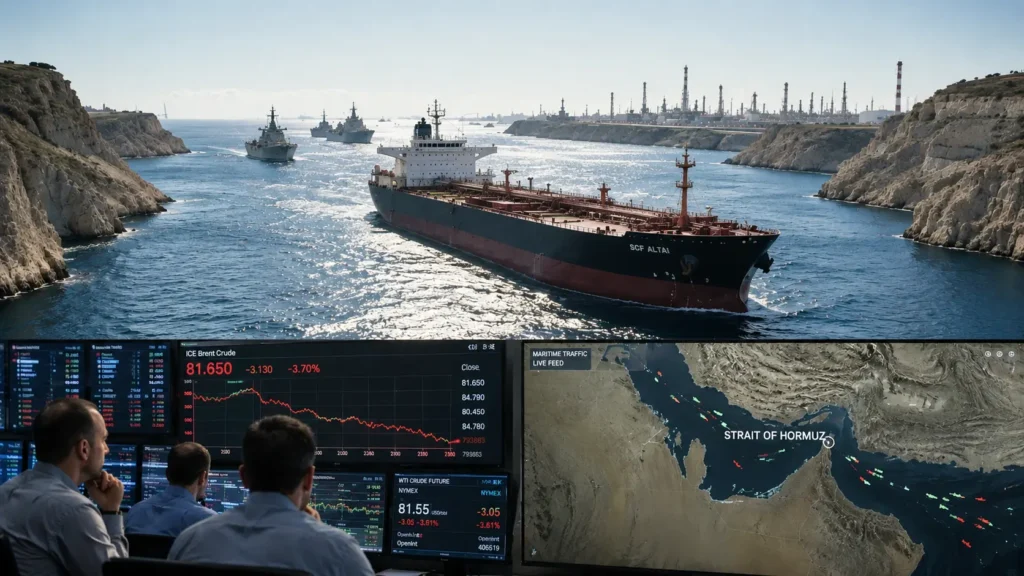
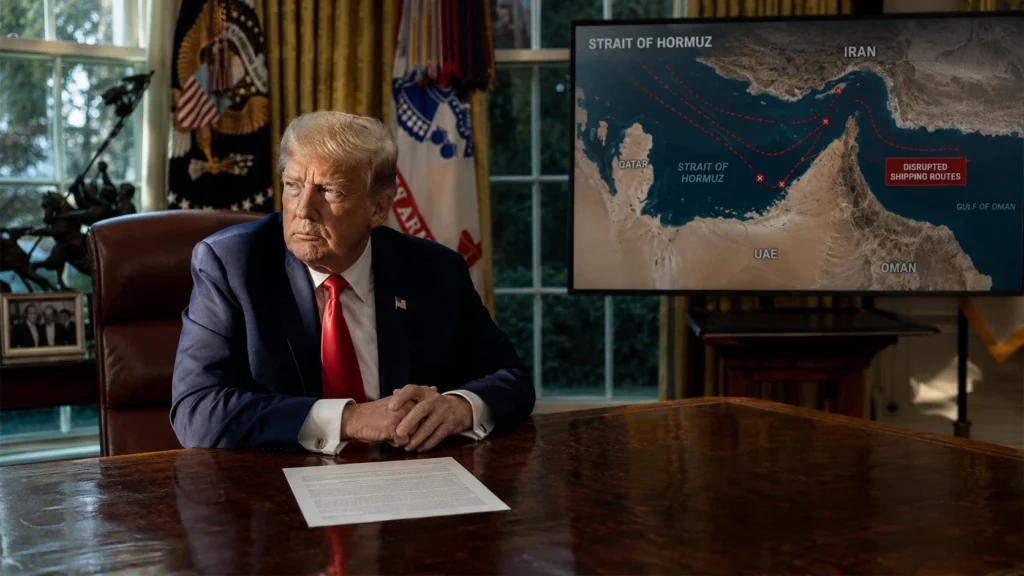
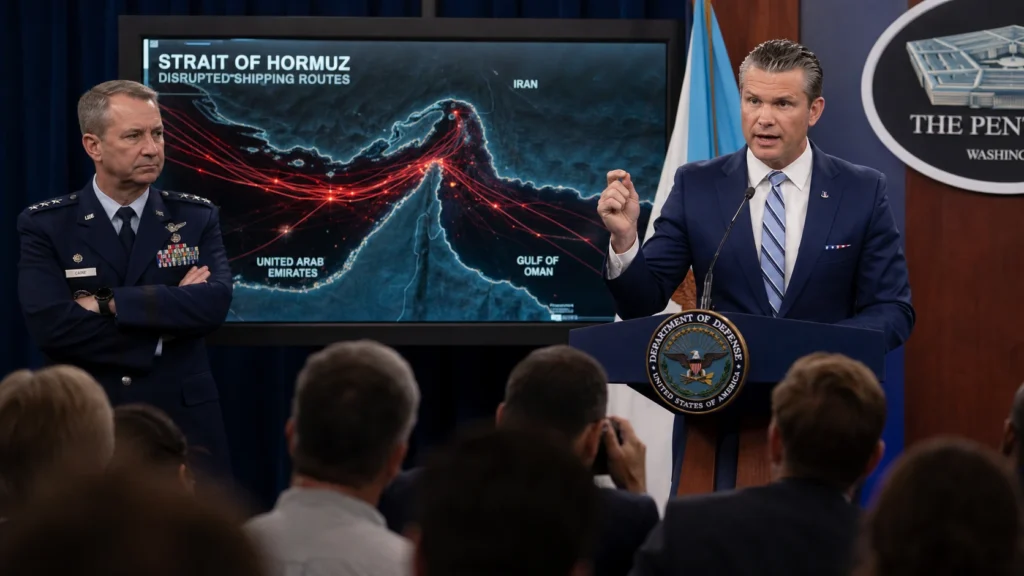
Trump said the deal would include the reopening of the Strait of Hormuz, which has remained conditionally closed since the conflict began with US-Israeli airstrikes on 28 February. He did not provide further details on the terms of the reopening.
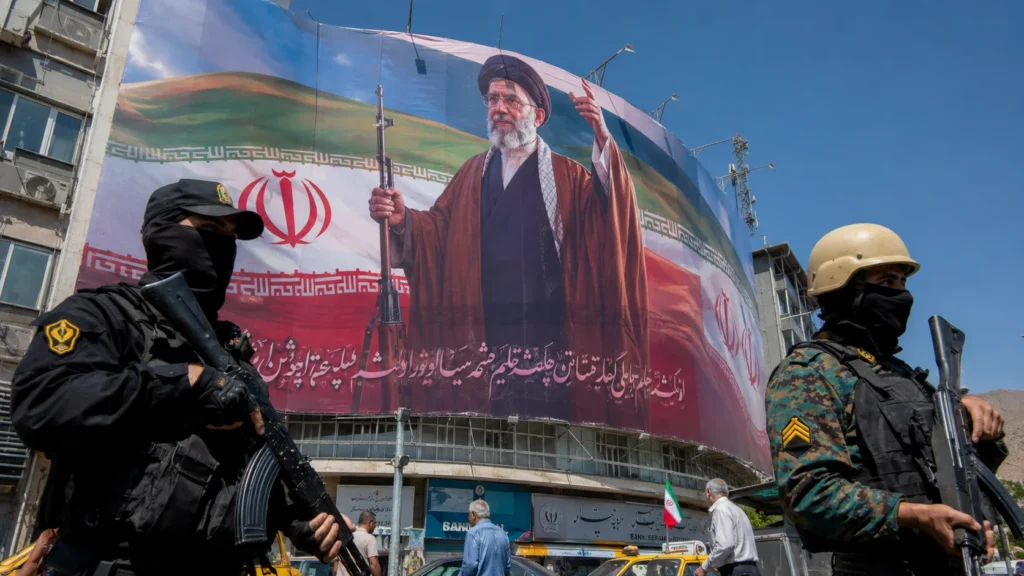
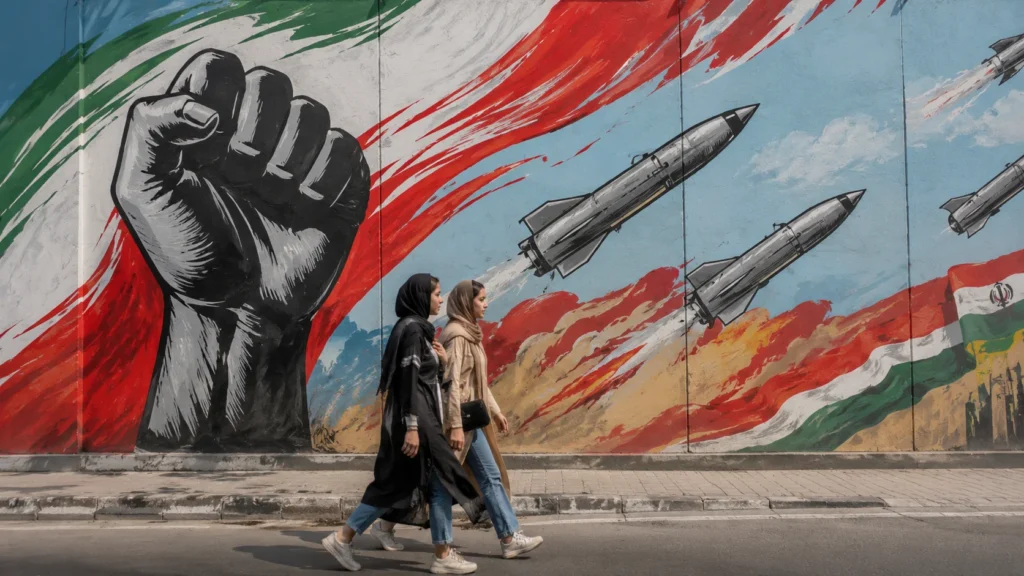
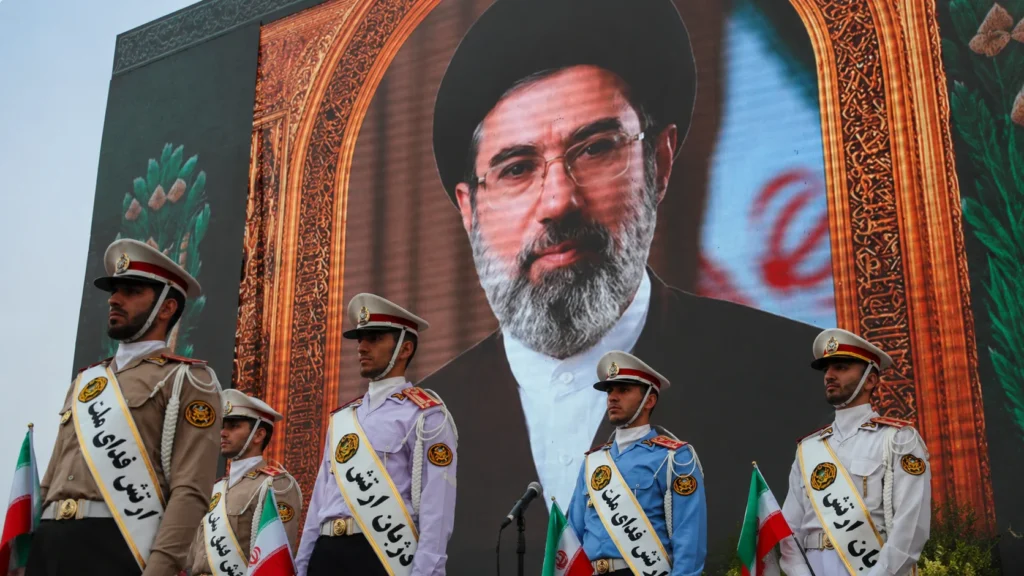
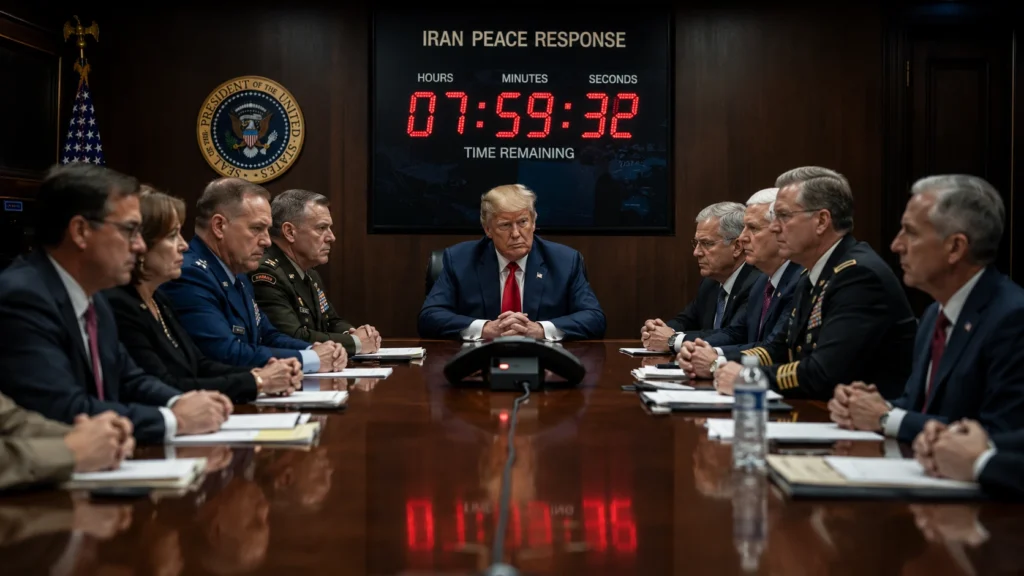
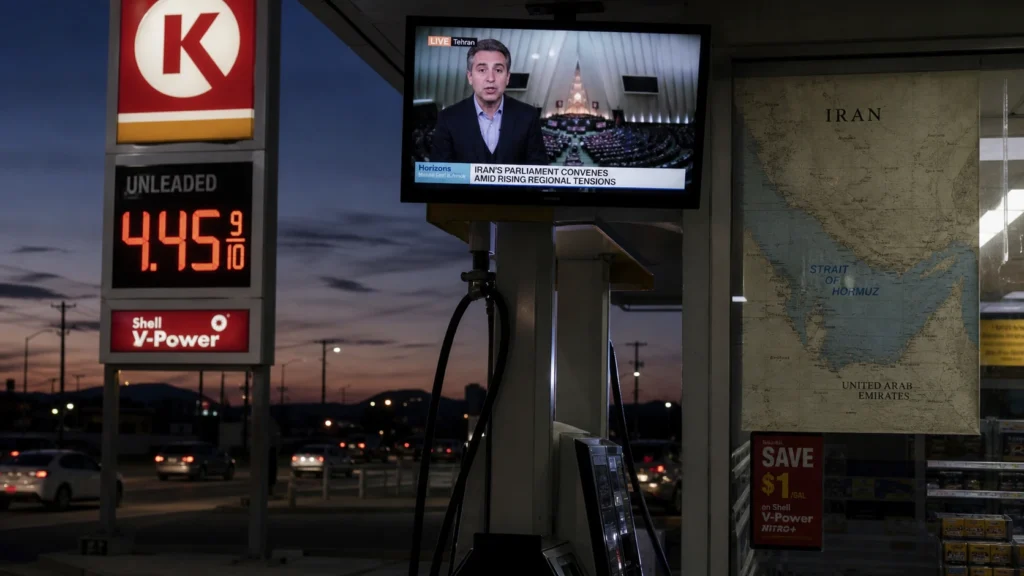
Iranian foreign ministry spokesperson Esmaeil Baqaei told state television on Saturday that a “memorandum of understanding” consisting of 14 points was being finalised. Baqaei said the memorandum would create a framework for further talks within 30 to 60 days, but that the key issue of nuclear weapons would not feature in any initial proposals Iranian state television broadcast, 24 May 2026.
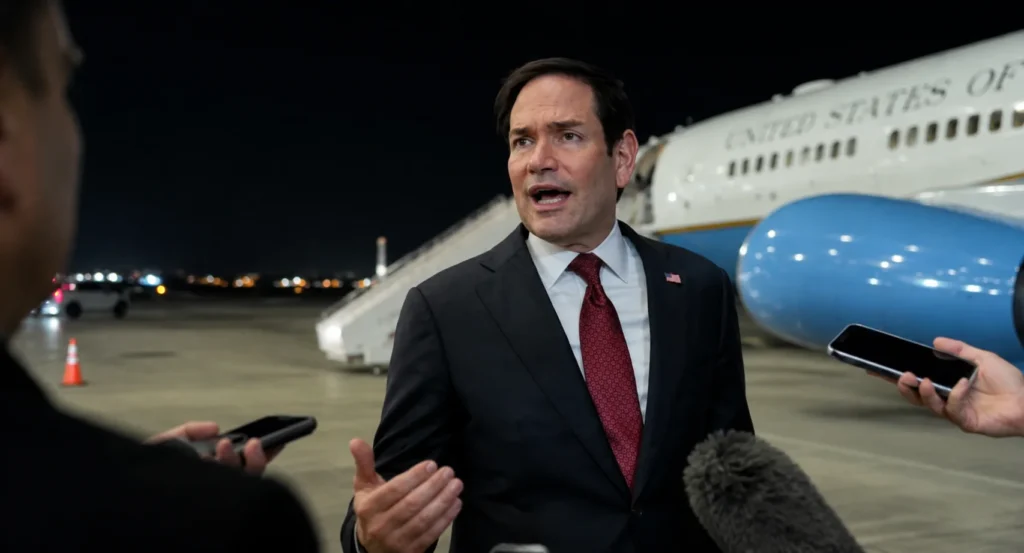
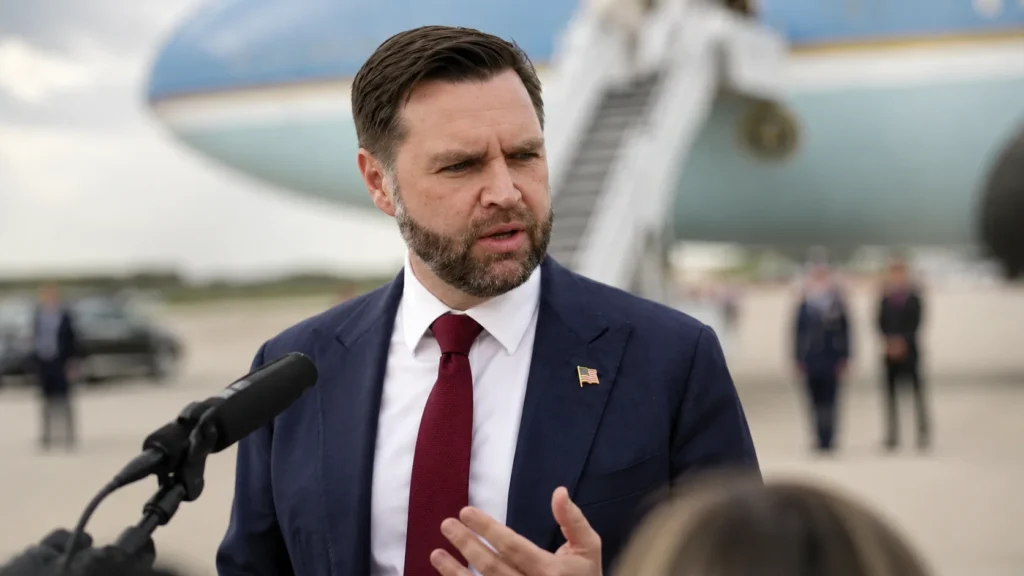
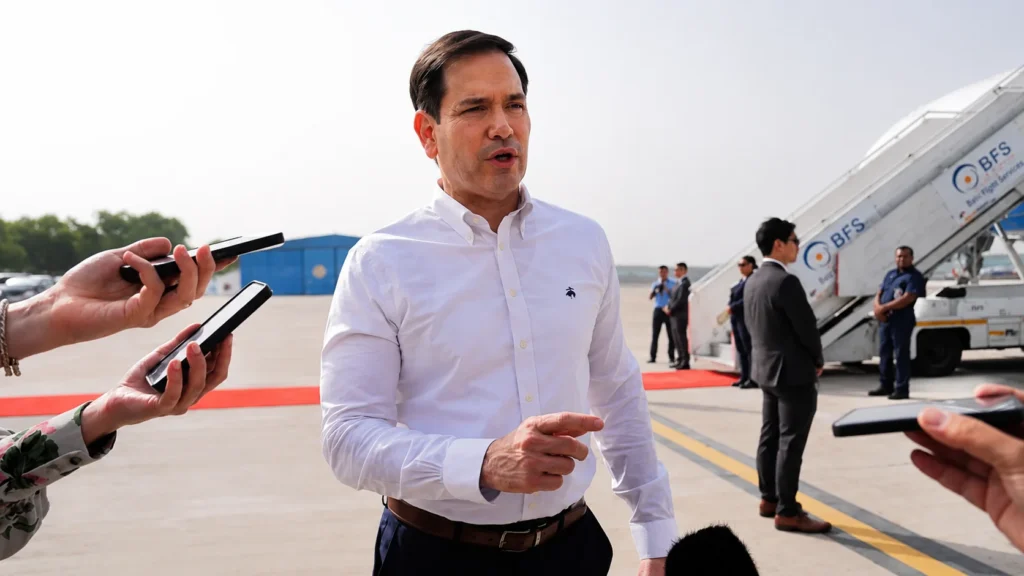
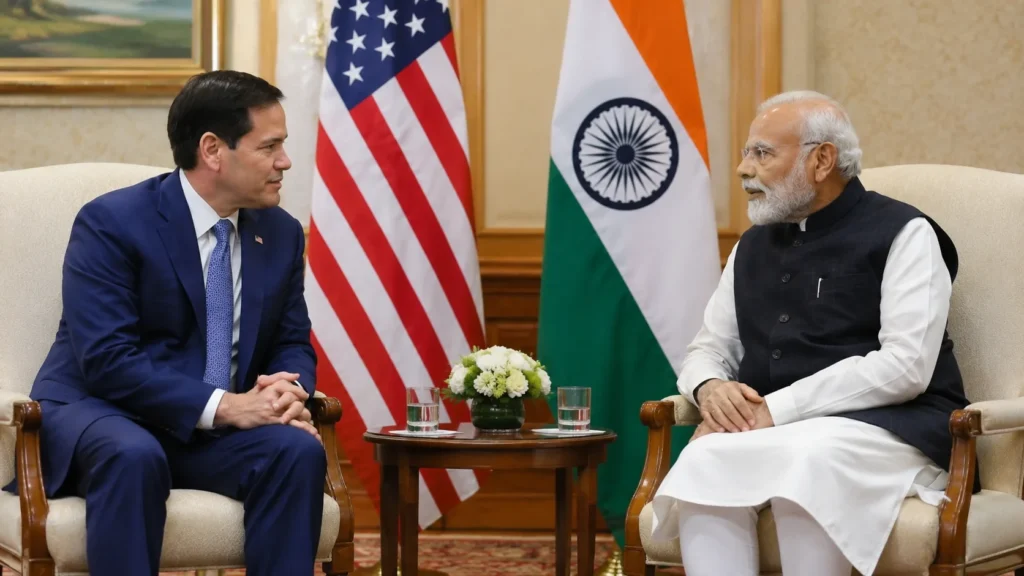
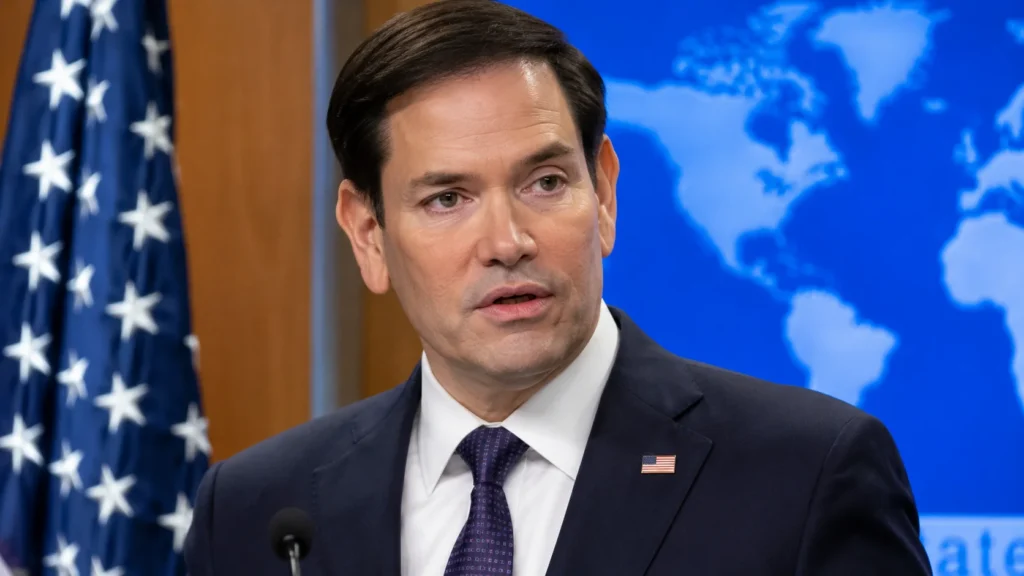
The US position, reiterated by Secretary of State Marco Rubio during a visit to India, is that Iran must not be allowed a nuclear weapon and must turn over its highly enriched uranium. The two descriptions of what has been “largely negotiated” do not fully align, with the memorandum representing a convergence on process rather than a resolution of core disputes.
Trump also confirmed he held a call with Israeli Prime Minister Benjamin Netanyahu on Saturday, which he said “went very well.”
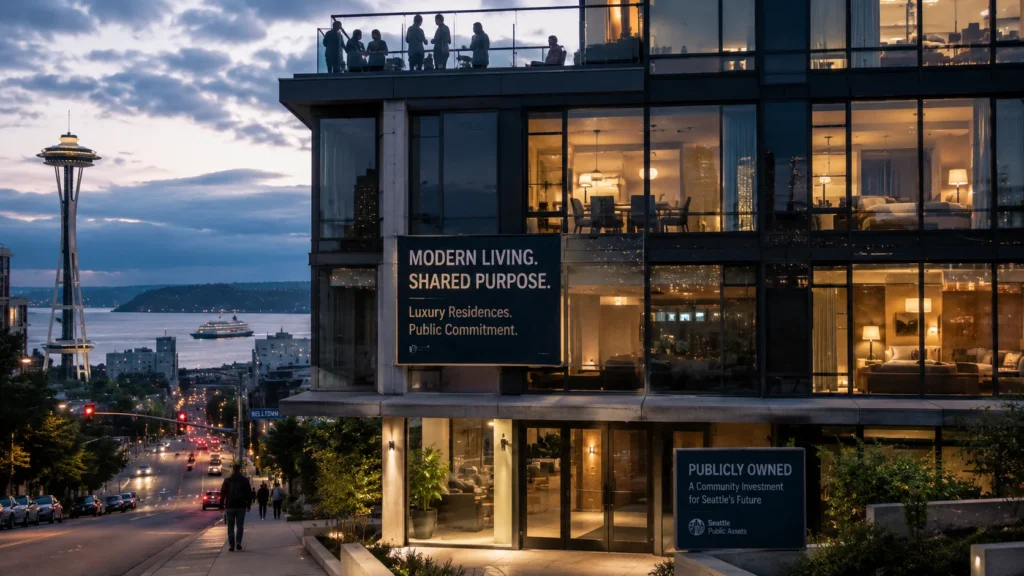
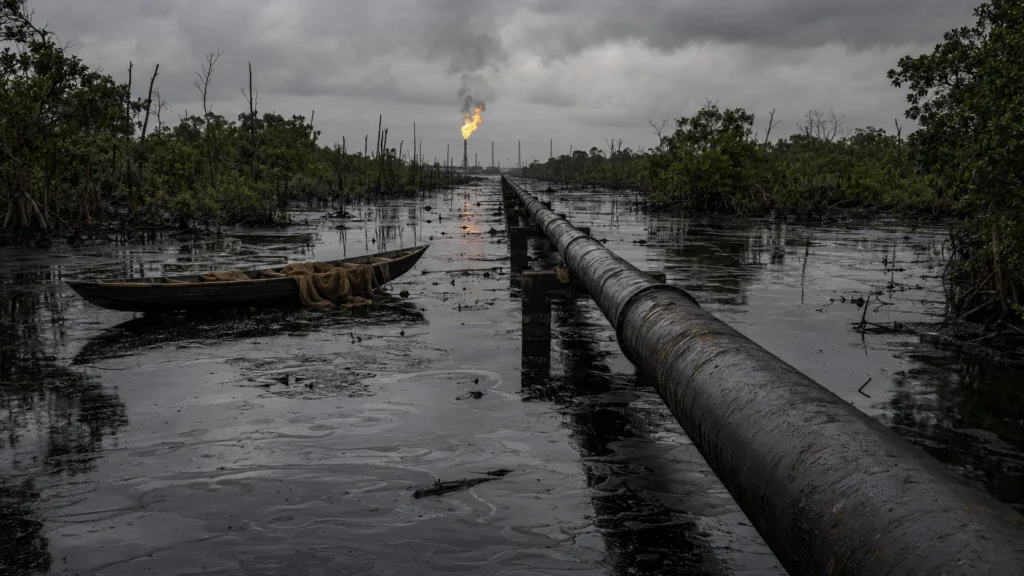
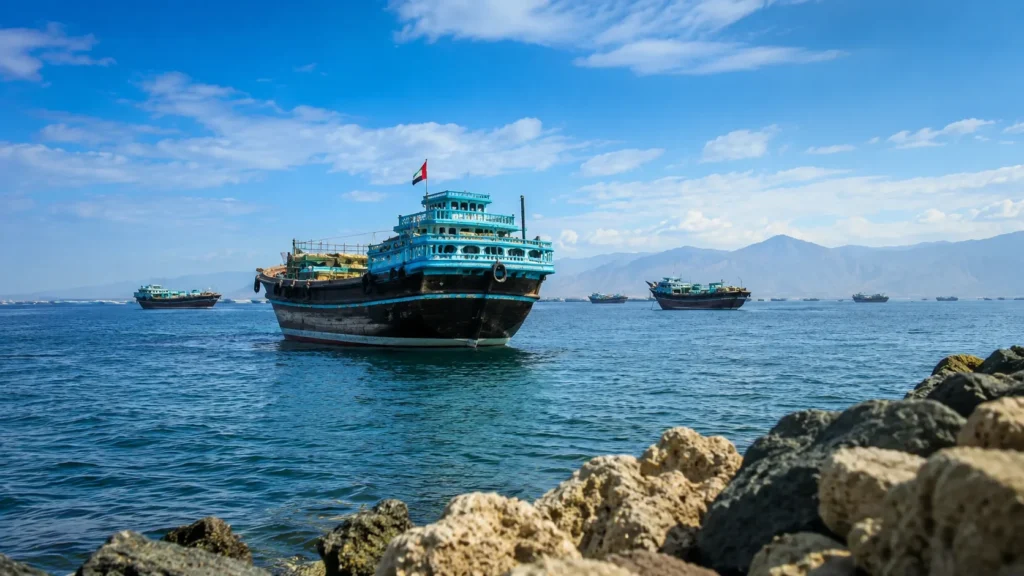
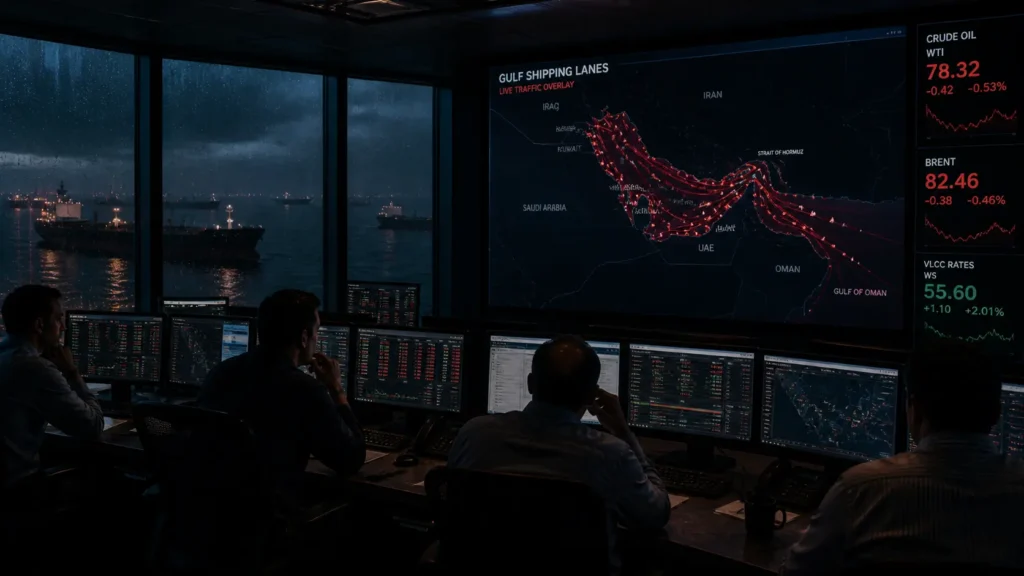
The Strait of Hormuz crisis — how a waterway became a sovereignty laboratory
The Mediation Architecture
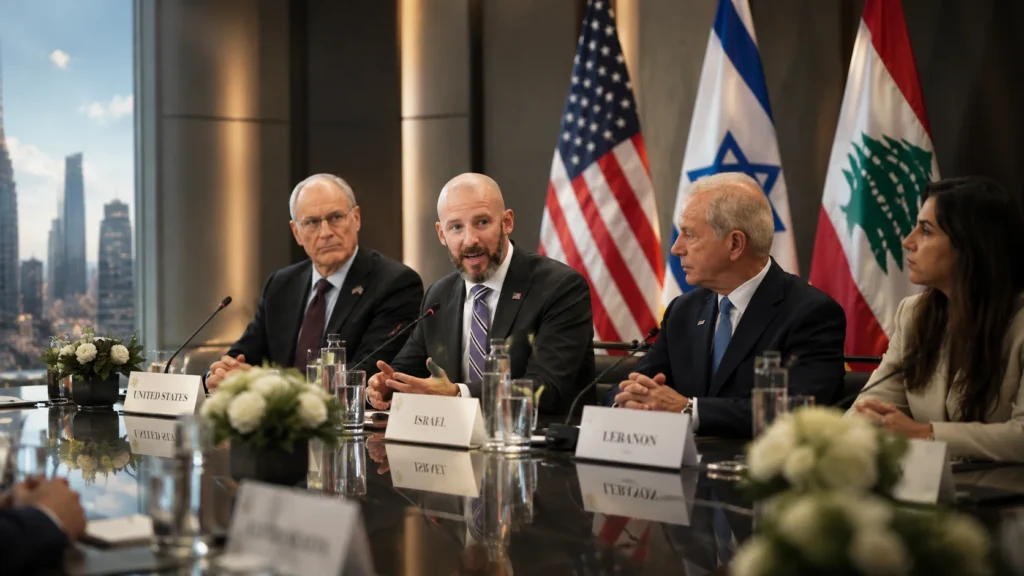
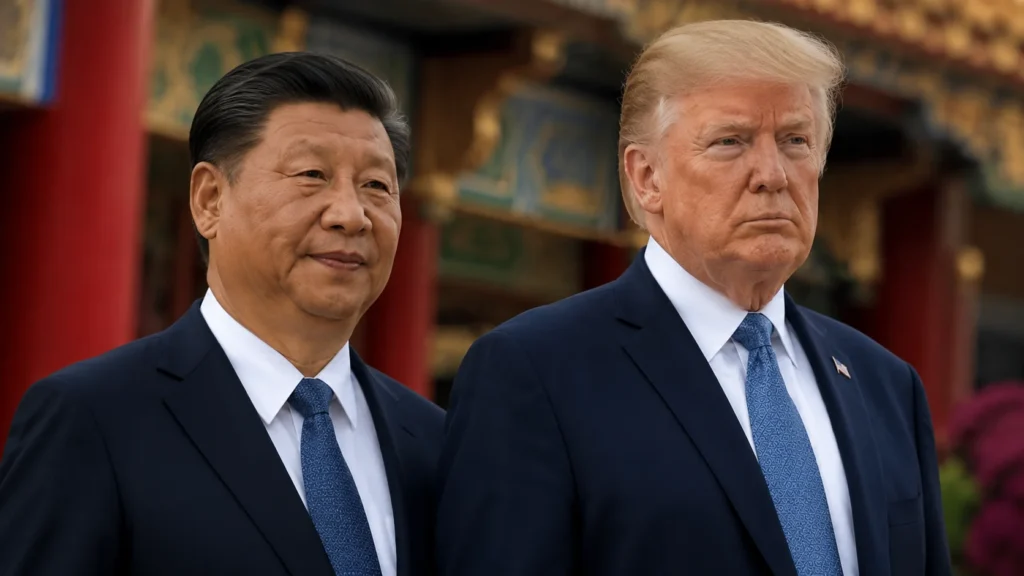
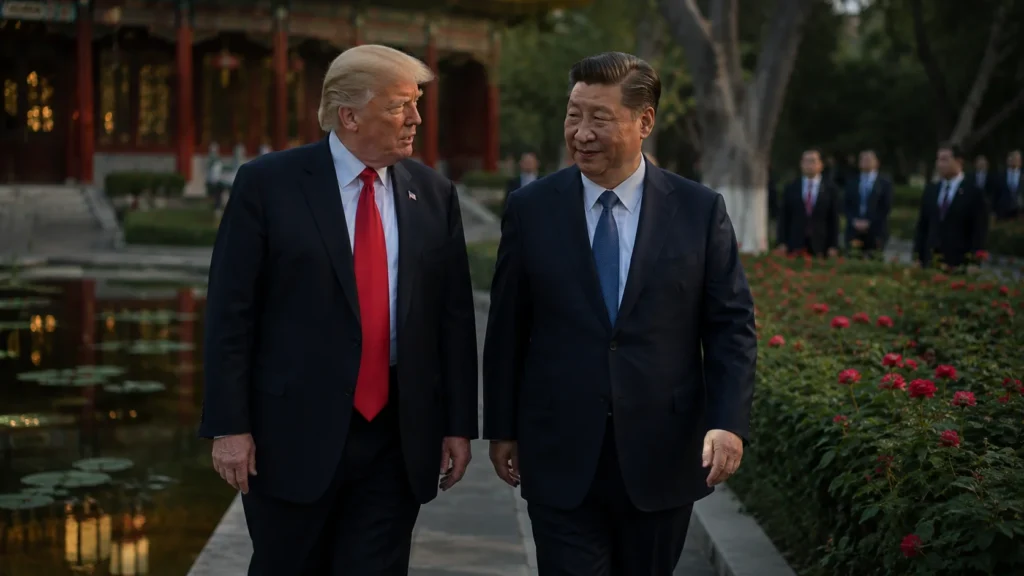
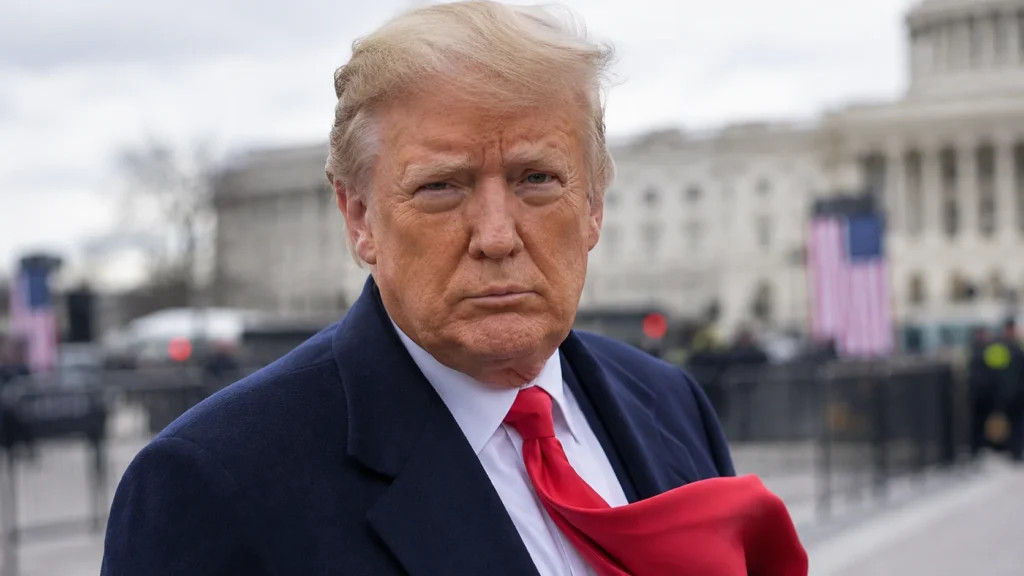
The agreement emerged through a multi-state mediation structure rather than direct US-Iran bilateral negotiations. Trump’s call included the leaders of Saudi Arabia, the UAE, Qatar, and others. Pakistan has served as the primary intermediary between Washington and Tehran throughout the conflict.
Pakistan’s Prime Minister Shehbaz Sharif posted on X after the call: “I congratulate President Donald Trump on his extraordinary efforts to pursue peace.” He described the conversation as “very useful and productive” and said Pakistan hoped to host the next round of talks “very soon” Shehbaz Sharif statement on X, 24 May 2026.
French President Emmanuel Macron spoke separately to Trump and the leaders of the UAE, Qatar, Saudi Arabia, and Jordan on Saturday about the negotiations, AFP reported. France is pushing for a complete reopening of the Strait of Hormuz as the number one priority, according to a source cited by the agency AFP report on Macron calls, 24 May 2026.
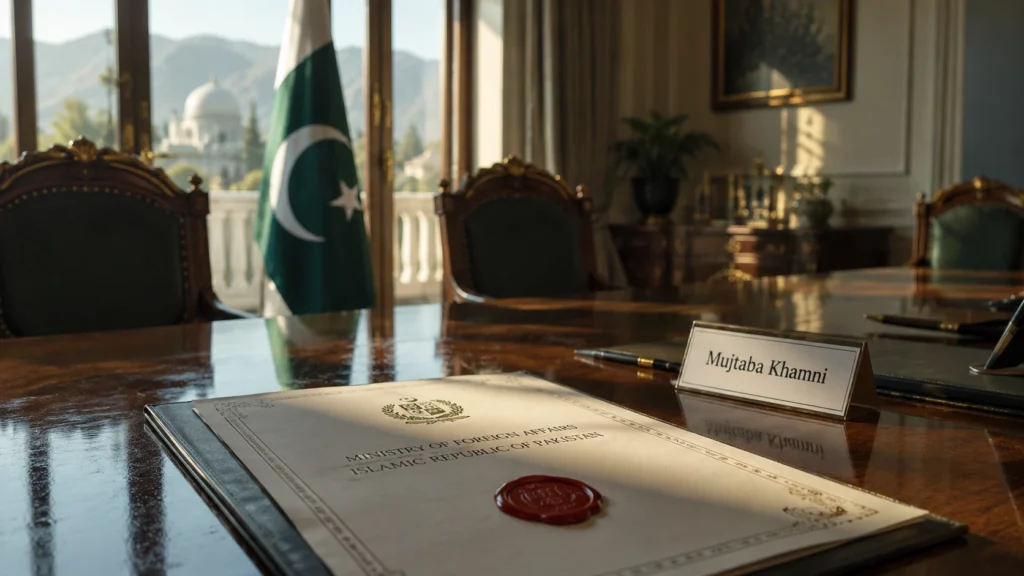
Pakistan’s mediation role and the new diplomatic architecture of the Iran conflict
The Blockade and the Military Context
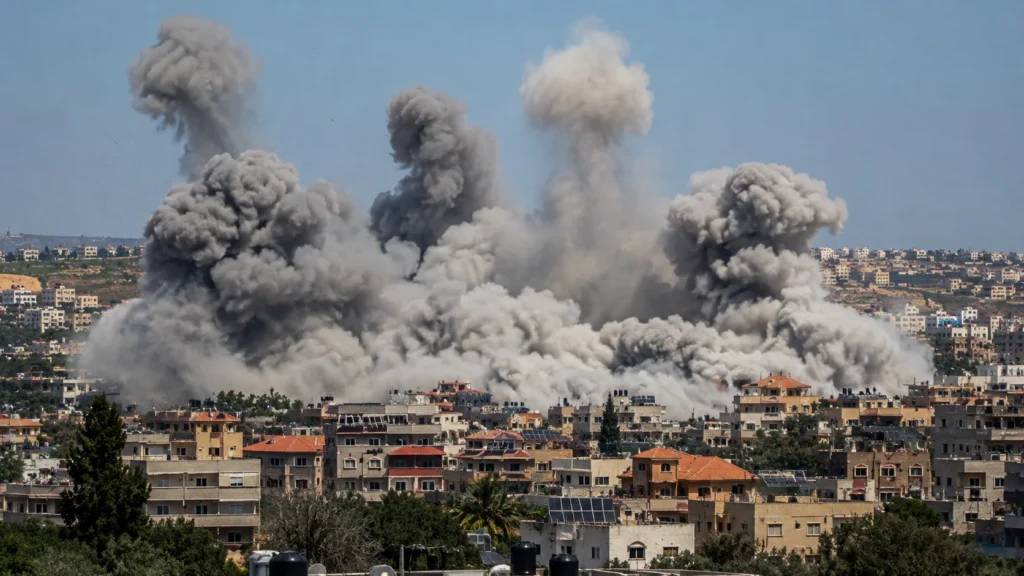
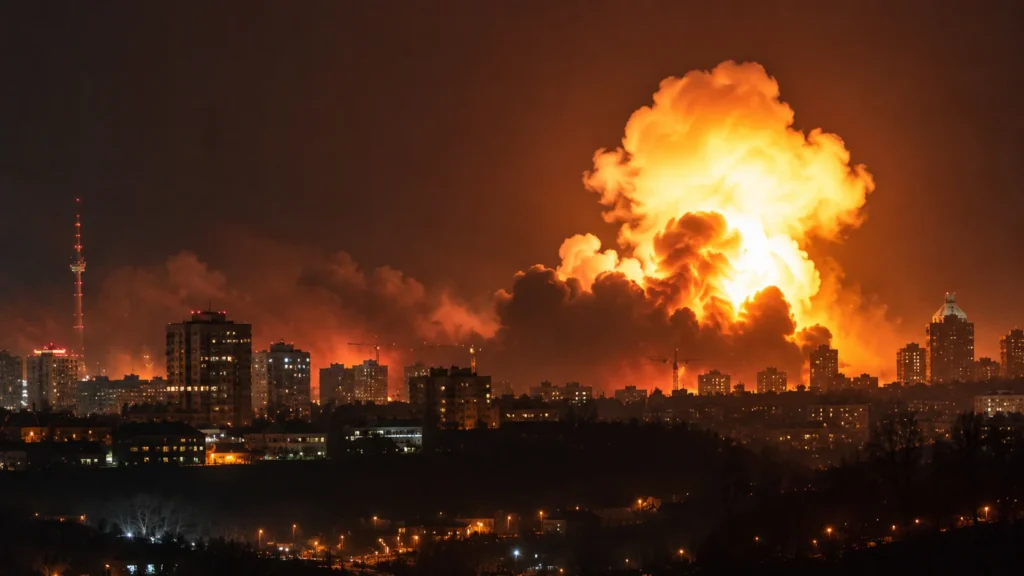
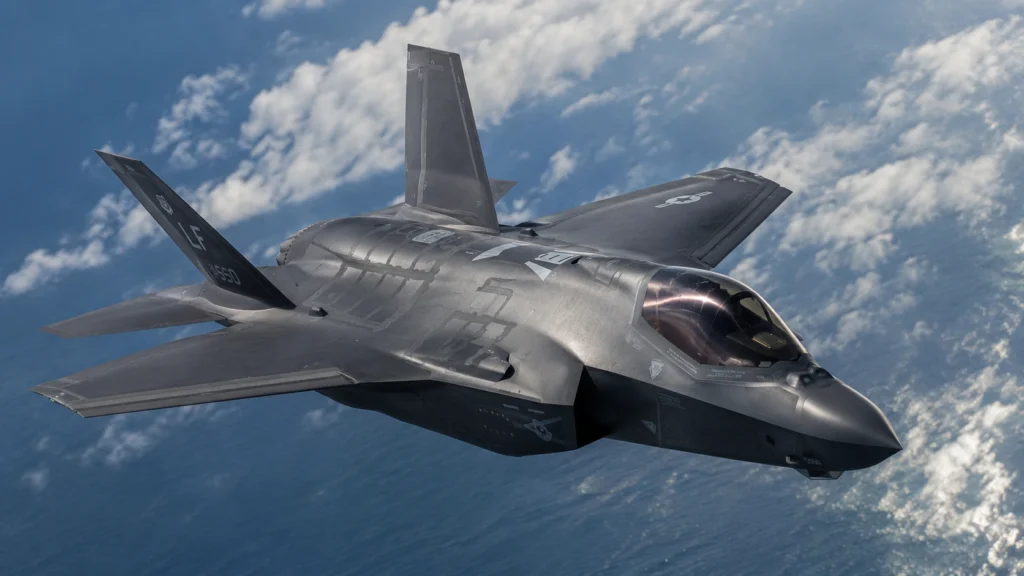
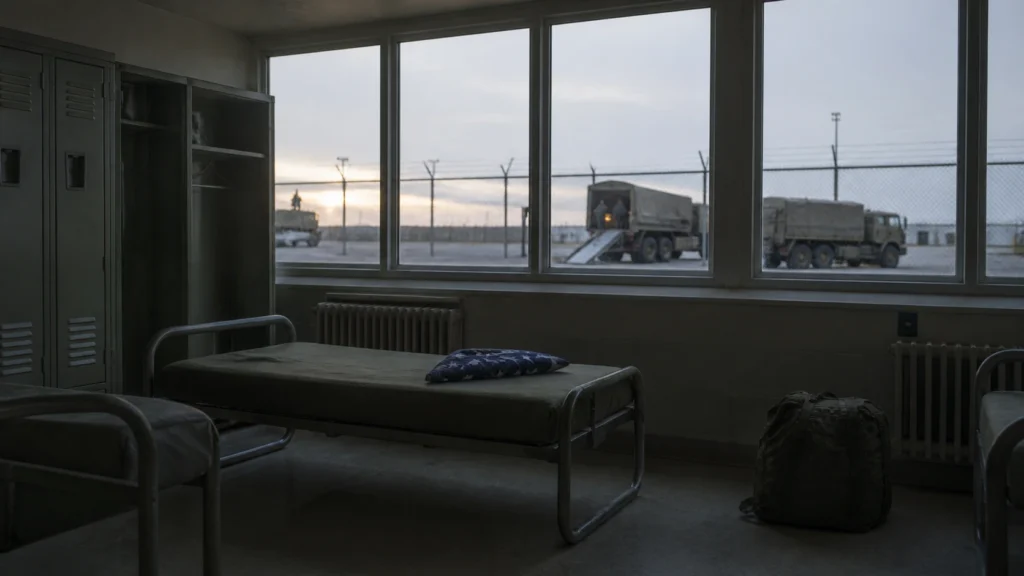
The diplomatic momentum arrived after a week of heightened tension. On Friday, anonymous US officials briefed the media that the administration was preparing for a fresh round of military strikes, although no final decision had been made. Trump announced he would skip his son Donald Jr’s wedding to remain in Washington “during this important period of time.” Last week, he described the truce as on “massive life support.”
The shift from imminent strikes to a “largely negotiated” agreement occurred within 48 hours.
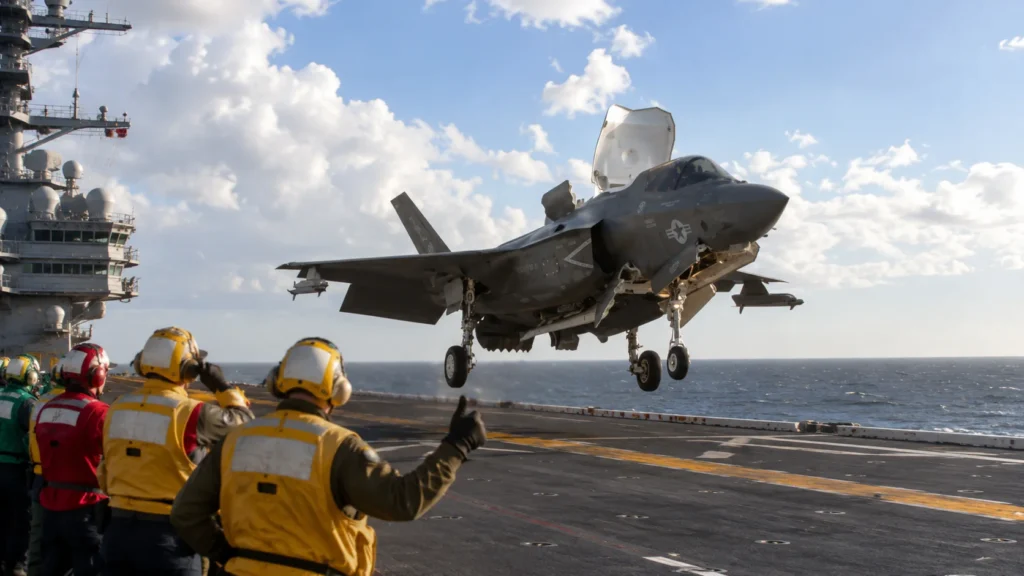
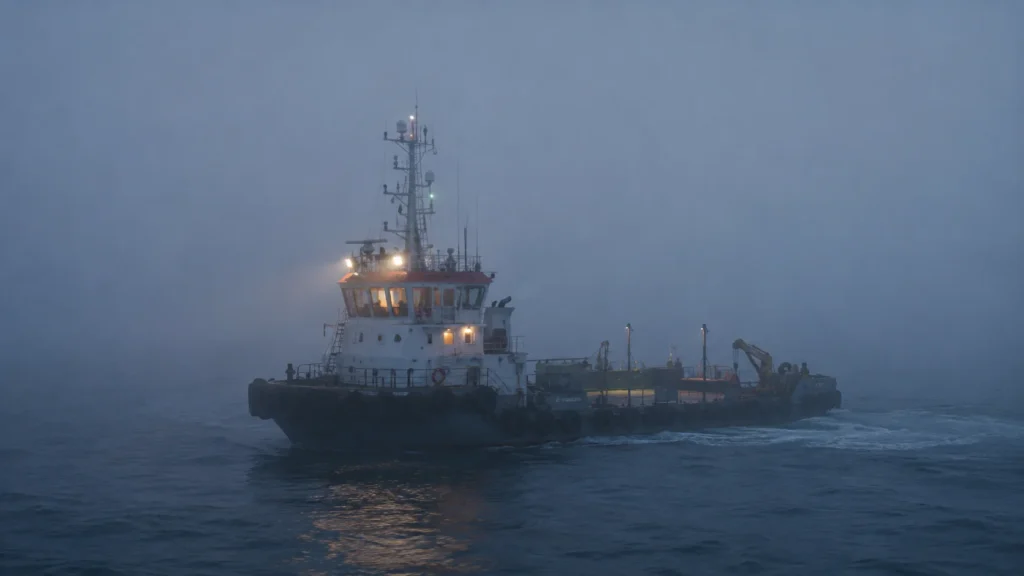
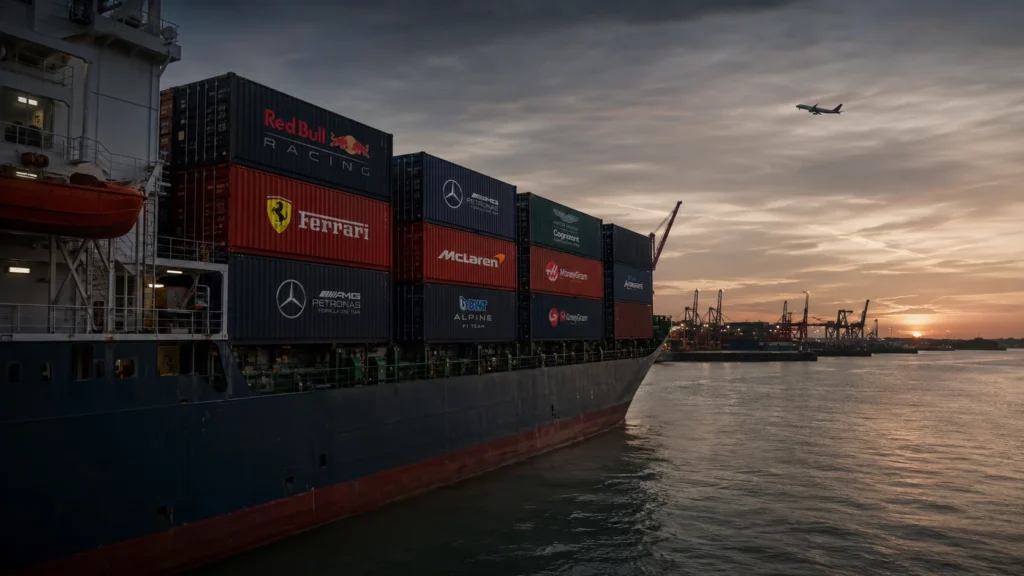
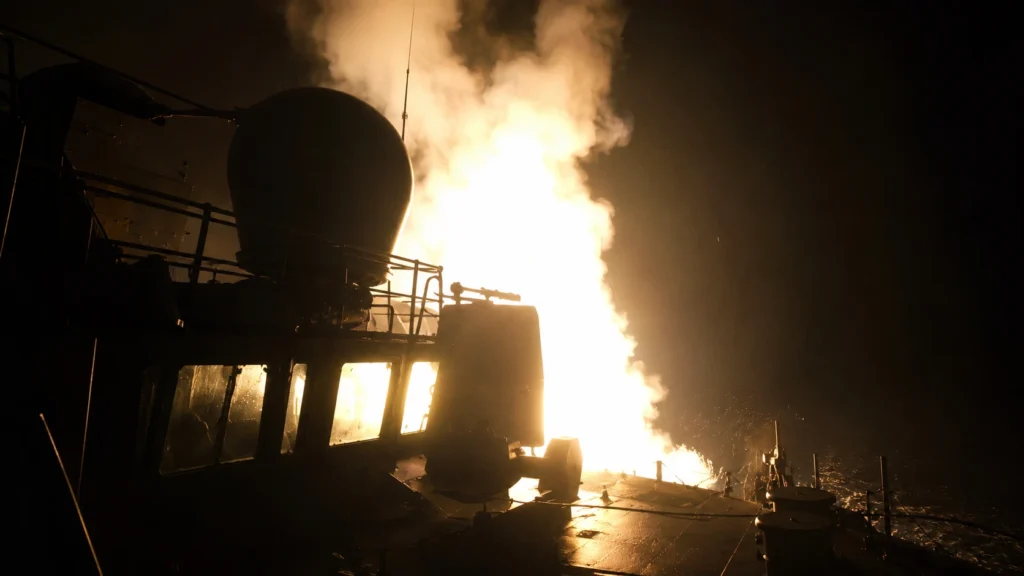
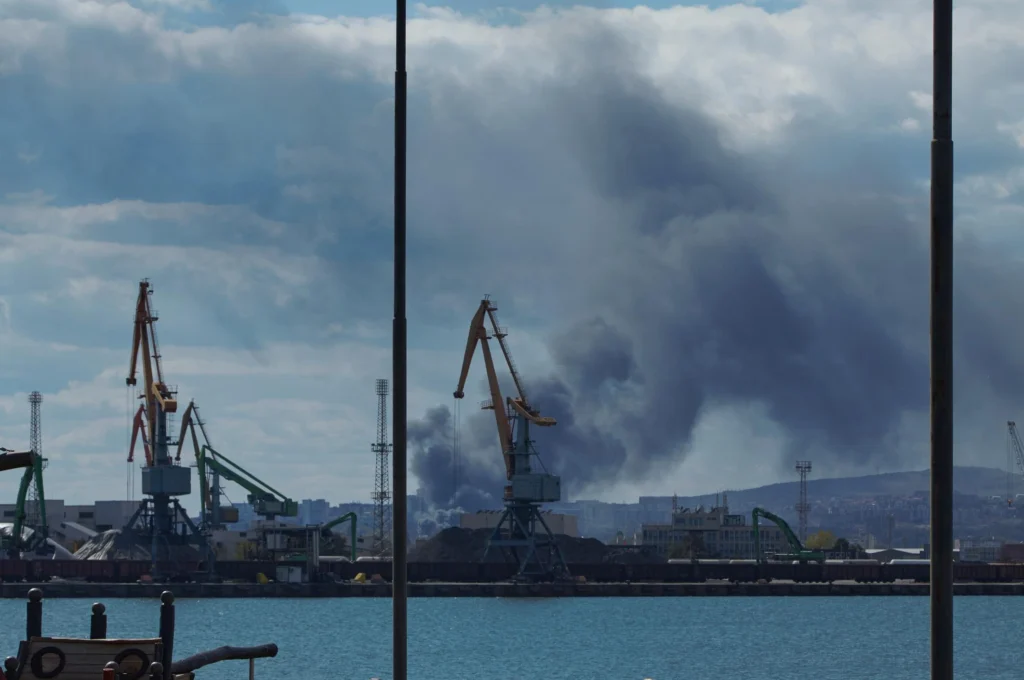
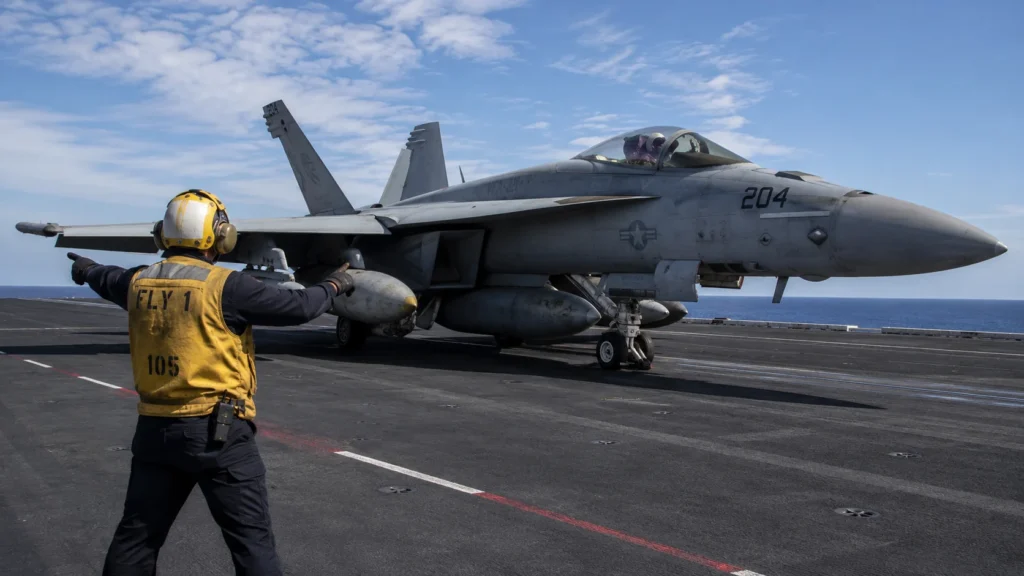
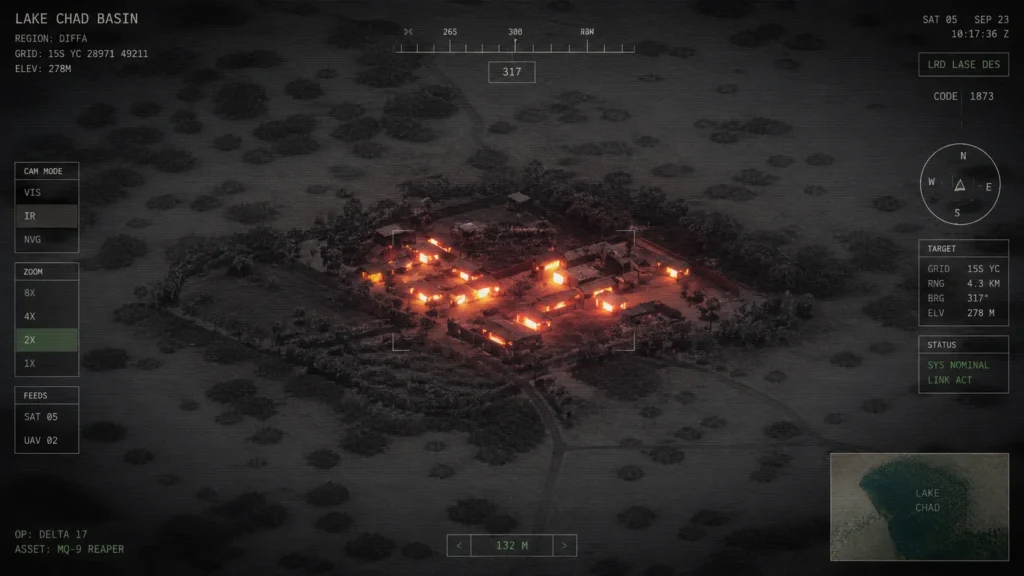
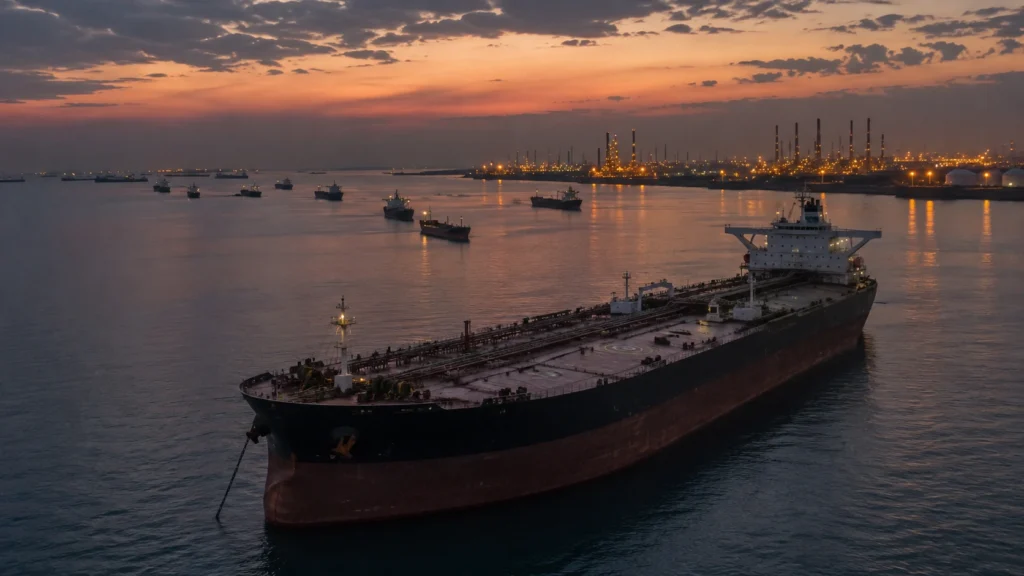
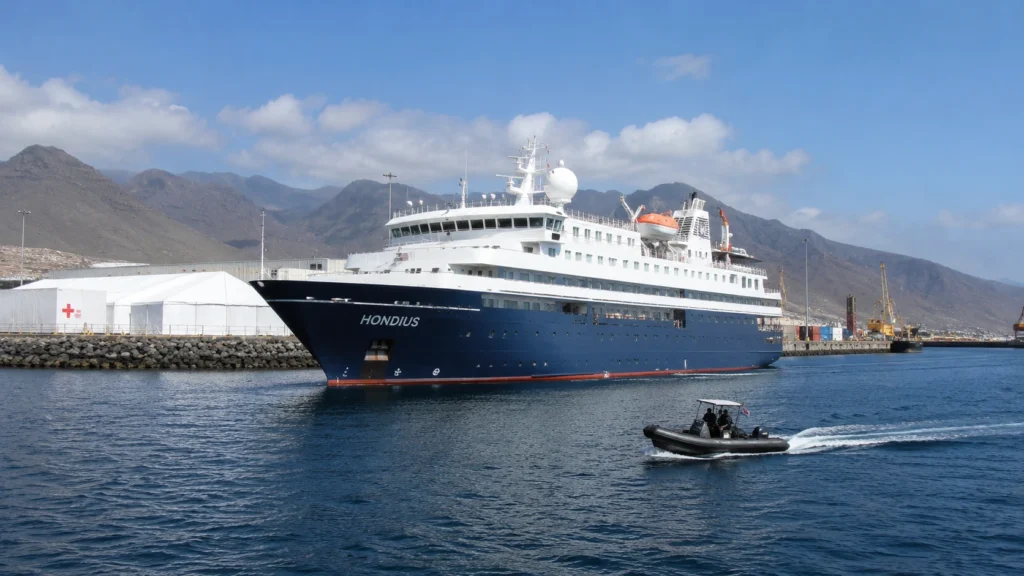
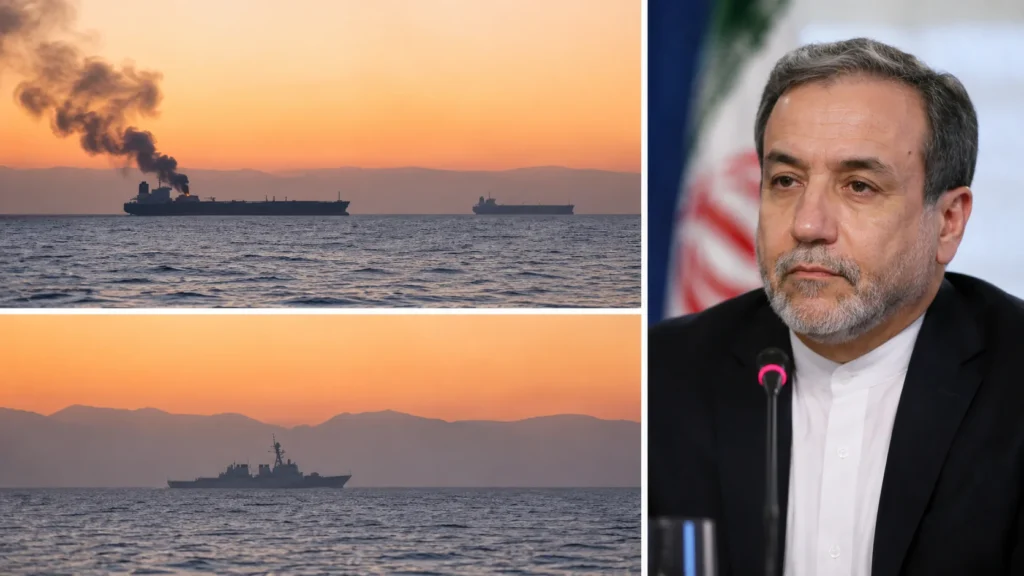
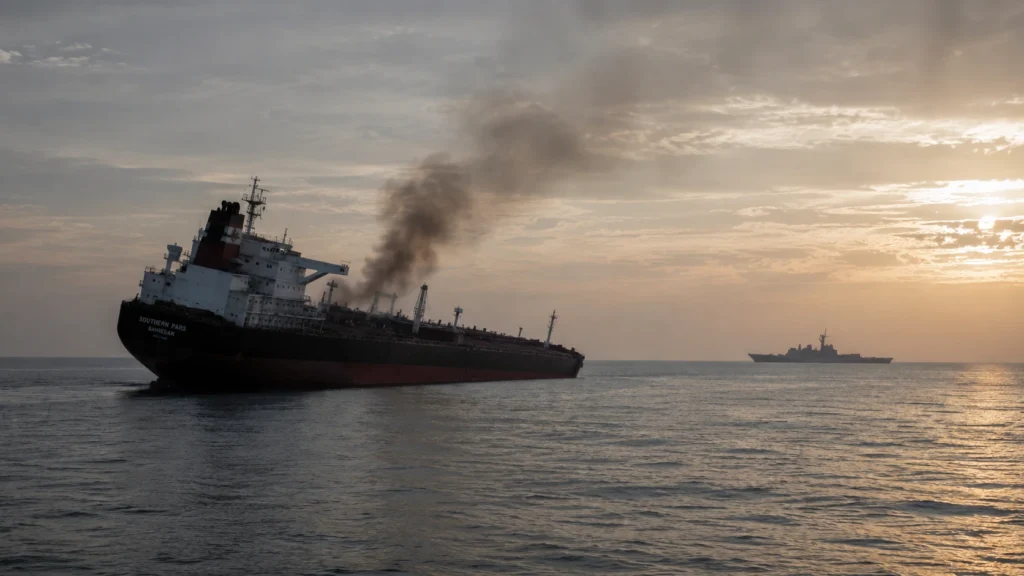
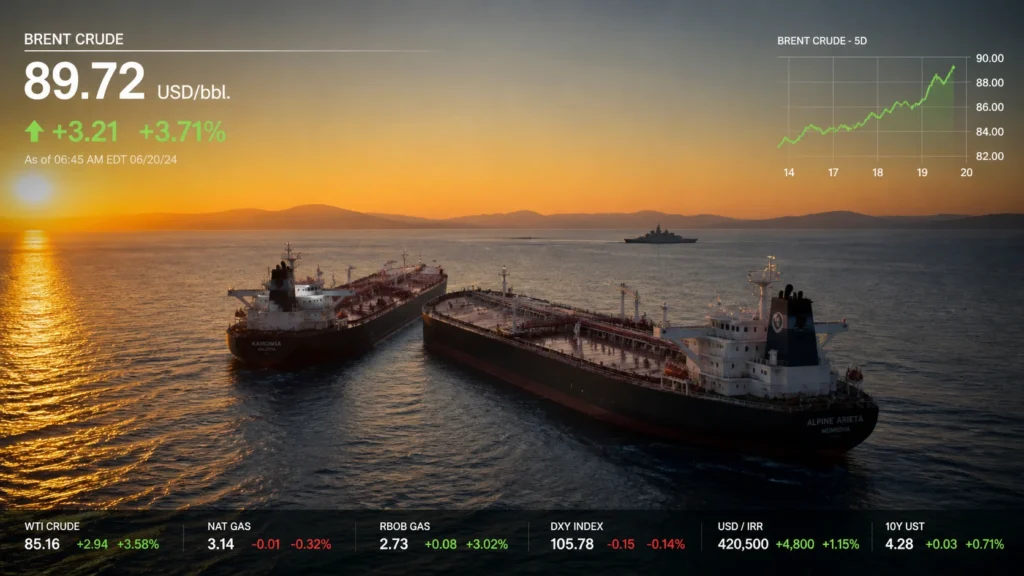
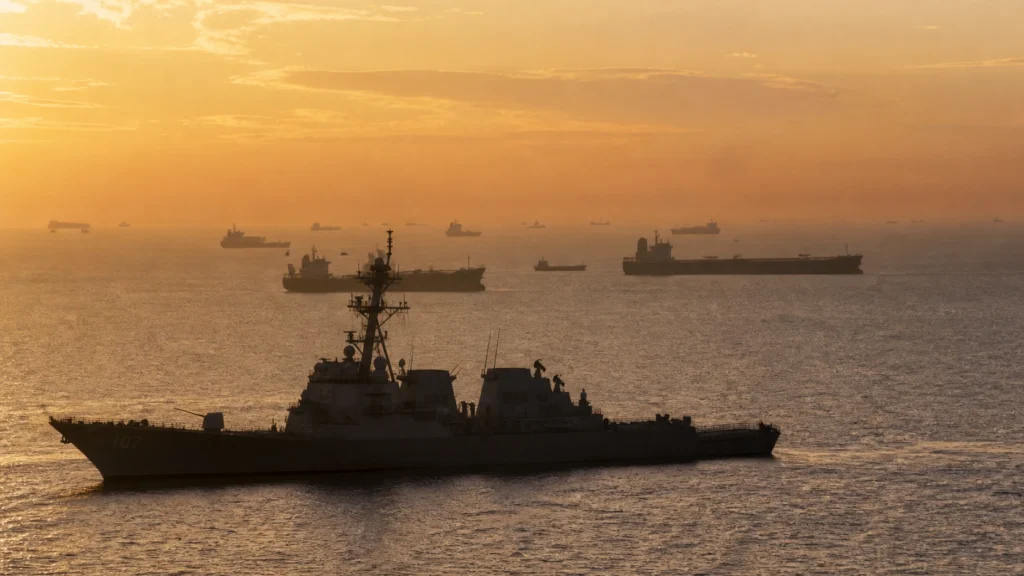
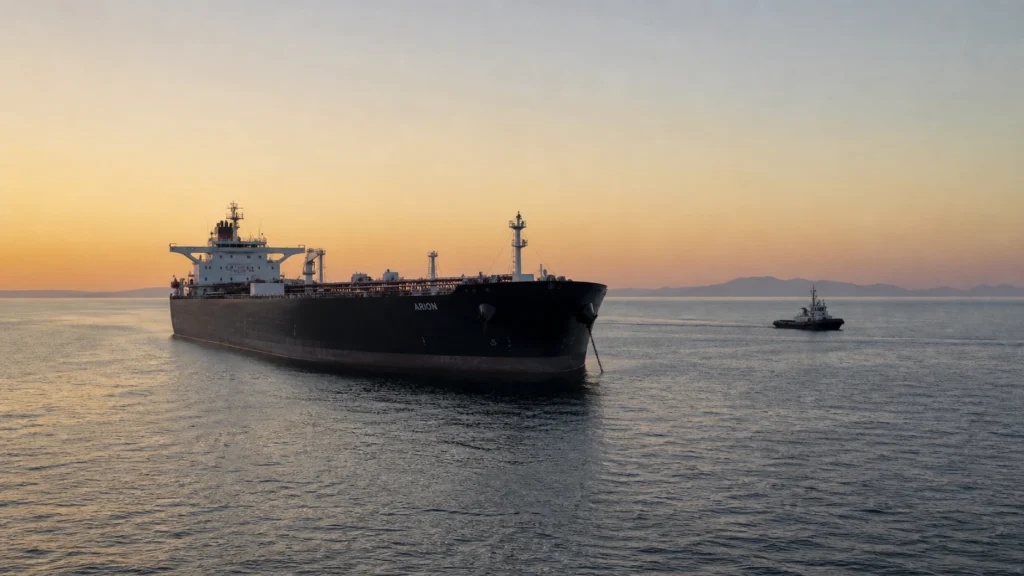
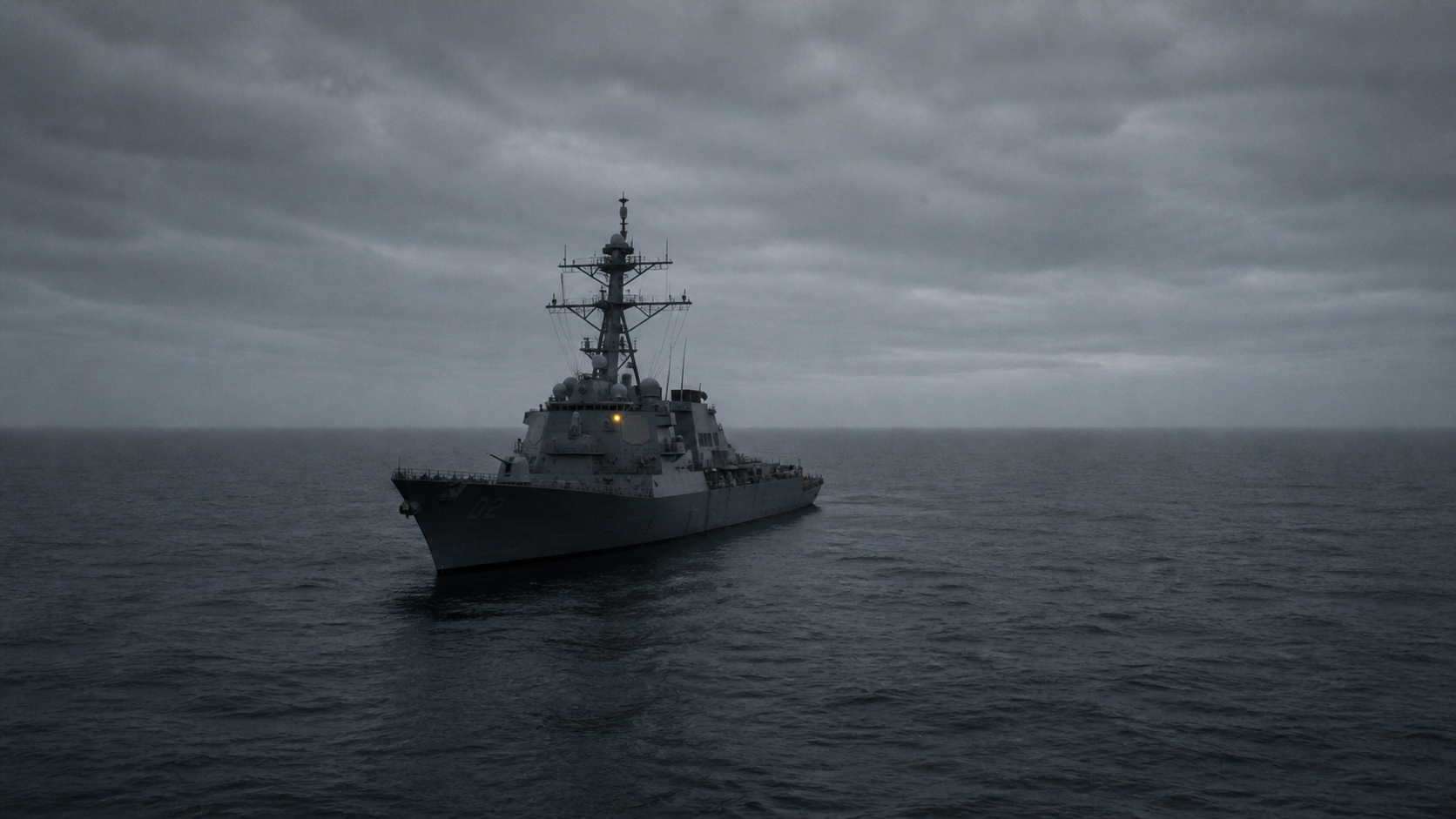
US Central Command disclosed Saturday that it has redirected 100 vessels, disabled four, and allowed 26 humanitarian aid ships to pass since the blockade of Iranian ports began on 13 April Centcom operational update, 24 May 2026. Centcom commander Admiral Brad Cooper said the blockade had been “highly effective” in “allowing zero trade into and out of Iranian ports, which has squeezed Iran economically.”
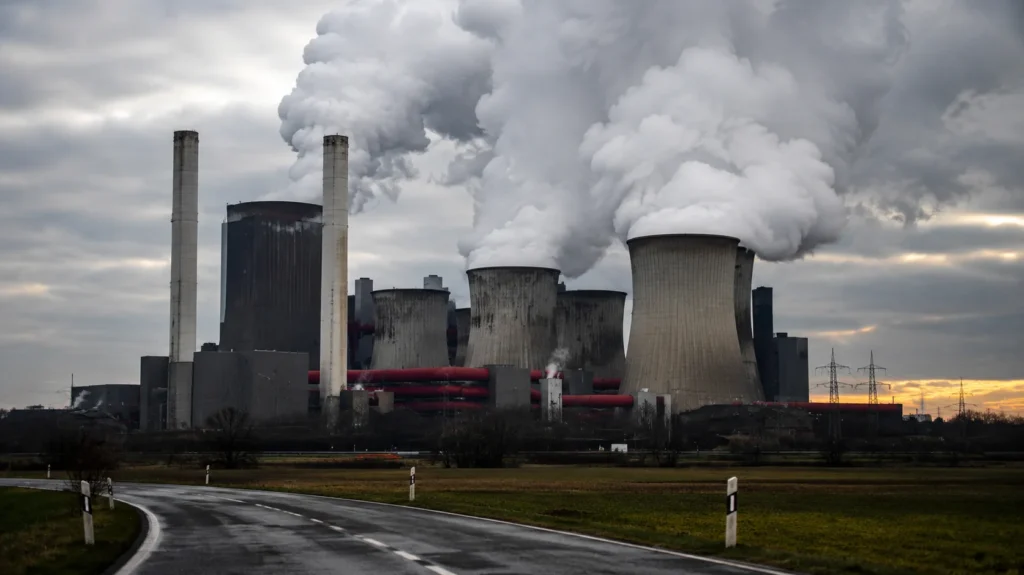
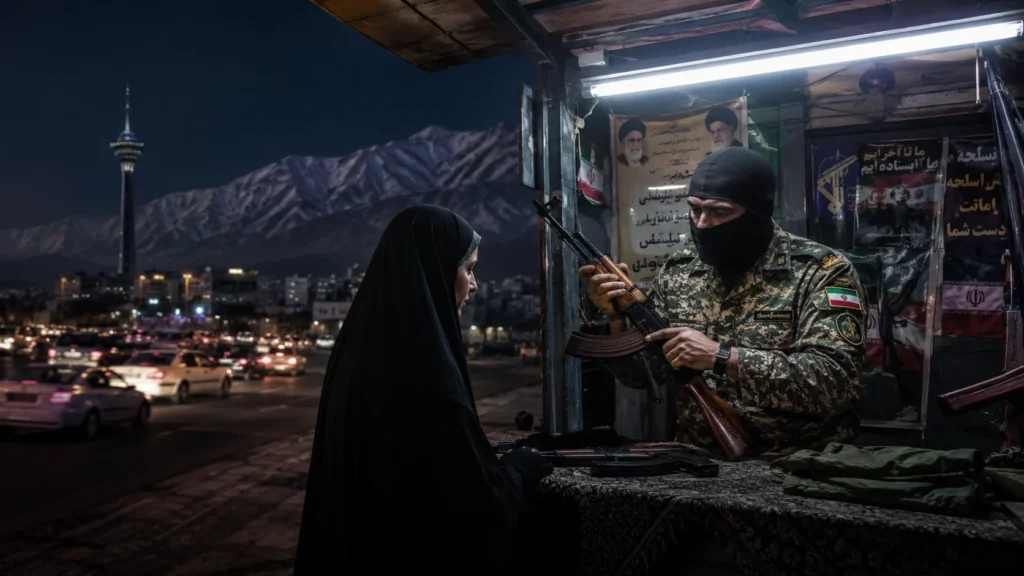
Iran has claimed military control of an area around the Strait of Hormuz through its “Persian Gulf Strait Authority,” which states all transit requires coordination with and authorisation from Iranian authorities. The US and Gulf allies have repeatedly rejected this claim.
Centcom’s naval blockade — the operational reality behind the diplomatic track
Iran-US Agreement 2026
Has a deal been reached between the US and Iran?
Trump says an agreement has been “largely negotiated, subject to finalization.” A 14-point memorandum of understanding is being finalised, which would create a framework for further talks within 30 to 60 days.
Will the Strait of Hormuz reopen?
Trump says the deal would include the reopening of the strait, but neither side has published the terms. Iran’s Persian Gulf Strait Authority currently claims all transit requires Iranian authorisation.
What is not in the agreement?
Iran says the nuclear file, including its highly enriched uranium stockpile, will not feature in the initial memorandum. The US insists any deal must prevent Iran from obtaining a nuclear weapon.
Who mediated the deal?
Pakistan has served as the primary intermediary. Gulf states, including Saudi Arabia, the UAE, and Qatar, have also played key roles. France has pushed for the strait’s reopening as Europe’s priority.
When will details be announced?
Trump said, “final aspects and details of the deal are currently being discussed, and will be announced shortly.” Pakistan has offered to host the next round of talks.
Written by the Foreign Desk, drawing on Trump’s Truth Social posts, Iranian state television broadcasts, Centcom operational briefings, statements from the Pakistani prime minister’s office, and diplomatic reporting from Reuters and AFP. The desk has covered every phase of the current conflict since the 28 February airstrikes.