

 English









































































































































































































































































Oil Prices Slide on Hopes of US-Iran Peace Deal as Brent Falls Below $98
Published: 25 May 2026 | Source: Brent Crude Pricing, Nikkei 225, BBC Radio 4, MST Financial, Vespucci Maritime
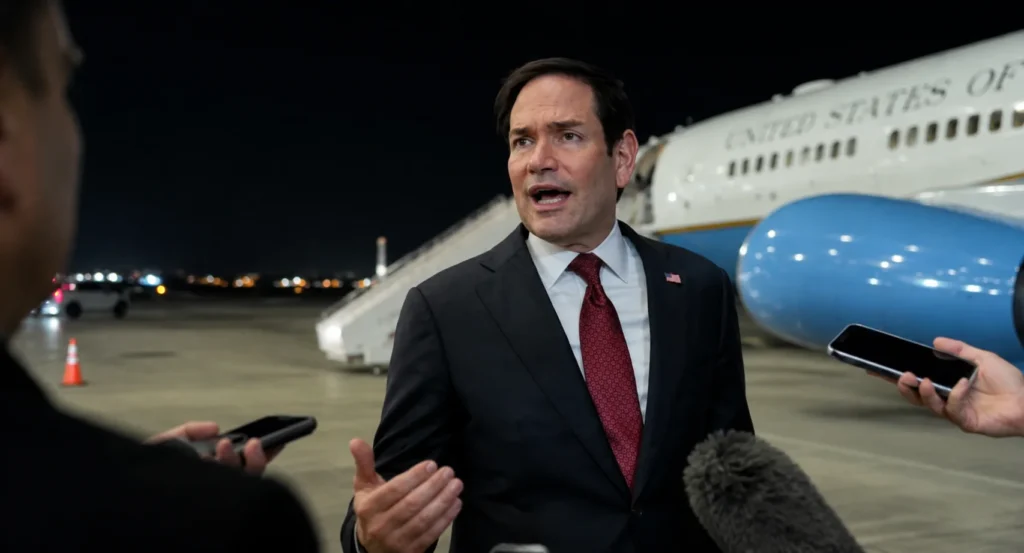
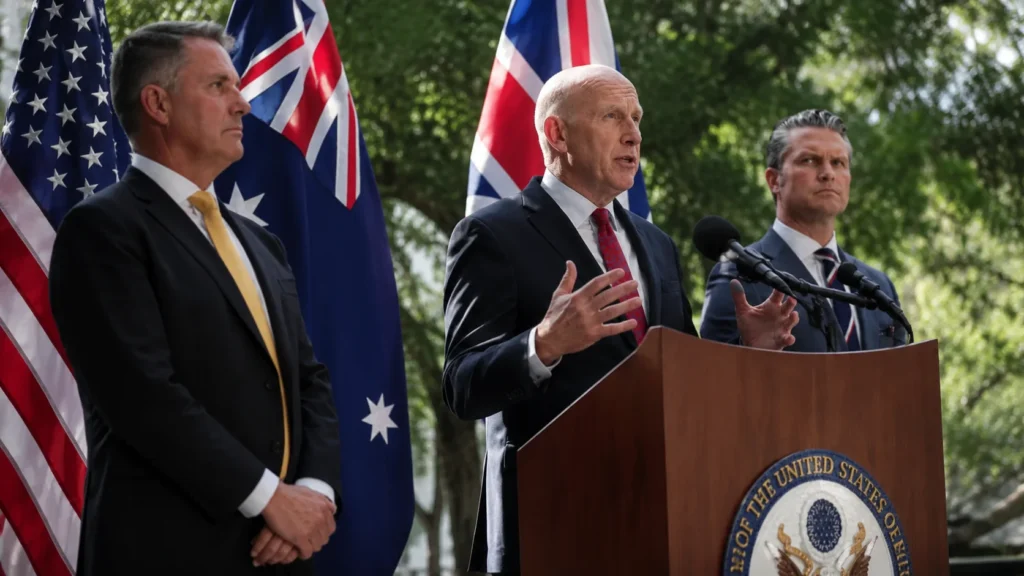
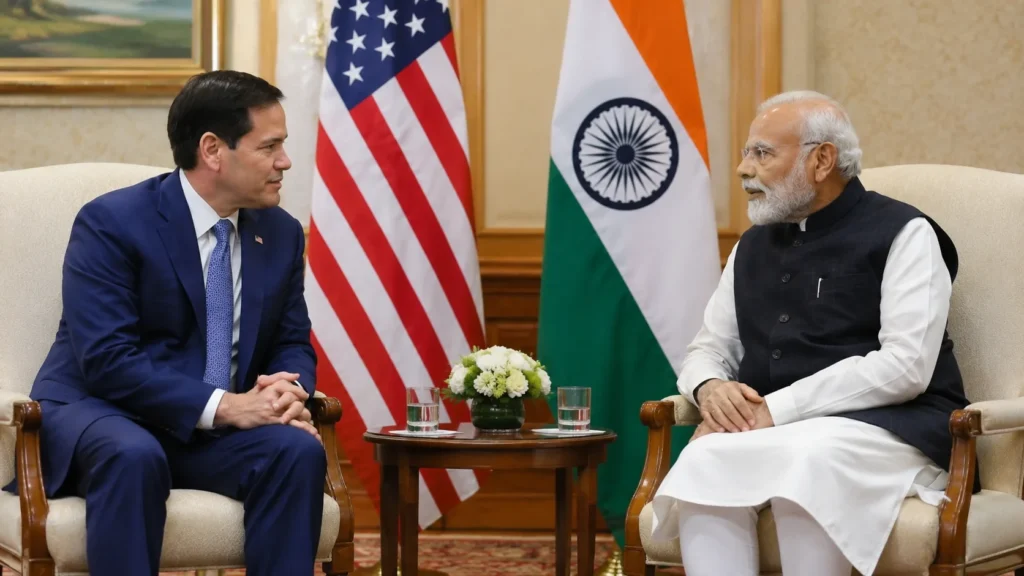
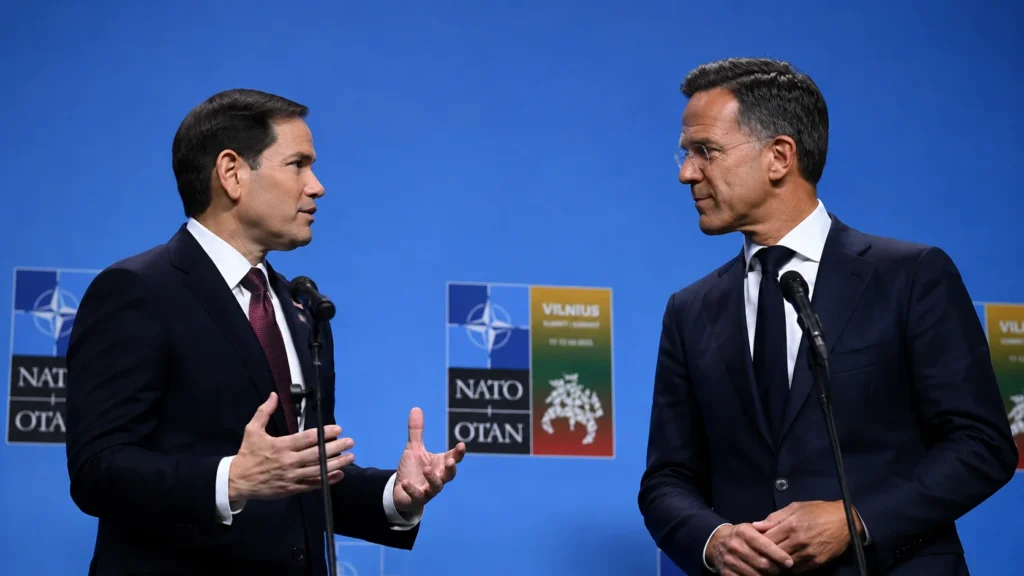
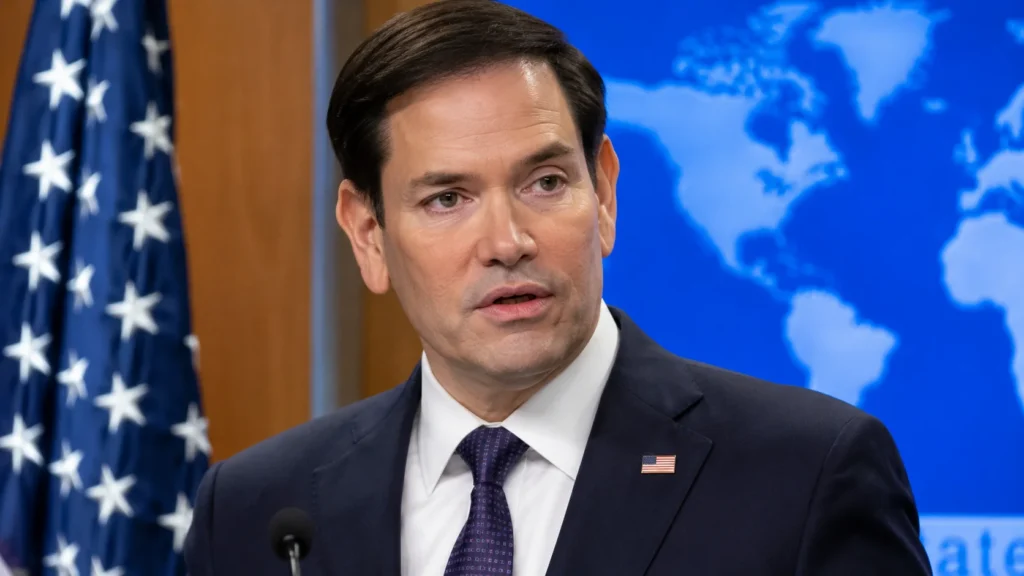
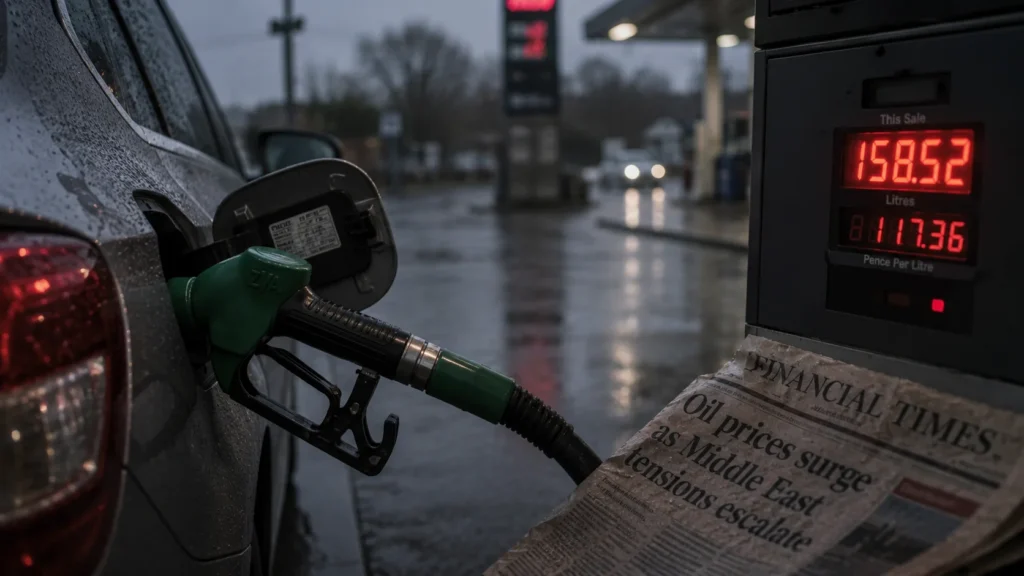
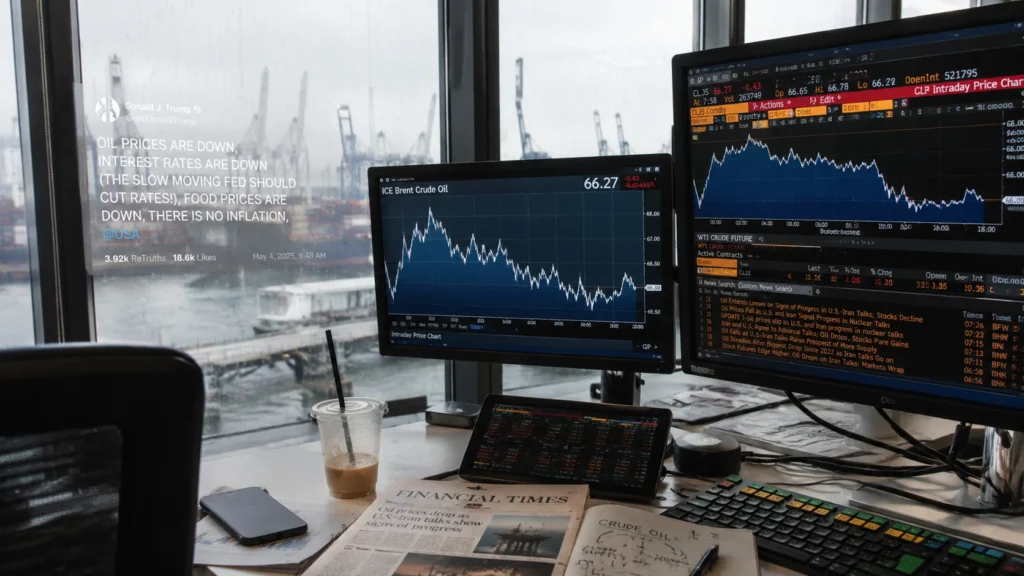
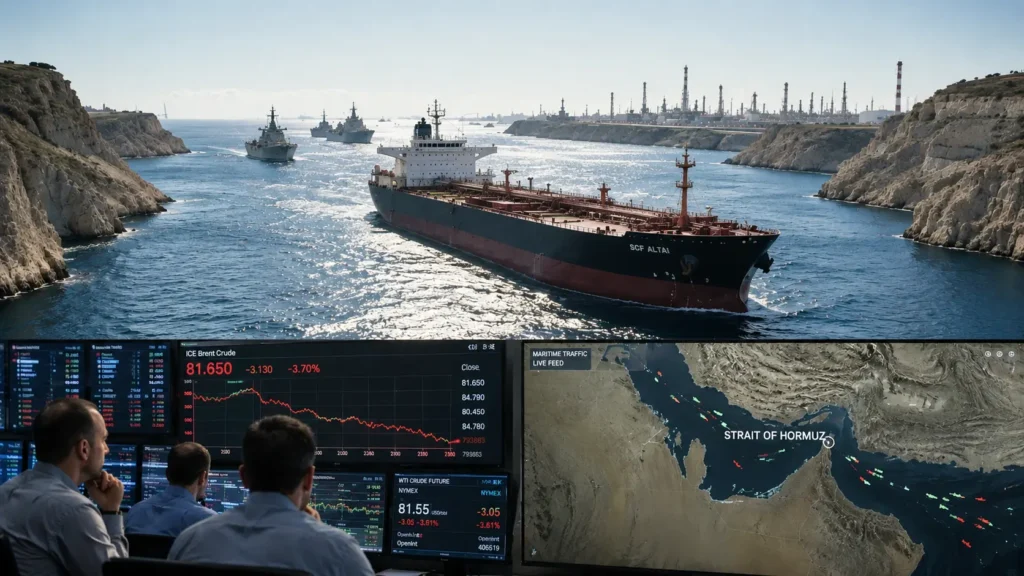
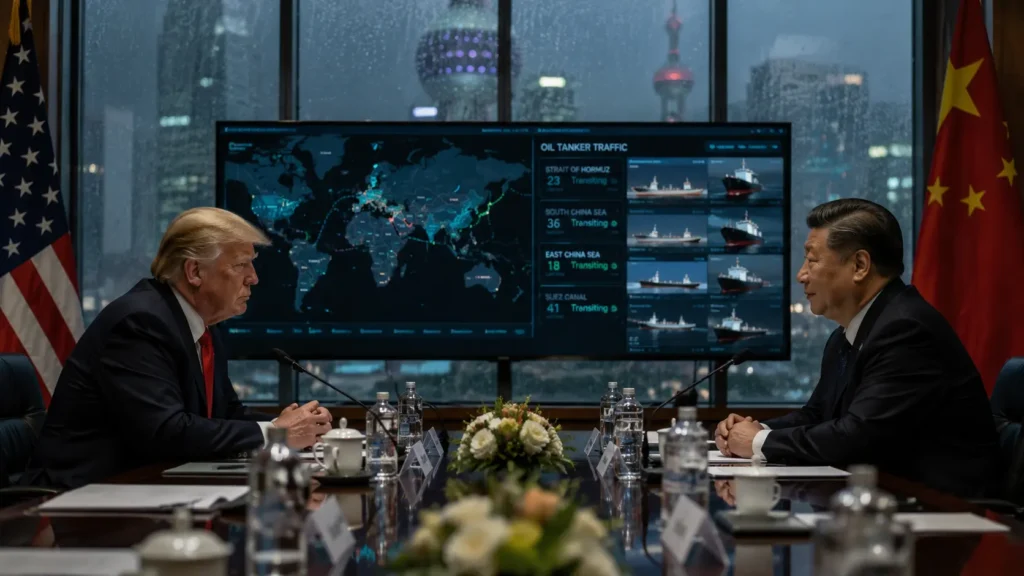
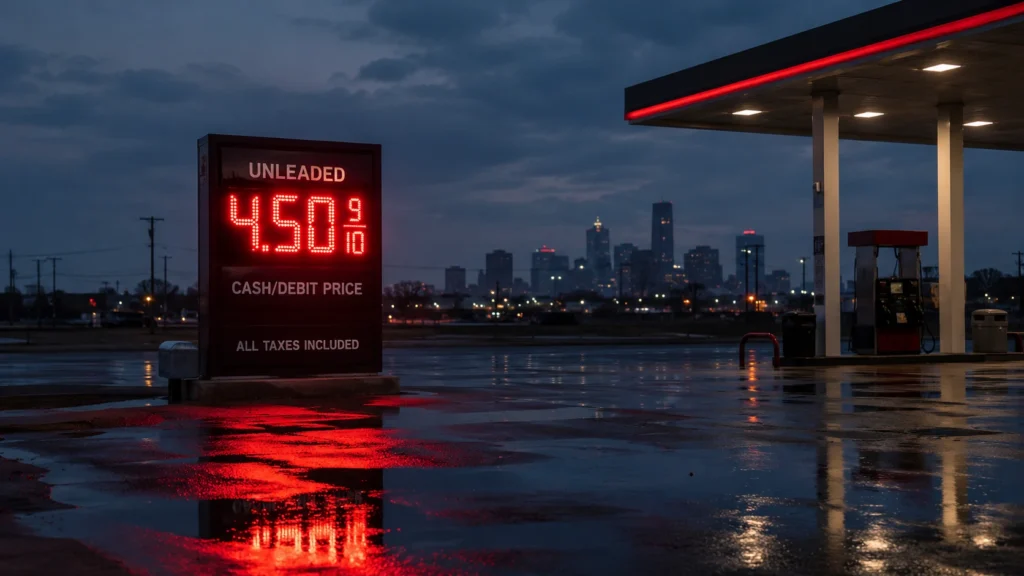
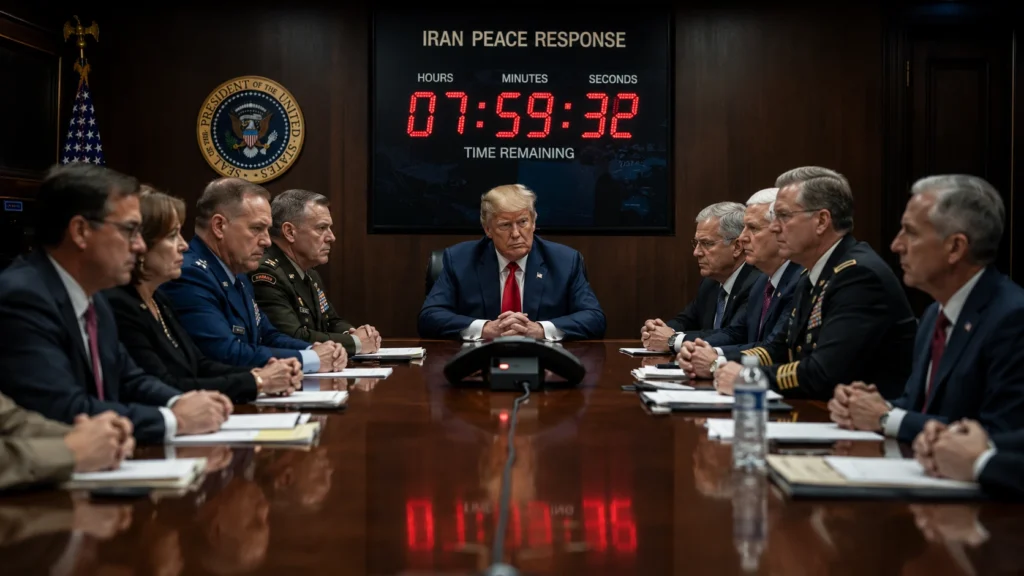
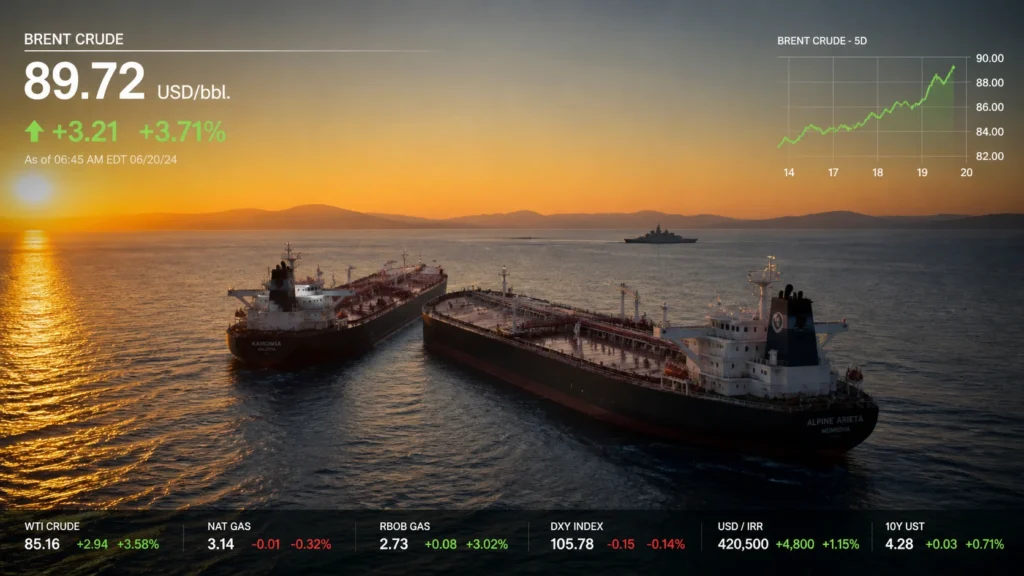
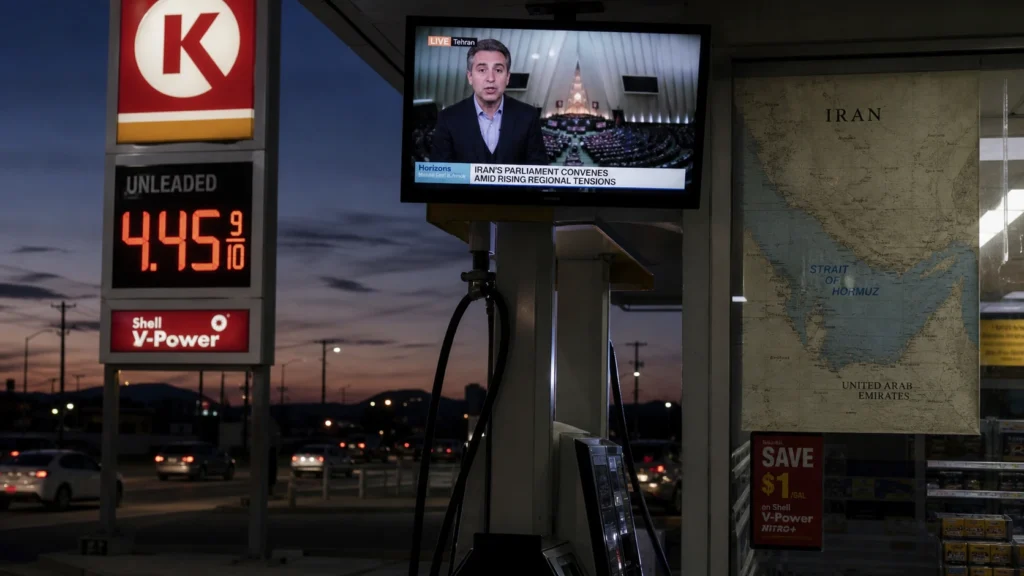
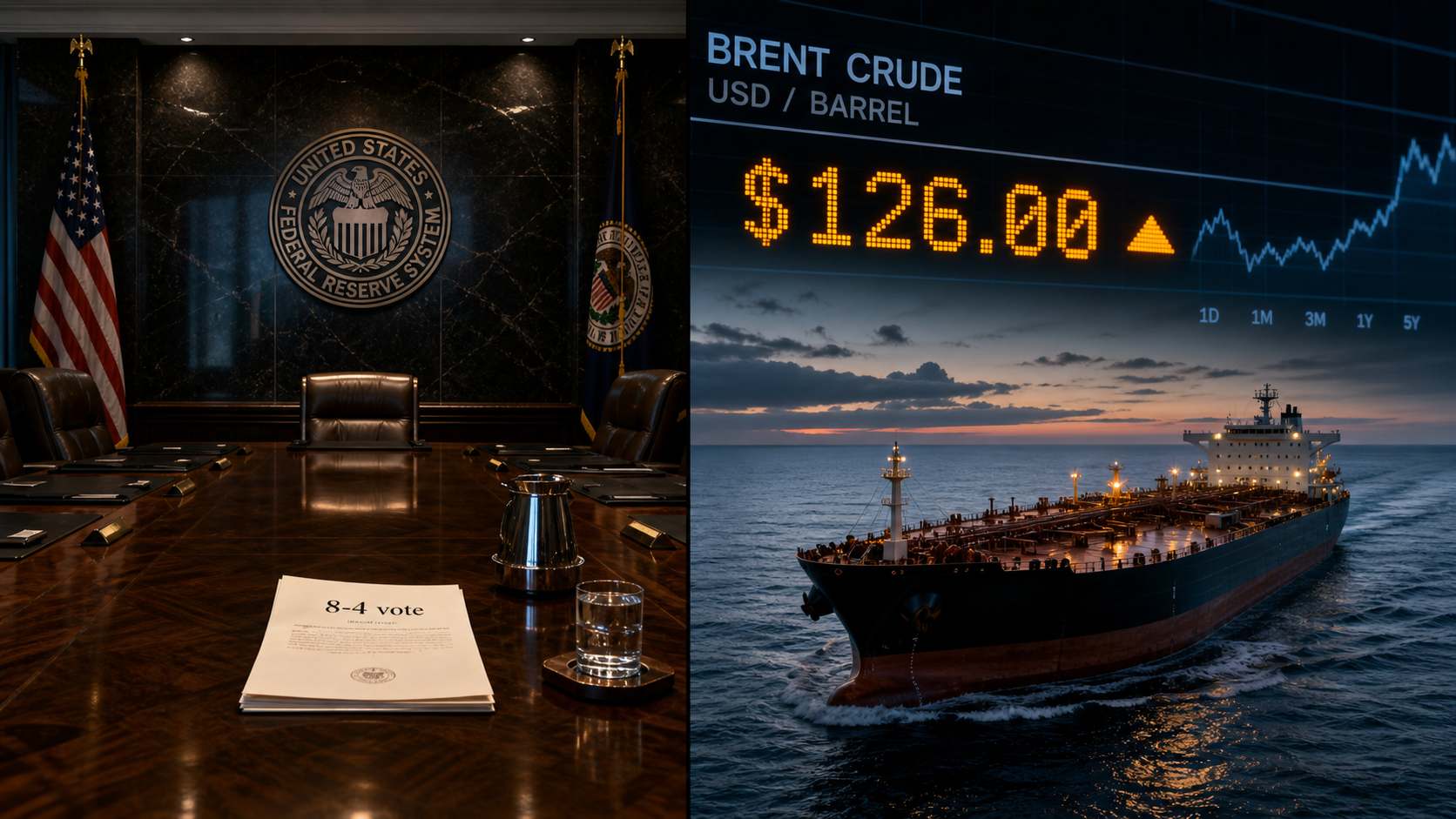
LONDON — Oil prices slide on hopes of US-Iran peace deal as global benchmark Brent crude fell 5.5% to 97.90 a barrel on Monday morning, settling around 97.90 a barrel on Monday morning, settling around 97.70 in afternoon trading, after US Secretary of State Marco Rubio said negotiators had “a pretty solid thing on the table” and an agreement to end the conflict might be reached later in the day. The Nikkei 225 stock index in Japan surged 3% through 65,000 for the first time in history. However, Iran’s foreign ministry spokesman said a deal was “not imminent,” and shipping industry executives warned it could be months before supply chains return to pre-war conditions even if an agreement is announced.
Markets React to Deal Hopes
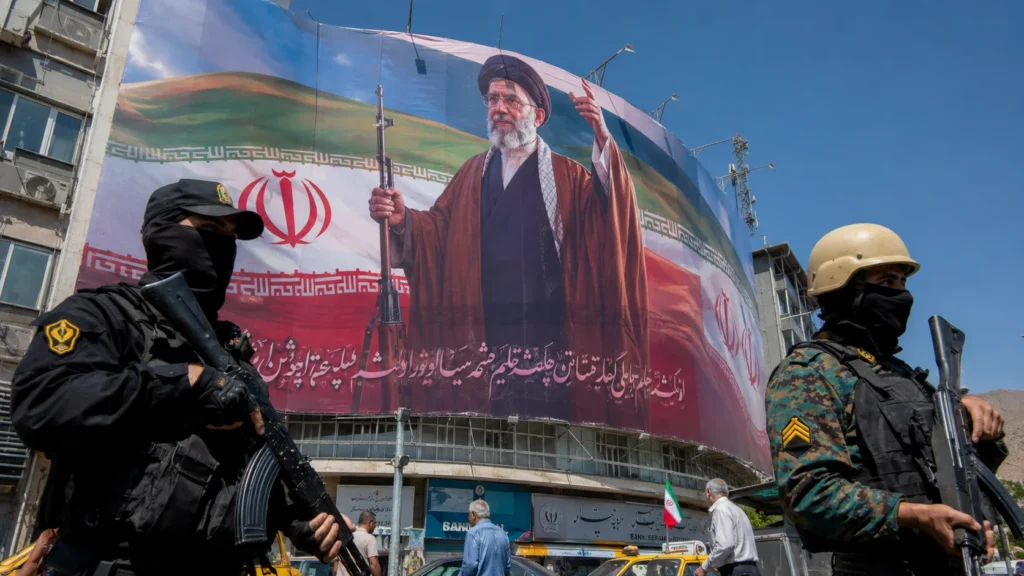
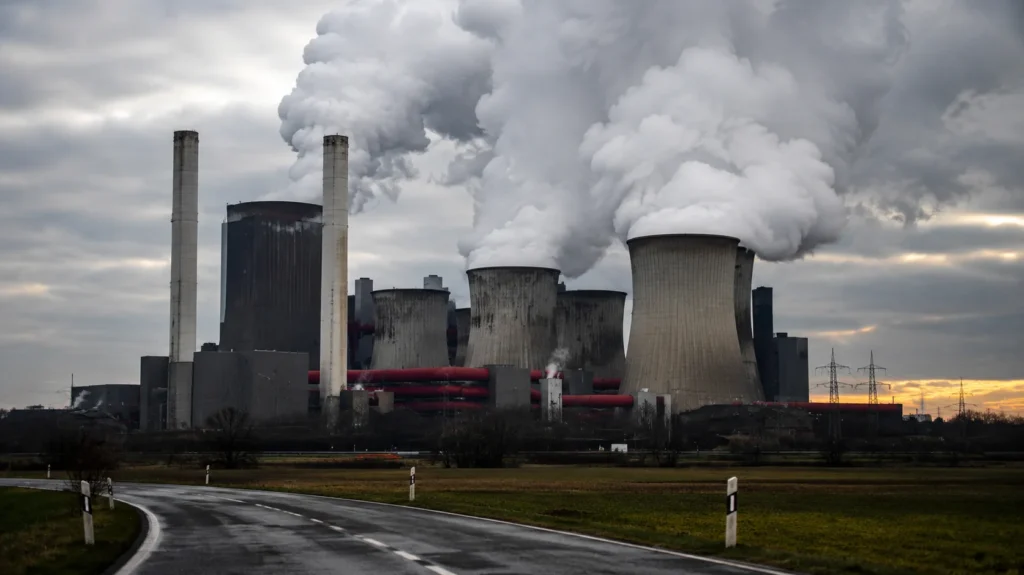
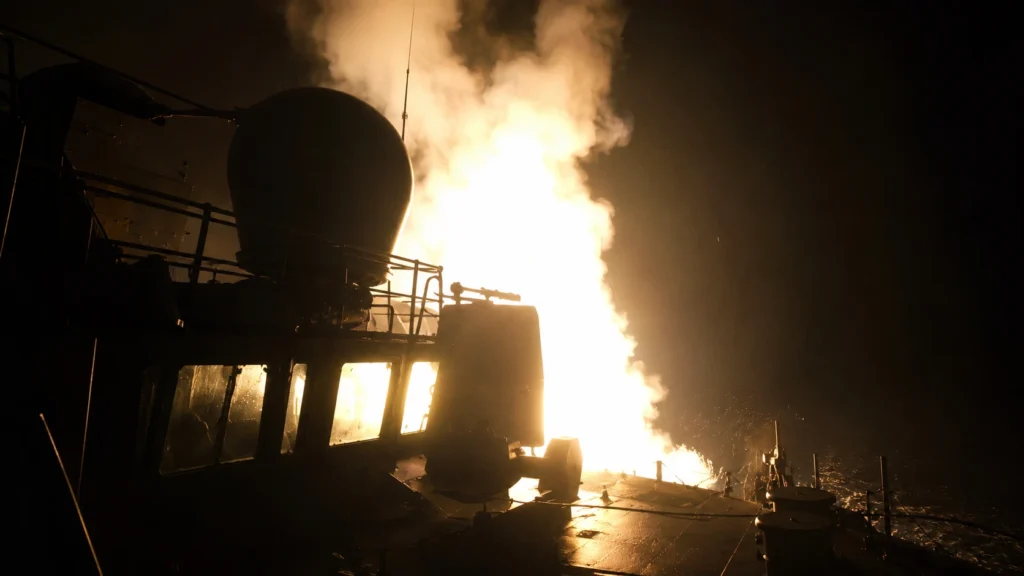
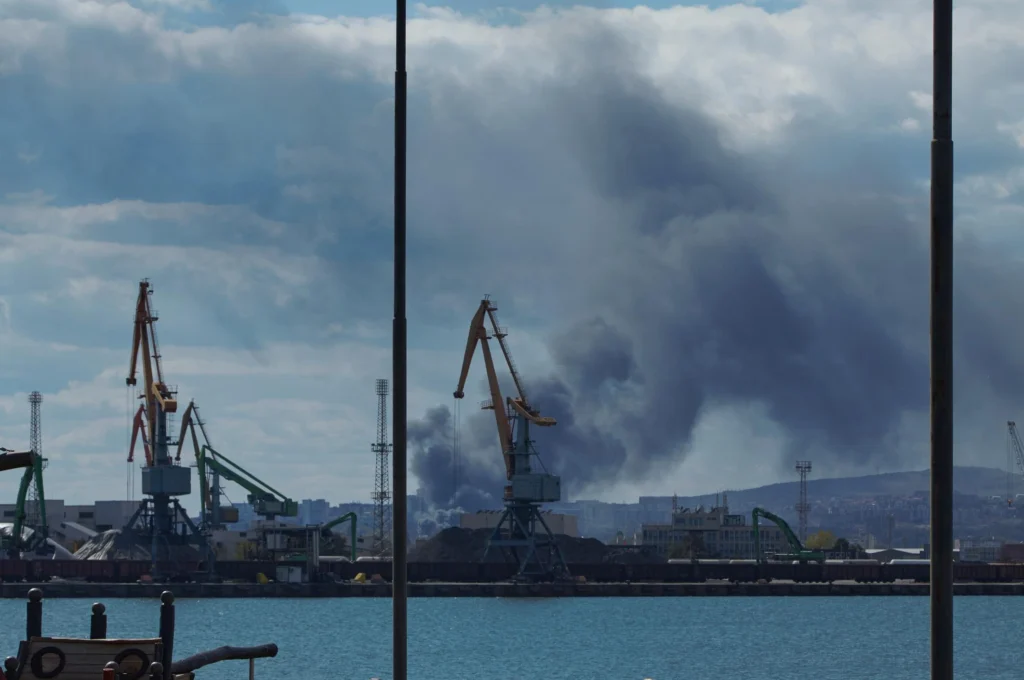
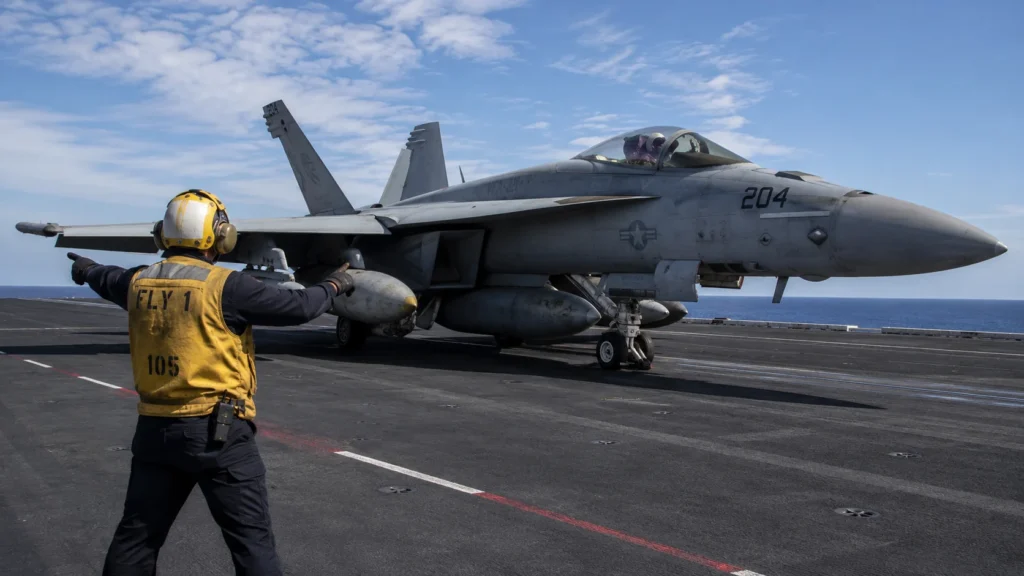
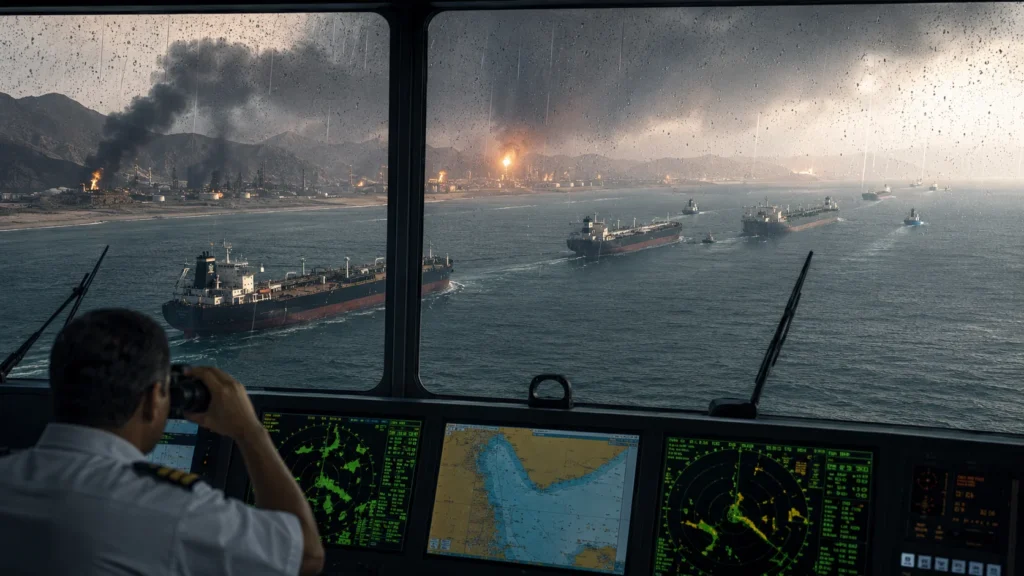
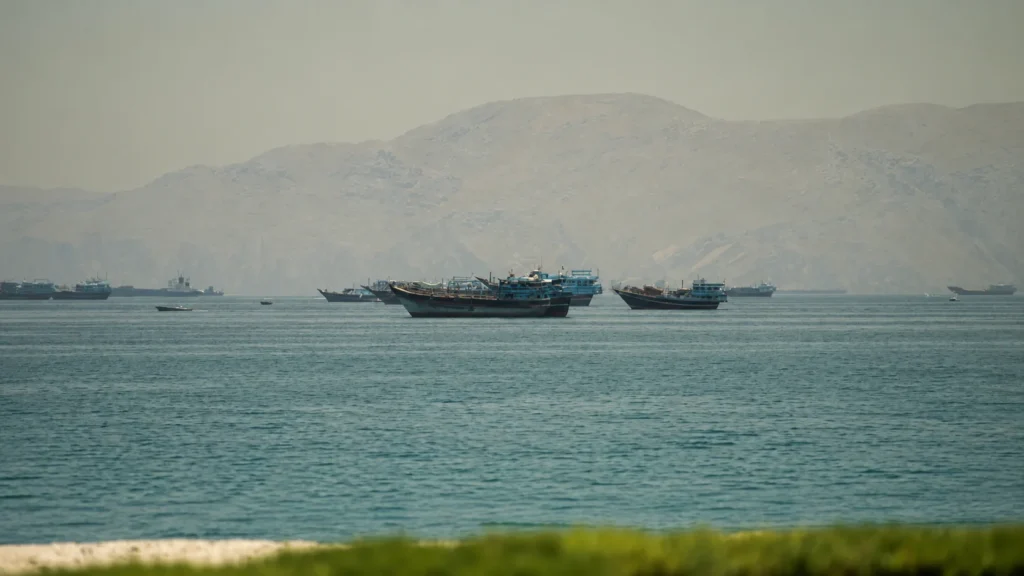
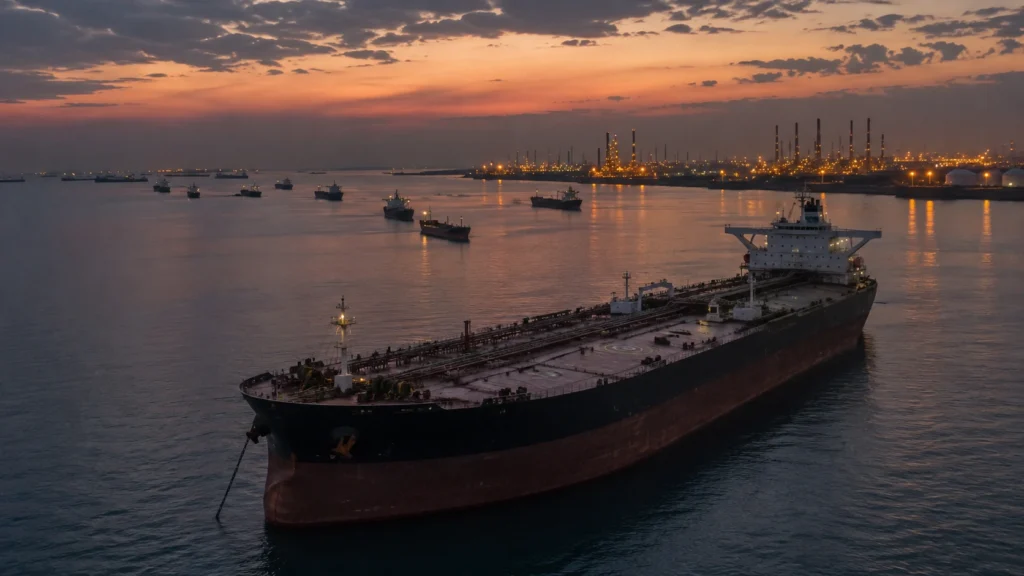
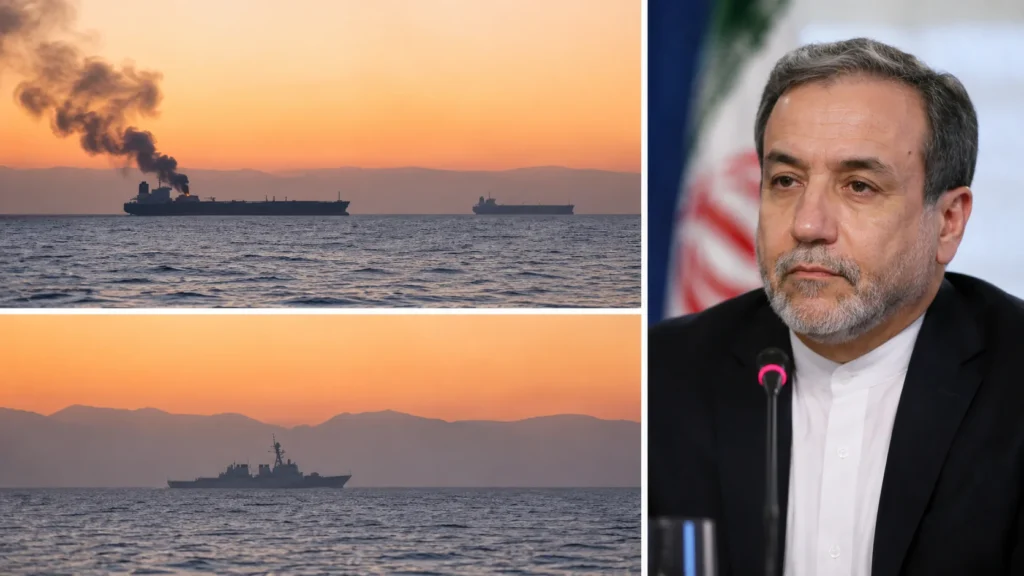
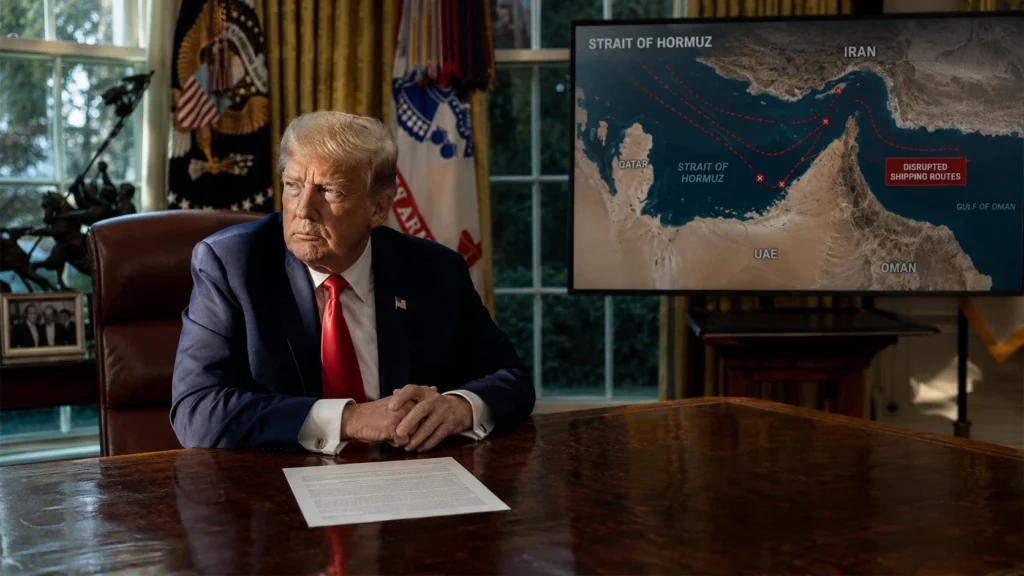
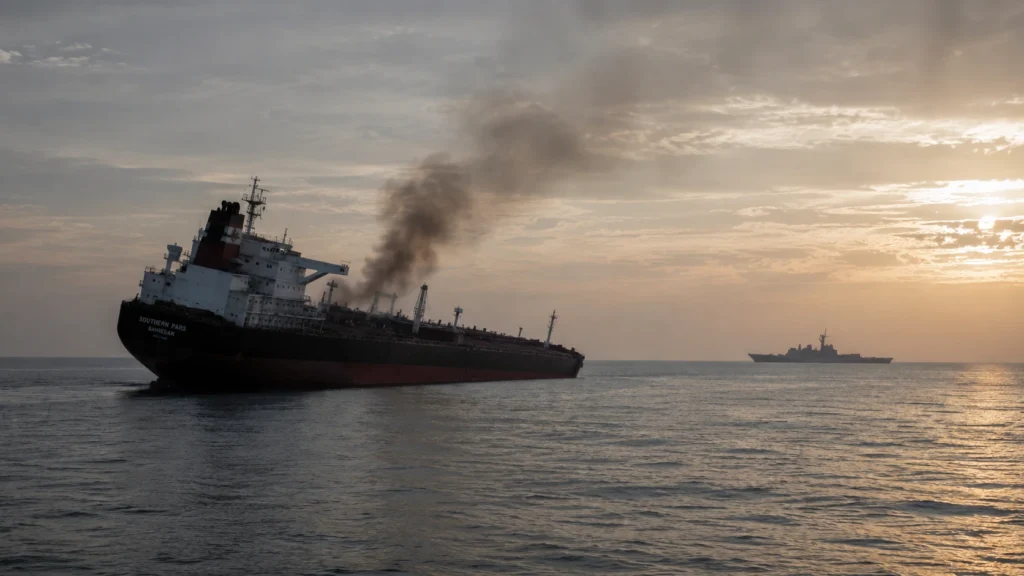
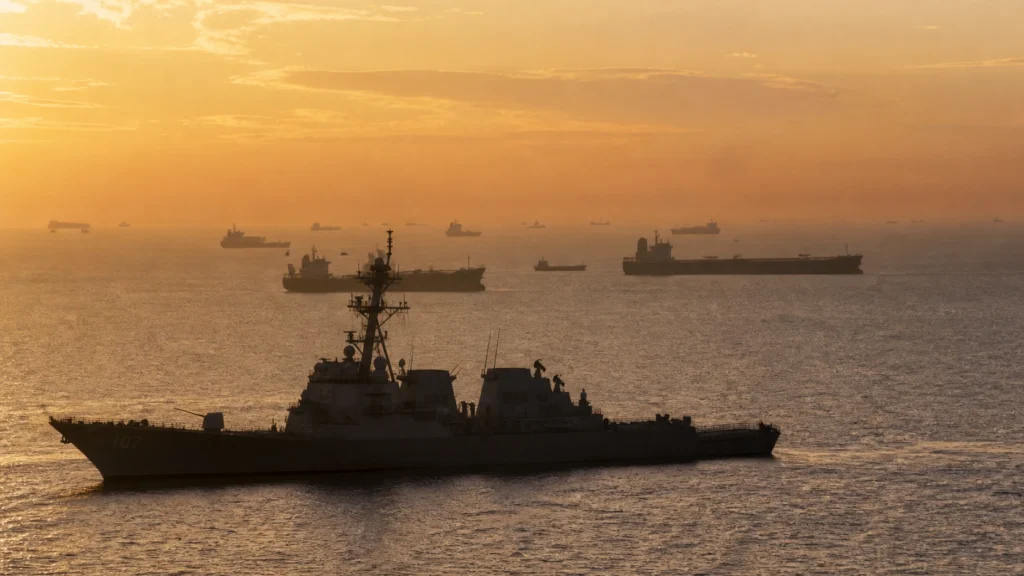
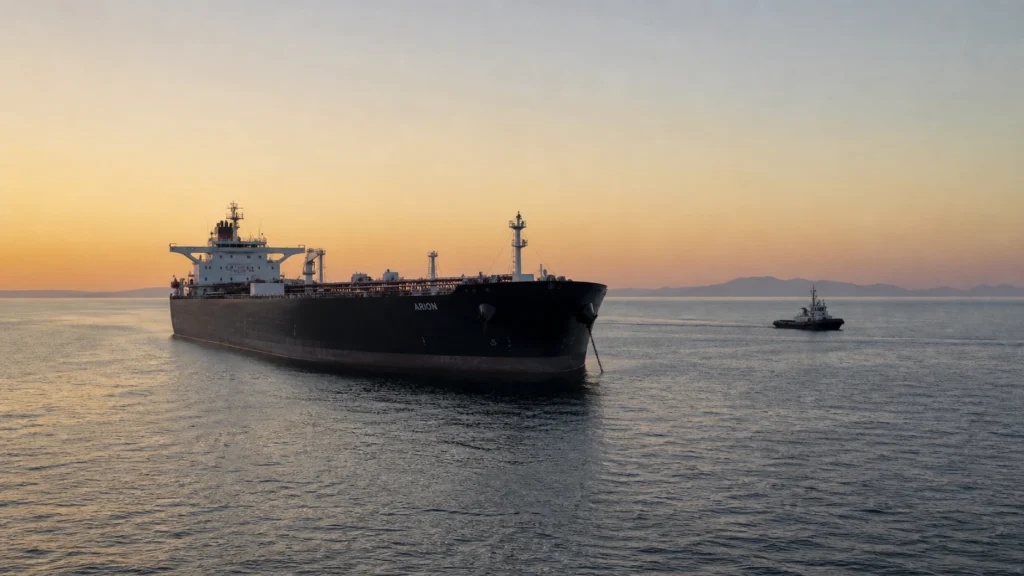
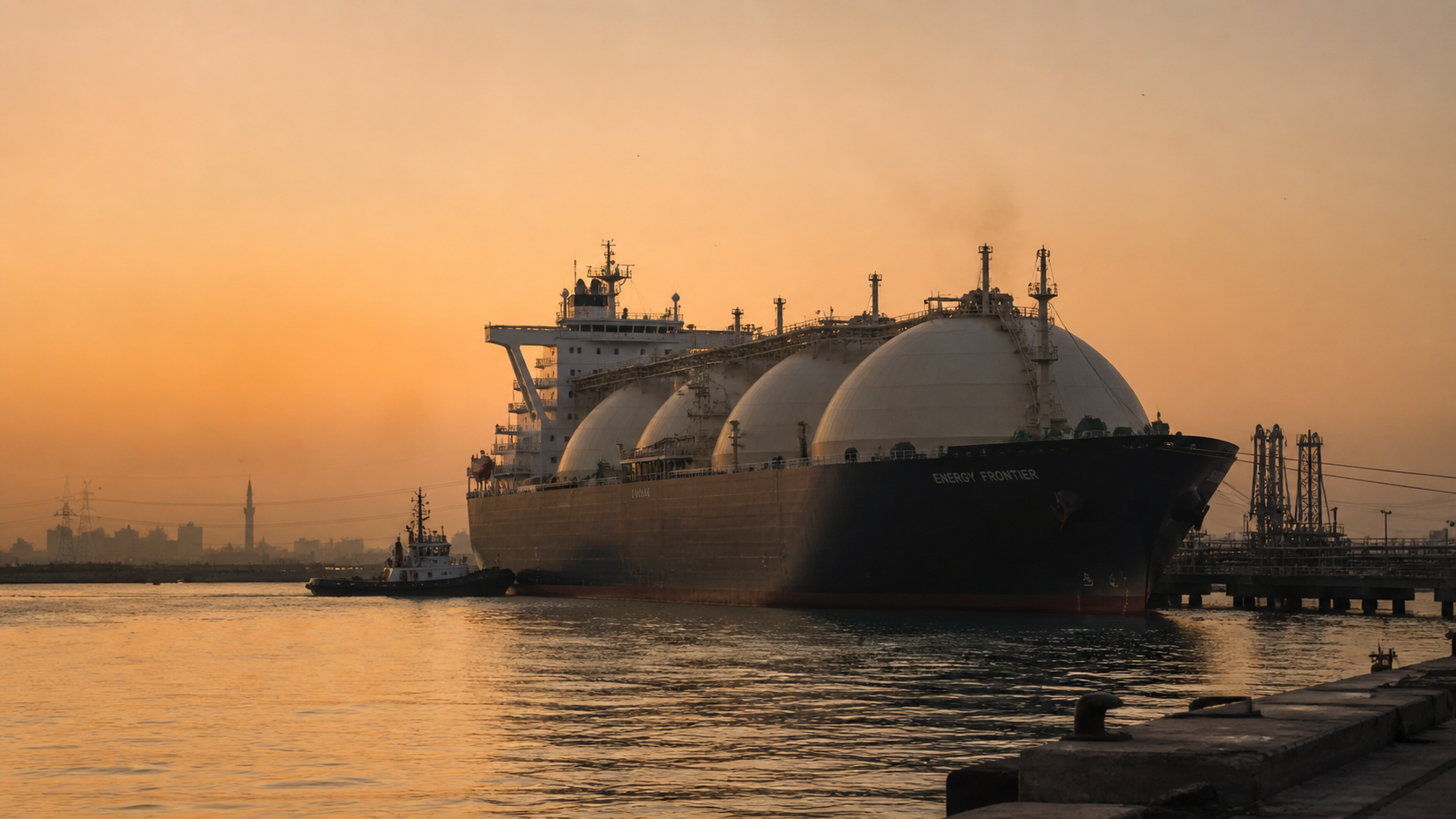
The sharp drop in Brent crude from its wartime peak above $111 represents the market’s verdict that the Strait of Hormuz, through which around one-fifth of the world’s oil and liquefied natural gas normally passes, may soon reopen. The strait has been effectively closed since the conflict began with US-Israeli airstrikes on 28 February.
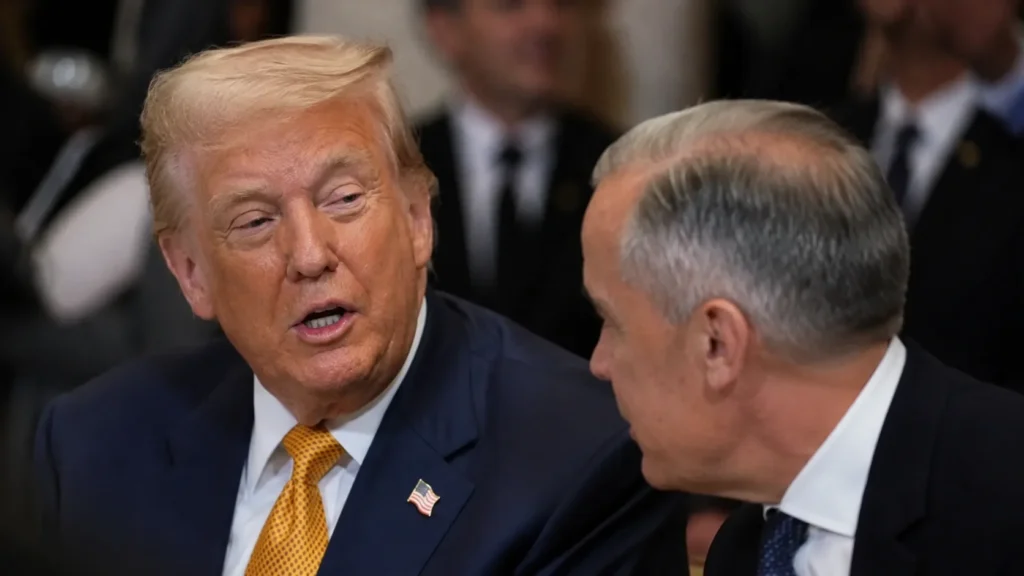
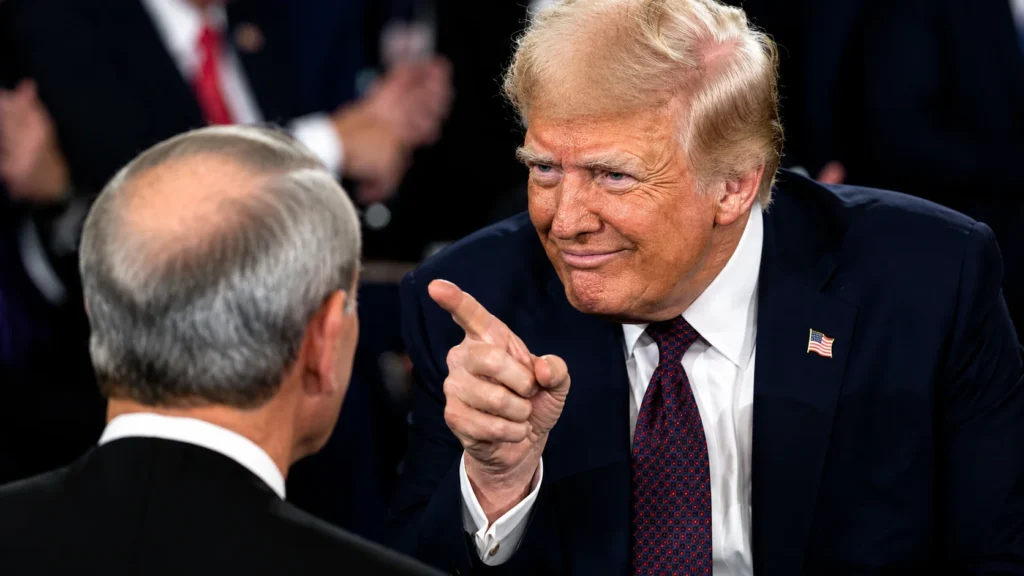
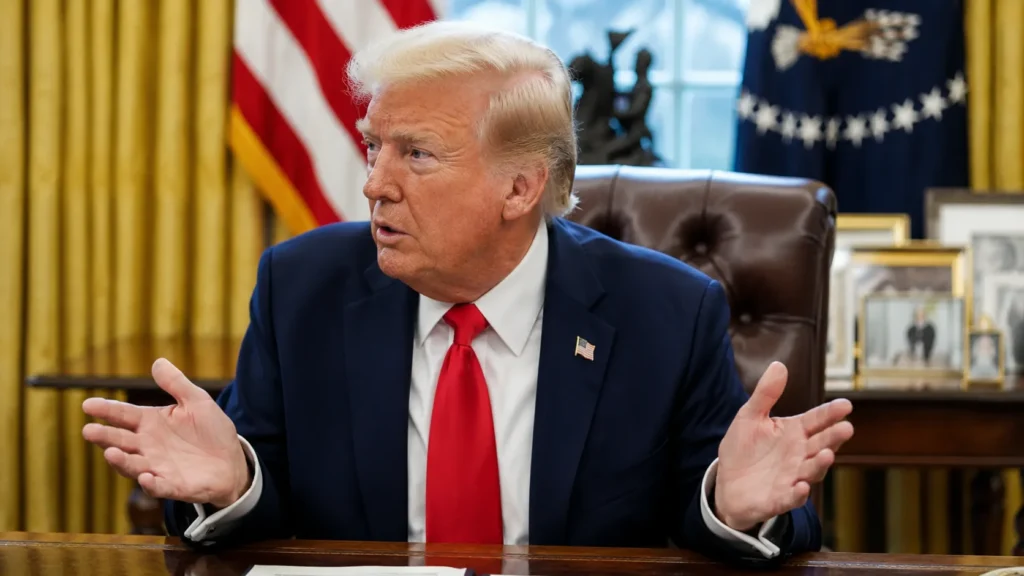
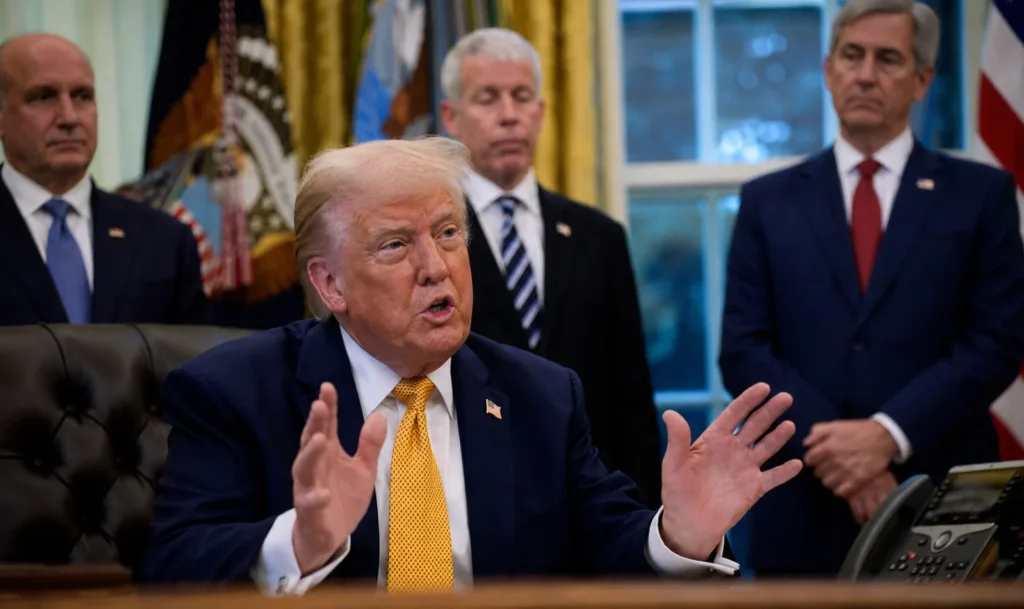
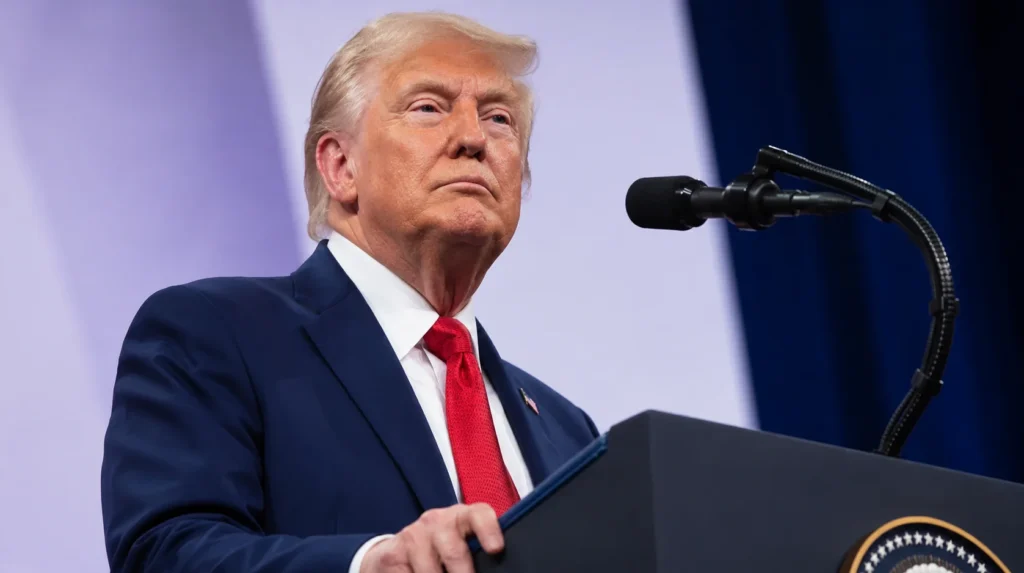
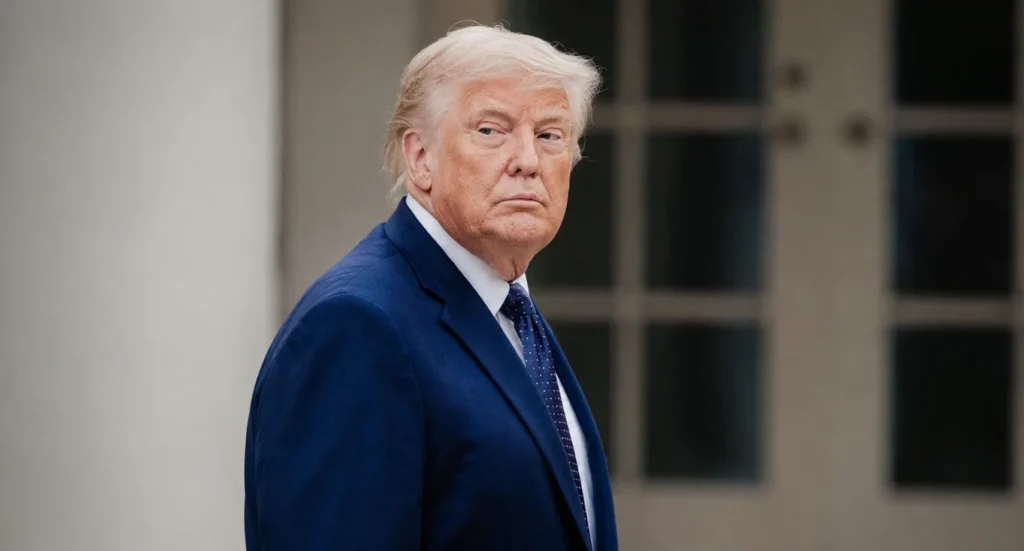
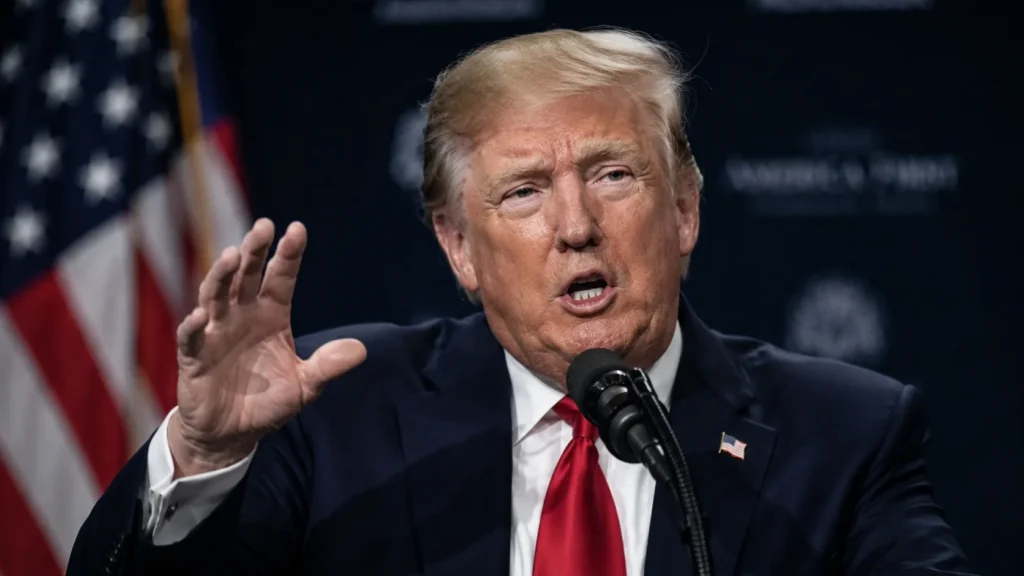
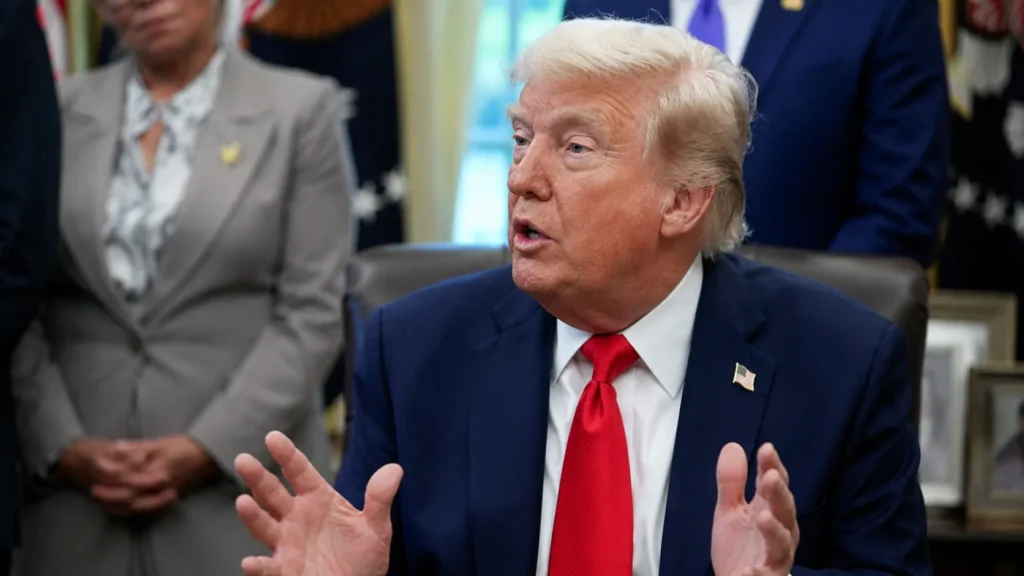
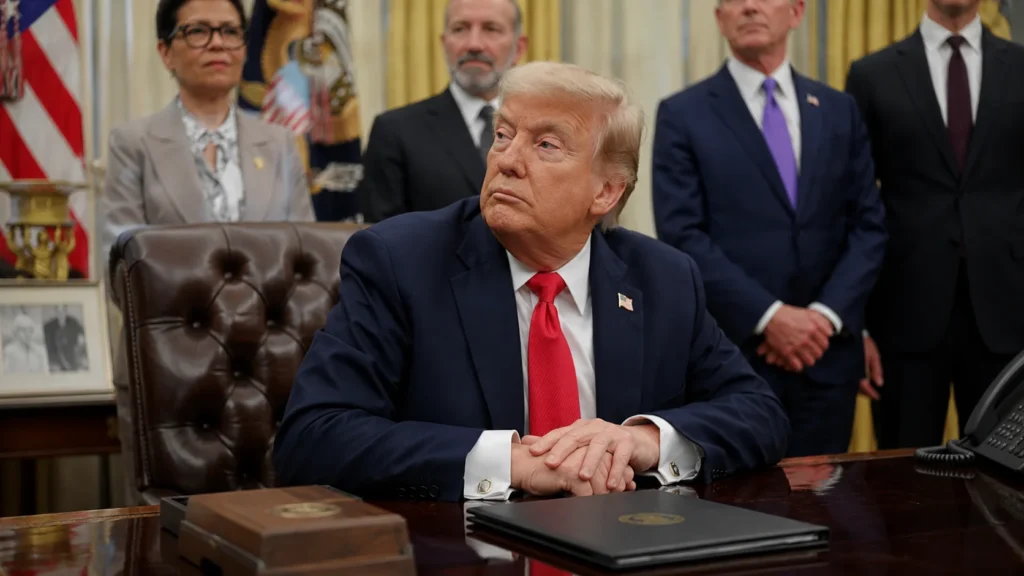
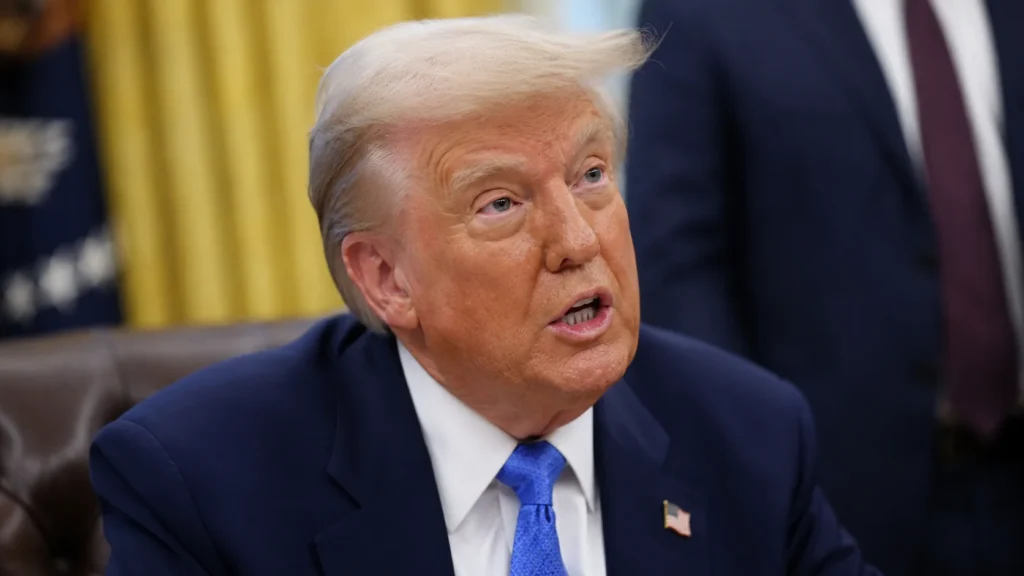
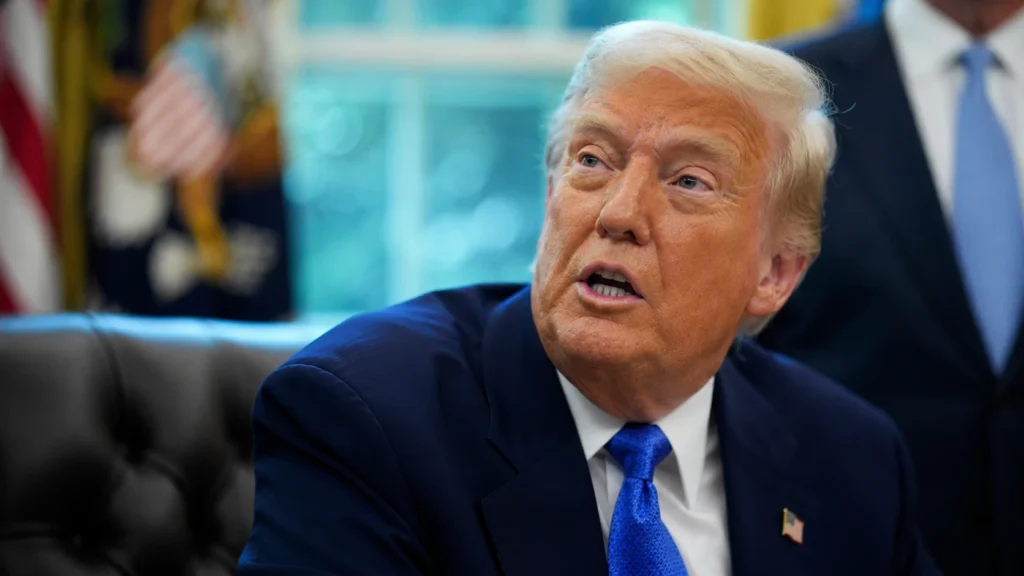
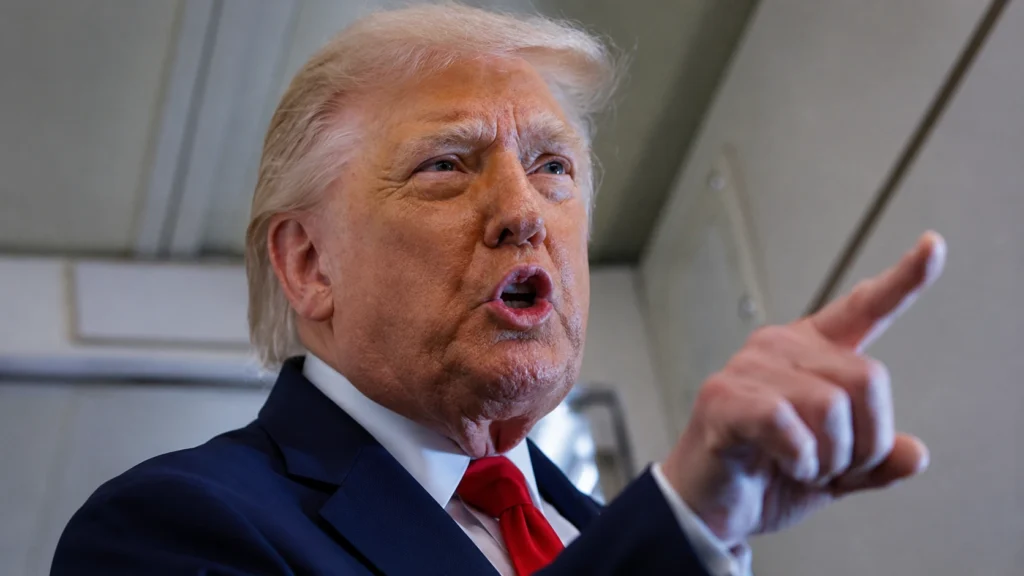
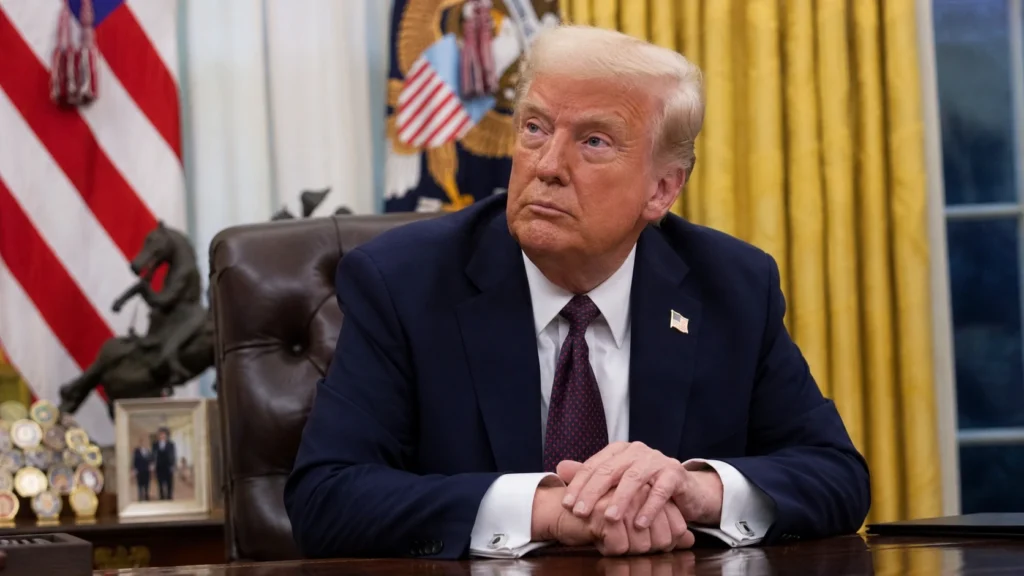
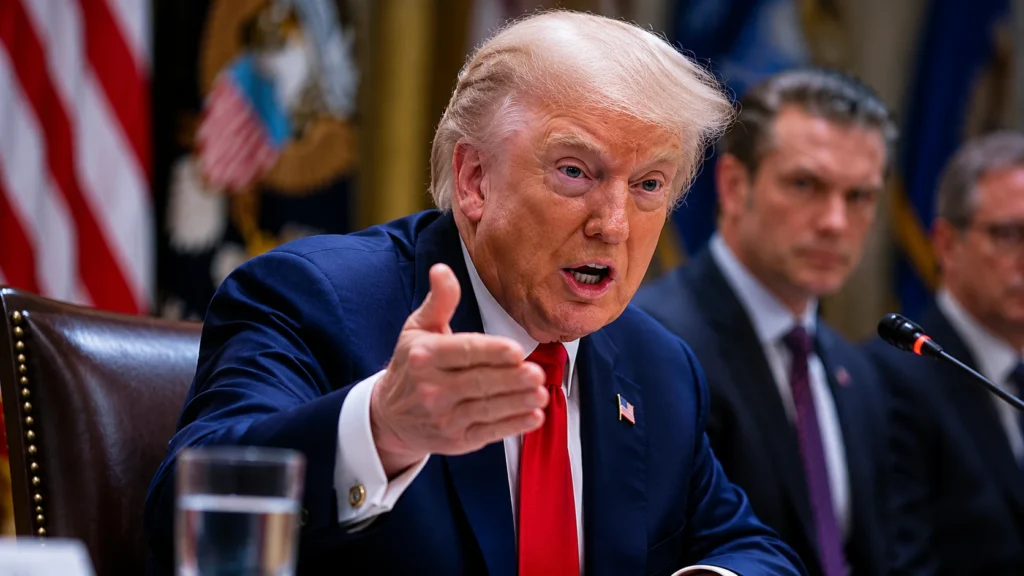
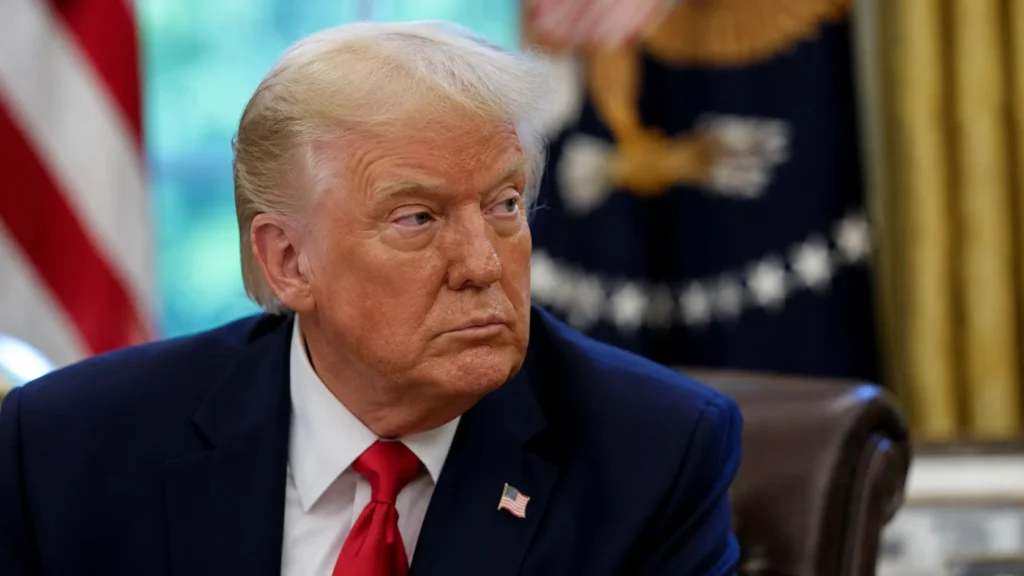
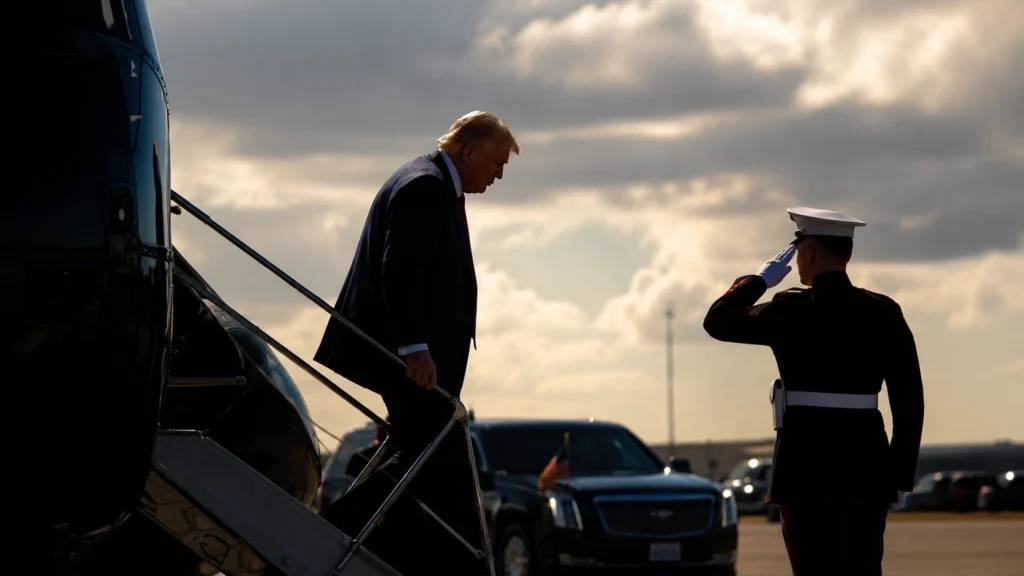
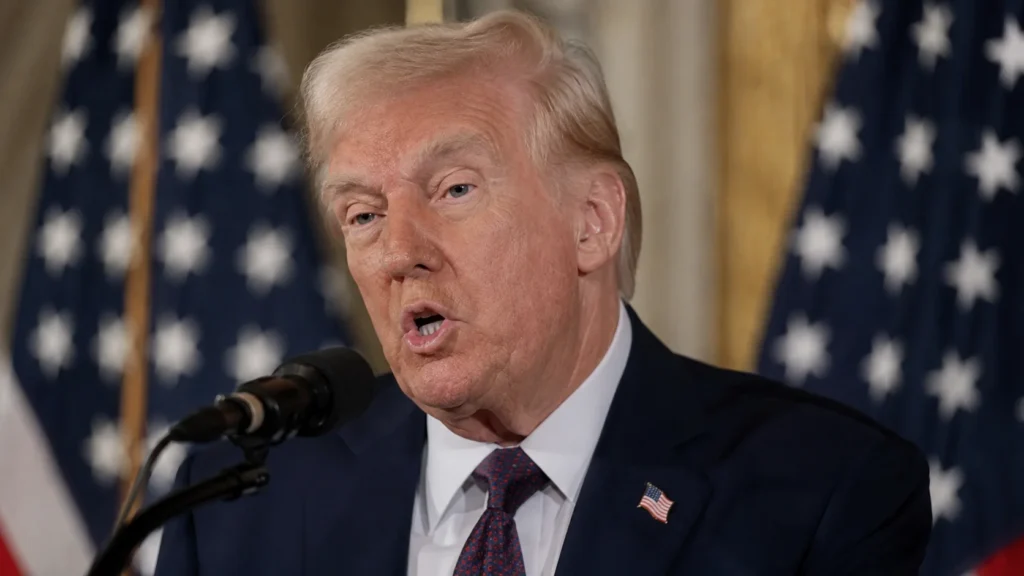
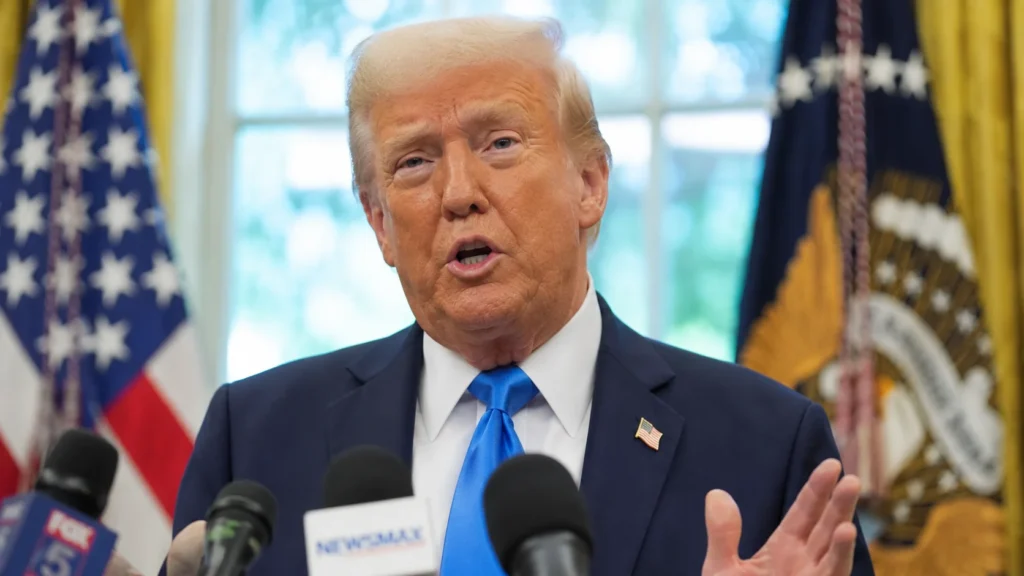
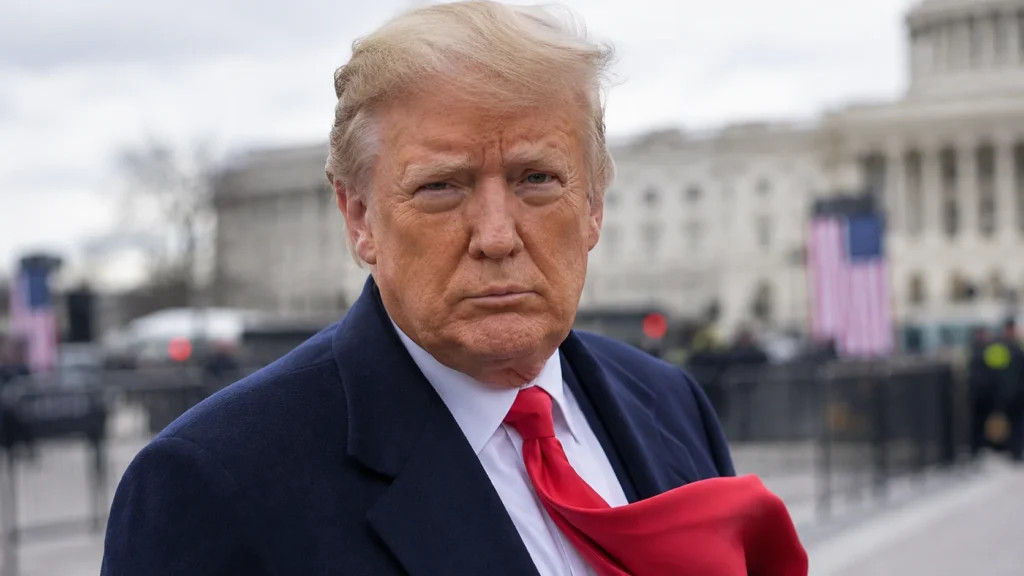
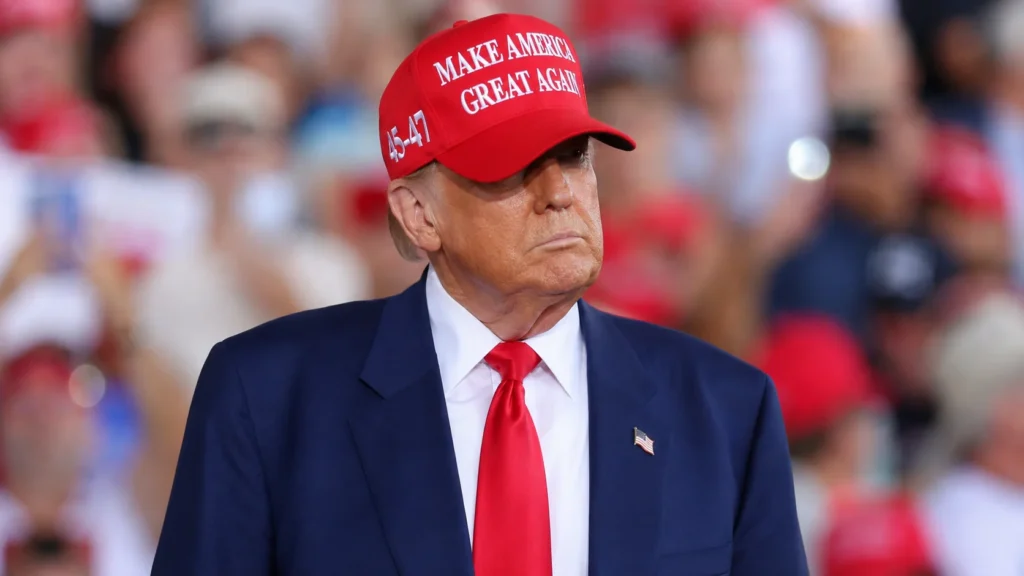
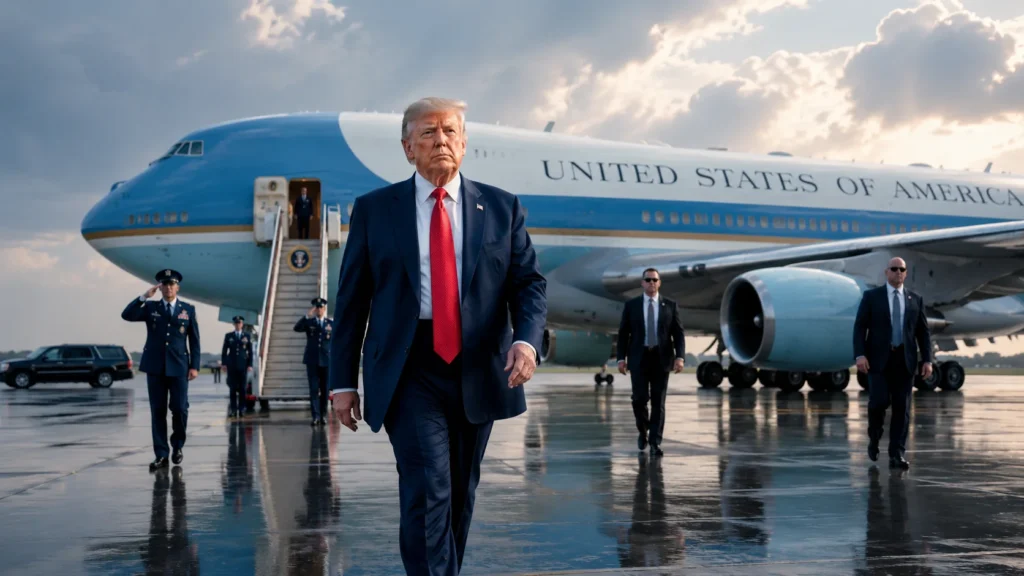
President Donald Trump said on Truth Social that negotiations were “proceeding nicely” but added that it would be either “a great deal for all or no deal at all.” He said he had pushed Gulf leaders, as well as the presidents of Turkey and Egypt, to sign the Abraham Accords aimed at normalising relations with Israel Donald Trump Truth Social post, 25 May 2026.
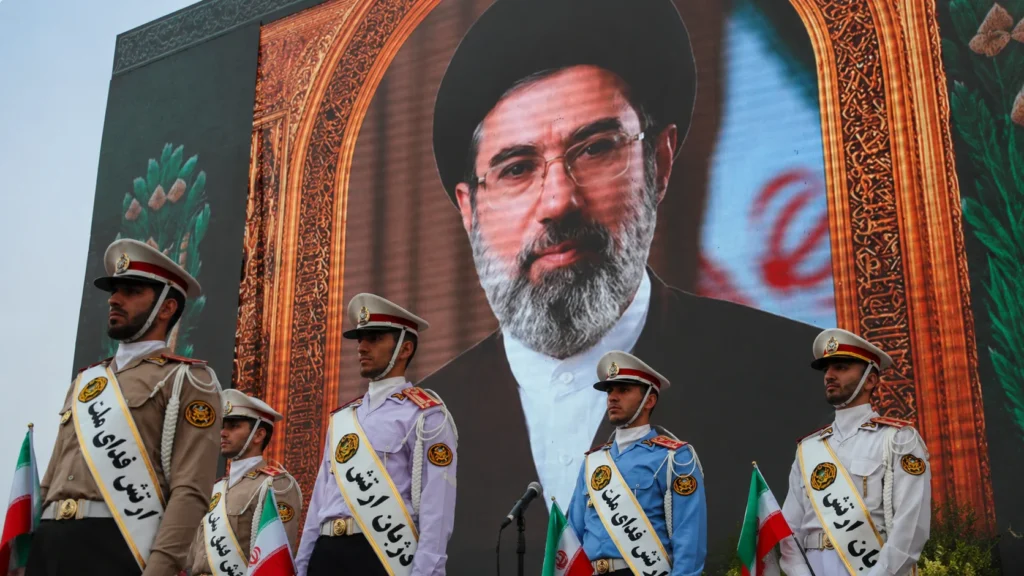
Iran’s foreign ministry spokesman, Esmail Baqai, told reporters that agreement had been reached on a “large portion of the issues under discussion.” But he added: “To say that this means the signing of an agreement is imminent, no one can make such a claim” Iranian Foreign Ministry press briefing, 25 May 2026.
Rubio says solid Iran deal may come Monday as oil prices fall, our earlier analysis
The Supply Chain Reality Check
Despite the market optimism, shipping industry leaders urged caution. Lars Jensen, chief executive of Vespucci Maritime and a former director of Maersk, told BBC Radio 4’s Today programme that even if a deal were announced on Monday, the shipping industry would remain “very cautious and hesitant” BBC Radio 4 Today programme interview, 25 May 2026.
“You are likely going to see shipping lines that have vessels stuck in the Persian Gulf try to get them out, but they will be a lot more hesitant to put ships back into the Persian Gulf in case the thing turns south again,” Jensen said.
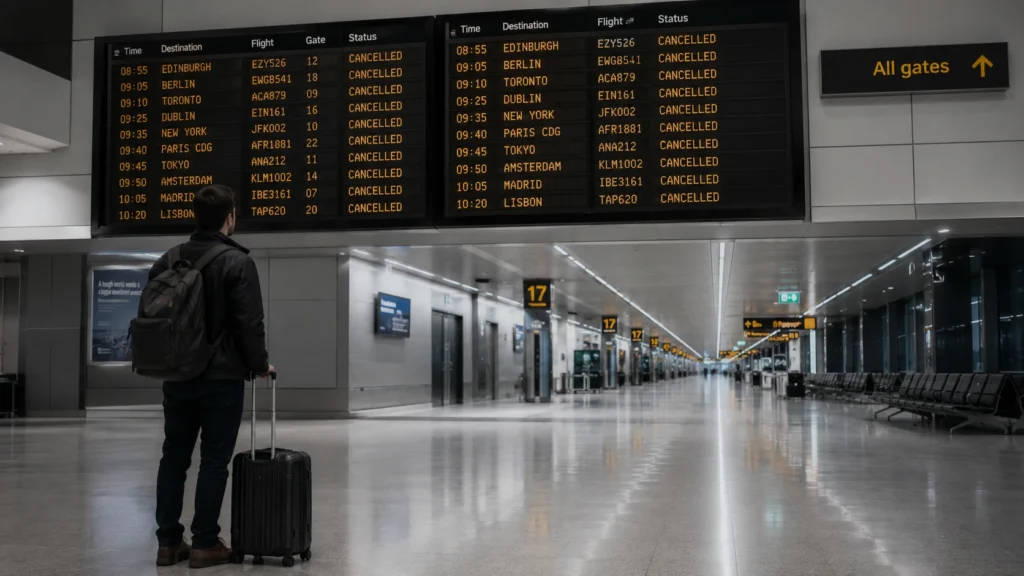
Jensen noted that with potential sea mines in the strait and its surrounding waters, even in a best-case scenario, it would be months before supply chains returned to pre-war conditions.
Saul Kavonic, head of energy research at MST Financial, said: “There is now some light at the end of the tunnel, which will bring some near-term oil price relief.” But he warned that “even in the most optimistic scenario from here, oil markets will remain tight through 2027 given the time required to normalise oil flows through the Strait, repair damaged oil facilities, and rebuild global oil stocks that have seen record depletion since the war began” MST Financial research note, 25 May 2026.
Oil prices hit wartime high, the supply chain vulnerability the UK never fixed
Asian Markets Surge
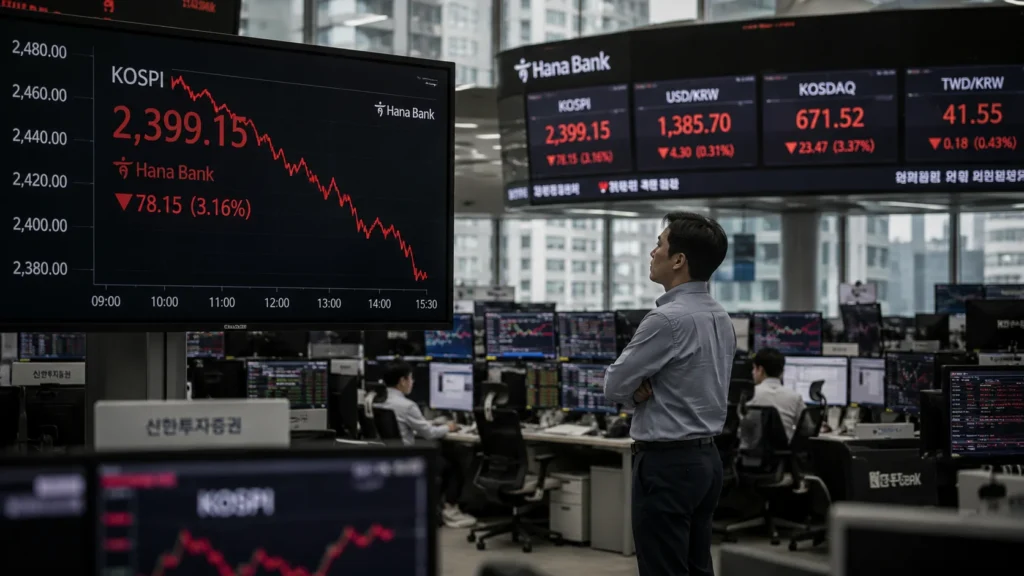
The Nikkei 225’s surge through 65,000 for the first time reflects the particular exposure of Asian manufacturing economies to Gulf energy supplies. Japan and South Korea have been heavily affected by the conflict due to their reliance on energy imports from the Gulf.
Every yen of energy costs that disappears from Japanese industrial balance sheets flows directly to the bottom line. The same calculation applies across Seoul, Singapore, and other Asian manufacturing hubs. The market’s Monday optimism is a bet that those costs are about to decline.
UK and US energy and financial markets were closed on Monday for public holidays, meaning the full market impact of the diplomatic developments will not be visible until Tuesday.
How the Strait of Hormuz crisis reshaped global energy supply chains
What Remains Unresolved
The reported 60-day ceasefire framework defers the thorniest issues, including the scope and timing of sanctions relief, the release of frozen Iranian funds, and the final status of Iran’s nuclear programme, to later negotiations.
At the start of the war, Iran held approximately 440kg of uranium enriched to 60% purity, a short technical step from weapons-grade 90%. The final status of that stockpile remains unresolved in the current framework.
Iran has spent three months constructing a new sovereignty architecture over the Strait of Hormuz through its Persian Gulf Strait Authority, which claims all transit requires Iranian coordination and authorisation. The US has insisted the strait must reopen without Iranian tolls. The reported framework does not resolve this dispute.
Oil Prices and Iran Peace Deal 2026
Why did oil prices fall on Monday?
Brent crude fell 5.5% to below $98 a barrel after US Secretary of State Marco Rubio said negotiators had “a pretty solid thing on the table” and a deal to end the Iran conflict might be reached. Markets priced in the potential reopening of the Strait of Hormuz.
Is a US-Iran peace deal imminent?
No. Iran’s foreign ministry spokesman said a deal was “not imminent,” although an agreement has been reached on a “large portion of the issues under discussion.” Trump said talks were “proceeding nicely,” but added it would be “a great deal for all or no deal at all.”
How long will it take for supply chains to normalise?
Even in a best-case scenario, shipping executives and energy analysts say it could be months before supply chains return to pre-war conditions. Sea mines, insurance premiums, and hesitation to re-enter the Gulf will slow the recovery.
What happened to the Nikkei 225?
The Nikkei 225 rose above 65,000 for the first time, gaining 3% on hopes that the Strait of Hormuz would reopen. Japan is heavily reliant on energy imports from the Gulf.
What issues remain unresolved in the deal?
The nuclear file, including the status of Iran’s 440kg of uranium enriched to 60%, the scope of sanctions relief, the release of frozen Iranian funds, and the legal status of the Strait of Hormuz, is all deferred to later negotiations.
Written by the Commodities Desk, drawing on Brent crude pricing data, Nikkei 225 market data, BBC Radio 4 interviews, MST Financial research, and Iranian Foreign Ministry briefings. The desk has covered global energy markets and Gulf geopolitics for over 20 years.