

 English

























































































































































































































































































































































Xreal Smartglasses Finally Mastered the Industry. Almost.
Published: 25 May 2026 | Source: Google I/O, Xreal, Meta Reality Labs
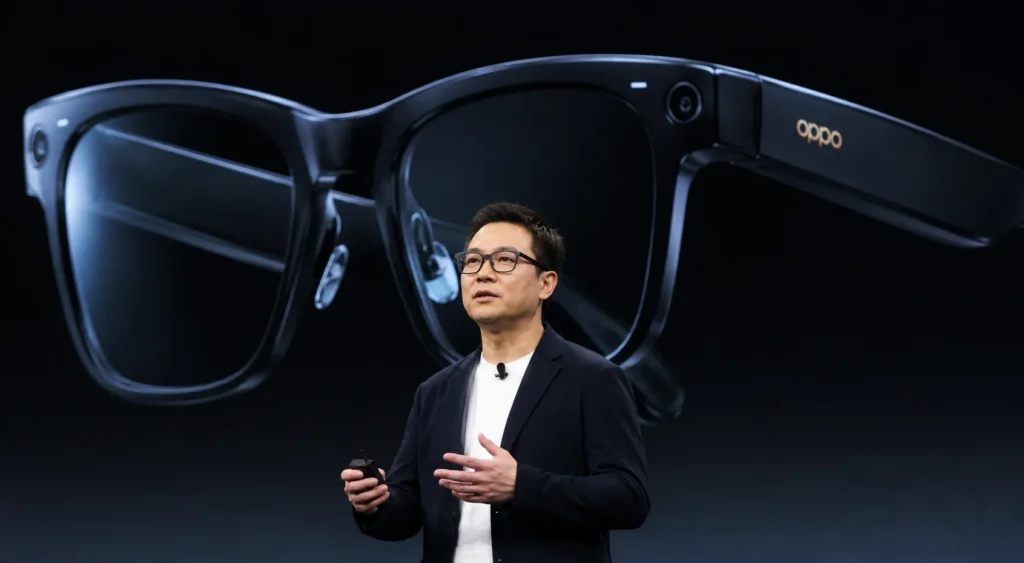
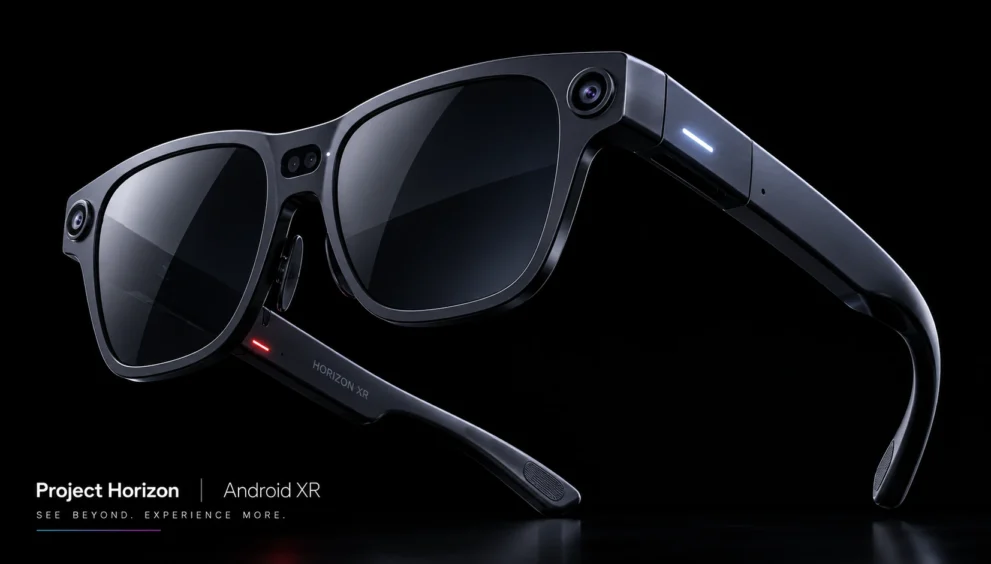
MOUNTAIN VIEW, California — Xreal smartglasses finally mastered the industry that has defeated Silicon Valley for more than a decade, founder and CEO Chi Xu declared at Google I/O last week, as the longtime Google partner unveiled Project Aura wired smart glasses with embedded OLED displays that aim to turn the troubled sector from a financial black hole into a viable business. “Everybody’s losing money,” Xu said. “That’s because it’s very hard, what we’re doing.” The company says it has raised its gross margin while lowering marketing and sales costs, and expects to break even next year. An IPO is planned before the end of 2026.
What Is Project Aura?
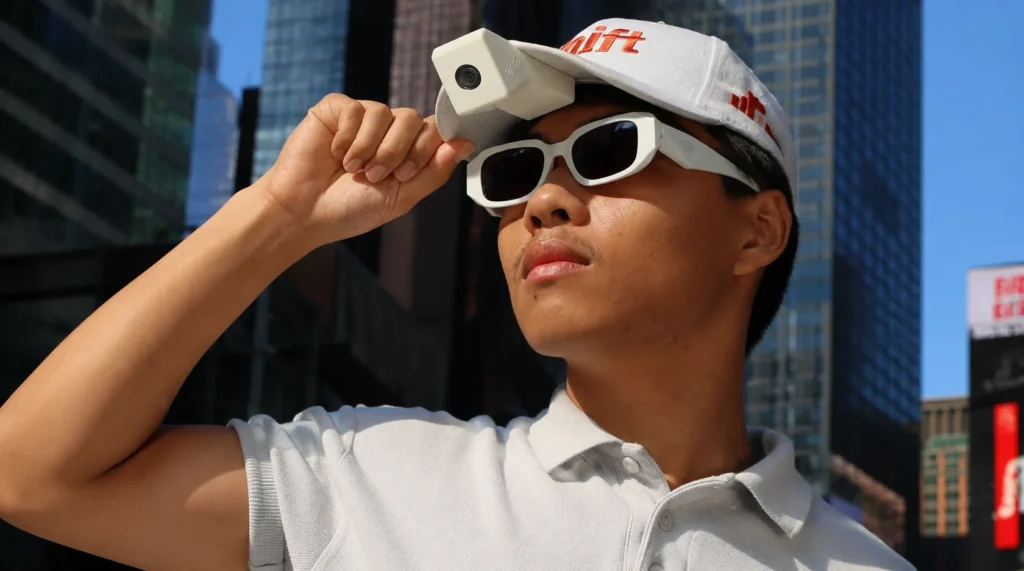
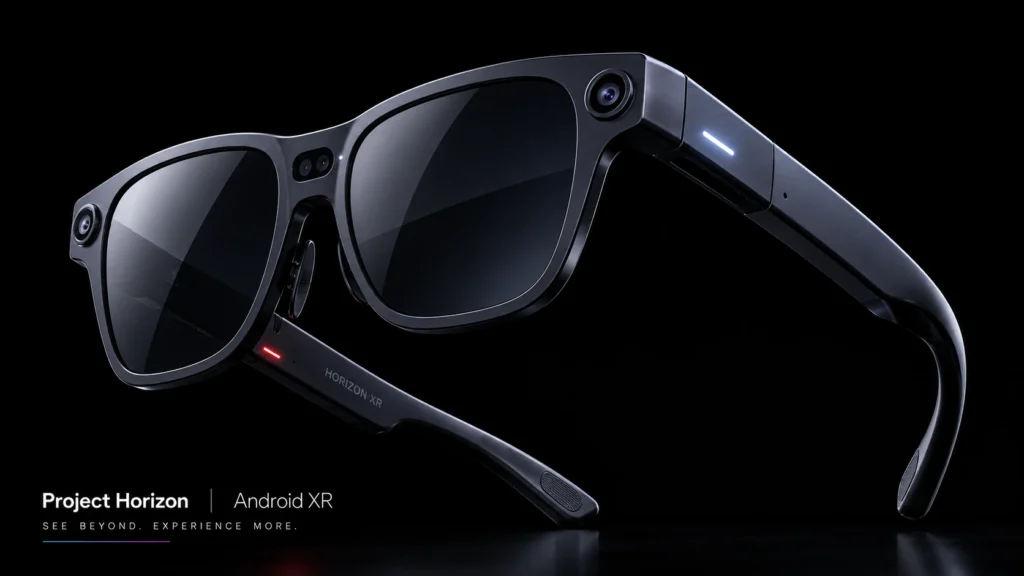
Xreal’s Project Aura is a set of wired smart glasses with OLED displays embedded within the frames, allowing users to watch high-resolution videos, use an immersive Google Maps app, view VR YouTube content, and create holographic imagery via hand tracking through a painting app. The device comes tethered to a “puck,” a phone-shaped mini-computer that powers the experience and can be slipped into a pocket.
The glasses are currently available only for developers, with a commercial launch planned for later this year. “Whether you are following a floating recipe while cooking, setting up a private workspace at a coffee shop or on a flight, or watching a movie on a virtual big screen at home, the experience is seamless,” the company said Xreal press release, May 2026.
Xu said he imagines the device appealing to professionals as well as casual consumers. “It’s not just about watching the NBA game in a hologram type of format, you could also go to a coffee shop and do some work,” he said.
The decade-long dream of smart glasses — why Silicon Valley kept failing
The Meta Effect and the Profit Problem
Meta’s 2023 partnership with Ray-Ban proved that smart glasses could sell in significant volumes if they looked like normal eyewear and offered useful functionality. However, Reality Labs, the division responsible for the glasses, continues to operate at a substantial loss.
Xu acknowledged the industry-wide profitability crisis. “Everybody’s losing money,” he said. “That’s because it’s very hard, what we’re doing.”
The company says it has been improving its financial position. “Next year is the year when we could actually break even,” Xu told reporters at Google I/O. The planned IPO before 2026 ends would mark a milestone for a sector that has consumed vast investment with minimal returns over the past decade.
“You need all the key pieces ready, you need the hardware ready, the operating system needs to be ready, and then you need a great user interface,” Xu said, describing what he sees as the inflection point the industry has now reached Chi Xu interview at Google I/O, May 2026.
Meta’s Reality Labs loses what the billions bought
The Private Screen Revolution
The Aura glasses represent a shift in personal computing that extends beyond hardware specifications. For the first time, the screen becomes invisible to everyone but the user. The person wearing the glasses can watch content, create imagery, or work in a private computing layer that no one else can perceive.
This shift from shared screens to private overlays is what distinguishes the current generation of smart glasses from earlier failed attempts. The social contract of shared physical space, already tested by smartphones, faces a further challenge as wearable displays normalise the experience of being present and elsewhere simultaneously.
The glasses are not a phone replacement. They are positioned as a phone alternative for specific contexts, such as cooking, working in public spaces, or consuming content privately. The painting app, which uses hand tracking to create holographic imagery visible only to the wearer, is a demonstration of the new private computing paradigm rather than a productivity feature.
The hidden cost of wearable tech — what happens to shared space
FAQ: Xreal Smart Glasses 2026
What are Xreal’s Project Aura smart glasses?
Project Aura is a set of wired smart glasses with OLED displays embedded in the frames. They allow users to watch videos, use Google Maps in augmented reality, view VR YouTube content, and create holographic imagery via hand tracking. The glasses connect to a pocket-sized mini-computer called a puck.
When will Xreal’s smart glasses be available?
The glasses are currently available only for developers. A commercial launch is planned for later this year.
Is Xreal profitable?
No. Founder and CEO Chi Xu says the company is still losing money but has been raising its gross margin while lowering marketing and sales costs. He expects Xreal to break even next year.
How are Xreal’s glasses different from Meta’s Ray-Bans?
Meta’s Ray-Ban smart glasses focus on audio, camera, and AI assistant features in a conventional eyewear form factor. Xreal’s Aura glasses include embedded OLED displays for video, augmented reality, and hand-tracking experiences, but require a tethered puck for processing power.
Is Xreal planning an IPO?
Yes. Xu confirmed the company is working on an IPO expected to take place before the end of 2026, although he declined to provide further details.
Written by the Tech Desk, drawing on interviews and presentations at Google I/O in Mountain View, Xreal company statements, and Meta Reality Labs financial disclosures. The desk has covered the smart glasses and extended reality industry for over a decade.