

 English






































































































































































Pope Leo Says AI Must Be Disarmed in First Major Teaching
Published: 26 May 2026 | Source: Vatican, Anthropic, Magnifica Humanitas Encyclical
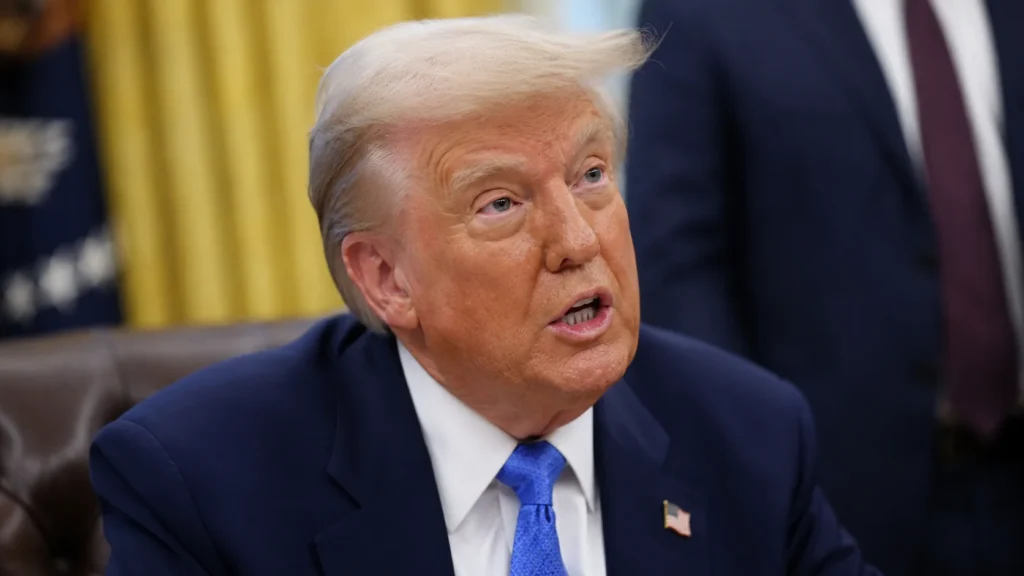
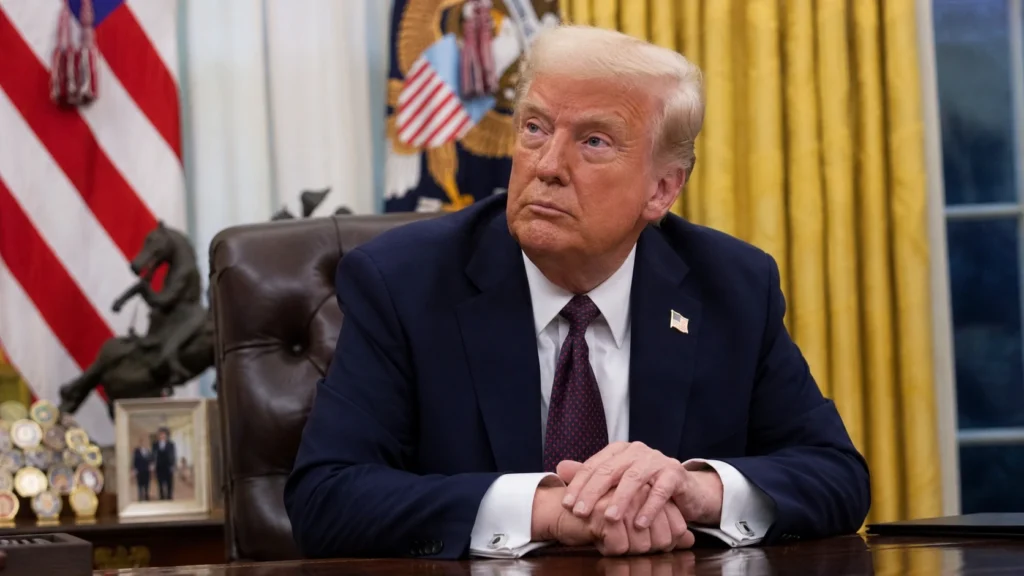
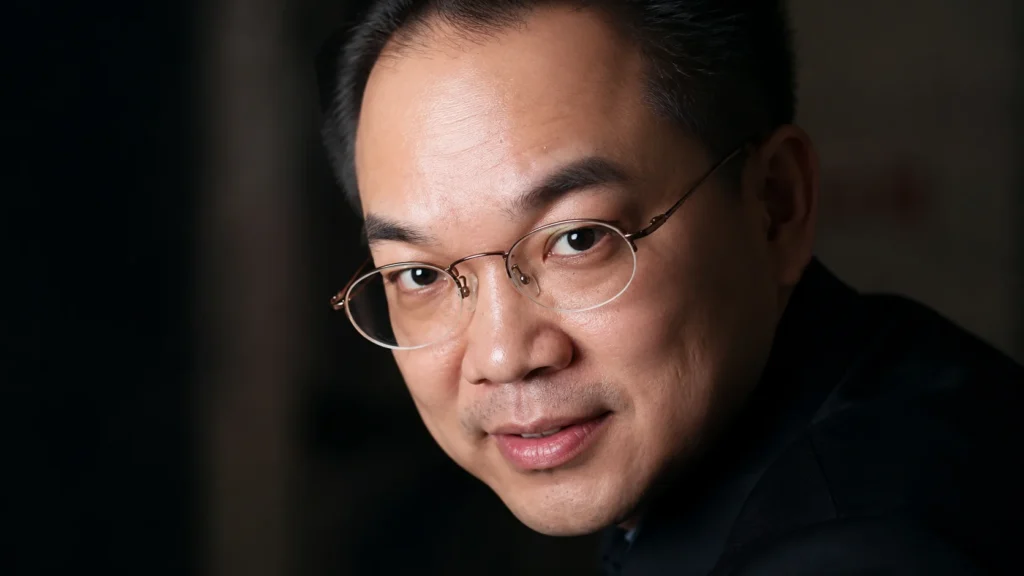
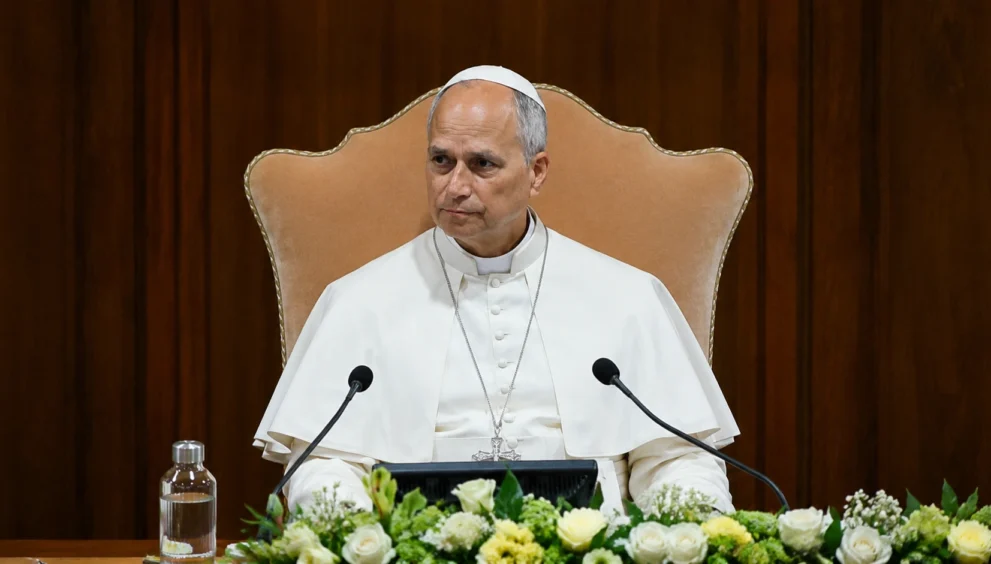
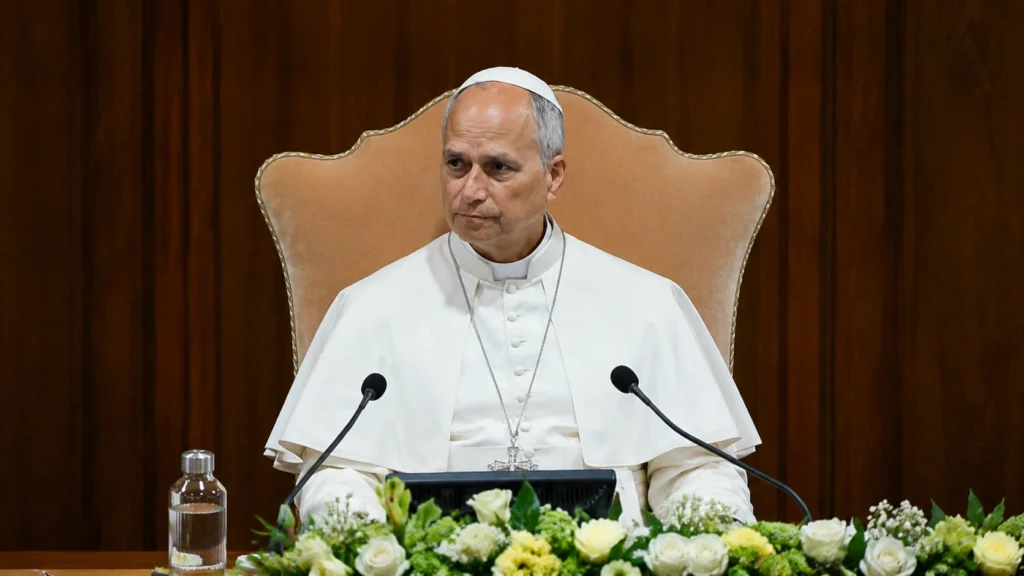
VATICAN CITY — Pope Leo says AI must be disarmed in his first major teaching document, the encyclical Magnifica Humanitas (“Magnificent Humanity”), presented at the Vatican on Monday alongside AI experts, including Christopher Olah, co-founder of US AI company Anthropic. The Pope chose the word “disarmed” deliberately, calling it “strong” but necessary, because this moment needs words capable of attracting attention.” The encyclical also included one of the strongest Vatican apologies for the Catholic Church’s role in slavery, which the Pope linked to the risks of normalising exploitation through artificial intelligence.
What the Encyclical Says on AI
The encyclical frames artificial intelligence not as a technical challenge but as a moral relationship. “AI is not a tool. It is a relationship,” the Pope wrote, warning that this relationship is currently “being designed by people who do not have to ask permission.”
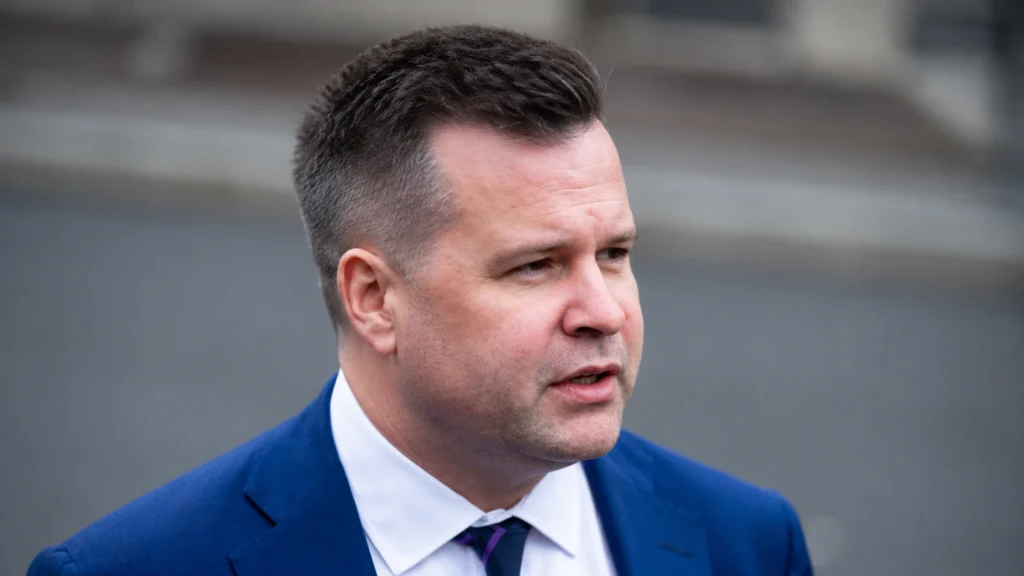
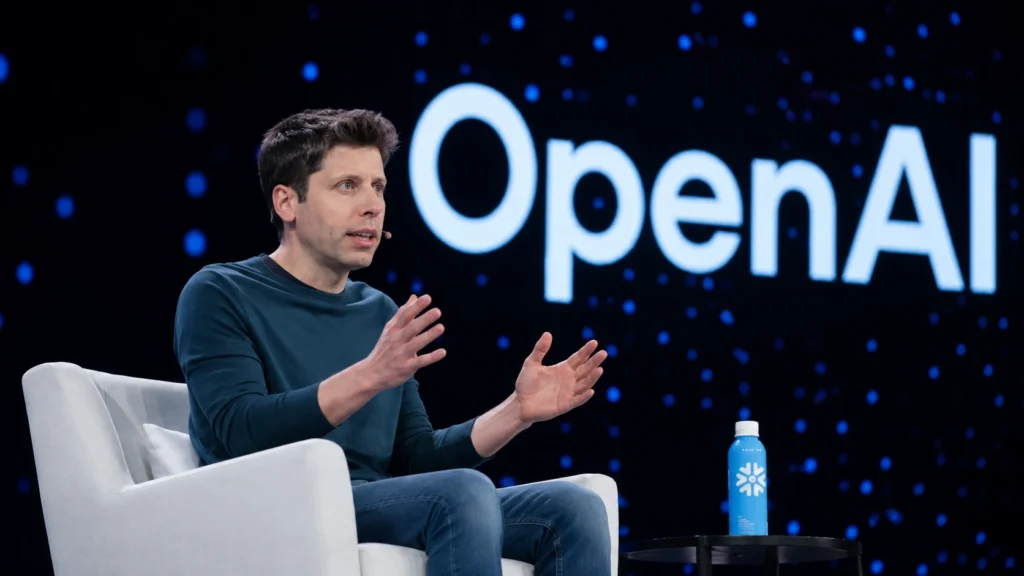
In remarks following the presentation, Olah said every AI lab, including his own, operates “inside a set of incentives and constraints that can sometimes conflict with doing the right thing.” He added: “The questions raised by AI are bigger than the AI research community, not just in their implications, but also in their nature” Vatican press office transcript, 26 May 2026.
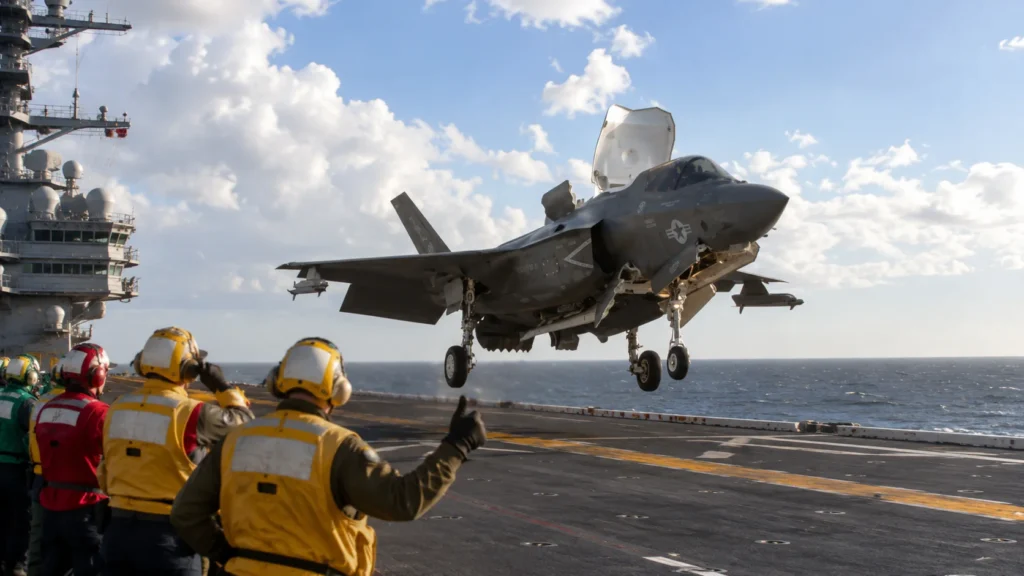
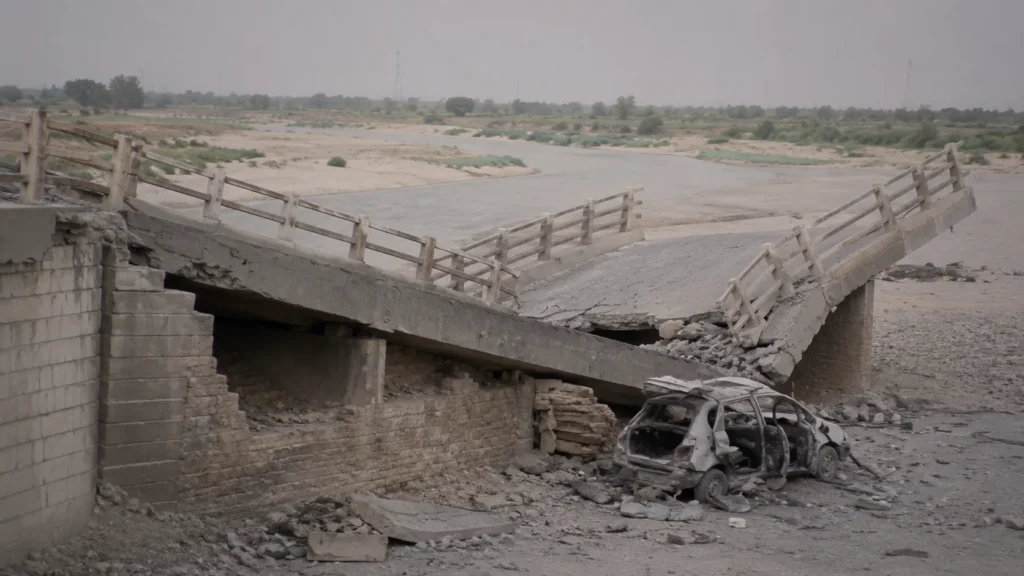
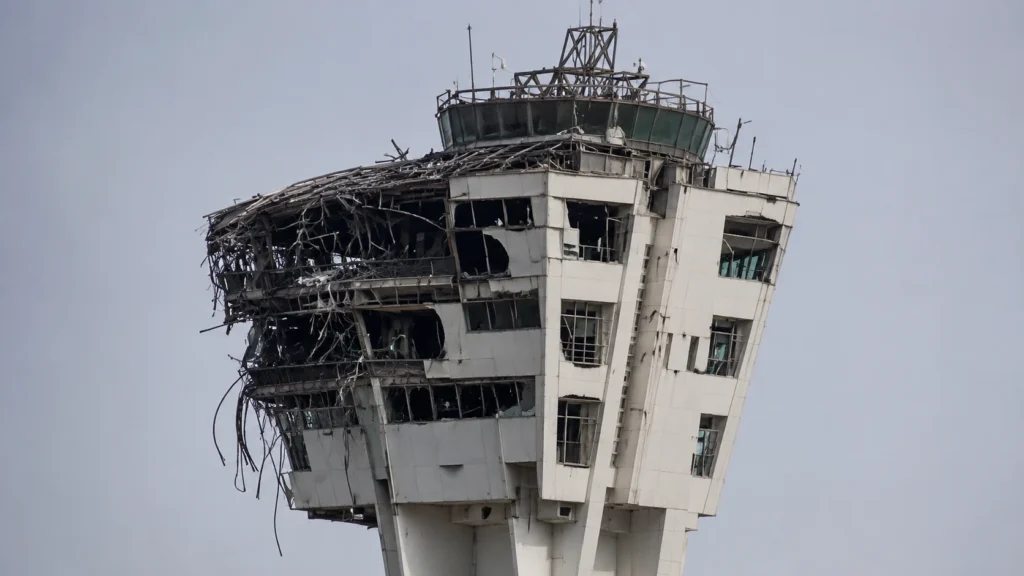
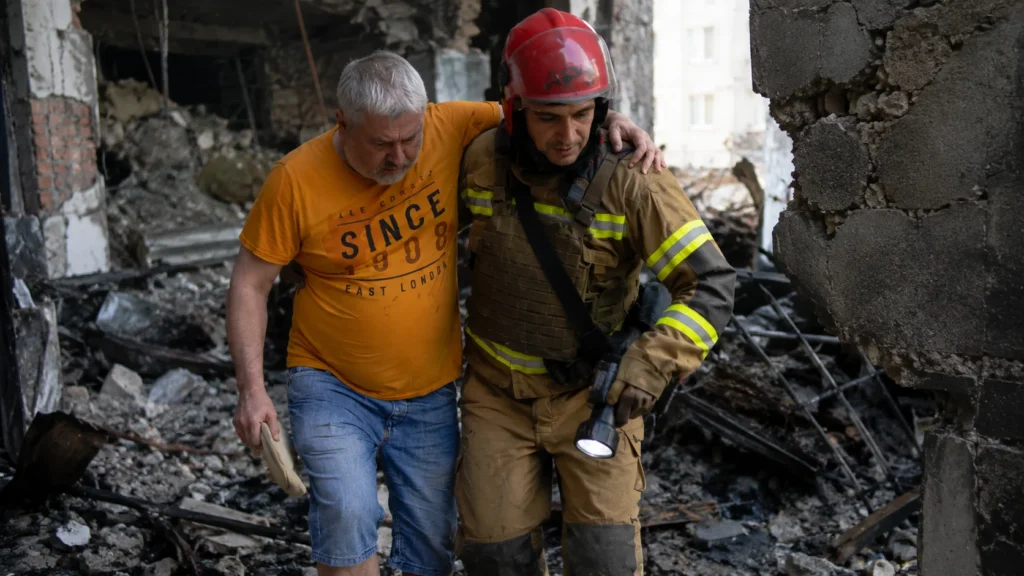
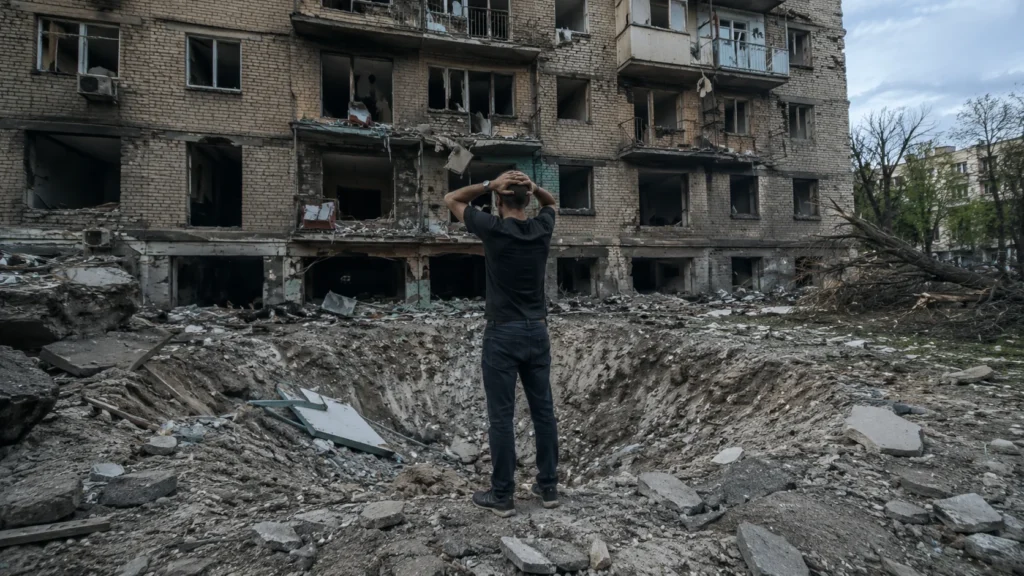
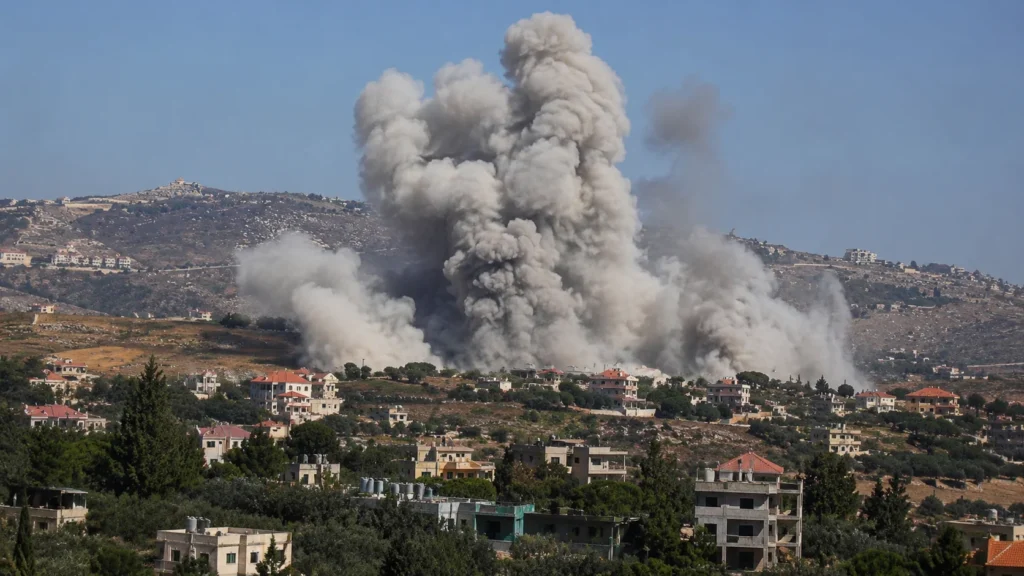
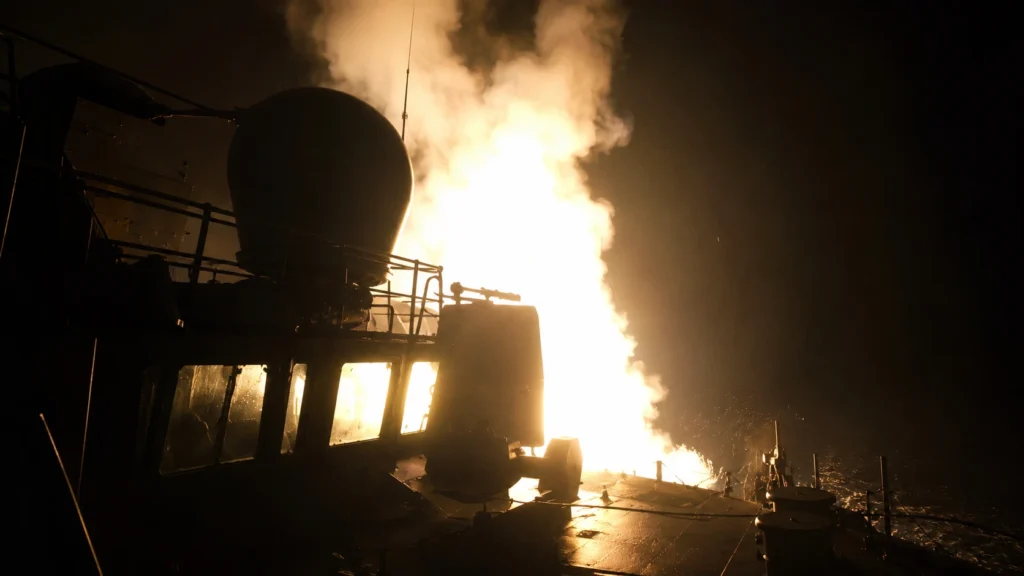
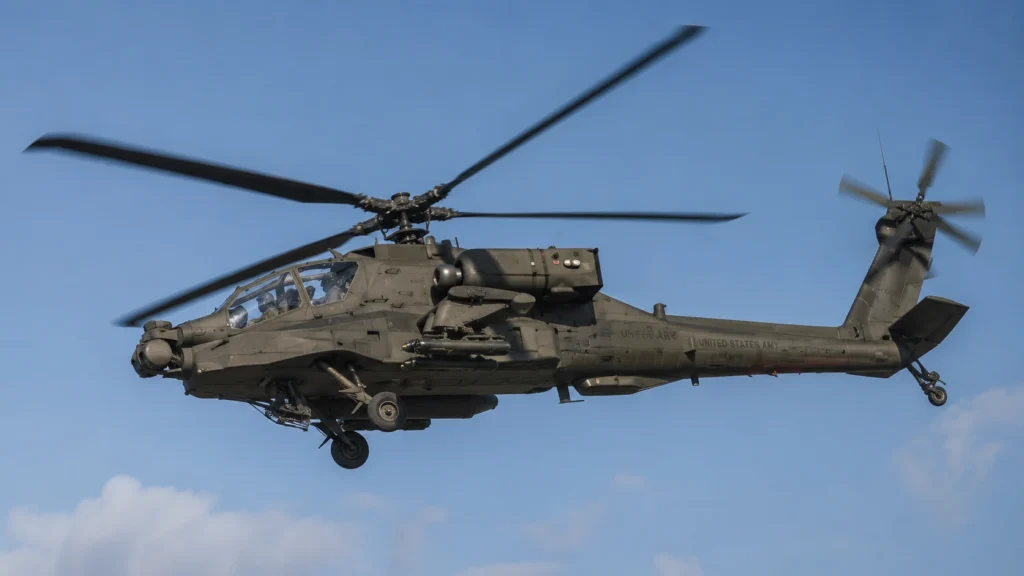
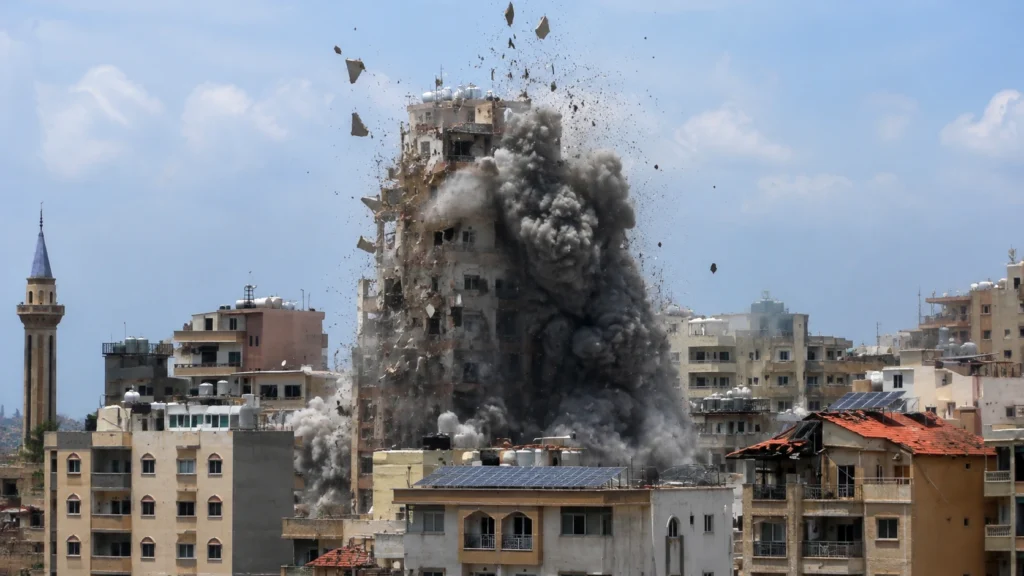
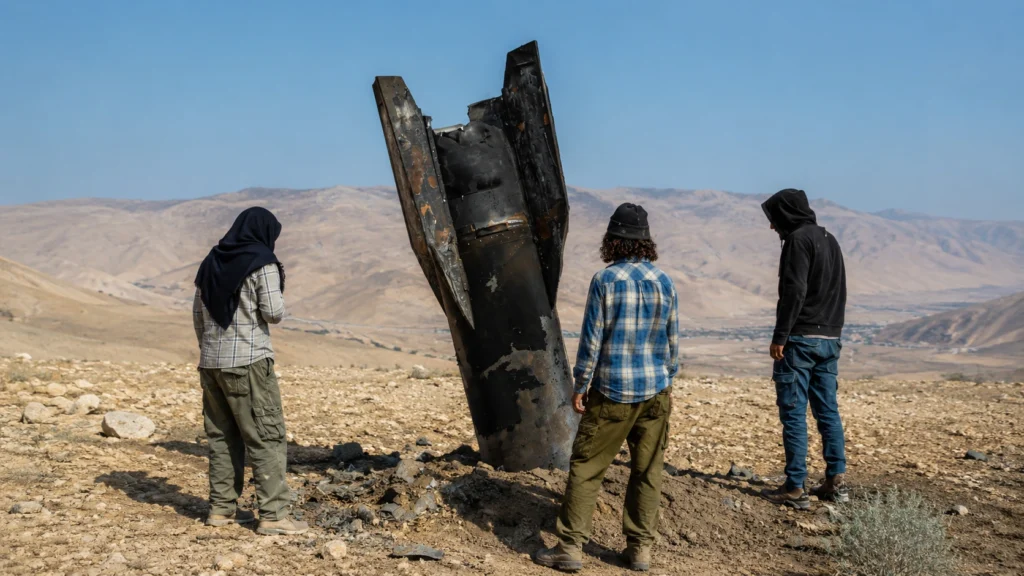
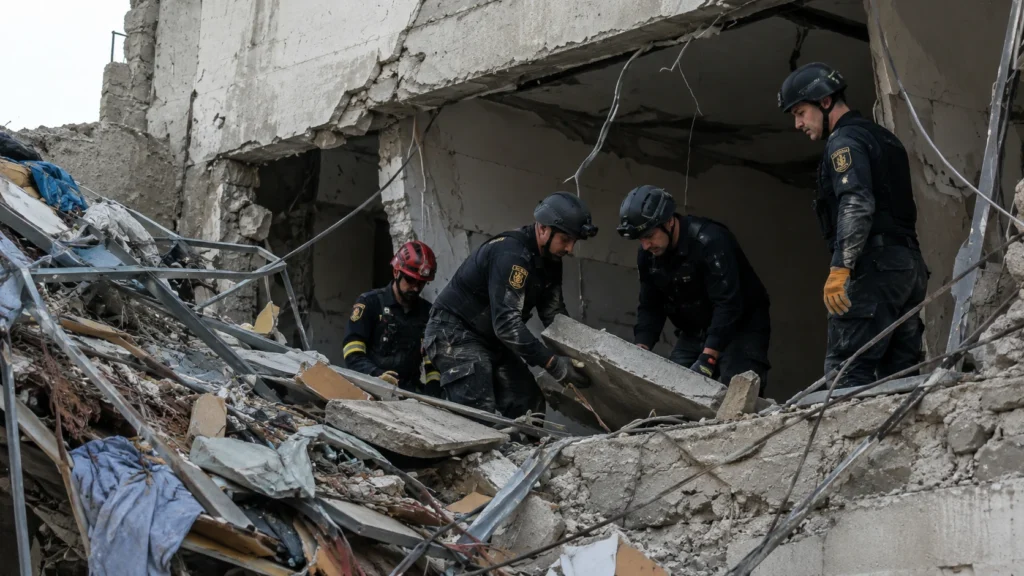
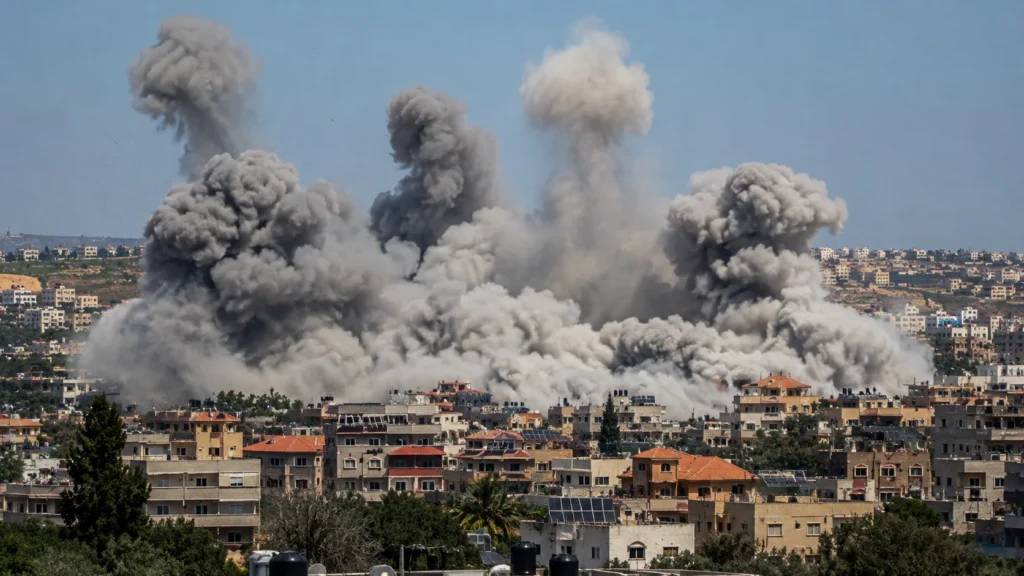
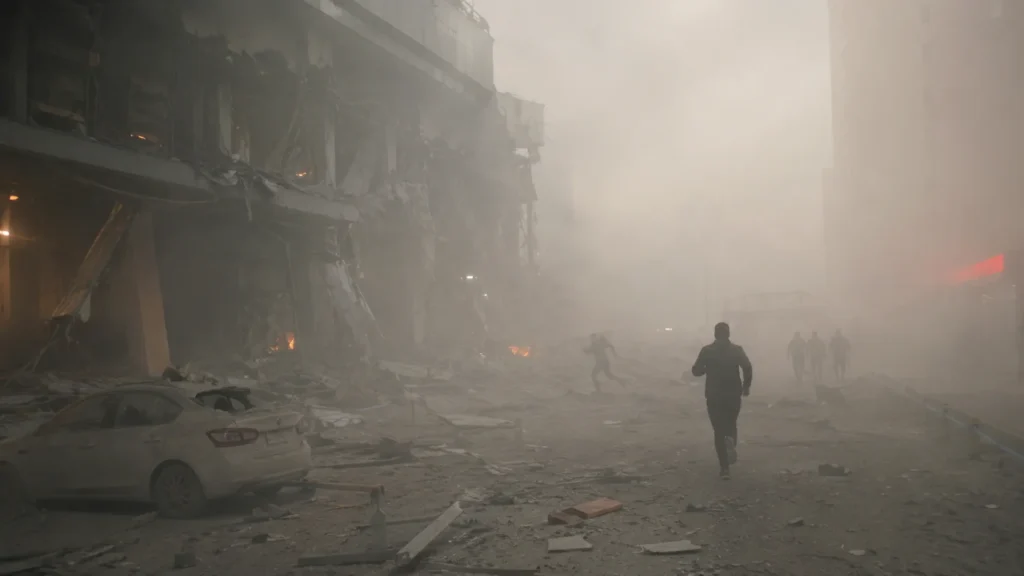
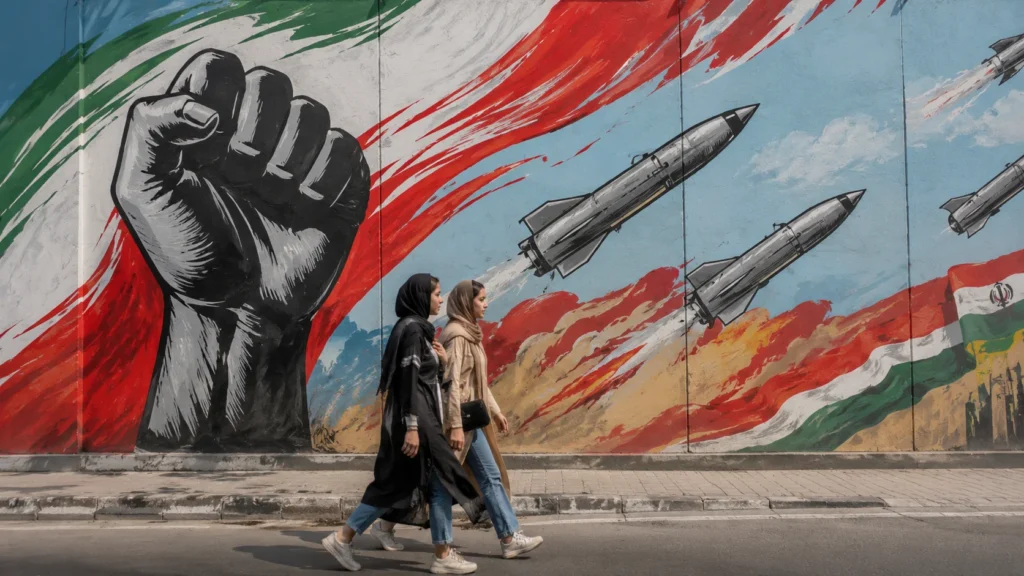
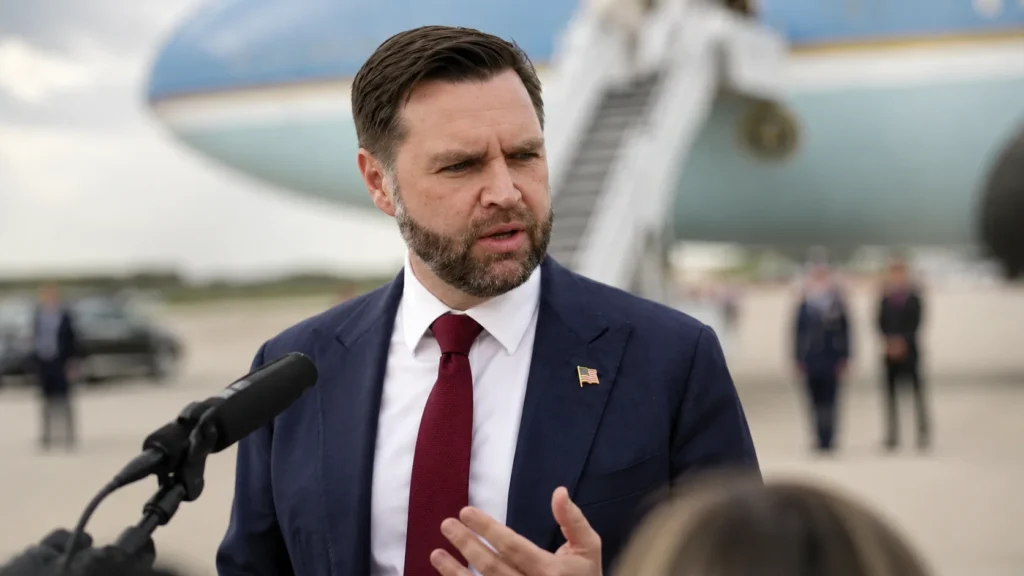
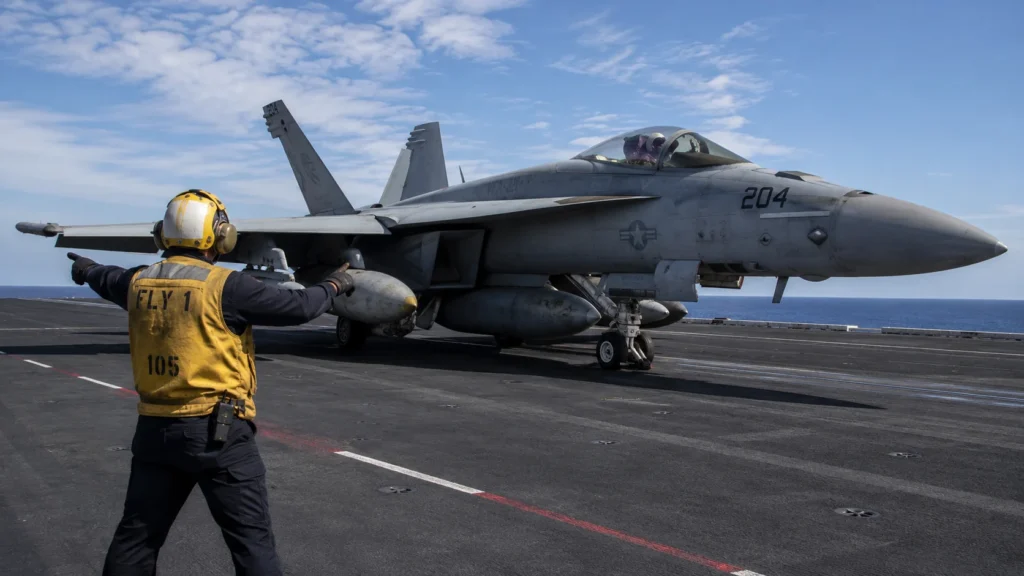
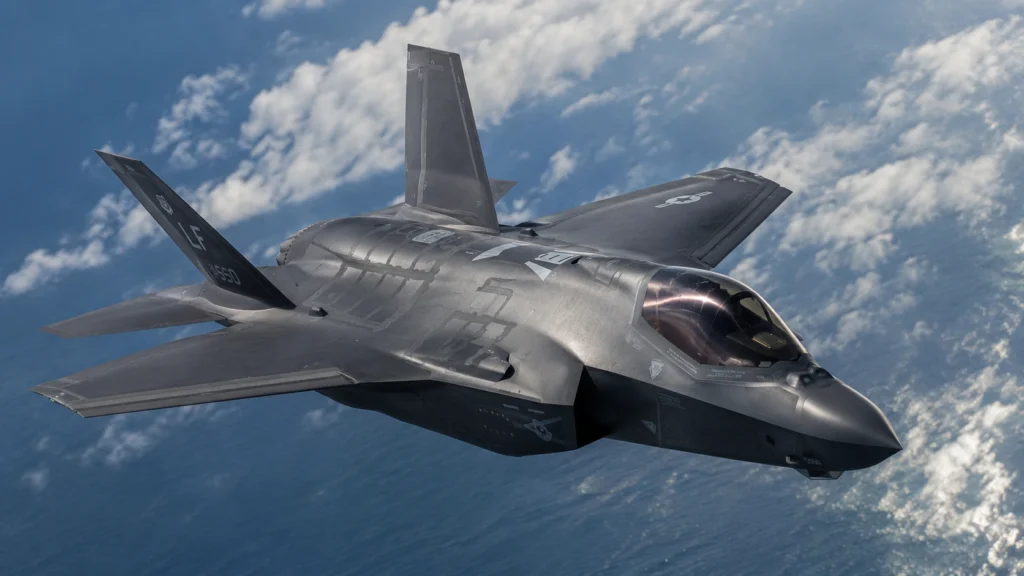
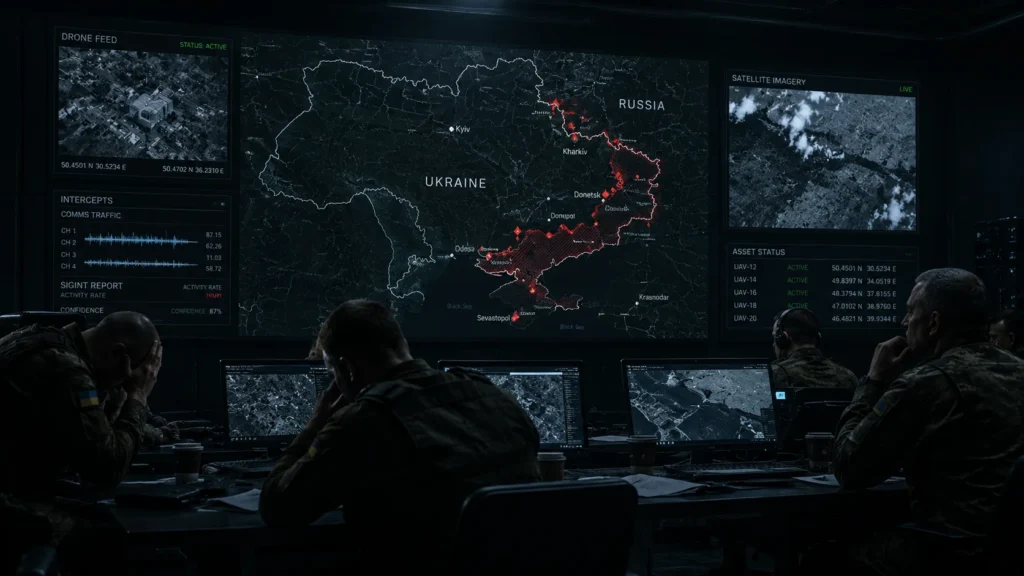
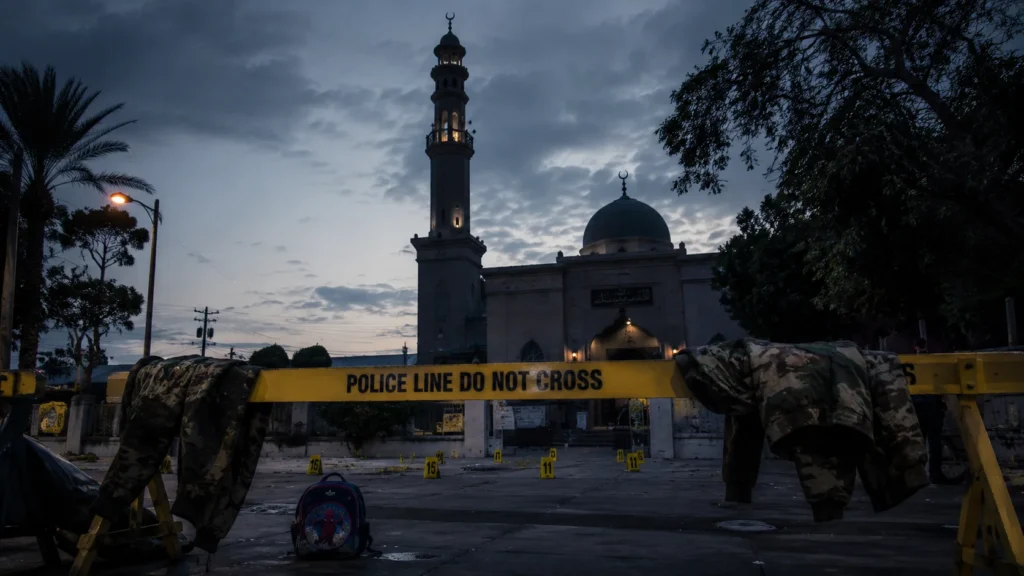
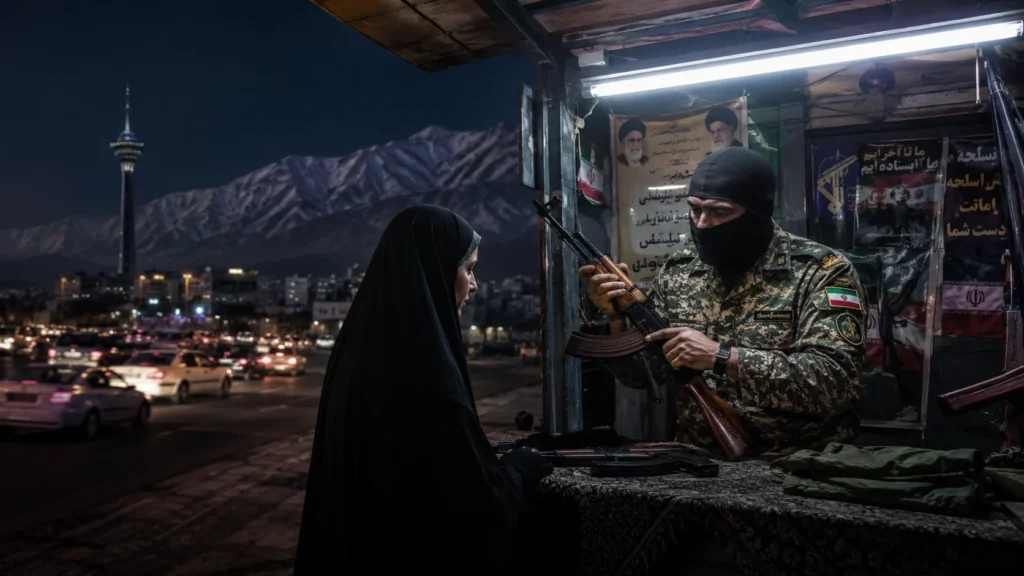
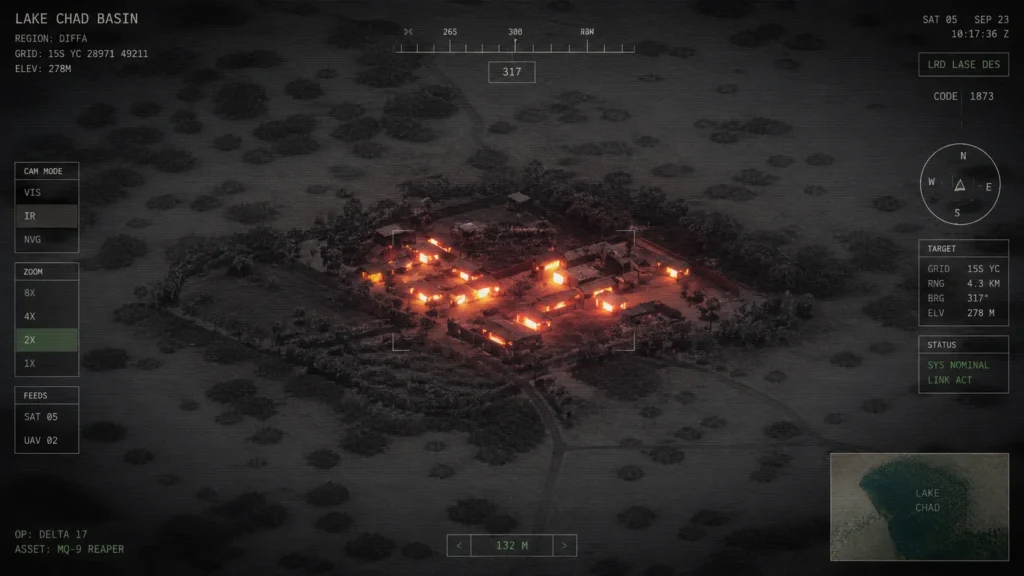
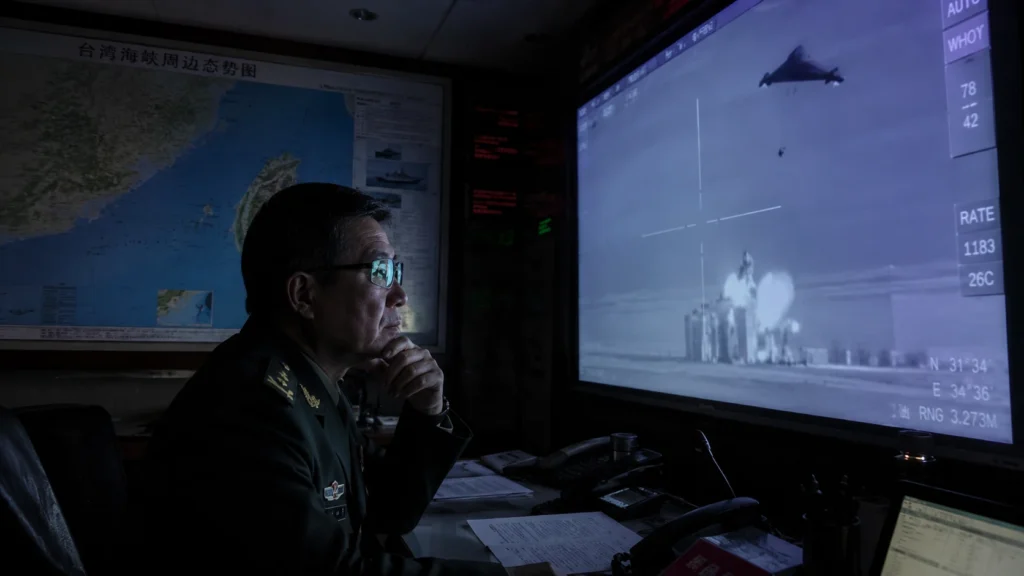
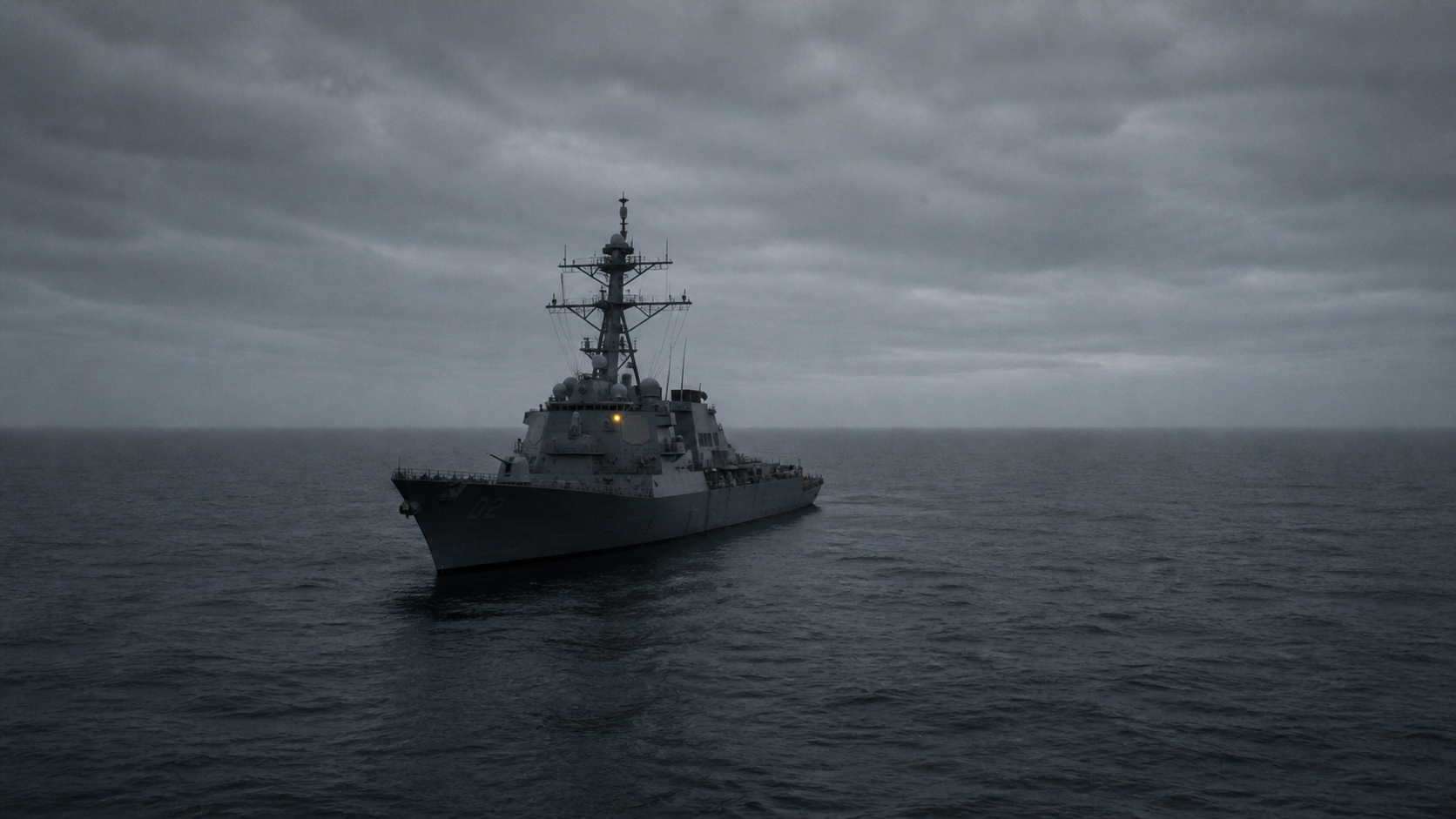
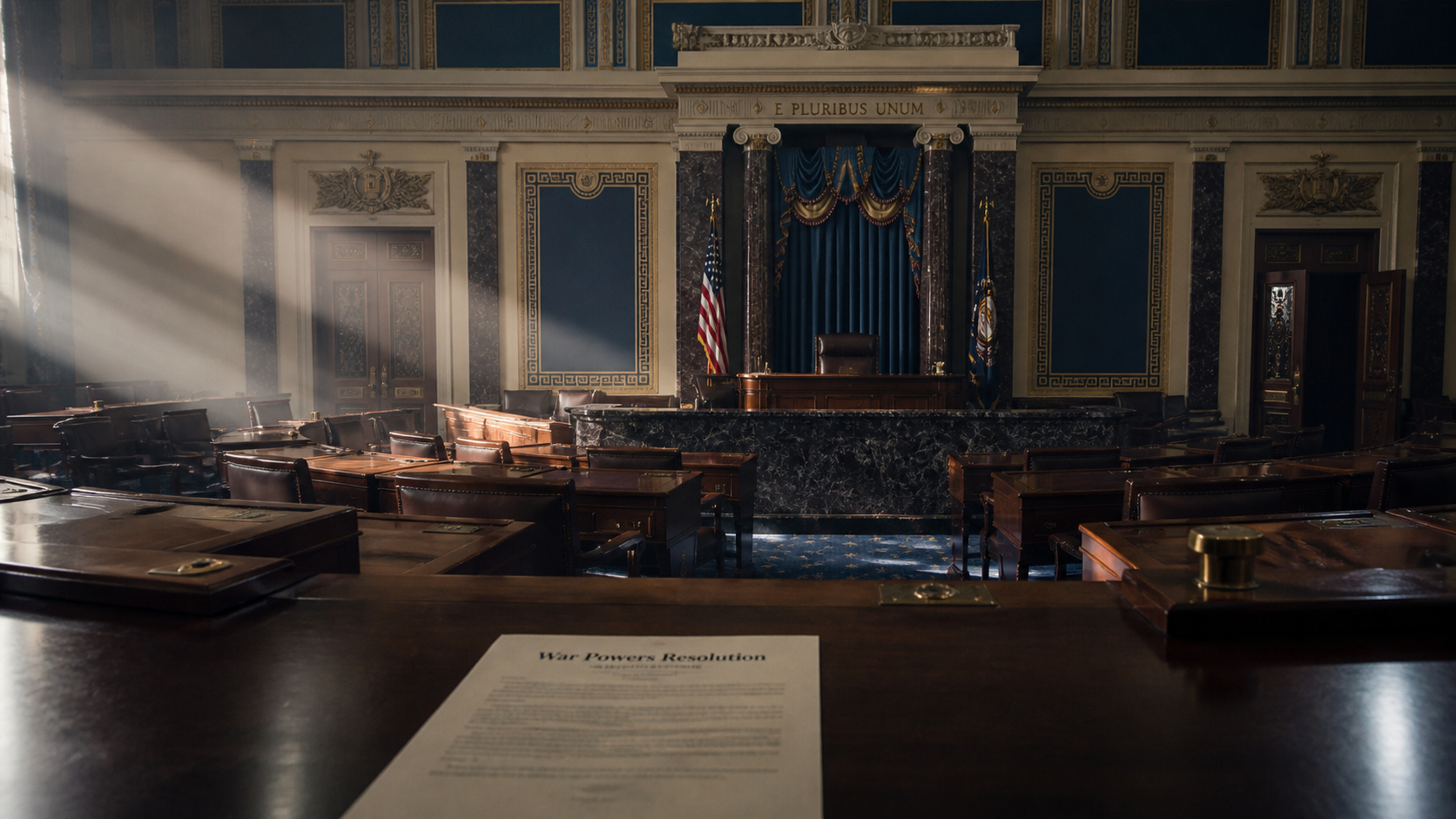
The Pope condemned the use of AI in warfare, writing: “No algorithm can make war morally acceptable.” He warned that AI risks “lowering the threshold for resorting to violence, transforming defense into threat prediction and thus reducing victims to data.” He also cautioned against an AI arms race.
On politics, the encyclical decried the use of AI to manipulate images and videos, exposing people to “biased or misleading perspectives” and eroding shared reality.
[INTERNAL LINK: The AI arms race — why no treaty governs autonomous weapons]
The Slavery Parallel
The encyclical included one of the most comprehensive Vatican apologies for the Catholic Church’s role in slavery. The Pope wrote it was “impossible not to feel deep sorrow when contemplating the immense suffering and humiliation endured by so many” and said he “sincerely asked for pardon” in the name of the Church.
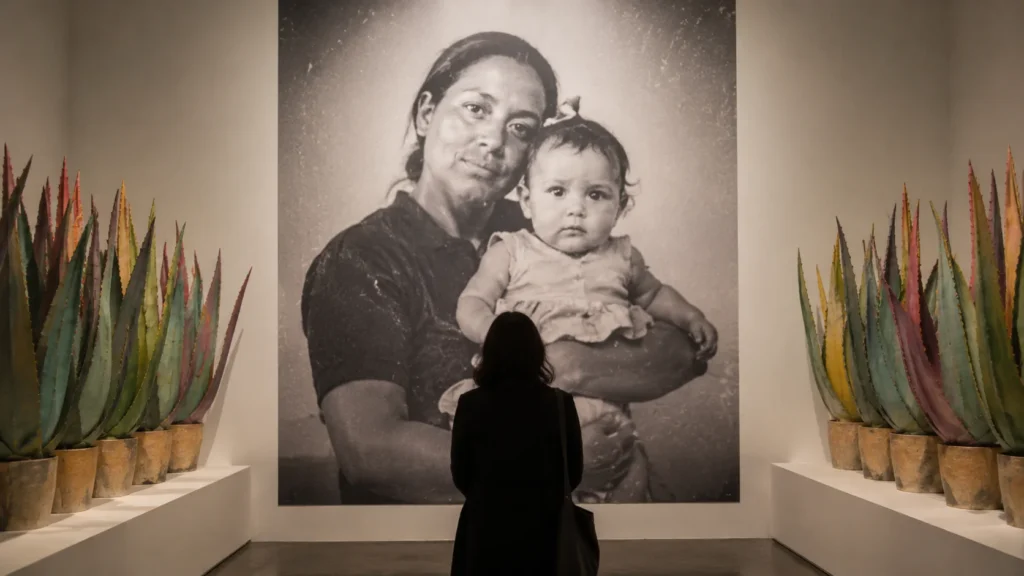
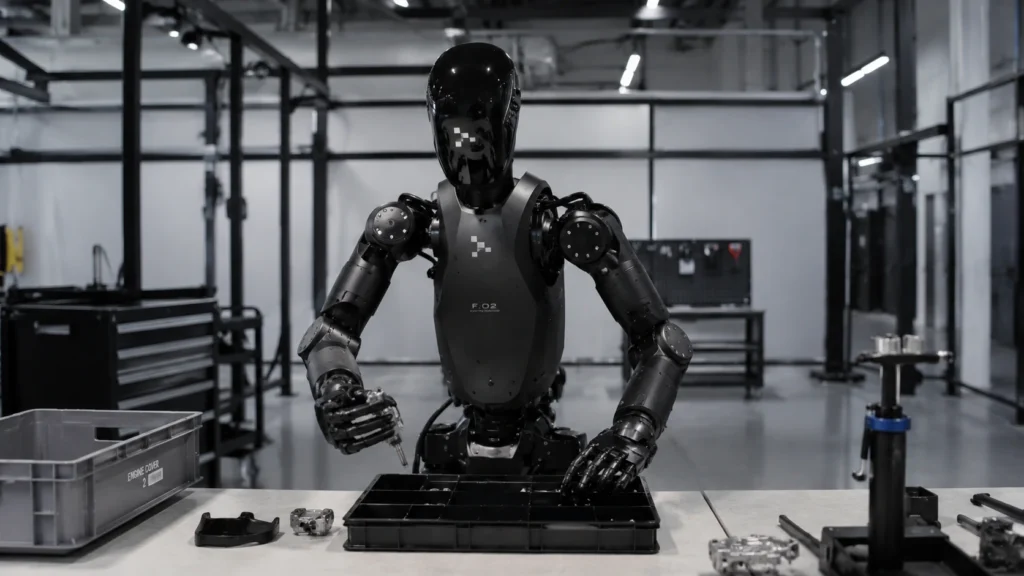
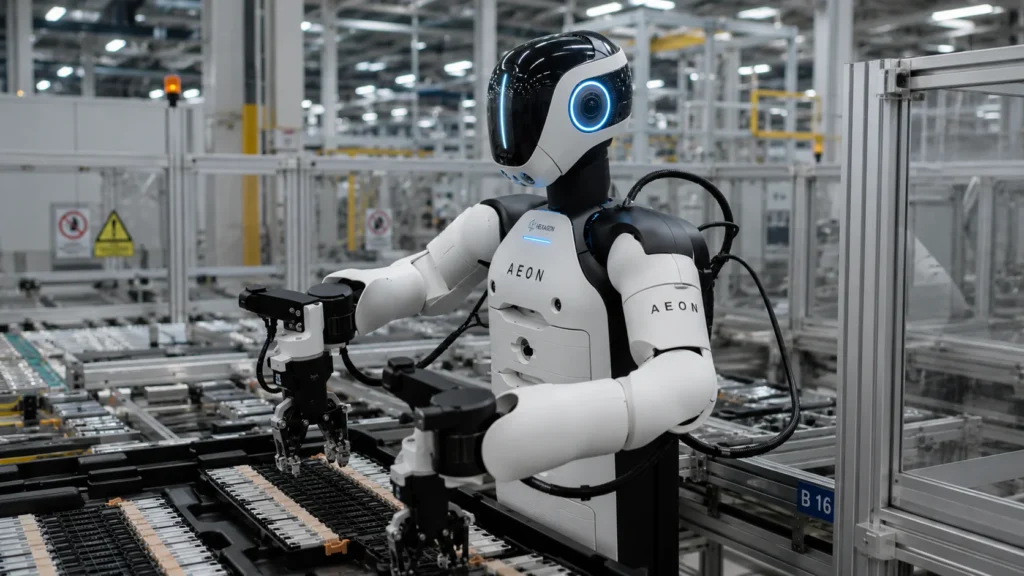
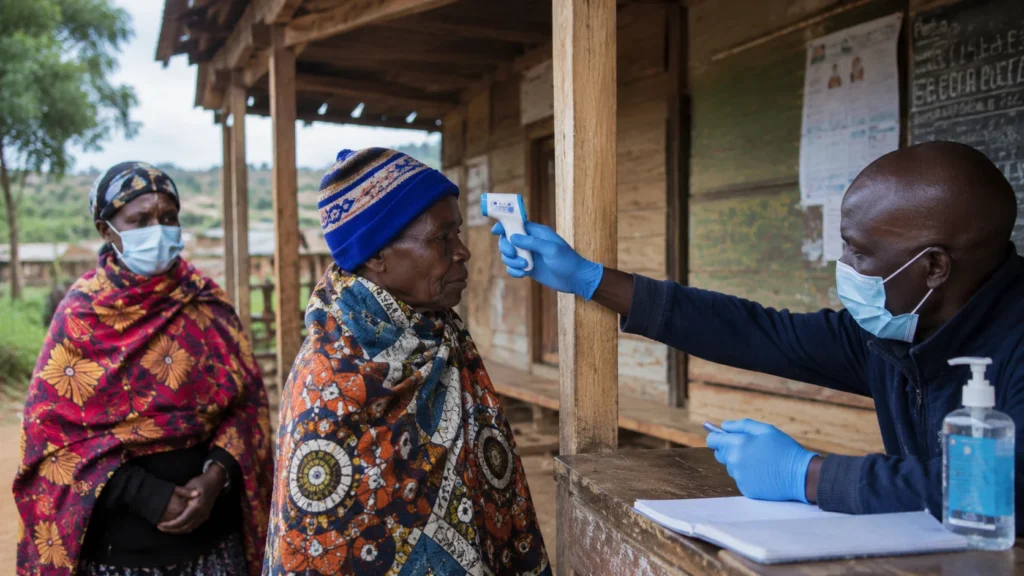
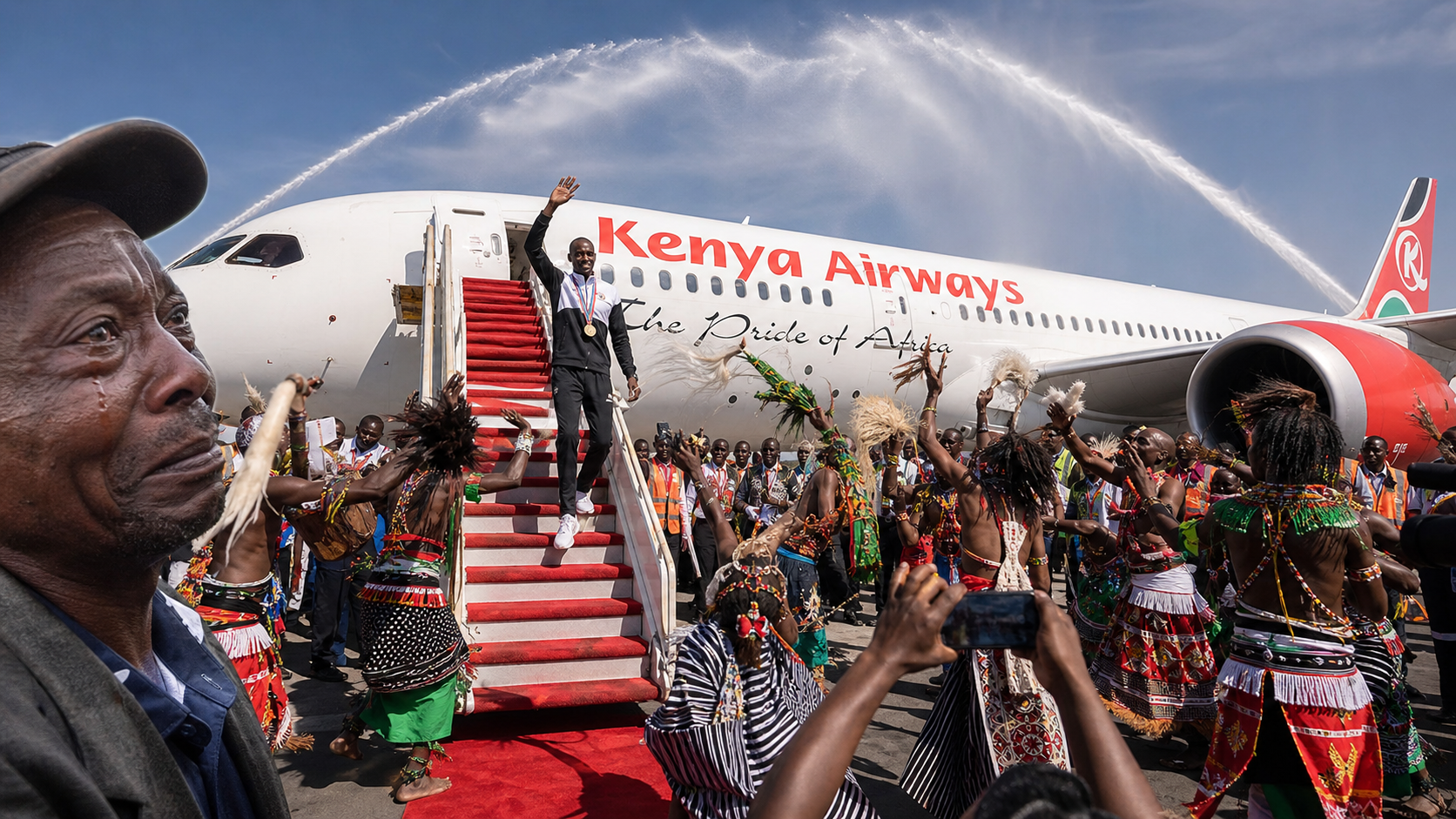
The slavery reference was directly linked to AI. The Pope warned of “new digital slaveries” — the exploitation of labour in AI supply chains, the extraction of data from populations who never consented, the reduction of human beings to training inputs.
He suggested parallels between the historical tragedy of traditional slavery and emerging threats, warning humanity was at a “similar moral crossroads.” He specifically criticised the “delay with which both society and the Church came to denounce the scourge of slavery” as a warning about the cost of inaction on AI.
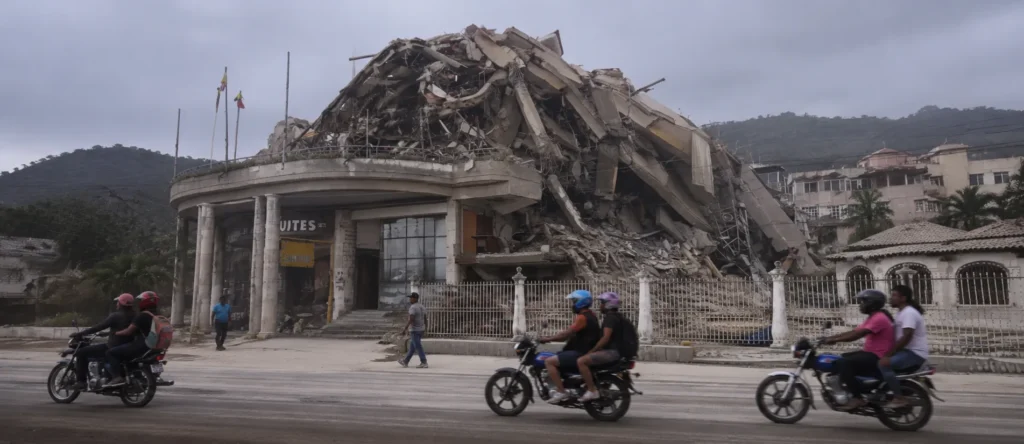
The hidden labour behind AI — who trains the models
The Developer’s Responsibility
One passage addressed AI developers directly: “Developers bear a particular ethical and spiritual responsibility, for every design choice reflects a vision of humanity.”
The Pope made a “special appeal” to those who build AI, arguing that the choice of a training dataset, the design of a recommendation algorithm, or the decision to optimise for engagement over accuracy each represents a moral act.
The encyclical likened the current moment to the industrial revolution, when safeguards for human dignity arrived only after exploitation had been normalised. The Pope warned against repeating that pattern with AI, referring to the risks of “digital colonialism” and linking the abuses of the colonial era to modern tech practices.
Pope Francis’s Laudato Si’ — what happens when moral authority meets political inaction
Can the Vatican Influence AI Governance?
The Vatican has been here before. In 2015, Pope Francis wrote Laudato Si’, the encyclical on climate change that framed environmental degradation as a moral crisis. It was widely praised. In 2023, Francis expressed disappointment at the inaction that followed.
Pope Leo’s Magnifica Humanitas faces the same structural challenge. The encyclical can shape the language with which AI is discussed. The Pope has convened a commission to take the work forward. But the Vatican cannot compel Silicon Valley to change its incentive structures. It cannot force governments to regulate.
The presence of Olah at the launch — an AI founder publicly acknowledging the limits of self-regulation — suggests the industry itself recognises the need for external moral frameworks. Whether that recognition translates into action remains unanswered.
FAQ: Pope Leo AI Encyclical 2026
What is Magnifica Humanitas?
Magnifica Humanitas (“Magnificent Humanity”) is the first major teaching document of Pope Leo’s papacy. It focuses on artificial intelligence while also including a comprehensive Vatican apology for the Church’s role in slavery.
What did Pope Leo say about AI?
The Pope said AI needs to be “disarmed,” condemning its use in warfare, political manipulation, and the exploitation of labour. He framed AI as a moral relationship requiring a redistribution of power.
Why did the Pope link AI to slavery?
The Pope warned of “new digital slaveries” and argued that systems of exploitation become invisible to those who benefit from them. He cited the Church’s historical delay in condemning slavery as a warning against inaction on AI.
Who is Christopher Olah?
Olah is the co-founder of Anthropic, a major US AI company. He stood beside the Pope at the encyclical’s launch and said every AI lab operates inside incentive structures that can conflict with doing the right thing.
What happens next?
The Pope has convened a commission to take the work forward. The question is whether governments and technology companies will incorporate the encyclical’s moral framing into actual legislation and corporate practice.
Written by the Tech and Religion Desk, drawing on the official Vatican presentation of Magnifica Humanitas, remarks by Christopher Olah, and the full encyclical text. The desk has covered the intersection of technology, ethics, and religious institutions for over a decade.