

 English











































































































































































































































Are US and Iran Close to Peace or Sliding Back to War?
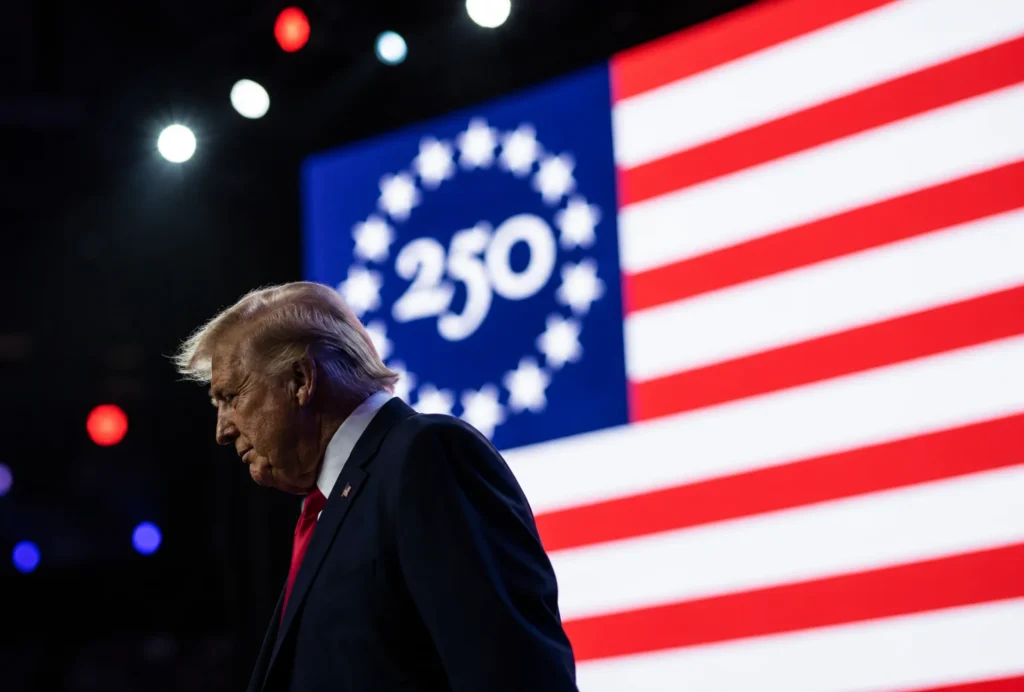
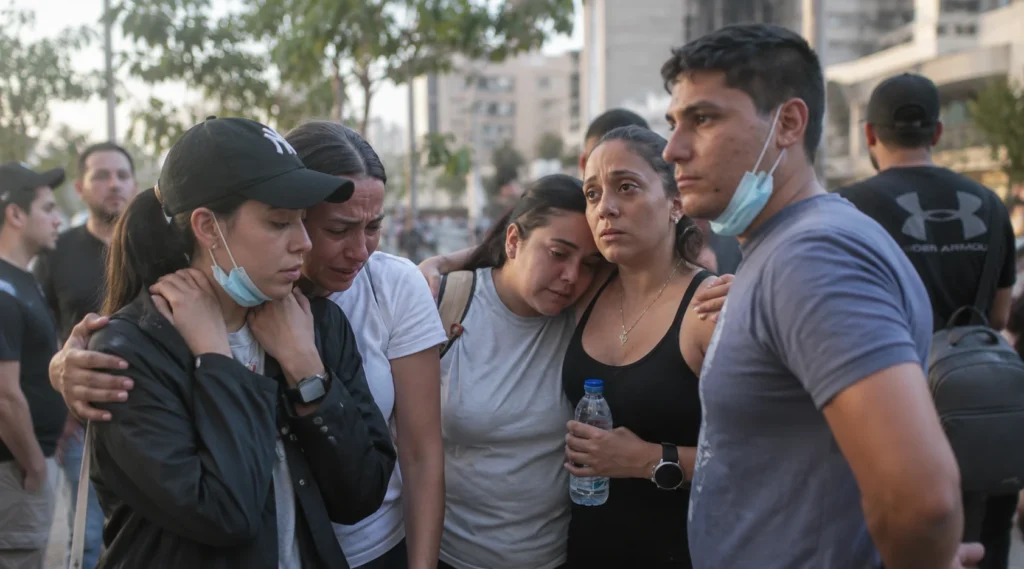
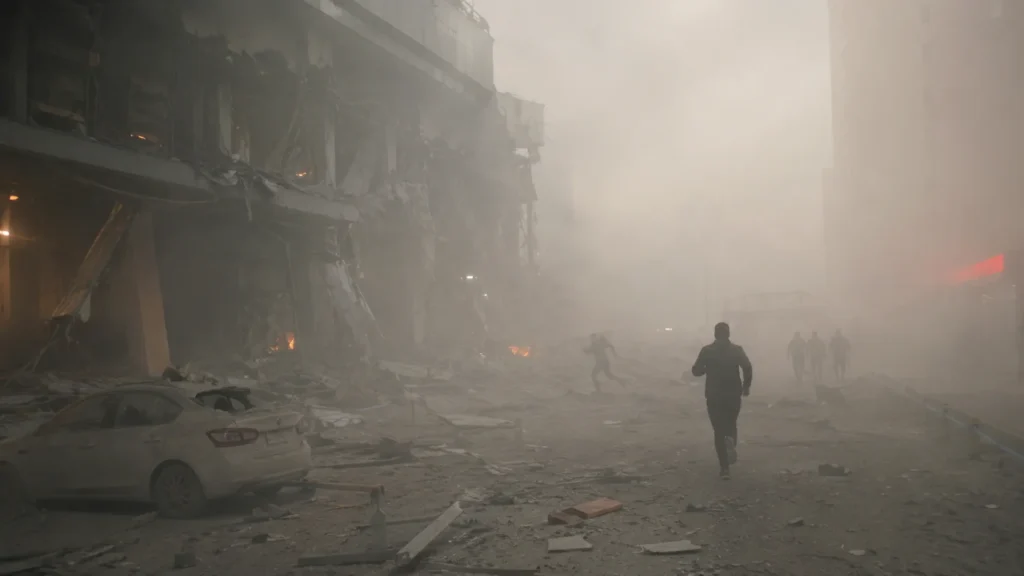
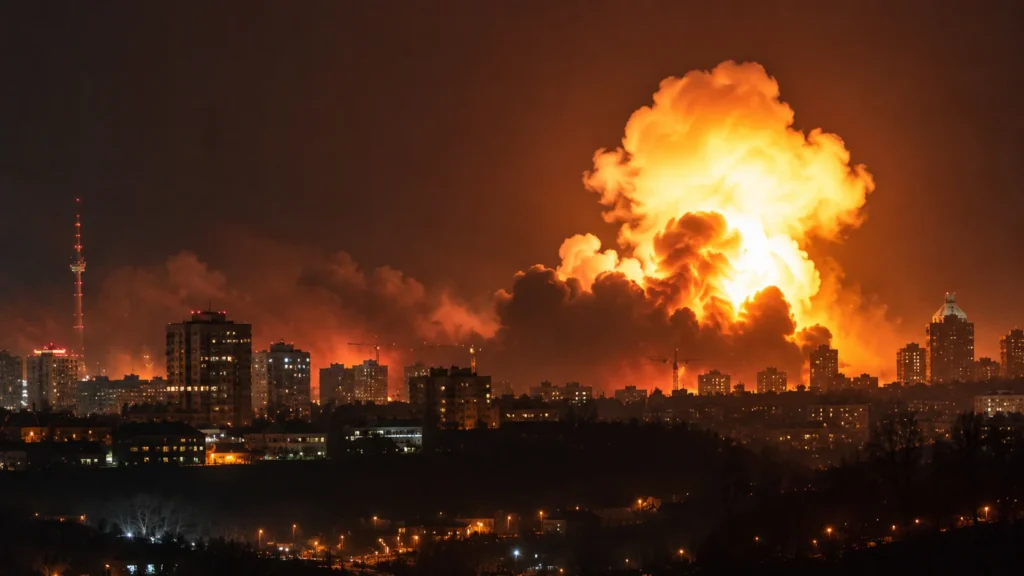
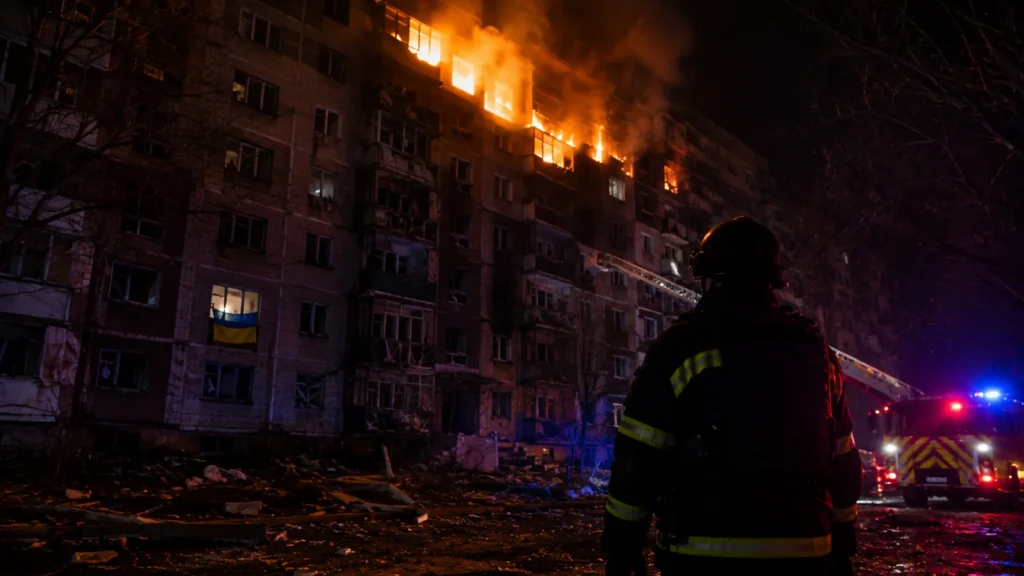
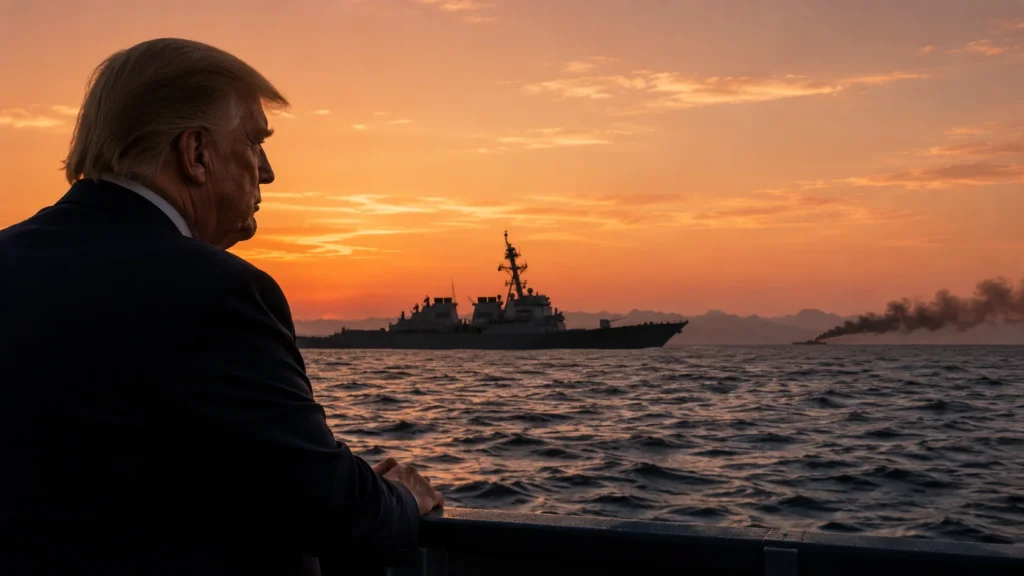
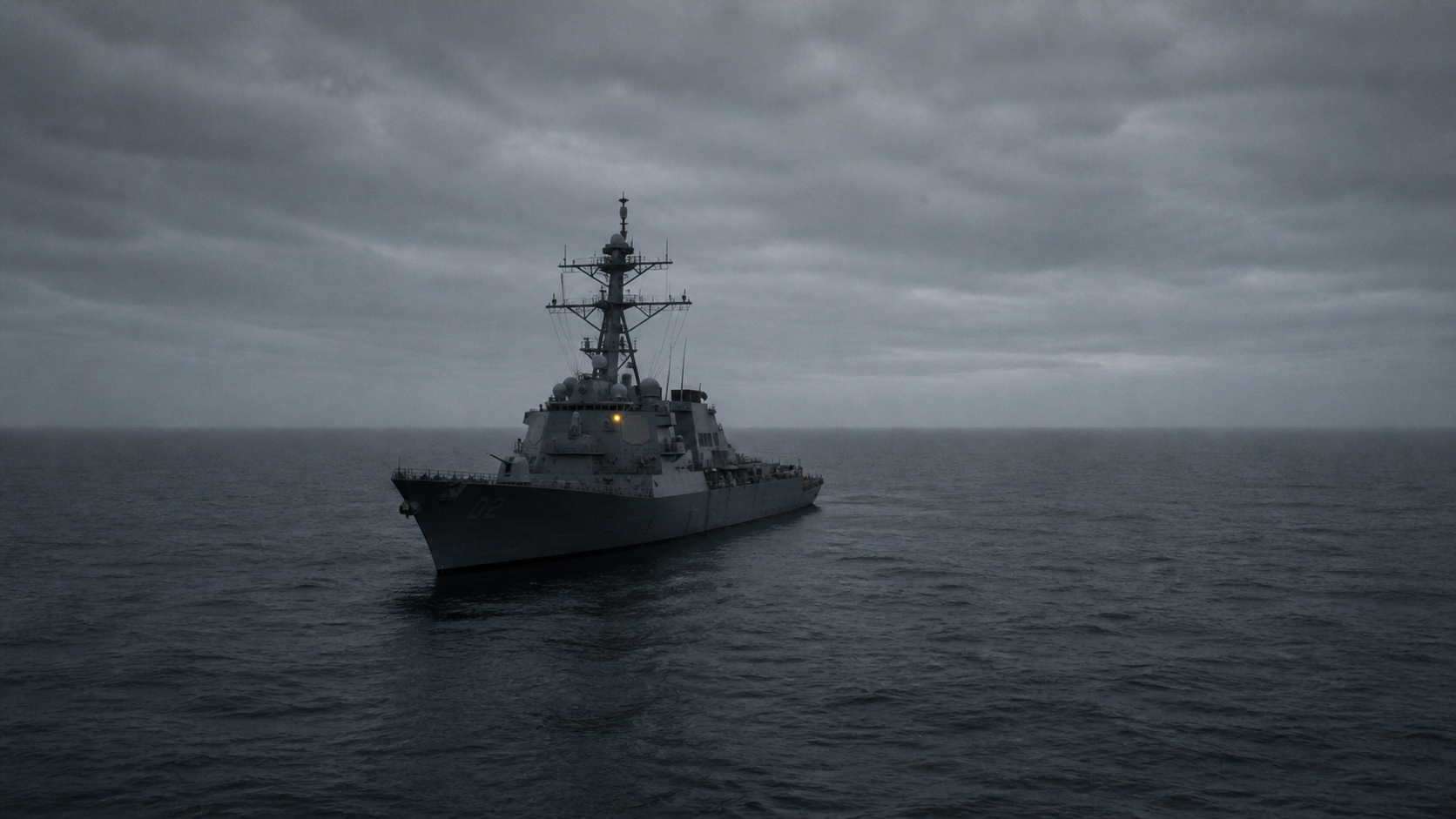
A ceasefire “hanging by a thread.” A diplomatic process “making progress.” A president is “not satisfied.” And explosions echoing around the Gulf. Are US and Iran close to peace or sliding back to war? The latest word from the White House is that negotiators from both sides have agreed on a framework for a 60-day extension of the ceasefire to allow room for further talks, but this still needs President Donald Trump’s approval. Iran has not confirmed the agreement. The development comes at the end of a week that has tested the truce, which began on 8 April and has now lasted considerably longer than the five-and-a-half-week active phase of fighting that preceded it.
What Happened This Week
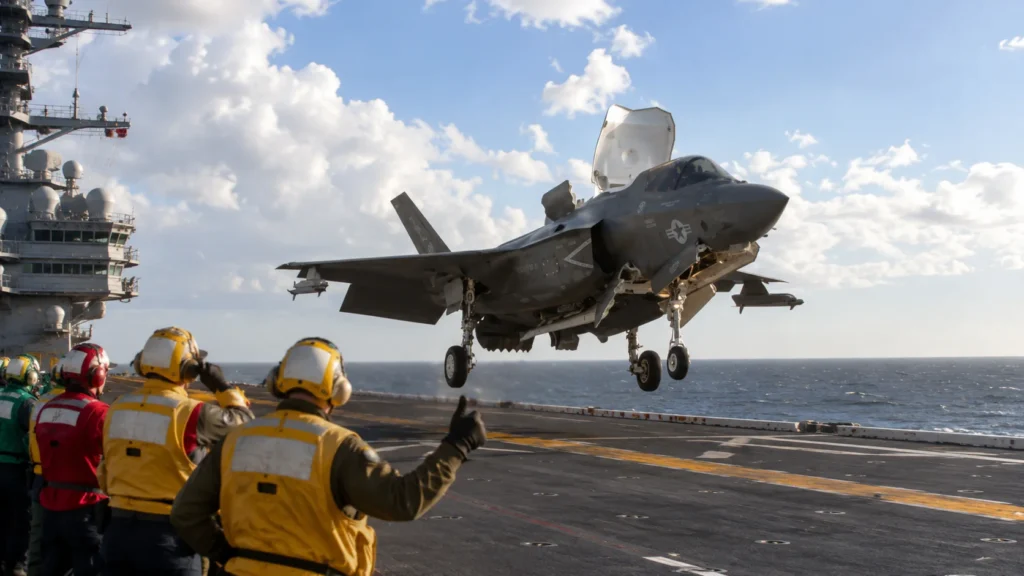
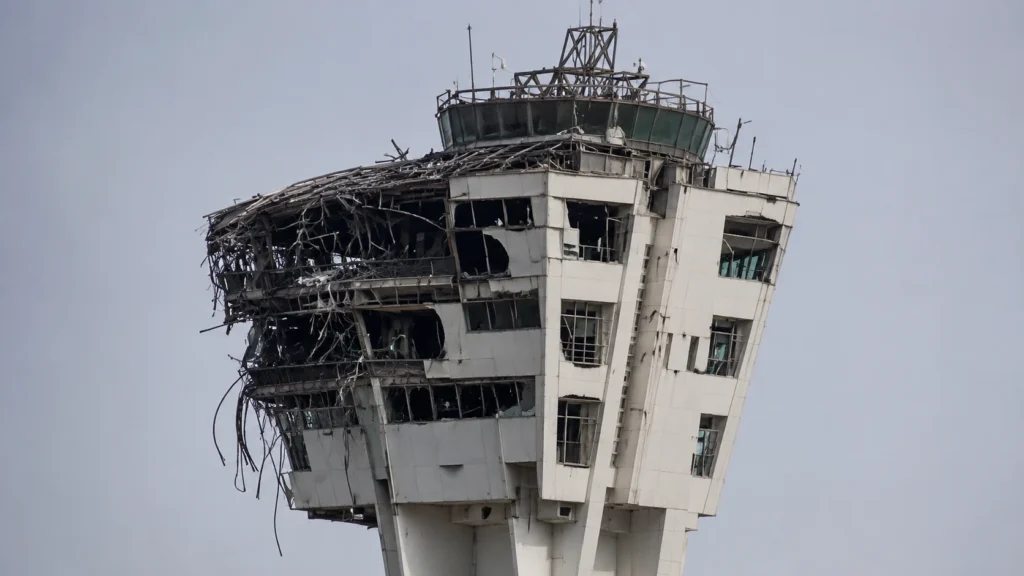
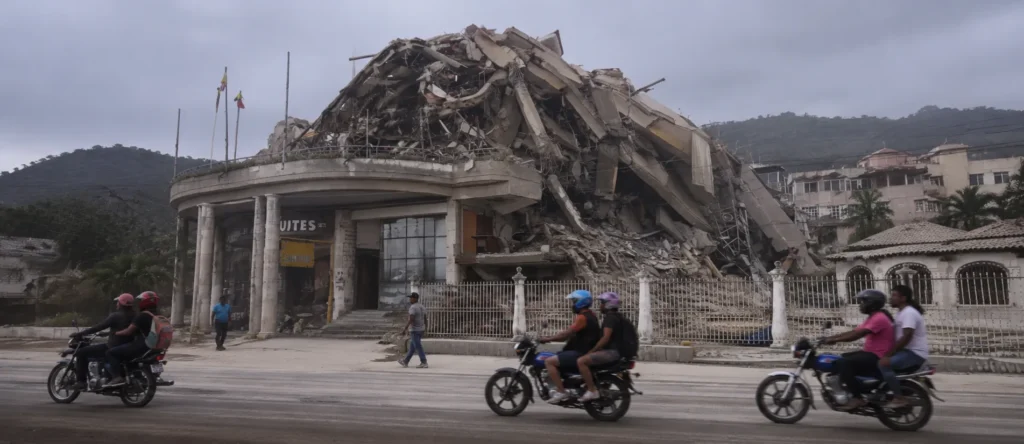
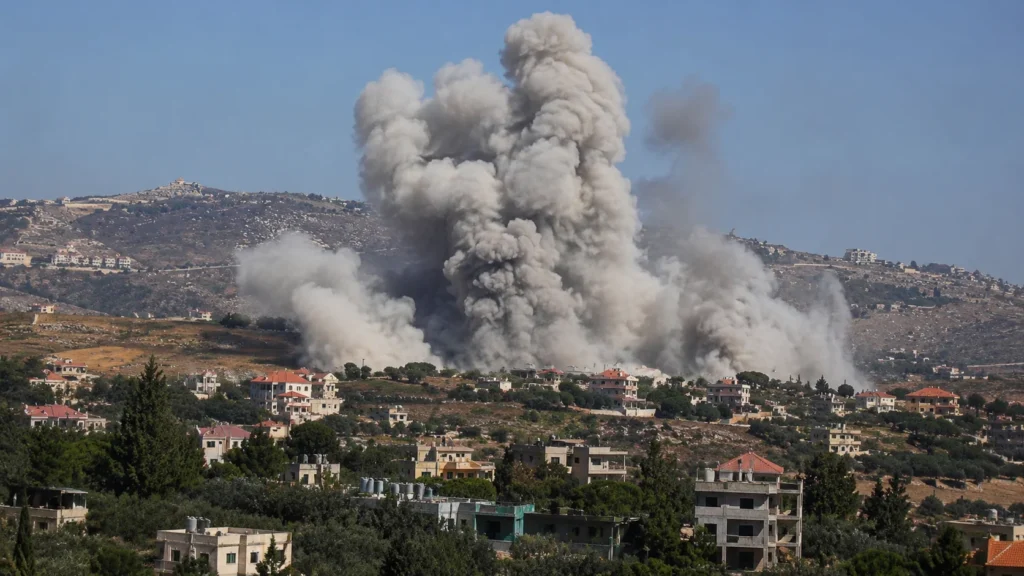
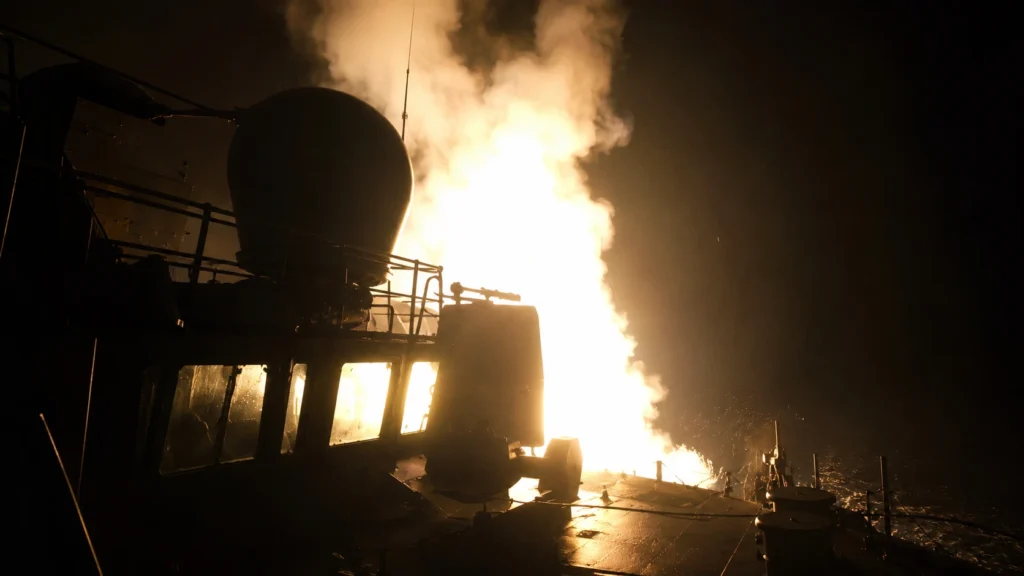
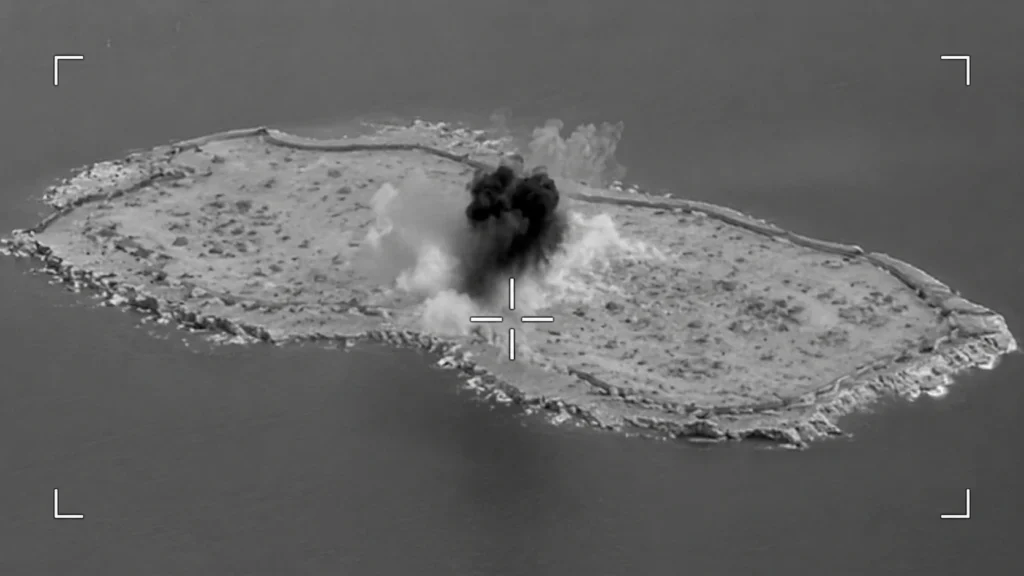
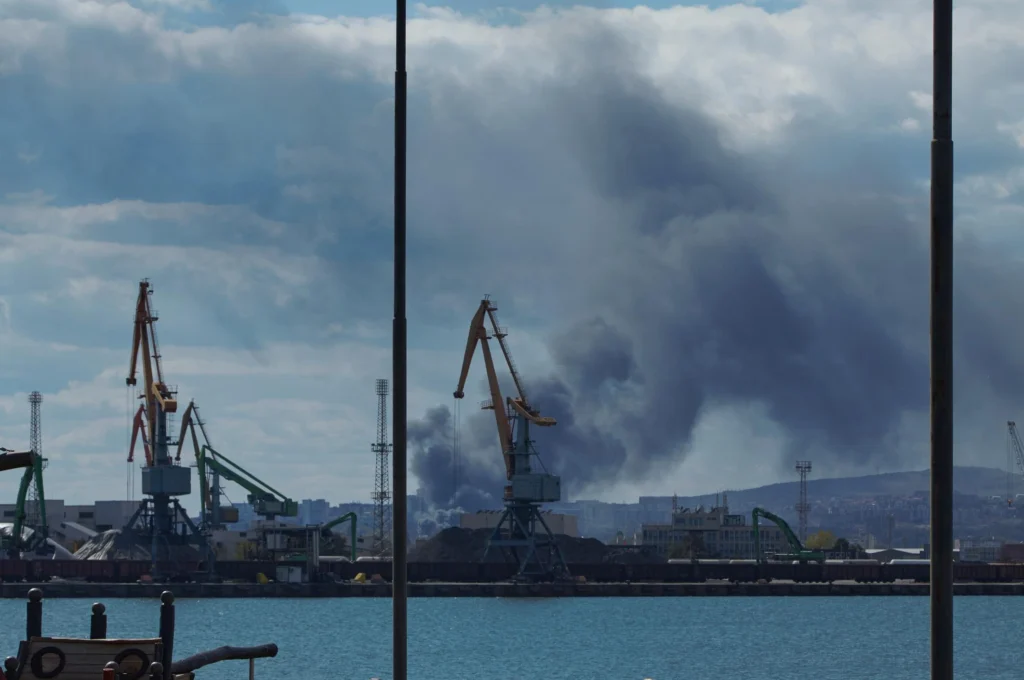
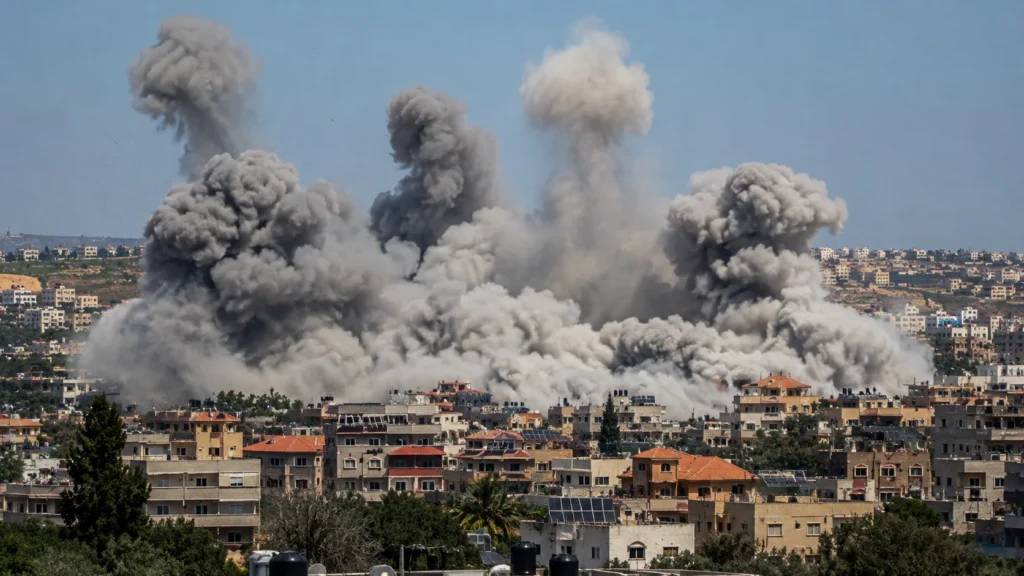
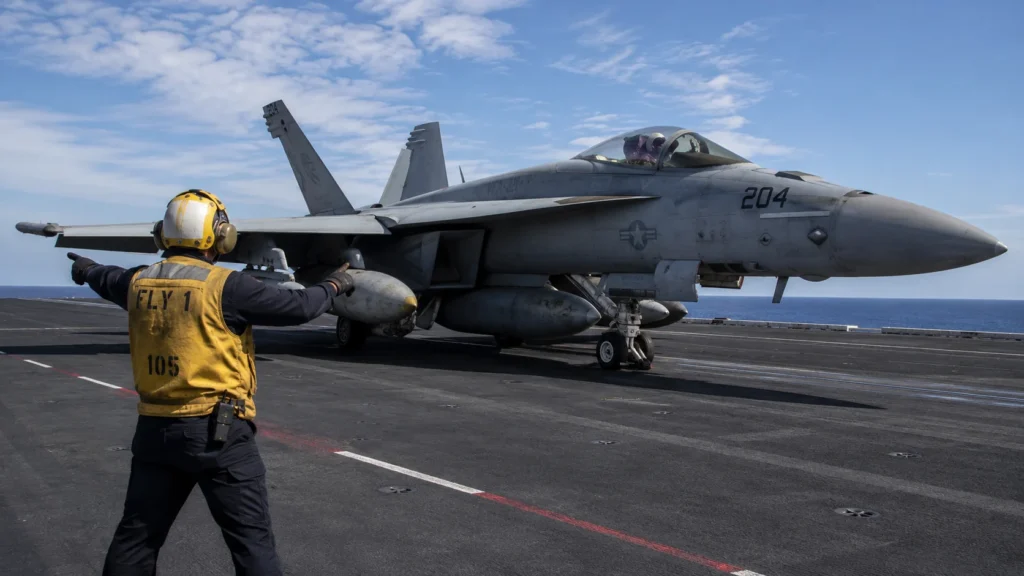
Iran responded to the latest US strikes, which included what US Central Command described as a “ground control site” in the southern Iranian port city of Bandar Abbas, with a warning that “aggression will not go unanswered.”
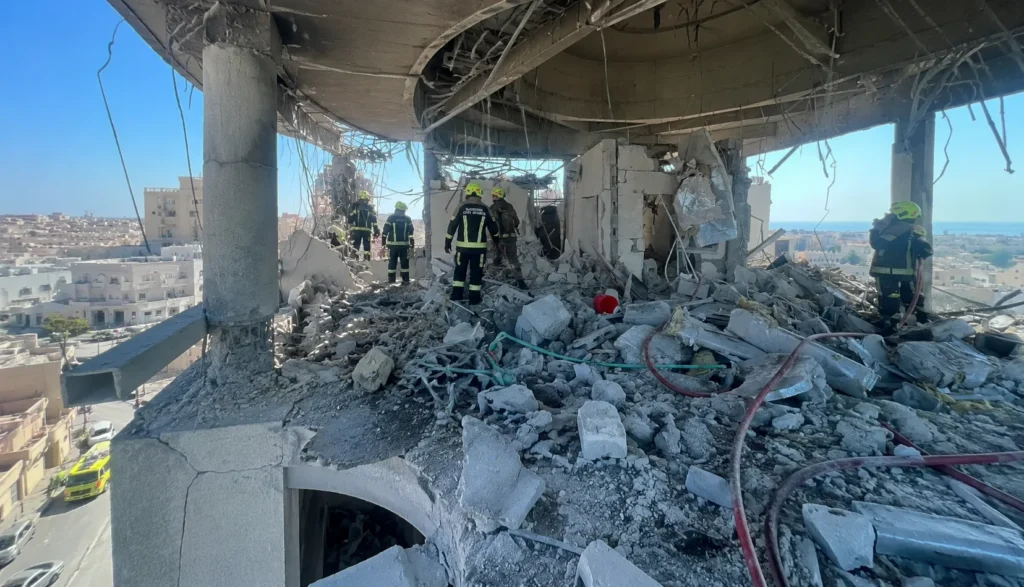
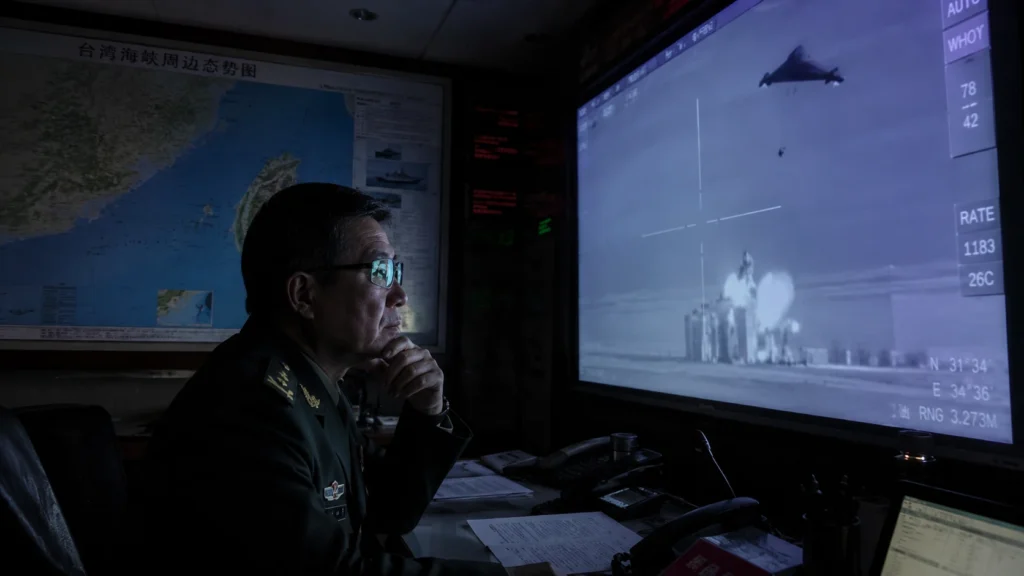
The Islamic Revolutionary Guard Corps then said it had attacked an American air base. It did not specify which, but Centcom later confirmed a ballistic missile had been intercepted over Kuwait, where the US maintains several bases. Centcom called the attack “an egregious ceasefire violation” US Central Command statement, 28 May 2026.
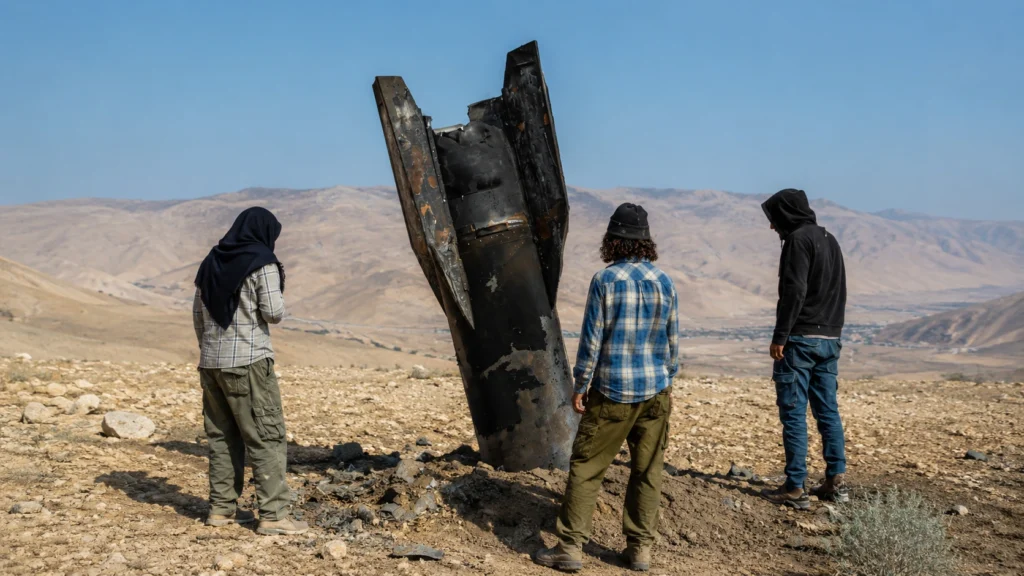
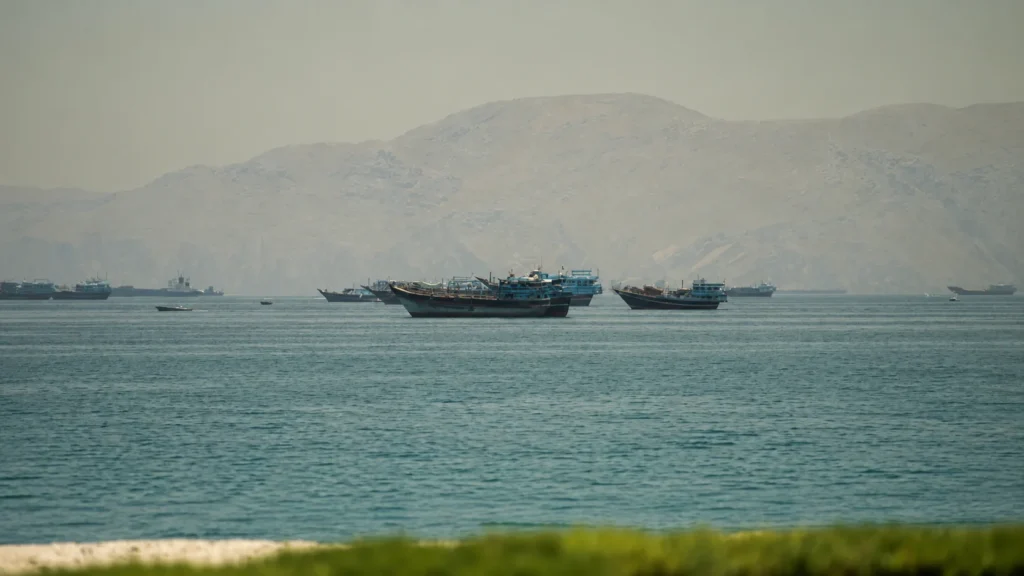
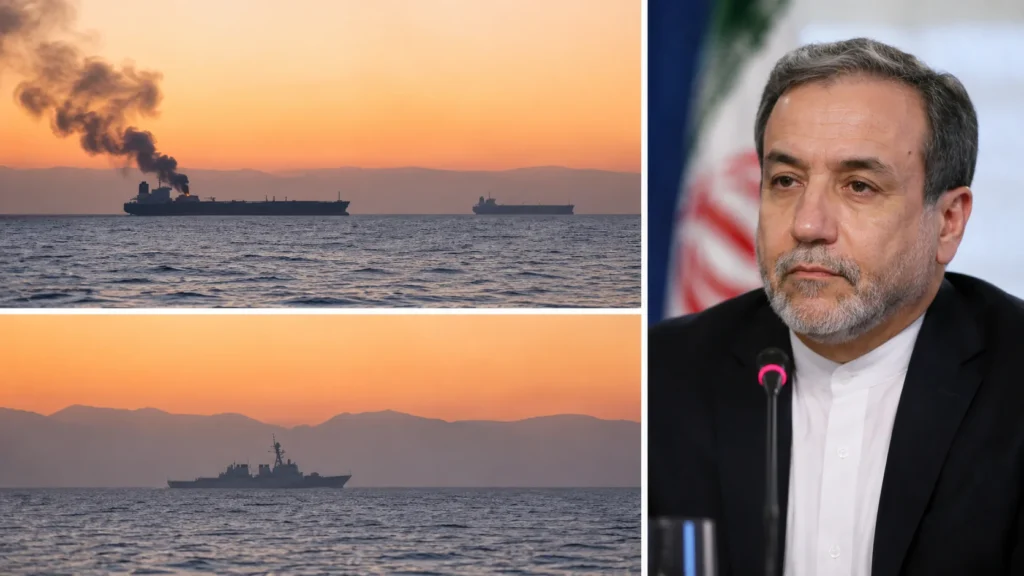
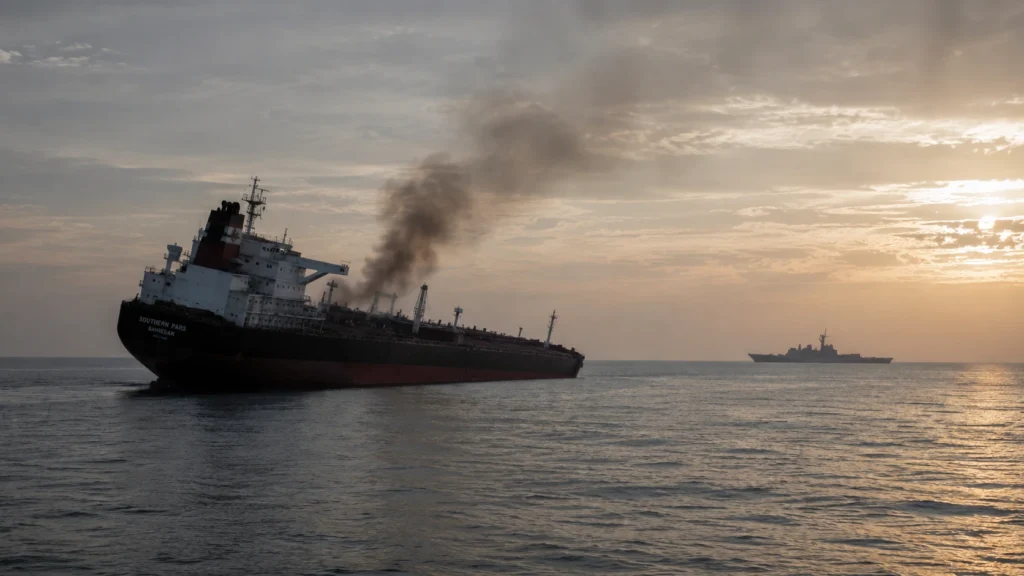
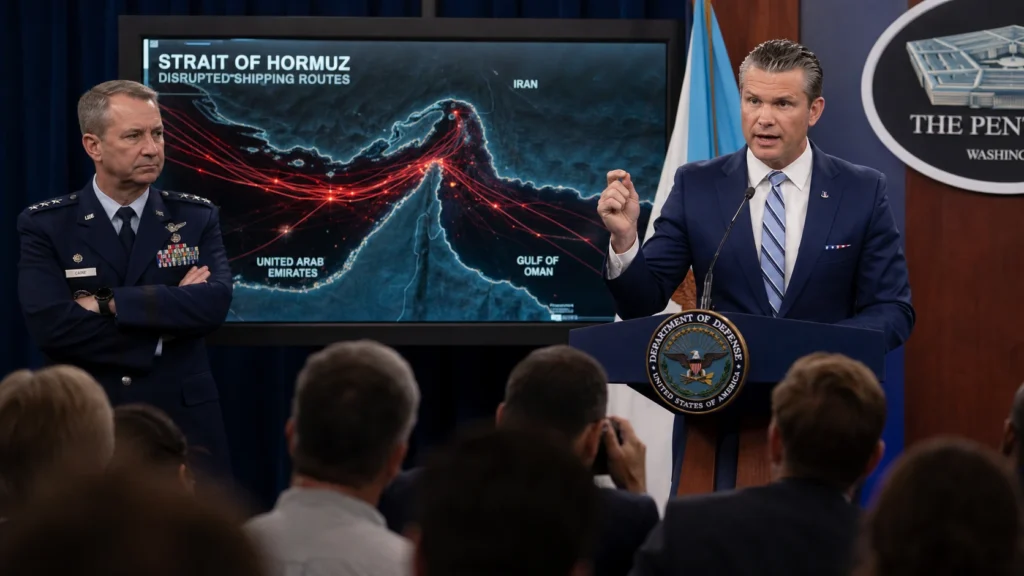
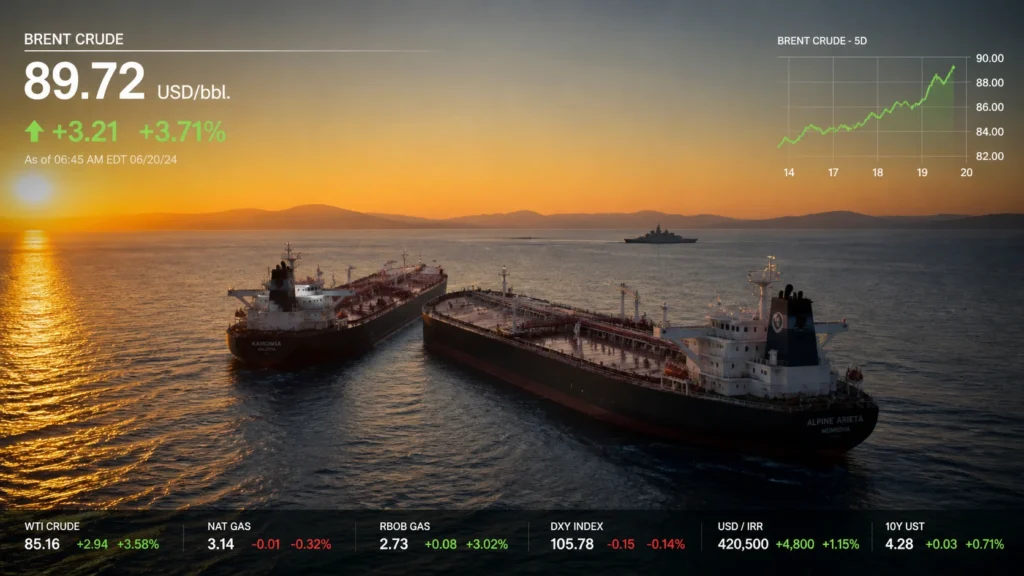
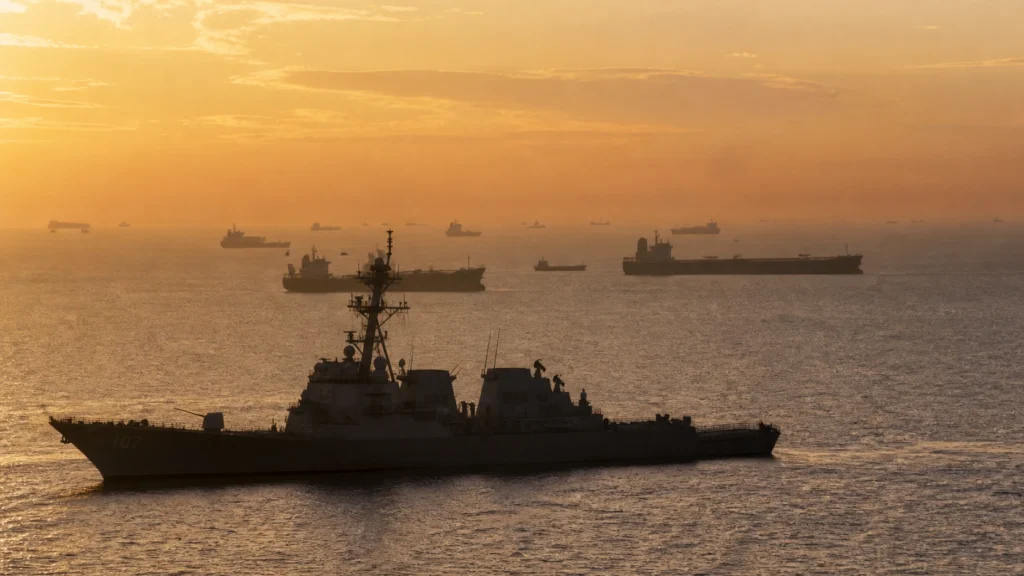
The US said it shot down five Iranian drones that “posed a threat around the Strait of Hormuz.” The Treasury Department sanctioned Iran’s newly formed “Persian Gulf Strait Authority,” with the Office of Foreign Assets Control calling it “a new attempt by Iran’s Islamic Revolutionary Guard Corps to monetise its campaign of state-sponsored terror” US Treasury Department statement, 28 May 2026.
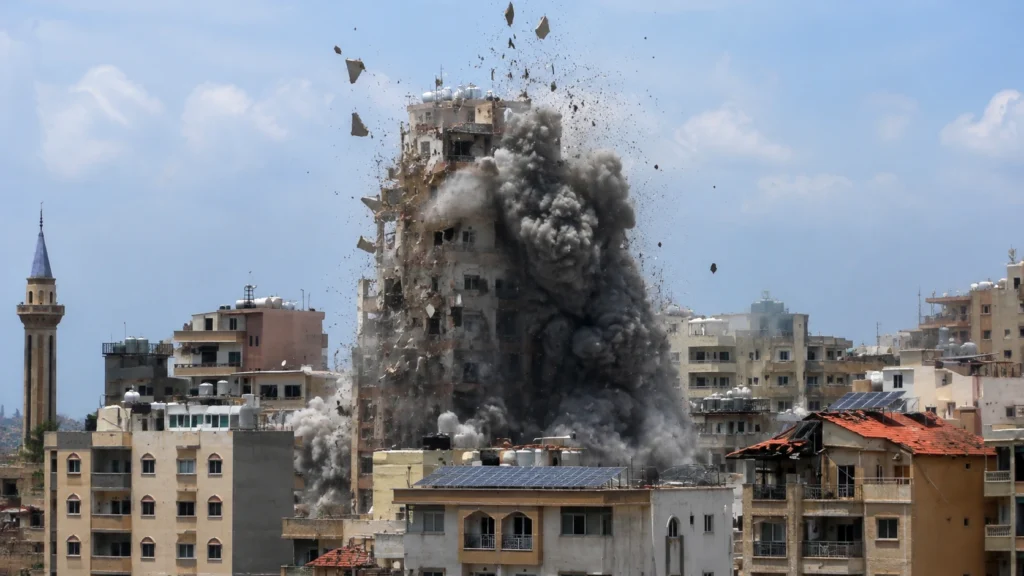
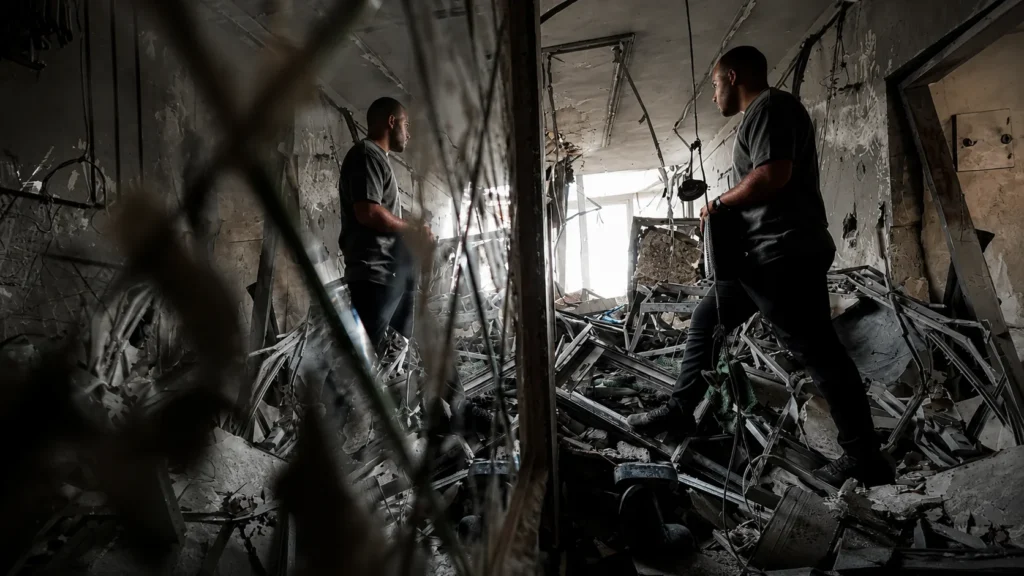
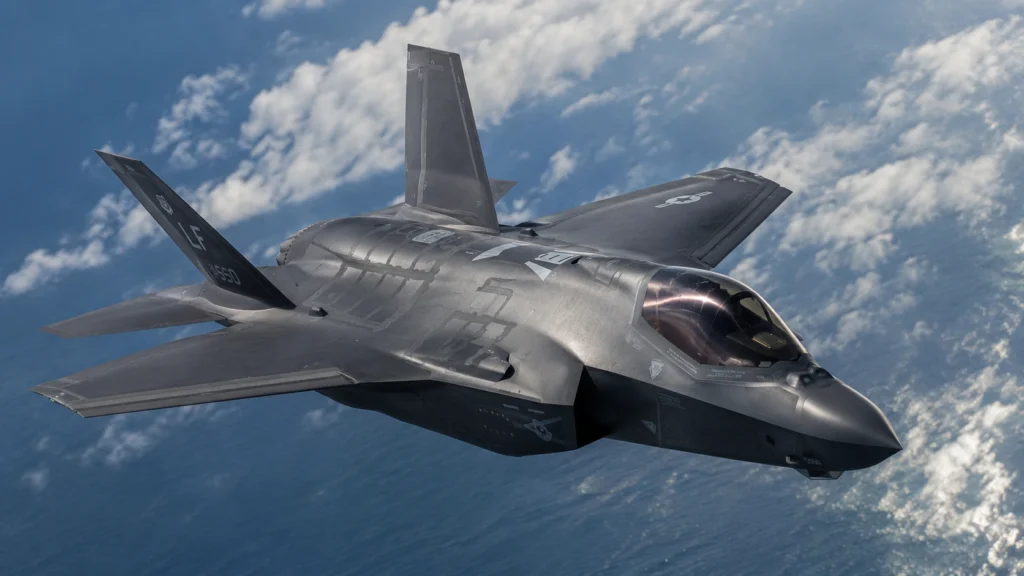
Despite the exchanges, neither side has characterised this week’s tit-for-tat as a return to all-out war. The active phase of the conflict saw the US and Israel launch thousands of sorties against targets across Iran, with Tehran responding with volleys of drones and ballistic missiles against US bases, Gulf countries, and Israel.
Iran says it targeted American base after fresh US strikes on our earlier analysis
The Diplomatic Track
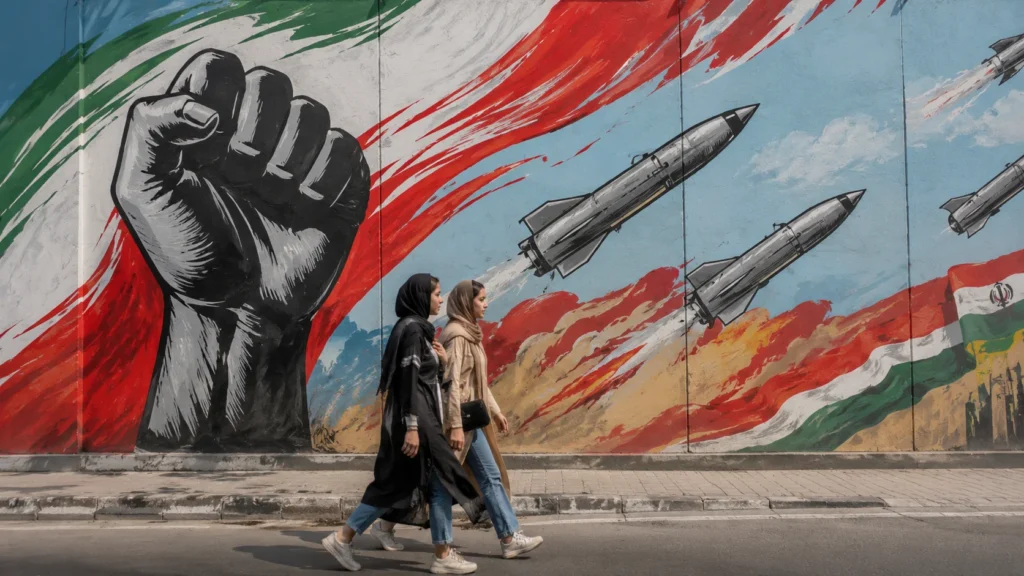
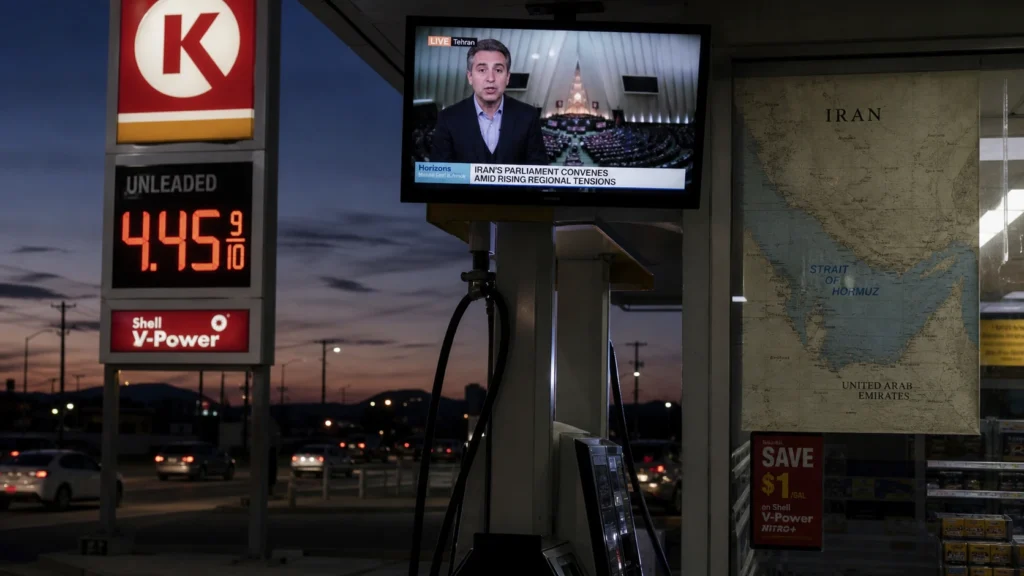
A tortured diplomatic process involving multiple actors continues in the background. On Wednesday, Iranian state media reported elements of what they described as an unofficial draft of a 14-point memorandum of understanding. The report included everything Tehran would like to see: the lifting of Washington’s naval blockade of Iranian ports, the withdrawal of US forces from the “vicinity of Iran,” and the restoration of non-military traffic through the Strait of Hormuz, with Iran and Oman jointly managing the routing. Notably absent was any mention of Iranian concessions on the nuclear issue.
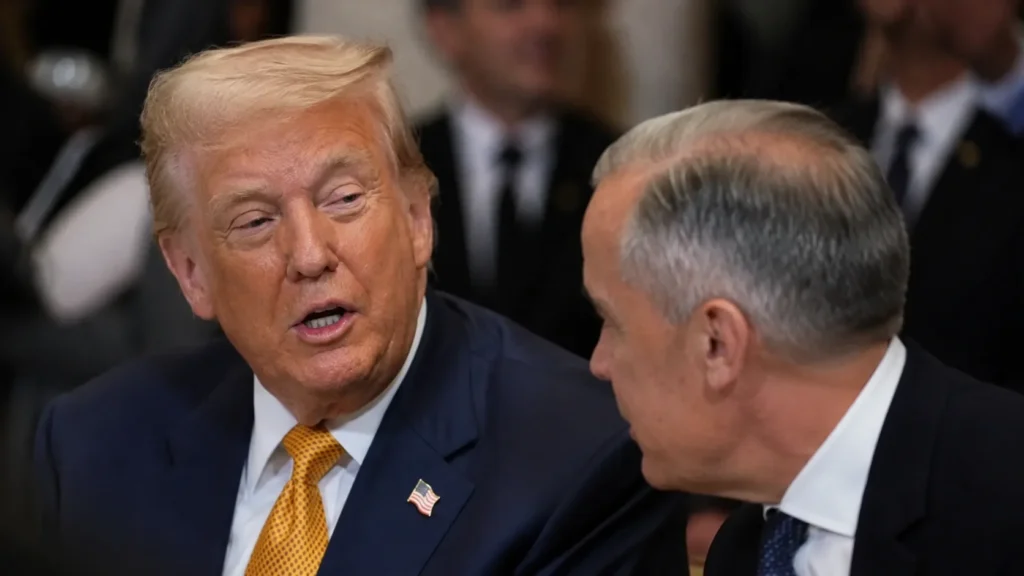
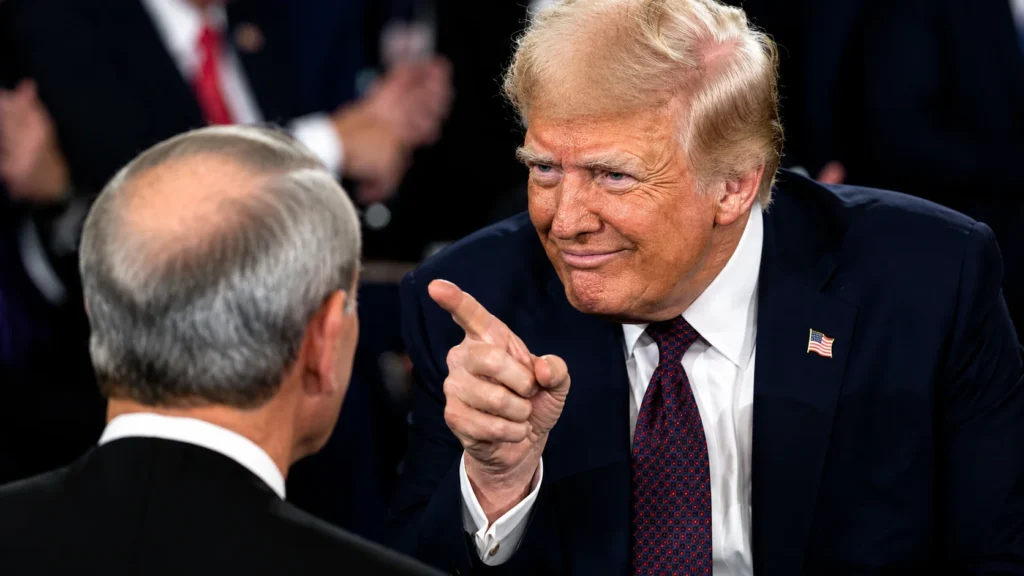
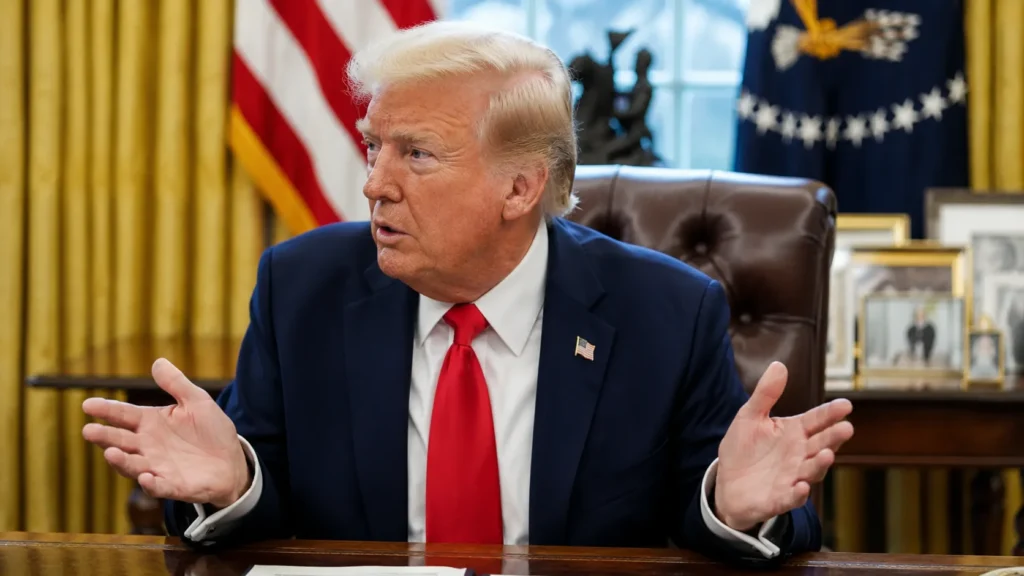
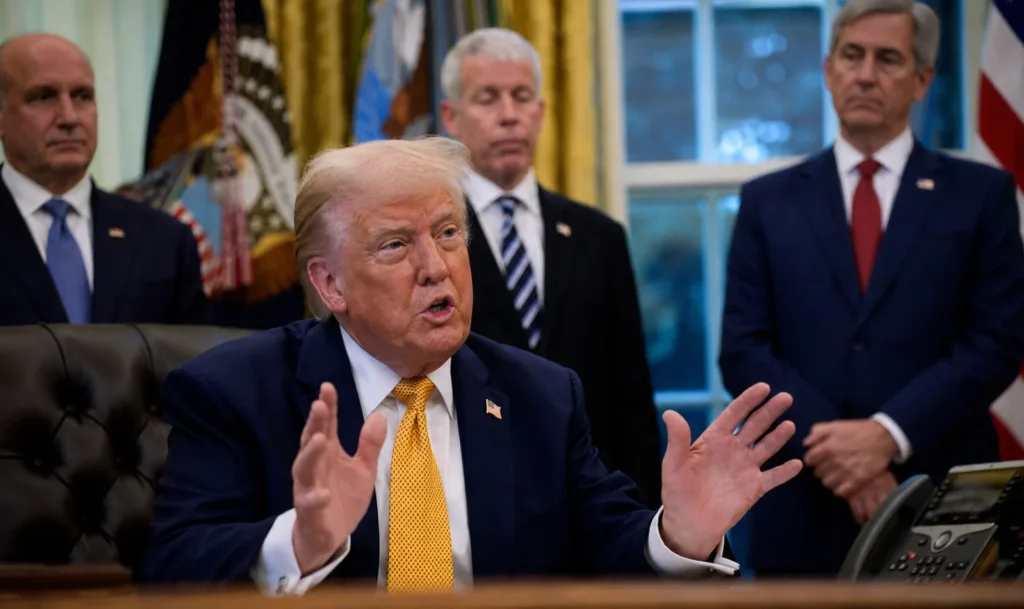
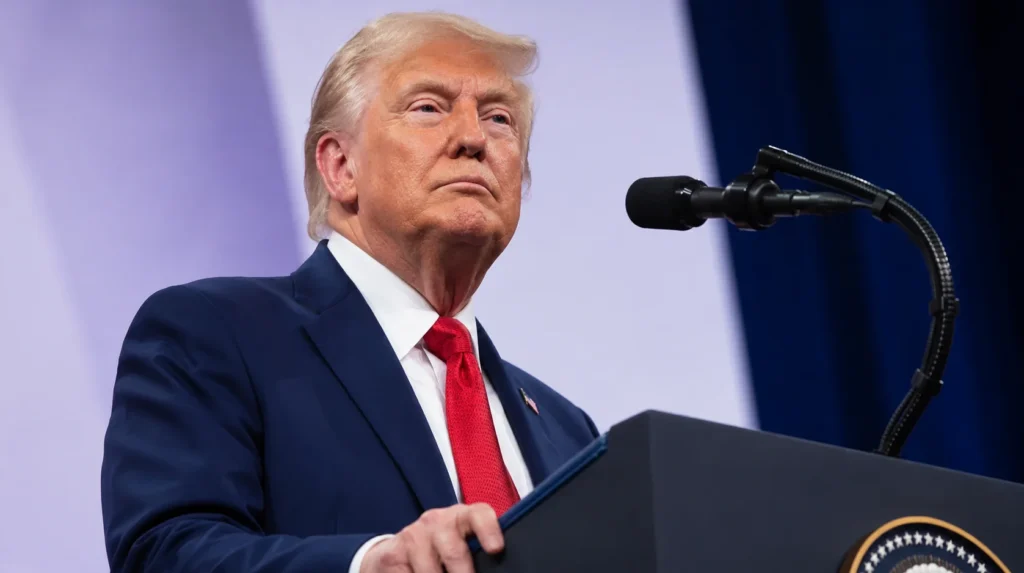
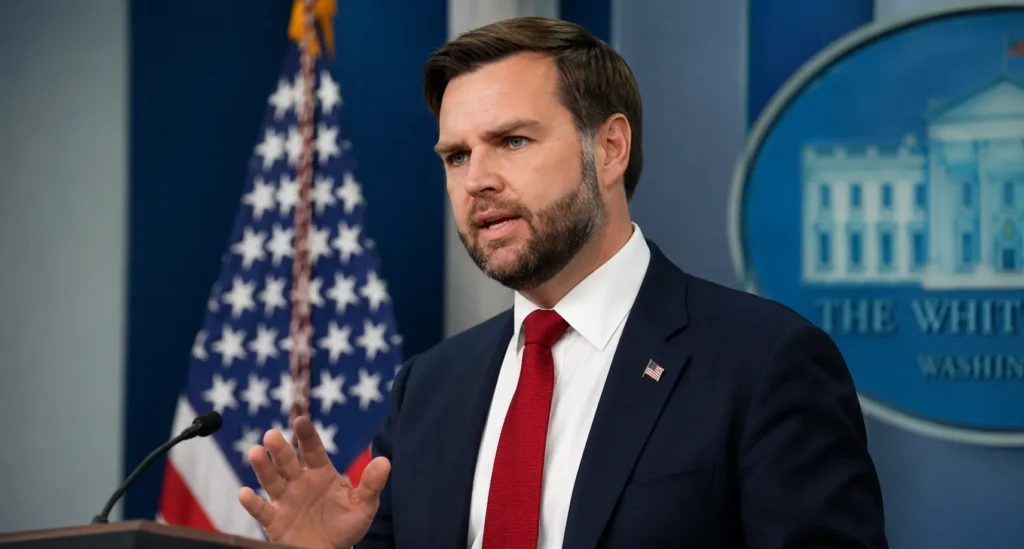
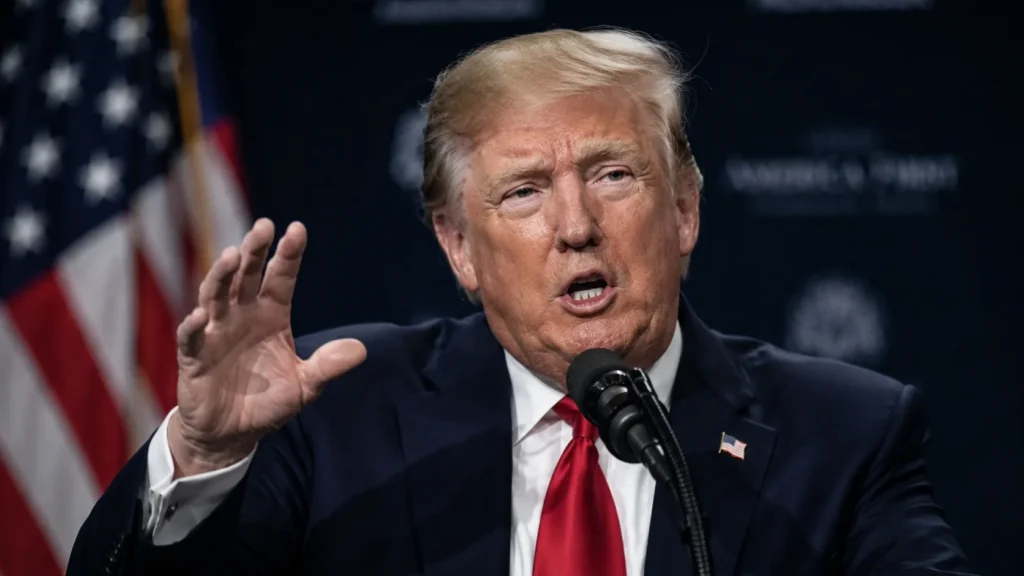
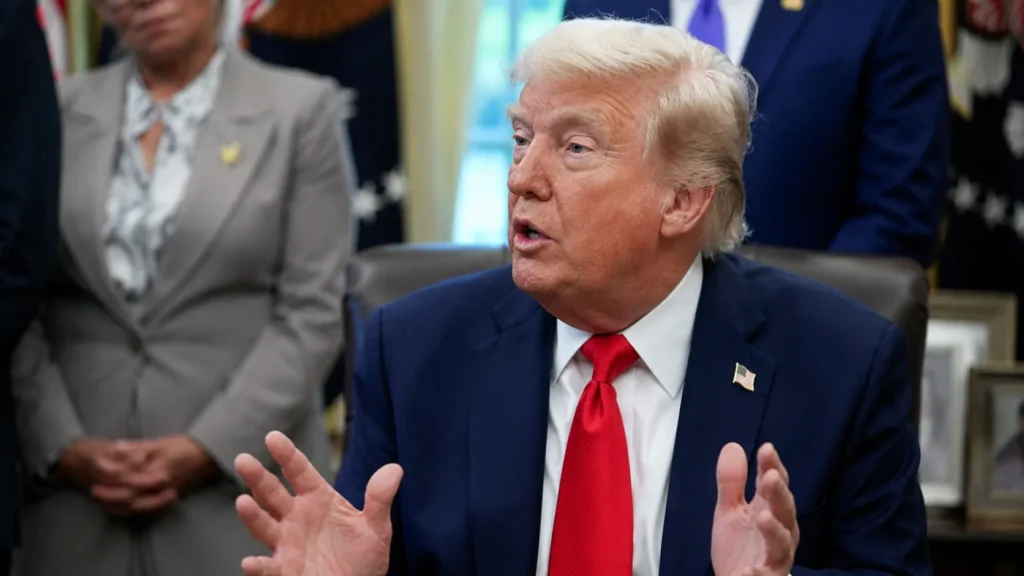
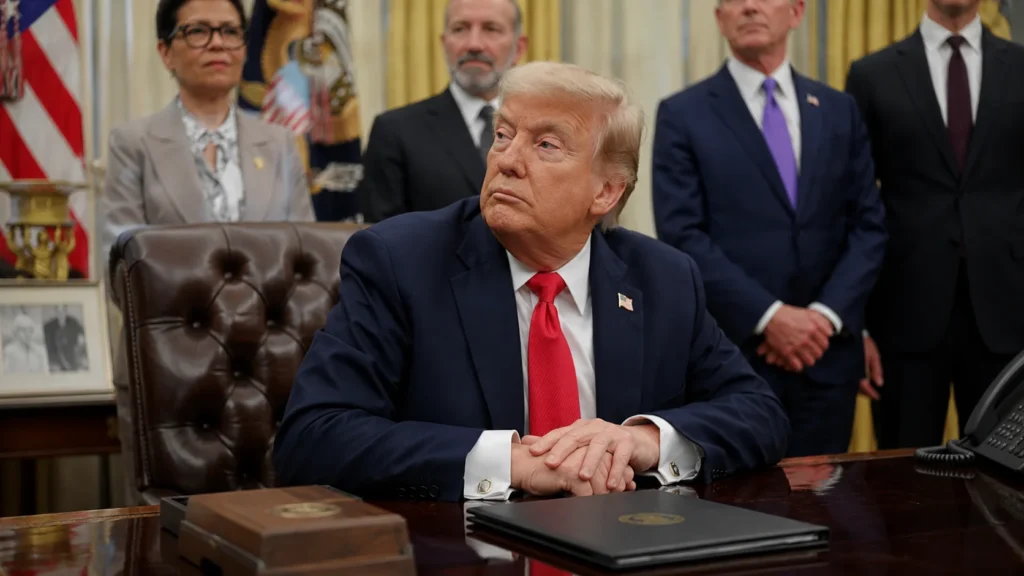
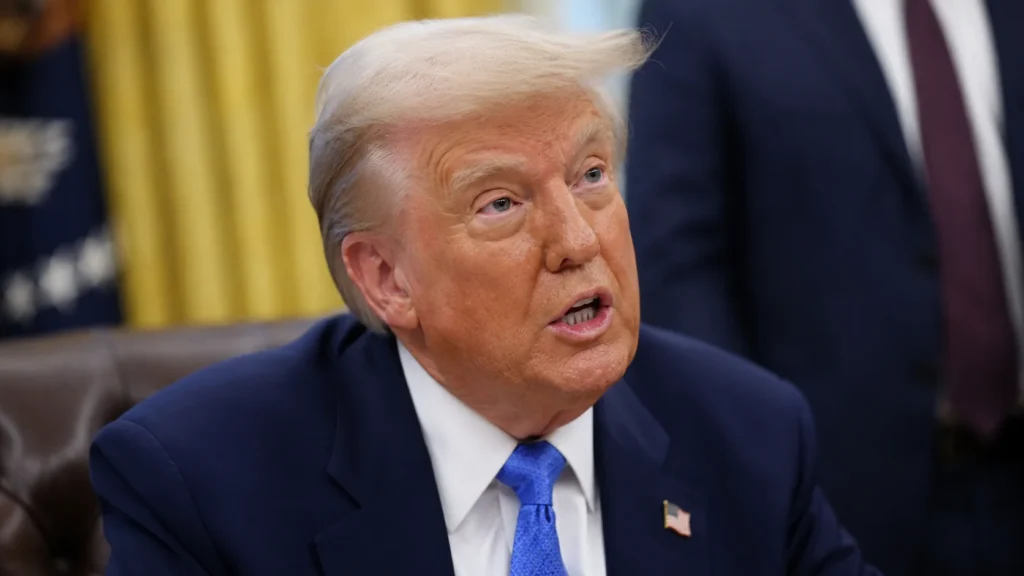
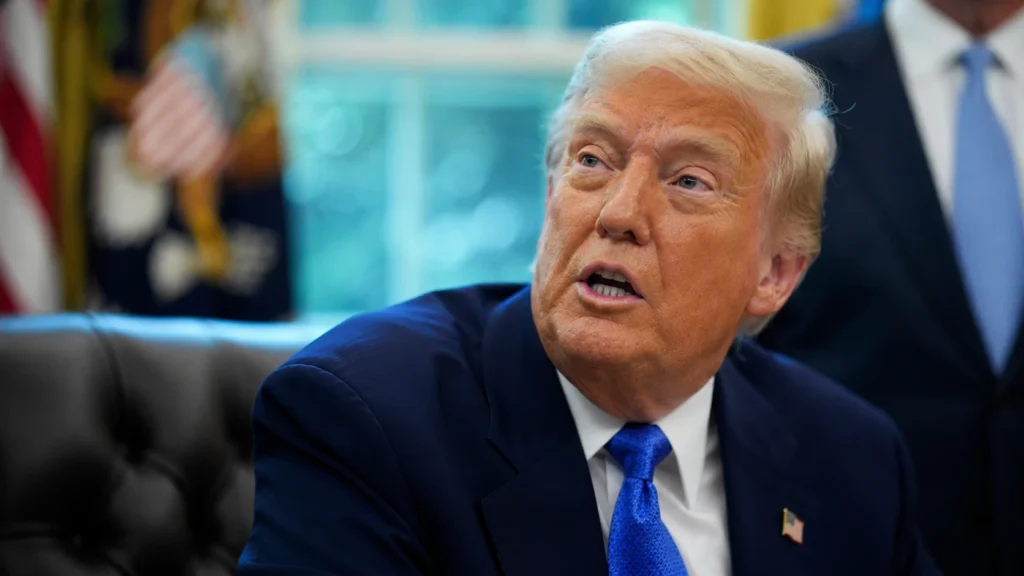
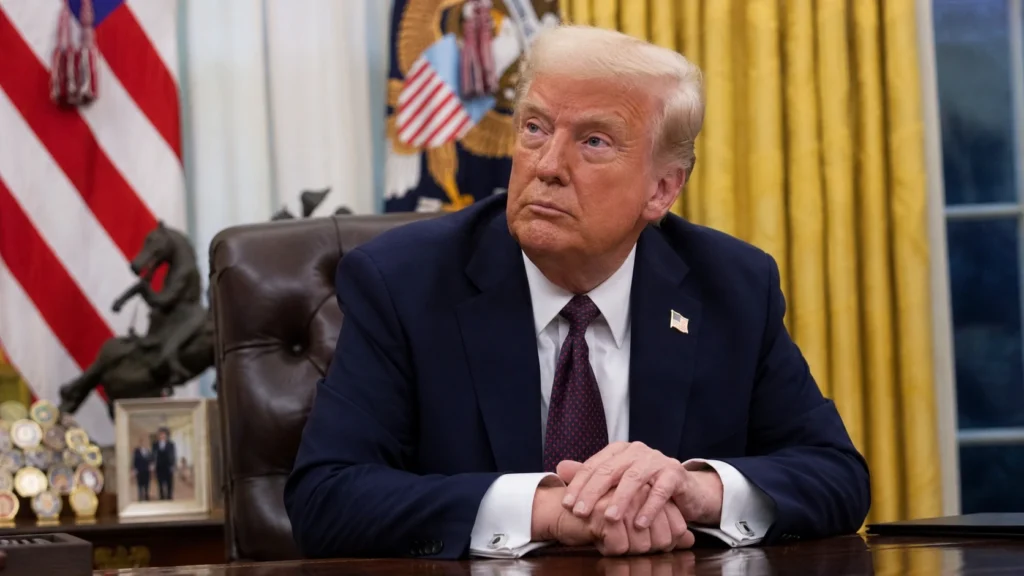
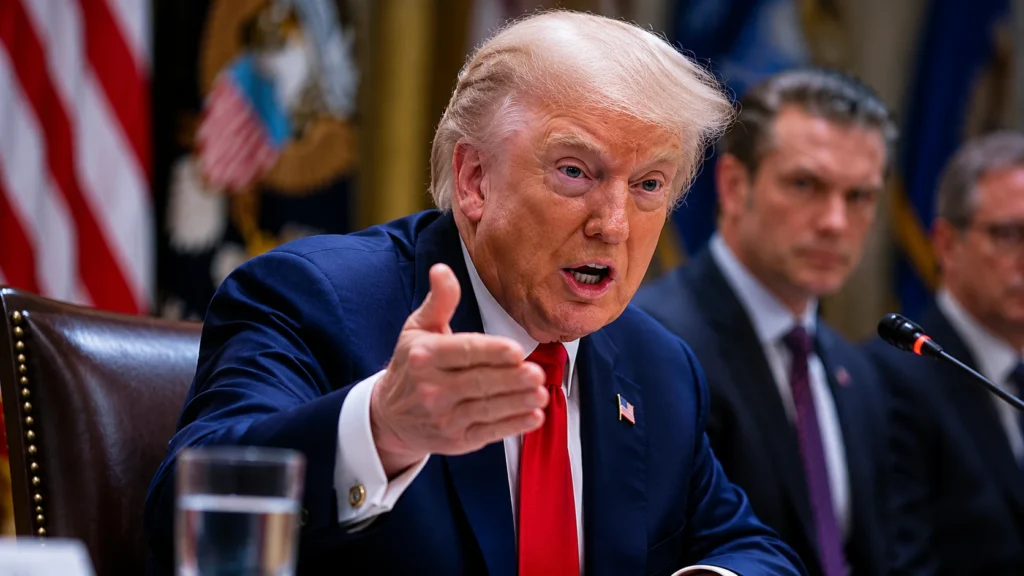
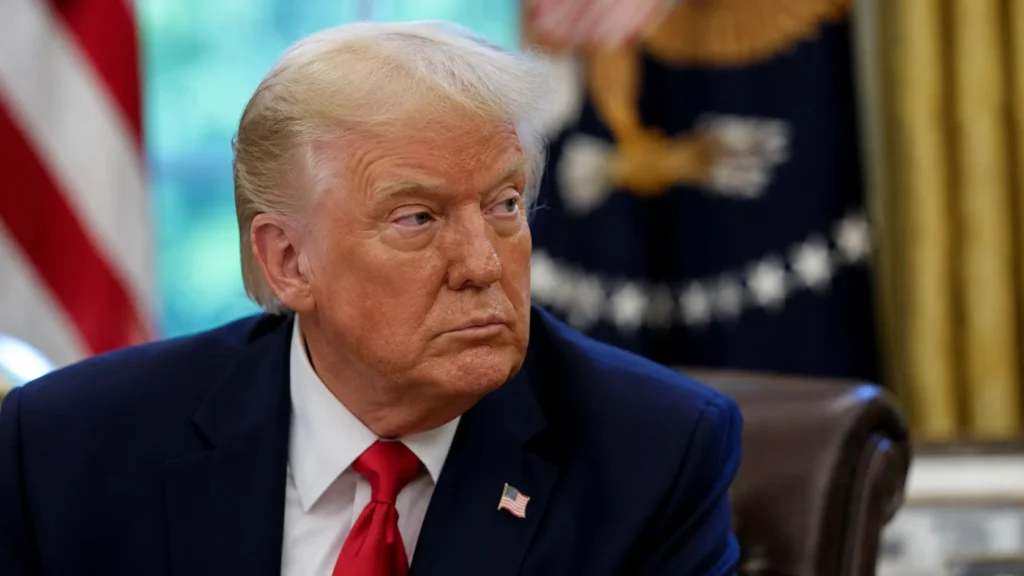
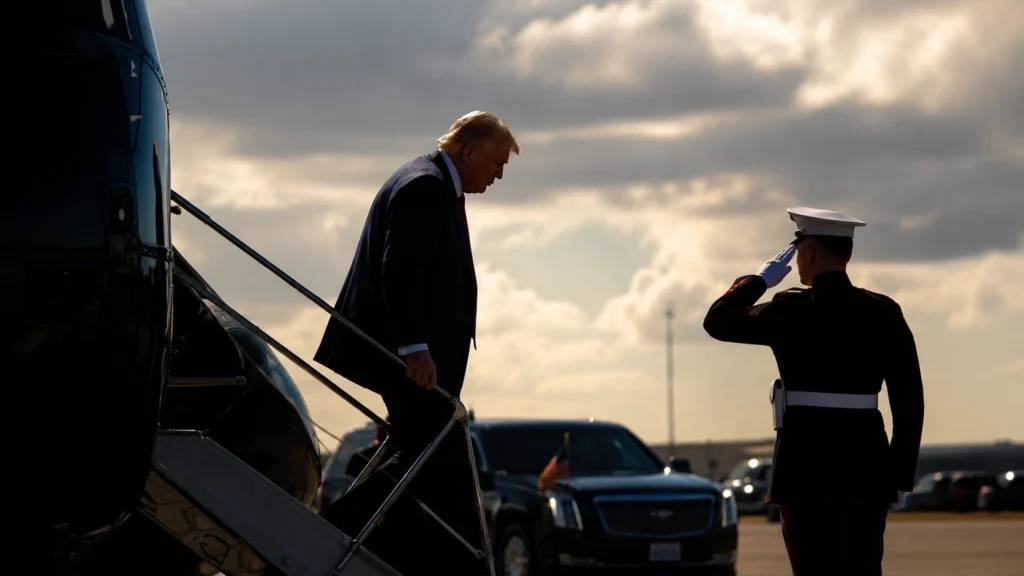
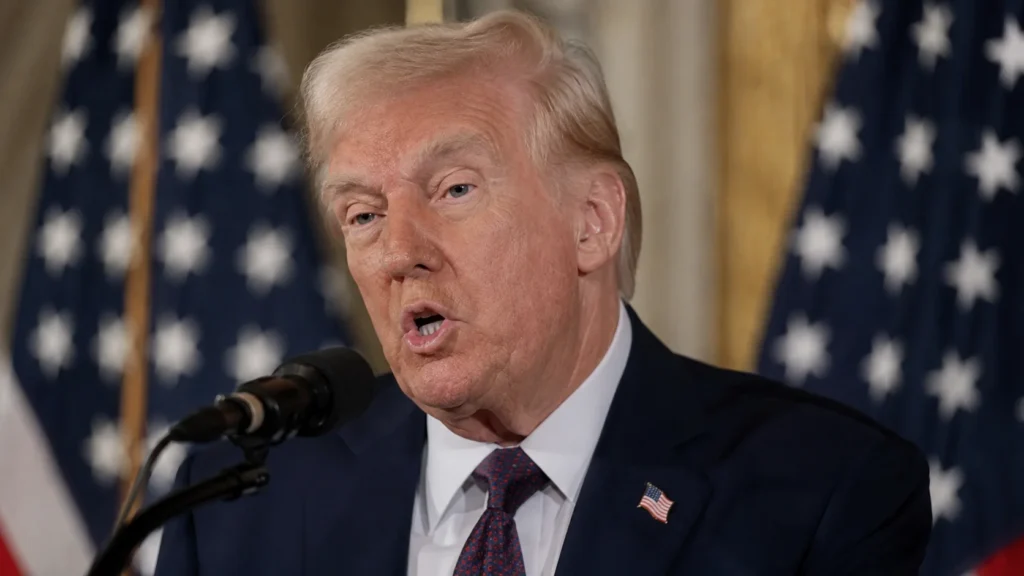
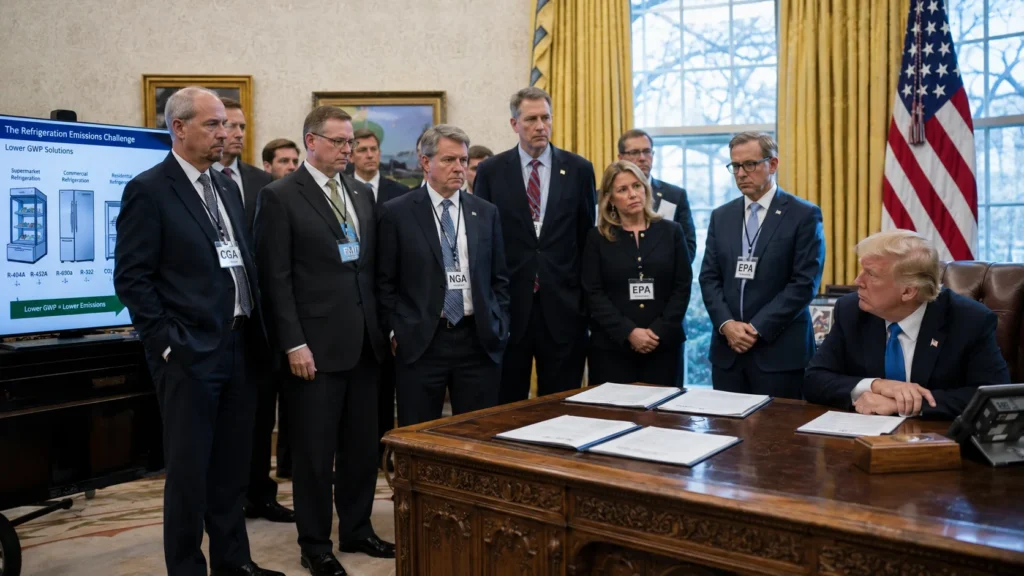
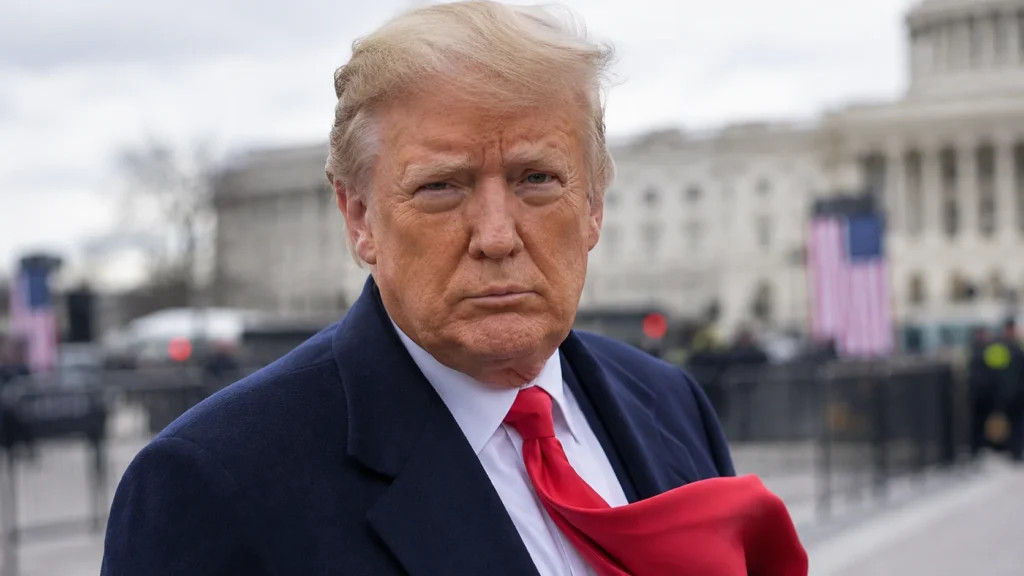
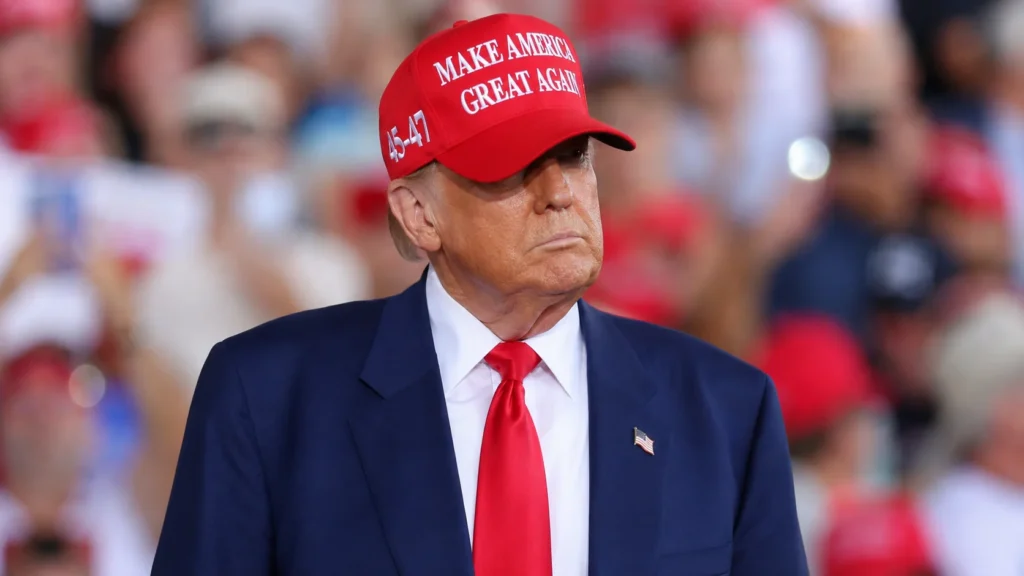
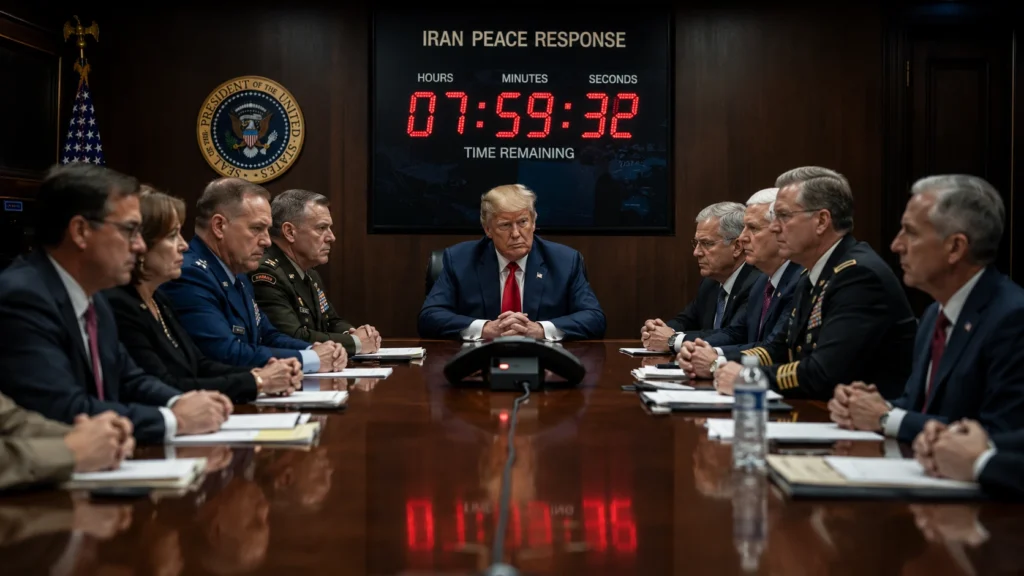
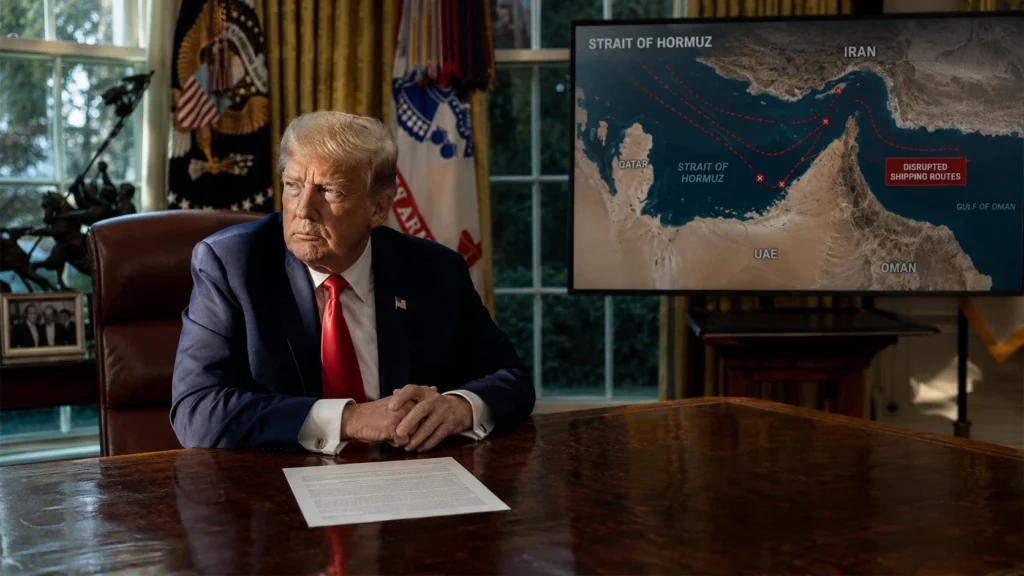
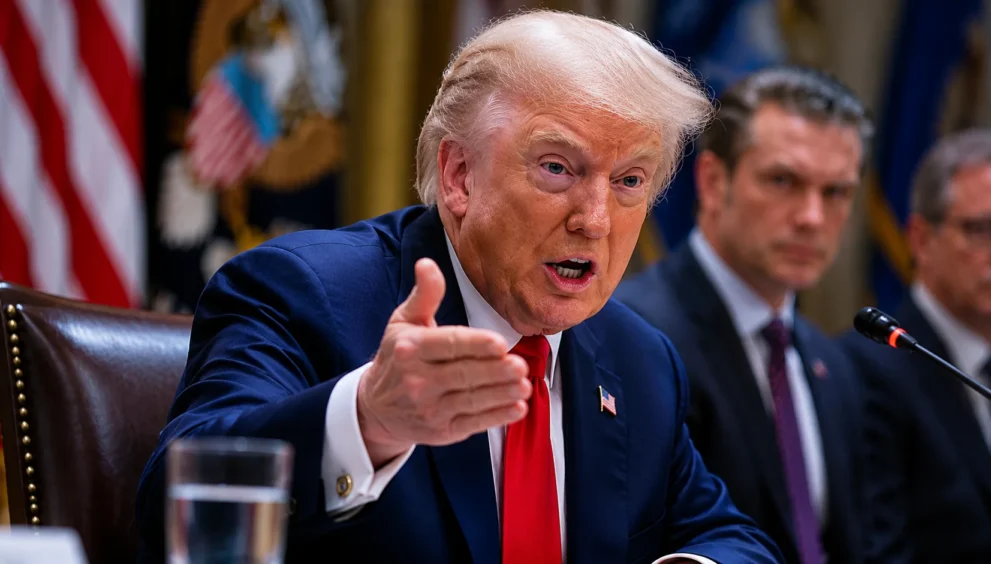
The White House called the purported draft a “complete fabrication.” Trump, during a televised cabinet meeting, said he was not yet satisfied with proposals for a deal. He said Iran was “starting to give us the things that they have to give us,” but repeated his warning that failure to comply would trigger a return to war White House cabinet meeting transcript, 28 May 2026.
“If they won’t, then the man on my left is going to finish them off,” Trump said, turning to US Defence Secretary Pete Hegseth.
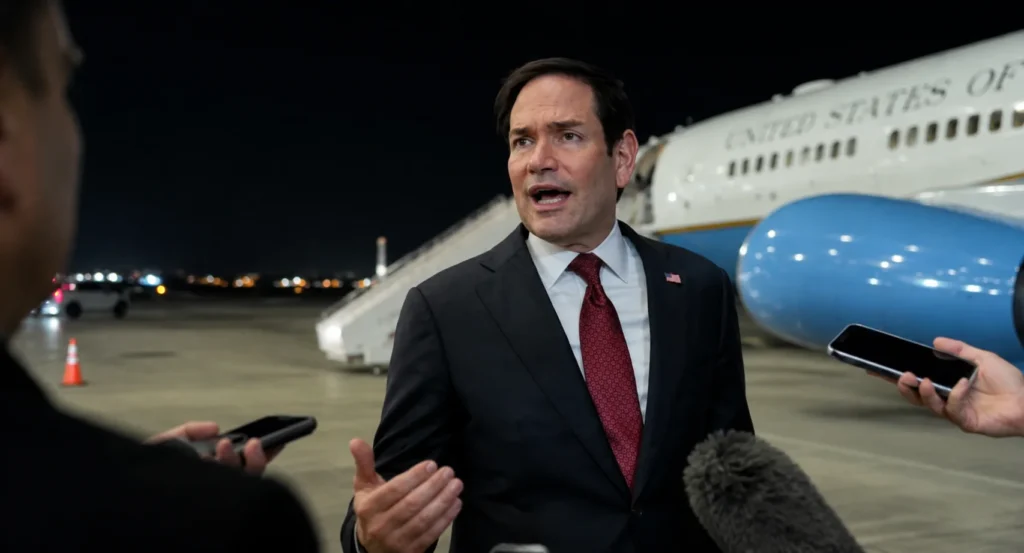
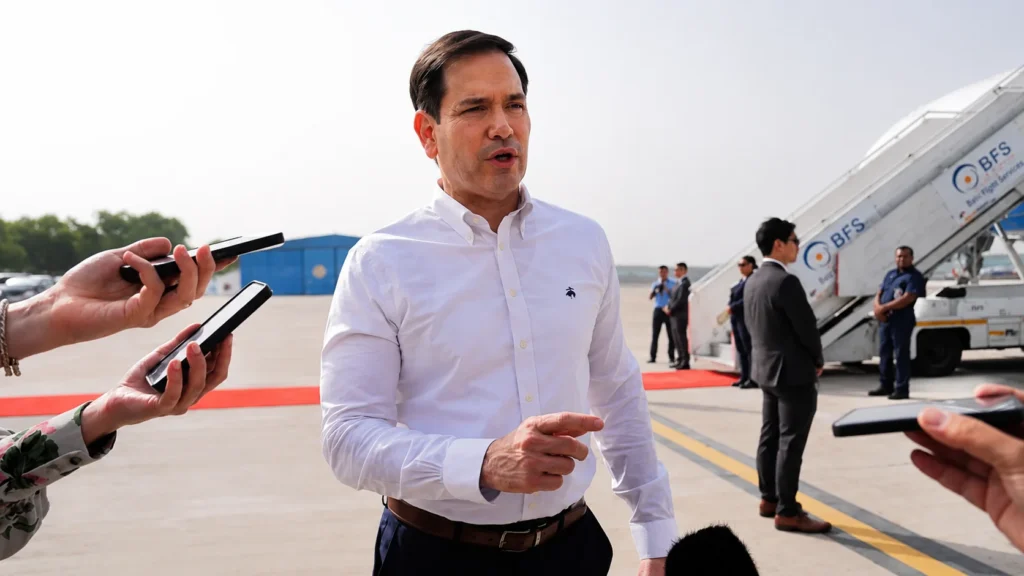
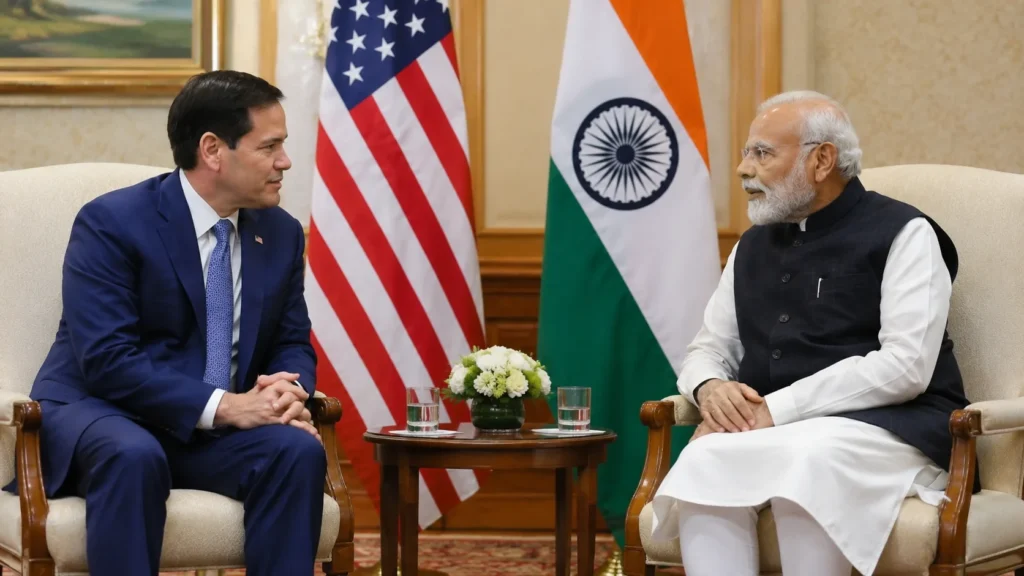
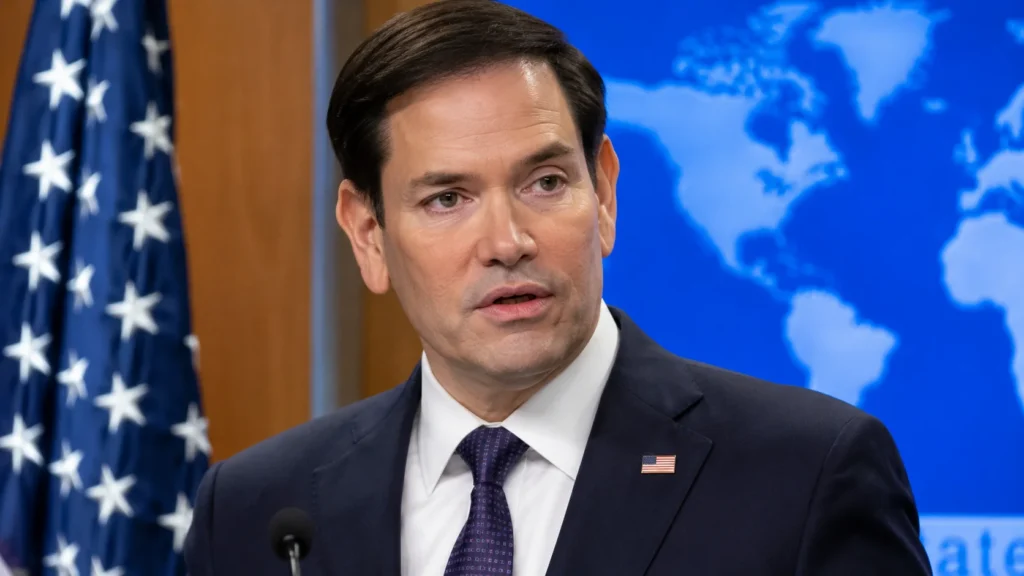
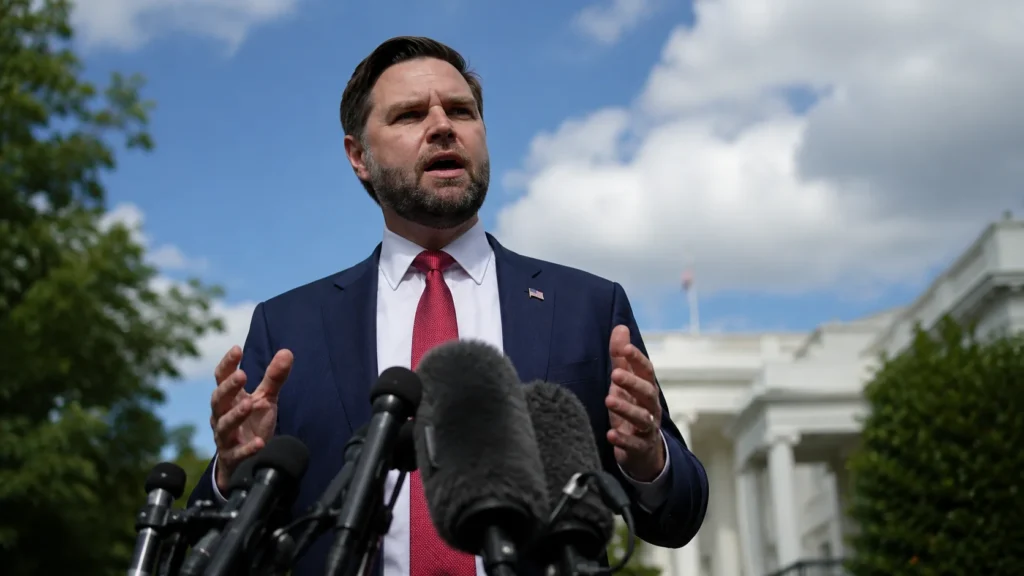
Secretary of State Marco Rubio said the coming hours or days would show whether progress was possible.
The Iran peace talks: why the dual track of strikes and negotiations is straining
The Oman Threat
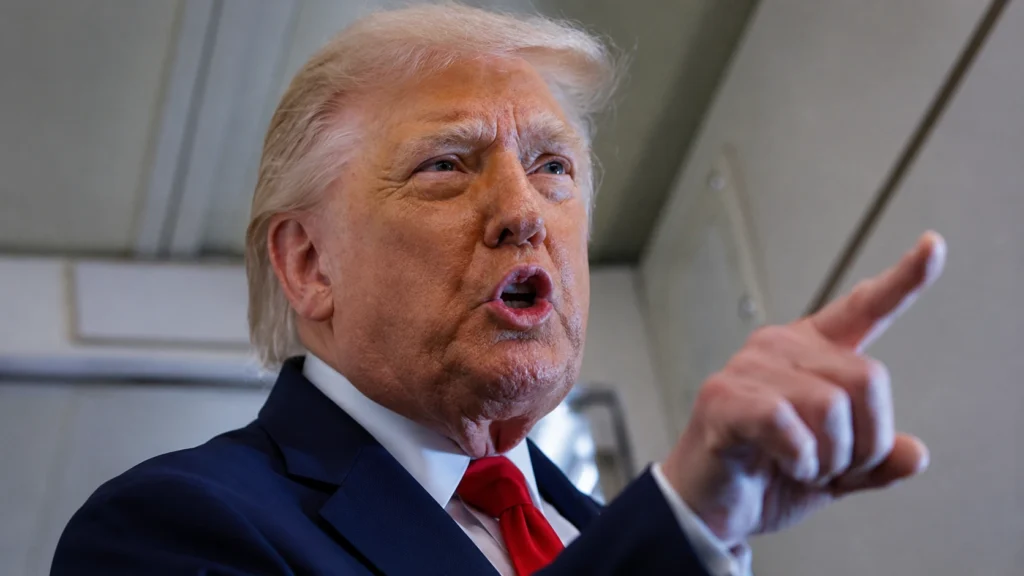
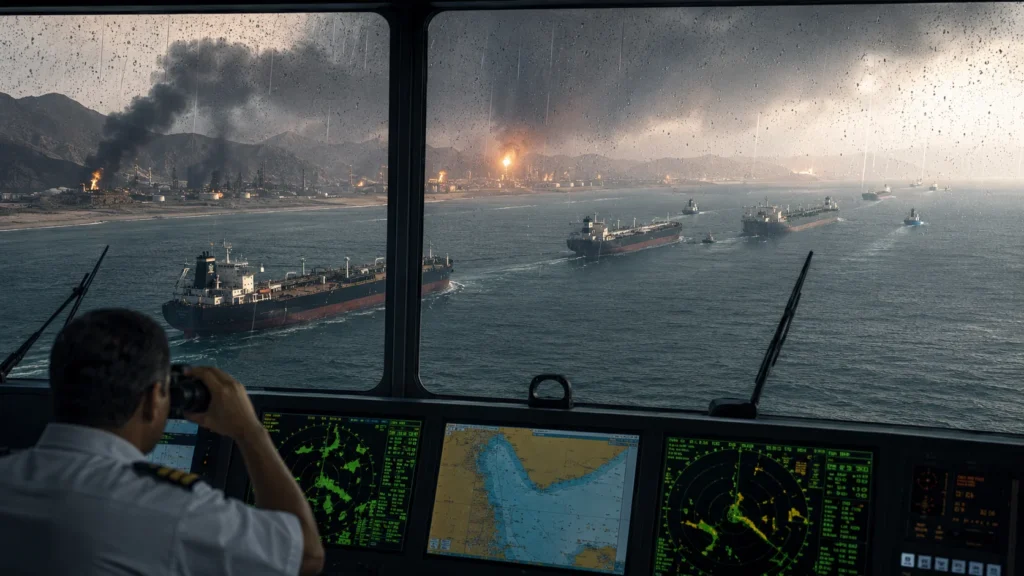
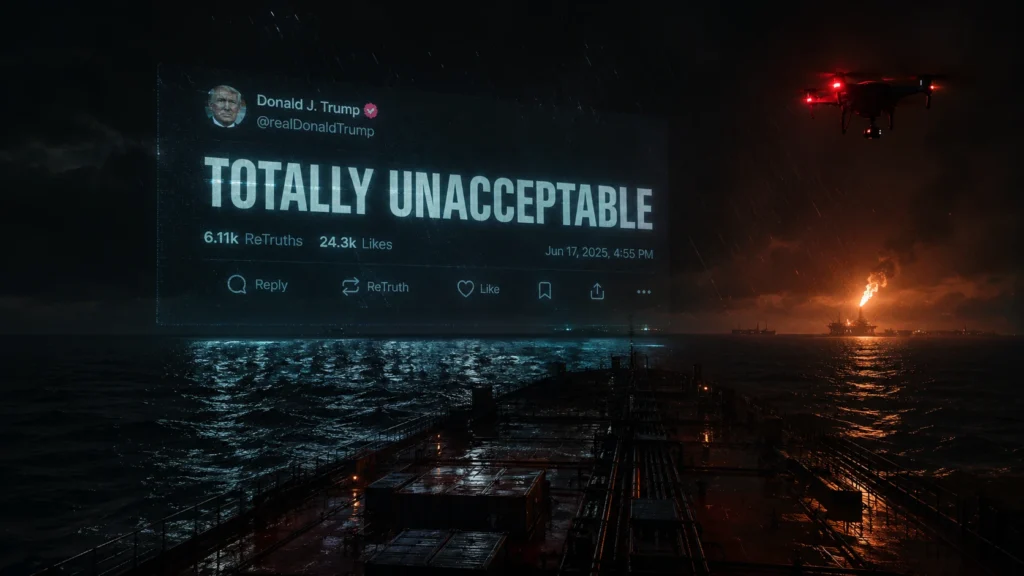
Trump issued a stark warning to Oman, a traditional US ally, after Iranian state media reported that Oman would join Iran in managing a reopened Strait of Hormuz. “Oman will behave just like everybody else, or we’ll have to blow them up,” Trump said.
Treasury Secretary Scott Bessent had earlier warned that the US would “aggressively target any actors involved” in Iran’s tolling system, naming Oman specifically.
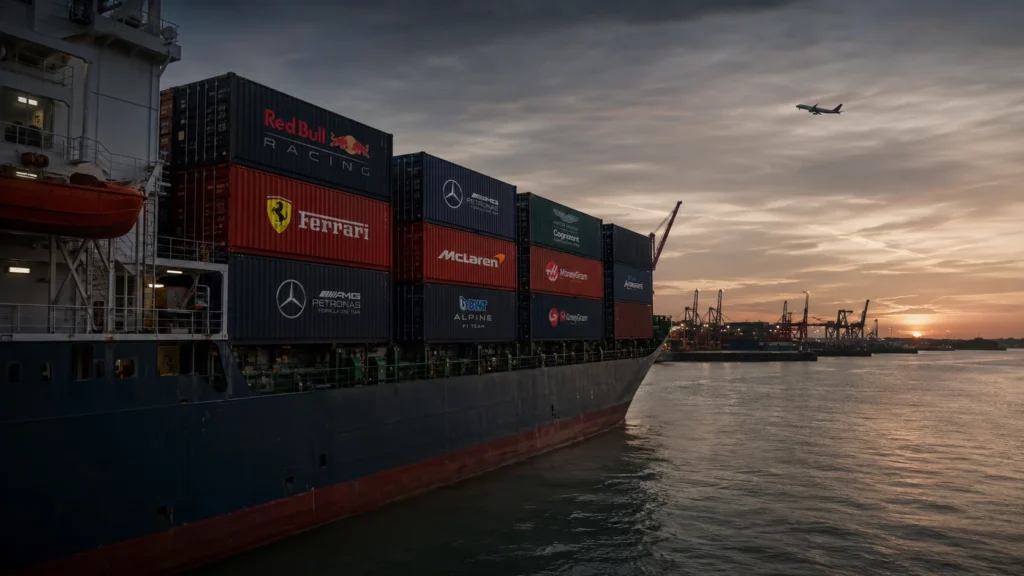
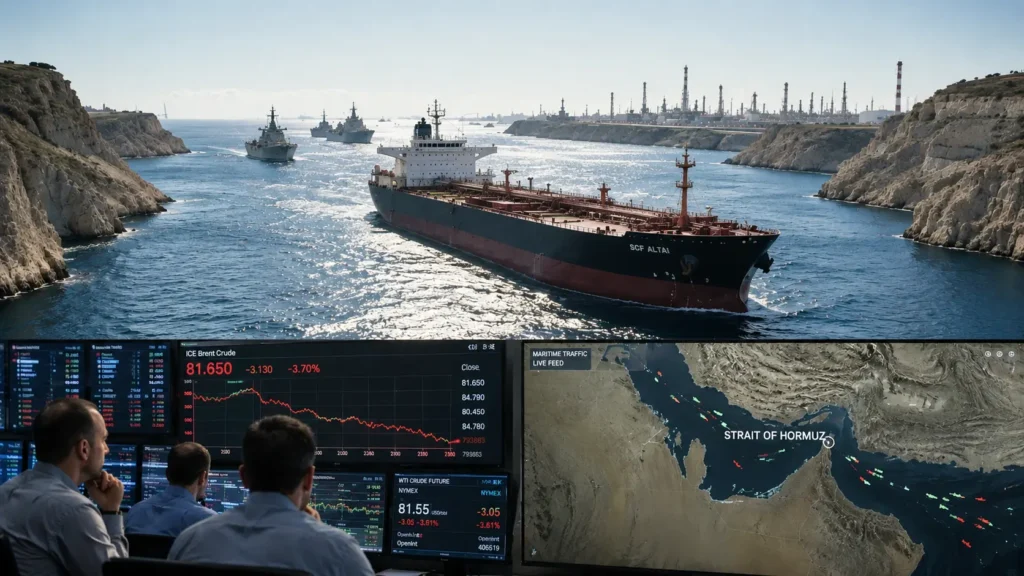
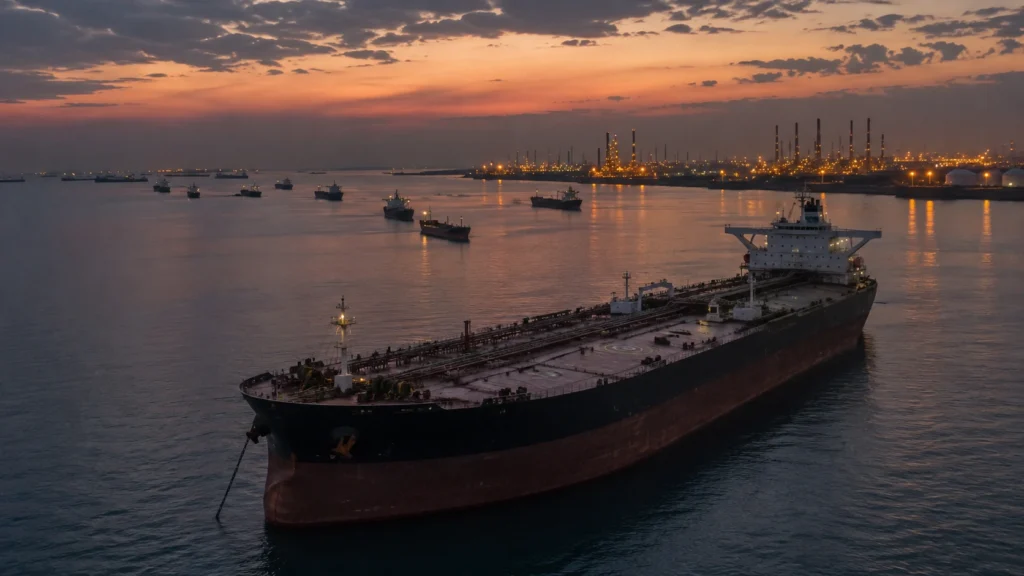
The exchange reflects the broader strategic contest over the strait. The US insists the waterway must be open without conditions. Iran insists it must be managed by its Persian Gulf Strait Authority. The reported framework defers the question. The sanctions and threats are preemptively answering it.
US sanctions Iran’s Strait of Hormuz authority on the financial front of the conflict
The Domestic Pressures
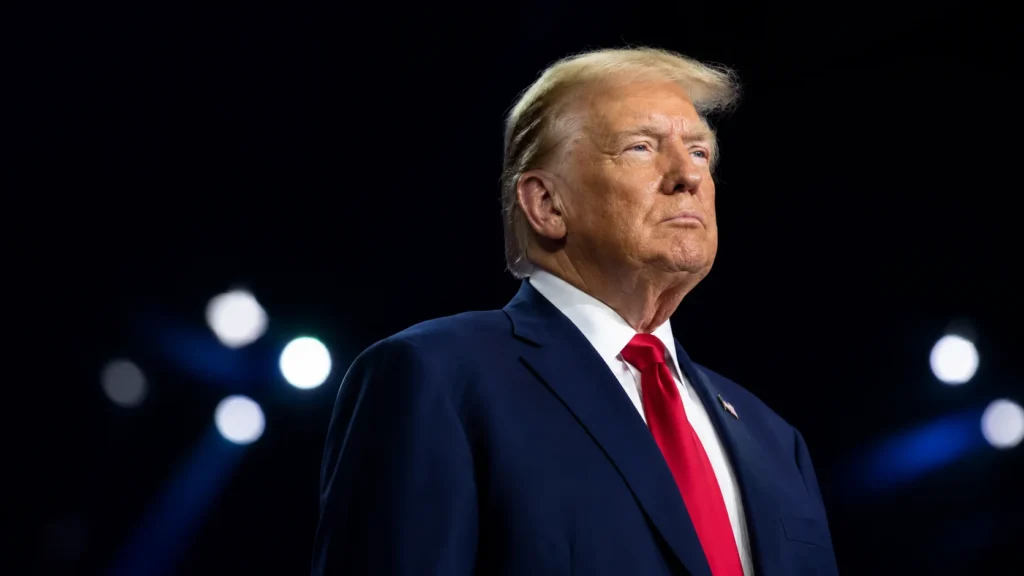
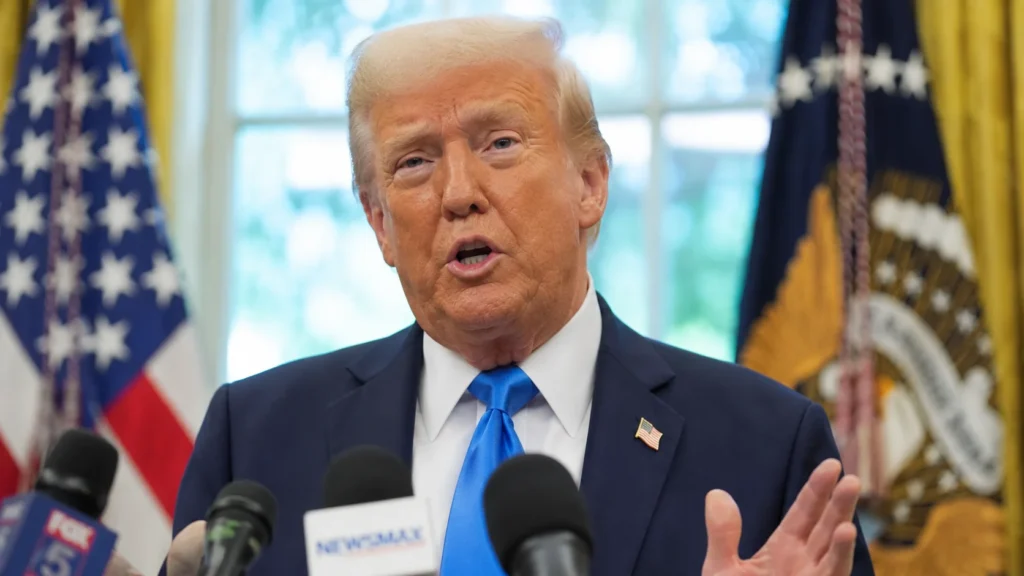
Trump faces competing pressures. A satisfactory deal remains out of reach, and some in his own party, along with Israeli Prime Minister Benjamin Netanyahu, favour returning to war to finish the job. At the same time, polls show 64% of Americans believe the war was the wrong decision, and November’s midterm elections are approaching.
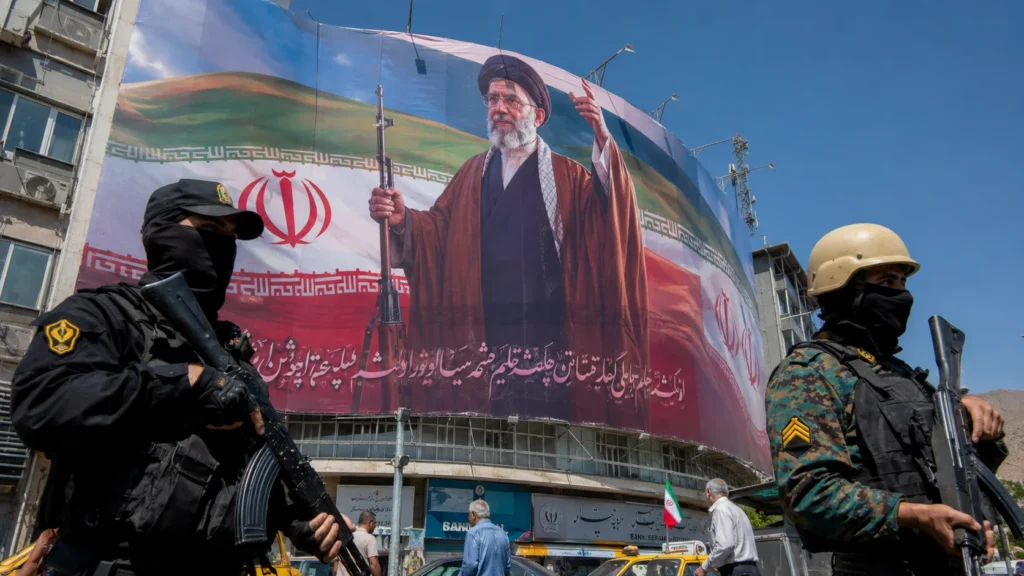
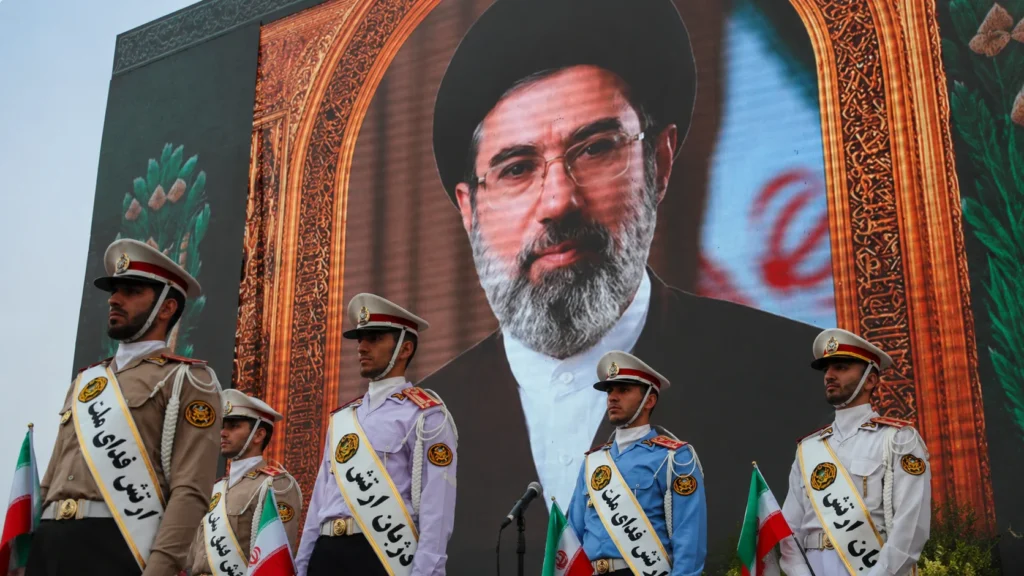
Similar dynamics play out in Tehran, where hardline voices insist on maximalist goals, arguing Iran has shown it cannot be subjugated.
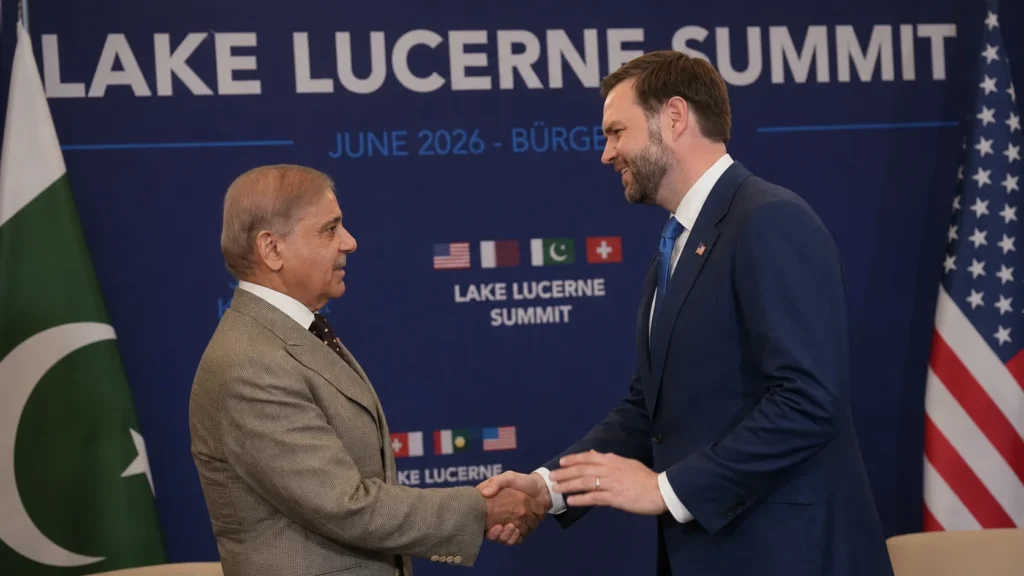
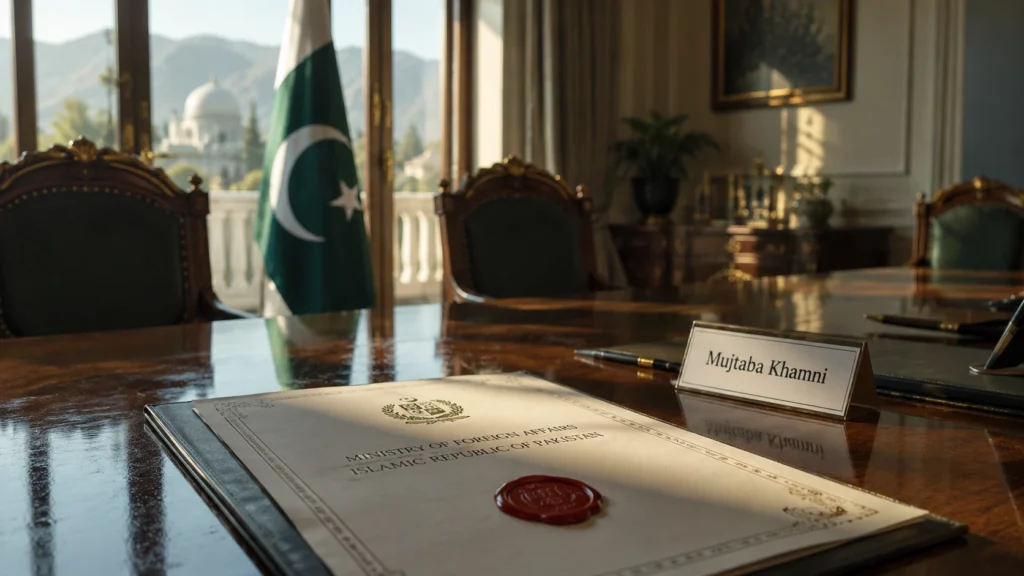
The diplomatic effort, led by Pakistan as the primary mediator, remains immensely complex. The issues dividing the two sides are profound: Iran’s nuclear programme, the future management of the Strait of Hormuz, the lifting of sanctions, and the unfreezing of assets.
Despite the febrile atmosphere, neither Iran nor the US appears interested in a return to full-scale war. The ceasefire, now more than seven weeks old, is still holding.
FAQ: US-Iran Peace or War 2026
Are the US and Iran close to a peace deal?
Negotiators have agreed on a framework for a 60-day ceasefire extension, but it still needs Trump’s approval and has not been confirmed by Iran. Both sides say progress has been made, but a deal is not imminent.
Why did the US threaten Oman?
Iranian state media claimed Oman would co-manage the Strait of Hormuz under a draft agreement. The White House called the report fabricated. Trump said Oman would “behave” or “we’ll have to blow them up.”
What happened in Kuwait this week?
The IRGC launched a ballistic missile at a US base in Kuwait. Kuwait intercepted it. Centcom called the attack an “egregious ceasefire violation.”
Is the ceasefire still holding?
Yes. The ceasefire has been in place since 8 April and is now more than seven weeks old. Both sides have exchanged strikes, but neither has returned to full-scale war.
What are the main issues dividing the two sides?
Iran’s nuclear programme, the future management of the Strait of Hormuz, the lifting of US sanctions, and the unfreezing of Iranian assets held abroad.
Written by the Foreign Desk, drawing on White House cabinet meeting transcripts, US Central Command statements, Iranian state media reports, and US Treasury Department announcements. The desk has covered every phase of the US-Iran conflict since the 28 February airstrikes.
Source: White House, US Central Command, Iranian State Media, US Treasury Department