

 English













































































‘I’m Back’ – Ronaldo Scores Twice to Make World Cup History
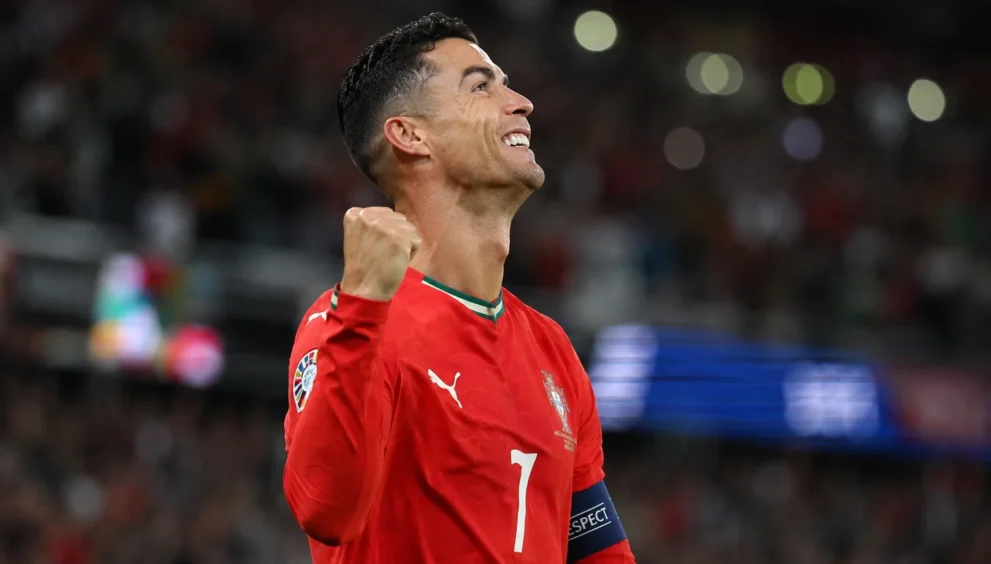
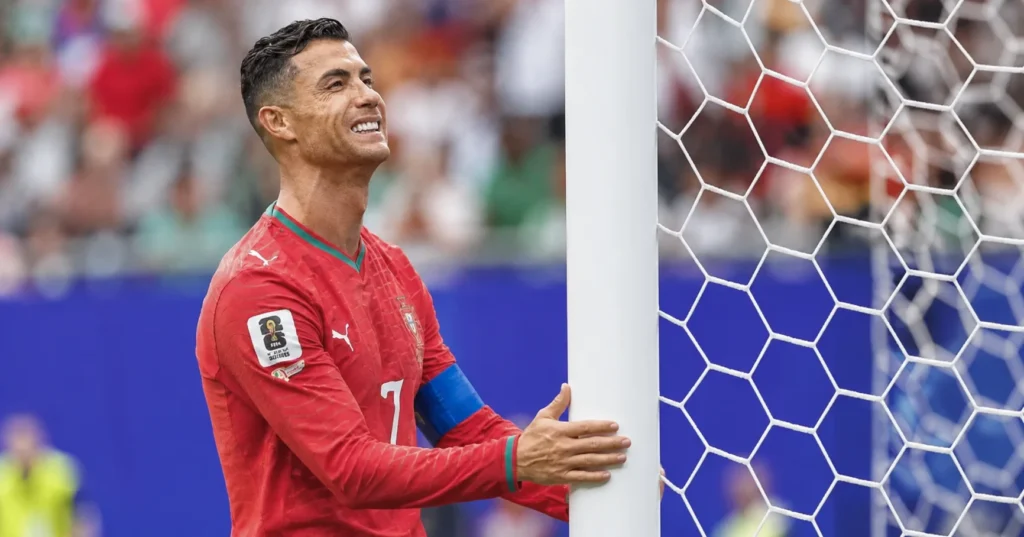
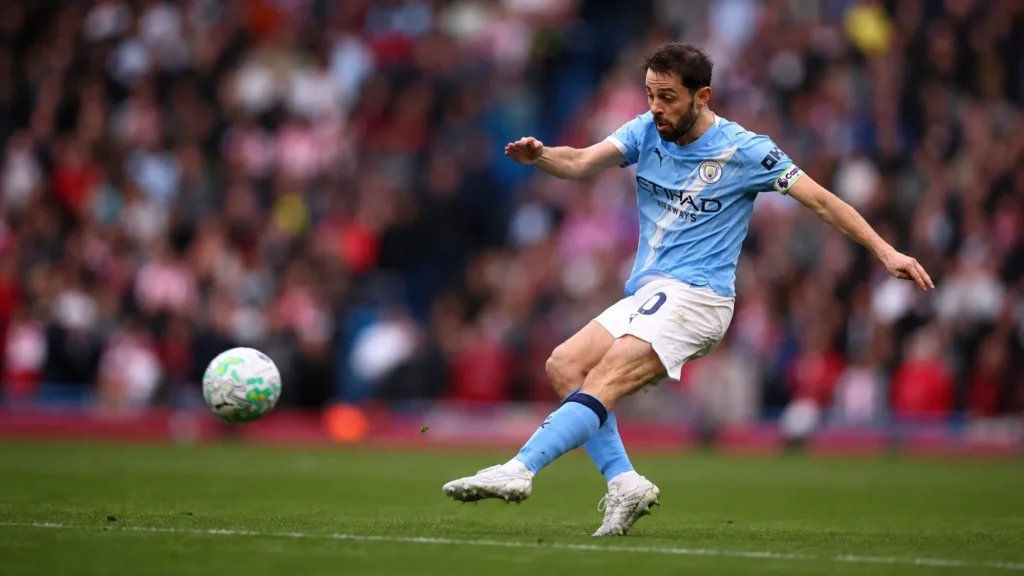
Cristiano Ronaldo scored twice in Portugal’s 5-0 victory over Uzbekistan on Tuesday to become the first men’s or women’s player to score at six different editions of the World Cup. The 41-year-old struck after just six minutes with a half-volley from Joao Cancelo’s cross before adding a second goal before half-time from Bruno Fernandes’ through-ball. A goalline clearance denied him a first-half hat-trick. The win puts Portugal in a strong position ahead of their final Group K match against Colombia on Sunday, with qualification for the last 32 at stake. Ronaldo’s double ended a ten-match goalless streak at major tournaments and delivered a historic response to a week of intense criticism.
The performance silenced—at least temporarily—the turmoil that had engulfed the Portugal camp following a disappointing 1-1 draw with DR Congo in their opening match.
A Week of Turmoil
Portugal arrived at the Uzbekistan match under extraordinary pressure. The 1-1 draw with DR Congo had been followed by a social media firestorm. Midfielder Joao Neves described Ronaldo as “one more player trying to help”—a blandly diplomatic comment that triggered attacks from Ronaldo’s fans, his partner Georgina Rodriguez, and his sisters on social media, with some suggesting a conspiracy to freeze the captain out of the team.
The controversy reached the squad in Palm Beach. Diogo Dalot told reporters, “There are a lot of people who don’t want Portugal to win,” and refused to name them because “we’d never leave here.” A poll by Portuguese website Zerozero found that 63% of fans did not want Ronaldo to start against Uzbekistan. He had not scored at a major tournament since a penalty against Ghana at the 2022 World Cup in Qatar.
Portugal manager Roberto Martinez described the aftermath of the DR Congo match as “a dark week without kicking a ball.” He said the players were “raging” and “sick” but that the captain had been “a perfect captain, very much focused and made use of his experience because it is not the first time he deals with this situation.”
According to Portuguese media reports on the controversy within the Portugal camp following the DR Congo match, the involvement of Ronaldo’s family members and business associates in amplifying criticism of his teammates had made the situation significantly more difficult for Martinez to manage.
As our analysis of the divisions inside the Portugal camp before the Uzbekistan match documented, the team arrived at Tuesday’s game facing questions about whether the squad was “polarised between those who are with Cristiano and those who are not.”
The Historic Response
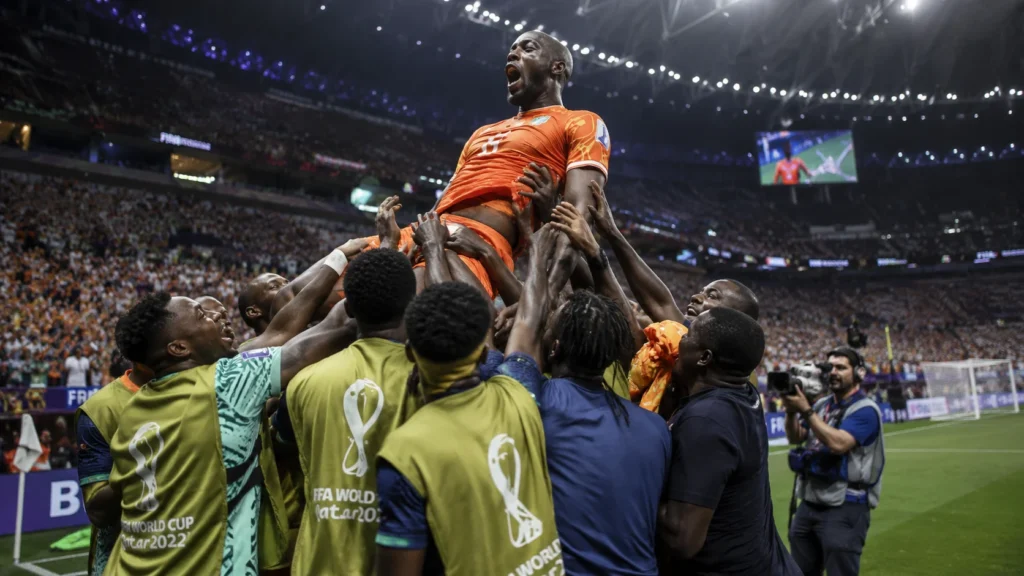
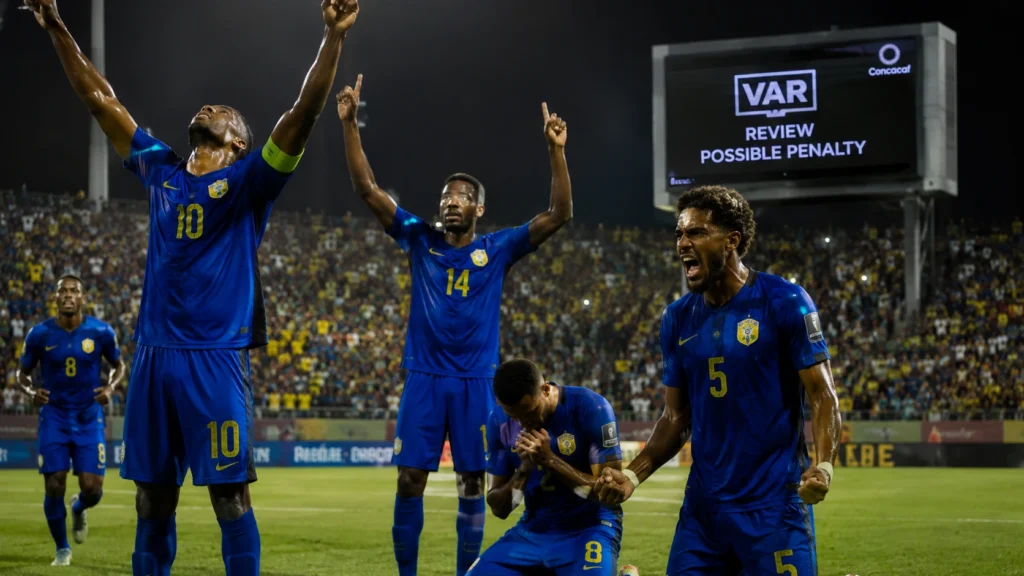
Ronaldo’s answer took six minutes. Cancelo’s cross found him in the box. He struck a half-volley past Uzbekistan goalkeeper Abduvohid Nematov and immediately turned toward a television camera, eyes wide, screaming, “I’m back! I’m back!”
The second goal came before half-time. Fernandes played a perfectly weighted through-ball, and Ronaldo finished cleanly. Only a goalline clearance from Abdukodir Khusanov prevented a hat-trick. Nuno Mendes added a free-kick, an own goal from Nematov, and a late strike from substitute Rafael Leao completed the 5-0 win.
Ronaldo, asked about his “I’m back” celebration, said it was “only so they [his critics] don’t forget—23 years [doing so] like this.” He added, “It’s been a difficult week, a dark week without kicking a ball, but we dealt with it as we always do because we believe in our work. It was difficult, but we’re back.”
Martinez praised his captain’s resilience. “Cristiano Ronaldo was a perfect captain, very much focused and made use of his experience because it is not the first time he deals with this situation,” the manager said. “We were raging, we were sick, but we grew as a team, overcame emotions, and have been able to give our very best.”
The Records
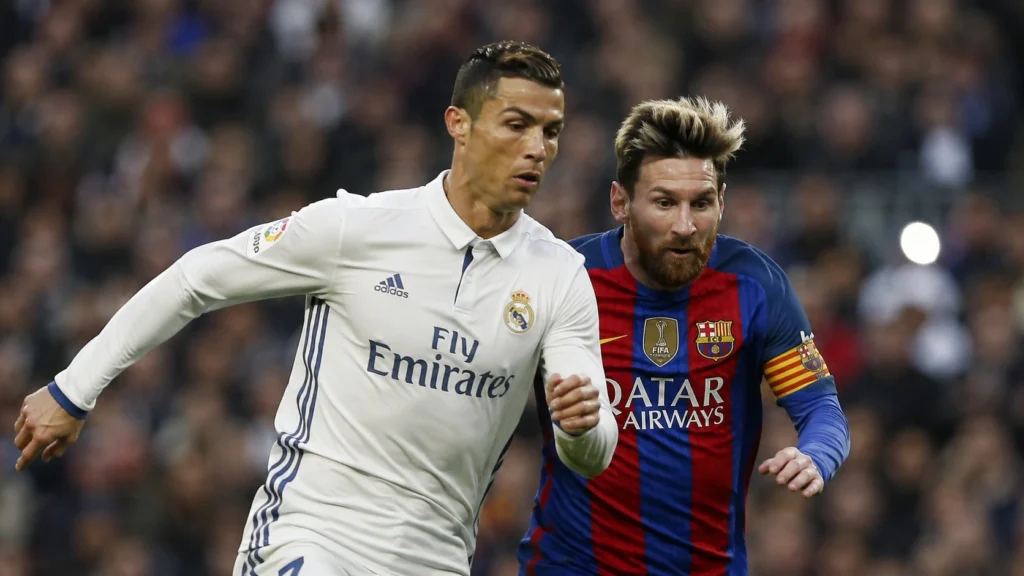
Ronaldo’s double added multiple historic milestones. He is the first player—male or female—to score at six different World Cup tournaments. Lionel Messi, Brazil’s Marta, and Canada’s Christine Sinclair have each scored five.
He became the second-oldest goalscorer in tournament history at 41 years and 138 days. Only Cameroon’s Roger Milla is older, having scored against Russia in 1994 at 42 years and 39 days. Ronaldo is just the third player to be his country’s oldest and youngest World Cup goalscorer, after Michael Laudrup for Denmark and Messi for Argentina.
The match was Ronaldo’s 24th World Cup appearance. Only Messi, with 28, and Germany’s Lothar Matthaus, with 25, have played more. Ronaldo and Messi now share the record for the longest gap between a player’s first and last World Cup goal at 20 years and 11 days.
According to FIFA’s official World Cup records for goalscoring, appearances, and age milestones, Ronaldo has scored at 11 different major tournaments, five more than any other European player.
What They Said
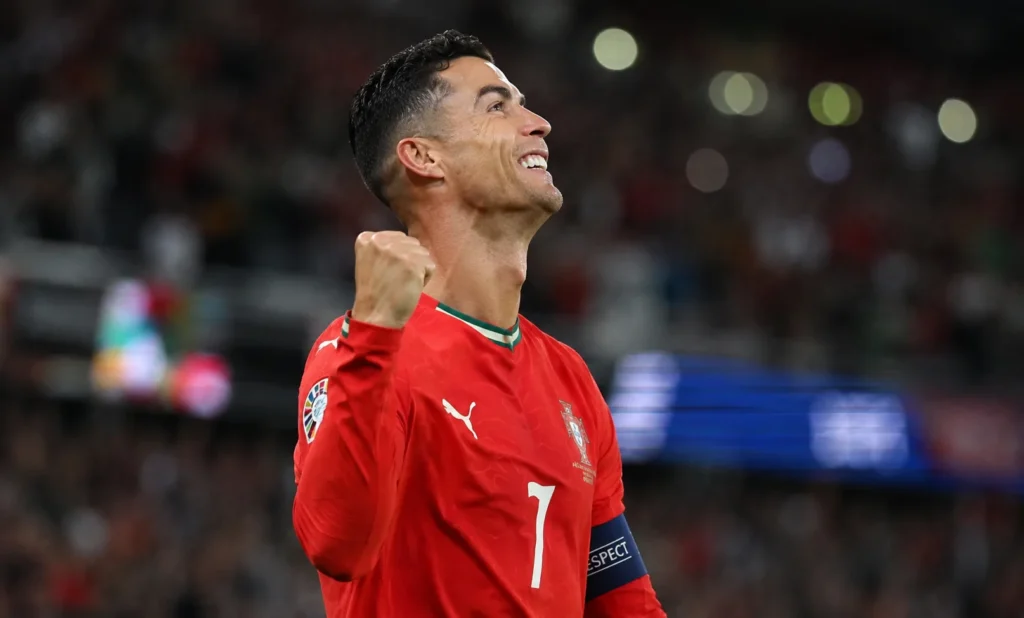
Former Manchester United teammates led the praise. Wayne Rooney, speaking to BBC Sport, said: “With all the other top players scoring goals at this tournament, to score two goals at the World Cup at 41 is incredible. He didn’t have the best game, but this is what he does. He’s taken a bit of criticism, and this is how he responds. He has done that his whole career.”
Rooney added: “He wants to be the best and he’s always been like that. When the other forwards and attacking players are scoring goals, he wants to top that list. To watch Messi last night and Ronaldo at their age, it’s incredible what they are doing.”
Roy Keane, on ITV Sport, said: “Cristiano Ronaldo was never gone. He is the man. What is up with everybody? Doubted genius. What you have to admire about Ronaldo, on top of everything else, is that he is a billionaire who has won everything apart from the World Cup, but the hunger and desire to keep getting in there. To me, that is the great example for these lads, who hunger to keep getting goals.”
Uzbekistan coach Fabio Cannavaro, a World Cup winner with Italy in 2006, said: “You come to the World Cup and show that when you are 41, you are still hungry and can do a lot. You don’t forget how to play football. If you give him one centimetre in the box, you are dead.”
As our comparison of Ronaldo and Messi’s World Cup performances at the 2026 tournament tracked, Ronaldo’s double came a day after Messi scored twice against Austria to set the all-time men’s World Cup scoring record with 18 goals.
What Comes Next
Portugal face Colombia on Sunday, 28 June (00:30 BST) in their final Group K match. The result will determine who tops the group and progresses to the last 32.
Ronaldo’s goals have restored belief in the Portugal camp after what Martinez called a “dark week.” The question now is whether the team can maintain its cohesion against stronger opposition than Uzbekistan. Colombia will provide a sterner test. The knockout rounds, should Portugal advance, will be harder still.
But for one night, in a tournament where other stars had dominated the opening weeks, Ronaldo reminded everyone why he remains the centre of Portugal’s story. The records are historic. The response was instant. The hunger, as Keane noted, endures.
FAQ
How many World Cups has Ronaldo scored at?
Ronaldo has scored at six World Cups—2006, 2010, 2014, 2018, 2022, and 2026. He is the first men’s or women’s player to achieve this. Messi, Marta, and Christine Sinclair have each scored five times.
How many World Cup goals does Ronaldo have?
Ronaldo has 10 World Cup goals. Messi leads the all-time men’s scoring chart with 18 after scoring twice against Austria earlier this week.
Who is the oldest World Cup goalscorer?
Cameroon’s Roger Milla is the oldest, scoring against Russia in 1994 at 42 years and 39 days. Ronaldo is second at 41 years and 138 days.
Why was Ronaldo criticised before the Uzbekistan game?
Ronaldo failed to score in Portugal’s 1-1 draw with DR Congo, taking his goalless run at major tournaments to ten matches. A poll found 63% of Portuguese fans wanted him benched. His family and fans had also attacked teammates on social media.
When does Portugal play next?
Portugal face Colombia on Sunday, 28 June (00:30 BST) in their final Group K match, with qualification for the last 32 at stake.