

 English






























































































































































Trump Orders DOJ to Investigate Oil Companies Over Petrol Prices
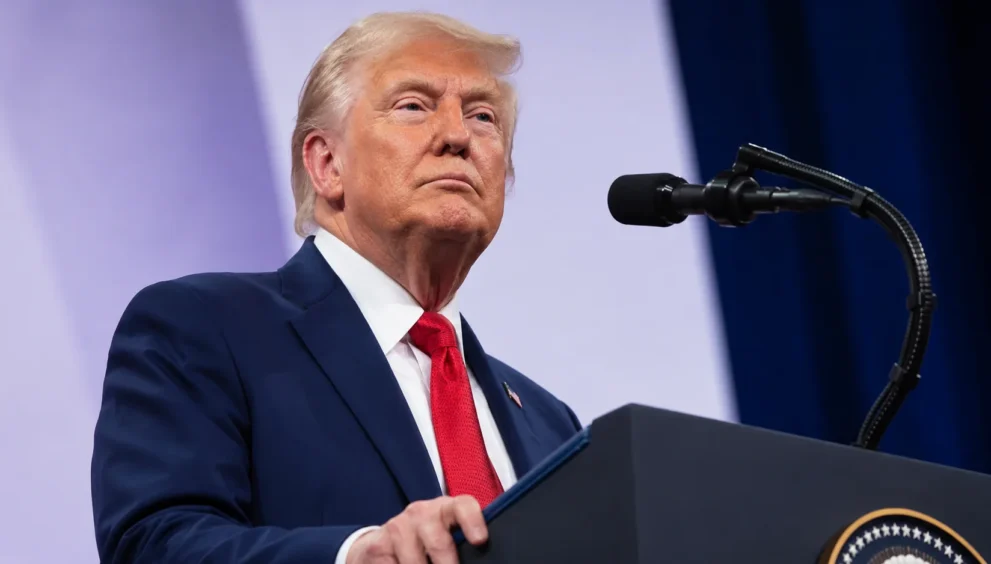
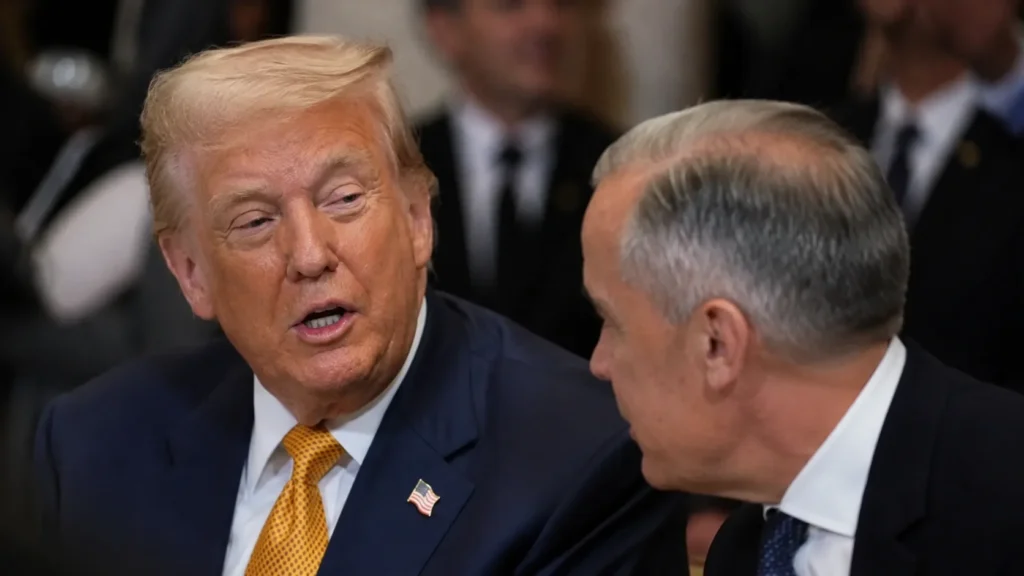
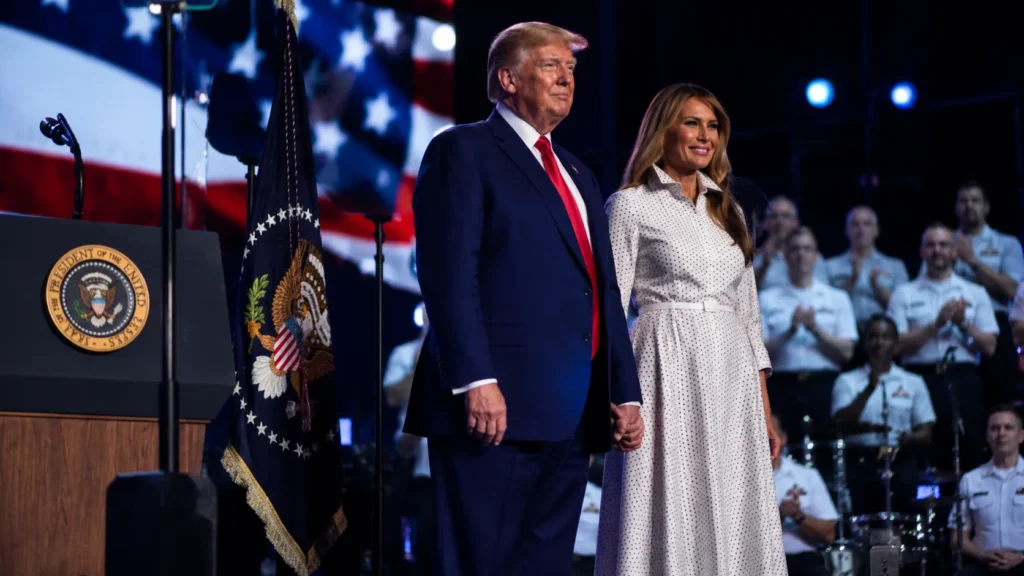
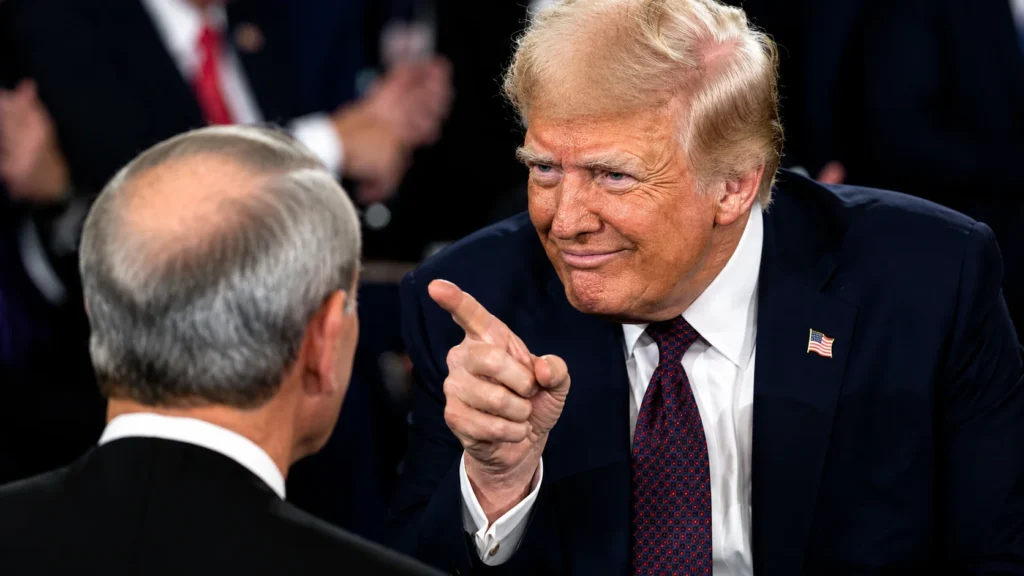
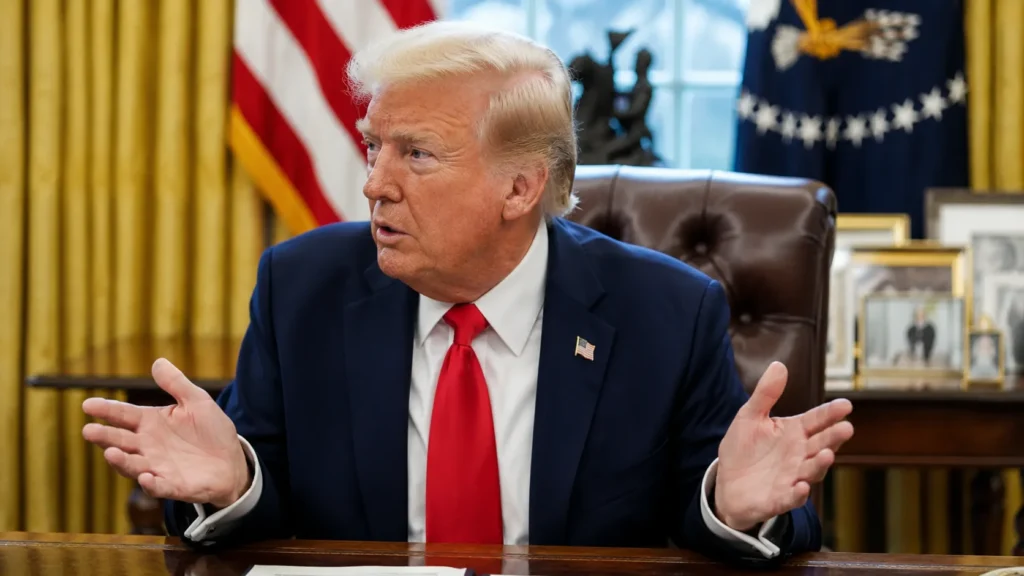
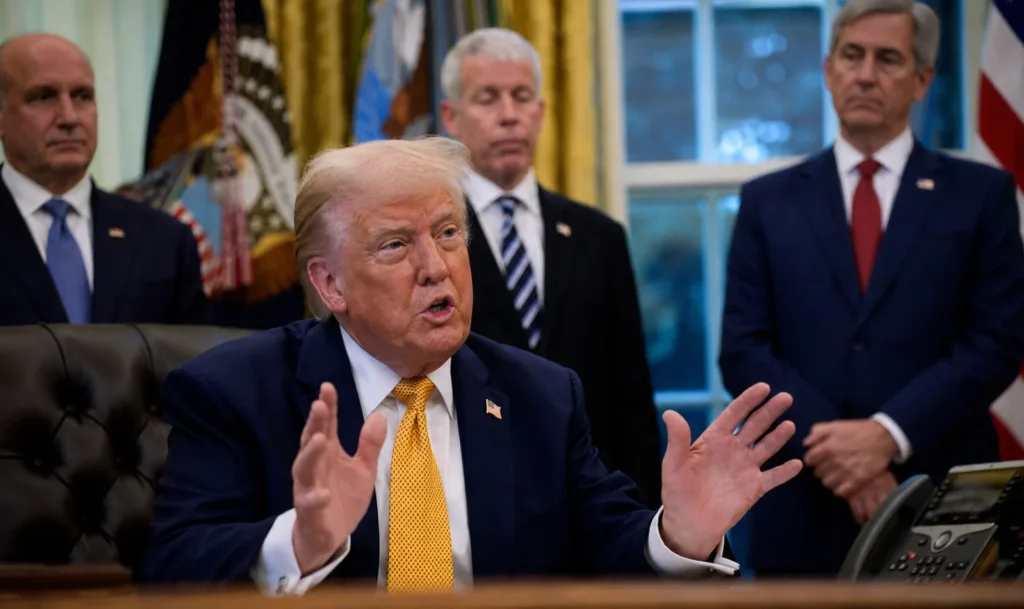
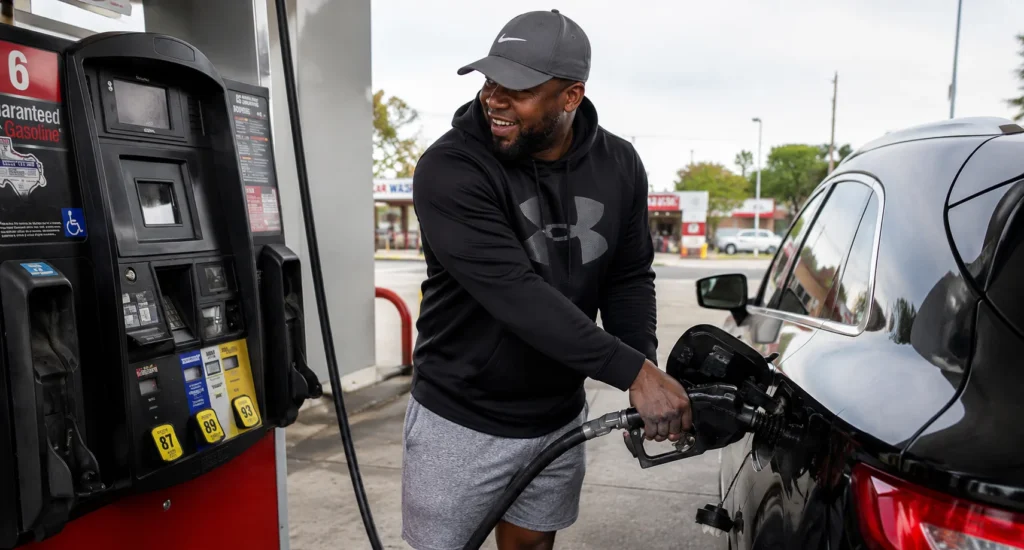
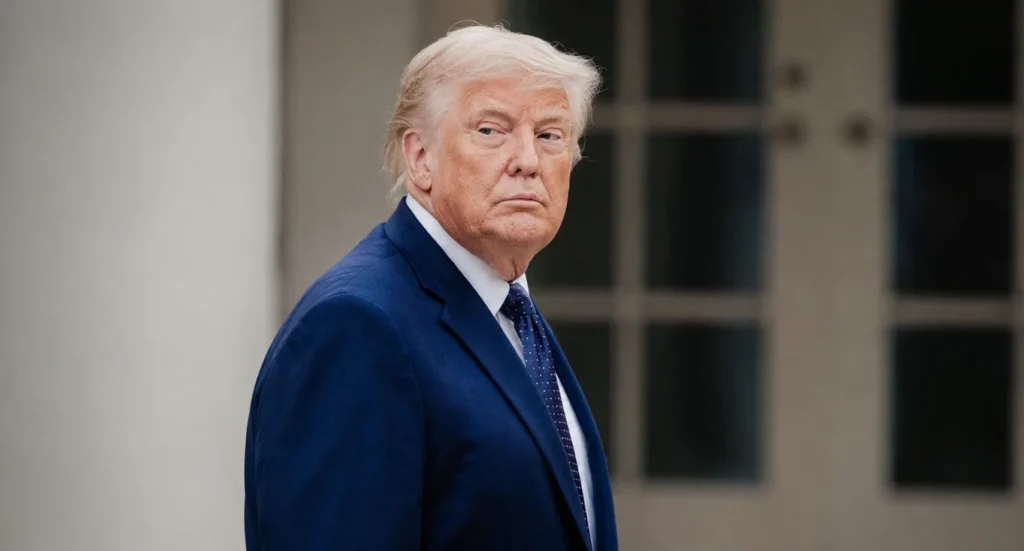
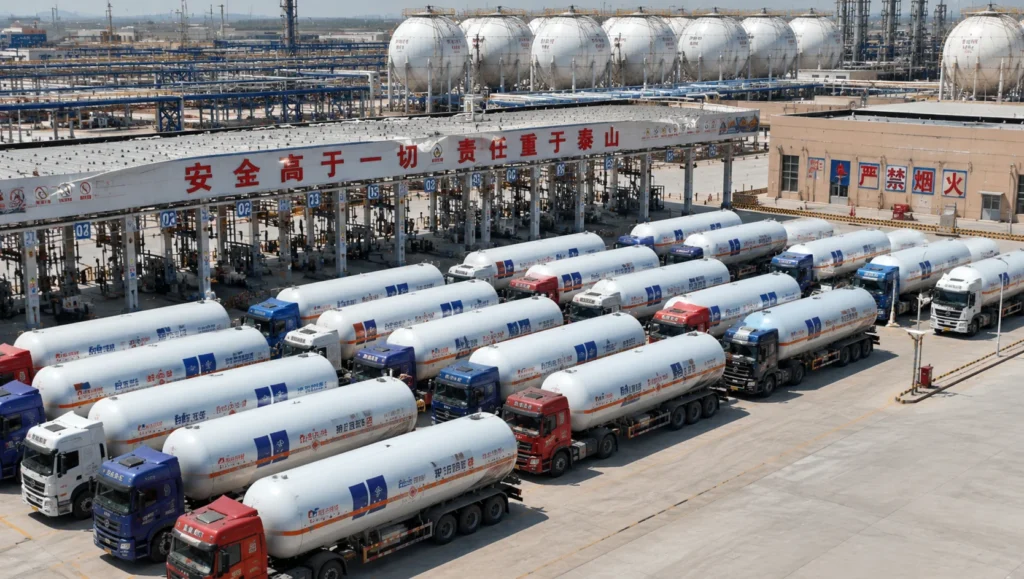
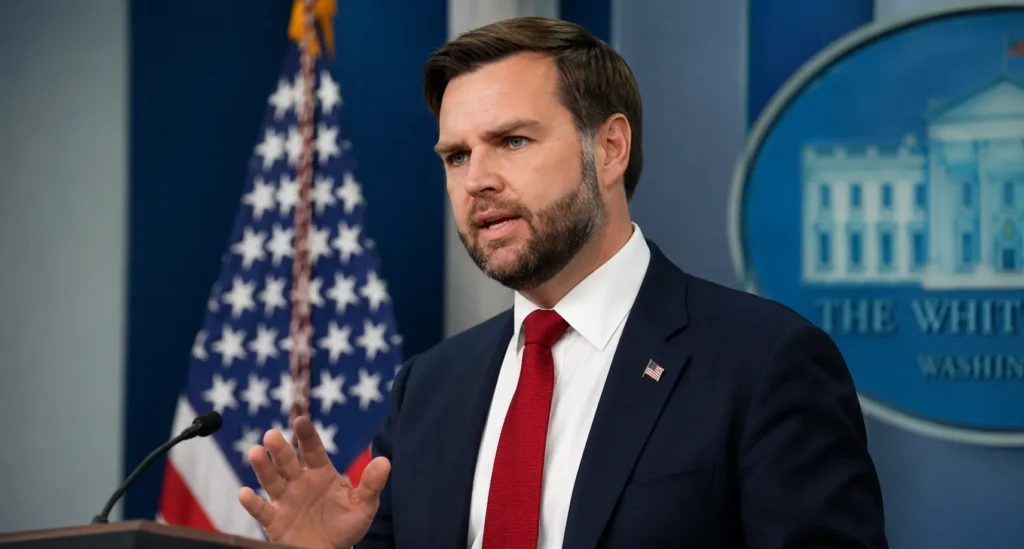
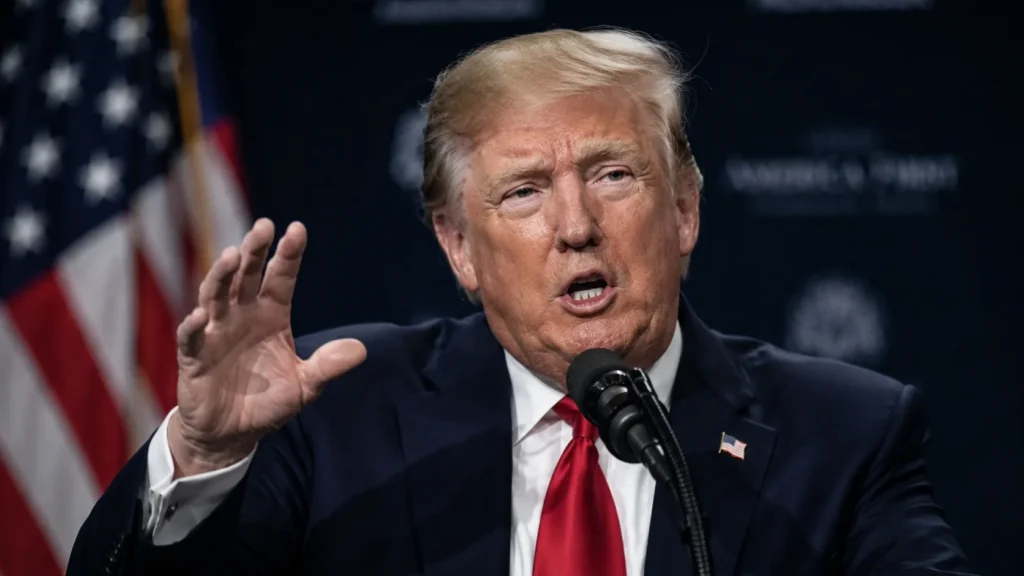
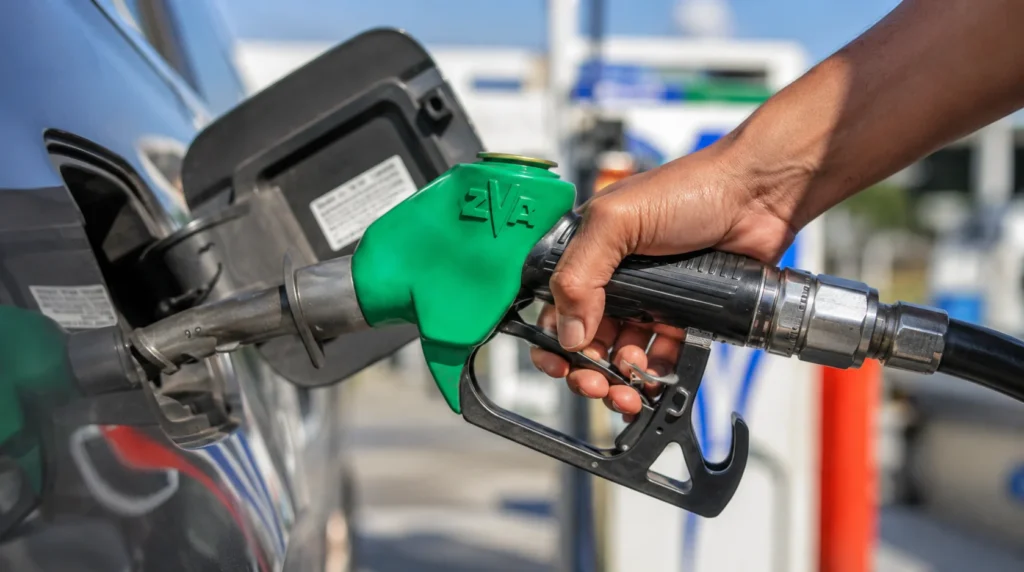
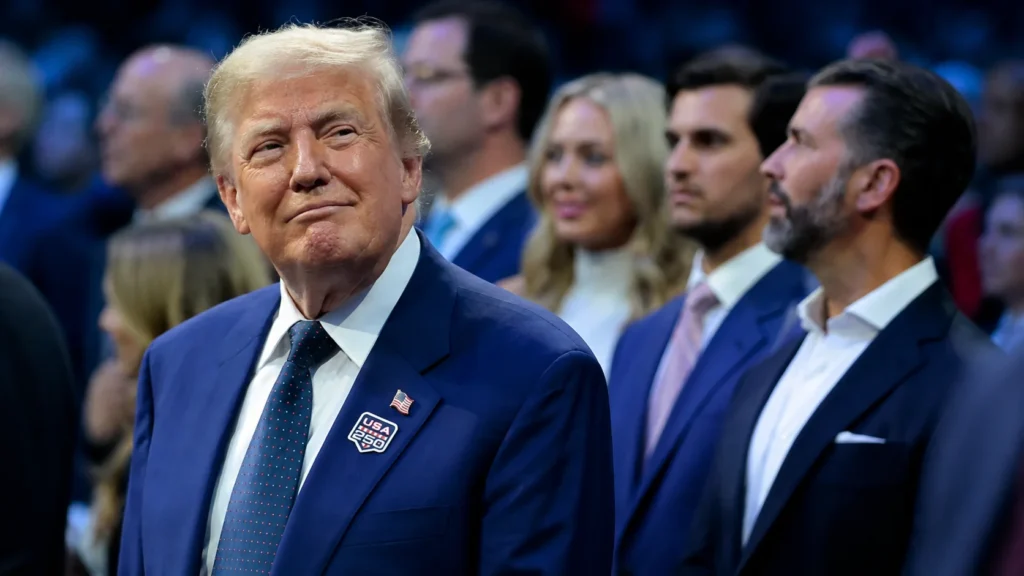
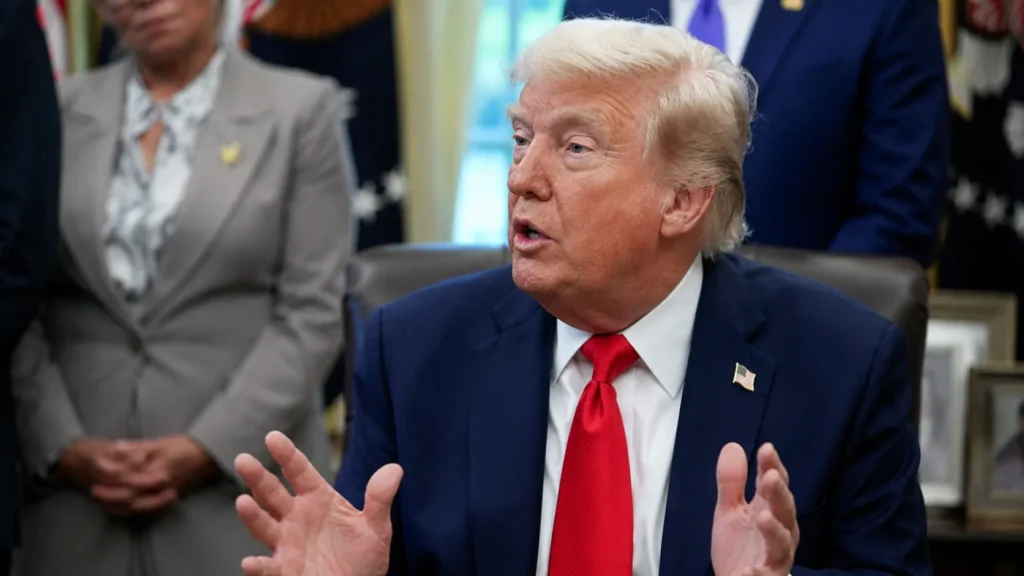
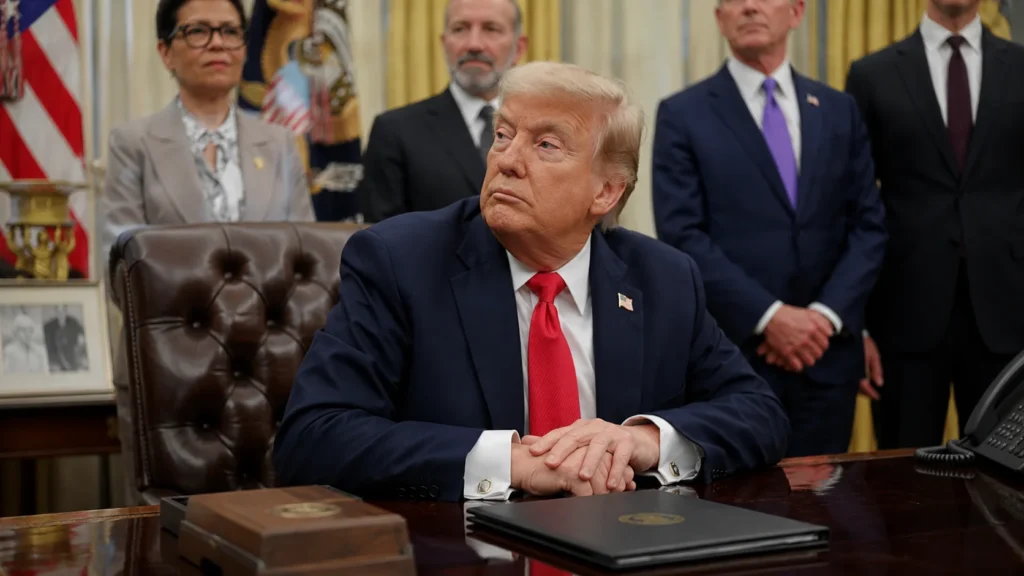
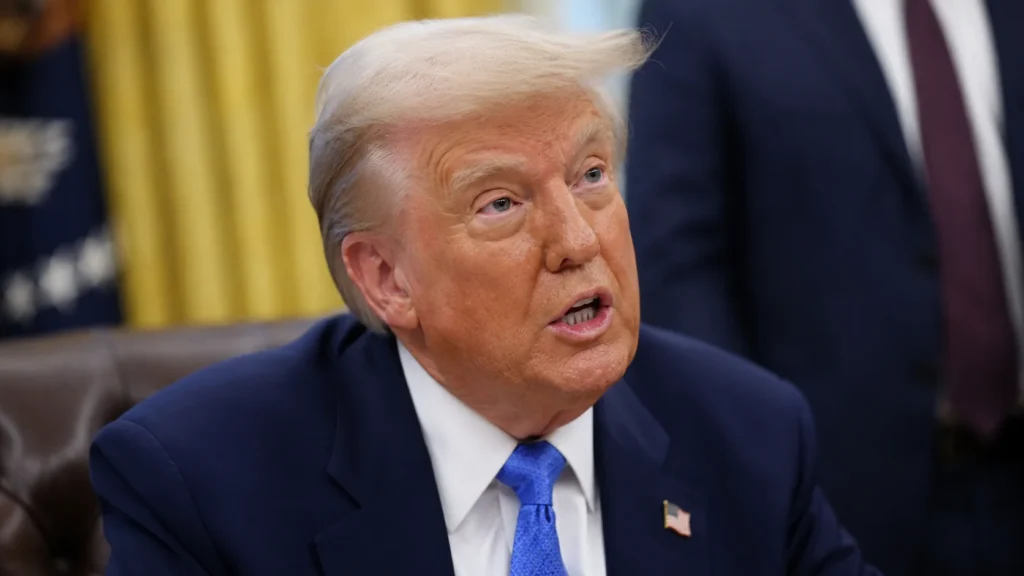
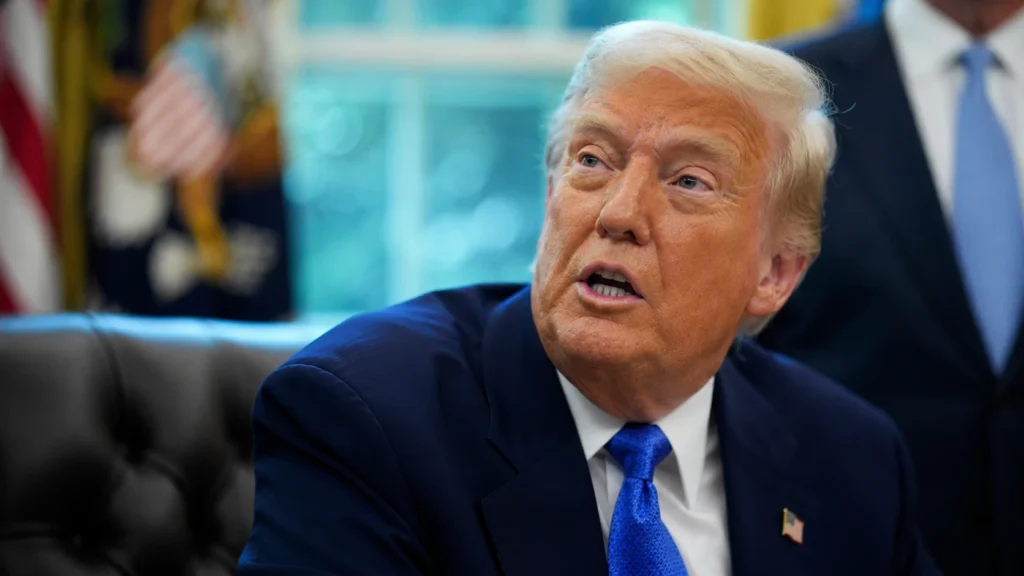
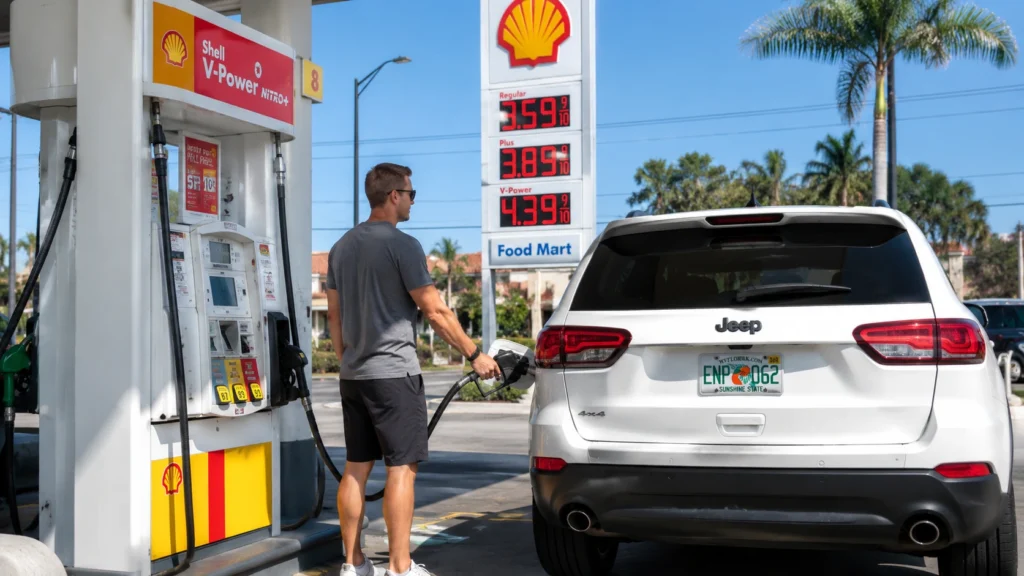
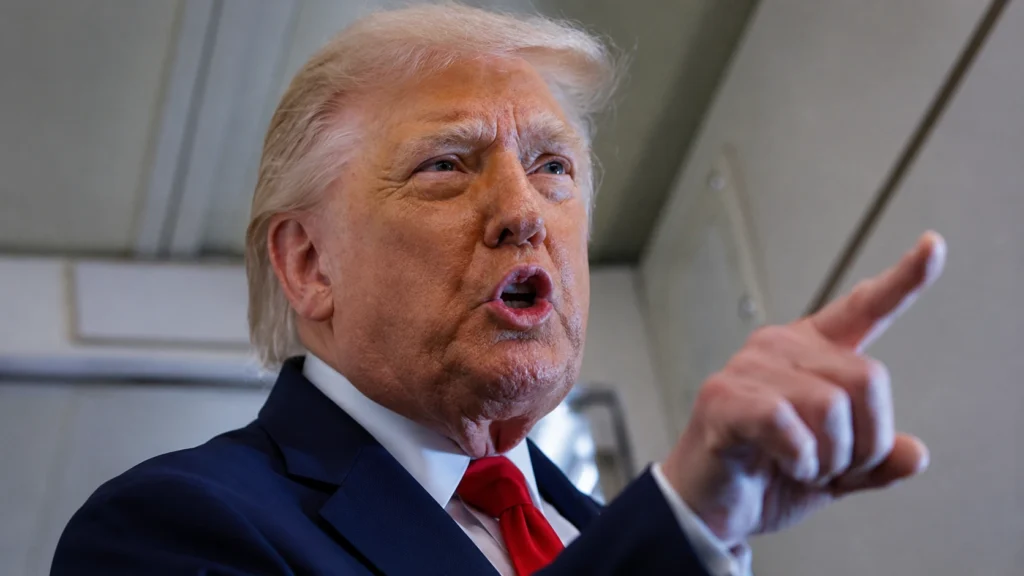
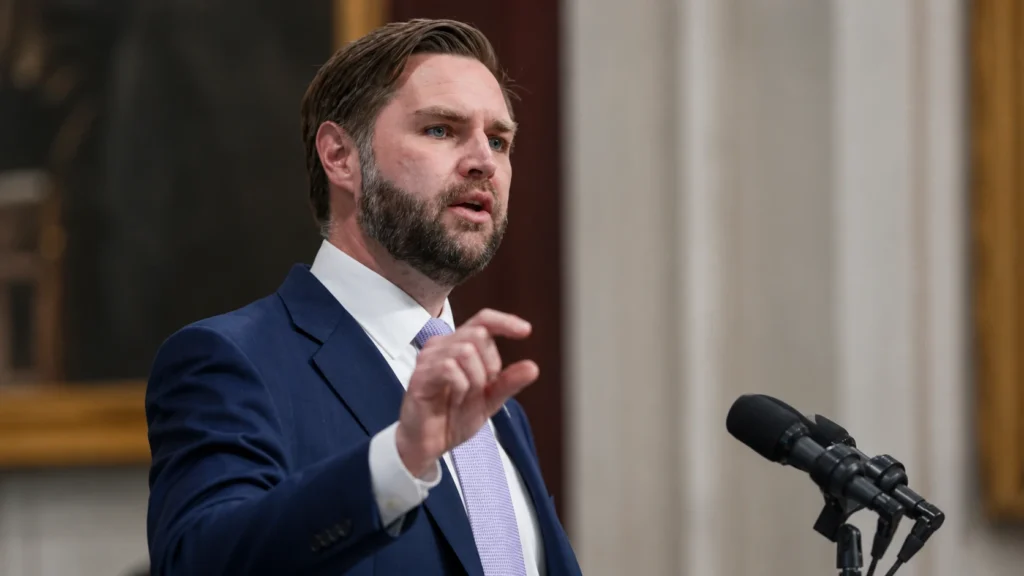
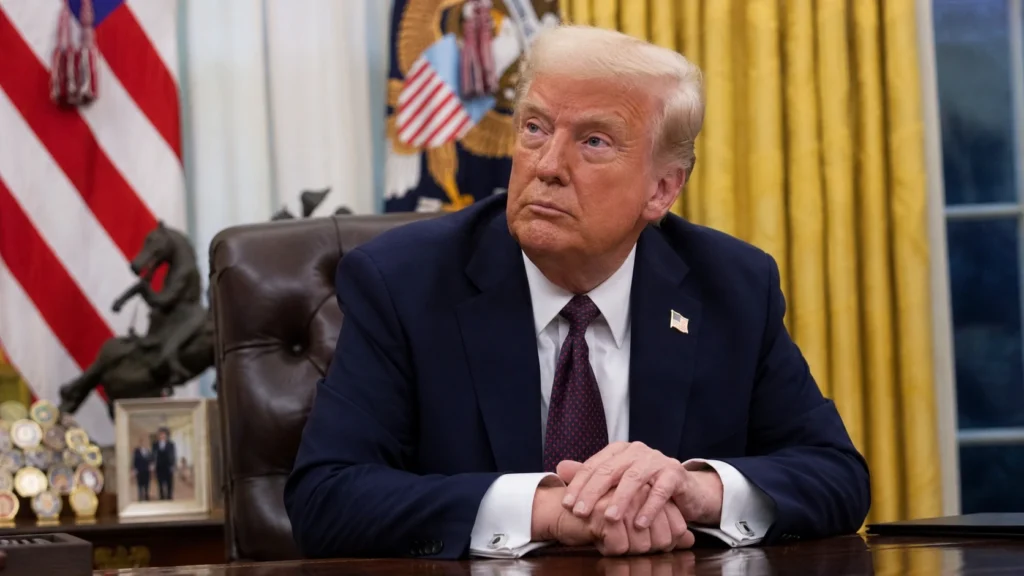
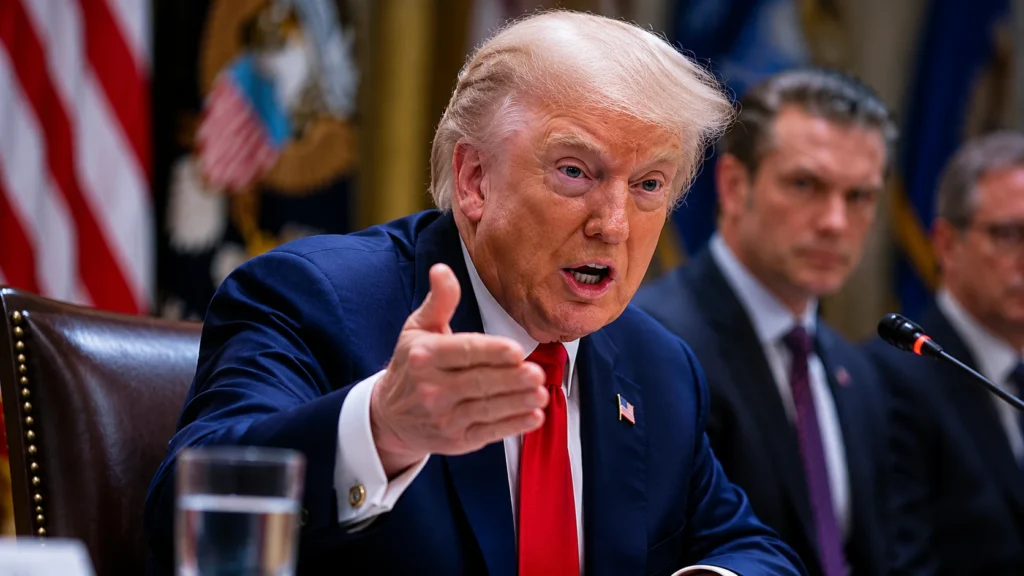
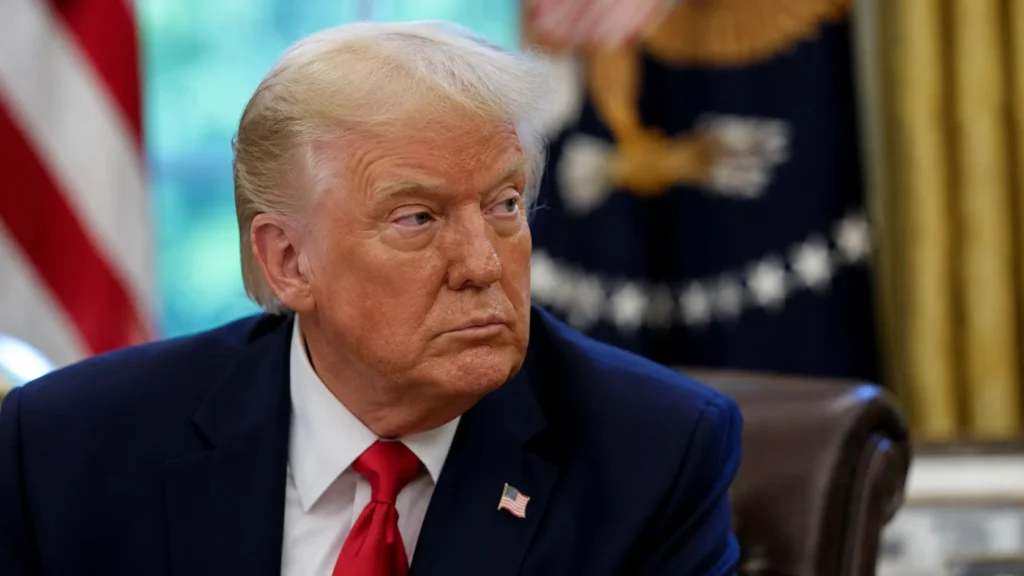
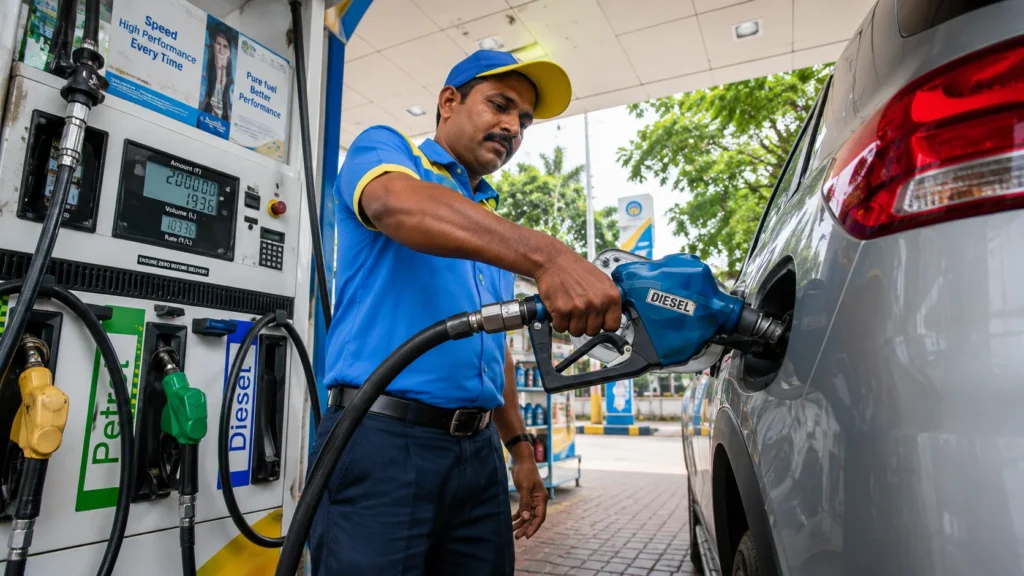
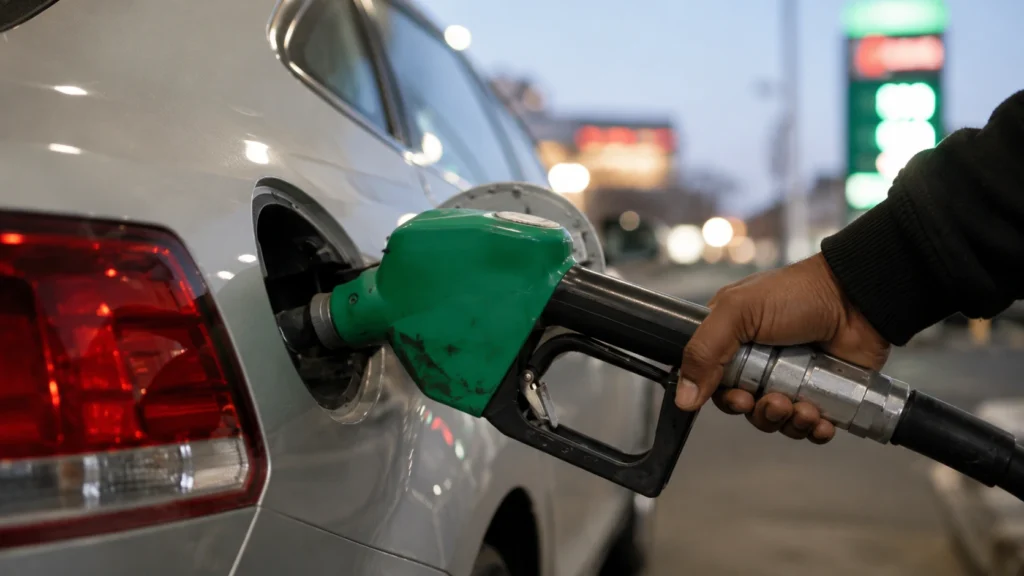
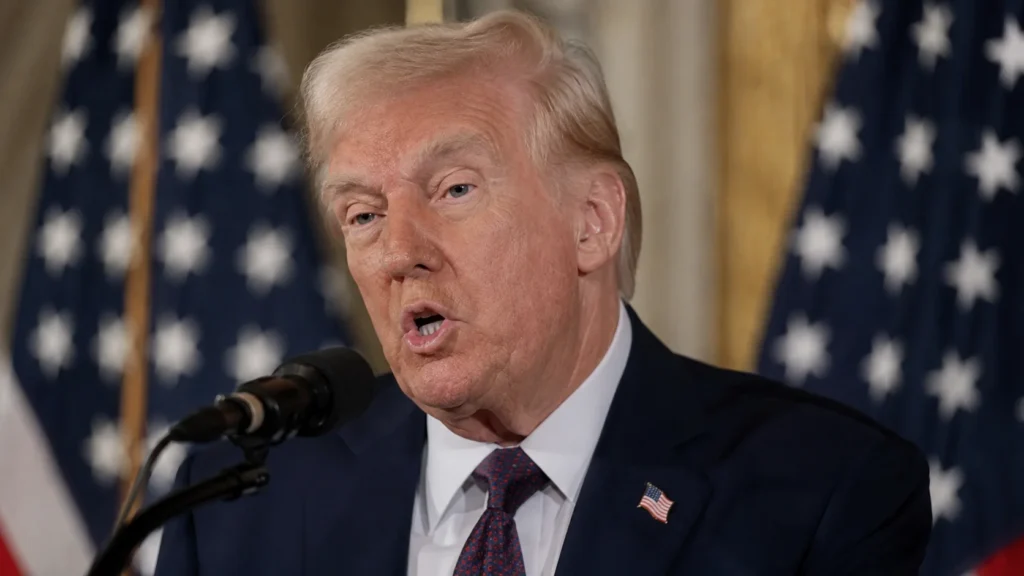
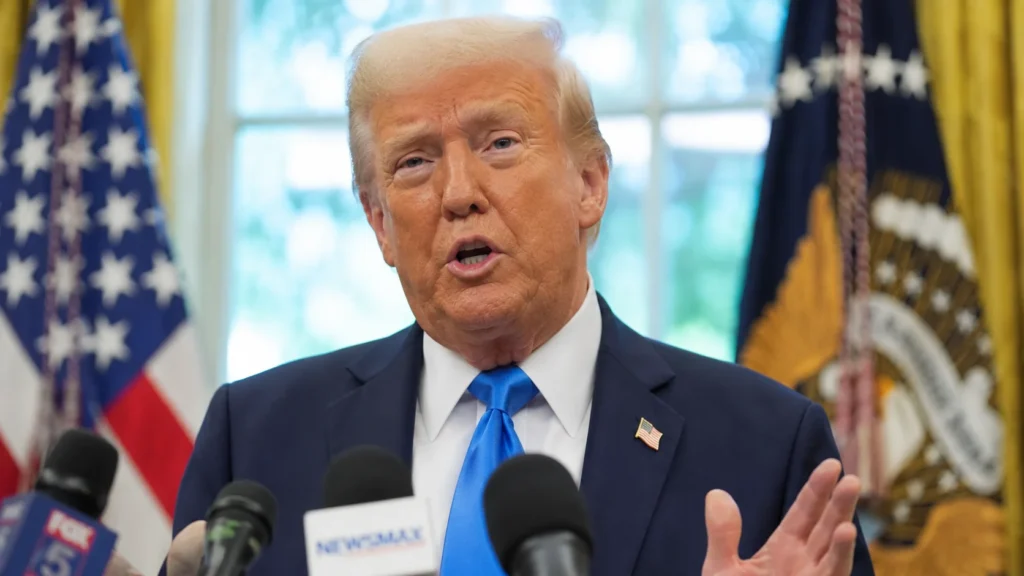
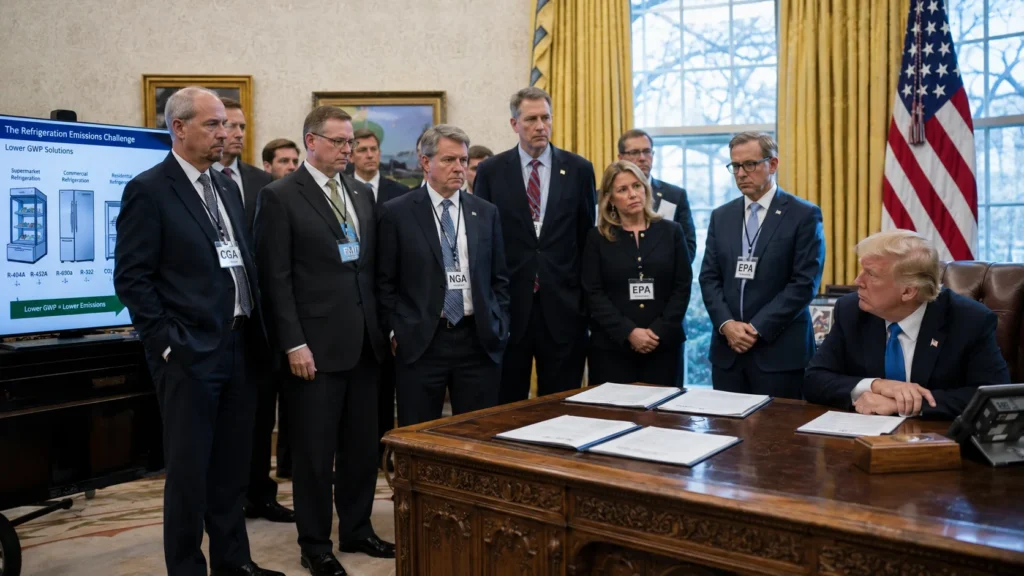
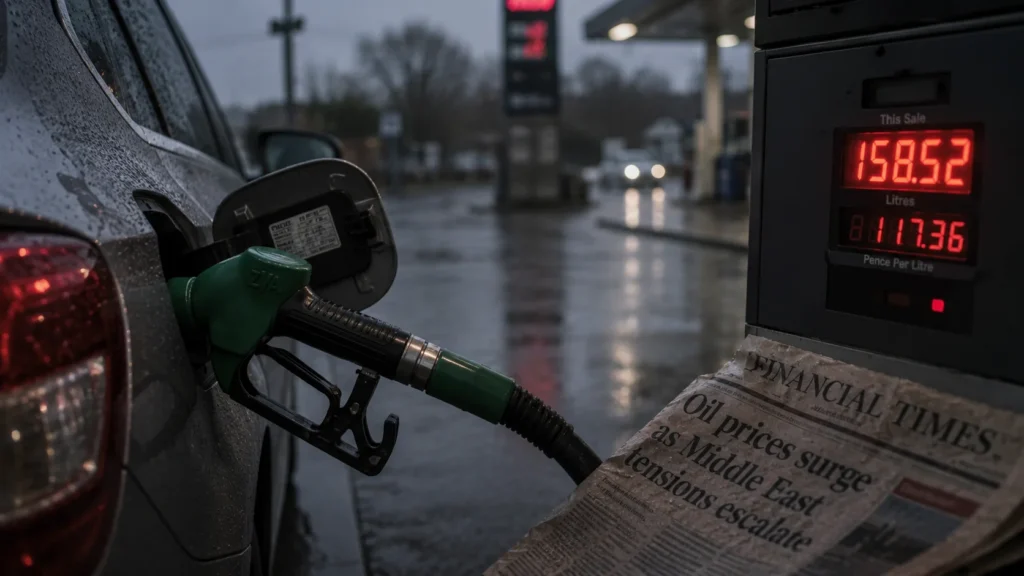
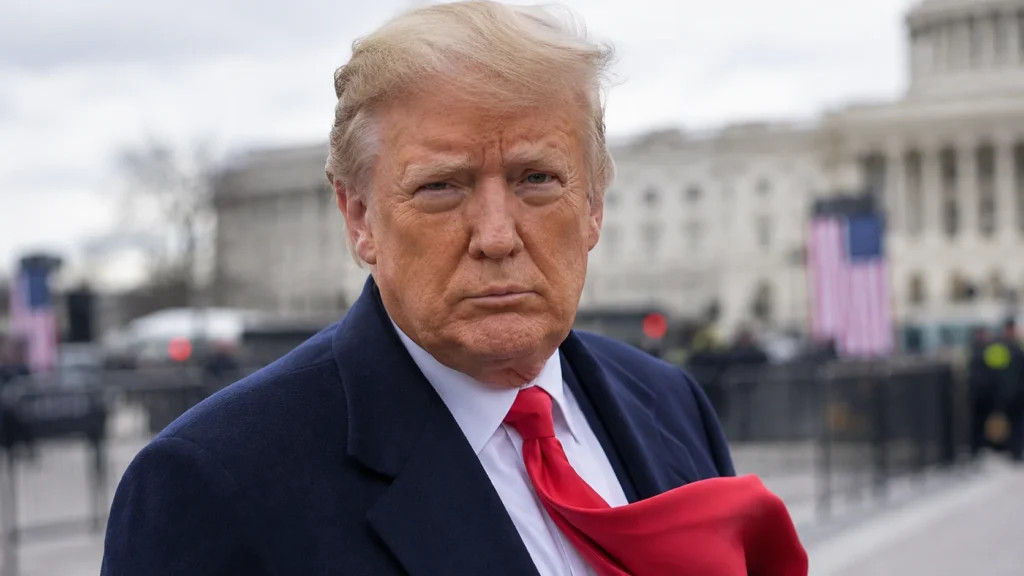
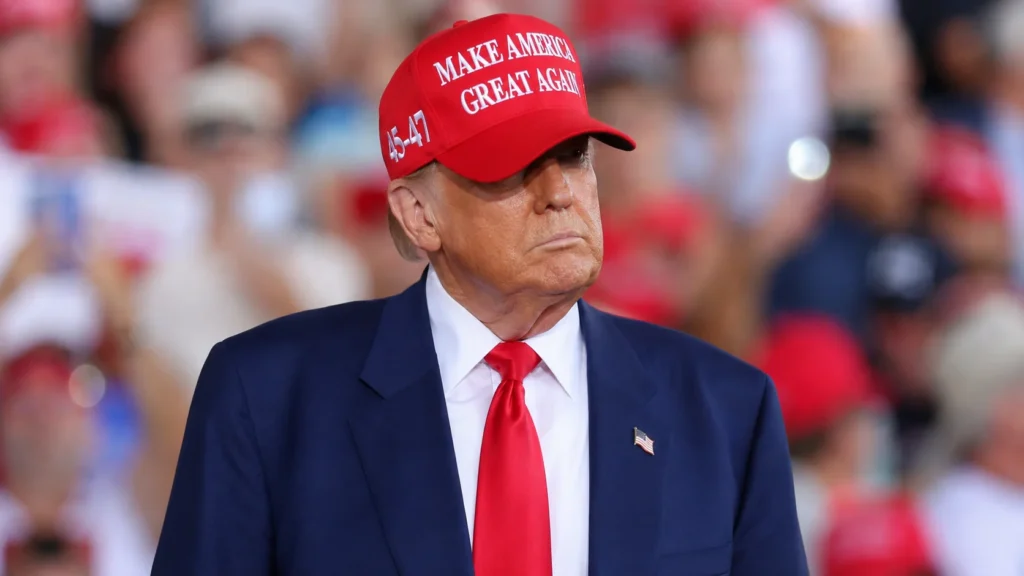
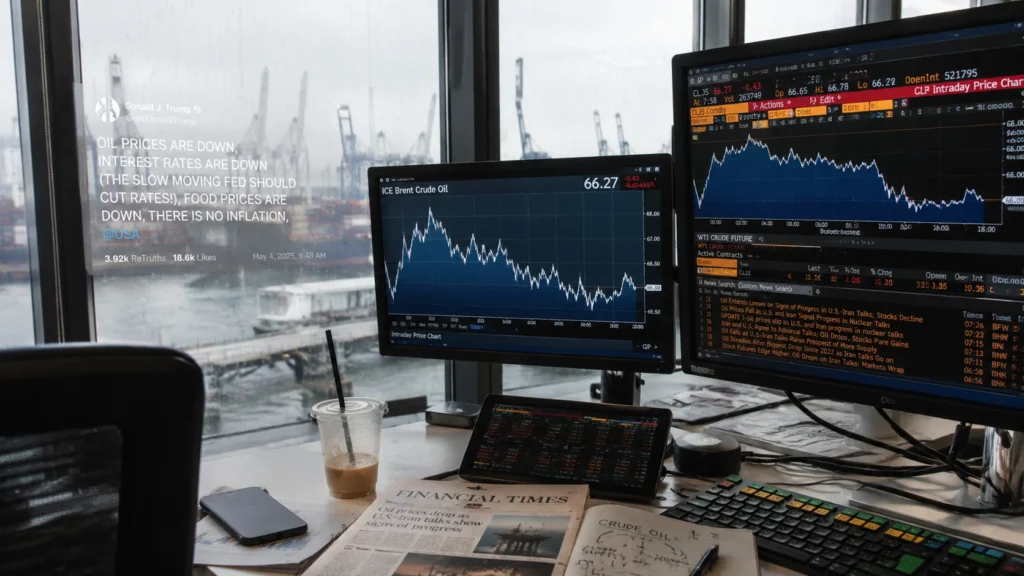
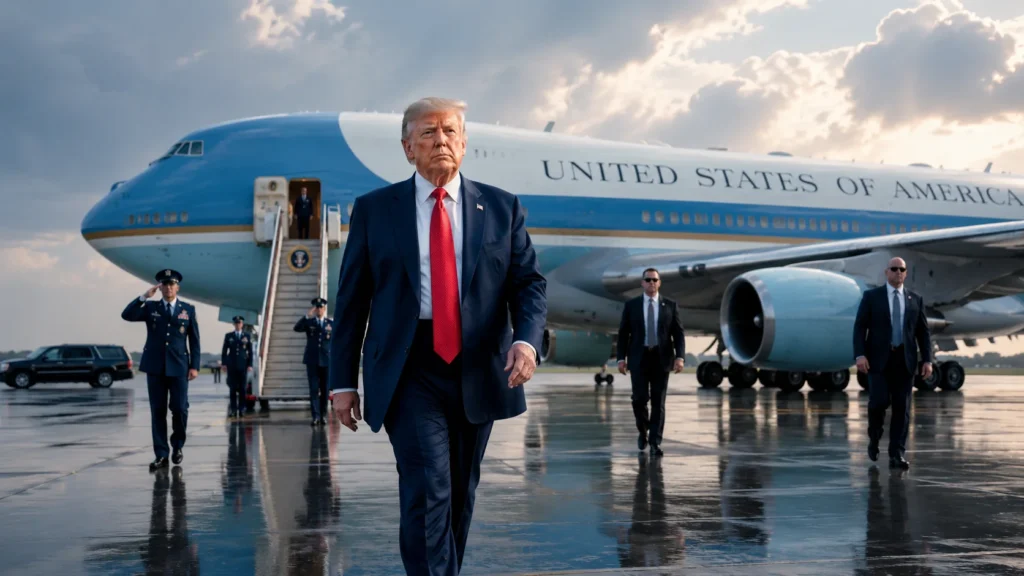
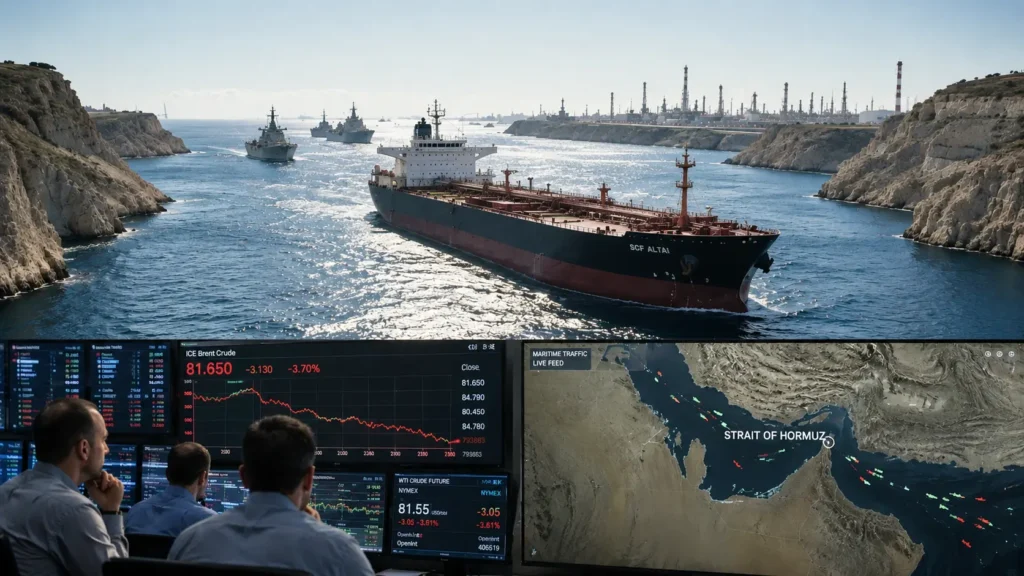
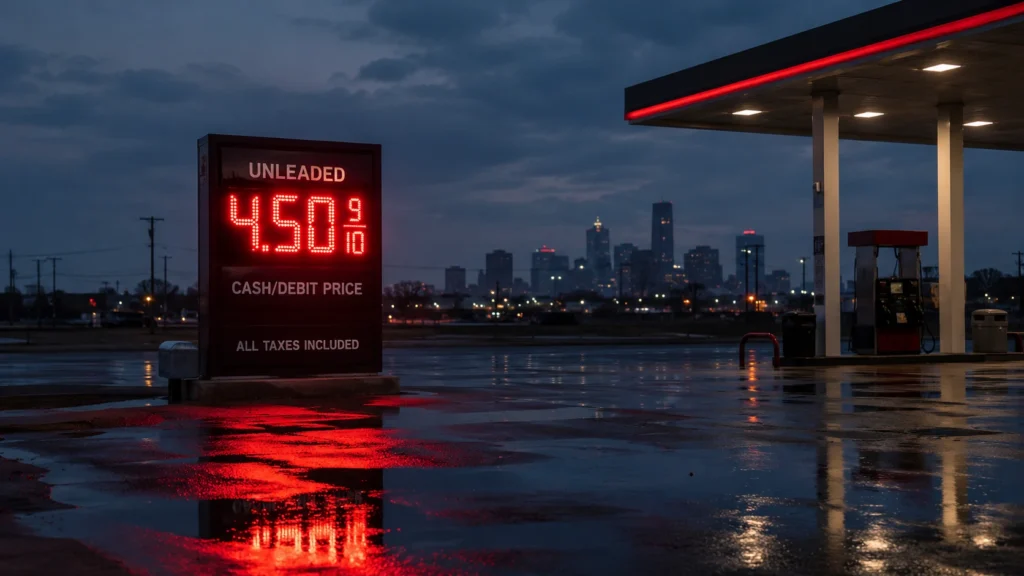
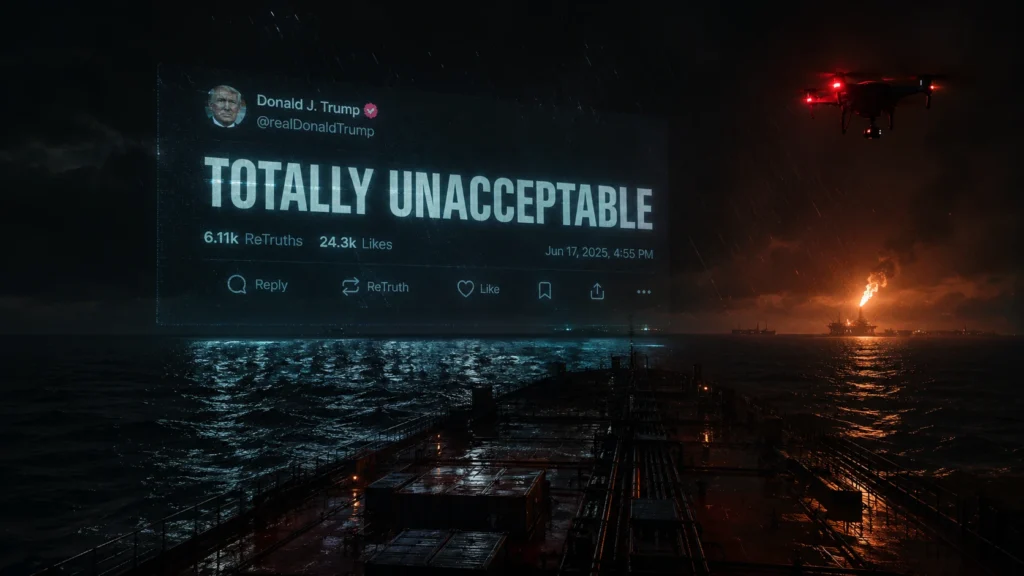
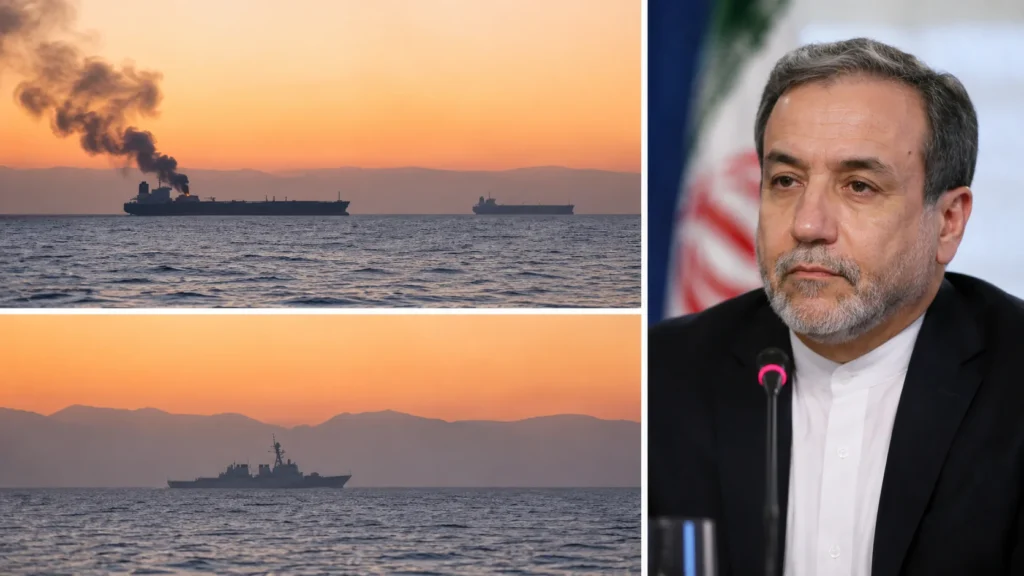
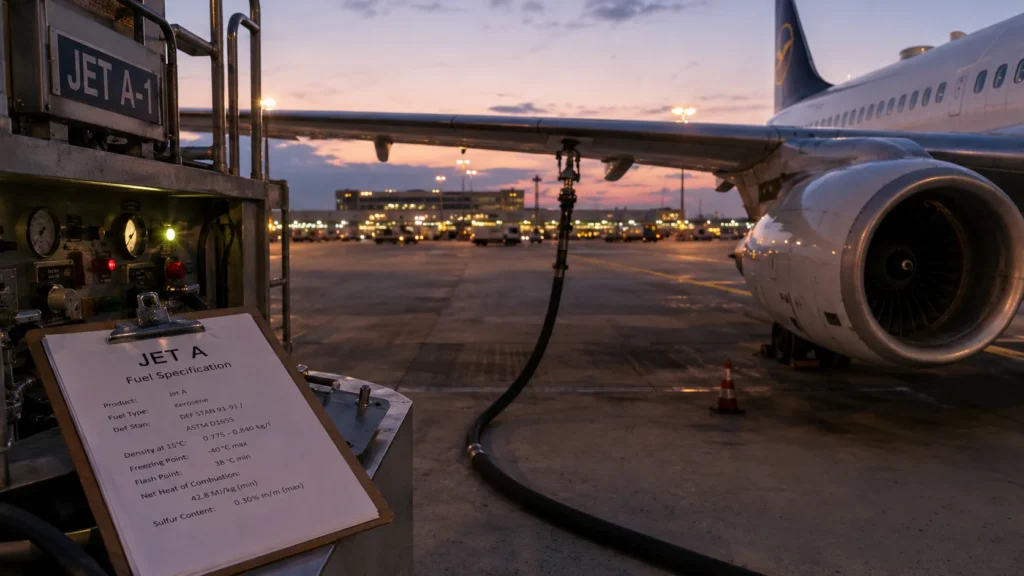
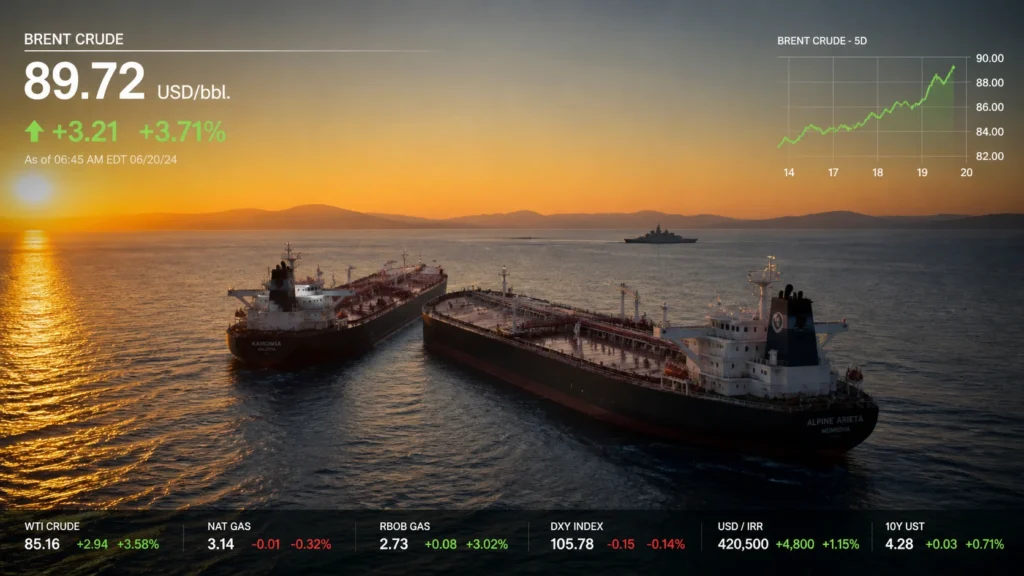
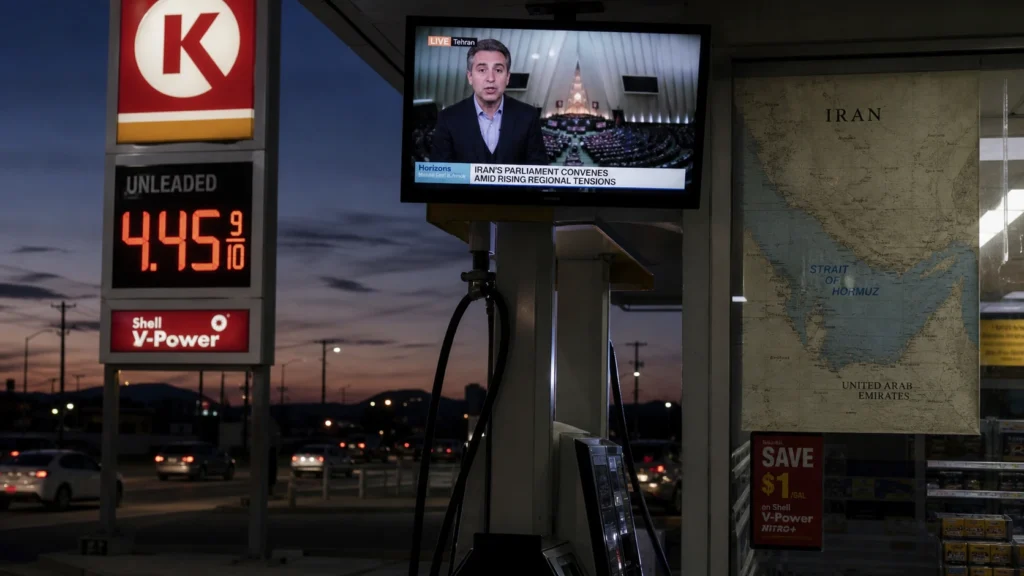
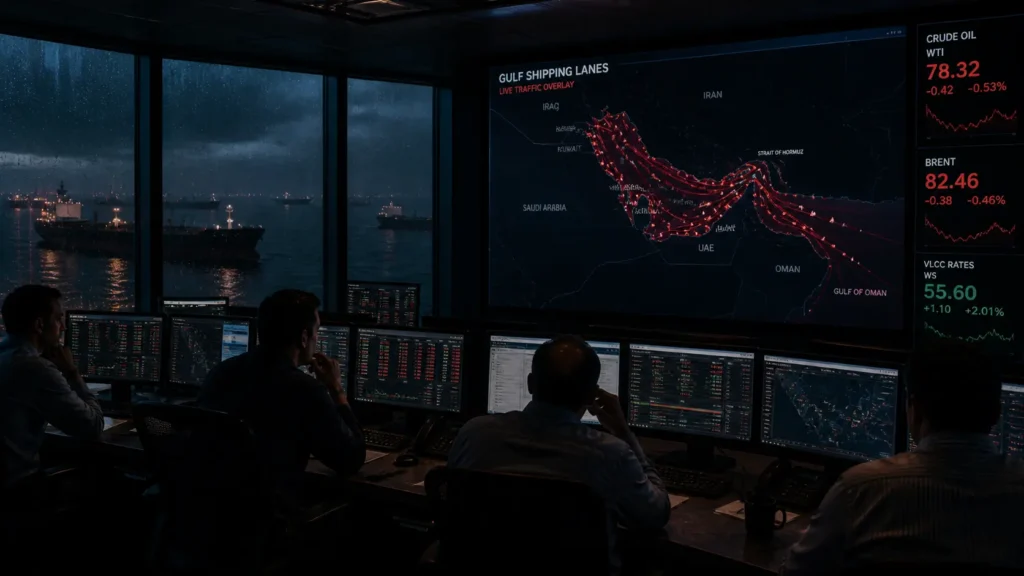
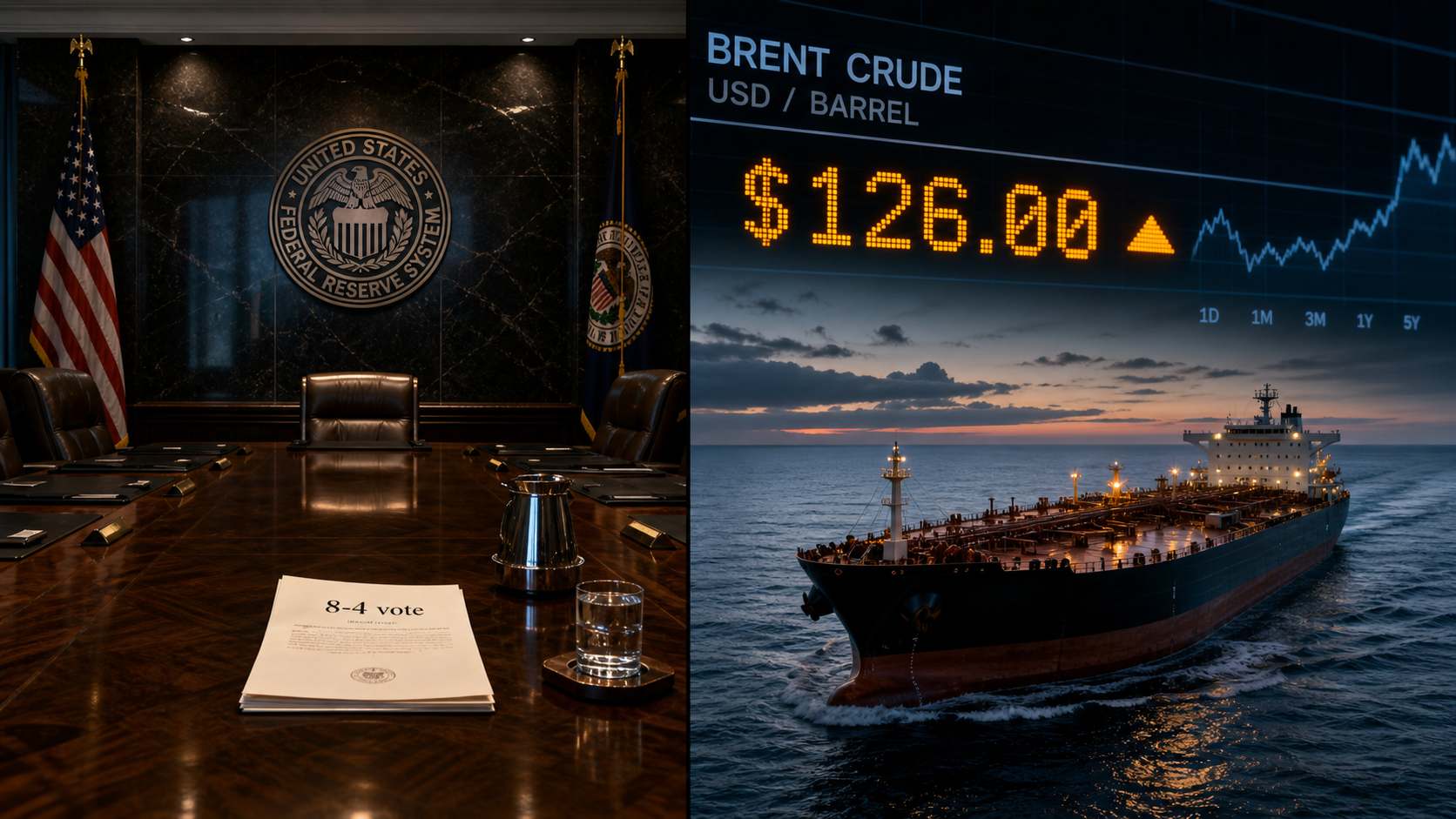
President Donald Trump said on Wednesday he has ordered the Department of Justice to investigate major energy companies for “gouging” customers by failing to cut petrol prices after wholesale oil costs fell sharply from wartime peaks. Trump wrote on Truth Social that he had expected pump prices to fall “a lot faster than what I’m seeing.” Brent crude, the global benchmark, dropped below $74 a barrel on Wednesday, down from nearly $120 in May when the Strait of Hormuz closure sent energy markets into turmoil. The average price of regular gasoline in the US has fallen to about $3.93 a gallon after topping $4 in April, its highest since 2022. Both crude and pump prices remain above pre-conflict levels.
The American Petroleum Institute responded that petrol prices “don’t move in lockstep with crude oil” and that the conflict is “still affecting supply, refining and inventories.” The DOJ and White House have not provided further details on the investigation.
The Price Gap
The asymmetry the president identified is real. Brent crude has fallen roughly 38% from its May peak. US petrol prices have fallen about 2% from their April high. The question is whether the gap reflects normal market mechanics or deliberate profiteering.
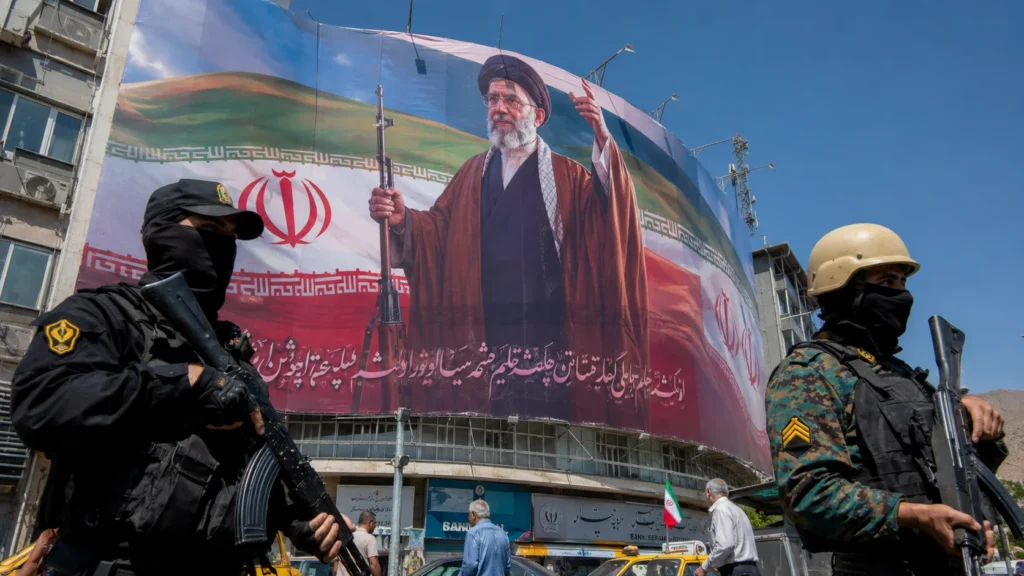
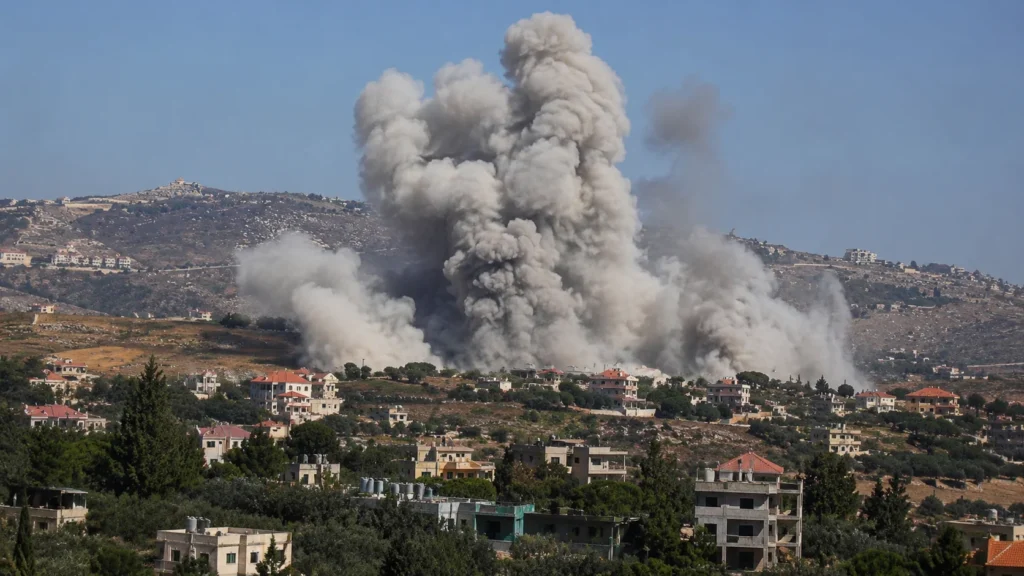
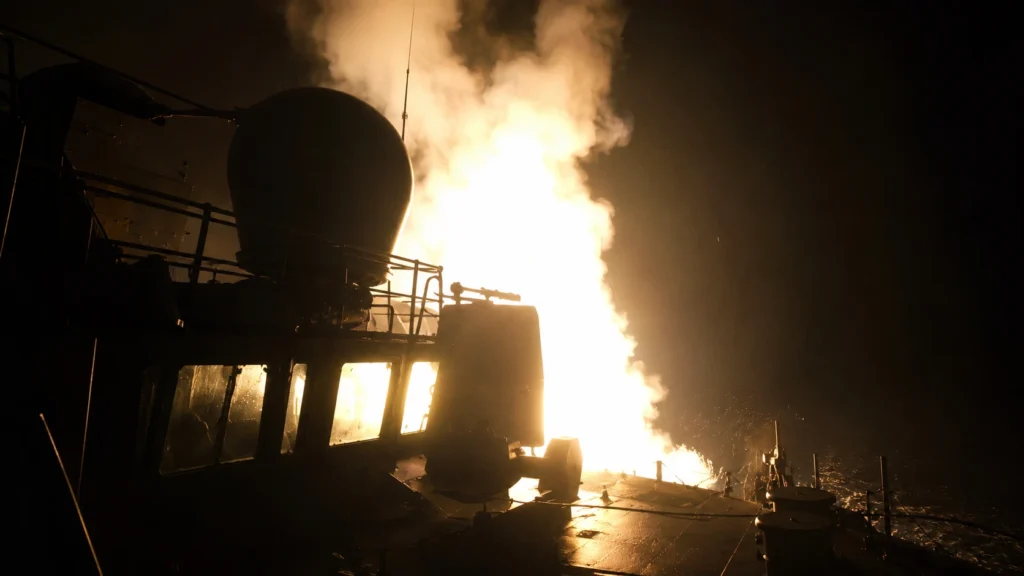
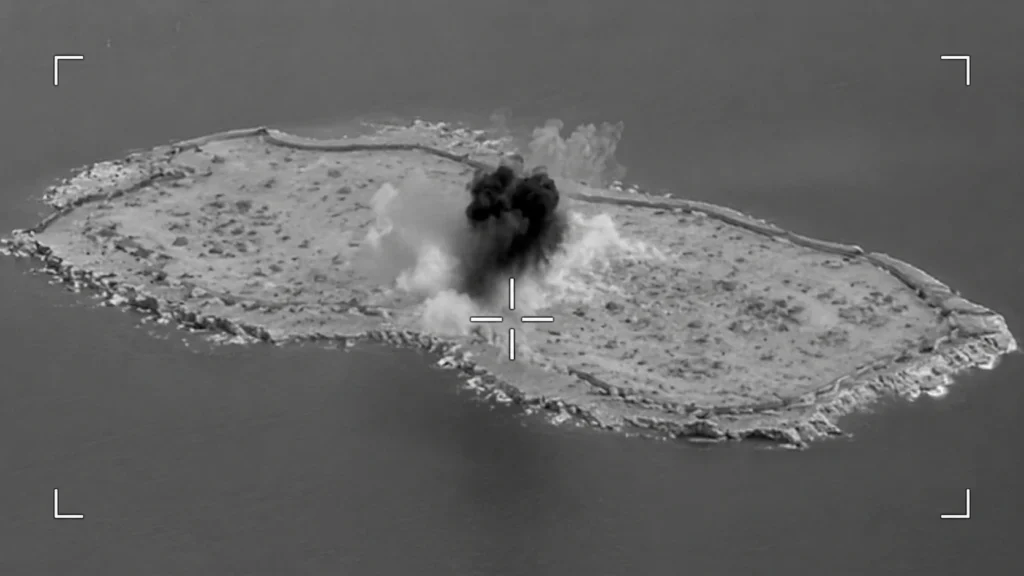
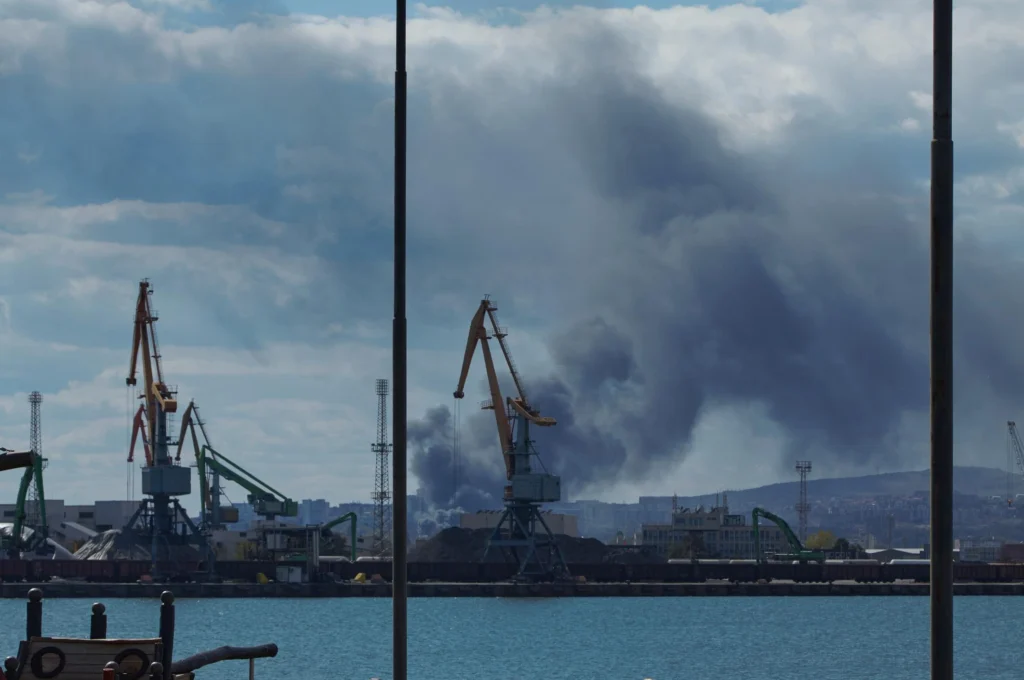
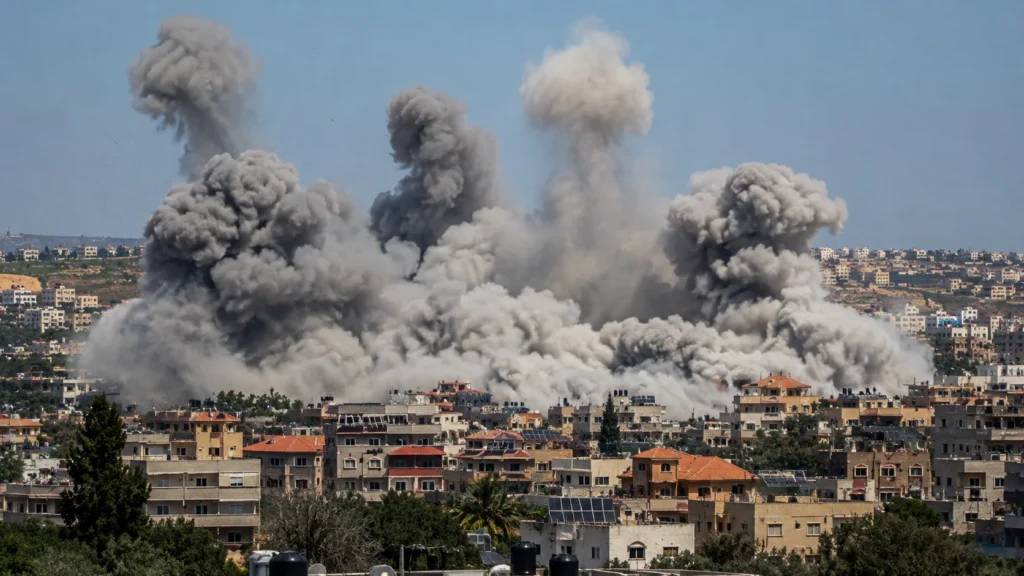
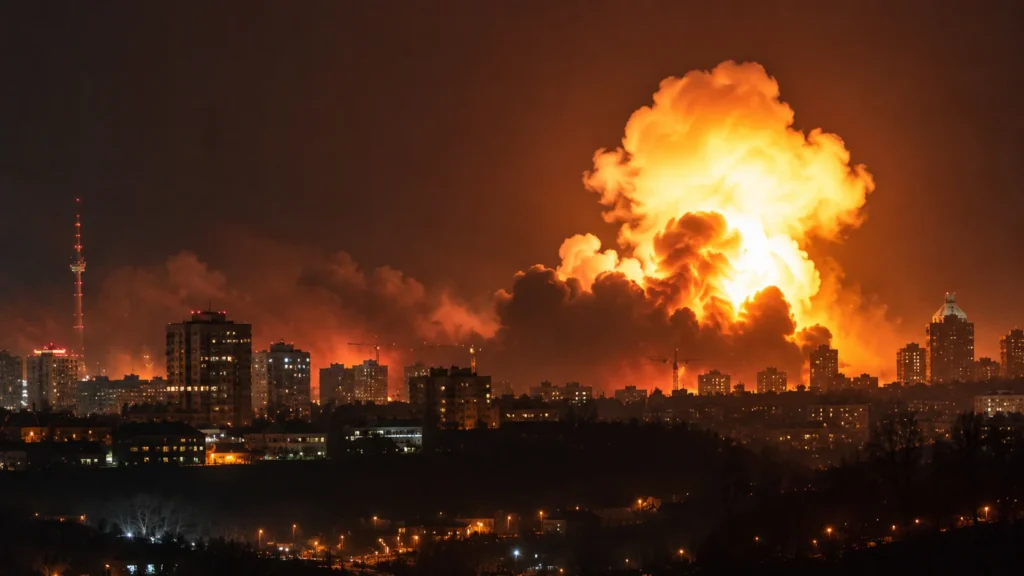
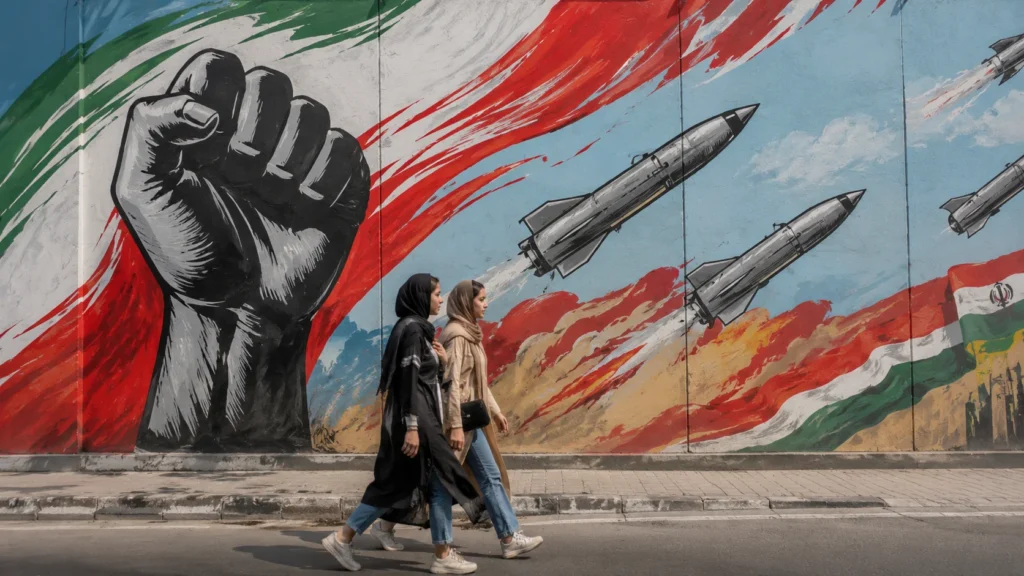
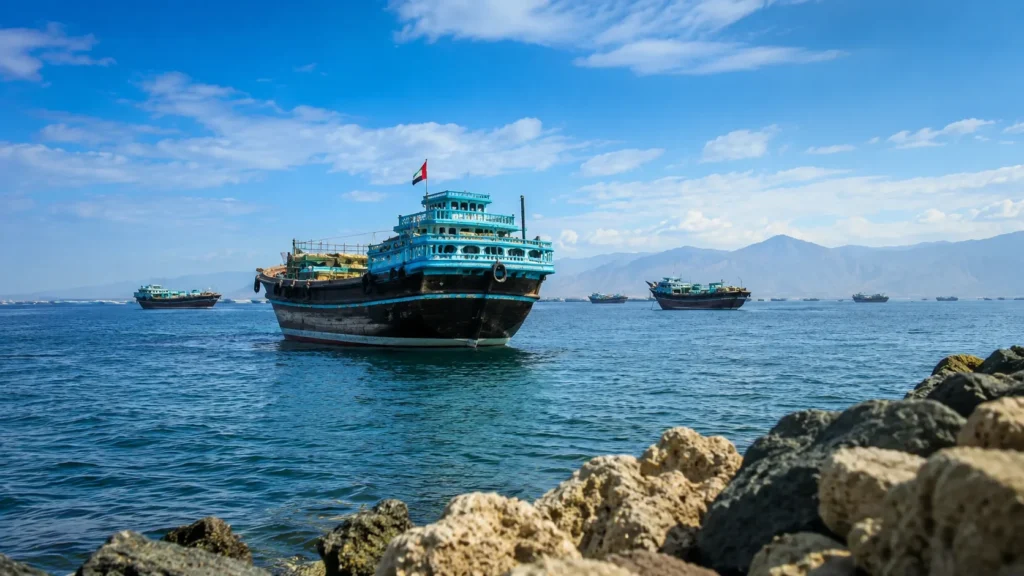
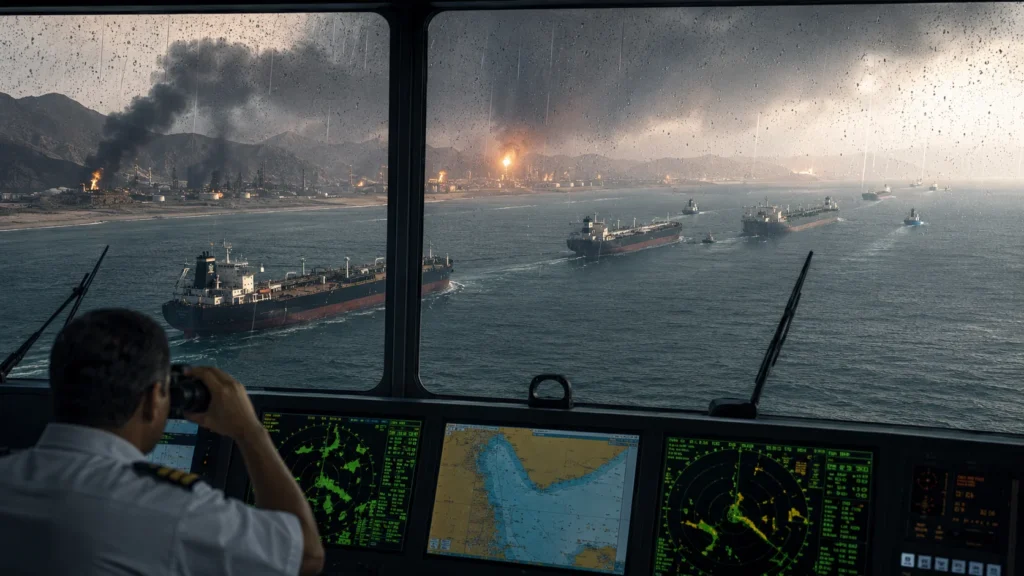
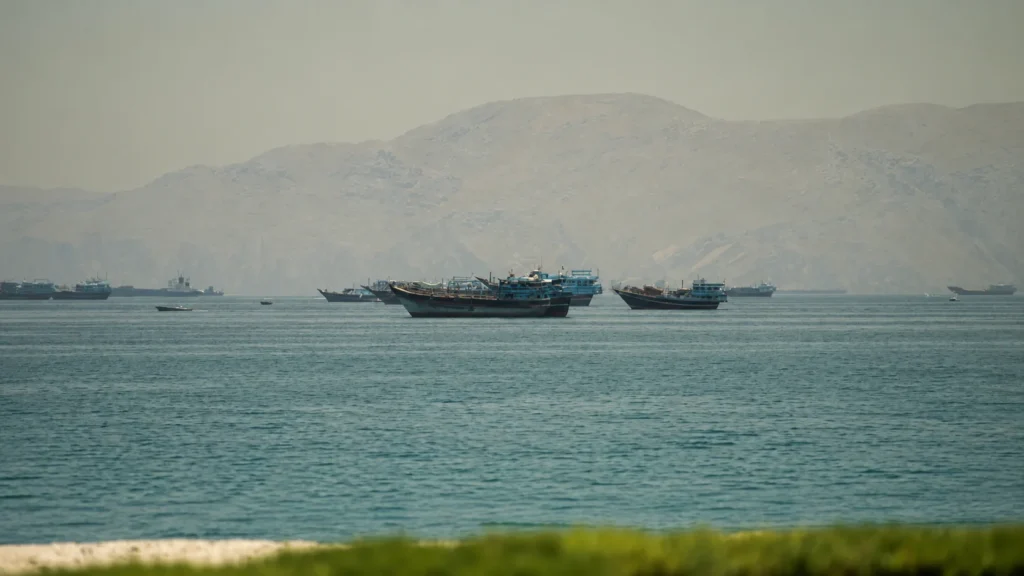
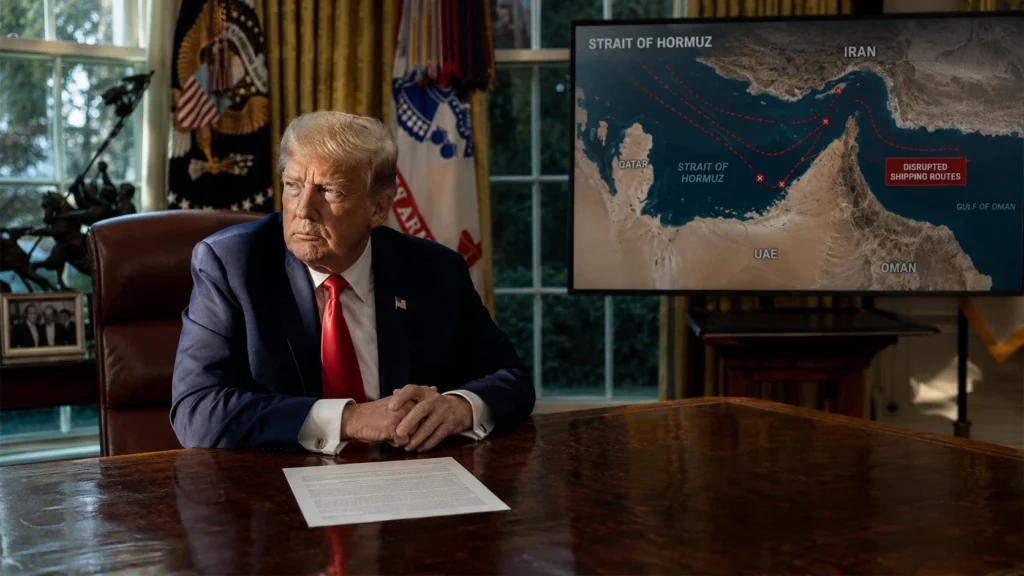
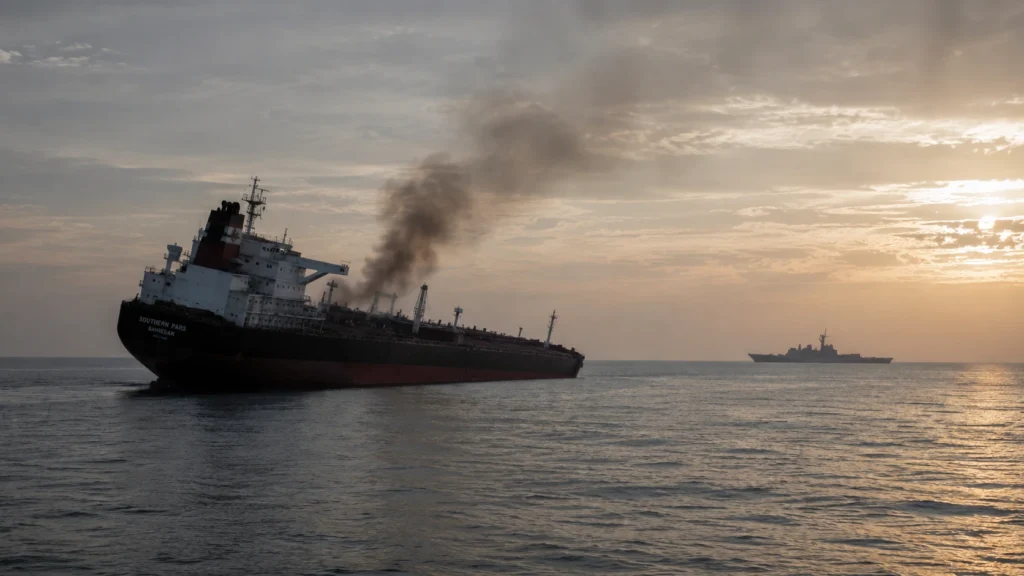
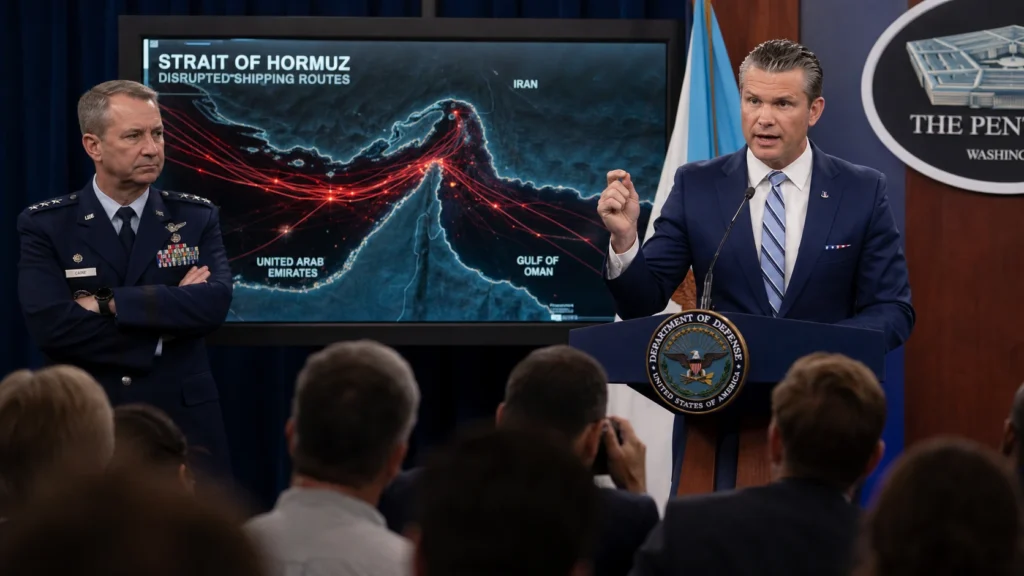
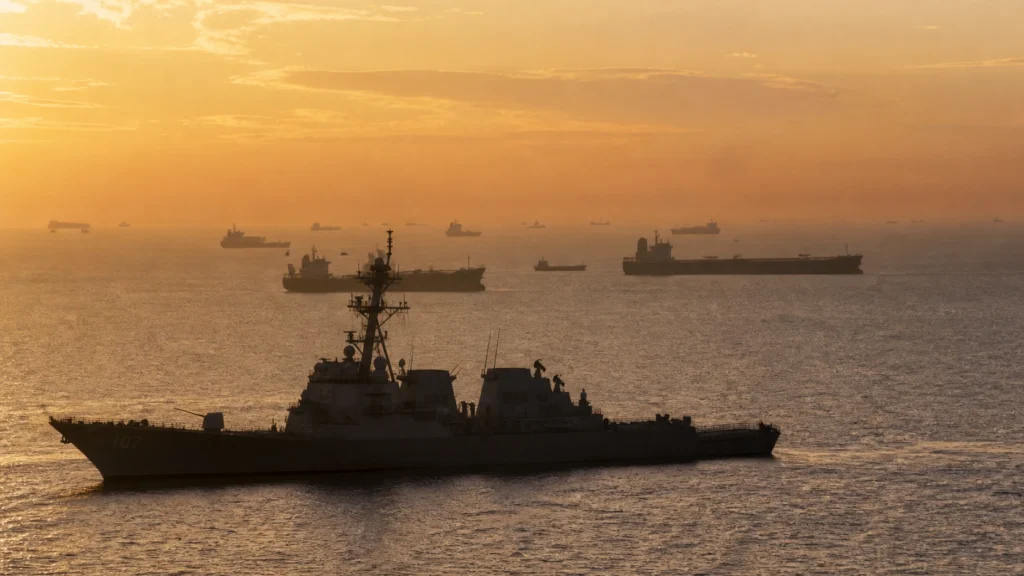
Oil prices surged after Iran responded to US-Israeli strikes on 28 February by effectively closing the Strait of Hormuz, a waterway through which one-fifth of the world’s oil flows. Brent reached almost $120 a barrel in May. US wholesale benchmark WTI followed a similar trajectory, dipping to $70 on Wednesday but remaining above the roughly $60 level where it traded before the conflict.
The API’s spokesperson, Bethany Williams, said the industry “shares the goal of delivering relief at the pump and restoring stability to global energy markets.” But she added that the conflict is “still affecting supply, refining, and inventories.” The industry’s core argument is that refining capacity, distribution costs, seasonal fuel specifications, and regional supply dynamics all influence pump prices independently of the crude benchmark. The lag between a drop in Brent and a drop at the pump can stretch for weeks. The industry calls this operational reality. The president calls it gouging.
According to US Energy Information Administration data on petrol and crude price movements, the gap between crude declines and pump price adjustments typically reflects the time required for cheaper crude to work through the refining and distribution system.
As our analysis of oil price transmission mechanics and the crude-to-pump lag documented, refiners are often still processing higher-cost inventory purchased weeks earlier when crude was elevated. Whether that explains the full 36-percentage-point gap between crude and petrol price declines is what the DOJ investigation will examine.
The Political Calendar
The investigation arrives with midterm elections approaching in November. Petrol prices are among the most politically sensitive economic indicators in American politics—visible every time a voter fills their tank.
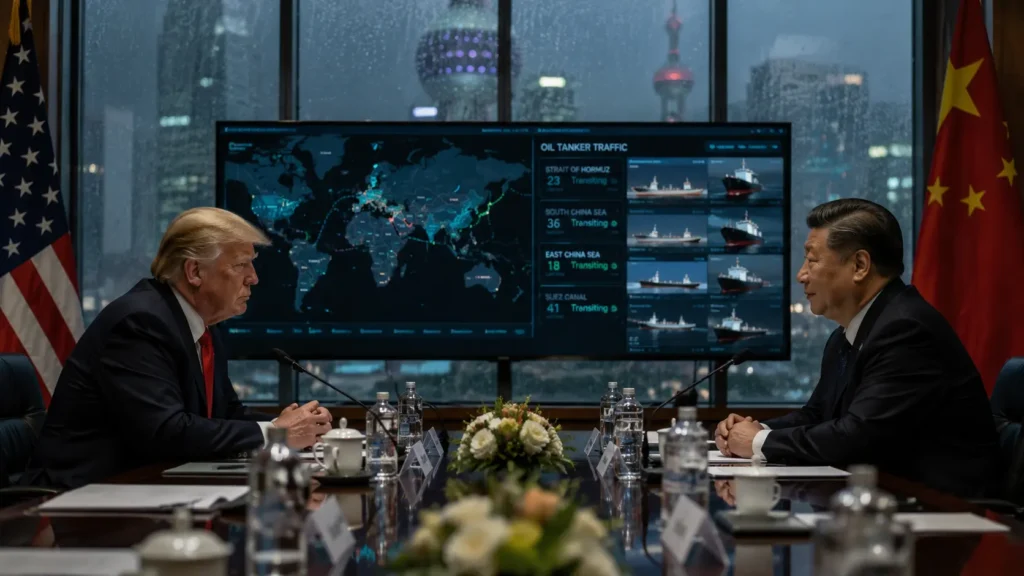
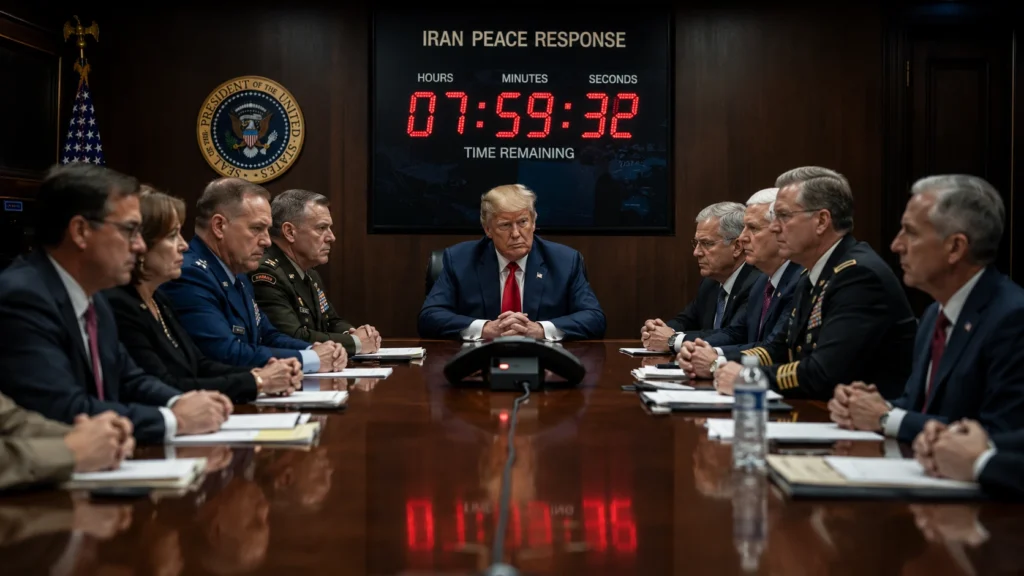
The war in Iran, which the US launched alongside Israel on 28 February, caused the initial price spike. The administration’s peace deal, signed last week, is designed to bring prices down. The Strait of Hormuz is reopening. Tankers are transiting. Crude is falling. But the pump price has not yet followed, and the president who claimed credit for the peace deal needs voters to feel its benefits before they cast ballots.
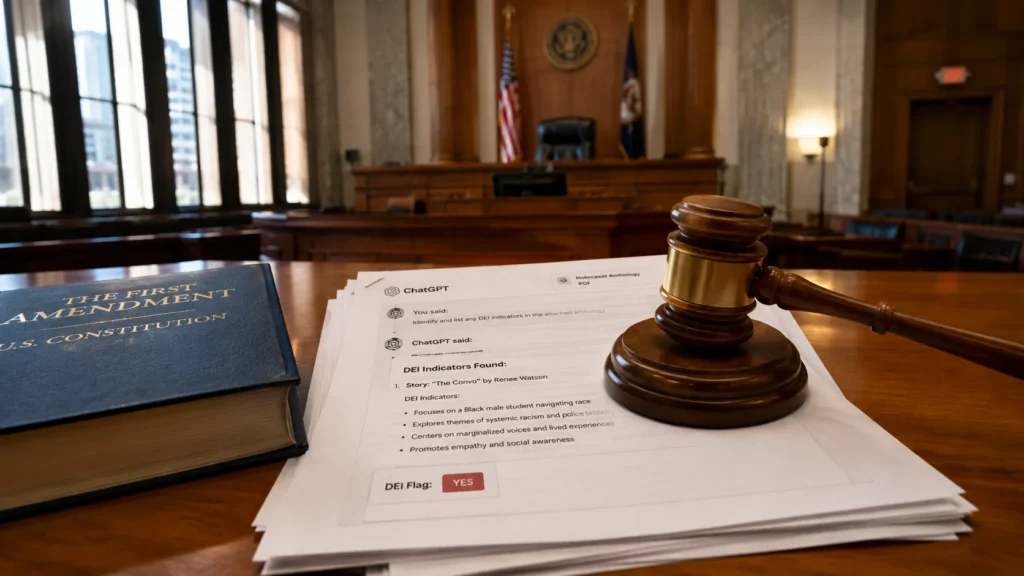
The DOJ investigation serves multiple purposes. It signals to consumers that the administration is on their side. It applies pressure to an industry that has historically been a political ally. It creates a narrative framework for the midterms in which the president is taking on corporate interests to protect American families.
The UK examined a similar question in May after British fuel retailers faced accusations of profiteering following the Iran war. The competition regulator found no widespread evidence of unfair pricing, noting average profit margins were “broadly unchanged” between February and March.
According to the UK Competition and Markets Authority’s May 2026 report on fuel pricing following the Iran conflict, the investigation concluded that the gap between crude and pump prices reflected normal market dynamics rather than gouging. The US investigation may reach a similar conclusion. It may not.
Industry Response
The API’s response was conciliatory in tone but firm in substance. Williams said the industry “shares the goal of delivering relief at the pump.” She did not concede that pricing practices were abnormal.
The industry’s defence rests on the operational reality of refining. Crude oil purchased at elevated prices takes weeks to move through the refining process, distribution networks, and retail supply chains before reaching consumers as petrol. When crude prices fall sharply—as they have since the May peak—the pump price declines with a lag. The lag is a function of inventory accounting, not corporate strategy.
The DOJ will need to distinguish between that normal lag and any deliberate margin expansion. The UK regulator found the distinction manageable and concluded no widespread gouging occurred. The US investigation faces the same analytical challenge, with the added pressure of a president who has already declared the industry guilty in a Truth Social post.
As our coverage of the Trump administration’s relationship with the oil and gas industry has tracked, the president has historically been a vocal ally of the sector—deregulation, expanded drilling permits, and opposition to climate-related restrictions. The investigation complicates that relationship without necessarily ending it.