

 English
















































































Venezuela Earthquakes: At Least 164 Dead as Rescue Efforts Continue
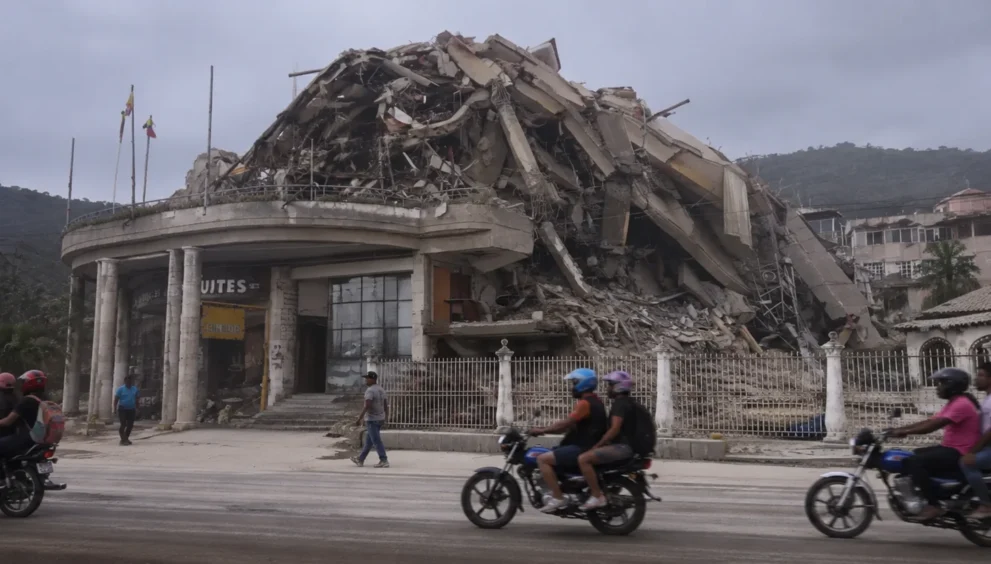
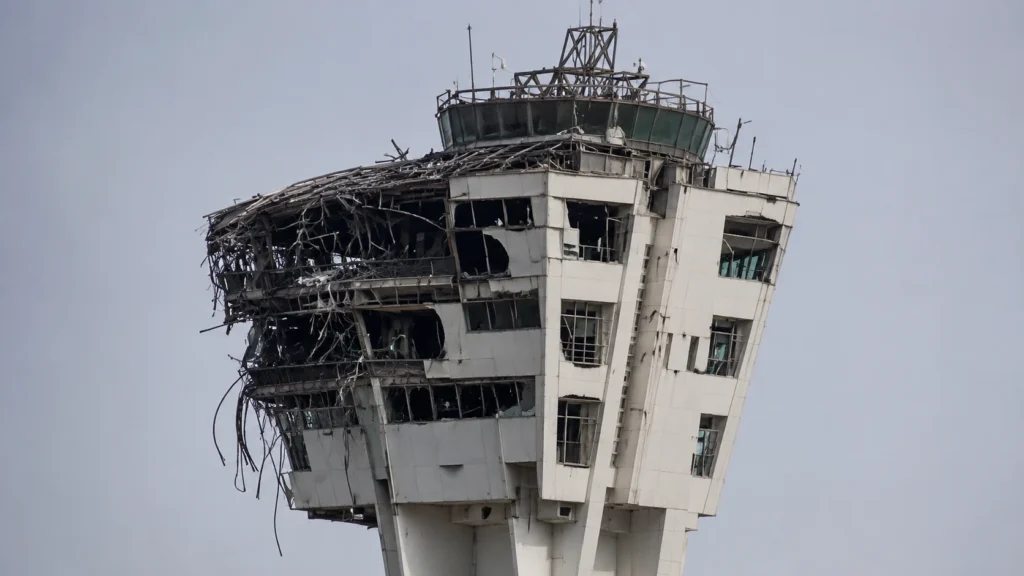
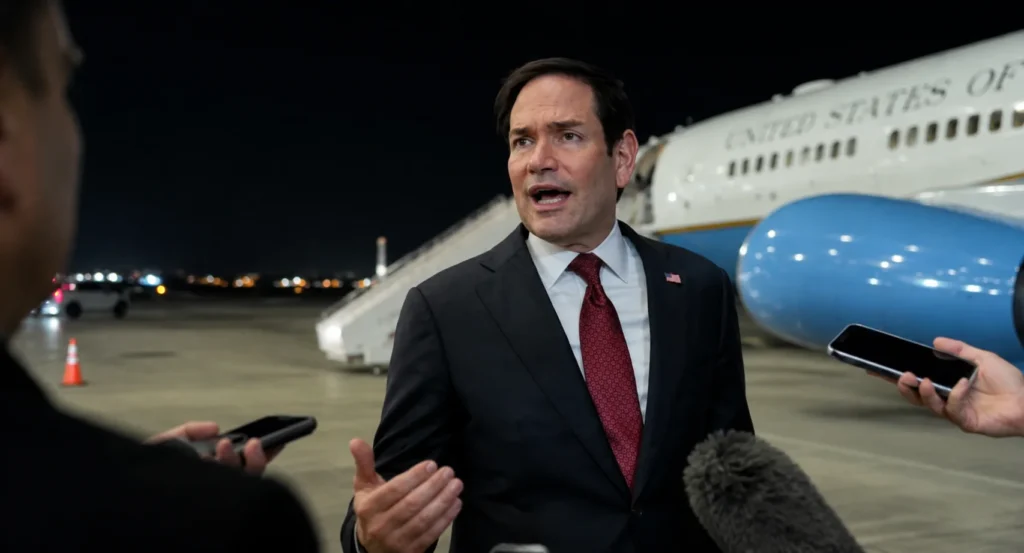
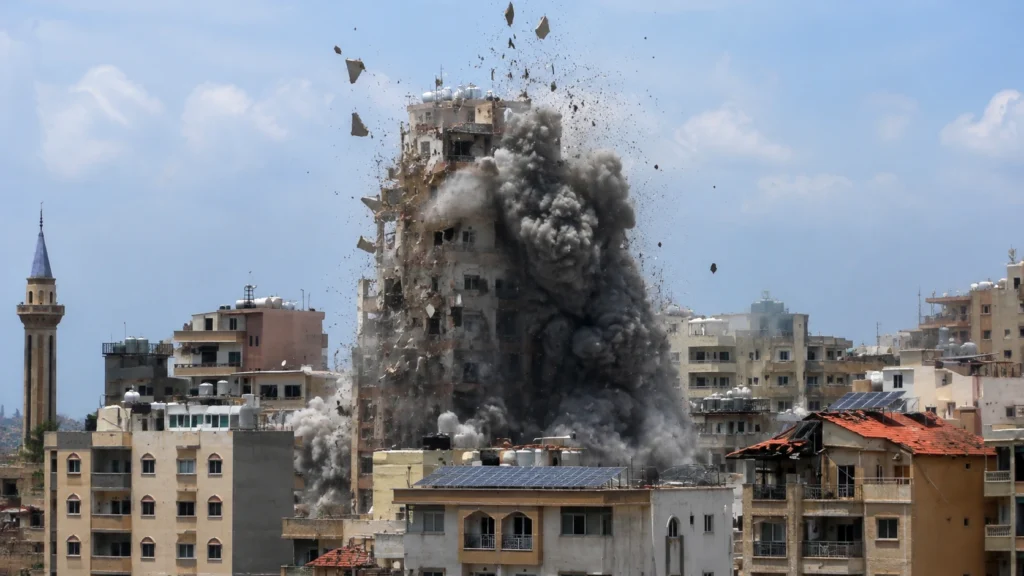
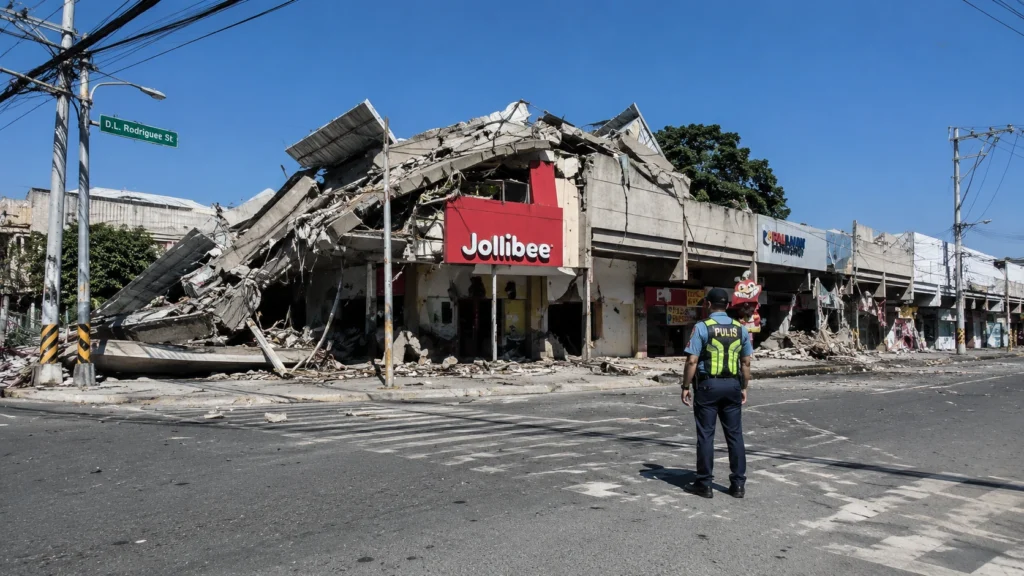
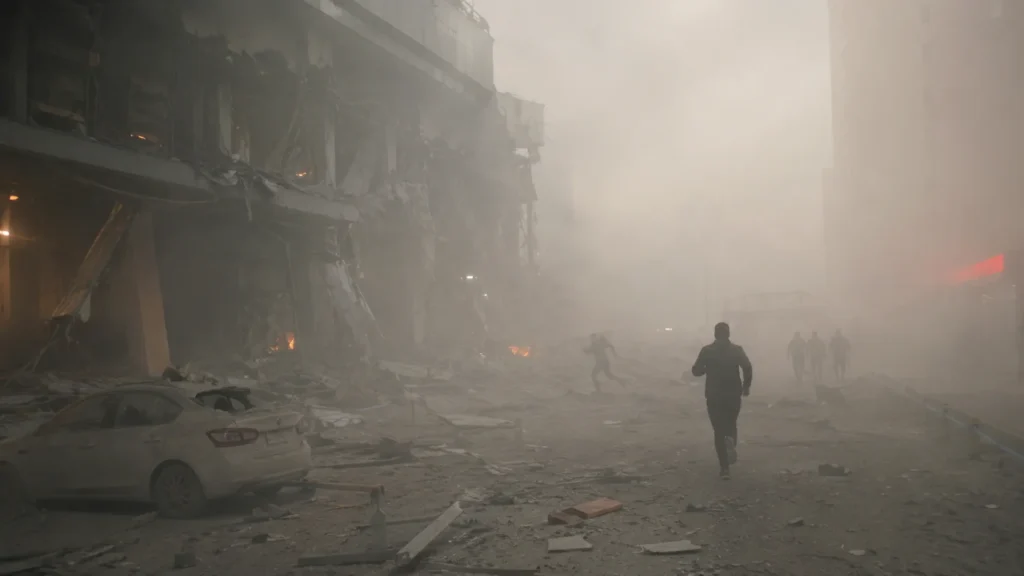
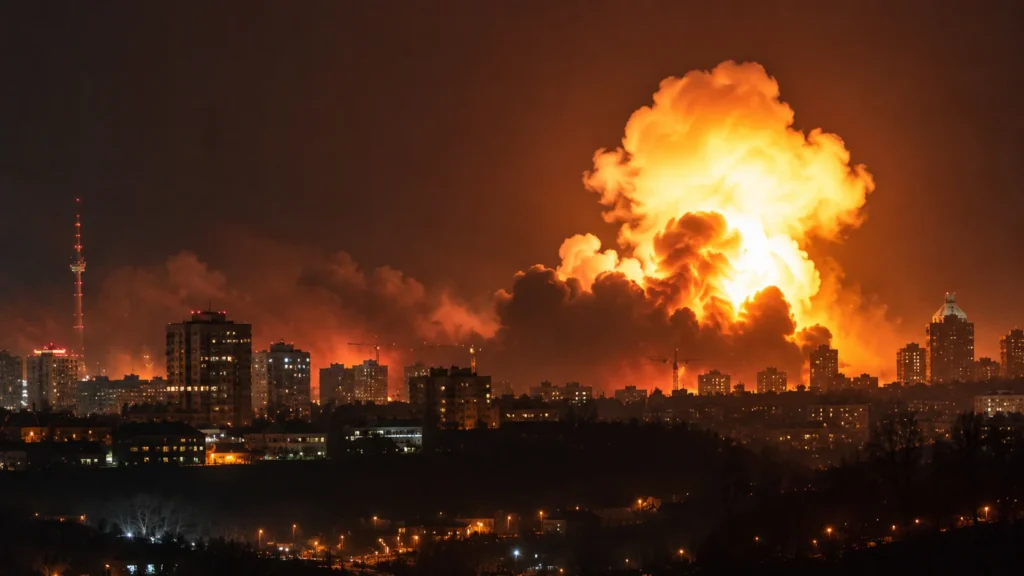
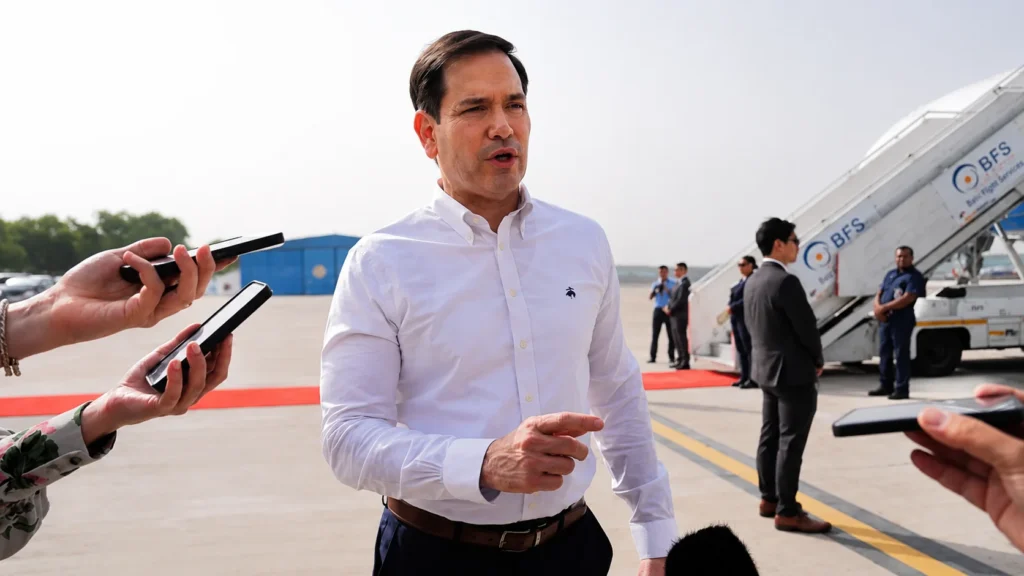
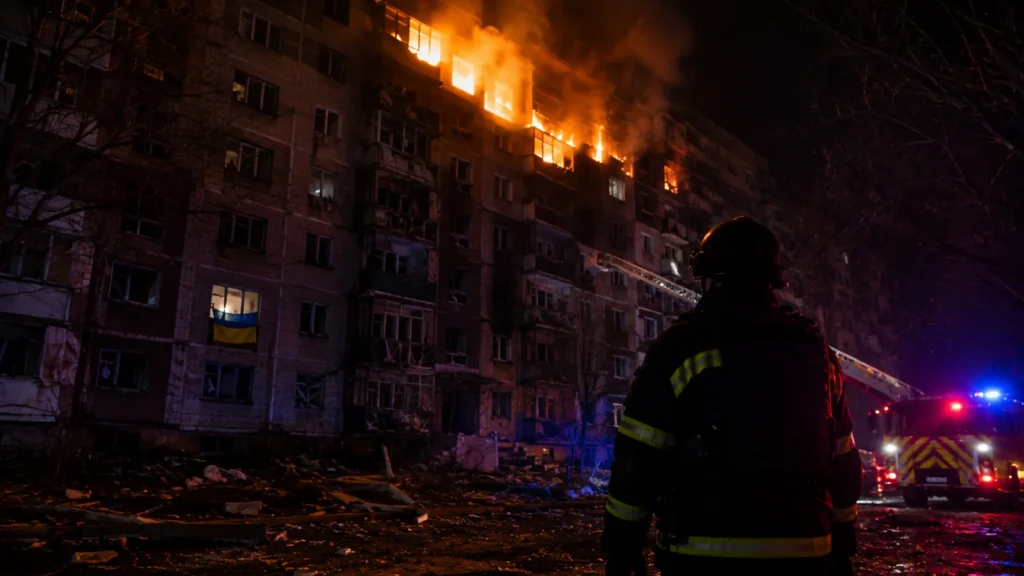
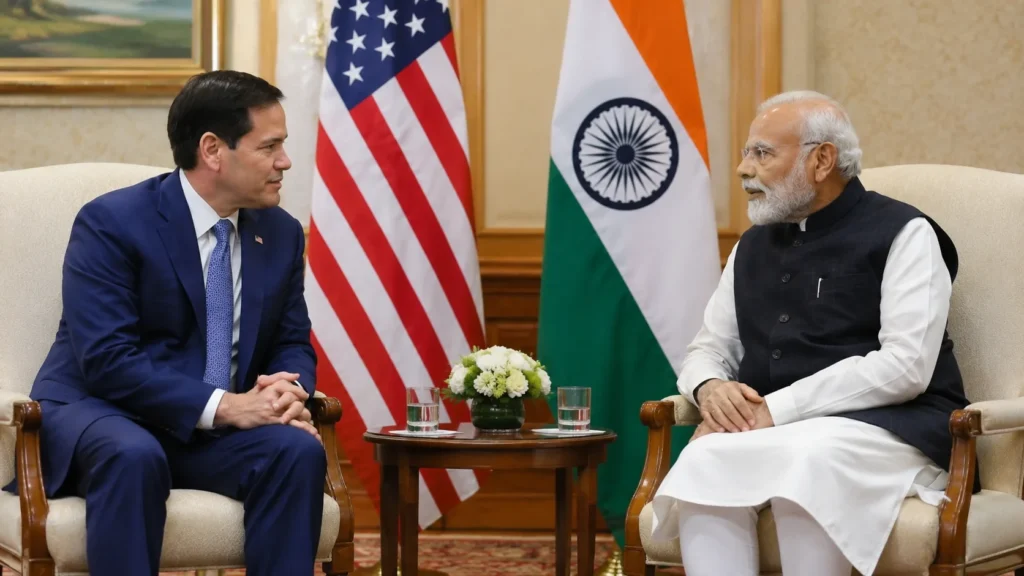
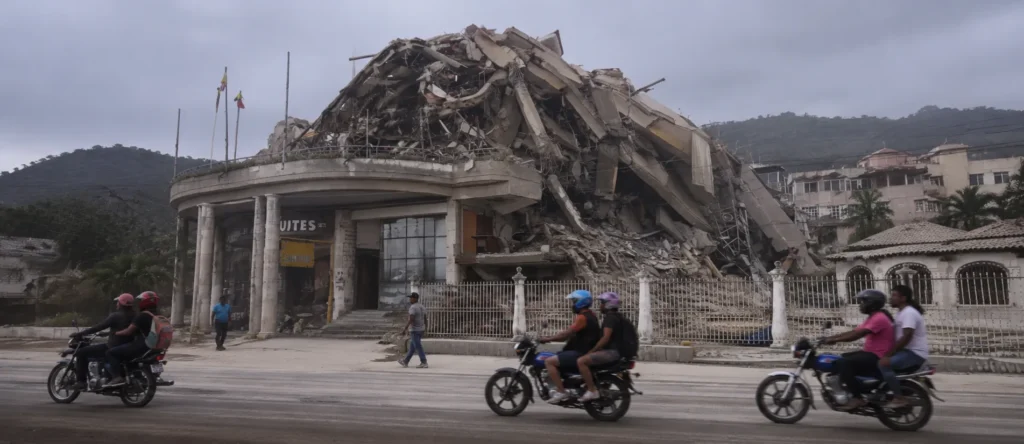
At least 164 people have been killed and 971 injured after Venezuela’s most powerful earthquake in more than a century struck on Wednesday, according to acting President Delcy Rodríguez. The 7.5 magnitude quake hit 39 seconds after a 7.2 magnitude foreshock, devastating the coastal state of La Guaira, where scores of apartment blocks collapsed. The state, which is home to one of the country’s largest seaports and the Simón Bolívar International Airport serving Caracas, has been declared a disaster zone. US Secretary of State Marco Rubio said the airport is “badly damaged.” International rescue teams from the United States and Mexico have been deployed, while the United Nations has promised a “full and urgent response.”
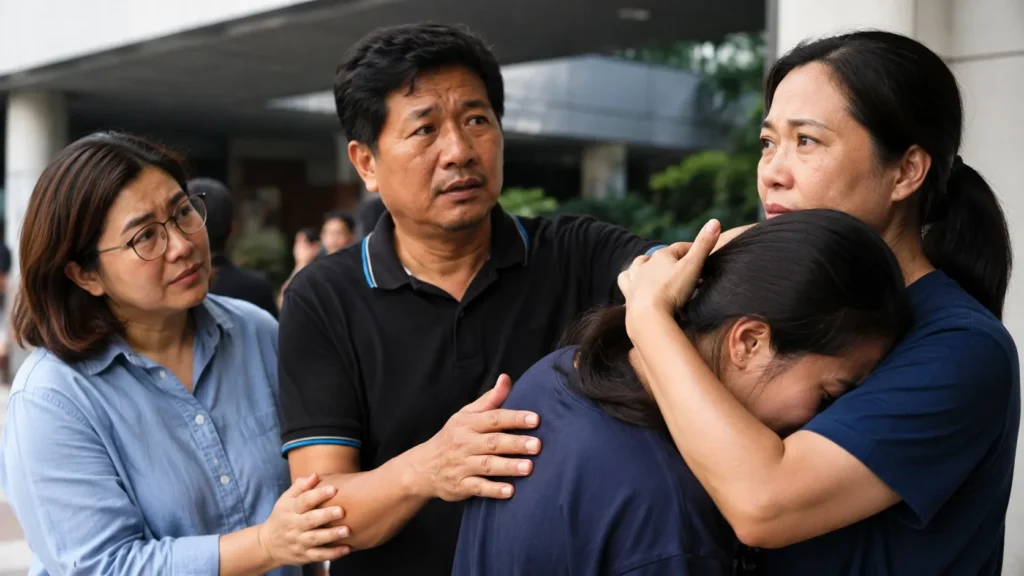
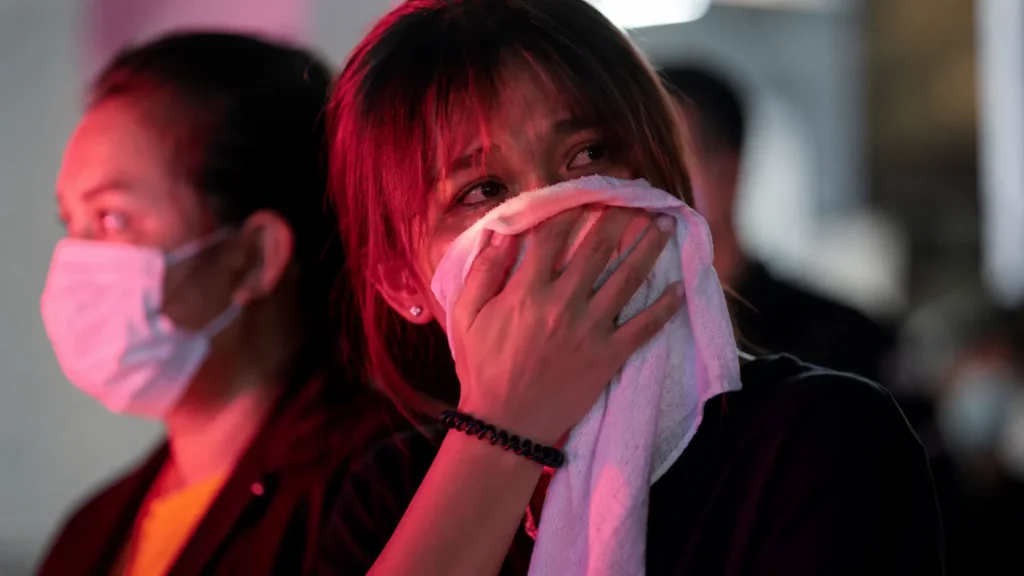
The death toll is expected to rise as search-and-rescue operations continue across the region. Survivors spent the night on the streets, either because they feared returning to damaged buildings or because they had lost their homes entirely.
What Happened
The first tremor—a 7.2 magnitude foreshock—struck on Wednesday. Thirty-nine seconds later, a larger 7.5 magnitude earthquake hit, the most powerful recorded in Venezuela in more than a century. The epicentre was near the coast, with the state of La Guaira bearing the brunt of the destruction.
In Caracas, a survivor who lived through the city’s devastating 1967 earthquake said this disaster was unlike anything he had experienced. Another resident who escaped a damaged building told CNN, “The scene was like a horror movie.”
According to USGS earthquake data on the Venezuela twin quakes, the back-to-back tremors represented the most significant seismic event in the country since at least 1900.
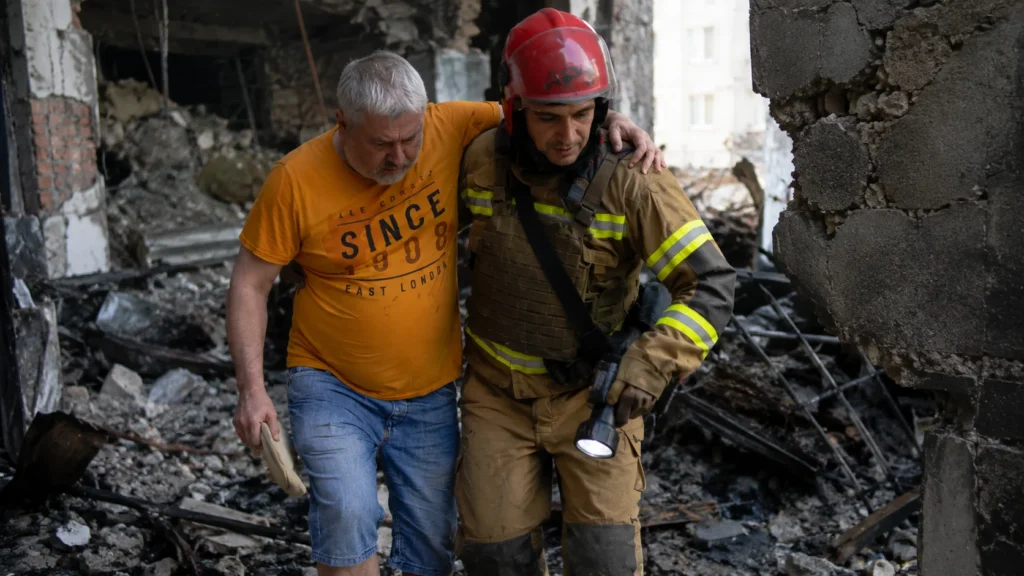
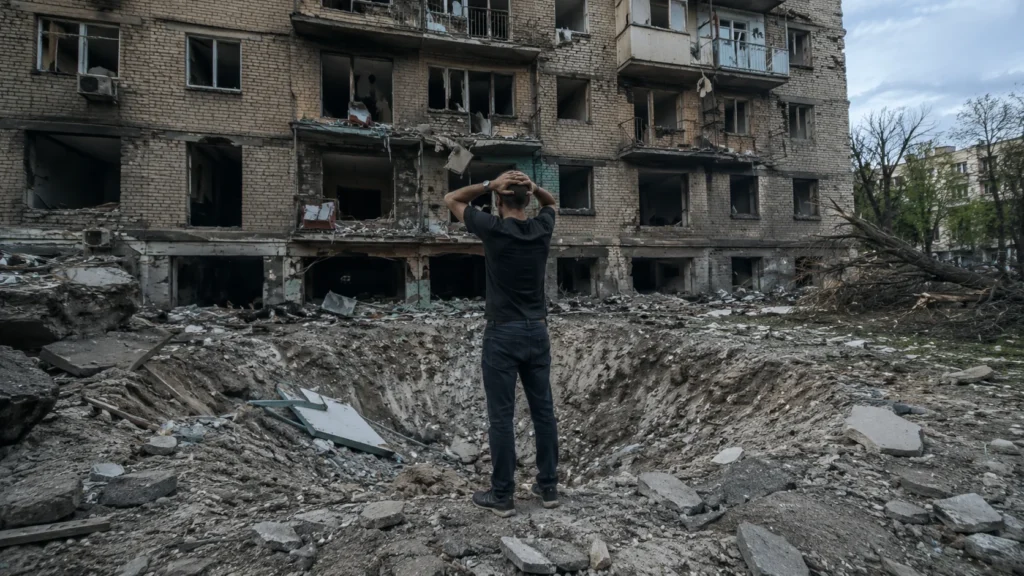
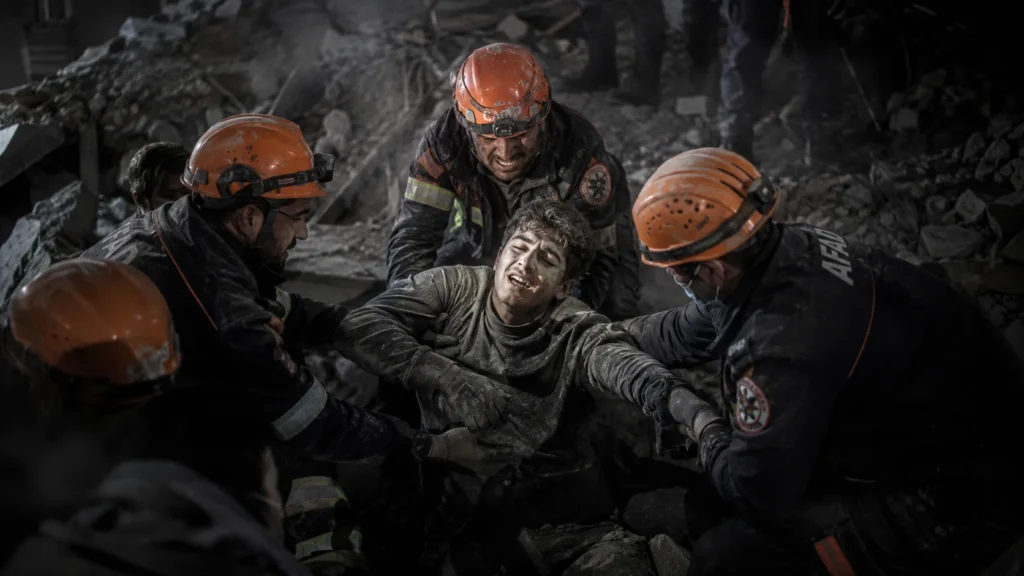
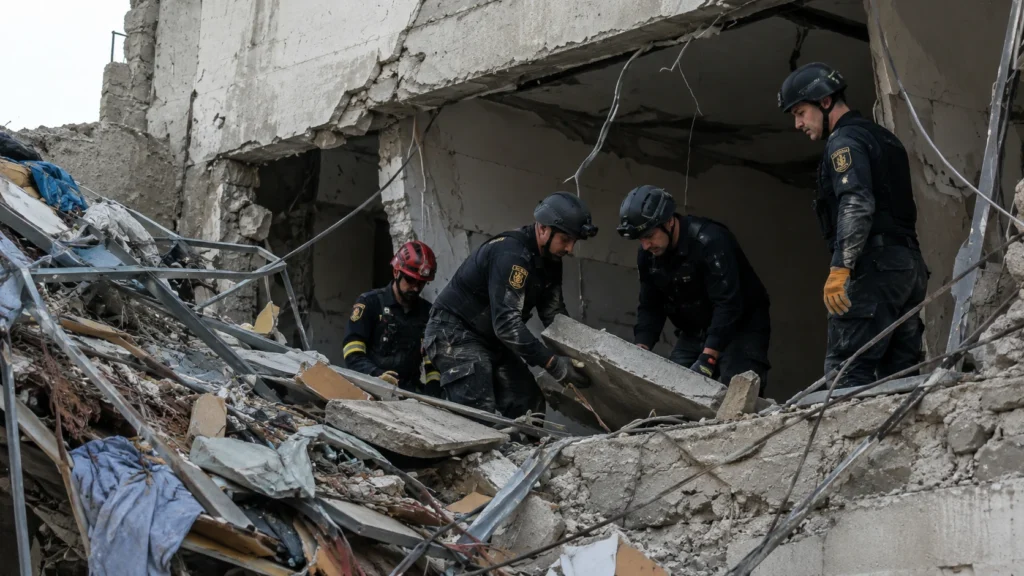
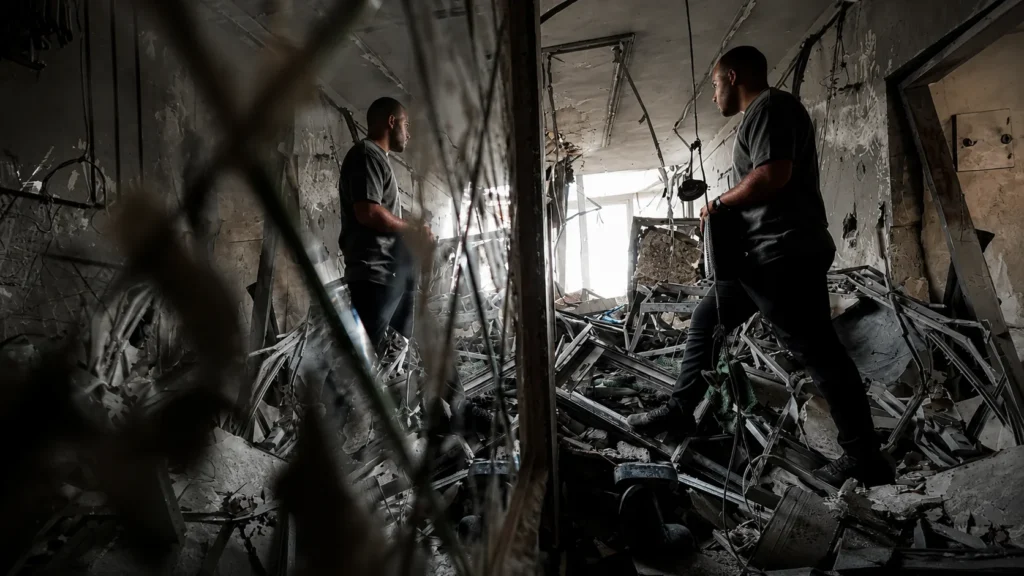
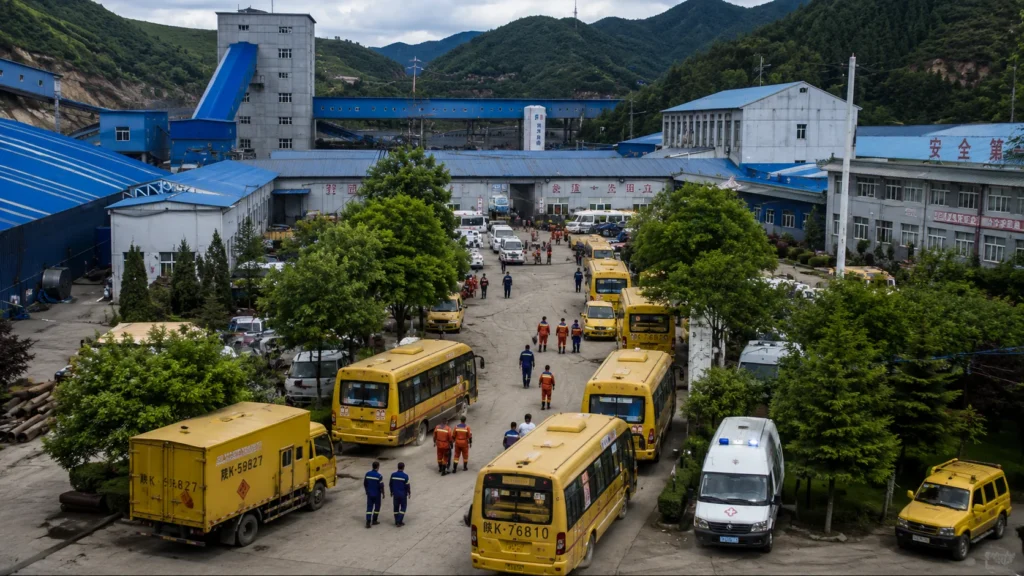
Rodríguez confirmed the death toll and injury figures late Wednesday. At least 25 of the deaths occurred in Caracas alone, according to Mayor Carmen Meléndez. The mayor of the Chacao area of the capital, Gustavo Duque Sáez, said 11 people had died there, and 23 people had been pulled alive from the rubble of at least three collapsed buildings. Machinery is being deployed to remove debris and allow rescue workers access to search for more survivors.
The Situation in La Guaira
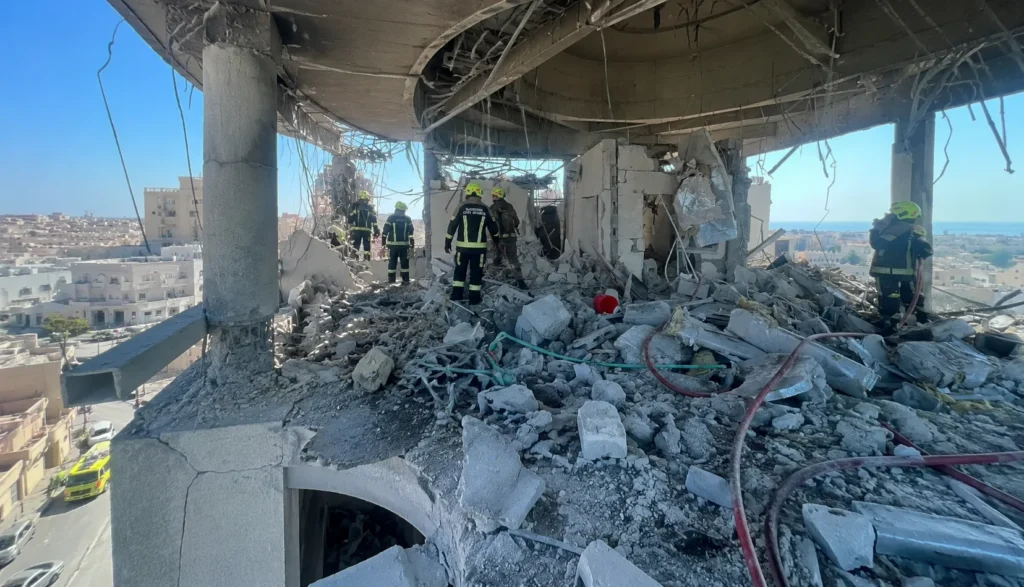
The coastal state of La Guaira has been declared a disaster zone. Rodríguez described the situation there as “a true tragedy,” with dozens of buildings collapsed.
Communications in the region have been severed. Noris Soto, a reporter based in Venezuela, told CNN that friends abroad with family in La Guaira were “asking anybody with a social media account to help look for people because the connection and internet in La Guaira are completely severed. People are not able to communicate.”
In Playa Grande, CNN footage showed rescuers climbing to the top of a partially collapsed building to search for survivors. A loose piece of debris gave way under one rescuer’s foot, drawing gasps from onlookers before applause broke out when the rescuer reached safety.
Carlos Baez, a local resident, stood outside his apartment building and watched his neighbour, trapped on a mid-level floor, wave a red rag to signal she was alive. No rescue crew had reached her by the time CNN’s team arrived.
Edury Orellana, who lost his home in La Guaira, told CNN: “All the buildings in the area I live in collapsed. Thank God all my family could evacuate unharmed.” He added: “There are so many families that have been affected, they are still rescuing people, people that are trapped. People who are missing.”
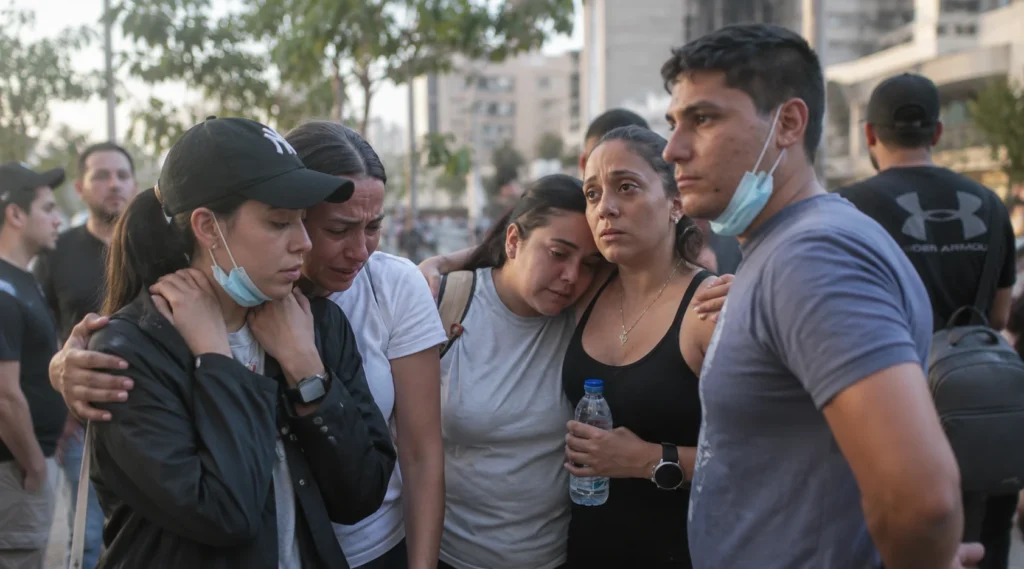
José Terraza, 68, spent the night outside with whatever belongings he could grab. His apartment building remained standing, but “nobody wanted to go inside.” Residents held a vigil. “We slept wherever we could—whoever managed to bring something along.”
As our coverage of Venezuela’s political and economic crisis and its impact on infrastructure documented, the country’s public services and buildings were already under severe strain before the earthquake hit.
International Response
The international community mobilised quickly. US Secretary of State Marco Rubio confirmed that the United States had sent rescue teams and other resources. Mexico’s President Claudia Sheinbaum announced the deployment of a team of military search-and-rescue personnel and health workers from the Secretariat of National Defense.
“Our solidarity with the people of Venezuela,” Sheinbaum said during her morning press conference. “Once they are there and have spoken with the authorities, we will determine tomorrow any additional personnel needed.”
United Nations emergency relief chief Tom Fletcher described the earthquakes as “devastating” in a statement. “I’m in close contact with our team in Caracas to ensure full and urgent response, including search and rescue support and emergency relief for survivors,” he said. “International solidarity coming in. We’ll need all hands on deck.”
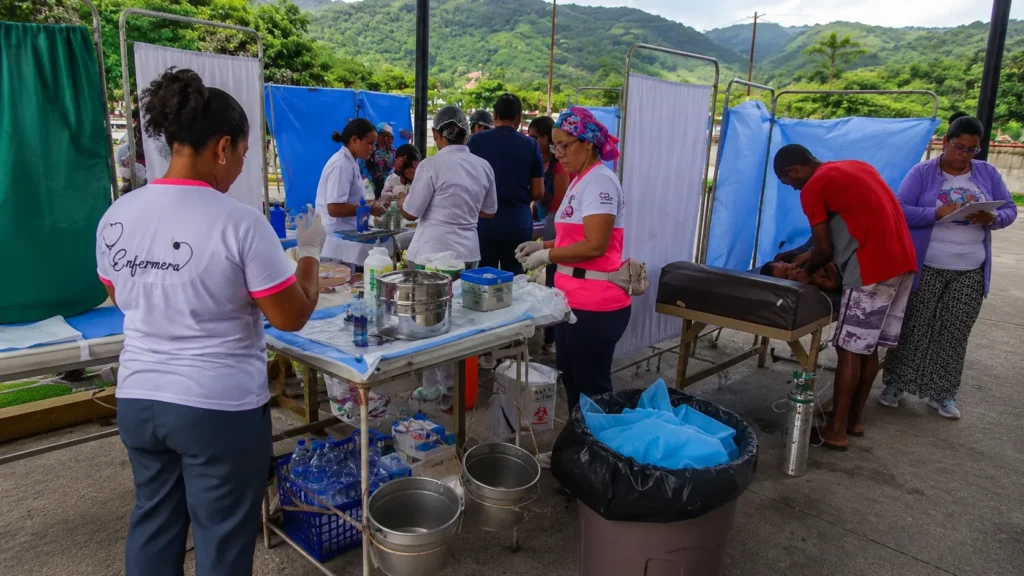
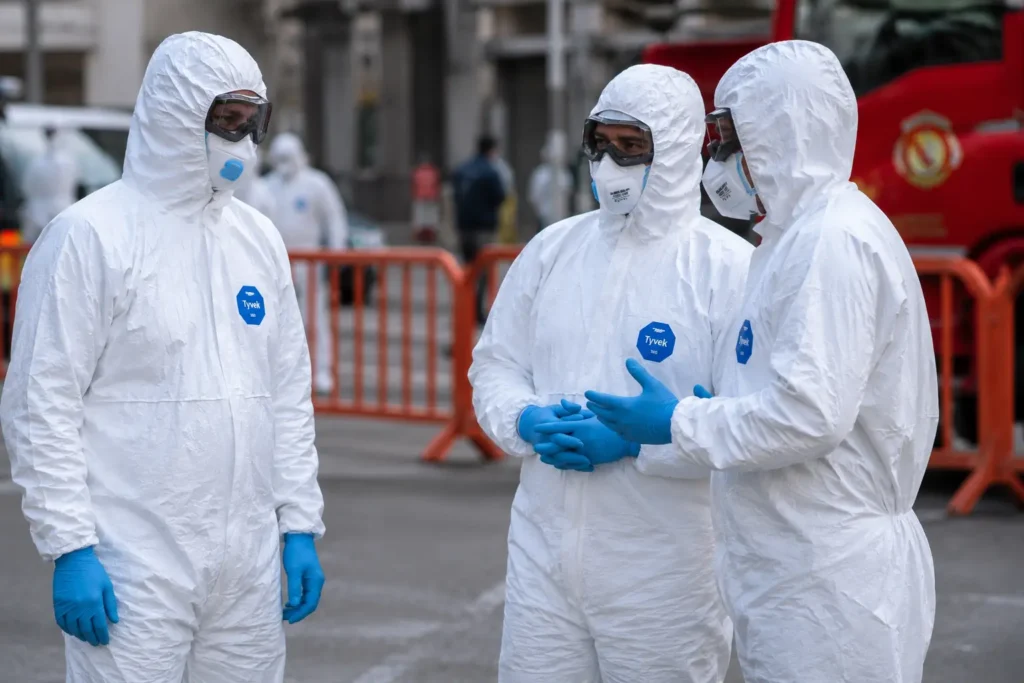
The Venezuelan Red Cross said the most urgently needed items are “emergency shelters for families whose homes were damaged or destroyed, and urgent medical care, including trauma care and psychosocial support,” as well as safe water, sanitation, and essential household items. Some schools and other public buildings have been set up as collection centres for emergency supplies.
Security forces in the worst-affected areas have requested donations of face masks and drinking water from the public.
According to UN OCHA emergency relief coordination and international response tracking, the damage to Simón Bolívar International Airport is likely to complicate the delivery of aid and rescue personnel.
Economic Impact
The disaster comes at a dire time for Venezuela, which is deep in a political and financial crisis. The country sits on the world’s largest proven oil reserves, but its economy has been in freefall for years. The removal of President Nicolás Maduro in January by US action changed the leadership but did not resolve the underlying dysfunction.
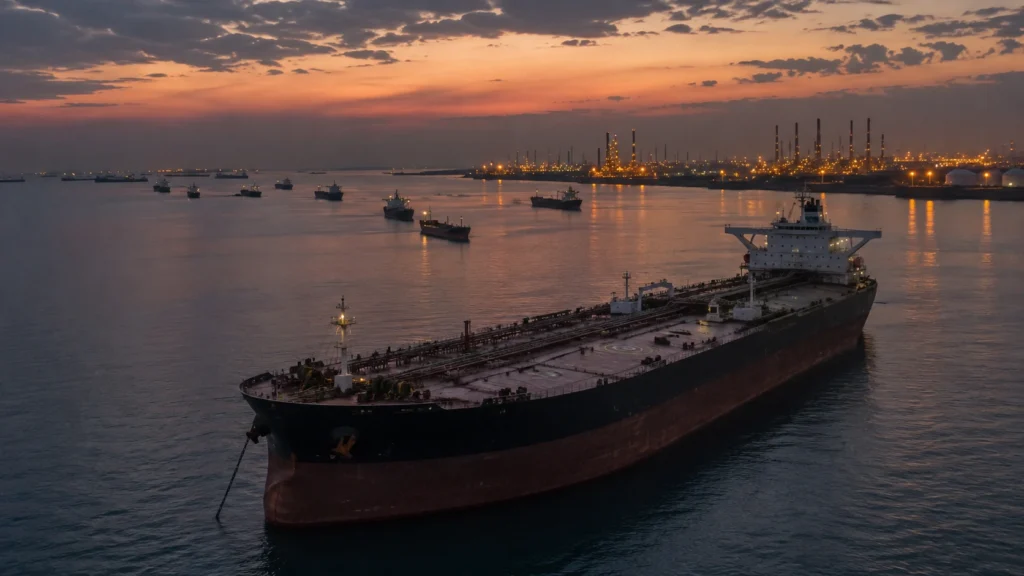
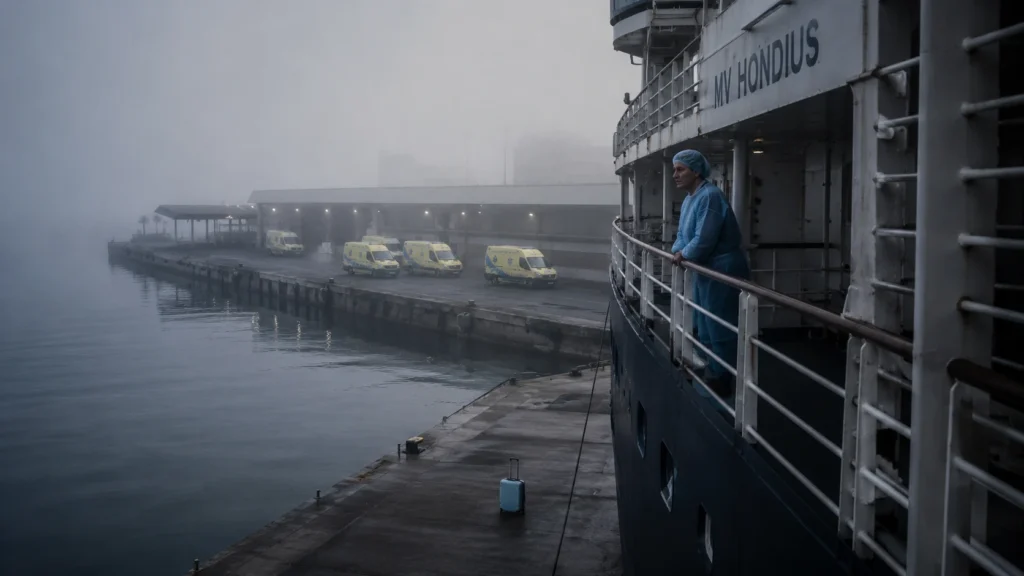
The damage to the port of La Guaira—one of the country’s largest seaports—and the airport serving Caracas will disrupt both trade and aid logistics. The twin blows damage the export infrastructure that earns foreign currency and the import infrastructure that receives emergency supplies.
Chevron confirmed its employees in Venezuela were accounted for. Shell, which has been exploring a return to Venezuela after Maduro’s removal, said its handful of local staff were safe. A Shell spokesperson told CNN the company received a license two weeks ago to explore offshore natural gas fields, but the projects are not yet finalised. The earthquakes may delay investment decisions.
As our analysis of Venezuela’s energy sector and international oil company engagement has tracked, the country’s energy potential remains vast, but the timeline for realising it has been repeatedly extended by political instability and now by physical destruction.
FAQ
How strong were the Venezuela earthquakes?
A 7.2 magnitude foreshock struck first, followed 39 seconds later by a 7.5 magnitude earthquake—the most powerful recorded in Venezuela in more than a century.
How many people have died?
Acting President Delcy Rodríguez confirmed at least 164 dead and 971 injured as of Thursday morning. At least 25 deaths occurred in Caracas. The toll is expected to rise as rescue operations continue.
Which areas were worst affected?
The coastal state of La Guaira has been declared a disaster zone with dozens of buildings collapsed. Damage has also been reported in Caracas, including the Chacao area. The Simón Bolívar International Airport is “badly damaged,” according to US Secretary of State Marco Rubio.
What international help is being sent?
The United States has sent rescue teams and resources. Mexico has deployed military search-and-rescue personnel and health workers. The UN has promised a “full and urgent response.” The Venezuelan Red Cross is coordinating emergency supplies.
Are communications working in the affected areas?
Communications and internet in La Guaira are “completely severed,” according to reporters on the ground. Families abroad have been using social media to try to locate loved ones.