

 English





















































































































































































































































































































Trump Threatens 100% Tariff on European Countries Over Tech Tax
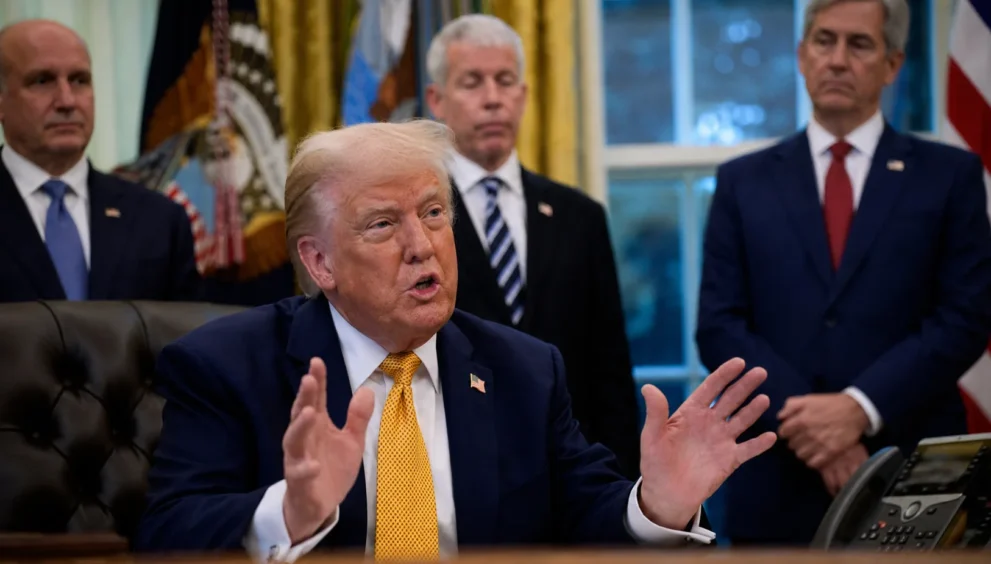
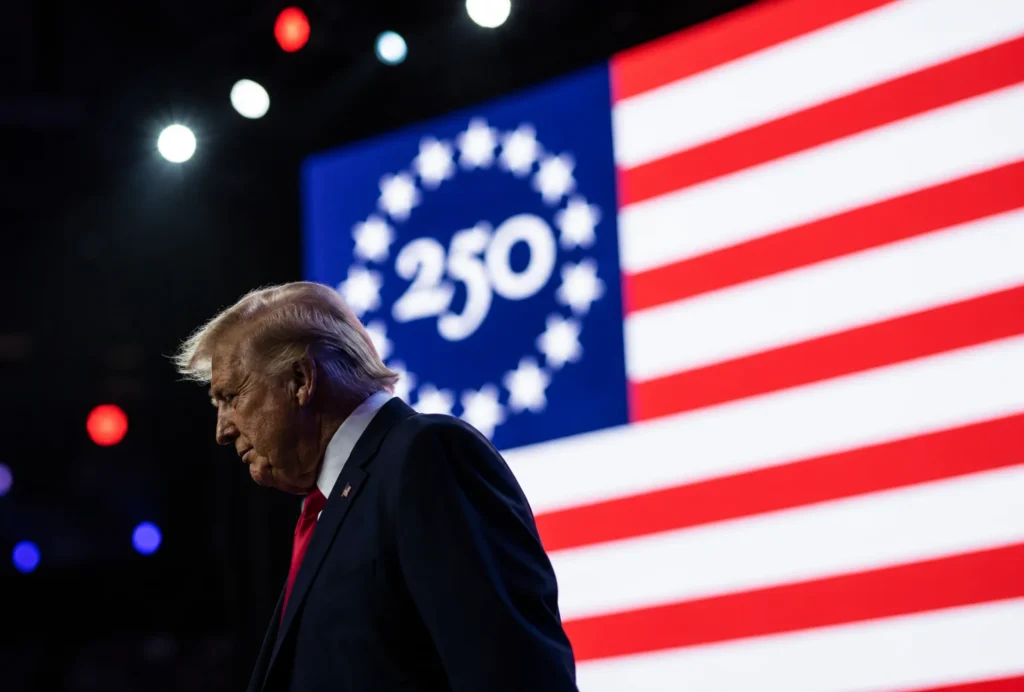
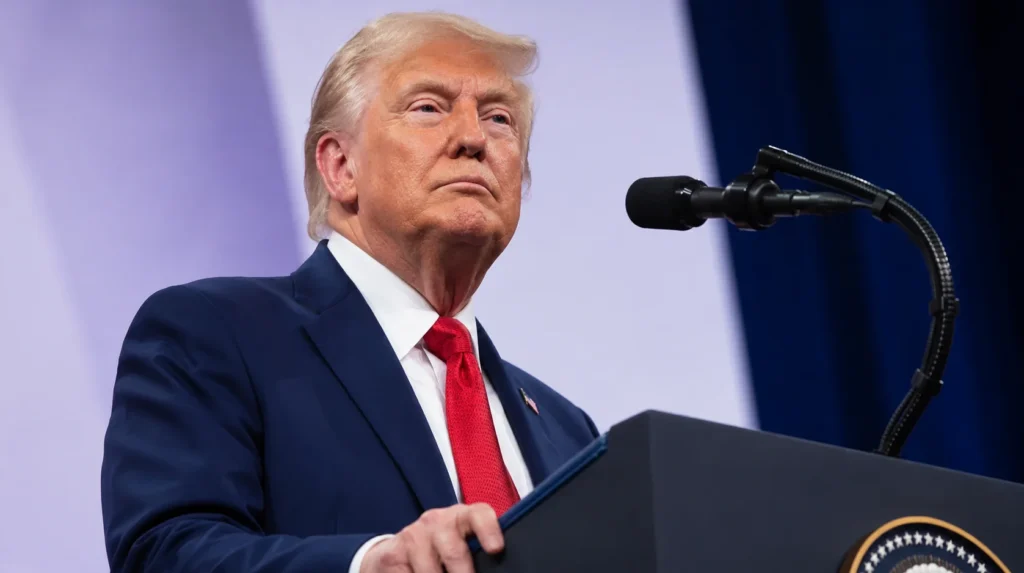
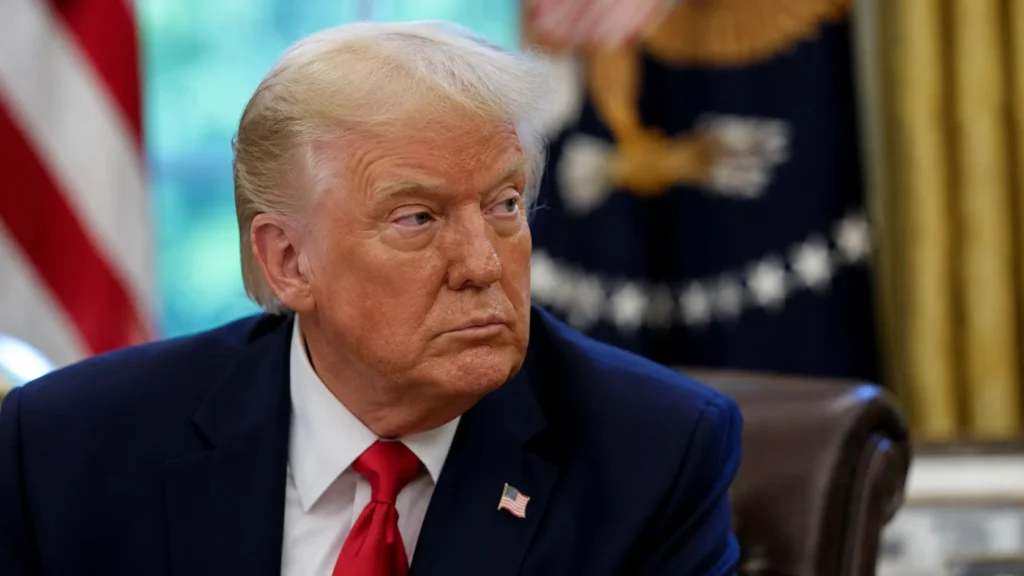
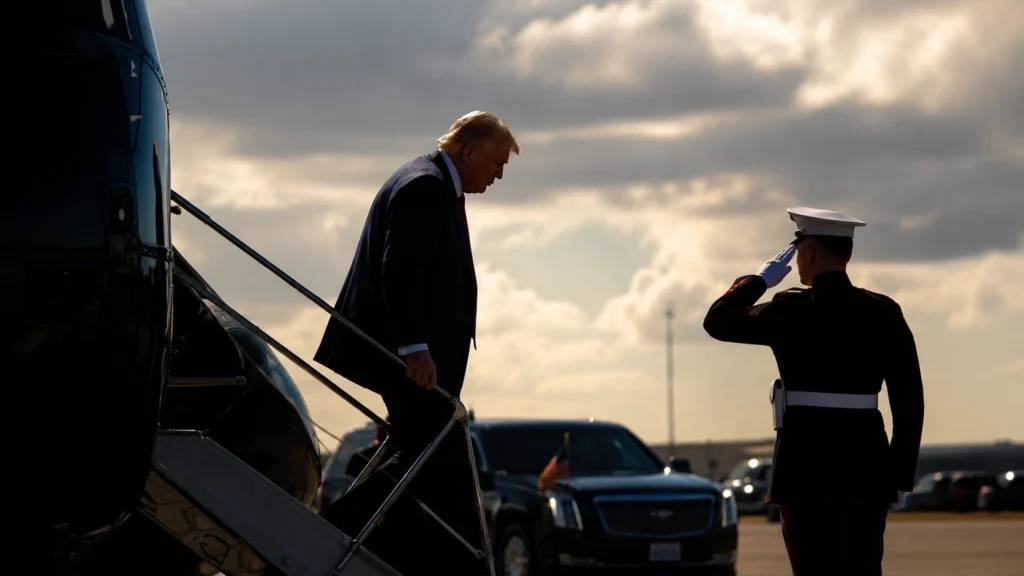
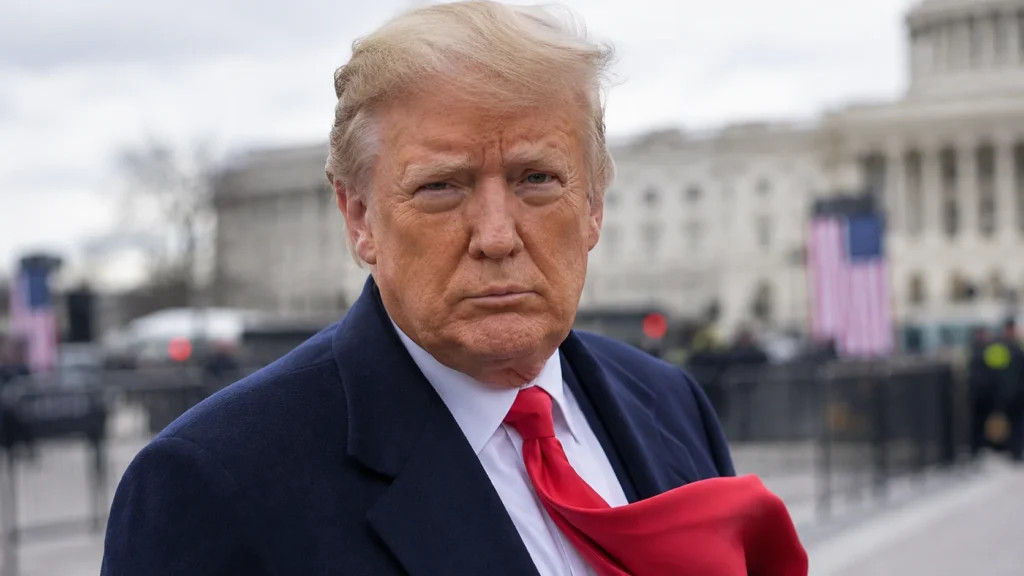
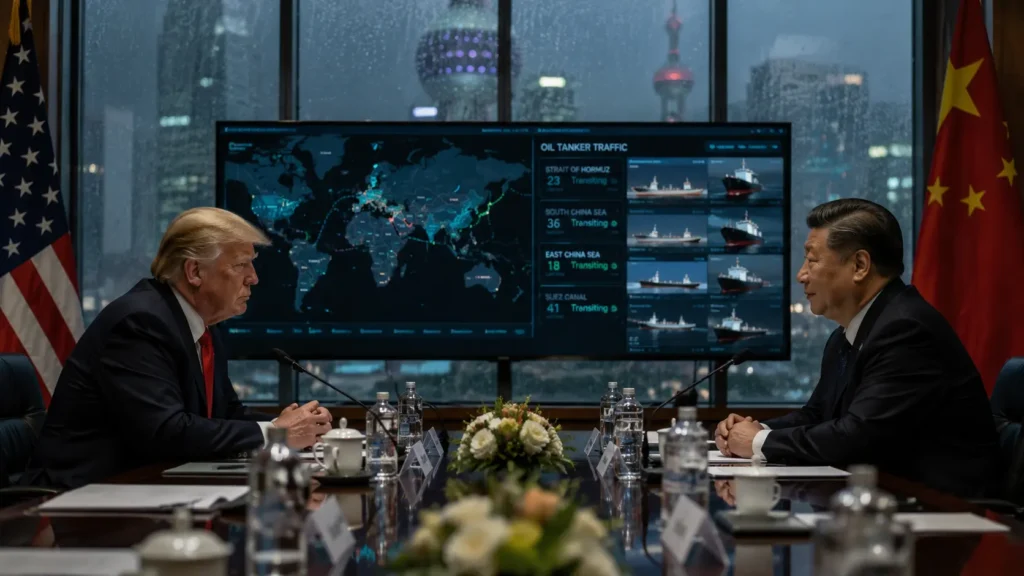
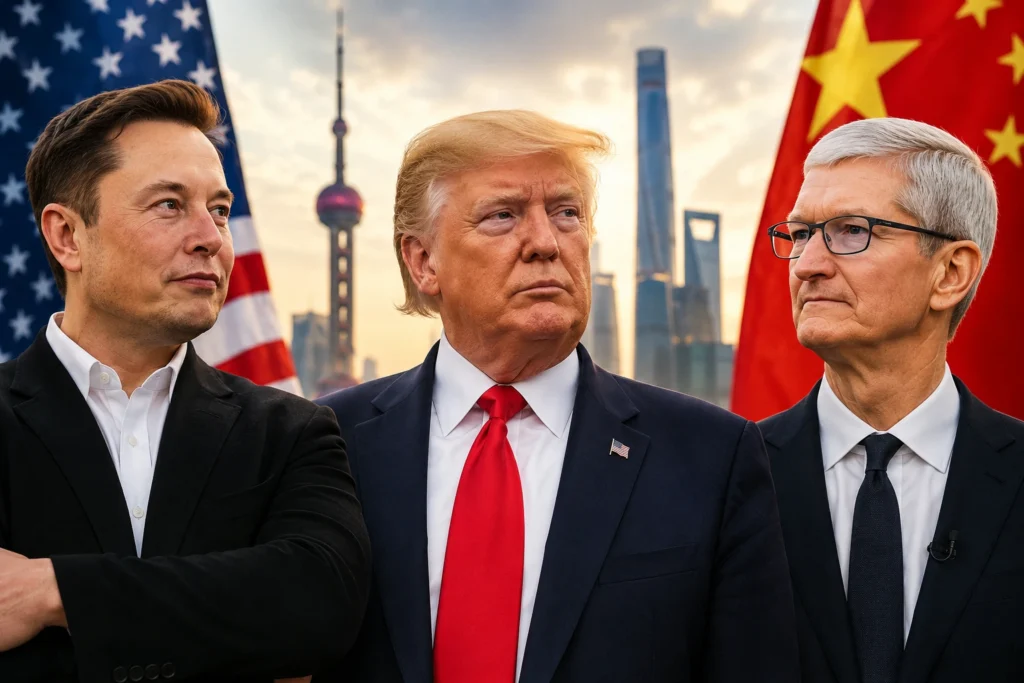
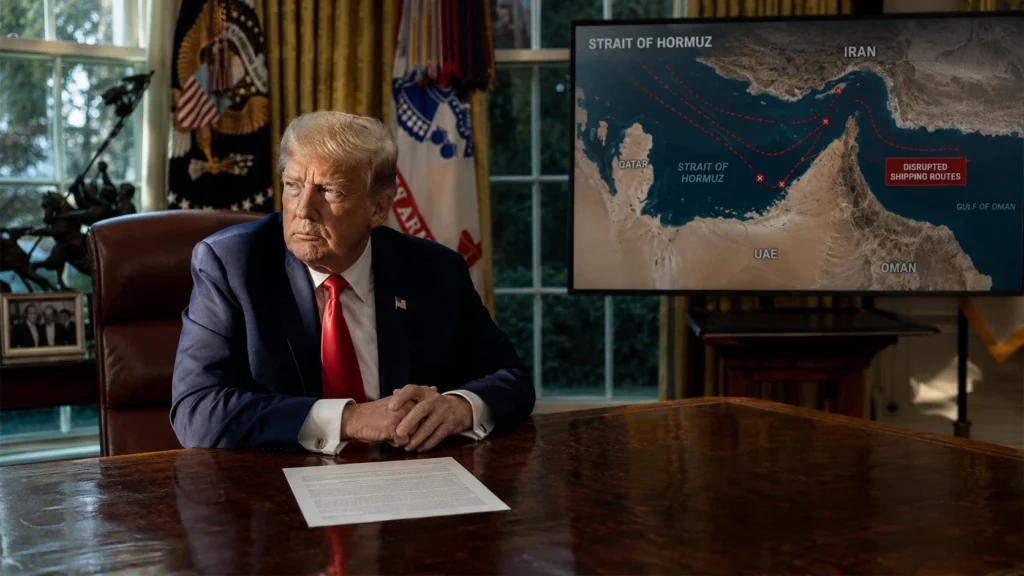
President Donald Trump has threatened to impose a 100% import tariff on any European country that introduces a digital services tax on American technology companies, vowing immediate retaliation that would override existing bilateral trade agreements. Writing on his Truth Social platform, Trump said “numerous European countries” were close to implementing such levies. The UK has had a 2% digital services tax in place since 2020, which raised more than £800 million last year from firms including Apple, Google, Meta, and Amazon. France, Italy, and Spain each impose a 3% levy on large technology companies operating in their markets. The threat comes days after the US and EU finalised a new trade deal.
The Department for Business and Trade and the Treasury have been contacted for comment. The EU has not yet issued a formal response. The president’s post did not name specific countries or specify whether existing taxes would trigger the tariff or only new ones.
What Trump Said
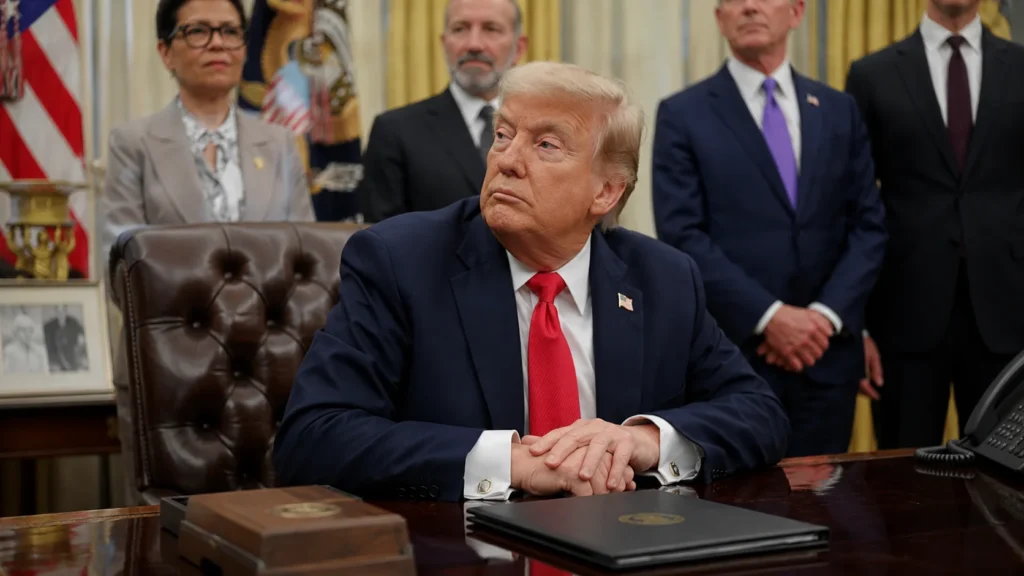
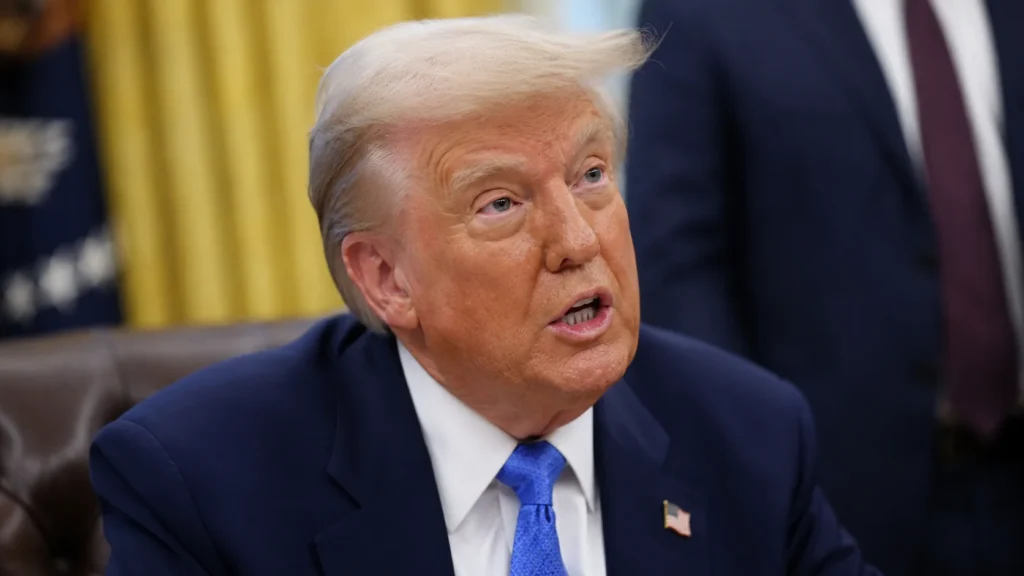
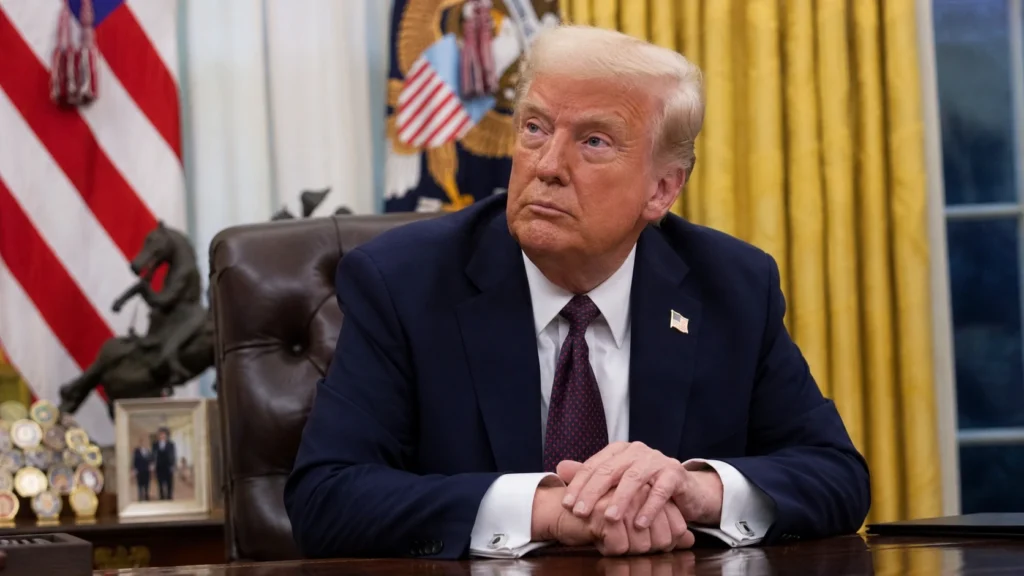
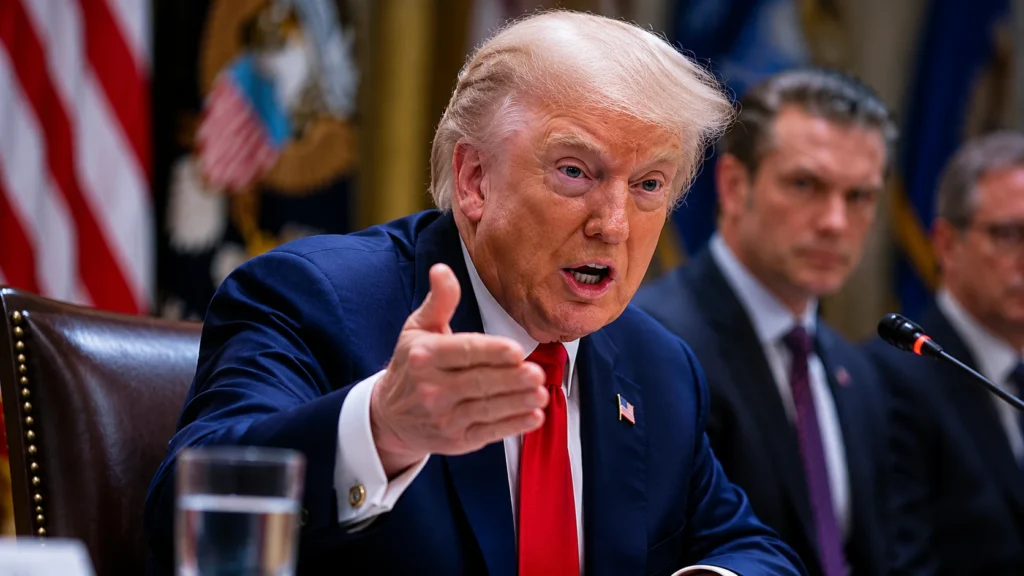
“Please let this statement serve to represent that any Country that imposes such a Tax will immediately be met with a 100% TARIFF on any and all Goods sent to the United States of America,” Trump wrote. He said the punitive penalties would “supersede” any existing bilateral trade agreements.
The post targets nations planning the “imminent implementation” of new levies, though the precise implications for countries with existing digital services taxes—including the UK—were not immediately clear. Trump singled out the UK in April, saying it faced “a big tariff” for purportedly targeting major US companies with a tax. “They think they’re going to make an easy buck, that’s why they’ve all taken advantage of our country,” Trump said at the time.
According to Trump’s Truth Social statement on digital services taxes and tariff retaliation, the threat covers “any and all Goods” from affected countries, making the scope of potential retaliation total rather than targeted.
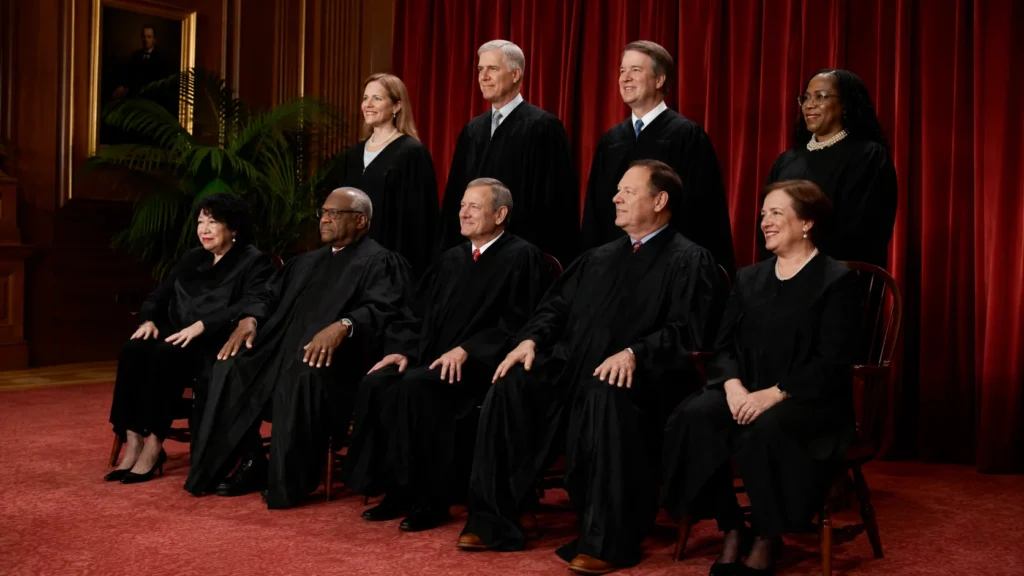
As our coverage of Trump administration trade policy and tariff actions has tracked, the president has attempted to impose large tariffs on multiple countries since returning to office in 2025. The US Supreme Court struck down his earlier attempt to impose a global 10% tariff in February.
The UK’s Digital Services Tax
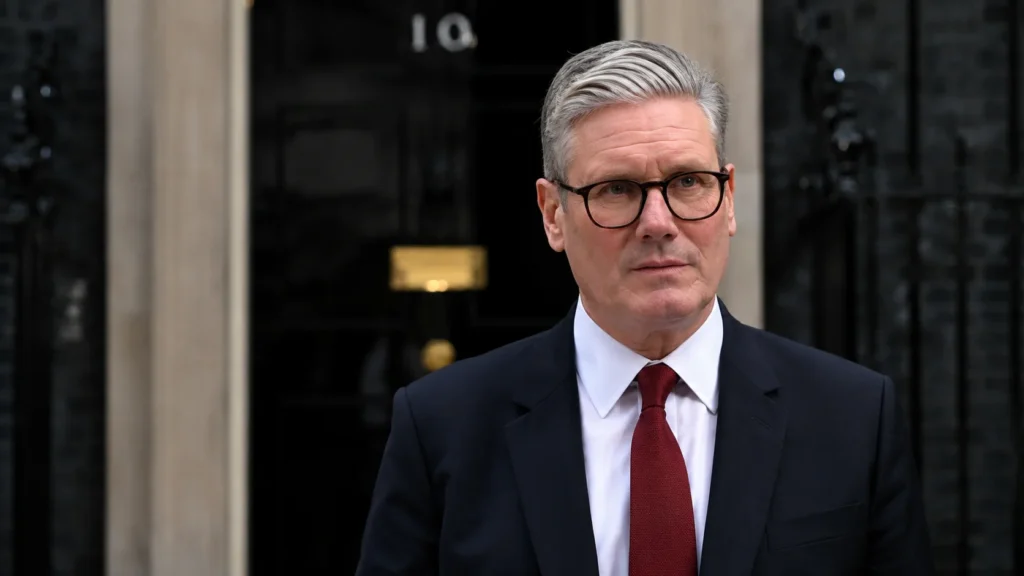
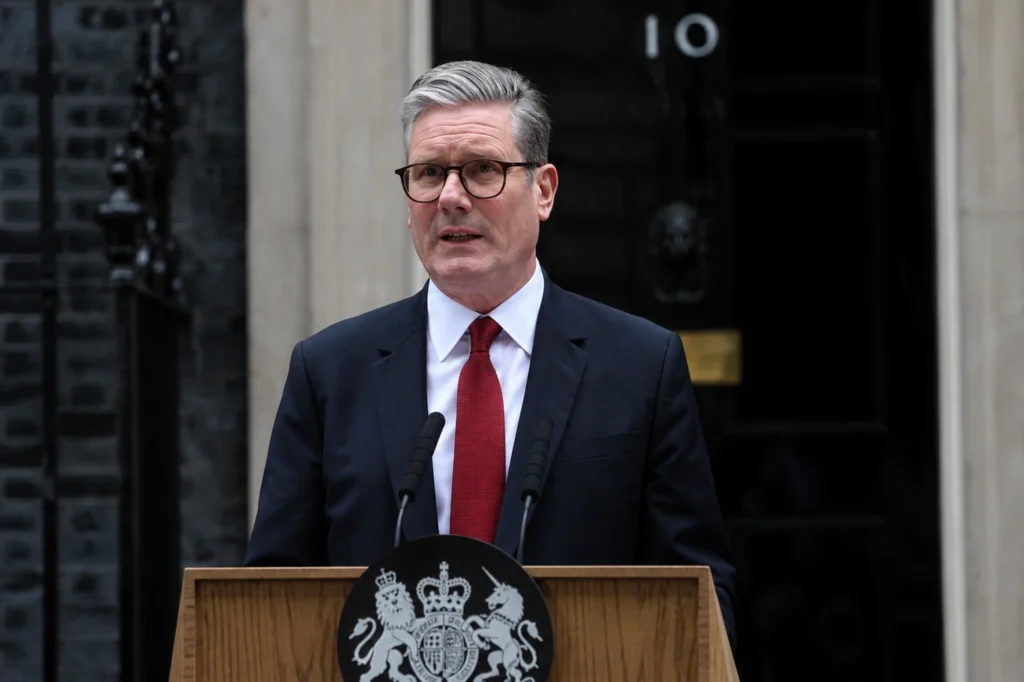
Britain’s 2% Digital Services Tax has been in force since 2020. It applies to major search engines, social media platforms, and online marketplaces with global revenues from their digital businesses exceeding £500 million and total UK revenues surpassing £25 million.
The tax raised £678 million in 2023–24 and more than £800 million in 2024–25, according to Treasury figures. The revenue trajectory is upward as the digital economy continues to grow. Amazon raised fees on sellers earlier this year, explicitly citing digital services taxes as a factor.
The tax was designed to address a structural problem in the global tax system: technology platforms can generate significant revenue from users in one country while booking profits in another jurisdiction with lower corporate tax rates. The DST taxes revenue where the user is located, not where the company is headquartered.
According to UK Treasury digital services tax revenue data and legislative framework, the tax was intended as a temporary measure pending a global agreement on digital taxation through the OECD. That multilateral agreement has not materialised.
European Digital Taxes
France, Italy, and Spain each impose a 3% digital services tax on large companies operating in their countries. Several other EU nations have implemented or proposed similar taxes, according to the Tax Foundation, a nonprofit group focused on tax policy.
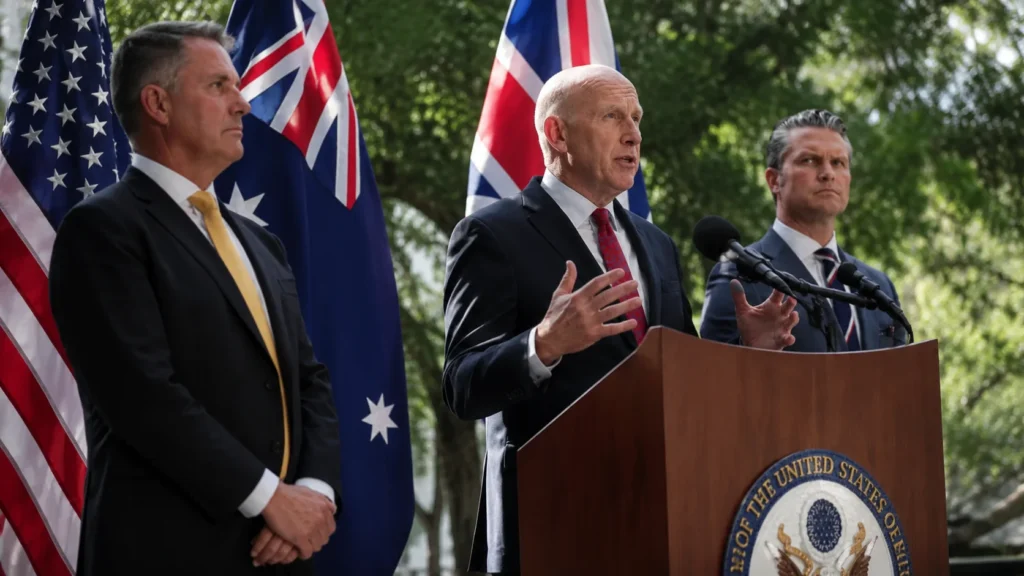
The US and EU finalised a new trade deal days before Trump’s post. Michael Damianos, energy, commerce, and industry minister of Cyprus, said at the time that “the EU can respond swiftly and proportionately when the deal is not respected, or its interests are at stake.”
Trump’s threat to override bilateral trade agreements with tariff retaliation directly challenges that assertion. The EU has not yet responded formally to the Truth Social post.
As our analysis of US-EU trade relations and digital taxation disputes documented, the conflict over digital services taxes has been building for years. The OECD process to develop a multilateral solution has been stalled, leaving unilateral national taxes in place as the default framework.
What Happens Next
The immediate question is whether Trump’s threat applies to existing digital services taxes or only to new ones. The UK, France, Italy, and Spain have had their levies in place for years. If they are targeted, the economic consequences would be severe. A 100% tariff on all goods exported to the United States would effectively close the American market to affected countries’ exporters.
The UK Treasury and Department for Business and Trade have not commented. The silence is strategic. A 100% tariff would be devastating for British exporters. The UK must decide whether to maintain, revise, or abandon its digital services tax in the face of the threat.
The legal basis for the tariff is also uncertain. The Supreme Court struck down Trump’s earlier global tariff in February. A targeted tariff on countries with digital services taxes may be on firmer legal ground if framed as a response to discriminatory taxation of US companies. The administration appears to have refined its approach since the earlier judicial defeat.
The most likely immediate path is negotiation. The threat is so economically extreme—for both sides—that it functions better as leverage than as policy. The EU will seek to protect its member states’ existing taxes while freezing new ones. The UK will seek a bilateral understanding. The US will seek to prevent the expansion of digital services taxes globally.