

 English














































































































































































































































































































Supreme Court Rules Trump Can Fire Independent Agency Heads
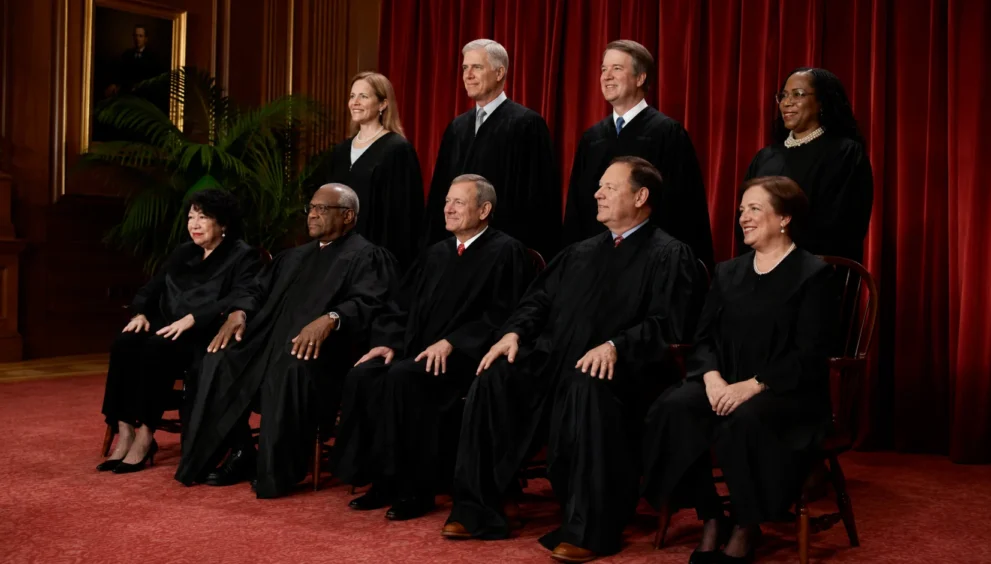
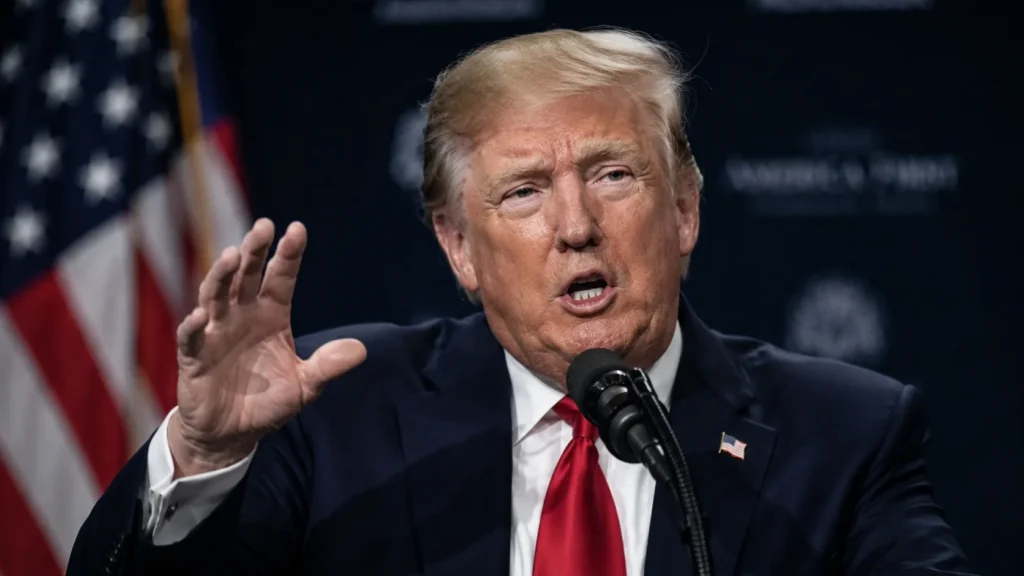
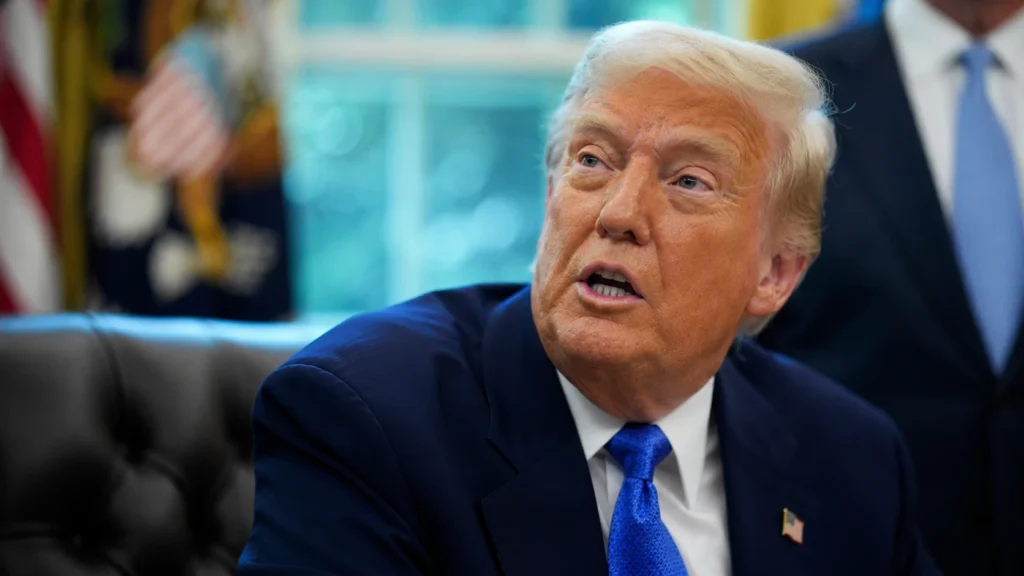
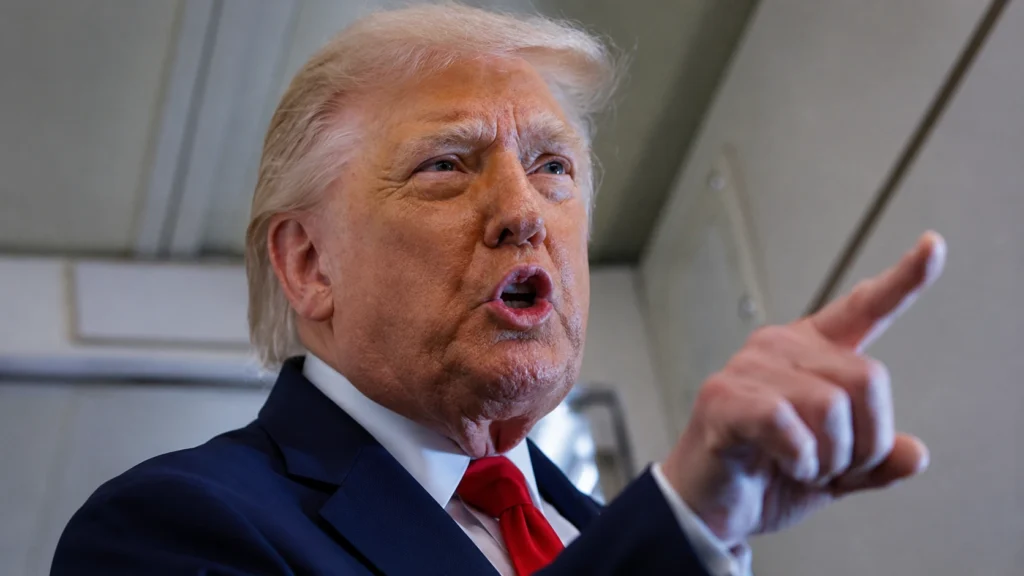
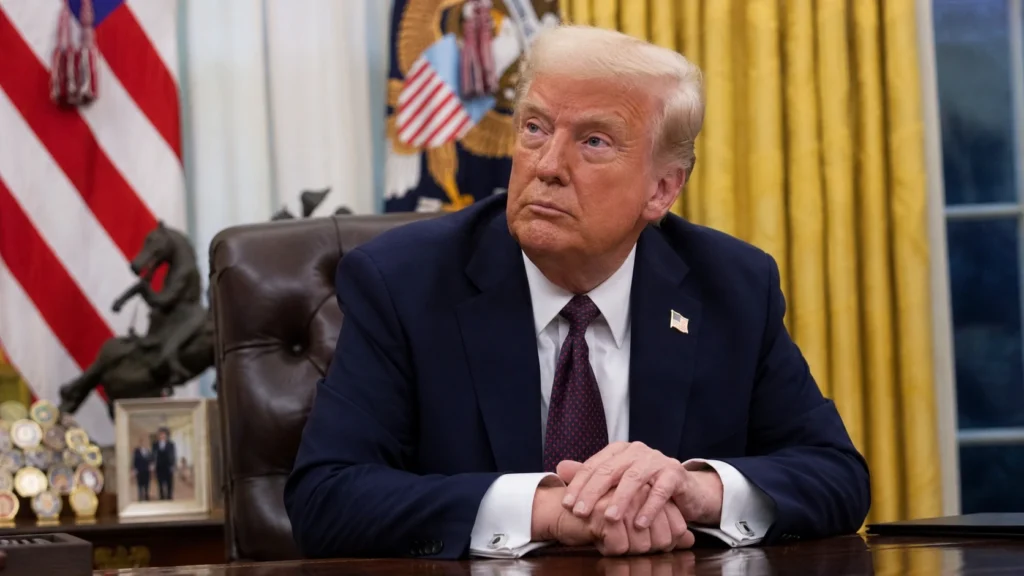
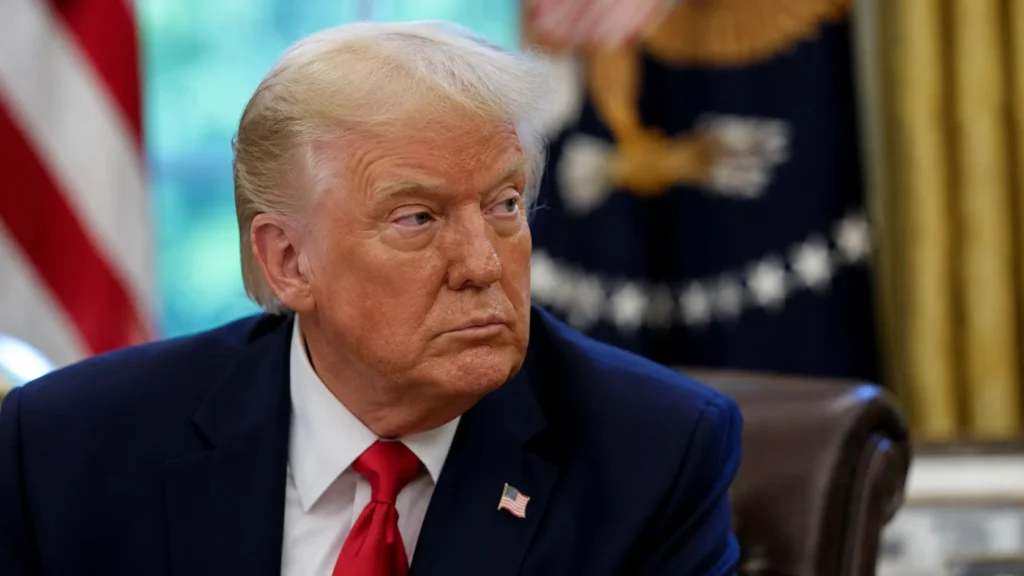
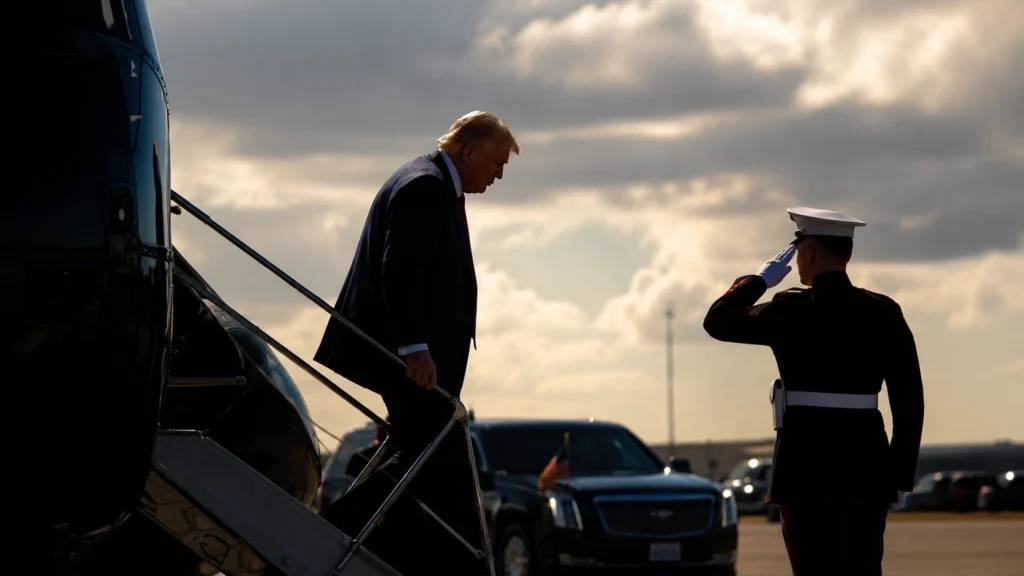
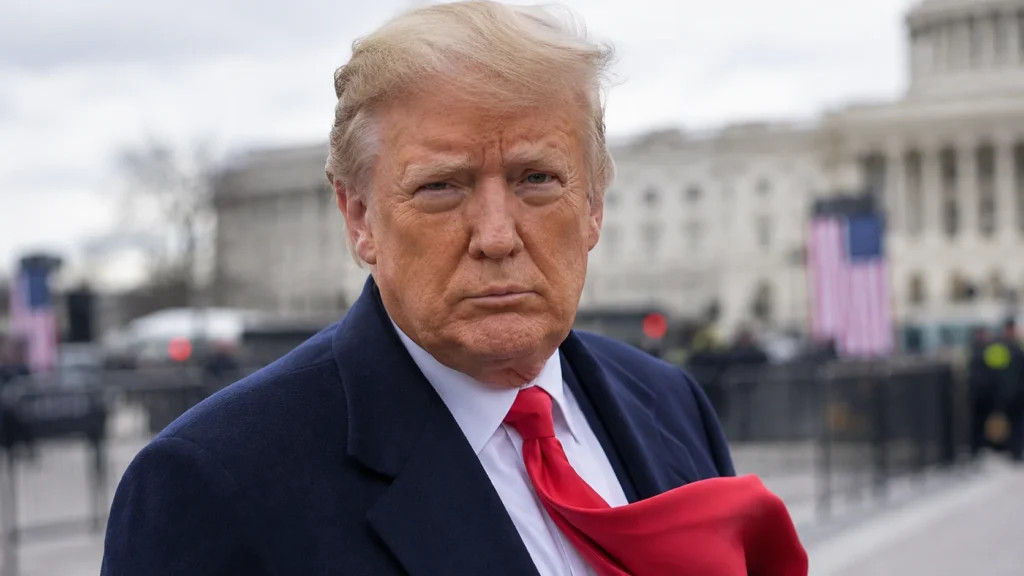
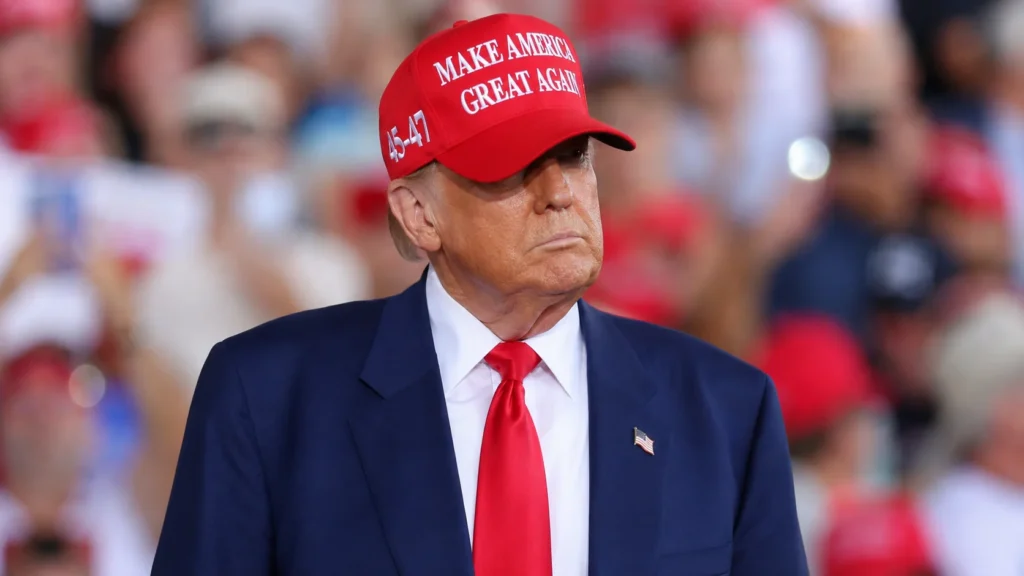
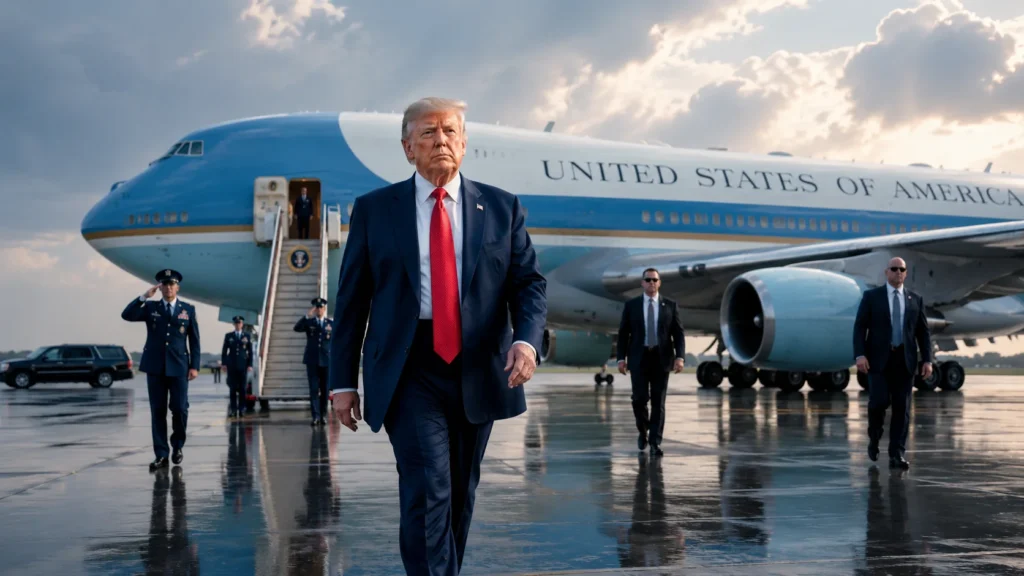
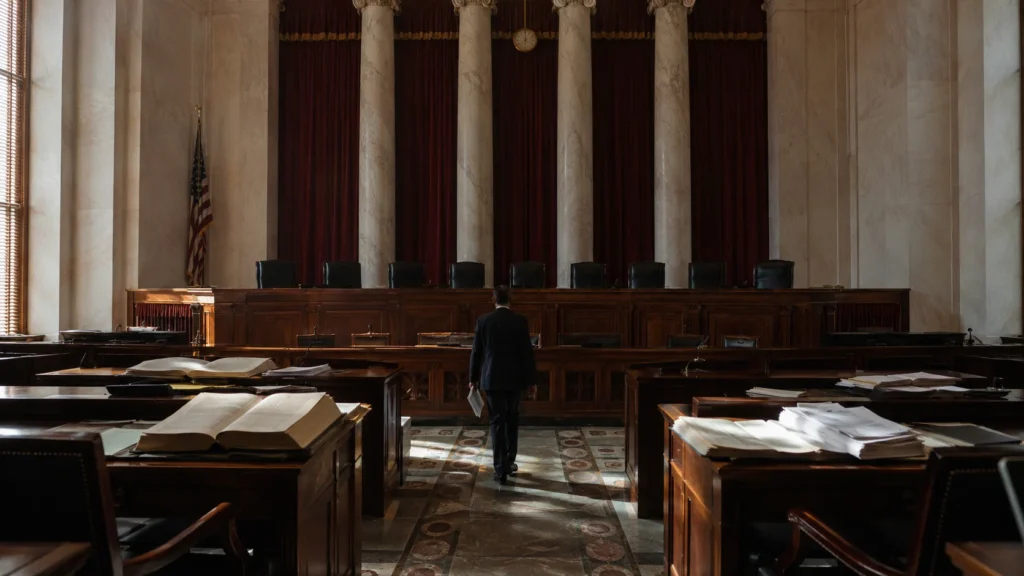
WASHINGTON — The Supreme Court has overturned a 1935 precedent that protected the heads of independent federal agencies from being dismissed by the president, handing Donald Trump a landmark victory that he called “The Greatest Increase in Presidential Power in the last 100 years.” Monday’s ruling means the president can fire commissioners at the Federal Trade Commission, the Nuclear Regulatory Commission, the National Labor Relations Board, and other agencies Congress designed to operate independently of the White House. The decision is the latest in a series of rulings expanding presidential authority, following the Court’s 2024 decision granting former presidents broad immunity from prosecution for official acts.
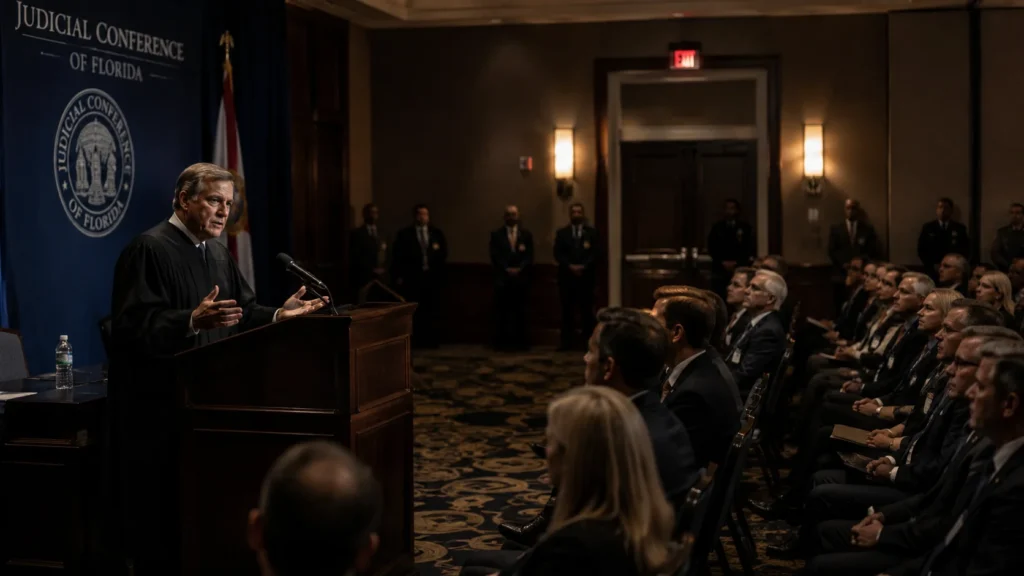
Chief Justice John Roberts and the conservative majority ruled that the Constitution vests executive power in the president alone, and that Congress cannot restrict the president’s ability to remove officials who exercise that power. The decision reverses a legal framework that had governed independent agencies for nine decades.
What the Court Ruled
The case arose from Trump’s firing of a Federal Trade Commissioner. The president argued he had the authority to dismiss agency heads at will. The Court agreed. The 6-3 decision split along ideological lines.
The ruling overturns a precedent established in 1935, when the Supreme Court upheld Congress’s power to create independent agencies whose leaders could only be removed for cause—such as misconduct or neglect of duty—rather than at the president’s discretion. That protection was designed to insulate agencies from political pressure and ensure they could regulate industry without fear of presidential retaliation.
Writing for the majority, the Court held that the Constitution vests the president with sole authority over the executive branch and that independent agencies exercising executive power must be subject to presidential control. The decision extends the unitary executive theory—the idea that all executive authority flows from the president—which has been advanced by conservative legal thinkers for decades.
According to Supreme Court ruling on presidential removal power and the 1935 precedent reversal, the decision affects multiple agencies, including the FTC, the Securities and Exchange Commission, the National Labor Relations Board, and the Nuclear Regulatory Commission.
Rebecca Kelly Slaughter, the former FTC commissioner fired by Trump who brought the unsuccessful case, told CNN: “The FTC is the agency Congress set up to be bipartisan, multimember and independent in order for it to be able to check the most powerful corporations in the country and keep them from getting ahead by cheating and lying to the American people.”
As our analysis of the Roberts Court and the expansion of presidential authority has documented, the ruling is the most significant structural expansion of executive power since the Court’s 2024 immunity decision, which held that former presidents enjoy broad protection from criminal prosecution for official acts.
The Agencies Affected
The immediate impact extends to any agency whose leaders were previously protected from at-will dismissal. The FTC, created in 1914 to check the power of industrial monopolies, was explicitly designed to be independent. Nevada Senator Francis Newlands, one of the architects of the law, said at the time it was “essential that it should not be open to the suspicion of any partisan direction.”
The NLRB, which oversees labour relations and union elections, now falls under direct presidential control. The Nuclear Regulatory Commission, which oversees civilian nuclear safety, does too. The SEC, which regulates financial markets, is similarly affected.
The Federal Reserve, which sets monetary policy, operates under a similar structural logic but was not directly addressed by Monday’s ruling. Whether the Court will extend the unitary executive doctrine to the central bank is a question that financial markets are now asking.
According to statements from former FTC commissioners and regulatory experts on the implications for independent agencies, the ruling dismantles a century-old protection that was designed to ensure regulatory decisions were made on the basis of evidence and law rather than political loyalty.
The Broader Context
The FTC ruling is not an isolated decision. It is part of a multi-decade legal project to expand presidential authority that has accelerated under the Roberts Court. The 2024 immunity ruling protected presidents from prosecution for official acts. The FTC ruling gives presidents direct control over the agencies that regulate corporate behaviour. Together, they create a presidency with fewer legal constraints and greater operational control than at any point in modern American history.
The Court has not uniformly supported Trump. In February, it struck down his use of emergency powers to impose tariffs, ruling that Congress had not authorised the action. On Monday, Roberts and Justice Amy Coney Barrett joined the Court’s three liberals to reject a Republican challenge to a Mississippi law allowing ballots received after Election Day to be counted.
But the direction of travel on executive power is unmistakable. The conservative majority has embraced a vision of the presidency that concentrates authority in the White House at the expense of Congress and independent institutions.
As our coverage of congressional gridlock and the shift of power to the executive and judicial branches has tracked, the Court’s expanding role is partly a function of Congress’s failure to legislate. The Court rules on immigration because Congress cannot pass immigration reform. It rules on the scope of executive power because Congress will not define it. The vacuum invites the Court to act.
What Happens Next
The president can now install political appointees at the head of agencies that were designed to be independent. The immediate effect is that regulatory decisions on consumer protection, labour rights, nuclear safety, and financial markets will be subject to direct political control.
The ruling also has implications beyond the United States. The independence of American regulatory agencies has been a model for other countries and a foundation of the global regulatory system. European companies facing US antitrust enforcement, global financial markets relying on SEC oversight, and international nuclear safety cooperation—all now operate in a context where the relevant American agencies are under direct presidential control.
The next Democratic president will inherit the same powers. The unitary executive doctrine is ideologically neutral in its application. It concentrates power in the presidency regardless of who occupies the office.
FAQ
What did the Supreme Court rule?
The Court overturned a 1935 precedent, ruling that the president can fire heads of independent federal agencies at will. The decision means agencies like the FTC, NLRB, and SEC are now under direct presidential control.
What is the unitary executive theory?
A legal doctrine holding that the Constitution vests all executive power in the president alone, and that Congress cannot limit the president’s control over executive branch officials. Conservative legal thinkers have advanced it for decades. The Court has now adopted it.
Which agencies are affected?
The FTC, the NLRB, the SEC, the Nuclear Regulatory Commission, and other agencies whose leaders were previously protected from at-will dismissal. The Federal Reserve was not directly addressed but operates under similar structural logic.
Does this ruling affect previous presidents?
Yes. The ruling establishes a permanent change to the structure of the executive branch. Future presidents, including Democratic ones, will have the same authority to fire agency heads.
Has the Court always ruled in Trump’s favour?
No. In February, the Court struck down Trump’s use of emergency powers to impose tariffs. On Monday, it also rejected a Republican challenge to Mississippi’s mail ballot law. But the overall direction on executive power has favoured the president.