

 English




























































































































































































































































Supreme Court Rejects Trump’s Birthright Citizenship Order 6-3
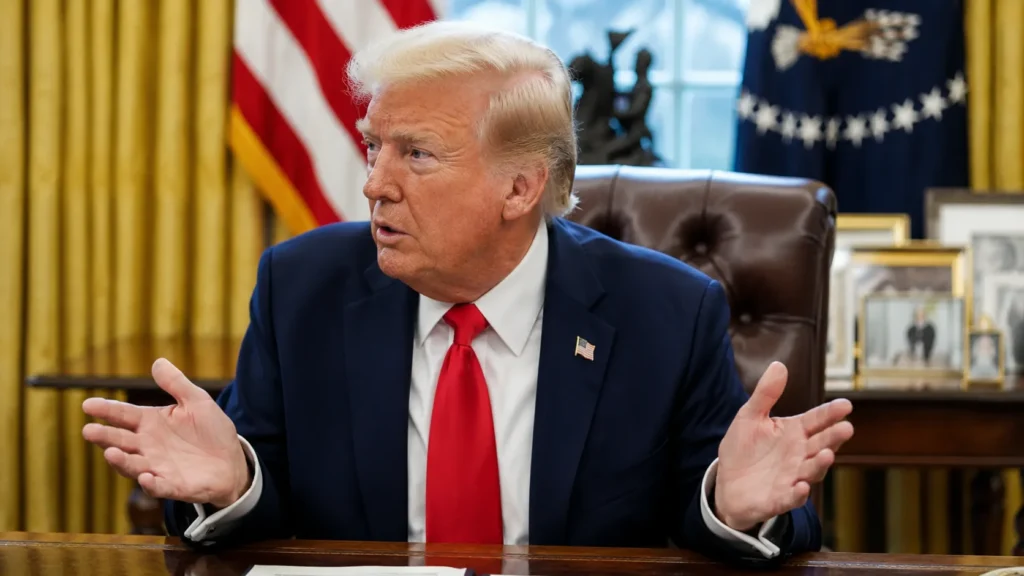
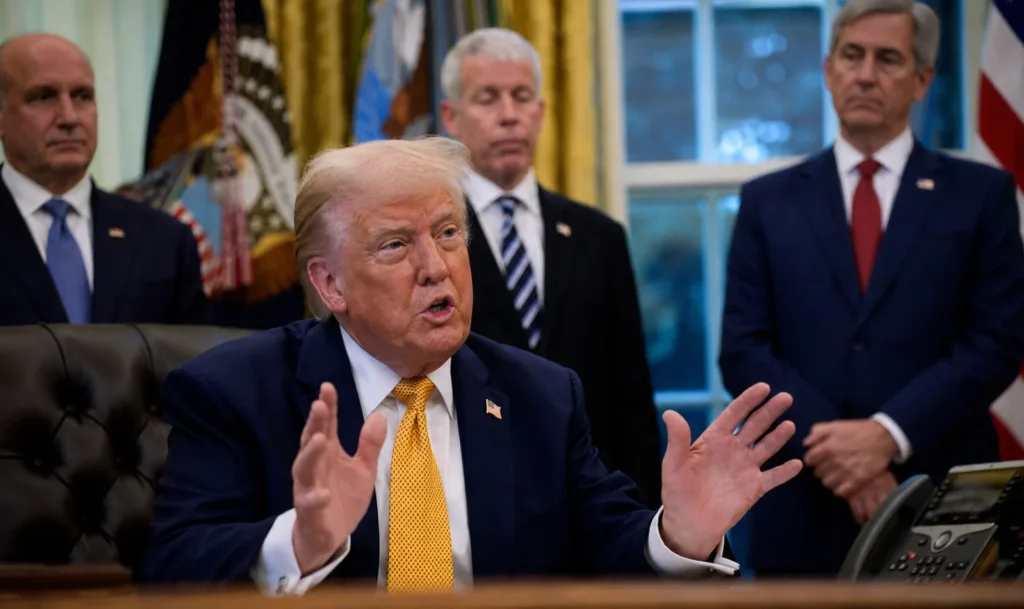
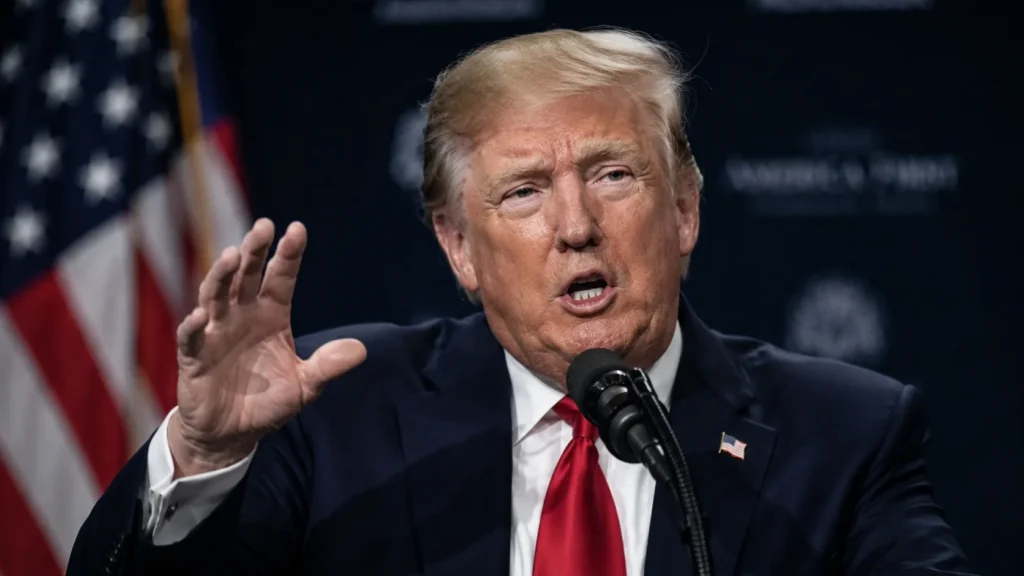
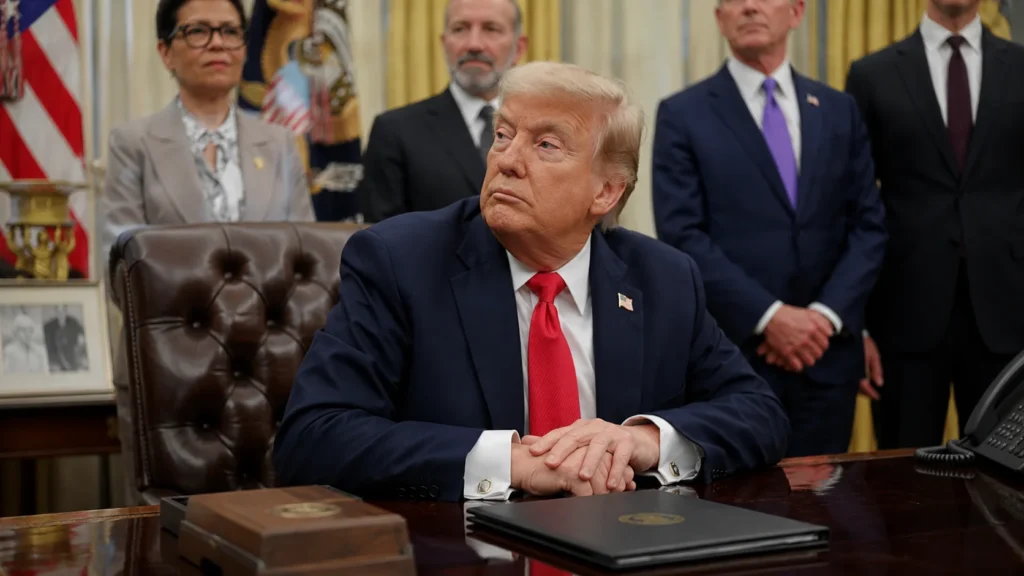
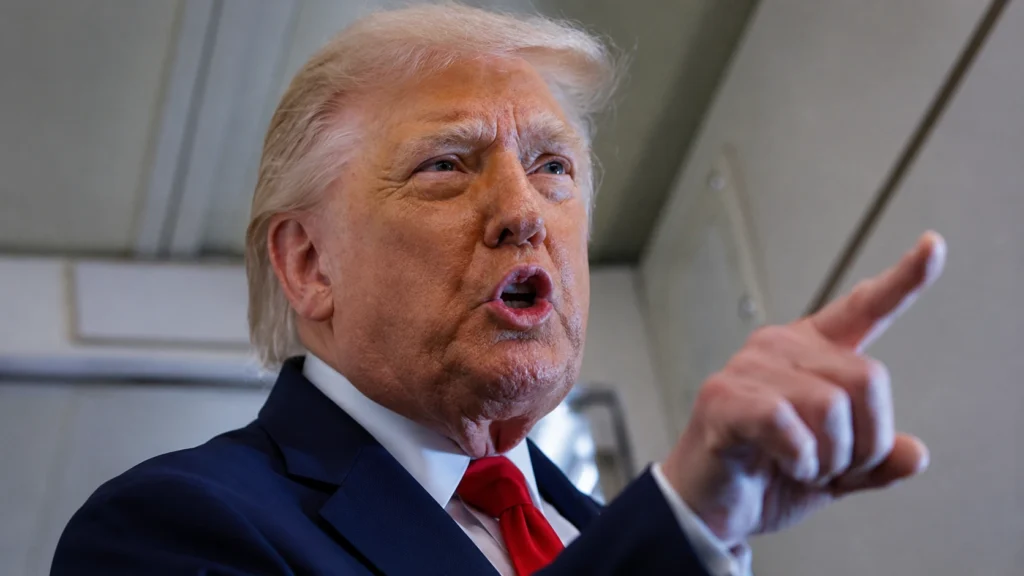
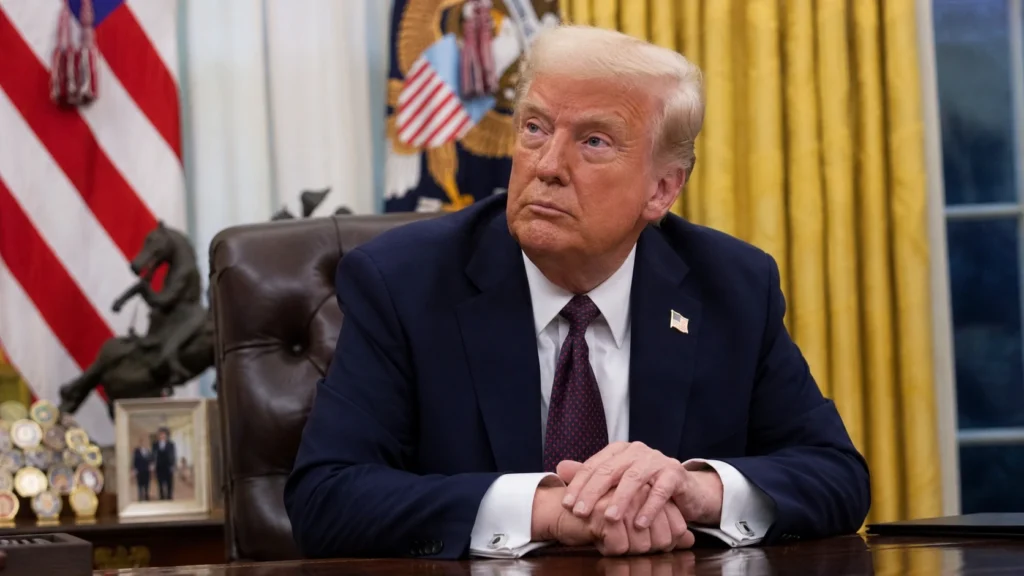
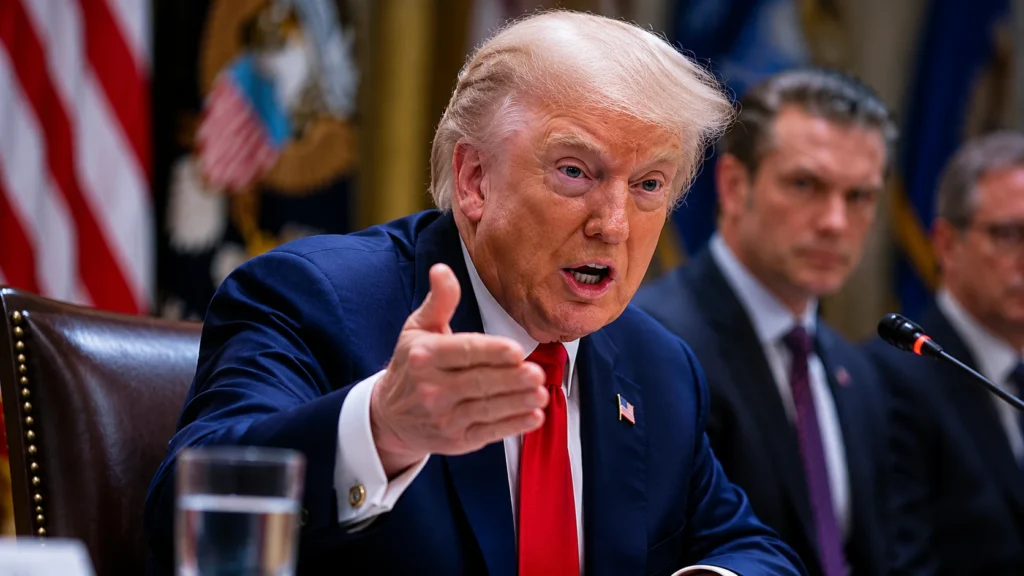
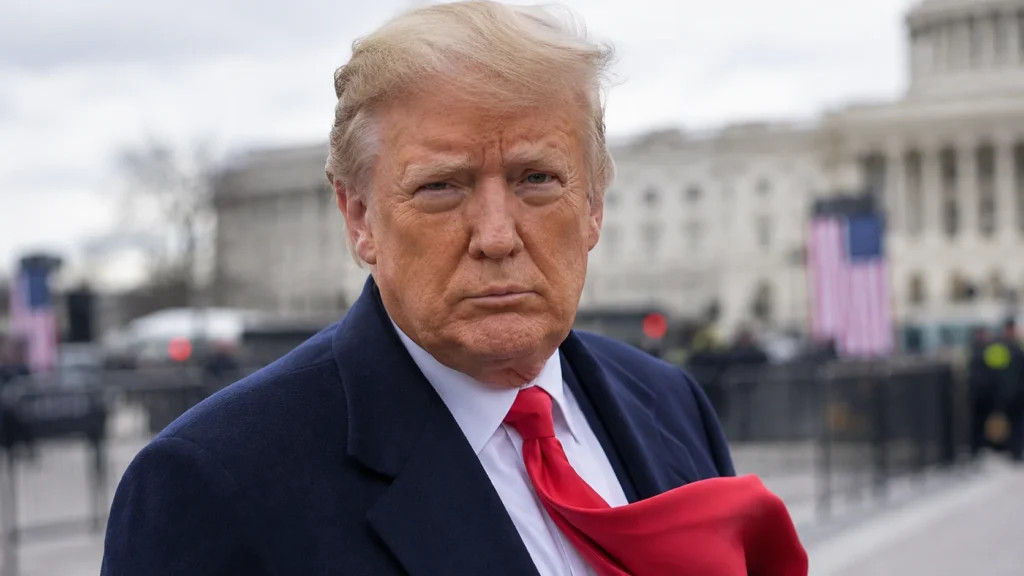
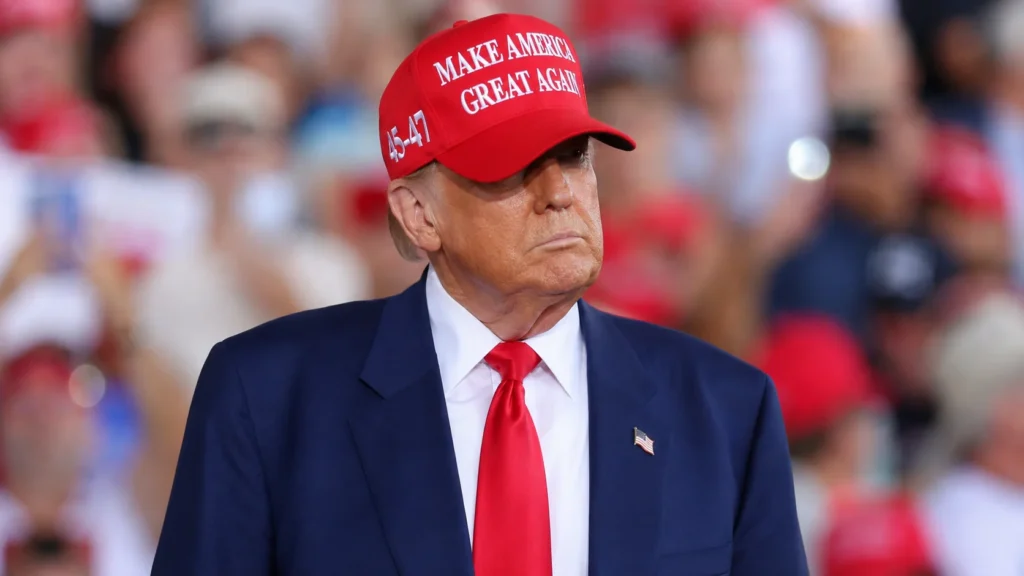
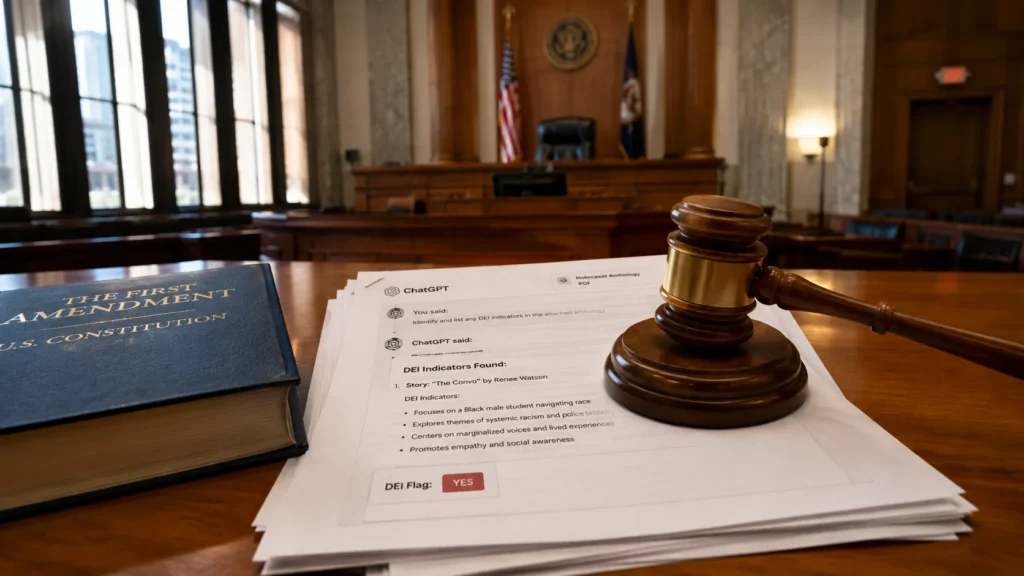
WASHINGTON — The US Supreme Court has rejected President Donald Trump’s attempt to end birthright citizenship by a 6-3 vote, ruling that the 14th Amendment guarantees citizenship to all children born on American soil regardless of their parents’ immigration status. Chief Justice John Roberts wrote the majority opinion in Trump v. Barbara, grounding the decision in “English common law, America’s origins and the Fourteenth Amendment’s Reconstruction-era history.” The ruling struck down an executive order Trump signed on his first day back in office in January 2025. But Justice Brett Kavanaugh, while joining the majority to block the order, suggested in a separate opinion that Congress could achieve the same result through legislation—a roadmap Trump immediately pledged to pursue.
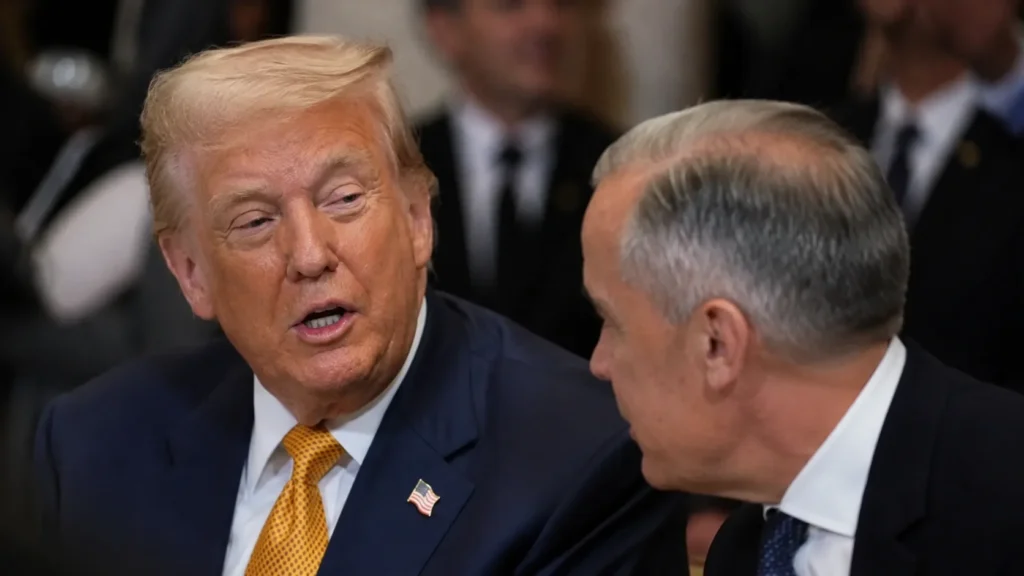
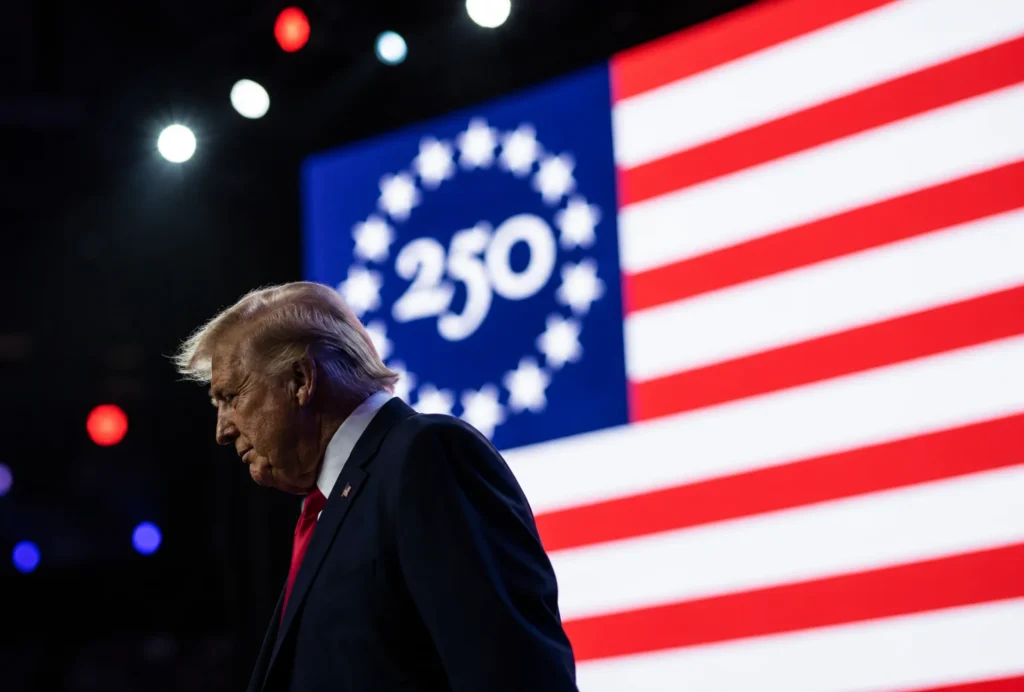
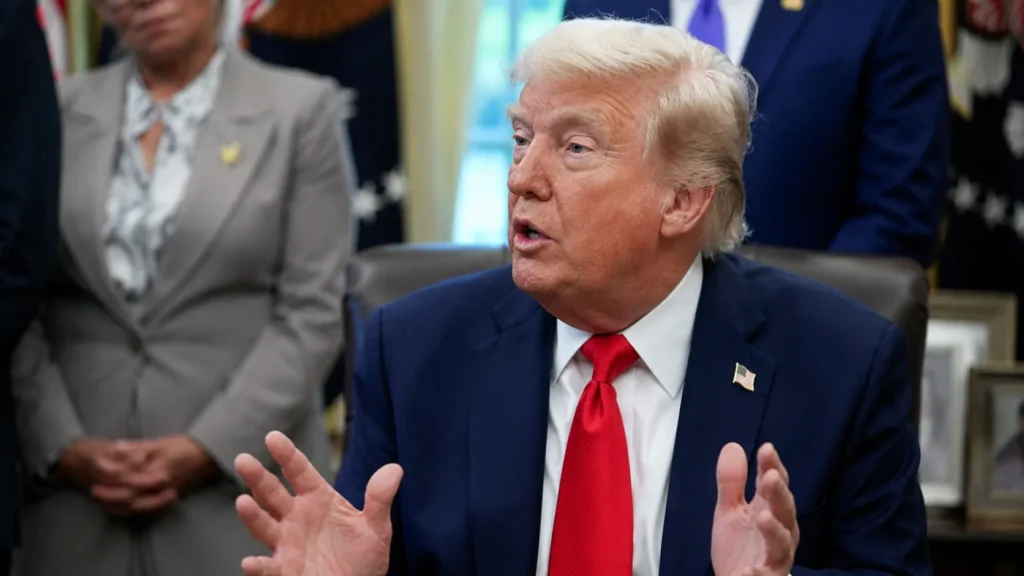
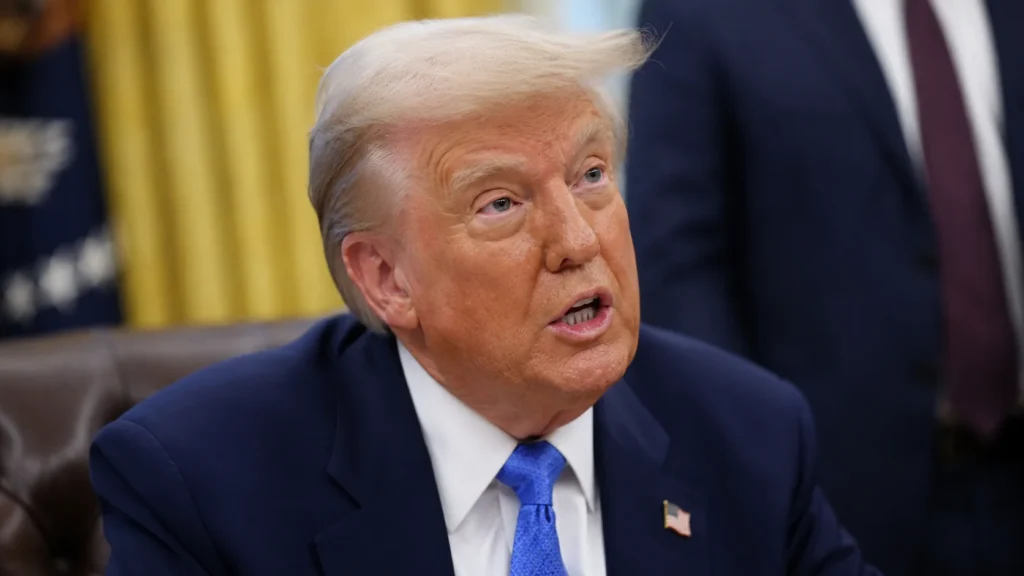
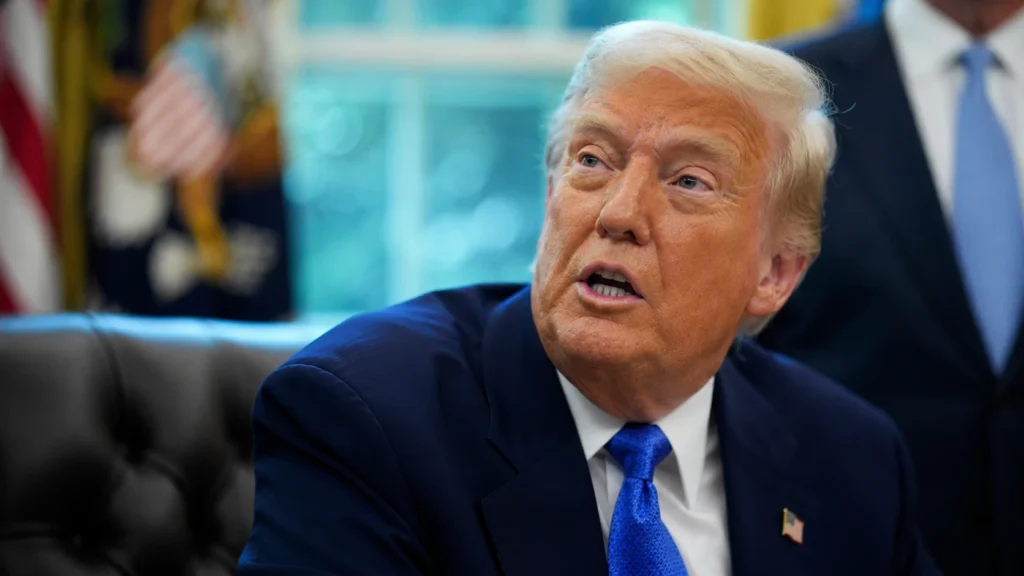
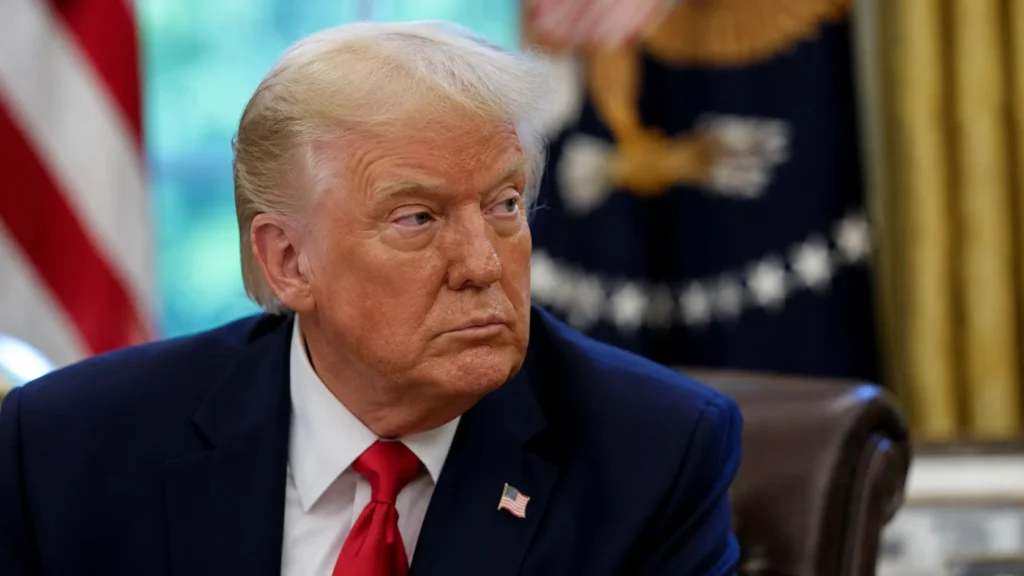
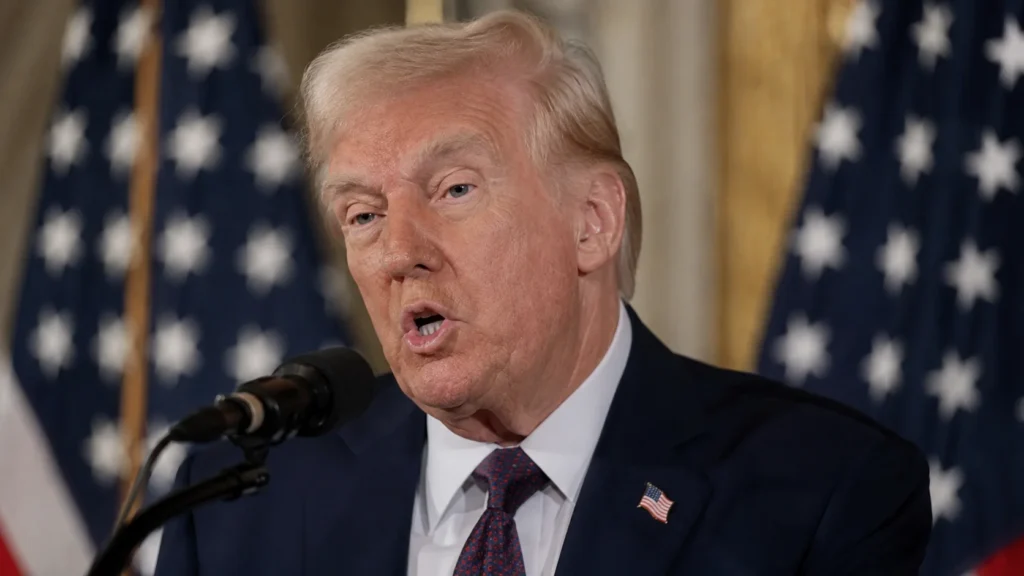
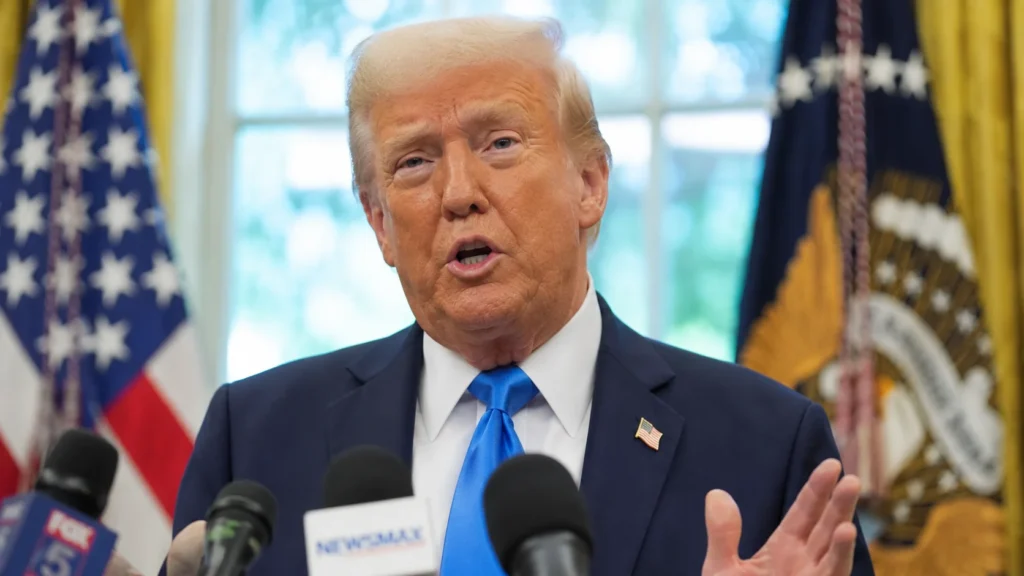
“The Supreme Court upheld Birthright Citizenship, which is too bad for our Country, but we can easily make it up in Congress through Legislation,” Trump posted on Truth Social. The decision preserves the existing constitutional guarantee but opens a new legislative front in the long-running debate over who qualifies for citizenship at birth.
What the Court Ruled
The majority held that the 14th Amendment’s Citizenship Clause—”All persons born or naturalized in the United States, and subject to the jurisdiction thereof, are citizens of the United States”—means what it has been understood to mean for more than a century. Roberts wrote that the clause was enacted after the Civil War to guarantee citizenship for the newly freed slaves and their children. The language, he said, was clear and its meaning settled.
Trump’s lawyers had argued that the phrase “subject to the jurisdiction thereof” required a person to be “domiciled” in the United States with direct allegiance to the country. US Solicitor General D. John Sauer contended that children born to undocumented immigrants or temporary visitors did not meet that standard.
Roberts dismissed the argument. “If Congress intended to hinge citizenship on each individual’s domicile,” he wrote, “it is reasonable to expect there would have been at least some discussion of the topic.” The word barely appeared in the debates over the Citizenship Clause.
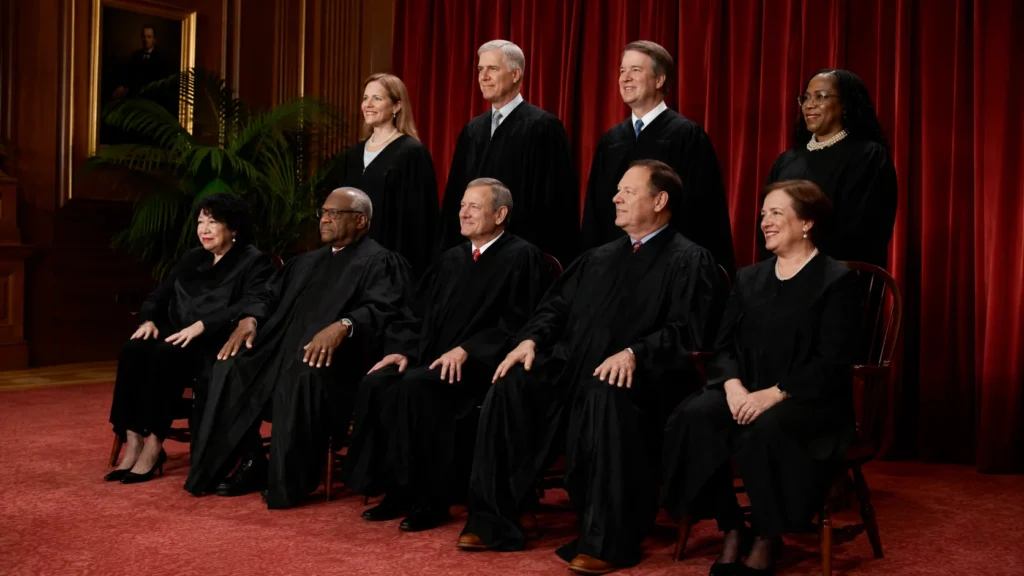
Roberts was joined by fellow conservative Justice Amy Coney Barrett and the three liberal justices—Sonia Sotomayor, Elena Kagan, and Ketanji Brown Jackson. The 26-page majority opinion was delivered from the bench in seven minutes.
According to Supreme Court ruling in Trump v. Barbara, including the majority opinion and dissents, the decision reaffirms a centuries-old understanding of automatic citizenship.
The Dissents and the Kavanaugh Roadmap
Three justices dissented. Justice Clarence Thomas wrote the longest opinion at 91 pages, arguing that the Citizenship Clause was “designed and understood to secure equal rights for the freed blacks” and had been “repurposed for political projects that the Reconstruction Congress did not support.” He quoted Justice John Marshall Harlan’s dissent in Plessy v. Ferguson, the 1896 segregation case, and added: “I am not sure that today’s opinion will stand the test of time.”
Justice Samuel Alito, in his dissent, raised the problem of “birth tourists, women who come here solely for the purpose of giving birth to a child and then promptly return home.” He argued the ruling would preserve “a powerful incentive to enter or remain in this country illegally.”
Kavanaugh joined the majority in striking down the executive order but did so on statutory grounds rather than constitutional ones. He found that Trump’s order violated the Immigration and Nationality Act, not necessarily the 14th Amendment. Then he wrote the sentence that has become the focus of the political response: “Congress could—consistent with the Fourteenth Amendment—amend (the relevant federal laws) or otherwise enact new legislation establishing exceptions to birthright citizenship for children born to foreign citizens unlawfully or temporarily in the country.”
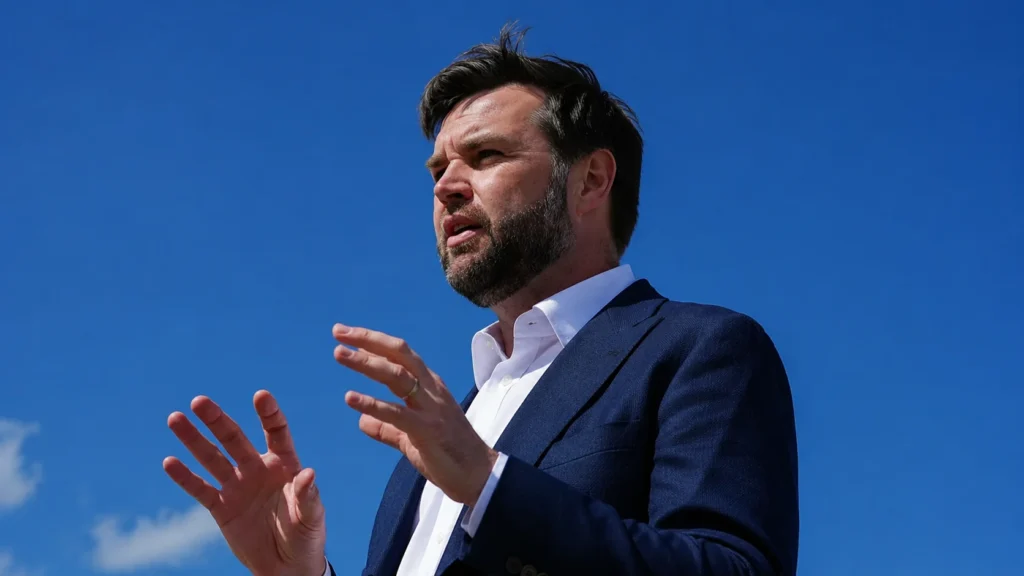
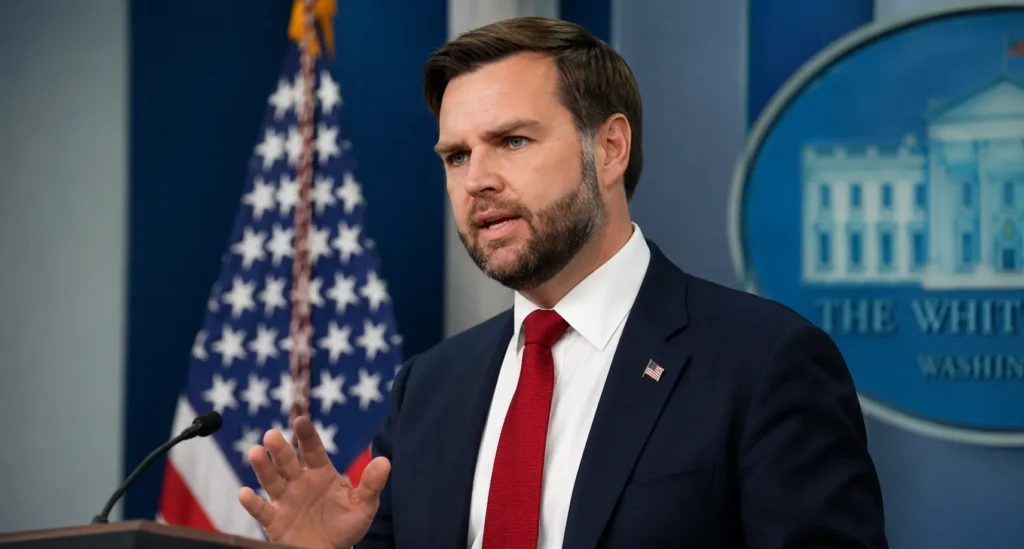
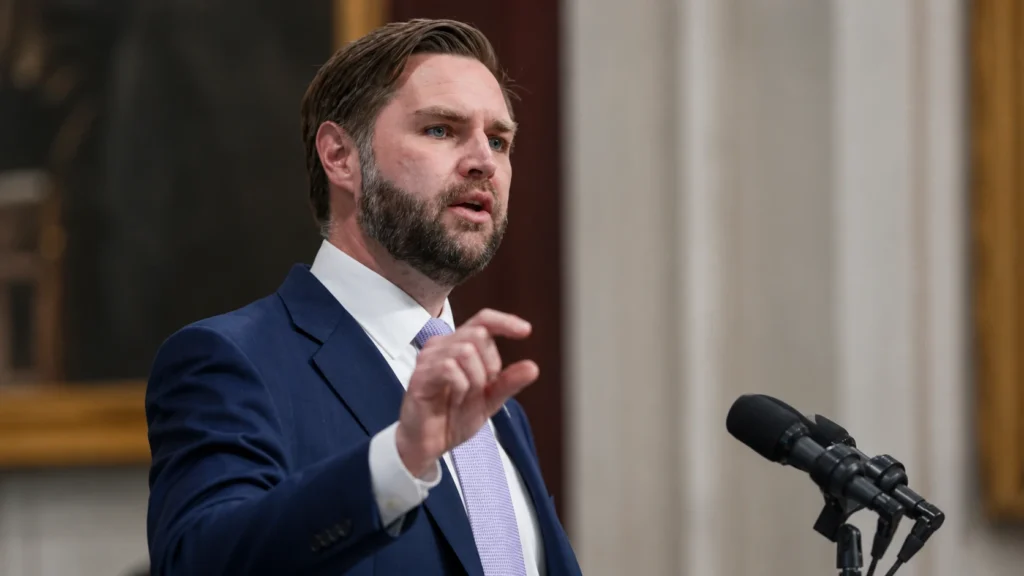
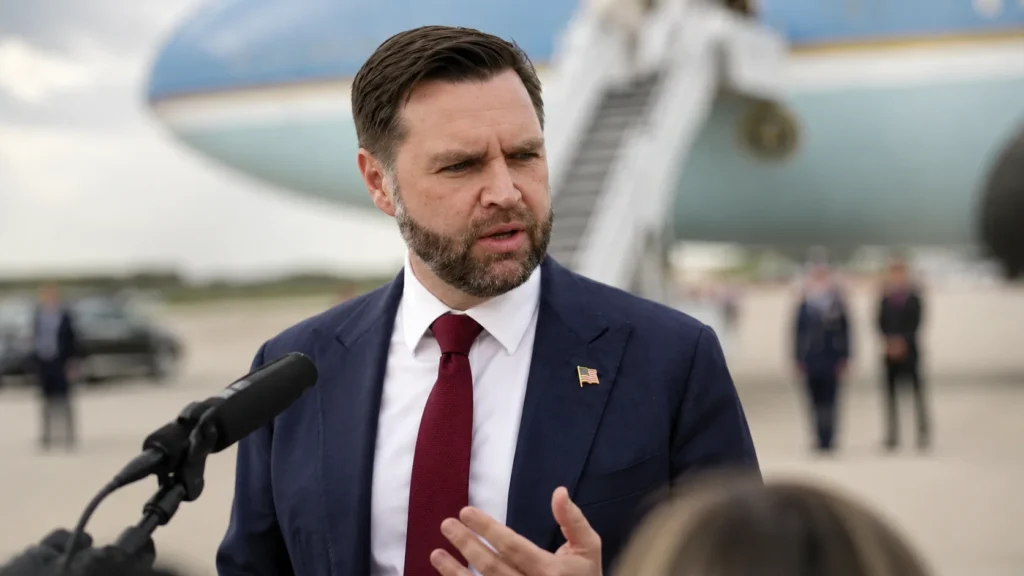
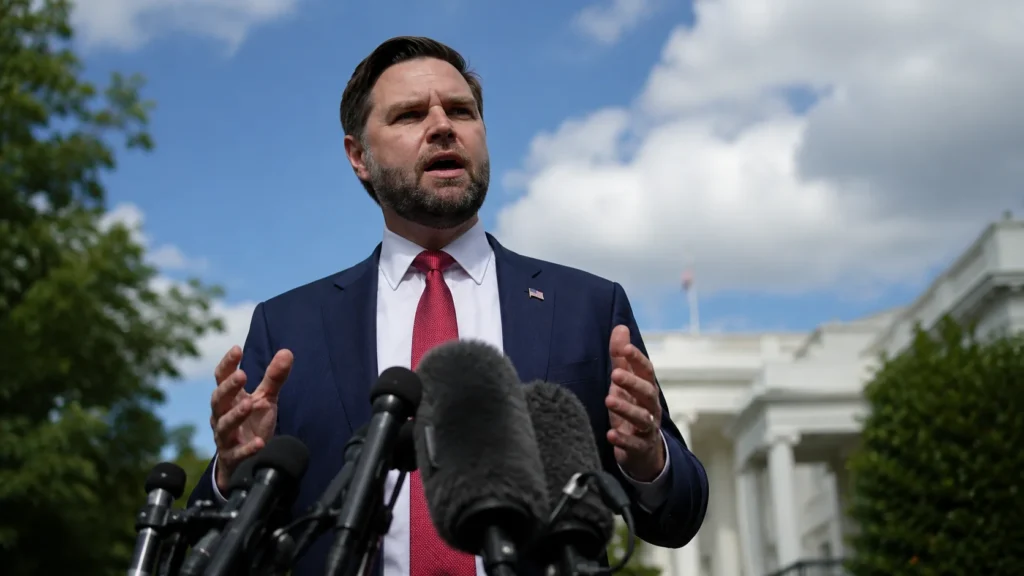
Vice President JD Vance called it a “silver lining” on Fox News, saying Kavanaugh’s vote “means that the concept of birthright citizenship, which is an absurdity to the 14th Amendment, that concept is hanging by a thread.”
As our analysis of the Supreme Court’s conservative majority and the legislative roadmap strategy has documented, justices providing guidance to Congress on how to achieve policy goals that the Court has blocked through executive action have become a recurring feature of the Roberts Court.
The Political Response
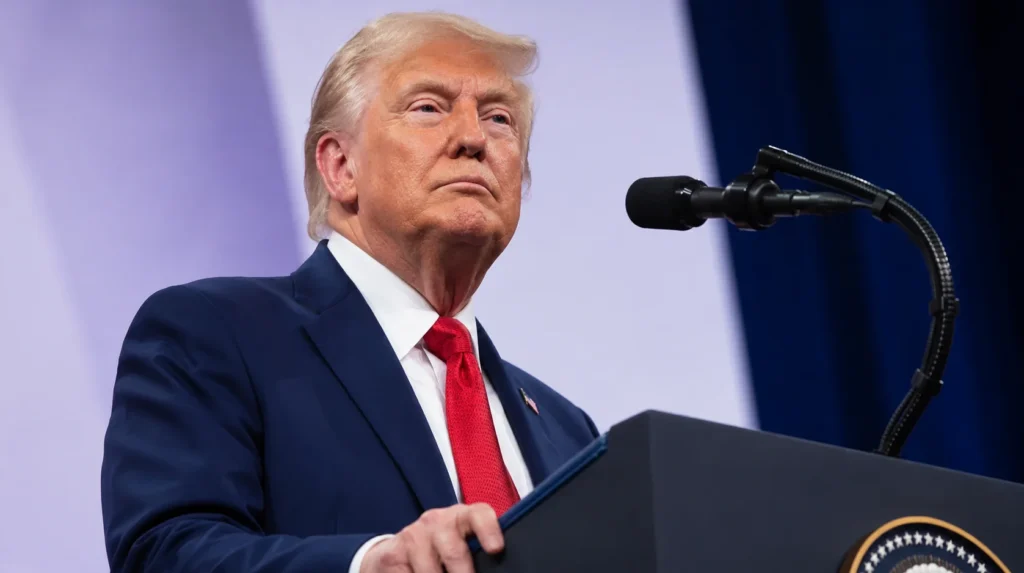
Trump attended the oral arguments in person on 1 April, an extraordinary step for a sitting president. The case was the centrepiece of his anti-immigration agenda. His rapid response to Tuesday’s ruling—embracing the Kavanaugh roadmap and pledging to pursue legislation—signals that the administration views the decision as a defeat with a clear path forward.
Twenty-five states and a significant number of members of Congress backed the Trump administration’s position in the case. That support, once considered a fringe position, now has a Supreme Court justice’s opinion suggesting it is constitutionally permissible if enacted through legislation rather than executive order.
The ACLU’s Cecillia Wang, who argued the case against the administration, called birthright citizenship “a fixed bright-line rule” that “has contributed to the growth and thriving of our nation.” She had told the justices during oral arguments that “swaths of American laws would be rendered senseless, thousands of American babies will immediately lose their citizenship” under the administration’s theory.
Charles Cooper, an appellate litigator who represented Republican members of Congress siding with the administration, said the ruling “is not going to end the debate” and had “brought a bright light of illumination on some of the serious costs of birthright citizenship.”
According to Trump’s Truth Social statement and JD Vance’s Fox News comments on the ruling, the administration intends to pursue the legislative path Kavanaugh outlined.
What Happens Next
The constitutional guarantee of birthright citizenship remains in place. A five-justice majority held that the 14th Amendment protects it. Changing that would require either a constitutional amendment—which needs two-thirds majorities in both chambers of Congress and ratification by three-quarters of the states—or a future Supreme Court decision reversing Tuesday’s ruling.
The legislative path Kavanaugh outlined is narrower but more achievable in the short term. Congress could amend the Immigration and Nationality Act to create exceptions to birthright citizenship for children born to undocumented immigrants or temporary visitors. Such legislation would require 60 votes in the Senate to overcome a filibuster, unless the filibuster rules are changed. It would then face inevitable legal challenges testing whether the statutory exceptions Kavanaugh suggested are in fact consistent with the 14th Amendment—a question the Court did not resolve on Tuesday.
The November midterm elections will determine the composition of the Congress that decides whether to act on Kavanaugh’s roadmap.