

 English


































































































































































































































































The 9 Senate Seats Most Likely to Flip in the 2026 Midterm Elections
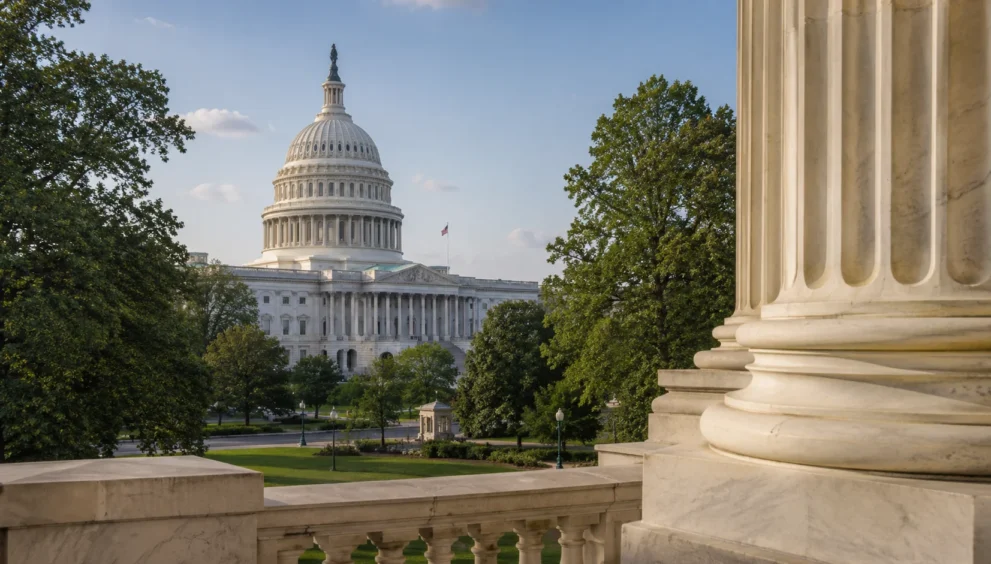
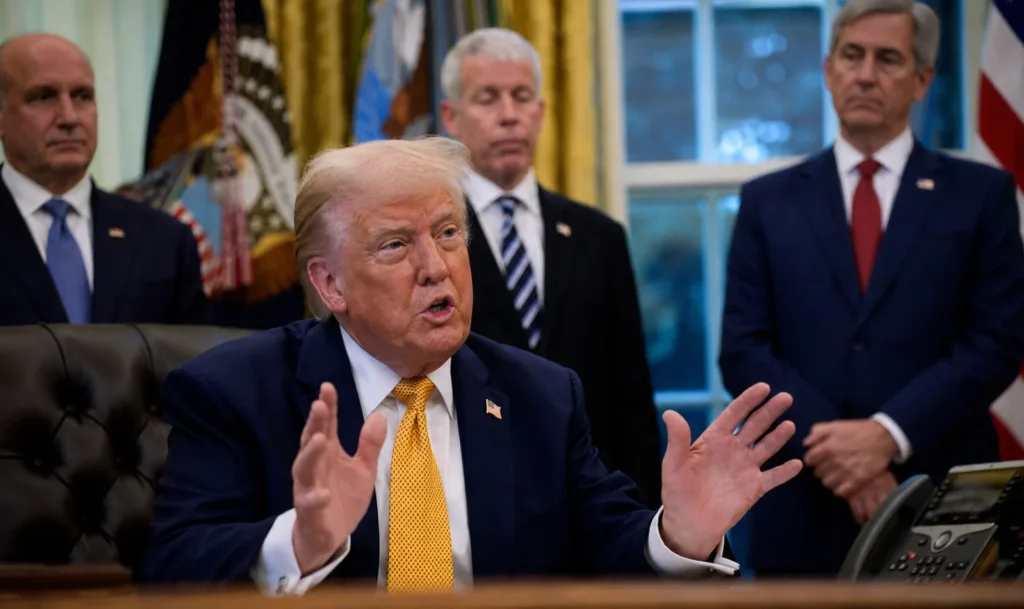
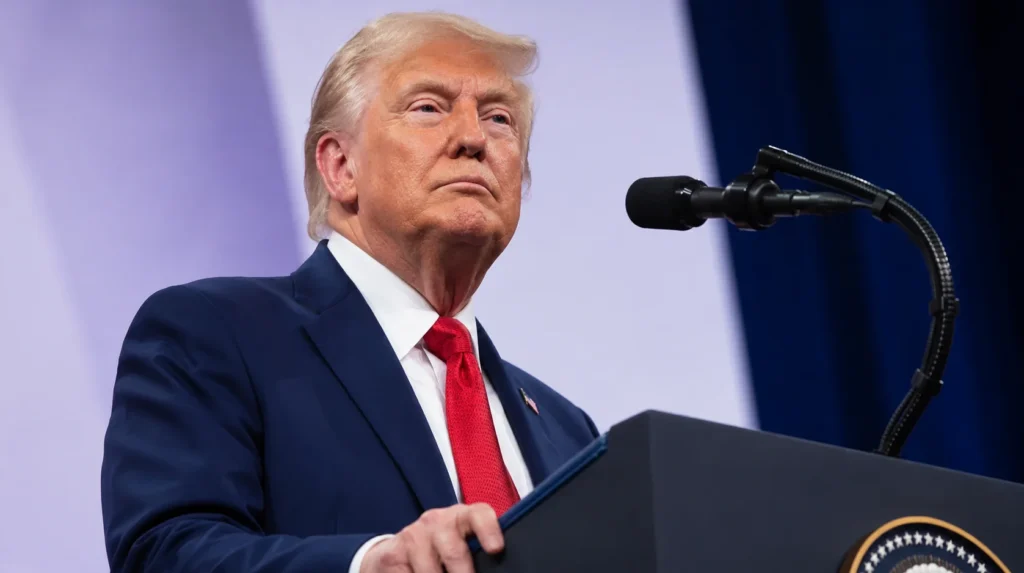
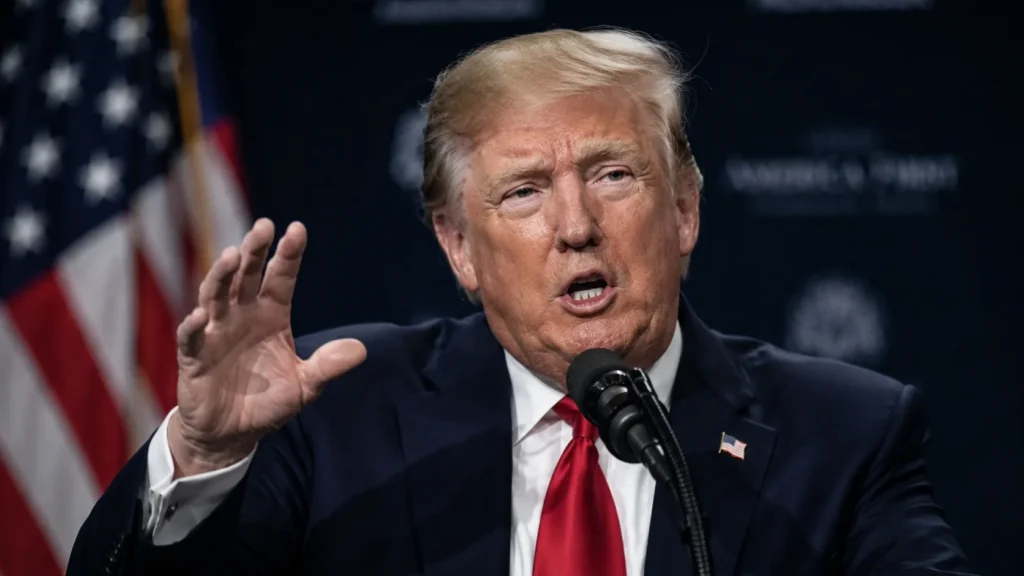
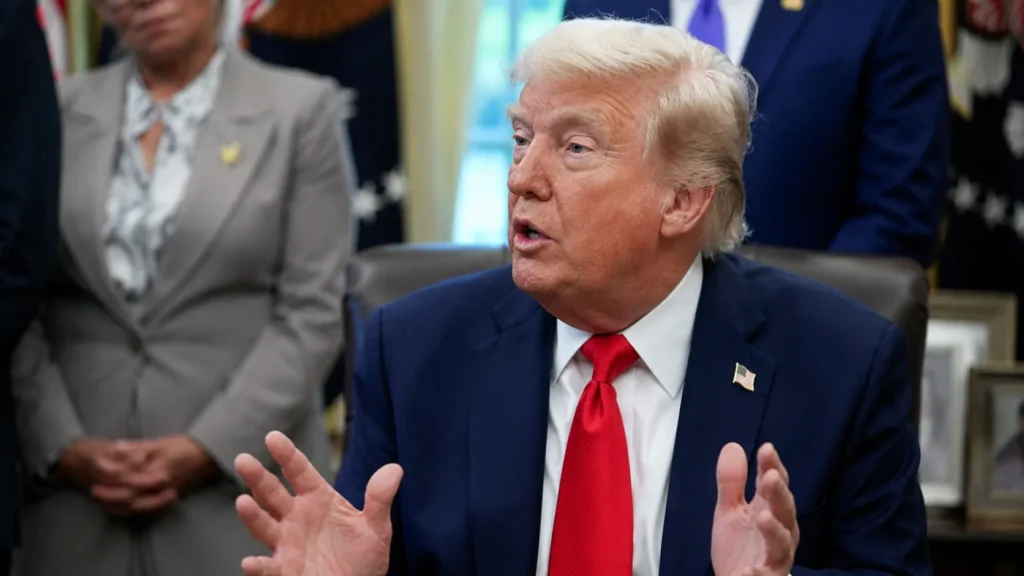
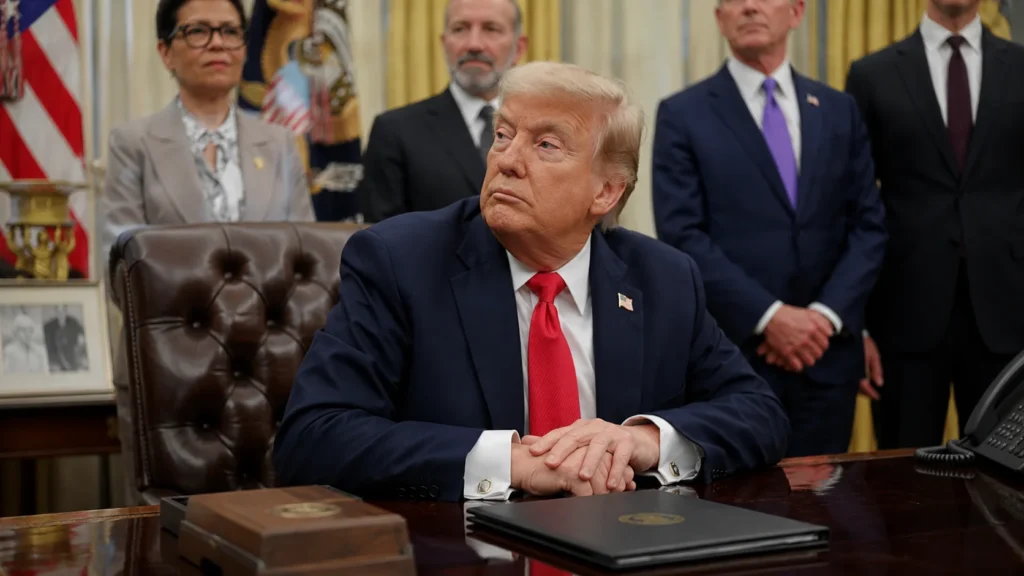
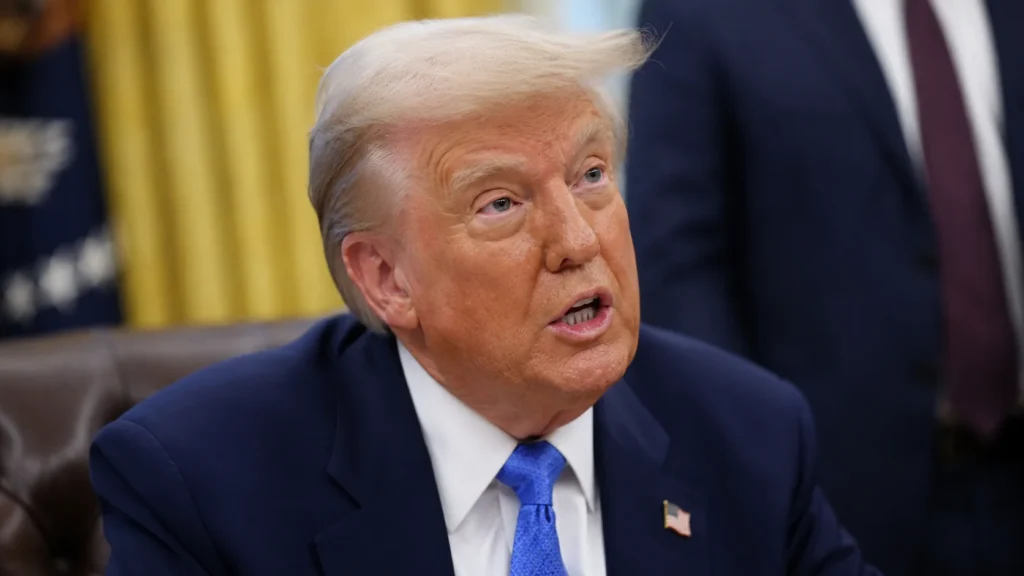
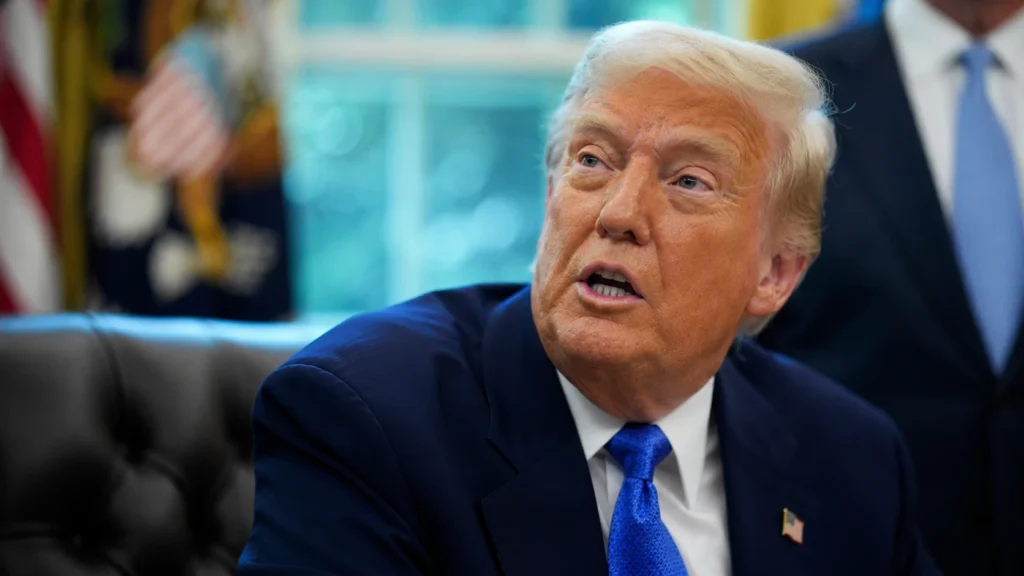
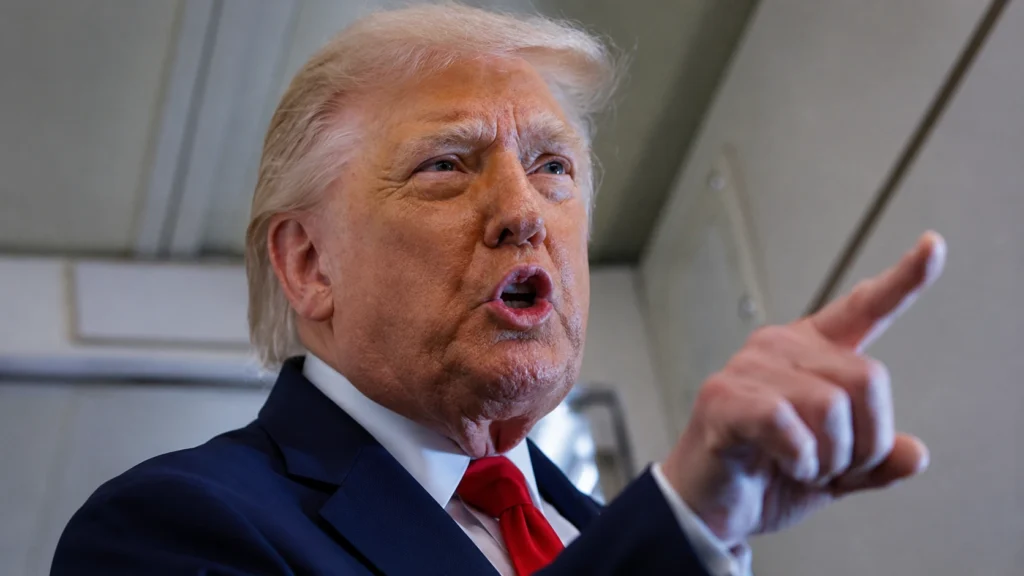
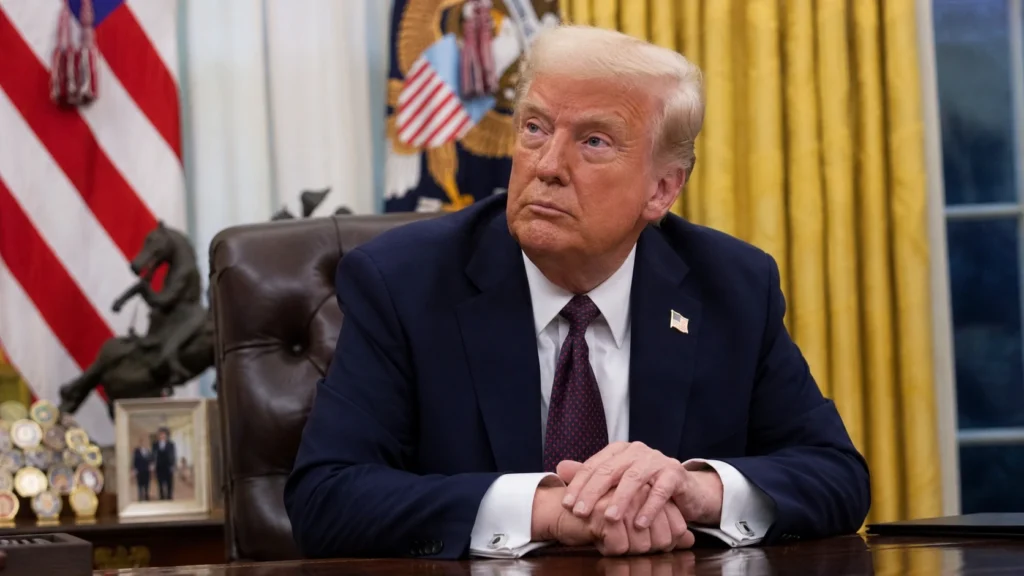
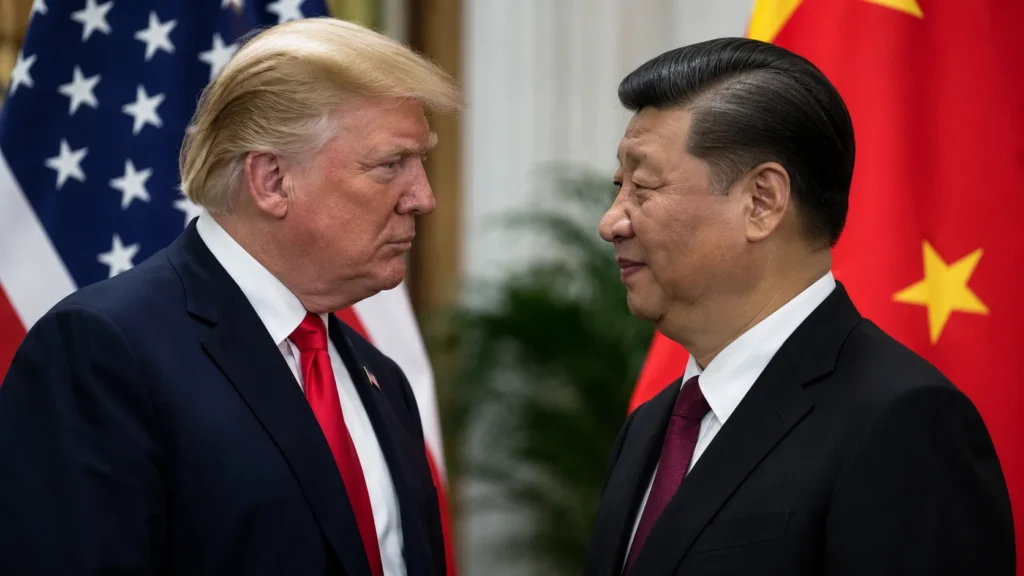
Four months into the primary calendar, the battlefield for control of the US Senate is largely set, with nine states likely to determine the balance of power in November’s midterm elections. Democrats need to defend all their current seats and flip four Republican-held seats to reclaim the majority for the final two years of President Donald Trump’s term. Six of the nine most competitive races are in states currently held by Republicans. Three are held by Democrats. Trump’s approval rating stands at 34%, according to a recent CNN poll, with widespread disapproval of his handling of the economy and the war in Iran fuelling Democratic hopes of a midterm wave.
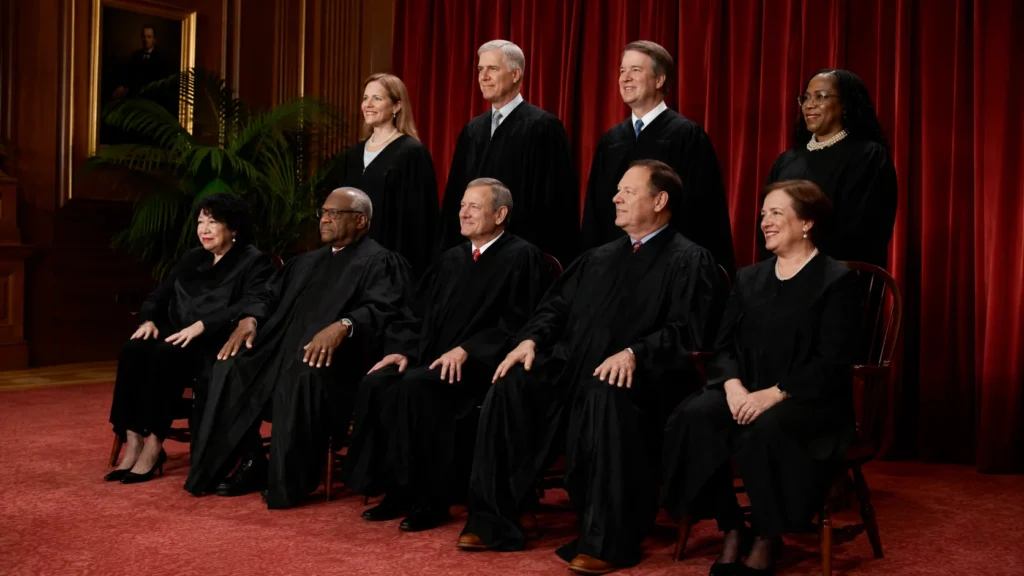
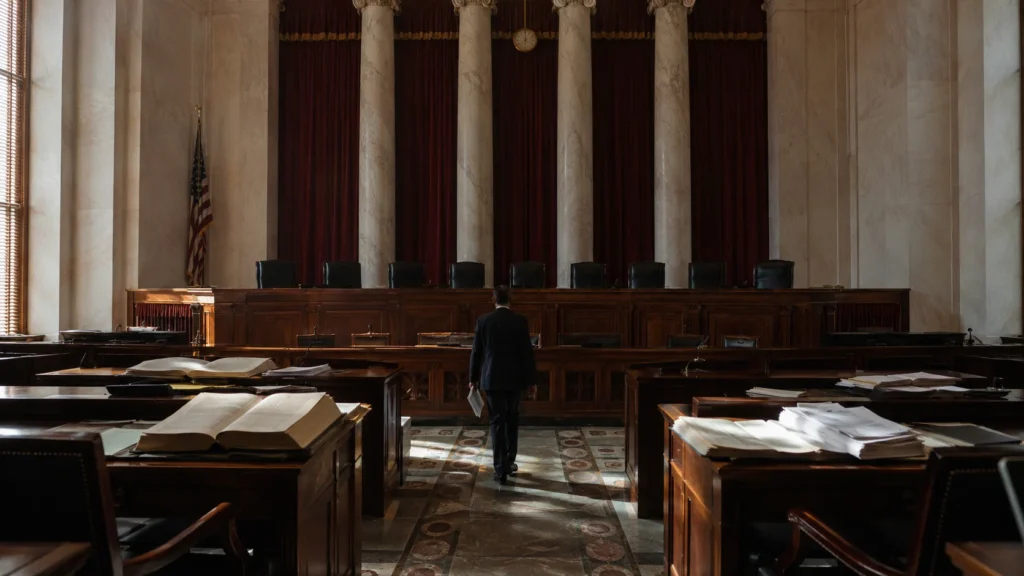
The Supreme Court on Tuesday added a fresh dynamic, ruling that party committees can spend more money in close coordination with campaigns—a decision expected to benefit Republicans. The Senate Leadership Fund, the main Republican super PAC, has already announced $79 million in spending for Ohio alone. Here is a look at the nine races most likely to decide control of the chamber.
1. North Carolina
Democrat Roy Cooper, the former two-term governor, gives his party its best pickup opportunity. Cooper won both his gubernatorial elections in years when Trump carried North Carolina. He faces Republican Michael Whatley, a former chair of the Republican National Committee, in the race to succeed retiring GOP Senator Thom Tillis.
A New York Times/Siena poll released this week found Cooper leading Whatley by seven points, 50% to 43%, among likely voters. Fifty-five percent of North Carolina likely voters disapproved of Trump’s job performance, with 64% disapproving of his handling of cost-of-living issues. Cooper has leaned heavily into affordability messaging.
Cooper ended the first quarter with $18.4 million in the bank, compared to Whatley’s $2.5 million. The Senate Leadership Fund has committed $71 million to the state. The Democratic-aligned Senate Majority PAC is spending $31 million. North Carolina has not elected a Democrat to the Senate since Kay Hagan in 2008.
According to New York Times/Siena College polling data for North Carolina and other 2026 Senate battleground states, the race is the Democrats’ clearest path to a flip.
2. Maine
Republican Senator Susan Collins is seeking a sixth term in a state Trump lost, making her the only GOP senator running on such terrain. She faces Democrat Graham Platner, whose campaign has been overshadowed by personal scandals, including reports of sexually explicit messages with women outside his marriage and a tattoo with Nazi symbolism that he has since covered.
Recent polling shows a tight contest. A Times poll found Platner at 49% and Collins at 47%. A Fox News survey showed Collins at 50% and Platner at 47%. Fifty-seven percent of Maine likely voters told the Times they strongly disapprove of Trump’s performance.
Collins has sought to differentiate herself from Trump, while Democrats work to tie her to the president. The Senate Leadership Fund has committed $42 million to Maine. The Senate Majority PAC is spending $33 million. Female voters, who made up 59% of Maine’s electorate in the 2020 Senate race, could prove decisive.
As our coverage of the Maine Senate race and the impact of candidate controversies on Democratic prospects has tracked, the unpredictability surrounding Platner’s past makes this one of the cycle’s most volatile contests.
3. Michigan
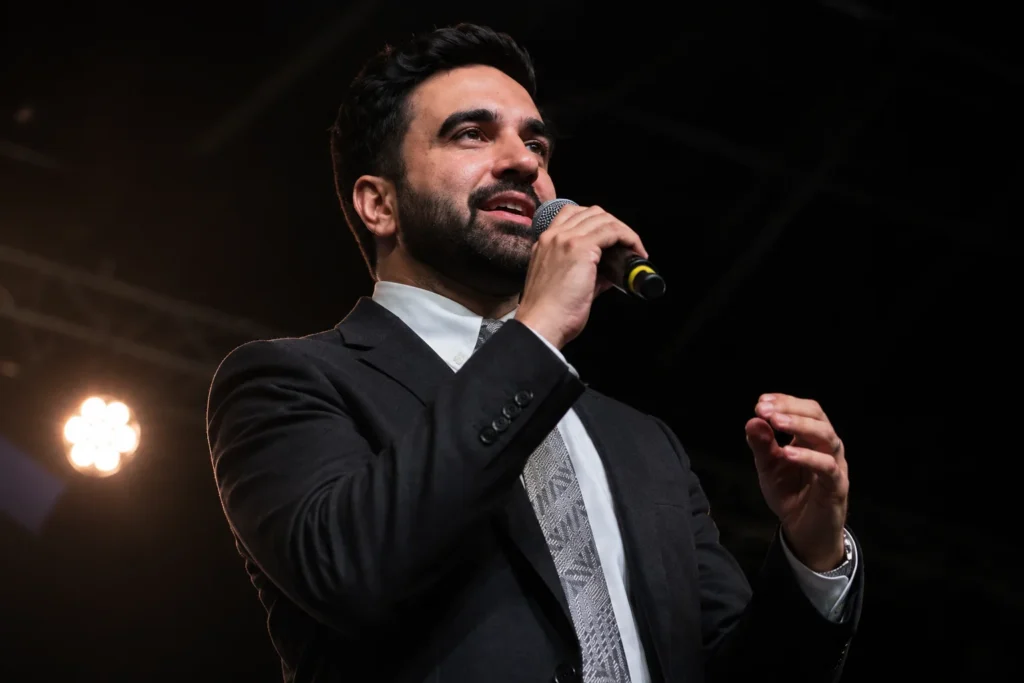
Michigan is the only state on this list where the general election matchup has not yet been set. Democrats are locked in a three-way primary to replace retiring Senator Gary Peters. The contest tests the party’s internal divisions: Abdul El-Sayed, a former state health official, is running as a progressive backed by Senator Bernie Sanders. Congresswoman Haley Stevens is the centrist choice with support from Senate Minority Leader Chuck Schumer. State Senator Mallory McMorrow occupies the space between them, with an endorsement from Senator Elizabeth Warren.
The winner will face the expected Republican nominee, former Congressman Mike Rogers, who lost a Senate race in 2024. The United Auto Workers union has sided with El-Sayed, while a super PAC associated with the American Israel Public Affairs Committee is running advertisements for Stevens. The primary is in August.
Republicans argue the drawn-out Democratic contest gives them time to build infrastructure while Democrats divide their resources.
According to Michigan Democratic primary polling and campaign finance data, the unresolved nomination is the single biggest variable in the battle for the Senate majority.
4. Ohio
Democrat Sherrod Brown is attempting a political comeback after losing his Senate seat in 2024 by less than four points in a state Trump carried by 11. He faces Republican Senator Jon Husted, who was appointed to the seat vacated by Vice President JD Vance.
Brown ended the first quarter with $17 million to Husted’s $8.2 million. Polling has been mixed. A Times survey showed no clear leader, while Fox News gave Brown an edge. Trump’s disapproval rating in Ohio stands at 54% in the Times poll.
The Senate Leadership Fund has made Ohio its top priority with $79 million in reserved spending. The Senate Majority PAC has pledged more than $46 million. The race will test whether Brown’s brand of economic populism can overcome Ohio’s rightward trajectory in a midterm year.
5-9. Alaska, Iowa, Georgia, New Hampshire, Texas
Alaska: Democratic former Congresswoman Mary Peltola faces Republican Senator Dan Sullivan. A Times poll showed Sullivan at 47% and Peltola at 45%. The state’s ranked-choice voting system and an August open primary add unpredictability. Sullivan had $7 million cash on hand to Peltola’s $5.7 million at the end of the first quarter.
Iowa: Republican Congresswoman Ashley Hinson and Democratic state Representative Josh Turek are locked in a competitive race in a state Trump won by 13 points. A Times poll showed Hinson at 48% and Turek at 46%, with Trump’s disapproval at 54%. The Senate Leadership Fund has reserved $29 million. The Senate Majority PAC is spending $13 million.
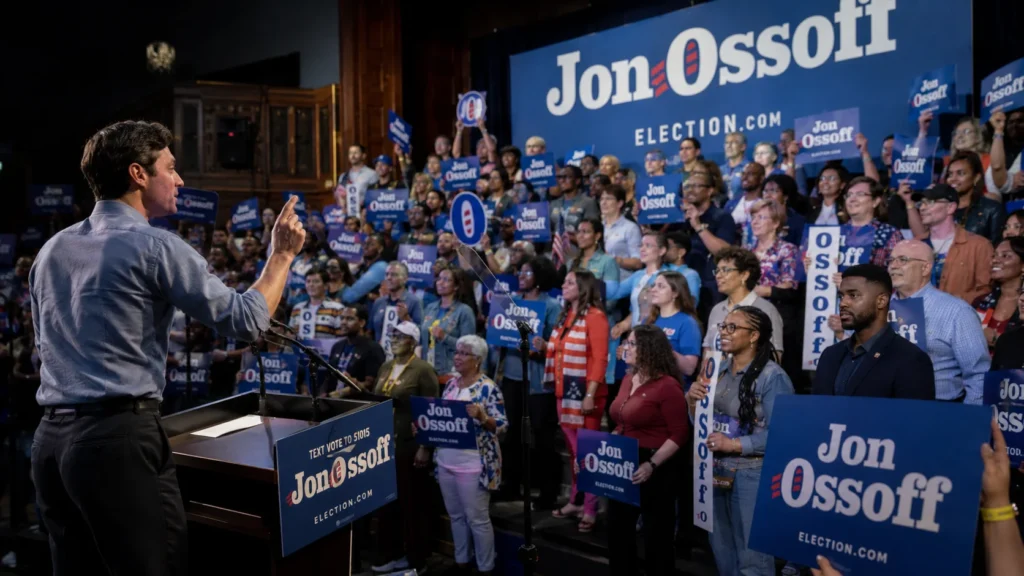
Georgia: Democratic Senator Jon Ossoff holds a 13-point lead over Republican Congressman Mike Collins in a Fox News poll, with $32 million in the bank to Collins’s $1.2 million. The state ranks seventh on this list only because Trump won it in 2024. The fundraising and polling suggest Ossoff has a clear advantage.
New Hampshire: Democrat Chris Pappas and Republican former Senator John Sununu are competing for the seat being vacated by retiring Democratic Senator Jeanne Shaheen. A University of New Hampshire poll showed Pappas at 47% and Sununu at 44%. Trump’s disapproval in the state is 62%.
Texas: Democrat James Talarico raised $27 million in the first quarter. Republican Attorney General Ken Paxton, who has survived multiple scandals, won a May runoff. A Times poll showed the race deadlocked at 47% each. Outside groups have not yet made major investments.
As our analysis of the 2026 Senate map and the battle for the majority has documented, the combination of a favourable national environment for Democrats and a challenging map requiring wins in red states makes this the defining electoral contradiction of the cycle.
FAQ
How many seats do Democrats need to flip to win the Senate?
Democrats need a net gain of four seats to win the majority, assuming they defend all their current seats. Republicans currently hold the chamber.
What is Trump’s approval rating?
A recent CNN poll puts Trump’s approval at 34%, with widespread disapproval of his handling of the economy and the war in Iran.
Which state is the most likely to flip?
North Carolina, where former Democratic Governor Roy Cooper leads Republican Michael Whatley by seven points in recent polling. The state has not elected a Democrat to the Senate since 2008.
How much money is being spent?
The Senate Leadership Fund, the main Republican super PAC, has reserved $79 million in Ohio, $71 million in North Carolina, and $44 million in Georgia, among other commitments. The Democratic Senate Majority PAC has pledged $46 million in Ohio, $33 million in Maine, and $31 million in North Carolina.
When is the election?
The US midterm elections are in November 2026.