

 English



























































































































































































































































Ukraine Warns of Interceptor Missile Shortage as 19 Killed in Kyiv
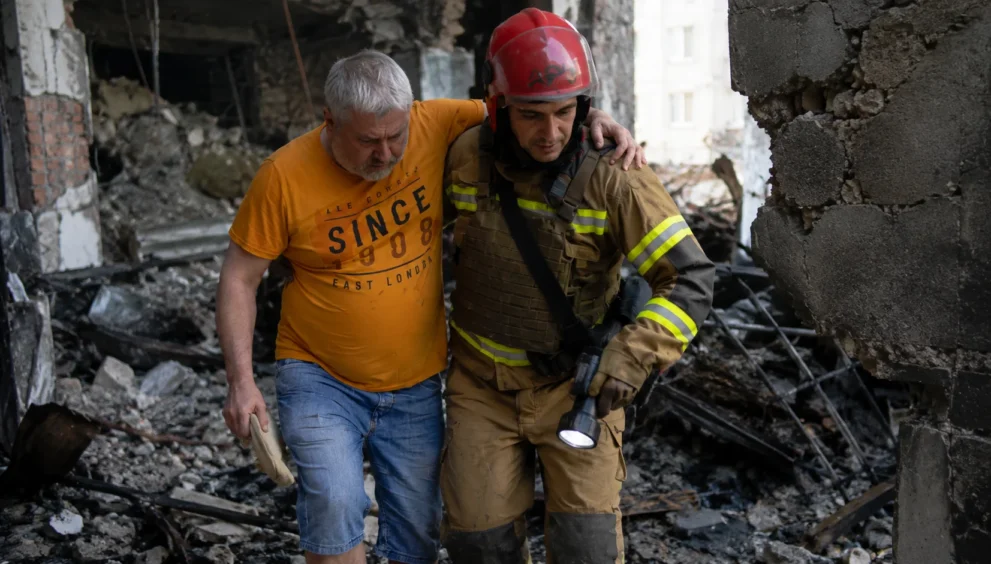
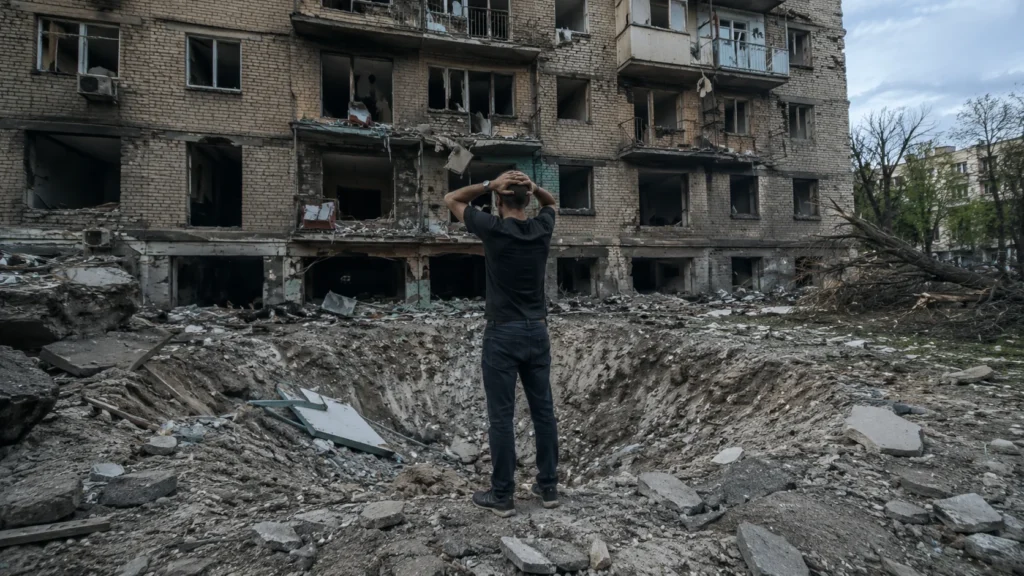
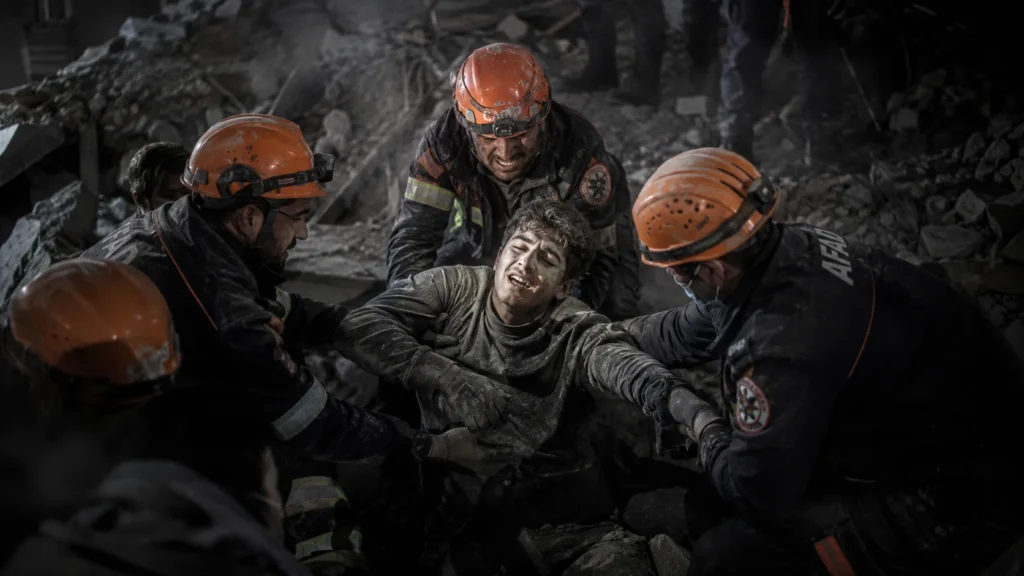
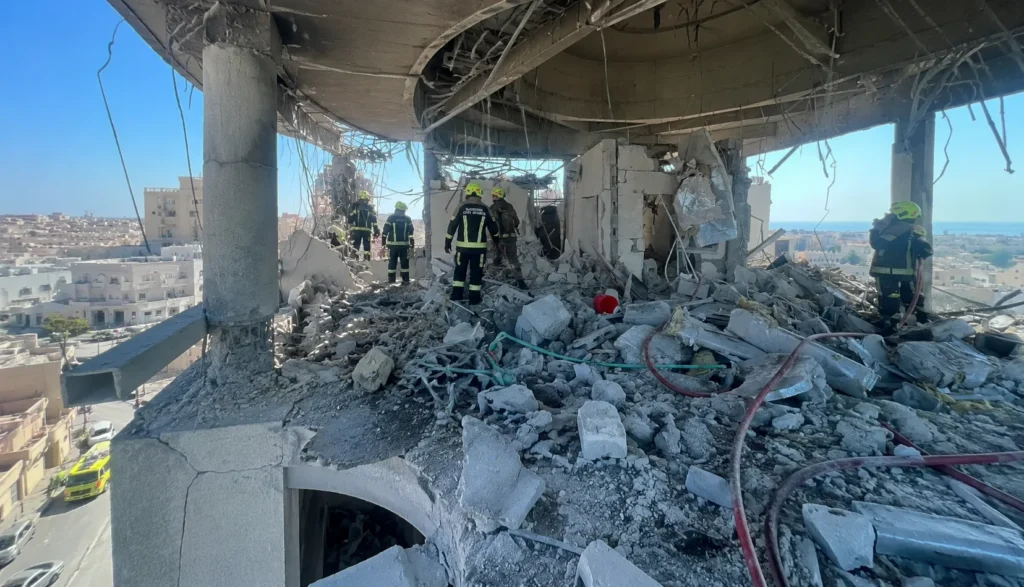
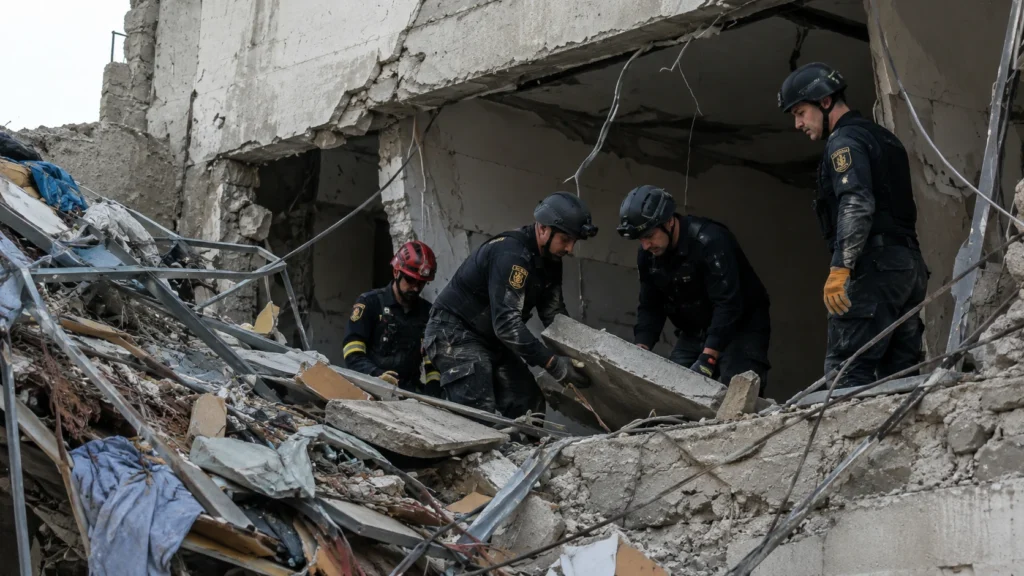
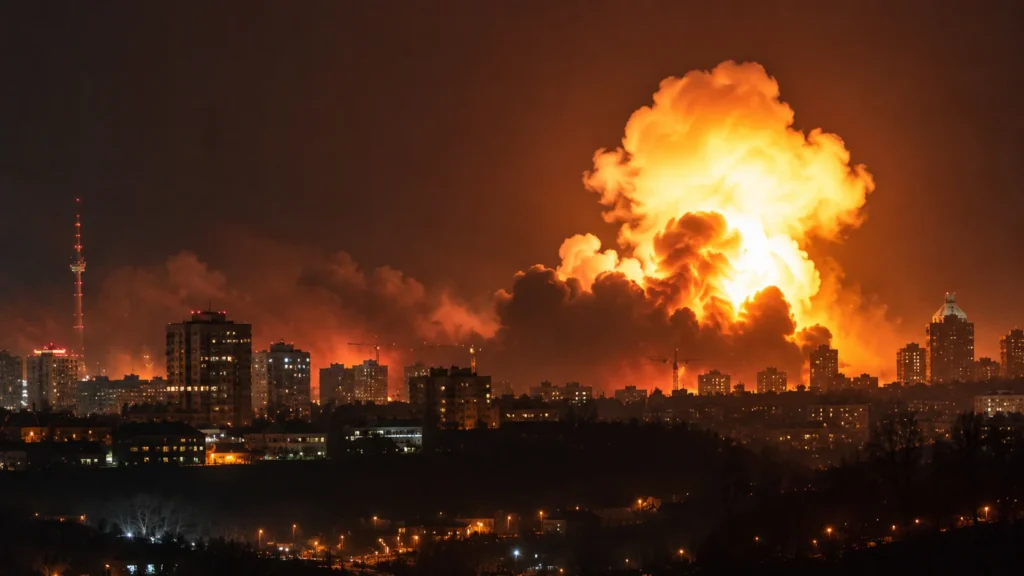
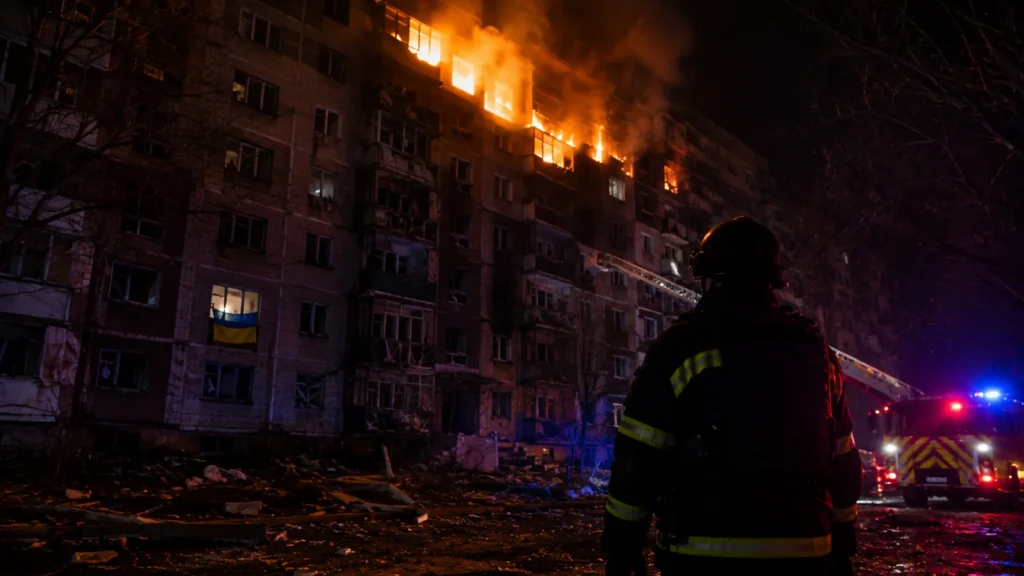
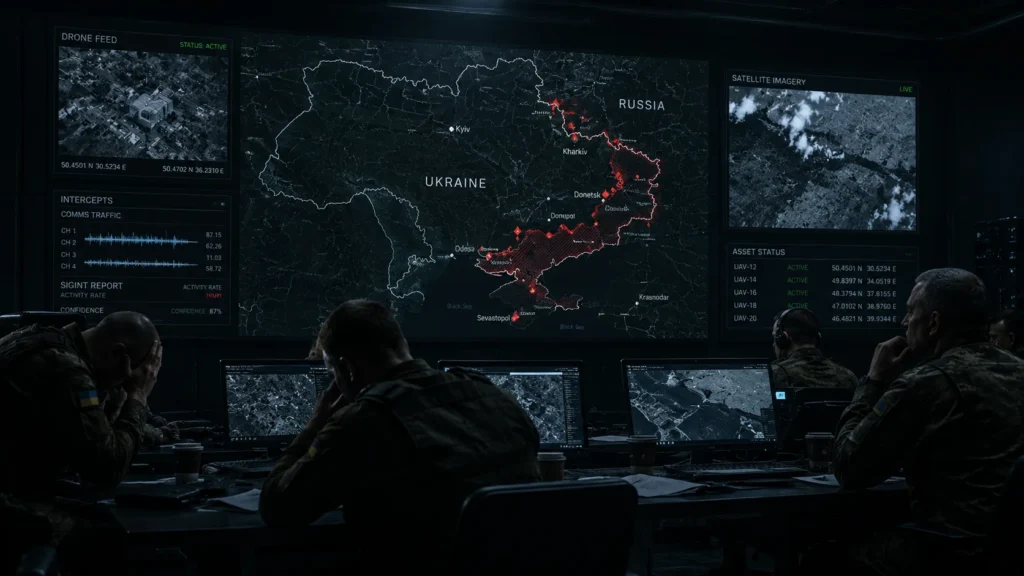
Ukraine’s air force has said a “serious shortage” of interceptor missiles meant none of the 23 ballistic missiles fired by Russia at the capital on Sunday night were shot down, as the death toll from the strikes rose to at least 19 people. Thirteen people were killed in Kyiv and six more in the wider region, with 56 injured in the capital alone. President Volodymyr Zelensky has appealed for allies to take “strong decisions” at this week’s Nato summit in Ankara to provide Ukraine with air defences. Rescue teams are continuing to search through the rubble of an apartment block in the Podilskyi district where a large hole was blown through the building.
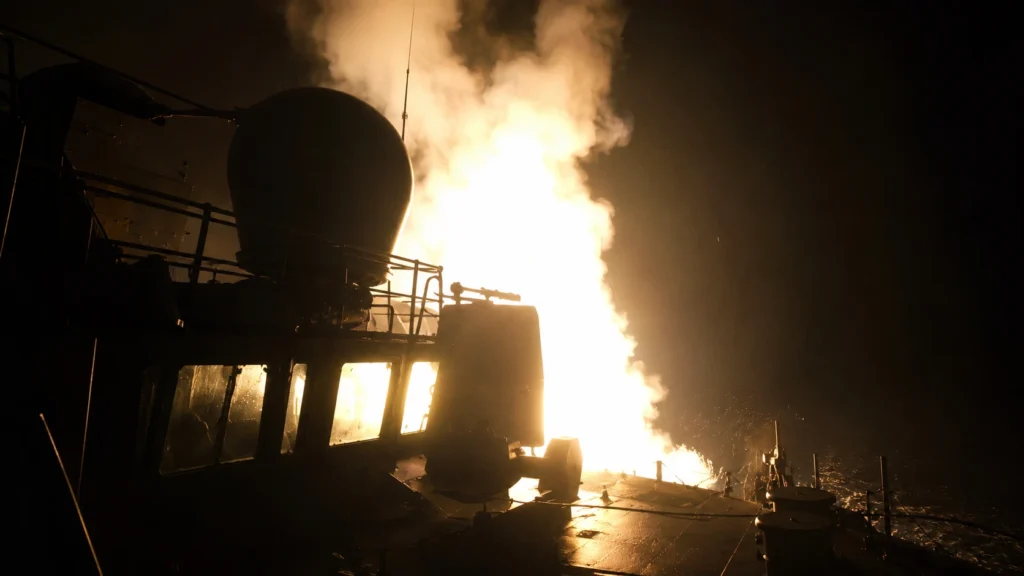
The attack was the second large-scale Russian strike on Kyiv in a week, following an assault on Thursday that killed 30 people. Sunday’s barrage consisted of 68 missiles and 351 strike drones, according to Zelensky. The air force said it shot down or suppressed 37 missiles and 326 drones—but none of the ballistic missiles, which travel at hypersonic speeds and require specialised interceptor systems to engage.
What Happened
The Ukrainian air force confirmed on Monday that its interception rate for cruise missiles and drones during Sunday’s attack was high. The interception rate for ballistic missiles was zero. The reason, it said, was a depletion of the interceptor missiles used by systems such as the US-made Patriot batteries that have defended Ukrainian skies for much of the war.
Ballistic missiles follow arcing trajectories at hypersonic speeds. They are difficult to intercept under any circumstances. They are impossible to intercept without the systems designed to do so. Ukraine has those systems, but the missiles they fire are finite—and the supply has not kept pace with the intensifying Russian strikes.
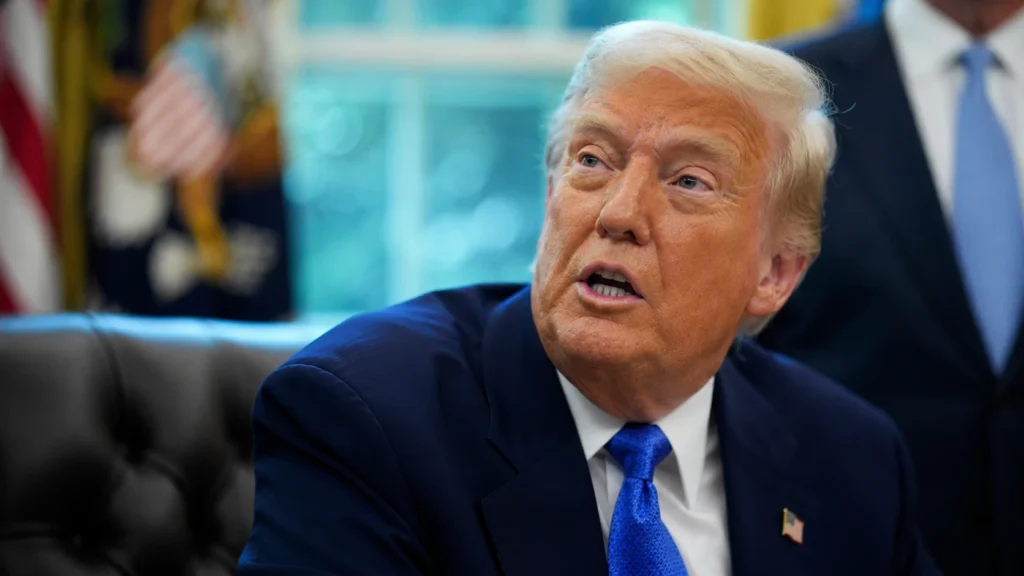
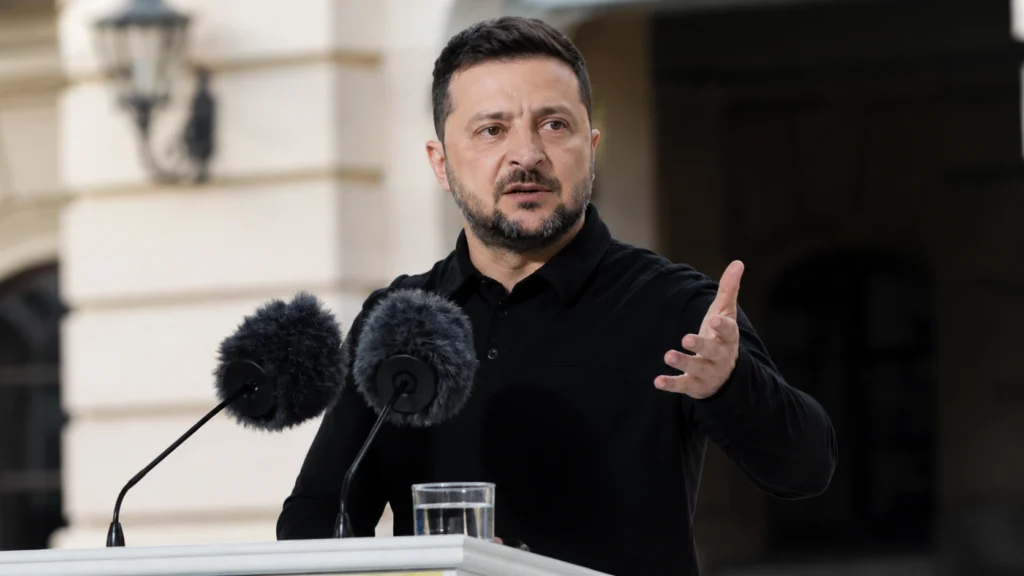
Zelensky warned after the attack that Moscow would continue to hit residential buildings as long as defensive Patriot missiles “remain in our allies’ stockpiles.” He said it was “critically important” that the US and European partners come to the Nato summit “with strong decisions in support of our air defense, and thus the protection of ordinary people’s lives.”
According to Ukrainian Air Force statement on Sunday’s interceptor shortage and Zelensky’s appeal to Nato allies, the attack involved 68 missiles and 351 strike drones. The air force intercepted 37 missiles and 326 drones but failed to stop any of the 23 ballistic missiles.
As our analysis of Ukraine’s air defence capabilities and the depletion of interceptor missile stockpiles has documented, the strain on Ukraine’s Patriot systems has been building for months as Russia has intensified its campaign of long-range strikes.
On the Ground
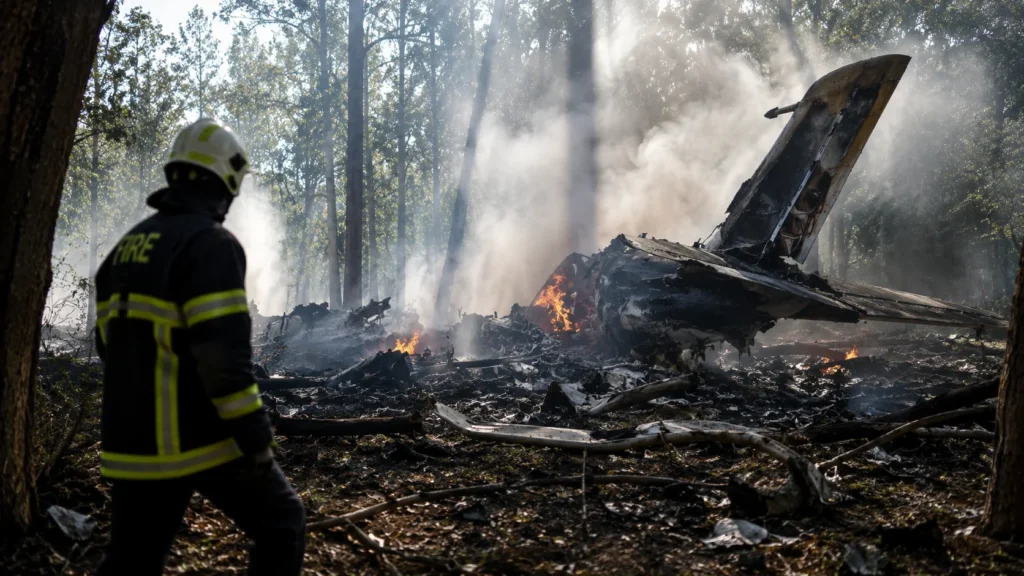
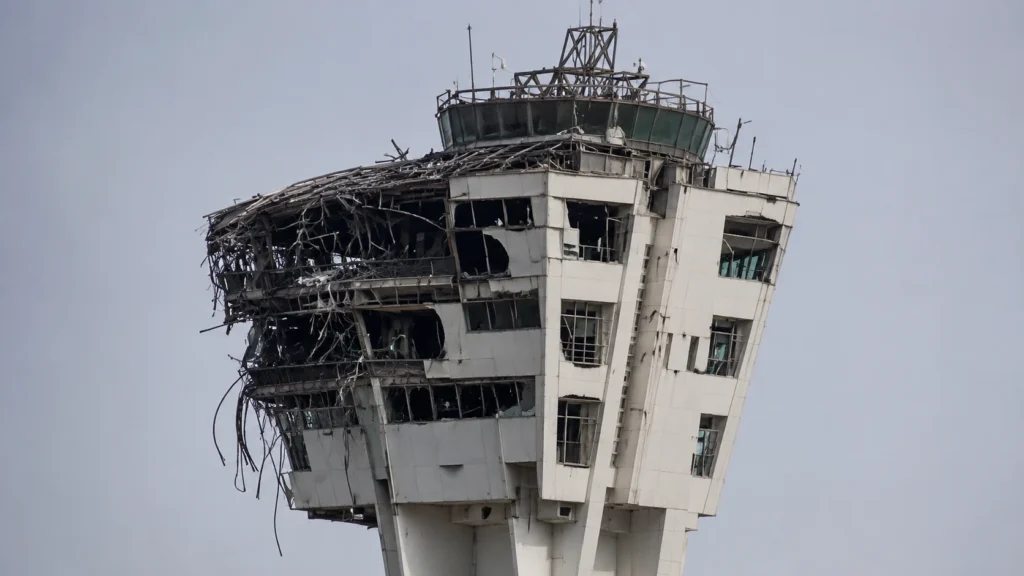
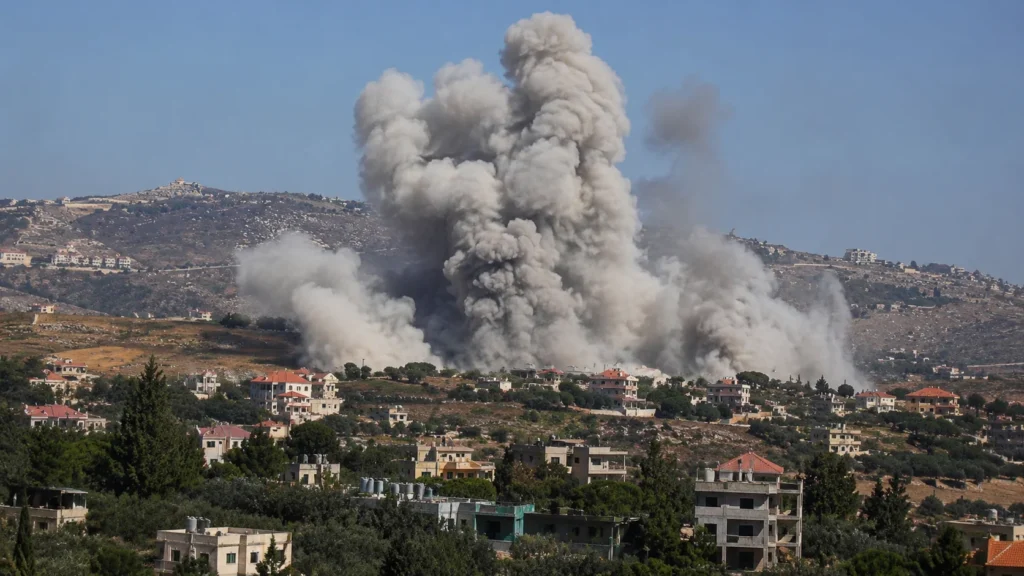
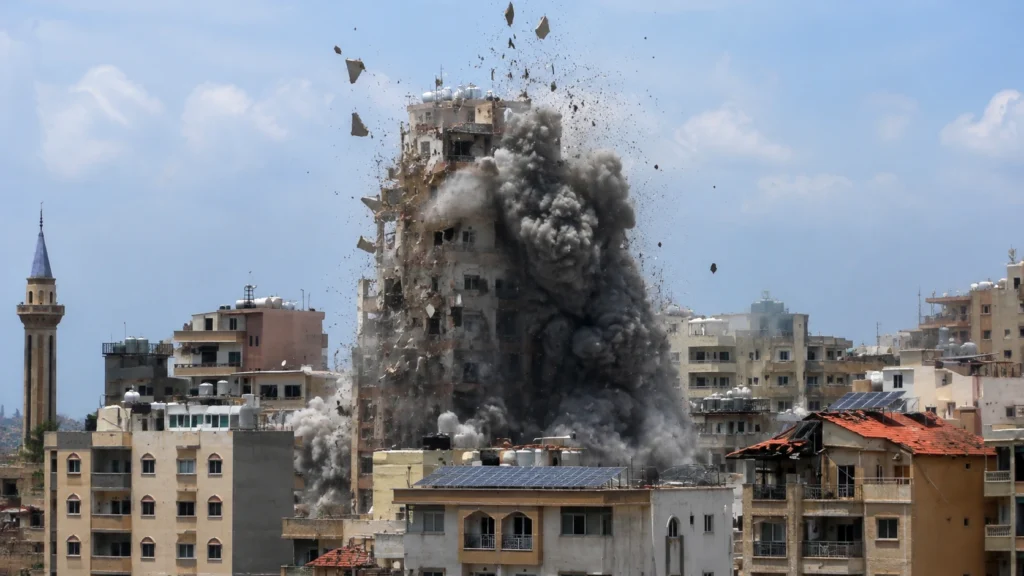
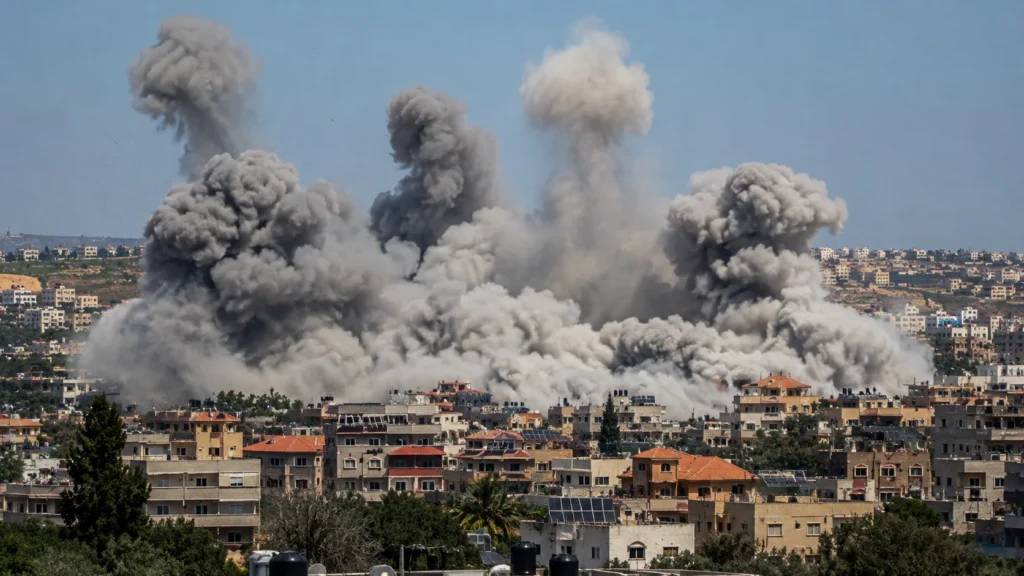
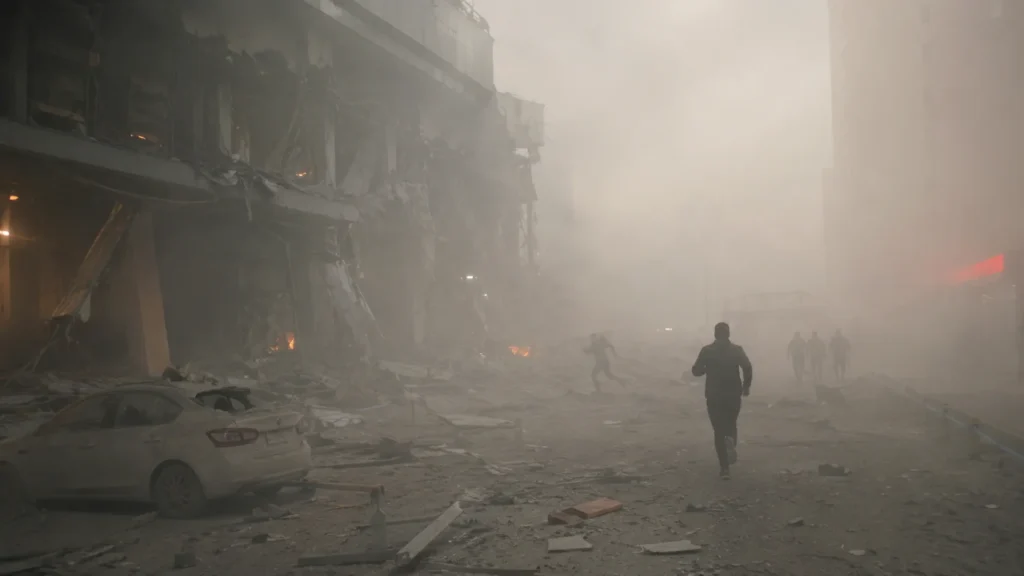
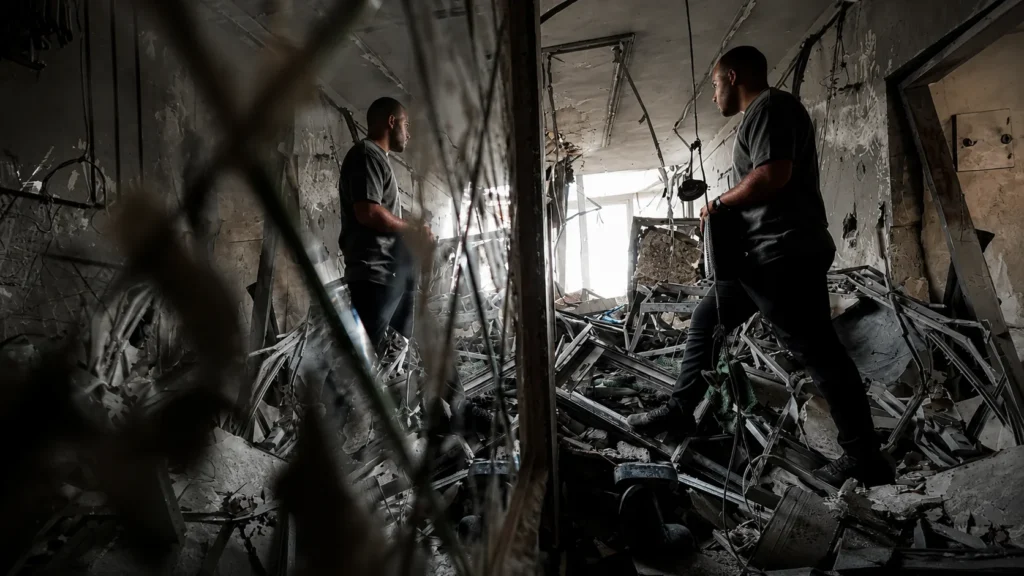
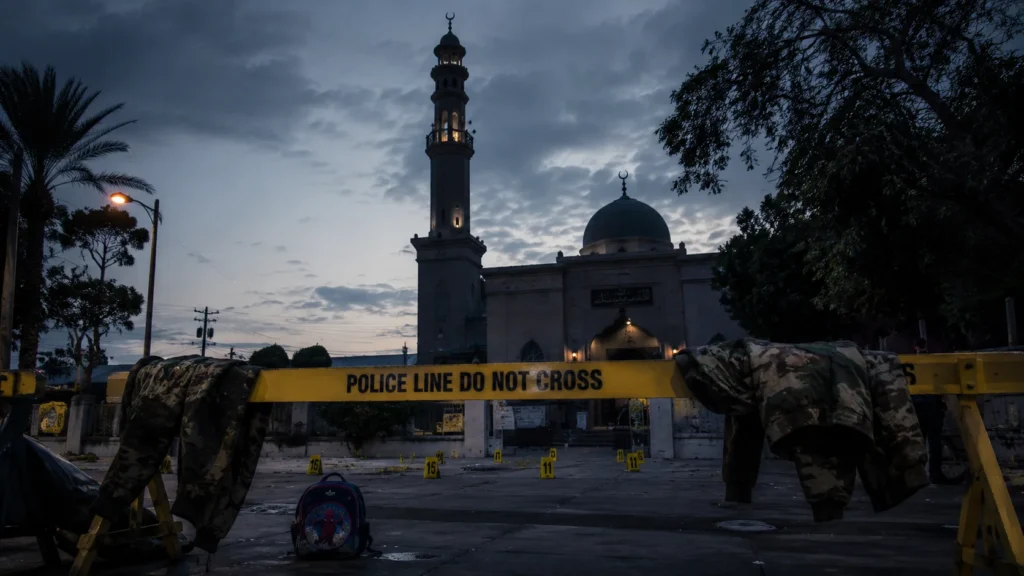
The strikes caused widespread destruction across the capital. Three large blocks of flats partially collapsed. Some were hit directly by missiles. Helicopters shuttled water from the river to douse fires.
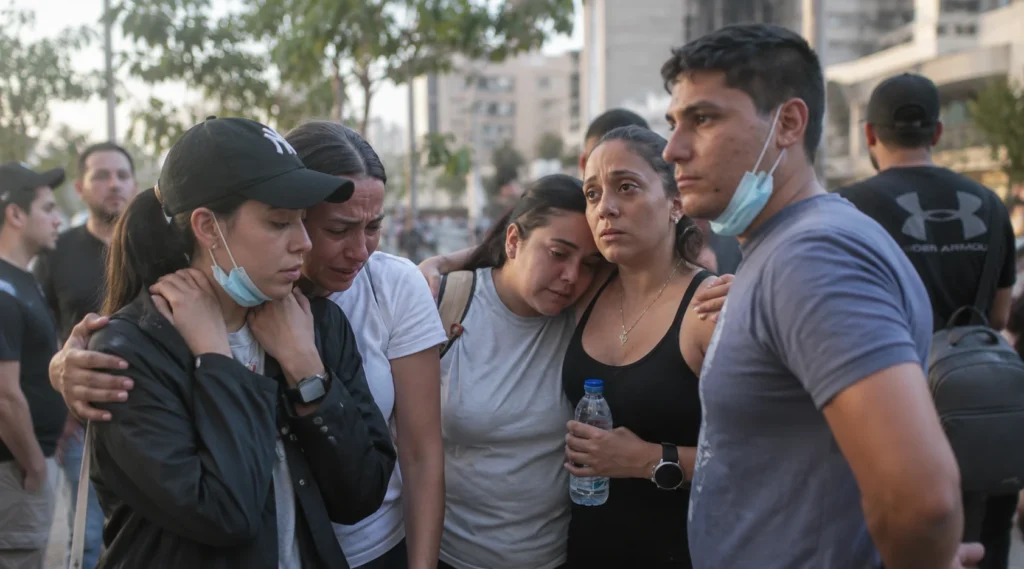
At the site of one missile strike in the Podilskyi district, rescue teams used sniffer dogs to search for the missing among the wreckage. Cranes lifted giant slabs of concrete from collapsed flats. A woman sat crying on a bench. A support team told the BBC that two of her relatives were buried in the rubble.
The BBC spoke to residents queuing to register their losses with police. One woman whose flat was on the eighth floor of a building that has now vanished tried to speak but had to turn away, sobbing. Another resident, Olena, said she had not gone to the bomb shelter when the sirens sounded because she was exhausted and wanted to sleep before work.
“After the first blast, nearby, the glass shattered and hit us, almost on our heads. Then everything was shaking,” she said. “The missiles hit our houses, and that’s terrible. Really scary. It seems we have nothing to intercept them with. So where are our partners? What’s happening? That’s my question.”
Kyiv’s top military administrator, Tymur Tkachenko, said 56 people were injured in the capital. Zelensky said there were 16 injuries in the wider region.
According to BBC ground reporting from Kyiv including resident accounts and casualty figures from city officials, the attack was the second large-scale strike on the capital in a week. Thursday’s attack killed 30 people.
The Nato Summit
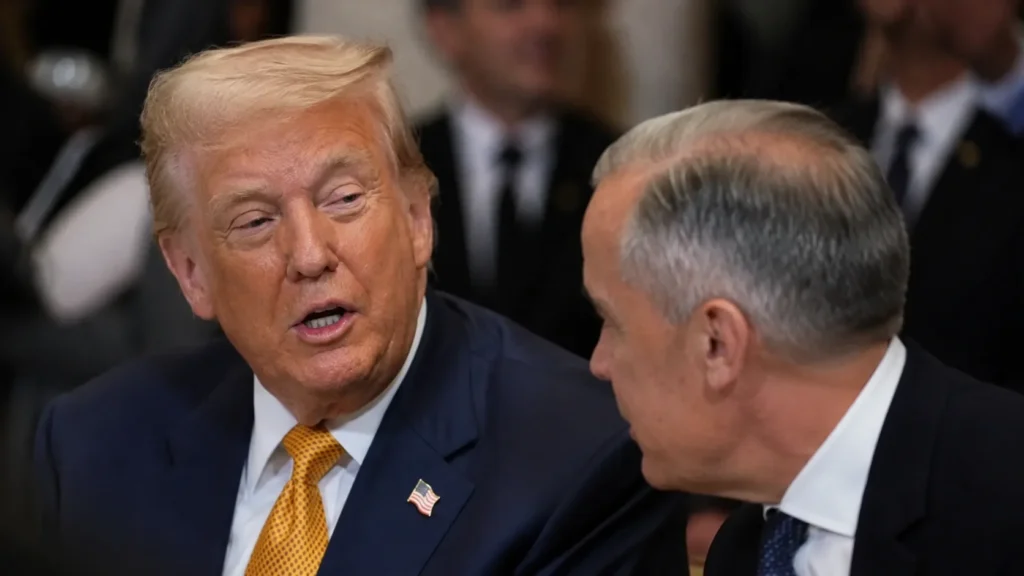
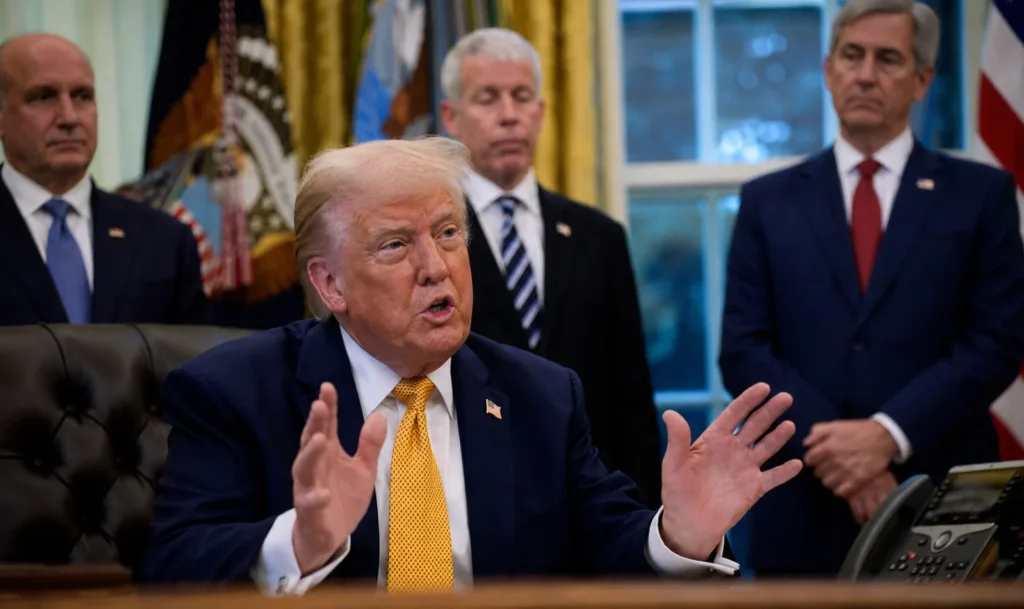
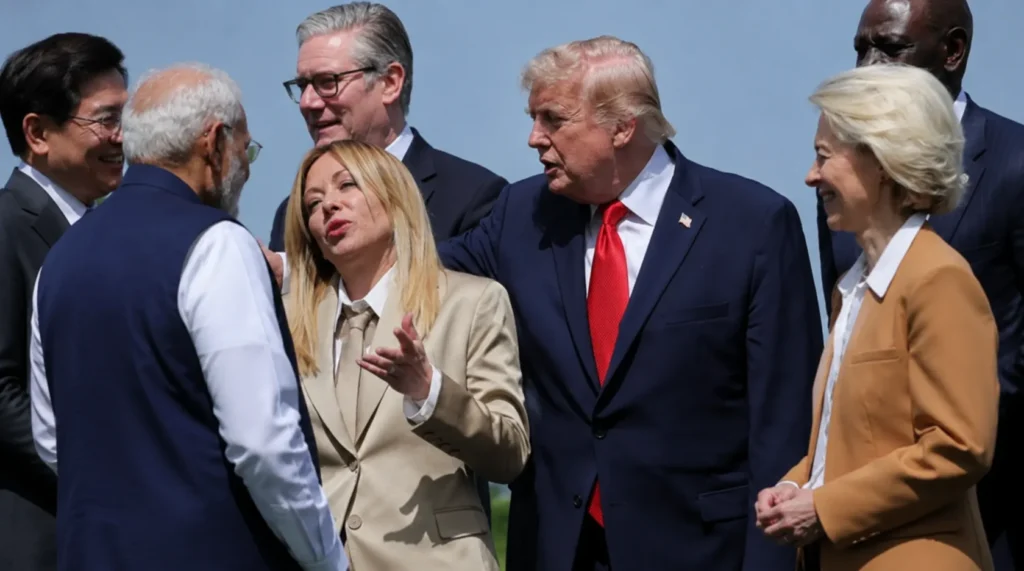
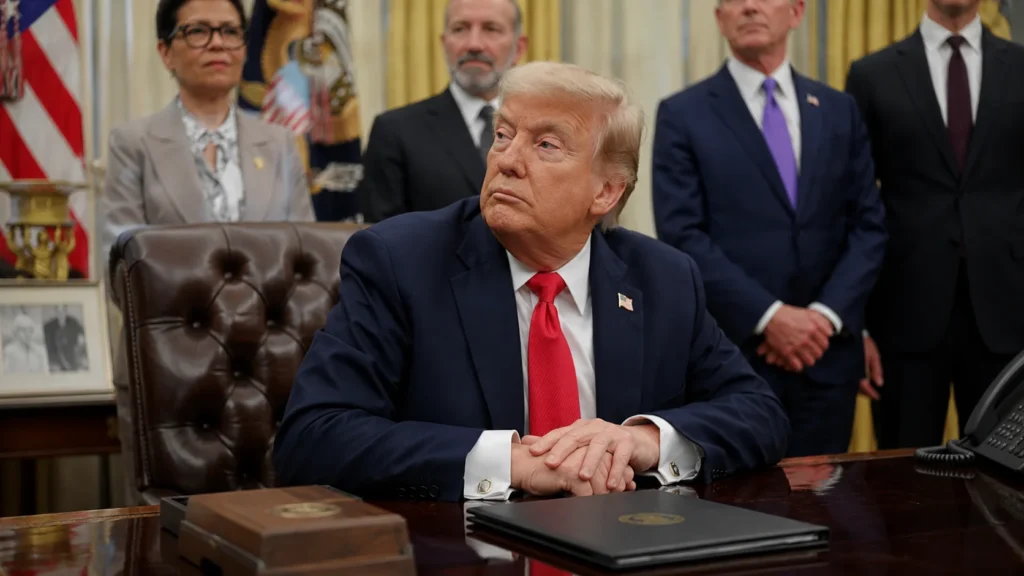
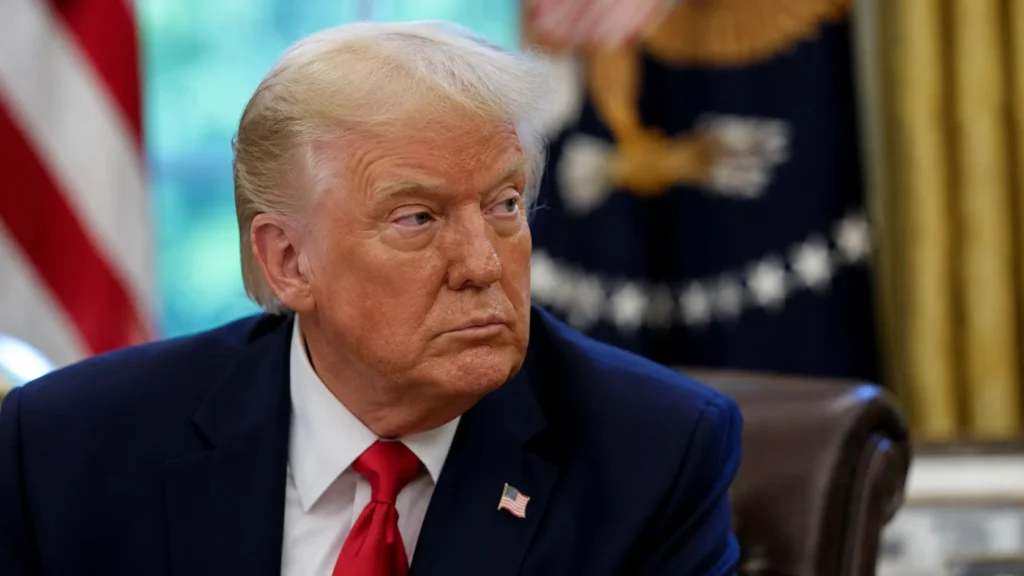
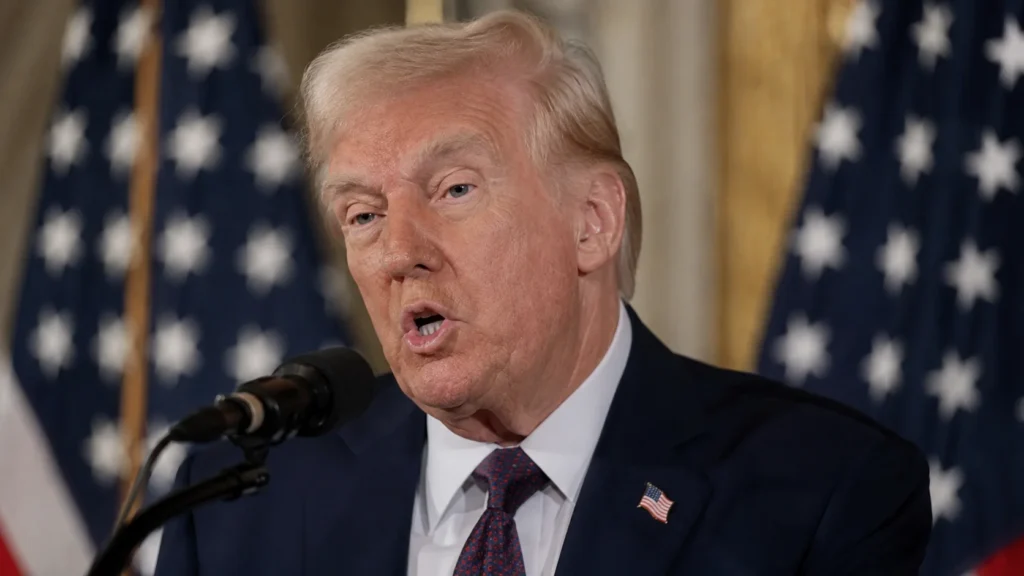
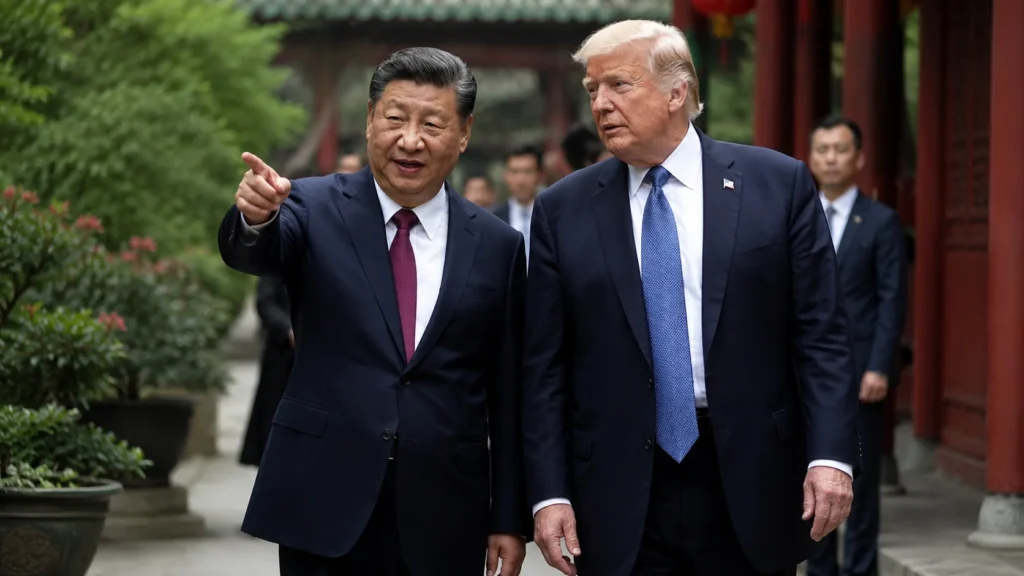
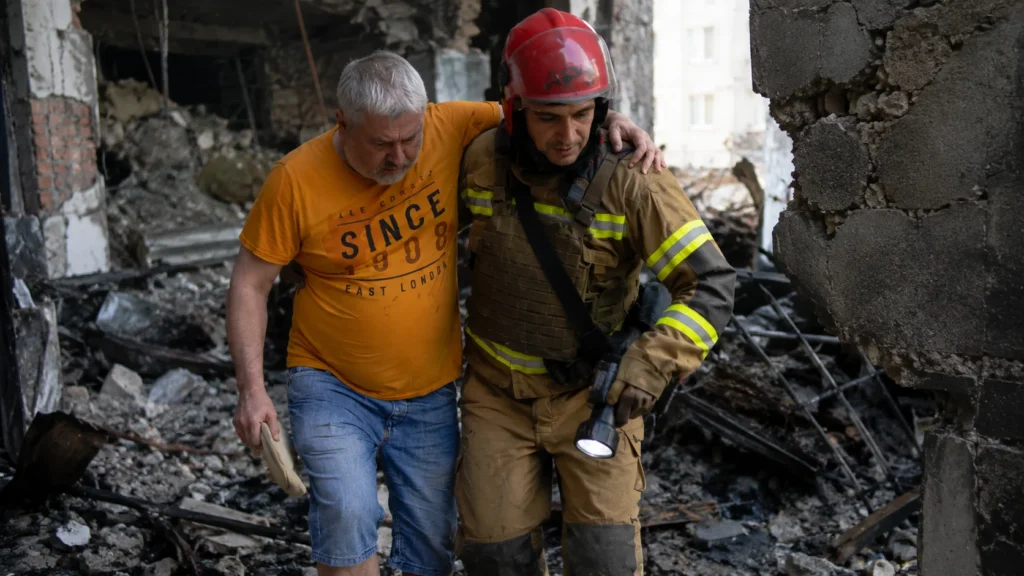
The Nato summit begins on Tuesday in Ankara, Turkey. Several reports suggest Zelensky will meet US President Donald Trump on the sidelines. EU Commission President Ursula von der Leyen said Ukraine’s “urgent” need for more air defence would be discussed.
Zelensky wrote on X that it was “critically important” for allies to arrive with “strong decisions in support of our air defense, and thus the protection of ordinary people’s lives.” He added: “The United States and Europe have enough power to stop this terror.”
The interceptor shortage transforms the summit from a general discussion of support for Ukraine into a specific decision about whether to resupply Patriot missiles. The number of ballistic missiles Russia fired on Sunday is known. The number Ukraine intercepted is known. The gap between the two is the metric by which the summit’s outcome will be judged.
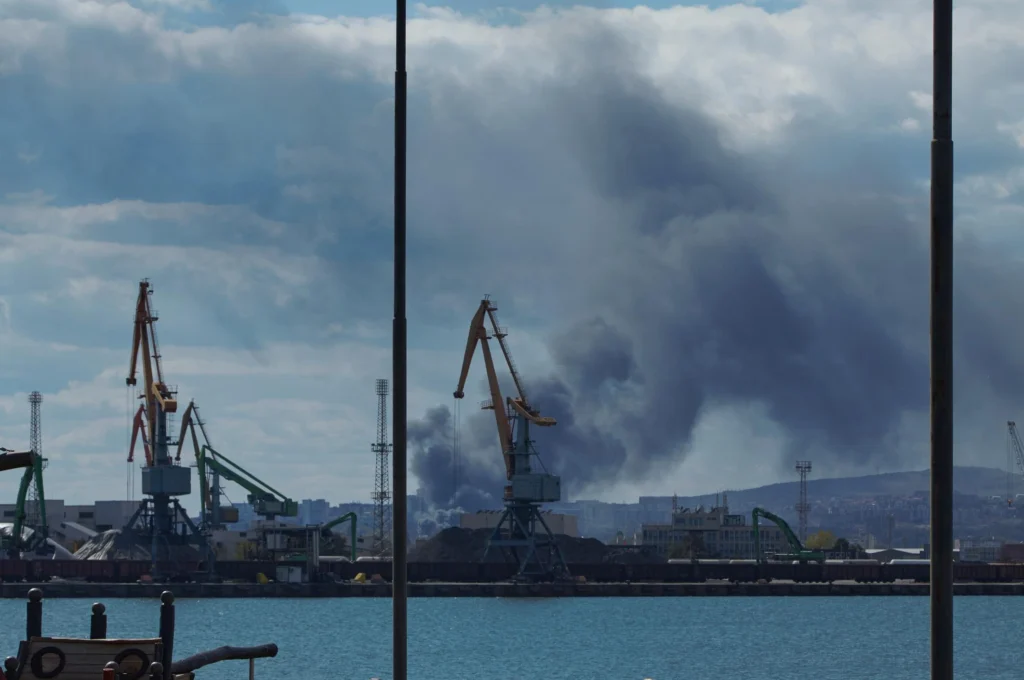
As our coverage of the Nato summit and the debate over military aid to Ukraine has tracked, the meeting comes as the infrastructure war between the two countries intensifies. Ukraine has kept up drone attacks on Russian energy facilities, with power cut off temporarily in Sevastopol in occupied Crimea. Russia’s Ministry of Defence said Kyiv launched 625 long-range strike drones, of which 613 were shot down. Vladimir Putin has made a rare admission of fuel shortages caused by the Ukrainian strikes.