

 English





































































































































































































































The US-Iran Ceasefire Is Over. The Strait of Hormuz Just Shut Down Again.
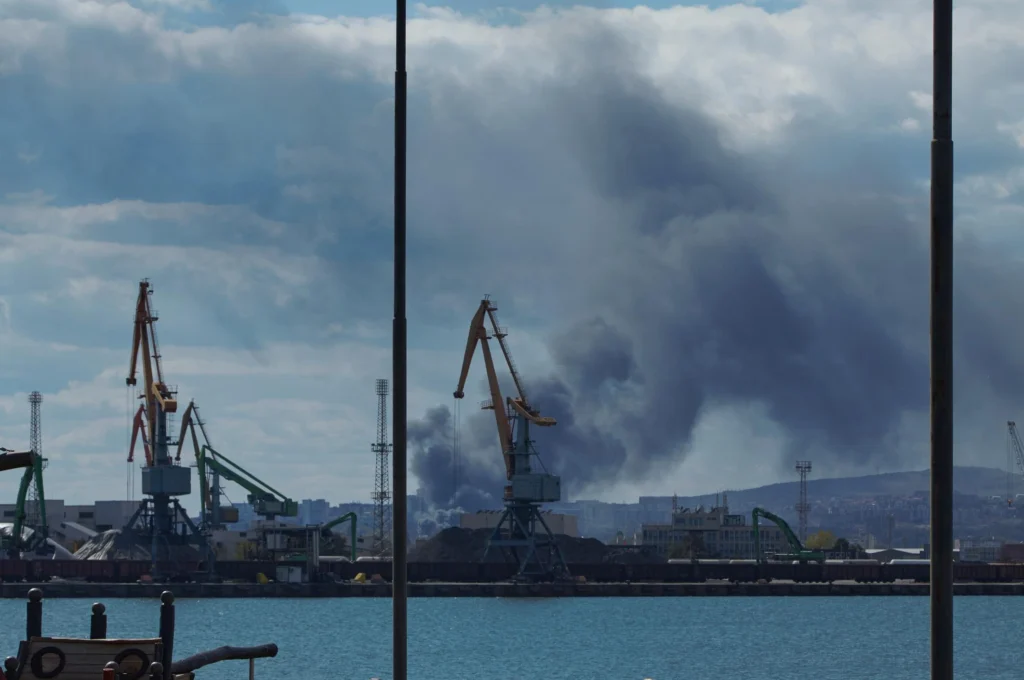
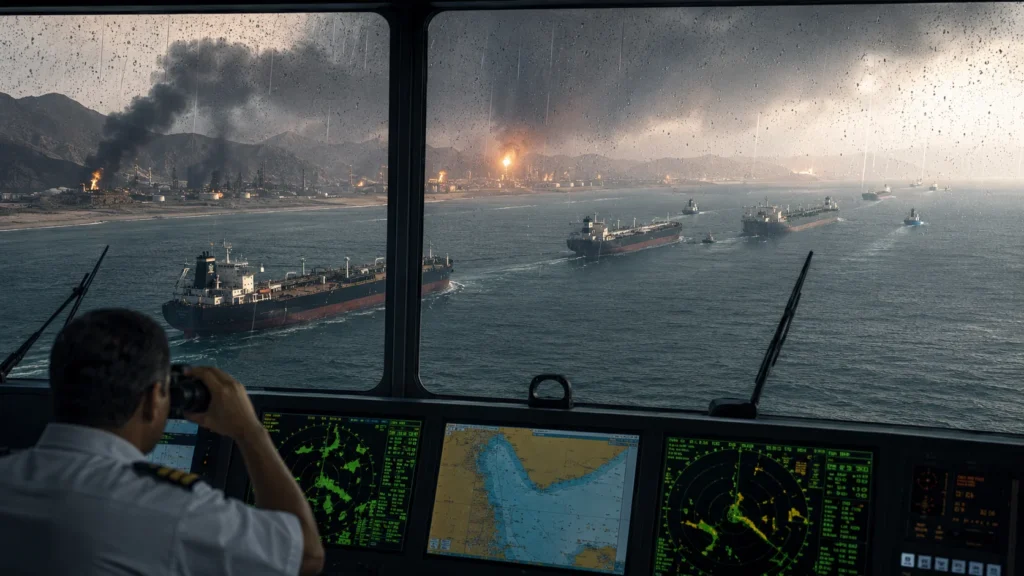
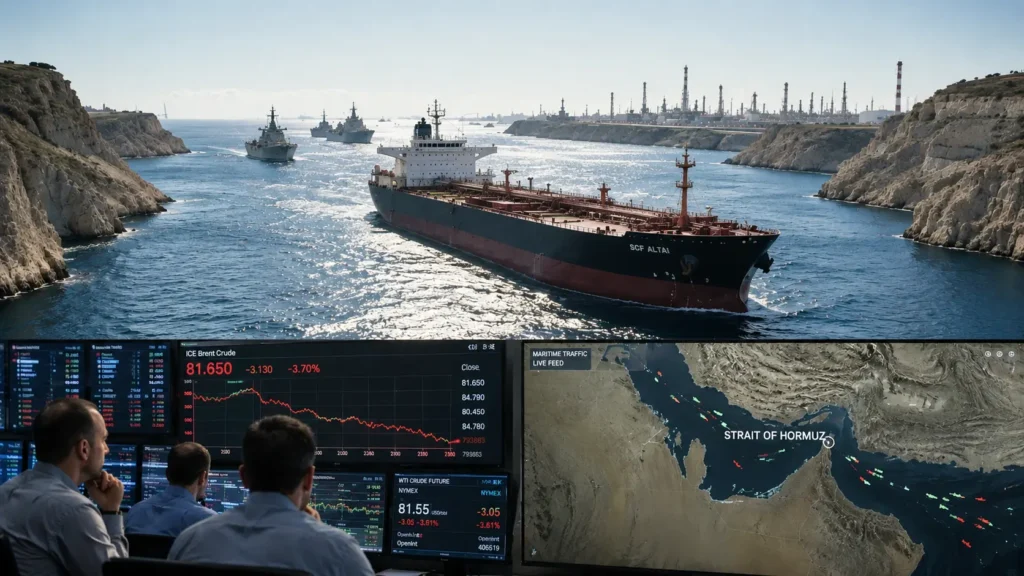
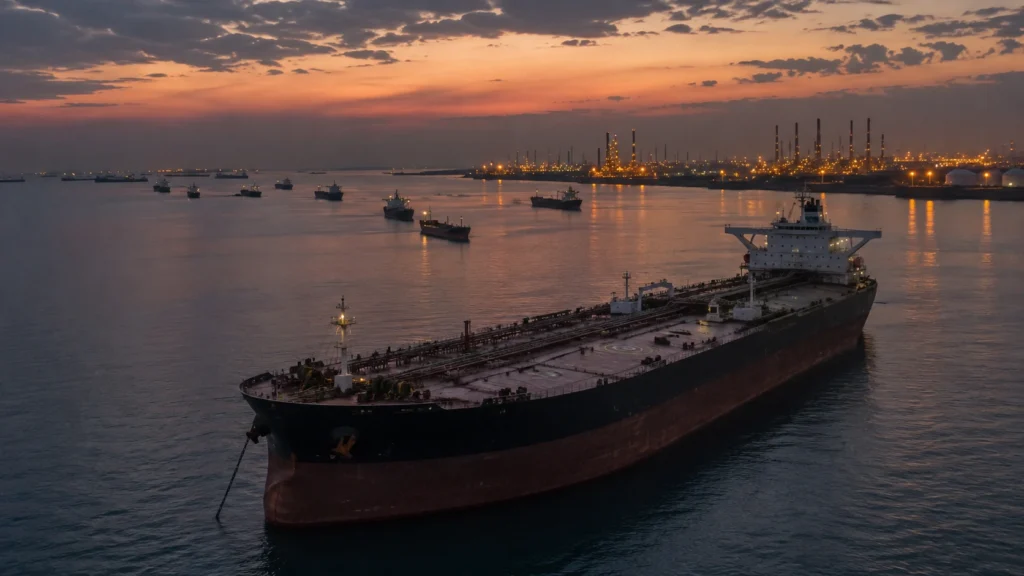
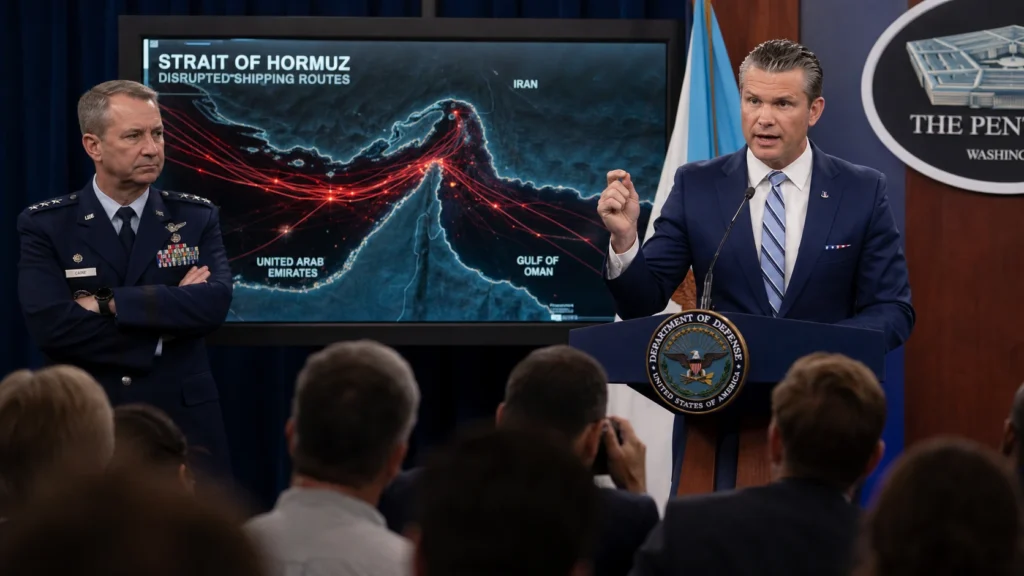
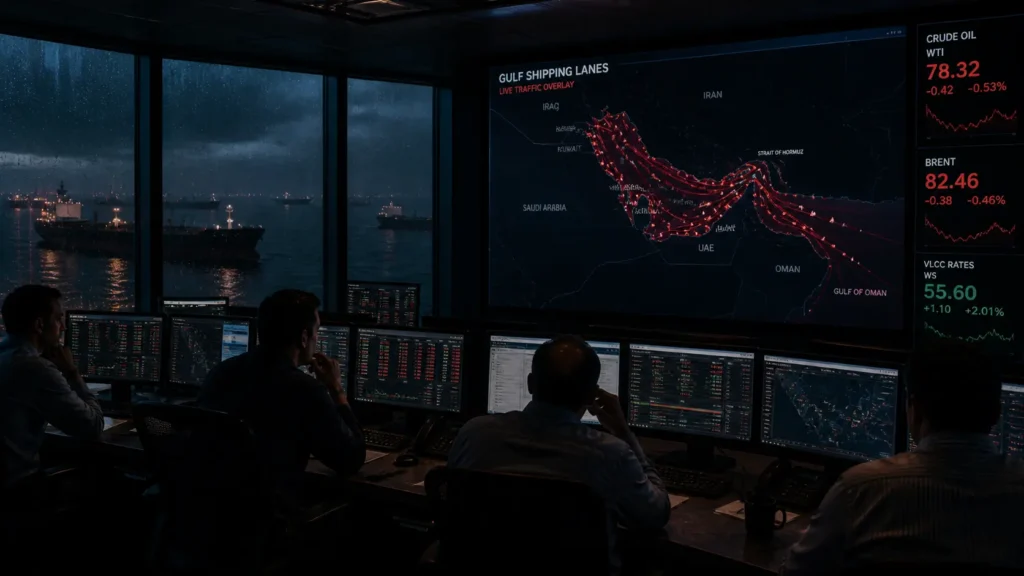
The number of ships taking the southern route through the Strait of Hormuz has collapsed into single figures. Phil Belcher, marine director at Intertanko, the international organisation for independent tanker owners, gave the figures on Thursday morning. A week ago, about 70 ships a day were transiting. Before the war began in February, the normal number was 130. The “exuberance of optimism” that followed the signing of the memorandum of understanding between Iran and the United States on 17 June has evaporated. “This cycle of violence, this cycle of up-and-down, positive-negative news, it’s having an enormous impact both on business and on the seafarers themselves,” Belcher told the BBC.
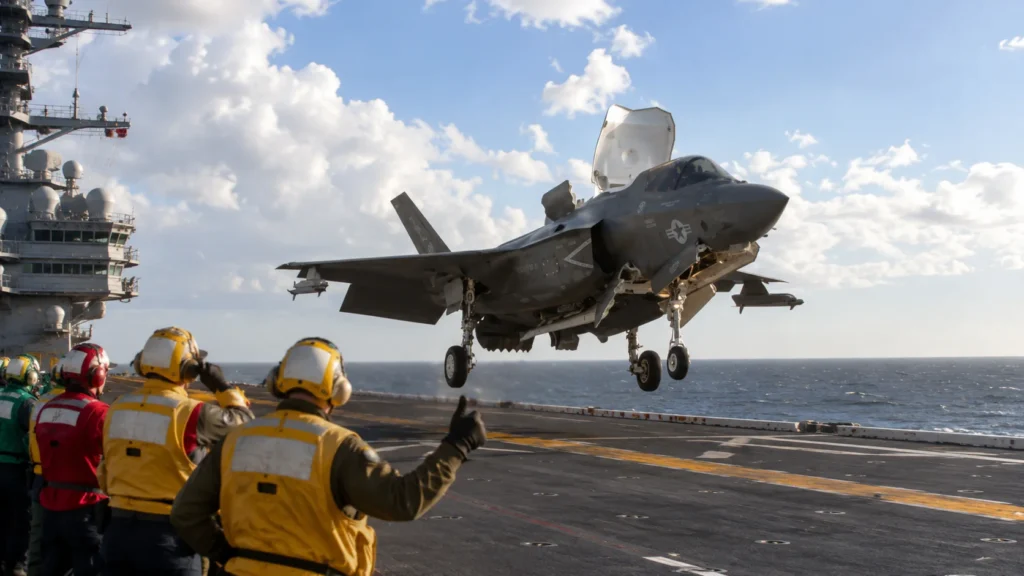
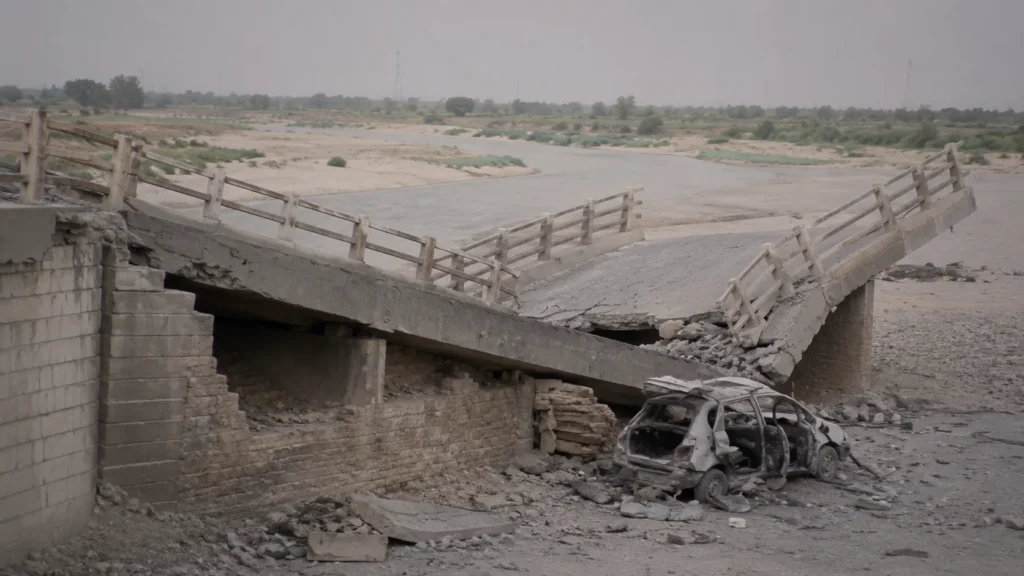
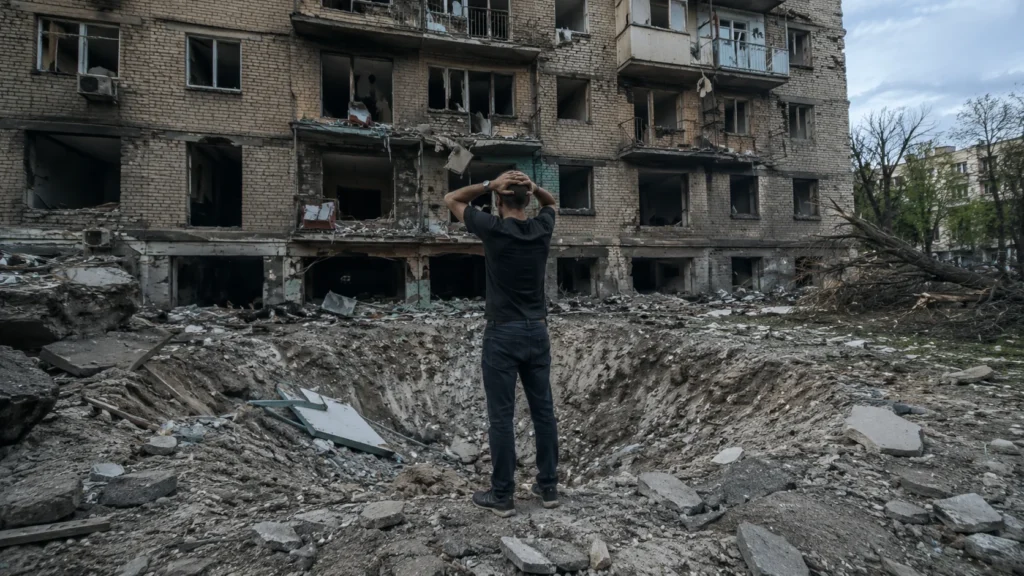
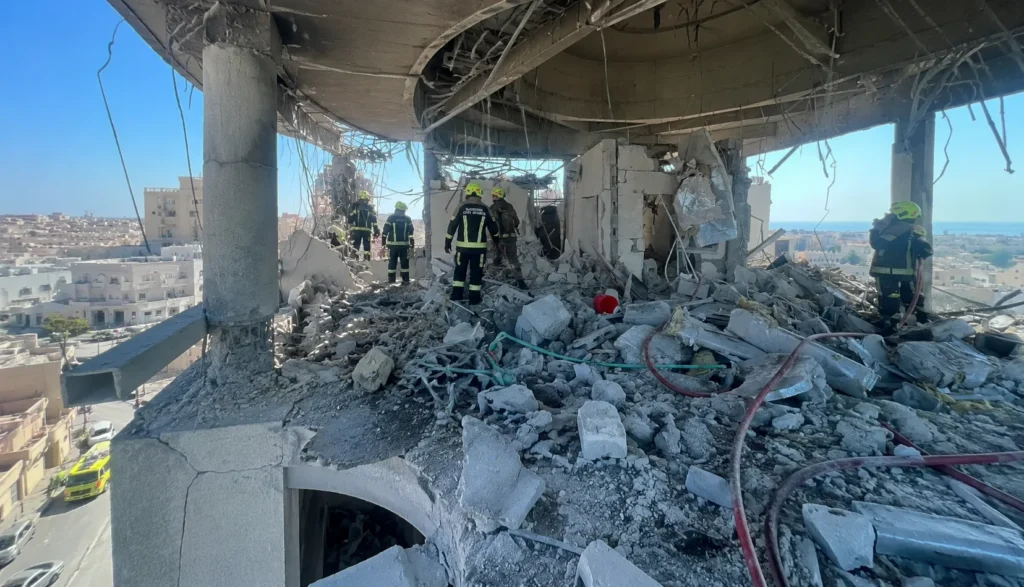
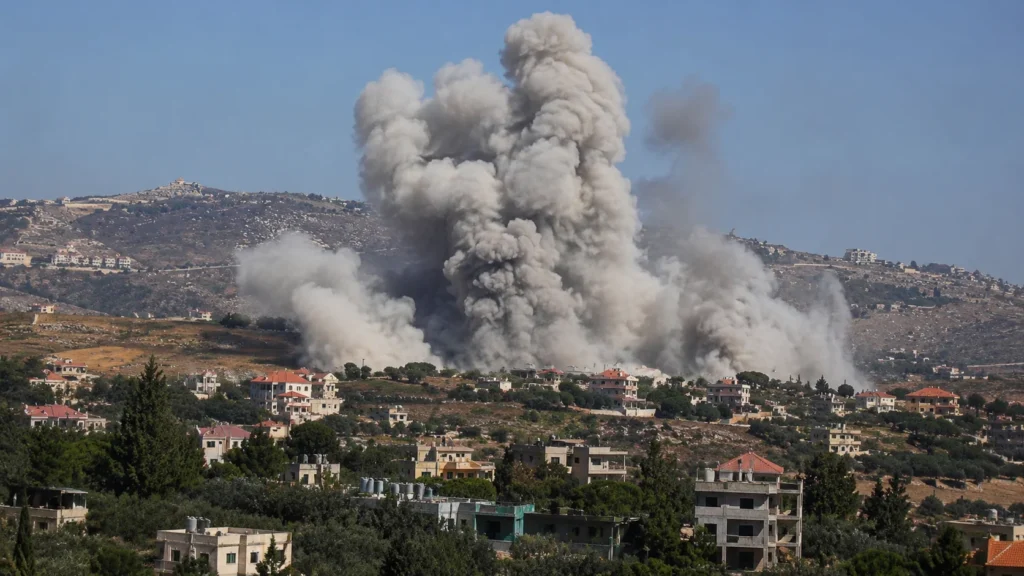
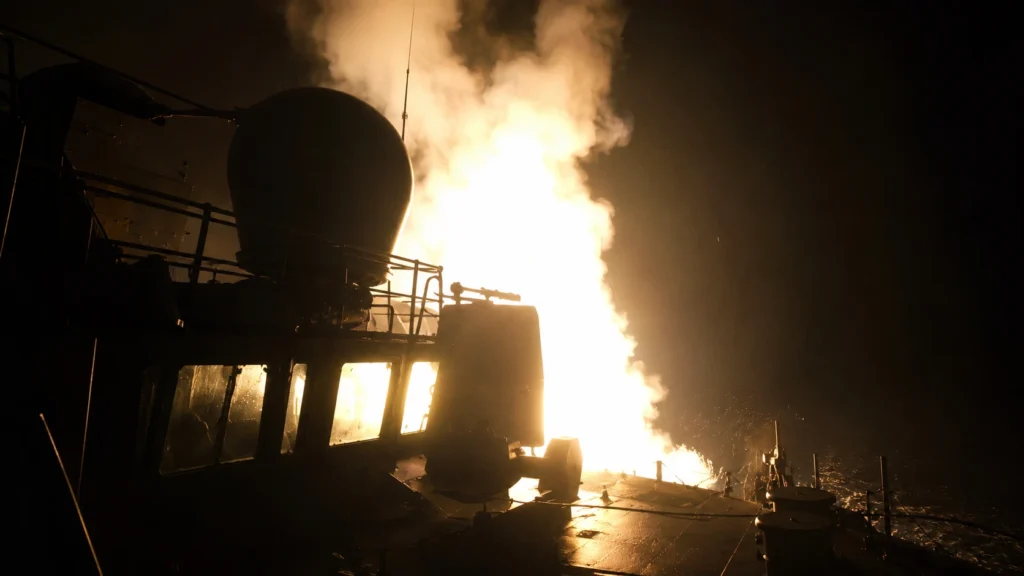
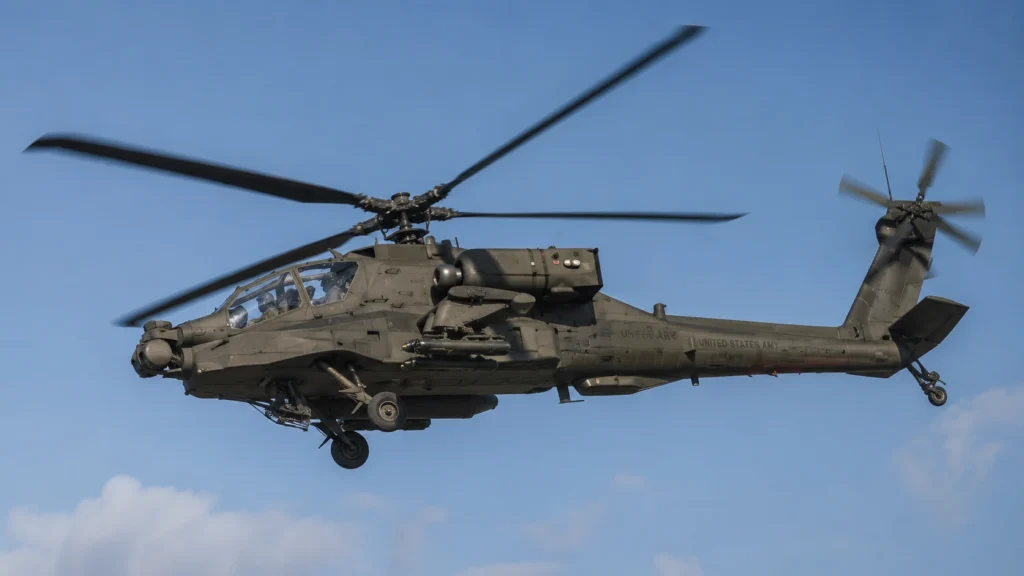
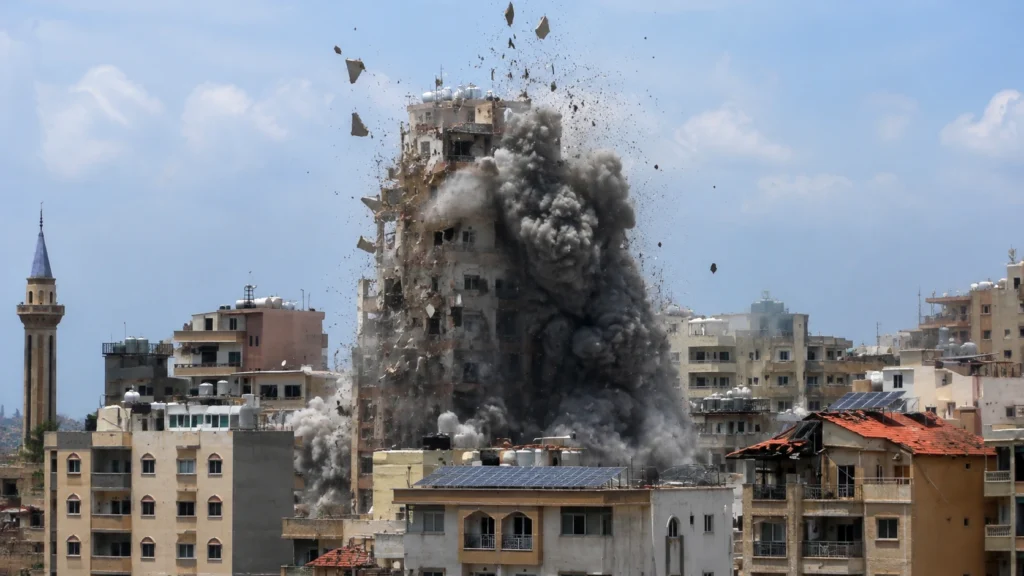
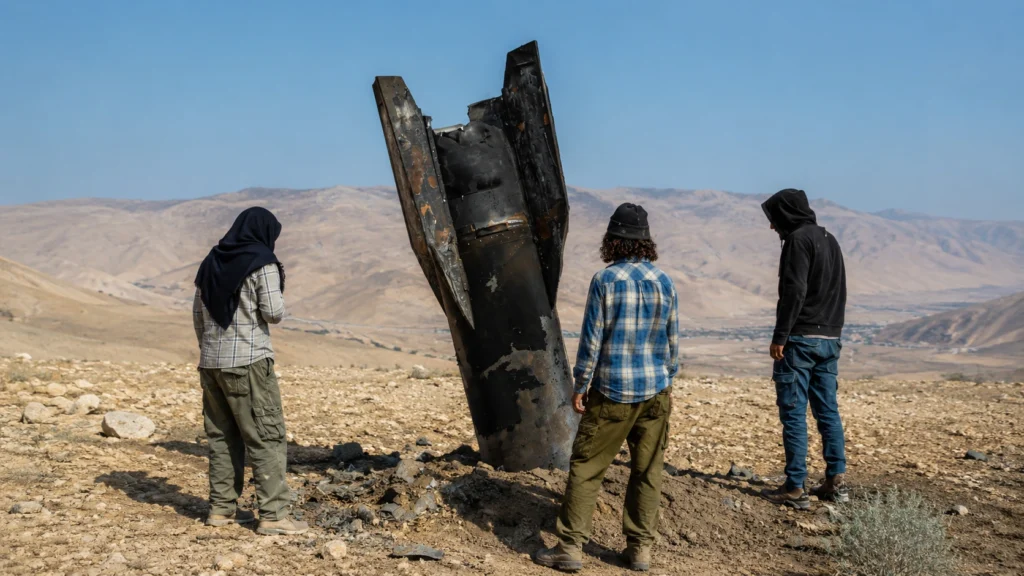
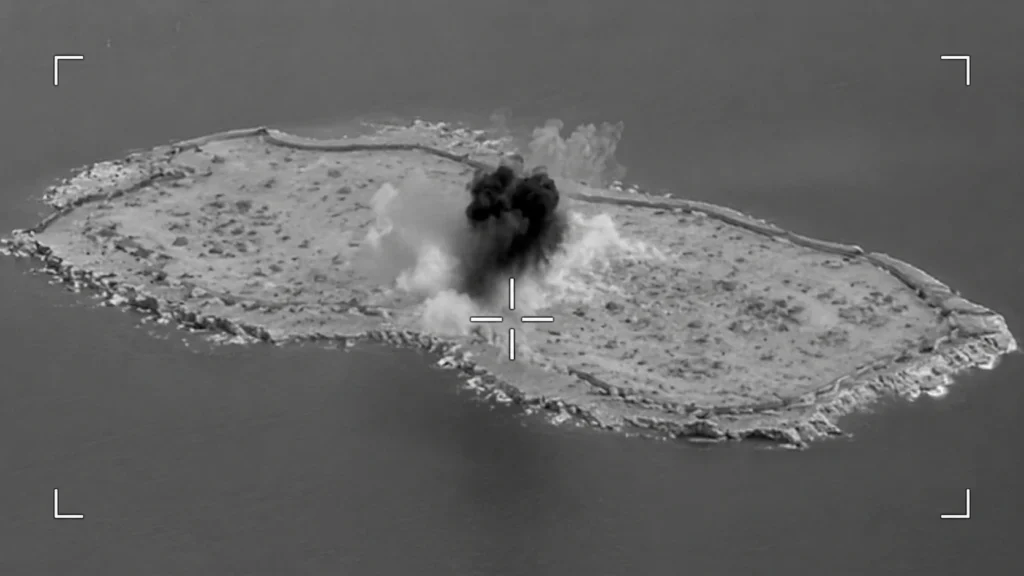
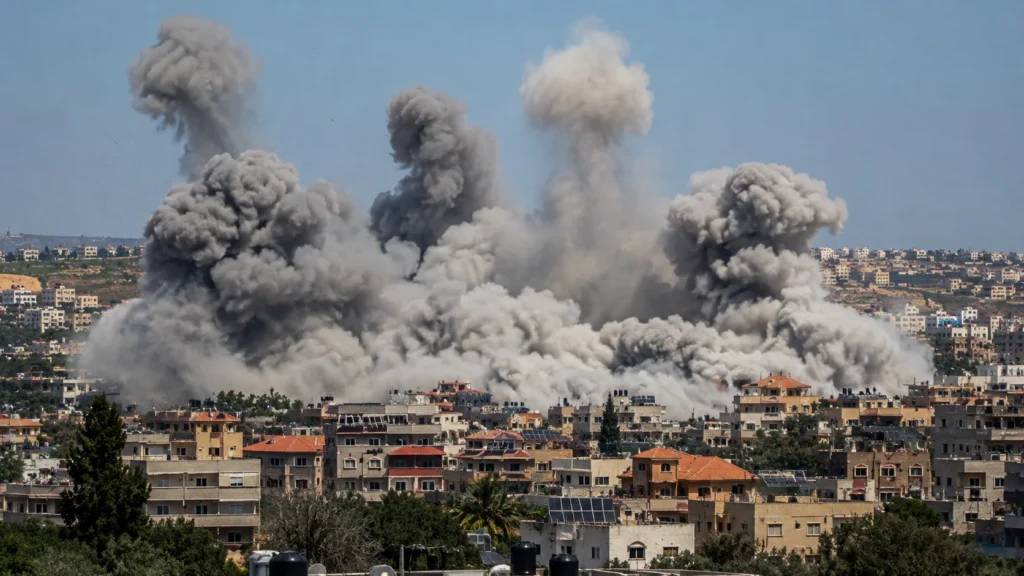
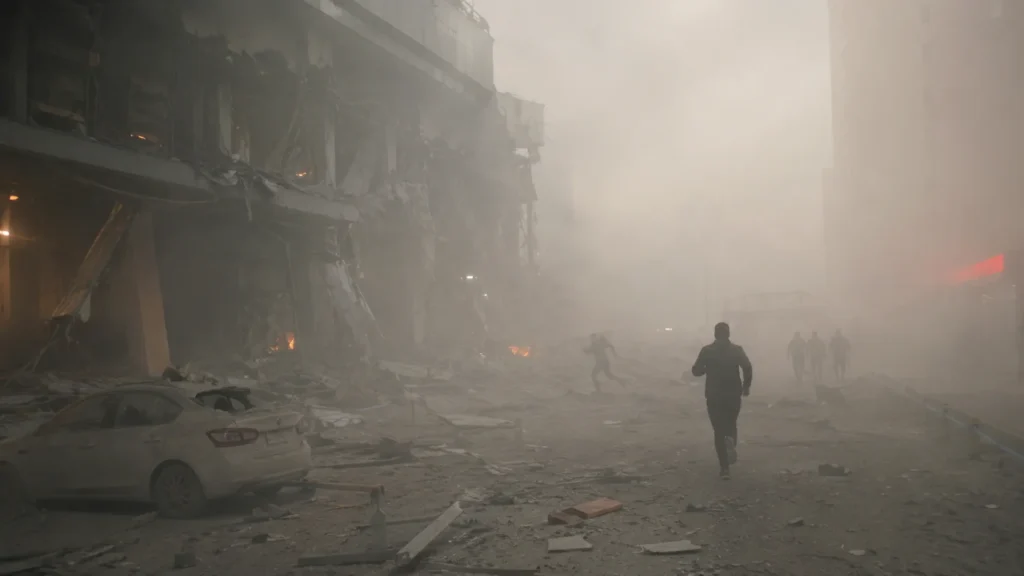
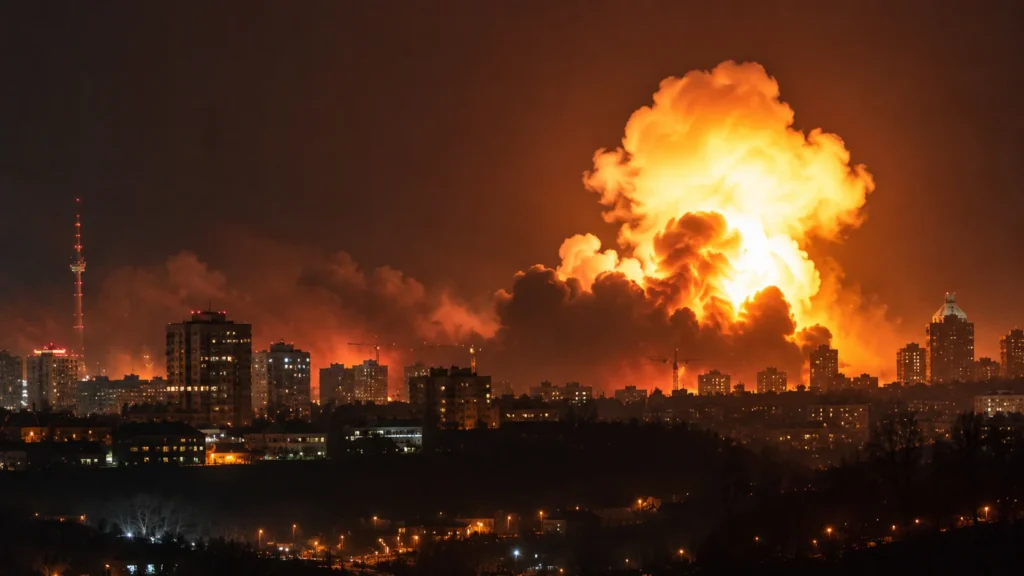
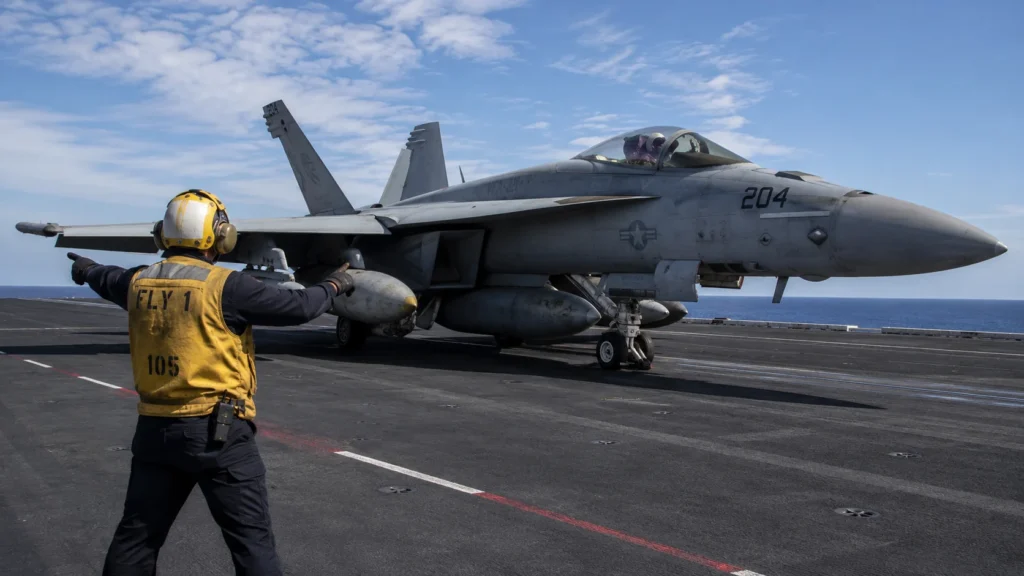
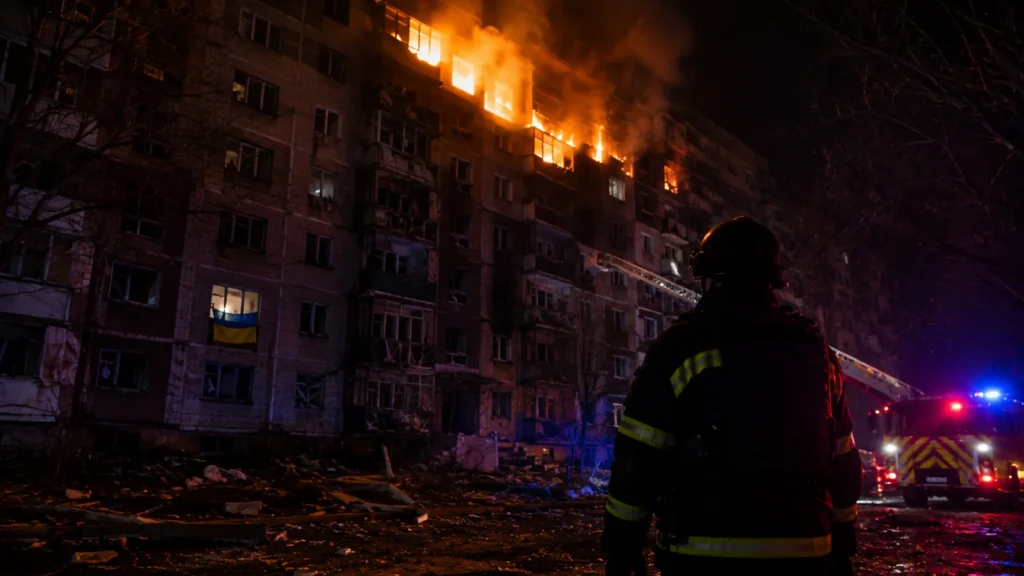
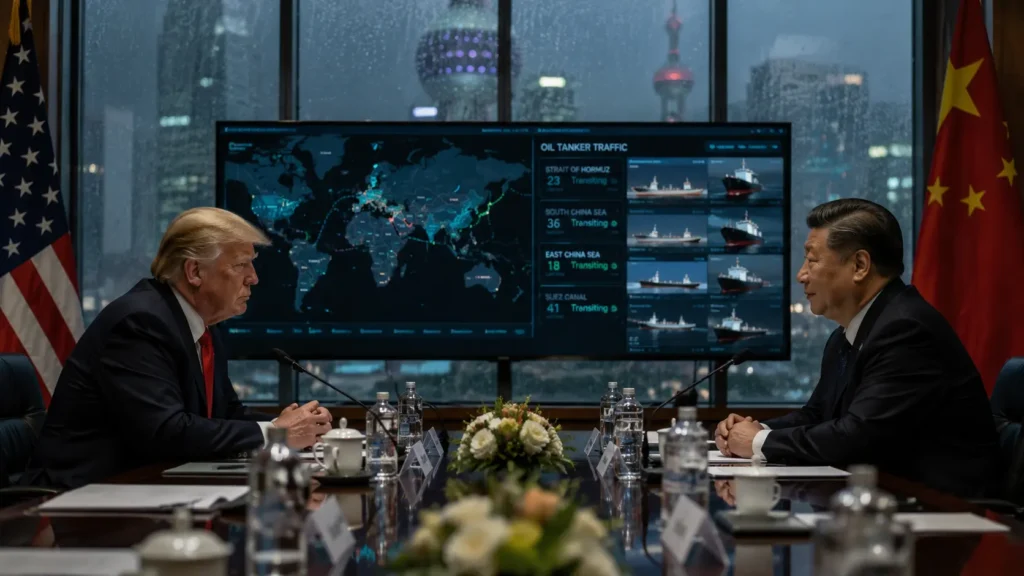
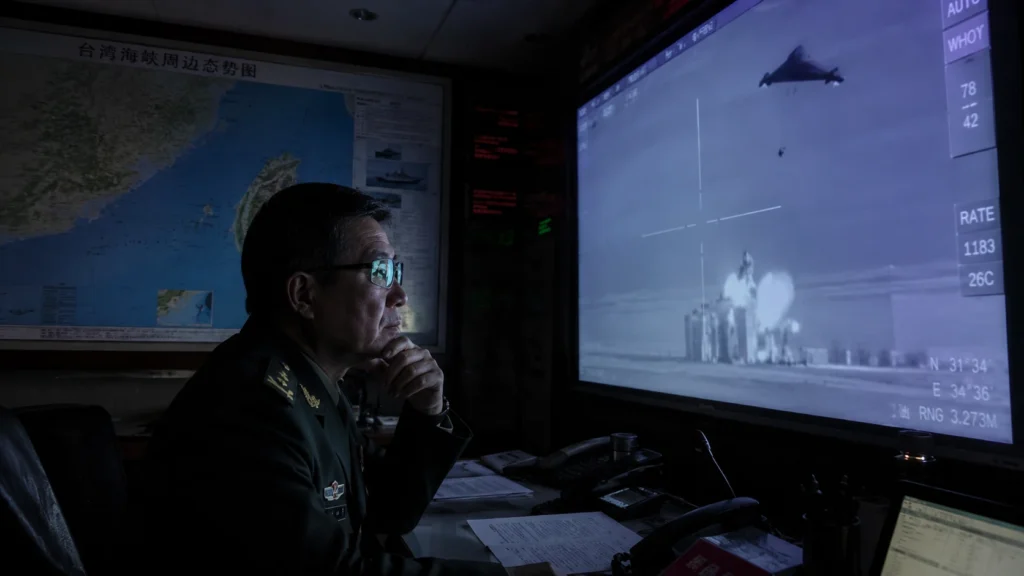
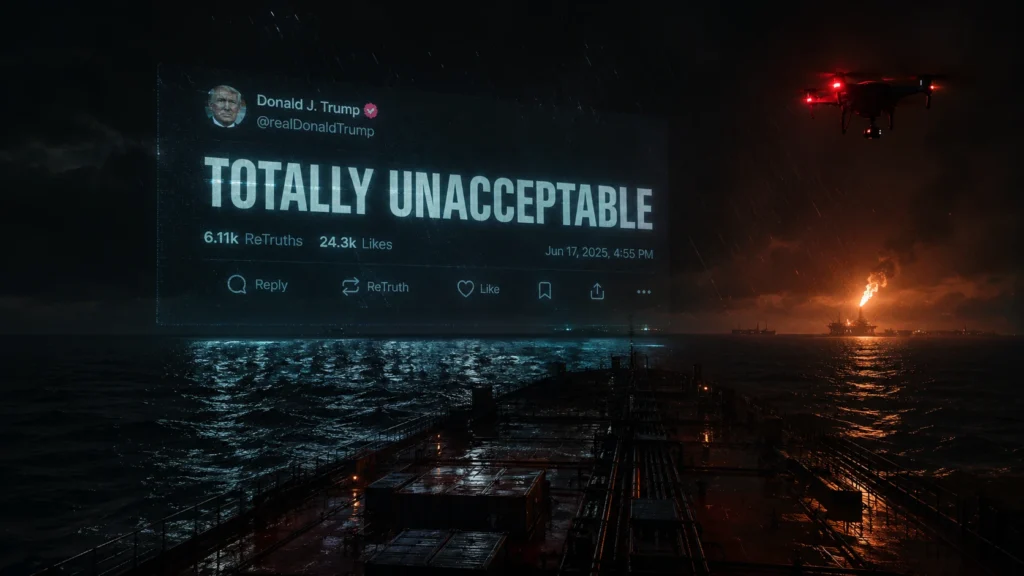
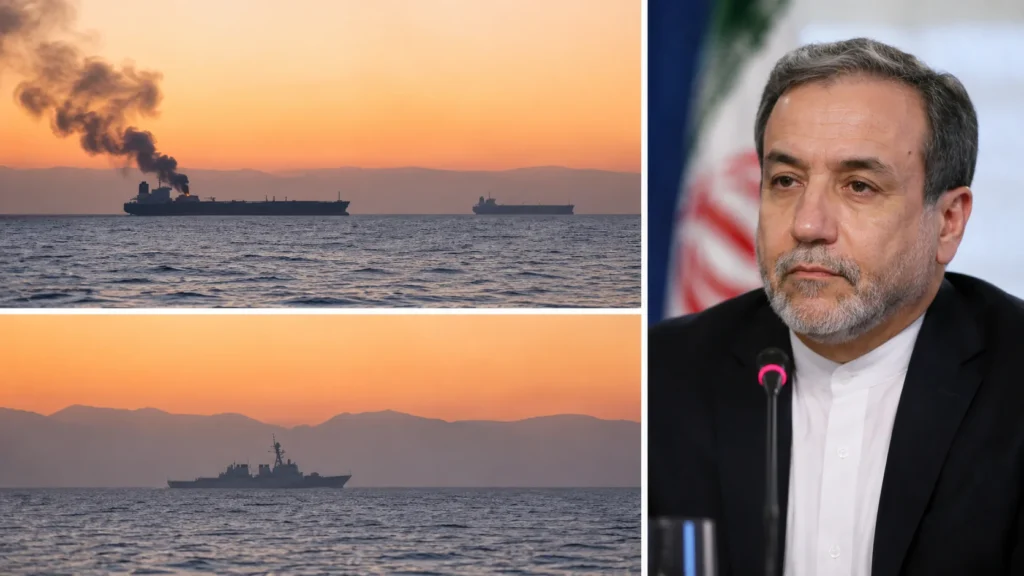
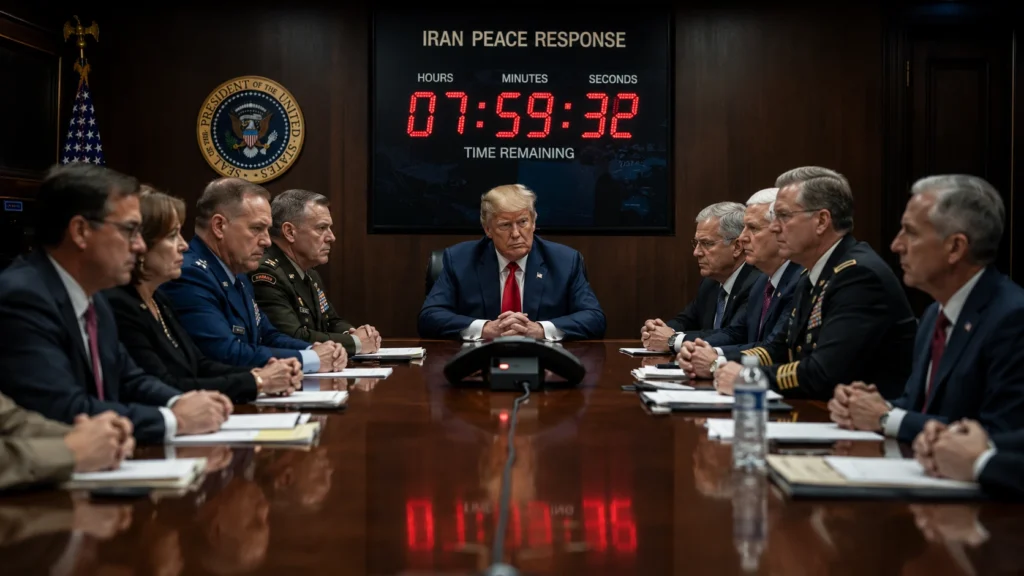
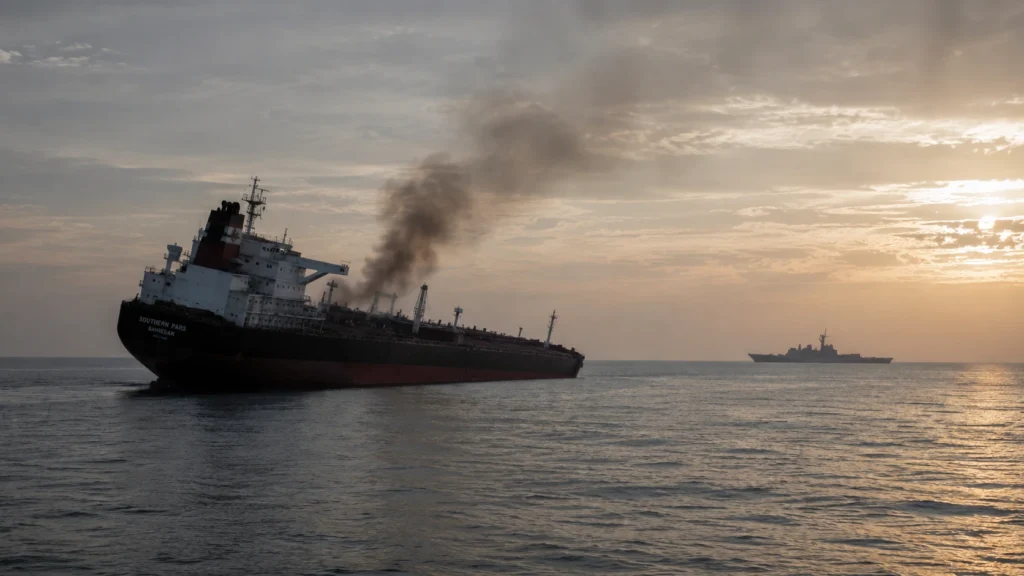
The memorandum of understanding lasted 22 days. On Tuesday, the US launched what it called “powerful” strikes in response to attacks on three tankers in the strait. On Wednesday, it hit 90 military targets along Iran’s coastline, including air defence systems, military logistics infrastructure, and sites near the Bushehr nuclear power plant. Iran retaliated against US assets in Kuwait, Bahrain, and Qatar, then launched further strikes on sites in Kuwait, Jordan, and Iraq. The IRGC called it the “first phase of the punitive response against the American treaty-breakers.” Trump called the Iranians “scum” and said the deal was “over.” The 60-day negotiation period has not expired. The negotiations are not continuing. The missiles are.
This is not an escalation story. This is a Security vs Economic Stability collision—a waterway that carries a fifth of the world’s oil has become impassable again, and the diplomatic architecture that was supposed to keep it open has collapsed in less than a month, and the global economy is now navigating a conflict that has no rules and no referee.
The Straits: From 130 Ships to Single Figures
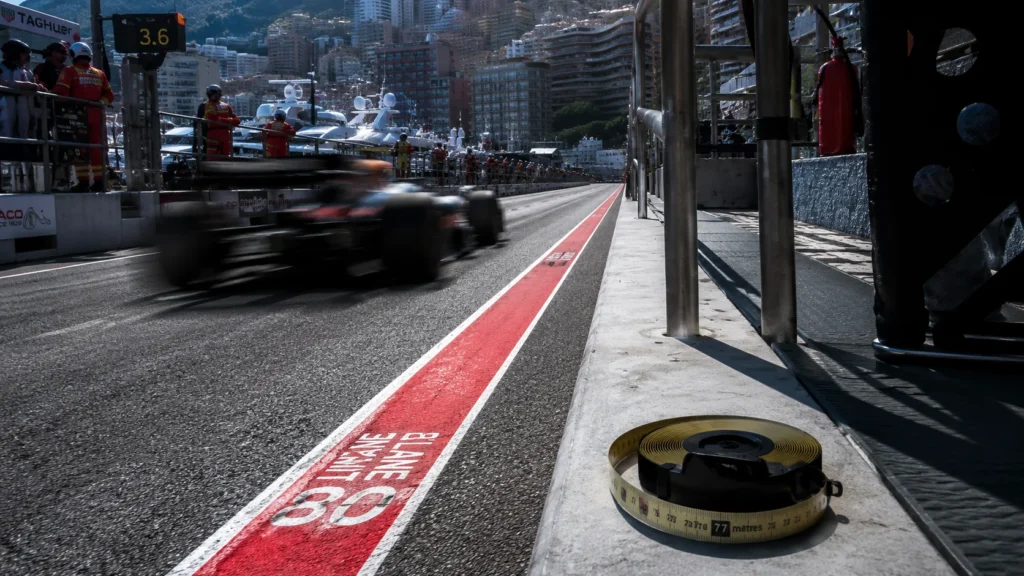
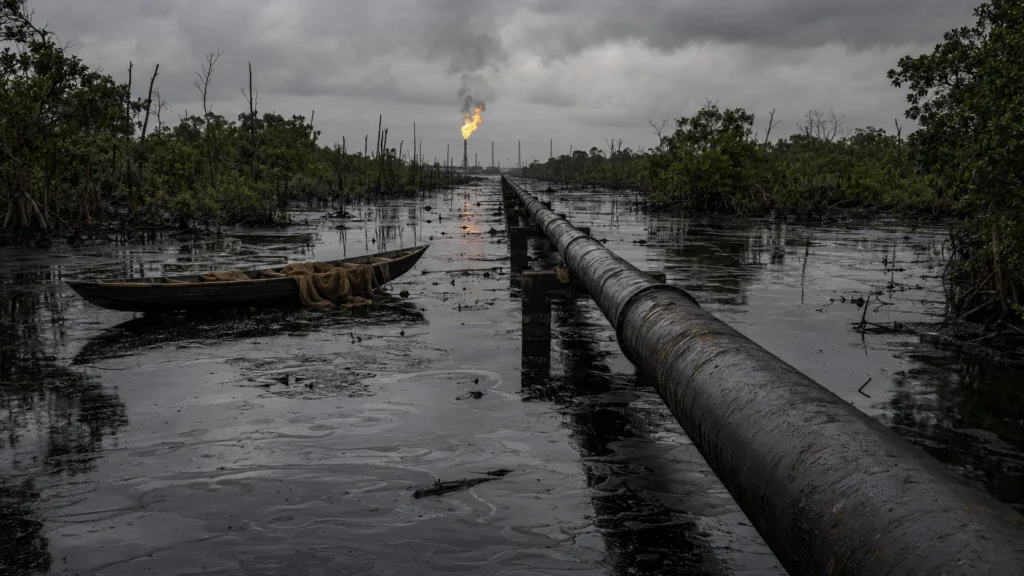
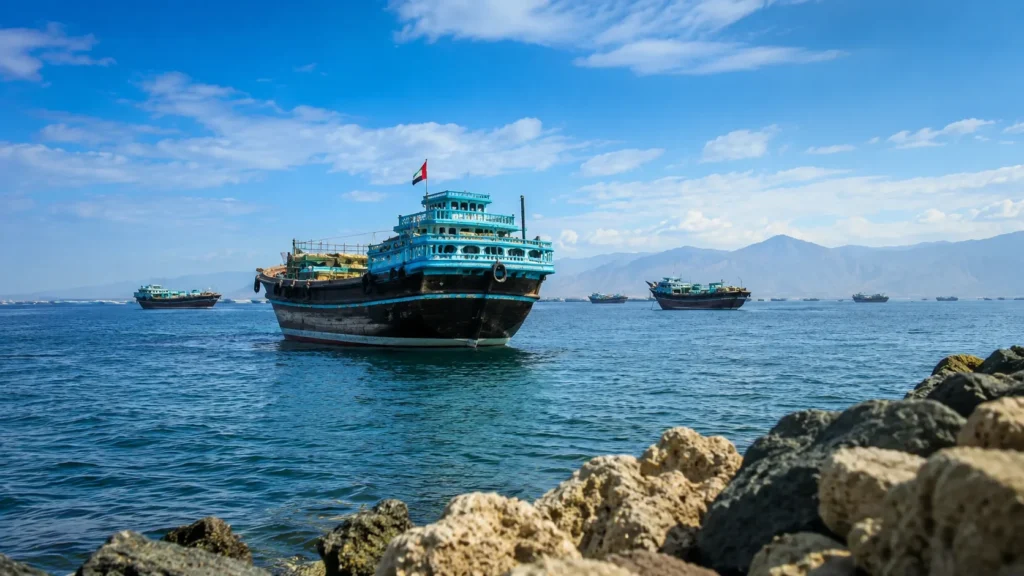
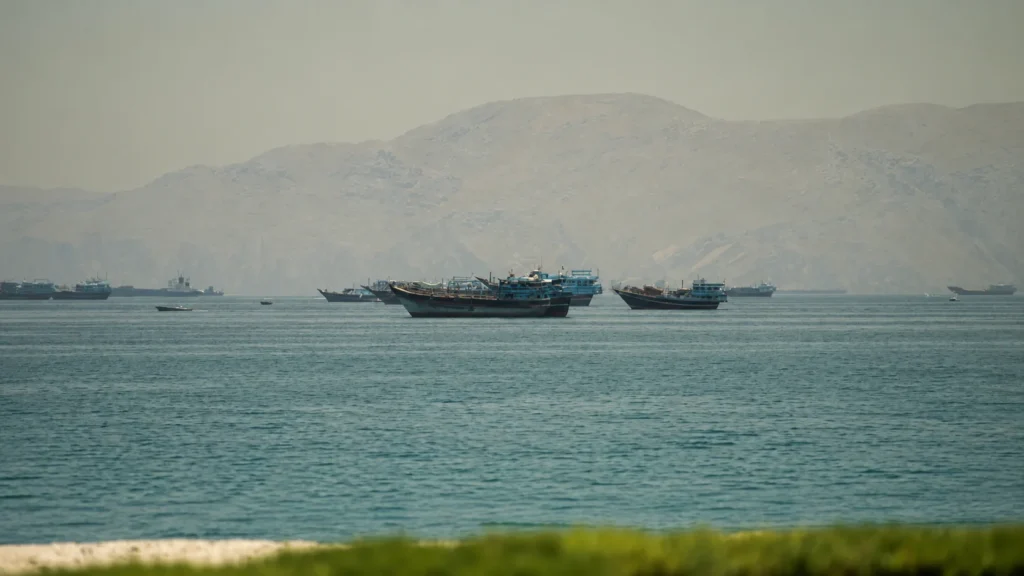
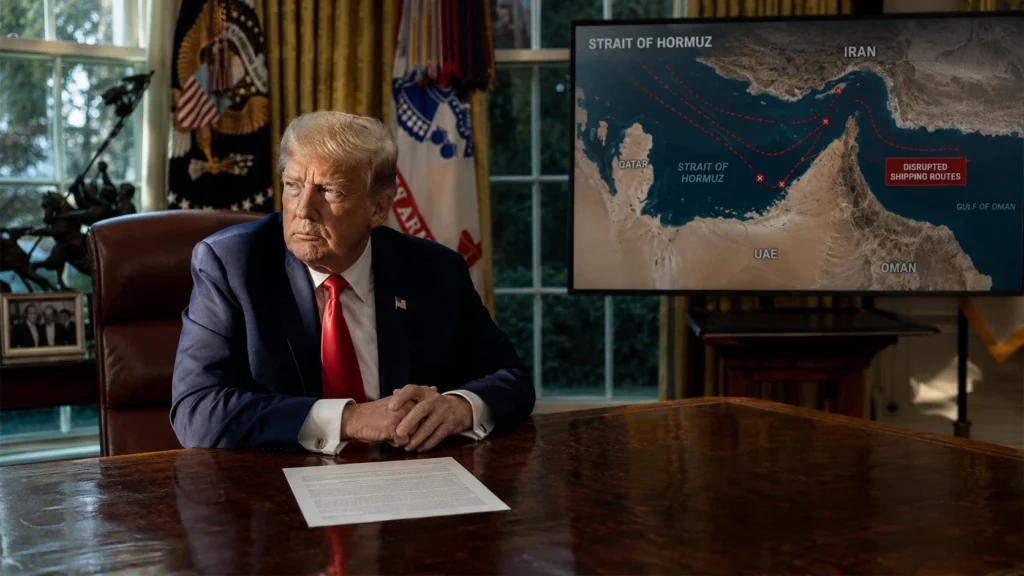
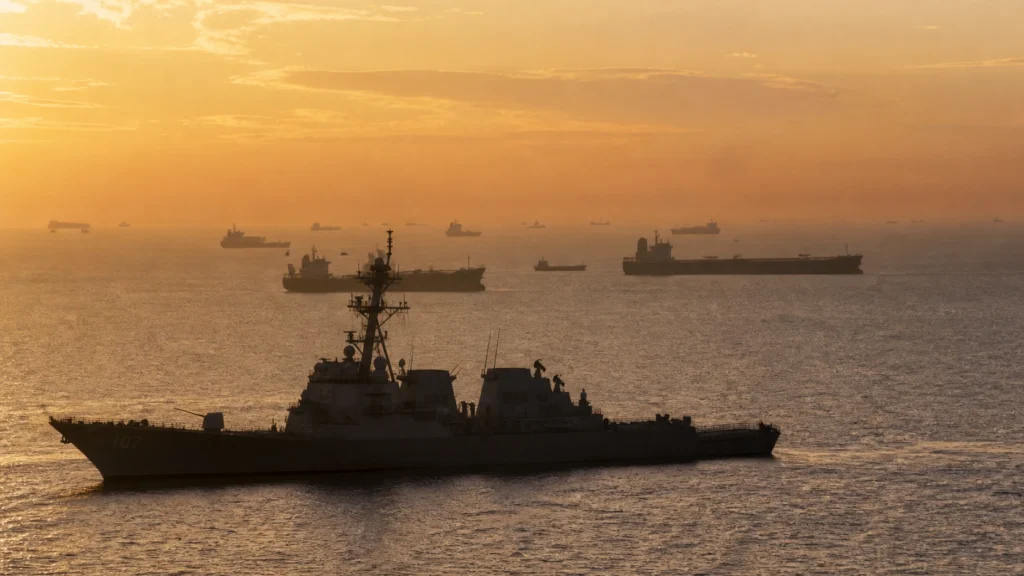
The Strait of Hormuz is the most important chokepoint in the global energy system. Before the war, 130 ships transited daily, carrying roughly 20 million barrels of oil and oil products. After the memorandum was signed on 17 June, traffic resumed along a southern route protected by the US Navy. The number rose to about 70 ships a day—below pre-war levels, but functional. The optimism Belcher described was real. The shipping industry had begun to believe the ceasefire would hold.
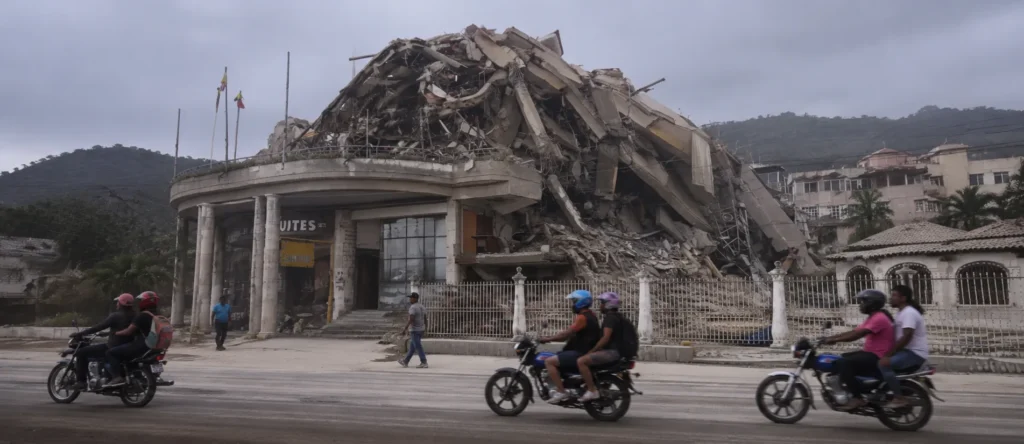
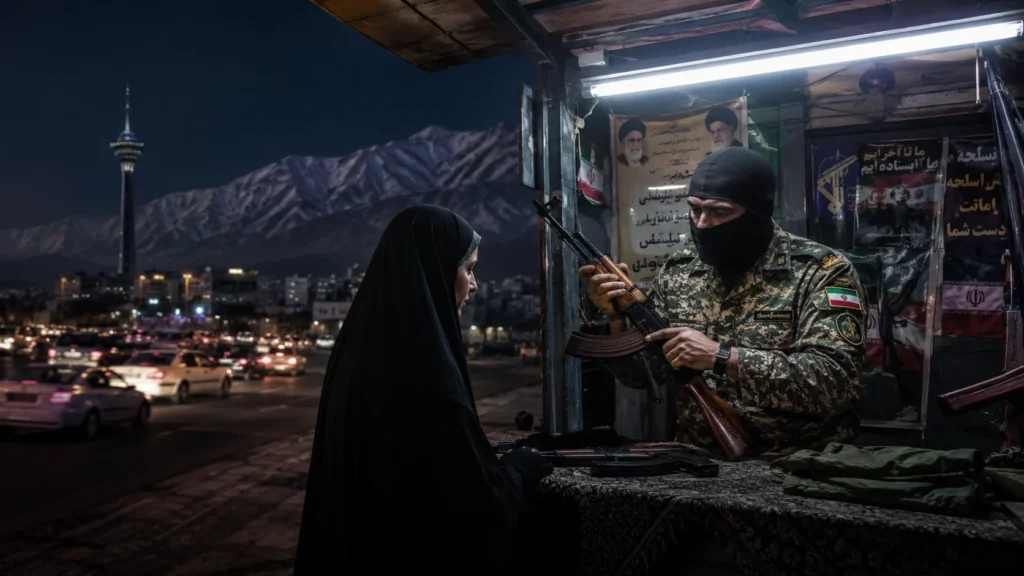
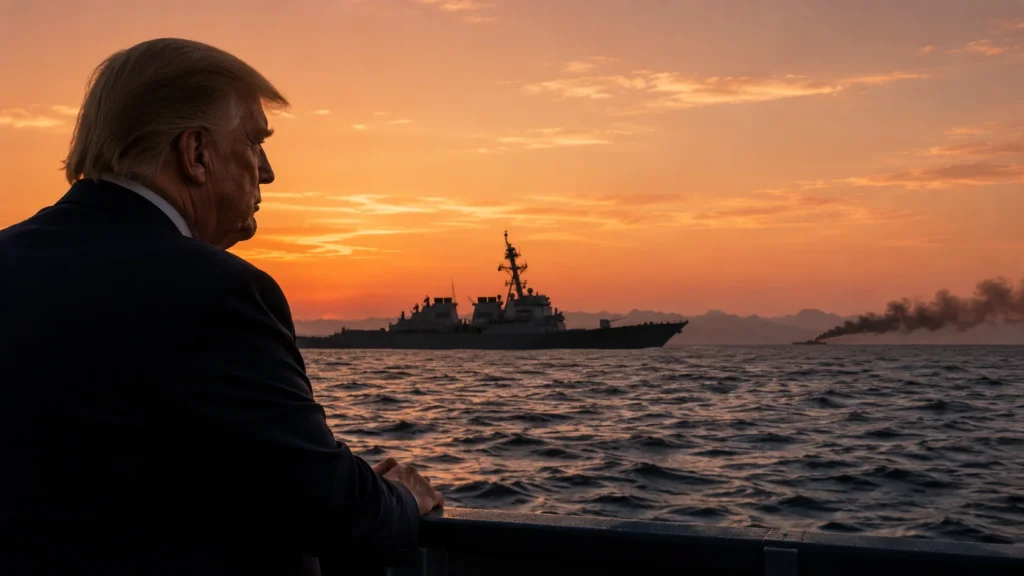
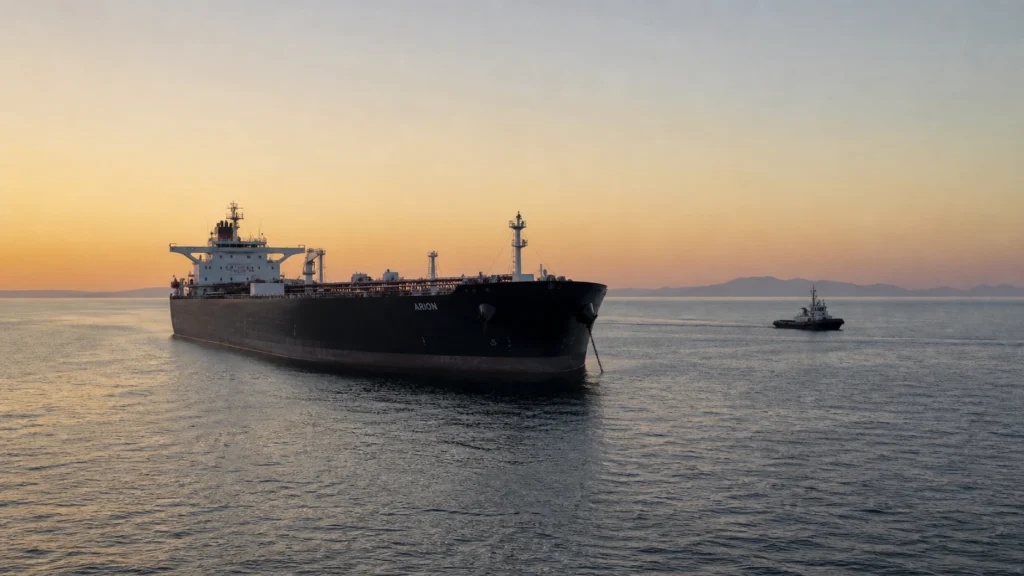
The attacks on three tankers on Tuesday ended that belief. The US strikes on Wednesday and Thursday ended the ceasefire. The IRGC’s retaliatory strikes on US bases in Kuwait, Bahrain, and Qatar—and the further strikes on Jordan and Iraq—ended any remaining pretence that the memorandum constrained either side’s behaviour. The southern route is now largely abandoned. Ships that were transiting are now waiting. Ships that were waiting are now rerouting. The strait is not closed in a formal sense. It is closed in the sense that matters: the insurance premiums, the risk assessments, the decisions of ship captains and fleet operators who will not send vessels and crews into a war zone.
The IRGC’s statement that this is the “first phase” of its response is a signal. The US strikes on 90 targets are a signal. The signals are converging on a single message: the ceasefire is over, the strait is a battlespace, and the shipping industry has correctly concluded that it cannot operate there.
The Diplomatic Collapse: What Happened to the MoU
The memorandum of understanding was signed on 17 June. It contained 14 points: a 60-day ceasefire, safe passage for vessels through the strait, the lifting of US sanctions on Iran, and a framework for further negotiations. The ink dried. The violations began immediately. Both sides accused the other of breaching the agreement. Both sides were correct. The violations escalated. The tanker attacks on Tuesday triggered the US response. The US response triggered the Iranian response. The Iranian response triggered the second US response.
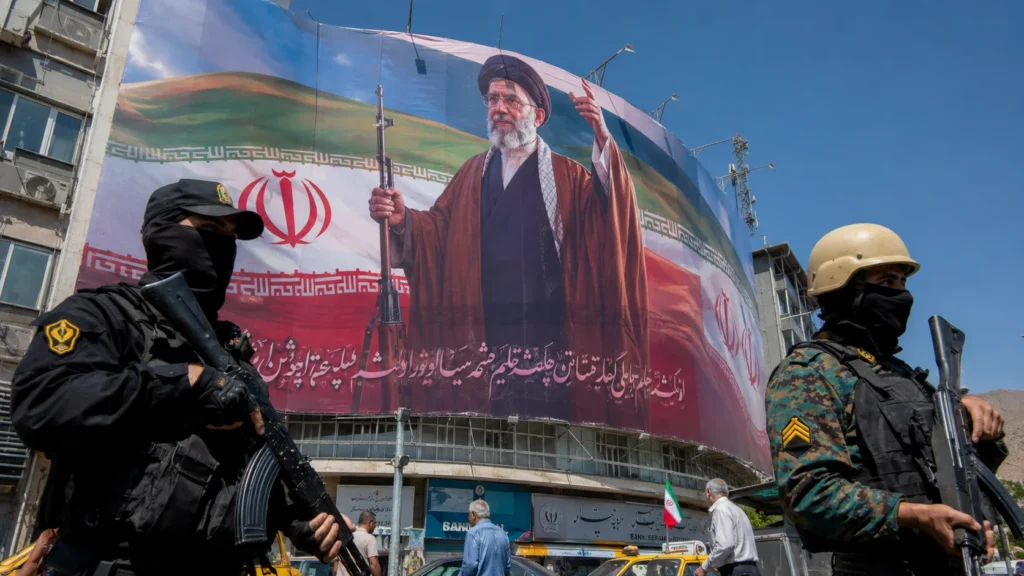
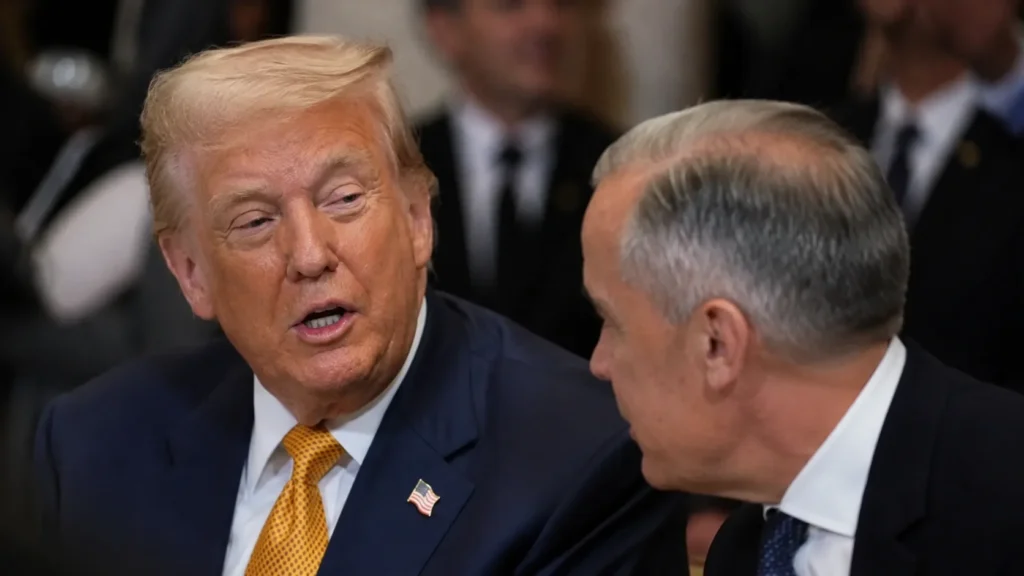
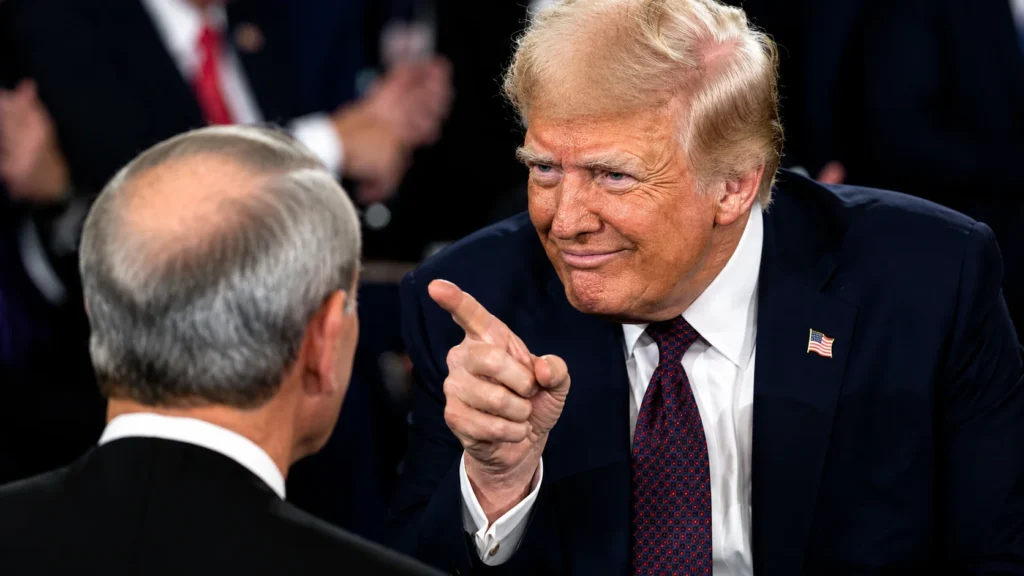
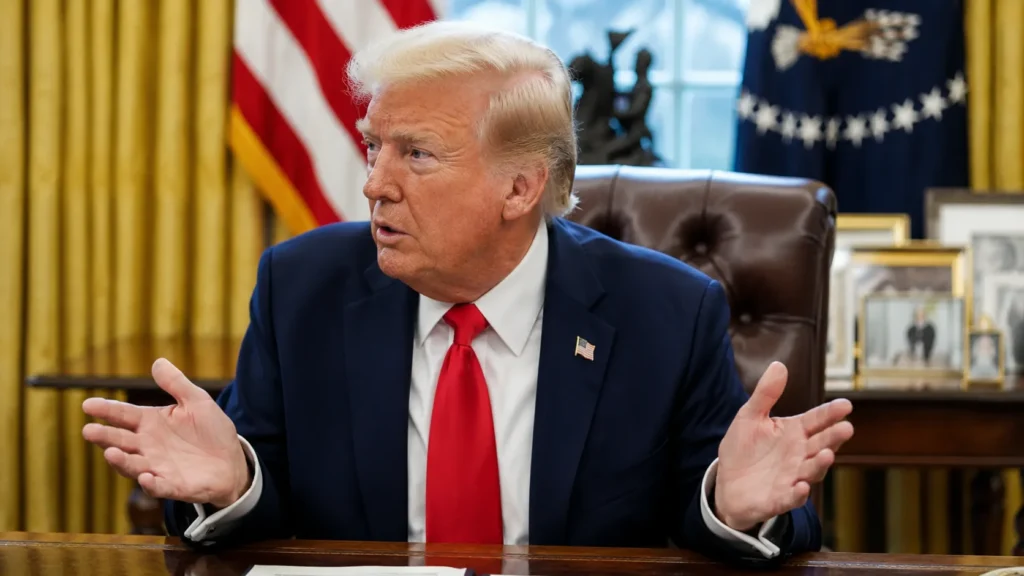
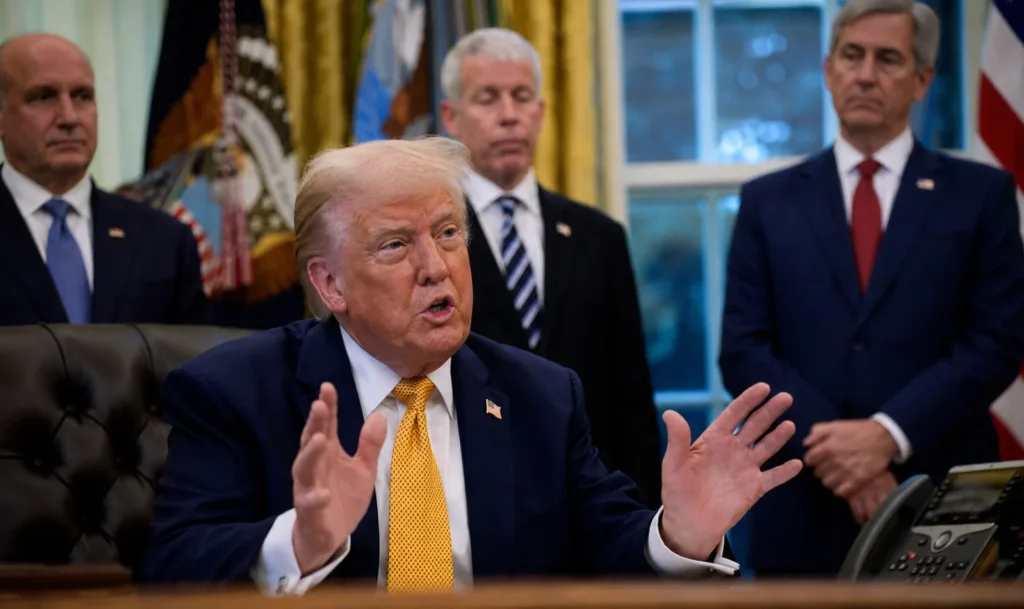
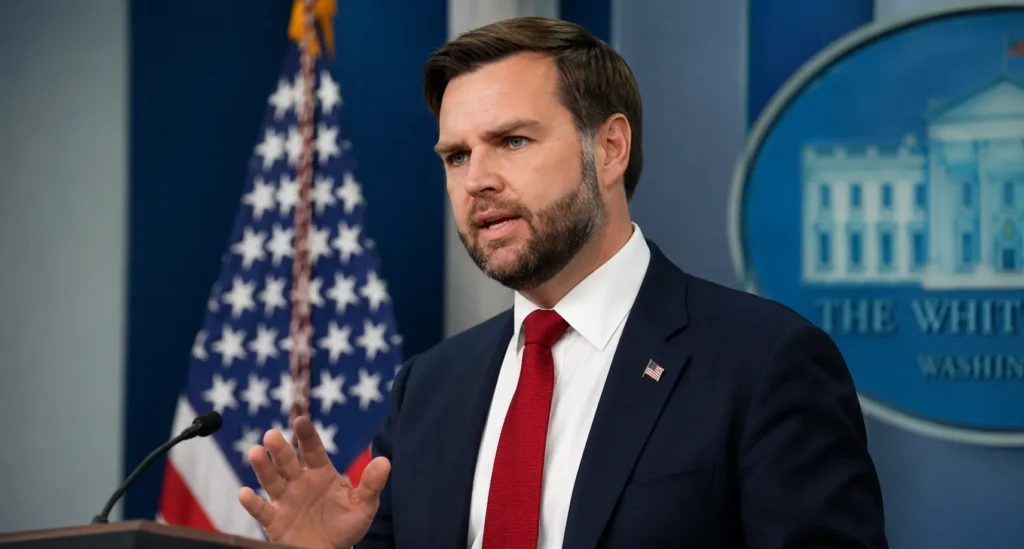
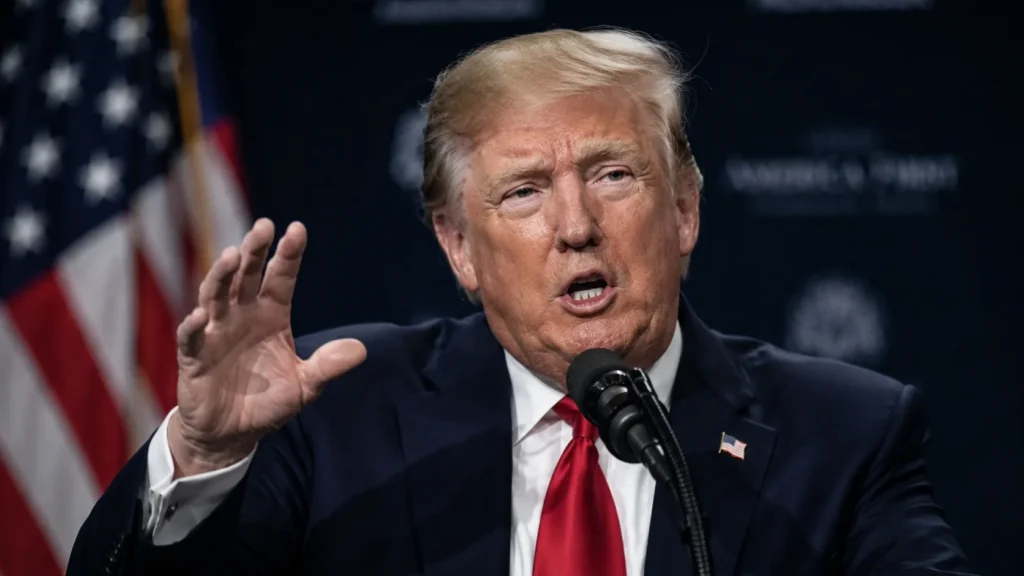
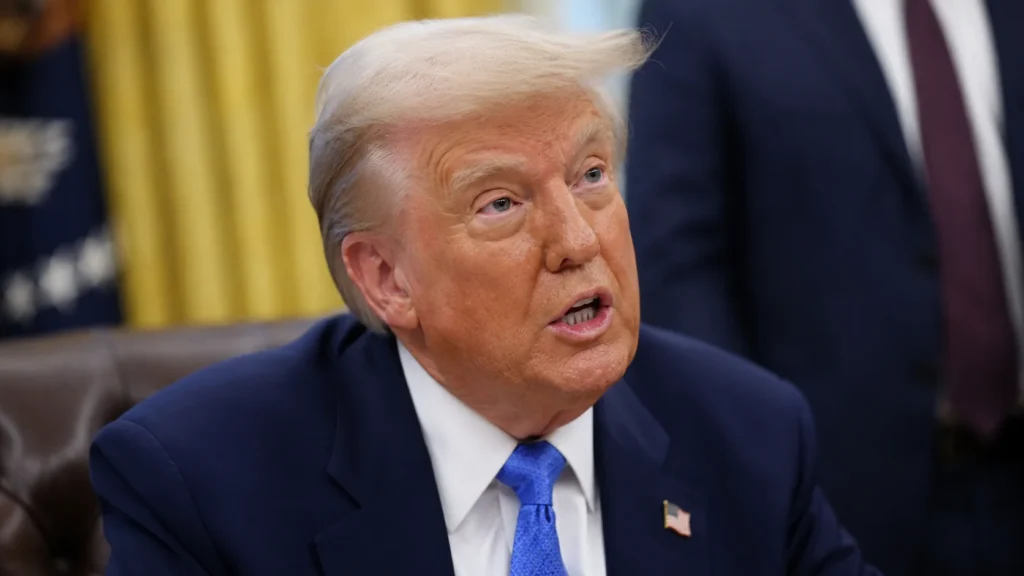
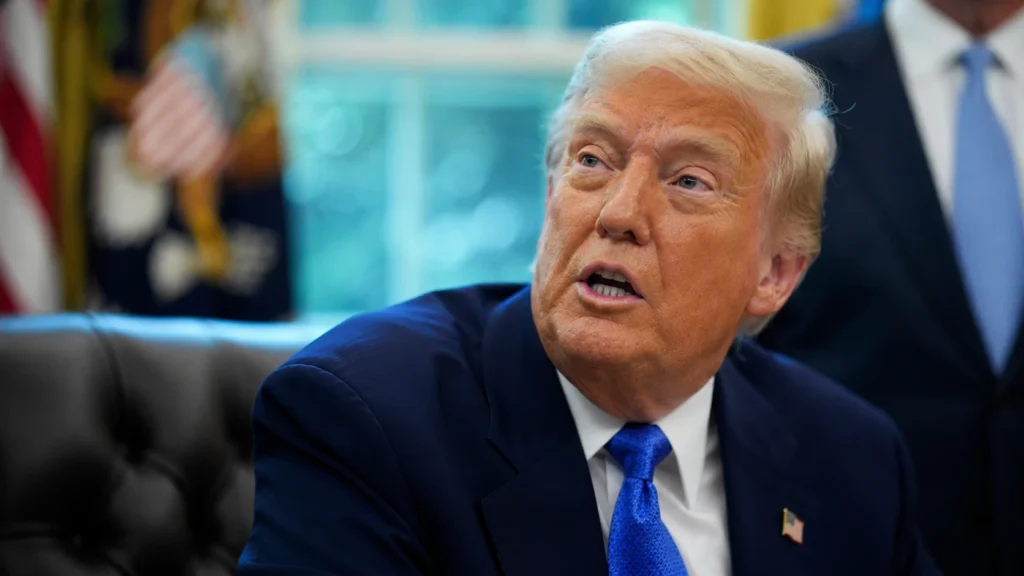
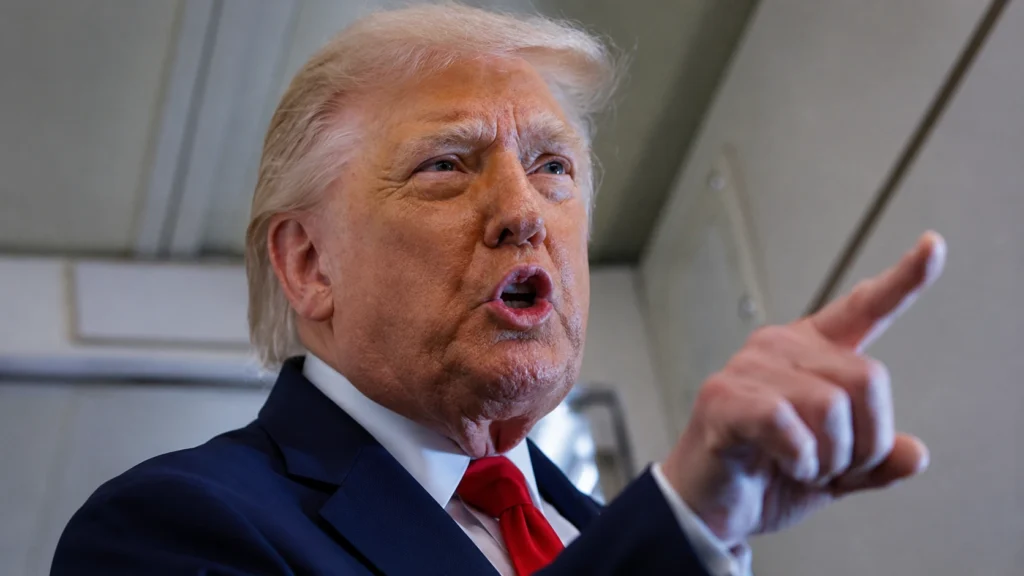
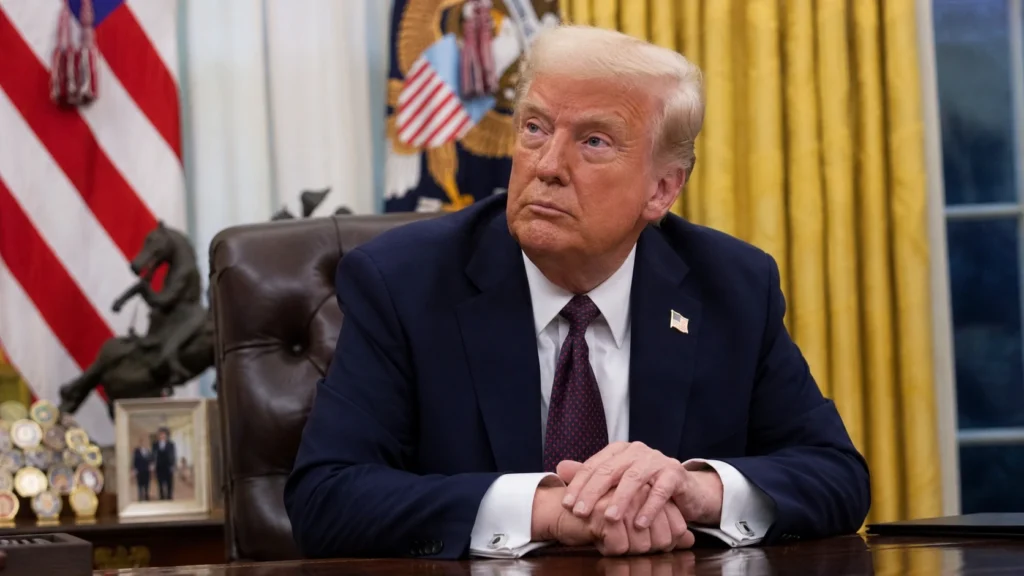
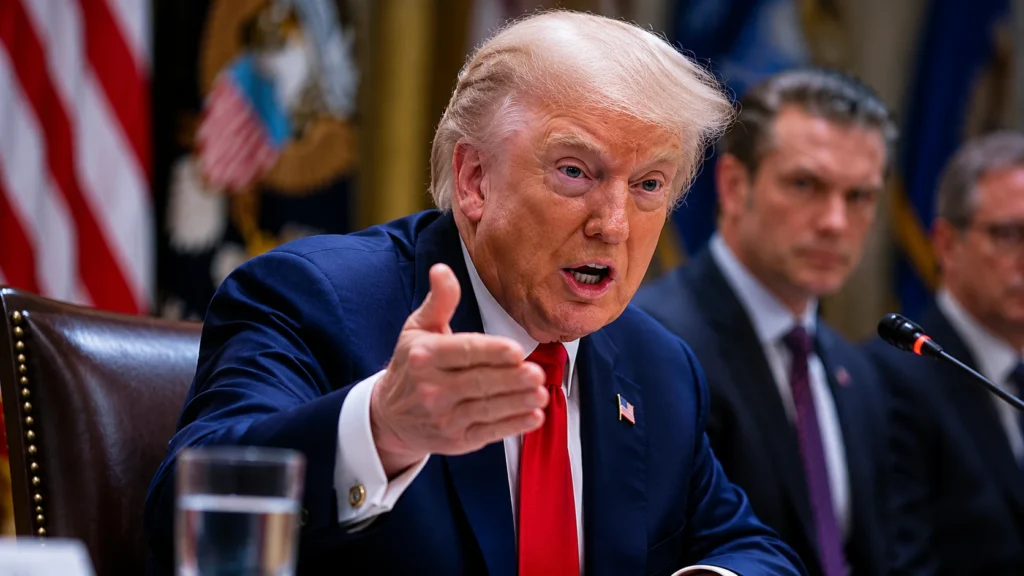
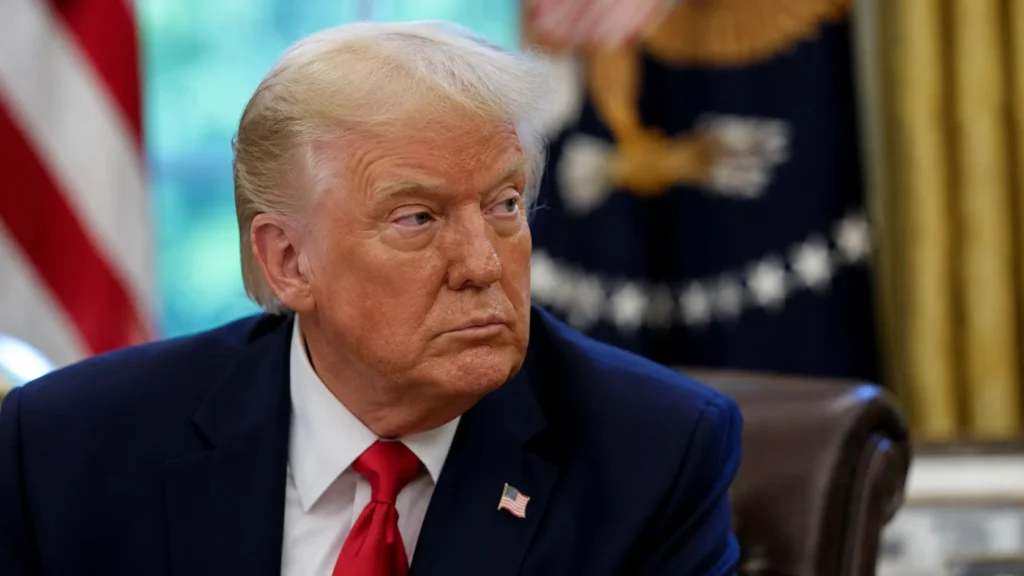
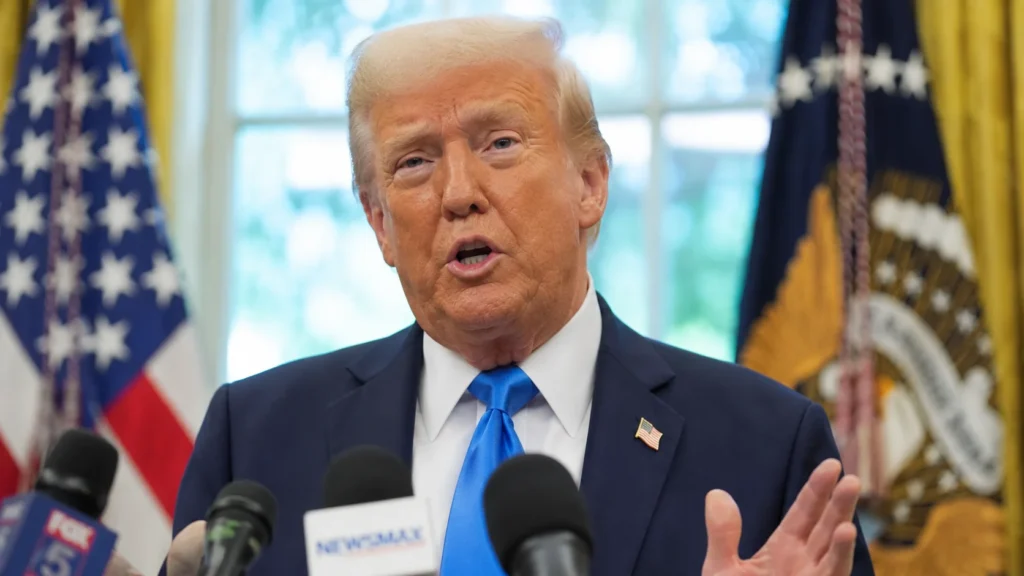
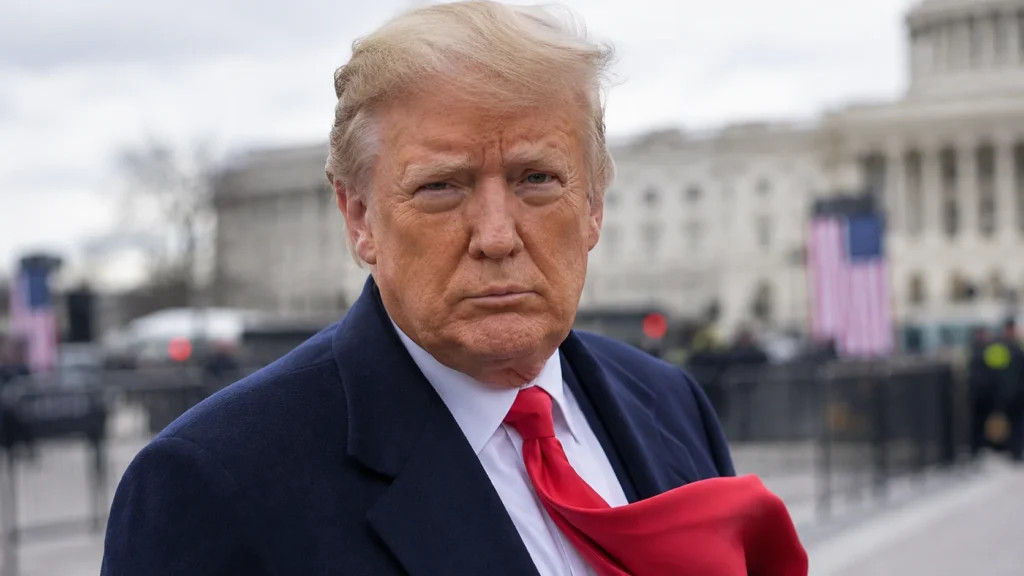
Trump declared the agreement dead on Wednesday. “I don’t want to deal with them anymore, they’re scum. You know what scum is? They’re scum. They’re sick people.” The language is not diplomatic. It is also not ambiguous. The president of the United States has announced that he will no longer negotiate with the country his military is bombing. The bombing continues. The country his military is bombing is burying its supreme leader, Ayatollah Ali Khamenei, who was killed in the first hours of the US and Israeli strikes on 28 February. The funeral crowds in Mashhad carried signs with death threats directed at Trump. The IRGC called the US “treaty-breakers.” Iran’s parliamentary speaker and chief negotiator, Mohammad Bagher Ghalibaf, wrote that America “still hasn’t learned that bullying and breaking promises are no longer cost-free. Let me put it plainly: if you strike, you’ll get hit.”
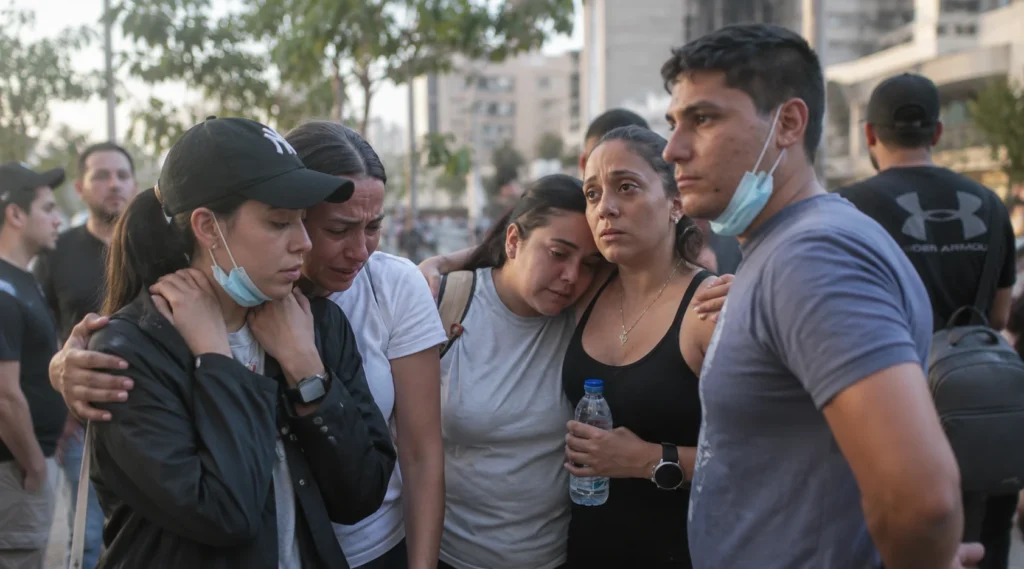
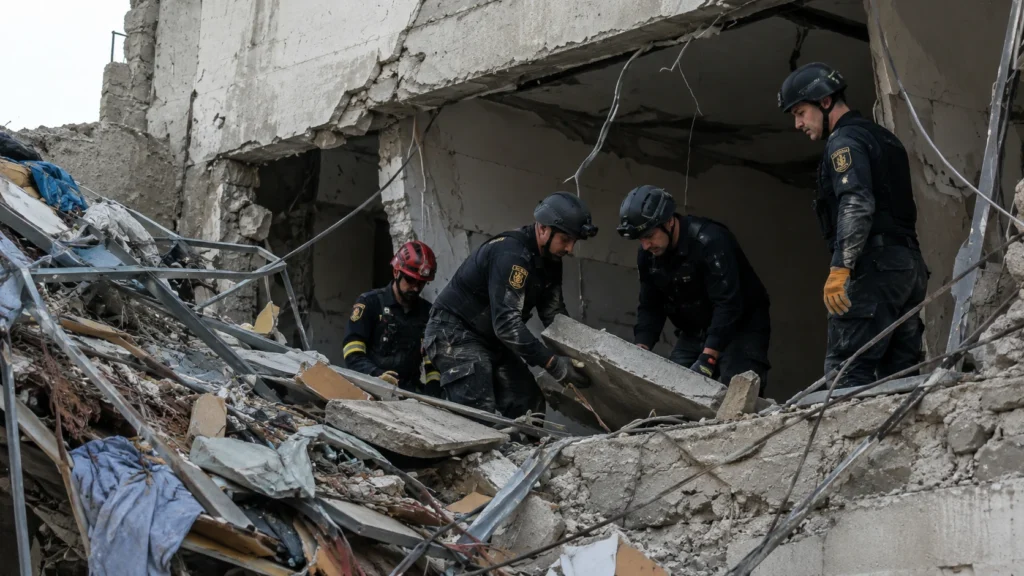
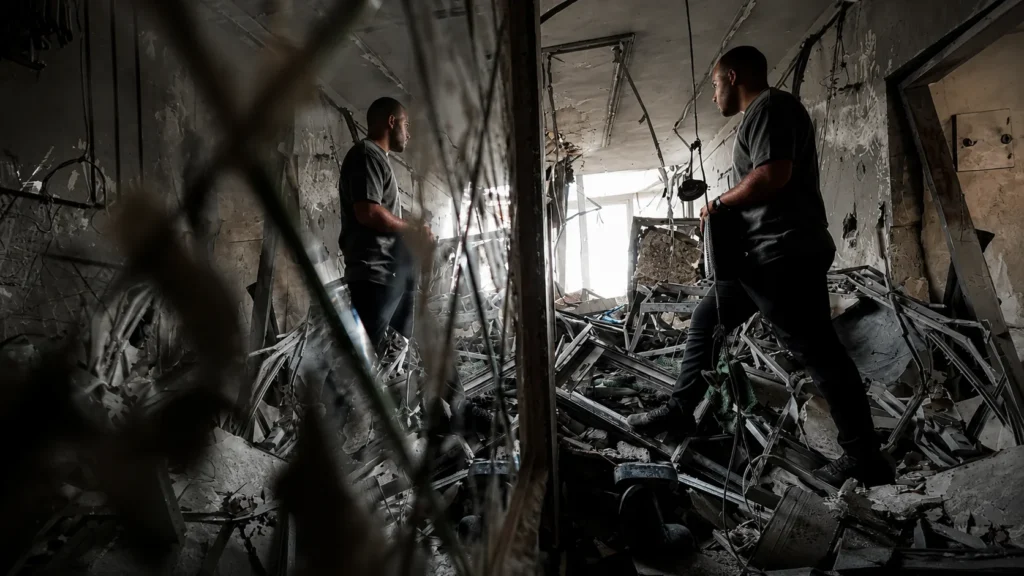
The exchange of diplomatic language has been replaced by an exchange of fire. The exchange of fire is producing casualties. Iran’s health ministry says 14 people have been killed in the past two days, with 78 injured, 47 still in hospital. The US has not released casualty figures. The strait is closing. The negotiations are not resuming.
The Targets: Bushehr and the Nuclear Shadow
The US strikes hit near the Bushehr nuclear power plant, according to Iranian state media citing the deputy governor of the province. The US has not commented on the specific target. The proximity to Bushehr is either a warning or an accident. The distinction matters enormously. Bushehr is a civilian nuclear facility. It is also a symbol of Iran’s nuclear programme, which has been the stated justification for the war since its outset. Striking near Bushehr without striking it is a message about capability and restraint. The message is that the US can hit Iran’s nuclear infrastructure. The message is also that it has chosen, for now, not to.
The message may not be received as intended. Iranian state media reported the strikes near Bushehr. The IRGC has already described the US response as a “grave war crime.” The foreign ministry called the US administration “evil and psychopathic.” The rhetorical escalation has outpaced the military escalation. The gap between the two is dangerous. Language that describes an enemy as evil and psychopathic is language that justifies any response. The next round of strikes will be launched in an environment in which both sides have described the other as beyond the reach of normal diplomacy.
Human Pressure: The Seafarers and the Mourners
The seafarers Belcher described are the invisible victims of the strait’s closure. They are not combatants. They are not parties to the conflict. They are crews on merchant vessels who have been caught in a war zone for months. The cycle of optimism and despair—the strait opens, the strait closes, the strait opens again—has exhausted them. The ships that are not transiting are waiting. The crews that are waiting are not being relieved. The psychological toll is unmeasured.
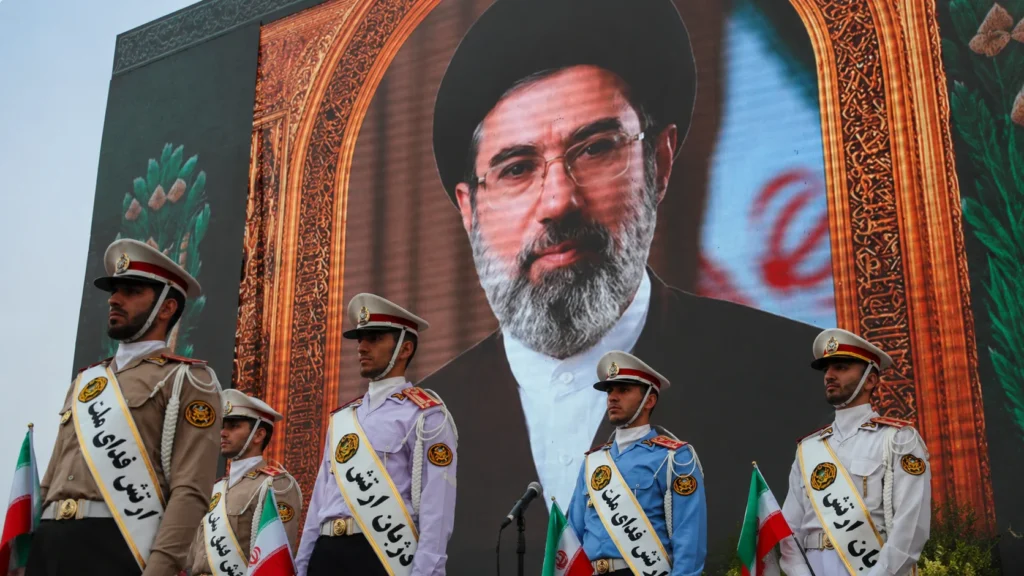
In Iran, the human pressure is measured in funeral crowds. The burial of Khamenei in Mashhad drew enormous numbers of mourners. The images are of a nation in mourning and a nation mobilising. The signs carried by mourners—death threats directed at Trump—are not spontaneous. They are part of a regime’s project to channel grief into political purpose. The project is working. The crowds are large. The anger is real. The regime that is being bombed is also the regime that is burying its leader. The combination of grief and military escalation is politically potent. The strikes that are designed to degrade Iran’s military capability are also reinforcing the regime’s narrative of resistance and martyrdom.
Power Recalibration: Who Gains, Who Loses
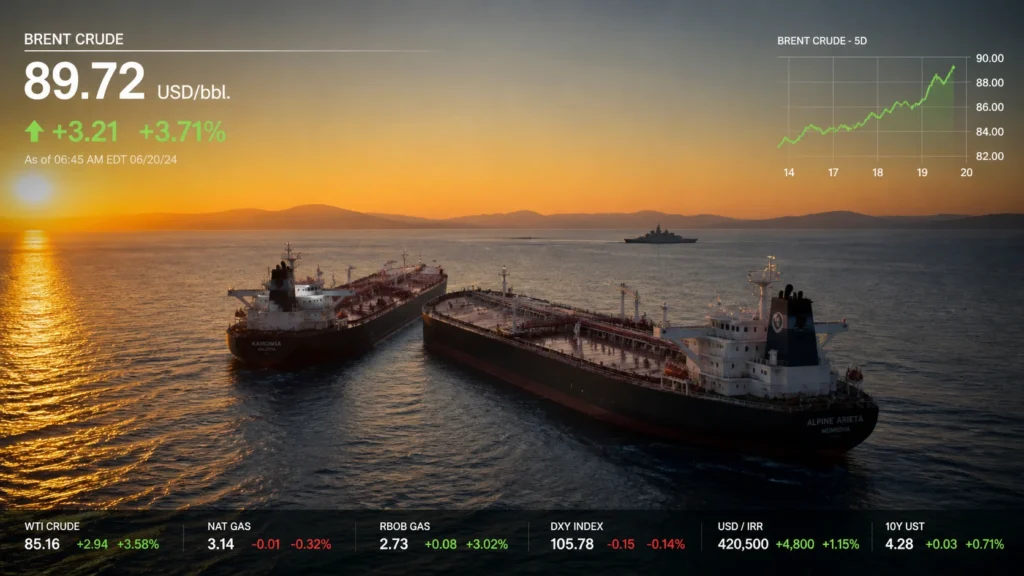
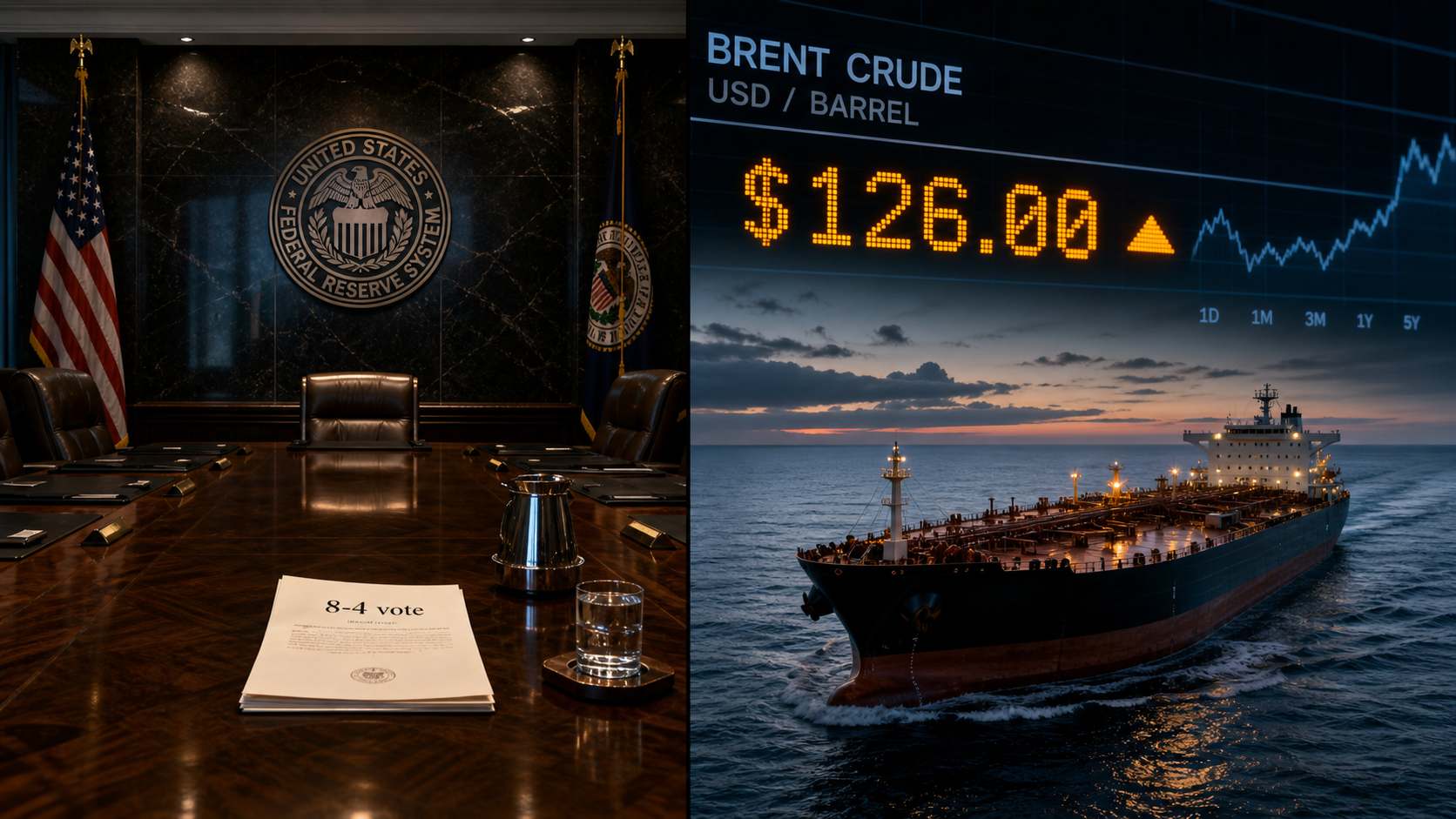
The global economy loses a functional energy transit route. The strait carried 20 million barrels of oil per day before the war. It is now carrying a fraction of that. The economic cost is being absorbed in energy prices, insurance premiums, and supply chain disruptions that will intensify the longer the strait remains effectively closed.
The shipping industry loses the predictability that commerce requires. The cycle Belcher described—optimism followed by despair, reopening followed by closure—is worse for business than a straightforward conflict. Companies can plan for a war. They cannot plan for a war that is supposedly governed by a ceasefire that both sides are violating.
Iran gains a narrative of resistance at a moment of national mourning. The funeral of Khamenei coincides with Iranian strikes on US bases. The coincidence is politically useful. The regime can present itself as both grieving and fighting, and the fighting as a tribute to the dead leader.
The United States loses the diplomatic framework it negotiated. The memorandum of understanding was the administration’s primary achievement in the conflict. Trump declared it dead. The 60-day window has not closed. The window has been shattered. The president who said he wanted to make a deal has announced he will not make a deal. The military campaign continues without a political strategy to end it.
Strategic Summary
- What changed: The US and Iran traded a second night of strikes, with the US hitting 90 targets and Iran striking US assets in Kuwait, Bahrain, Qatar, Jordan, and Iraq. Strait of Hormuz transits collapsed from 70 ships a day to single figures. Trump declared the 17 June memorandum of understanding “over.”
- Why it matters: The strait is the world’s most important energy chokepoint. Its effective closure, the collapse of the diplomatic framework, and the burial of Iran’s supreme leader amid the escalation create a conflict with no ceasefire, no negotiations, and no clear path to de-escalation.
- What to watch: Whether the IRGC’s “first phase” language signals further strikes. Whether the strait transits recover or collapse entirely. Whether the strikes near Bushehr were a warning or a prelude. Whether any third party attempts to revive the diplomatic process.