

 English





















































































































































Trump Drops 20% Strait of Hormuz Fee as Iran Ports Blockade Looms
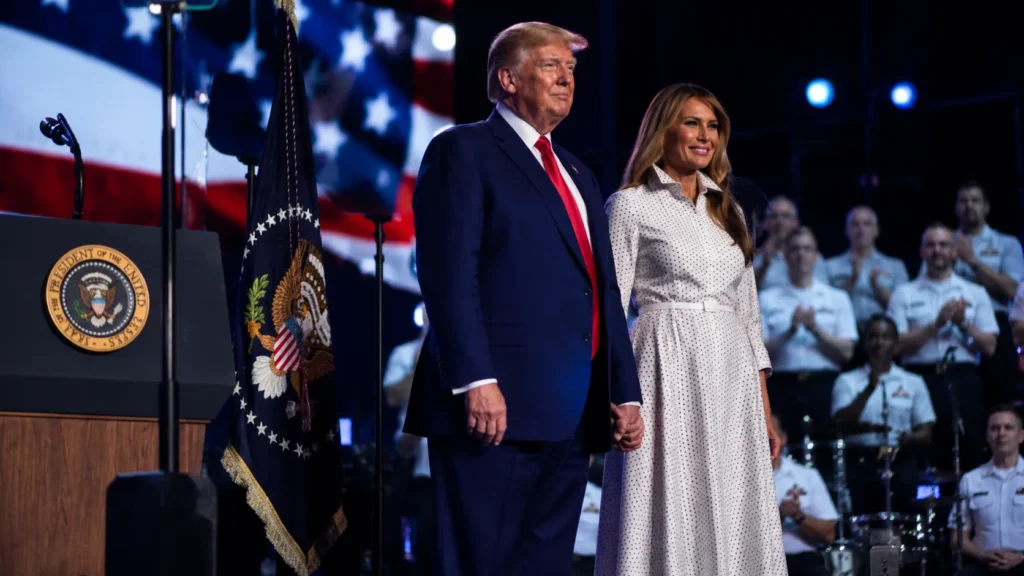
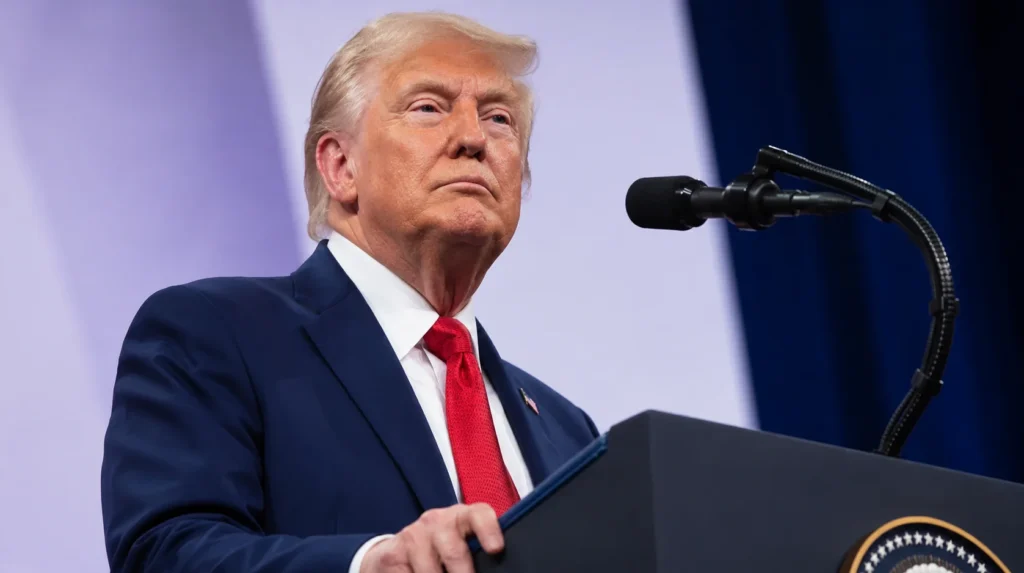
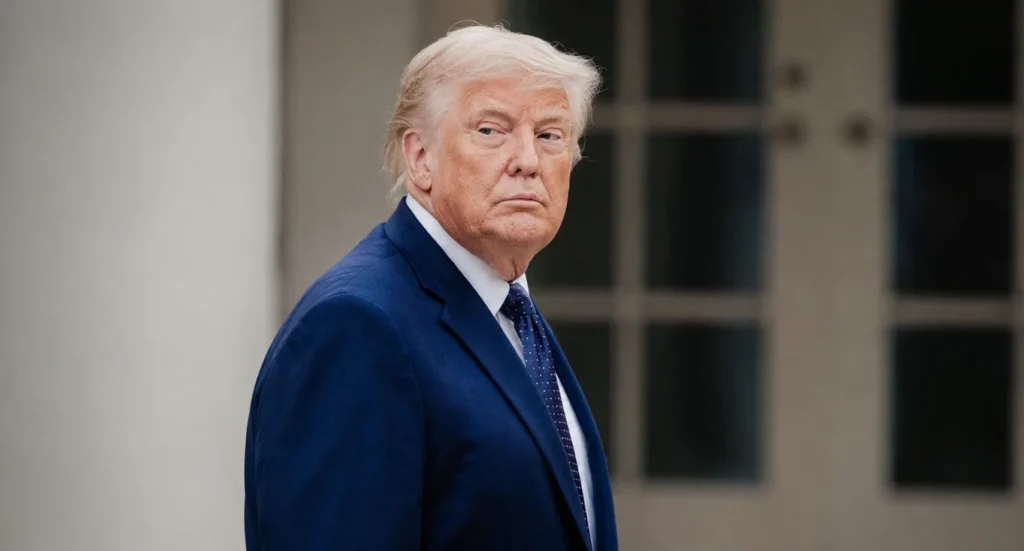
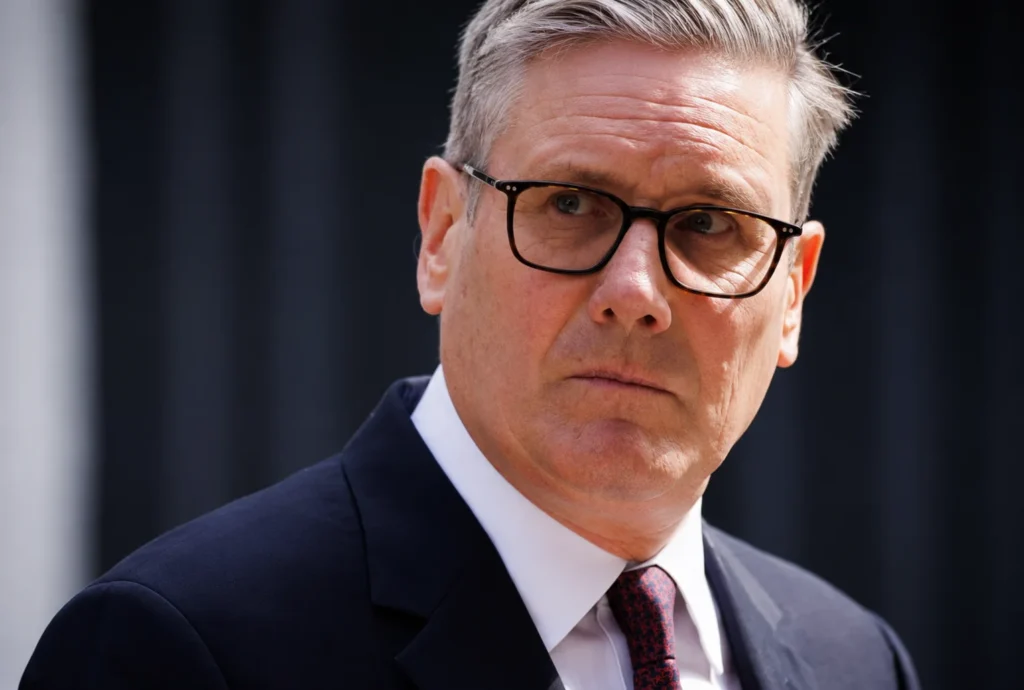
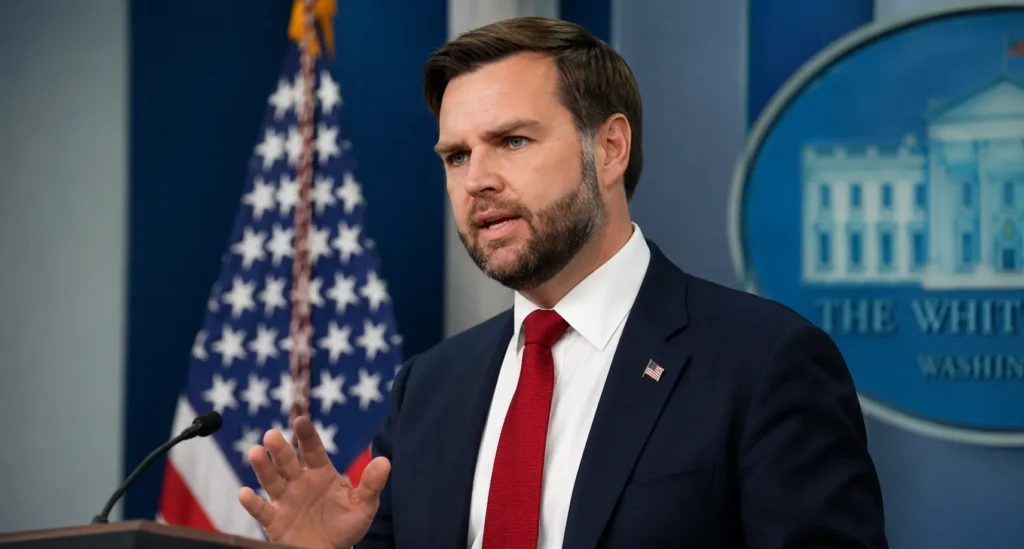
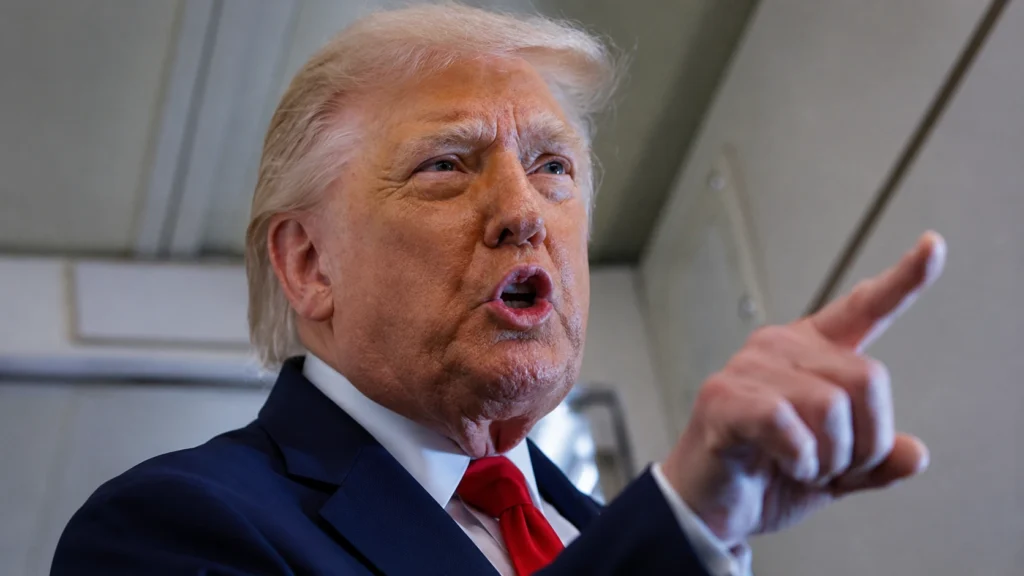
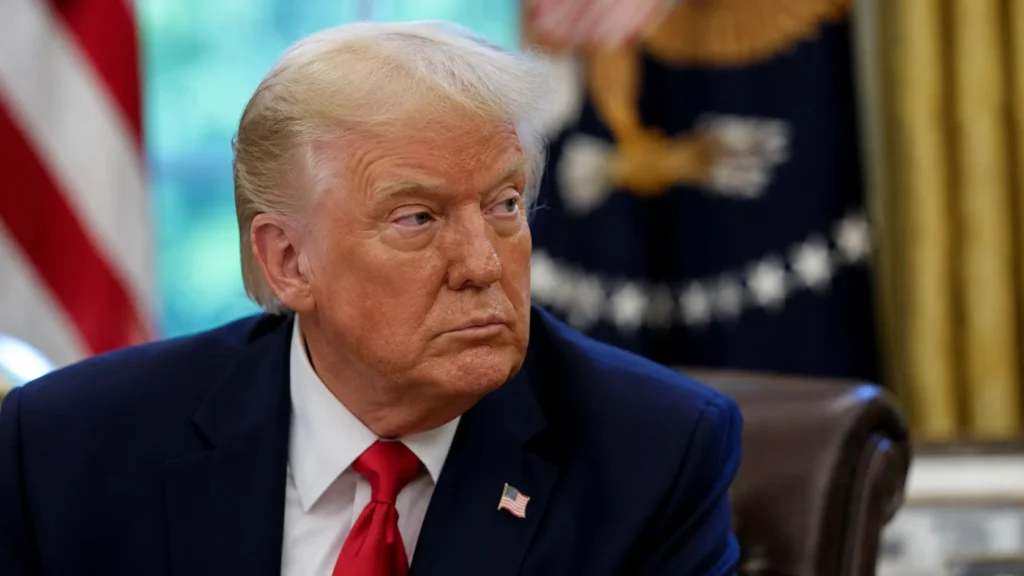
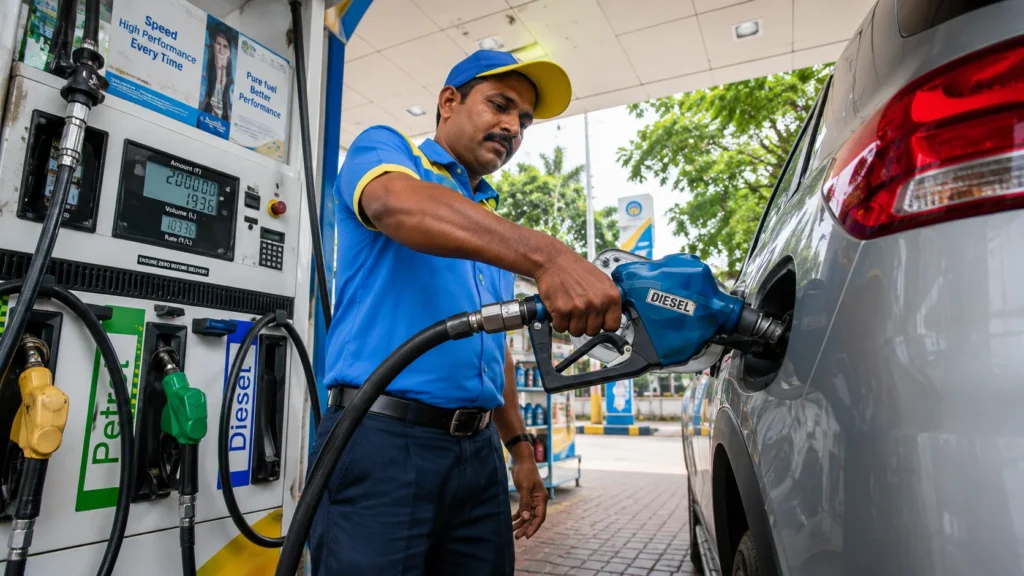
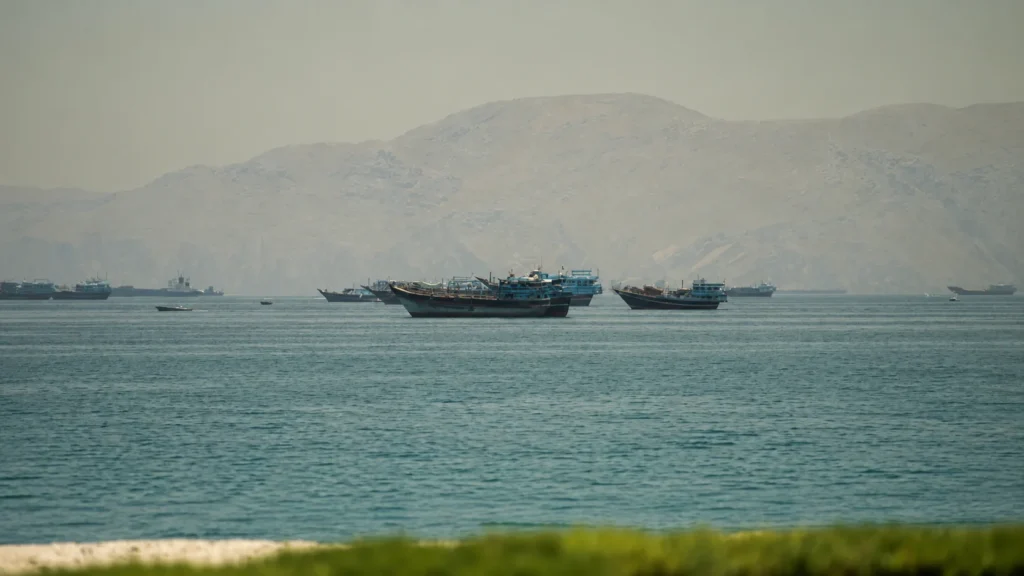
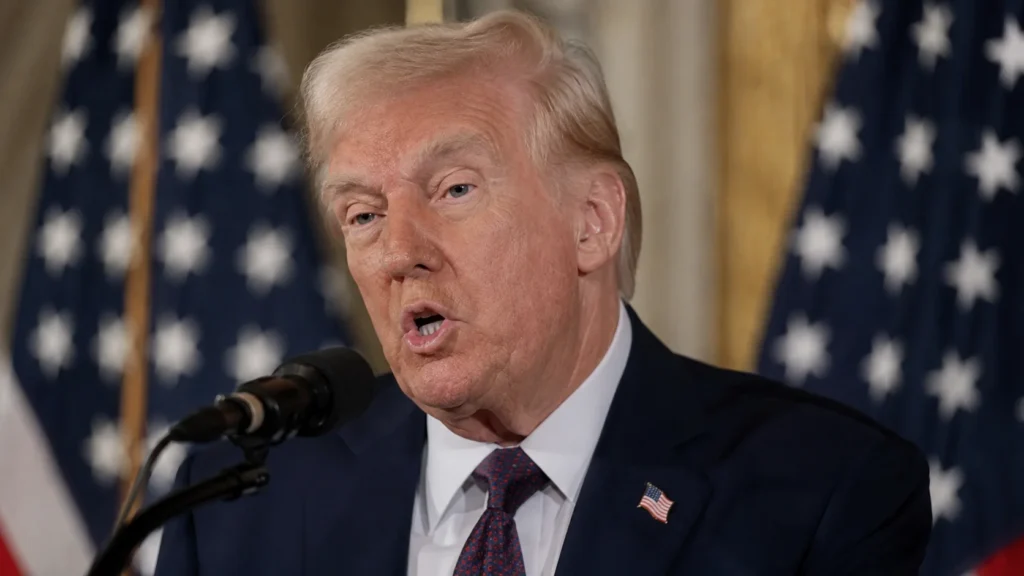
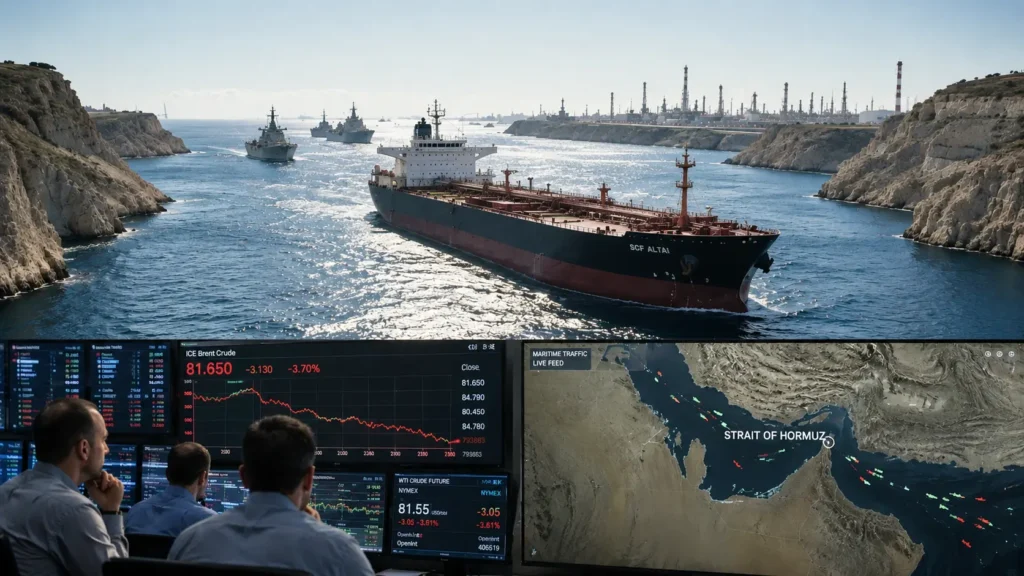
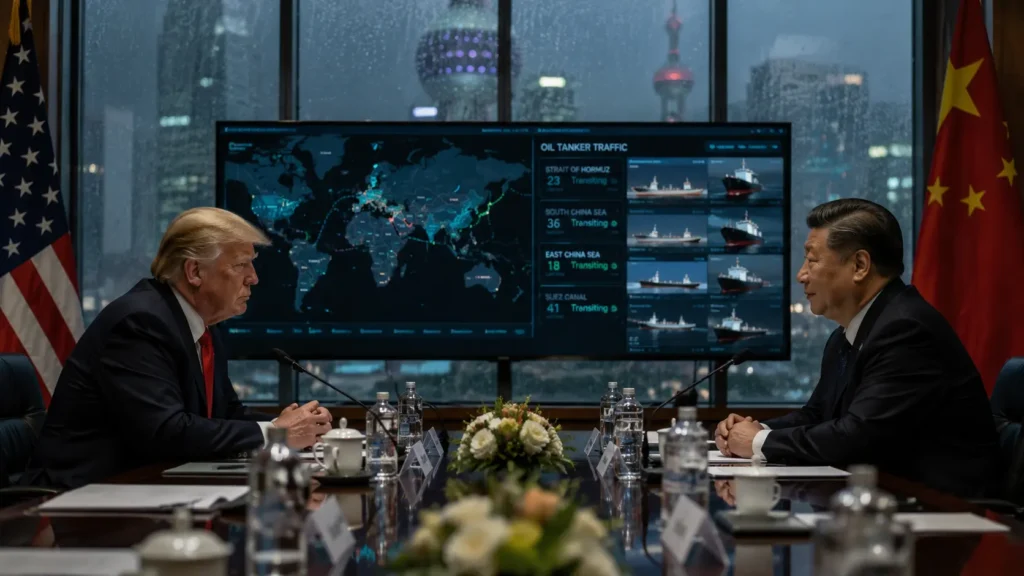
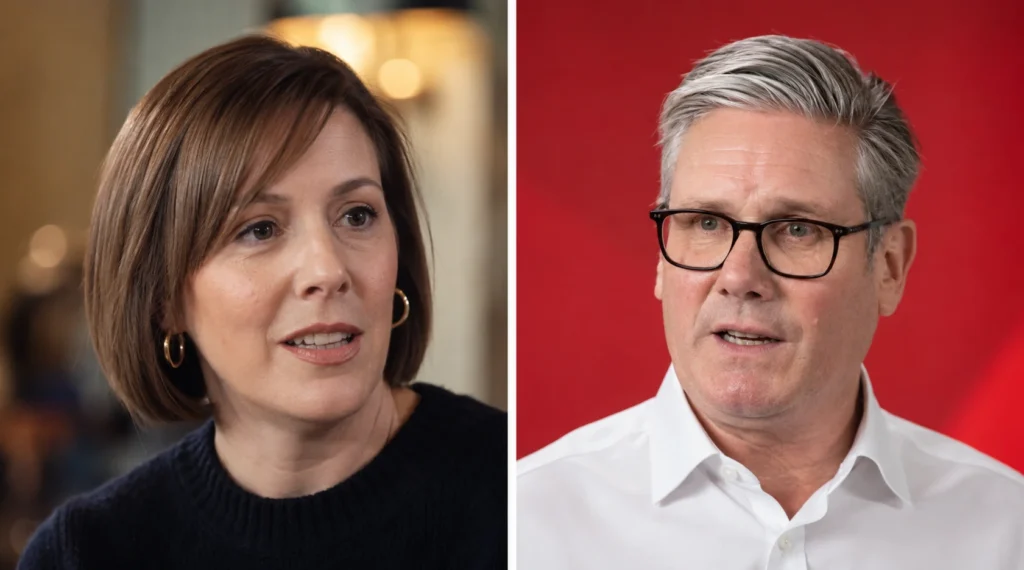
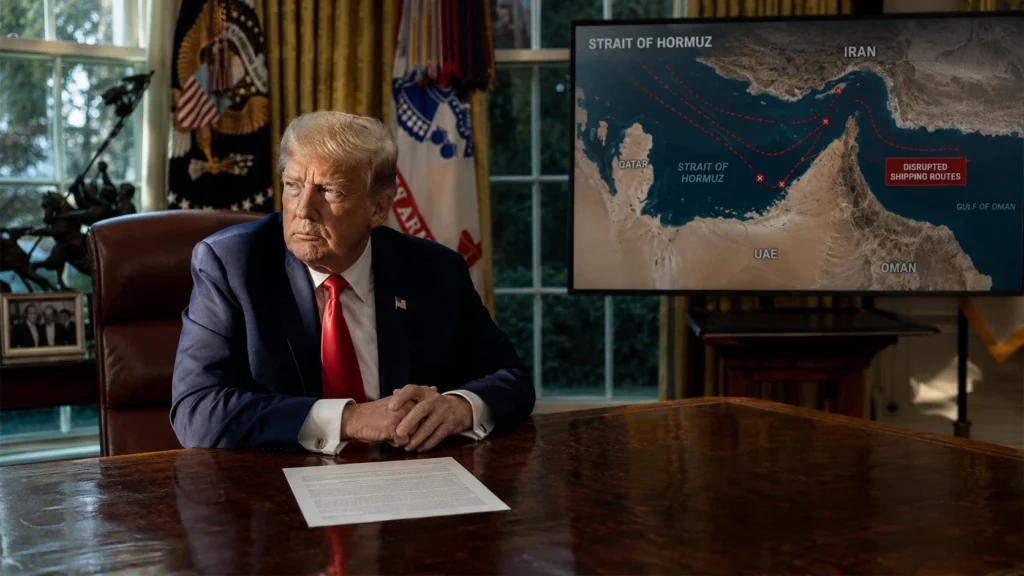
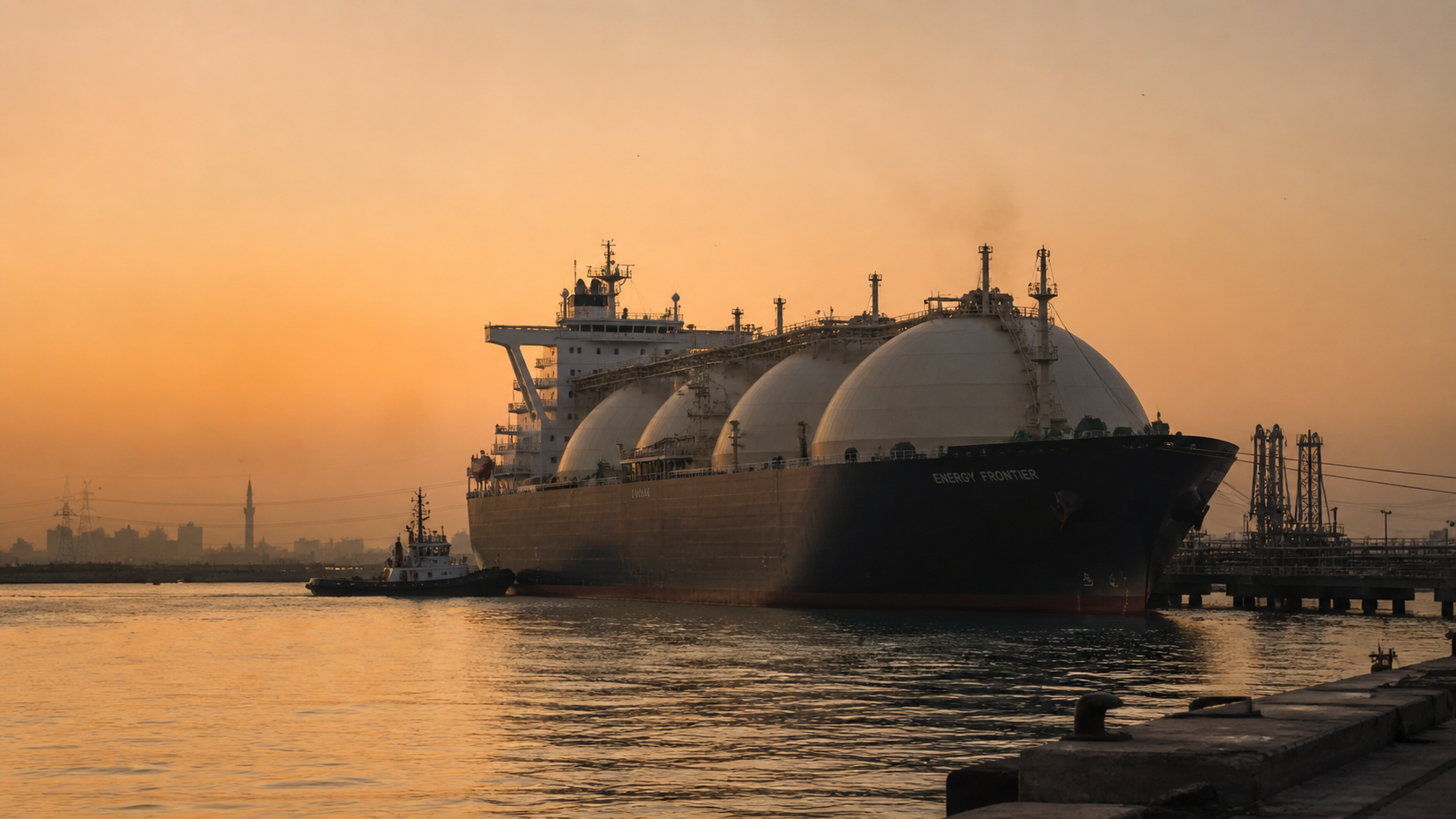
President Donald Trump has abandoned his threat to impose a 20% fee on cargo passing through the Strait of Hormuz, replacing the proposed levy with trade and investment deals with Gulf states. The reversal came just 24 hours after the fee was announced and hours before the US military is scheduled to resume its naval blockade of Iranian ports at 16:00 Eastern Time (20:00 GMT) on Tuesday. The International Maritime Organization had said there was “no legal basis” for the toll. UK Foreign Secretary Yvette Cooper confirmed the British government had raised objections with Washington.
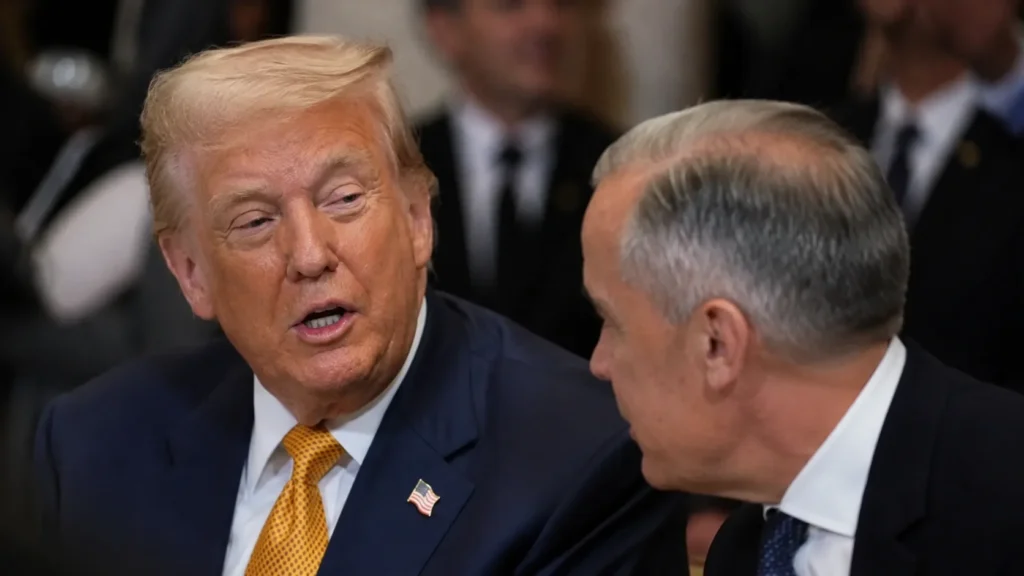
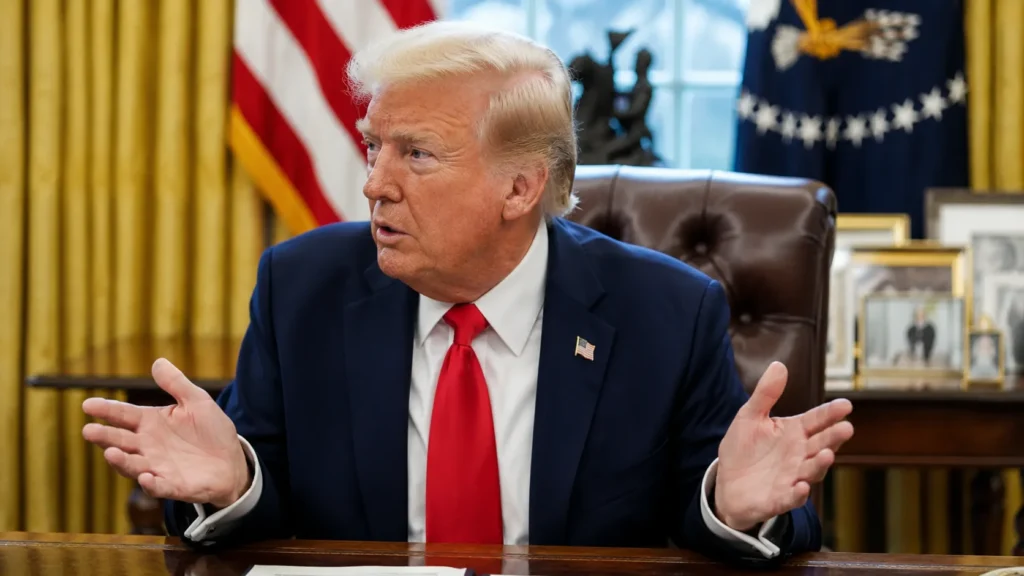
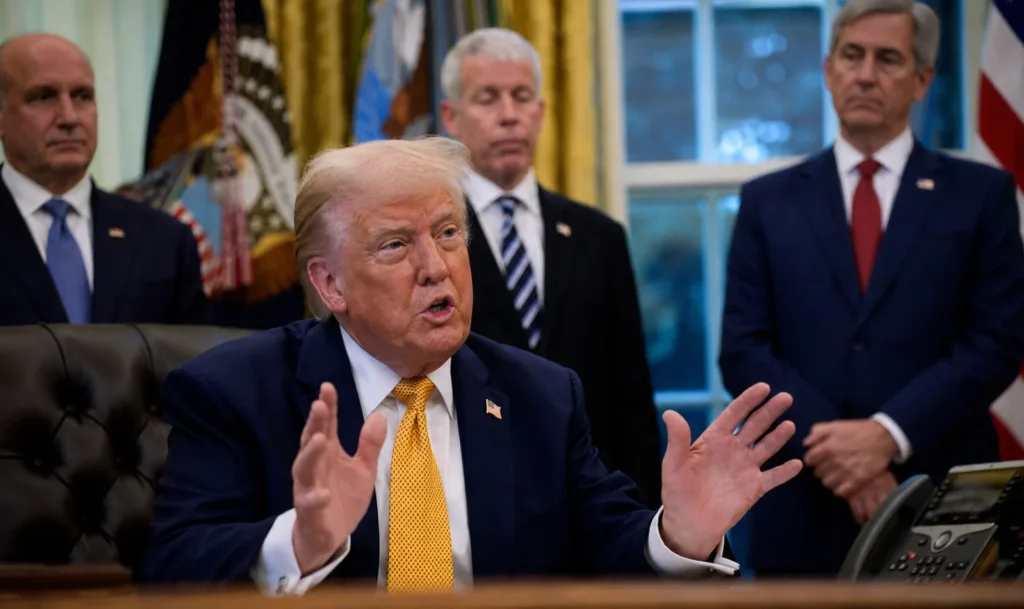
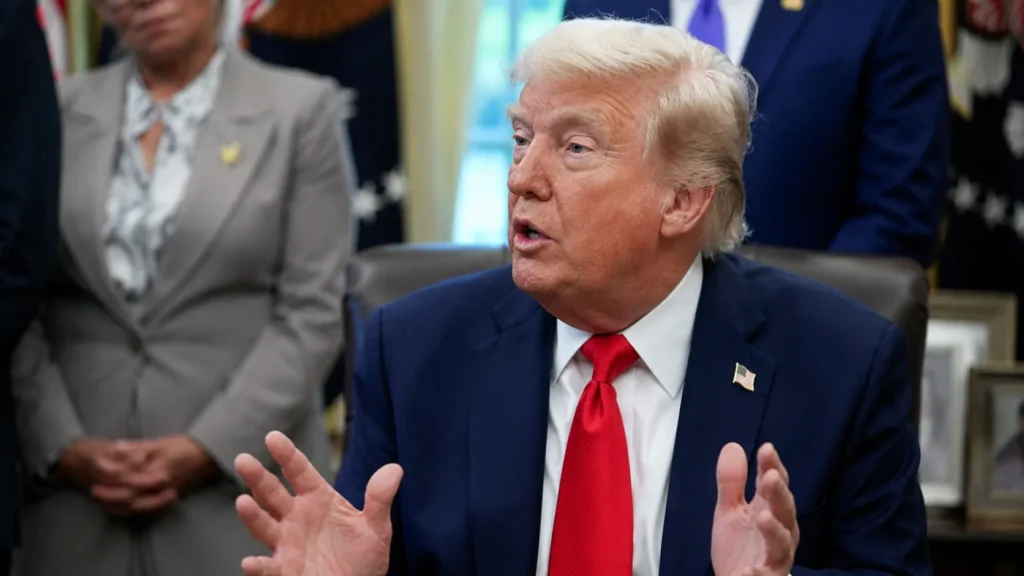
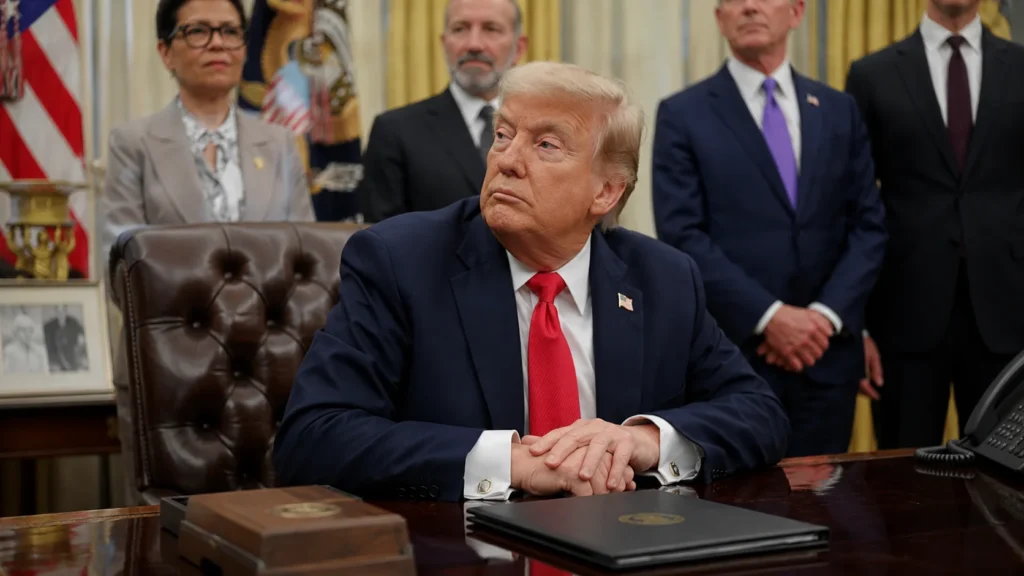
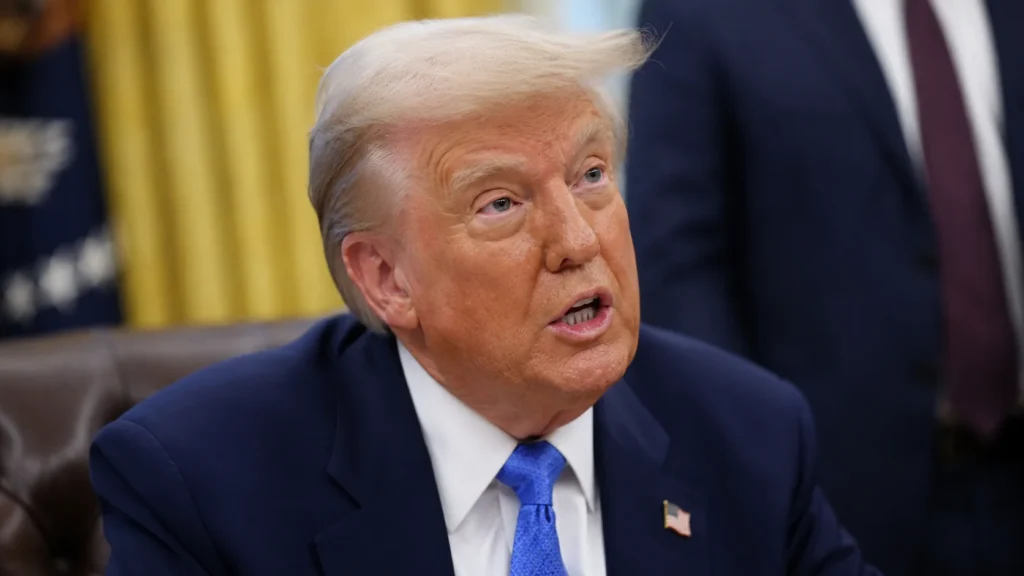
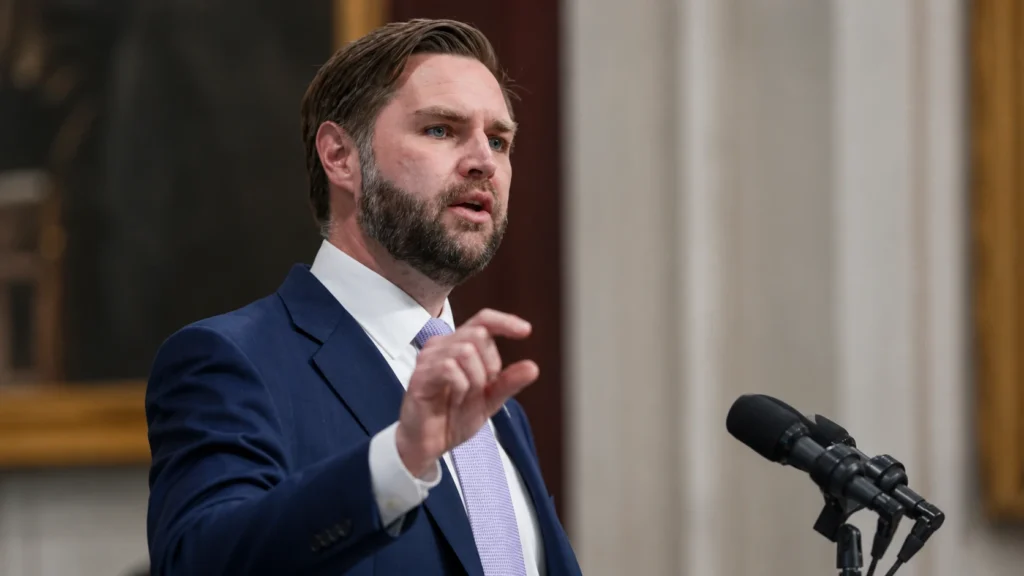
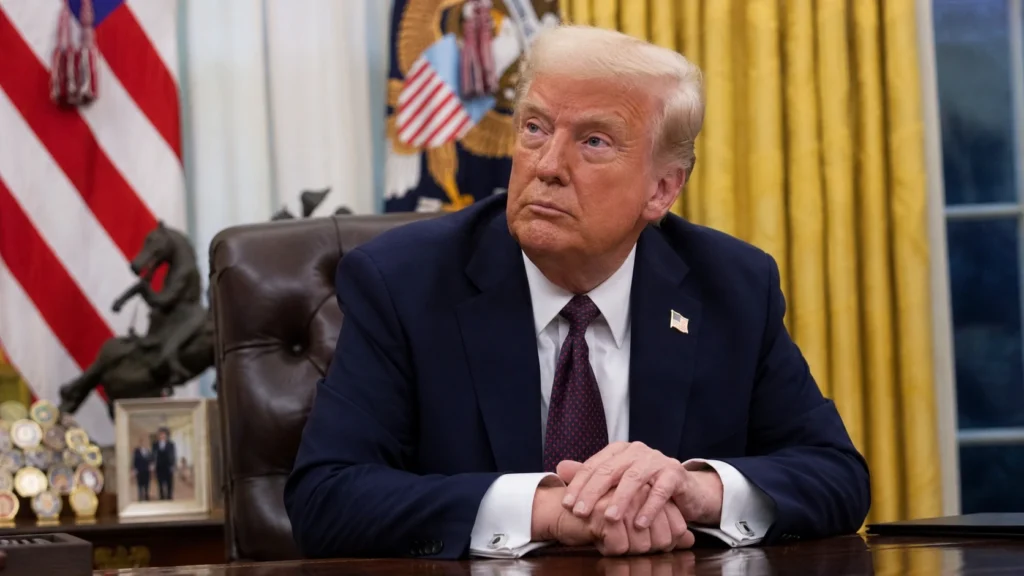
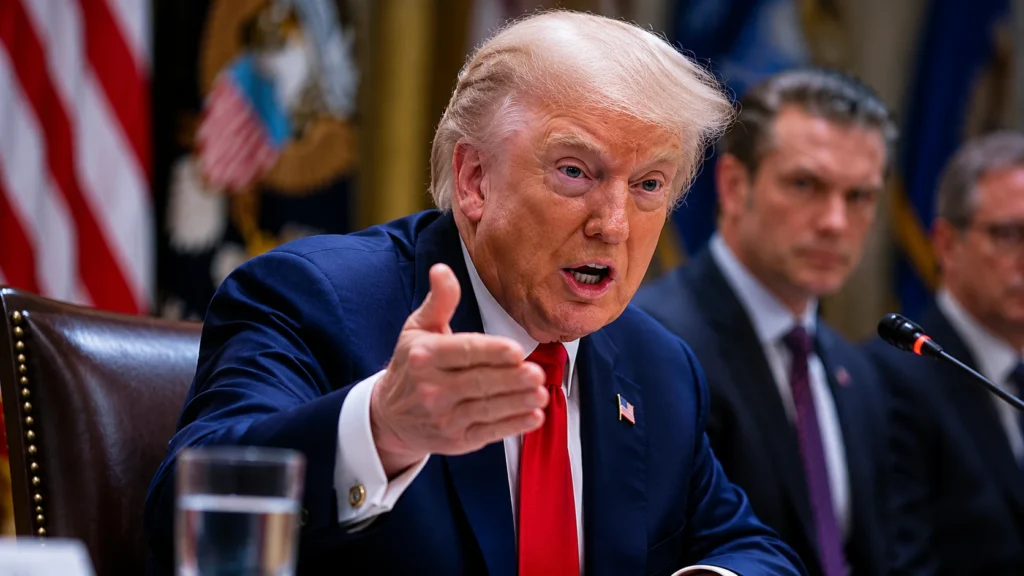
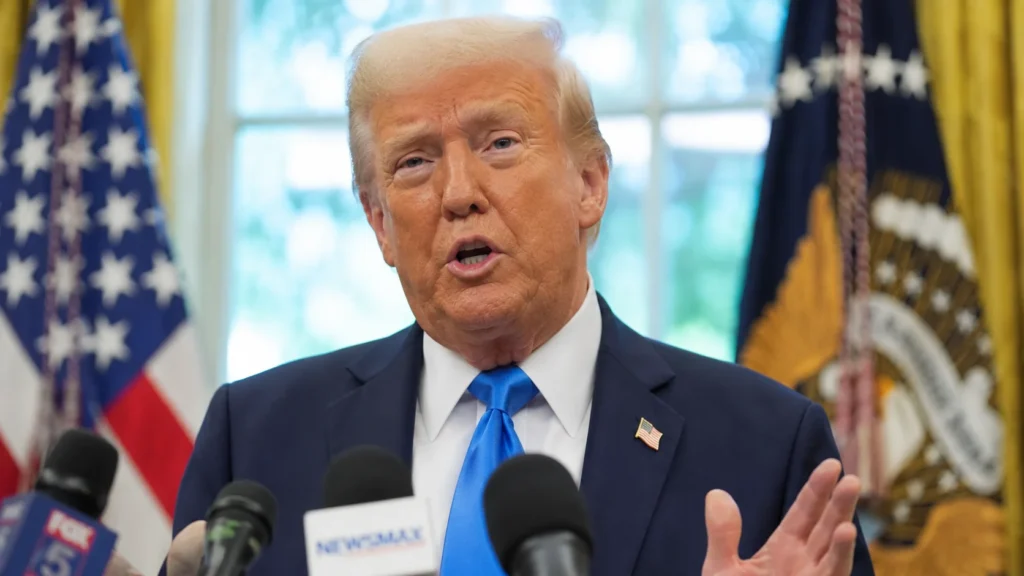
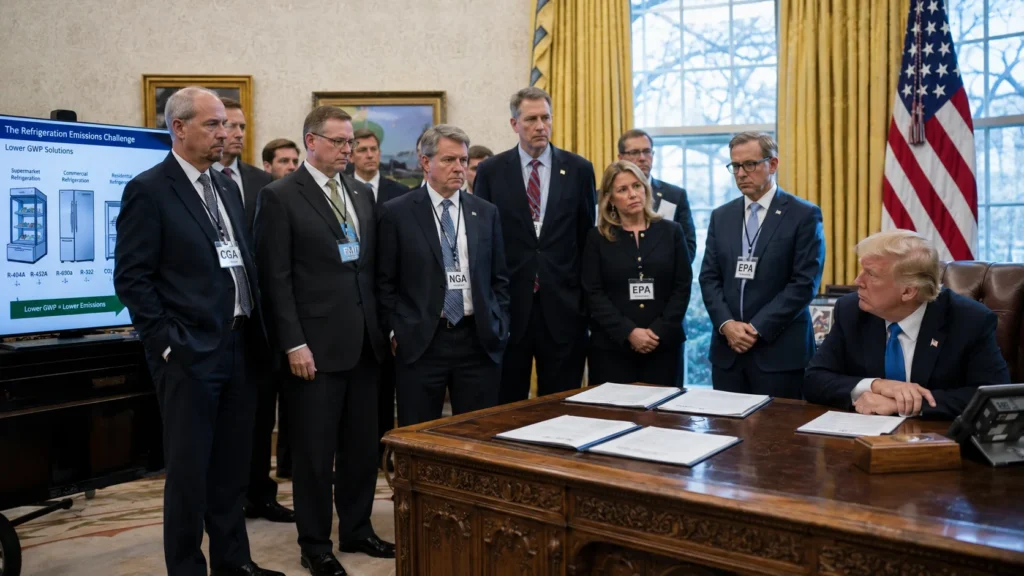
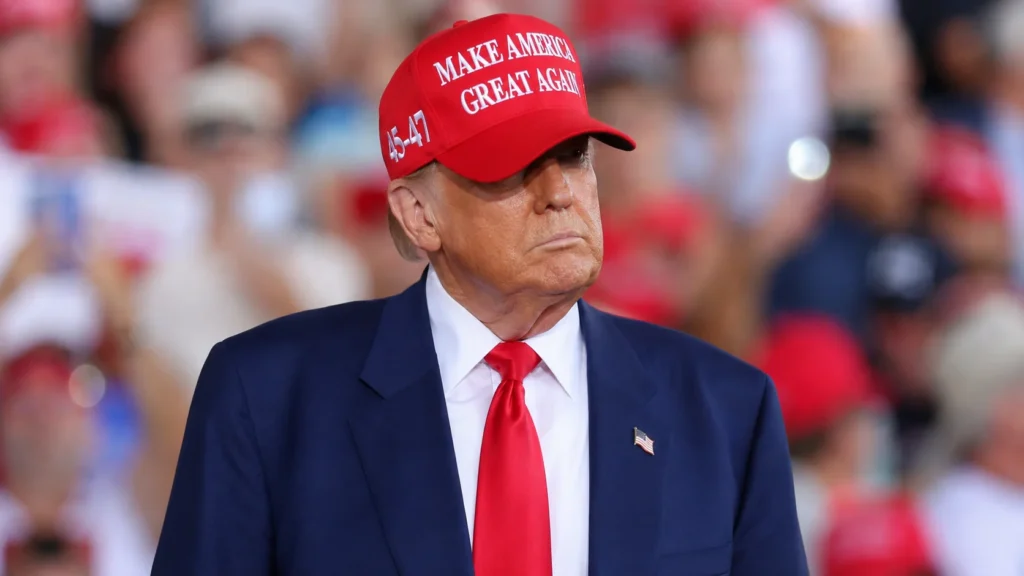
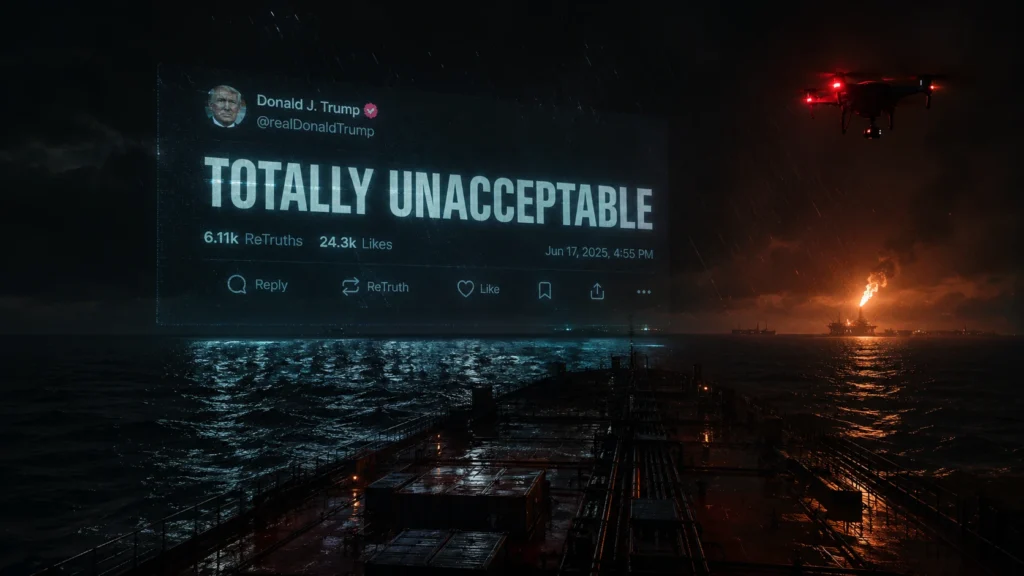
“I don’t like the concept of a fee,” Trump said in the Oval Office. “But at the same time, it’s not fair we’re protecting the strait for everybody.” Writing on Truth Social, he said the fee would be replaced by “Trade and Investment Deals that the various Gulf States will be making into the United States. Those Investments will be MASSIVE.”
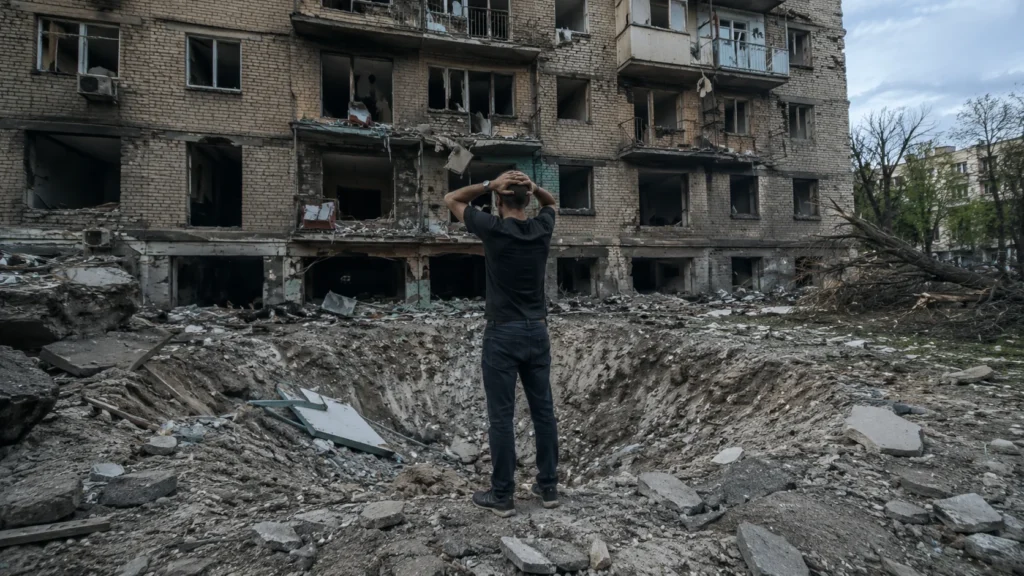
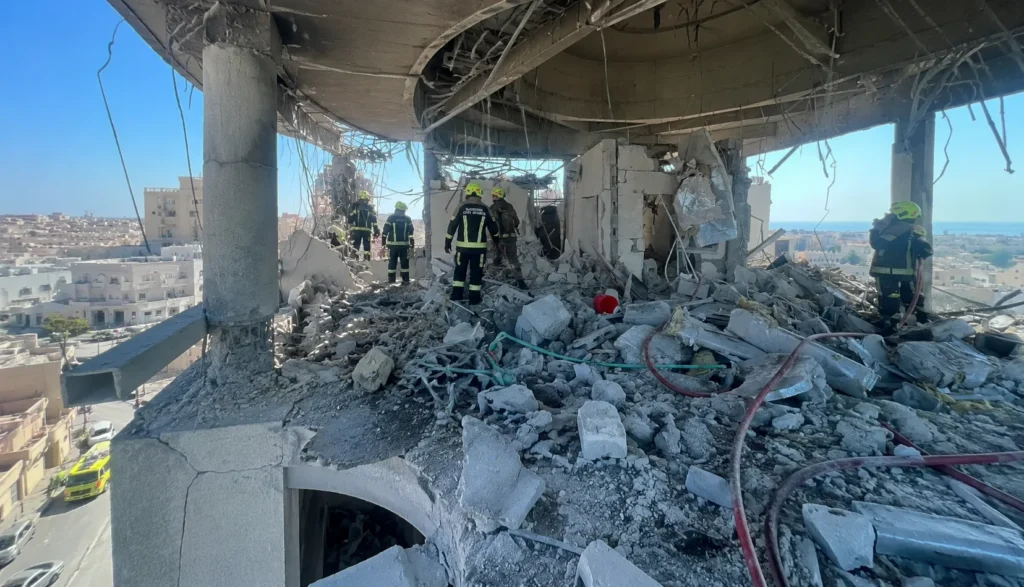
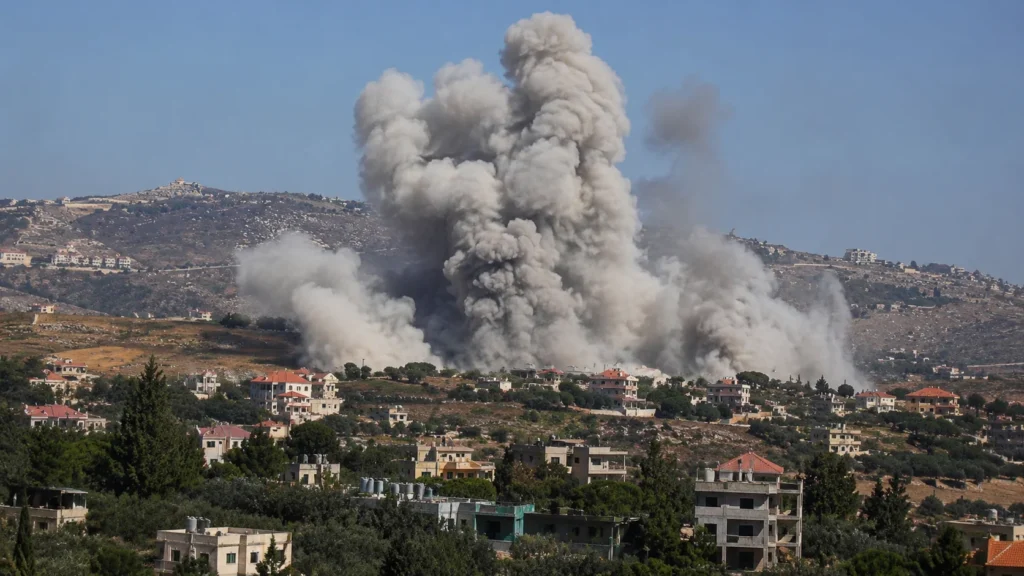
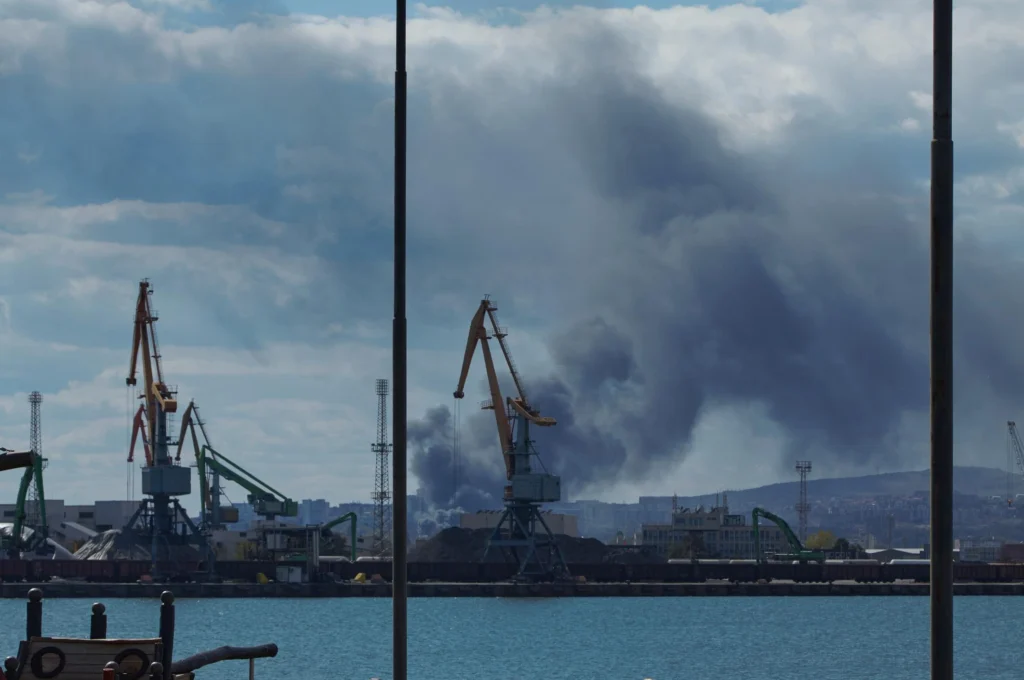
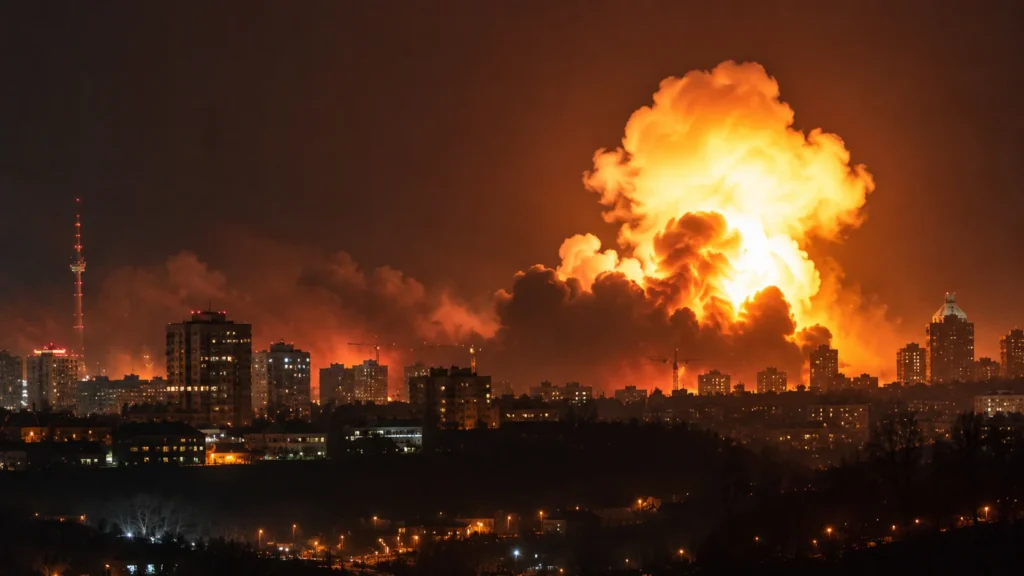
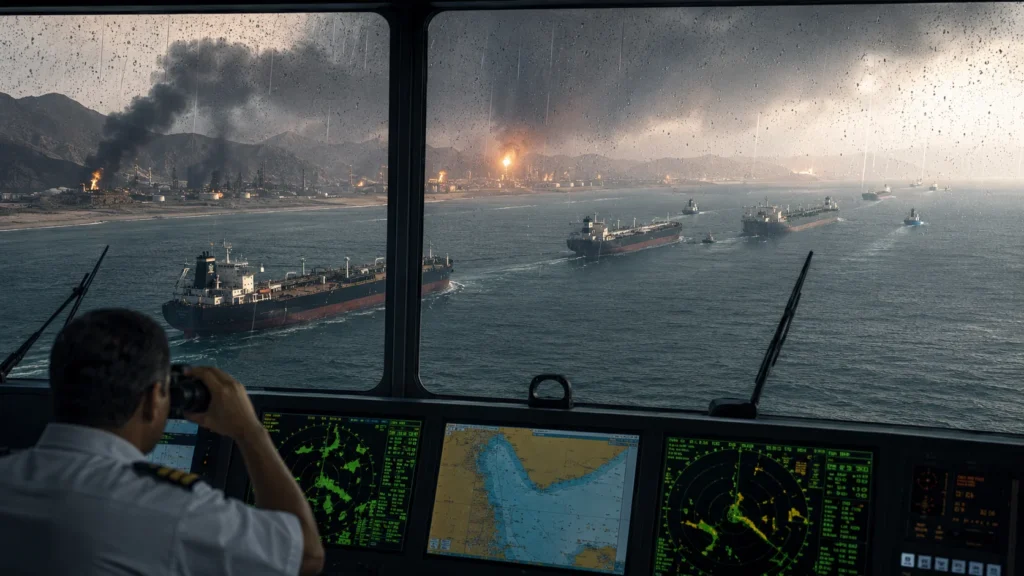
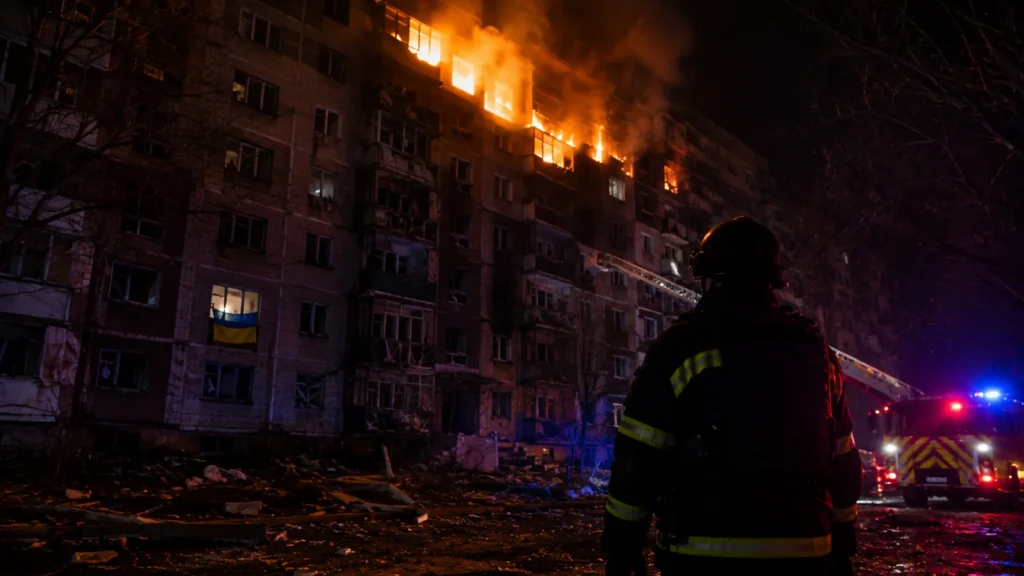
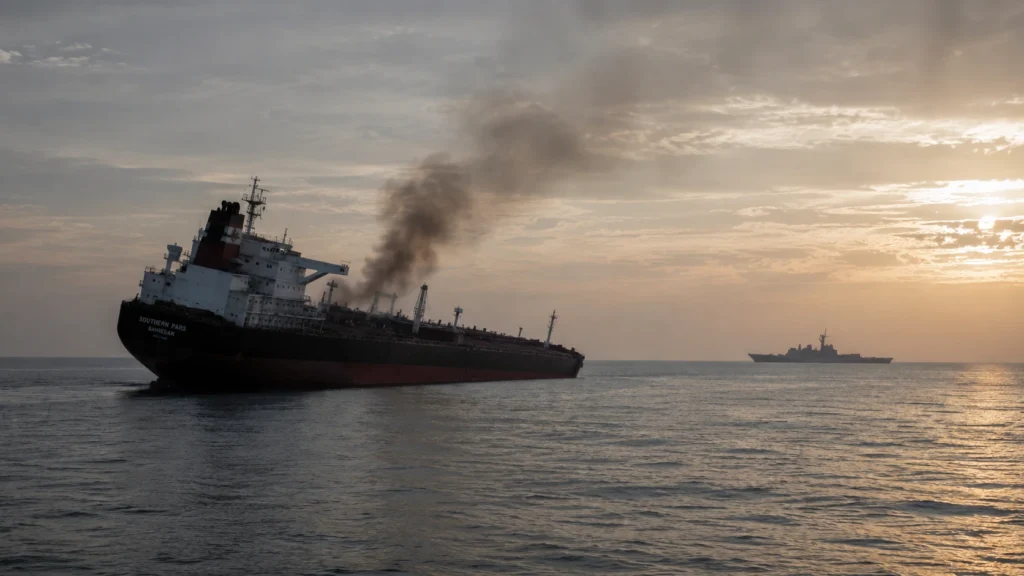
The toll reversal came as the conflict in the region continued to escalate. The IMO confirmed on Tuesday that a second seafarer had been killed in Iranian strikes on two UAE-flagged tankers overnight, bringing the death toll from those attacks to two with 14 injured. The US carried out a third consecutive night of strikes on Iranian military targets.
The Toll Reversal
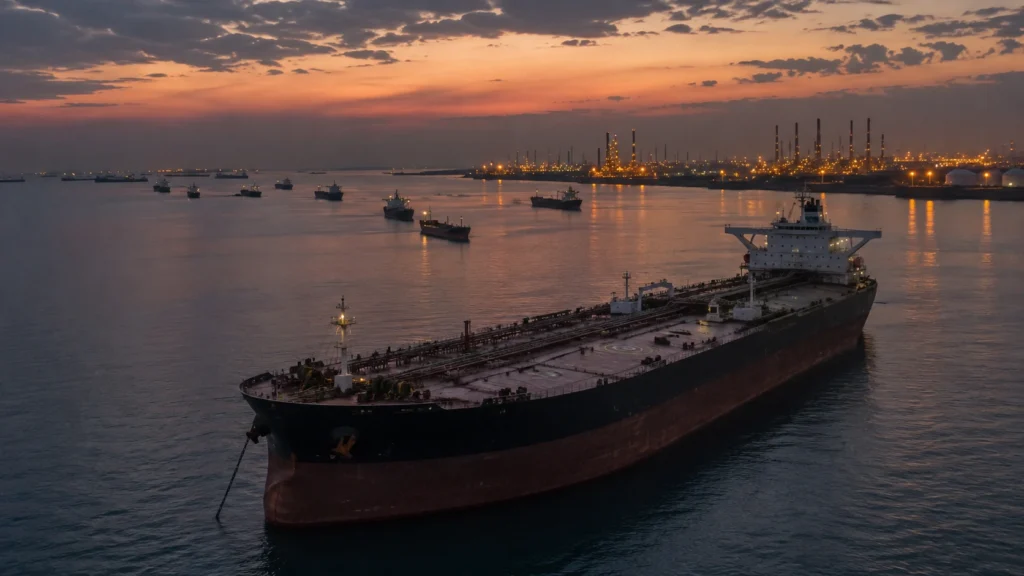
Trump announced the 20% fee on Monday, saying it would cover the costs of “providing safety and security to this very volatile section of the World.” Richard Meade, editor of the shipping journal Lloyd’s List, estimated the charge could cost a fully laden tanker $16 million to $17 million per transit.
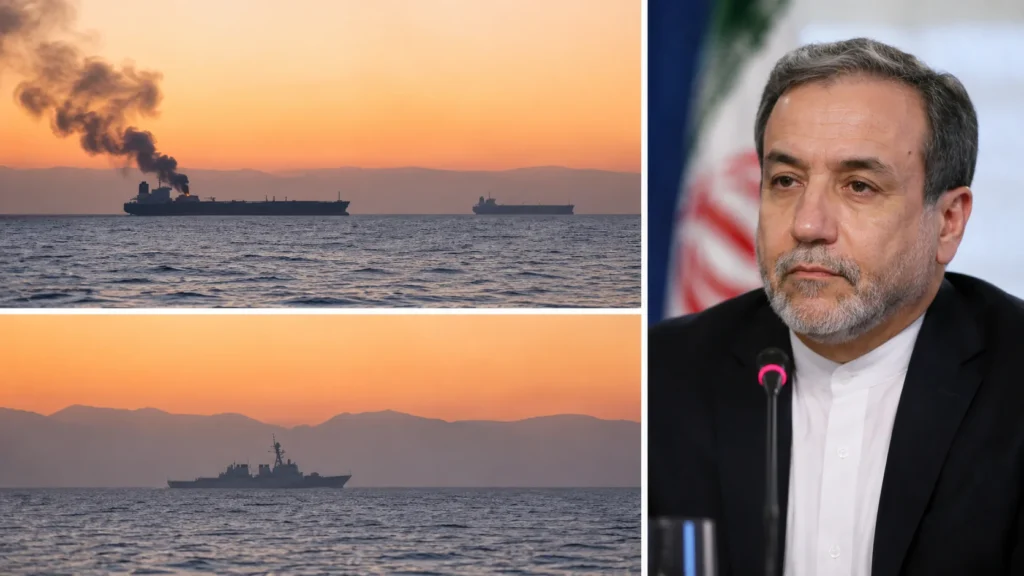
The IMO responded within hours, saying it has “always been consistent” in opposing fees for passage through international straits. “There is no legal basis through which to introduce mandatory tolls simply to transit through a strait,” a spokesperson said. Iran’s foreign minister, Abbas Araghchi, posted a mocking response welcoming the principle of payment for protection but saying Iran would offer a fairer price.
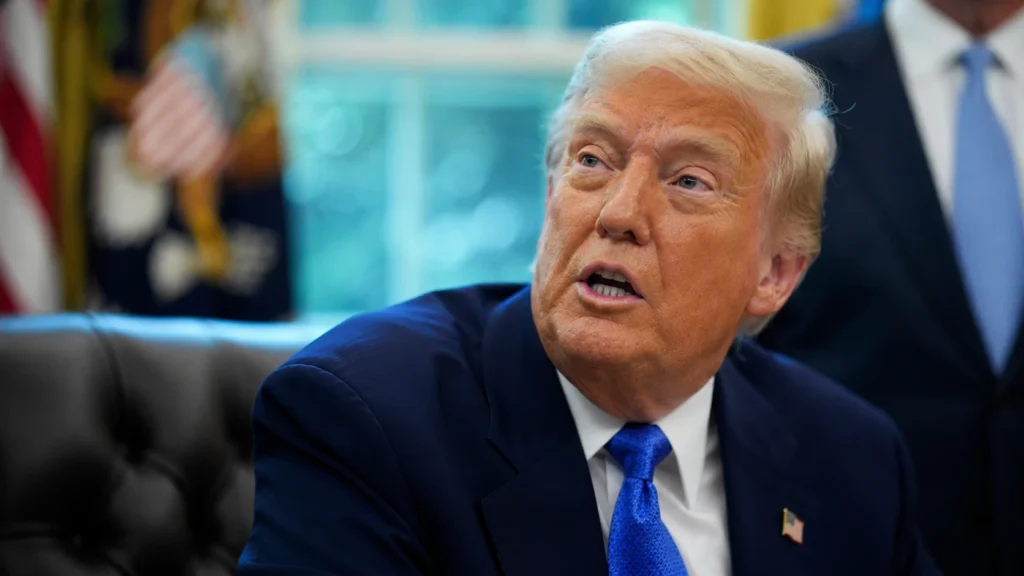
Trump told reporters in the Oval Office on Tuesday that the decision to drop the fee followed calls from Gulf countries. The replacement—unspecified trade and investment deals—has not been detailed.
According to Trump’s Truth Social post announcing the toll reversal and his Oval Office remarks on the decision, the president said the strait would remain “open to ALL Ship traffic except for Iran—and that is because of their lying, violent, malicious leadership.”
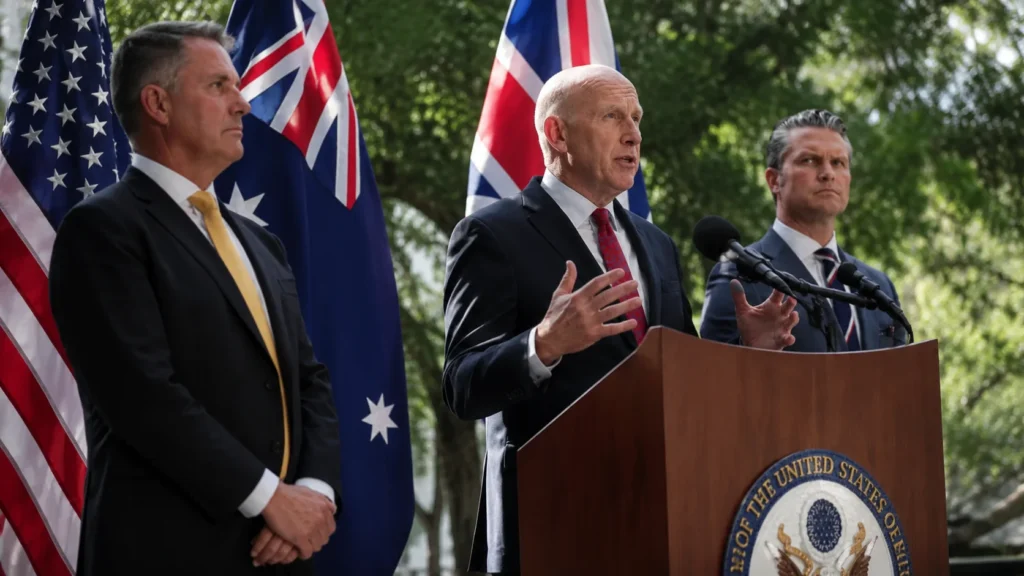
UK Foreign Secretary Yvette Cooper told the Foreign Affairs Committee on Tuesday that she had raised the UK’s objections with US colleagues during last week’s Nato summit. “We were talking about that we could not end up with tolls and with a system on the Strait of Hormuz that would undermine the freedom of navigation and the law of the sea,” she said.
A Downing Street spokeswoman confirmed the government was “in touch with the US as you would expect, as we always are, on official channels, diplomatic channels” regarding the plans. She added that “the Strait of Hormuz should be reopened in line with international law and without tolls or charges that could further disrupt global trade.”
As our analysis of the international response to Trump’s Strait of Hormuz toll proposal documented, the diplomatic pressure against the fee was immediate and coordinated, uniting allies who have otherwise been divided on aspects of the conflict.
The Blockade and Strikes
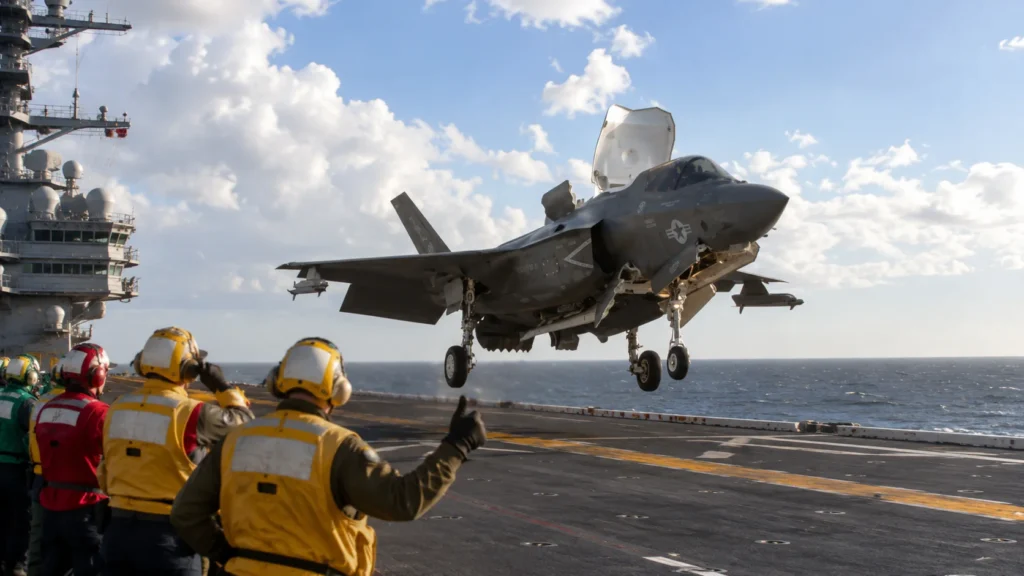
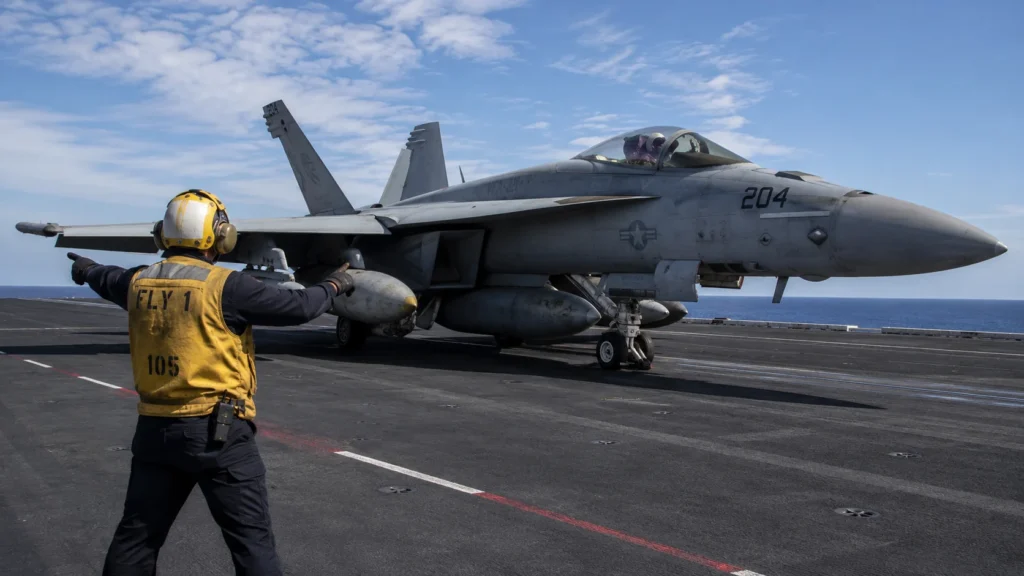
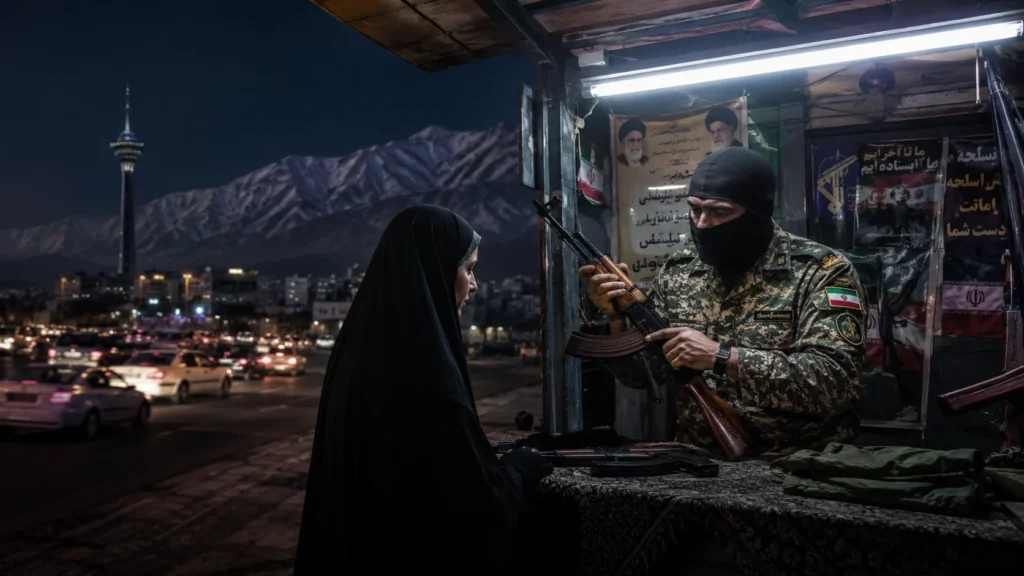
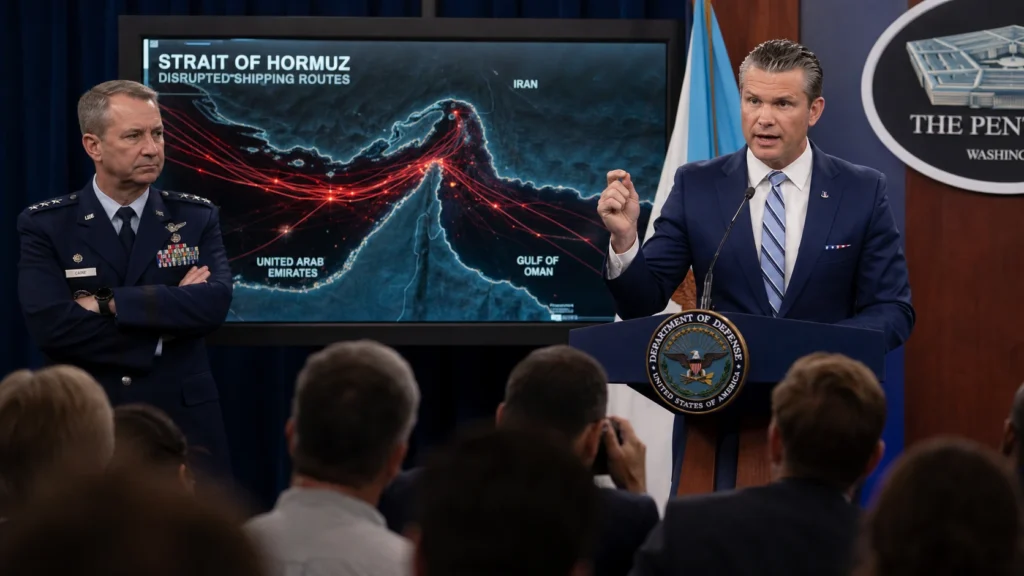
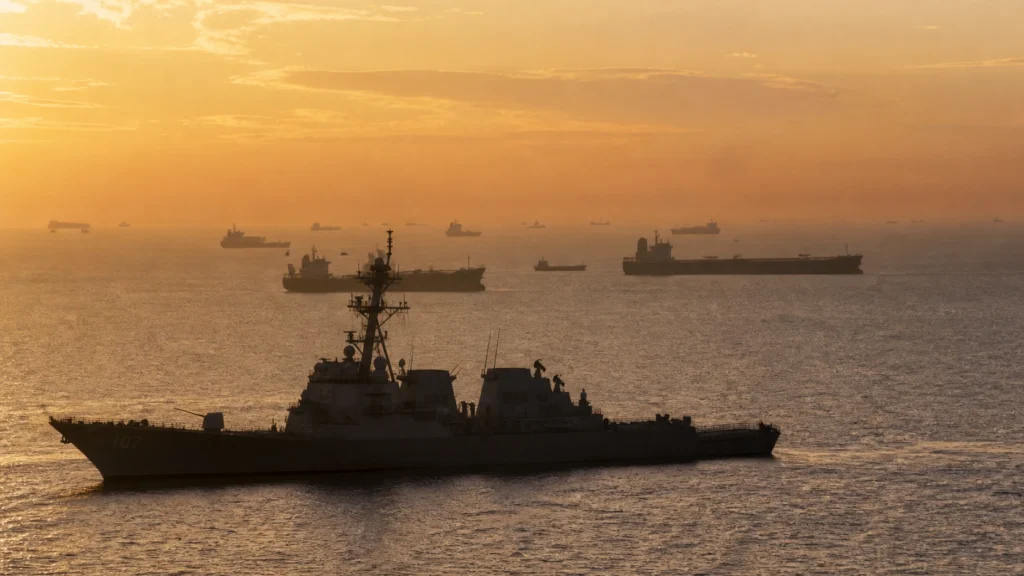
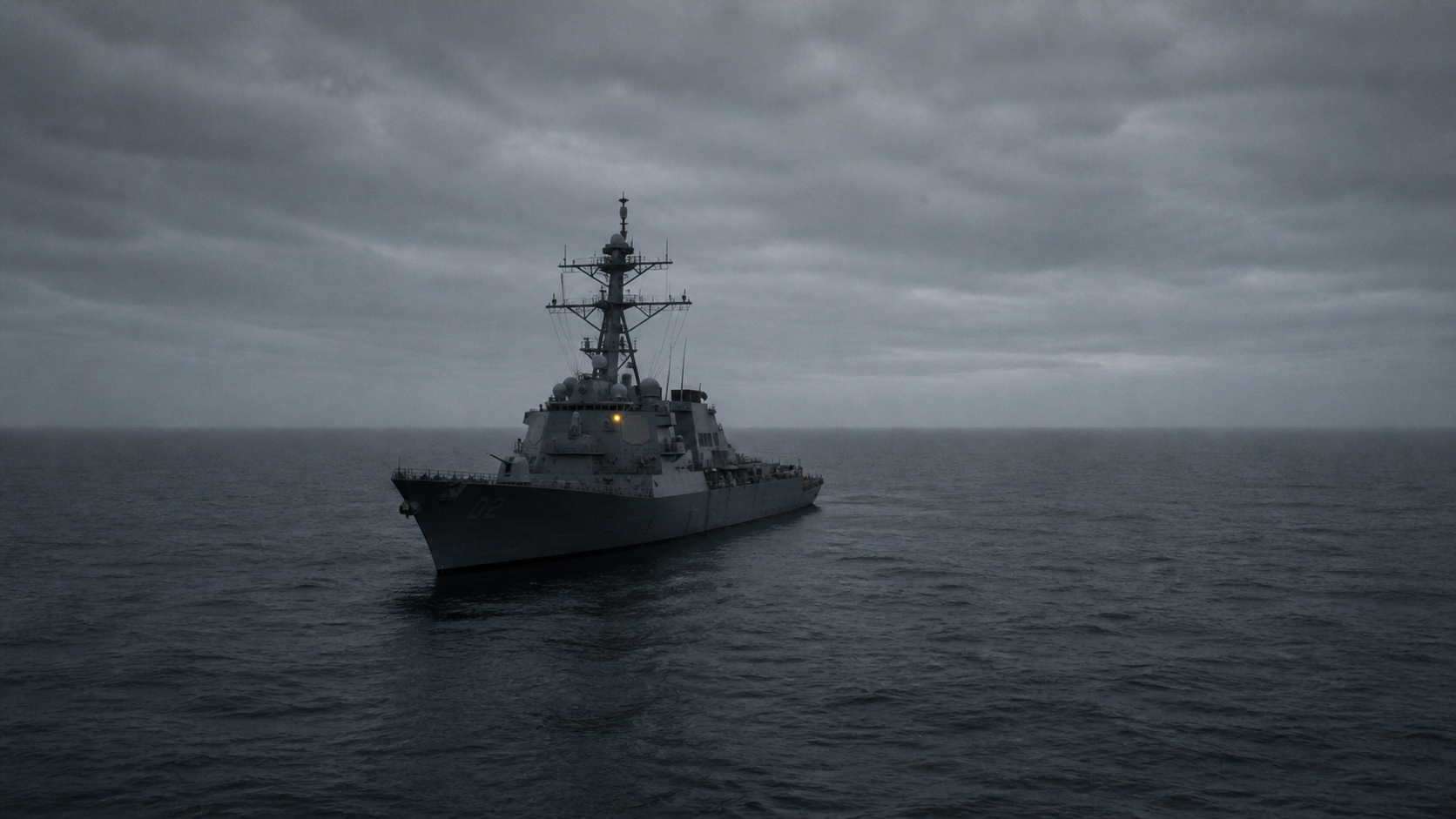
While the toll has been withdrawn, the blockade of Iranian ports is still scheduled to resume at 16:00 Eastern Time on Tuesday. US Central Command said it will enforce the blockade against vessels transiting to or from Iranian ports and coastal areas.
The blockade restores a key element of the status quo that existed before the 17 June memorandum of understanding between the US and Iran—an agreement that is now collapsing in practice if not in name. Foad Izadi, professor of American studies at the University of Tehran, told the BBC the two countries have returned to “full-blown hostilities.” He argued the US had violated the MoU on “day one,” noting that Defense Secretary Pete Hegseth threatened to attack Iran five hours after Trump signed the agreement.
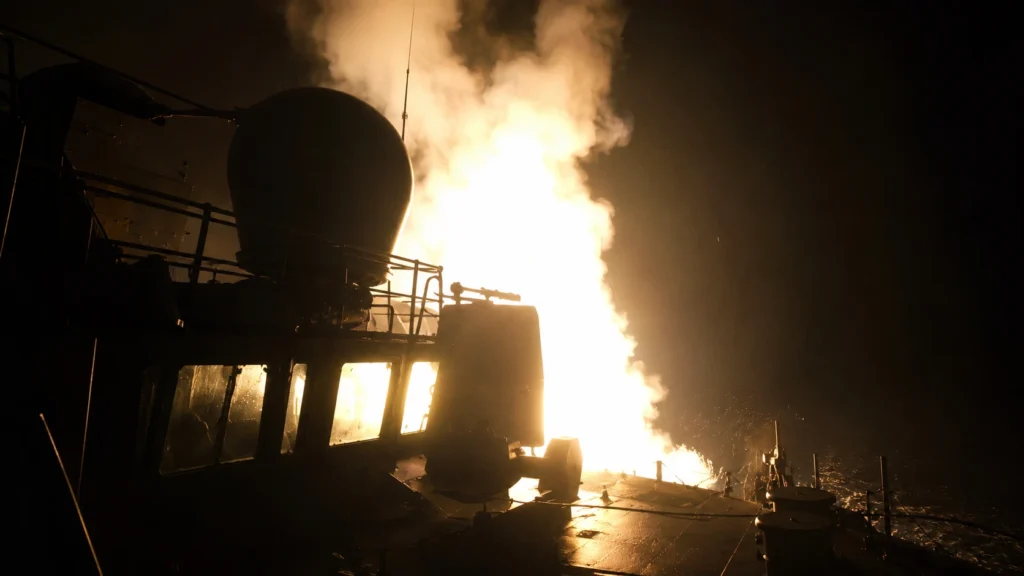
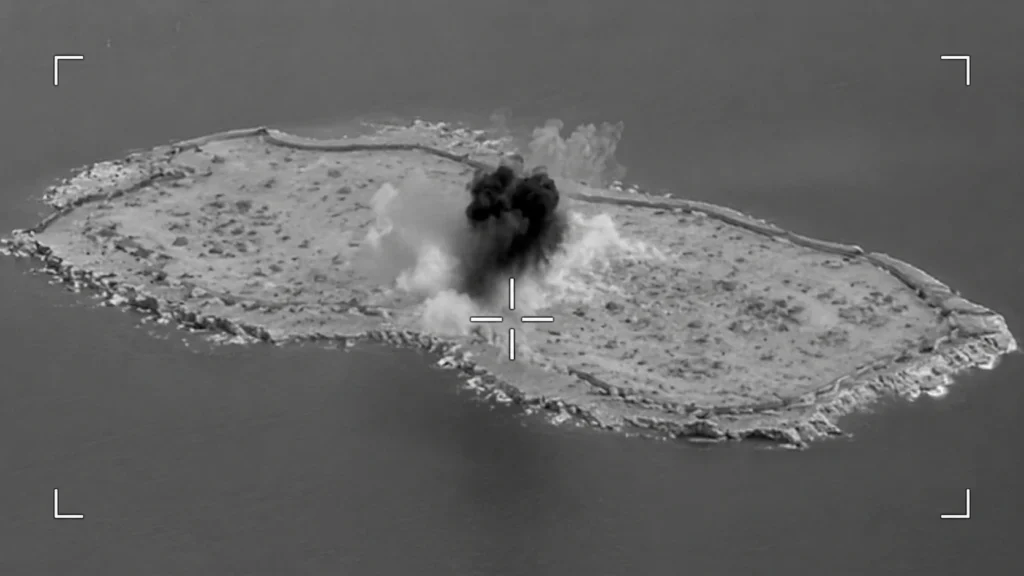
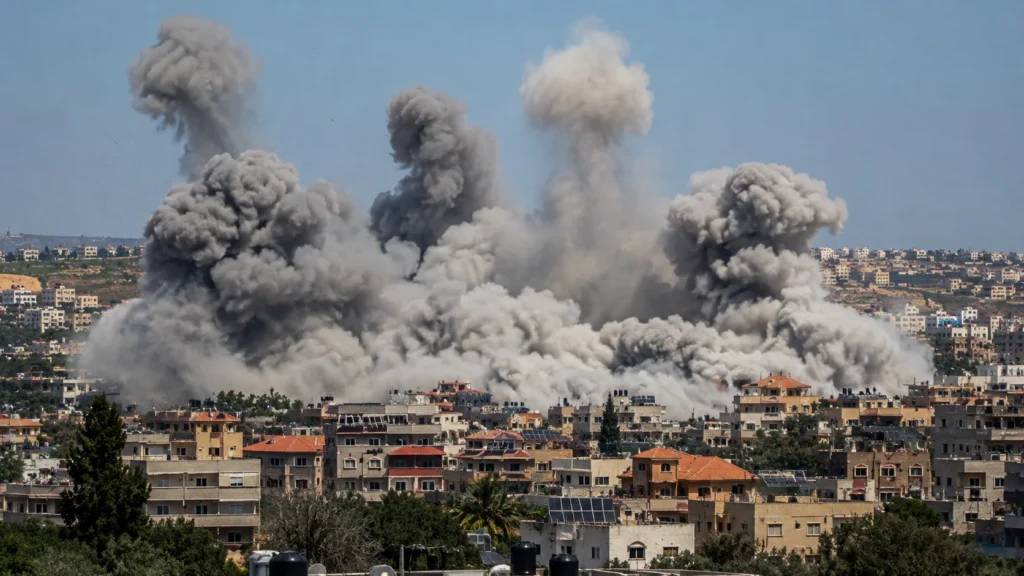
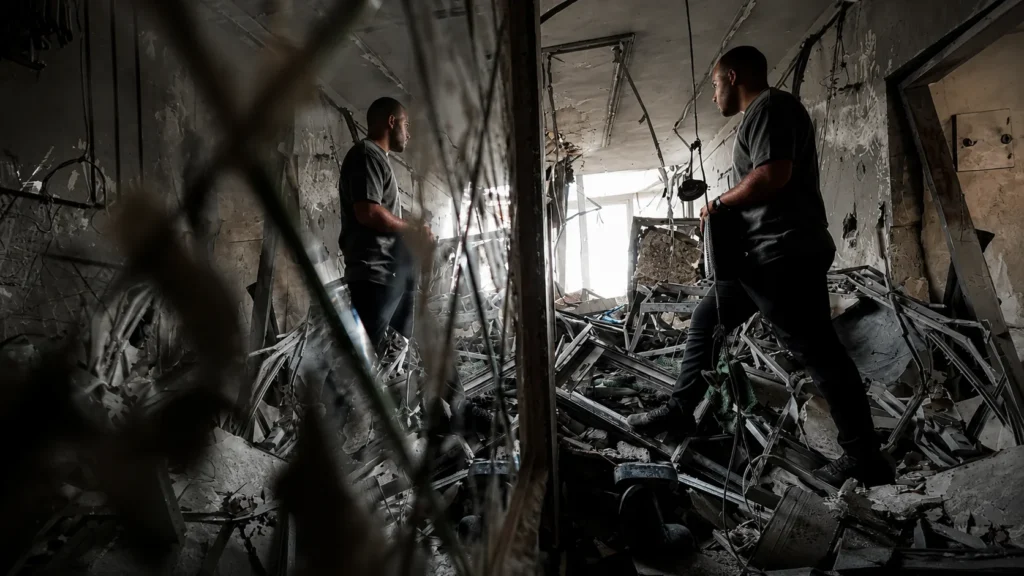
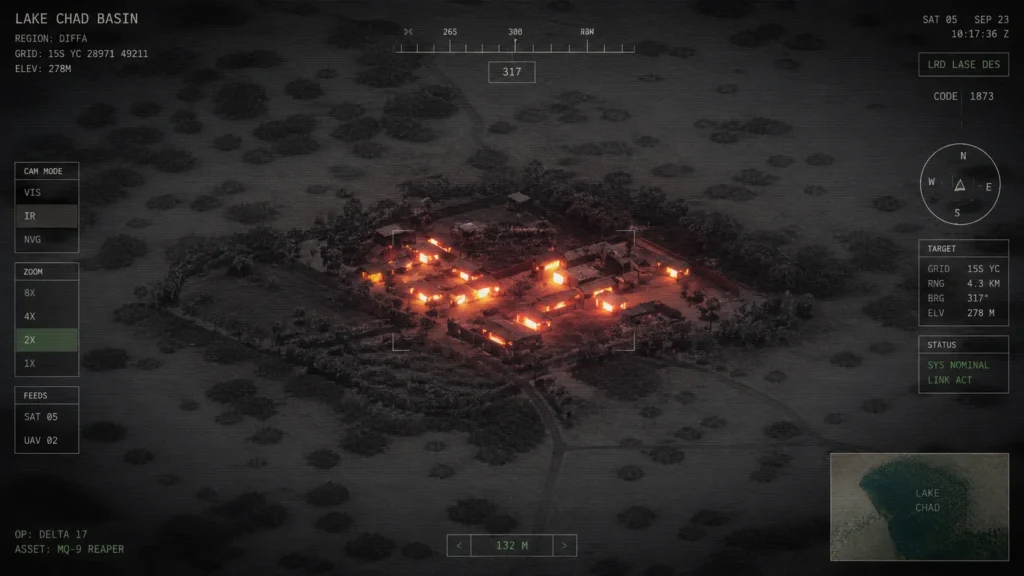
The US military confirmed it had carried out a third consecutive night of strikes on Iranian targets overnight, hitting locations in Bushehr, Chah Bahar, Jask, Konarak, Abu Musa, and Bandar Abbas. Centcom said the strikes were designed to “further degrade Iran’s ability to attack commercial shipping.”
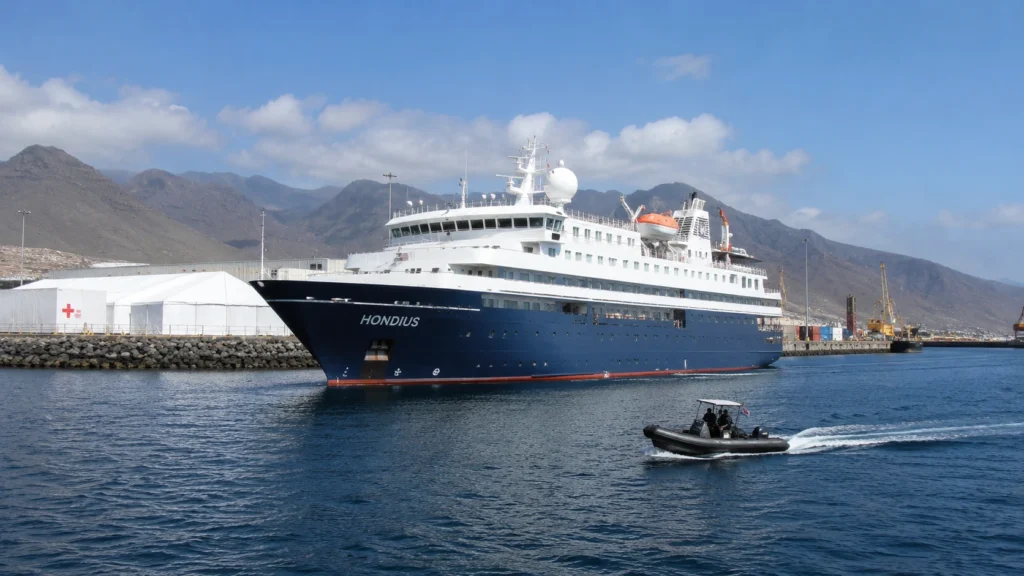
Iran struck two UAE-flagged tankers in the strait, killing a second seafarer, the IMO confirmed on Tuesday. A total of 17 seafarers have now died in the strait since the war began, according to the UN agency. Victoria Mitchell, a maritime security expert at Control Risks, told the BBC the shipping industry is making “hour by hour decisions” on whether to transit the waterway.
According to IMO confirmation of the second seafarer death and the total of 17 killed since the conflict began, the agency said it is working with authorities to “confirm the full circumstances” and called for an end to the “cycle of escalation.”
Economic Impact
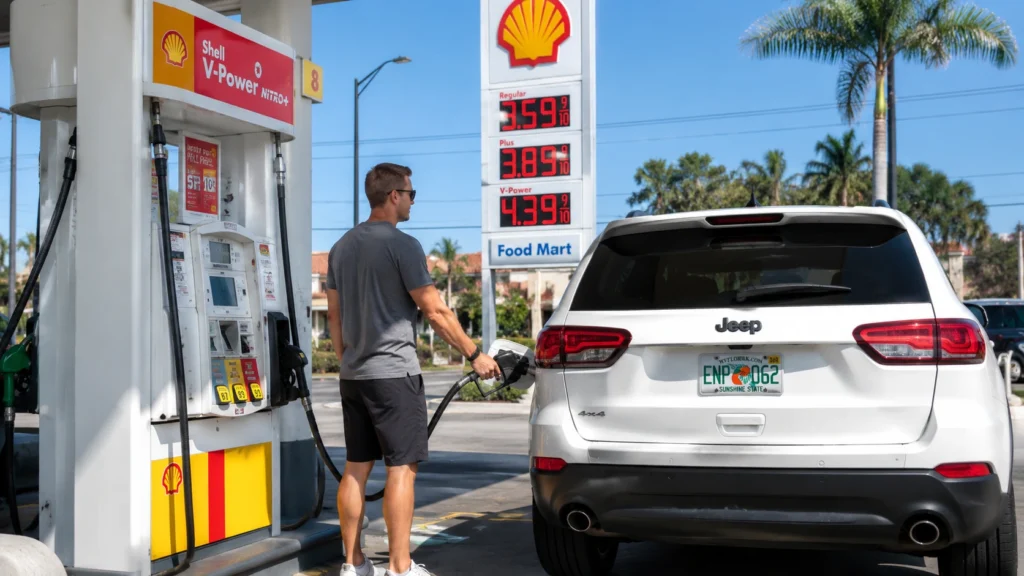
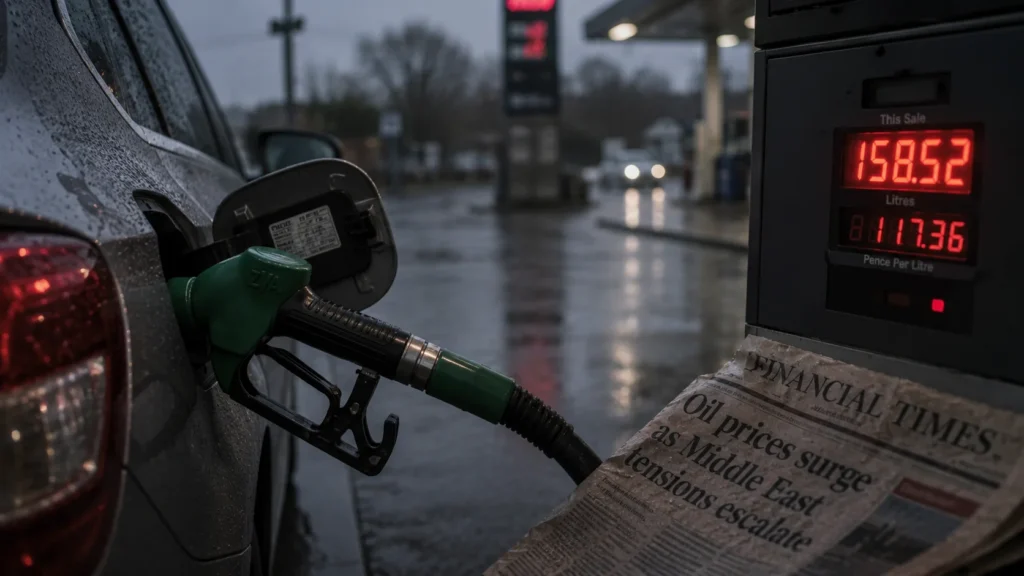
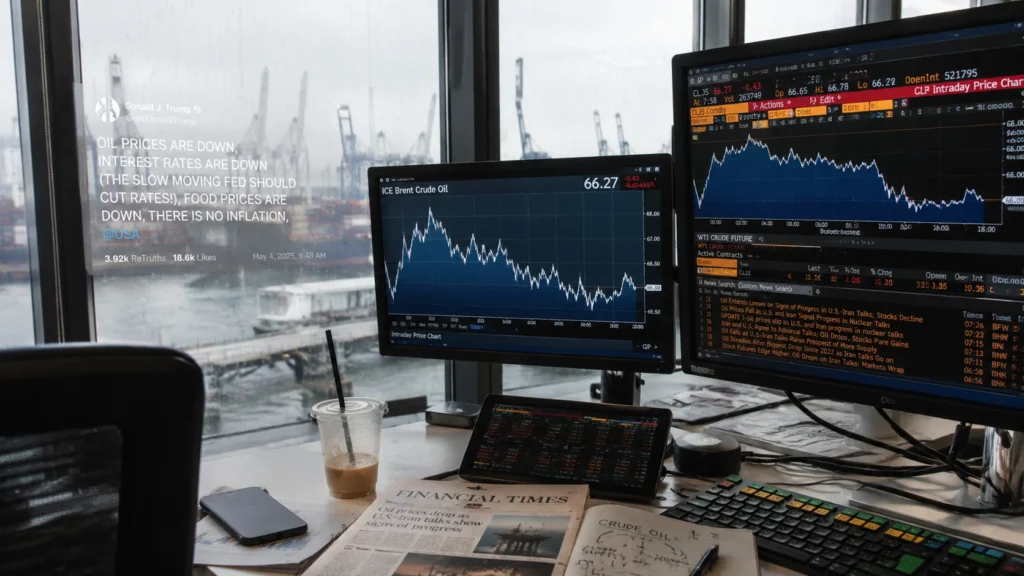
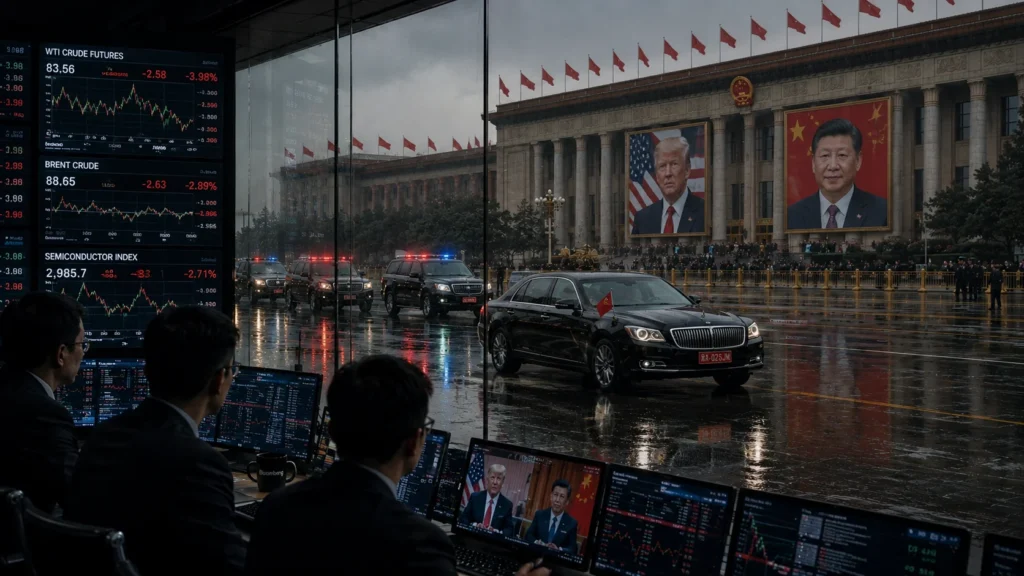
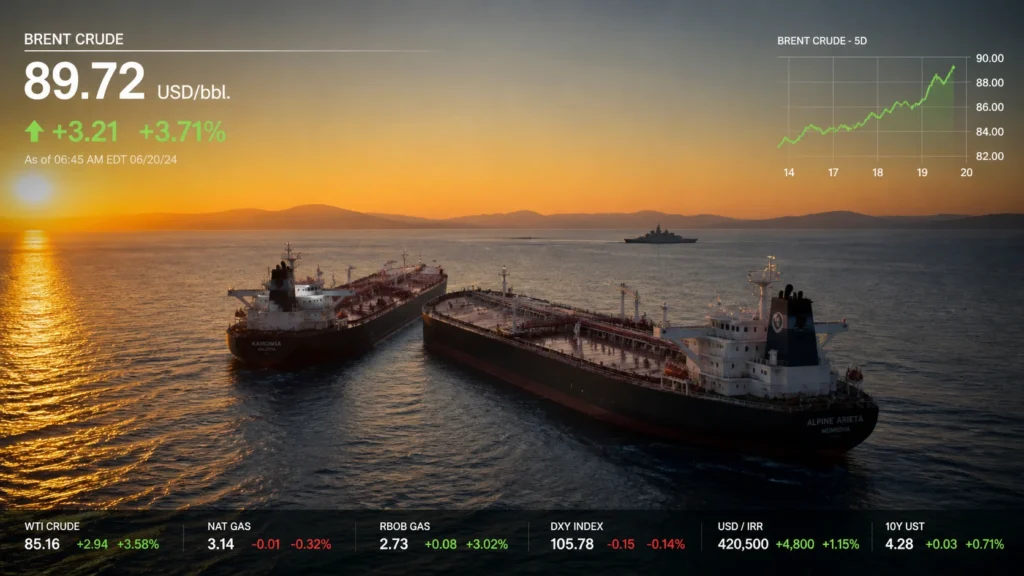
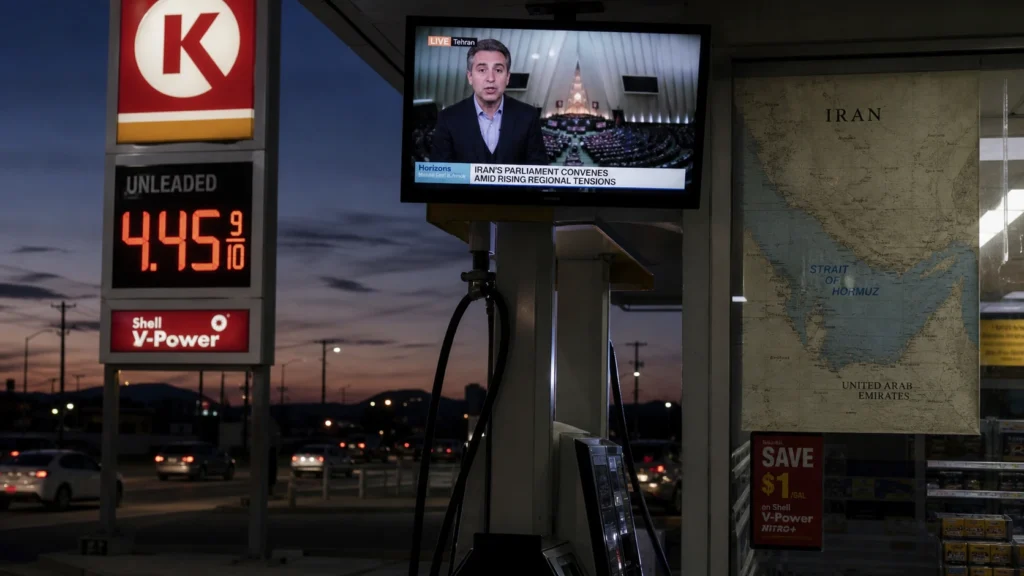
Oil prices continued to climb on Tuesday. Brent crude reached $87 a barrel, up 9% since Monday, though still below the $120 peak reached in April when the strait was effectively closed.
Dr Jorge Leon, an energy economist at Rystad Energy, told the BBC that oil traffic through the strait has dropped from about 15 million barrels a day in late June to fewer than 5 million in the past week, “and it’s falling further day by day.” He said the market is currently pricing in an expectation of de-escalation but warned that if traffic stops entirely for “two or three weeks… price pressures will start accumulating again.”
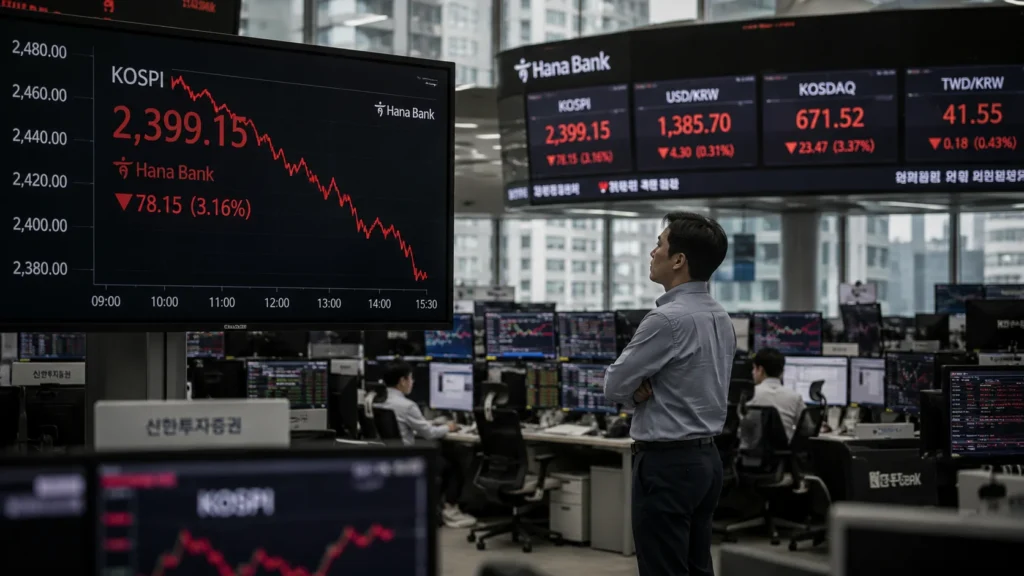
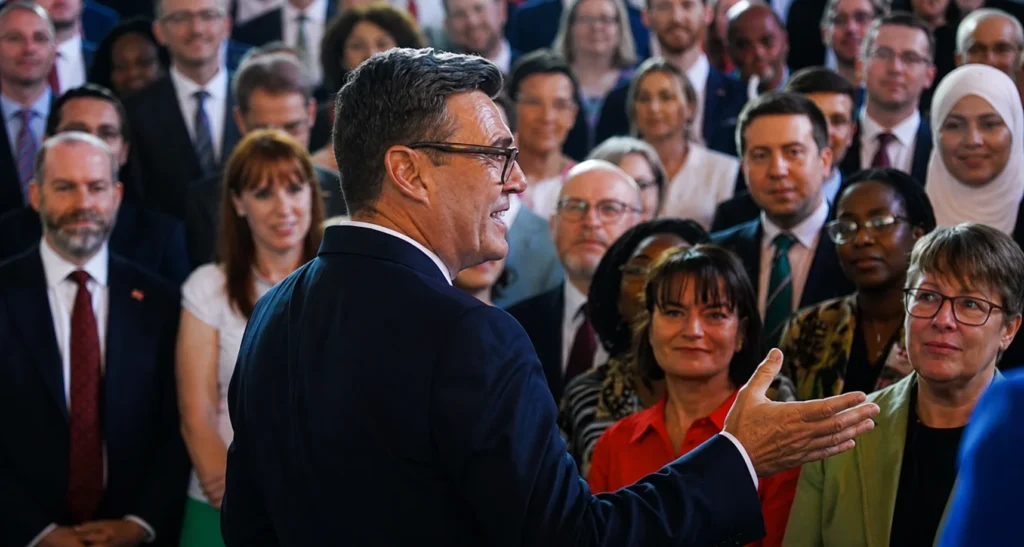
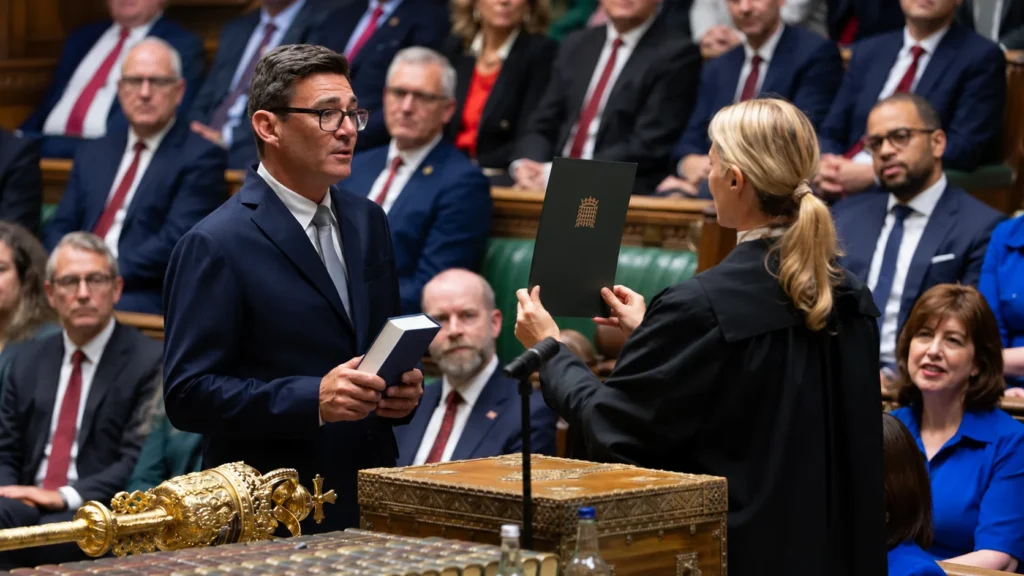
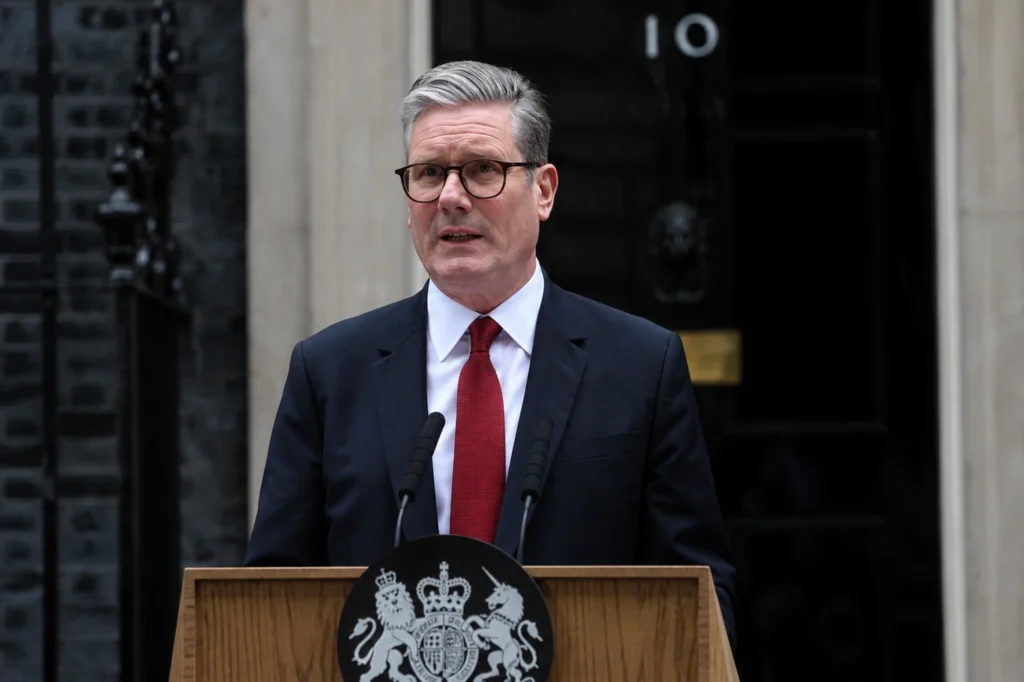
The economic impact is spreading beyond oil markets. UK government borrowing costs rose above 5% on Tuesday for the first time since May, with the 10-year gilt yield hitting 5.04%. The increase is being driven by expectations that higher energy costs will feed inflation and force central banks to raise interest rates. The timing is particularly difficult for incoming Prime Minister Andy Burnham, who takes office on 20 July.
As our coverage of the economic impact of the Strait of Hormuz crisis on global markets and government borrowing, the combination of rising oil prices and higher borrowing costs is putting pressure on governments already grappling with the cost of living and public spending demands.
FAQ
Why did Trump drop the 20% fee?
Trump said the decision followed calls from Gulf states and that the fee would be replaced by trade and investment deals. The International Maritime Organization had said there was “no legal basis” for the toll. Allies including the UK had raised objections.
Is the blockade of Iranian ports still happening?
Yes. The blockade is scheduled to resume at 16:00 Eastern Time (20:00 GMT) on Tuesday. Centcom will enforce it against vessels transiting to or from Iranian ports.
How many seafarers have been killed?
The IMO confirmed a second seafarer died in the overnight Iranian strikes on two UAE-flagged tankers, bringing the total from those attacks to two dead and 14 injured. A total of 17 seafarers have died in the strait since the war began.
What is happening to oil prices?
Brent crude reached $87 a barrel on Tuesday, up 9% since Monday. Prices remain below the $120 April peak. Oil traffic through the strait has fallen from 15 million barrels a day in late June to fewer than 5 million.
Is the US-Iran ceasefire deal still in effect?
Neither side has formally abandoned the 17 June memorandum of understanding, but both are behaving as if it does not exist. A University of Tehran professor told the BBC the countries have returned to “full-blown hostilities.”