

 English































































































































































Israel Seizes Castle in Lebanon as It Expands Ground Offensive
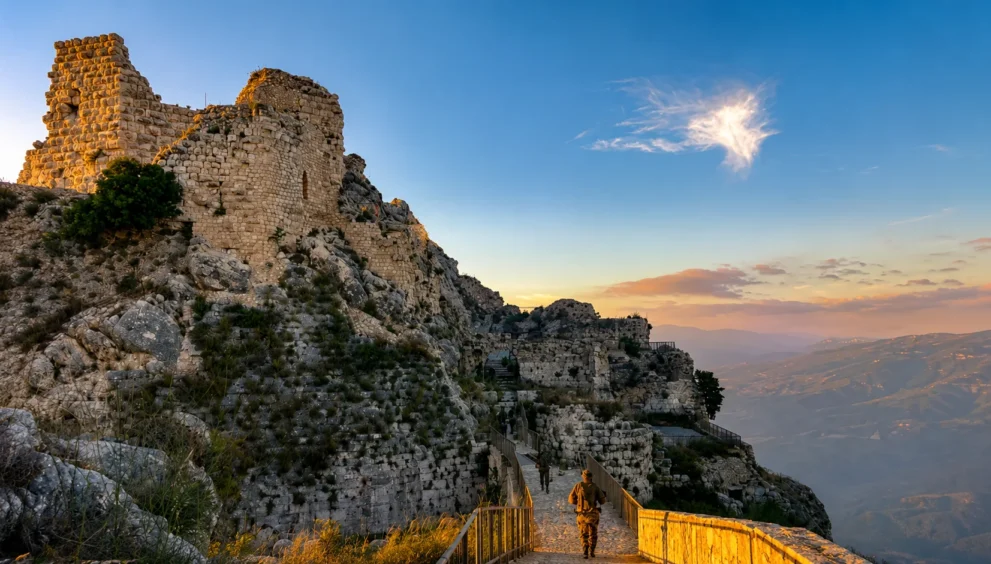
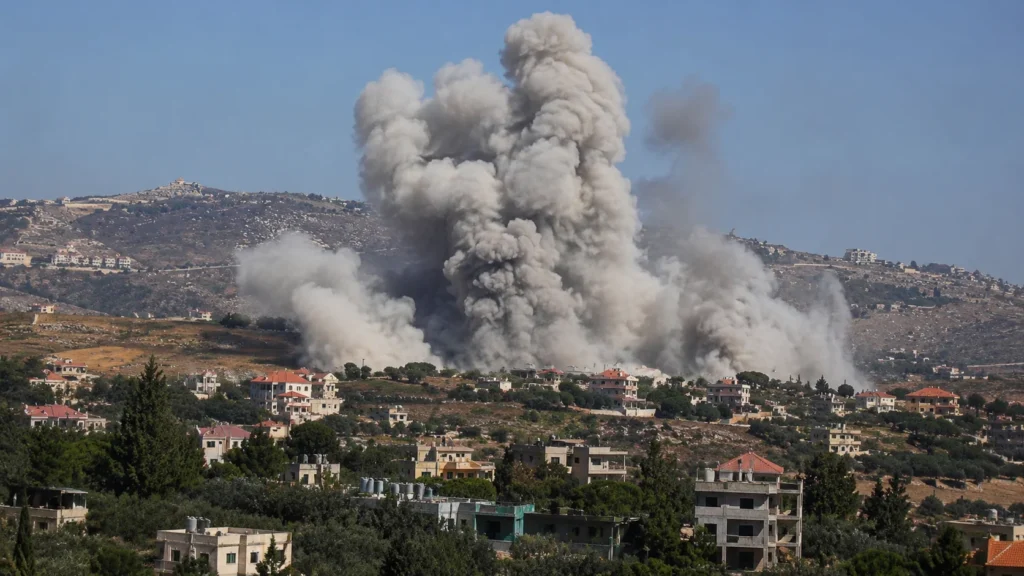
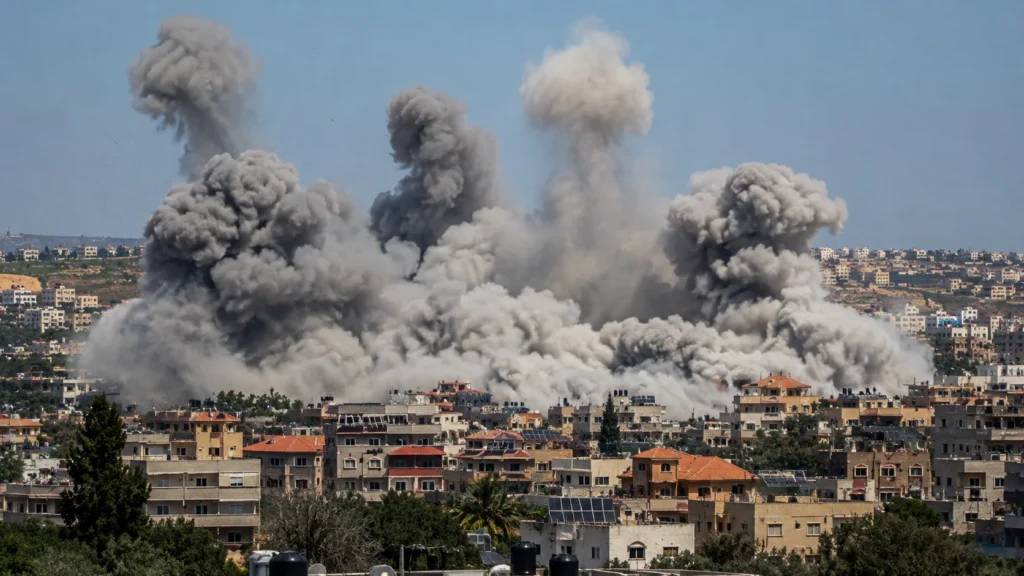
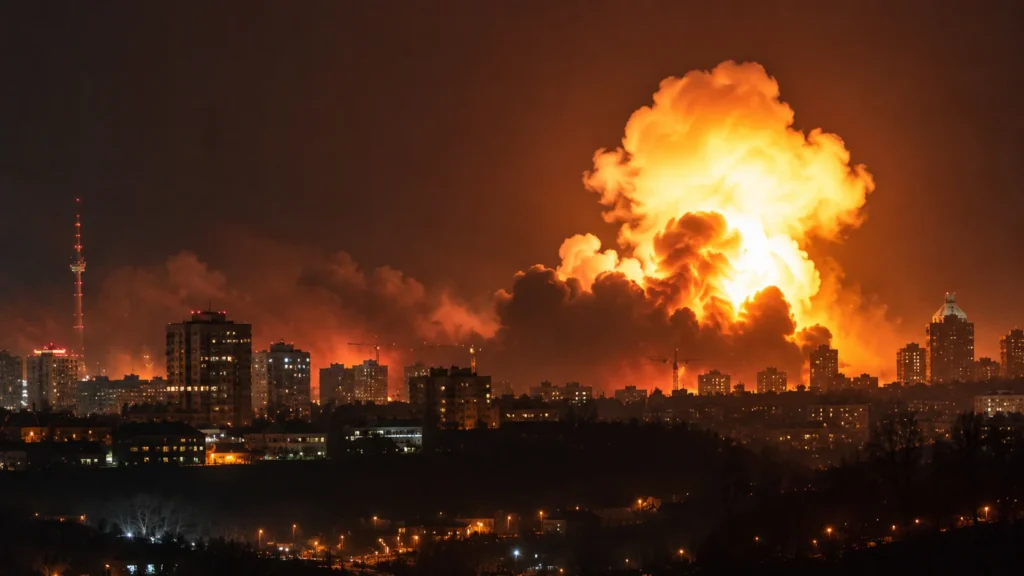
Israel seizes castle in Lebanon as it expands ground offensive beyond the Litani River, with the Israel Defense Forces confirming on Sunday that it had captured Beaufort Castle, a strategic Crusader fortress on a high ridge commanding views across southern Lebanon. The Golani Brigade, which fought for the same position 44 years ago, raised the Israeli flag above the castle. Prime Minister Benjamin Netanyahu called the capture “a dramatic stage and dramatic change in our policy,” while the IDF issued new evacuation warnings for everyone south of the Zahrani River, deeper into Lebanese territory than previous orders. Lebanese health authorities say more than 3,300 people have been killed since the conflict reignited in early March. The fourth round of US-mediated negotiations between Israel and Lebanon is scheduled for Washington this week.
What Happened
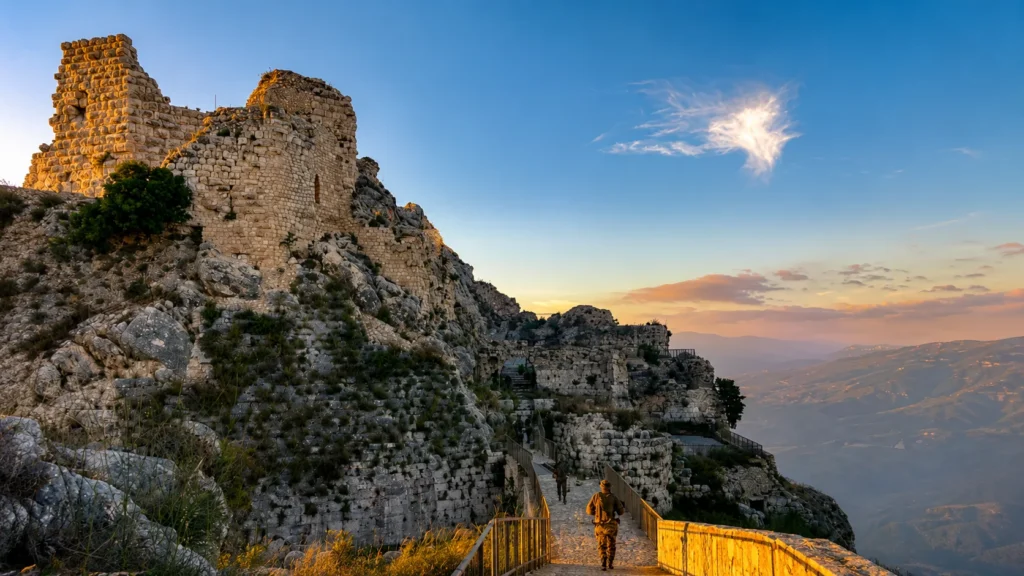
The IDF confirmed it had taken Beaufort Castle, a fortress built by the Crusaders approximately 900 years ago and fought over repeatedly throughout history. The castle sits on cliffs above the Litani River and provides commanding views of the surrounding terrain.
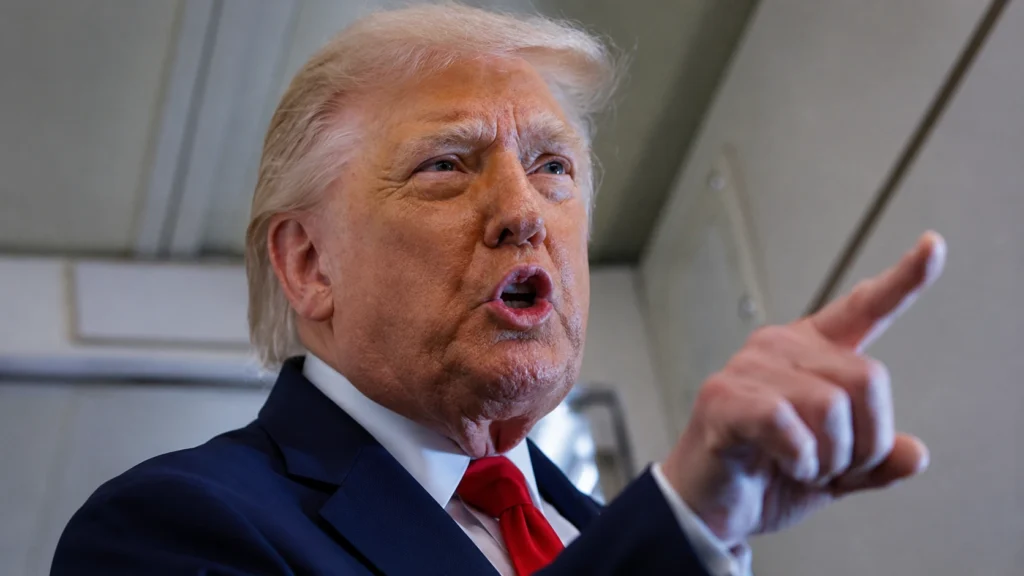
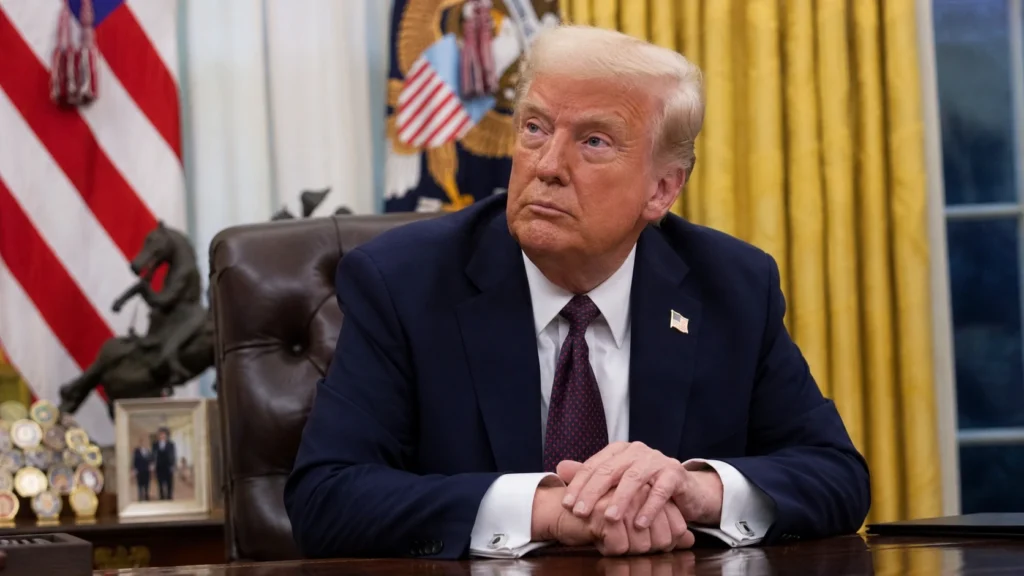
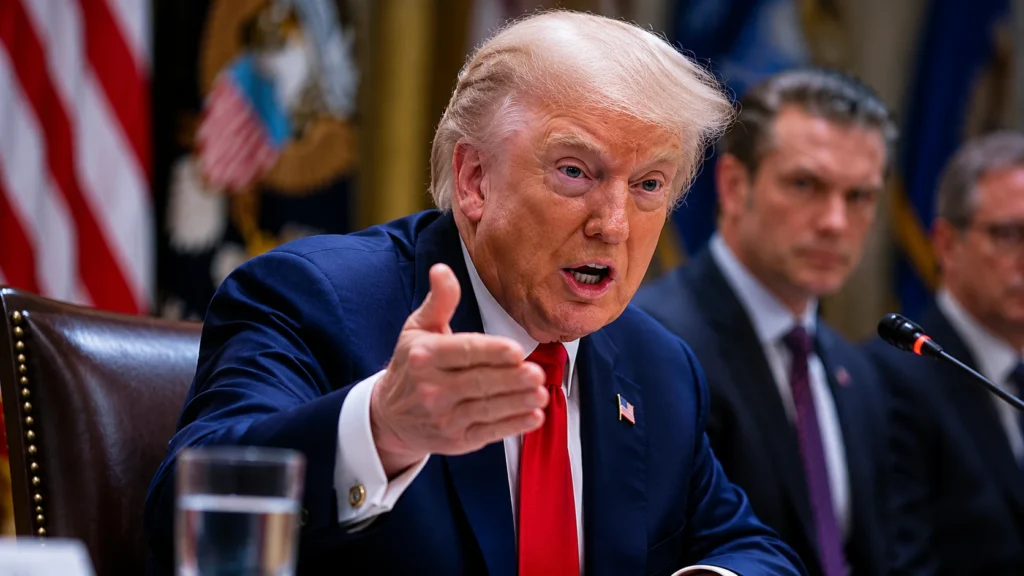
“We have broken the barrier of fear,” Netanyahu said. “We are taking the initiative, we are operating on all fronts in Syria, in Gaza, in Lebanon” Prime Minister’s Office statement, 31 May 2026.
Defence Minister Israel Katz noted that the Golani Brigade, which had fought a gruelling battle for the fort in 1982, had returned and raised the Israeli flag above it. He said control of the castle and the ridge was an important step in protecting Israeli communities on the other side of the border.
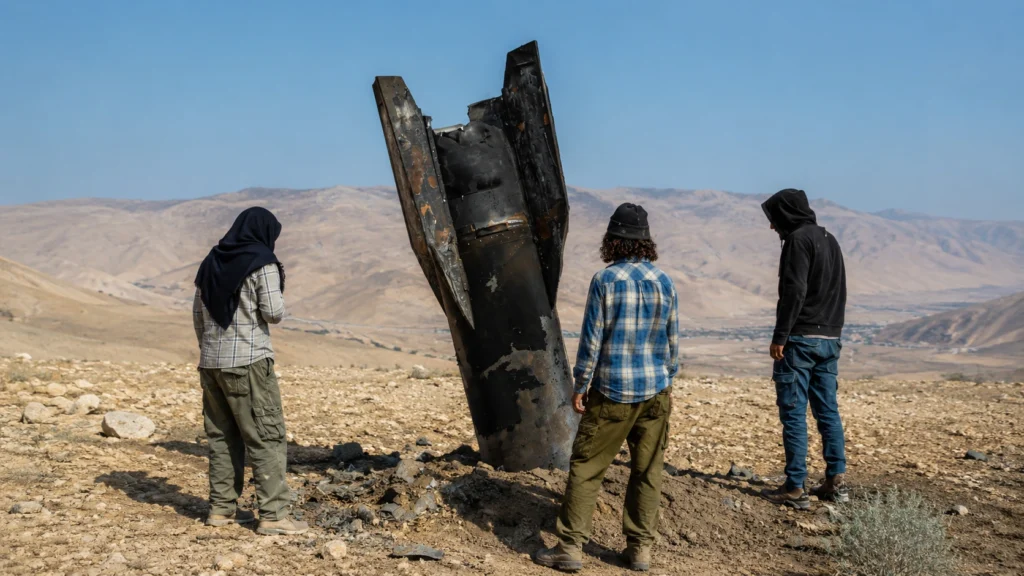
The IDF said a “significant number of IDF ground soldiers” were involved in the operation, which was “currently expanding to additional areas.” It is the clearest indication yet that Israeli ground forces are moving deeper into Lebanese territory beyond their original demarcation line. Another Israeli soldier was confirmed killed, and schools in communities on the Israeli side of the border were closed on Sunday as a precaution IDF operational update, 31 May 2026.
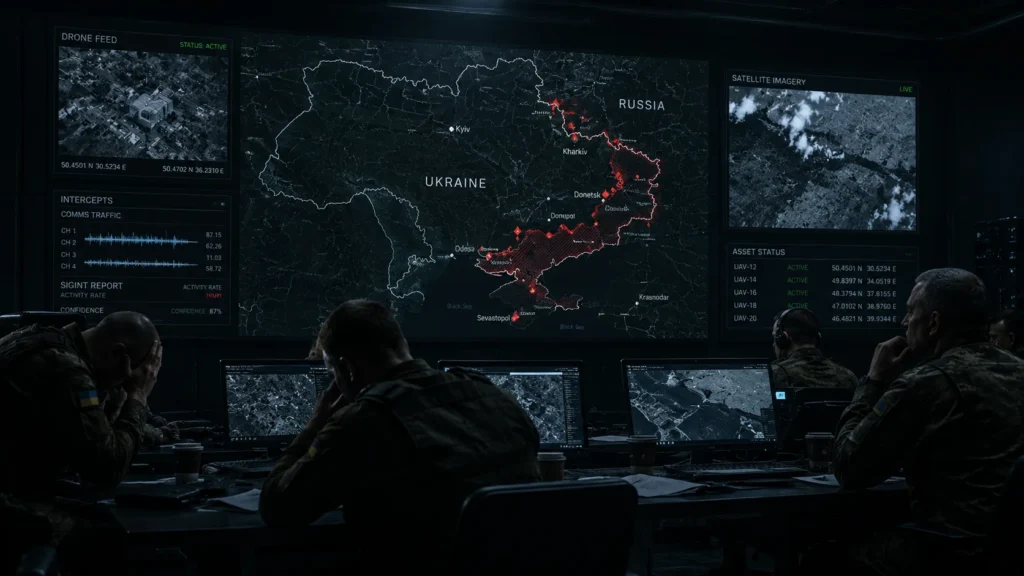
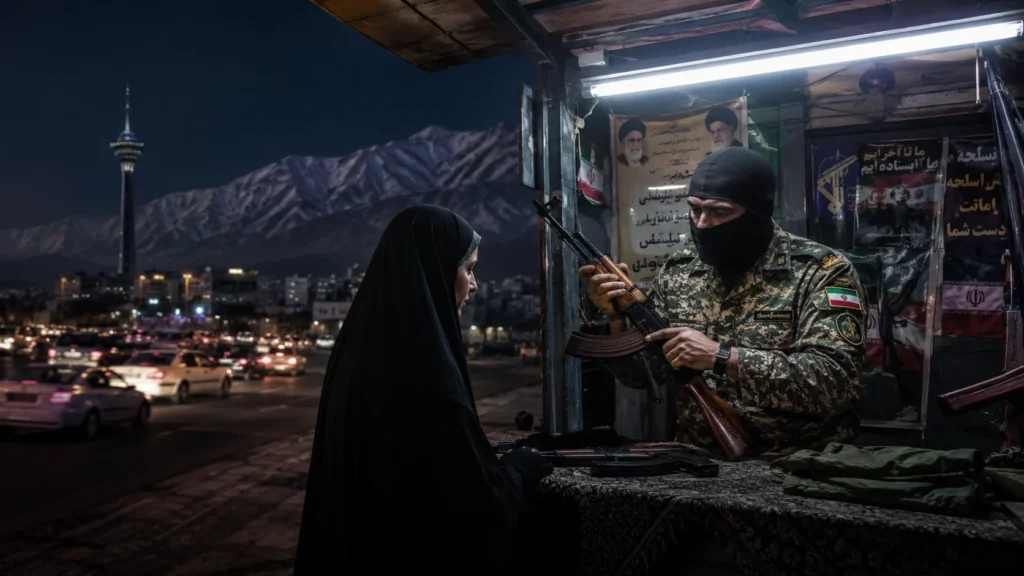
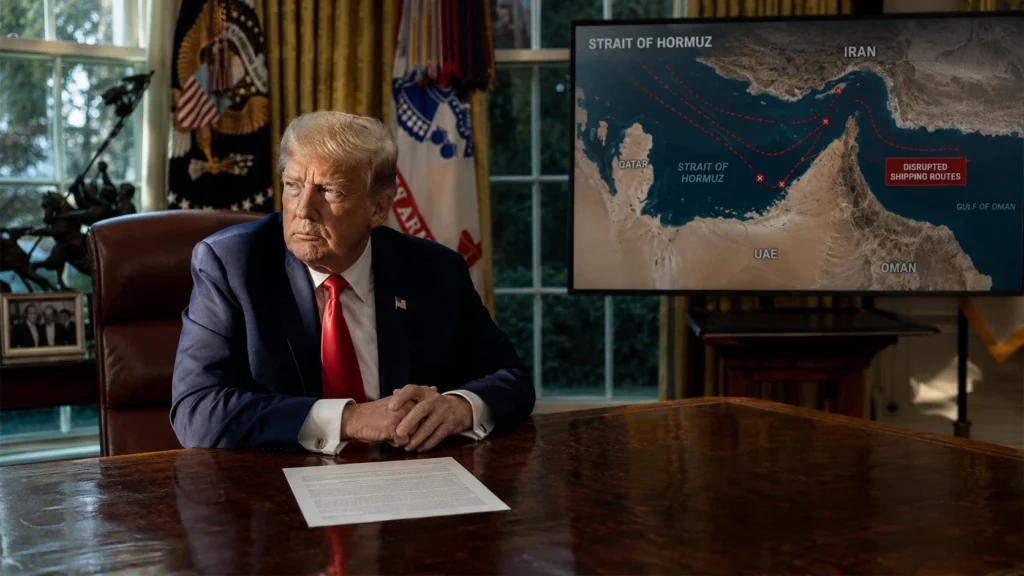
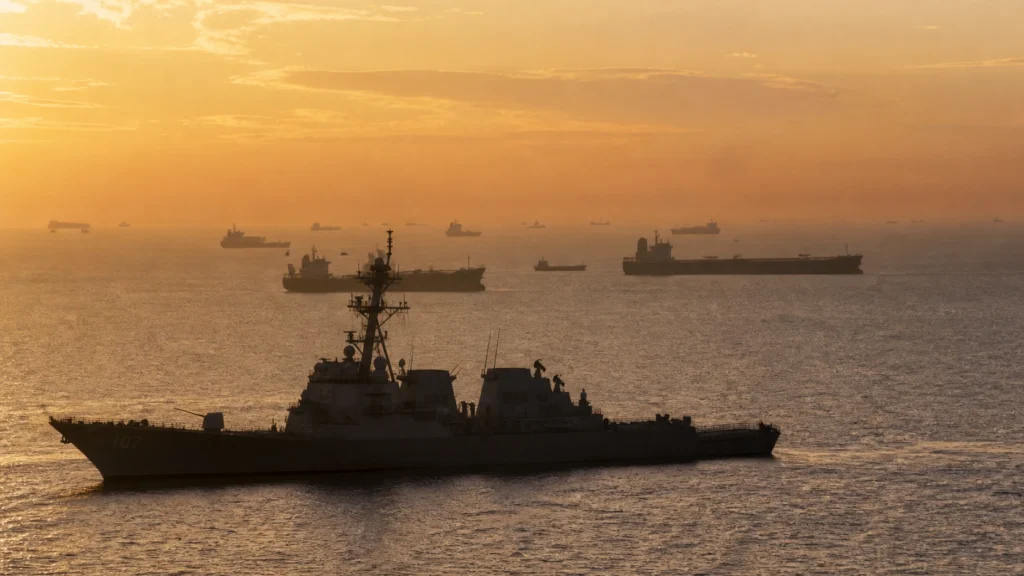
The Litani River line: how Israel’s ground offensive is reshaping southern Lebanon
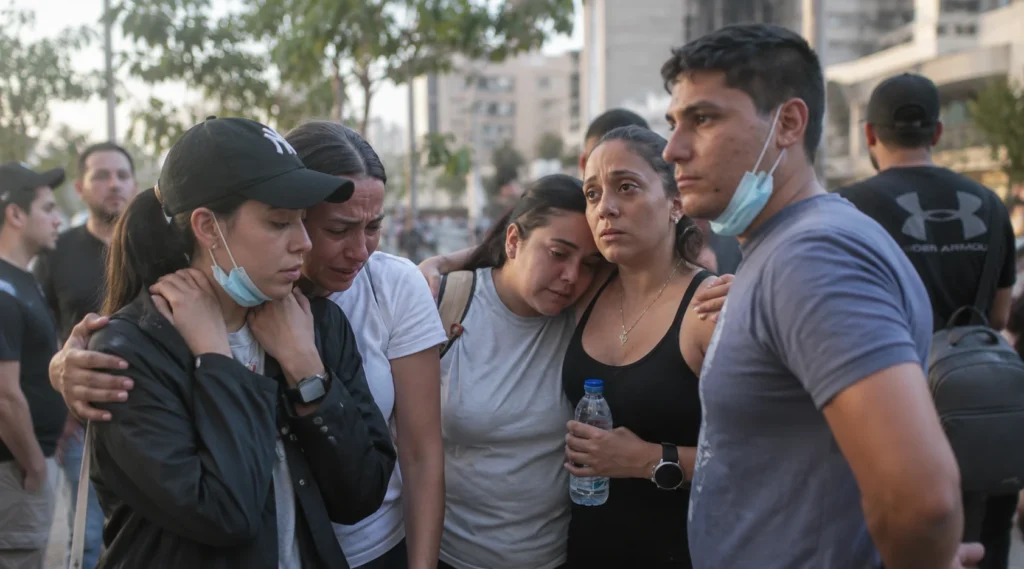
The Human Cost
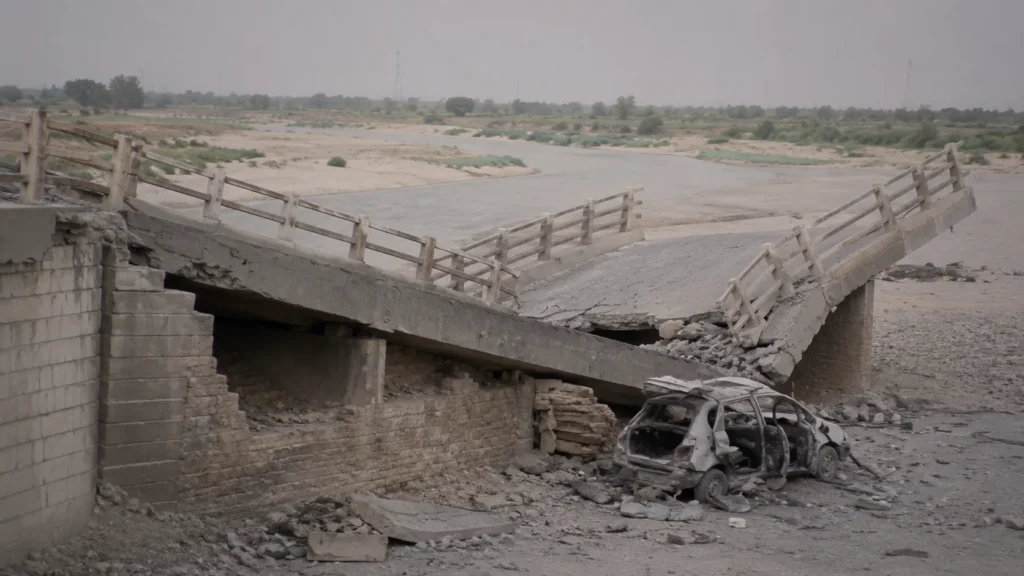
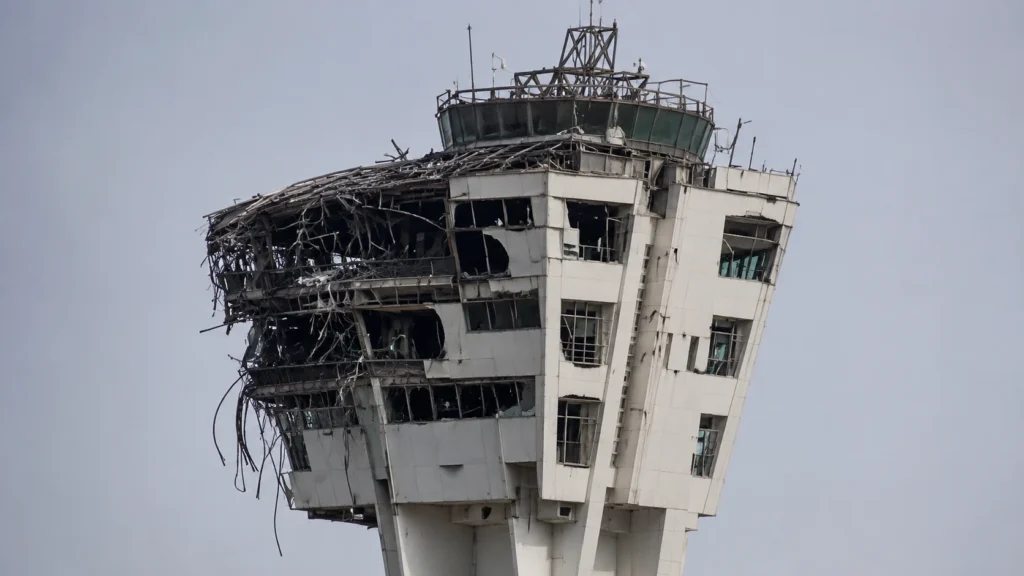
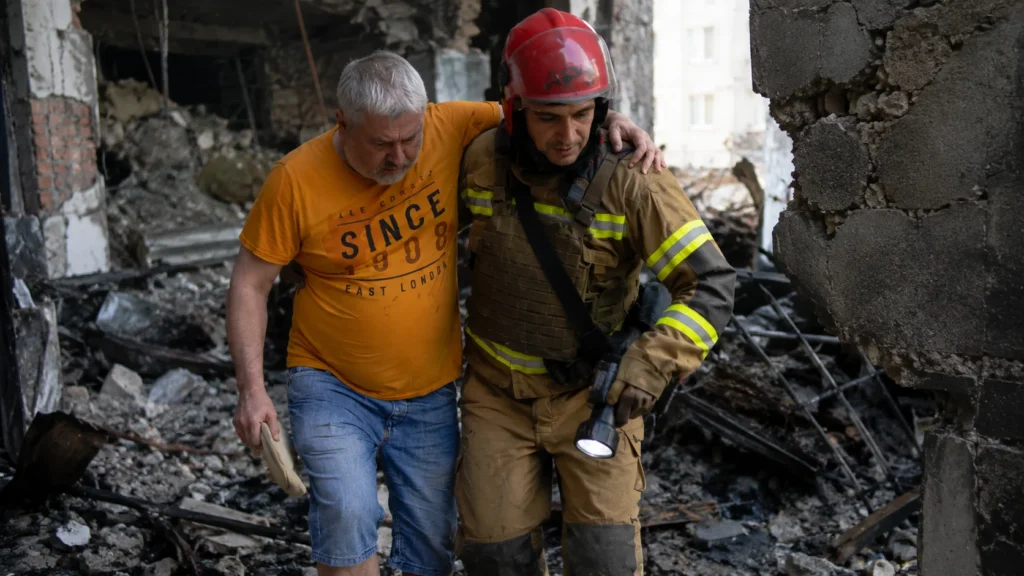
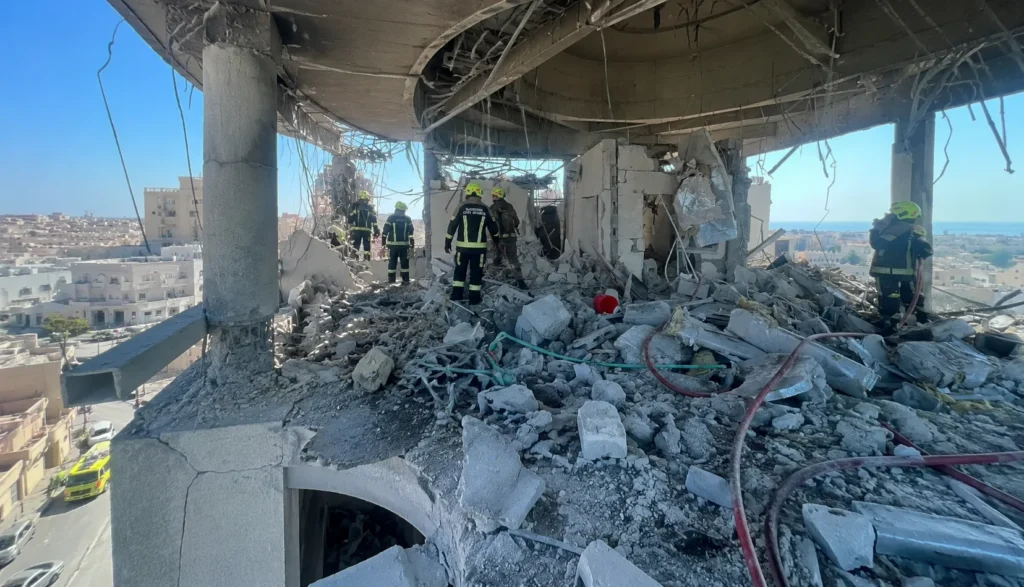
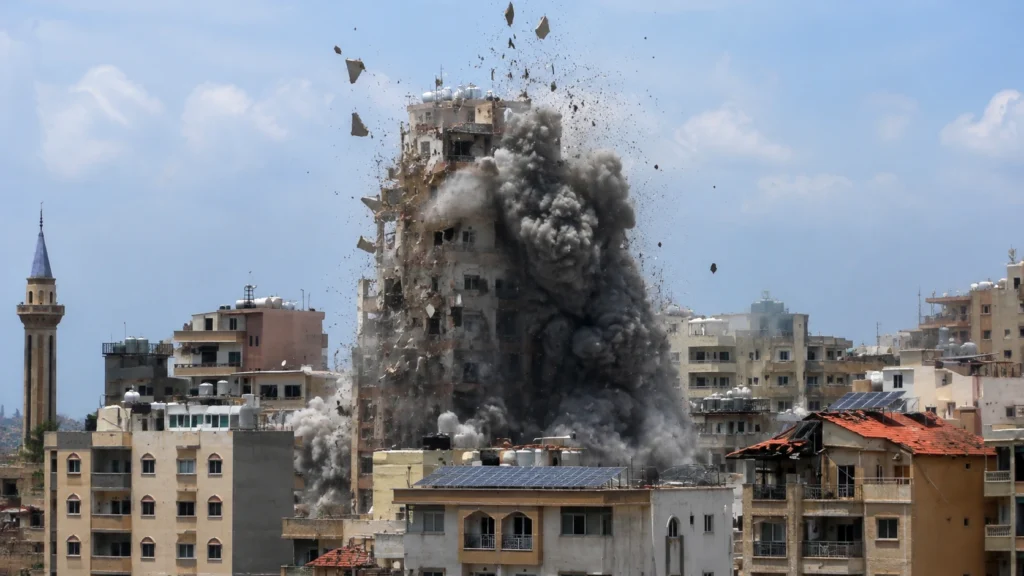
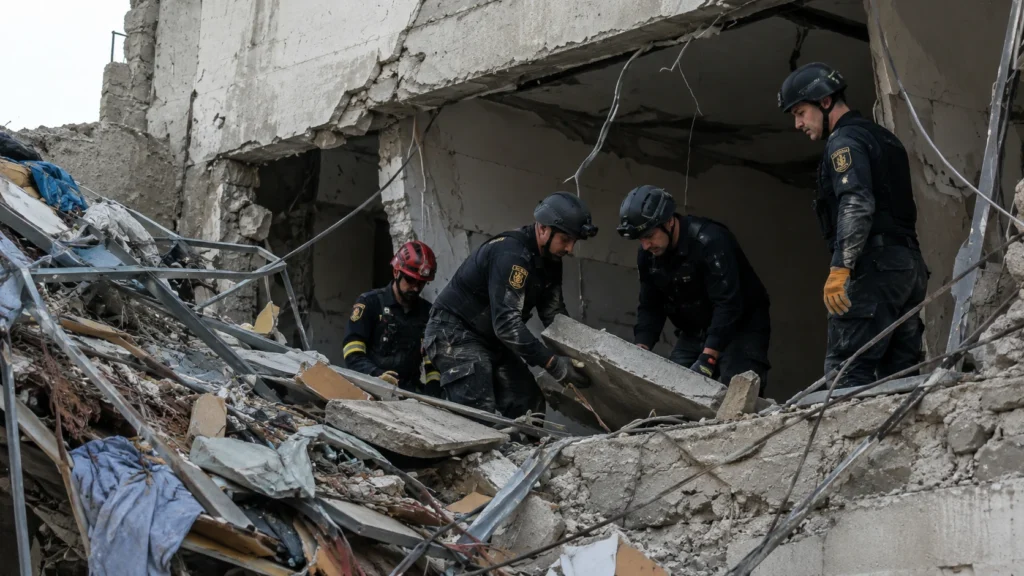
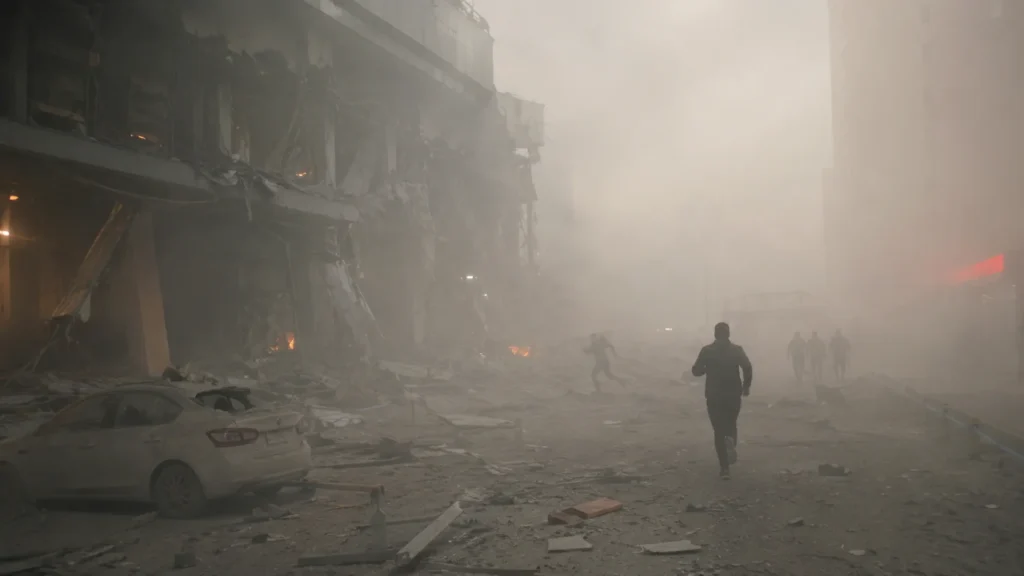
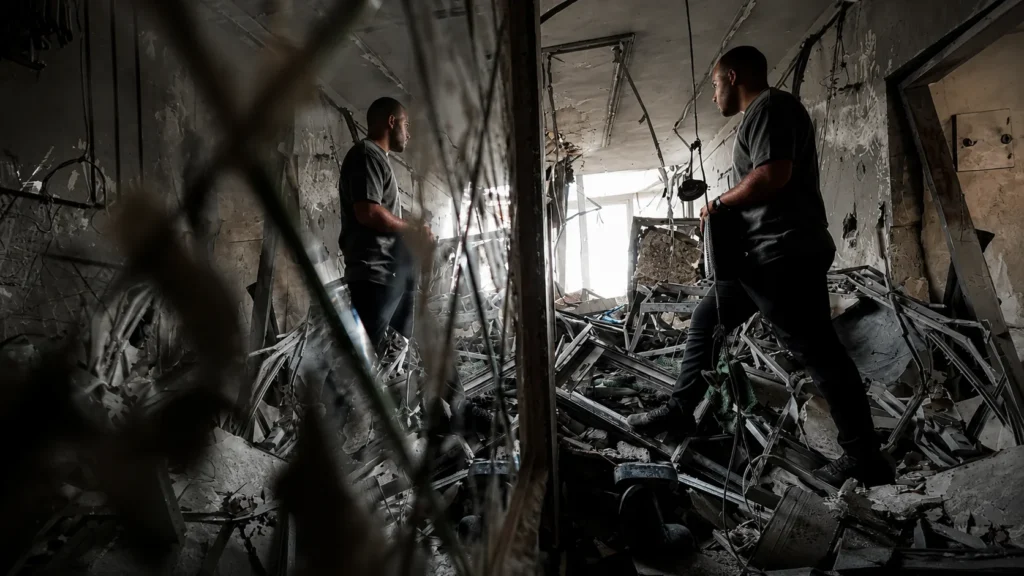
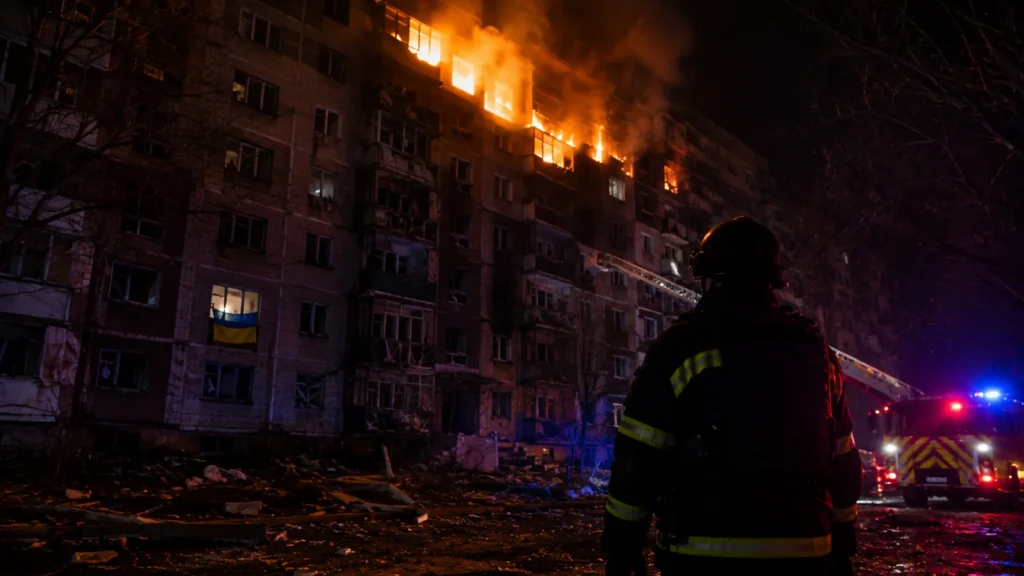
Lebanon’s Health Ministry said 13 hospital staff had been injured in an airstrike in the vicinity of Hiram hospital in Tyre, which caused significant damage. Hezbollah fired approximately 25 projectiles towards northern Israel on Saturday, prompting calls from opposition Israeli politicians for the government to do more to protect residents.
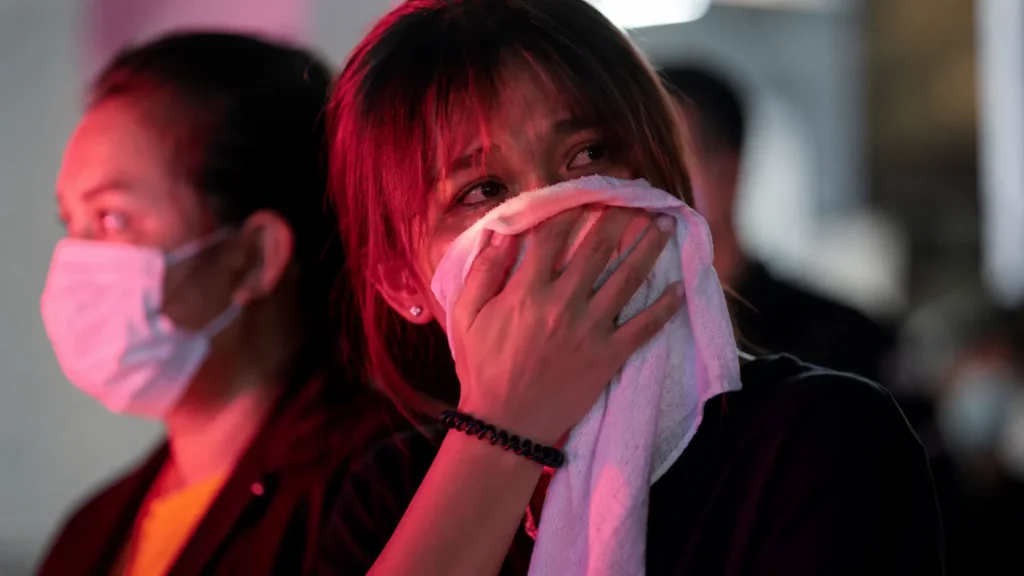
Lebanese Prime Minister Nawaf Salam made a televised address accusing Israel of a “scorched-earth policy and collective punishment” in the south of the country. The Lebanese authorities say more than 3,300 people have been killed since the conflict reignited in early March, after Hezbollah fired rockets into Israel in response to the killing of Iran’s Supreme Leader Ayatollah Ali Khamenei. Israel reports 25 military deaths.
The evacuation order south of the Zahrani River applies to all civilians. The pattern is familiar from Gaza: warning, displacement, ground operation, occupation of strategic points.
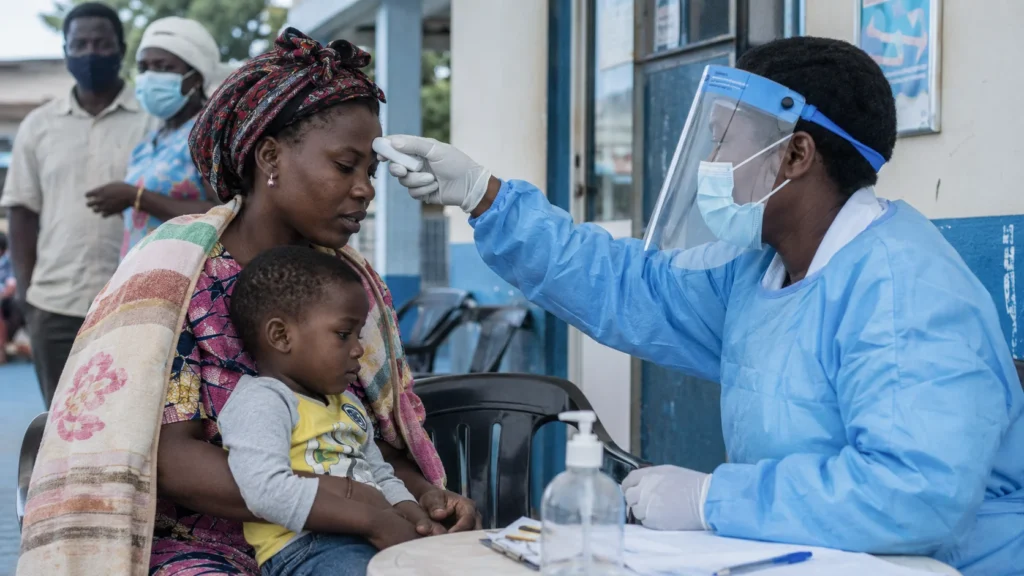
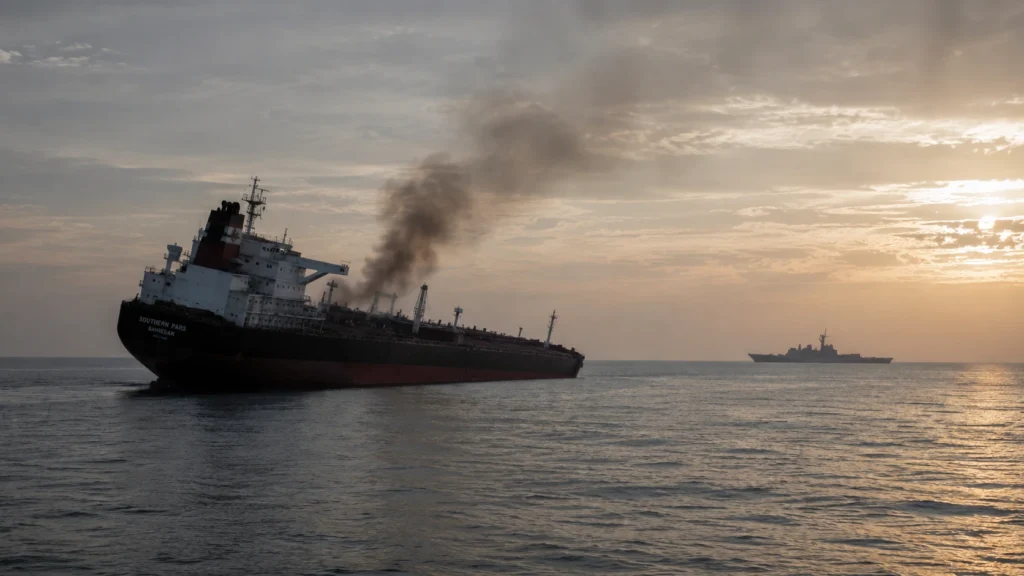
The human cost of the Lebanon war displacement, hospitals, and the civilian toll
The Diplomatic Track
France, which has historical ties with Lebanon, has requested a meeting of the United Nations Security Council to discuss the Israeli military operations. Foreign Minister Jean-Noel Barrot told French network BFMTV the situation was a “major mistake for Israel.”
“Nothing can justify the prolongation of military operations in Lebanon and its increasingly deep occupation of Lebanese territory,” he said French Foreign Ministry statement, 31 May 2026.
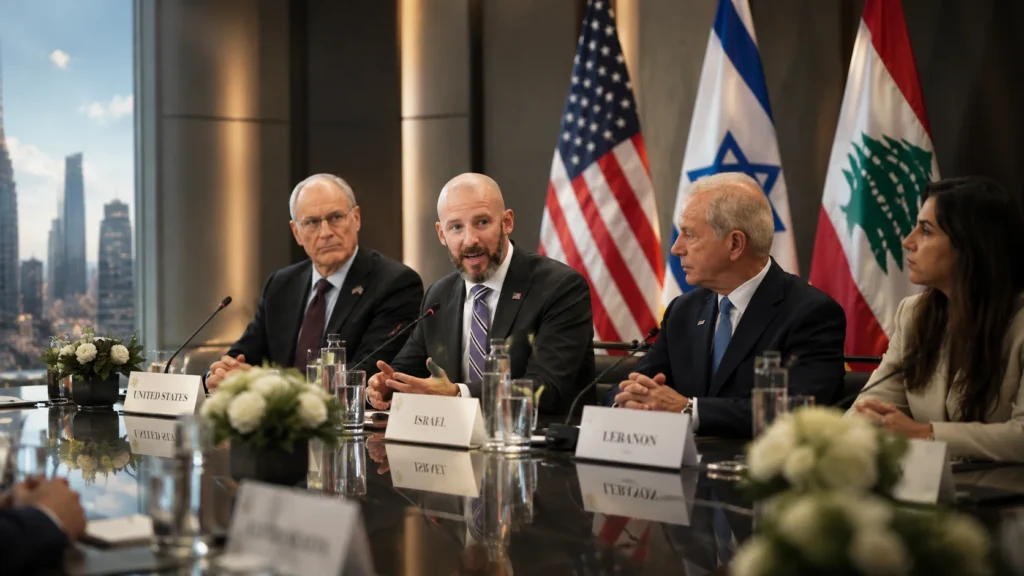
A fourth round of negotiations between delegations from the Israeli and Lebanese governments is due to be held in Washington this week. Salam has said this is Lebanon’s only route away from the conflict, but Hezbollah is not involved in the talks.
The structure of the negotiations, a state-to-state framework for a conflict that is fundamentally between a state and a non-state actor, has been the defining diplomatic challenge since the war began. The Lebanese government and army are bystanders in the confrontation between Israel and the Iranian-backed group that controls the south.
The diplomatic track addresses the Lebanon that exists on paper. The military track addresses the Lebanon that exists on the ground. The gap between the two is widening.
The diplomatic fiction why Lebanon talks exclude the group Israel is fighting
FAQ: Israel Lebanon Ground Offensive 2026
What is Beaufort Castle?
Beaufort Castle is a Crusader fortress built approximately 900 years ago on a high ridge above the Litani River in southern Lebanon. It has been fought over repeatedly throughout history, including by Israeli forces in 1982. The IDF captured it again on Sunday.
How far has Israel advanced into Lebanon?
Israeli ground forces have crossed the Litani River and are expanding deeper into Lebanese territory. The IDF has issued evacuation warnings for all areas south of the Zahrani River.
How many people have been killed?
More than 3,300 people have been killed in Lebanon since the conflict reignited in early March, according to Lebanese health authorities. Israel reports 25 military deaths.
Are peace talks happening?
Yes. A fourth round of US-mediated negotiations between Israel and Lebanon is scheduled for Washington this week. Hezbollah is not participating in the talks.
What is the international response?
France has requested a UN Security Council meeting. Foreign Minister Jean-Noel Barrot called the Israeli operations a “major mistake” and said nothing could justify the increasingly deep occupation of Lebanese territory.
Written by the Middle East Desk, drawing on IDF operational updates, Israeli government statements, Lebanese Health Ministry figures, French Foreign Ministry declarations, and UN Security Council scheduling. The desk has covered the Israel-Hezbollah conflict since its inception.
Source: Israel Defense Forces, Lebanese Health Ministry, French Foreign Ministry, UN Security Council