

 English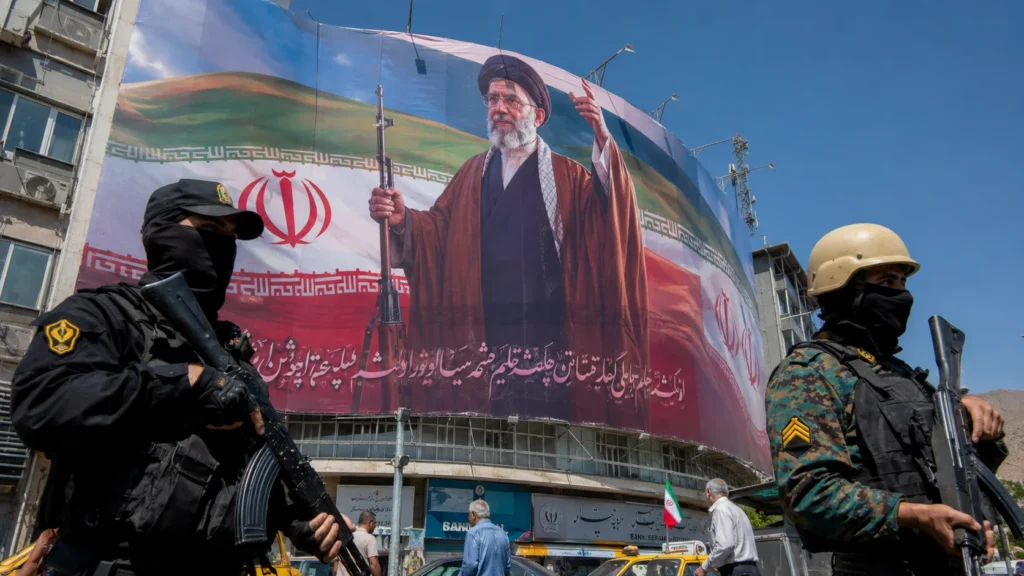



































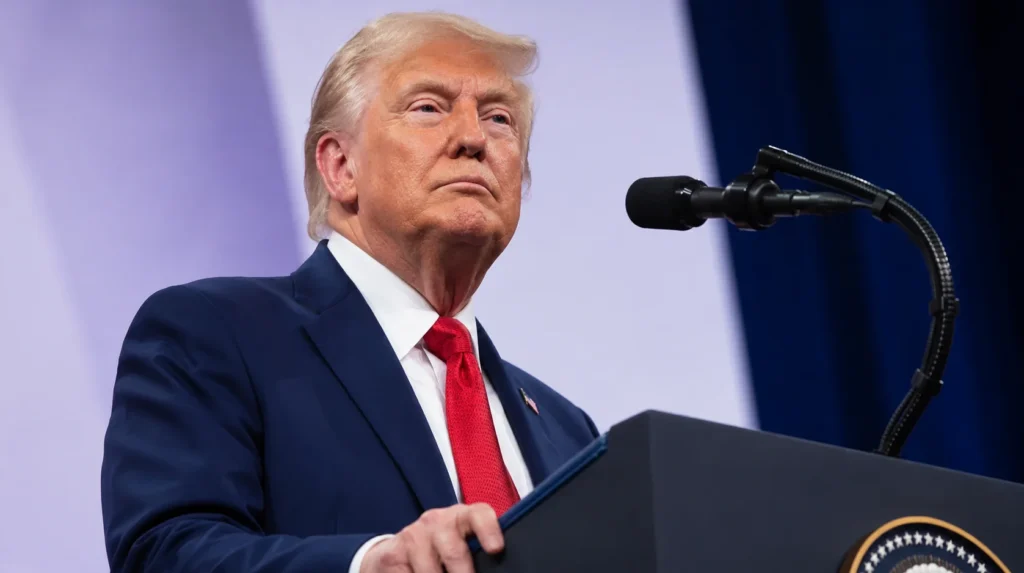



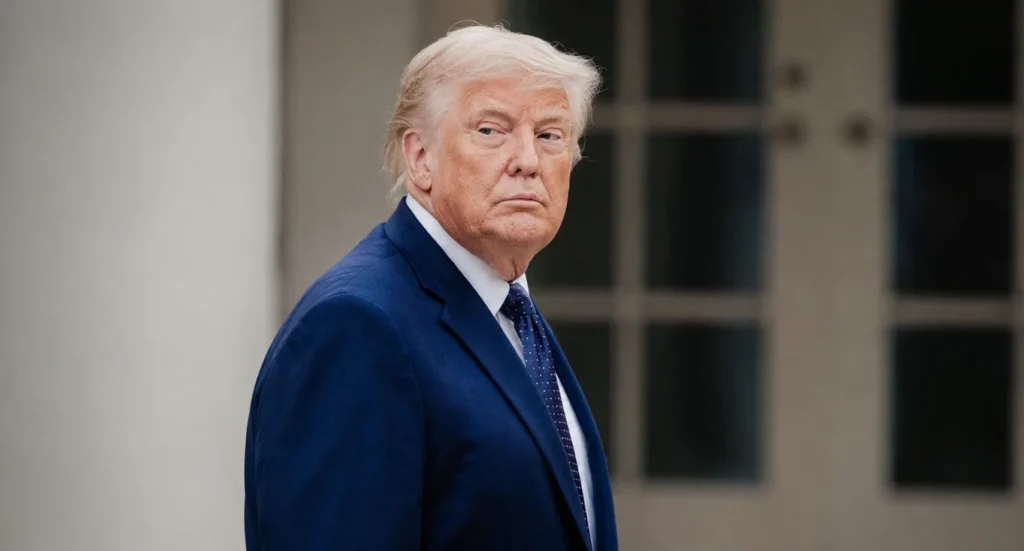

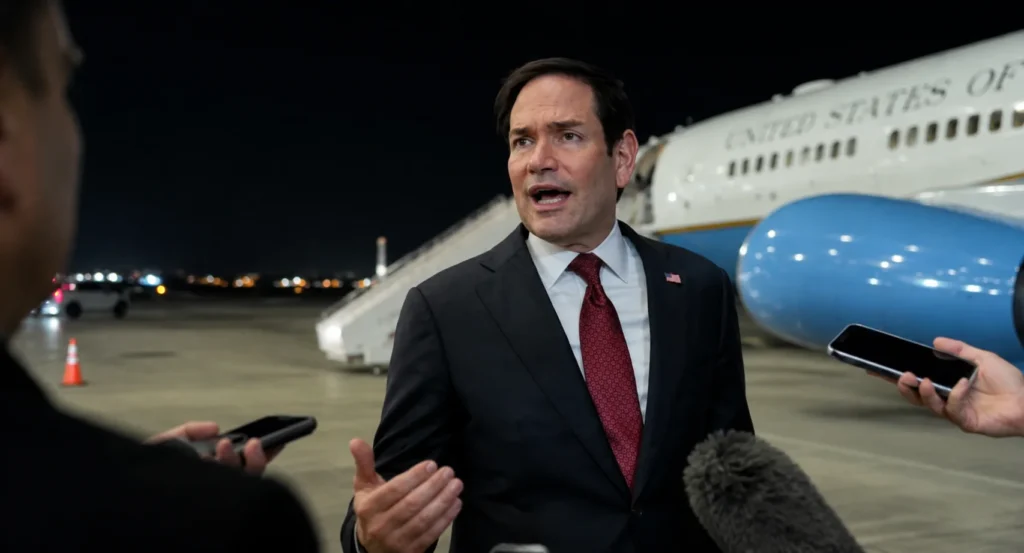


























































































































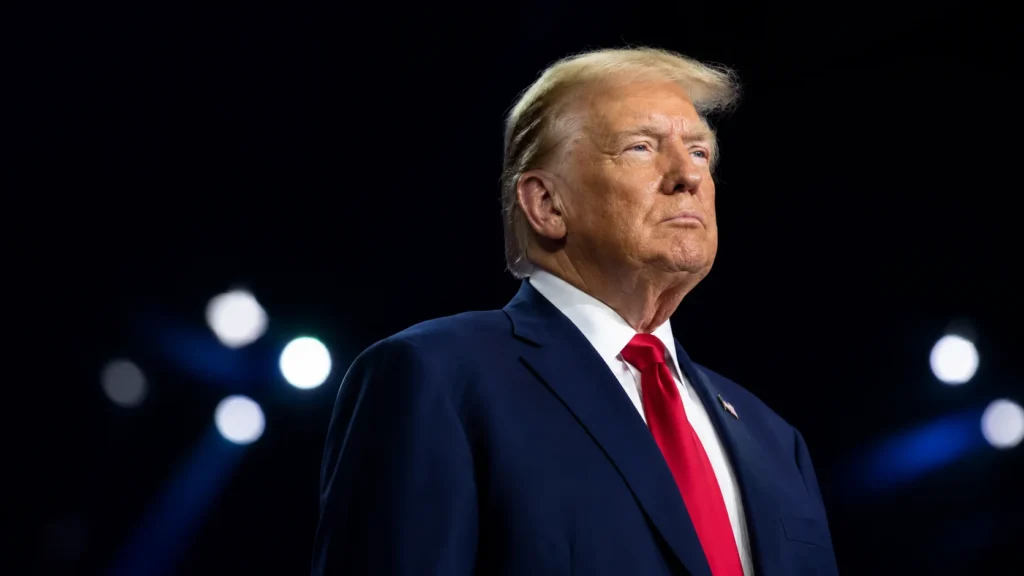

































































Trump Sent Back Iran Deal Text With Changes After Meeting
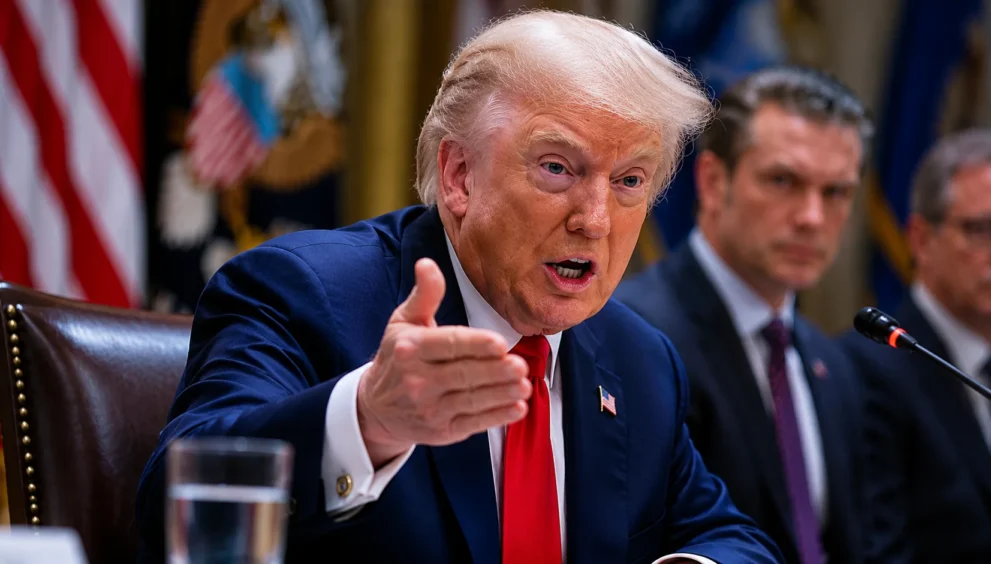
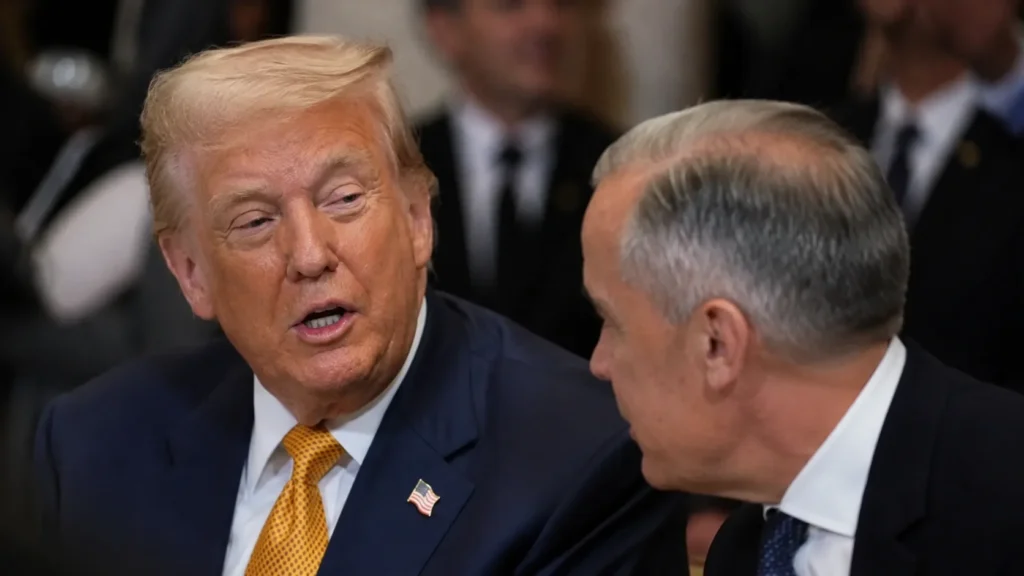
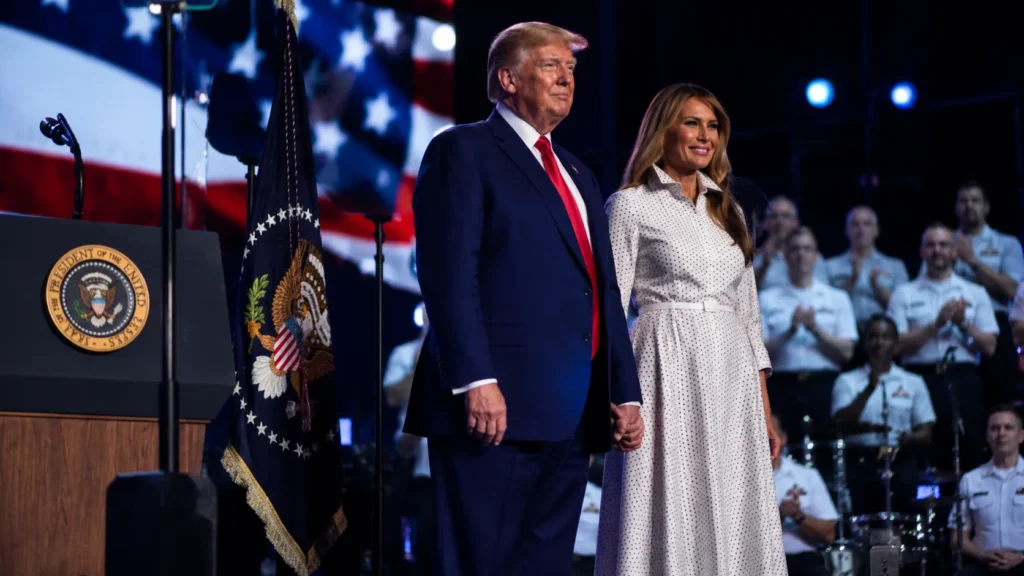
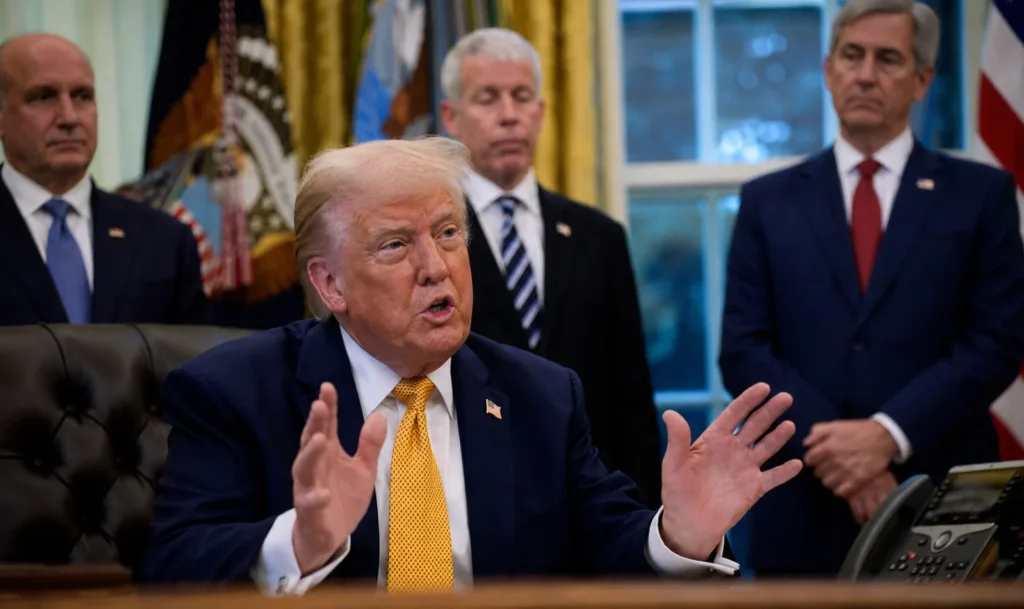
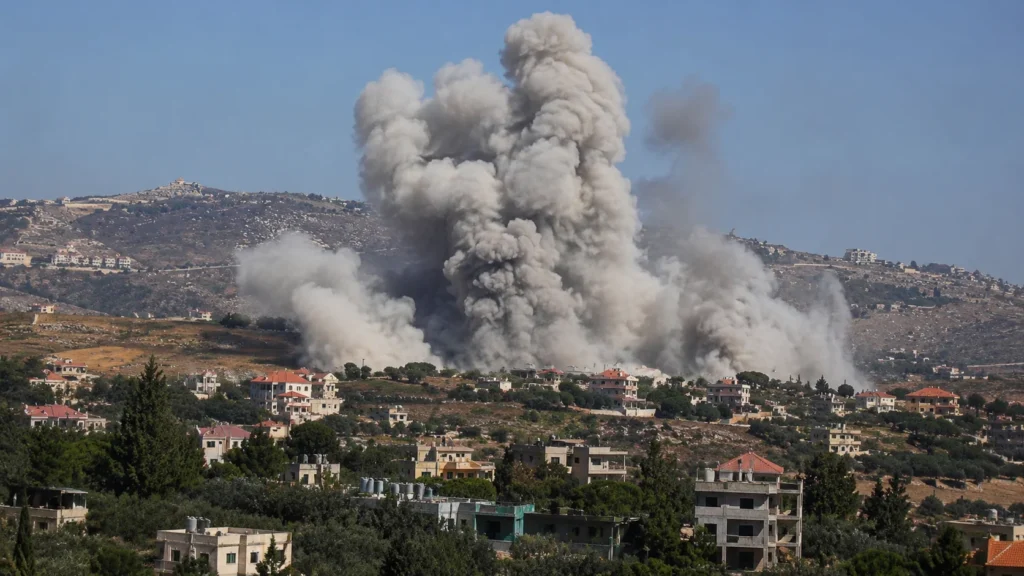
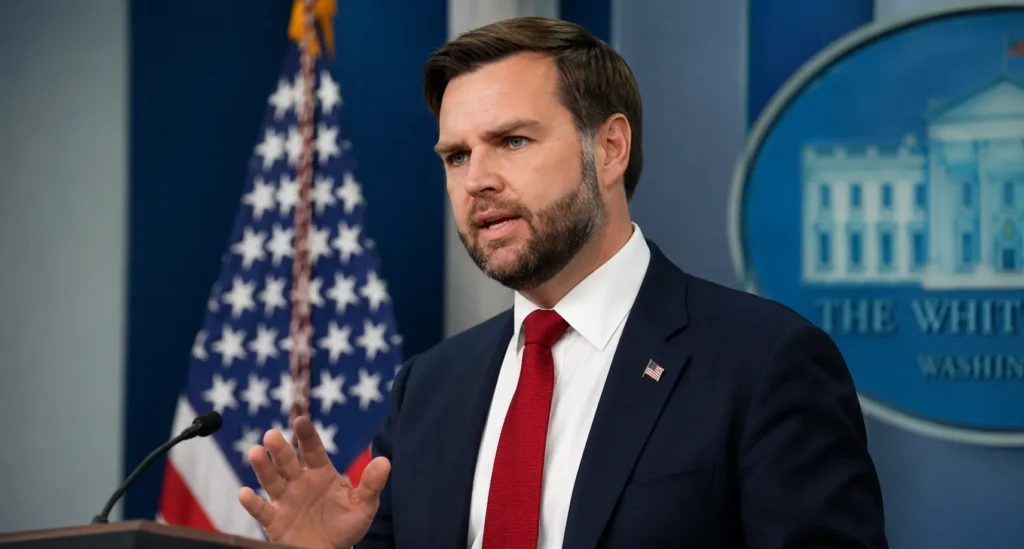
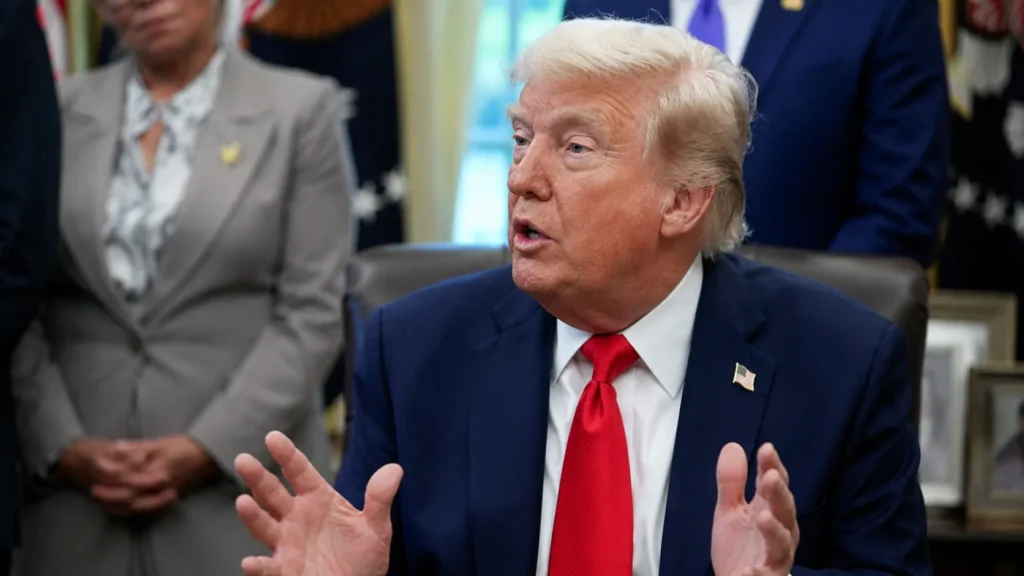
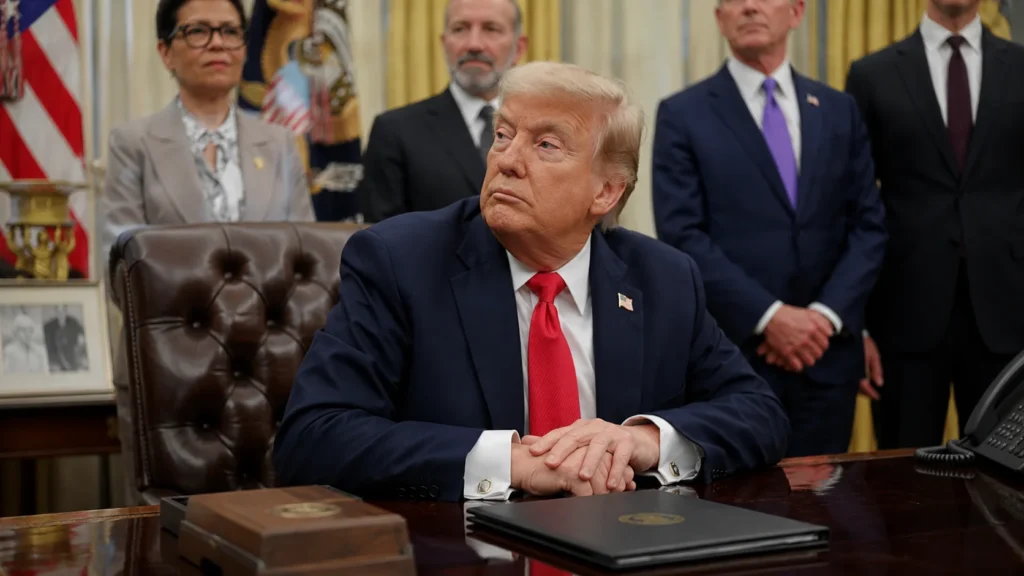
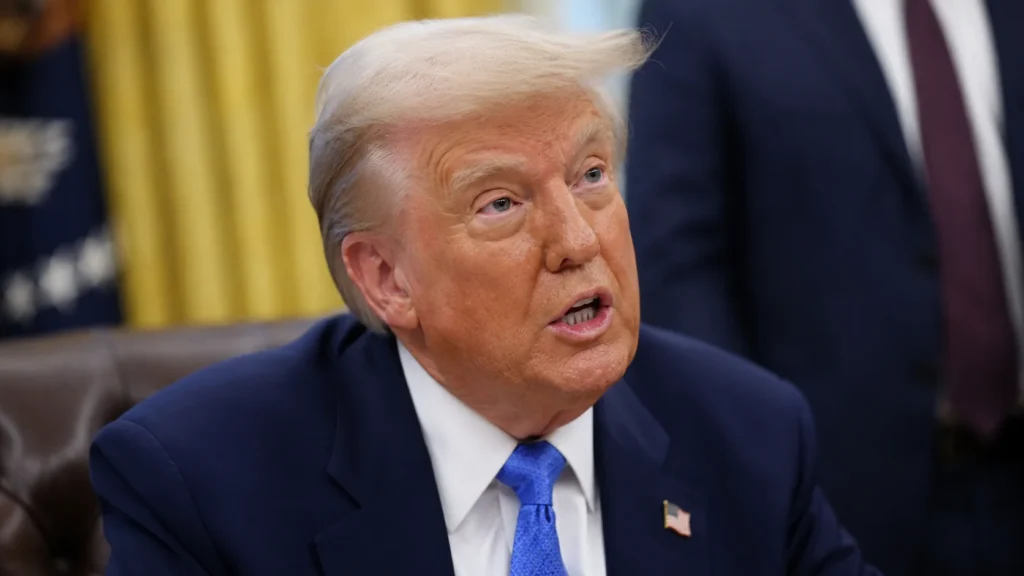
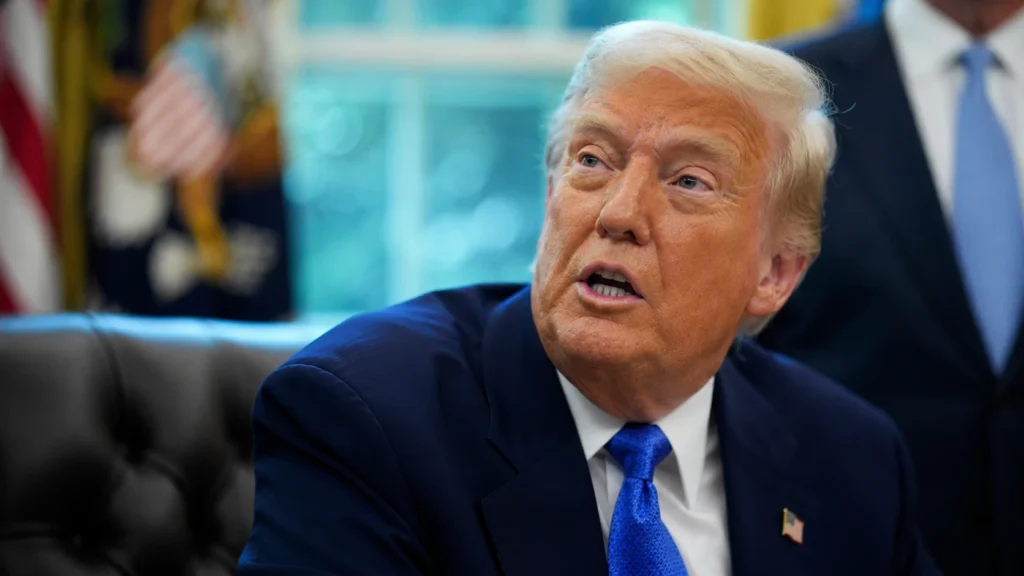
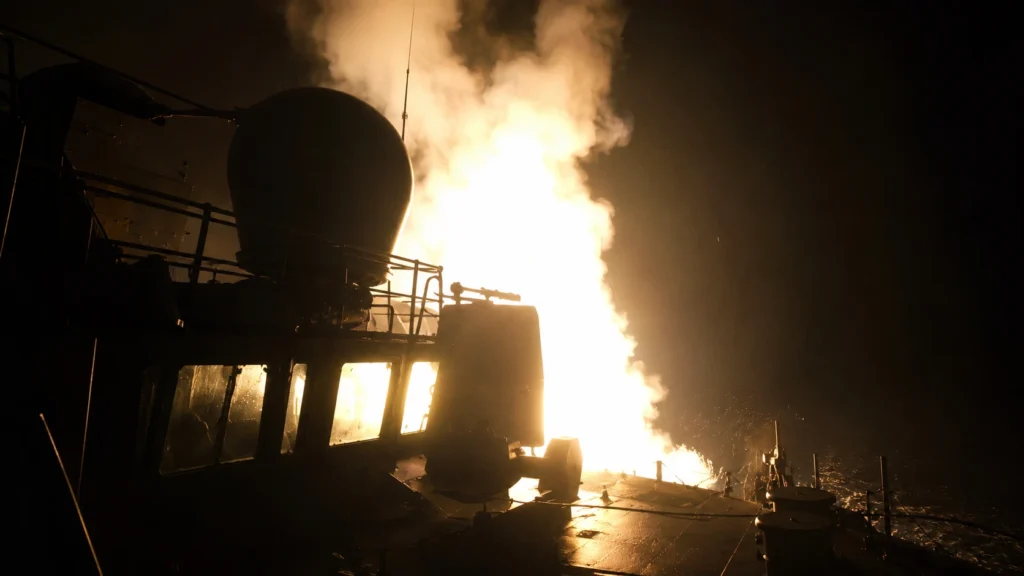
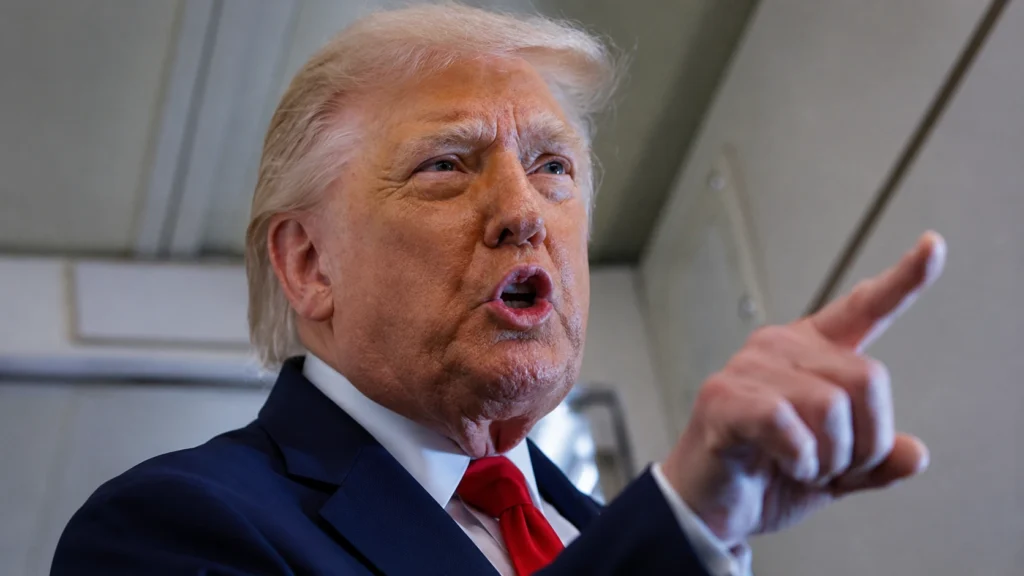
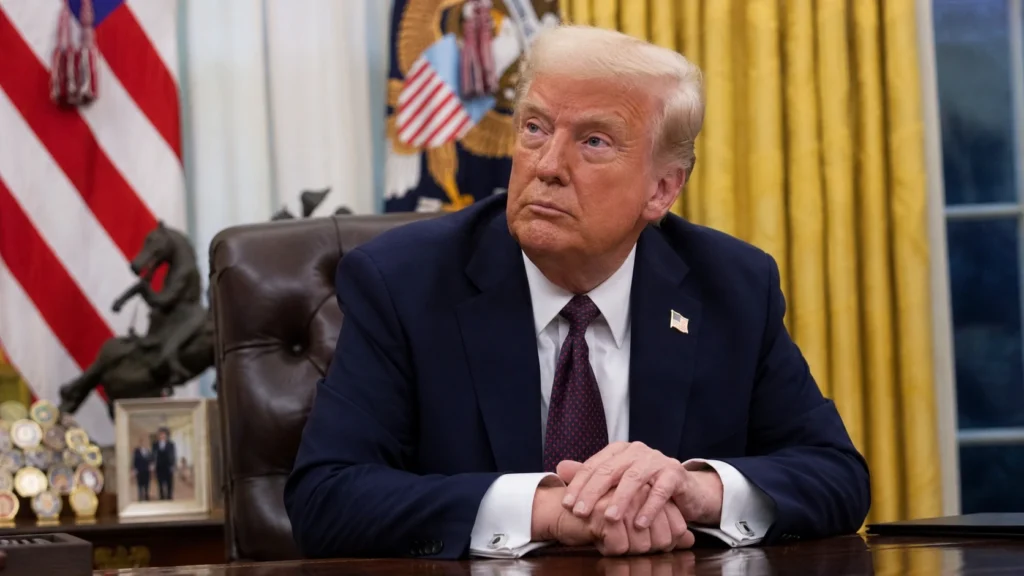
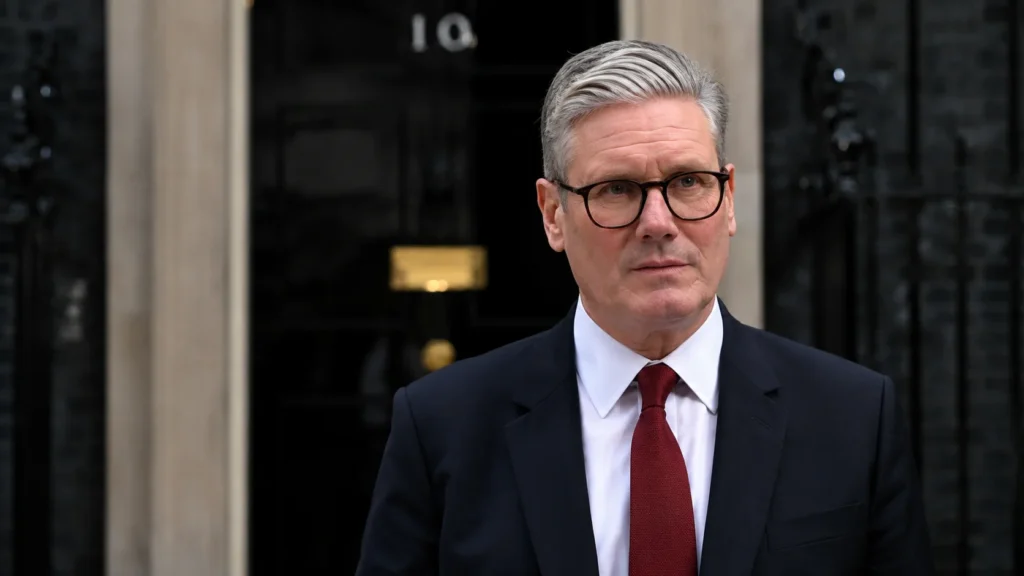
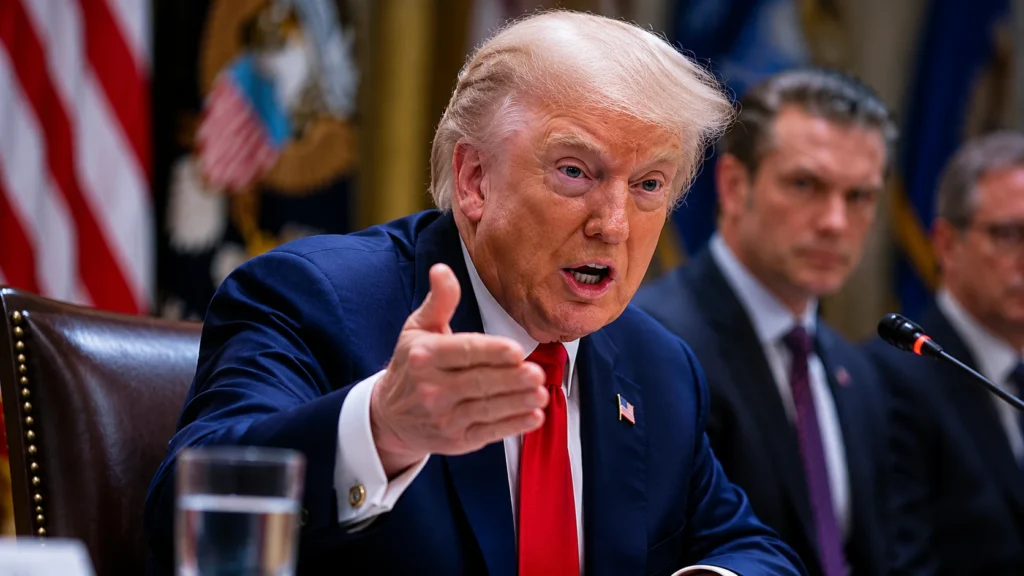
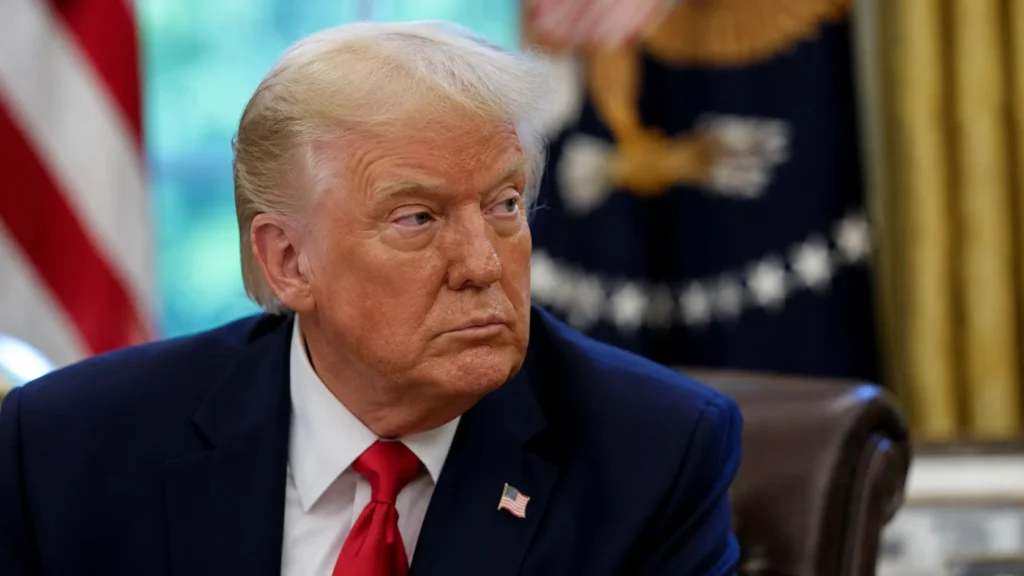
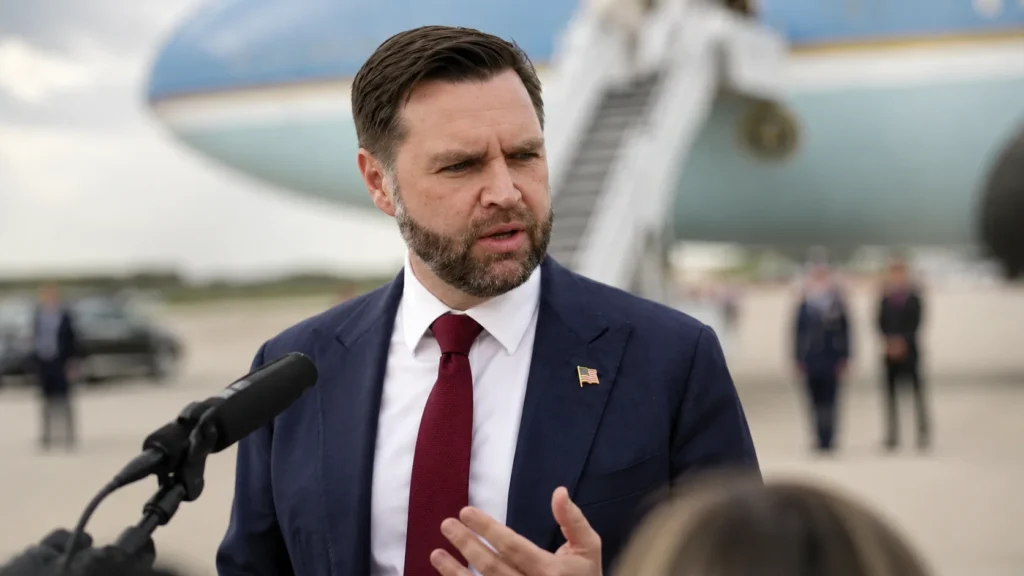
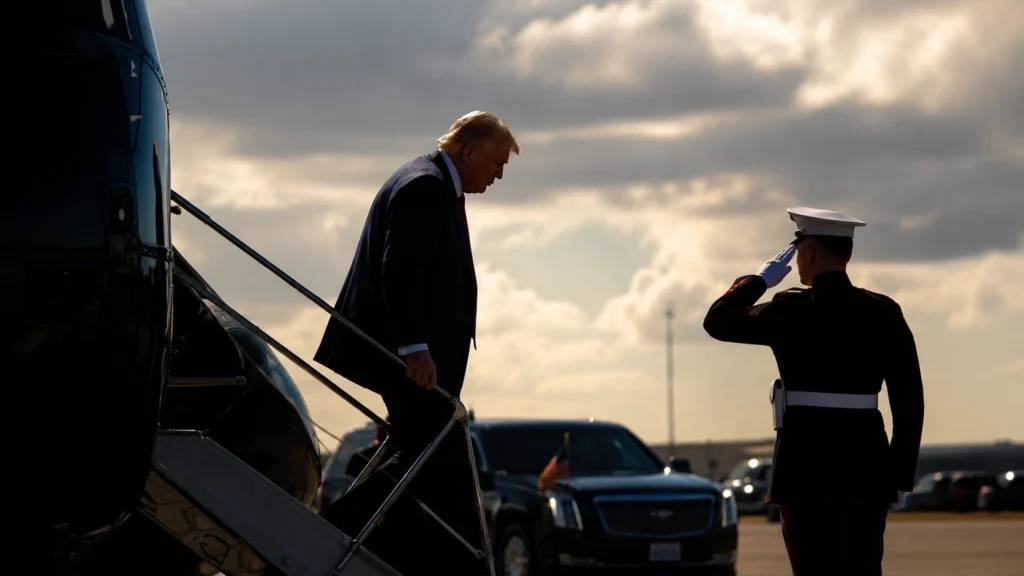
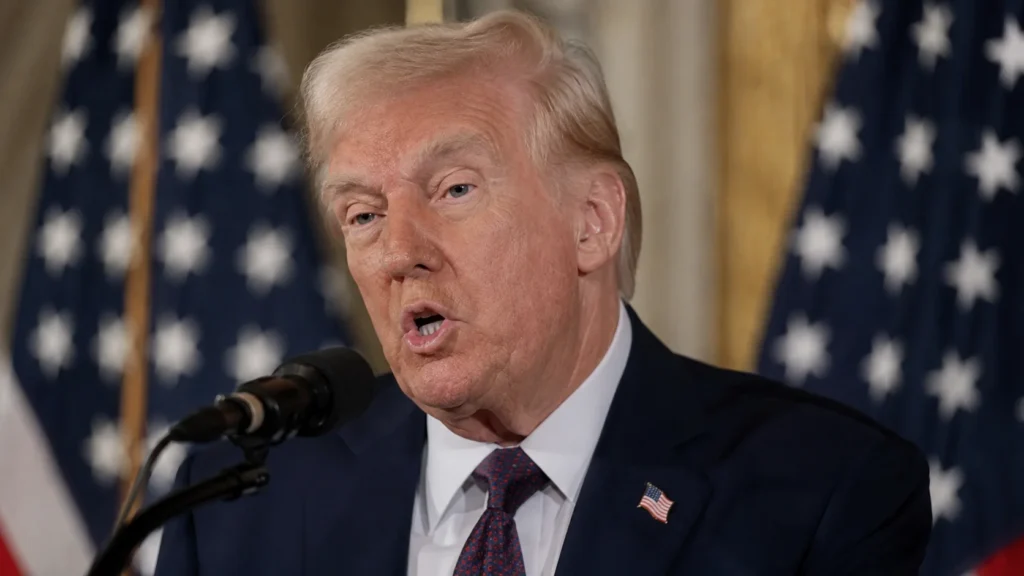
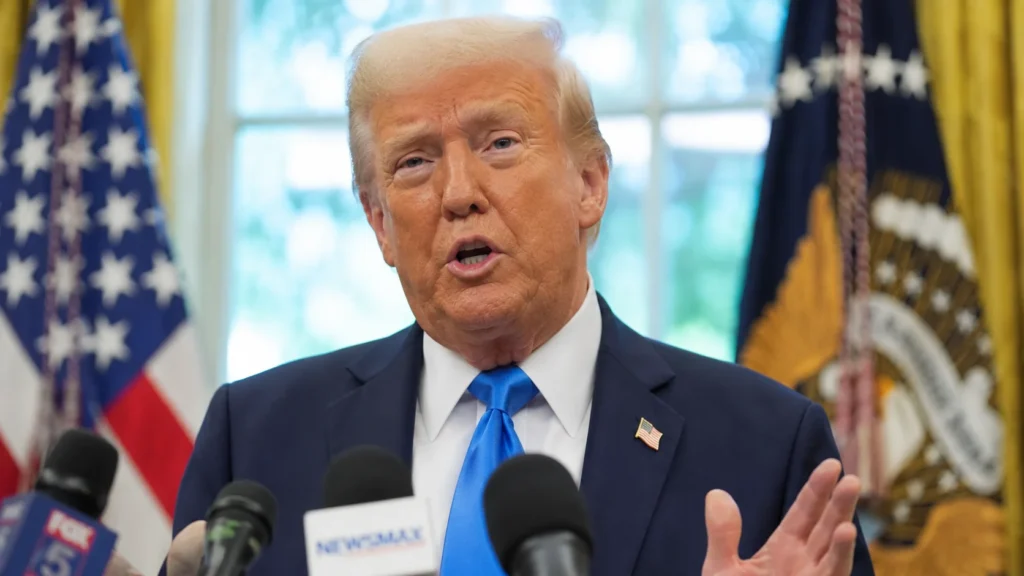
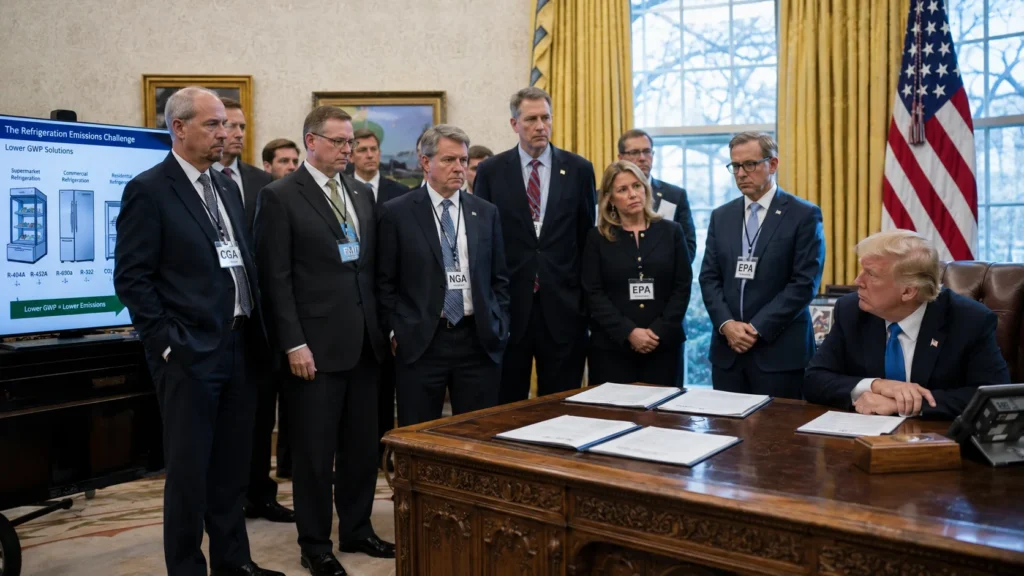
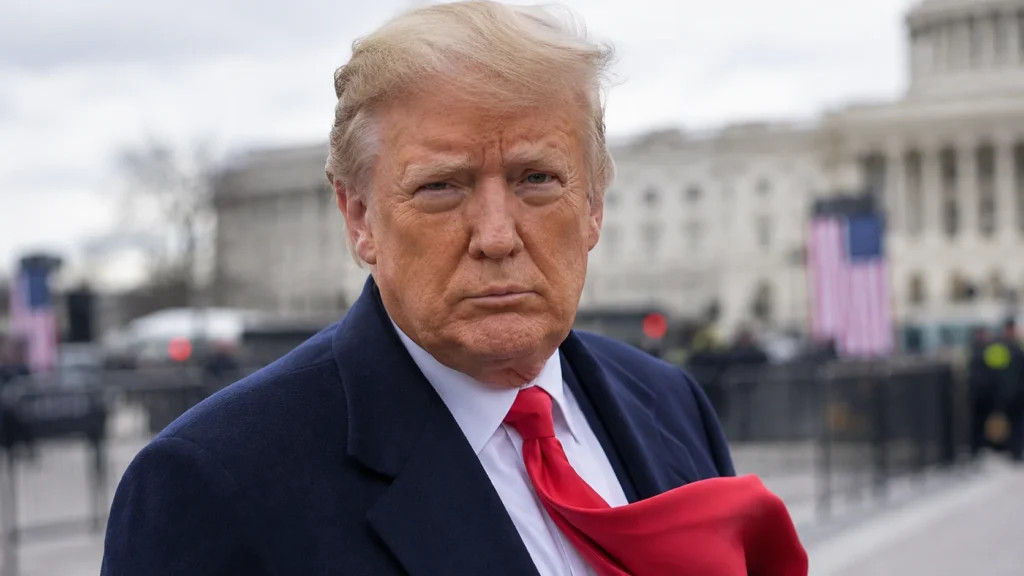
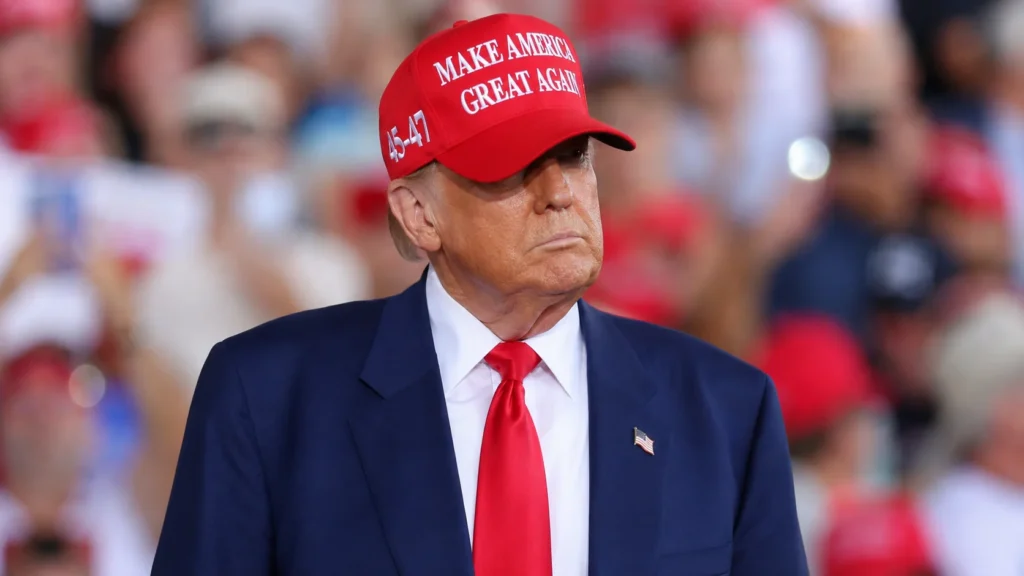
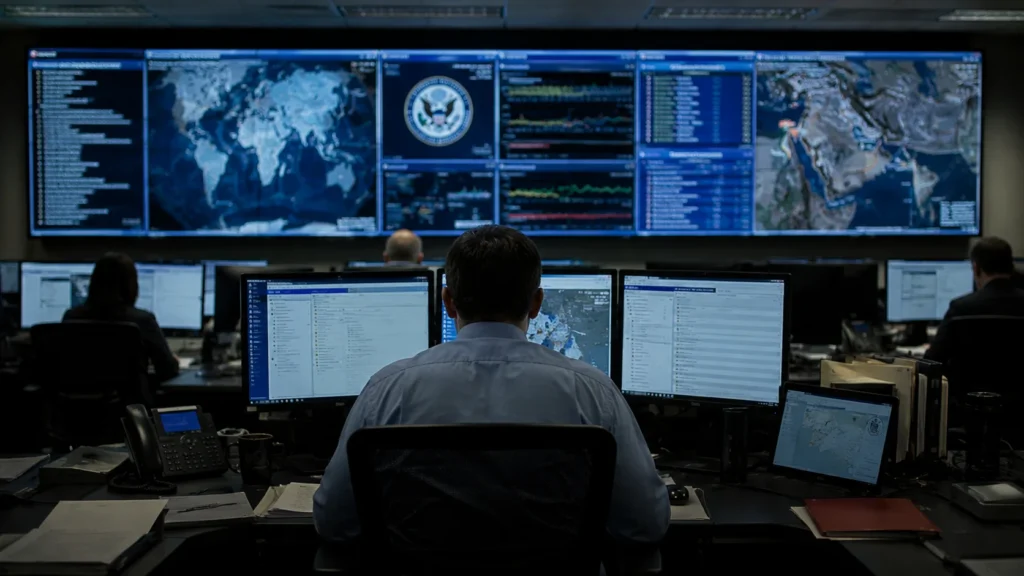
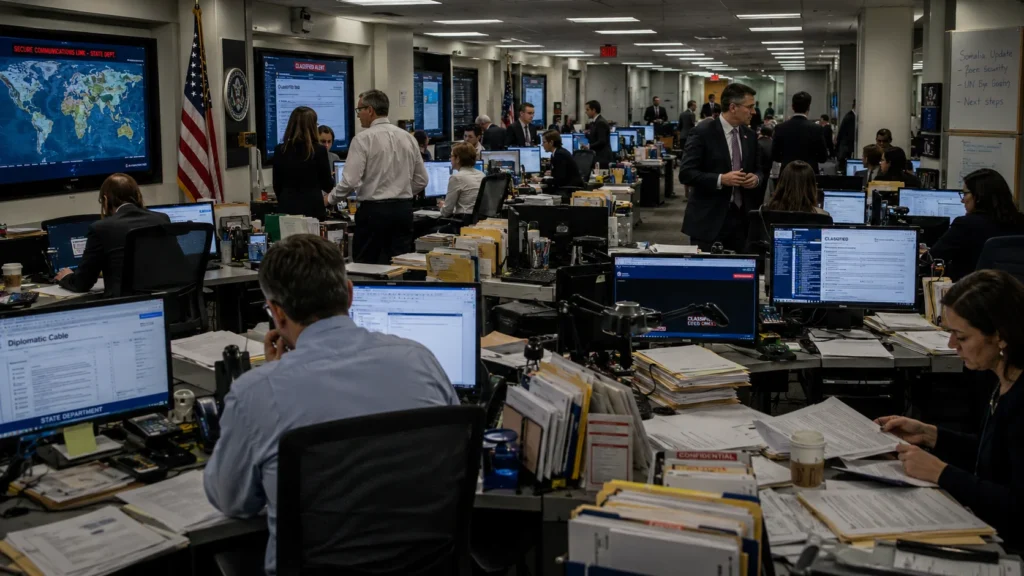
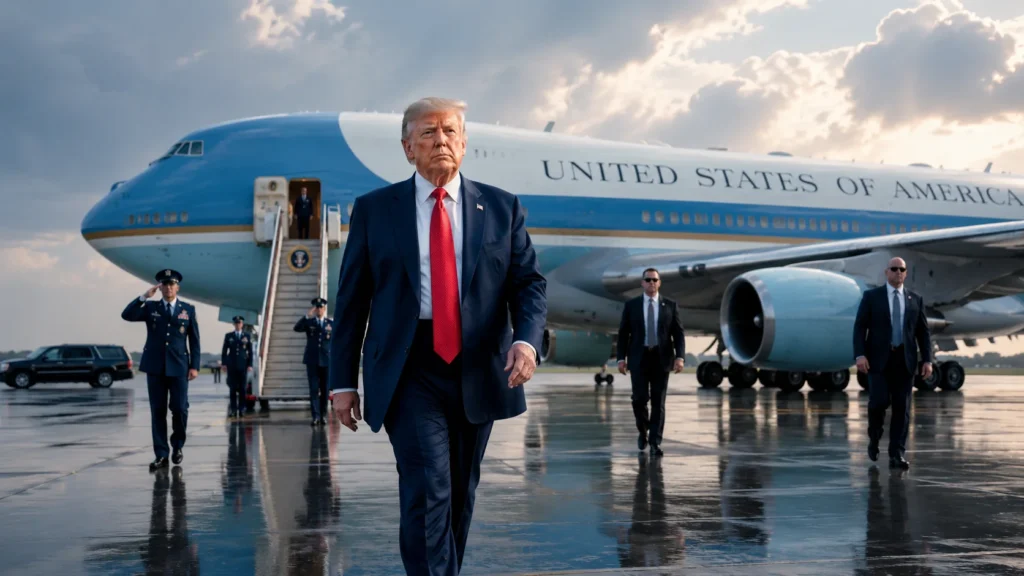
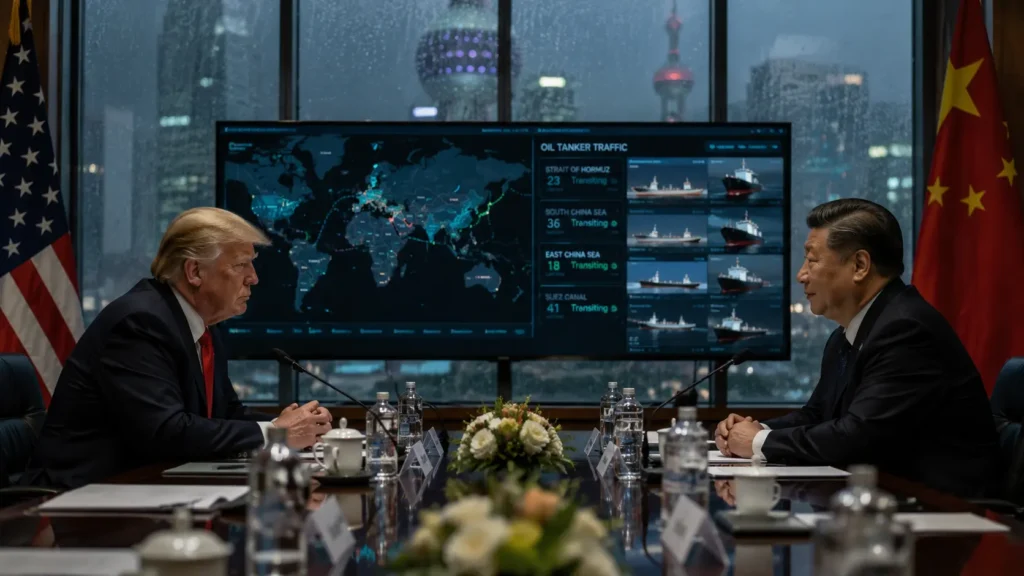
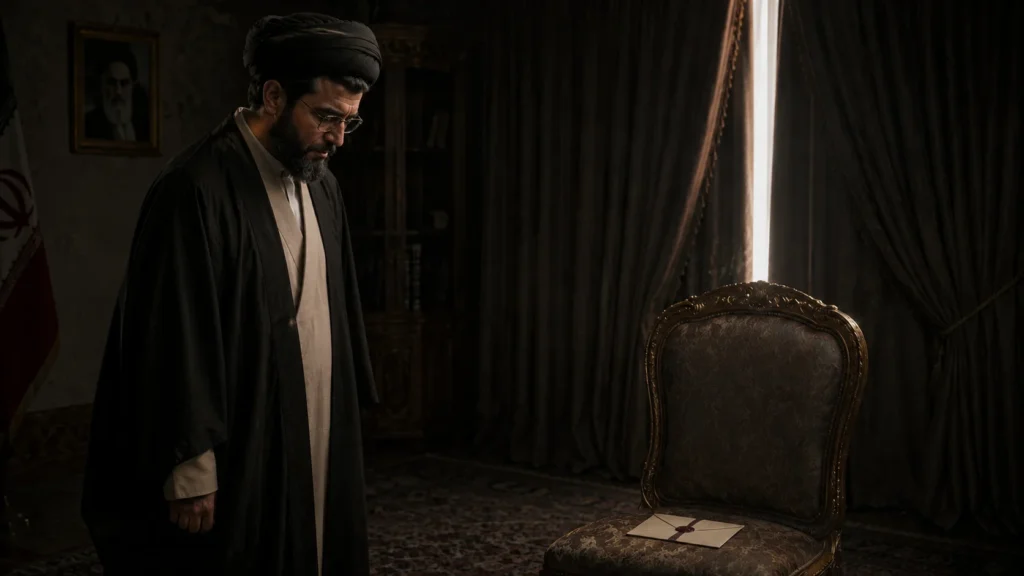
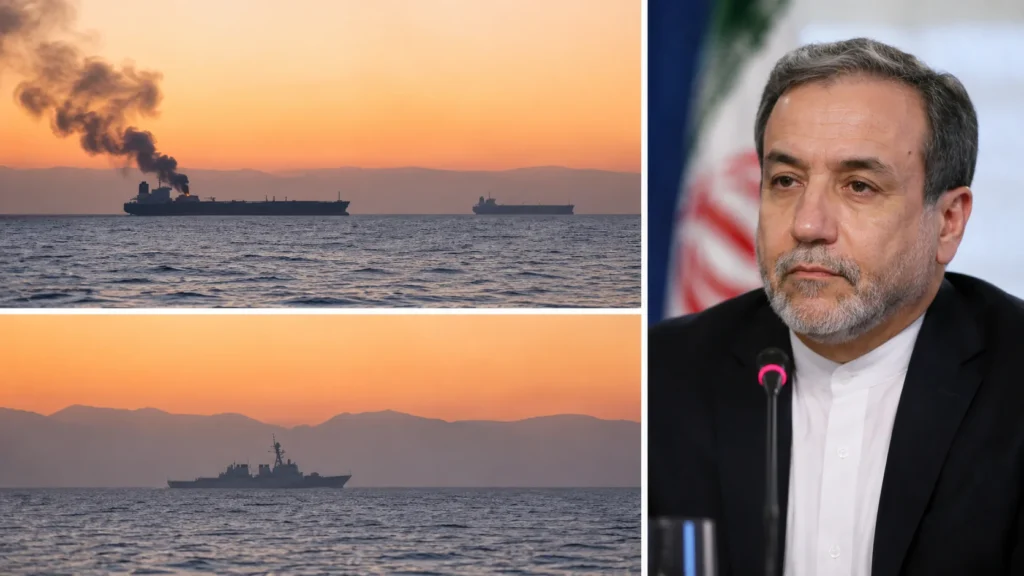
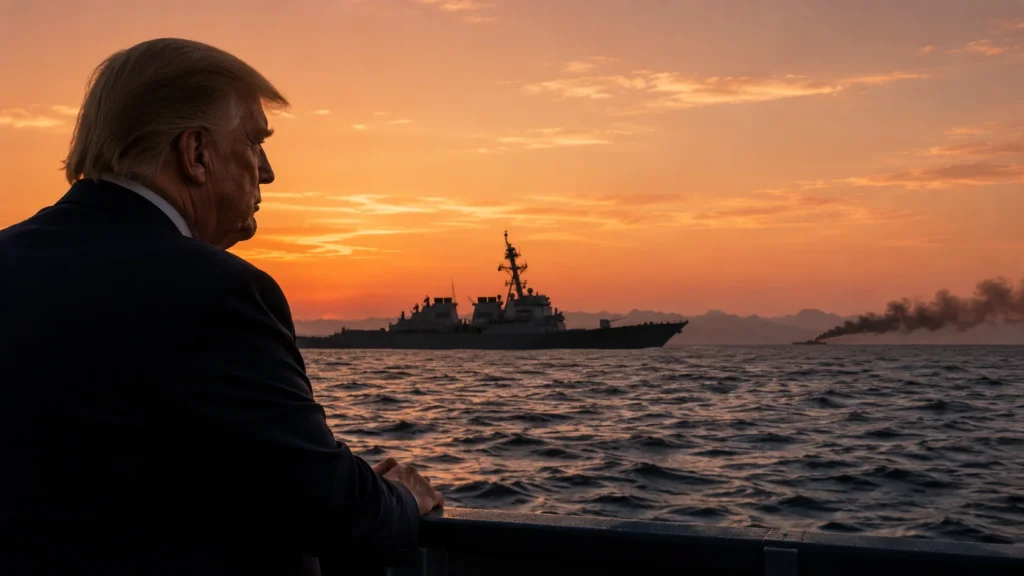
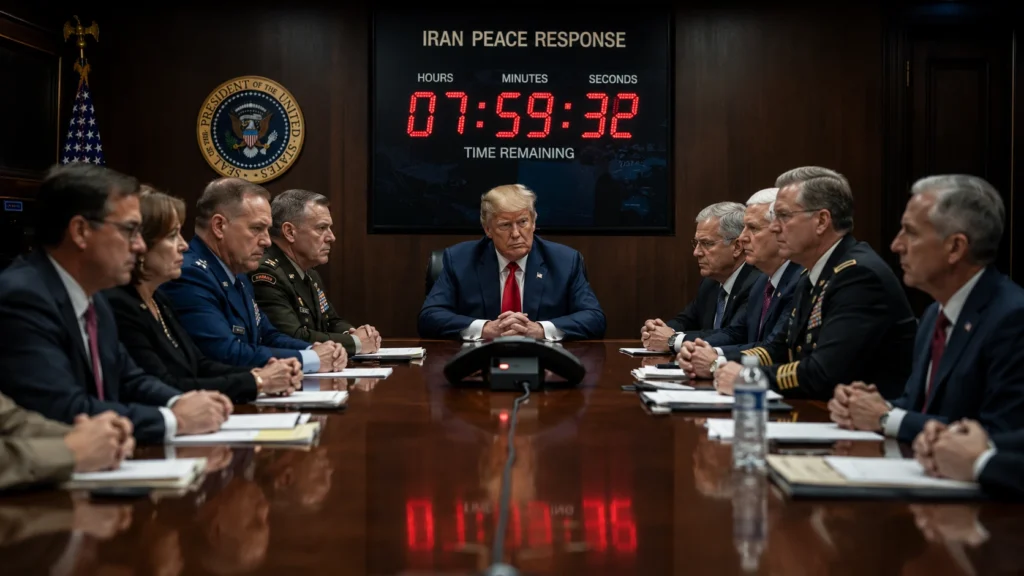
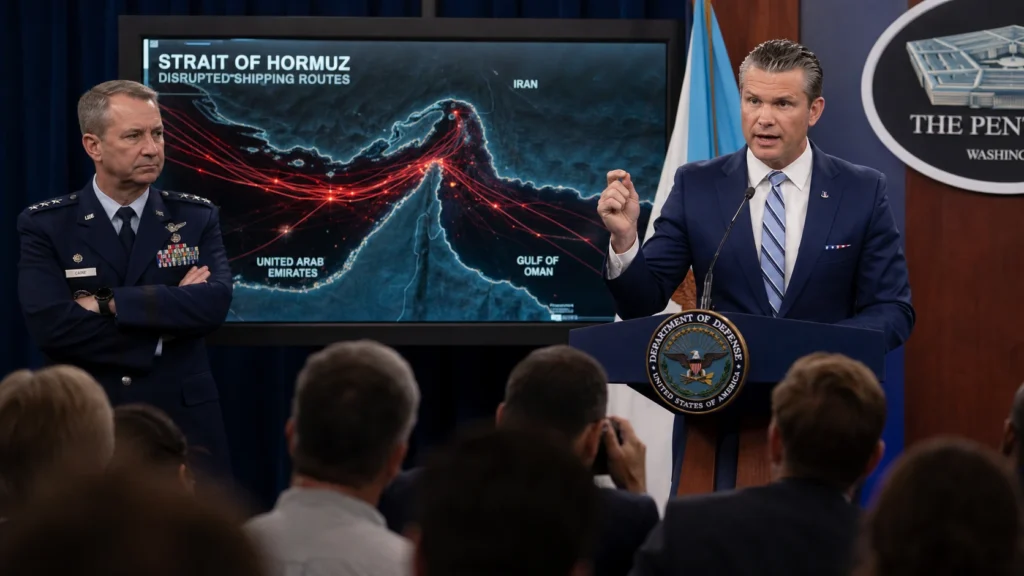
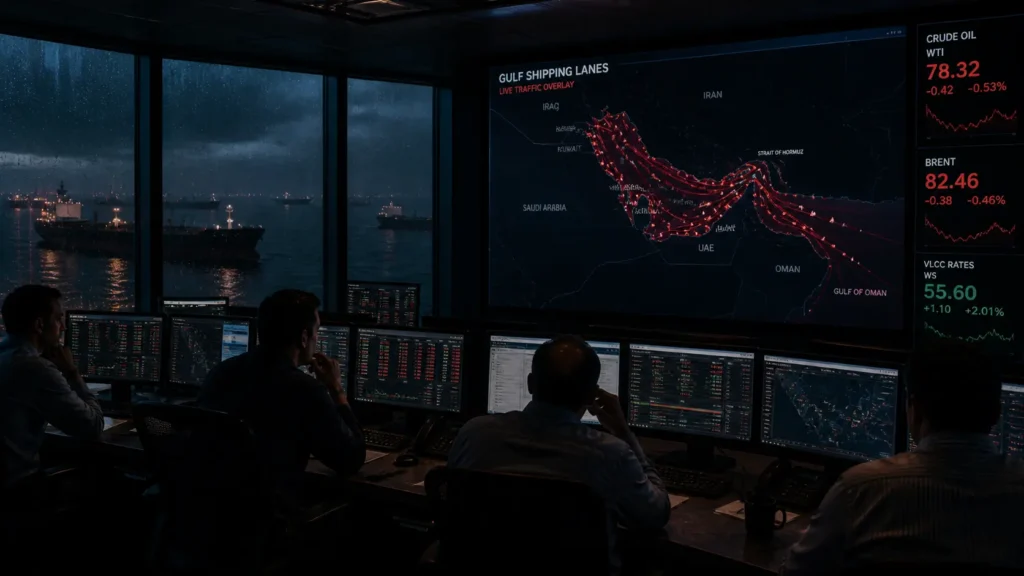
Trump sent back Iran deal text with changes after a two-hour Situation Room meeting with top advisers on Friday, officials said, extending the back-and-forth negotiations into another week. The exact changes were not immediately disclosed, but officials said the president insisted on tougher language surrounding Iran’s nuclear commitments and its pledge to reopen the Strait of Hormuz, while also voicing concern about the financial relief that might be provided to Iran. The deal that Trump had declared “largely finalized” a week ago is now back in negotiation. Meanwhile, the US blockade continued through the weekend, with Centcom disabling a fifth commercial ship, the Gambian-flagged M/V Lian Star by firing a missile into its engine room after “more than 20 warnings” US Central Command statement, 31 May 2026.
What Trump Changed
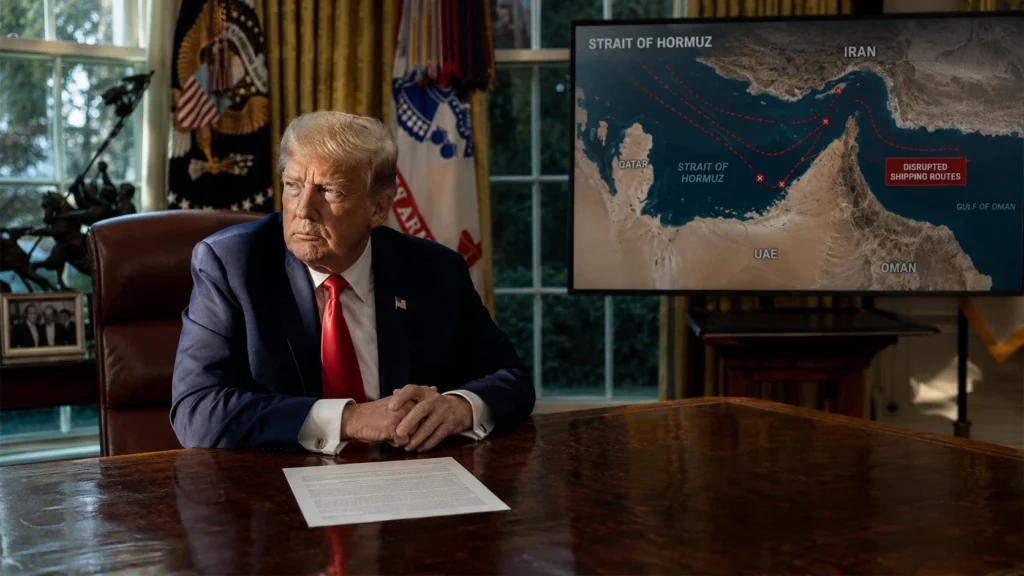
The president’s requested revisions focus on three areas: tougher language on Iran’s nuclear commitments, harder terms on the reopening of the Strait of Hormuz, and new limits on financial relief. Officials said Trump has been wary of comparisons to the “pallets of cash” delivered under the Obama-era nuclear deal that he has long derided as weak.
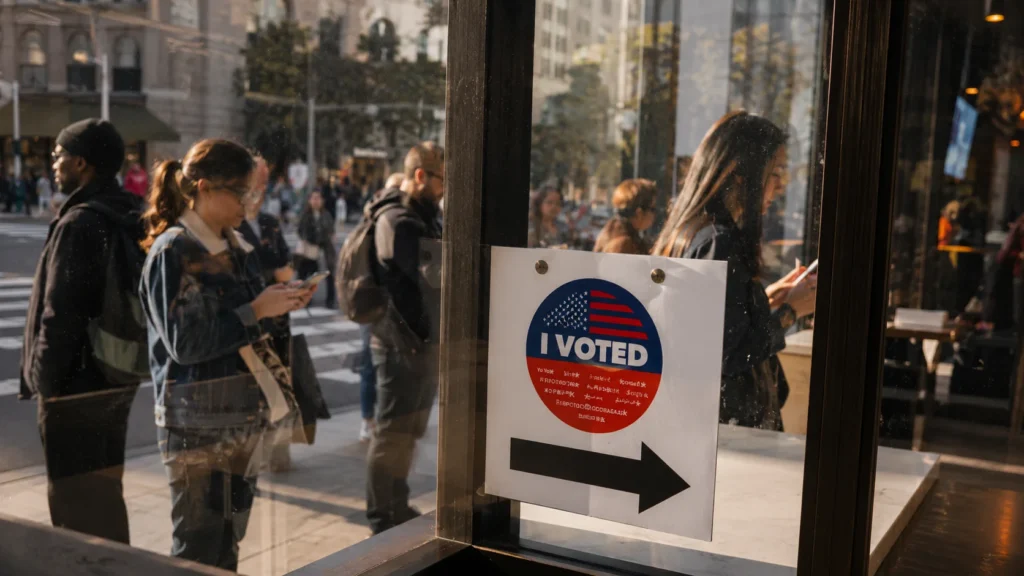
The markup is designed to produce a deal that can survive the political assault it will face the moment it is signed. The president is negotiating with Iran while also negotiating with the Republican conference, the Israeli government, and a midterm electorate in which 64% of voters believe the war was the wrong decision.
Axios and The New York Times first reported Trump’s request for changes Axios report, 31 May 2026 New York Times report, 31 May 2026.
Iran’s Response
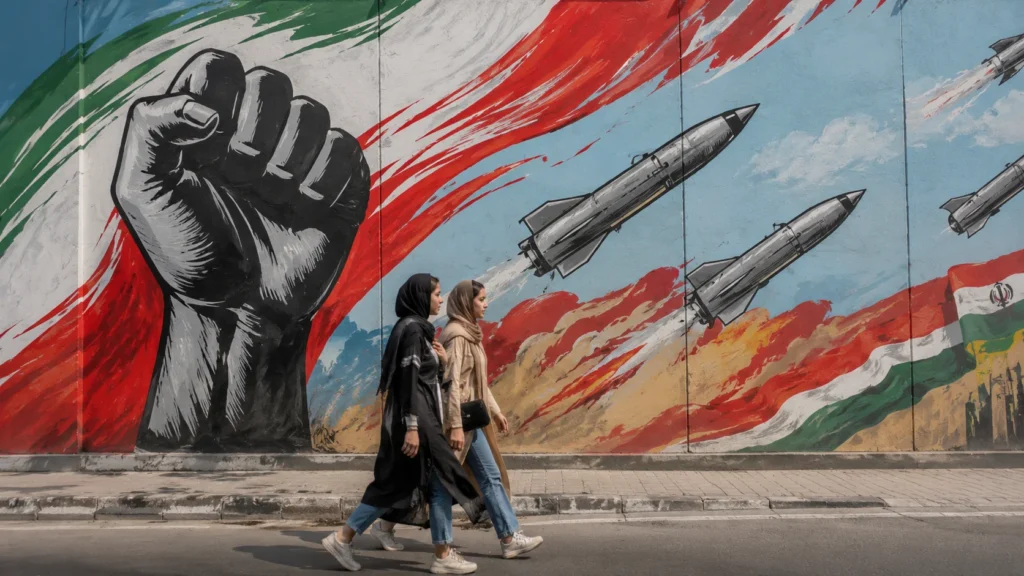
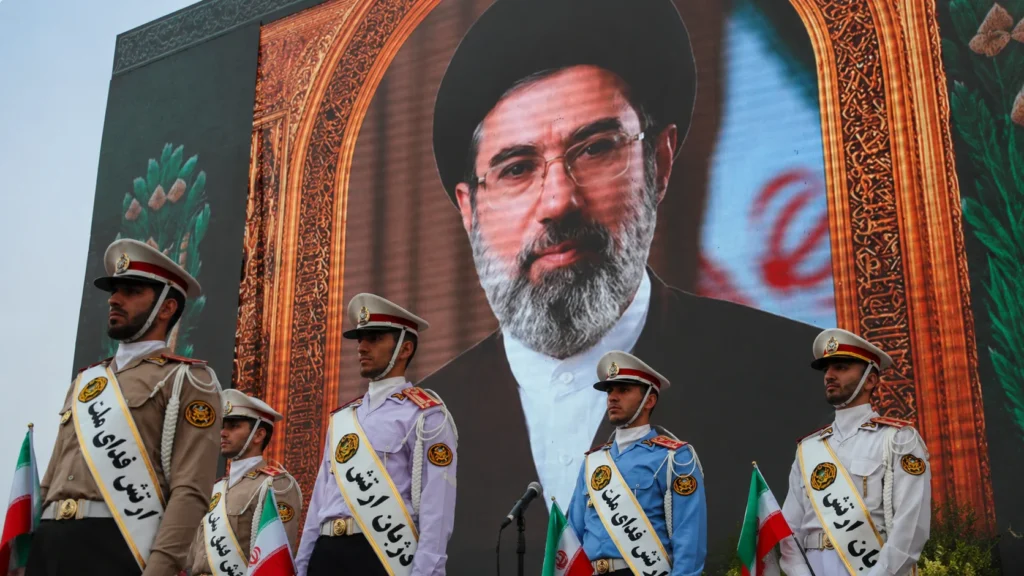
Iran’s Parliament Speaker Mohammad Bagher Ghalibaf responded on Sunday by restating Tehran’s maximalist position. “No agreement will be approved with the United States until Tehran’s rights are secured,” he said, according to the semi-official Tasnim news agency.
“The soldiers of the diplomatic battlefield have no trust in the words and promises of the enemy. What matters to us is tangible achievements that we must obtain, in exchange for which we will fulfil our commitments,” Tasnim cited Ghalibaf as saying Tasnim News Agency report, 31 May 2026.
The Iranian position has remained consistent since the framework was first reported: sanctions relief, frozen assets, sovereignty over the Strait of Hormuz, and no discussion of the nuclear programme. Trump’s changes move the American position further from the Iranian one. The gap between the two texts is widening. The negotiations are continuing.
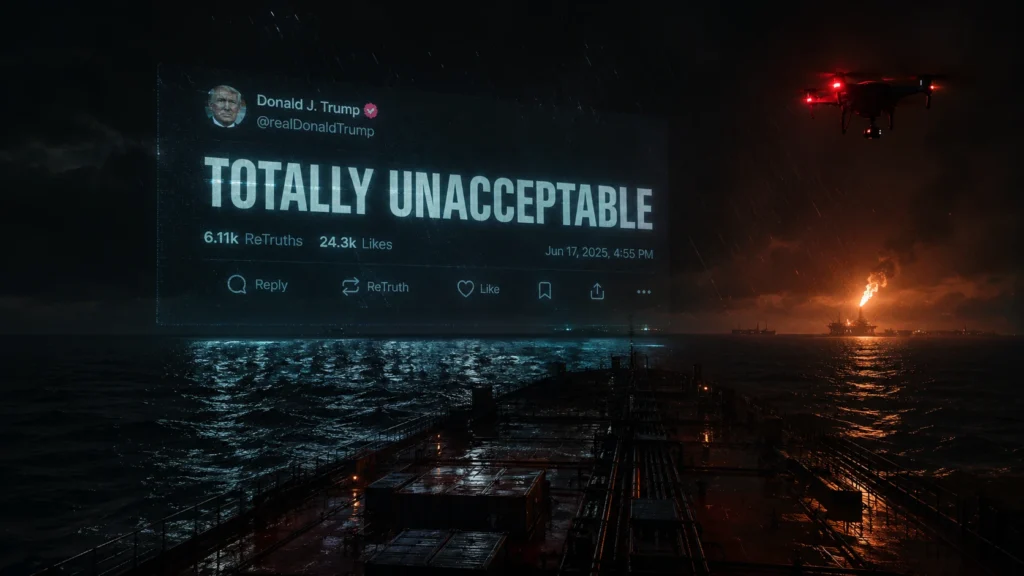
Trump claimed in his social media post last week that the US would seize Iran’s stockpile of highly enriched uranium and destroy it. Iran has consistently said it is not discussing details of its nuclear programme under the current negotiations. Trump also claimed there had been no discussion of exchanging money, a condition Iran says must be included in any agreement.
US and Iran very close to deal but not there yet — how the framework reached the Situation Room
The Blockade Continues
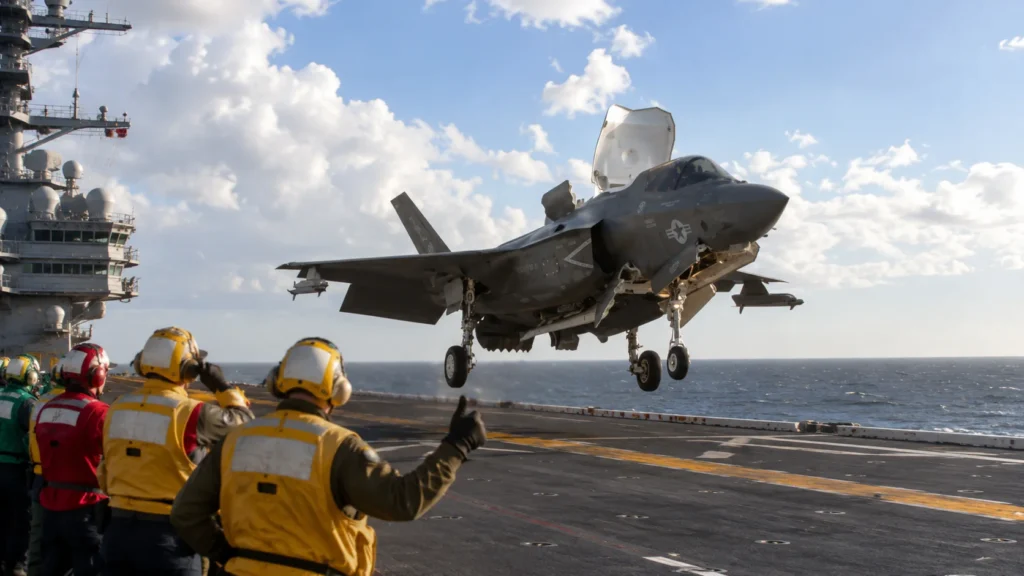
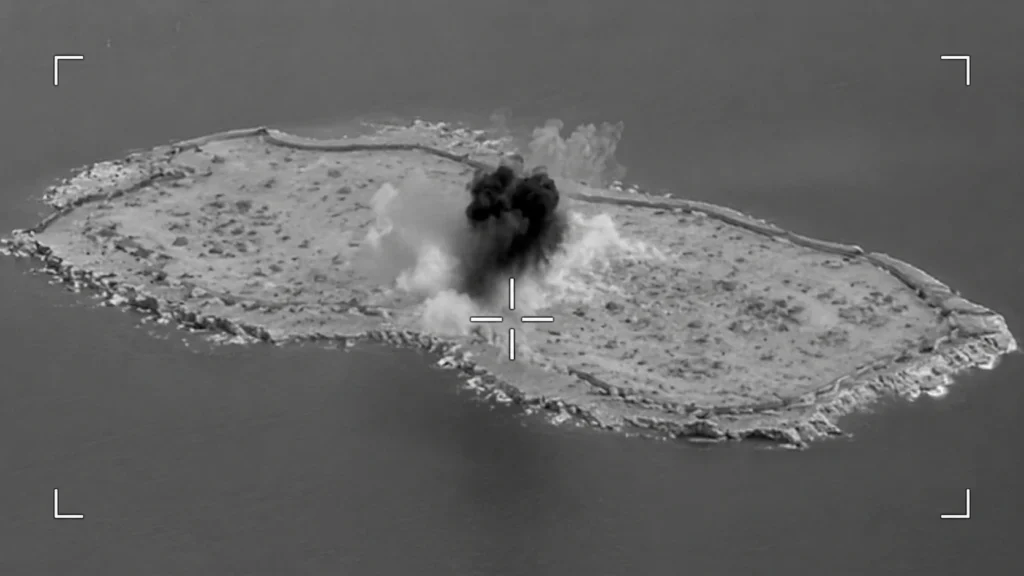
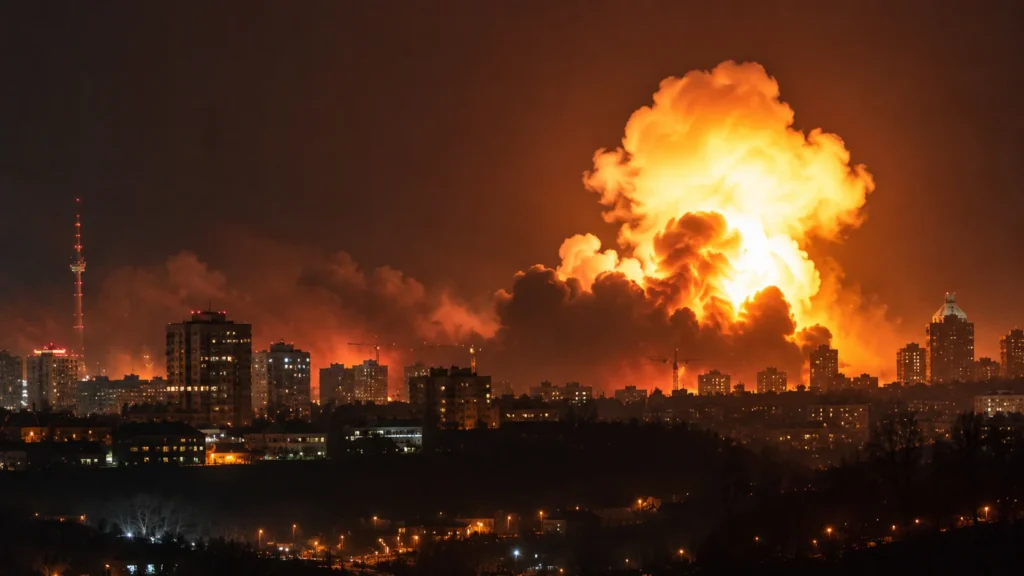
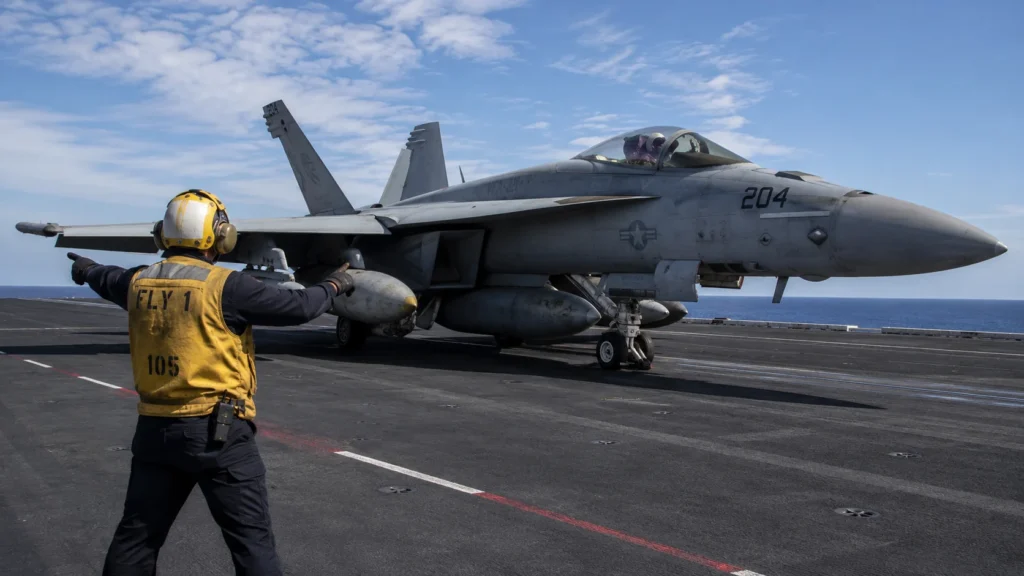
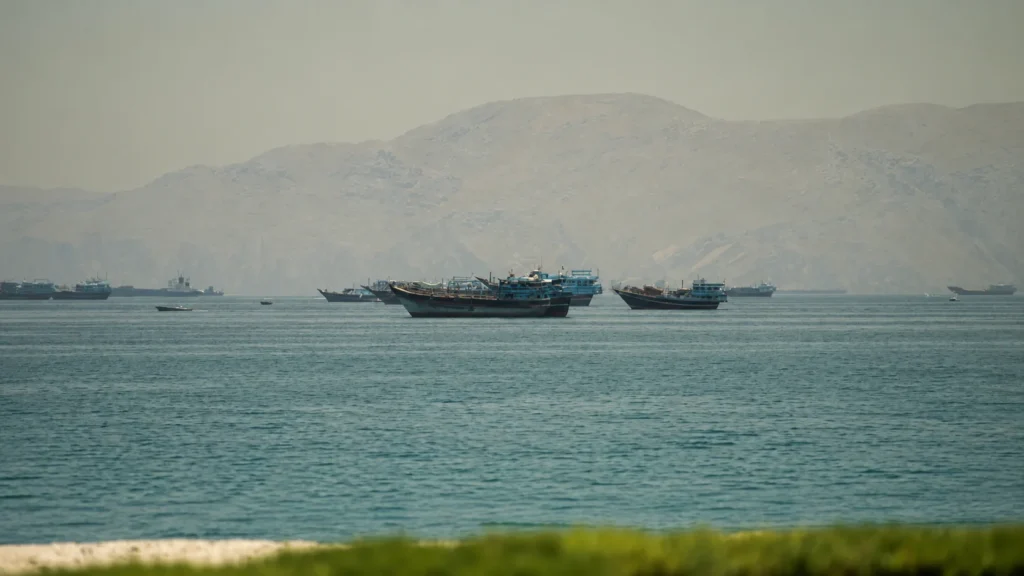
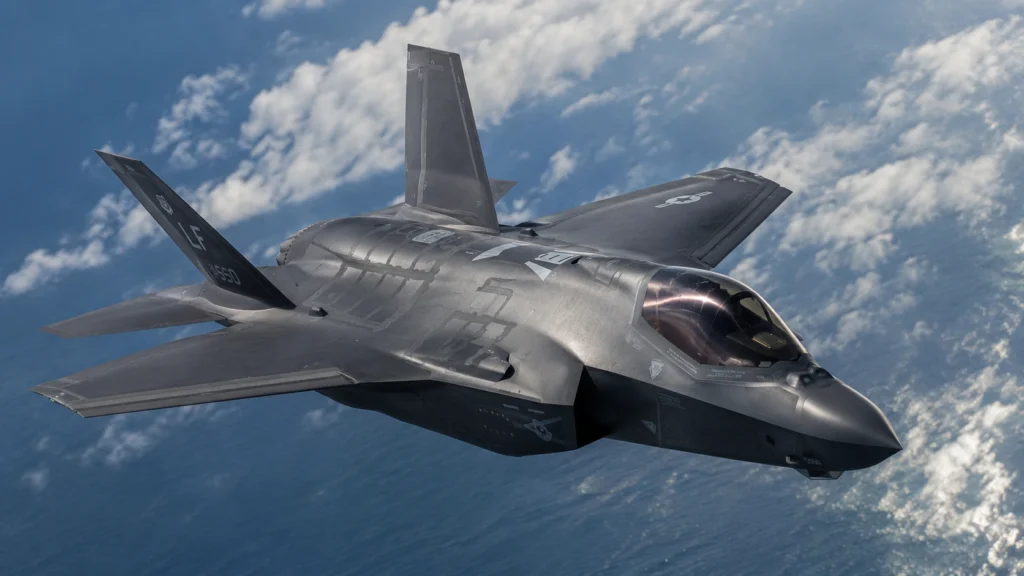
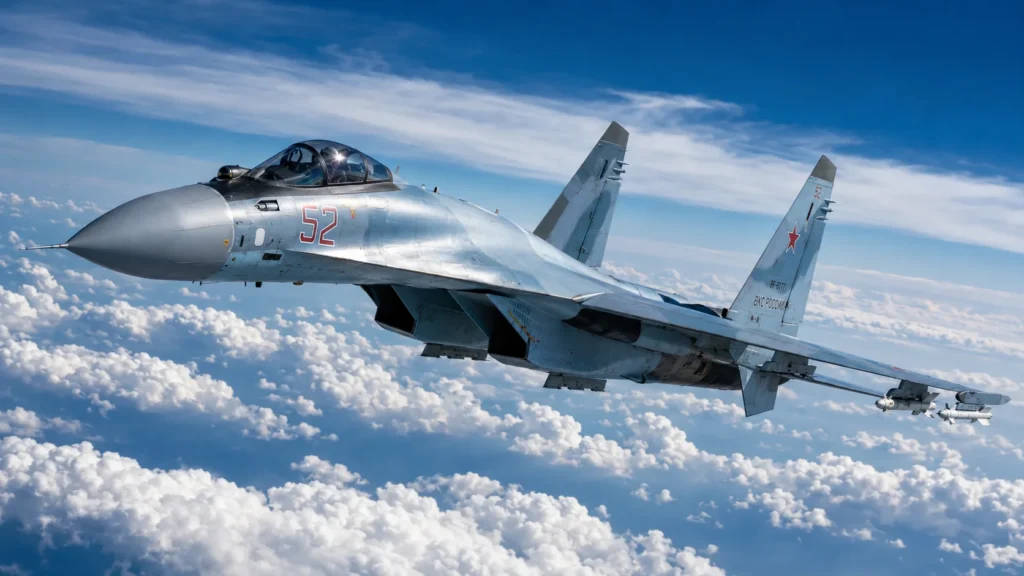
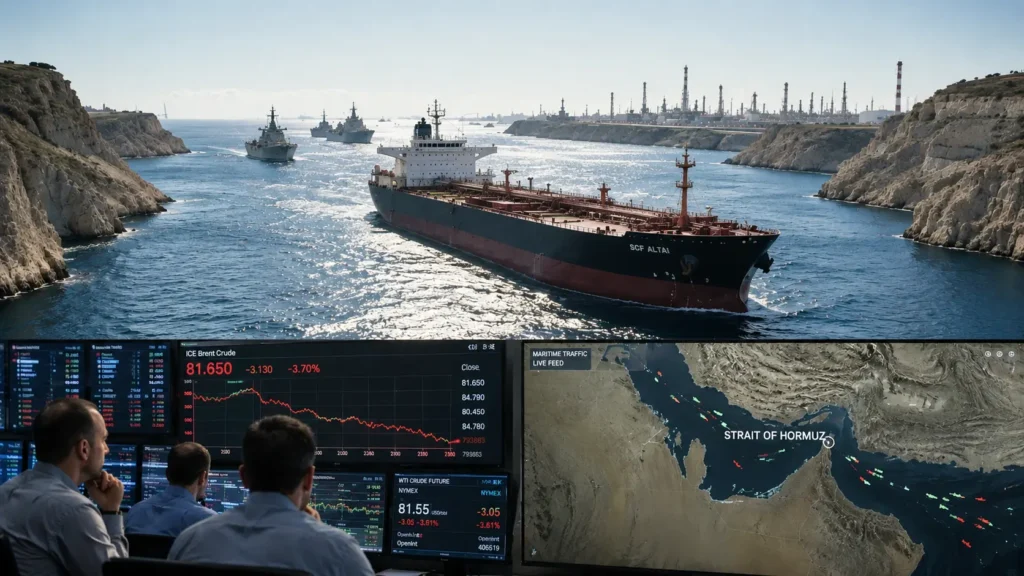
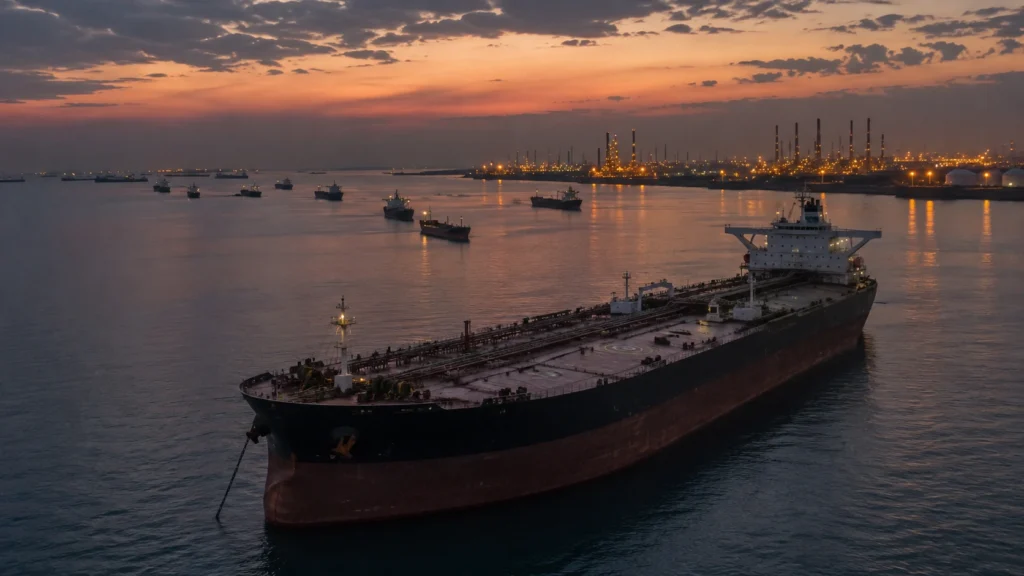
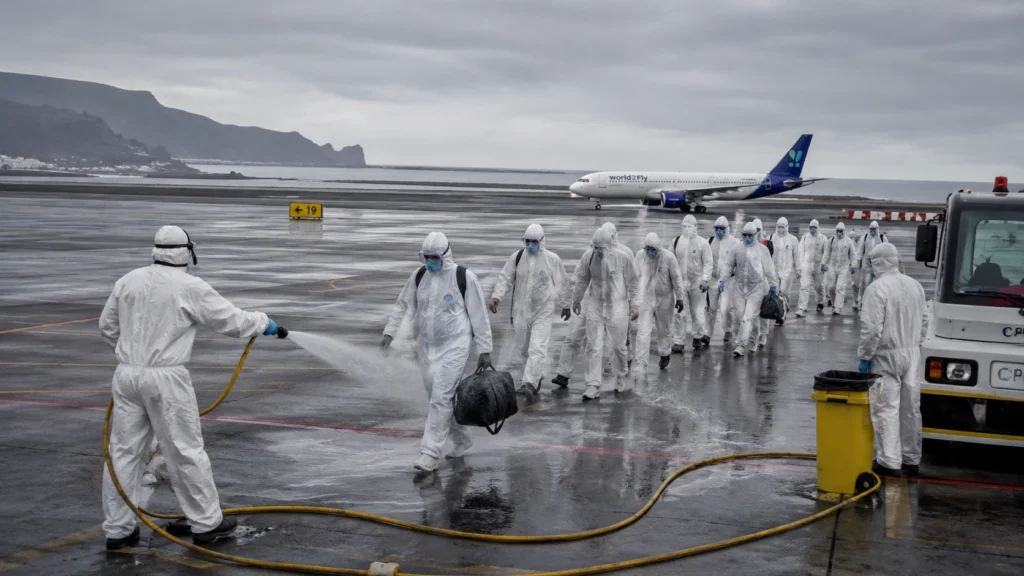
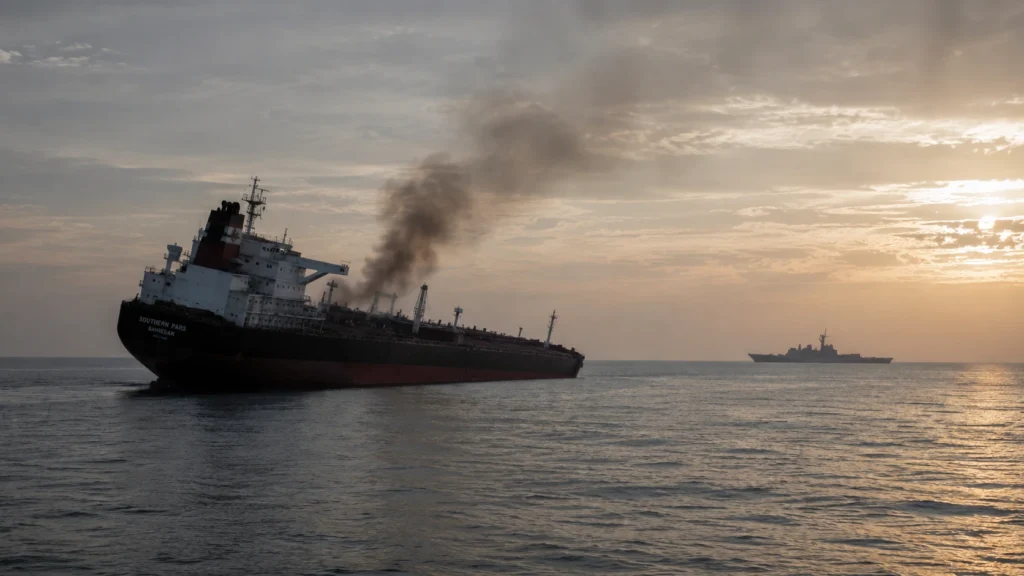
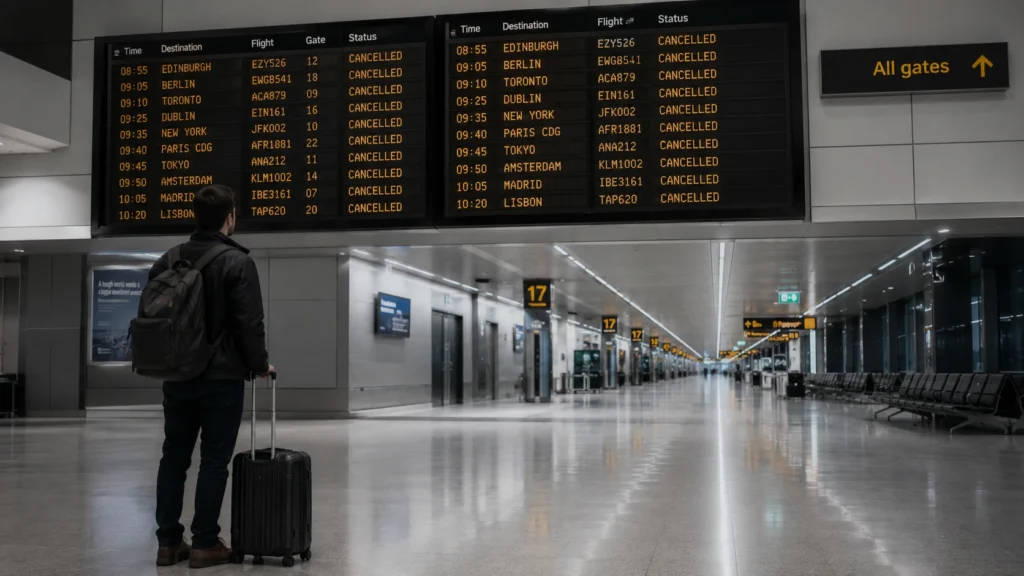
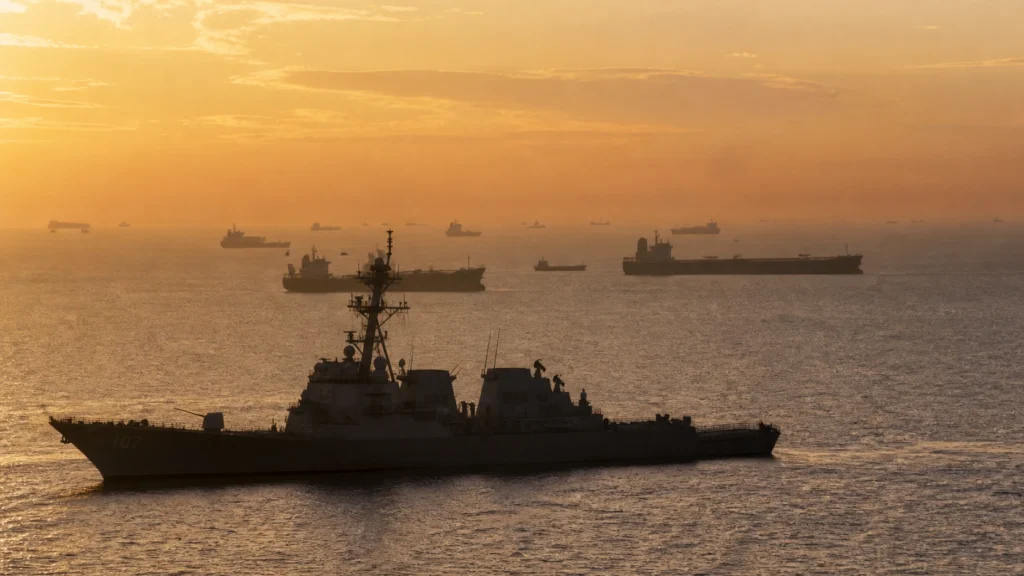
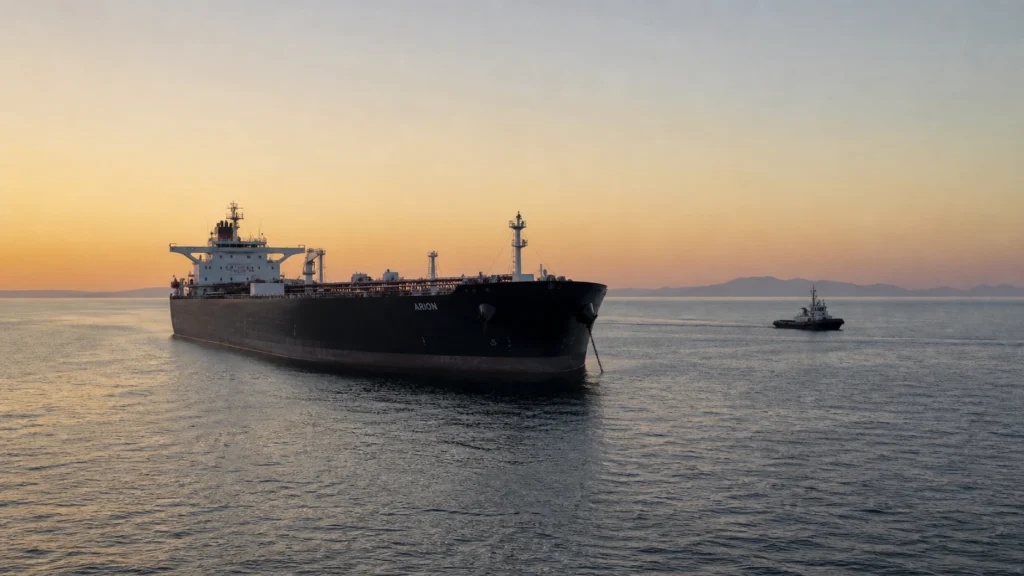
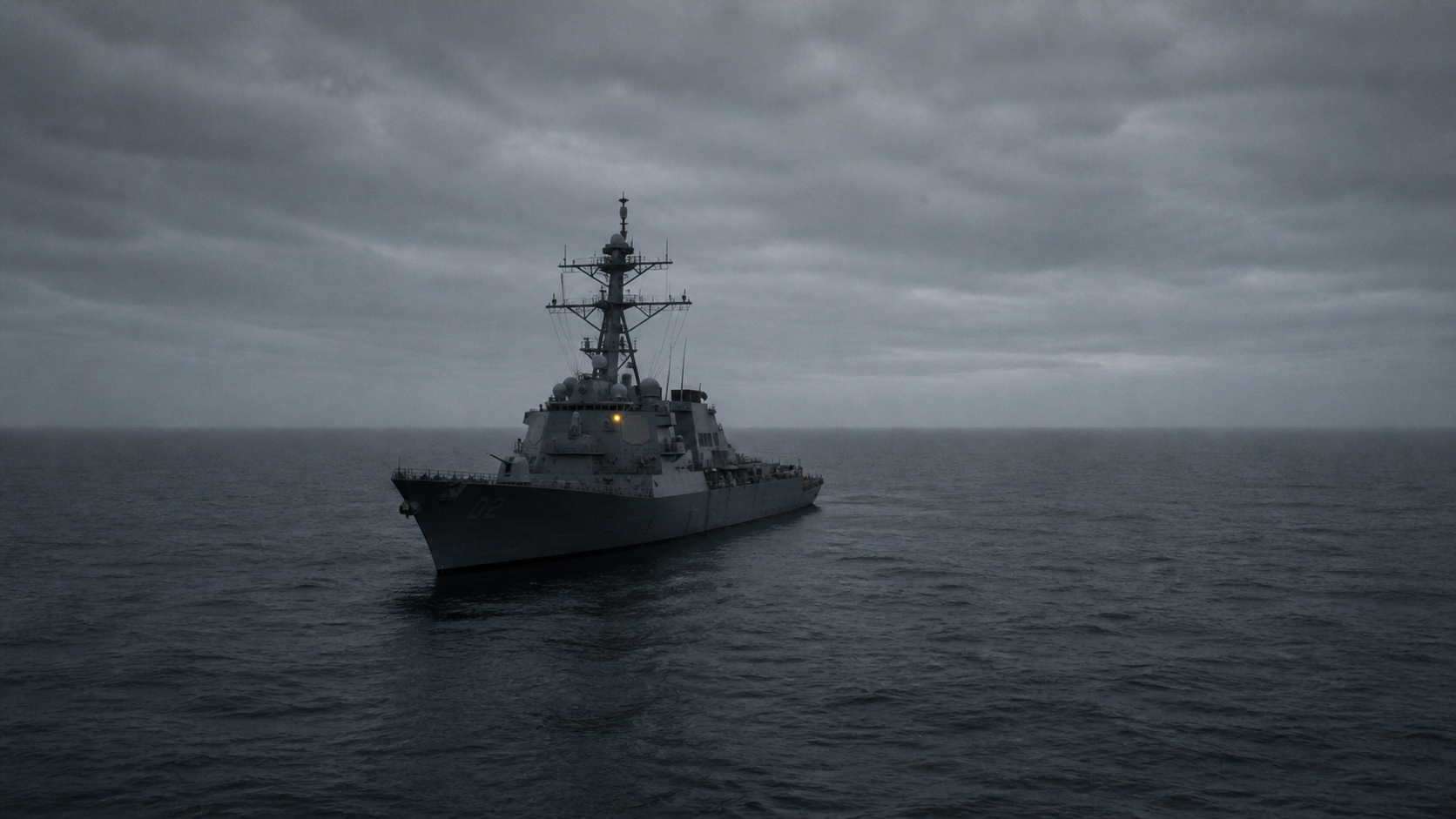
Centcom’s disabling of the M/V Lian Star marks the fifth commercial ship the US military has disabled since the blockade began. More than 100 vessels have also been redirected.
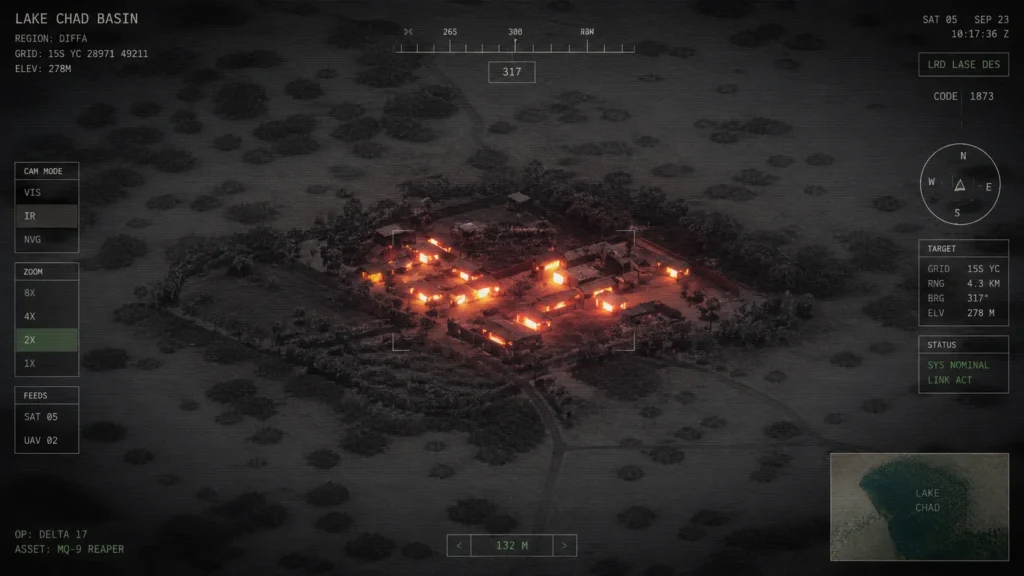
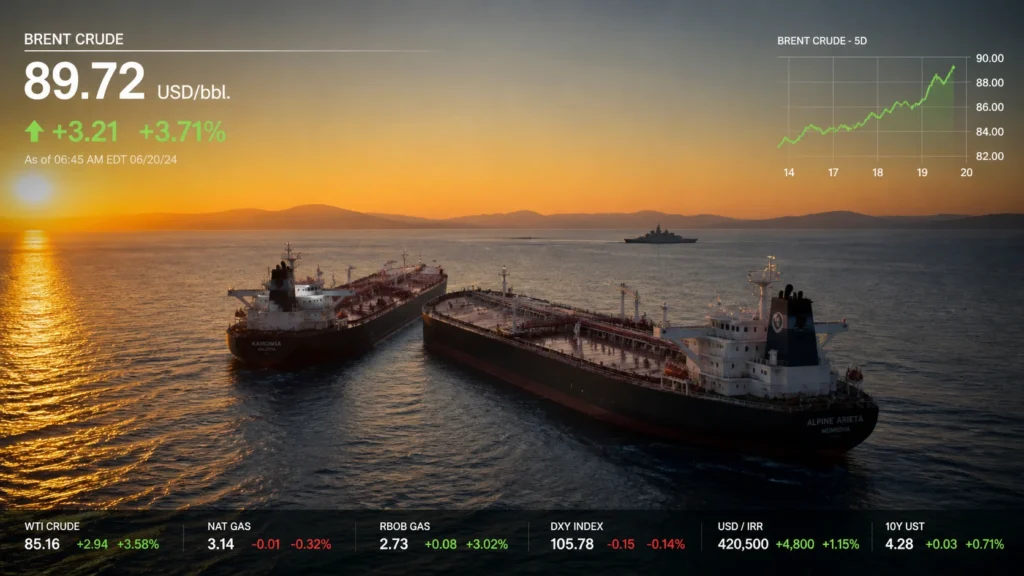
The Gambian-flagged vessel was en route to an Iranian port in the Gulf of Oman when the US military issued “more than 20 warnings” that it was violating the blockade of Iranian ports, Centcom said in a statement posted to social media on Saturday. The US fired a missile into its engine room.
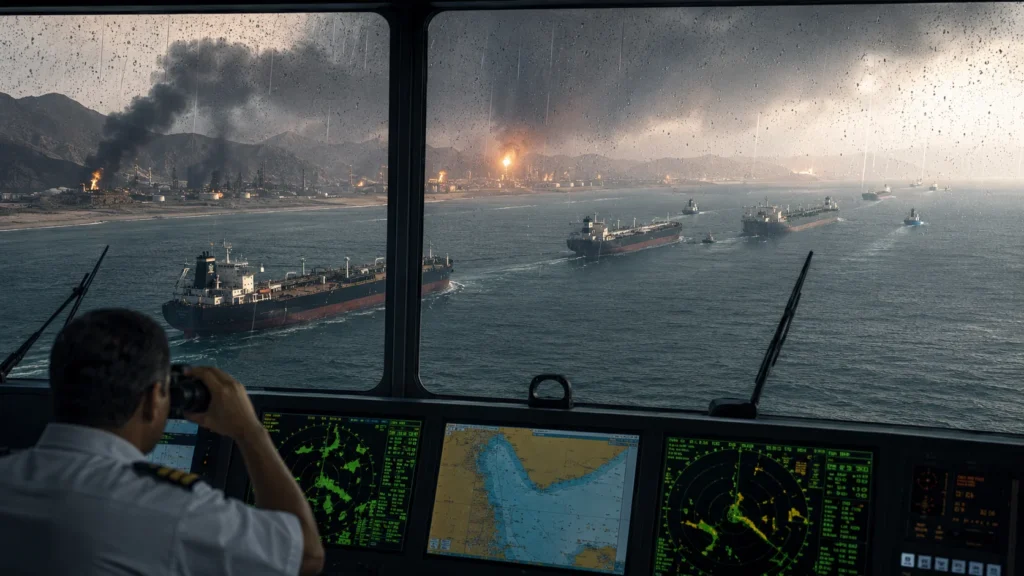
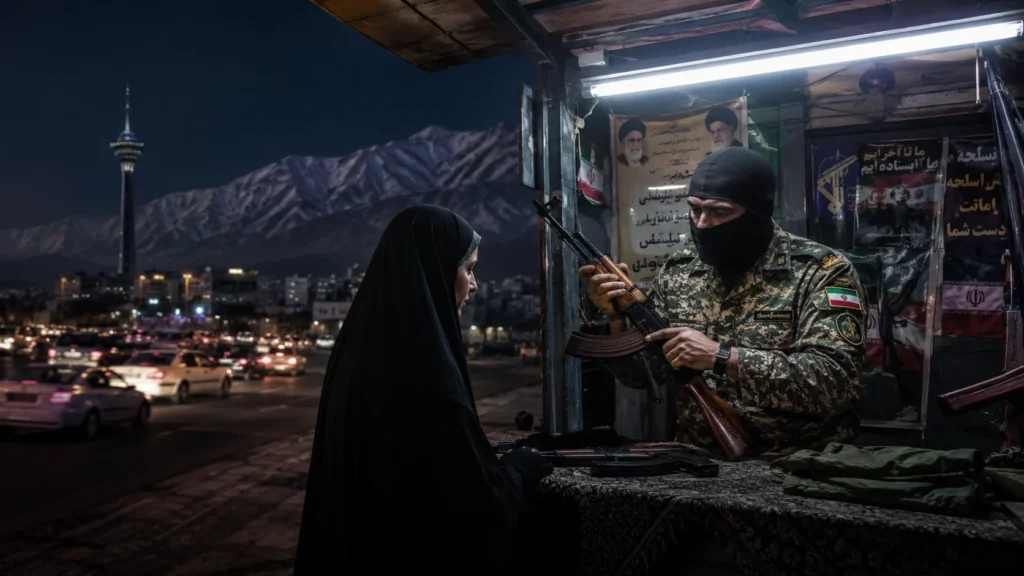
The blockade is the military instrument that underpins the diplomatic track. It is also the instrument that continues to operate while the diplomatic track absorbs the president’s revisions. The ceasefire has been in place since 8 April. The blockade has continued throughout.
The deal that might end it has been sent back with changes. The changes will take days to negotiate. The blockade will continue through those days.
US blockade of Iranian ports — the operational reality behind the diplomatic track
The Congressional Dimension
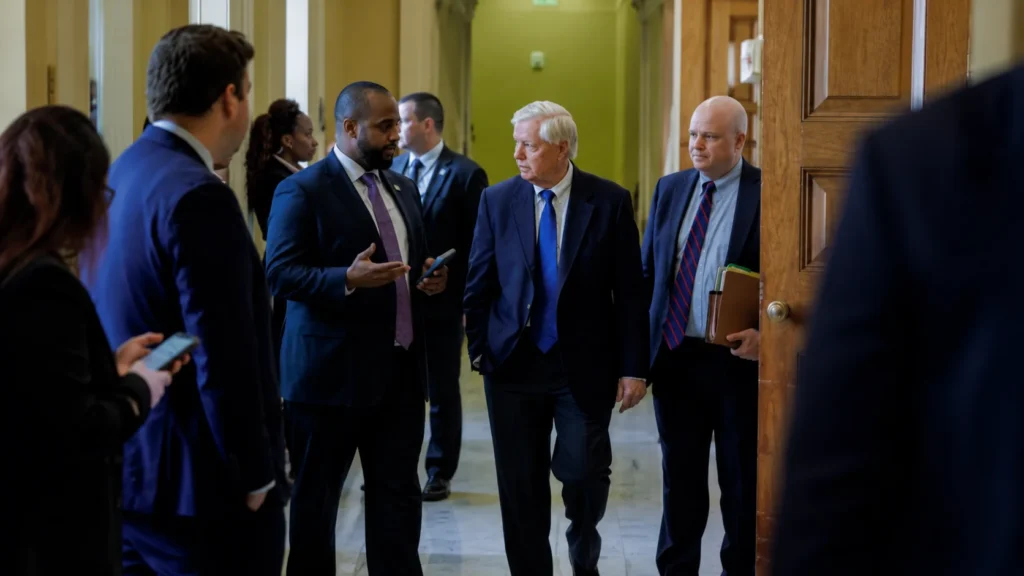
Senator Chris Coons, a Democrat on the Senate Foreign Affairs Committee, appeared on Fox News Sunday to assess a deal he has not seen. “While we can use our technological superiority to bomb big factories in Iran, we’re not going to be able to stop them from having the power to use their mines to close the Strait of Hormuz and their drones to attack us and our allies,” Coons said.
“We’re going to need a tough deal to actually address this new capability that Iran has demonstrated in this war,” he added Fox News Sunday interview with Chris Coons, 31 May 2026.
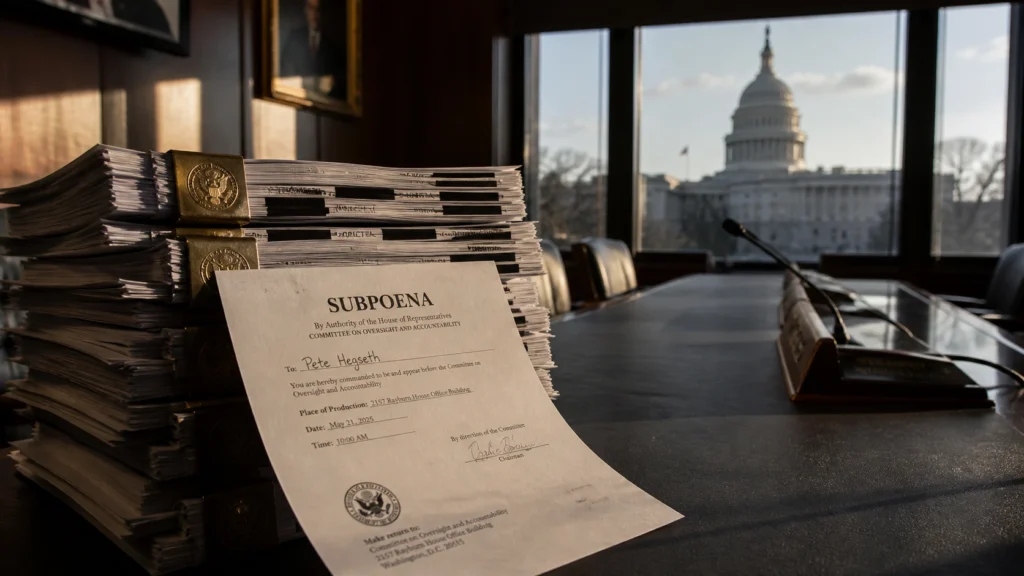
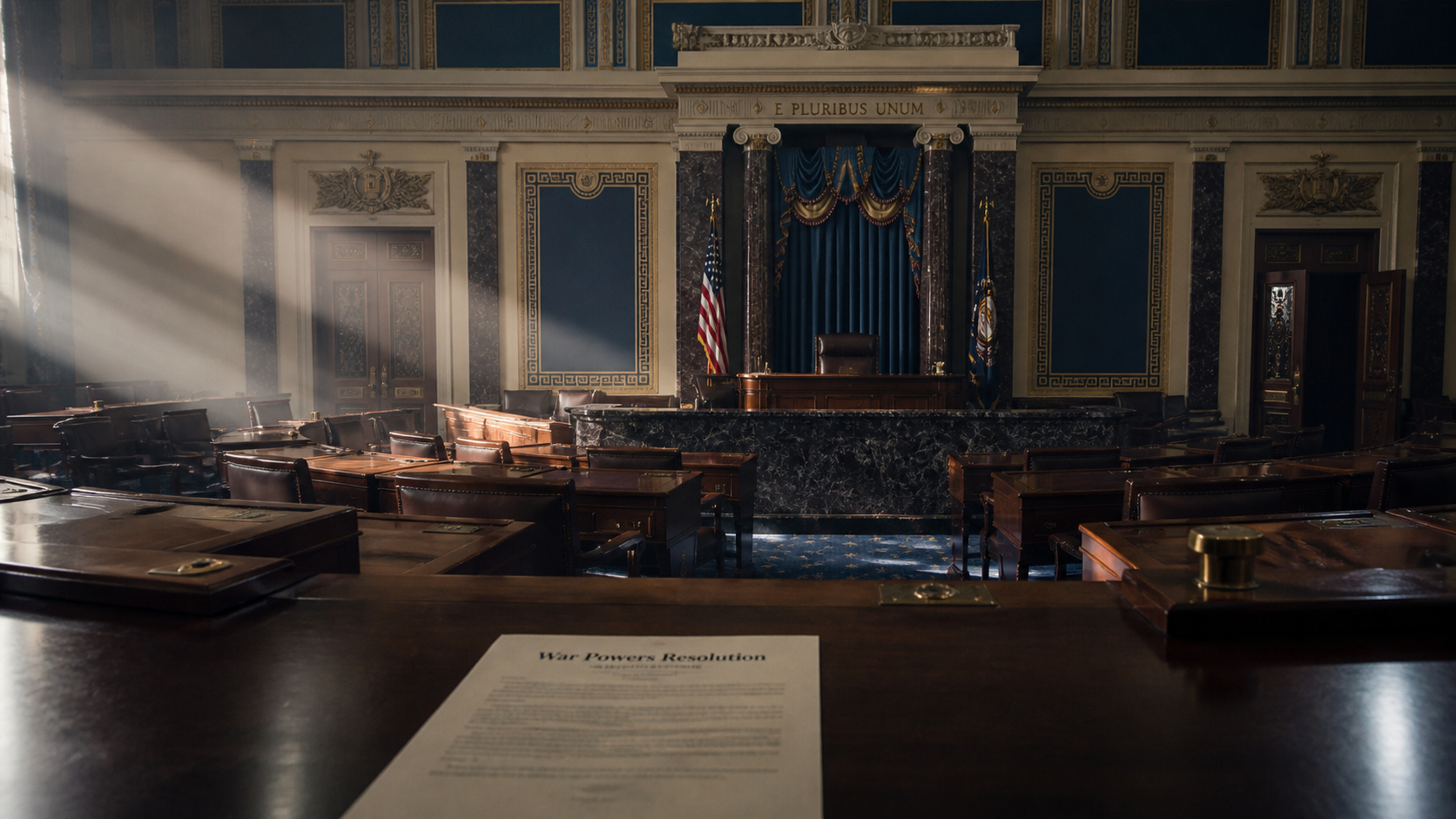
Coons was analysing the limits of military power in a conflict whose diplomatic resolution is being drafted, revised, and negotiated entirely within the executive branch. The Senate Foreign Relations Committee has not seen the text. The House has not debated the terms. The president is editing the text of a peace agreement while his military disables commercial shipping. The legislature is watching.
FAQ: Trump Iran Deal Changes 2026
What changes did Trump request to the Iran deal?
Trump requested tougher language on Iran’s nuclear commitments, harder terms on the Strait of Hormuz reopening, and new limits on financial relief. The exact changes have not been disclosed.
What is Iran’s position?
Iran says no agreement will be approved until Tehran’s “rights” are secured. Iran insists on sanctions relief, frozen assets, sovereignty over the Strait, and no discussion of its nuclear programme.
How many ships has the US disabled?
The US has disabled five commercial ships since the blockade began. More than 100 vessels have been redirected. The latest was the Gambian-flagged M/V Lian Star, disabled after more than 20 warnings.
When was the deal expected to be finalised?
Trump declared the deal “largely finalized” a week ago. The Situation Room meeting on Friday was expected to produce a “final determination,” but instead produced a markup with changes.
Is Congress involved in the deal?
The Senate Foreign Relations Committee has not seen the text. The deal is being negotiated entirely within the executive branch. Senator Chris Coons assessed the reported terms on television without having been shown the document.
Written by the Washington Bureau, drawing on White House officials, Axios and New York Times reporting, US Central Command statements, Tasnim News Agency reports, and Fox News Sunday interviews. The bureau has covered the US-Iran conflict and the diplomatic negotiations since the 28 February airstrikes.
Source: White House, Axios, New York Times, US Central Command, Tasnim News Agency